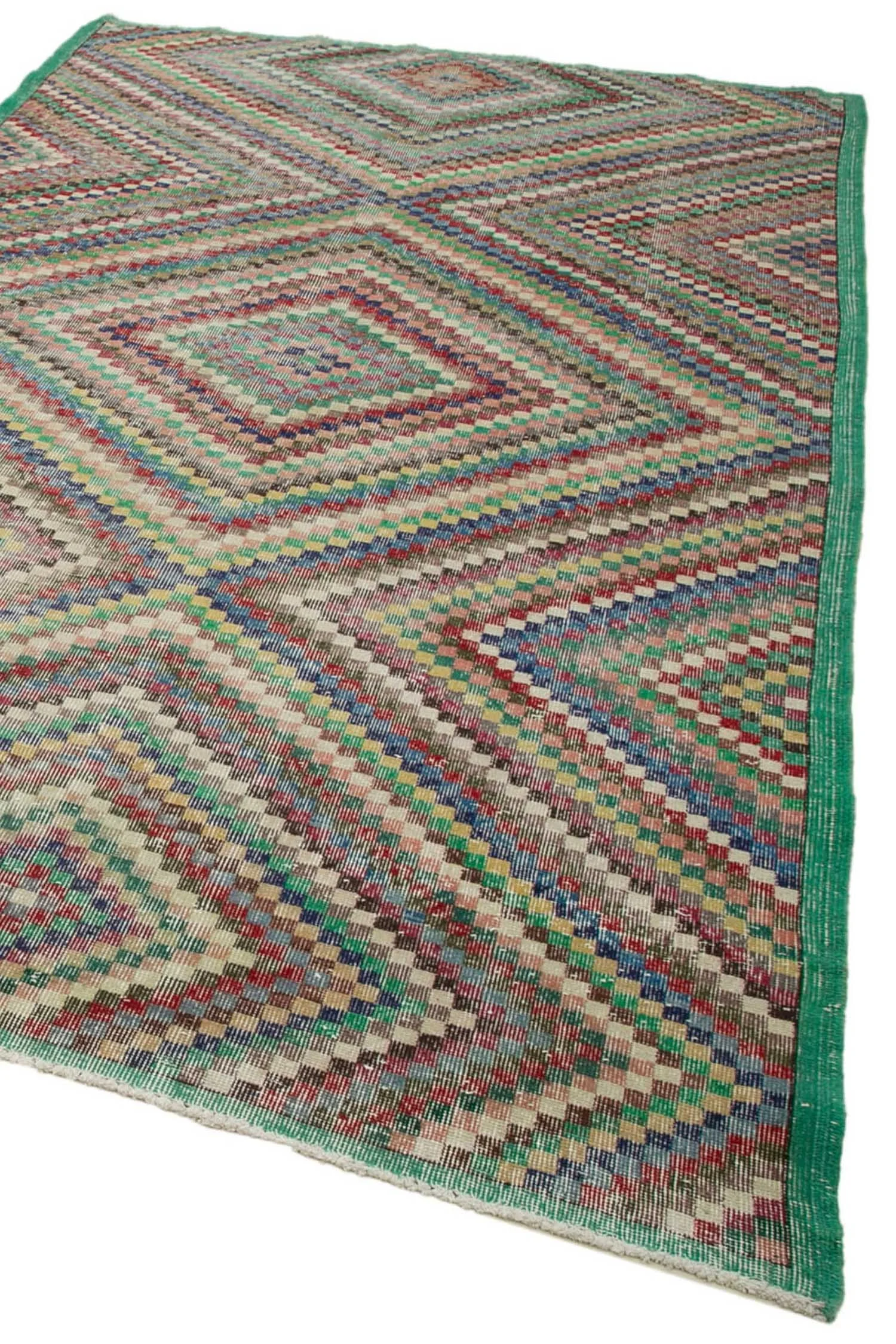
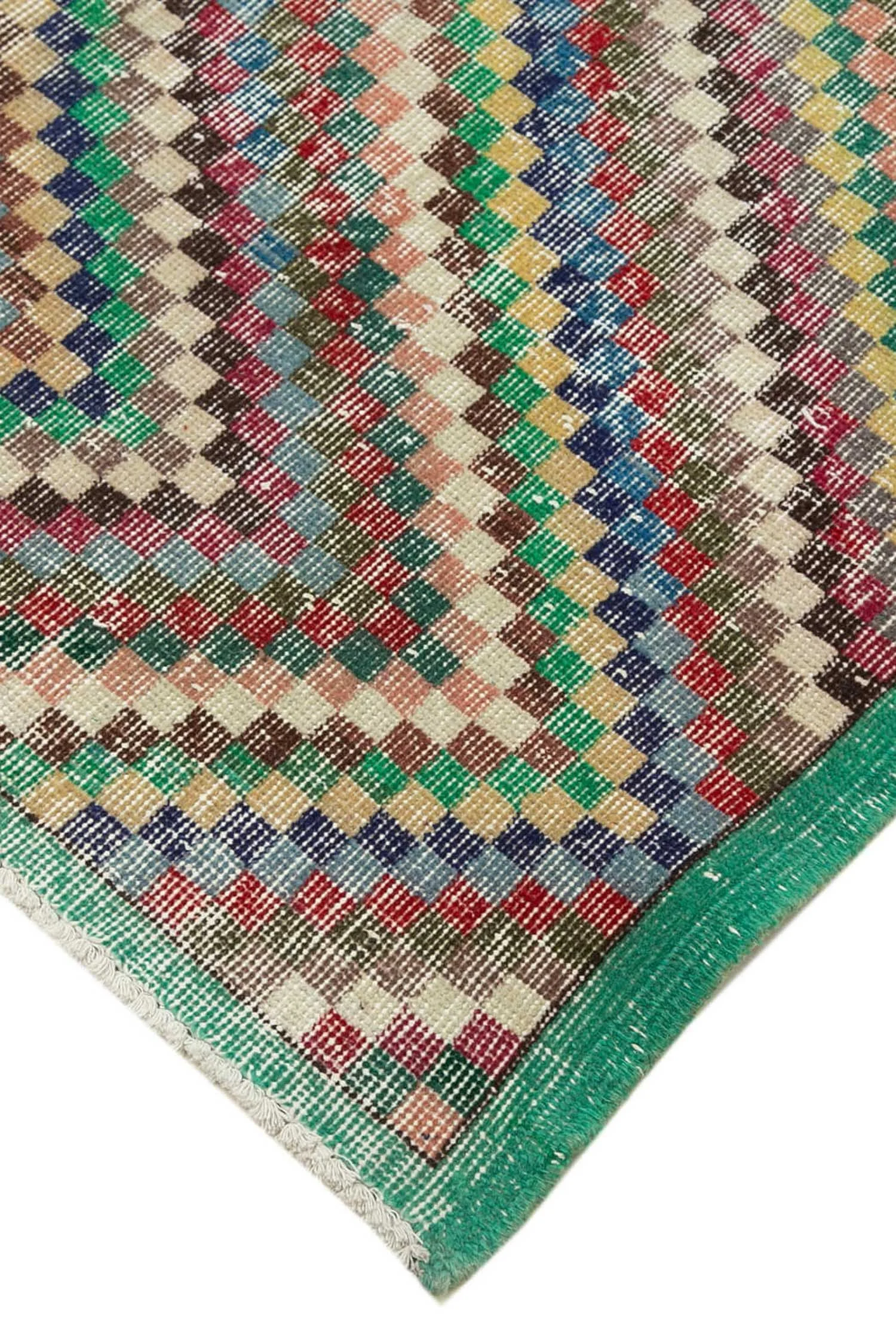
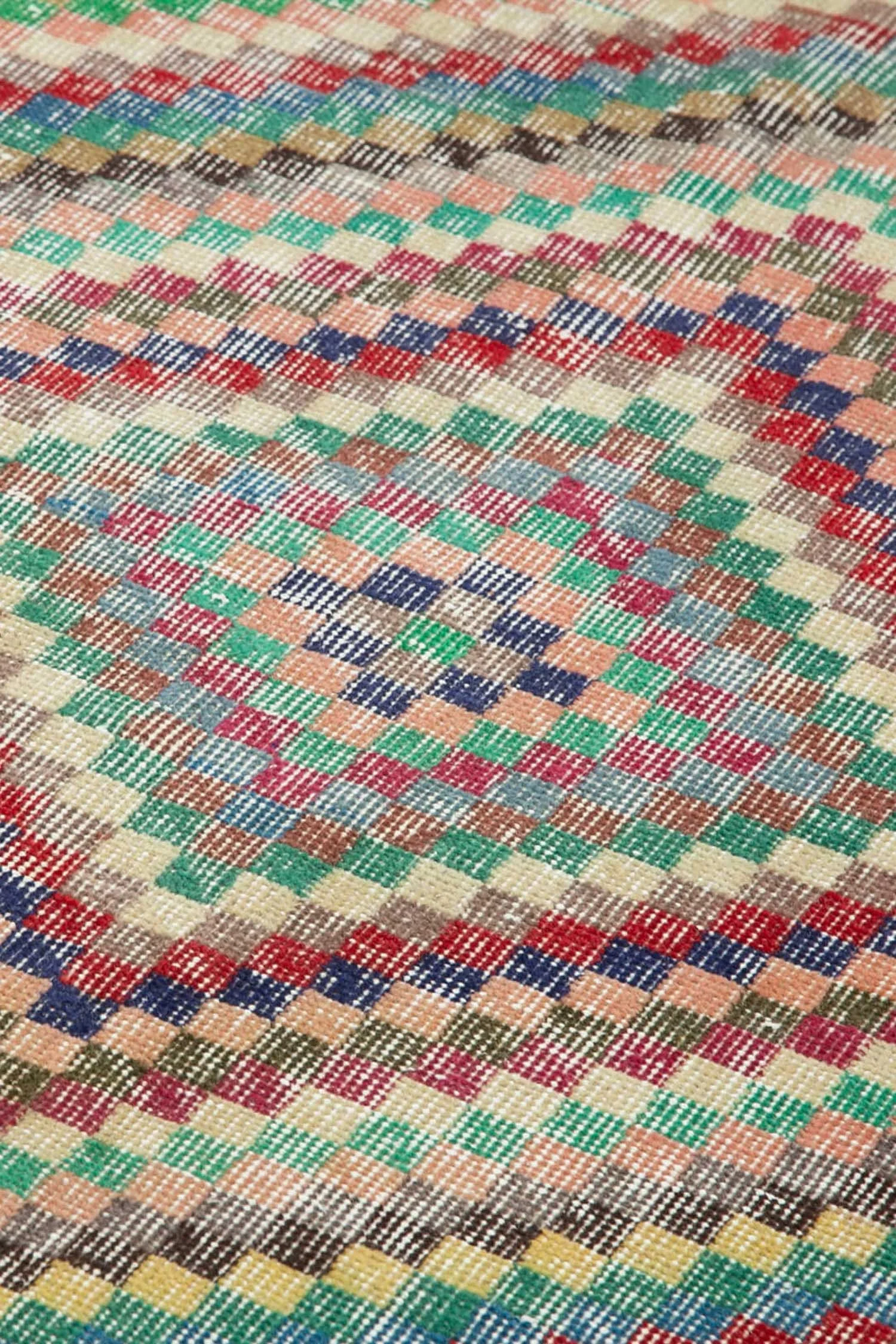
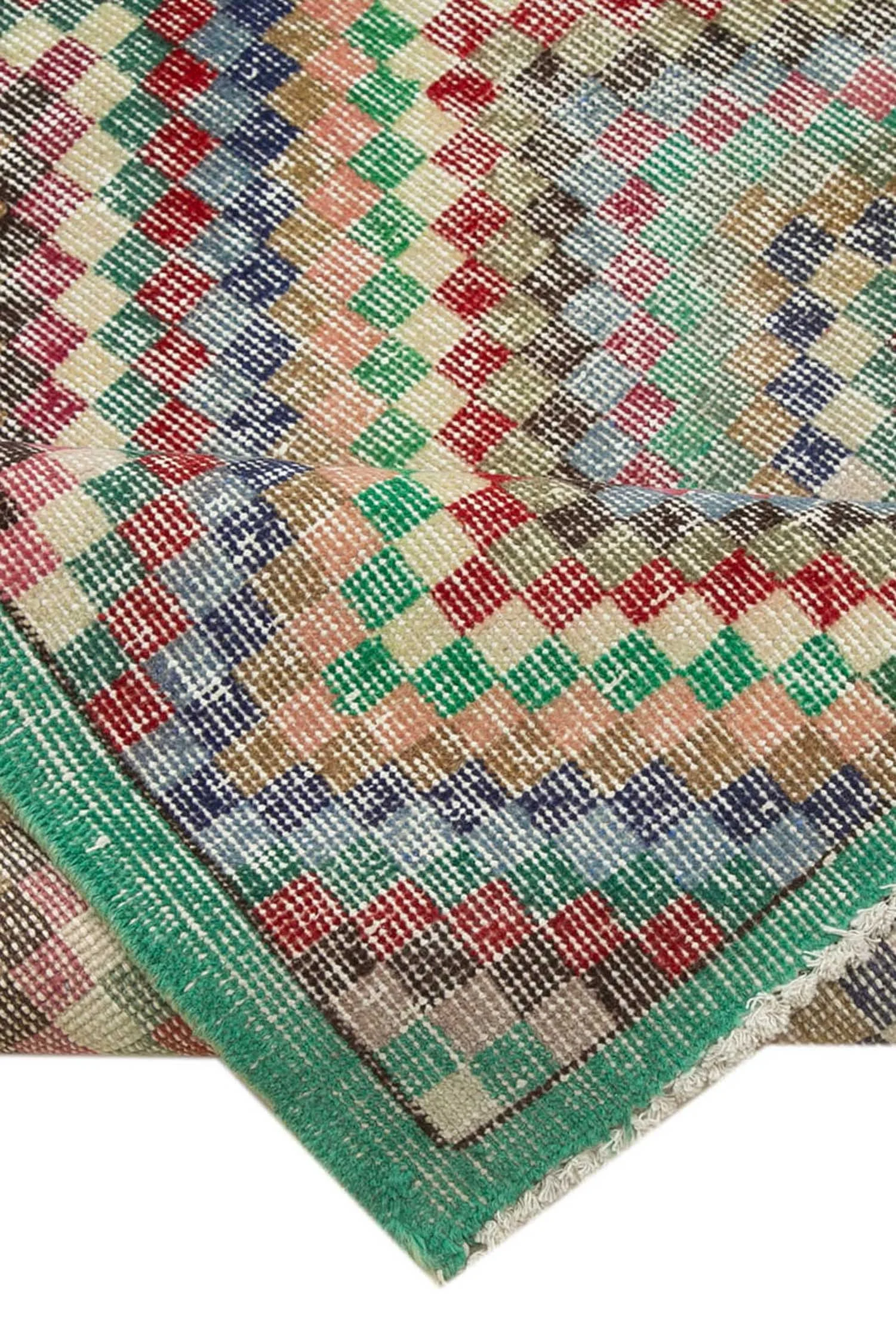
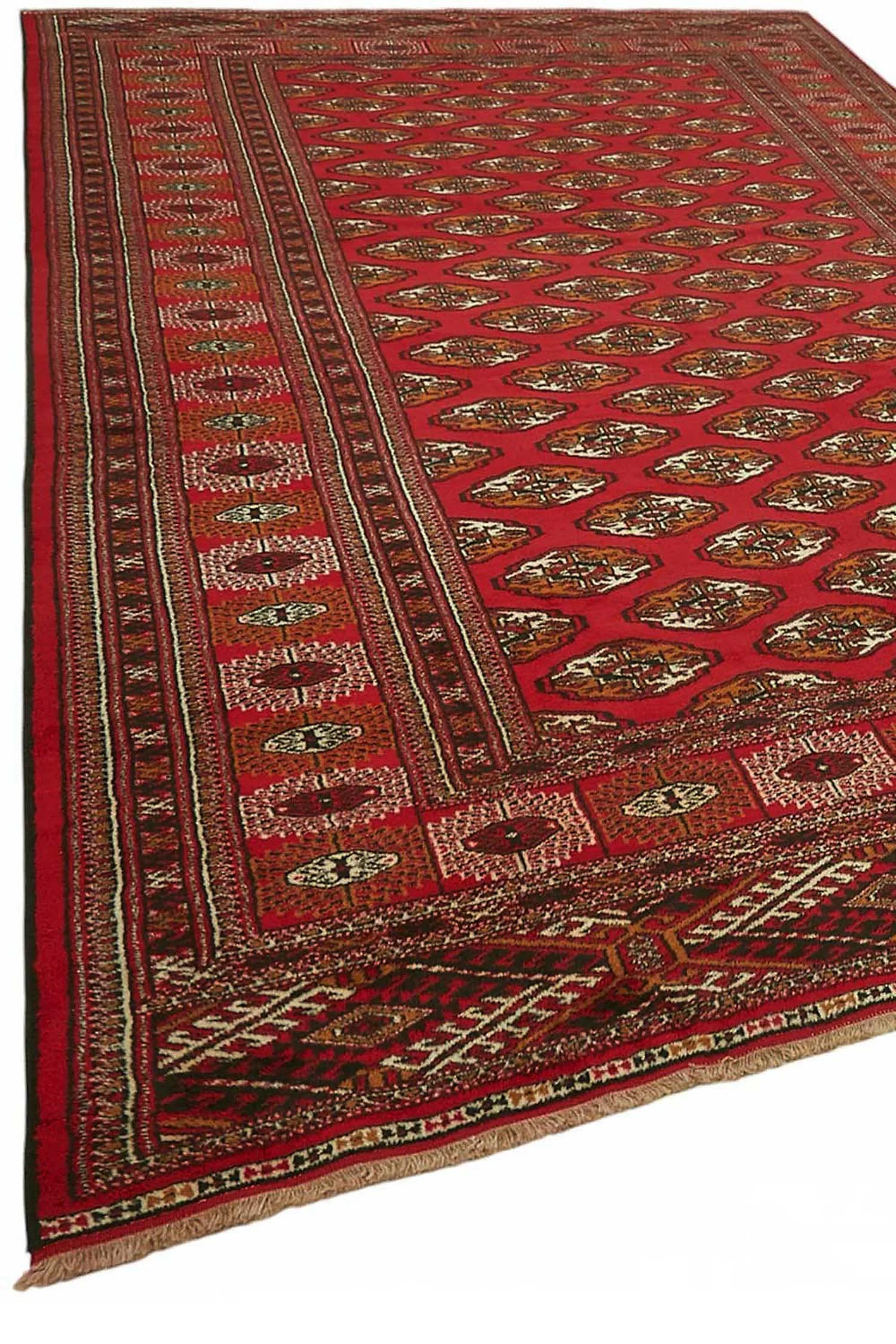
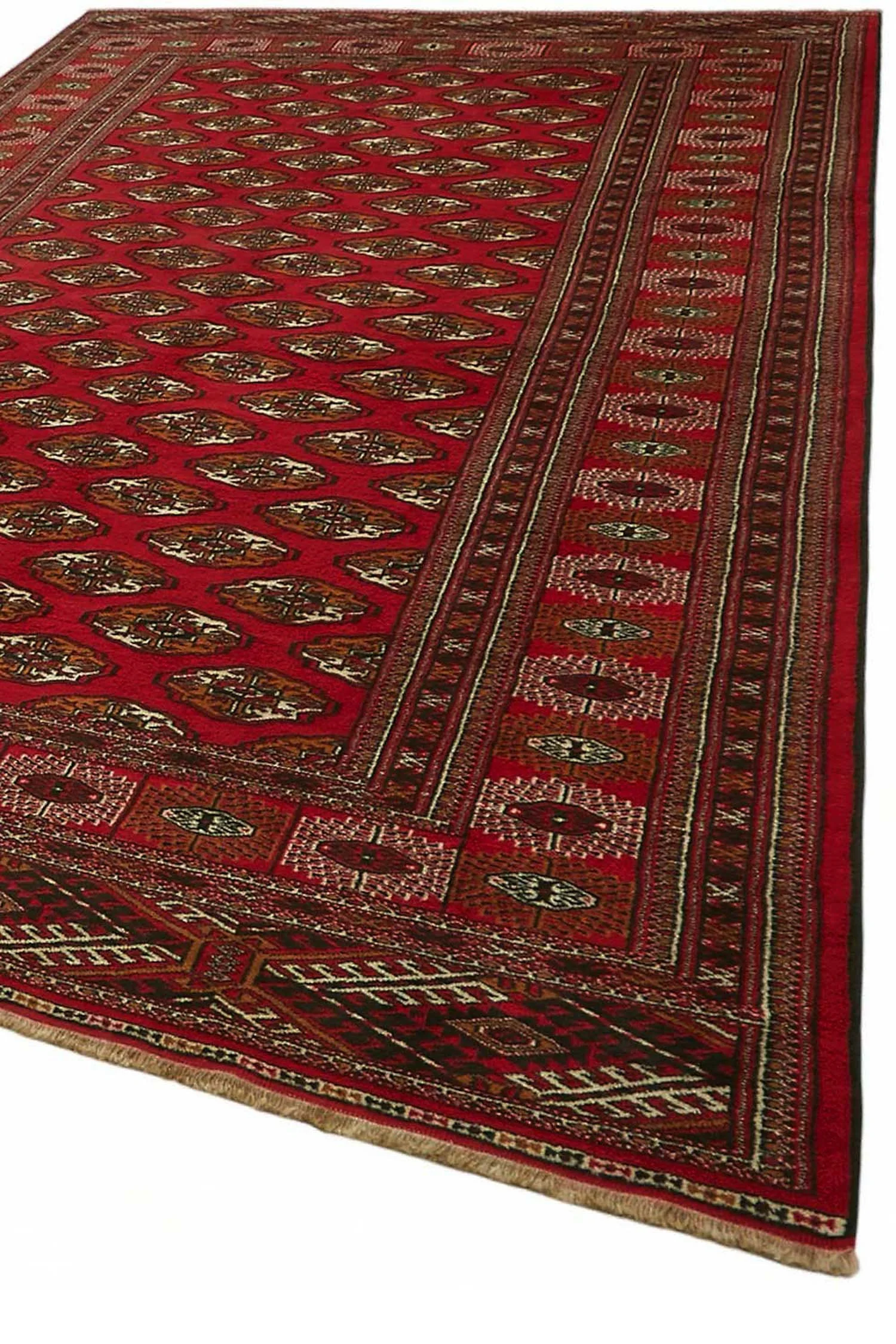
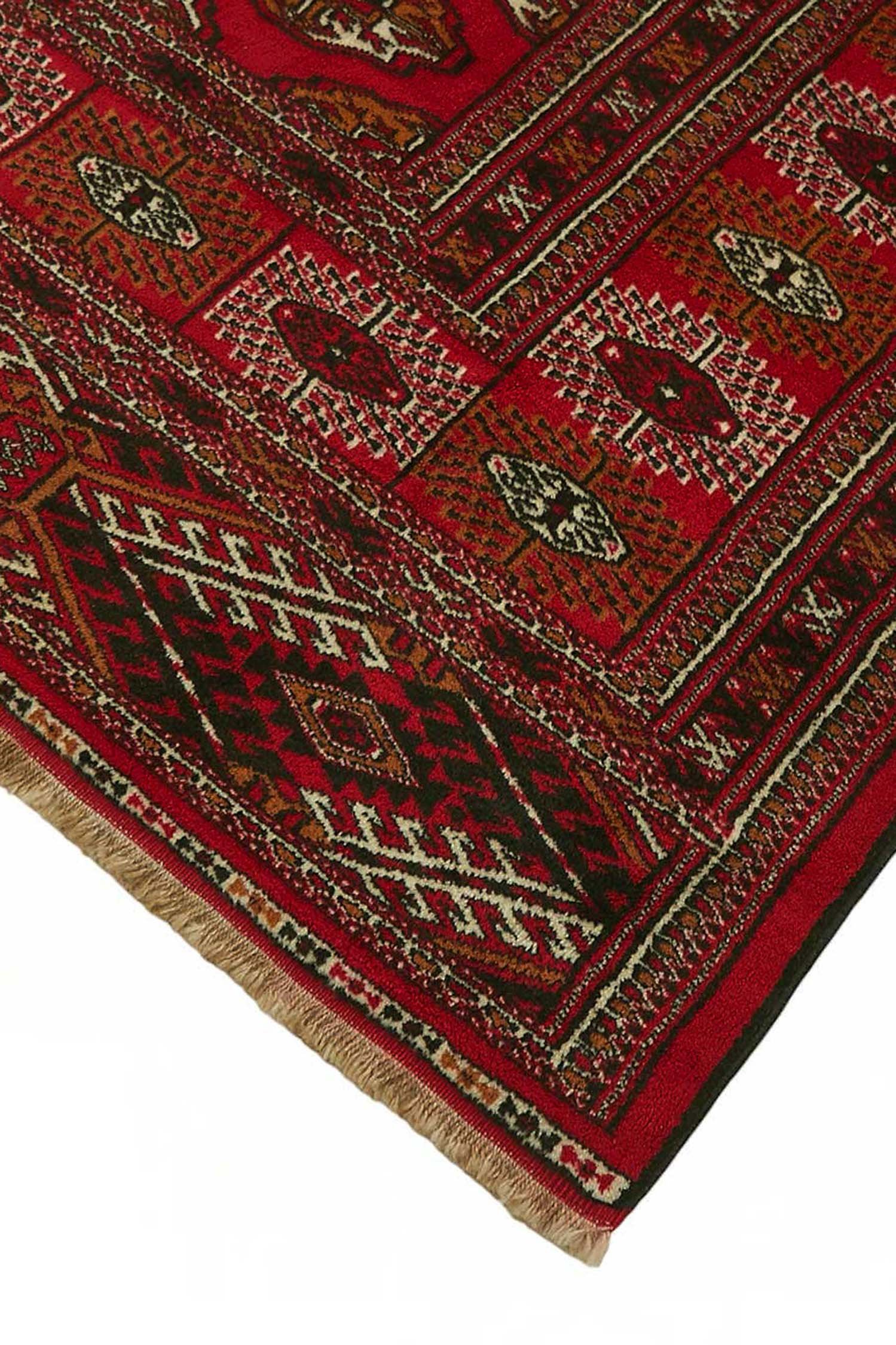
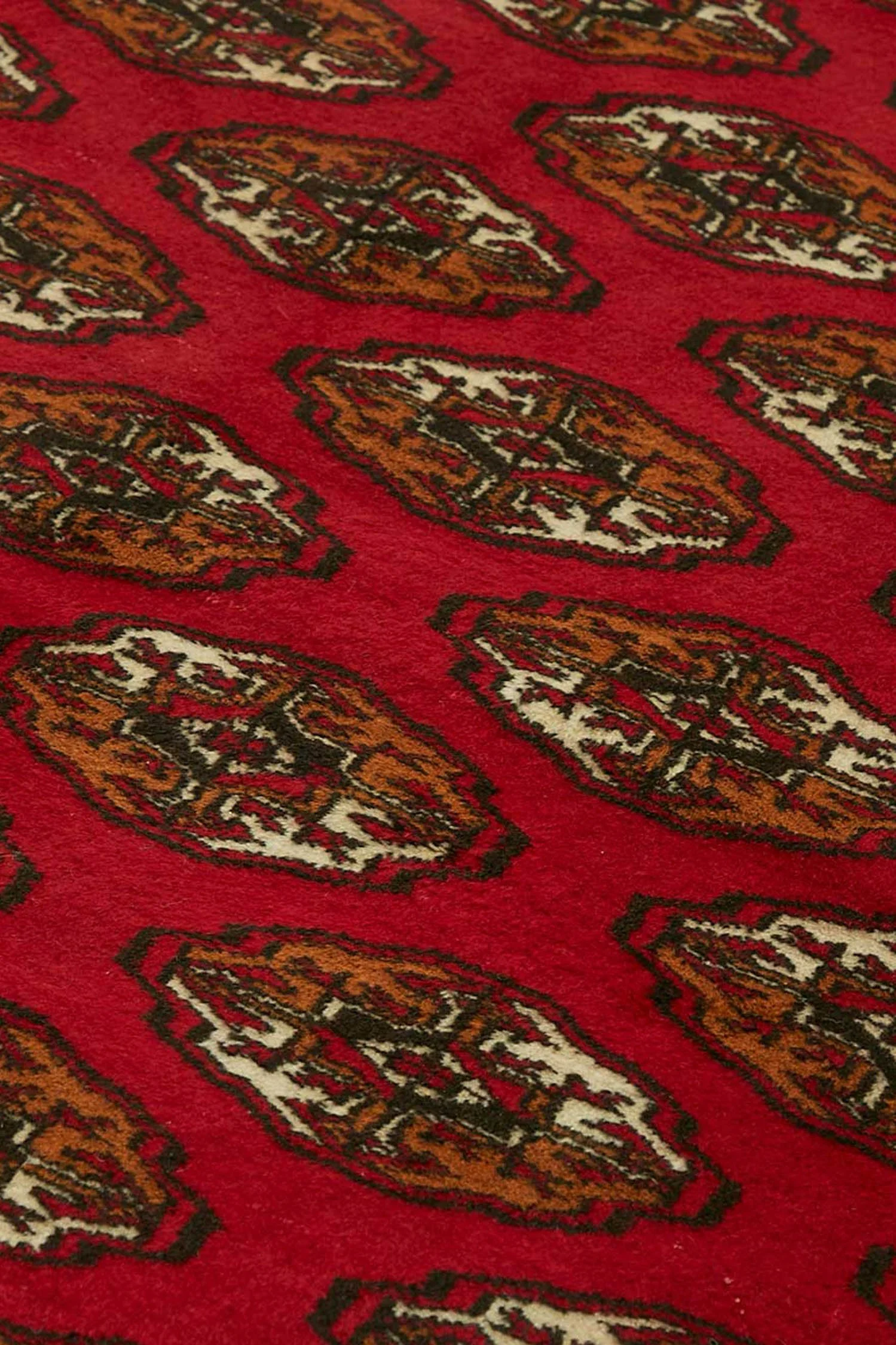
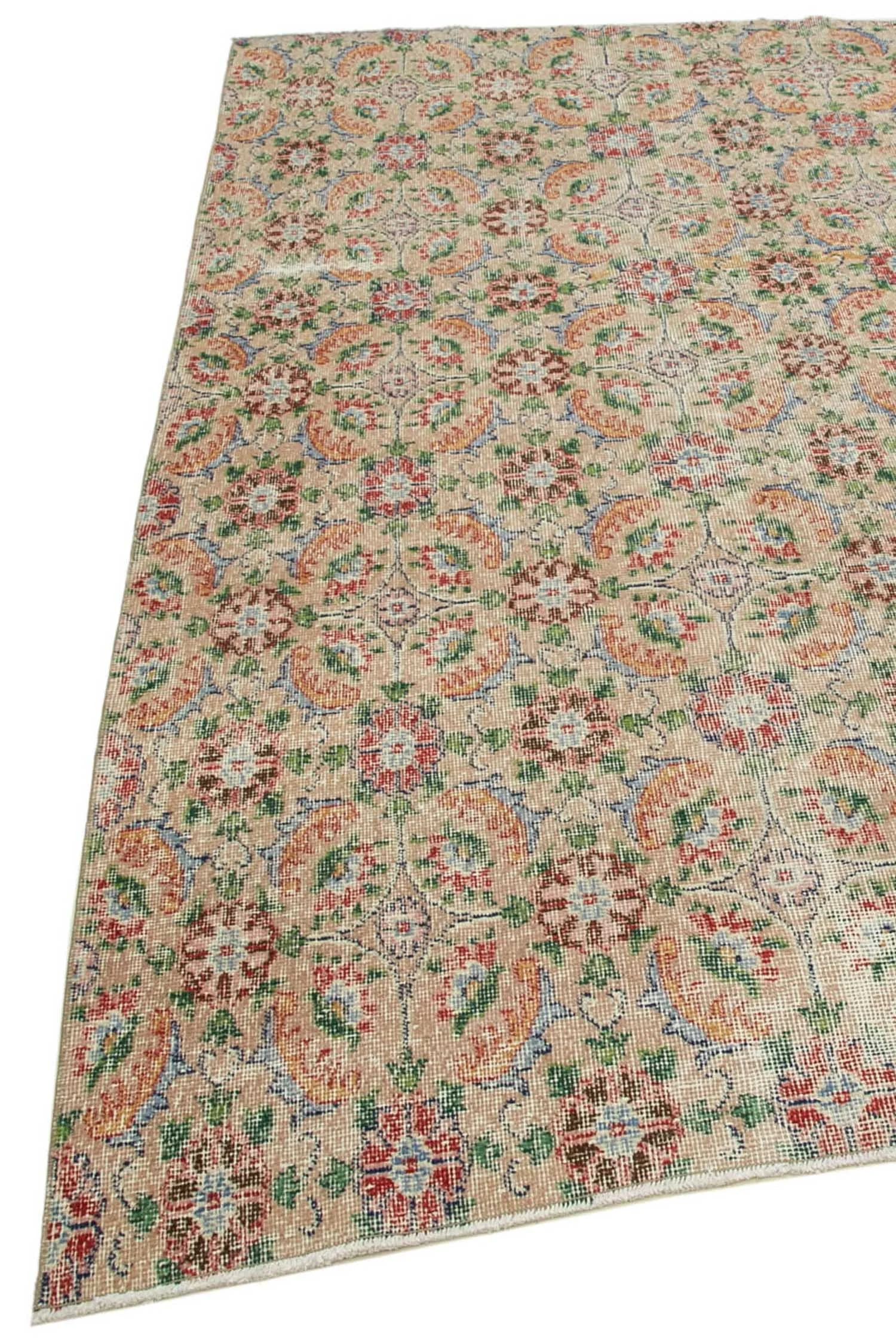
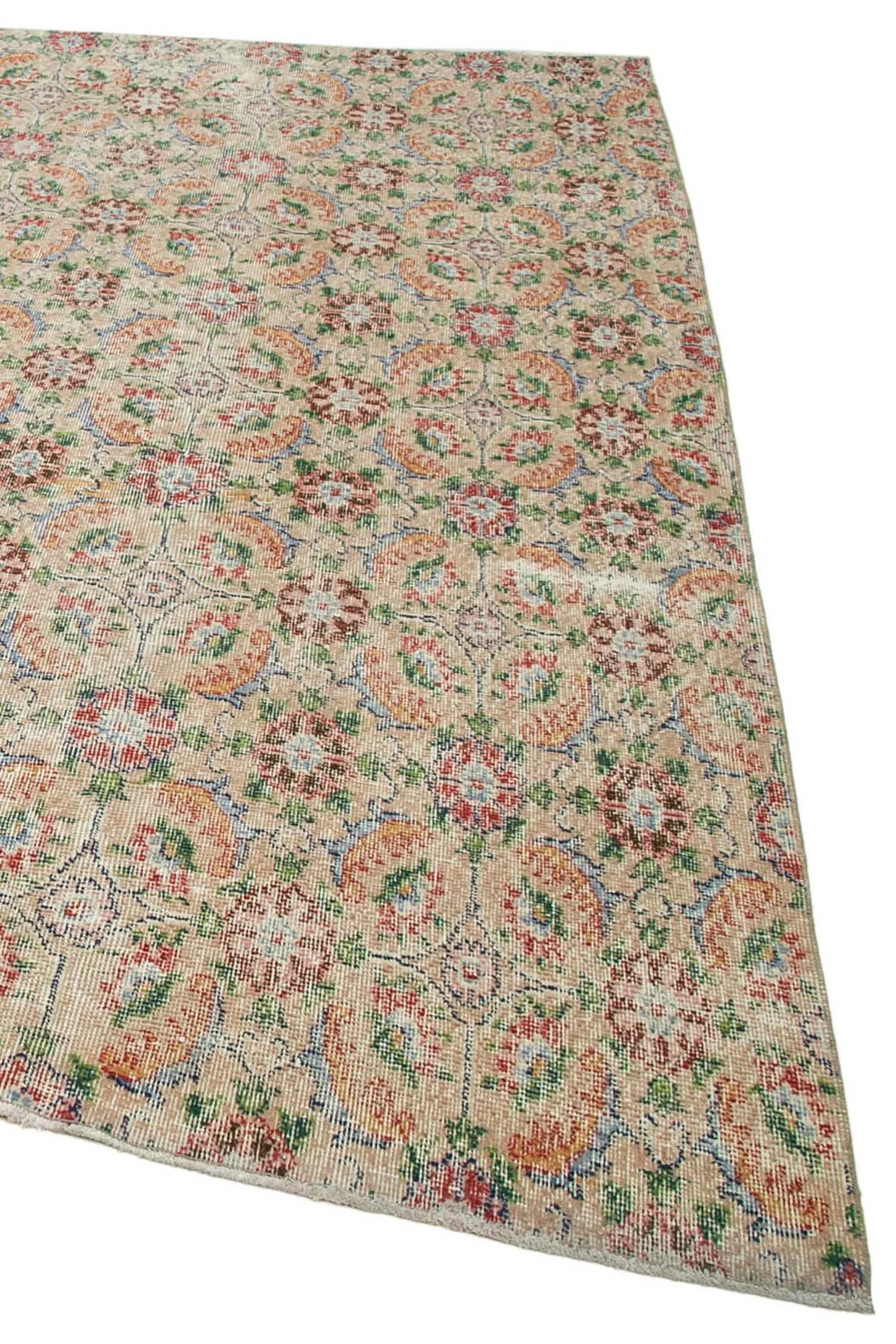
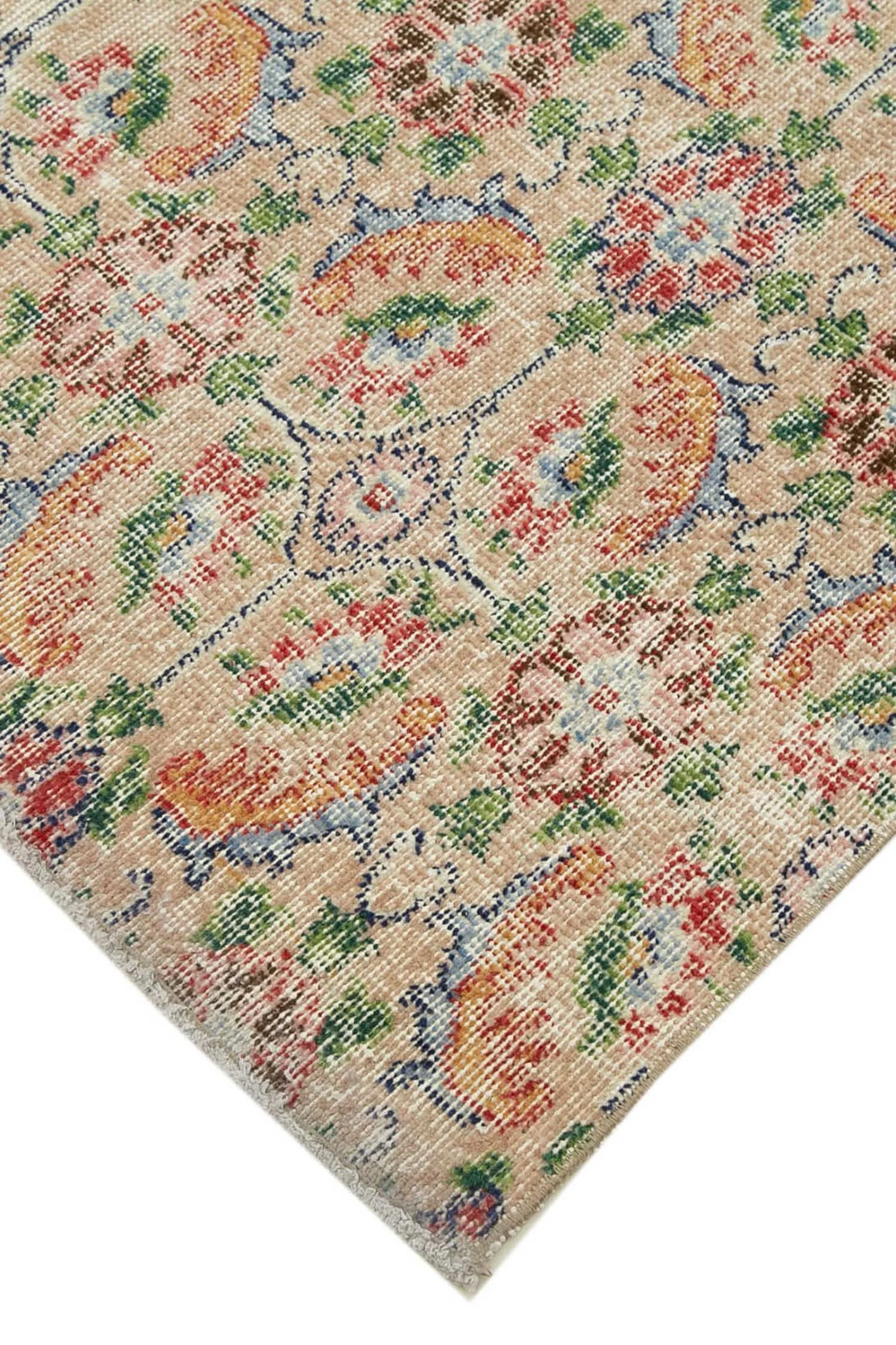
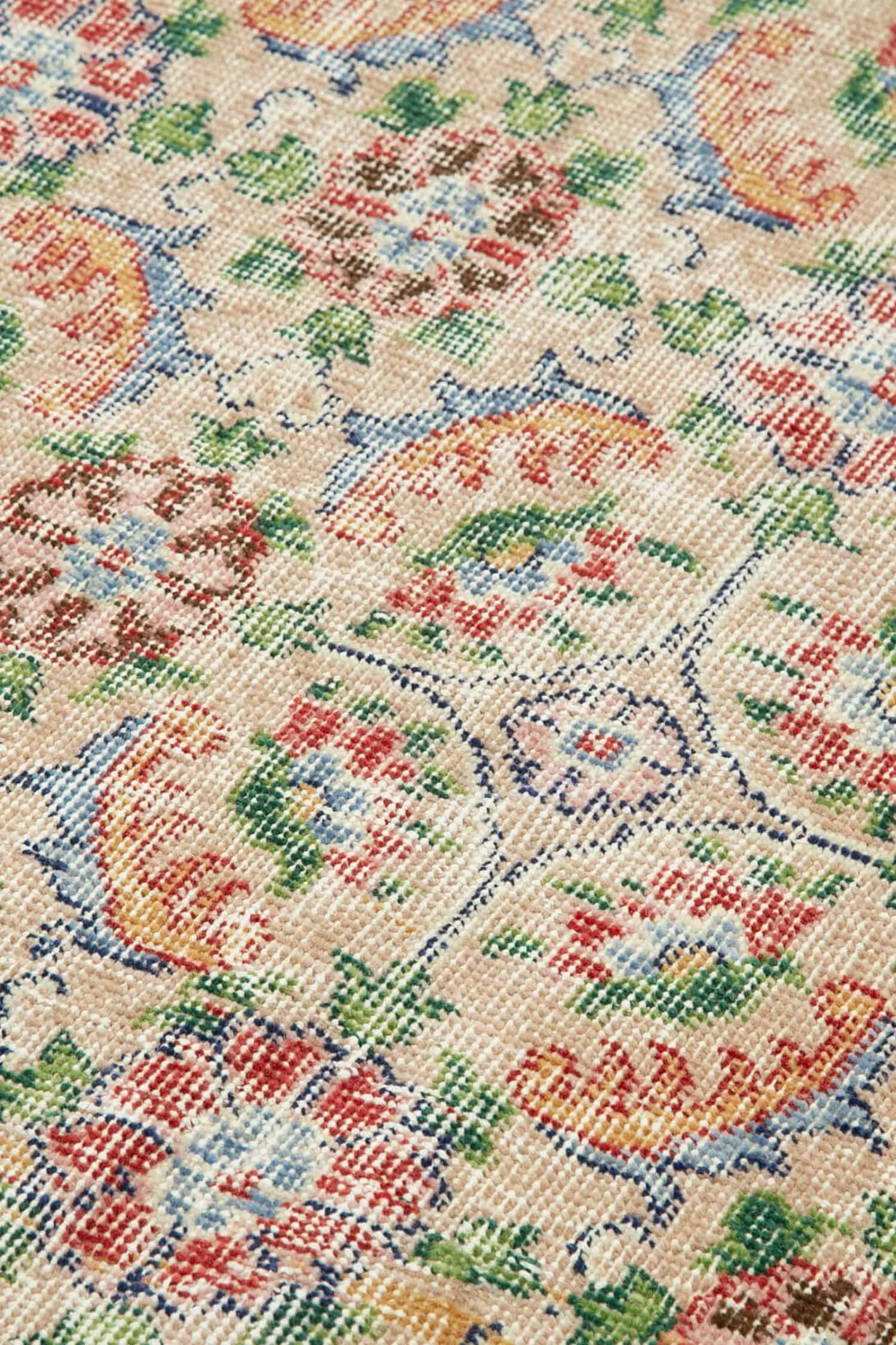
 Image 1 of 6
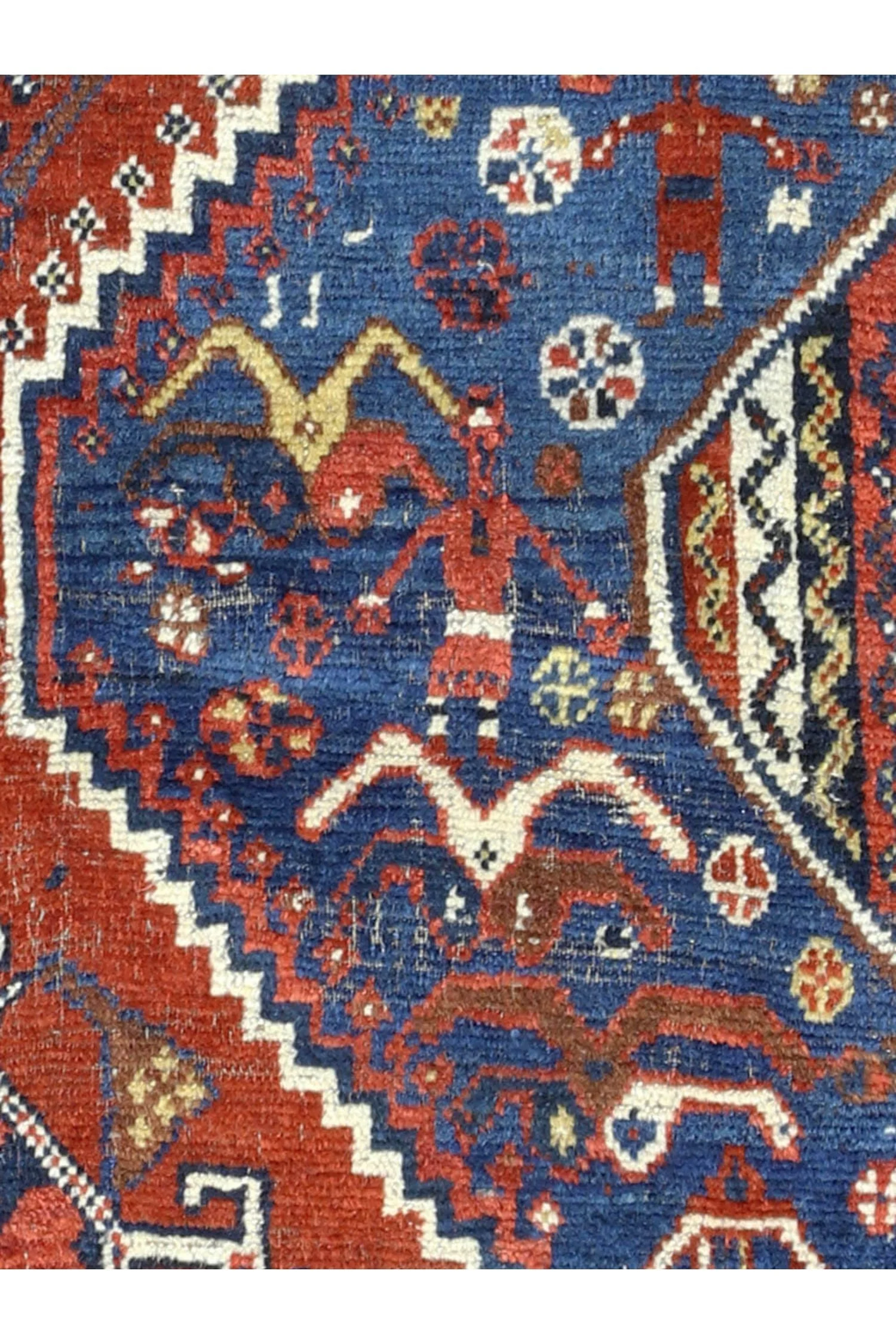 Image 2 of 6
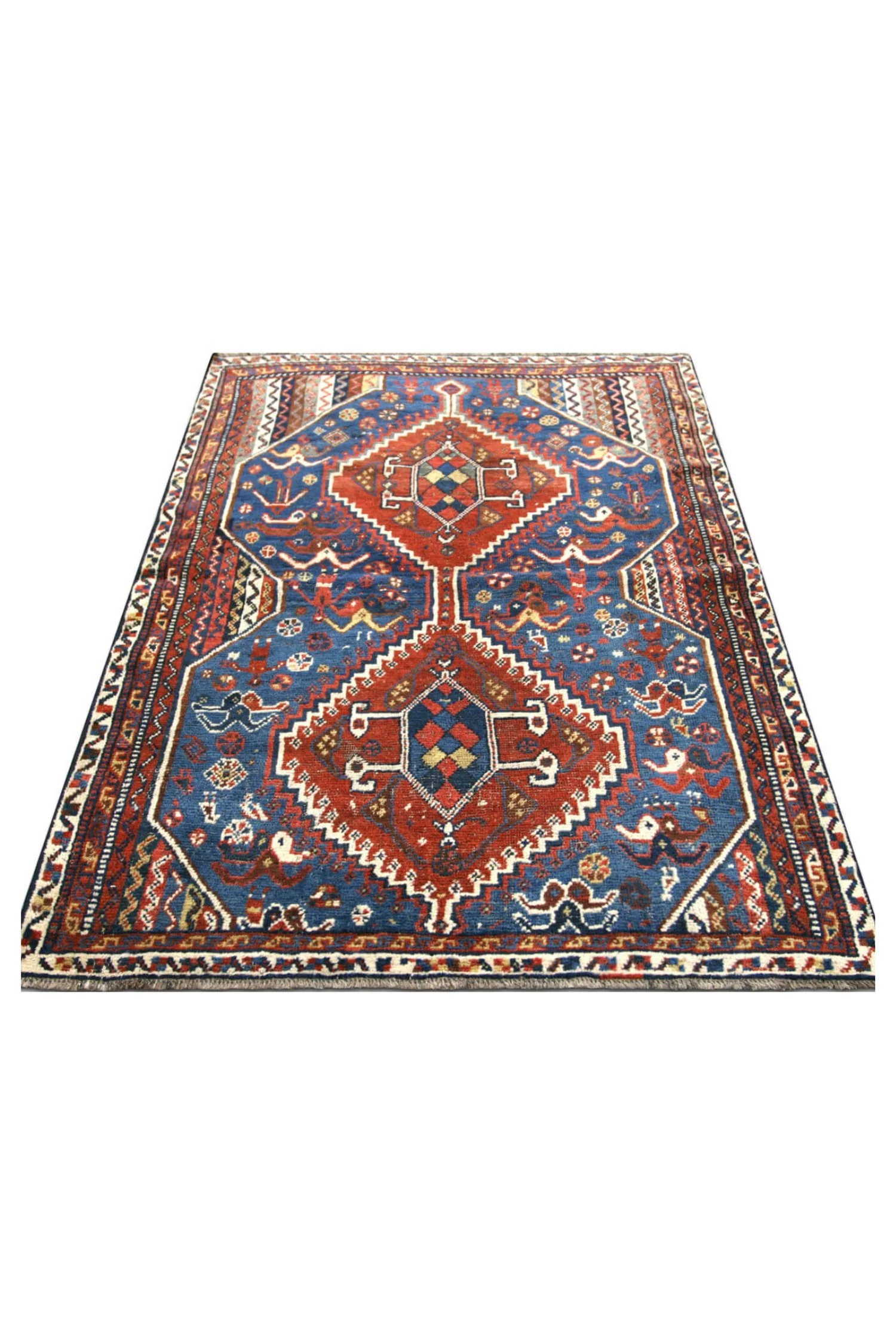 Image 3 of 6
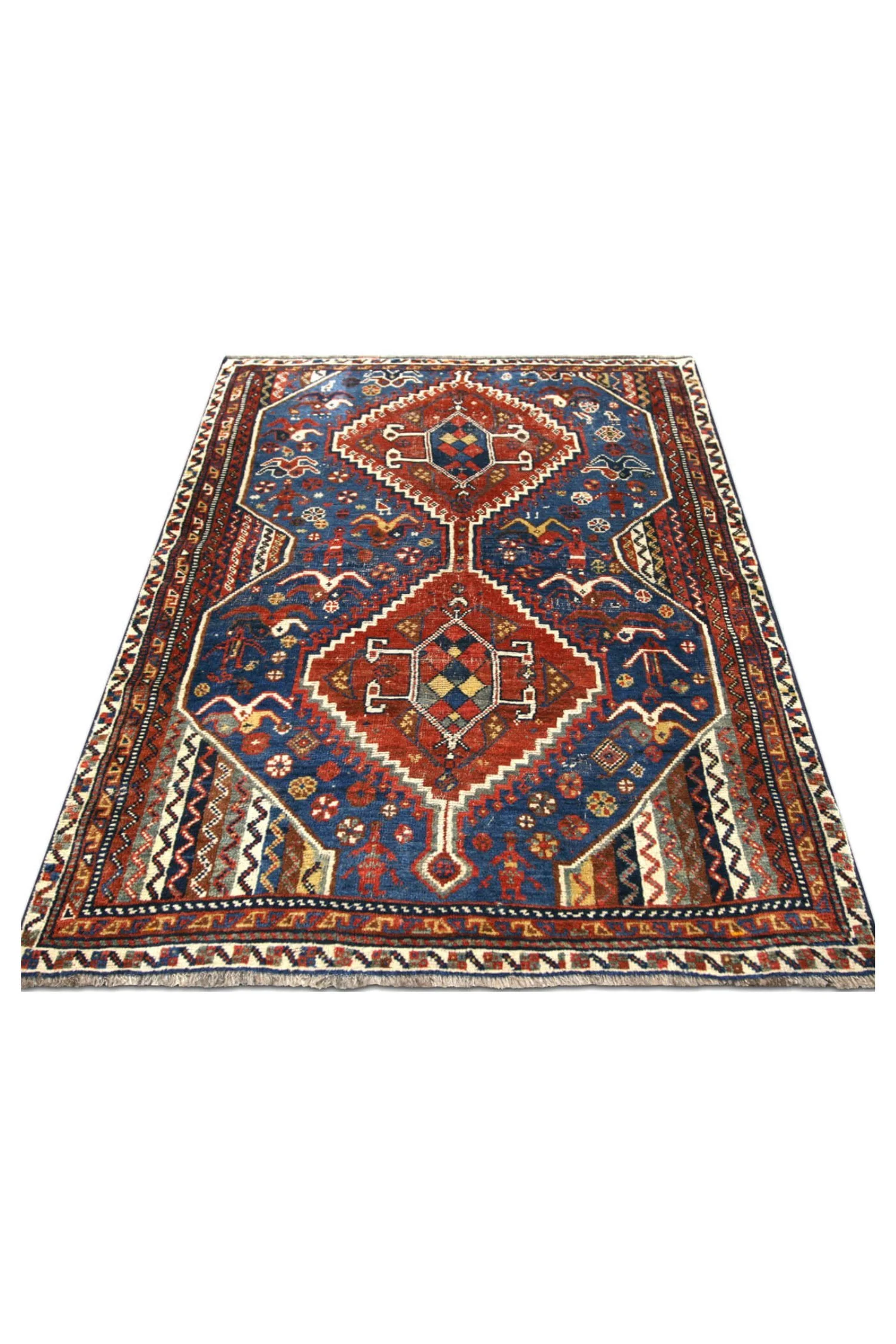 Image 4 of 6
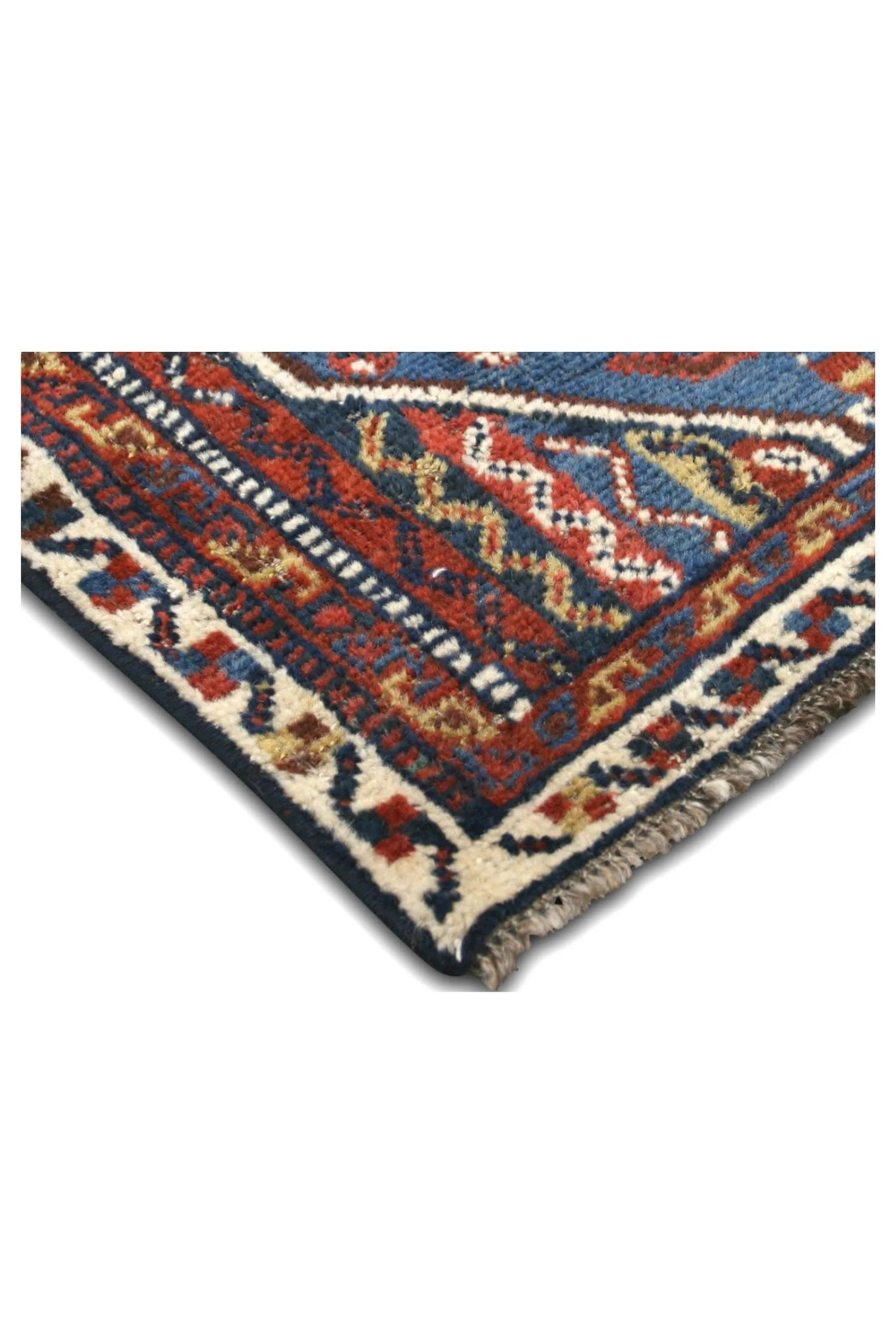 Image 5 of 6
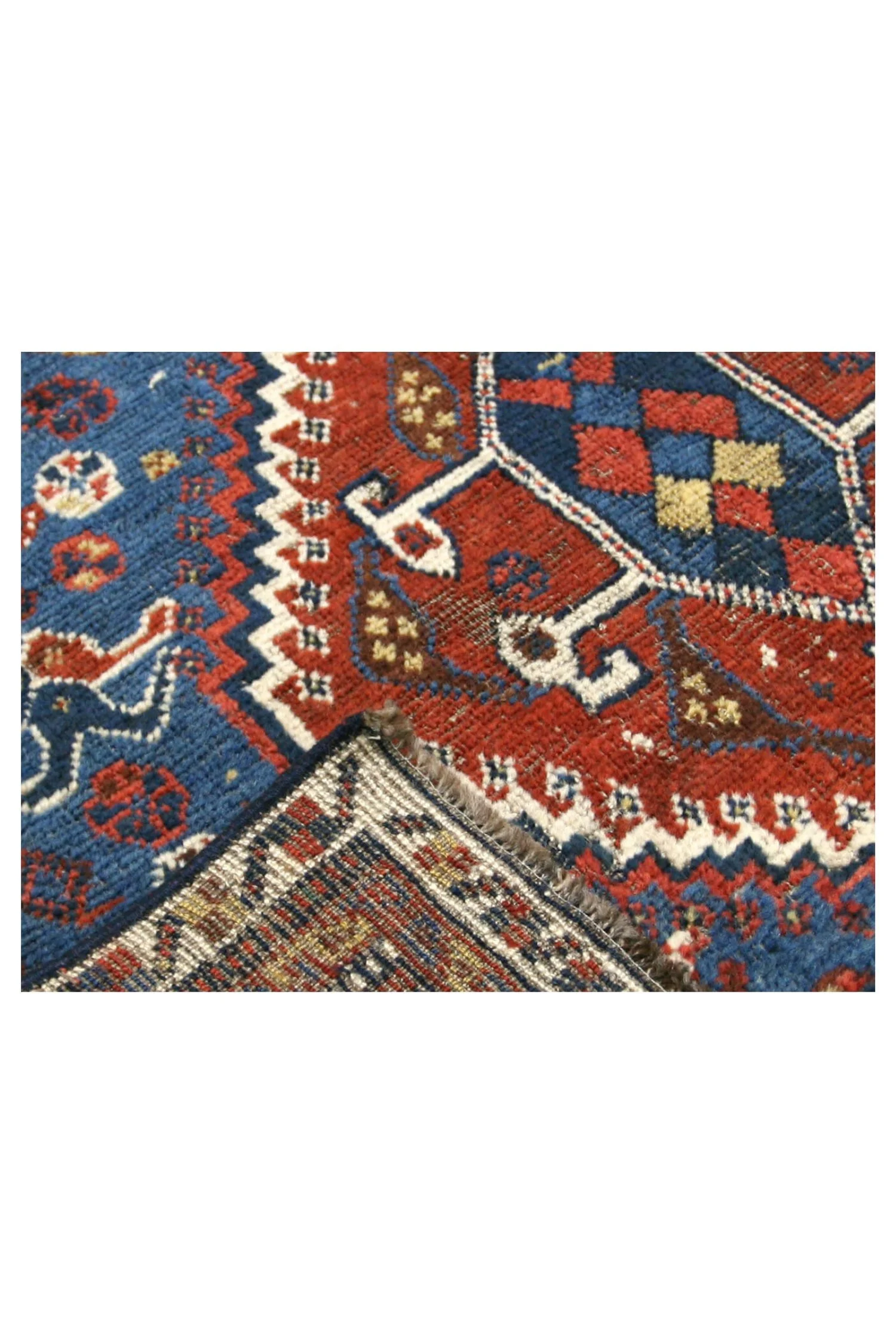 Image 6 of 6
Heritage and Craftsmanship
Shiraz rugs from the 1920s were produced by nomadic and semi-nomadic tribal groups in southwestern Persia. These weavers created rugs on horizontal ground looms that could be assembled, used, and packed for transport as groups moved seasonally. The compact size of this piece reflects the practical constraints of nomadic weaving.
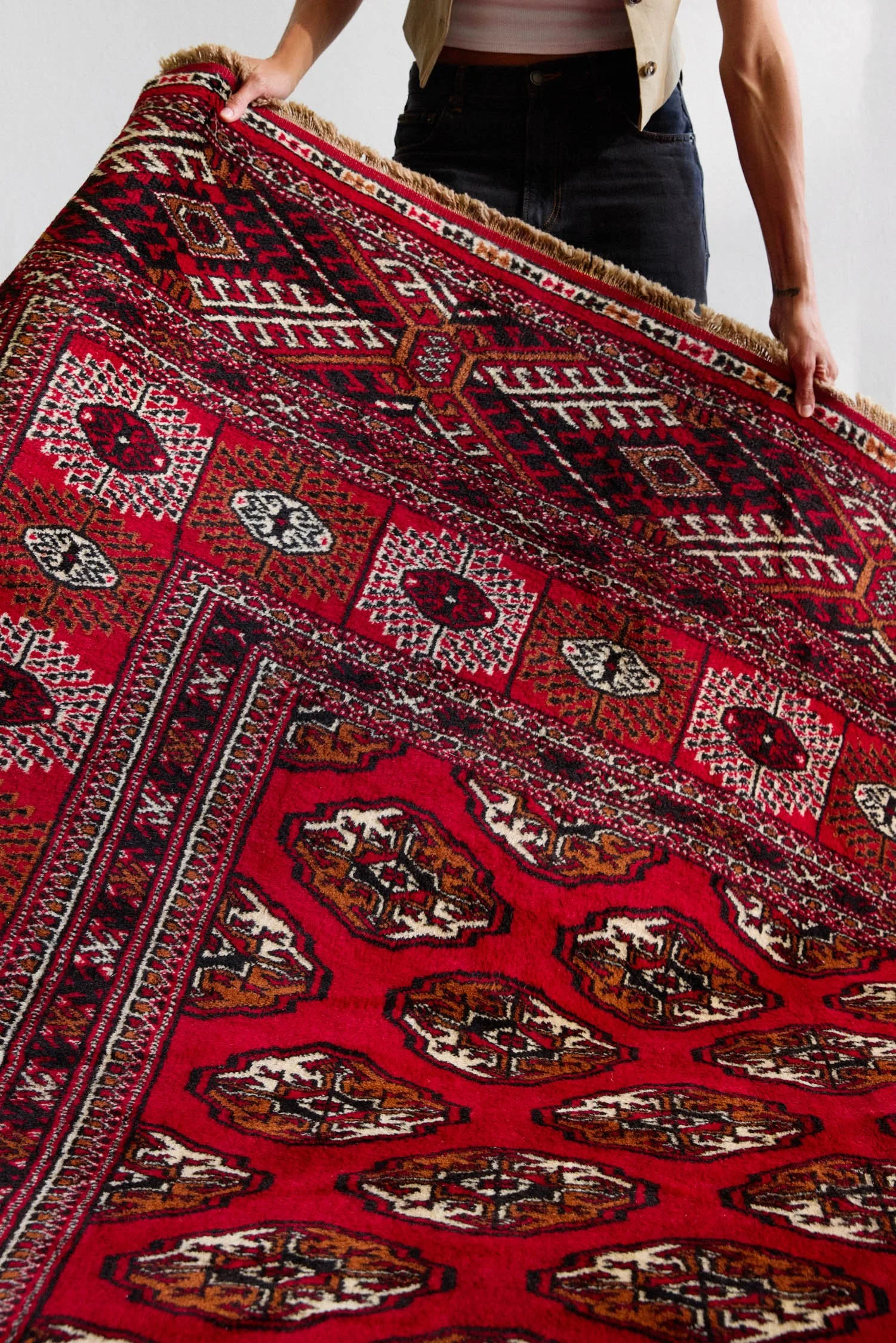
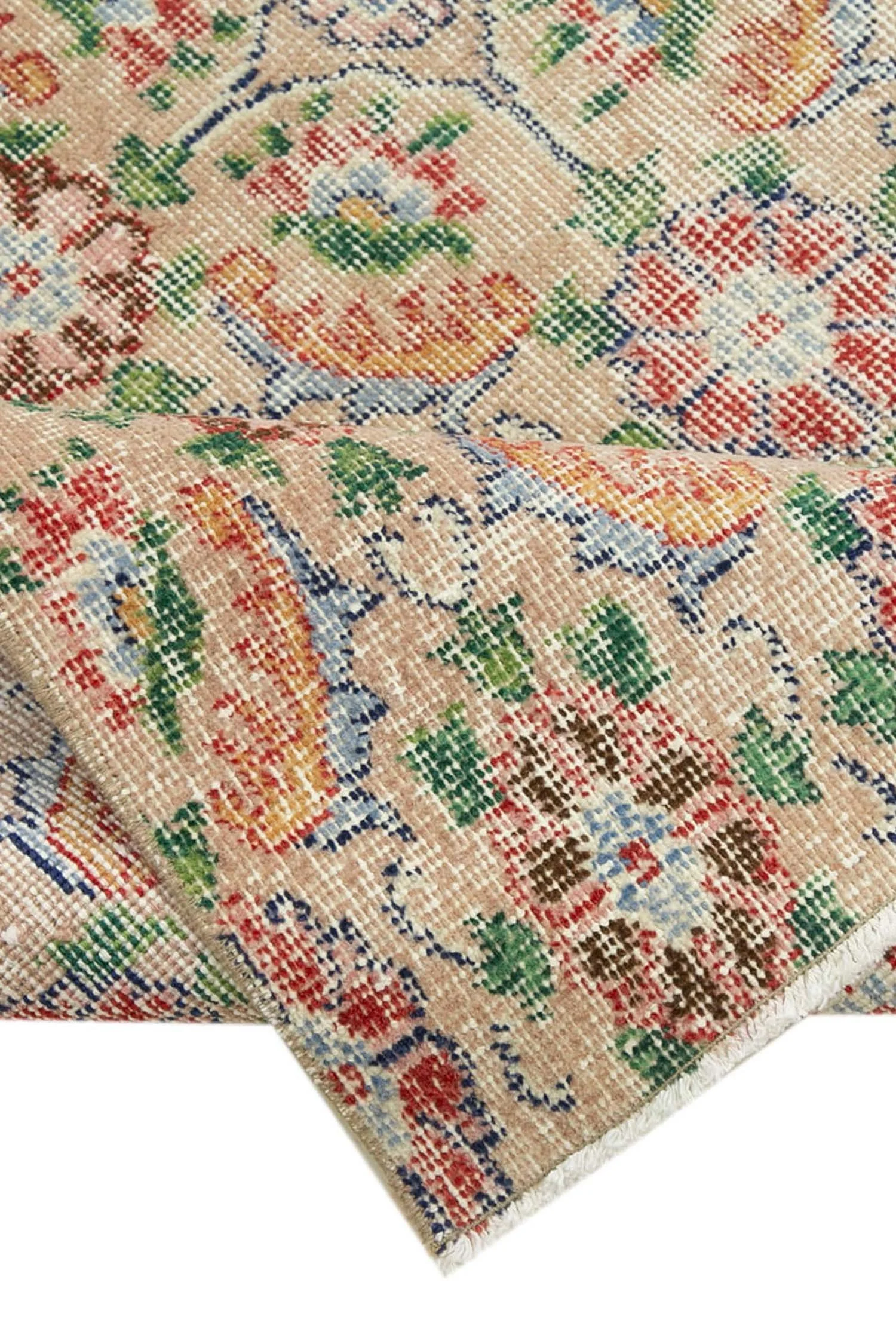
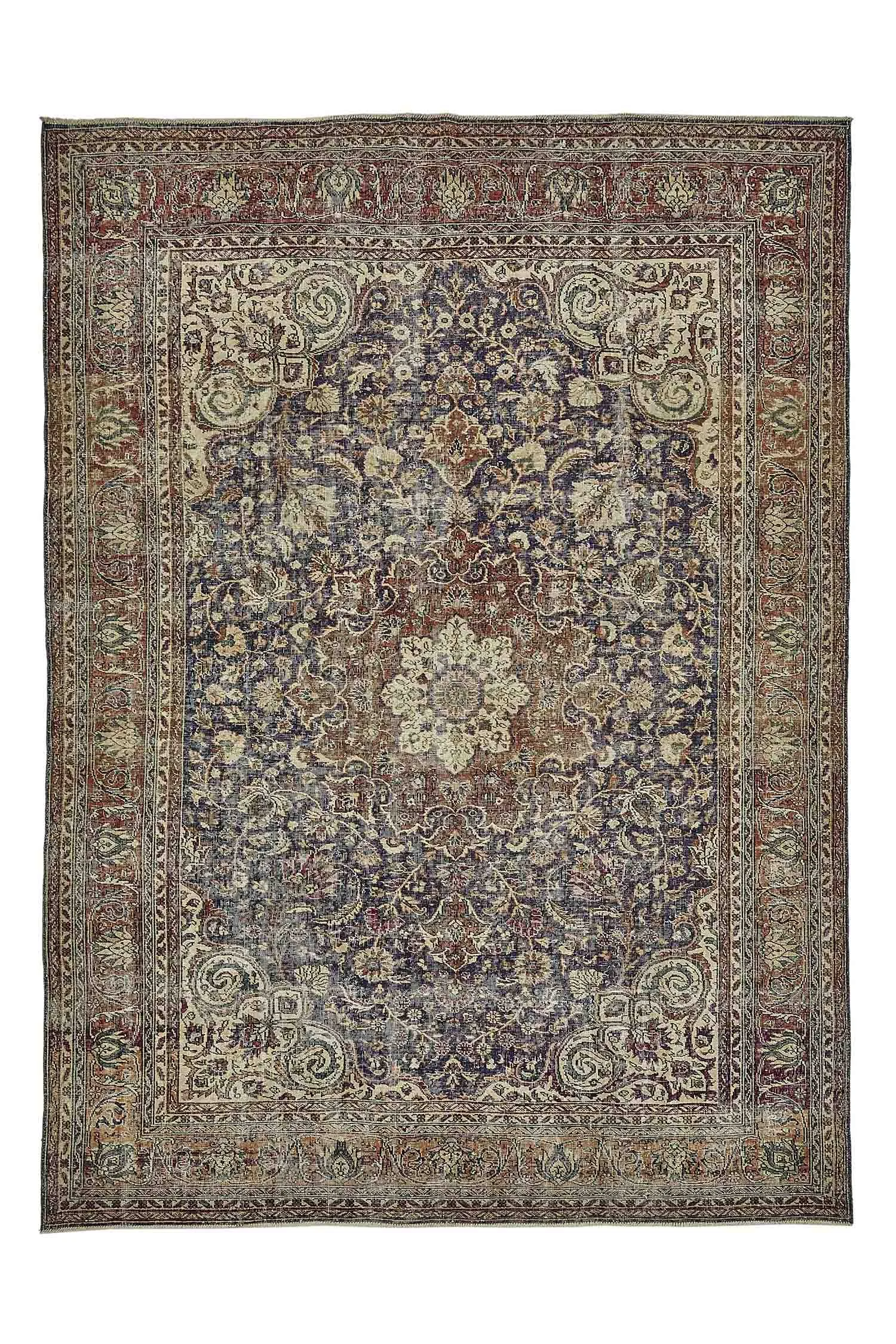
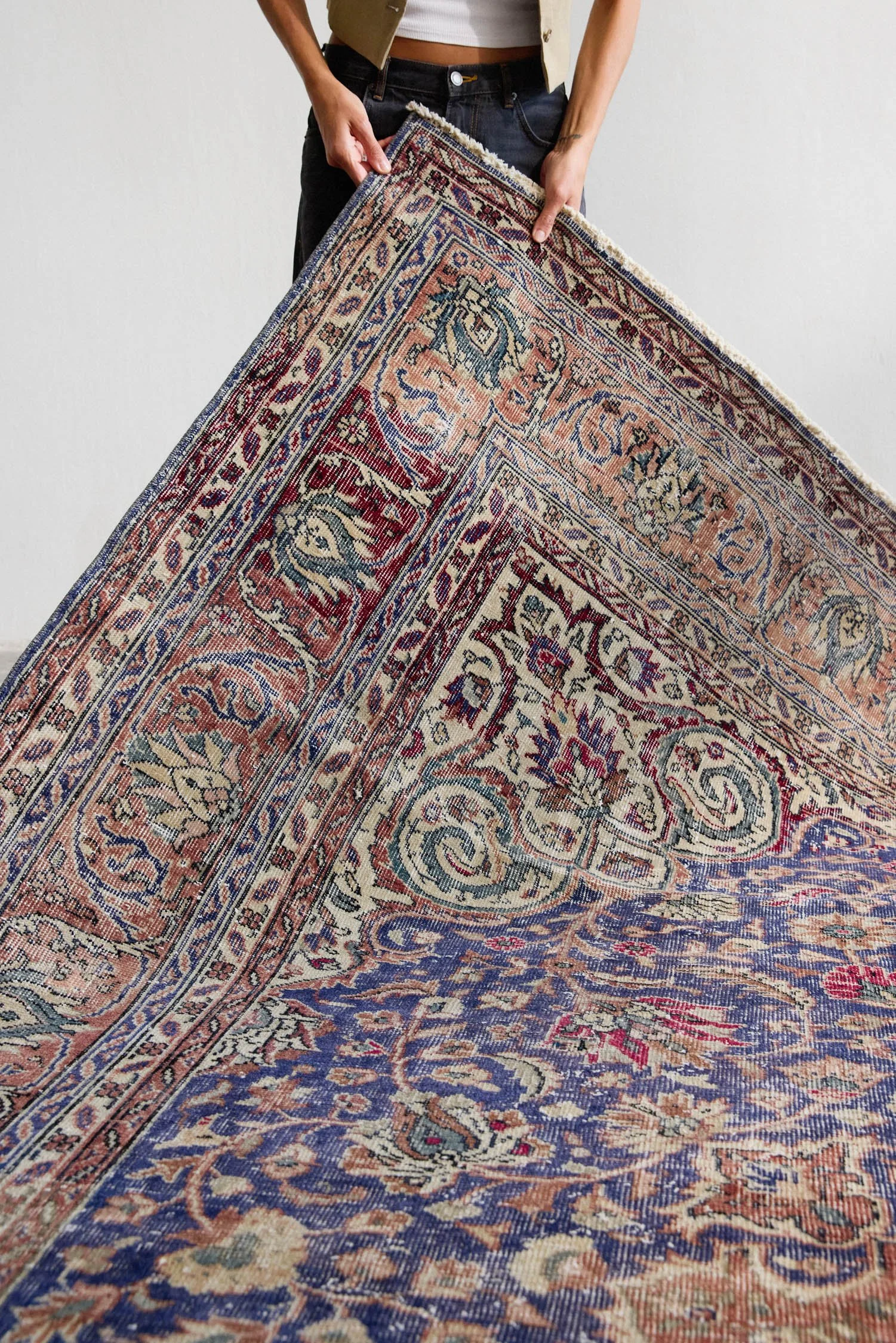
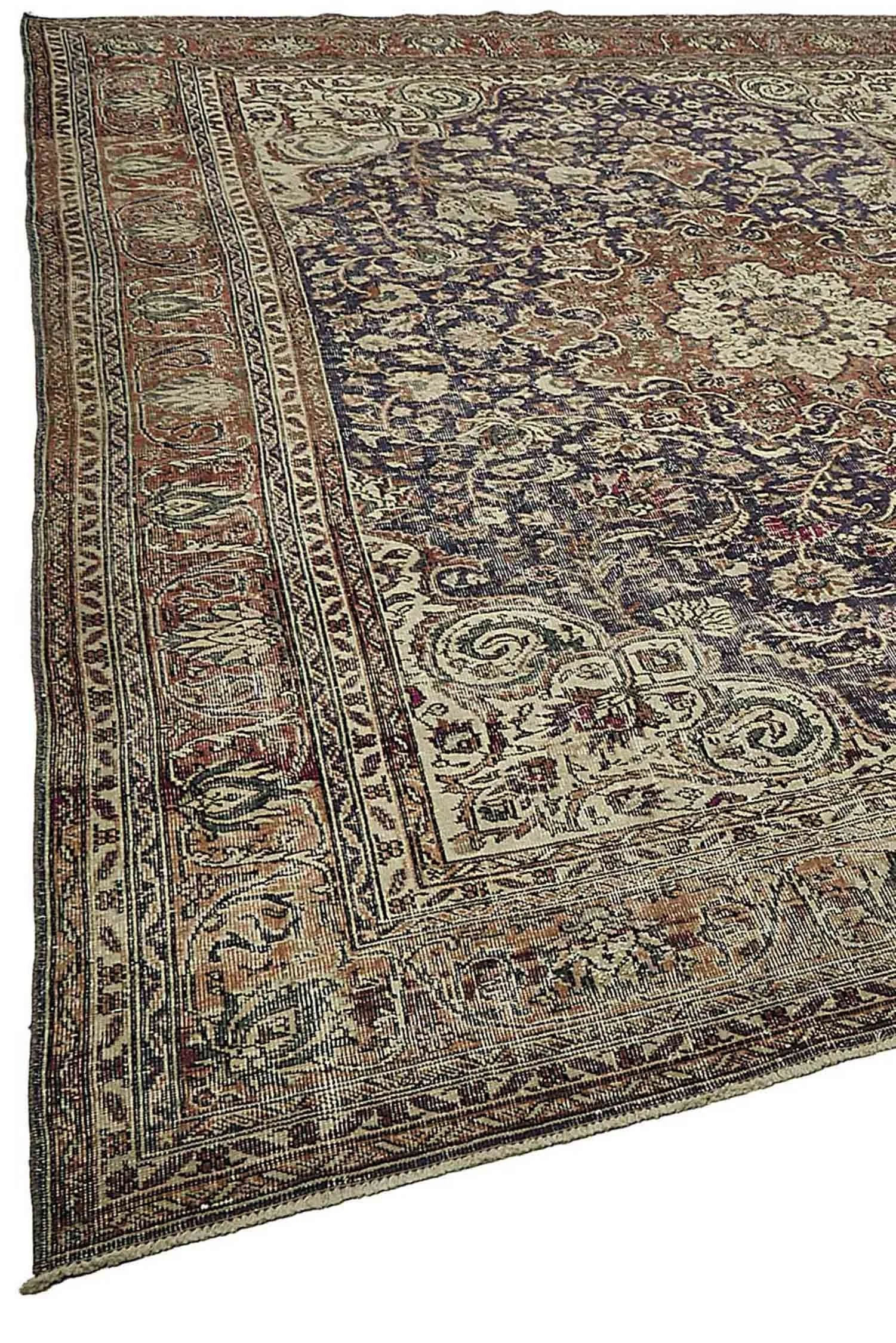
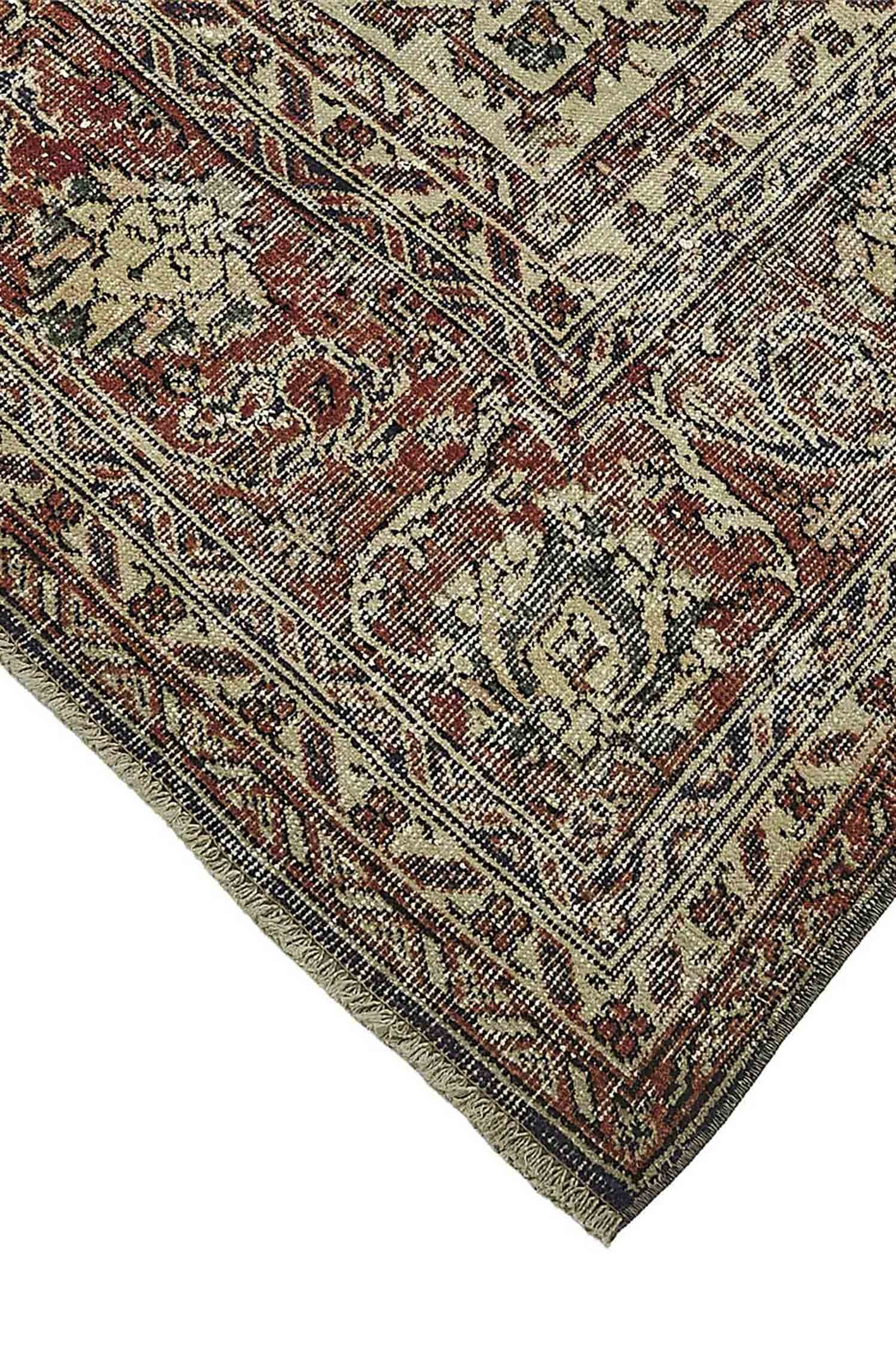
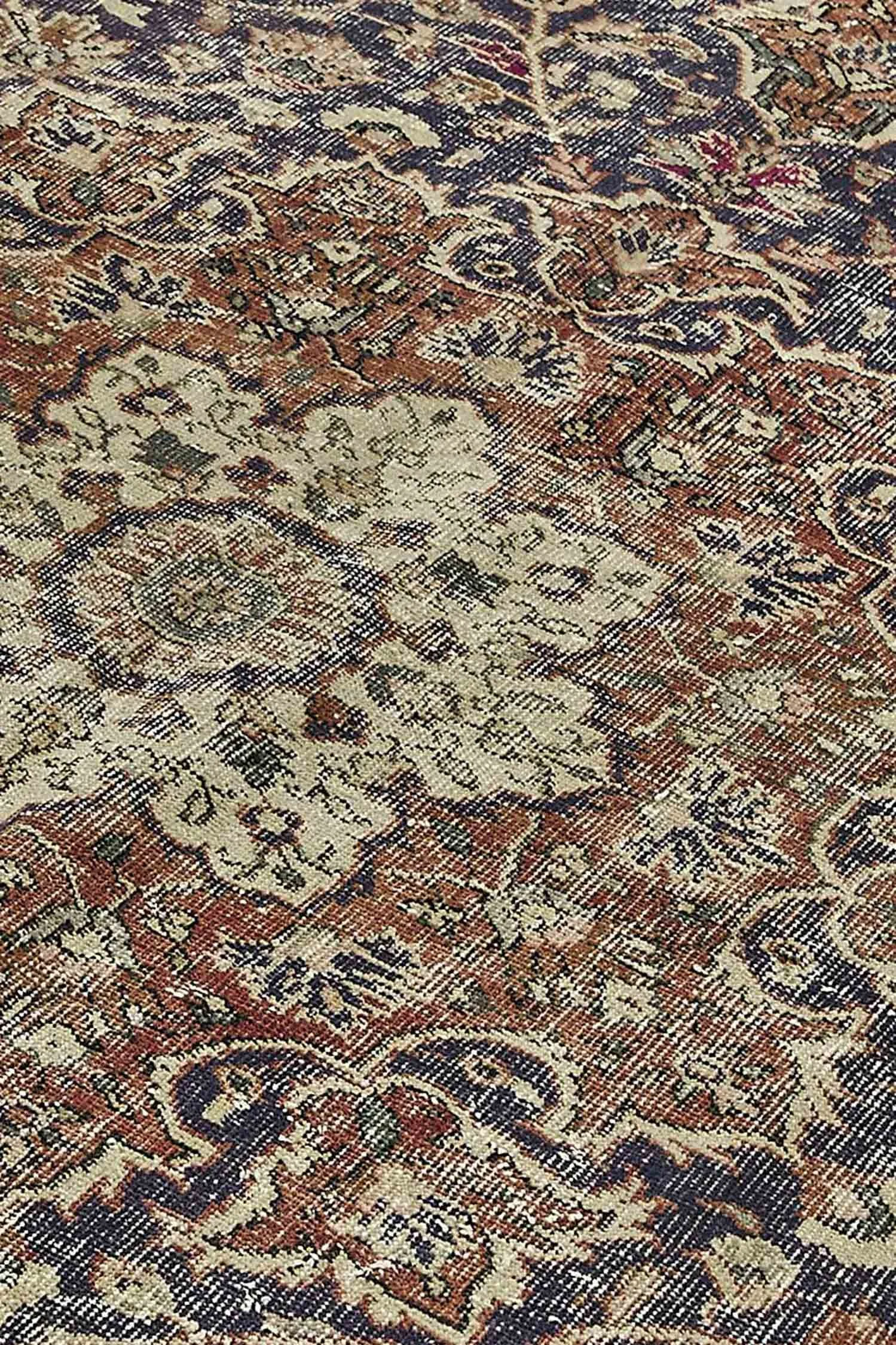
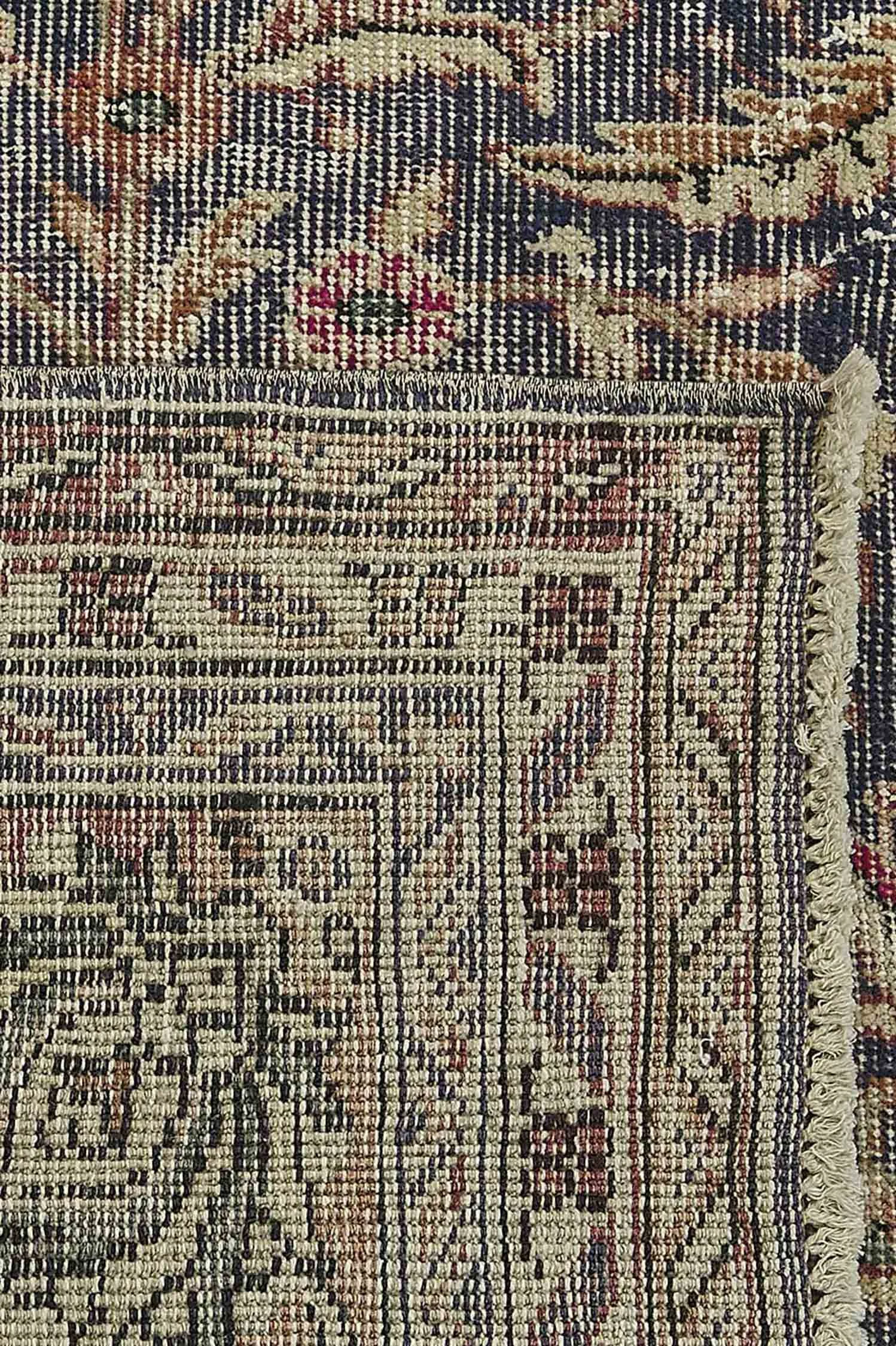
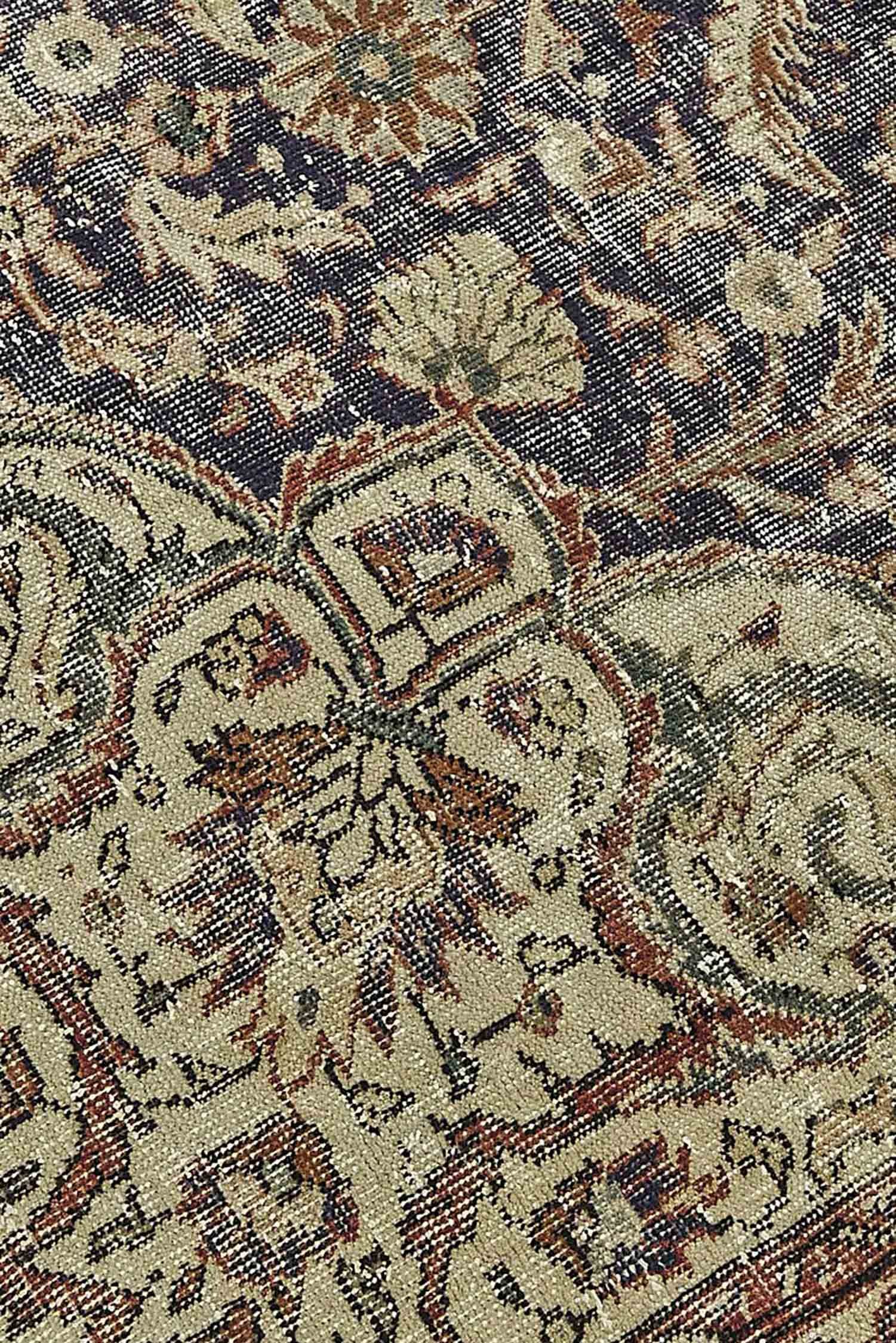
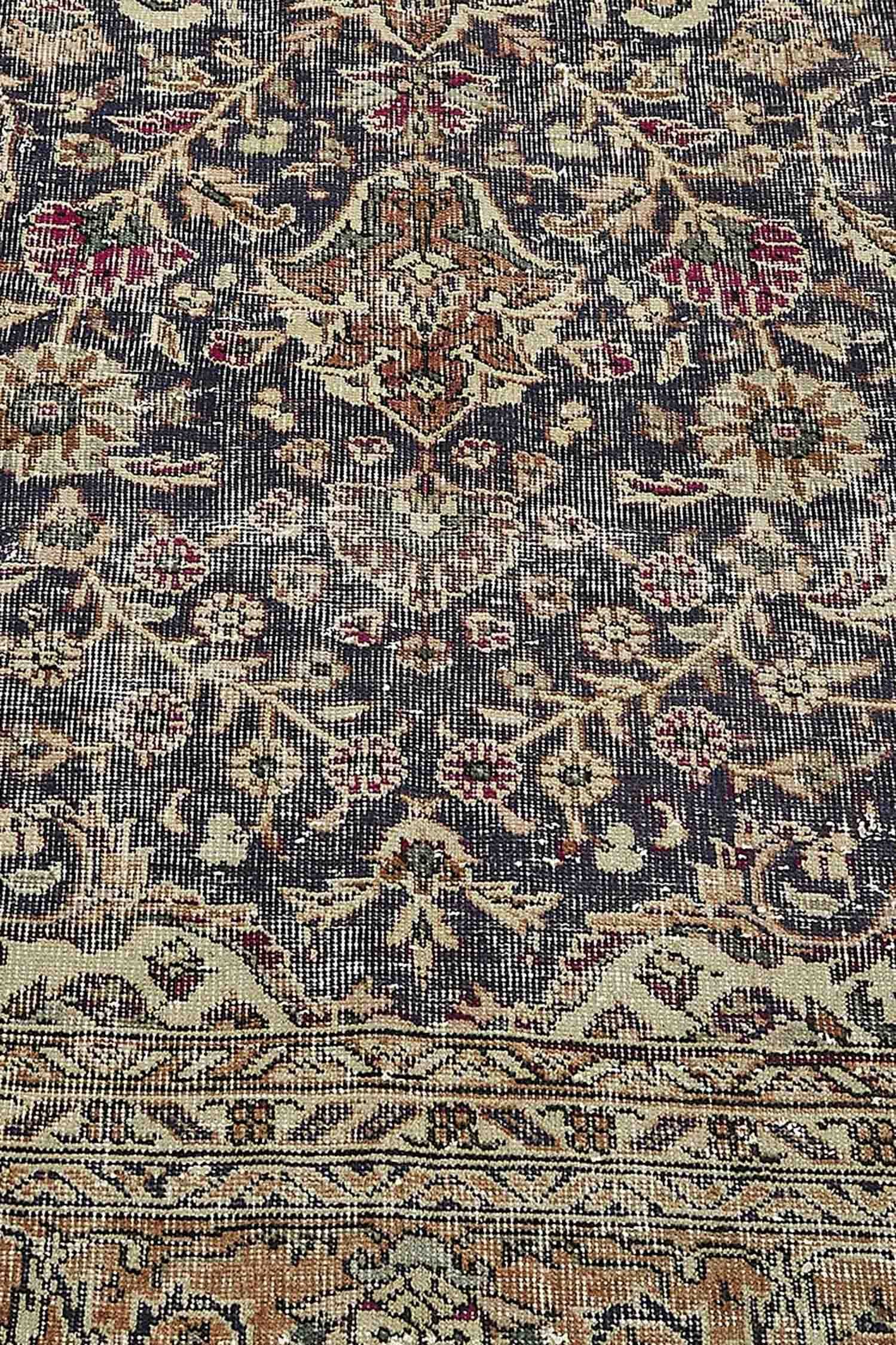
The deep indigo seen here came from natural indigo dye, a material that required significant processing but produced the most colorfast blues available to tribal weavers. The brick red came from madder root, another plant-based dye that had been used in Persian weaving for centuries. These natural dyes age differently from the wool around them, creating the abrash visible in the surface.
Tribal weavers worked without written patterns, instead relying on inherited design vocabulary passed down through generations. The slightly irregular drawing reflects this approach. Each weaver interpreted the shared motifs in their own way, creating individual variation within recognizable tribal traditions.
Design Elements
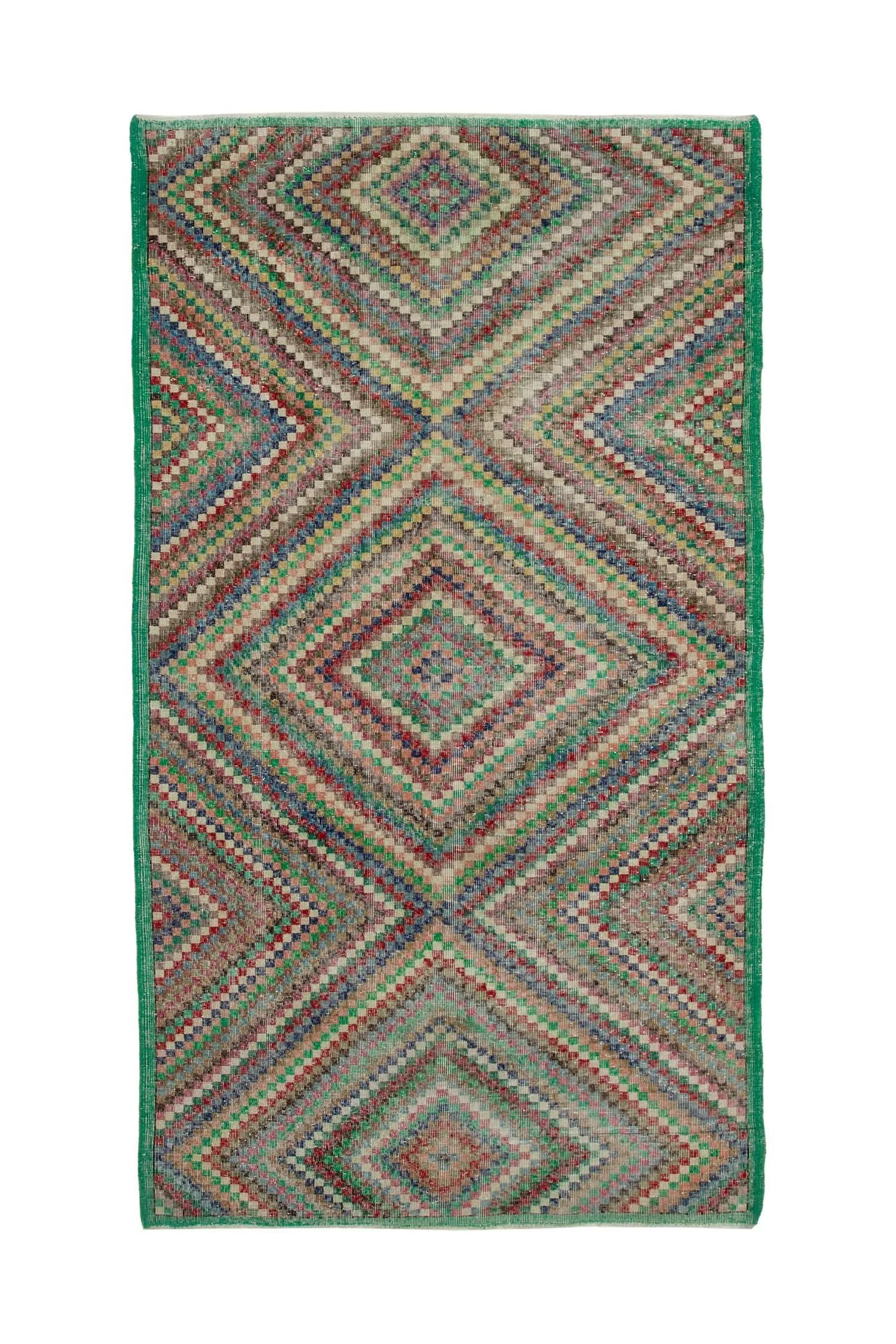
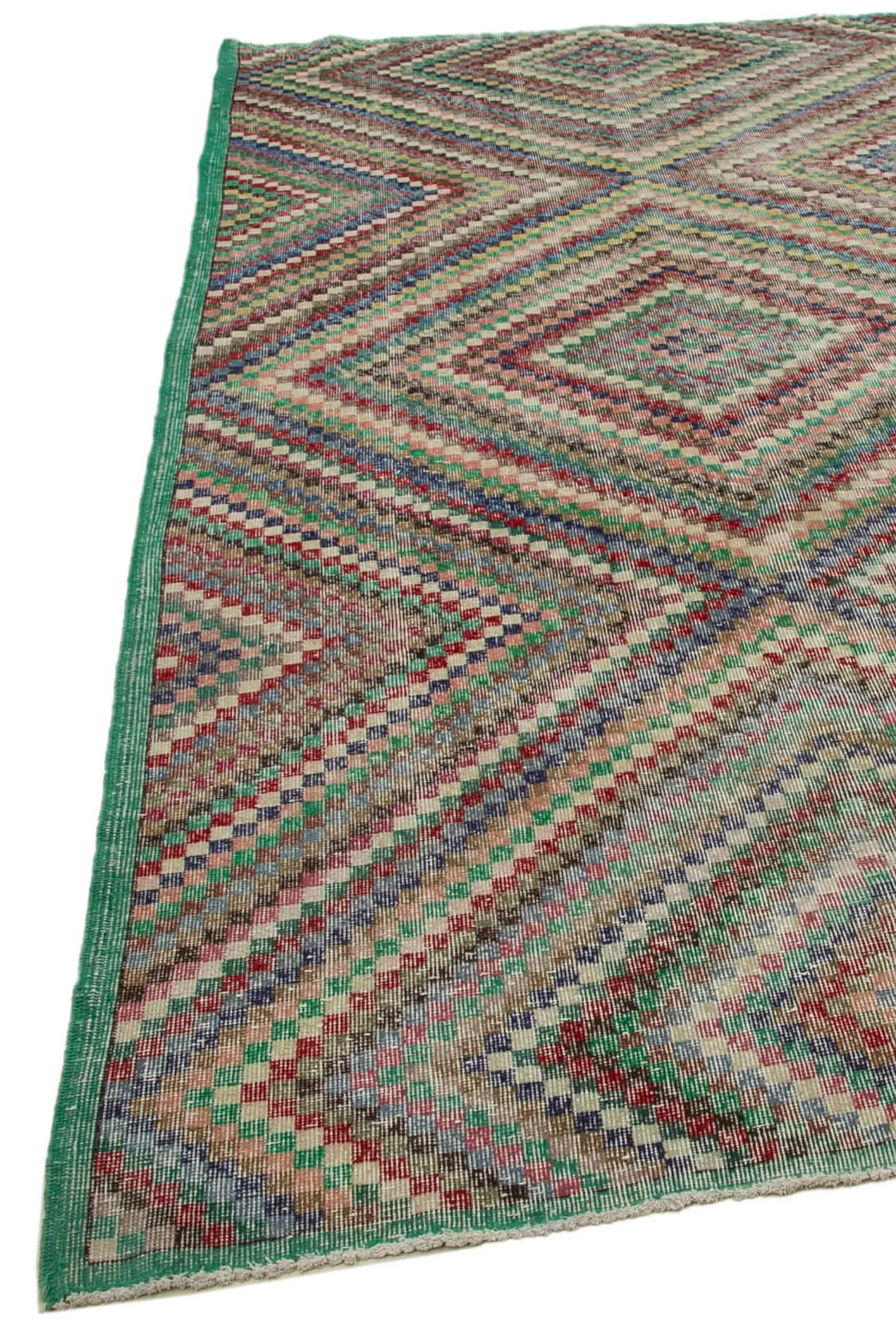
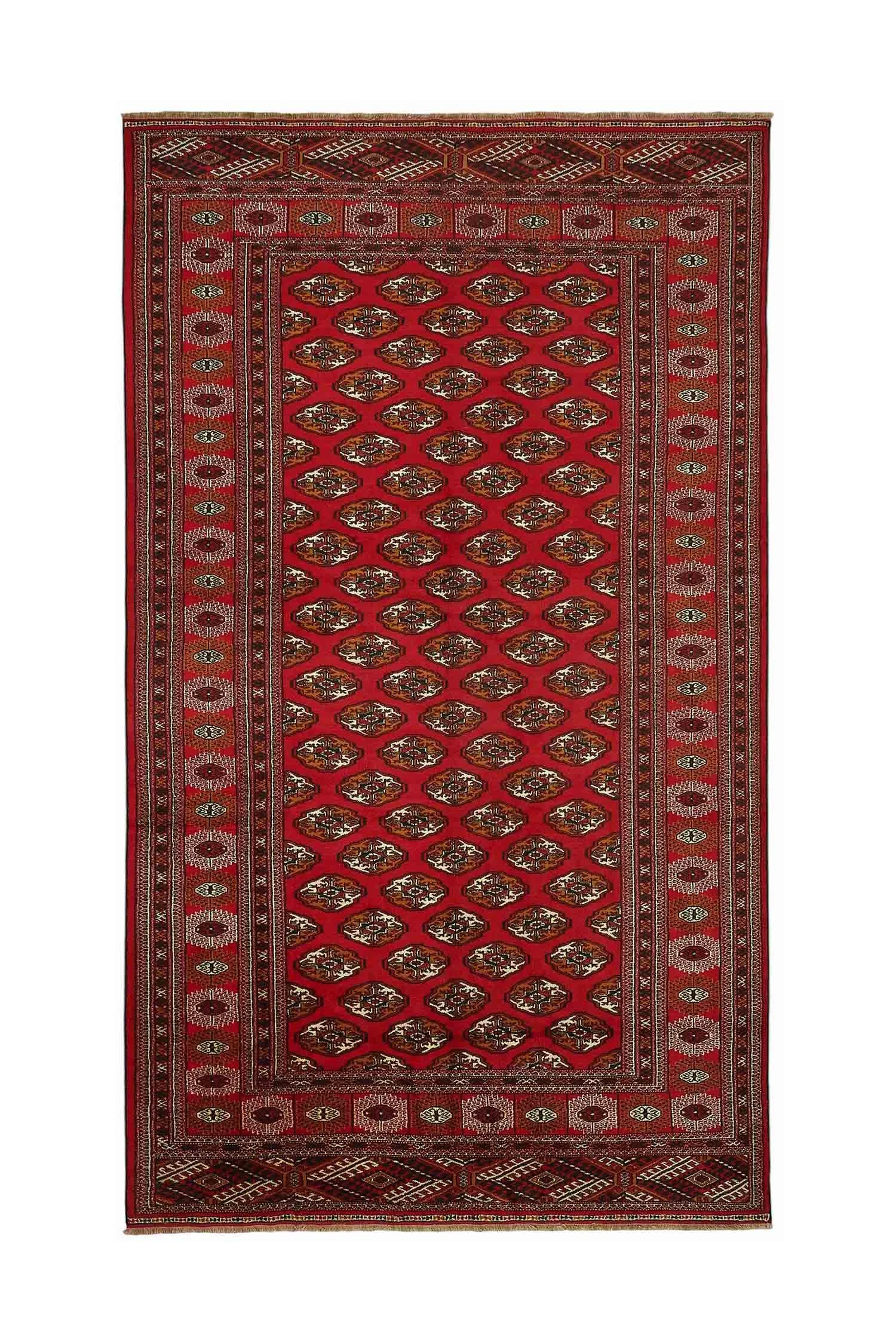
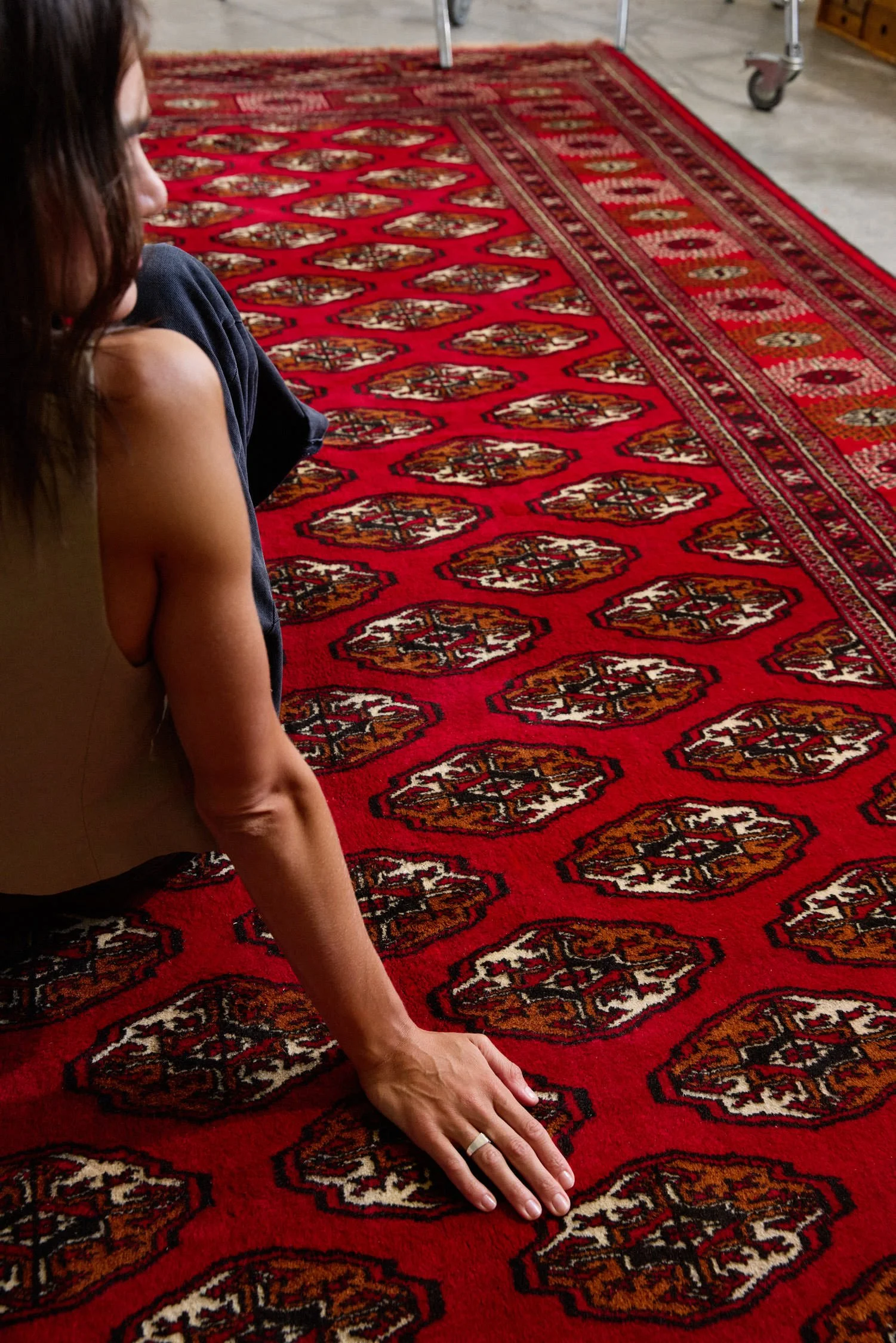
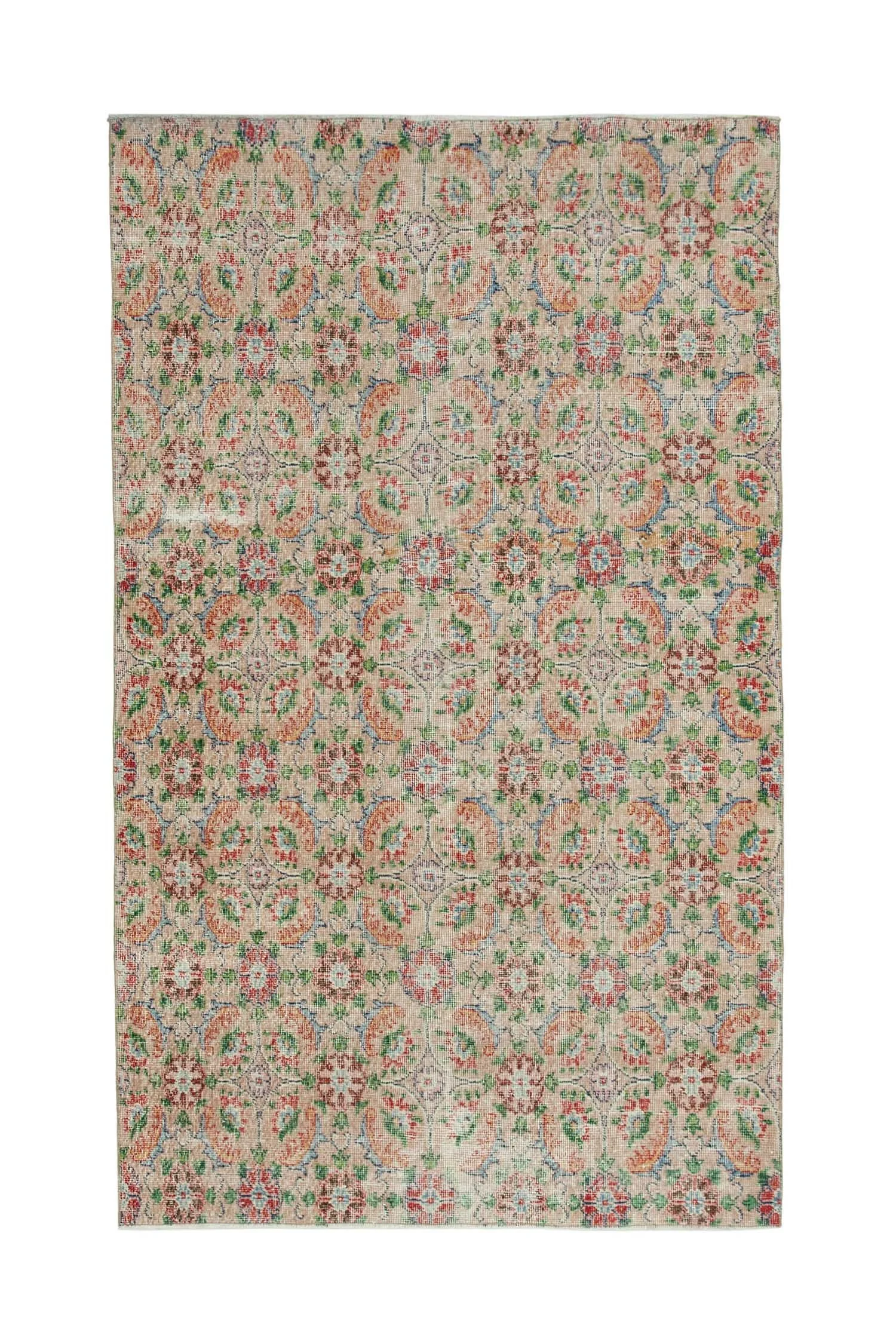
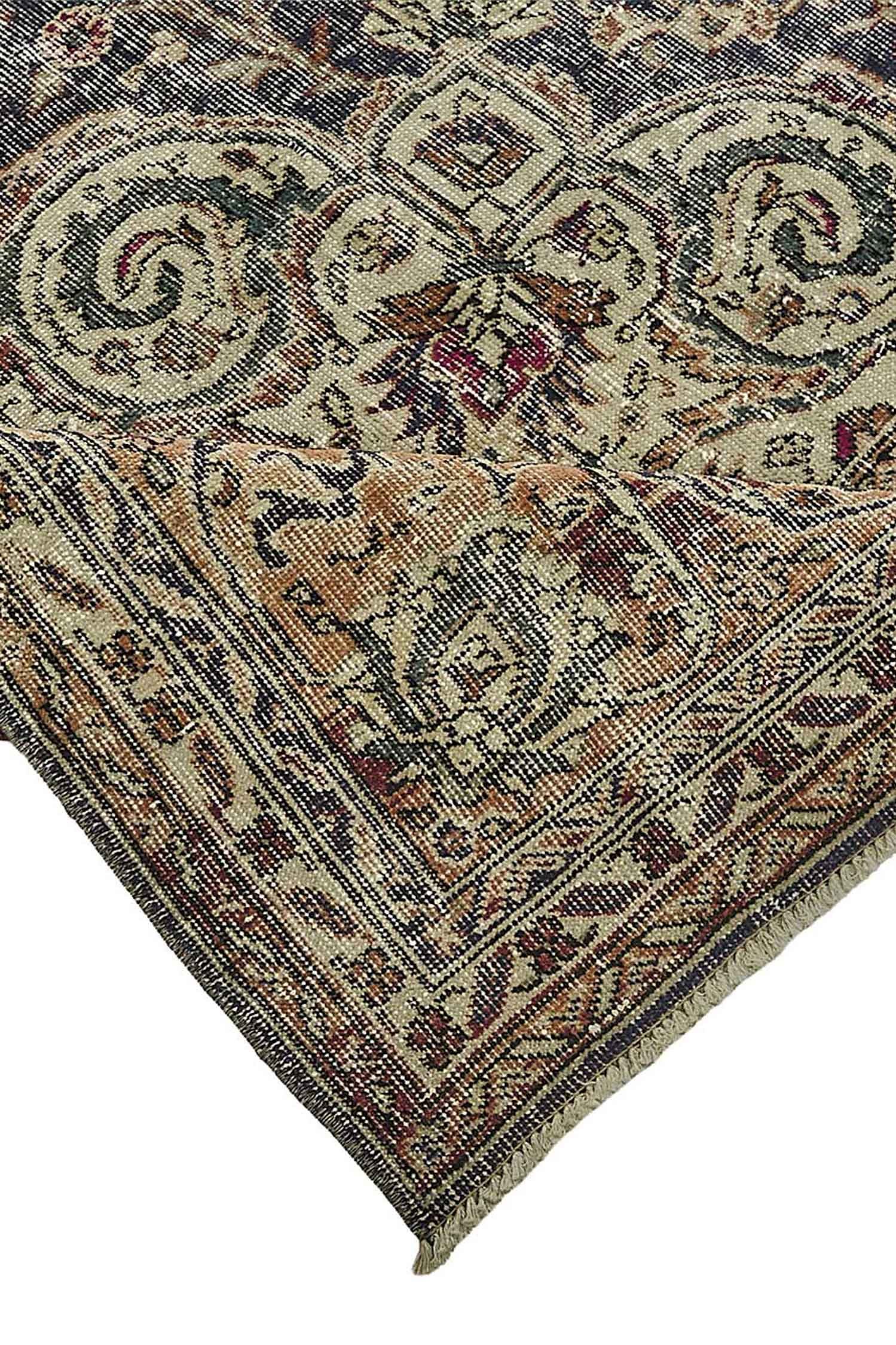
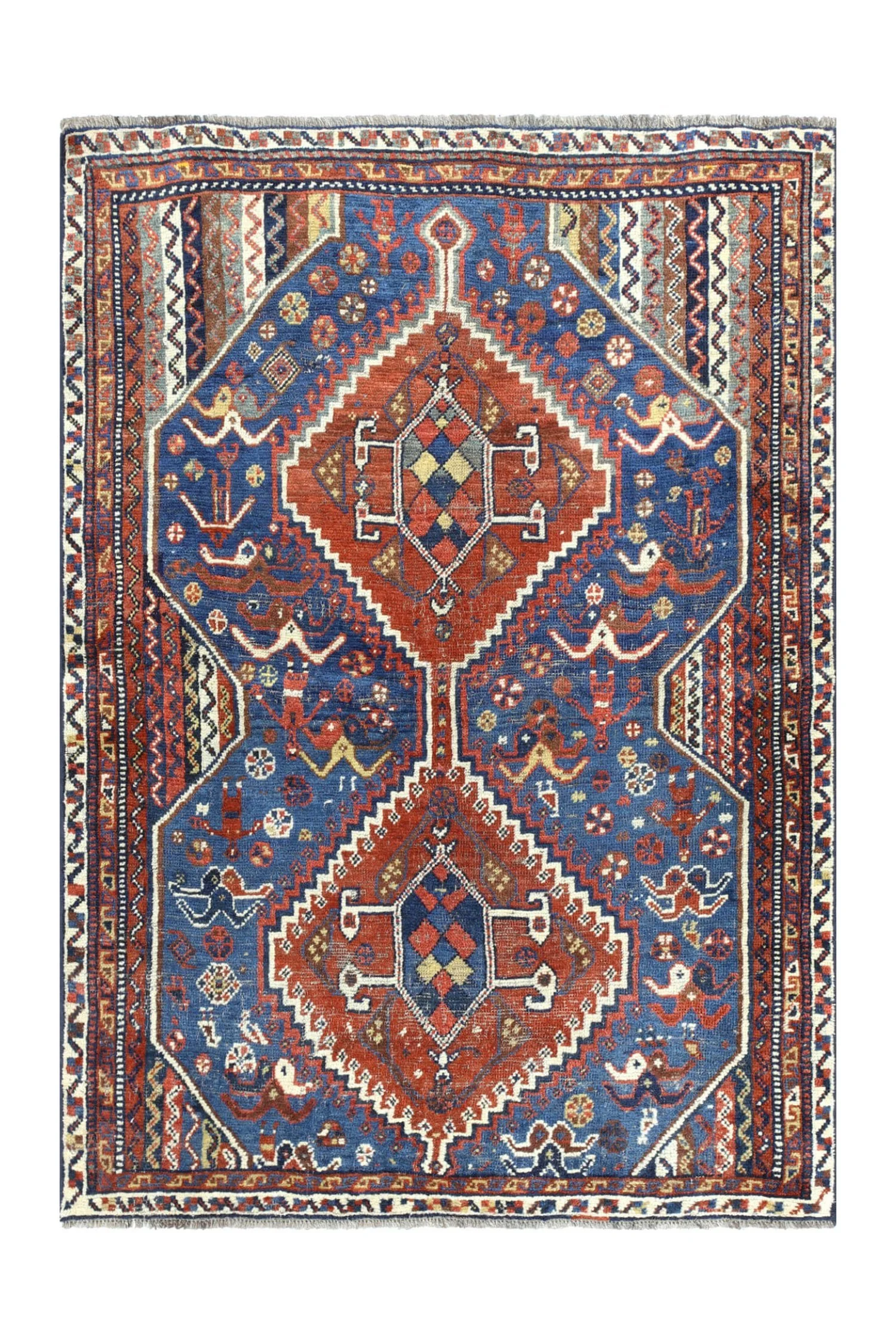
The stacked diamond medallions create vertical organization through the center of the composition. Each medallion uses geometric forms filled with smaller tribal motifs. The diamonds don't align with mathematical precision, showing the hand of the weaver working from memory and feel rather than measured calculation.
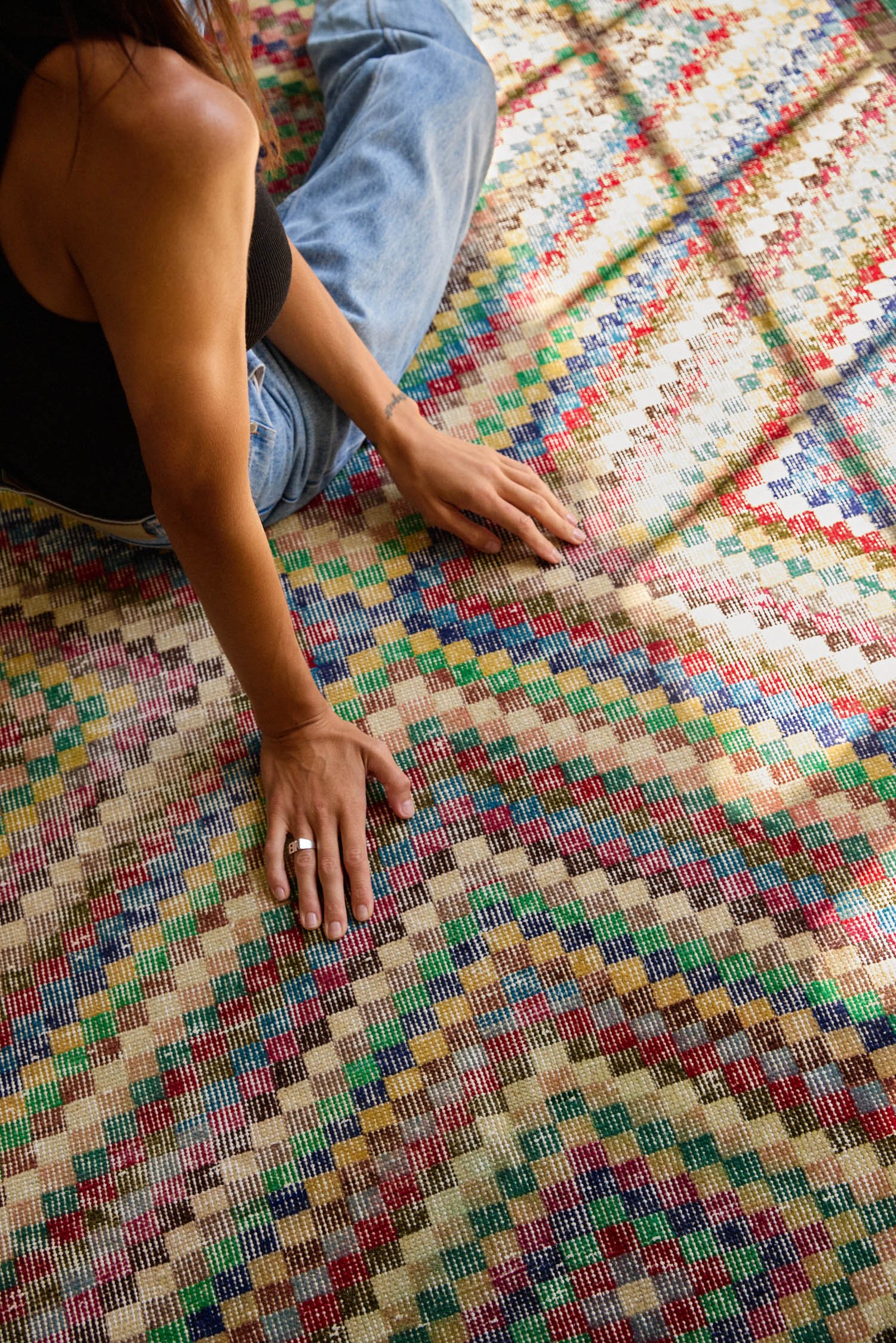
Densely packed motifs fill the field around the medallions, leaving minimal negative space. This approach reflects tribal aesthetic preferences for richly decorated surfaces. The accumulation of small geometric forms creates visual complexity while maintaining overall structural clarity through the medallion framework.
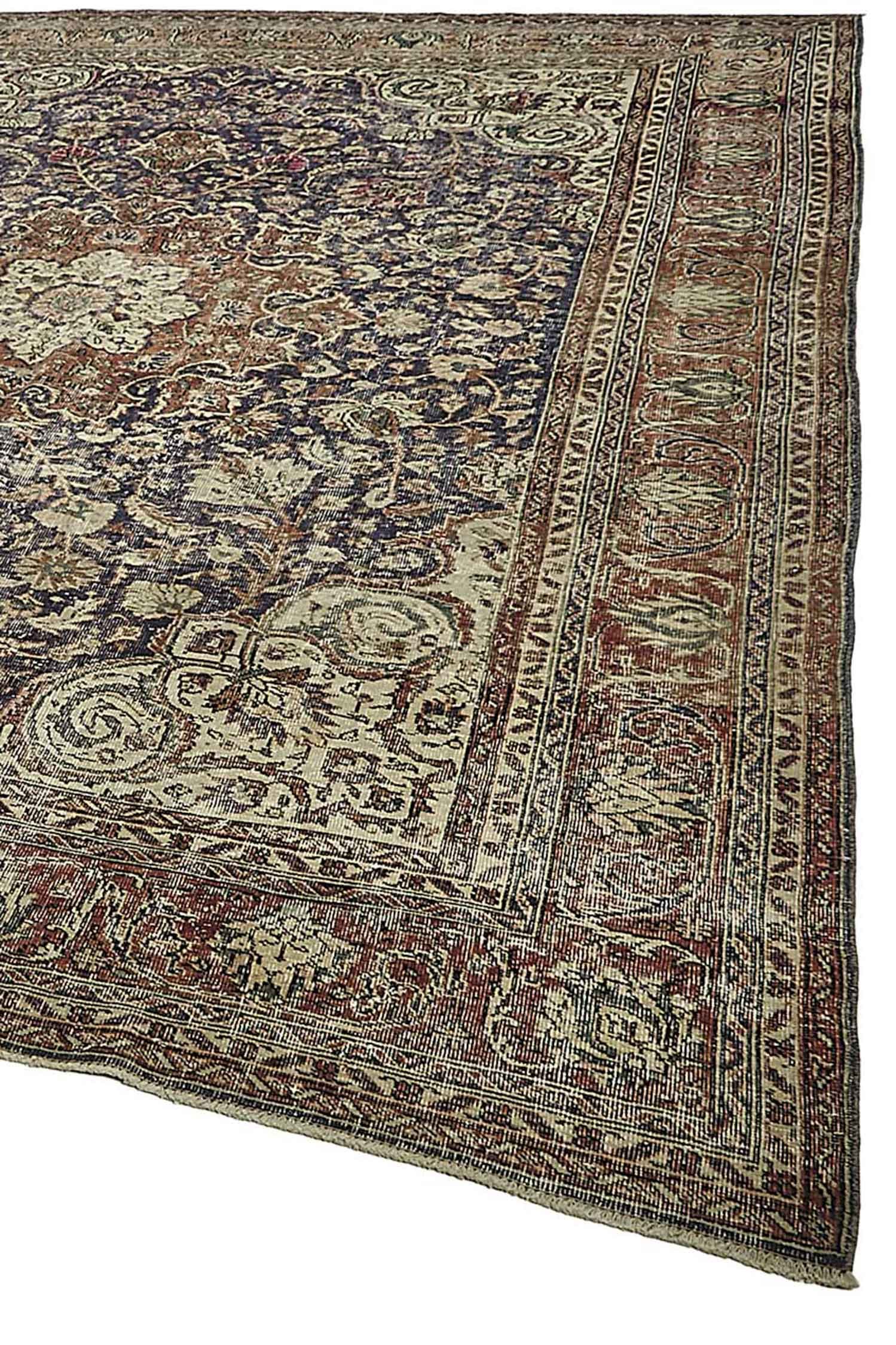
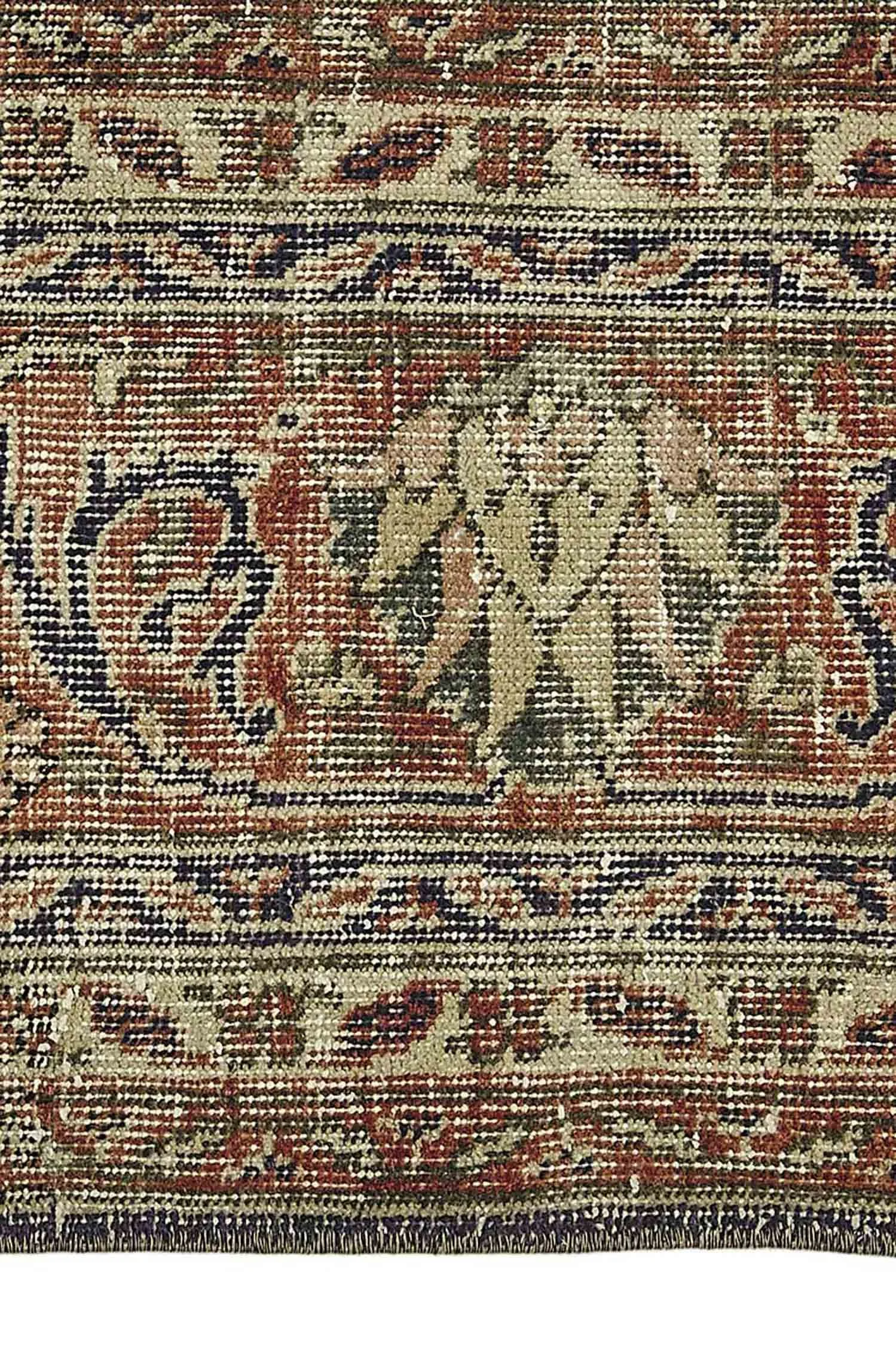
The border uses traditional Shiraz motifs arranged in rhythmic sequence. The pattern creates its own visual density, complementing rather than competing with the busy field. The abrash visible in the border reinforces the hand-dyed, hand-woven character.
Placement
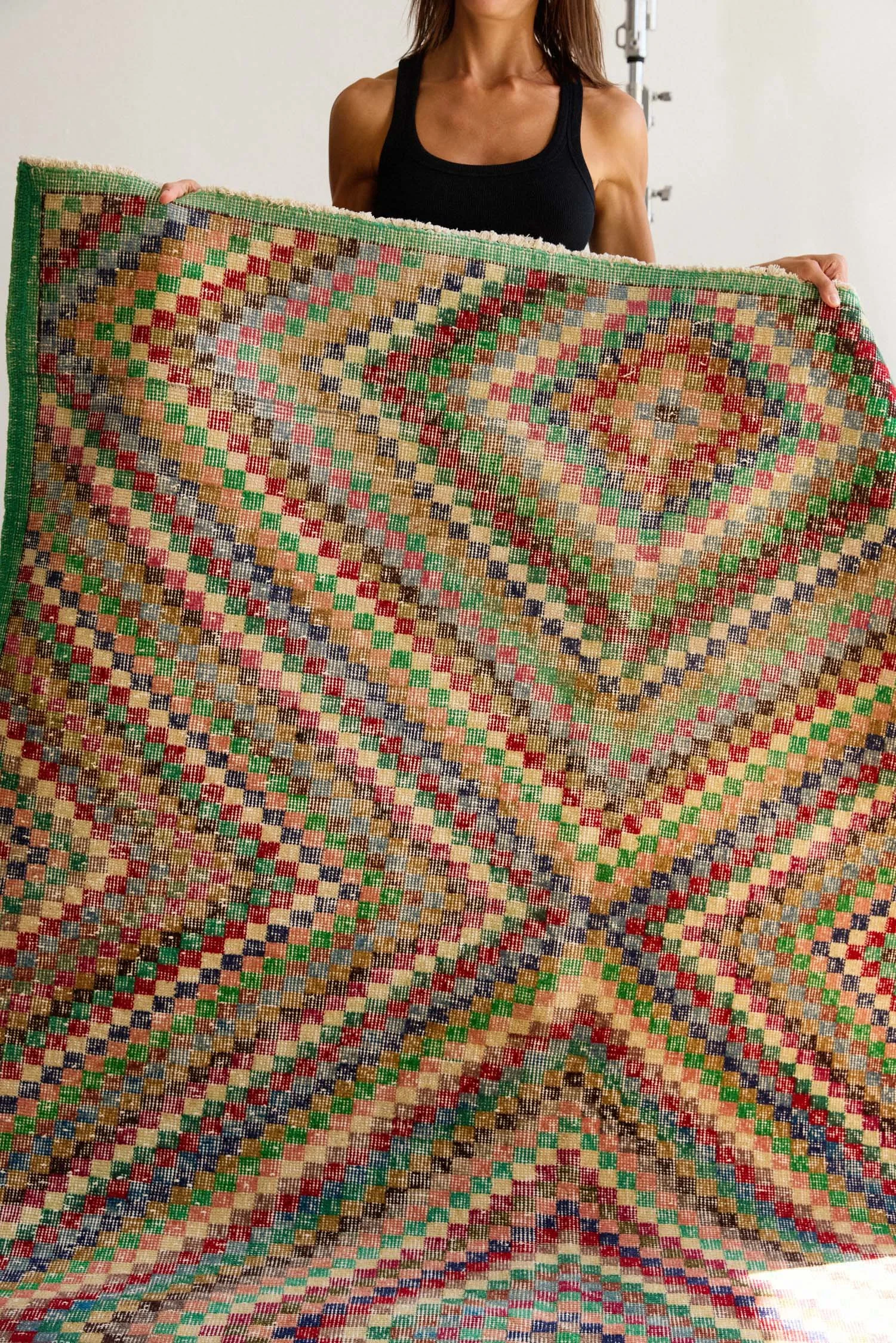
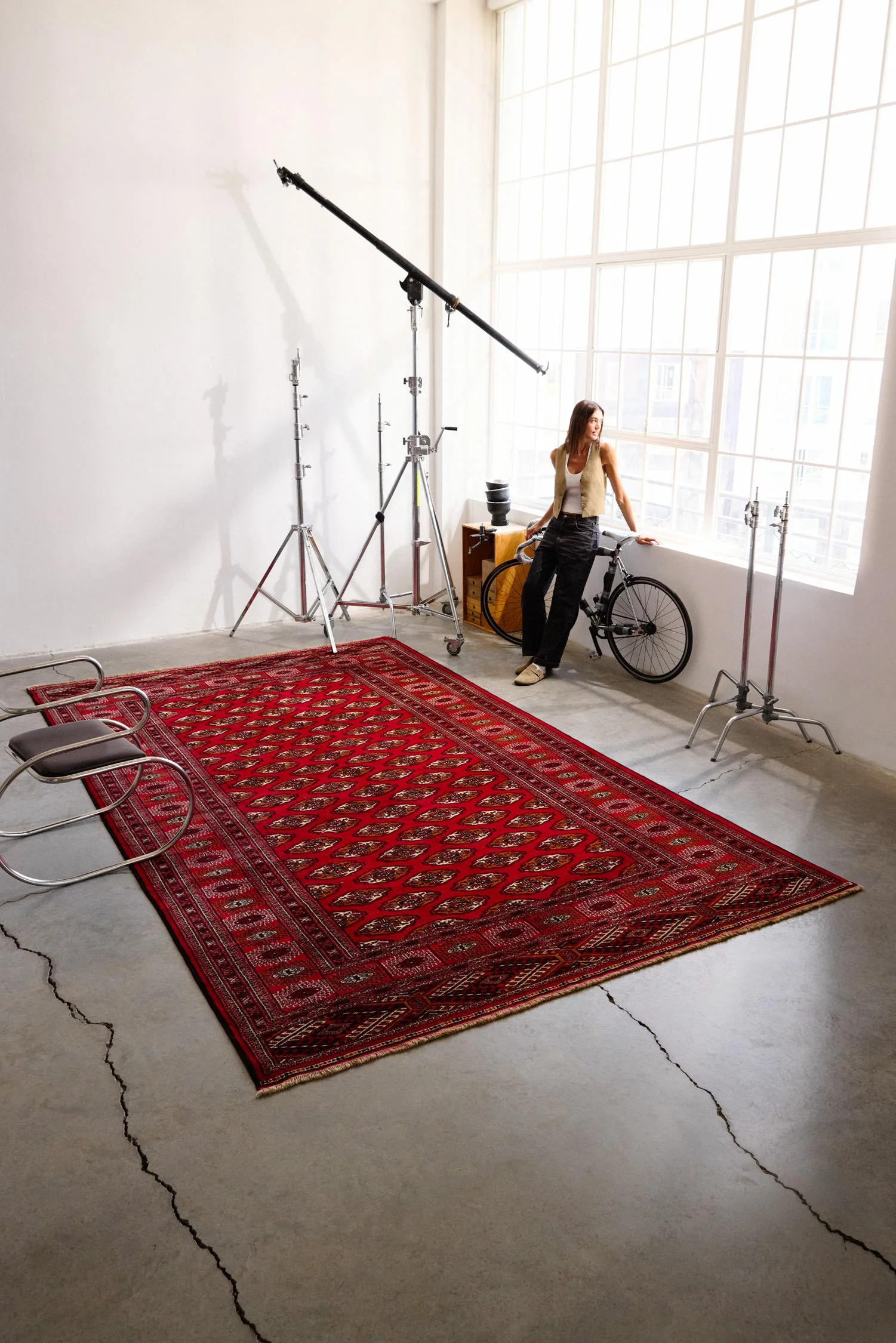
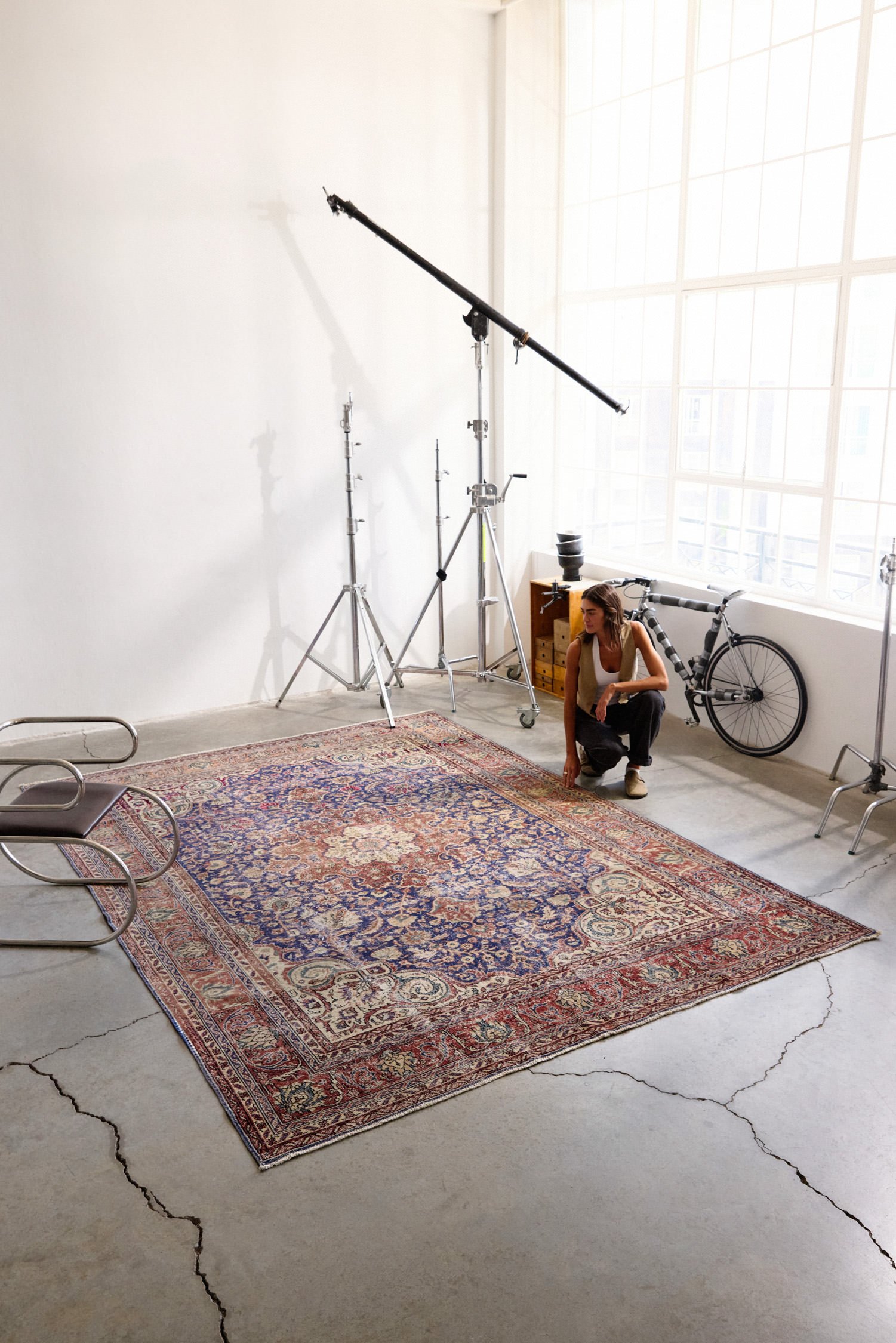
At 3'3" x 4'8", this works in entryways, bathrooms, in front of sinks, as a layering piece over larger rugs, or as a small accent in bedrooms or offices. The compact size fits spaces where you want concentrated color and tribal character without large-scale coverage.
The deep indigo and brick red palette brings bold color to interiors. Traditional settings appreciate the tribal authenticity and semi-antique provenance. Contemporary spaces can use the saturated colors and geometric forms as a striking accent against neutral backgrounds. The visible wear and abrash add character that comes only with age.
Care Recommendations
To preserve the rug's beauty:
Rotate periodically for even wear
Vacuum regularly using a suction-only setting
Address spills immediately by blotting, never rubbing
Professional cleaning recommended annually
Avoid direct sunlight to maintain color integrity
Tribal weavers in the 1920s made rugs sized to fit the tents and small rooms where nomadic life happened.