 Image 1 of 6
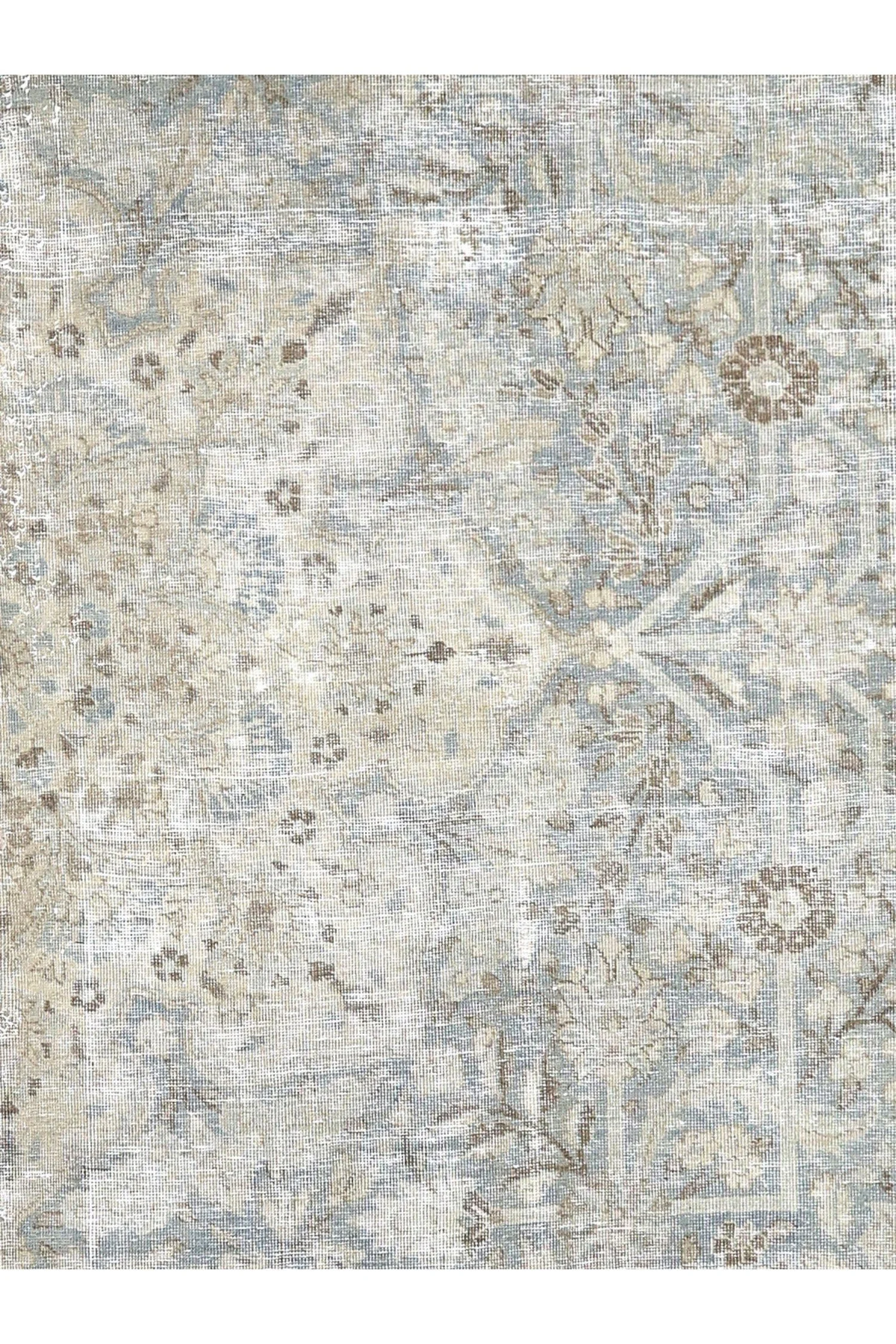 Image 2 of 6
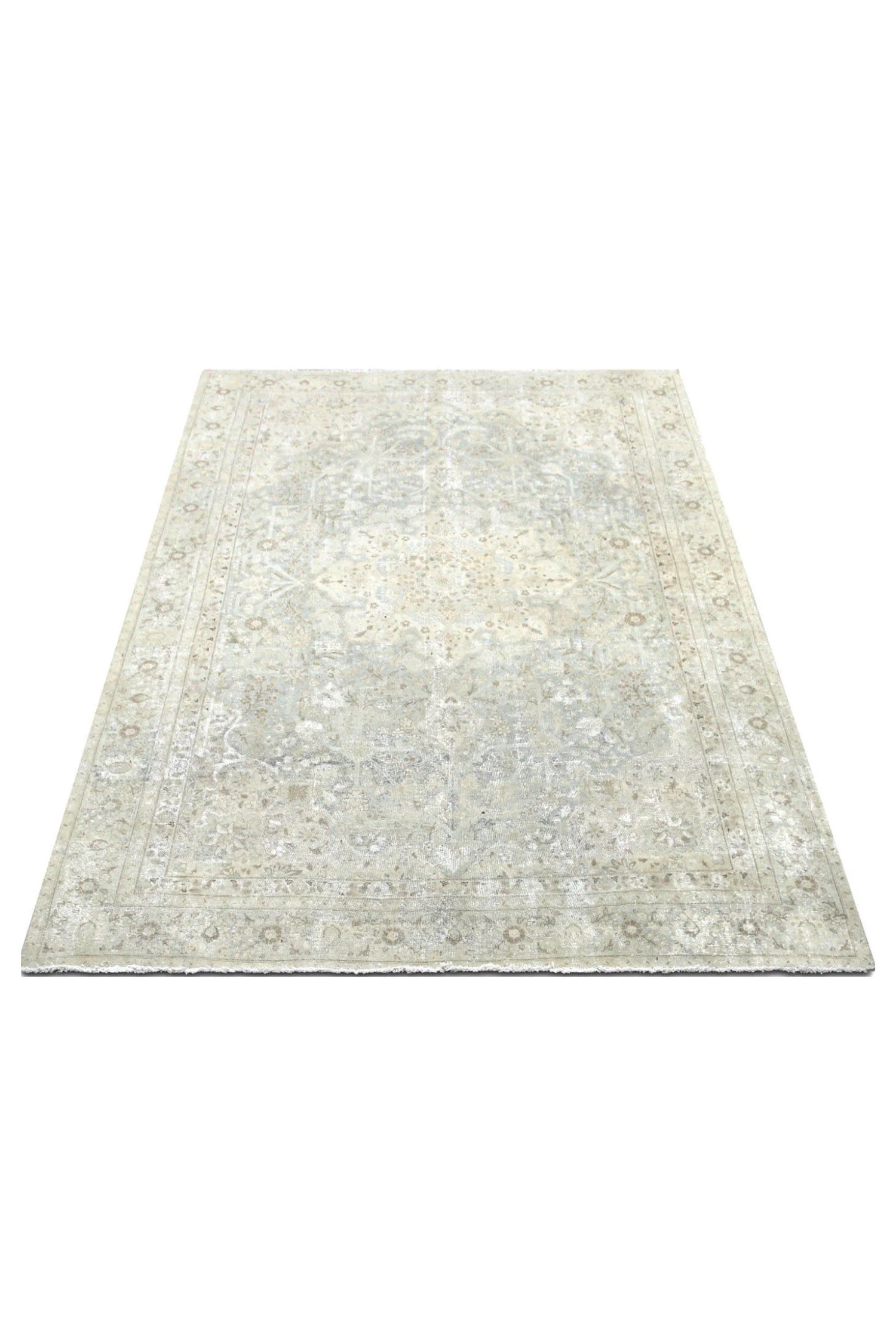 Image 3 of 6
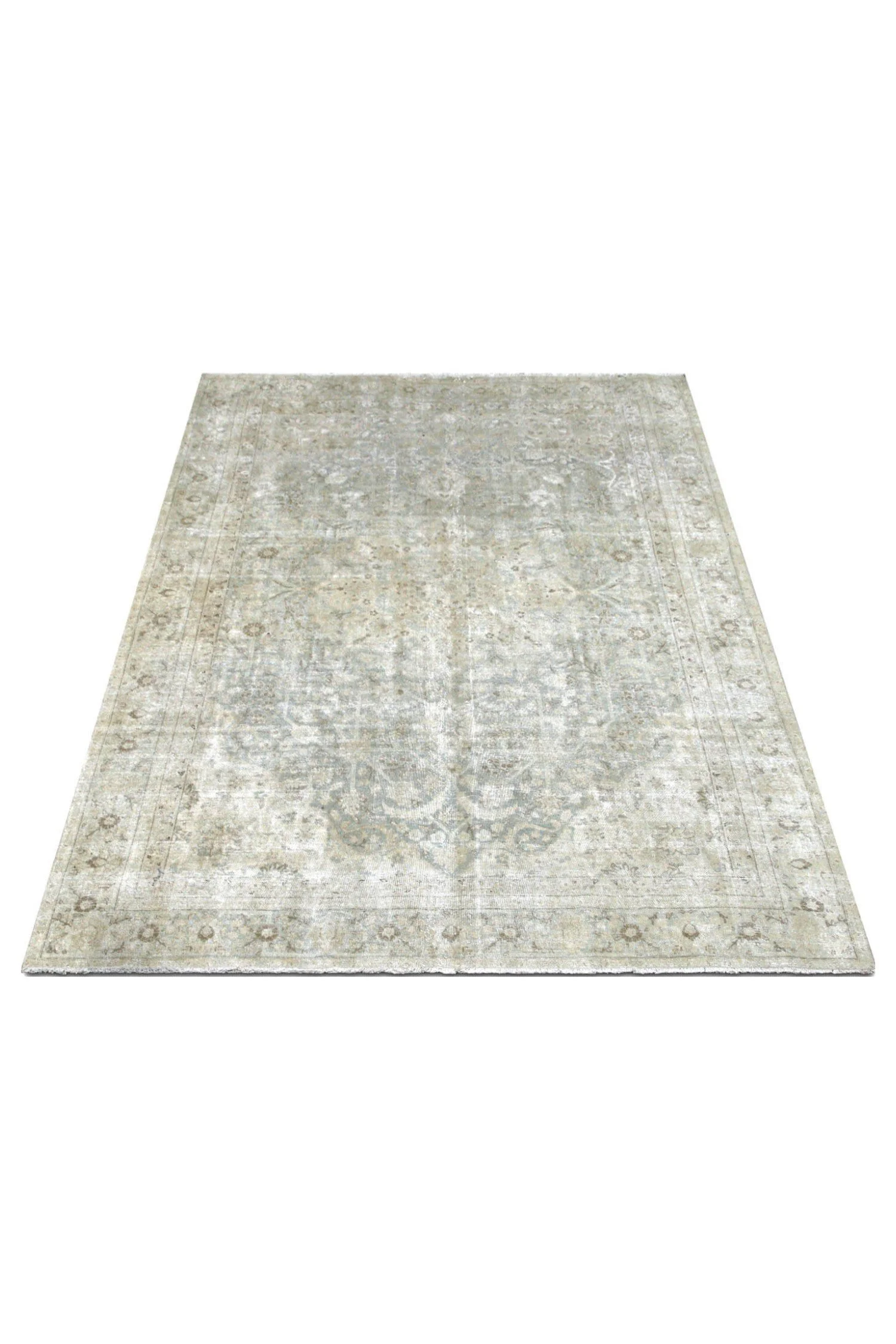 Image 4 of 6
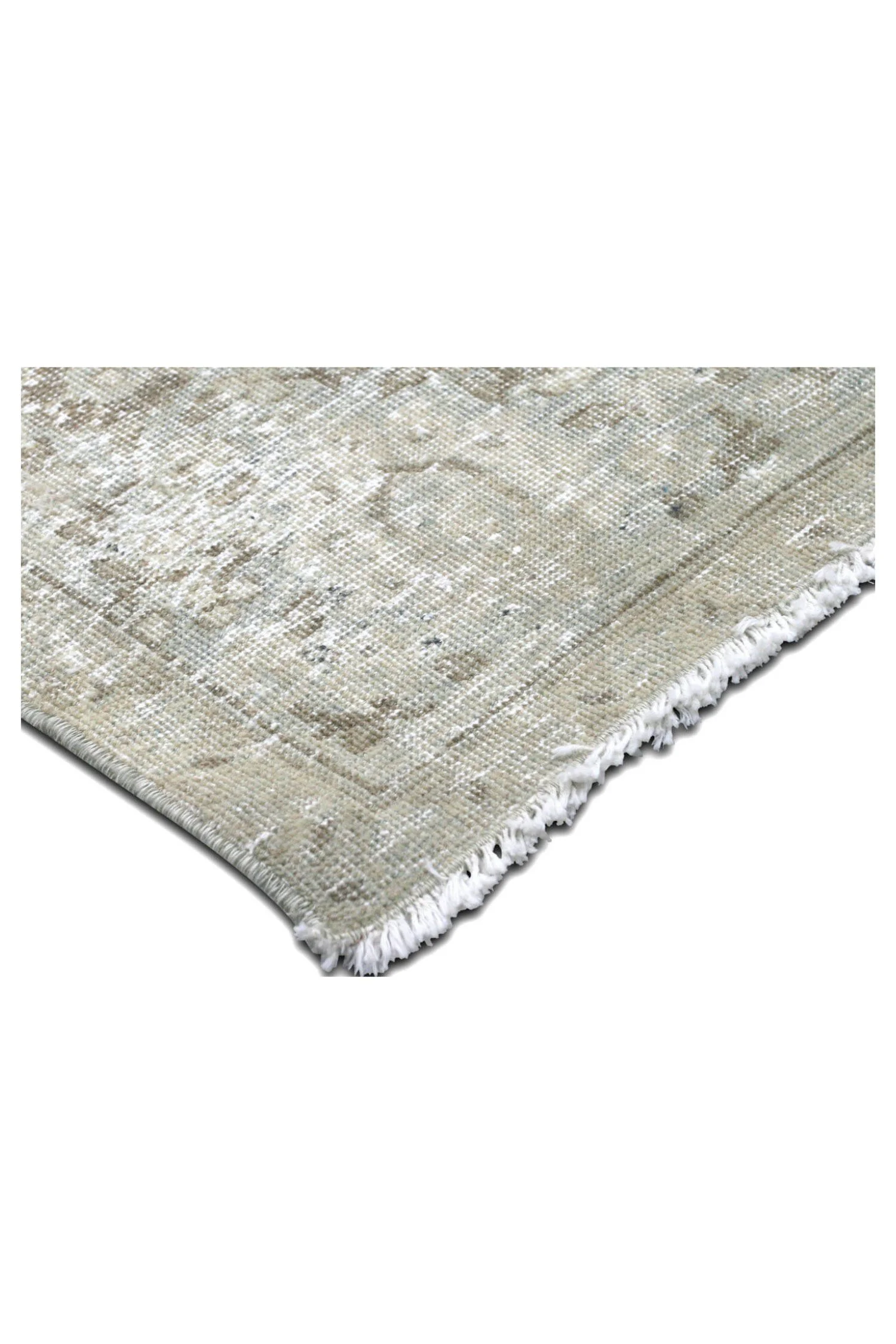 Image 5 of 6
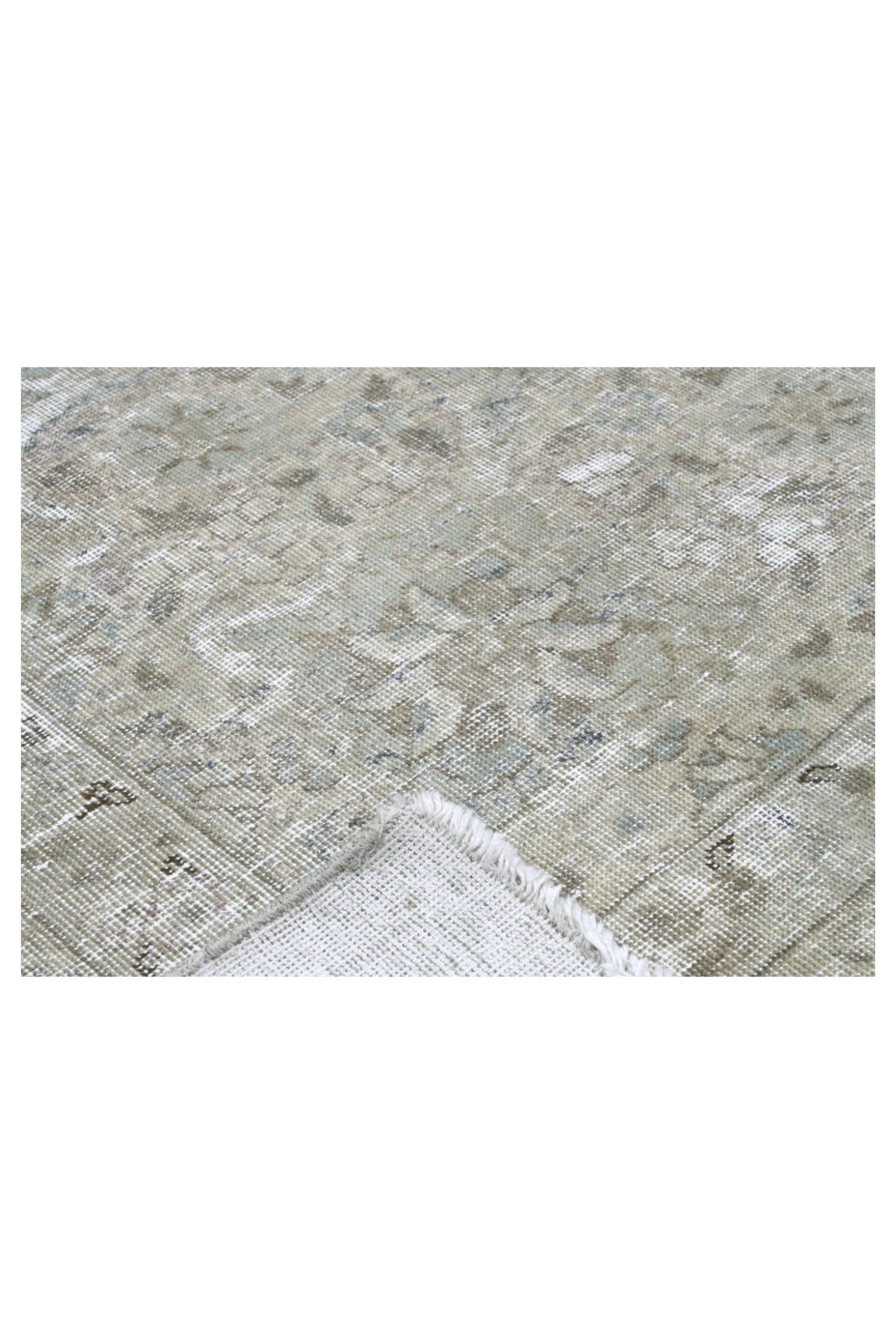 Image 6 of 6
Heritage and Craftsmanship
Tabriz workshops in the 1920s and 1930s produced rugs for both domestic Persian markets and the growing international market. The city's weavers had centuries of experience executing complex floral compositions, working from detailed cartoons that allowed for precise pattern replication across multiple rugs.
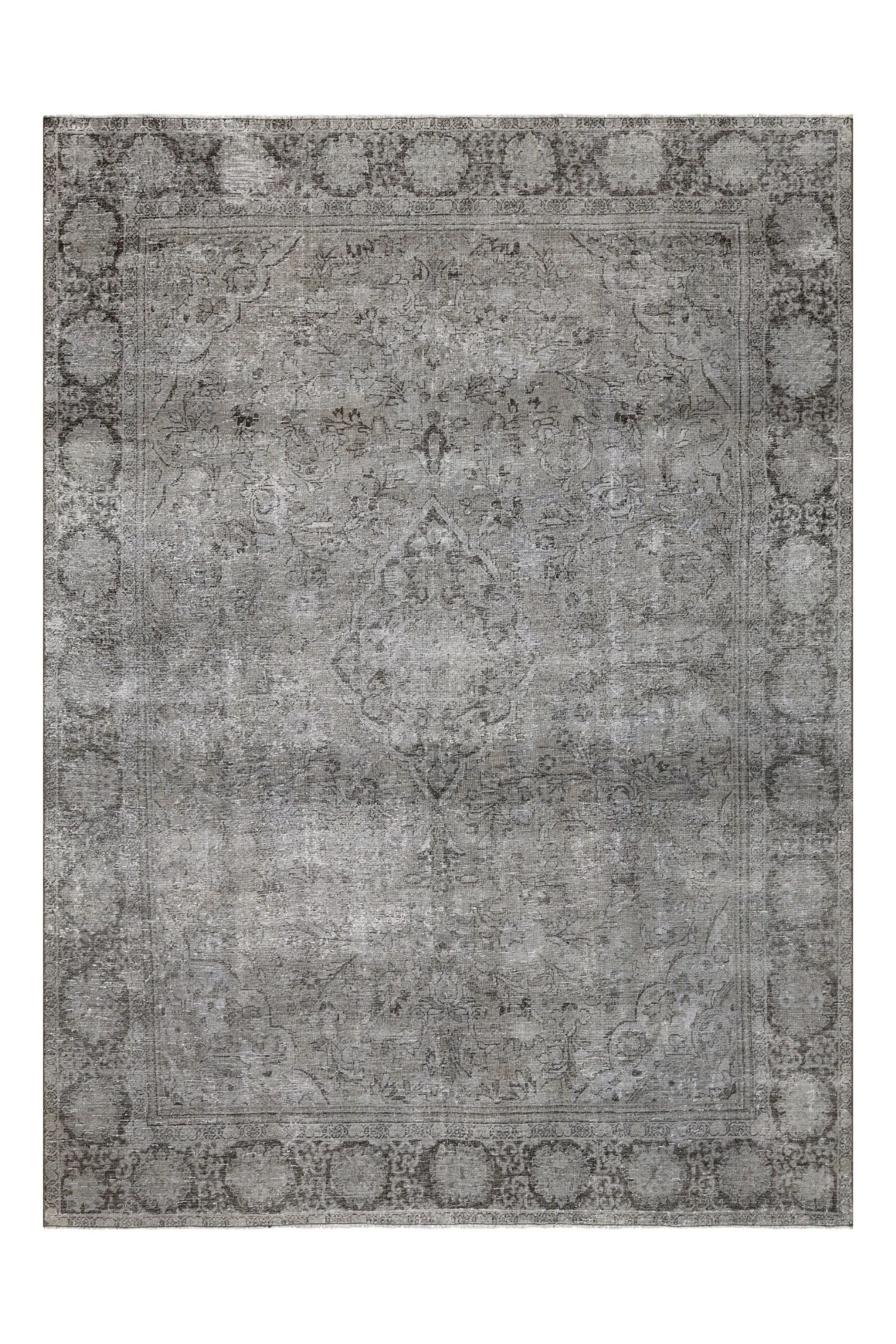
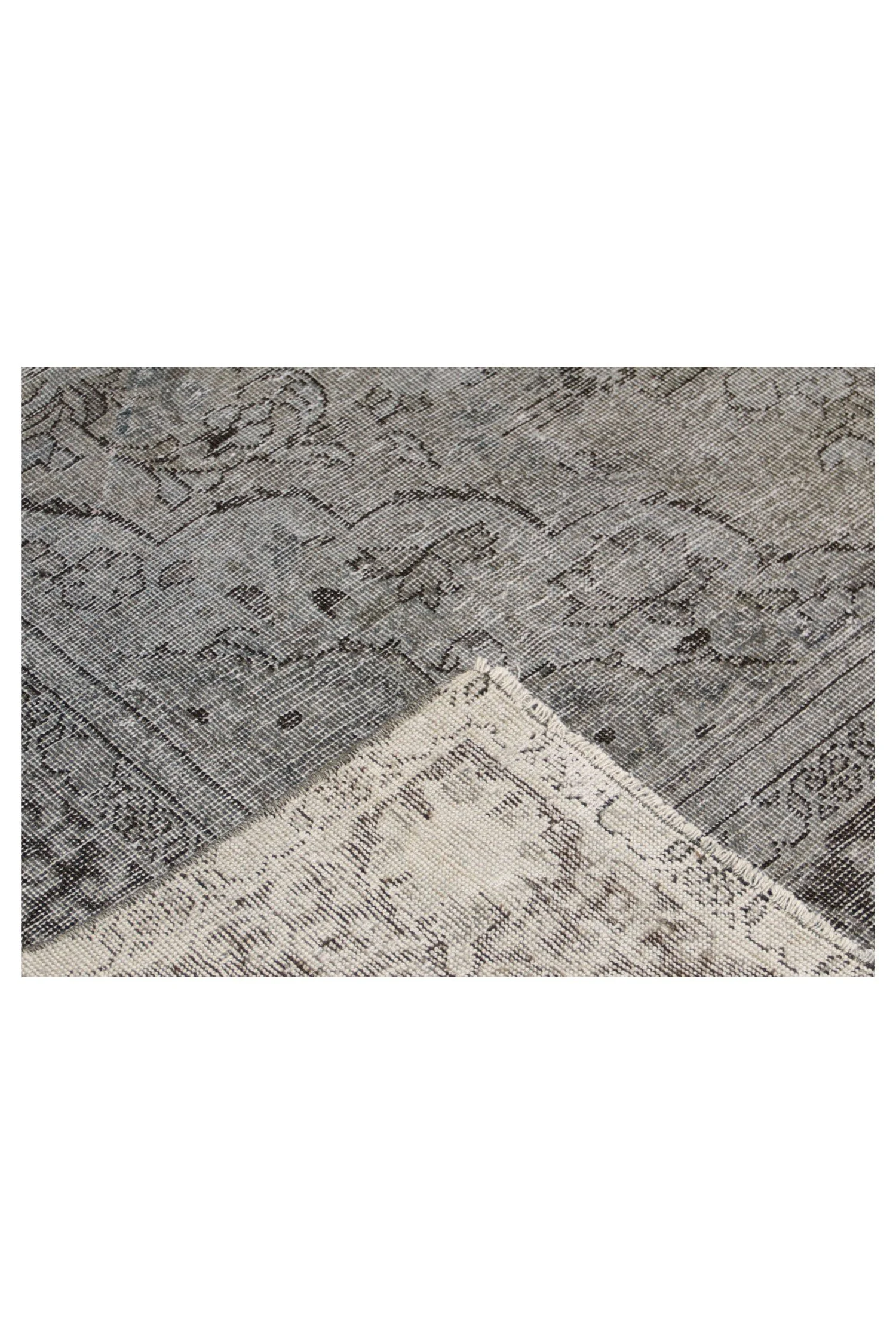
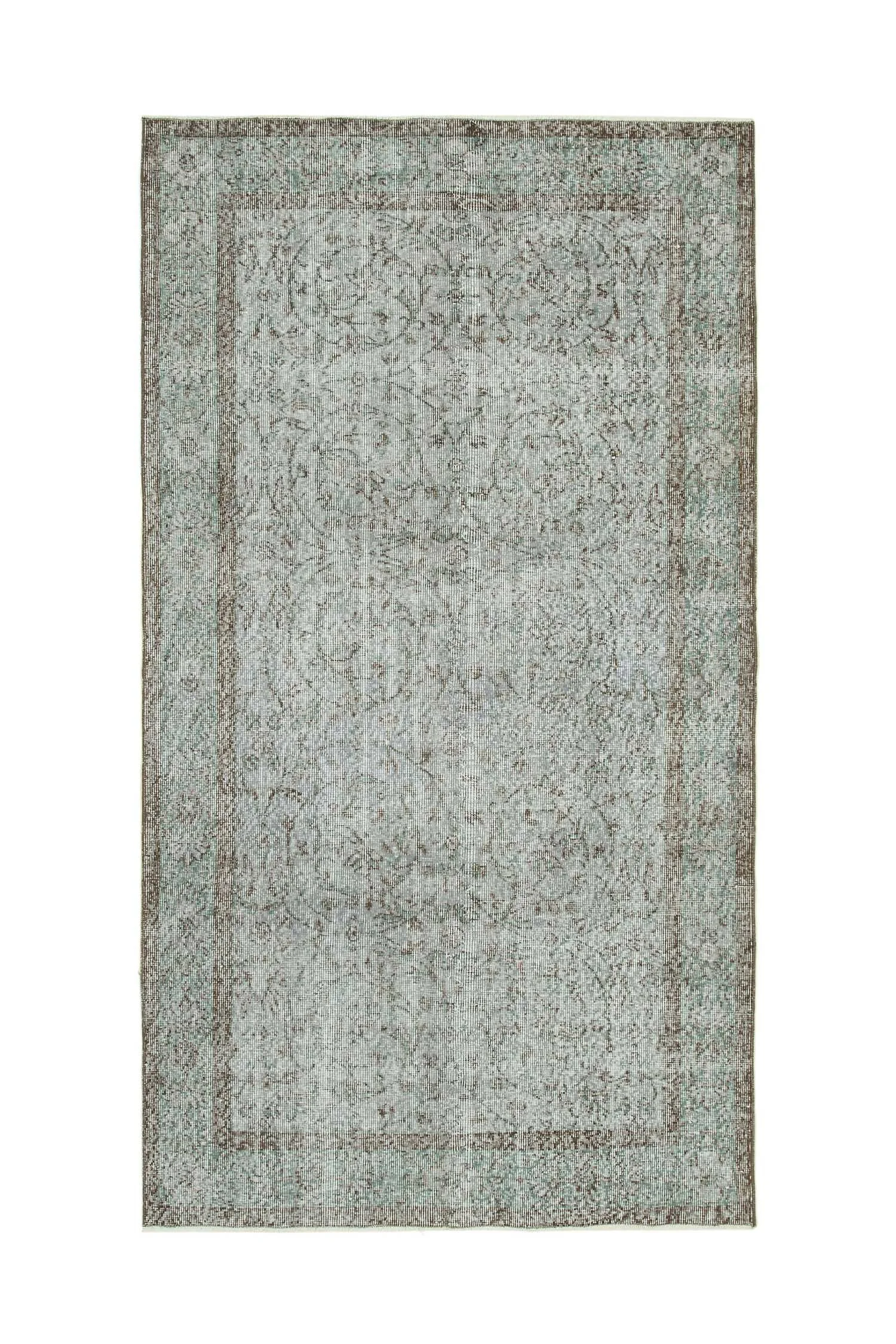
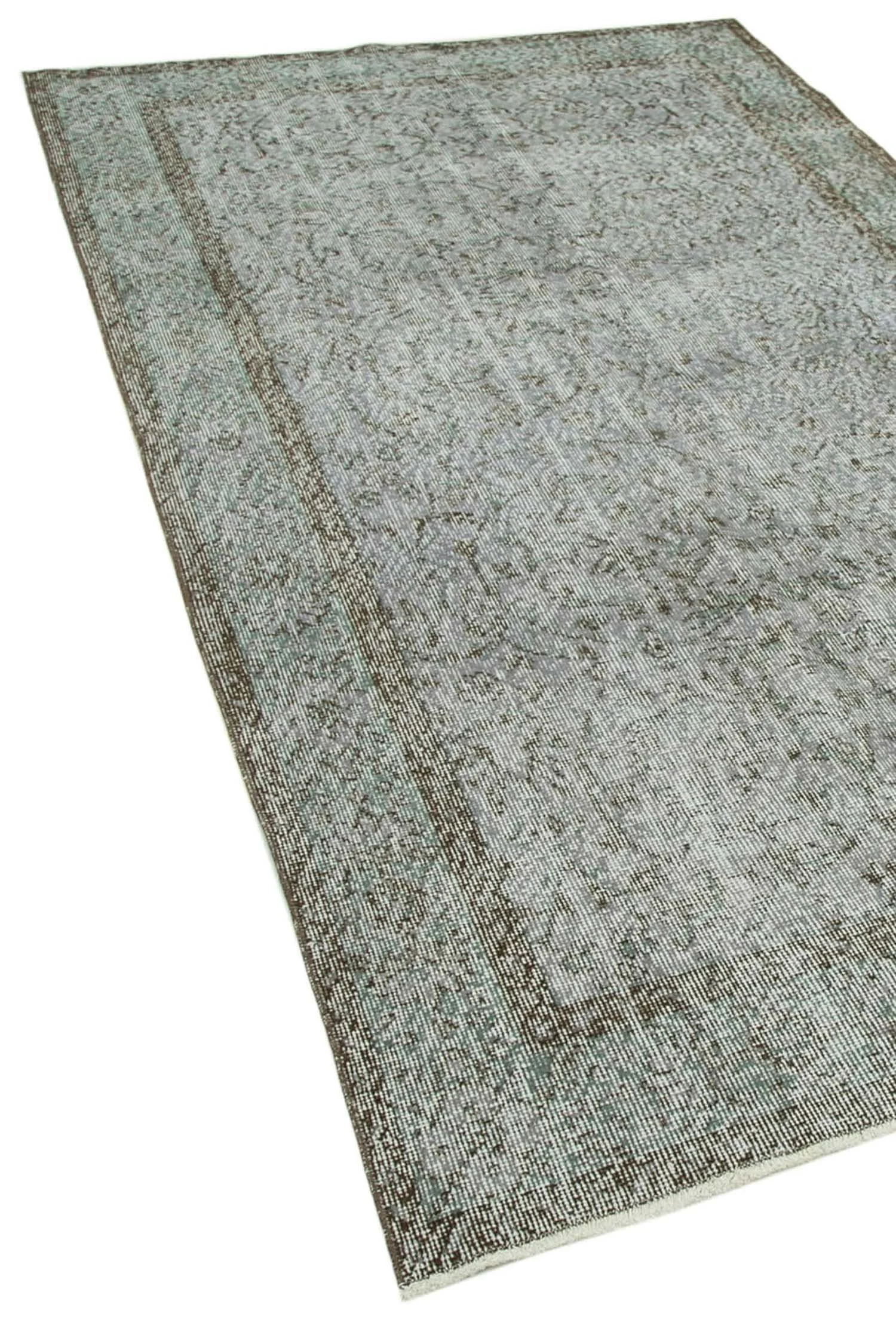
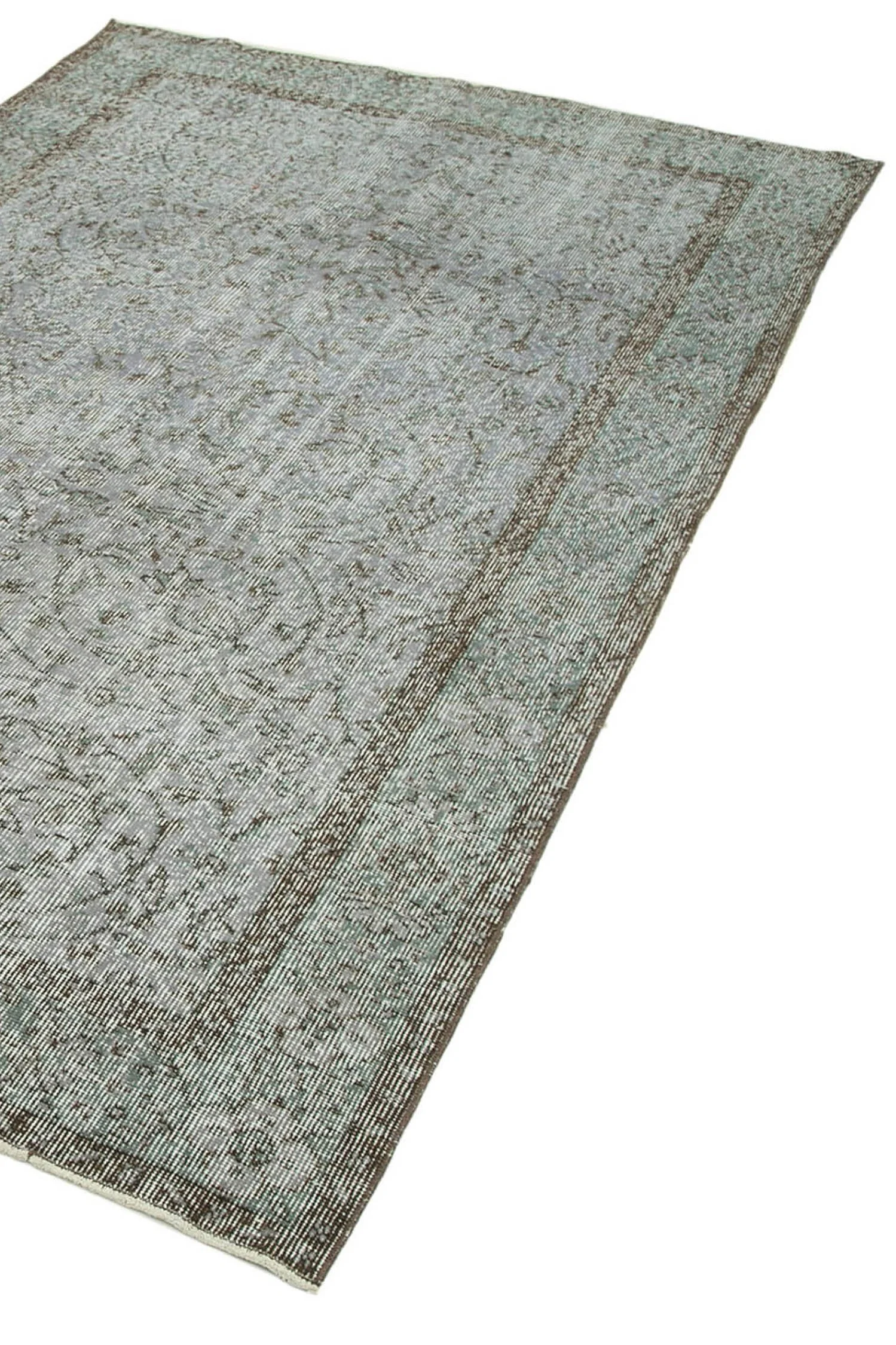
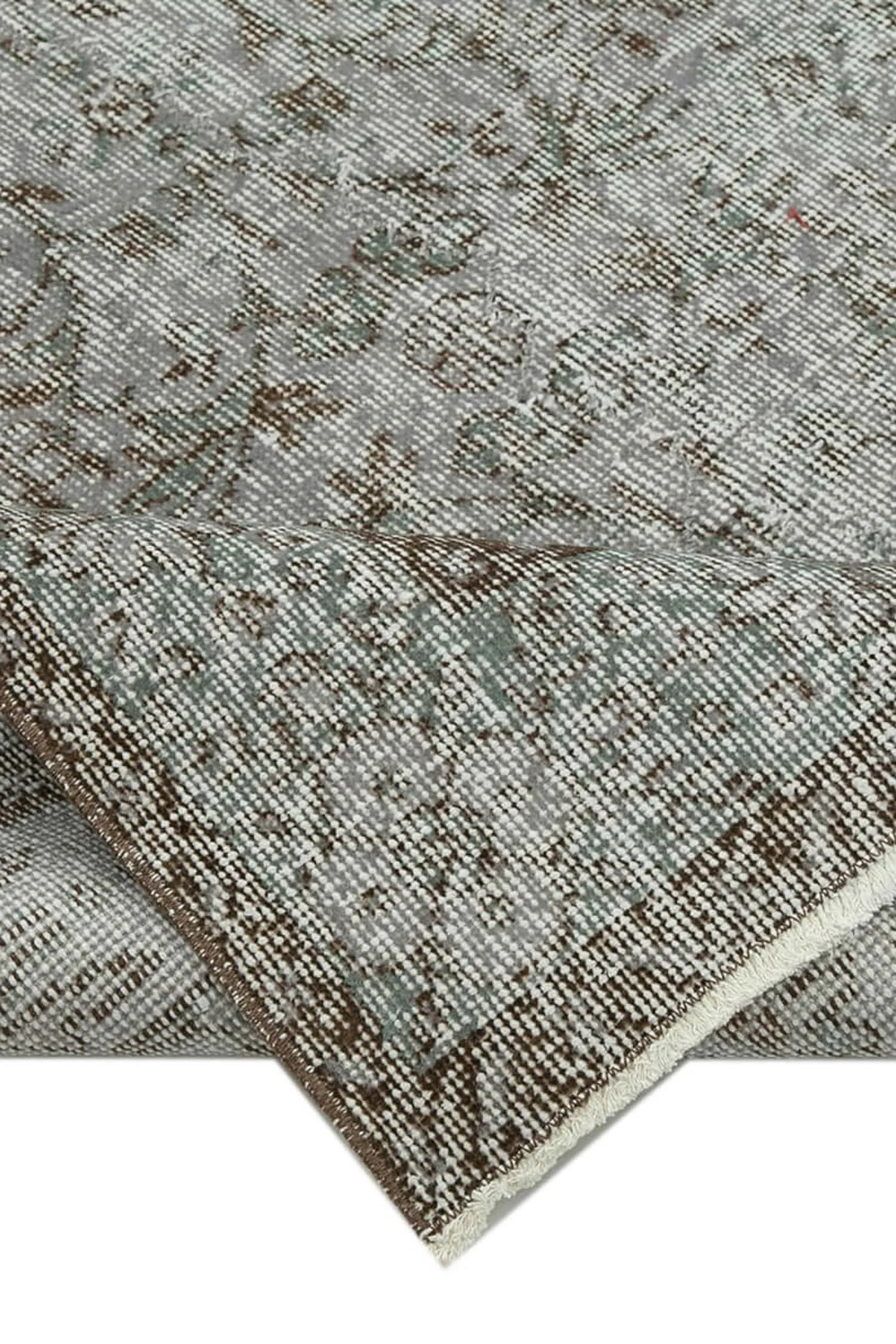
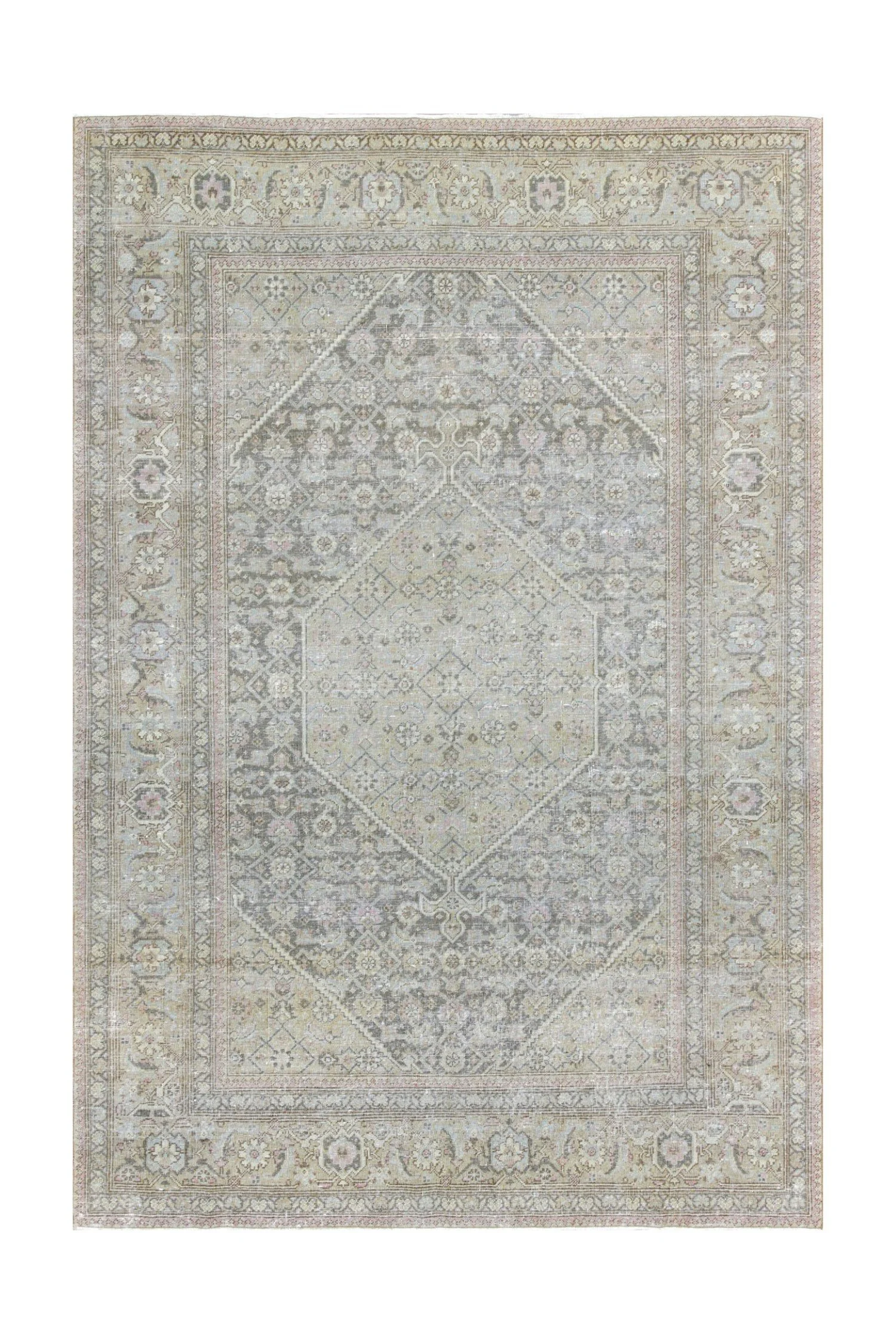
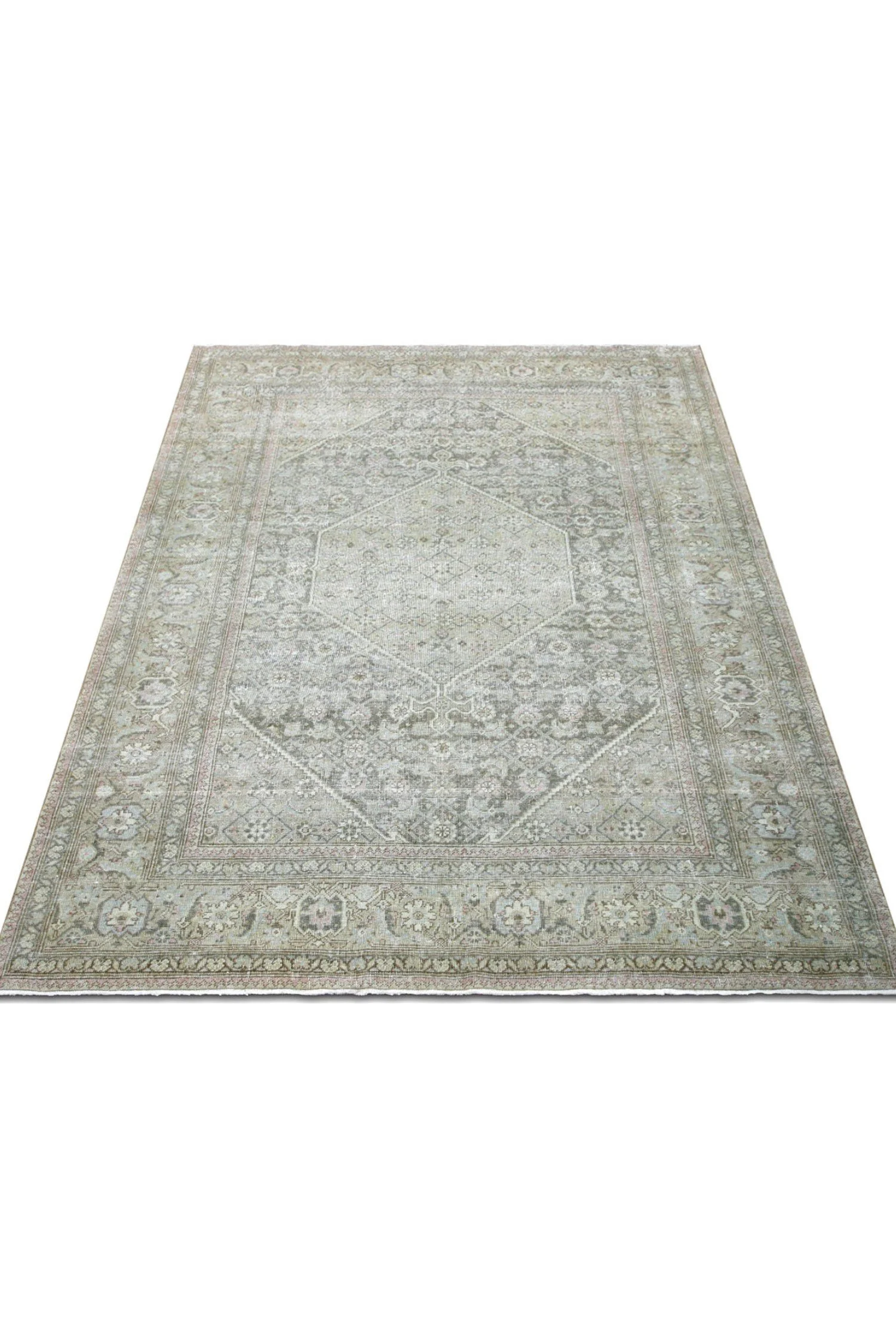
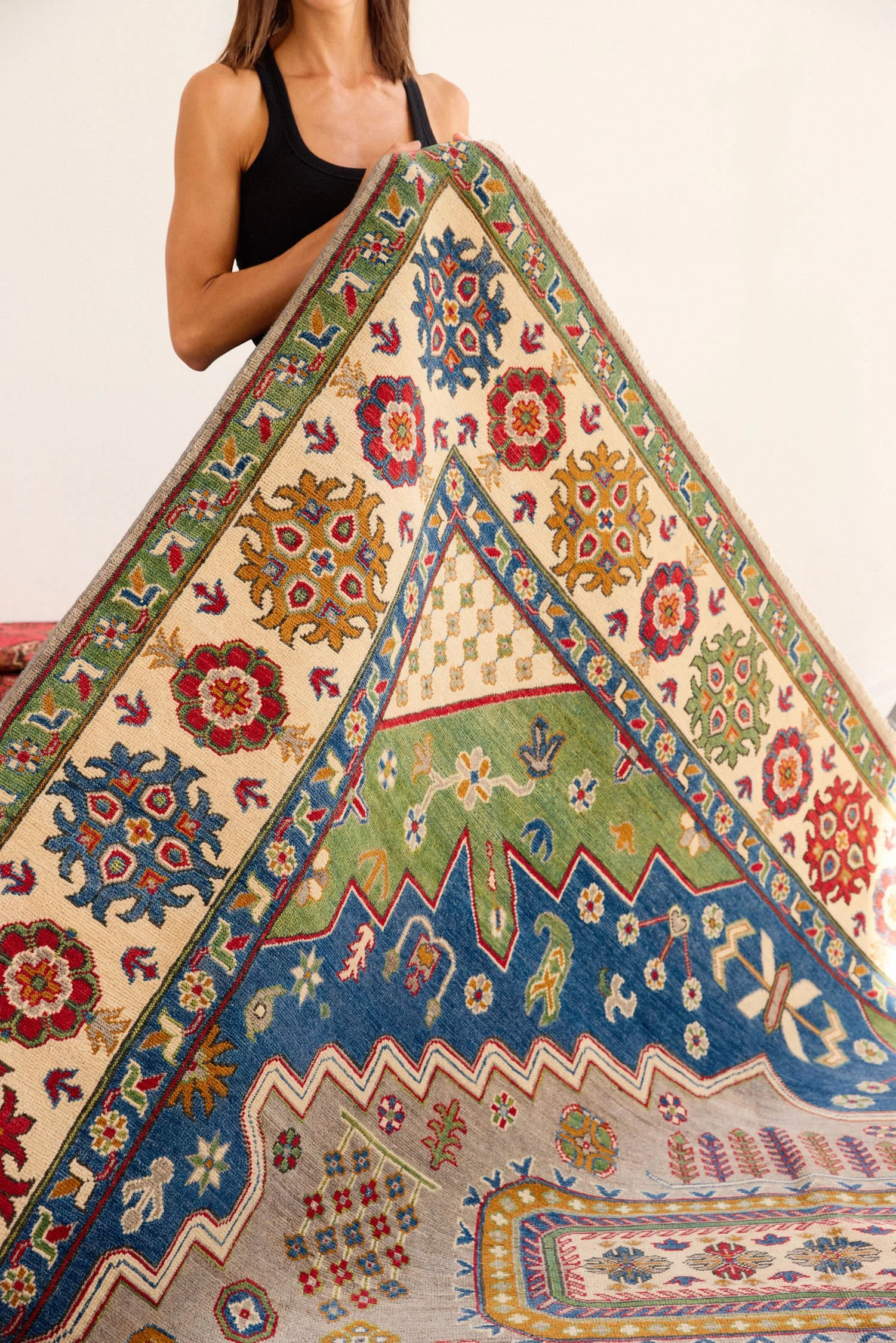
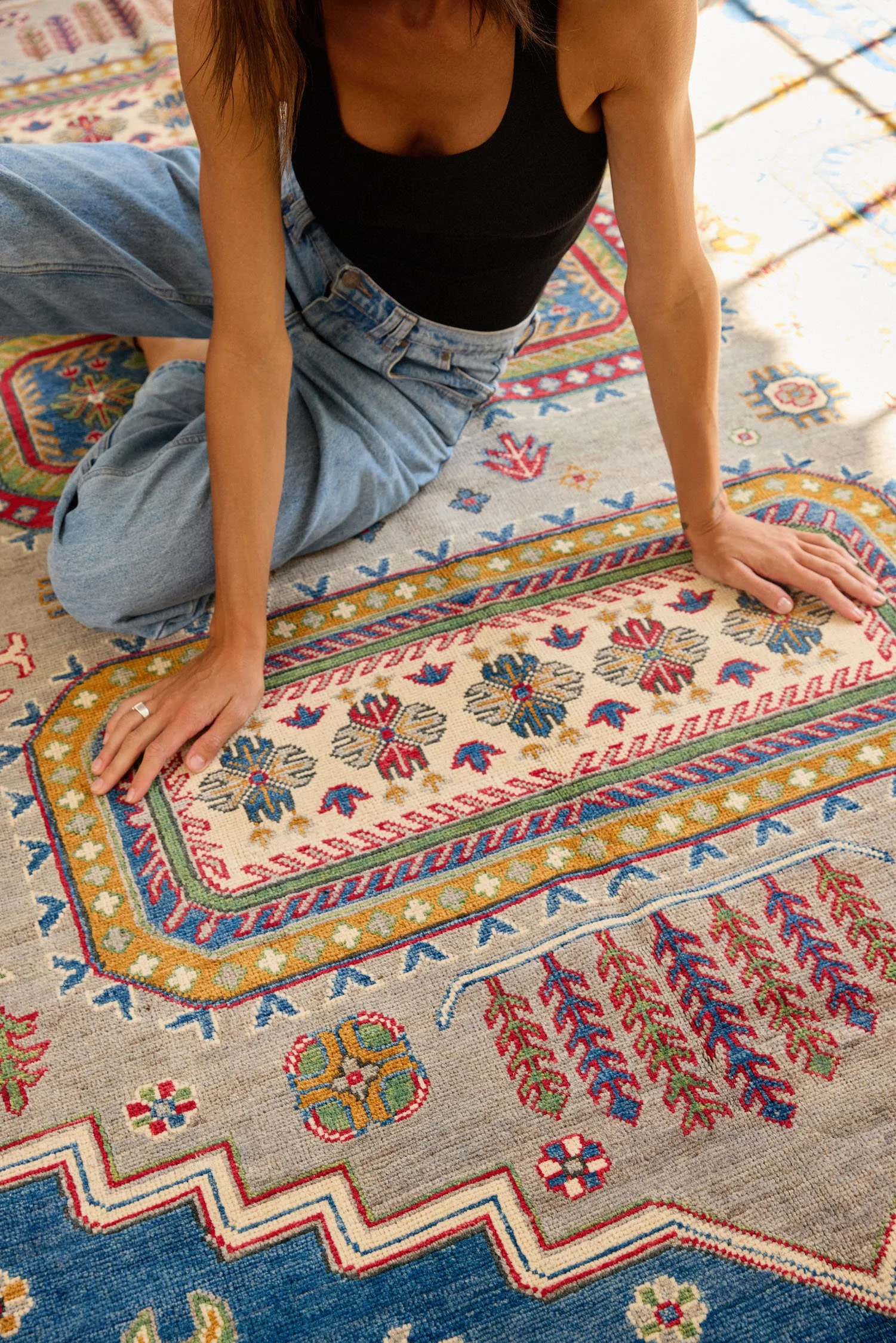
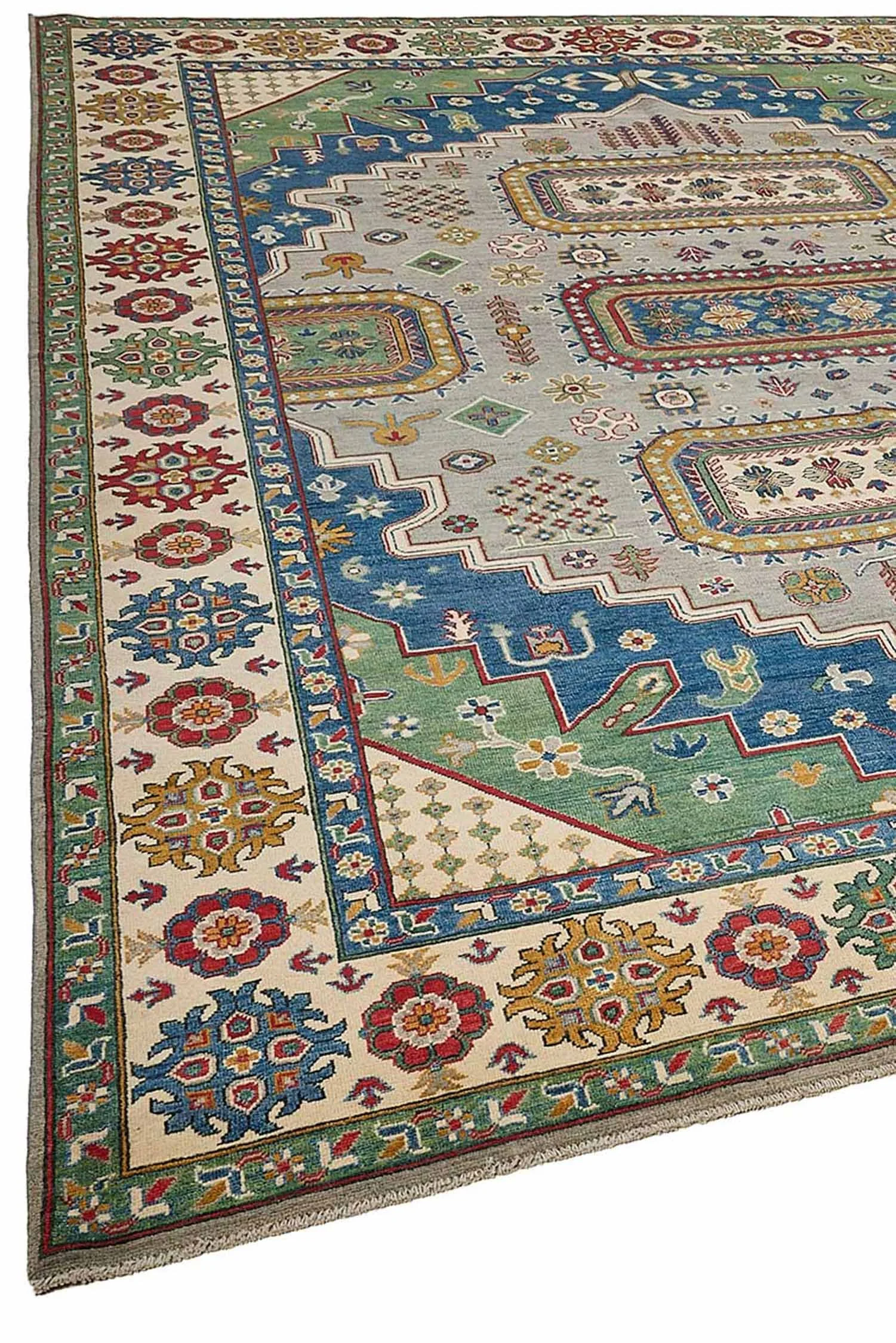
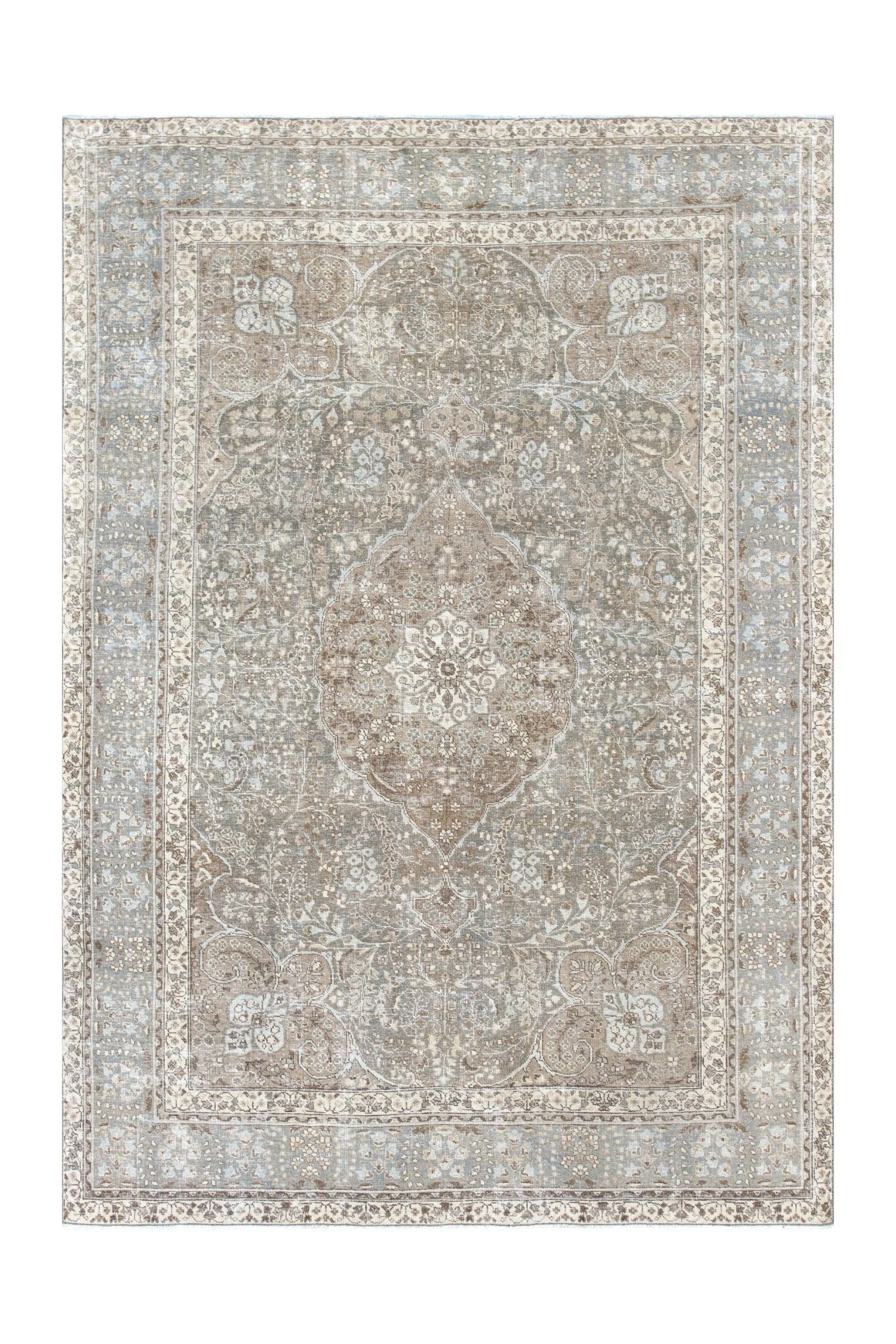
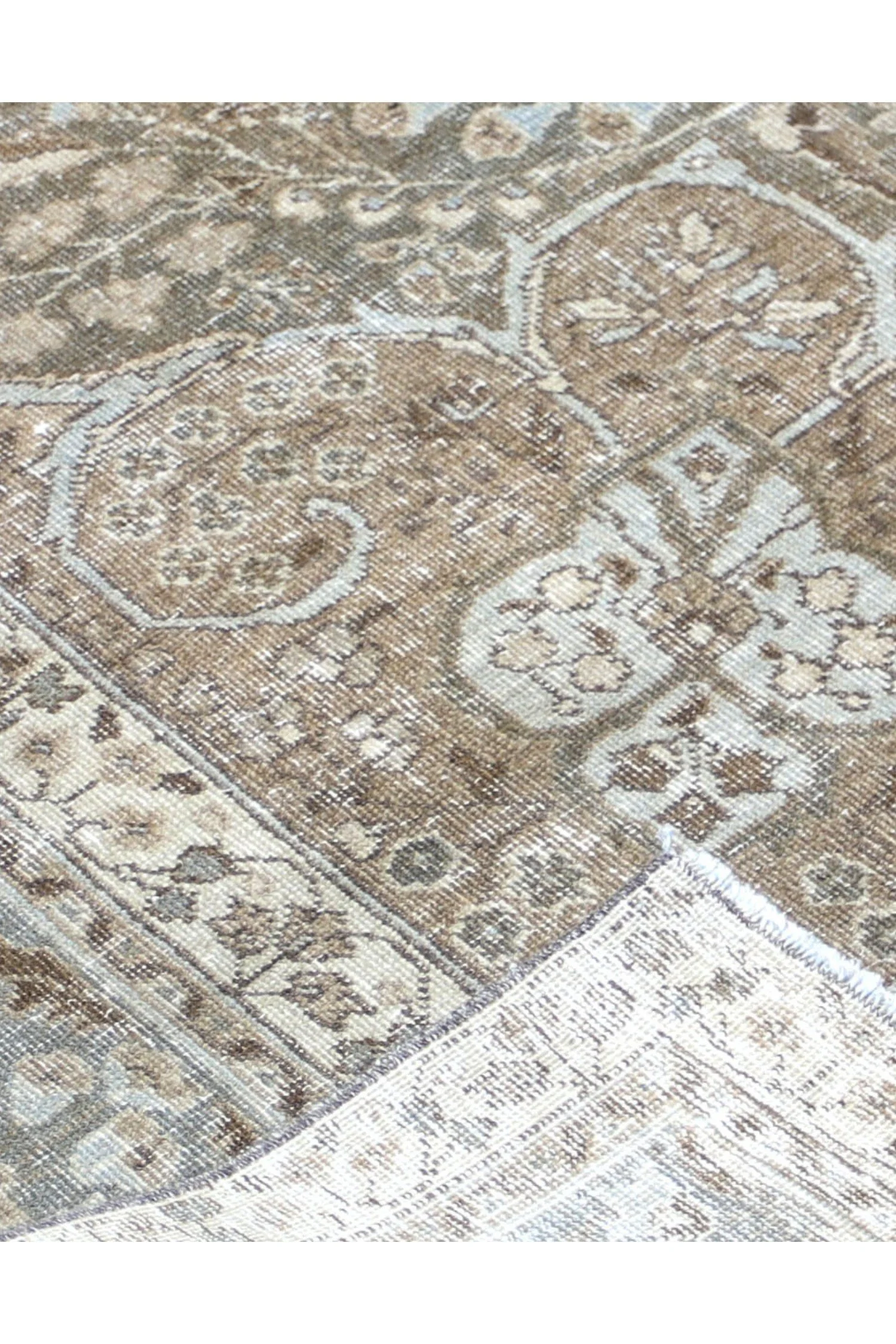
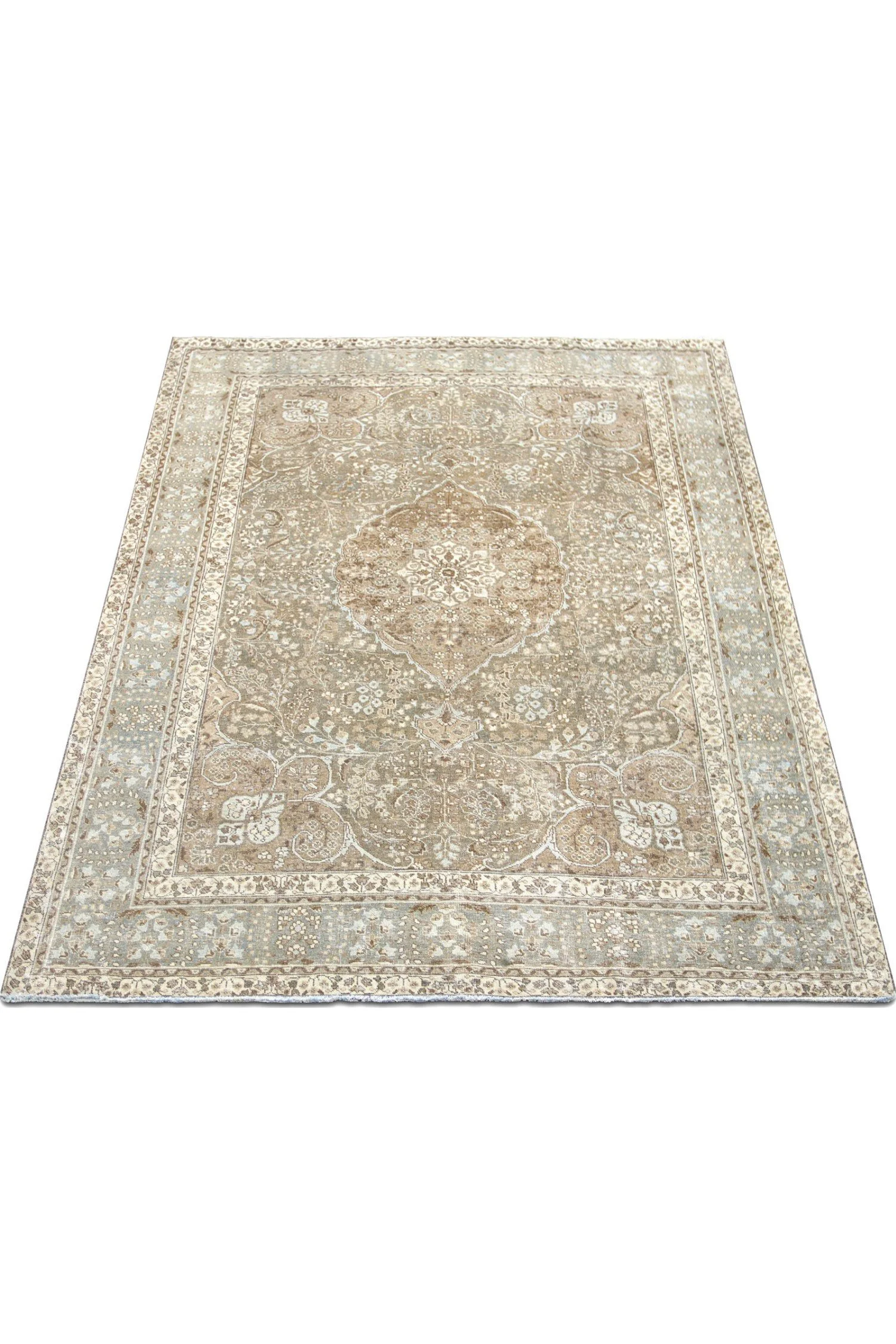
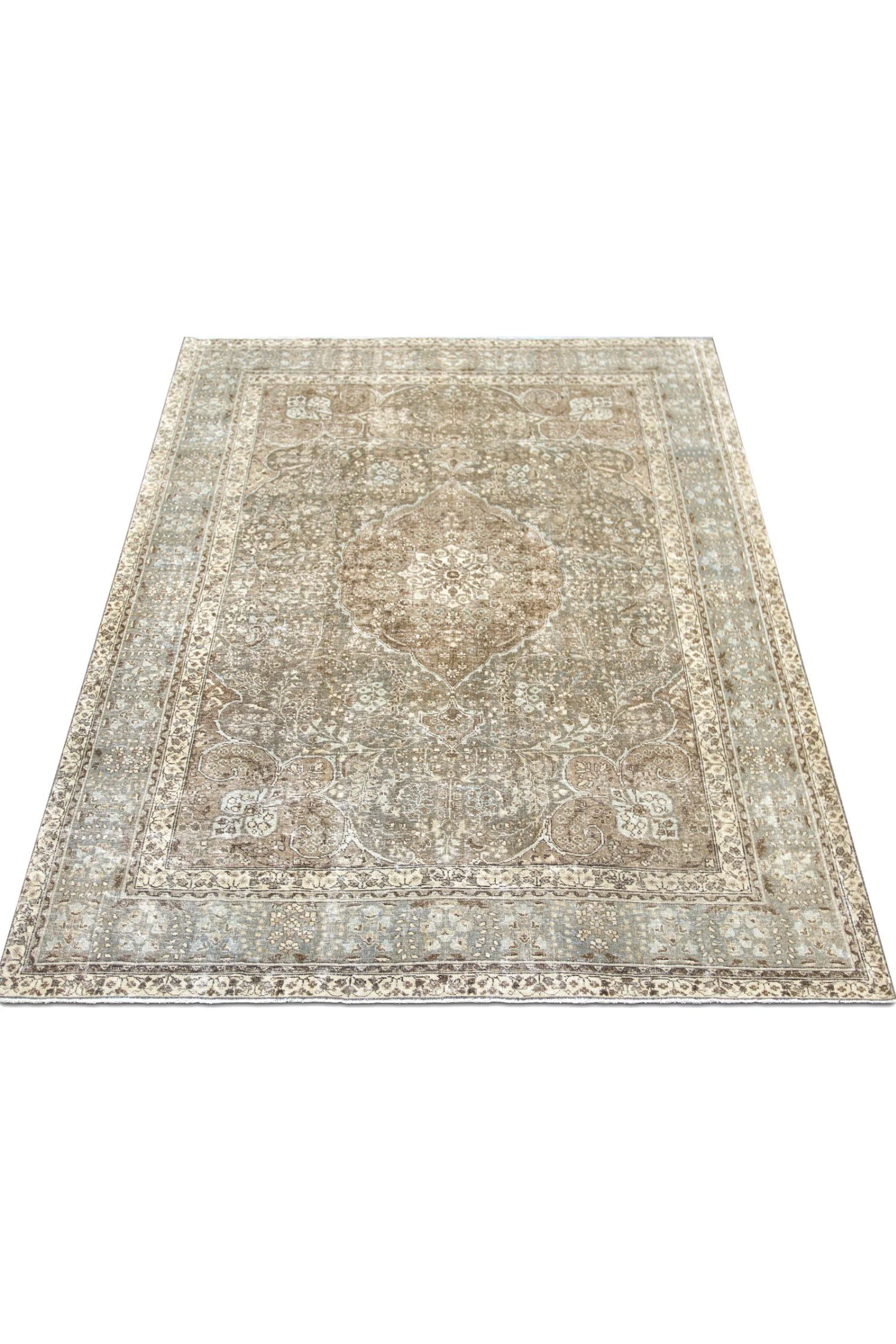
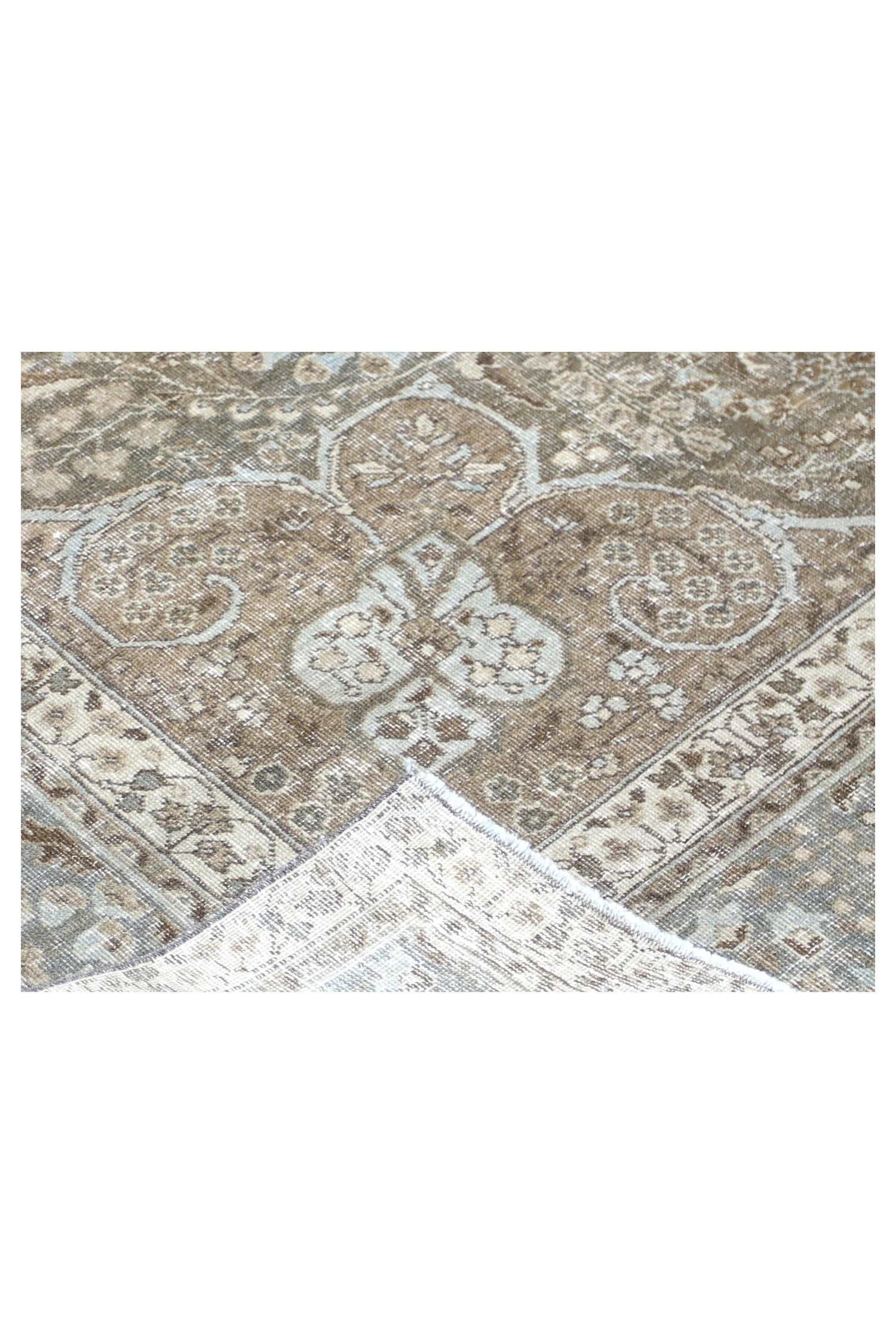
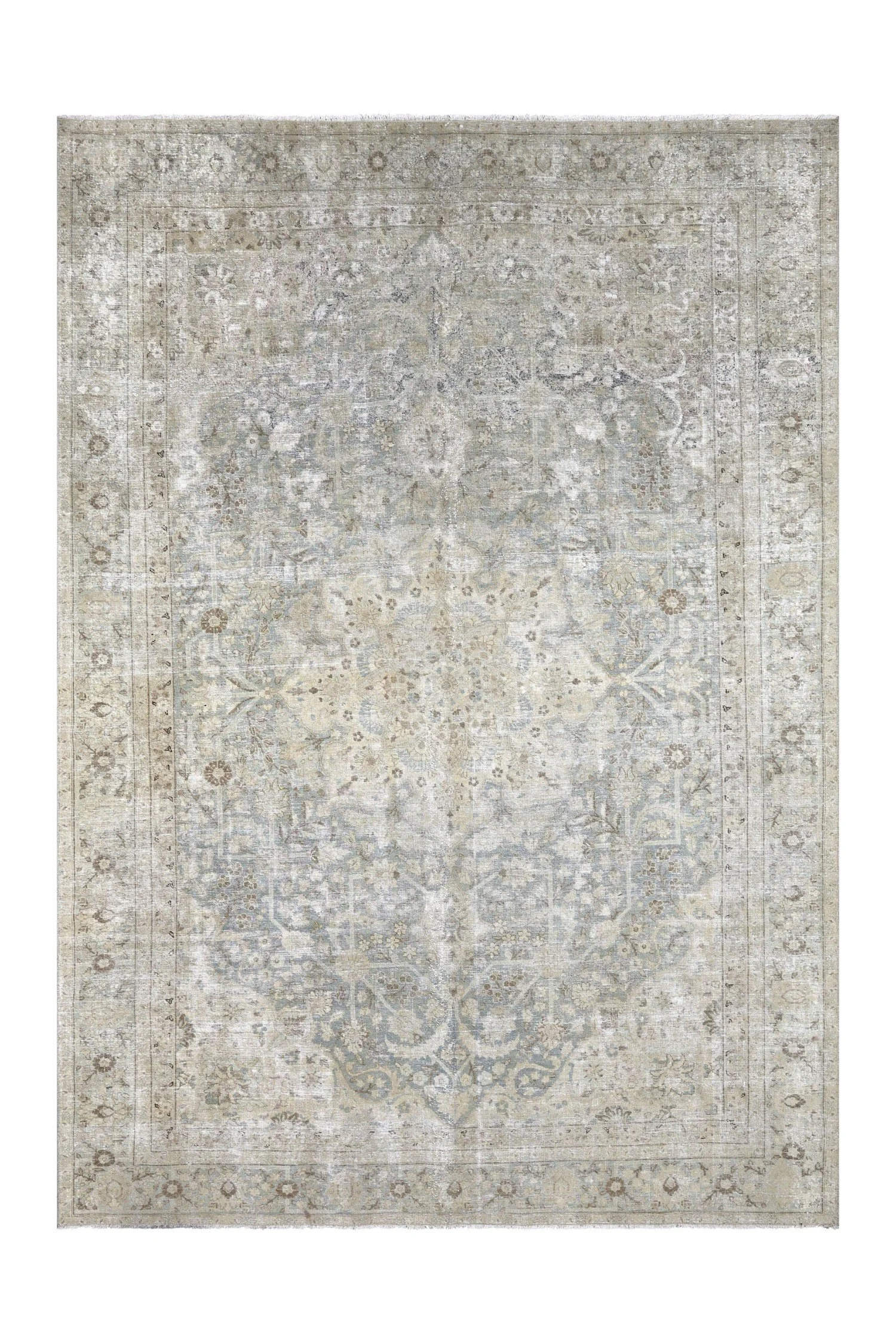
The soft stone and washed blue palette seen here reflects the natural aging of dyes used nearly a century ago. What likely started as deeper tones has mellowed over decades of use and exposure to light. This transformation distinguishes semi-antique pieces from newer production, where synthetic dyes maintain more stable color relationships.
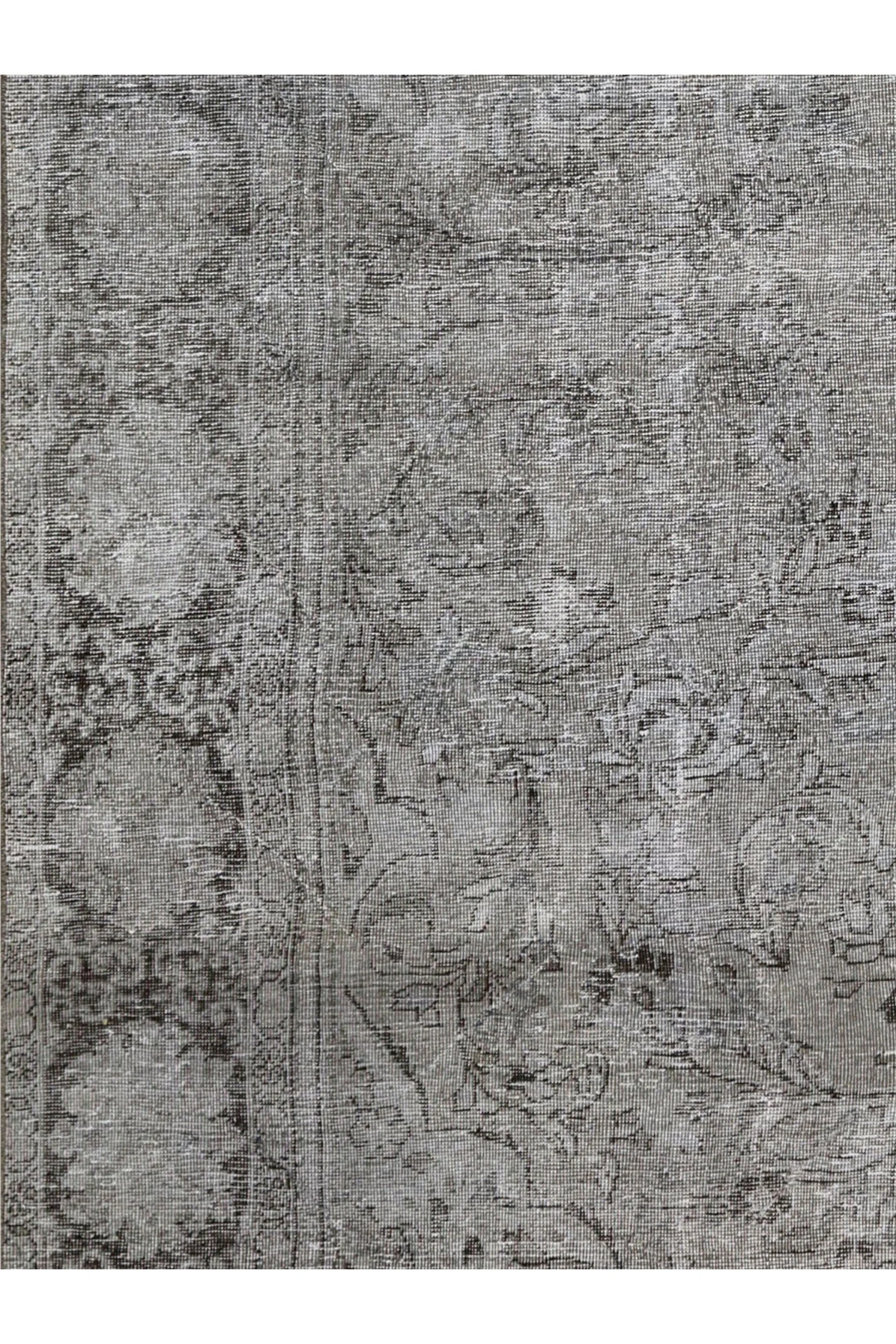
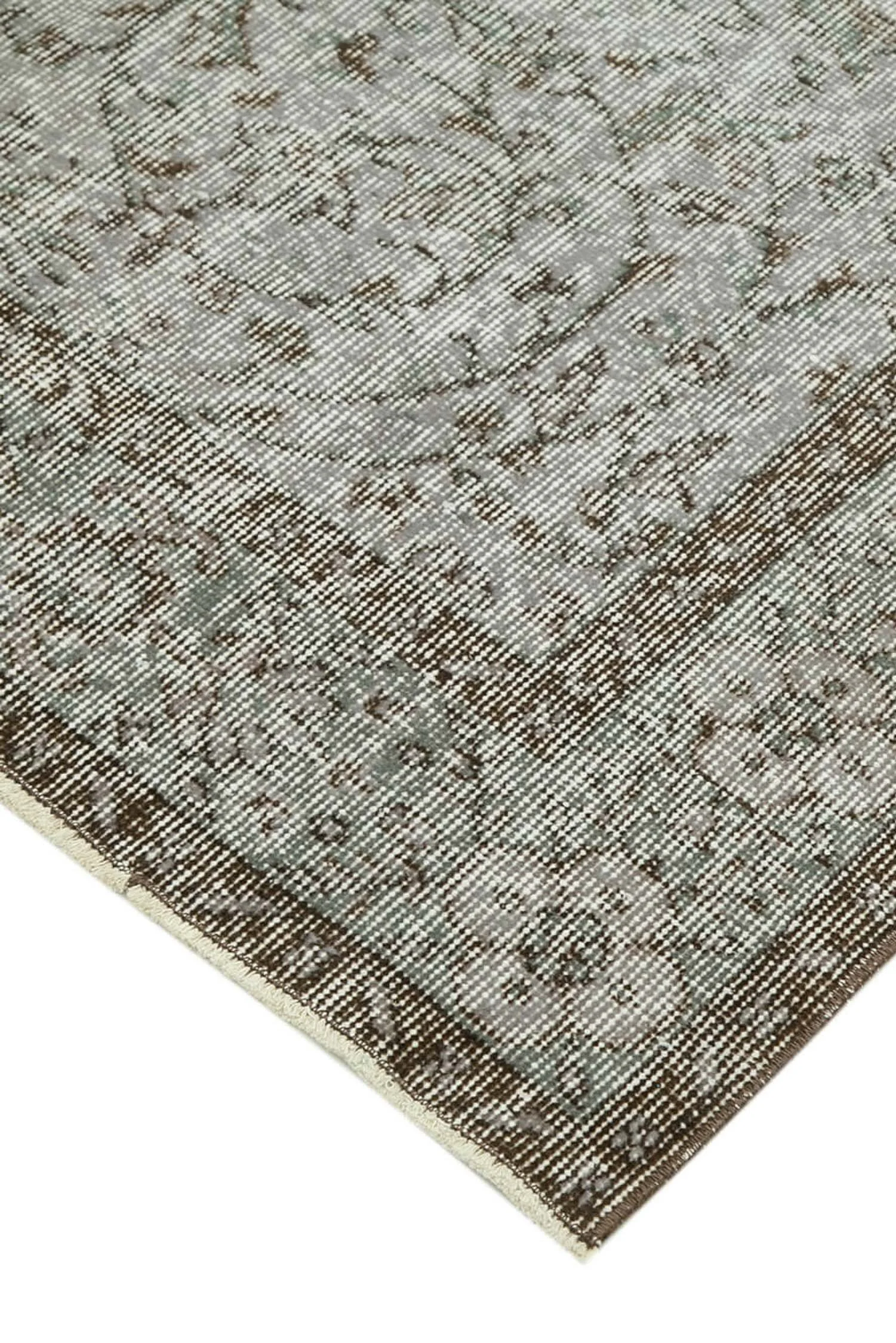
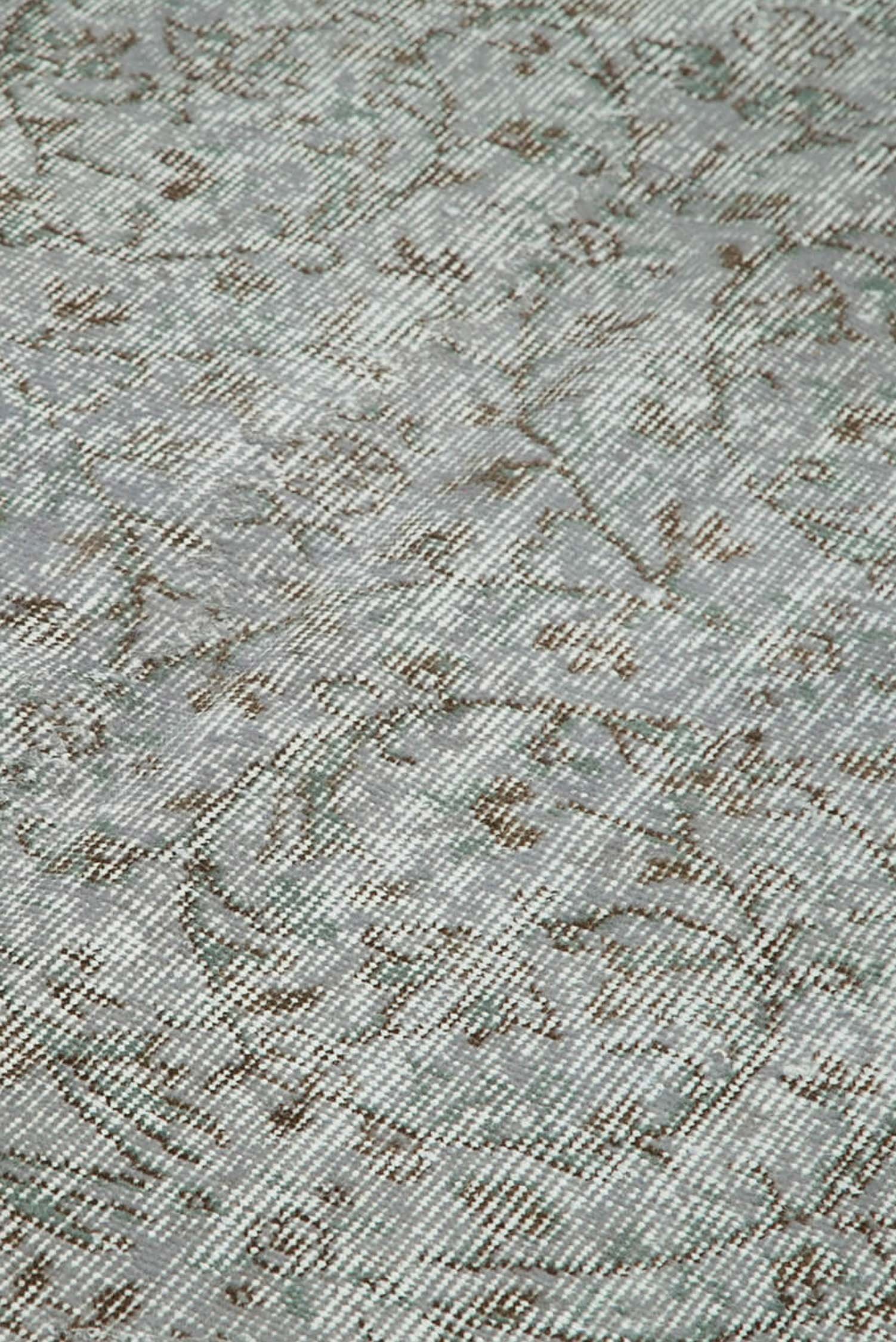
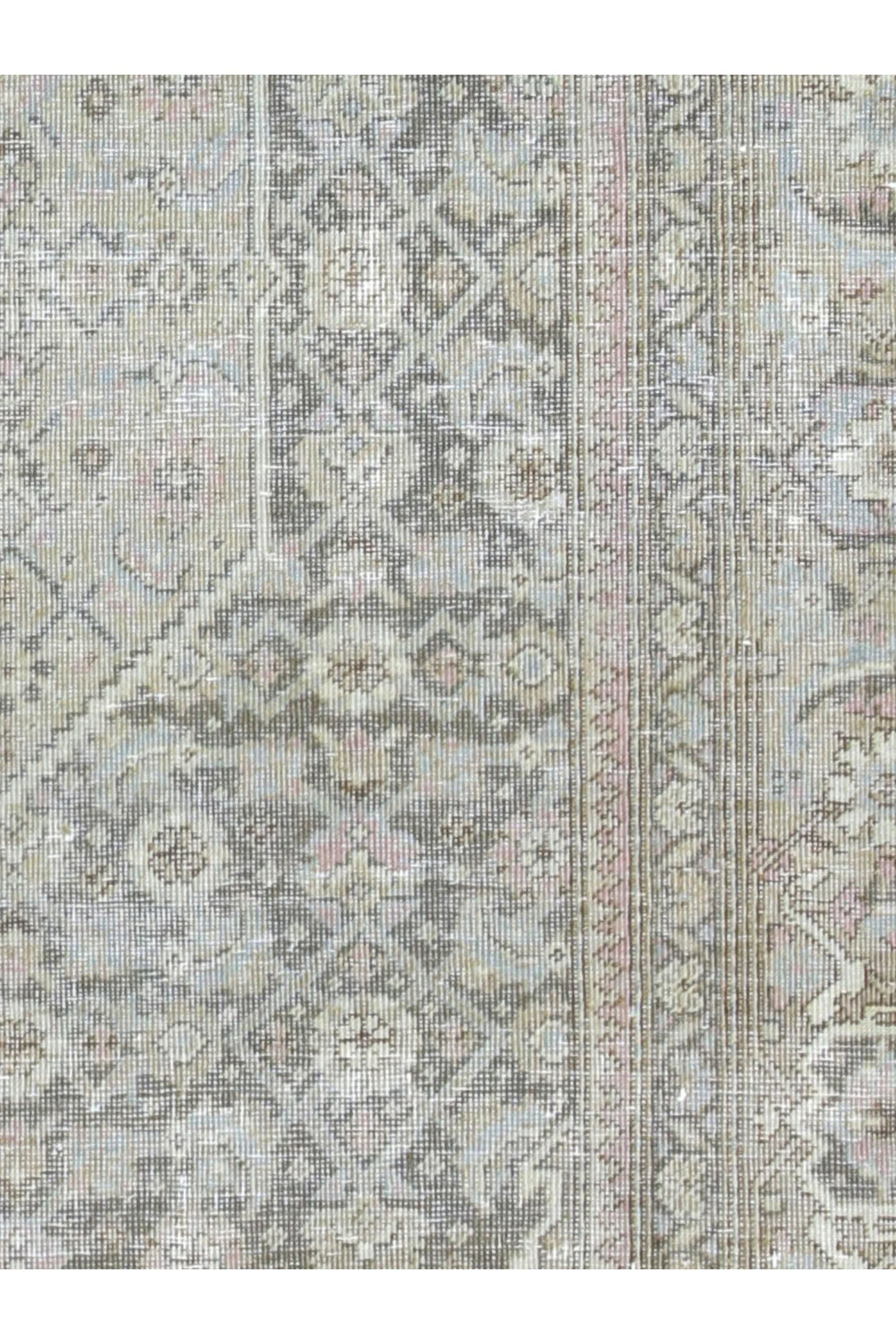
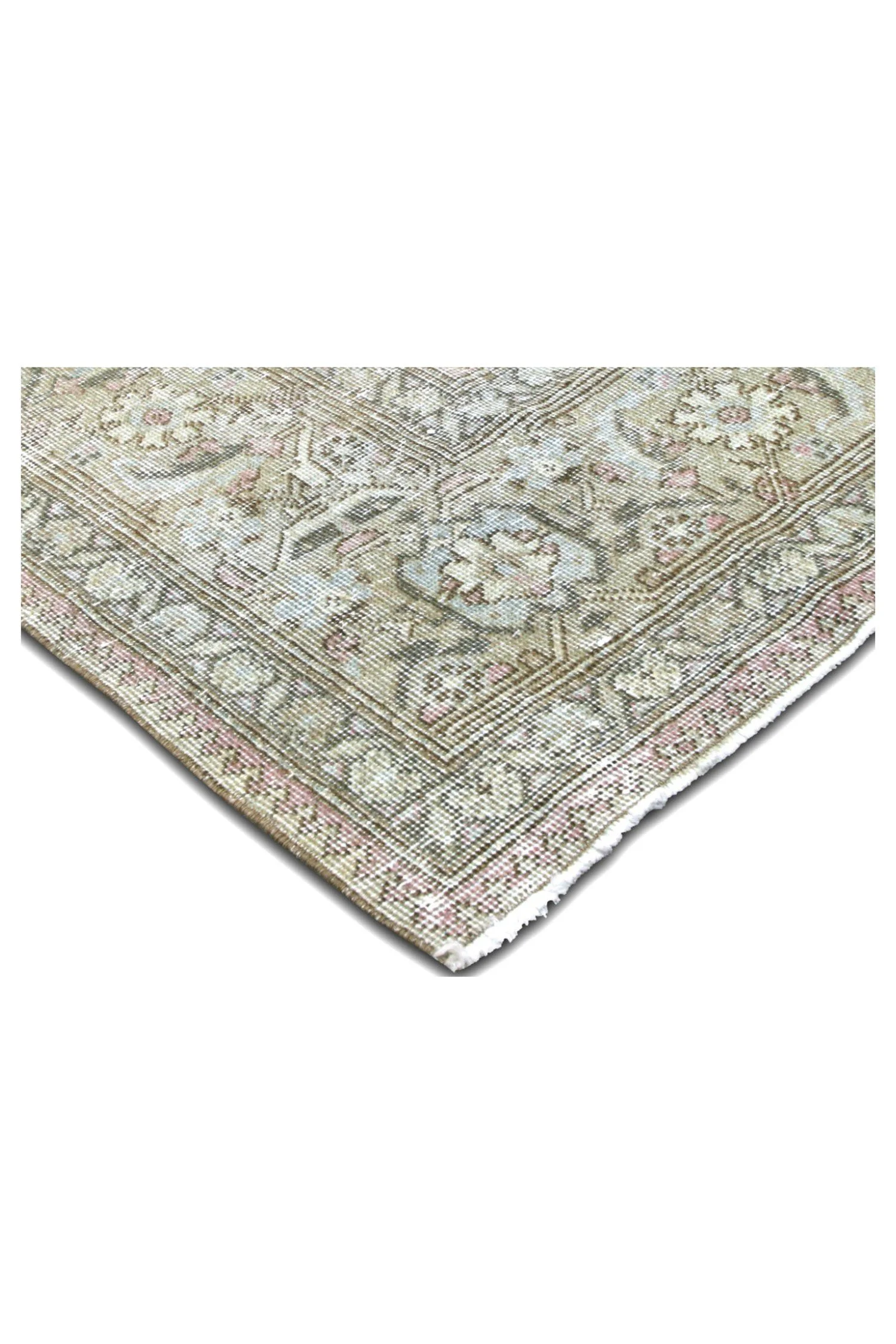
Fine drawing required tight knot counts that allowed for detailed articulation of floral forms. Weavers worked under skilled oversight, counting carefully to replicate the cartoon's specifications. The precision visible in the pattern execution indicates quality workshop production rather than village weaving.
Design Elements
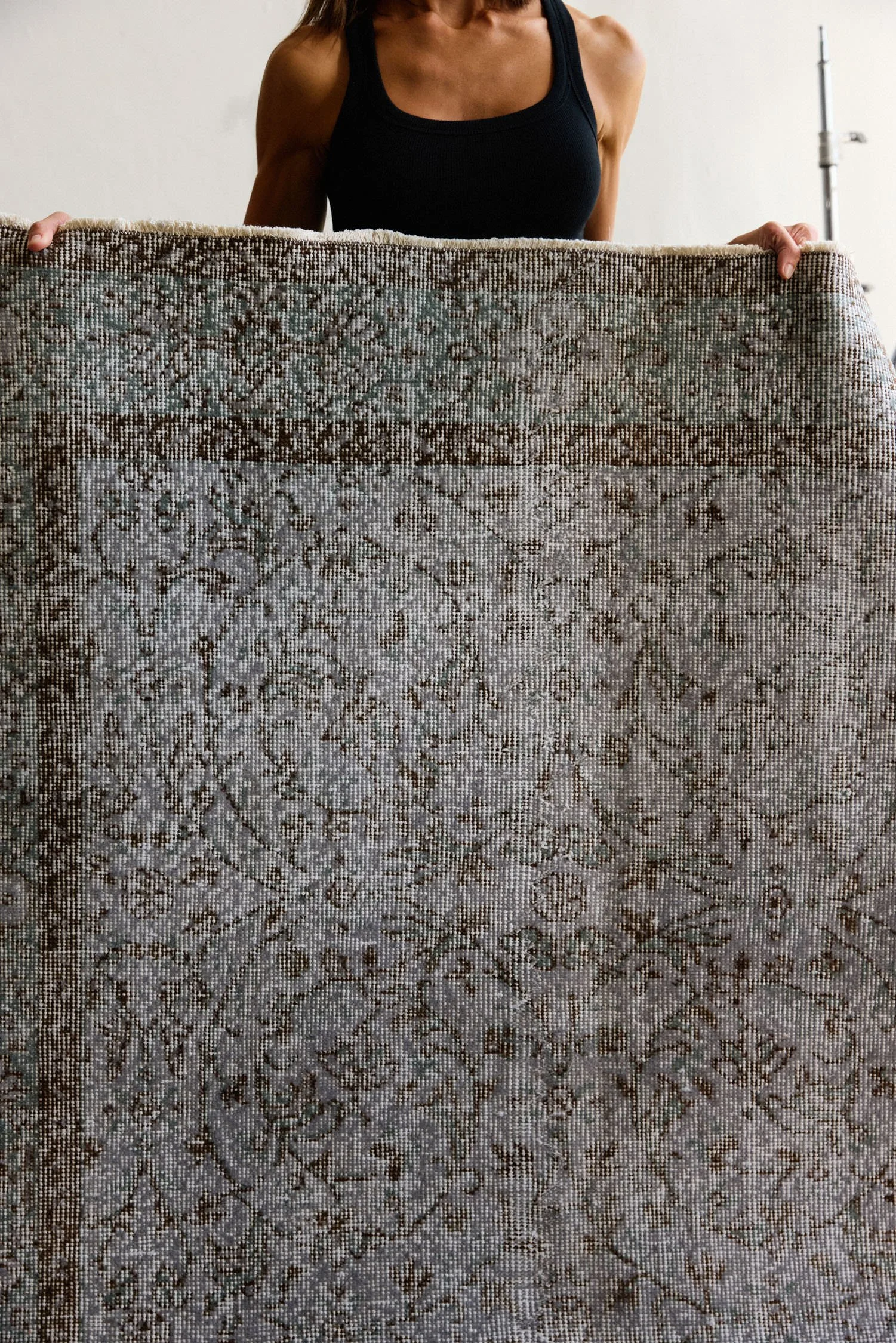
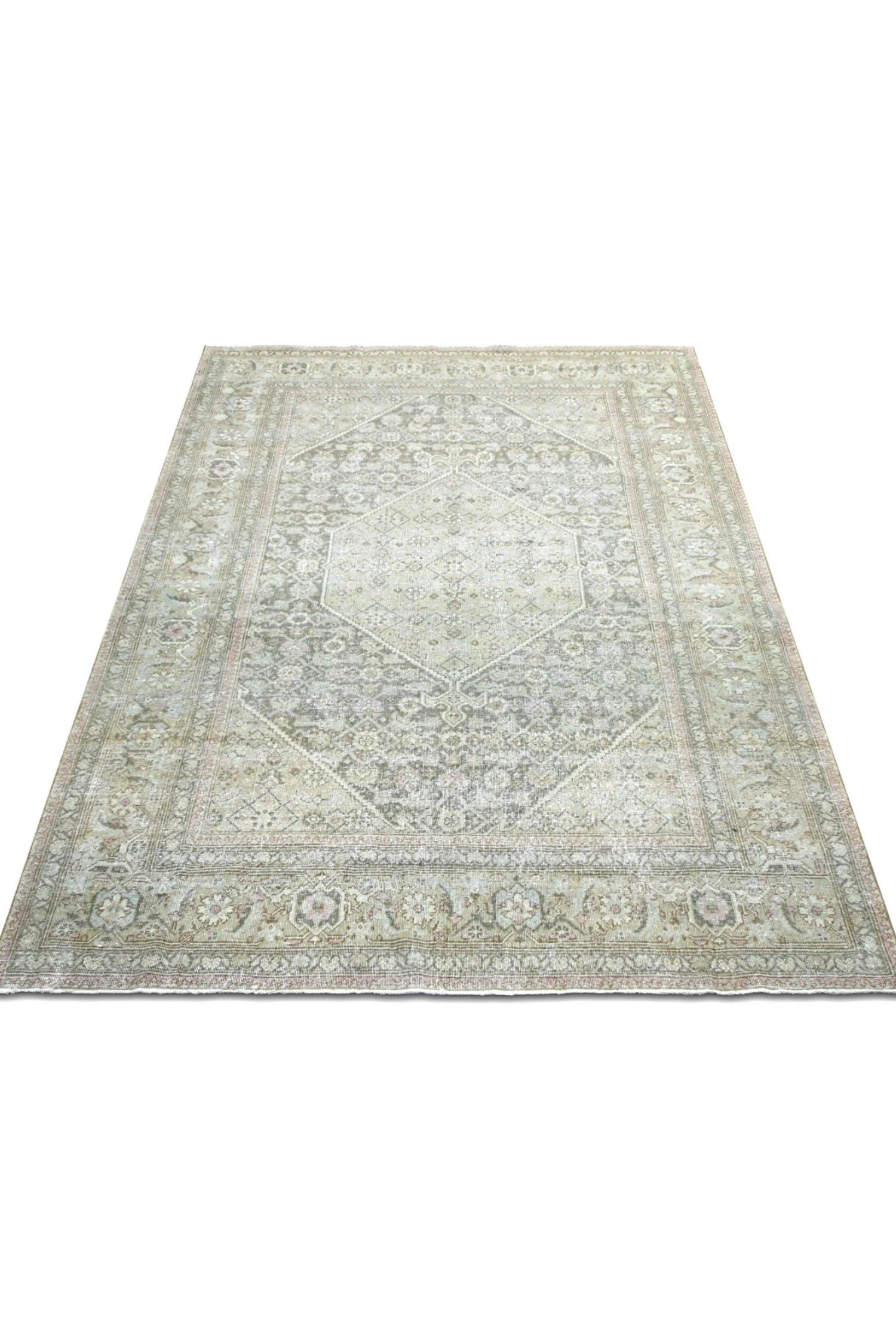
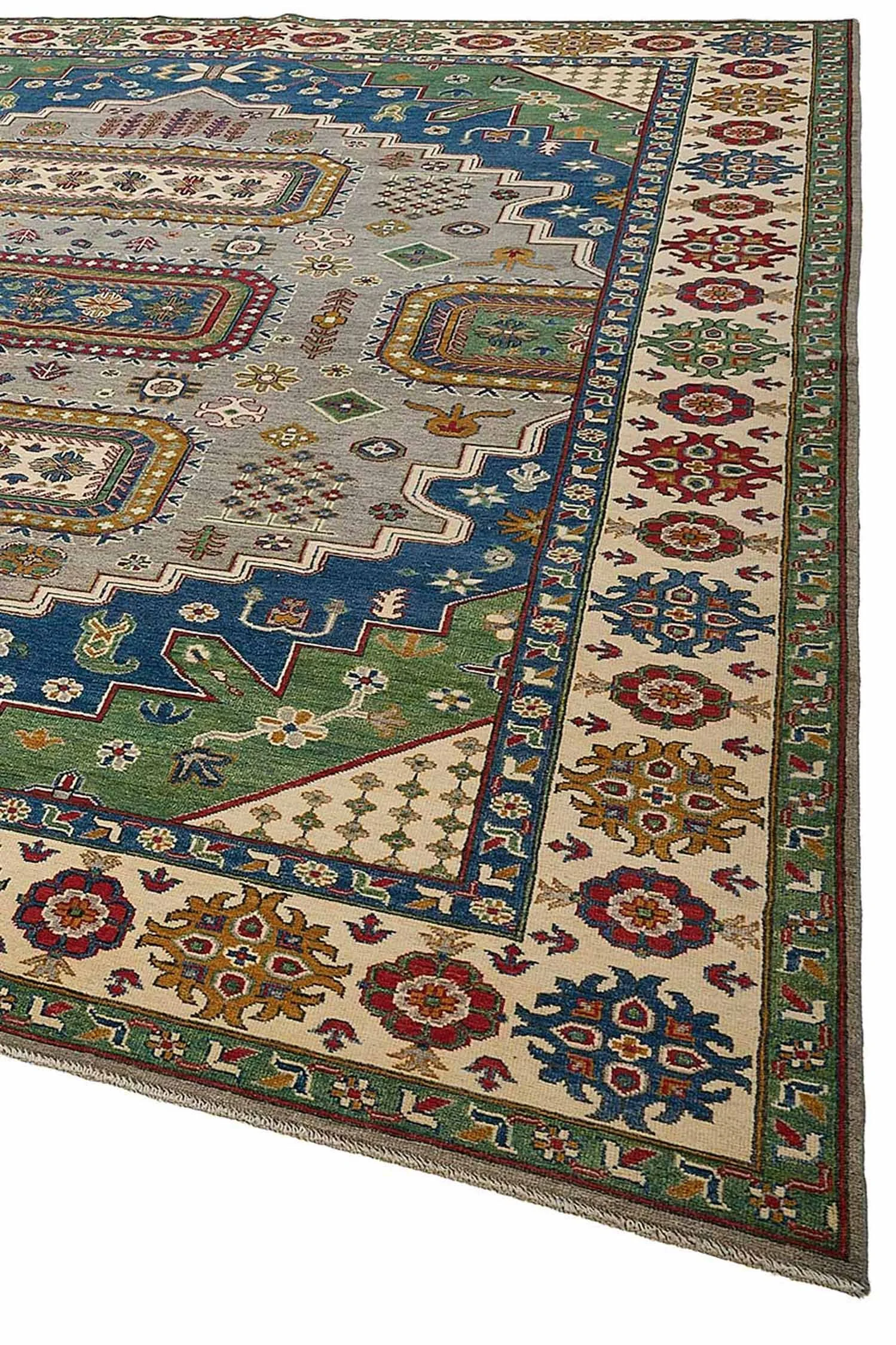
The allover floral lattice creates a continuous pattern across the field with subtle central emphasis that organizes the composition without dominating it. Palmettes and vine work are arranged in a balanced manner, their fine execution demonstrating the detail possible with tight knotting.
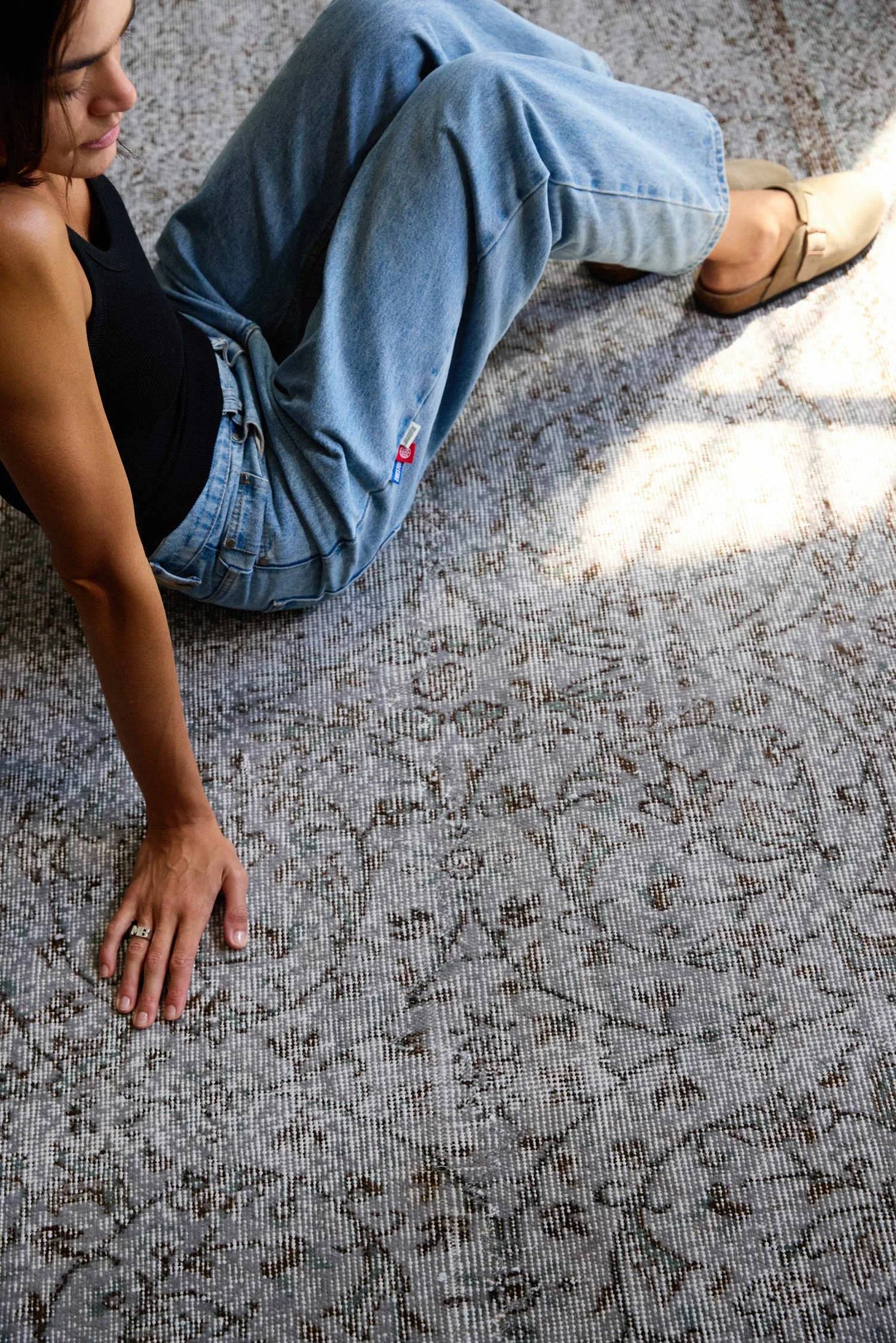
Age has softened the original contrasts, creating the calm quality visible in the surface. What once showed sharper color definition now reads as gentle tonal variation. The even wear across the field indicates consistent use rather than concentrated traffic patterns.
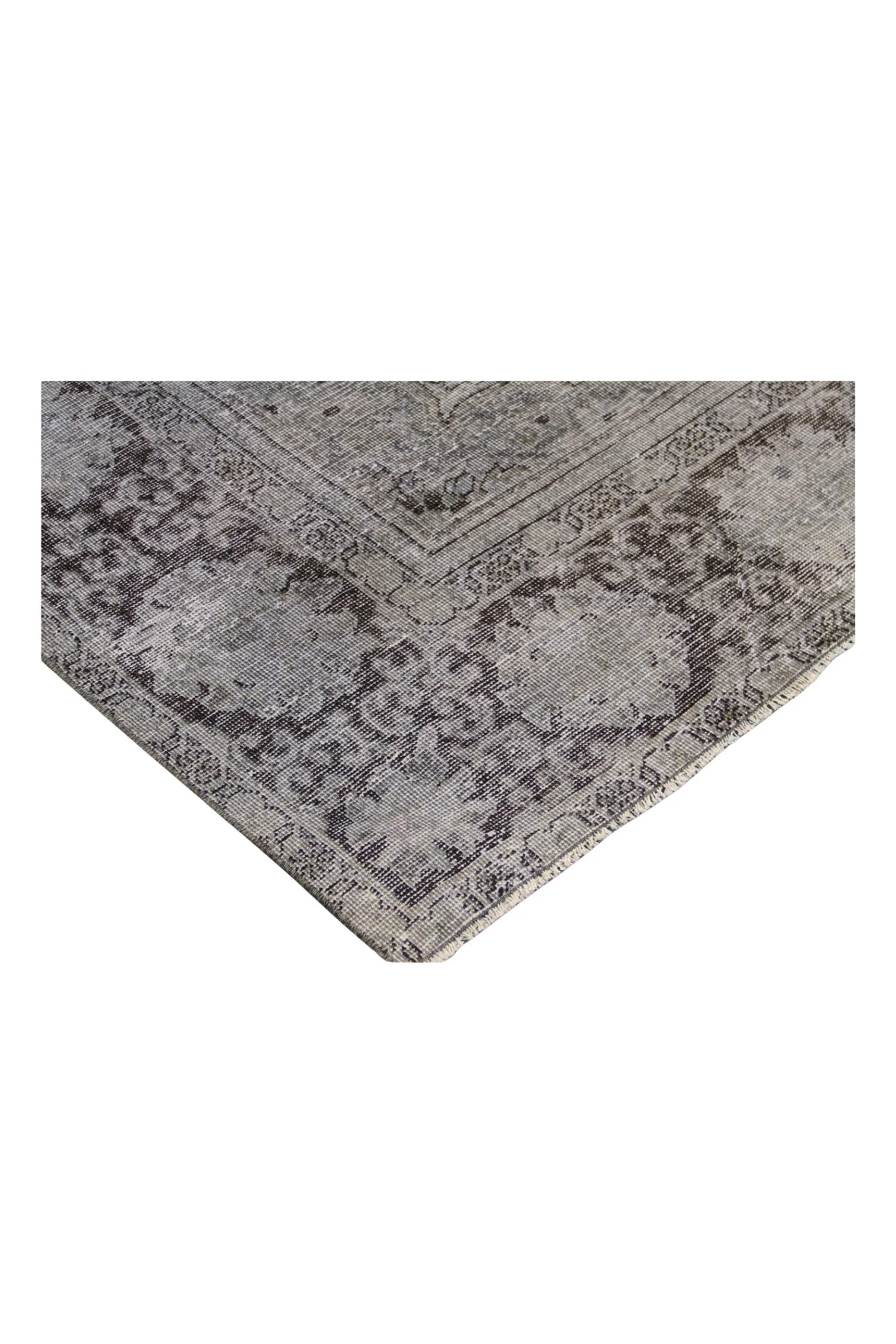
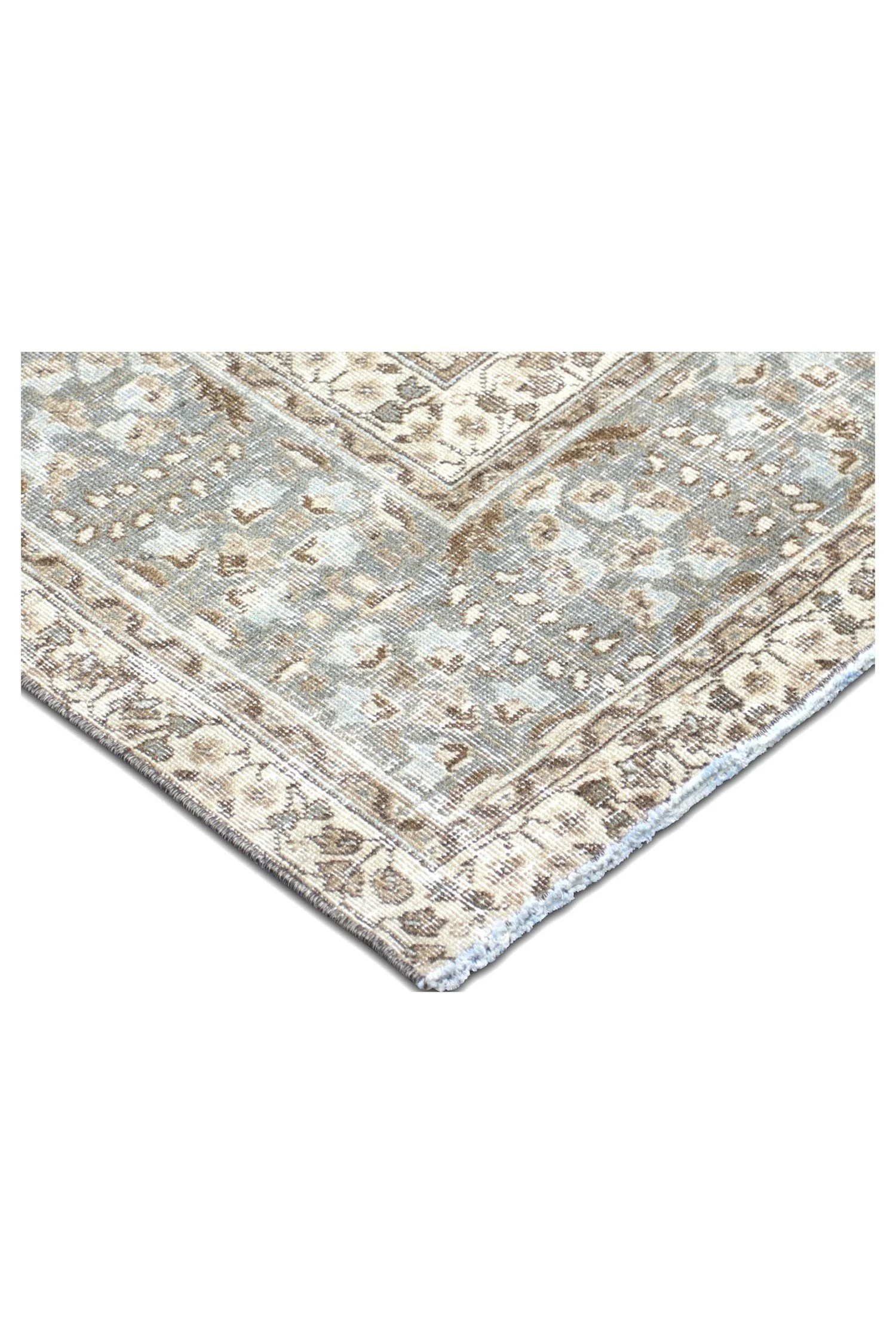
The restrained botanical border uses traditional Tabriz motifs in a linear sequence. The border maintains the same level of fine detail as the field, with carefully executed floral forms that complement rather than compete with the interior pattern.
Placement
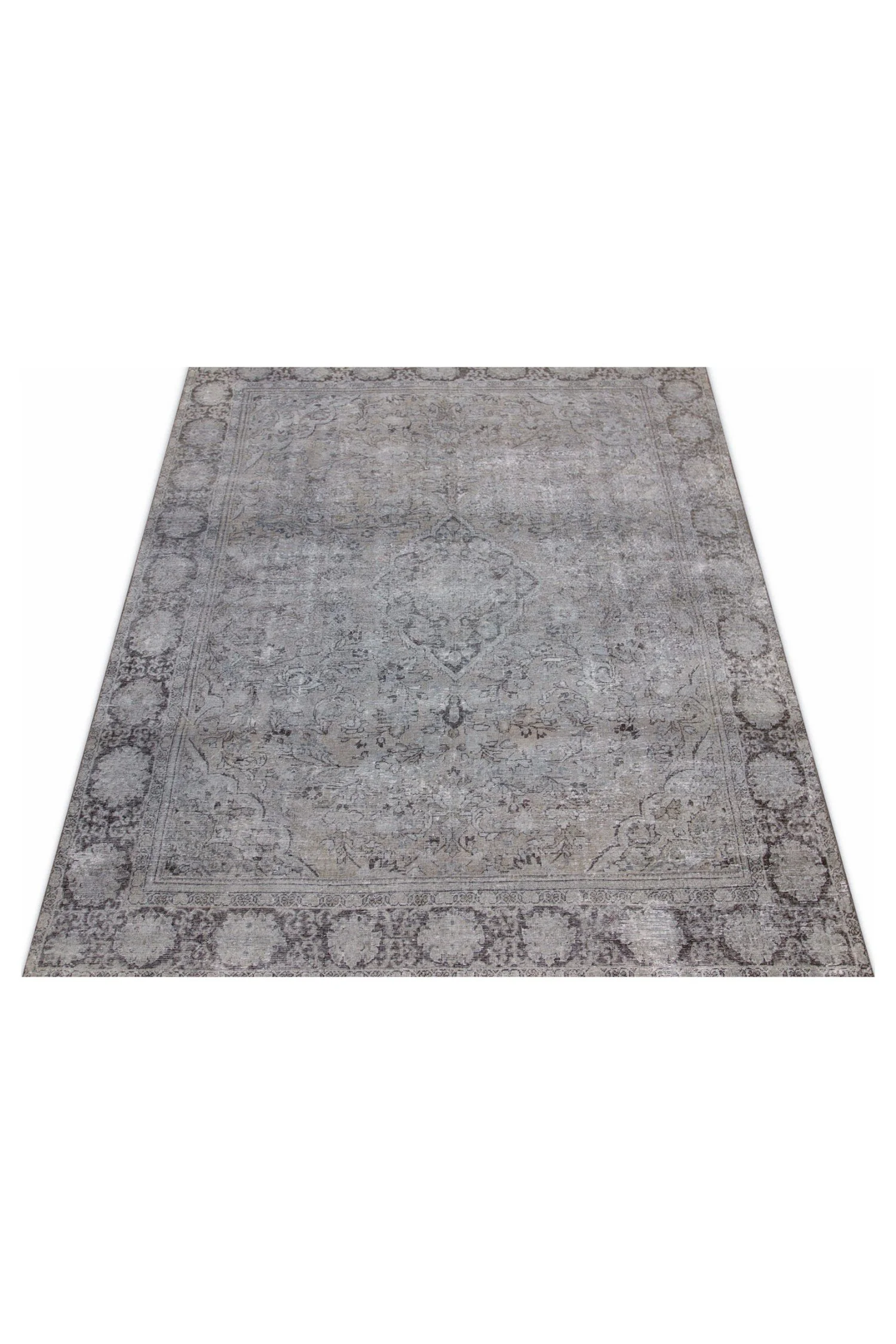
At 8'3" x 11'9", this works in living rooms where you want substantial coverage with atmospheric quality. Dining rooms can accommodate it under tables that seat eight. Bedrooms benefit from the calm palette and generous proportions.
The soft stone and washed blue tones suit interiors with ample natural light, where the subtle color variations become more apparent. Traditional settings appreciate the semi-antique provenance and classical Tabriz design. Contemporary spaces can use the aged palette as a neutral foundation that provides texture and pattern without strong color demands.
Care Recommendations
To preserve the rug's beauty:
Rotate periodically for even wear
Vacuum regularly using a suction-only setting
Address spills immediately by blotting, never rubbing
Professional cleaning recommended annually
Avoid direct sunlight to maintain color integrity
Time gave this Tabriz something the weavers couldn't: the softness that comes only from a century of light and use.