 Image 1 of 6
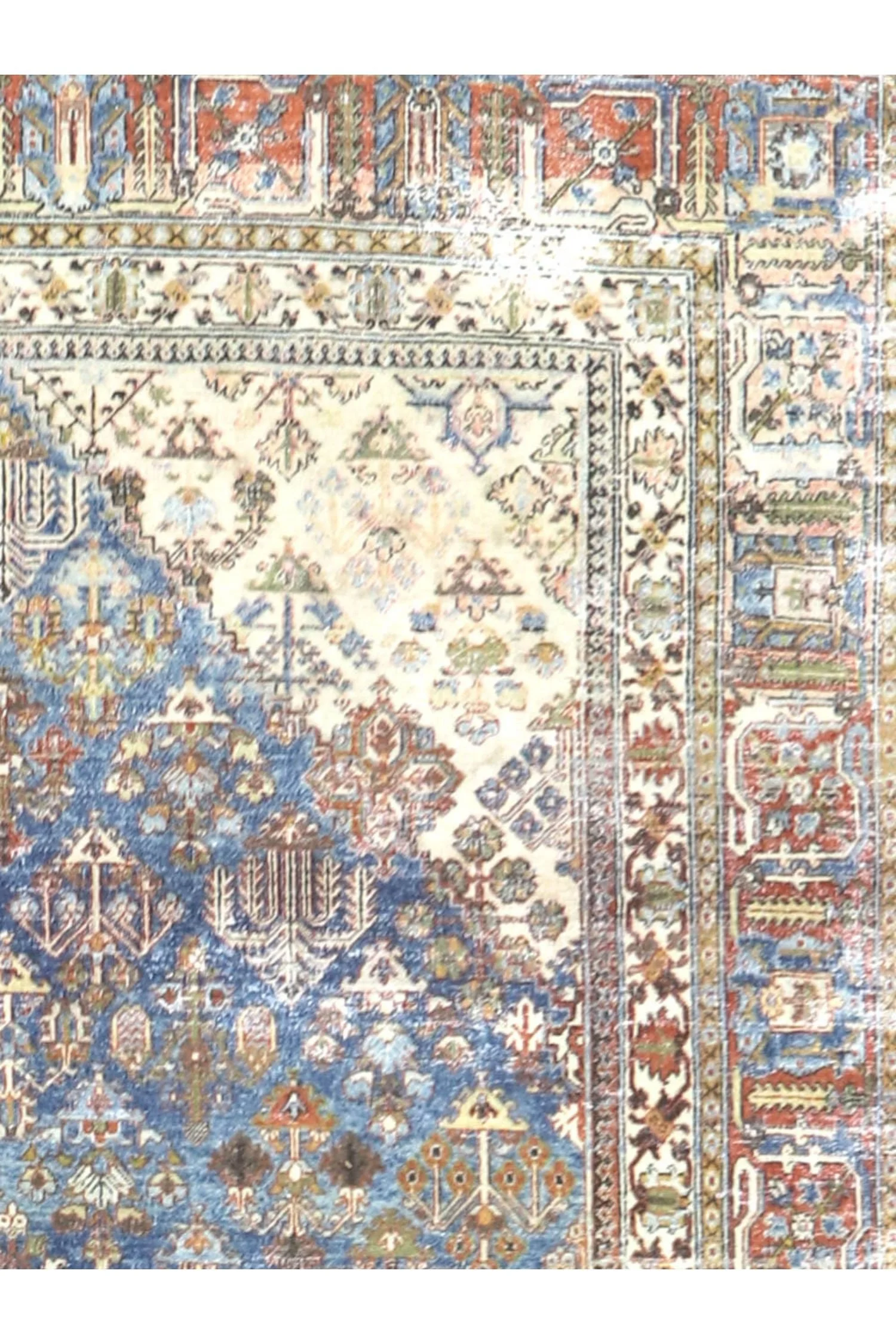 Image 2 of 6
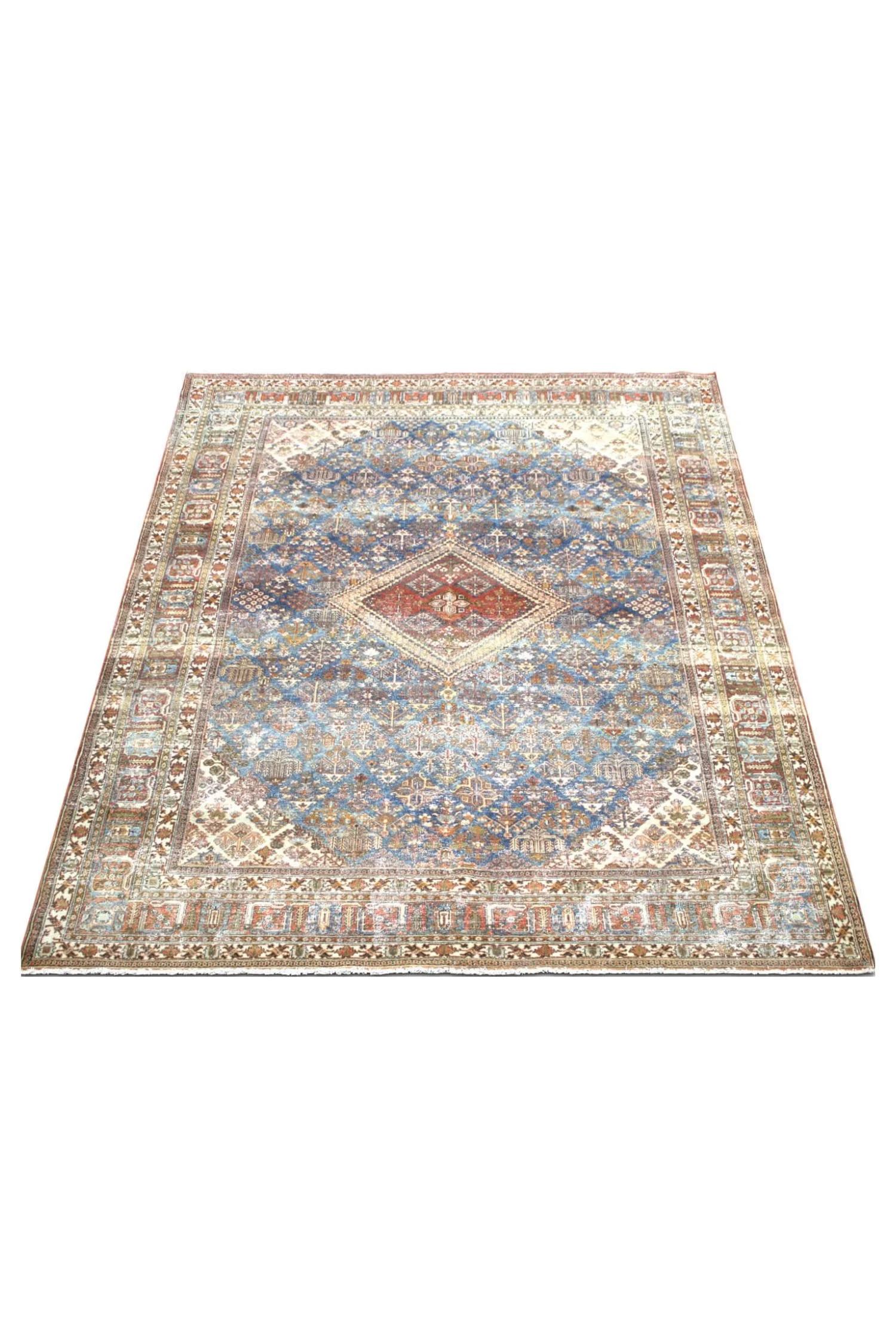 Image 3 of 6
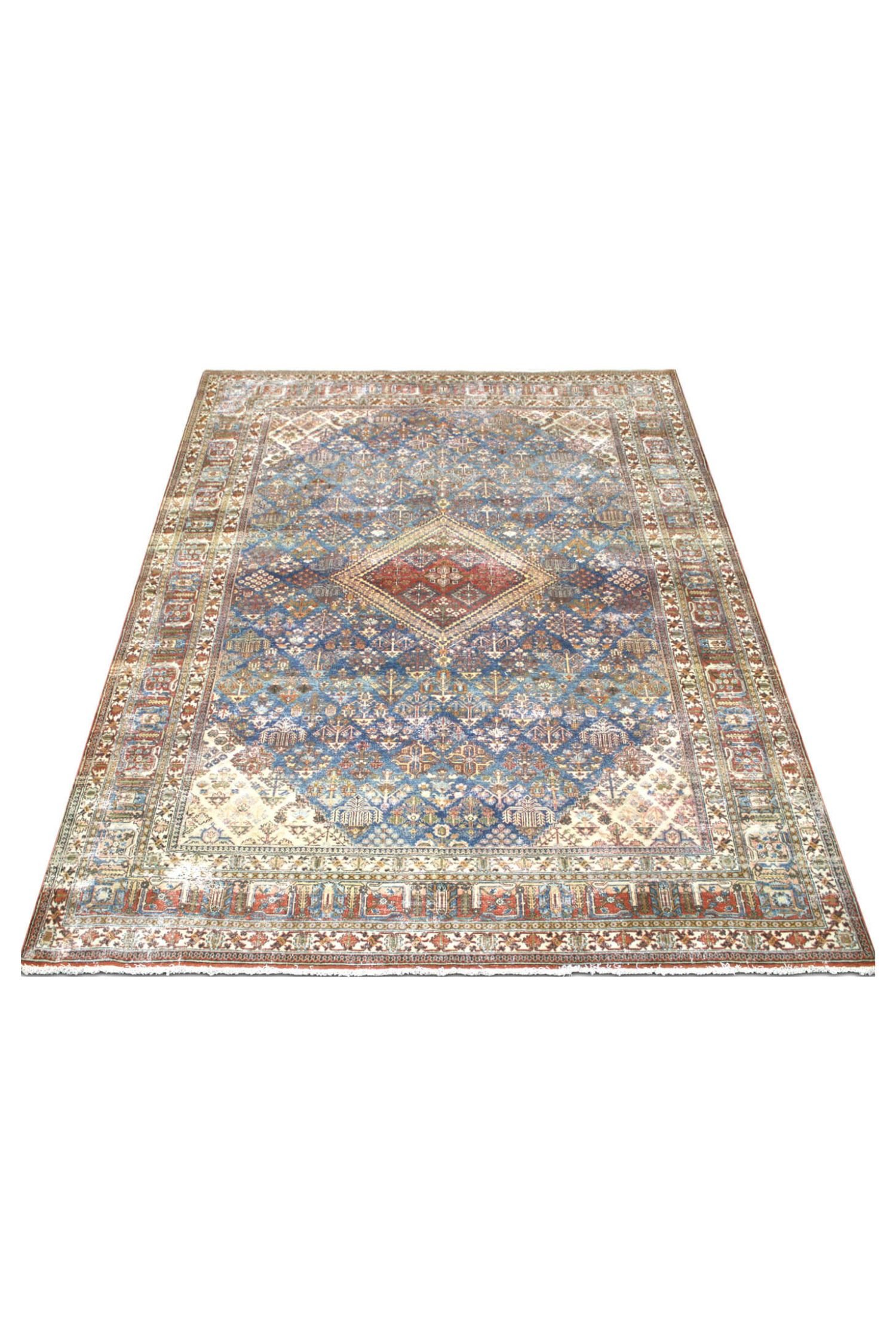 Image 4 of 6
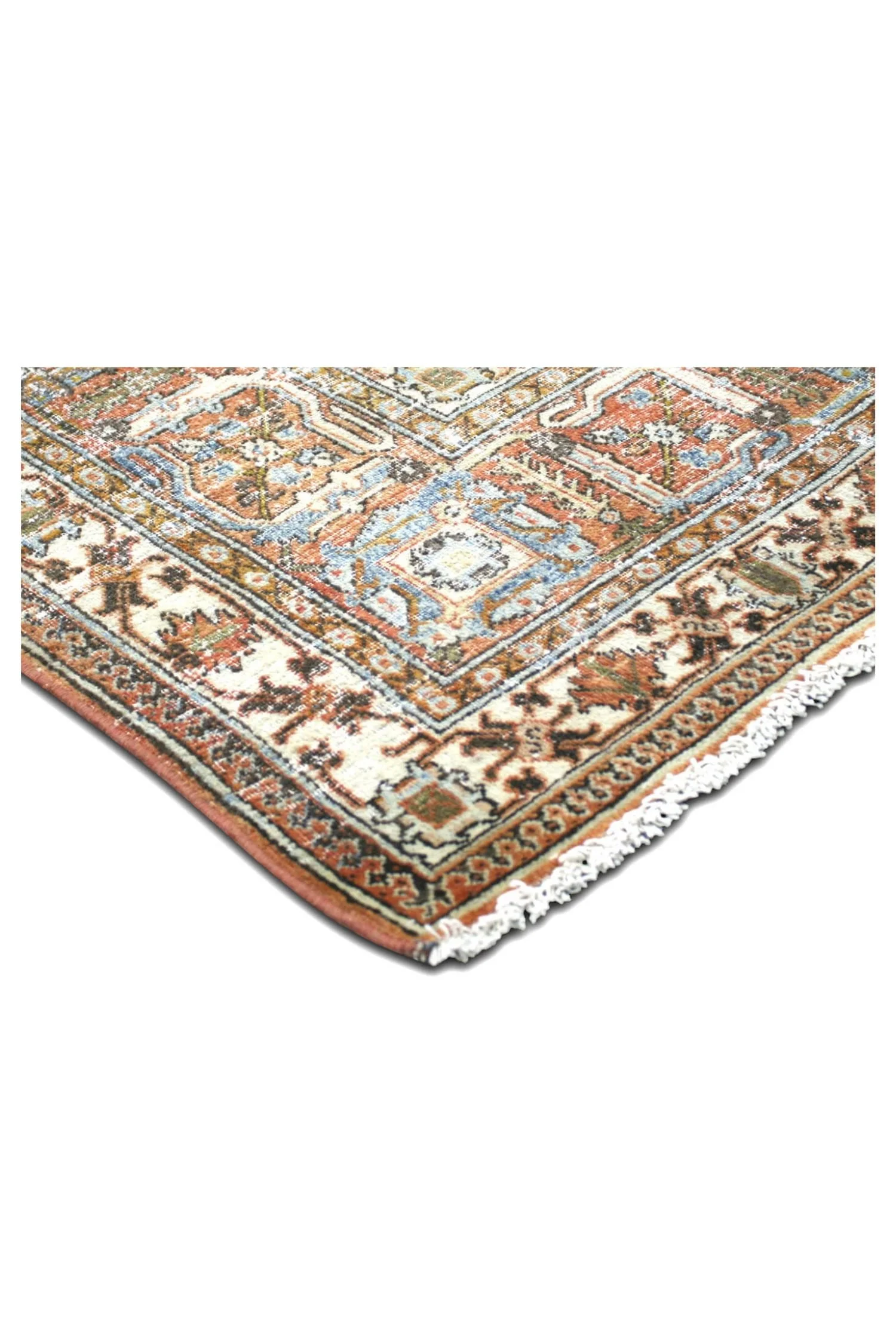 Image 5 of 6
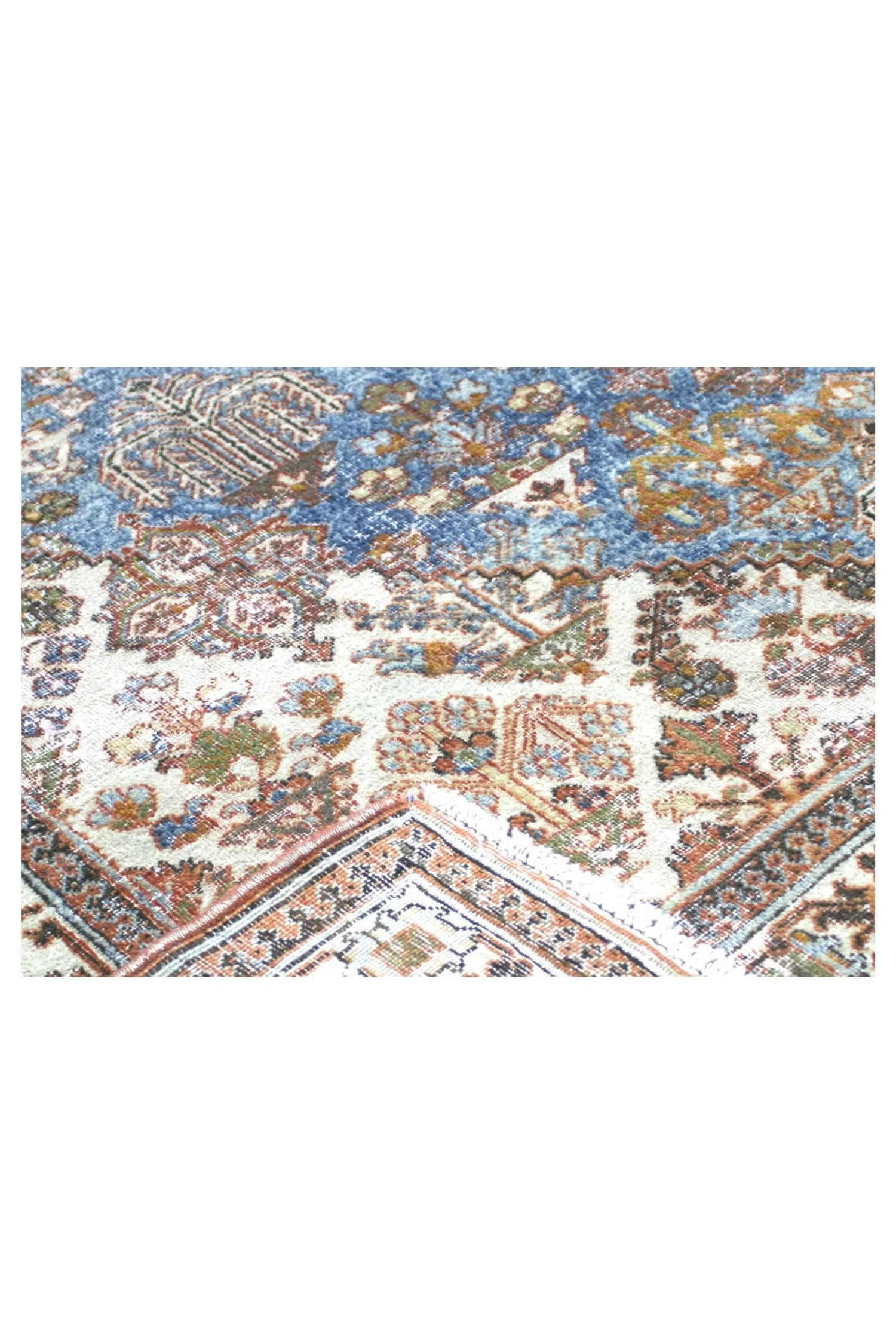 Image 6 of 6
Heritage and Craftsmanship
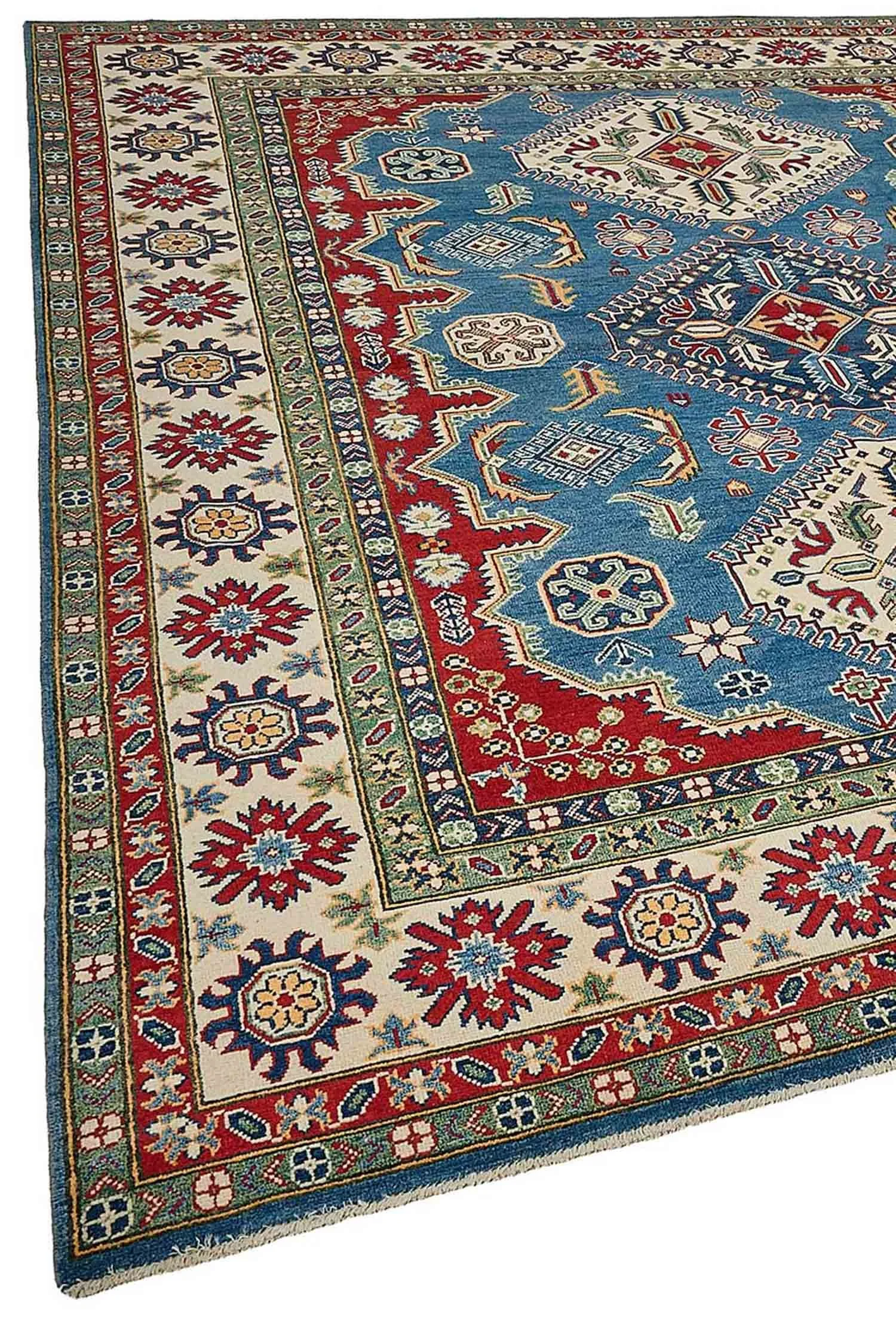
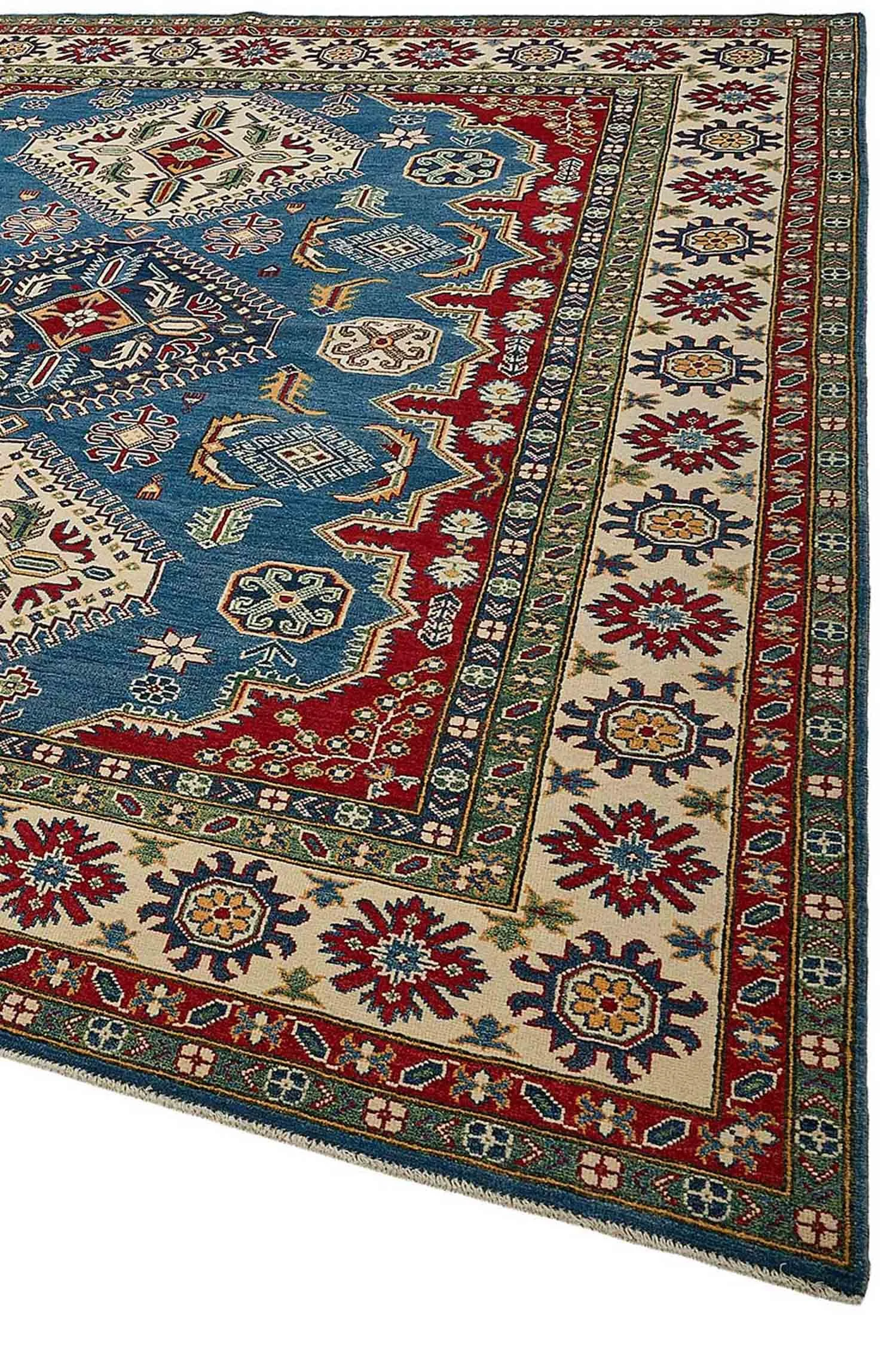
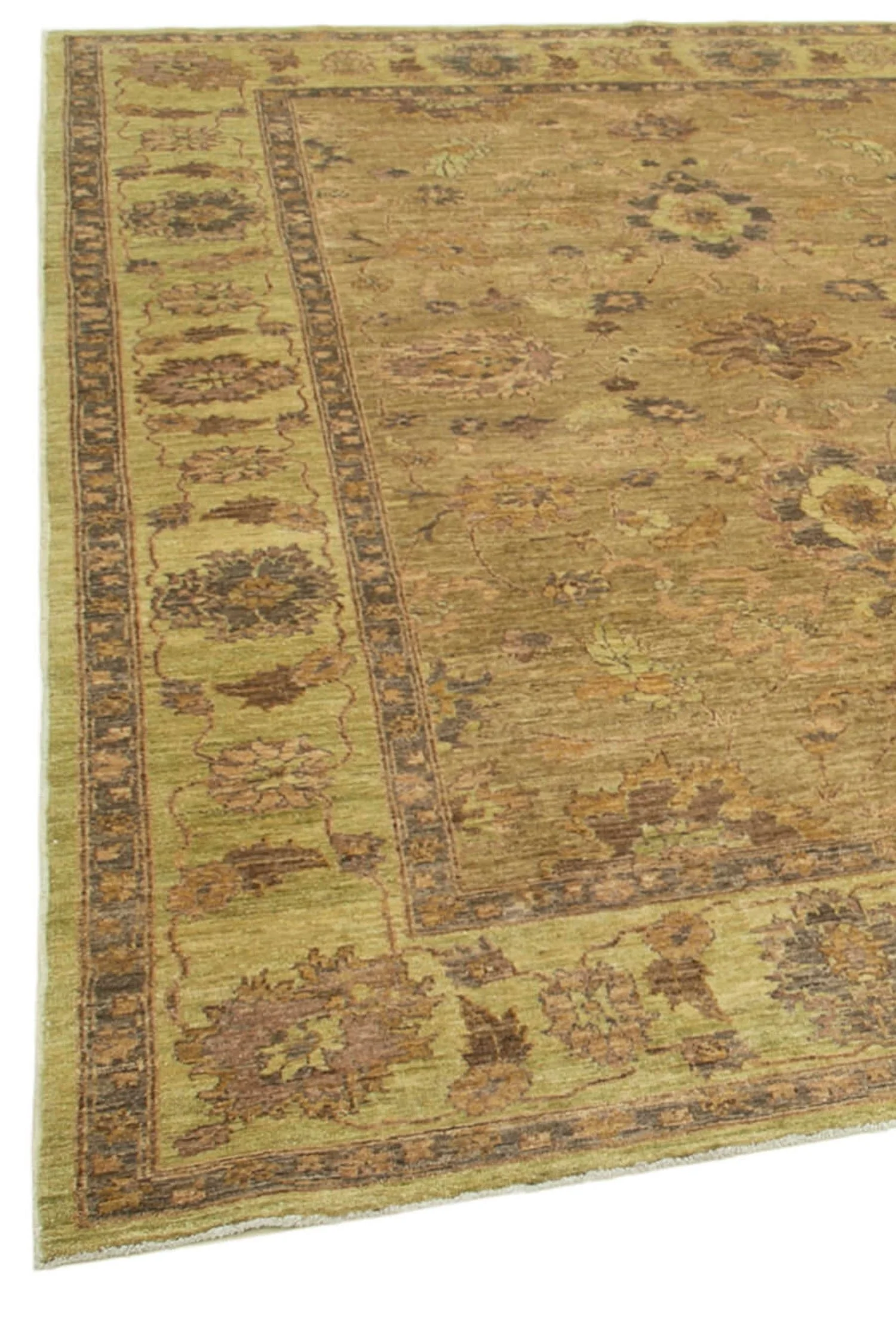
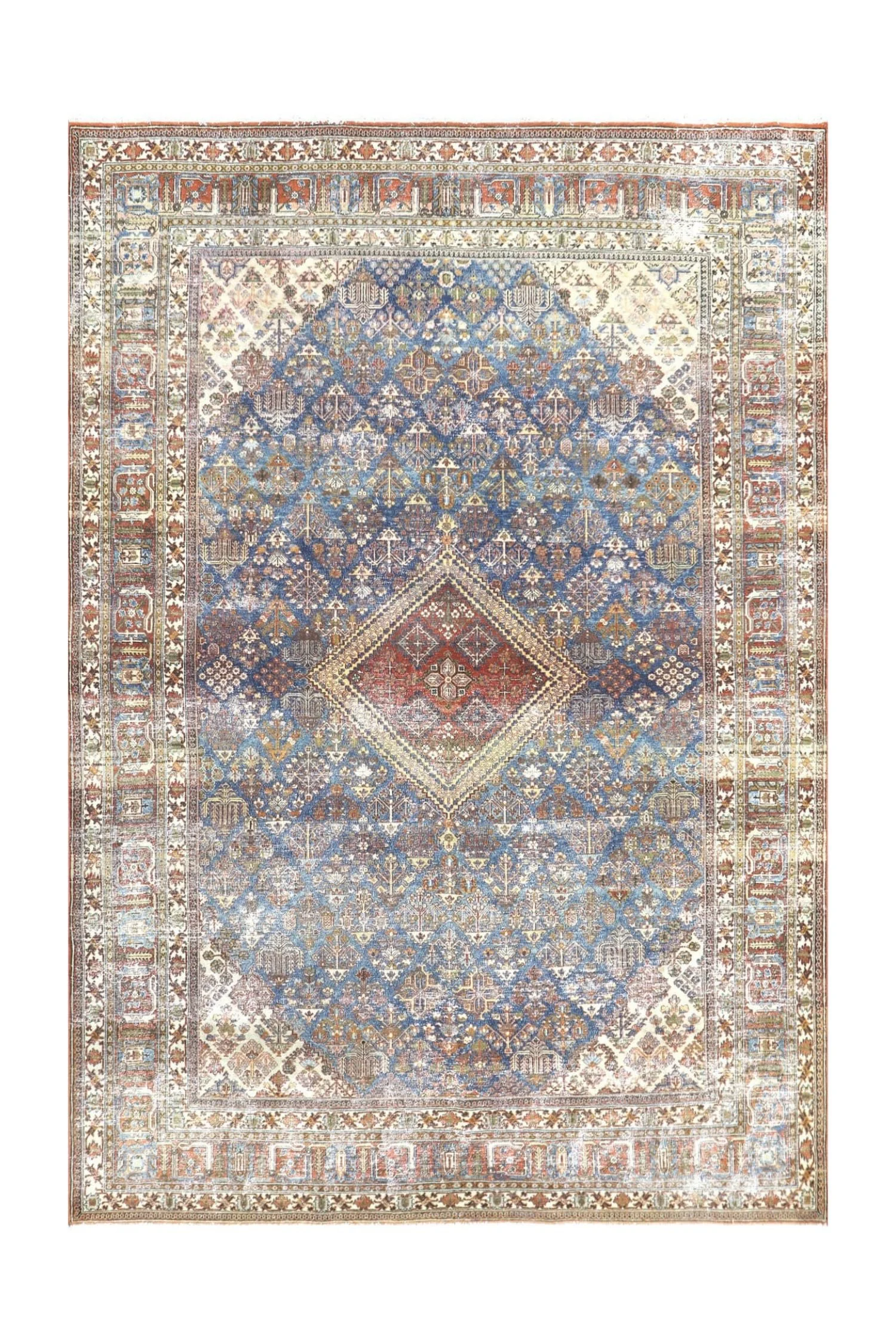
Joshagan, a village in central Persia, developed a distinctive weaving style characterized by diamond medallions surrounded by dense lattice patterns. By the 1930s, these compositions had become so recognizable that "Joshagan" referred as much to the pattern type as to the geographic origin. The style's popularity meant it was replicated across multiple weaving centers.
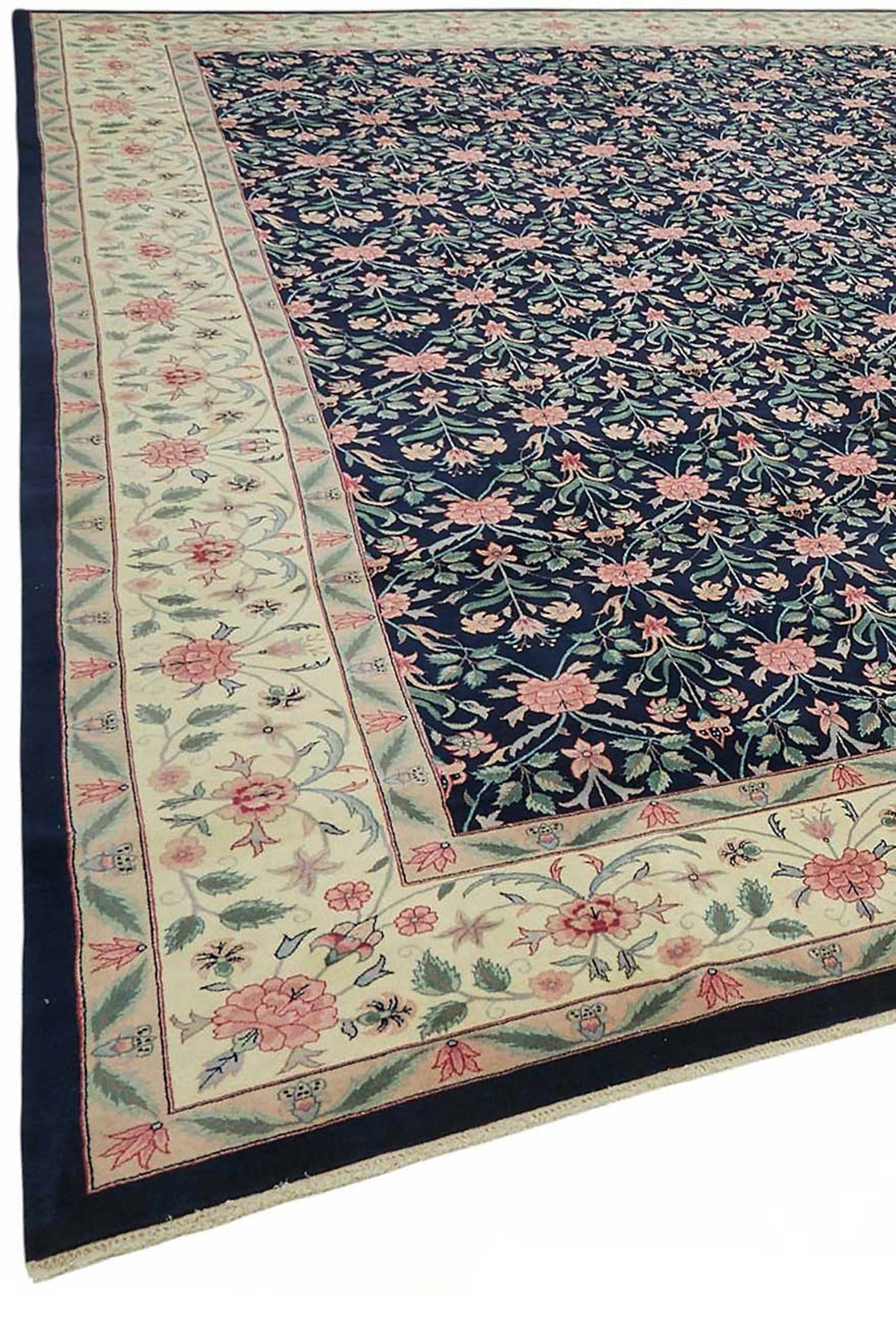
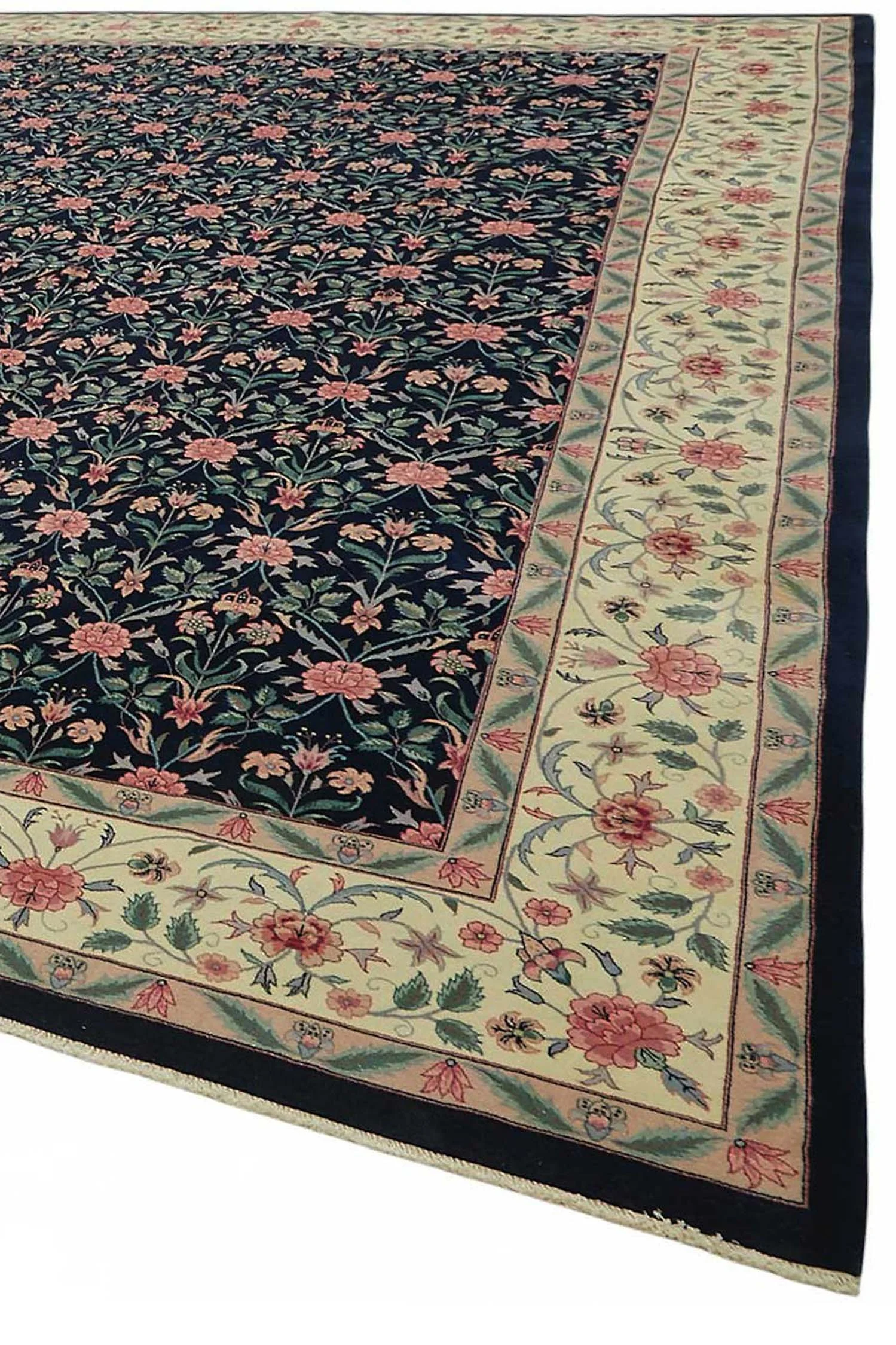
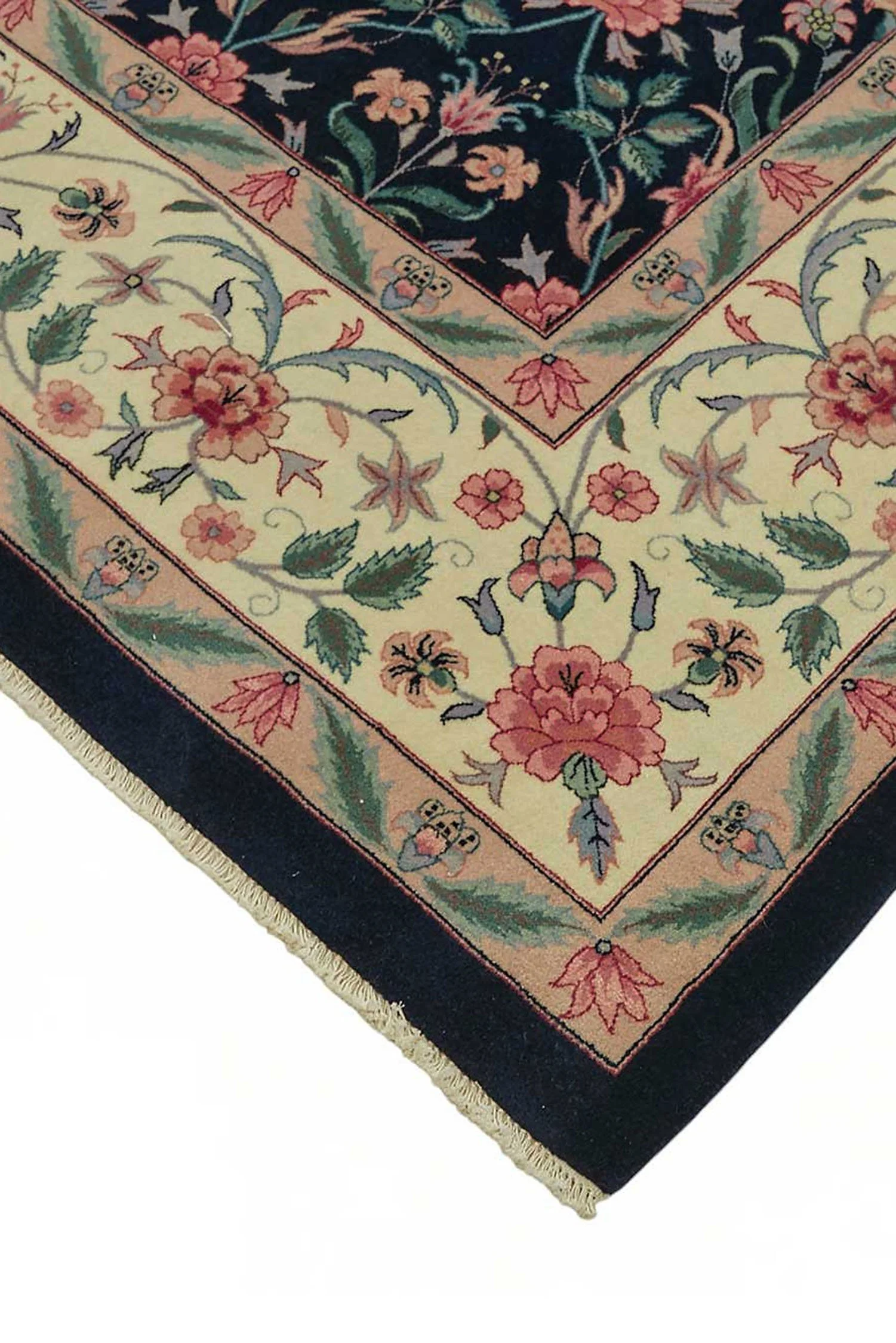
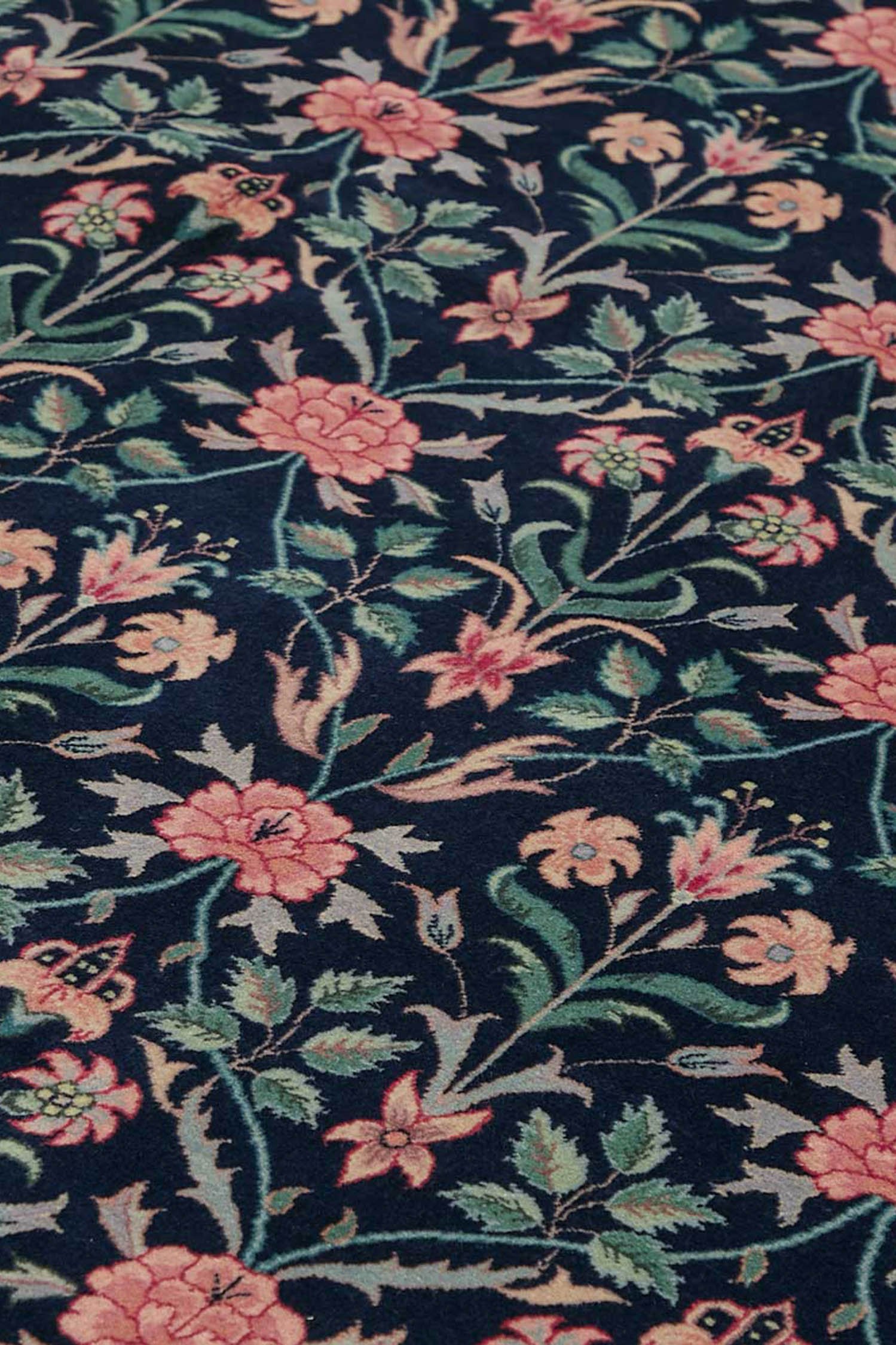
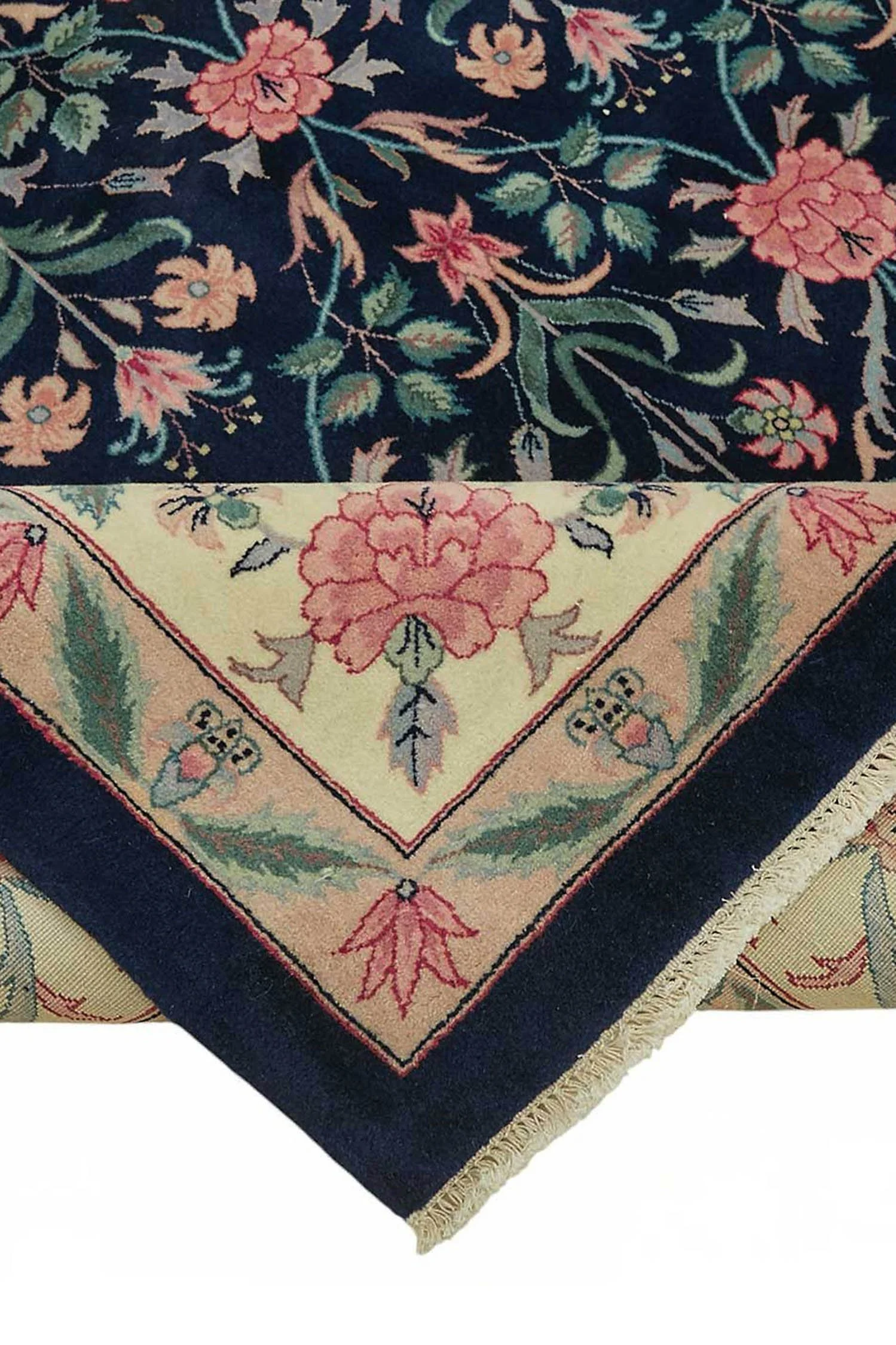
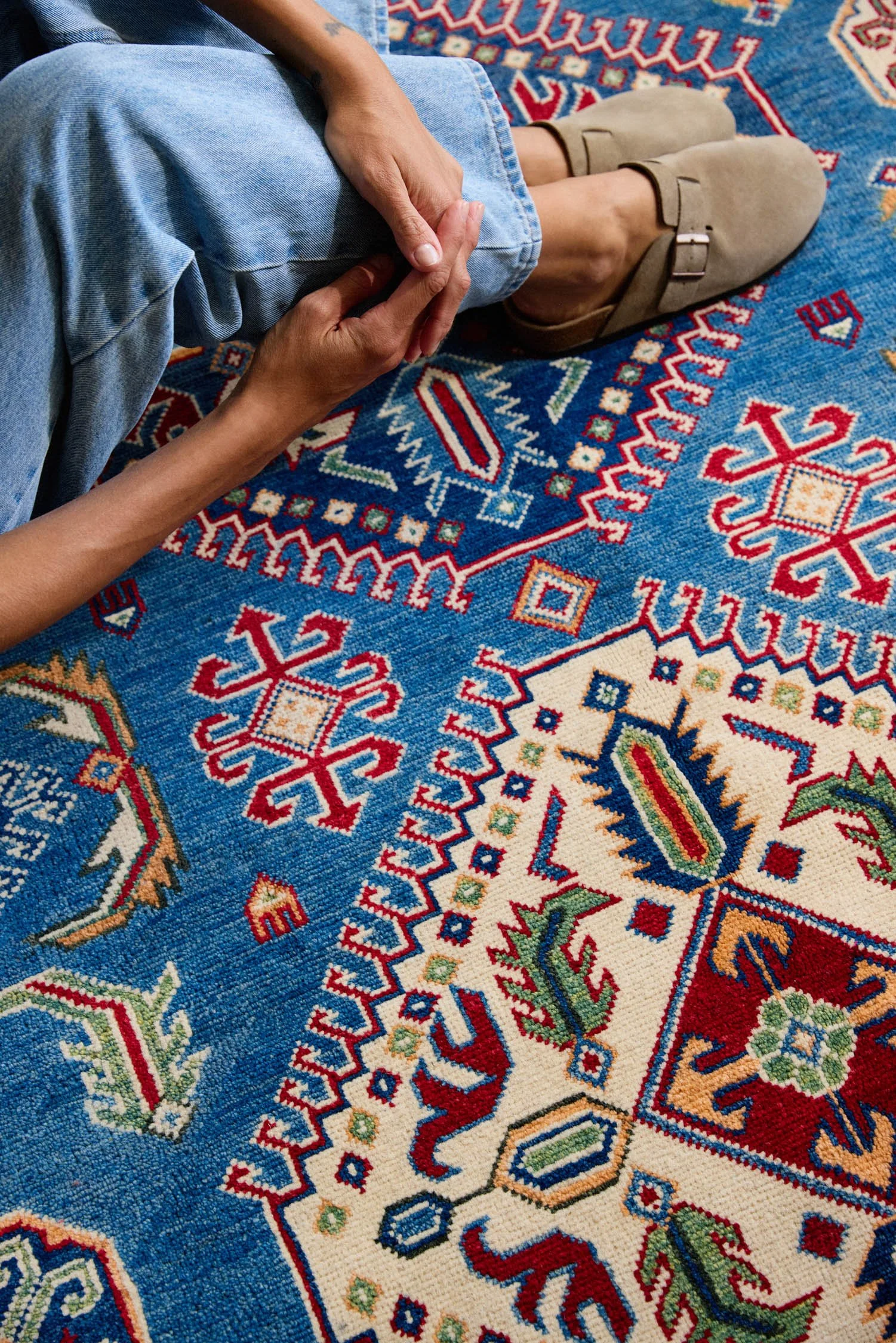
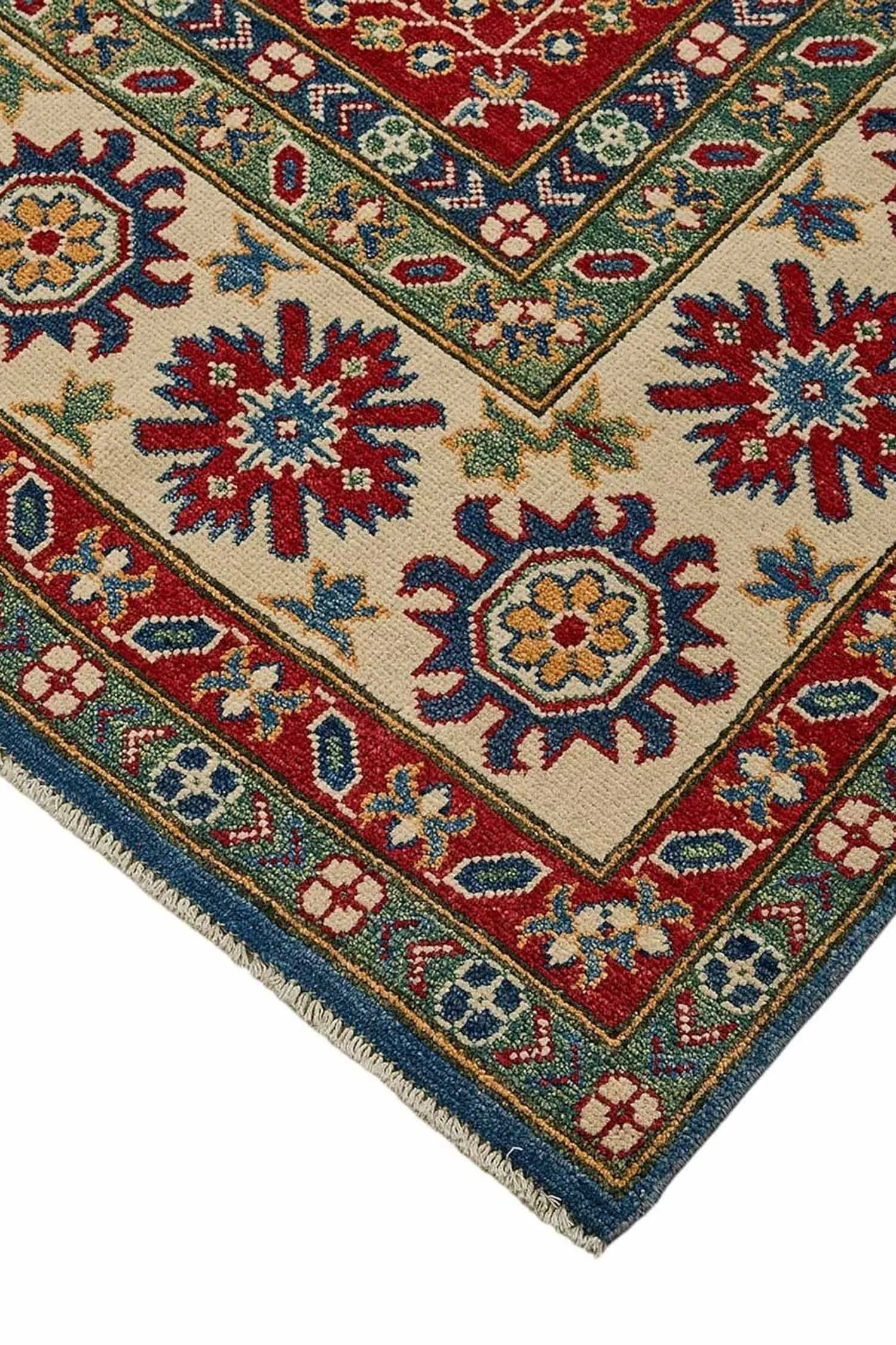
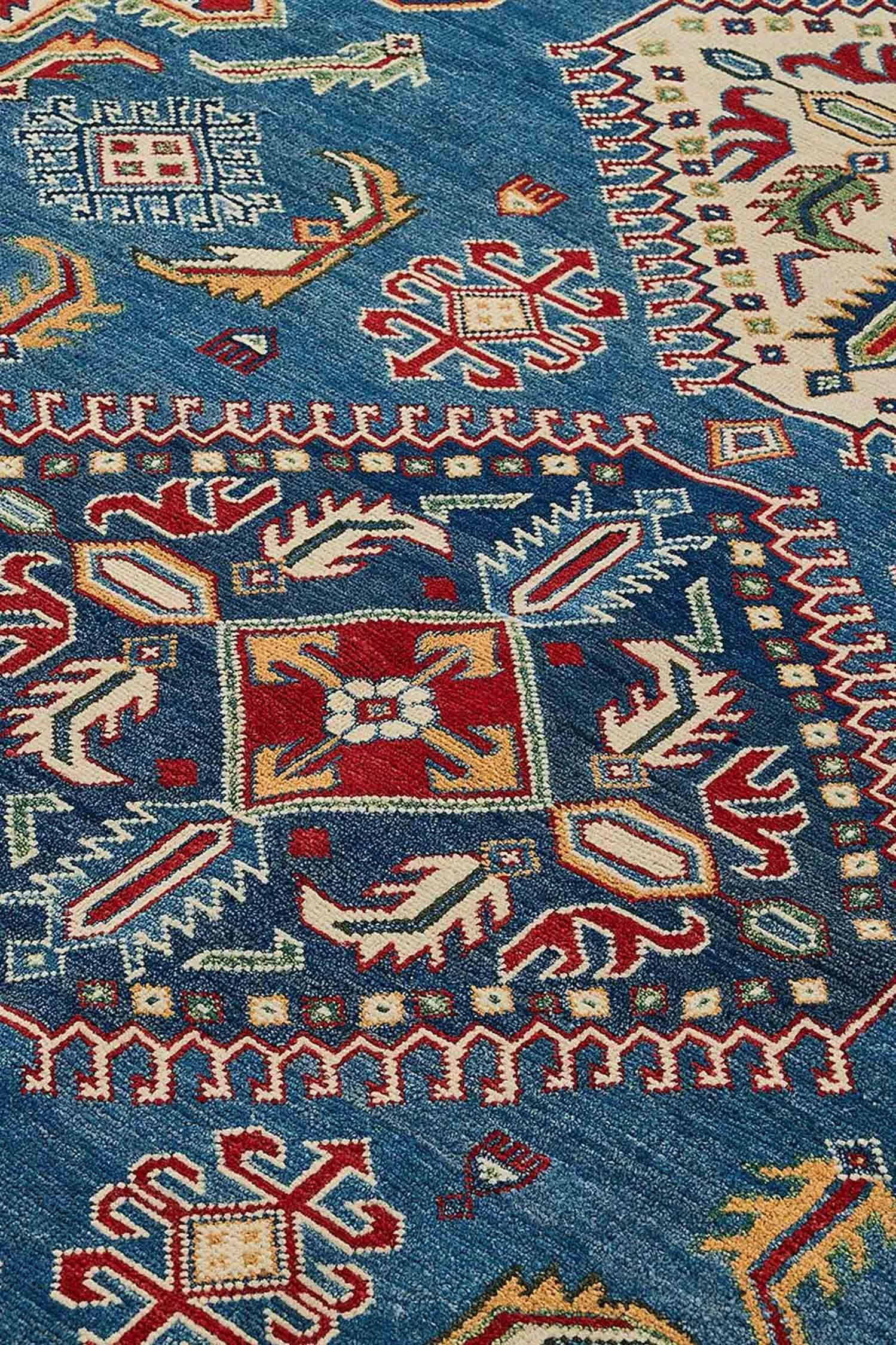
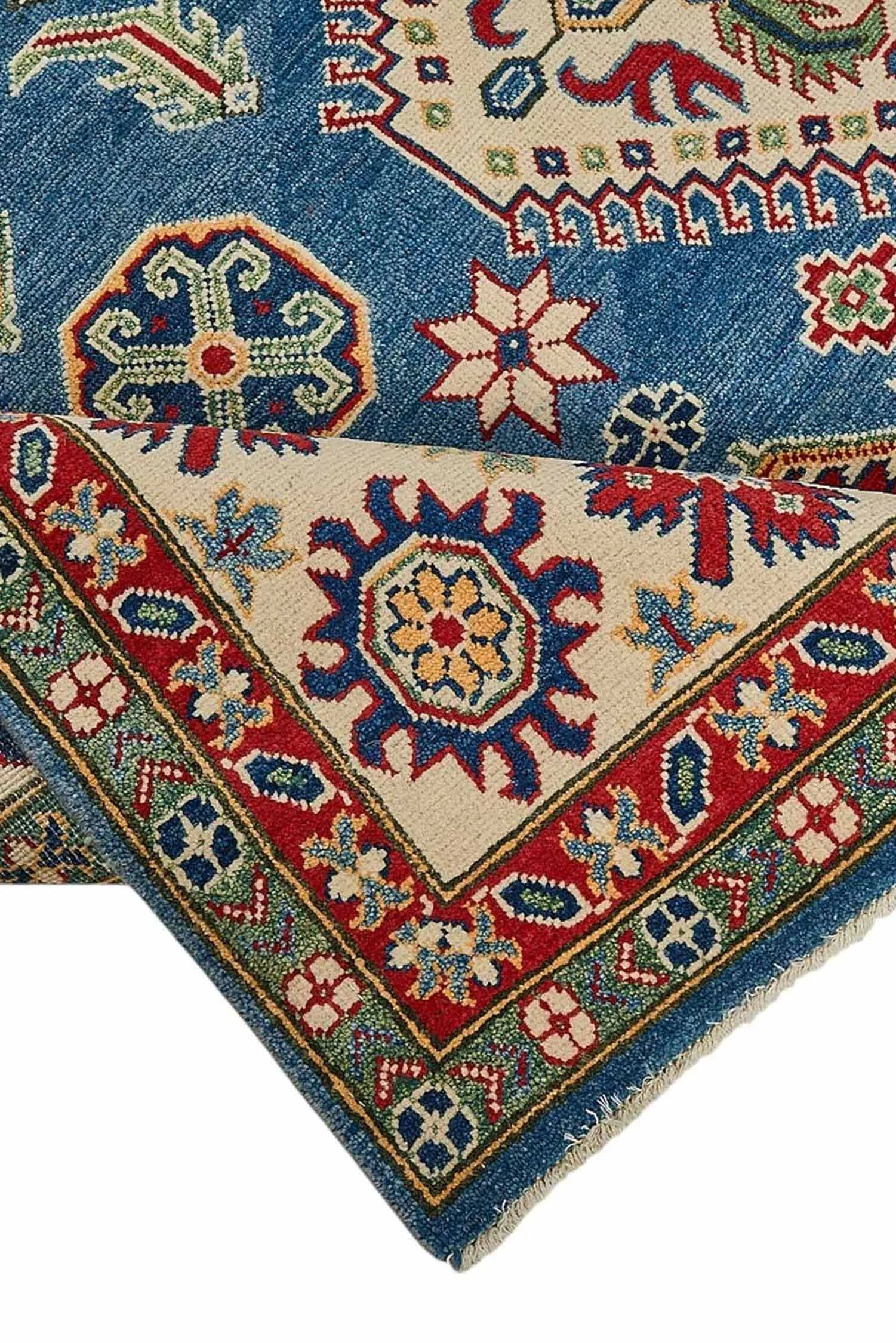
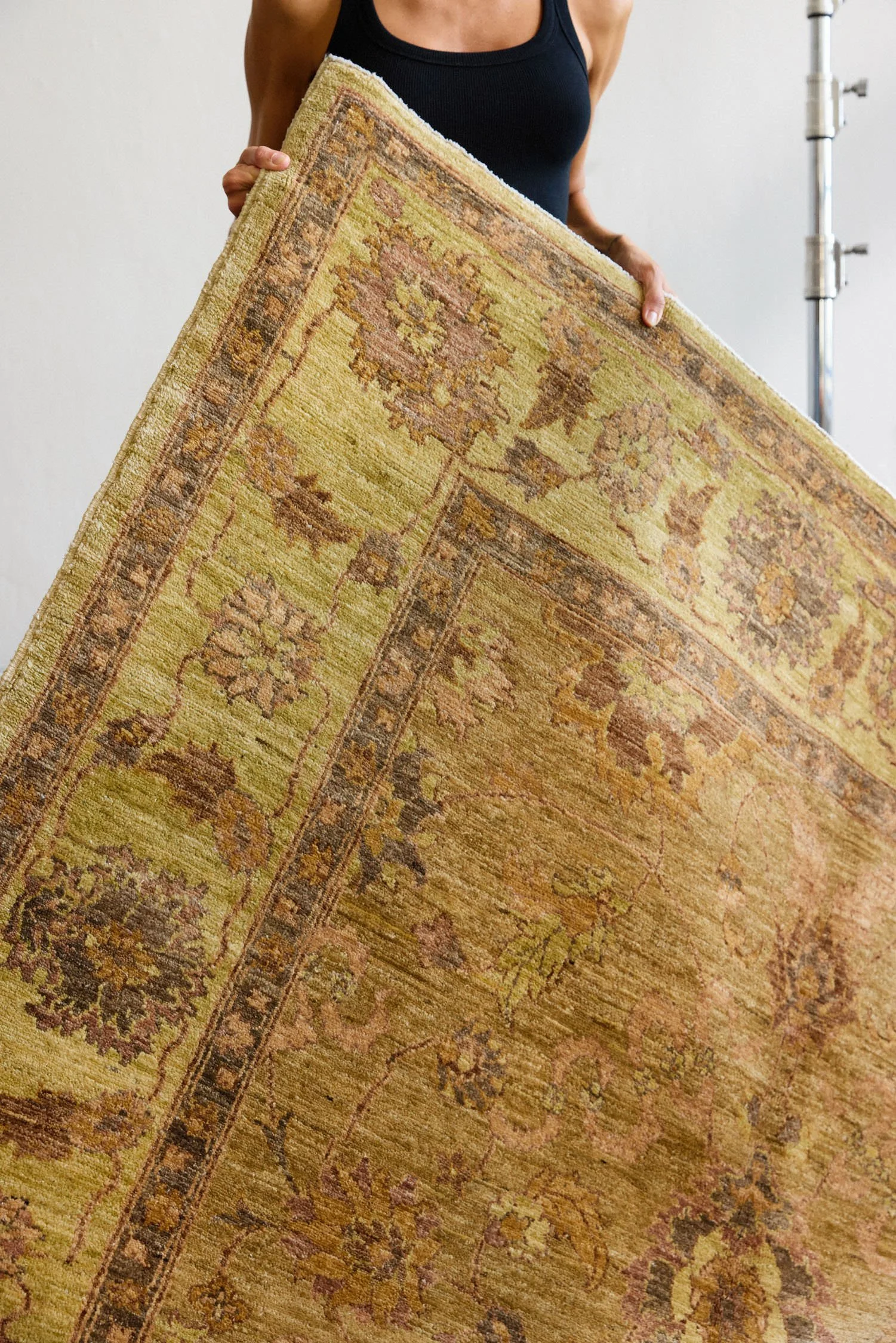
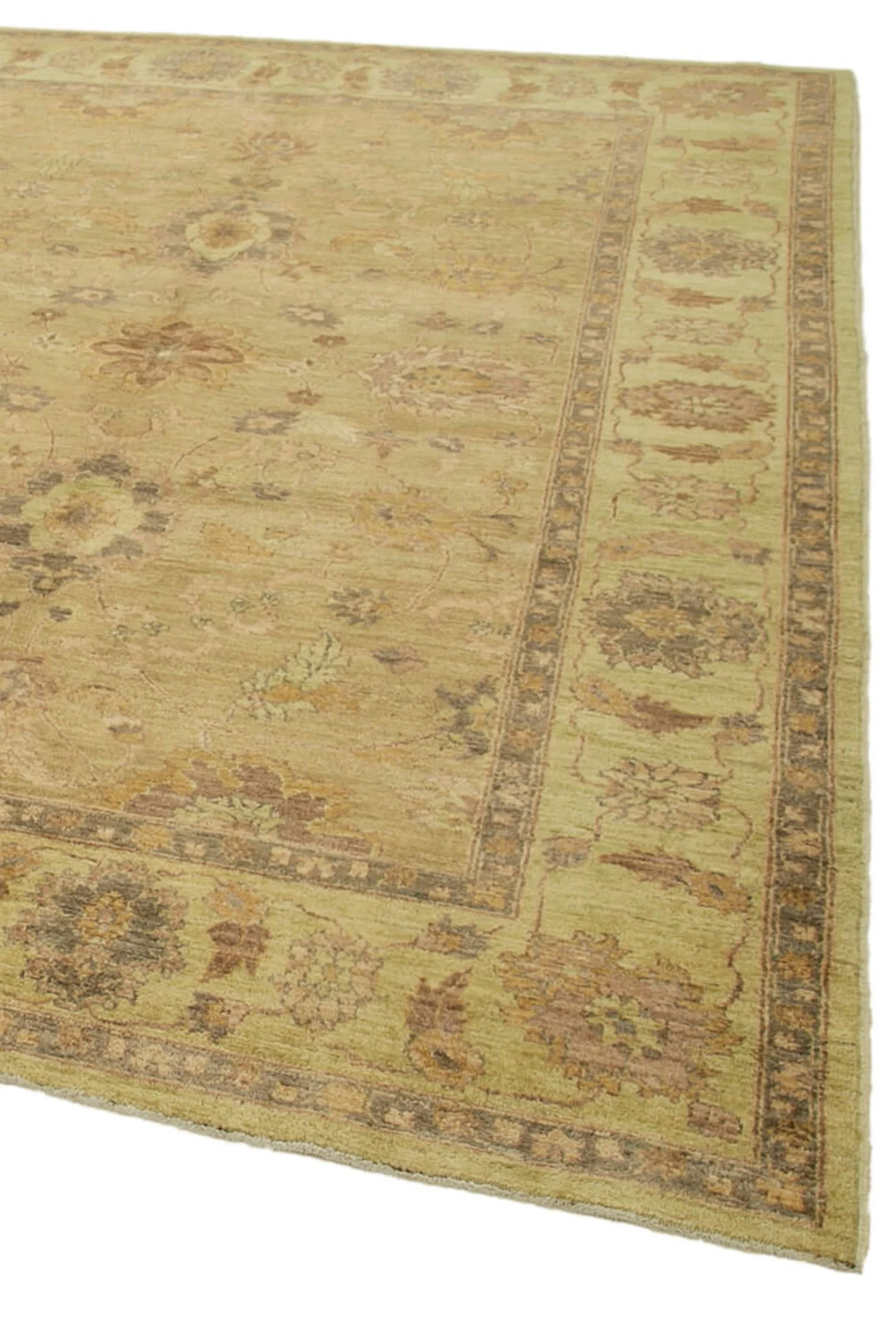
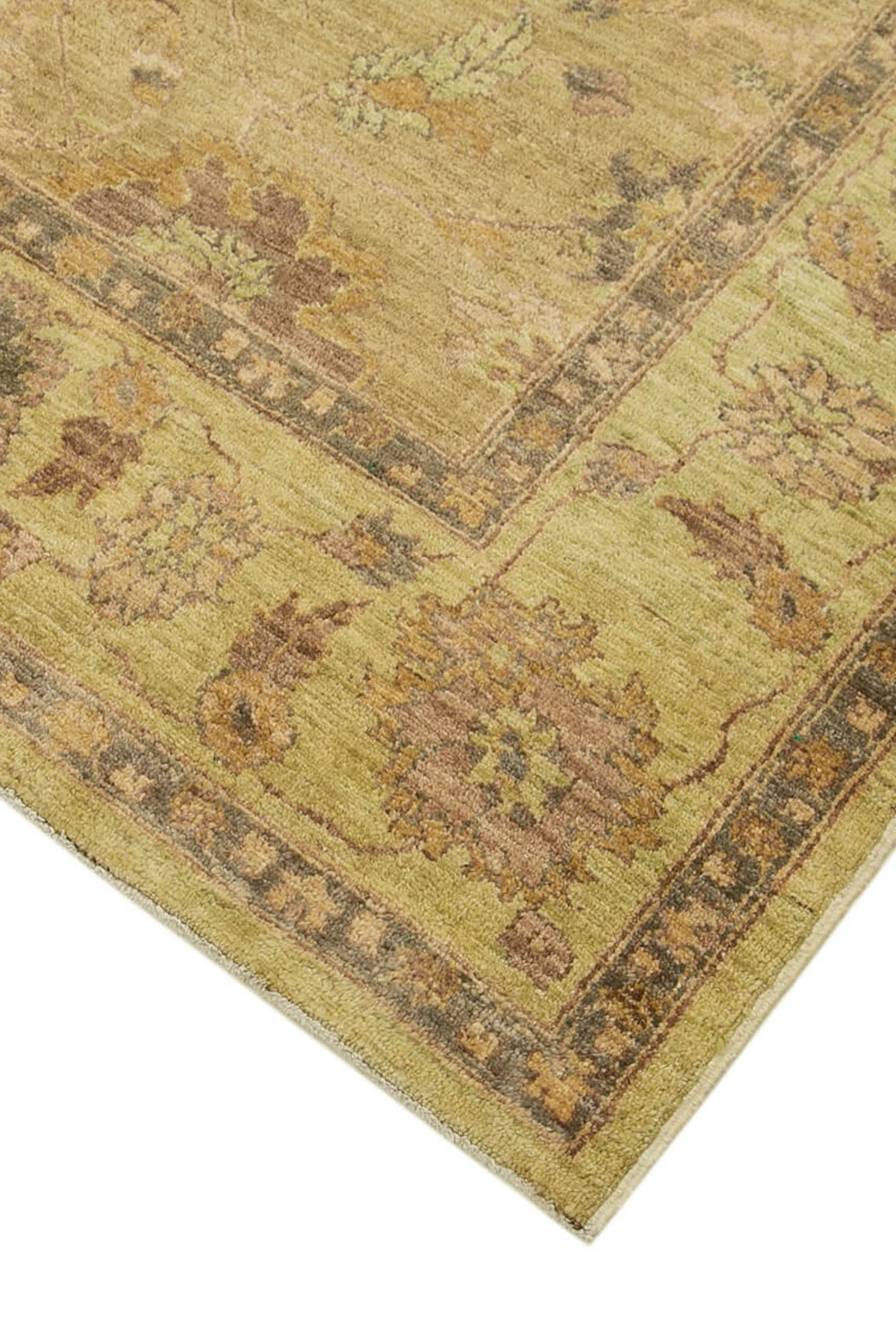
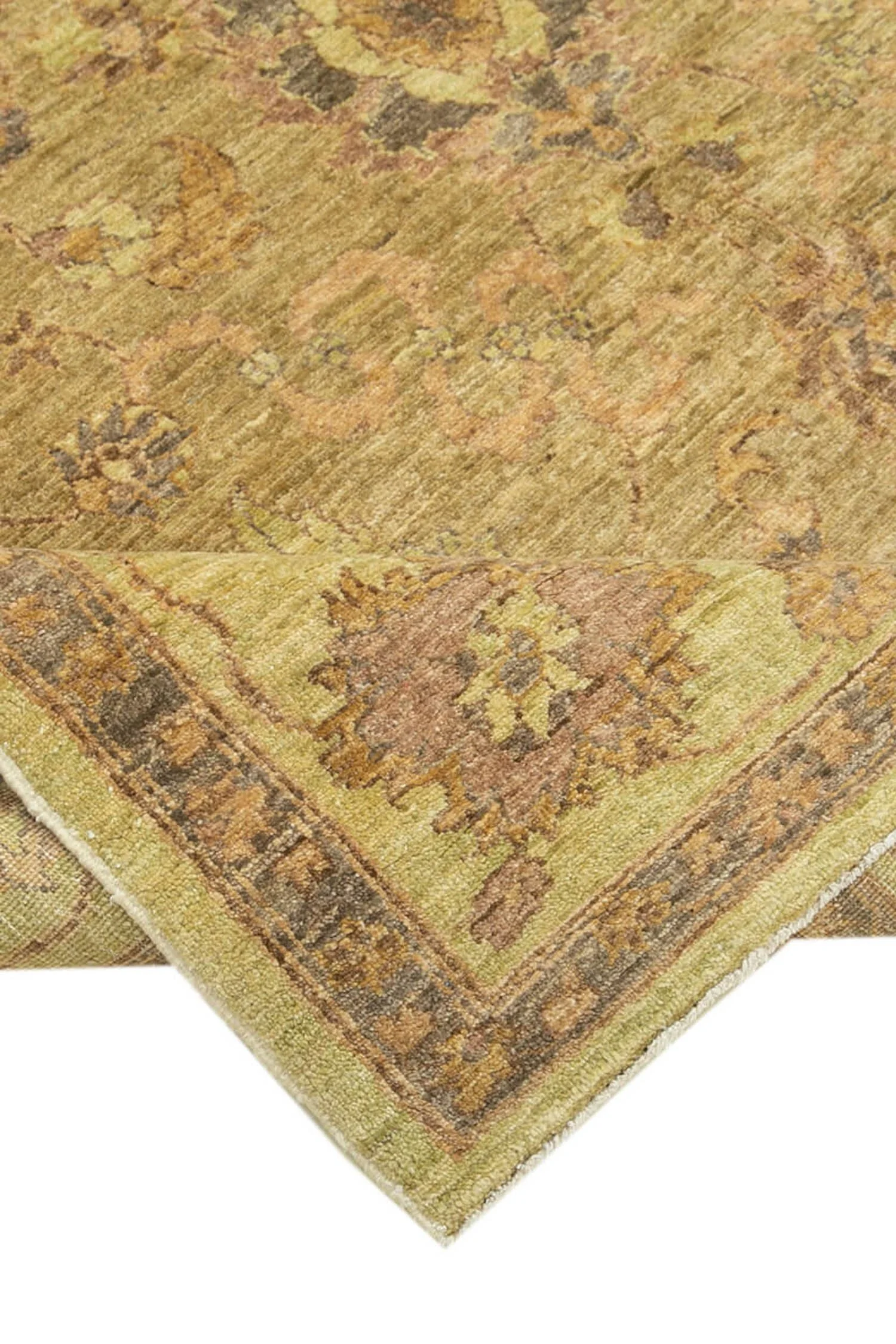
Village production in the 1930s used natural dyes that created the rich indigo blues and brick reds seen here. Indigo required multiple dye baths to achieve deep saturation, making it a significant investment of time and materials. The abrash visible in the surface shows where different dye lots were used, a natural result of hand-dyeing wool in quantities sufficient for only portions of the rug.
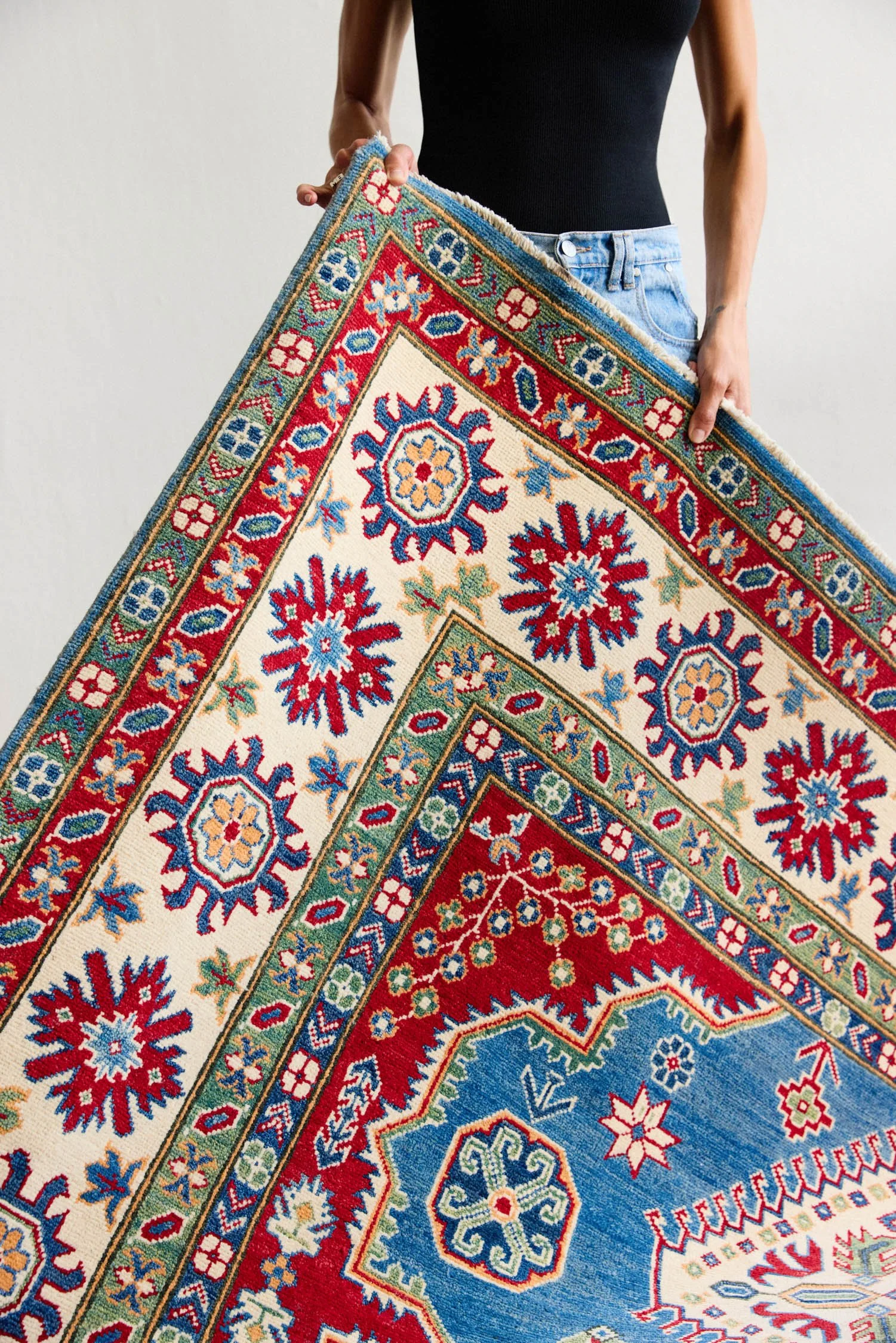
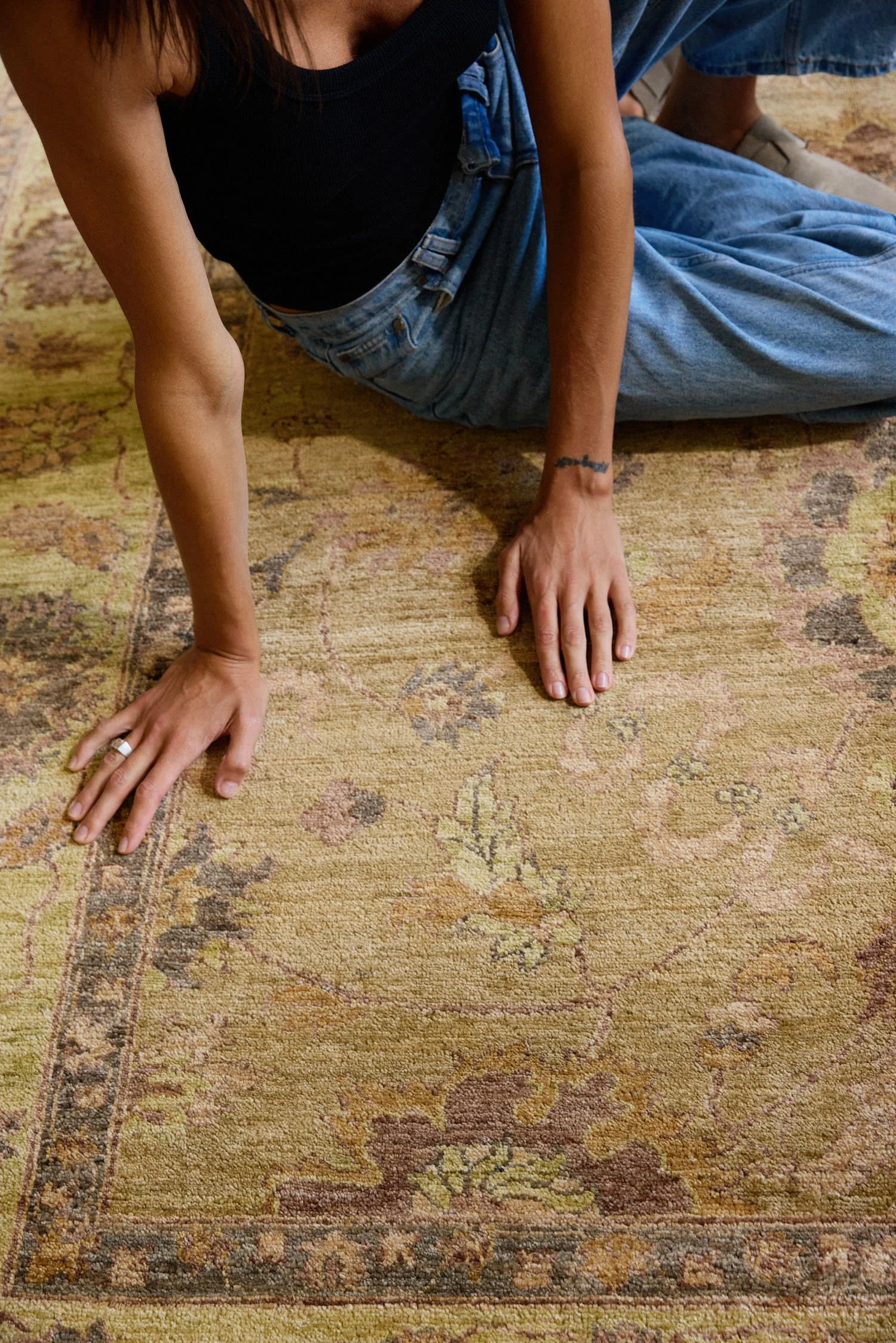
Weavers working on these dense compositions needed to maintain consistent tension and accurate counting across thousands of knots. The precision visible in the medallion and lattice work indicates skilled execution, while the lively quality shows the hand of individual weavers making small interpretive choices within the established pattern framework.
Design Elements
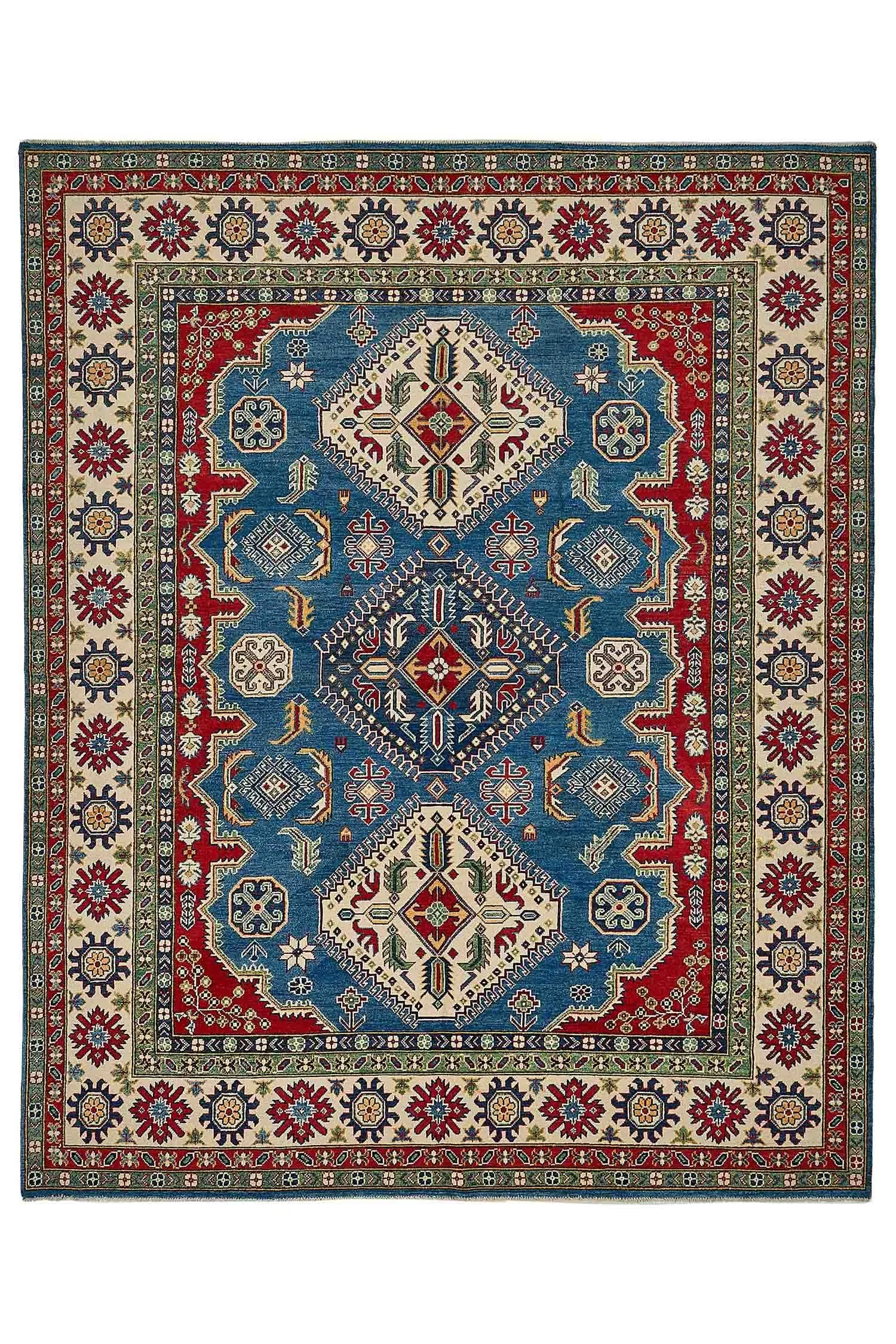
The diamond medallion creates a strong central focus with geometric edges and detailed interior fill. The medallion's scale balances with the surrounding field density, preventing either element from overwhelming the composition. The form draws from centuries of Persian medallion traditions interpreted through Joshagan conventions.
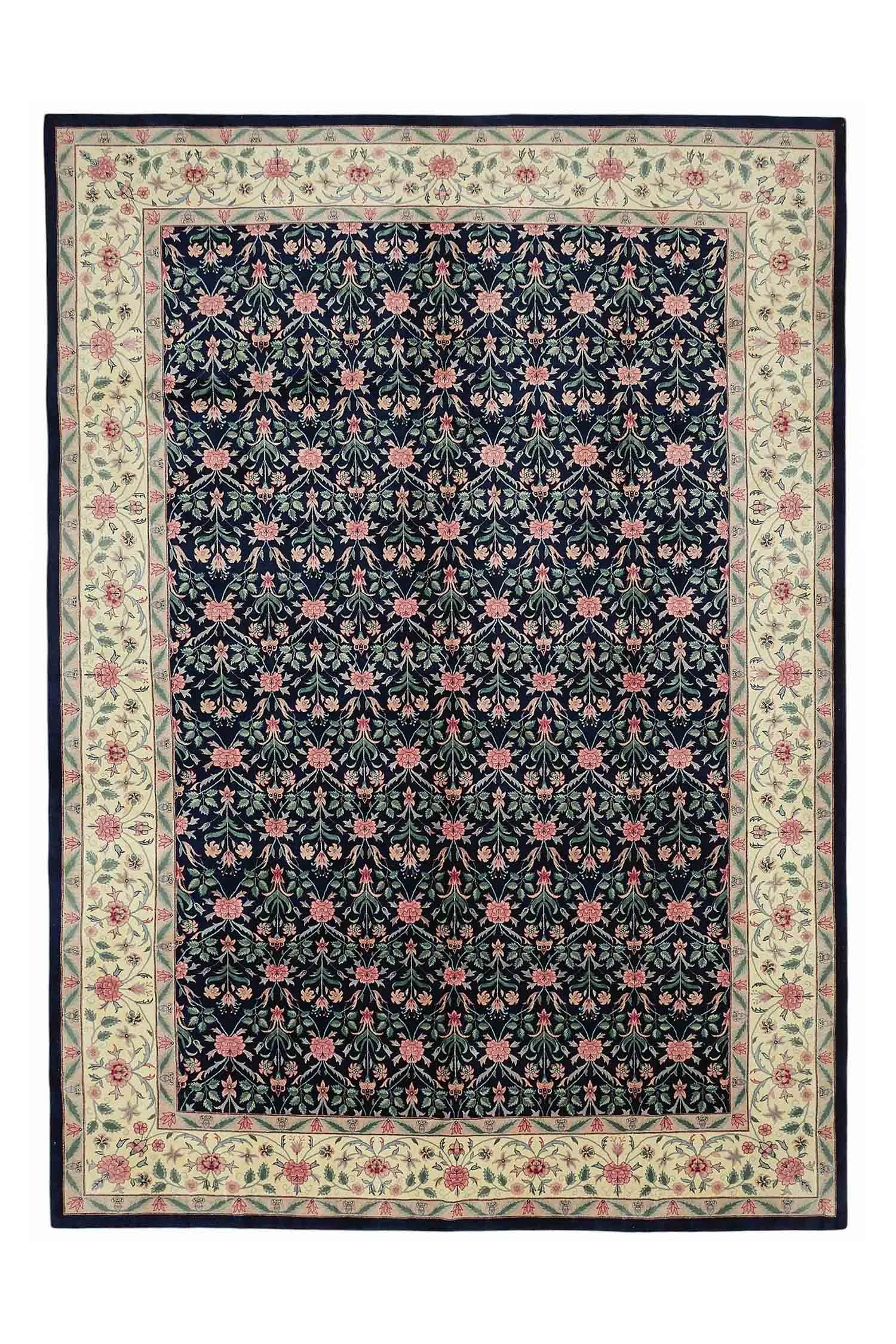
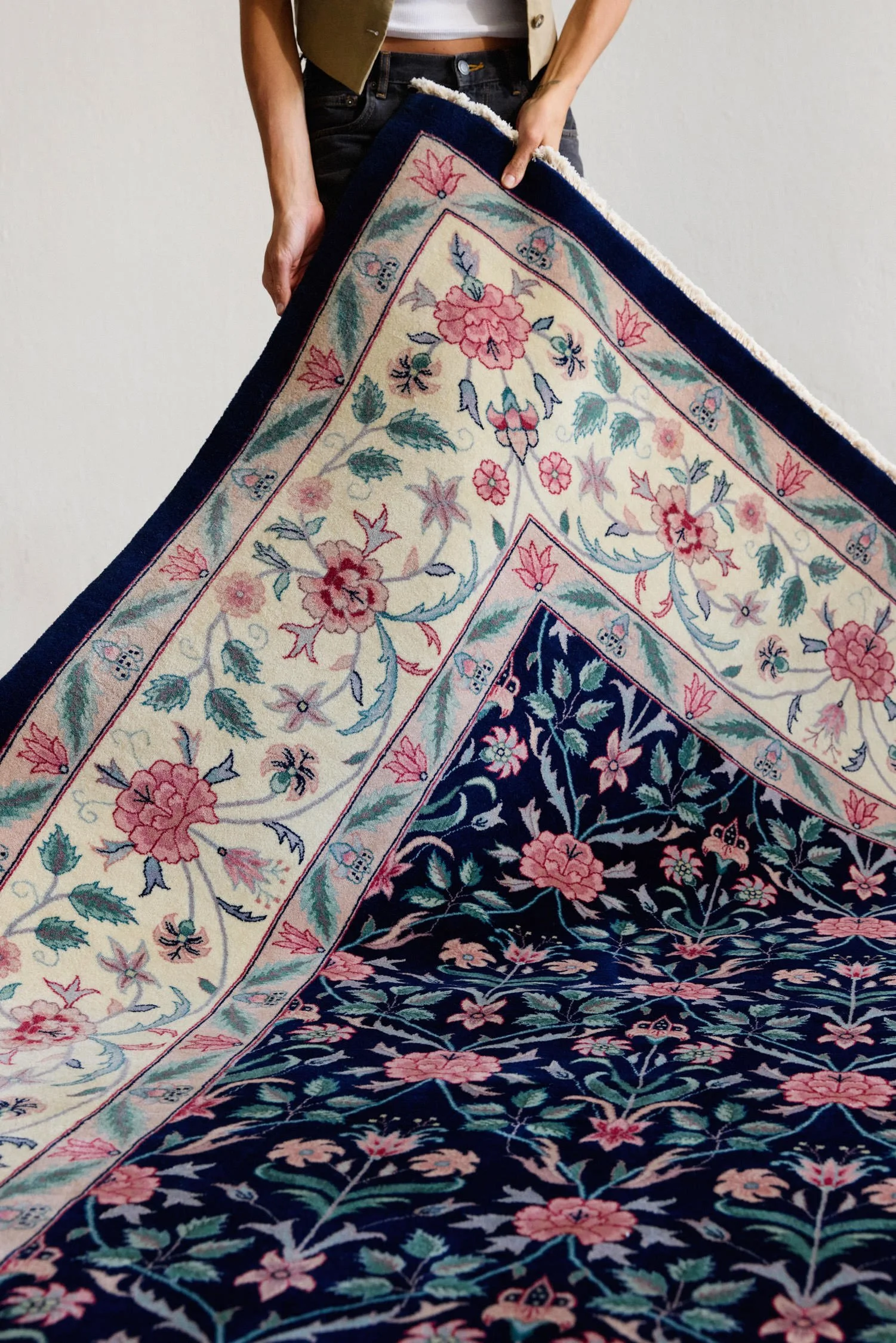
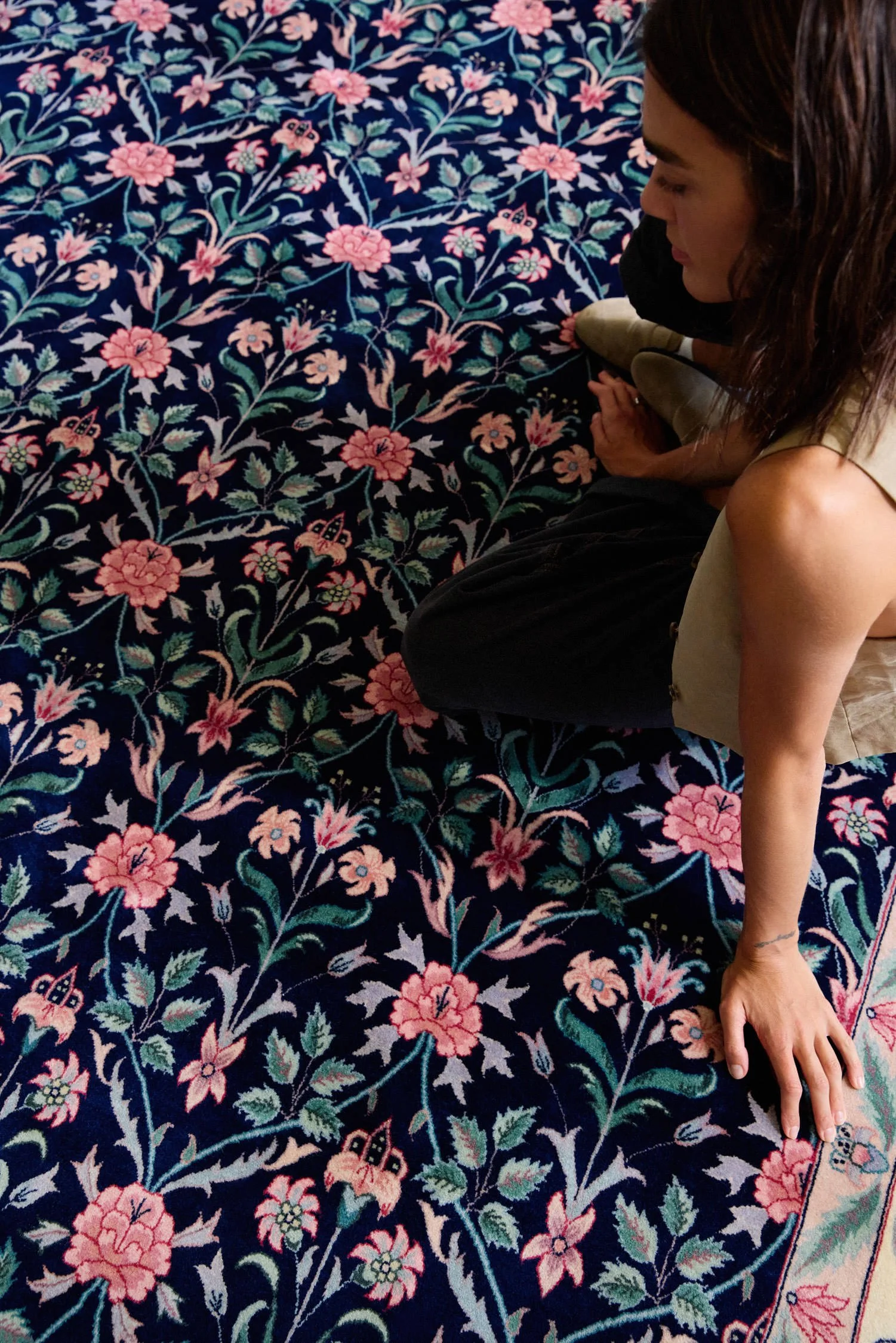
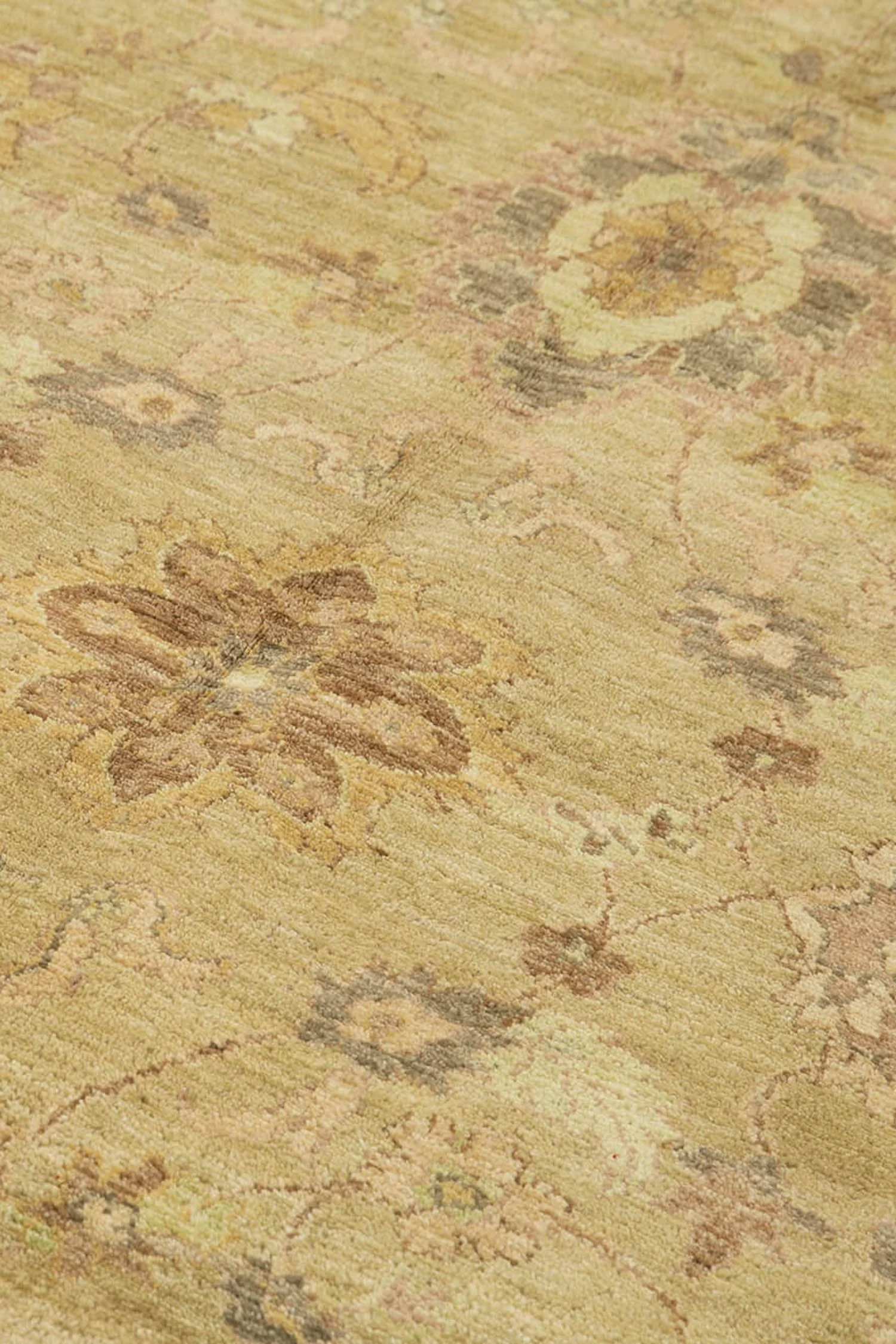
The dense allover lattice surrounds the medallion with stylized florals and geometric motifs arranged in repeating patterns. This characteristic Joshagan treatment creates visual richness through accumulated detail. The lattice work maintains consistent density across the field, ensuring no areas read as empty or underdeveloped.
Age-lightened highlights and natural wear create tonal variation that adds depth to the composition. Areas of higher traffic show more fading, while protected sections retain deeper color. This natural aging process creates the character that distinguishes semi-antique pieces from newer production.
Placement
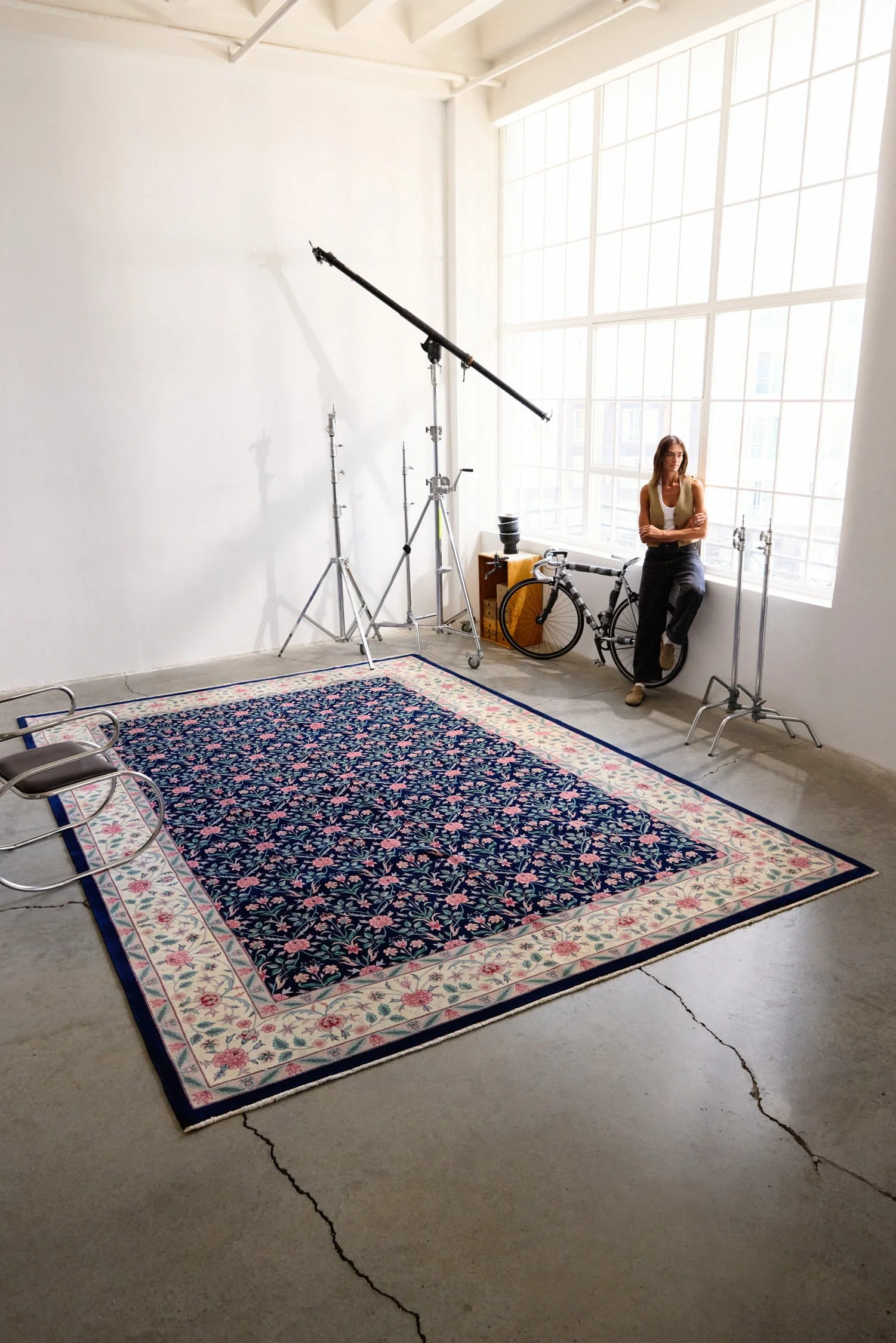
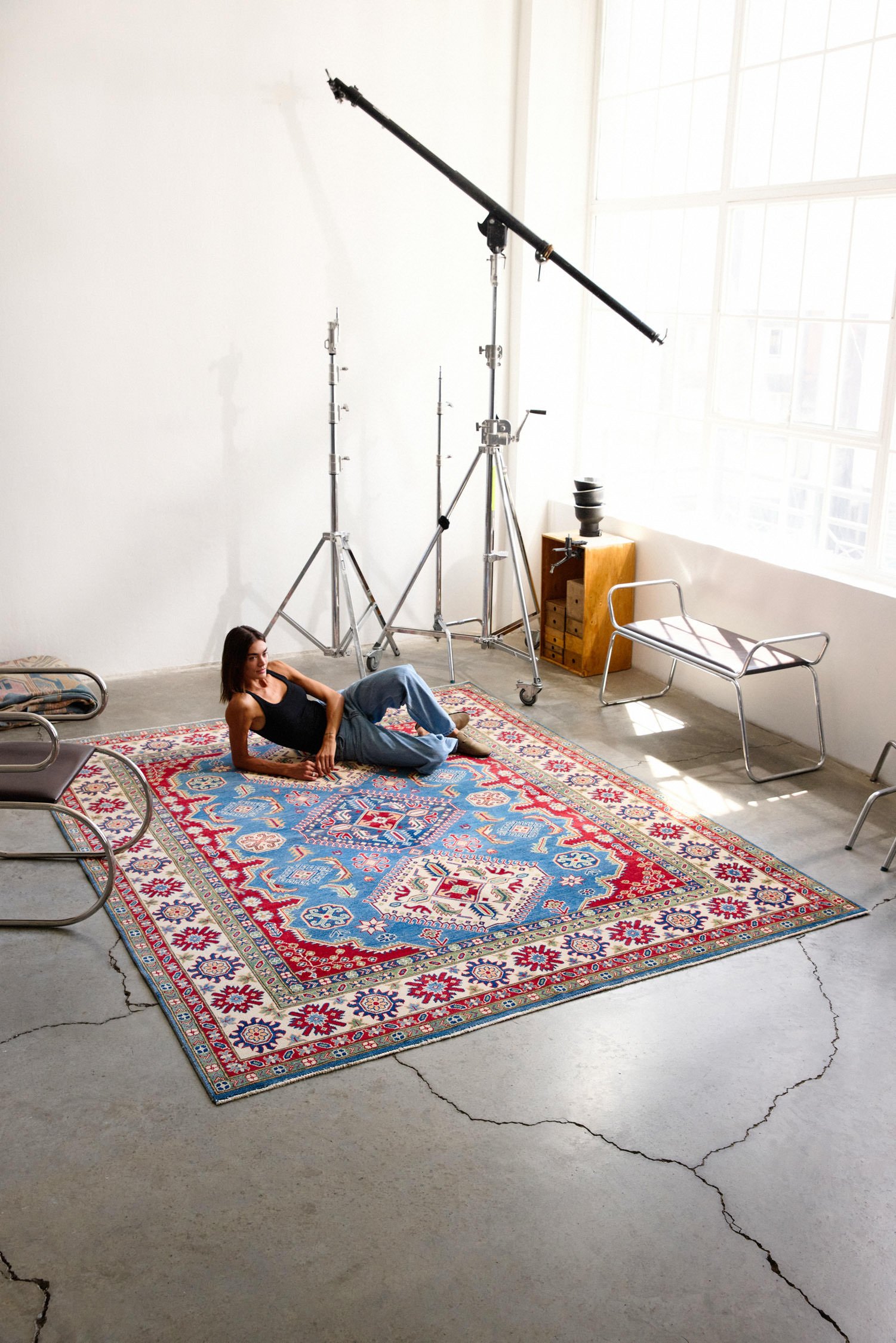
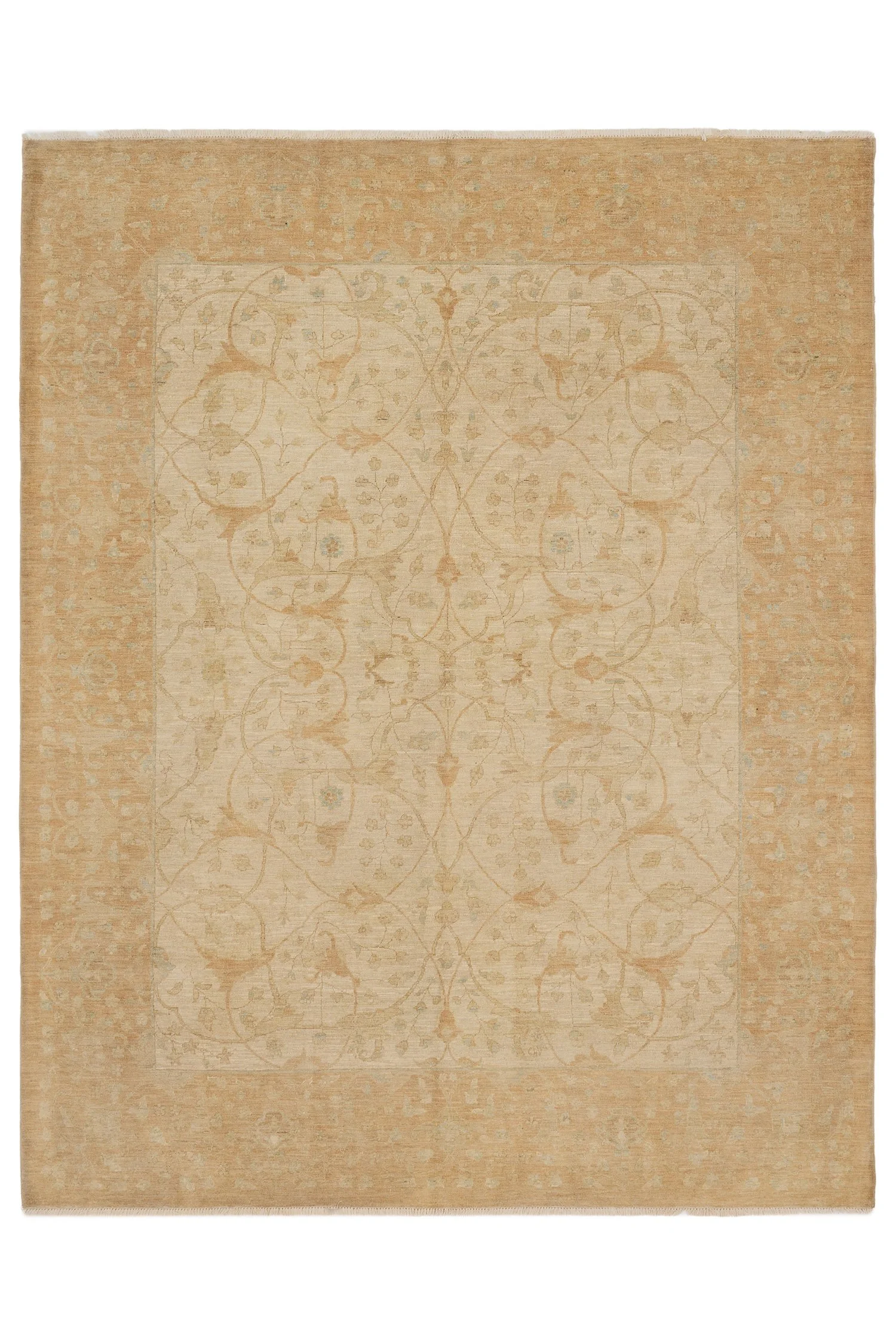
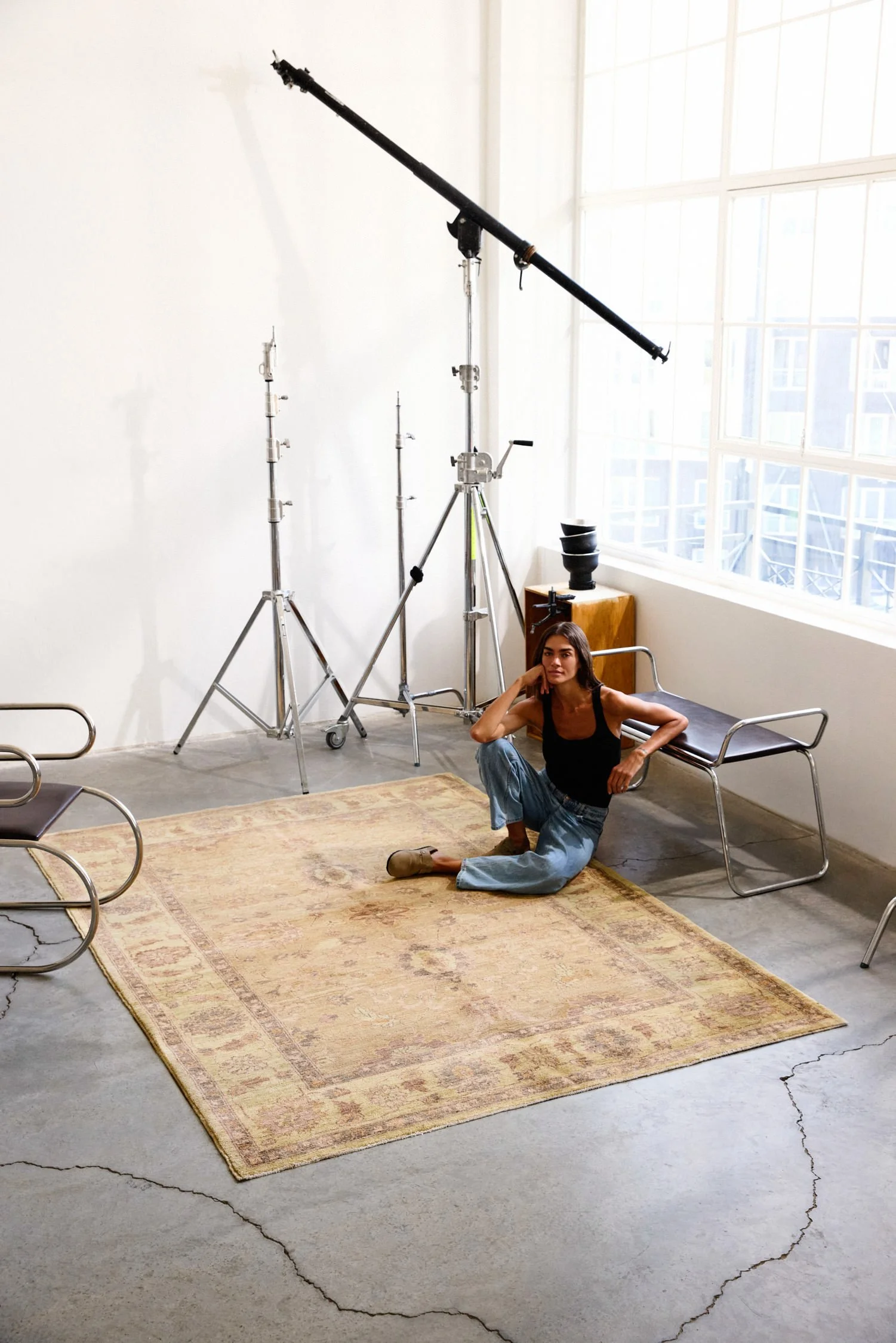
At 7'9" x 11'2", this works in living rooms where you want to anchor seating areas with substantial coverage. Dining rooms can accommodate it under tables that seat eight. Bedrooms benefit from the generous proportions, with the rug extending beyond the bed on multiple sides.
The indigo and brick red palette brings traditional Persian color to interiors. The density and detail suit spaces that can handle visual richness. Traditional settings appreciate the semi-antique provenance and classic Joshagan design. The saturated colors also work in contemporary spaces where you want pattern with historical depth and cultural authenticity.
Care Recommendations
To preserve the rug's beauty:
Rotate periodically for even wear
Vacuum regularly using a suction-only setting
Address spills immediately by blotting, never rubbing
Professional cleaning recommended annually
Avoid direct sunlight to maintain color integrity
Joshagan weavers in the 1930s made rugs so distinctive that the village name became the pattern's name.