 Image 1 of 4
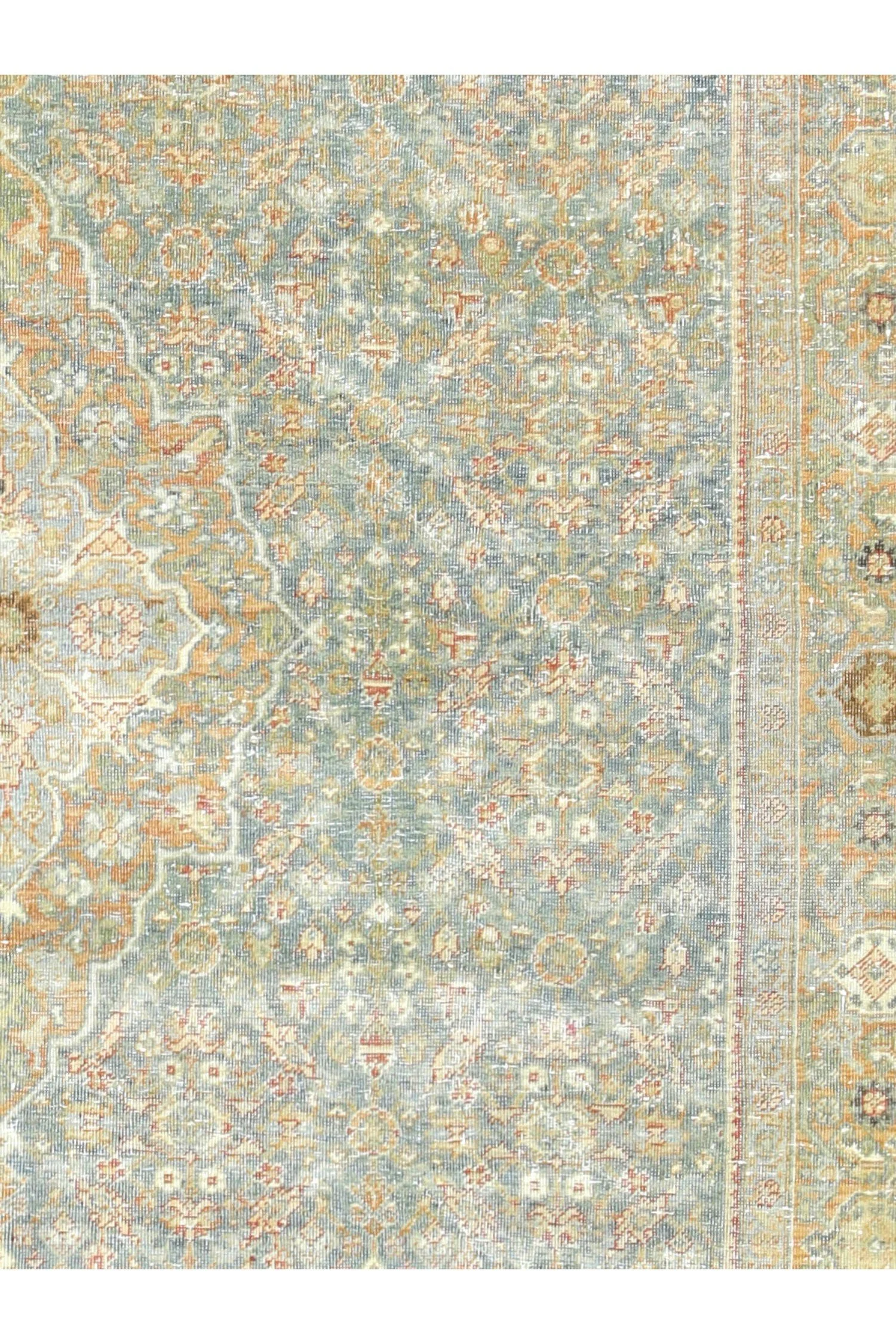 Image 2 of 4
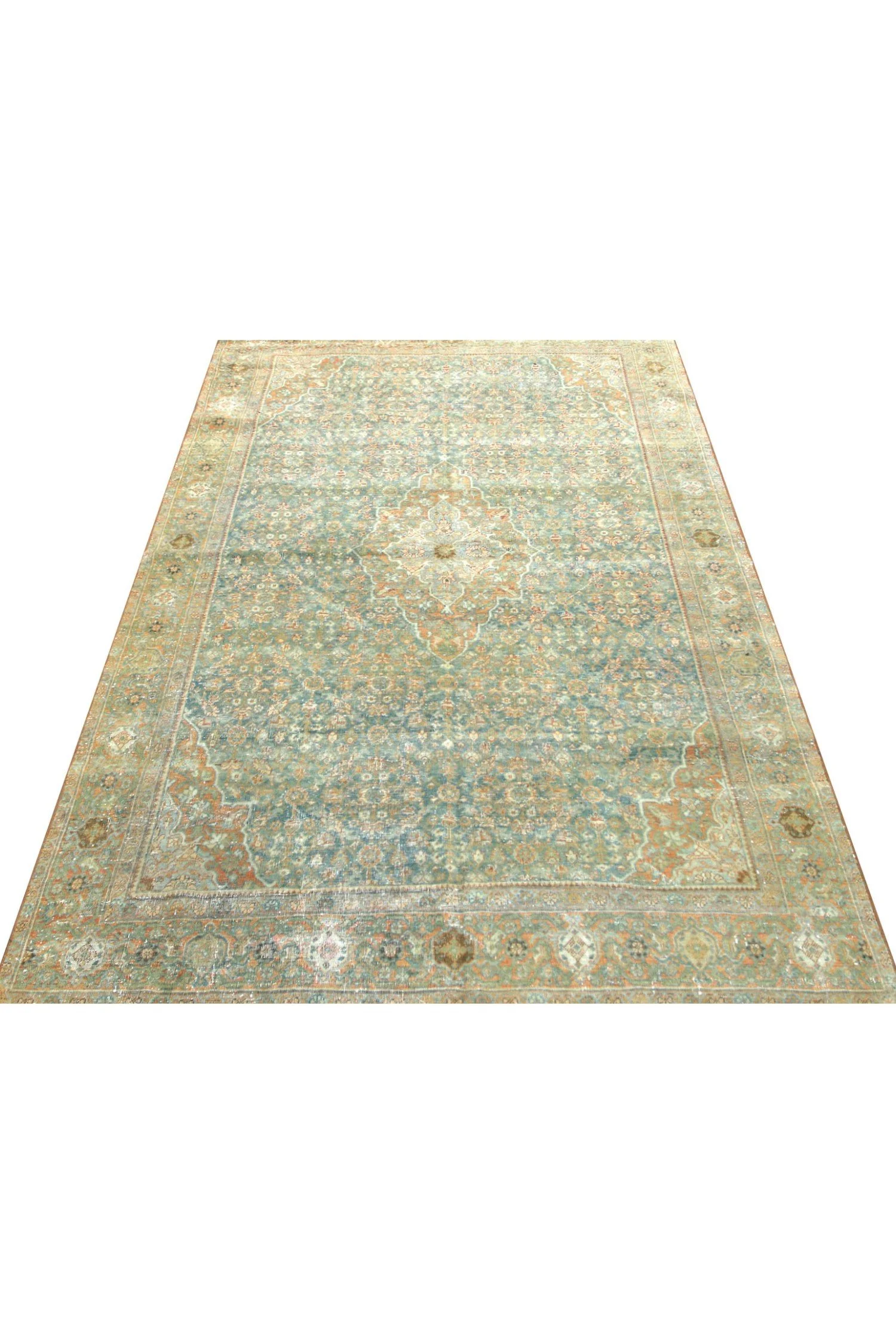 Image 3 of 4
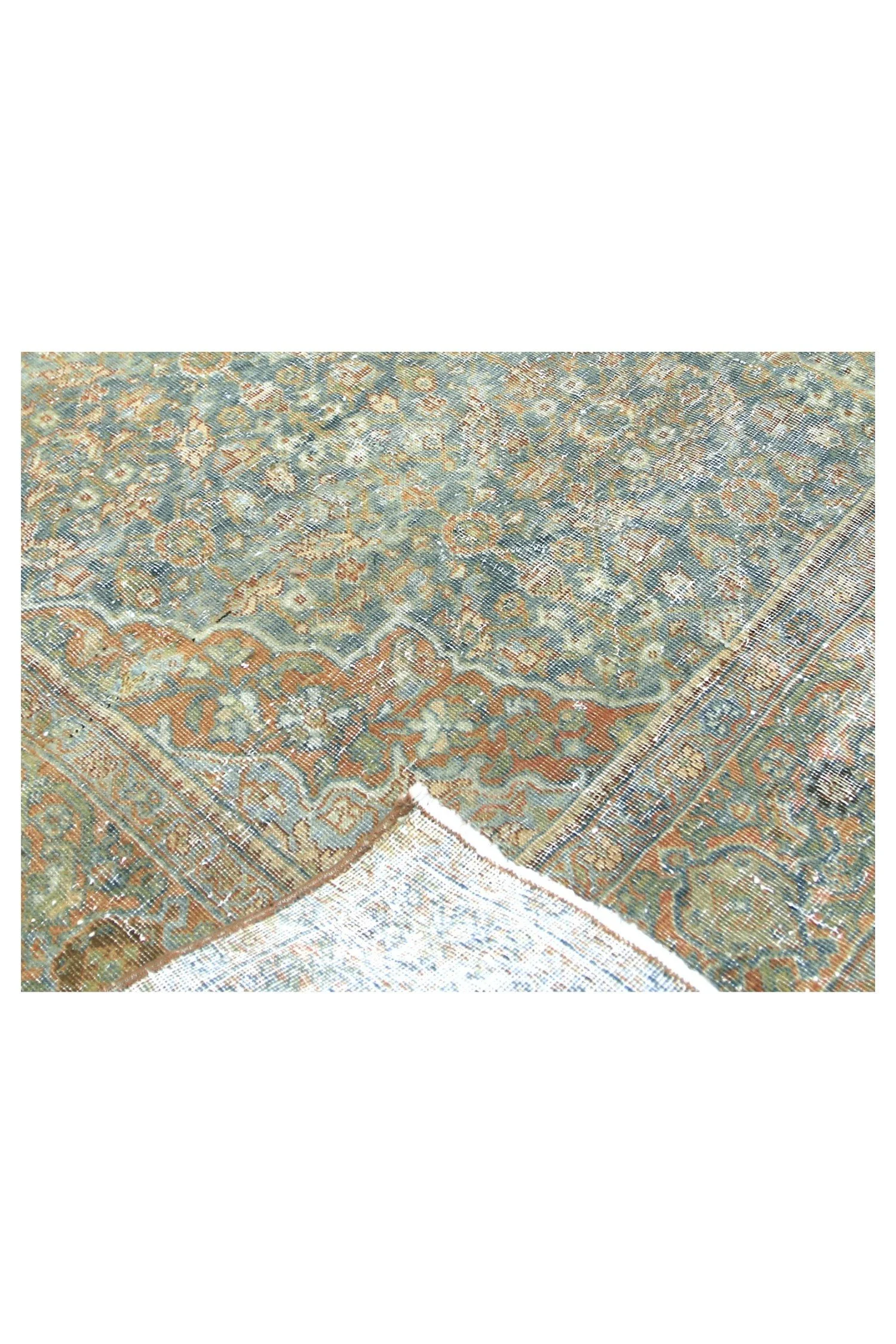 Image 4 of 4
Heritage and Craftsmanship
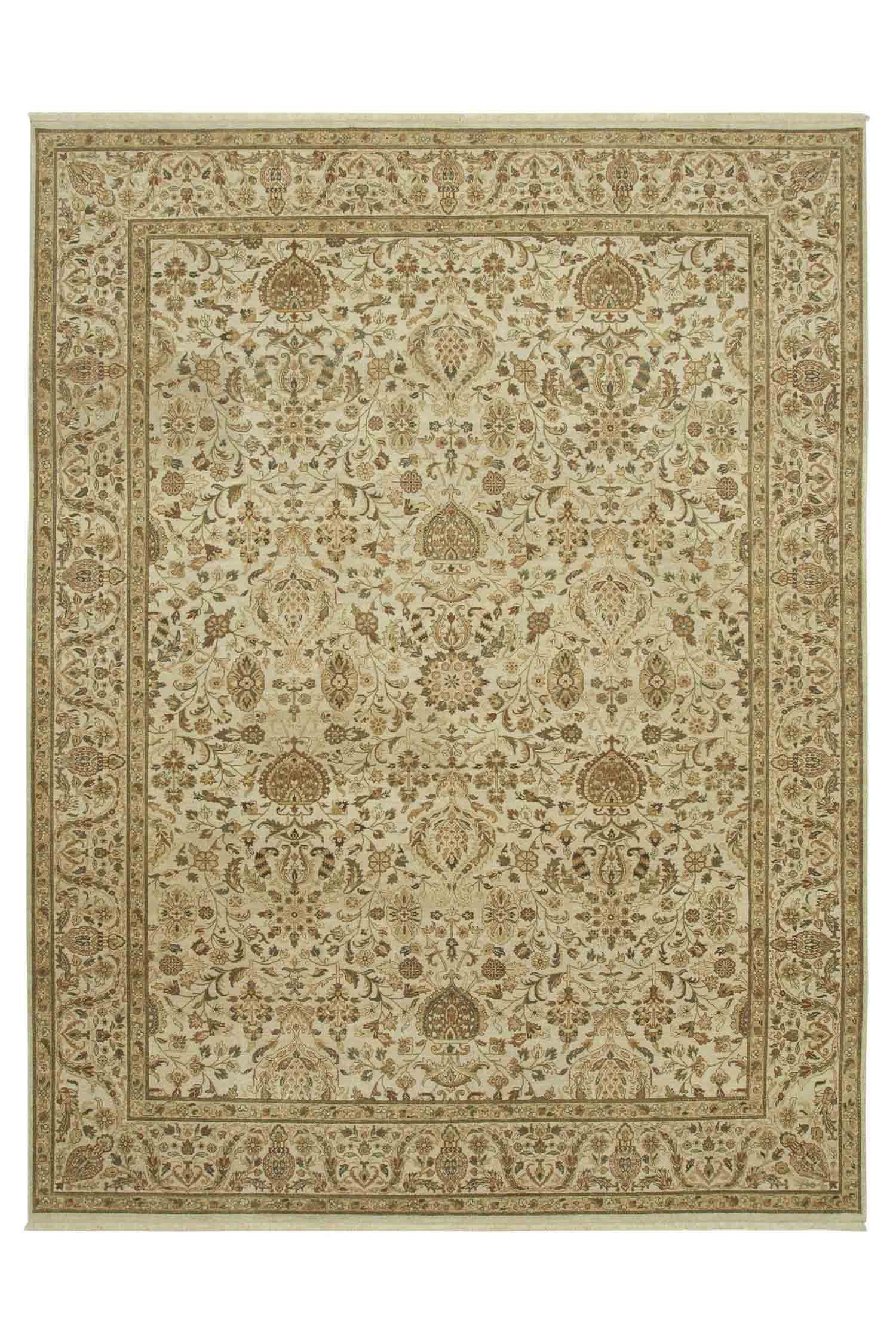
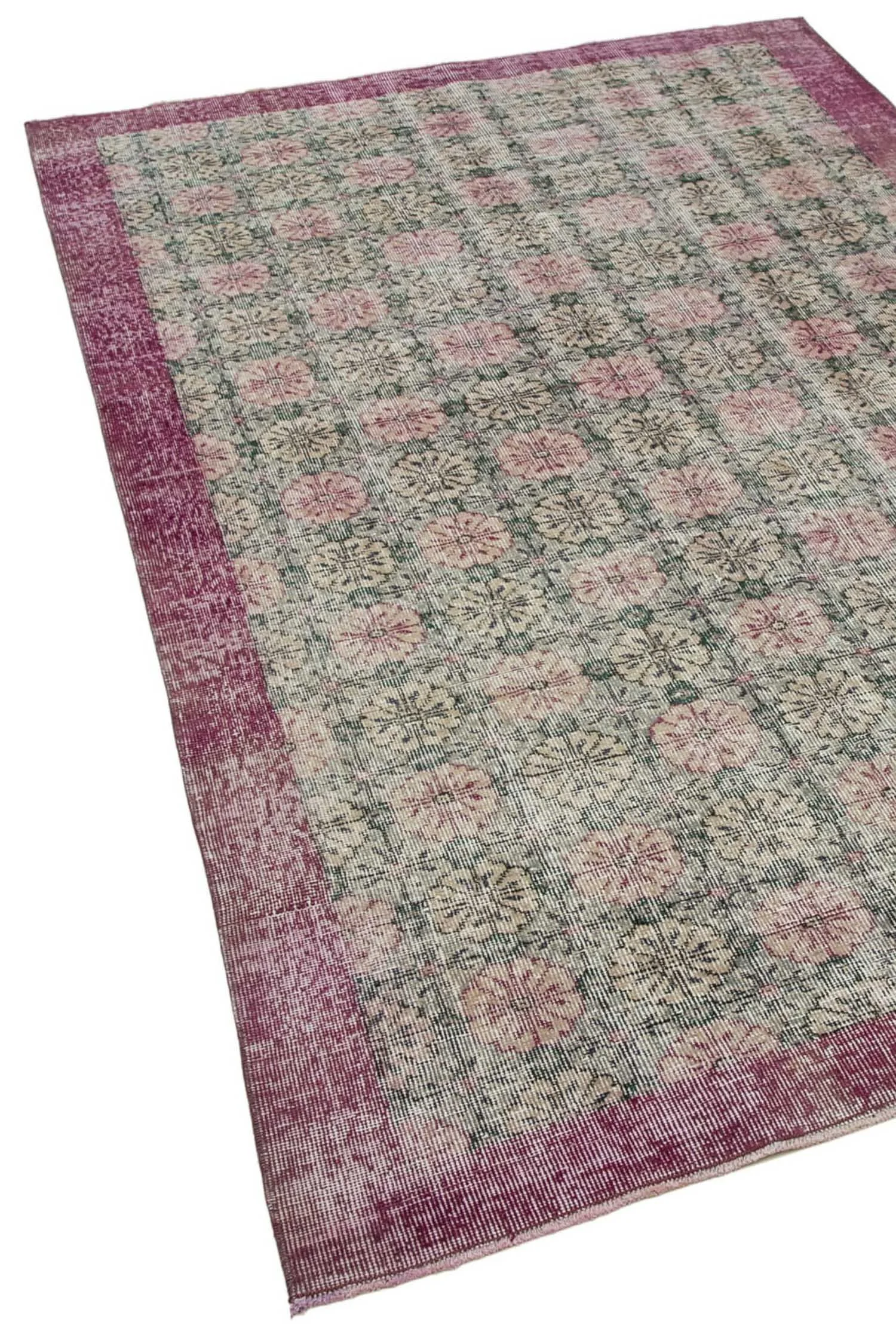
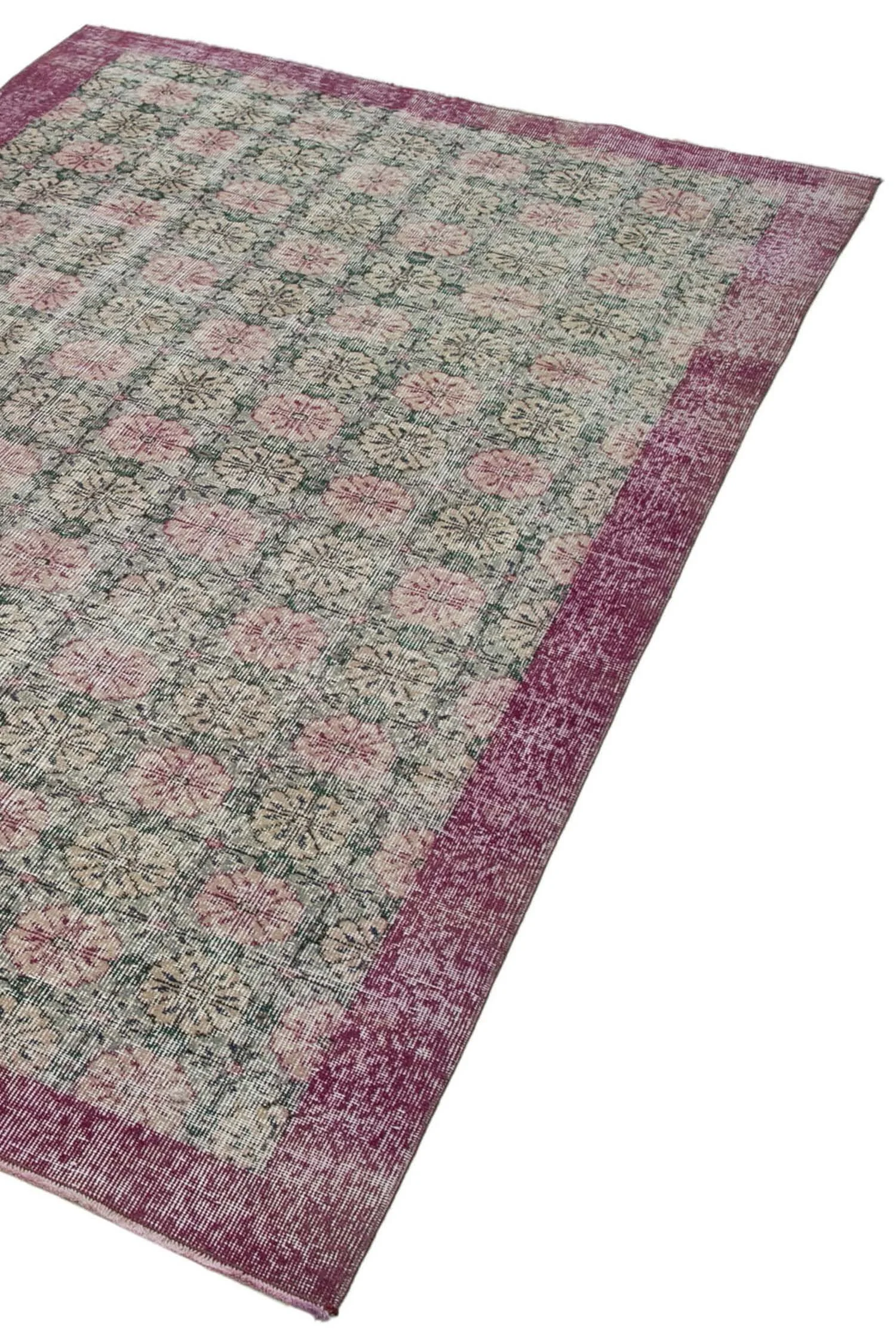
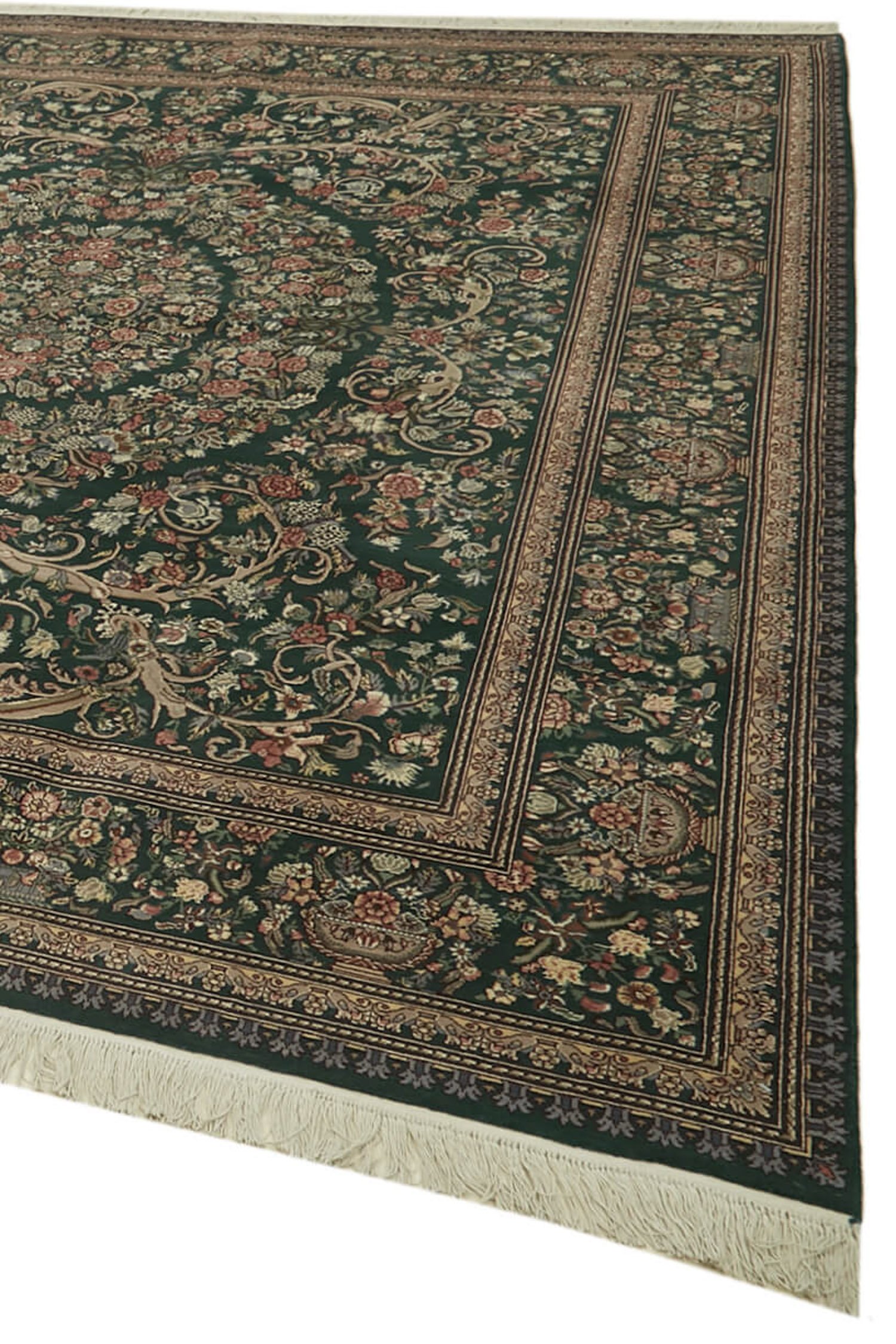
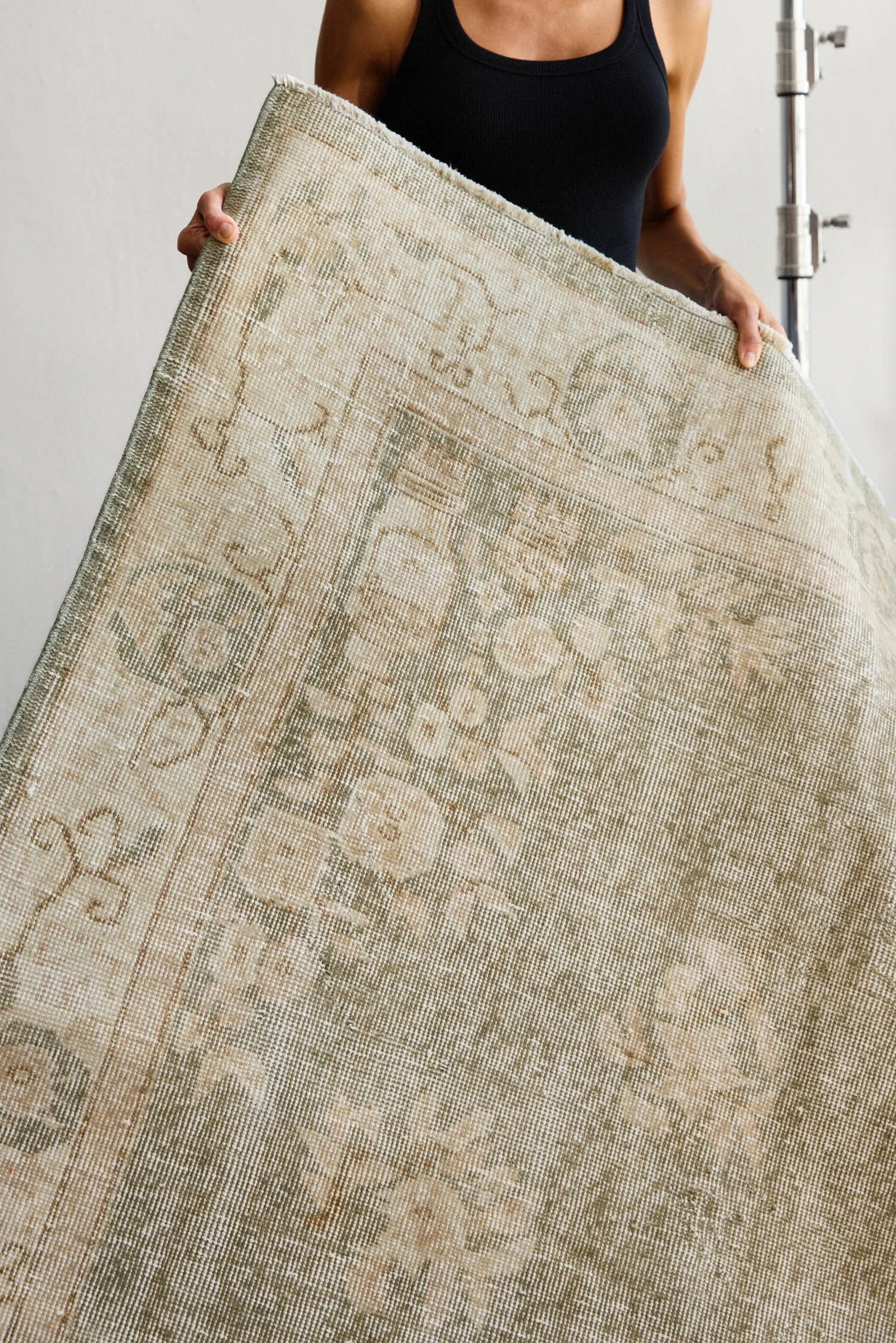
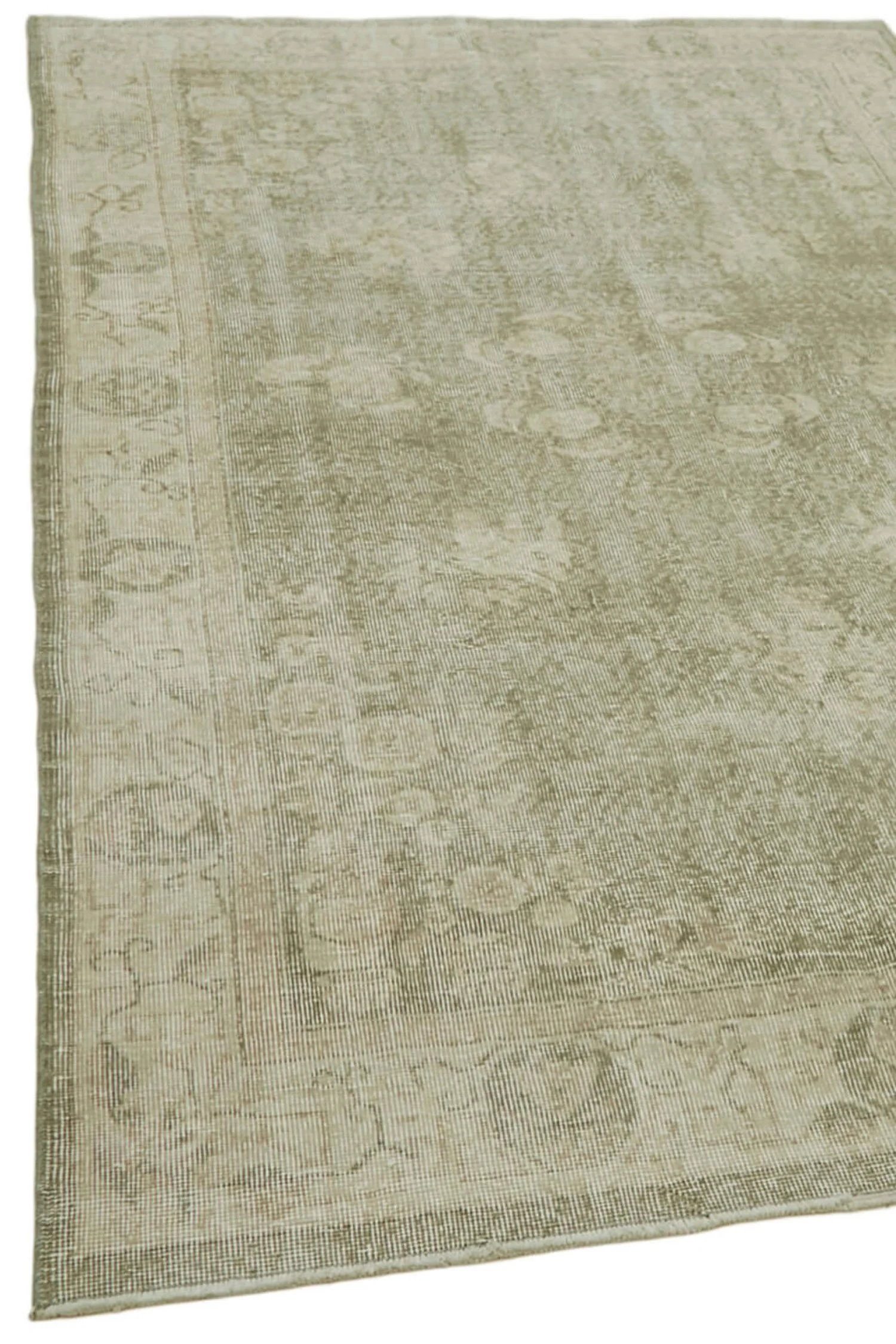
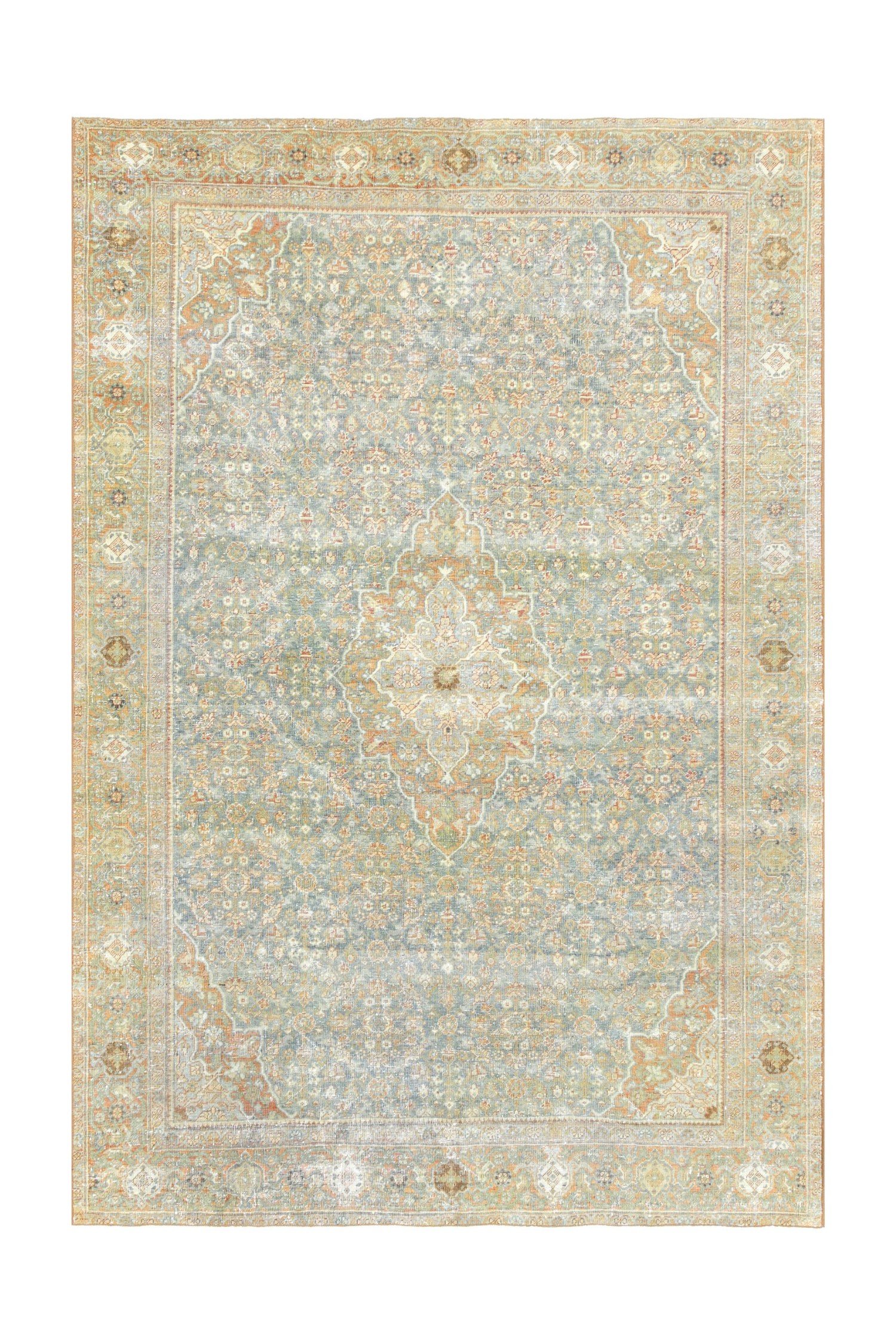
Tabriz workshops in the 1920s created rugs with precise drawing and tight knotting that demonstrated the technical refinement for which the city had become known. The balanced medallion format seen here represents classical Persian structure executed with early 20th-century workshop discipline.
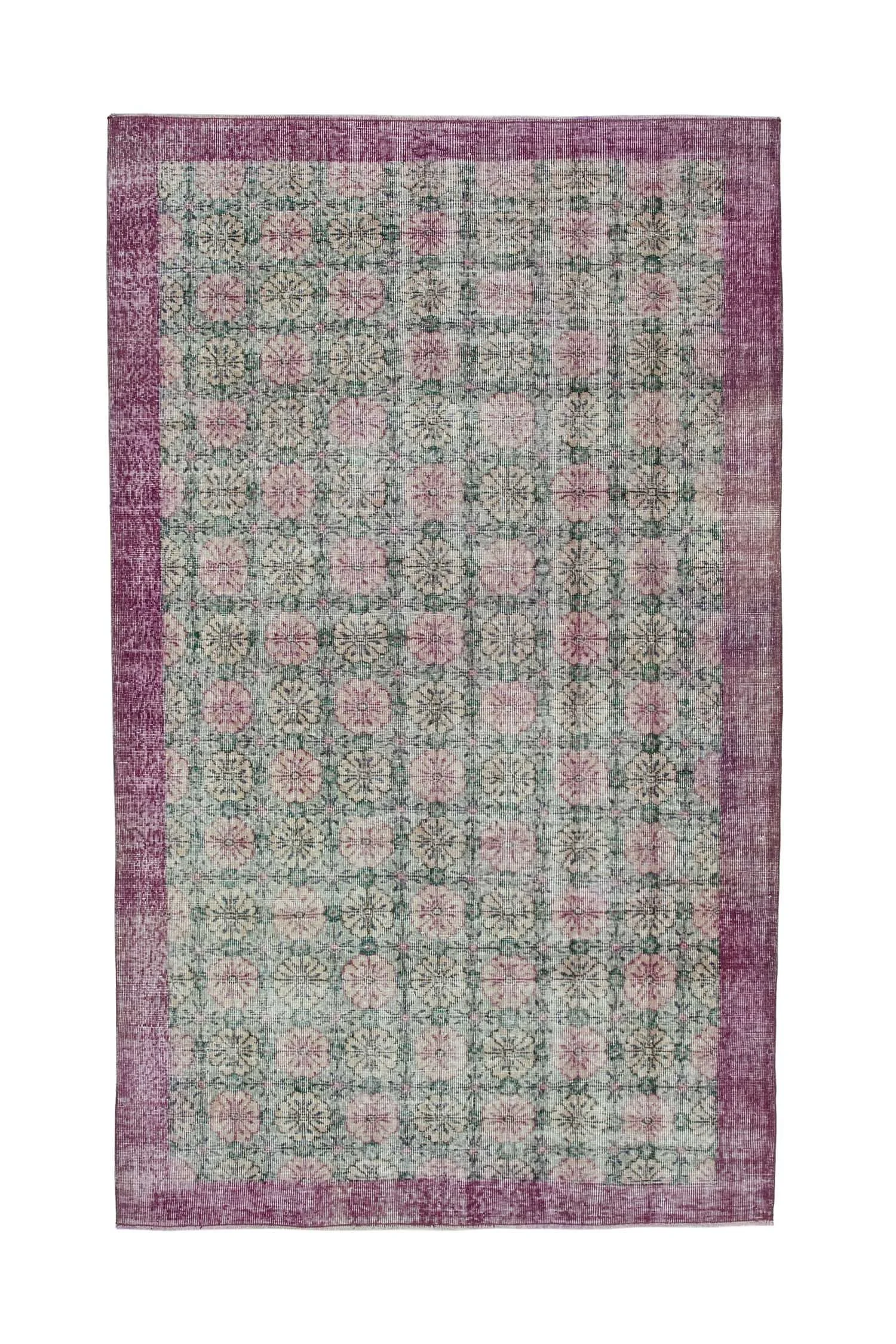
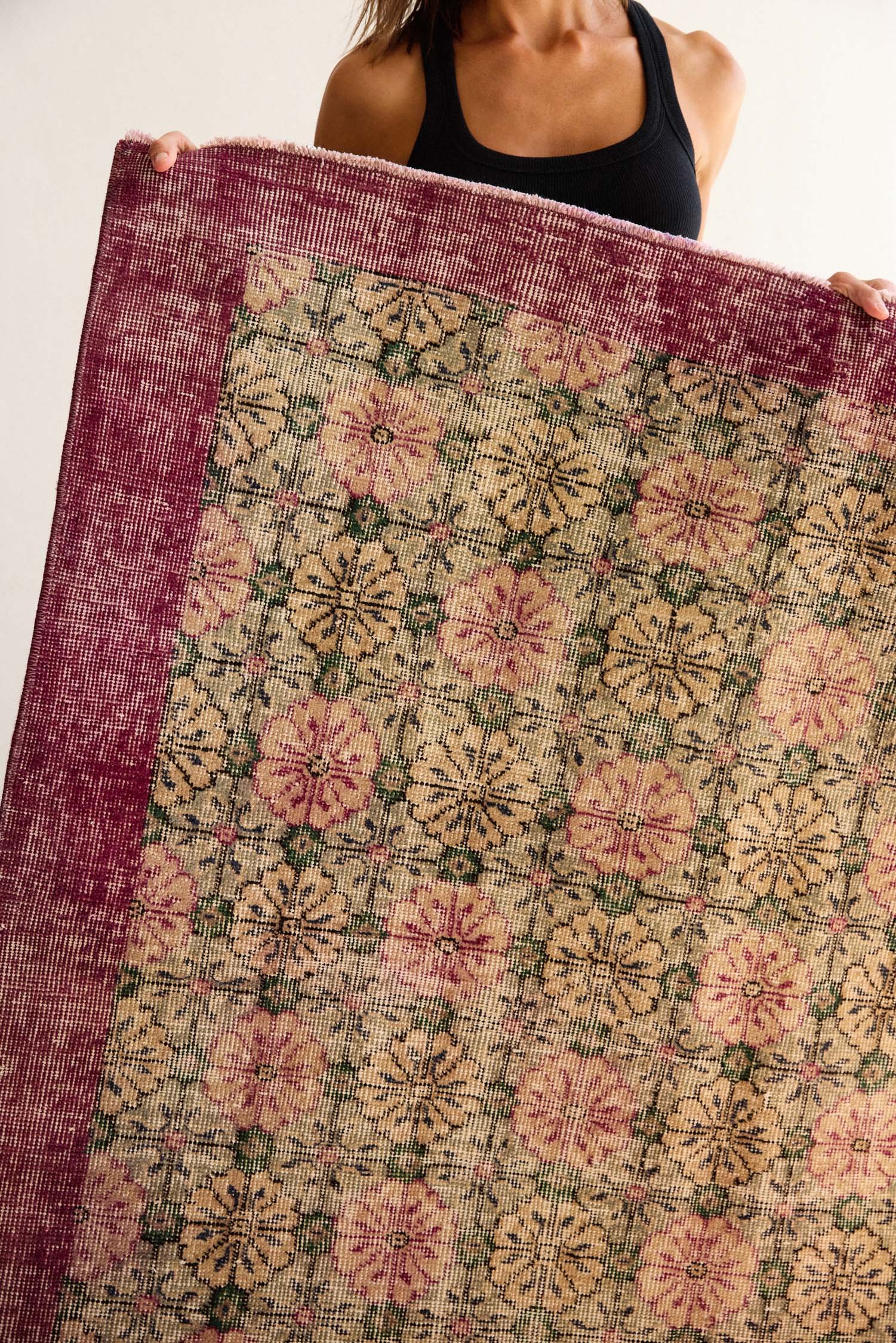
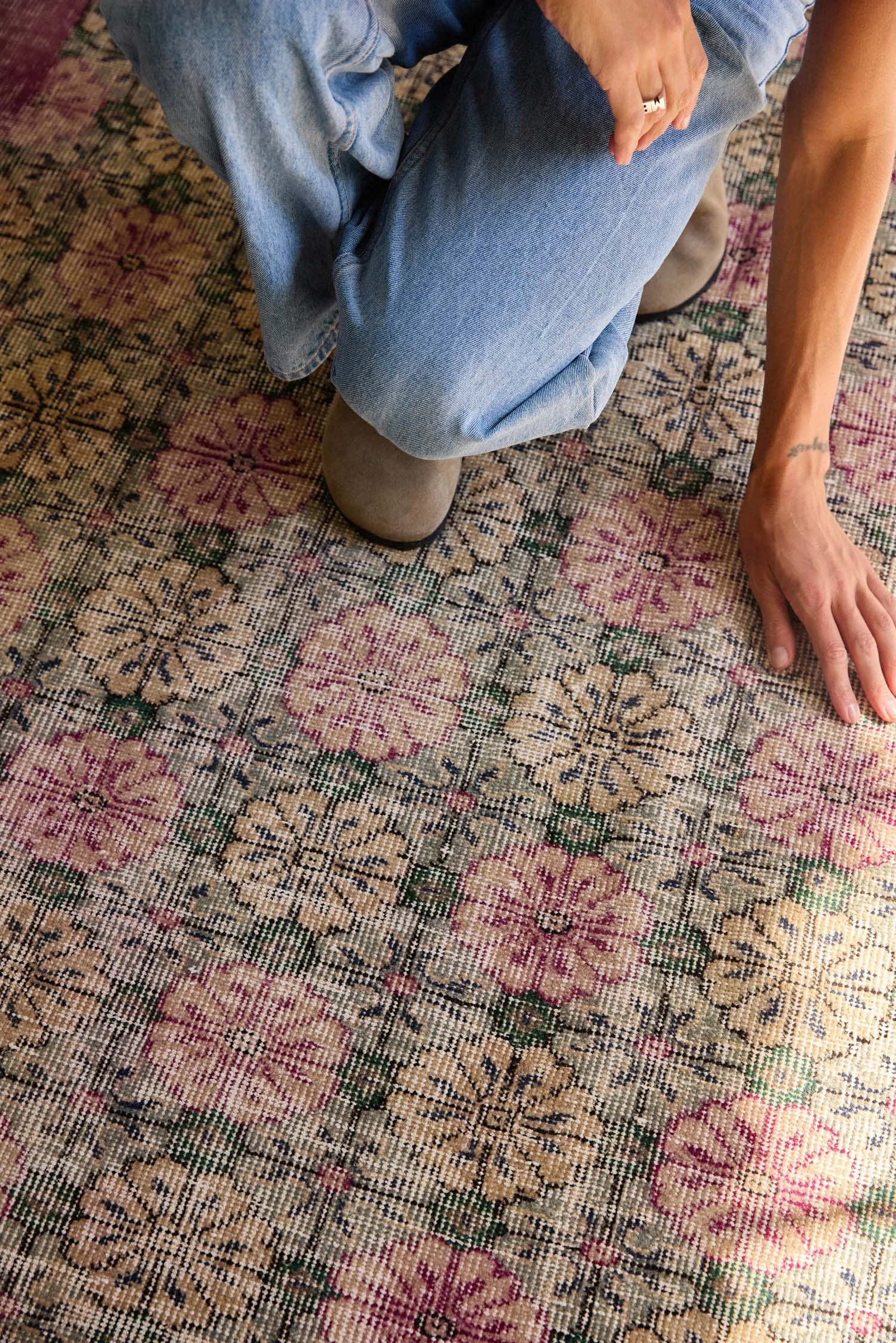
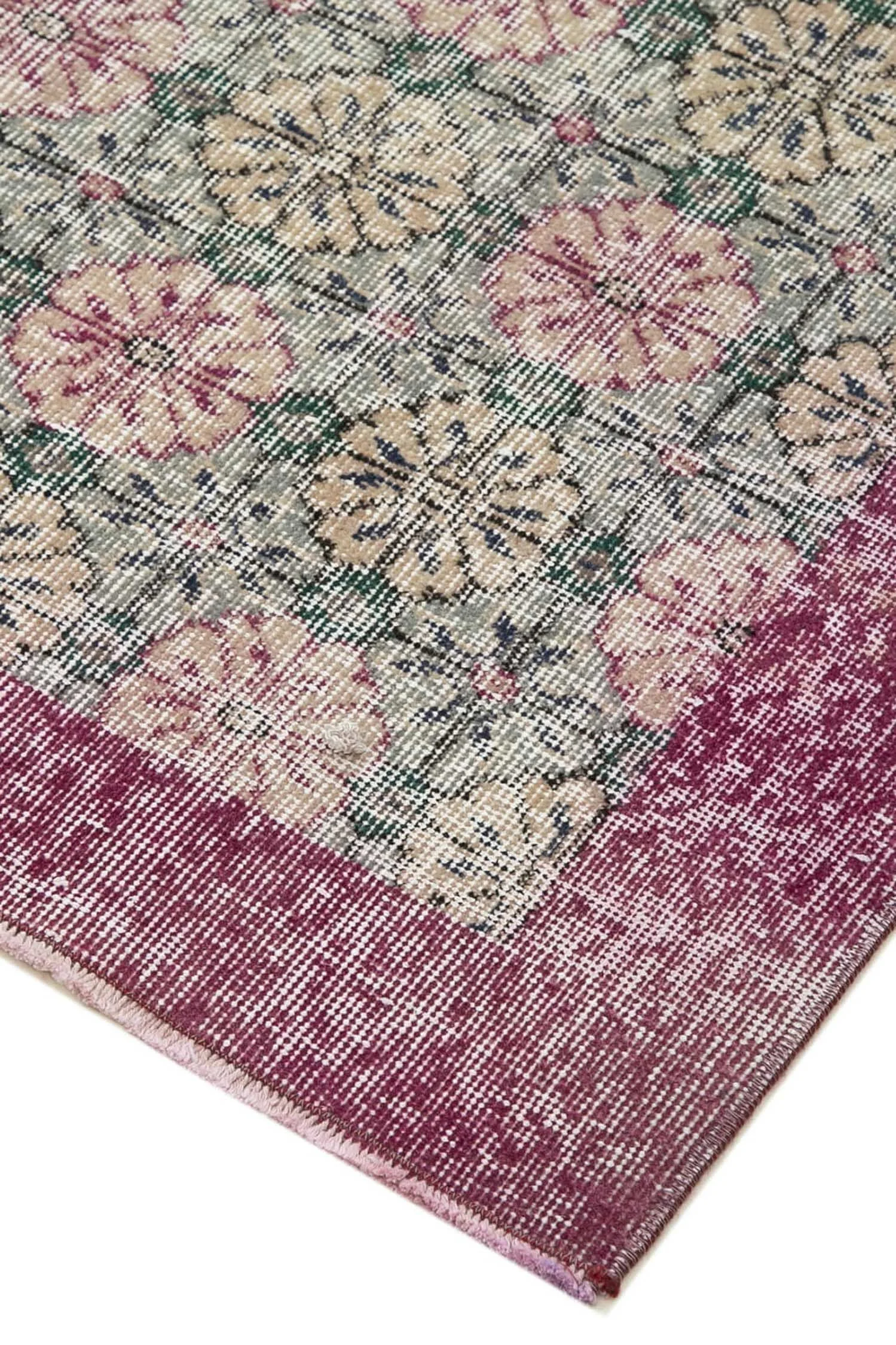
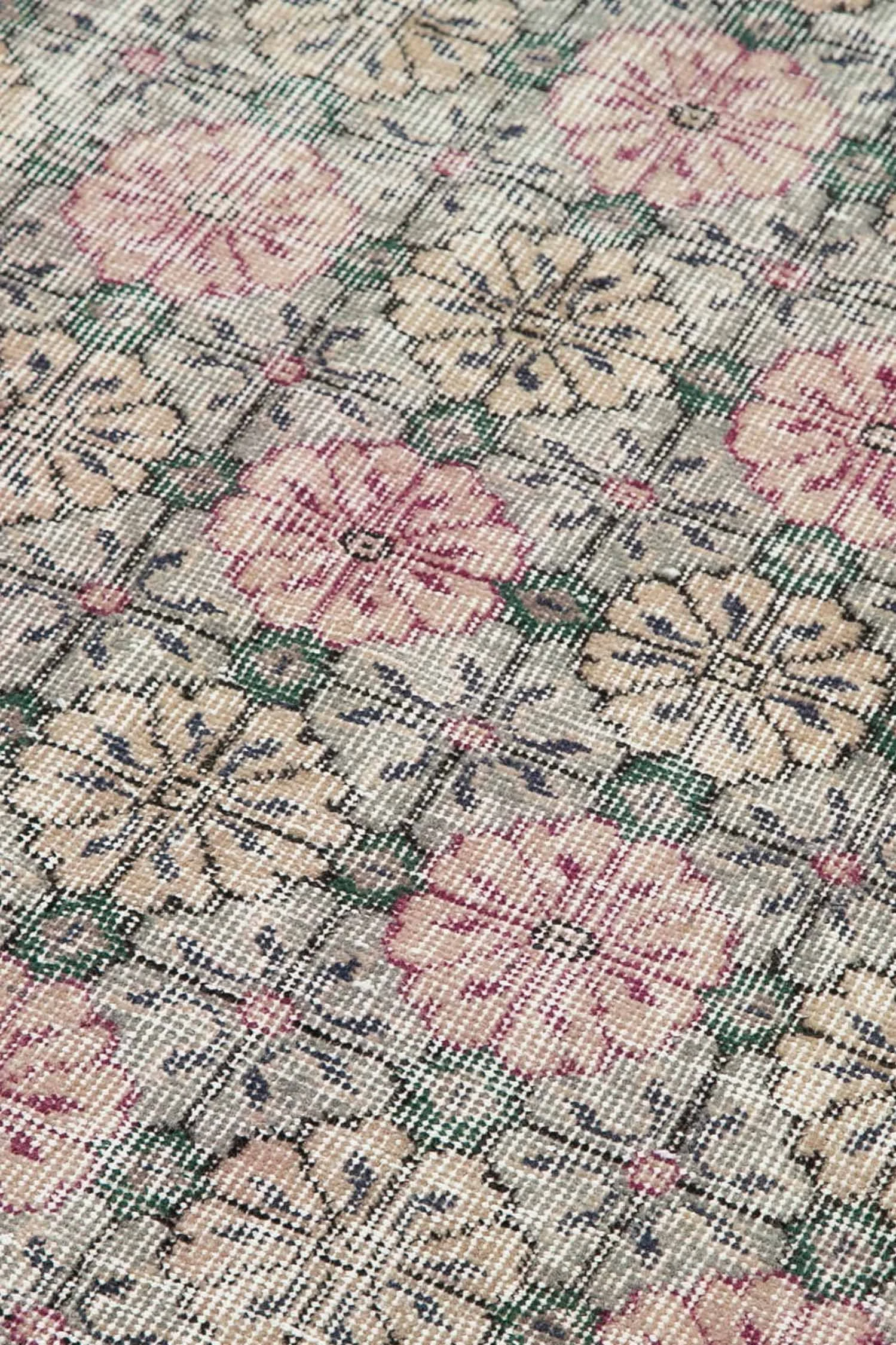
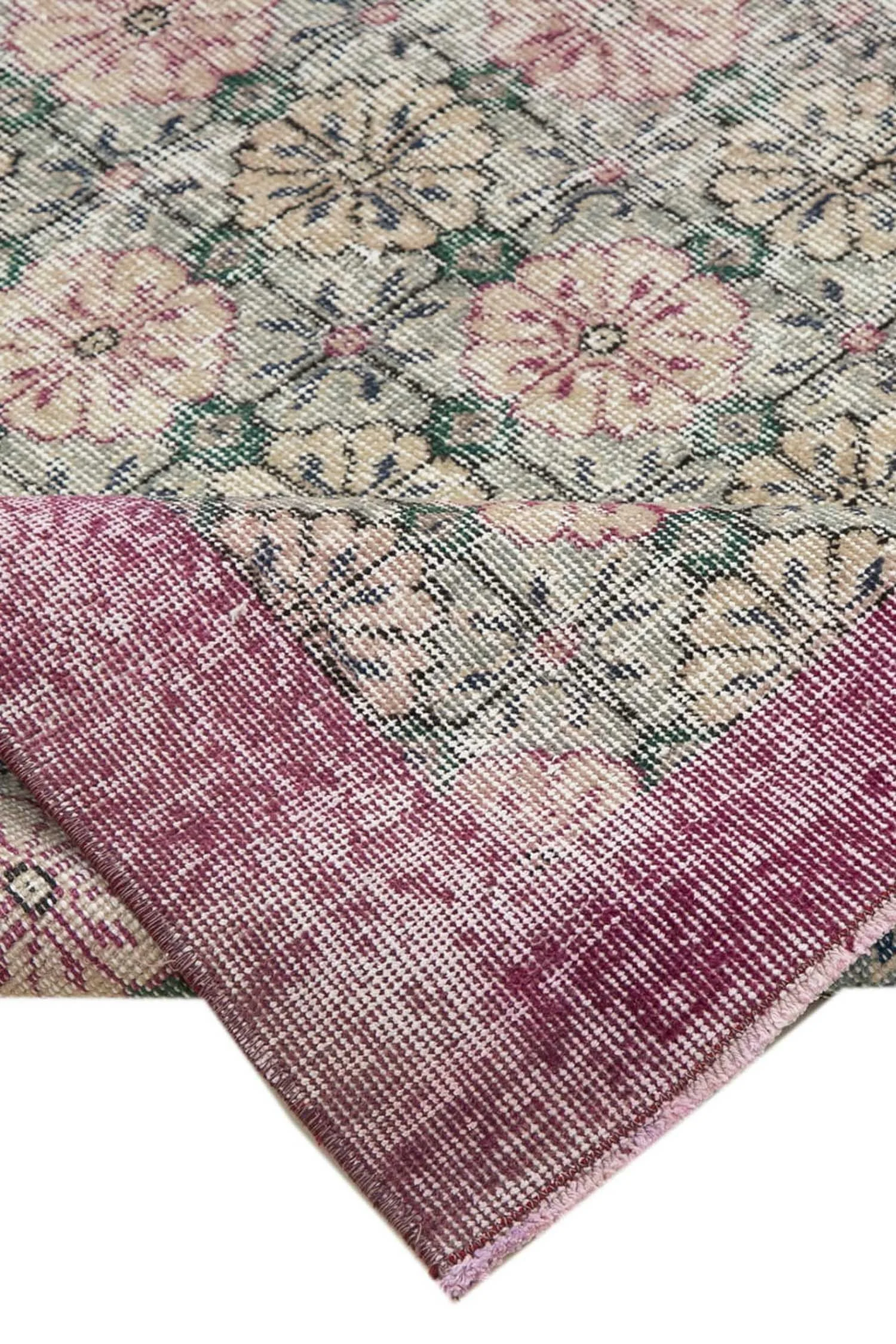
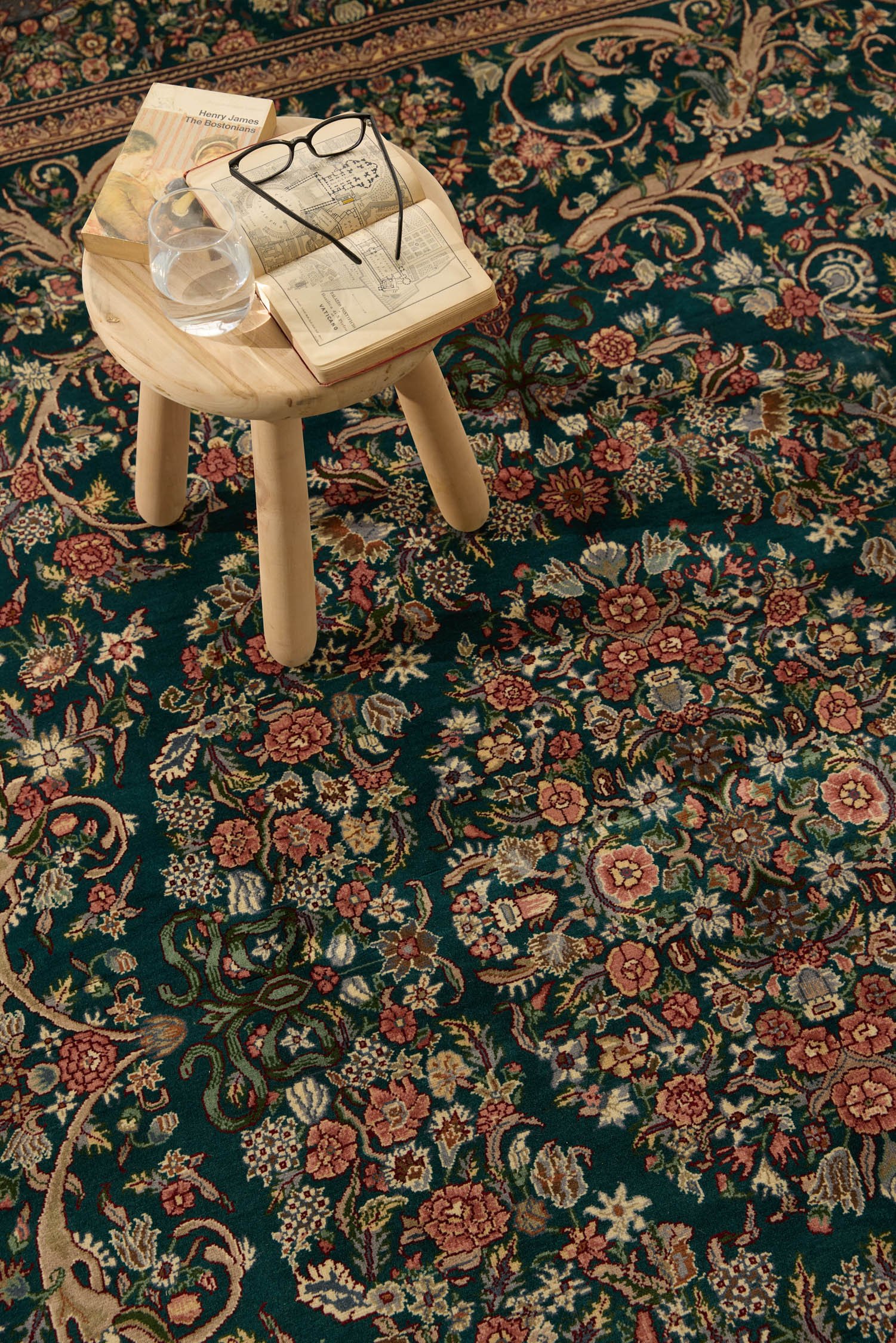
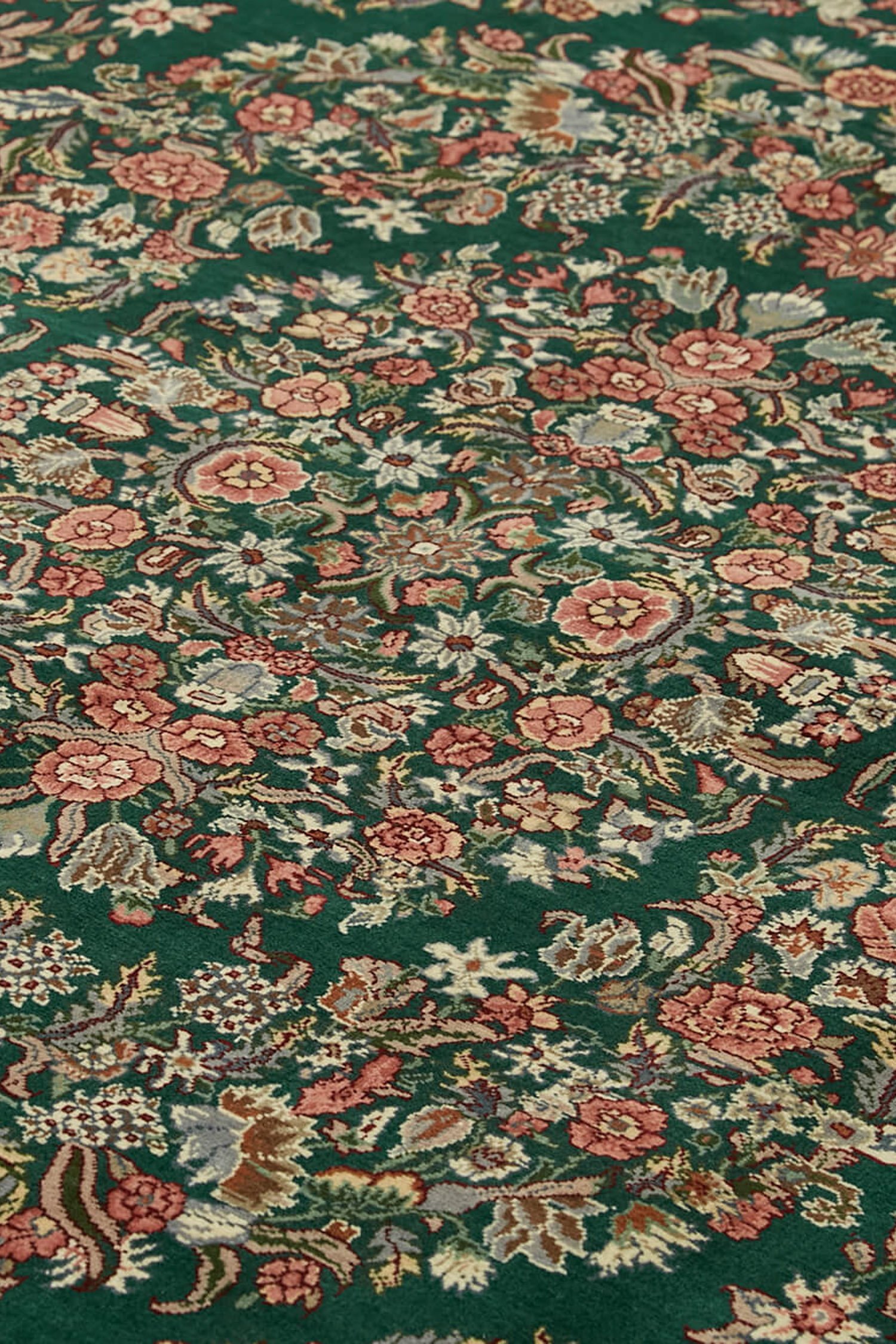
The dense, small-scale floral lattice required careful execution to maintain consistent detail across the field. Each floral element needed precise rendering within the lattice structure. Tight knotting allowed for the fine detail visible in the medallion, spandrels, and field pattern.
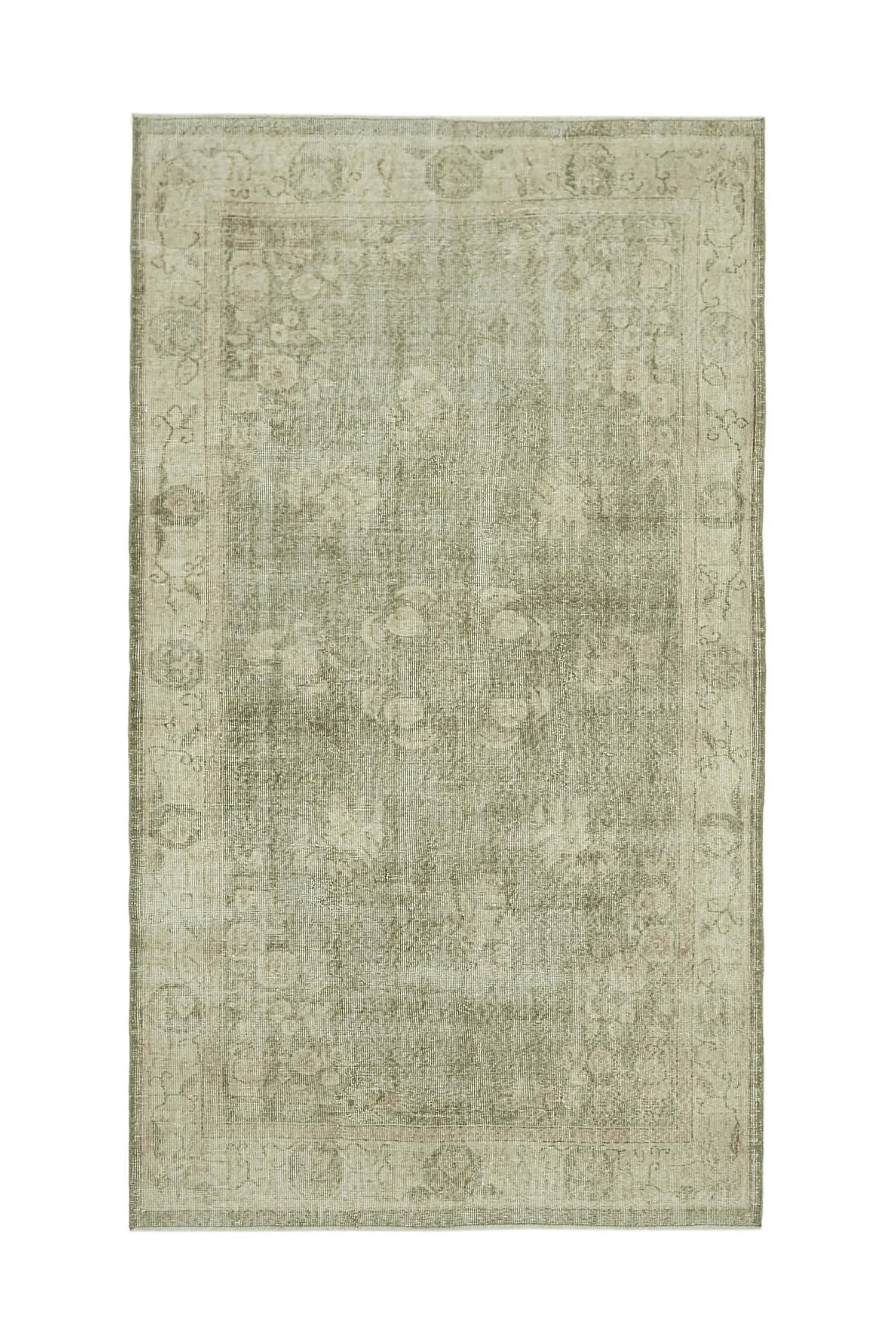
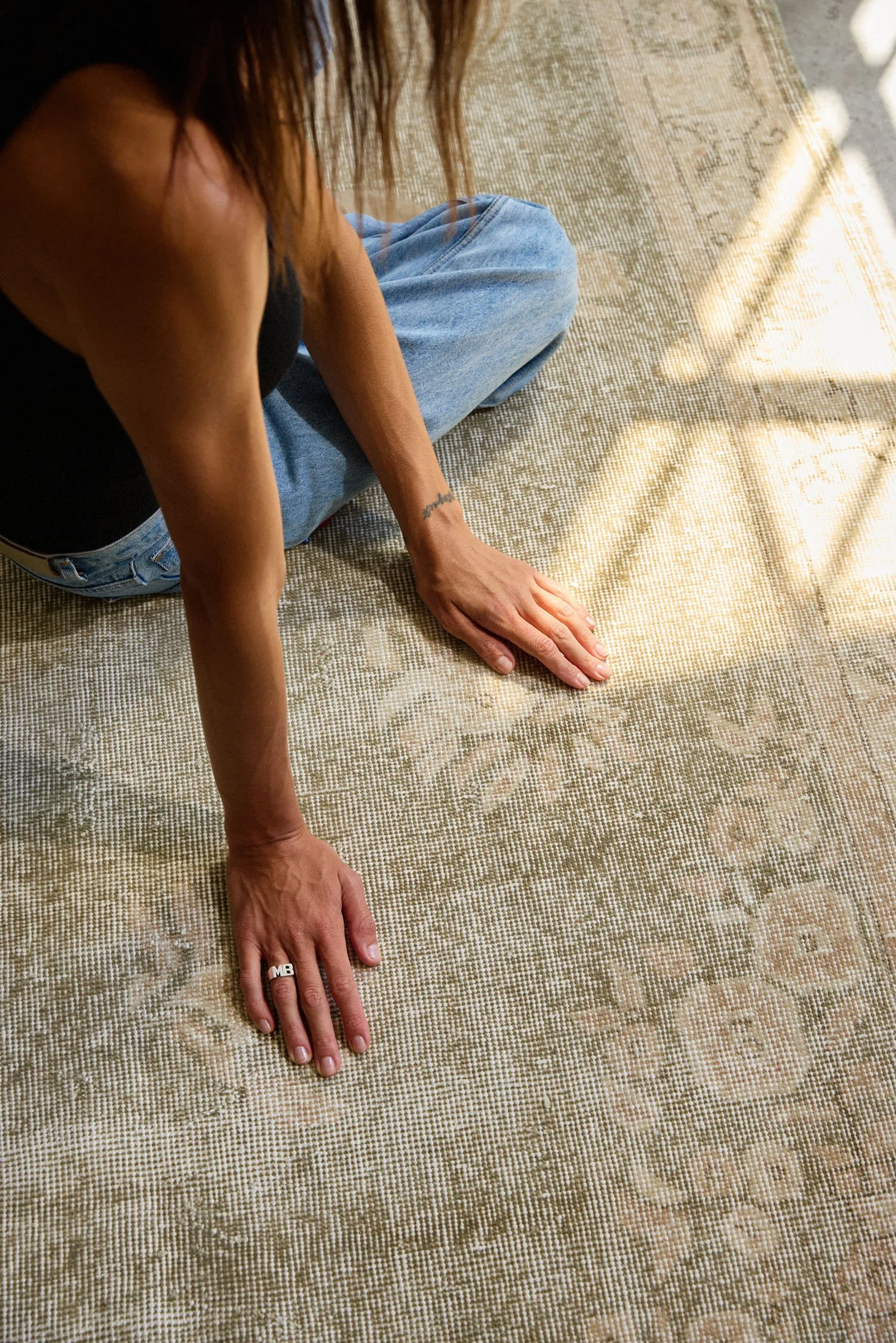
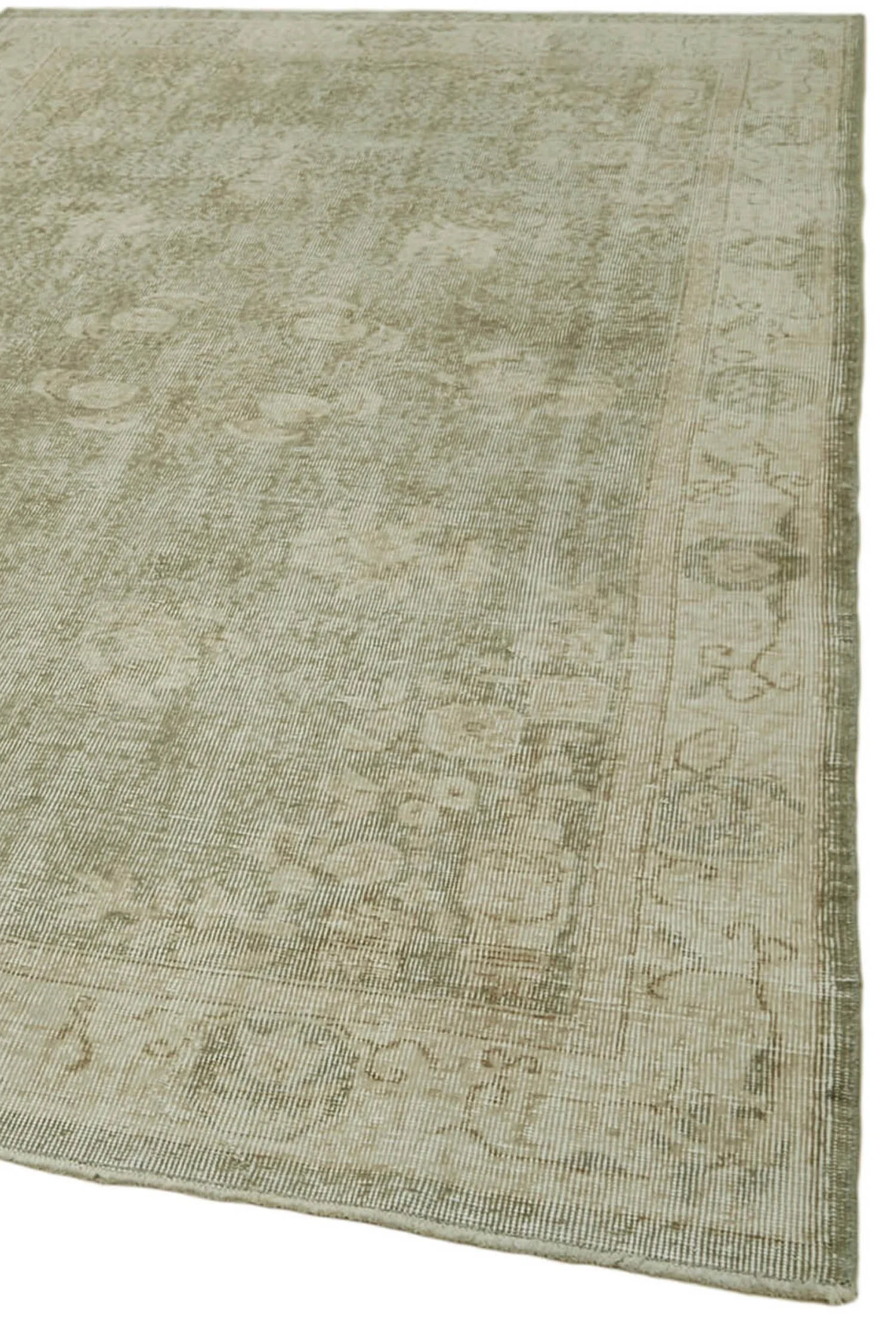
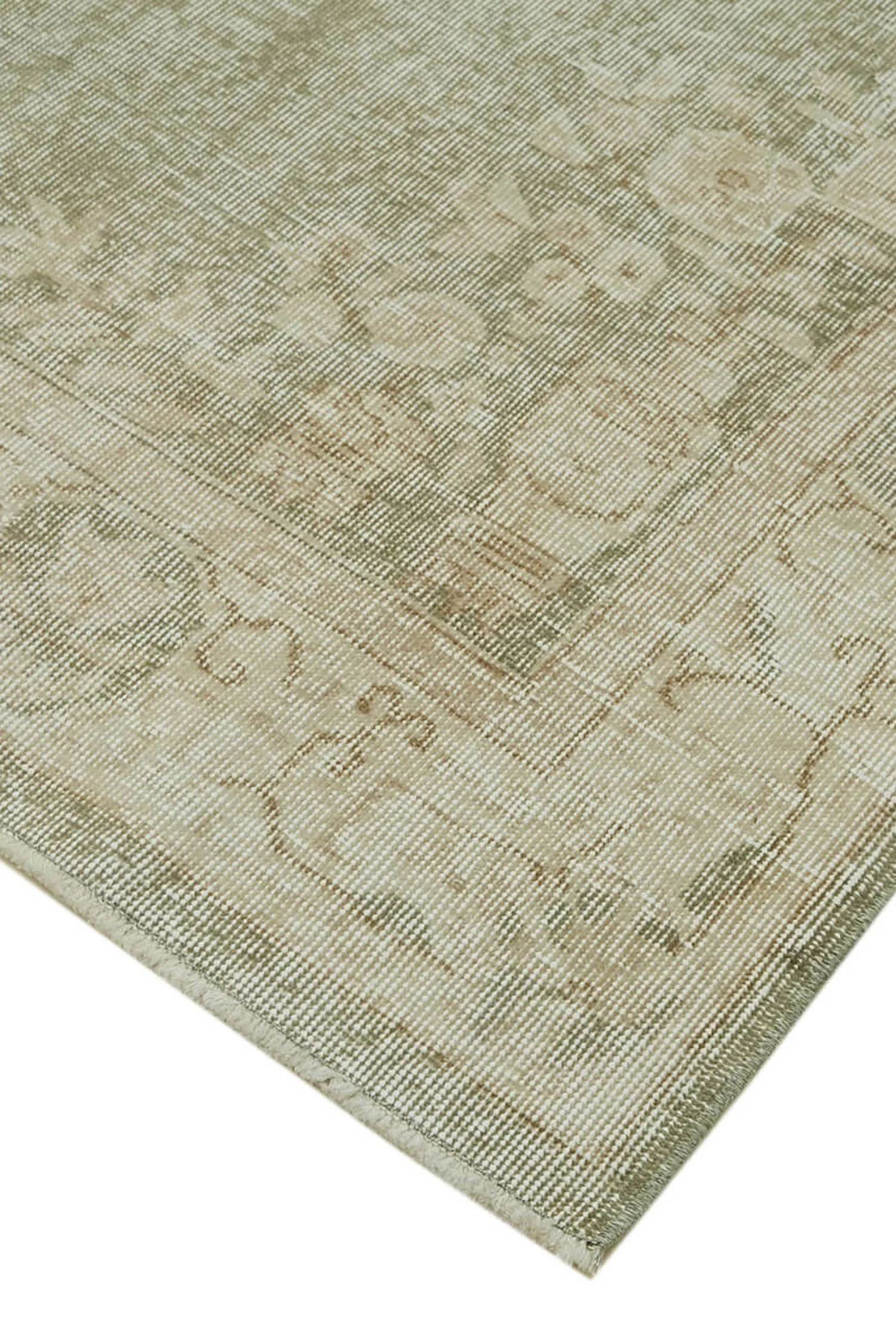
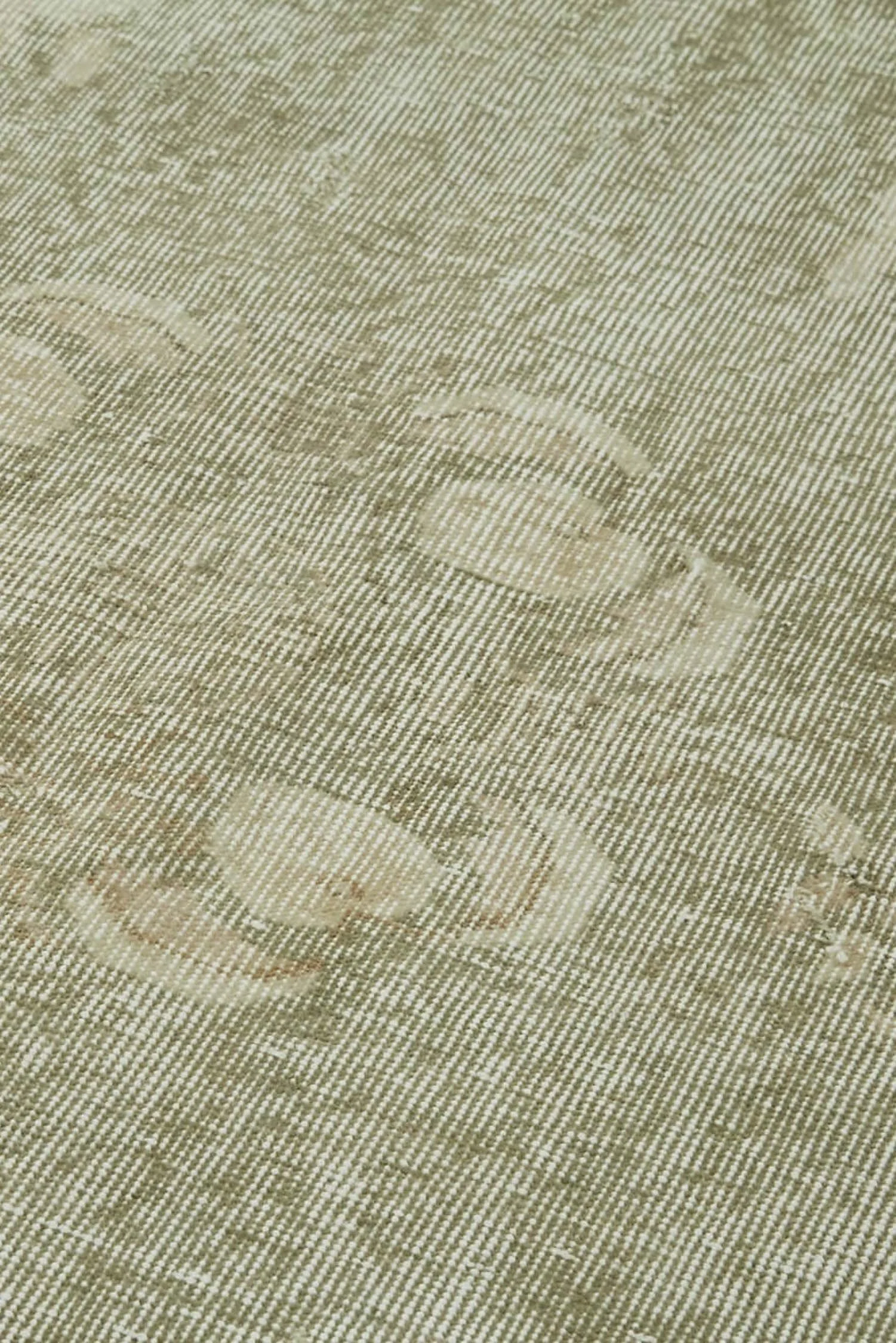
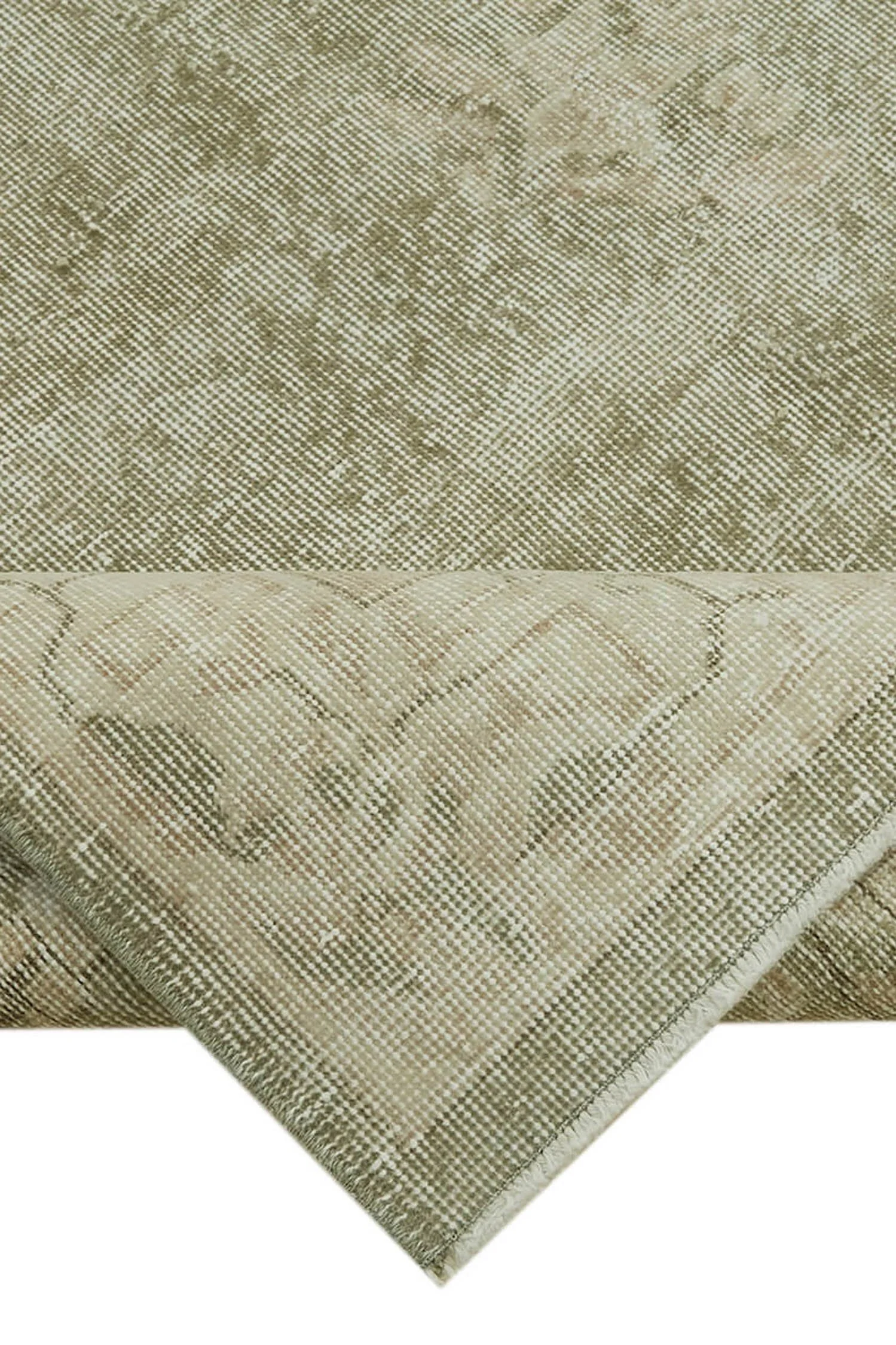
The muted teal blue, pale apricot, and ivory palette has aged over a century. Colors have mellowed through regular use and light exposure, creating the gentle tonal variation visible today. Even wear has occurred across the surface, preserving pattern clarity while adding the settled character that comes from decades of use.
Design Elements
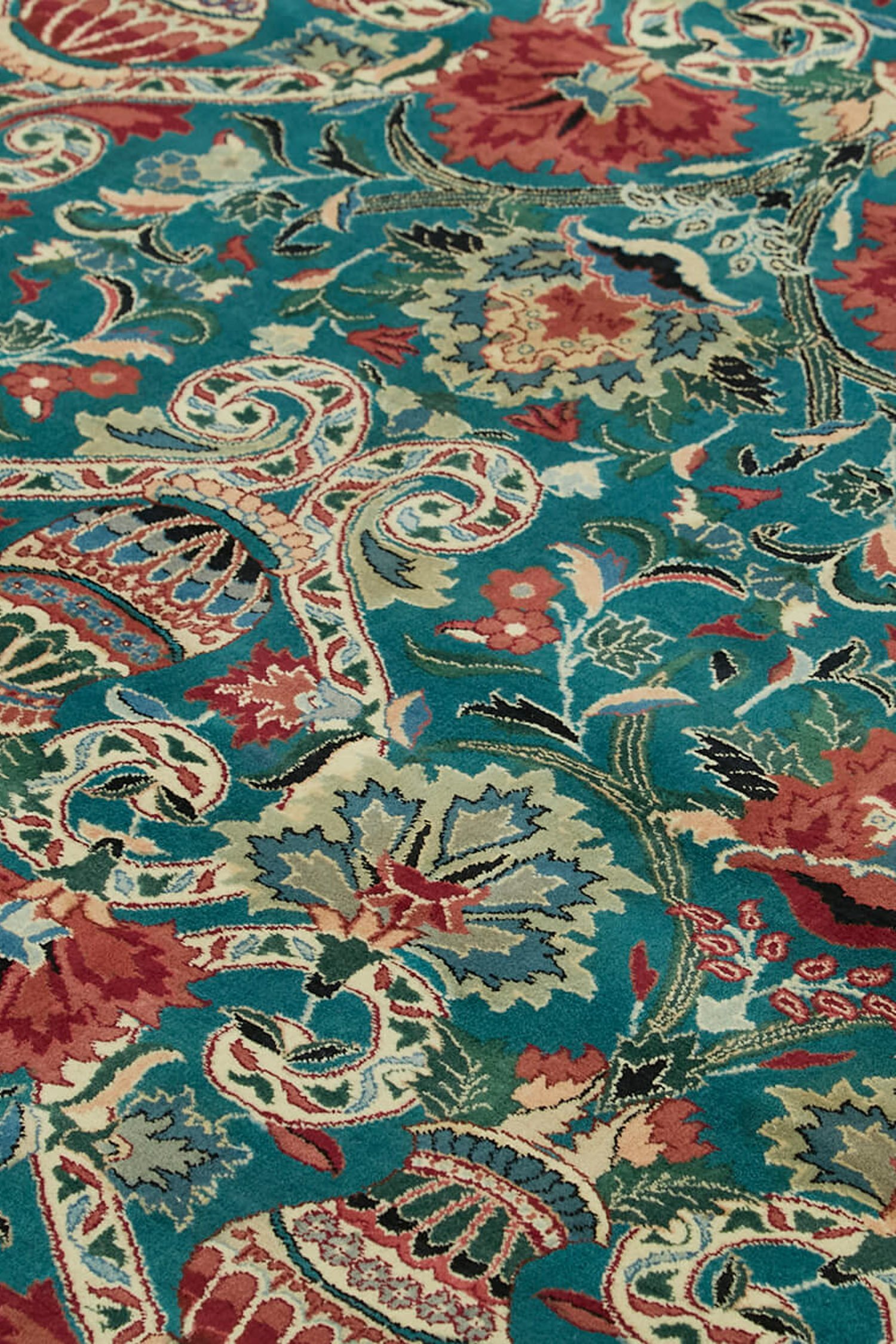
The balanced central medallion creates a focal point with traditional form and precise detailing. The medallion's scale suits the compact dimensions, maintaining proportional harmony. Dense, small-scale floral lattice fills the field around it with consistent execution.
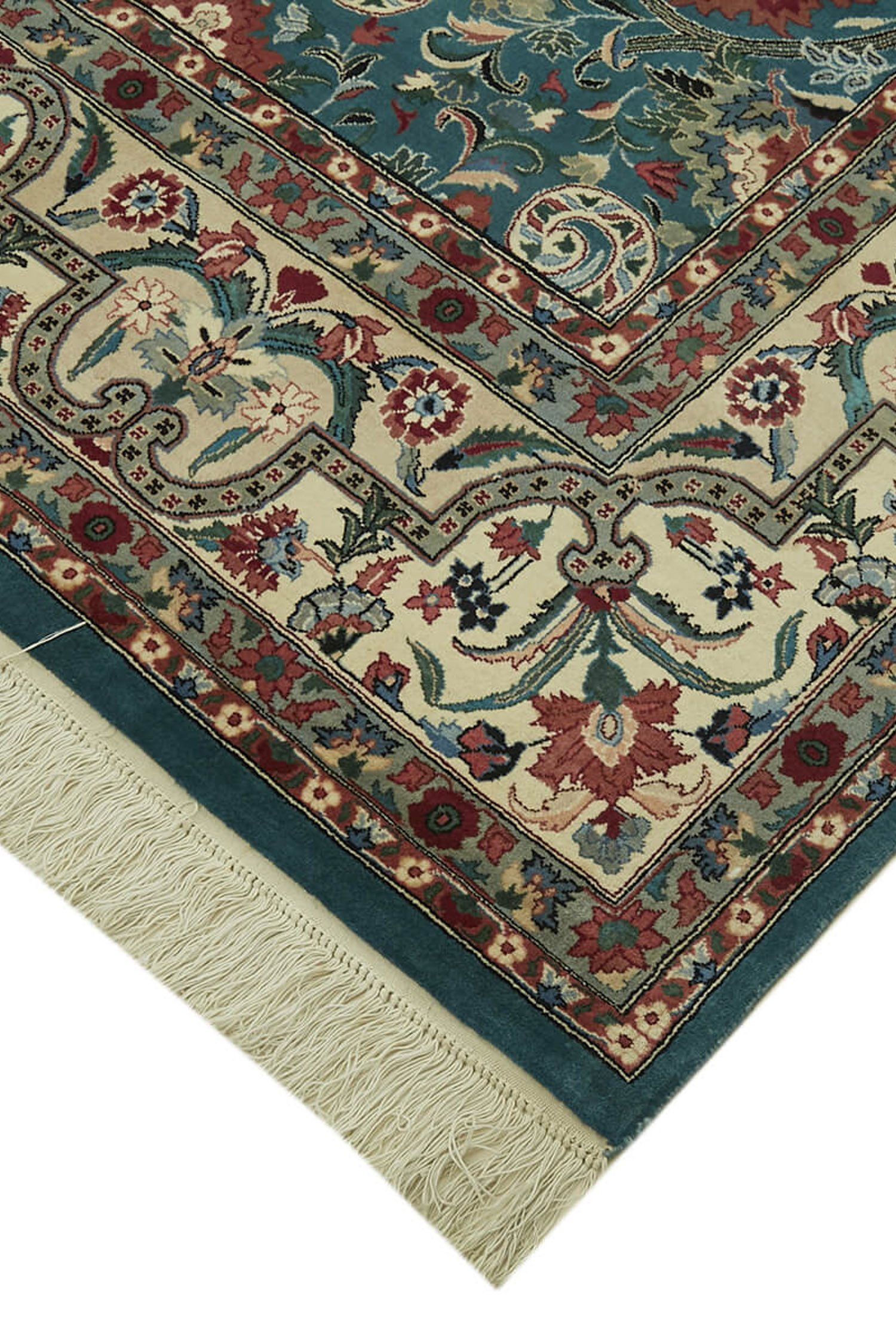
Elegant spandrels frame the corners with graceful forms that balance the central medallion. The spandrels show the refined drawing possible with workshop production and tight knotting. A restrained border provides definition without overwhelming the compact format.
Even wear has allowed the pattern to read clearly throughout. What once showed sharper definition now reads with gentler transitions, but the precise drawing remains legible. This creates the settled, lived-in character where a century of use has added warmth without obscuring the underlying structure.
Placement
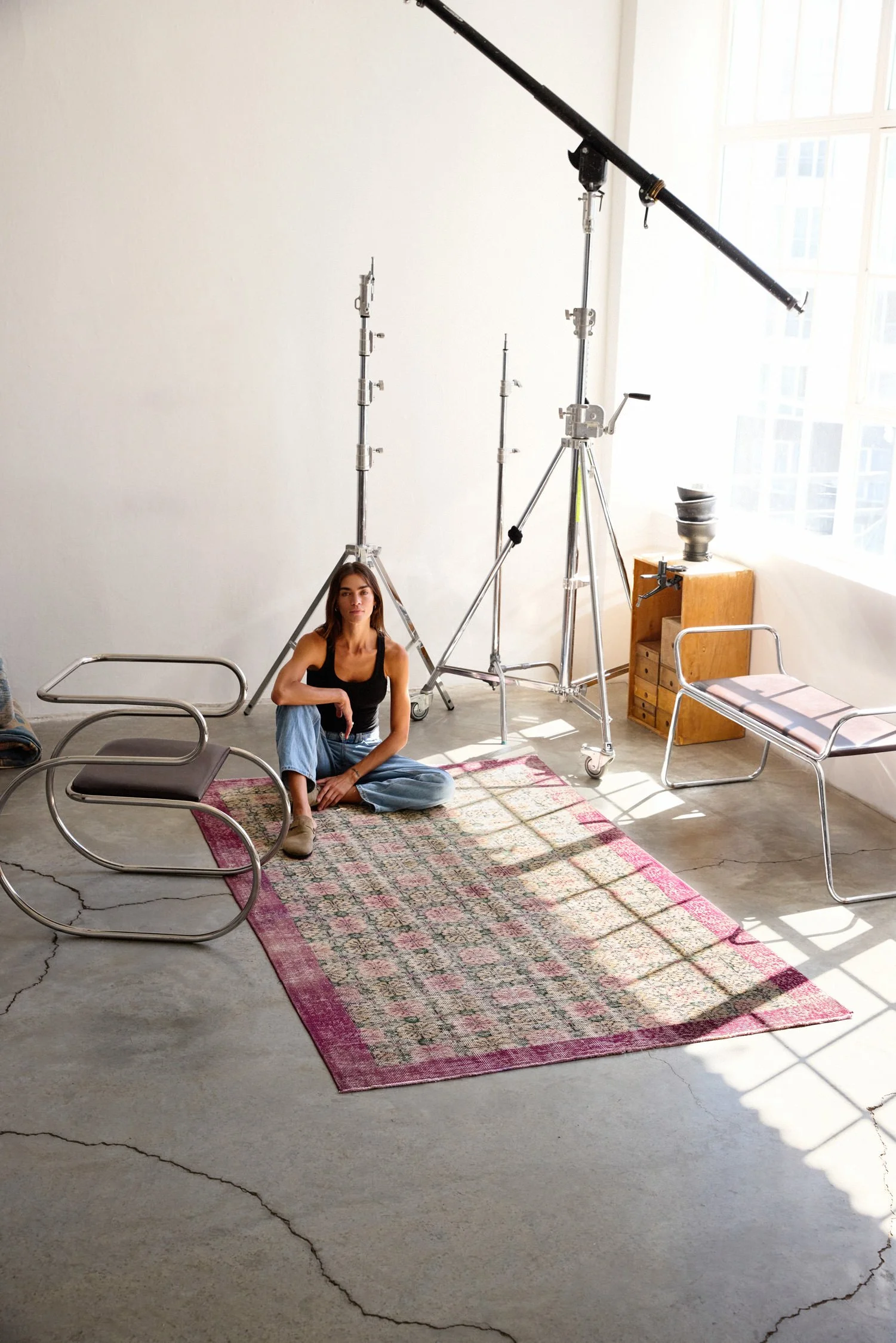
At 4'4" x 6'4", this works in entryways, bathrooms, kitchens in front of sinks, small hallways, bedrooms at the foot of the bed or as a bedside accent, and home offices. The compact size fits spaces where you want early 20th-century Tabriz refinement with practical dimensions.
The muted teal blue and pale apricot palette brings a sense of calm to interiors. Traditional settings appreciate the semi-antique Tabriz provenance and workshop precision. Contemporary spaces can use the settled character and muted tones as a refined accent. The compact format suits smaller rooms where the pattern should provide elegance without overwhelming the space.
Care Recommendations
To preserve the rug's beauty:
Rotate periodically for even wear
Vacuum regularly using a suction-only setting
Address spills immediately by blotting, never rubbing
Professional cleaning is recommended annually
Avoid direct sunlight to maintain color integrity
Tight knotting in 1920s Tabriz workshops allowed weavers to execute small-scale lattice patterns that remained legible even in compact formats.