 Image 1 of 6
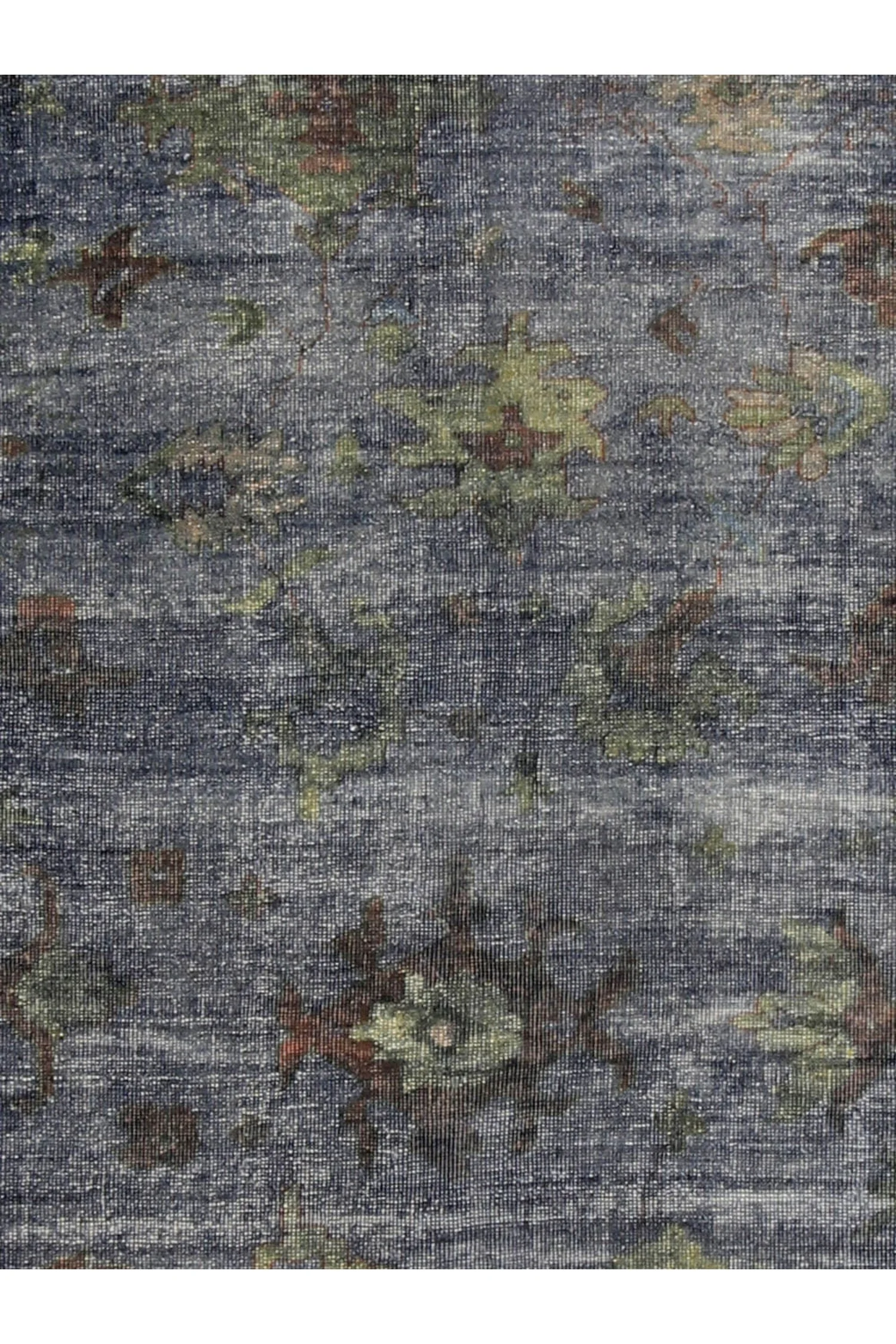 Image 2 of 6
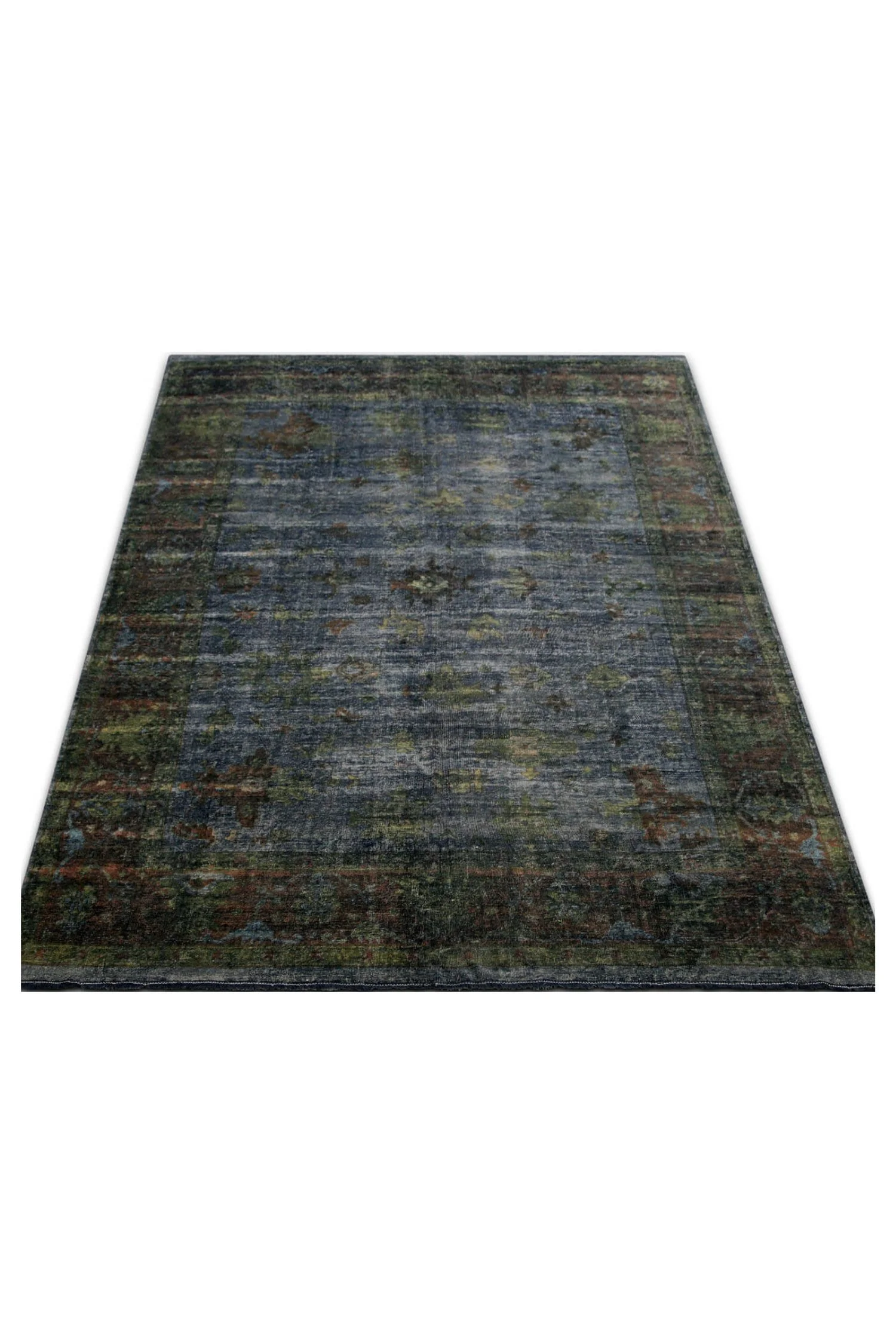 Image 3 of 6
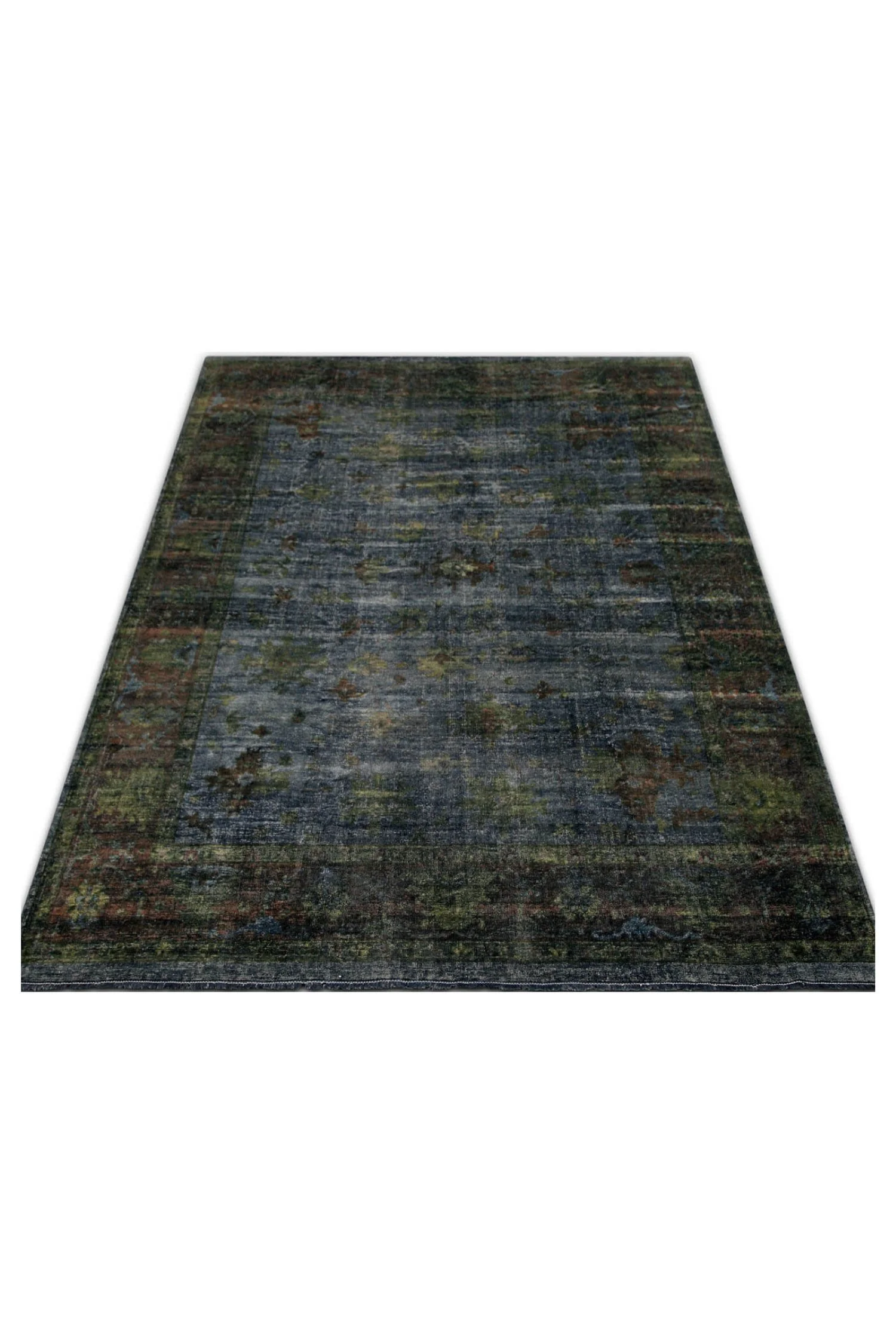 Image 4 of 6
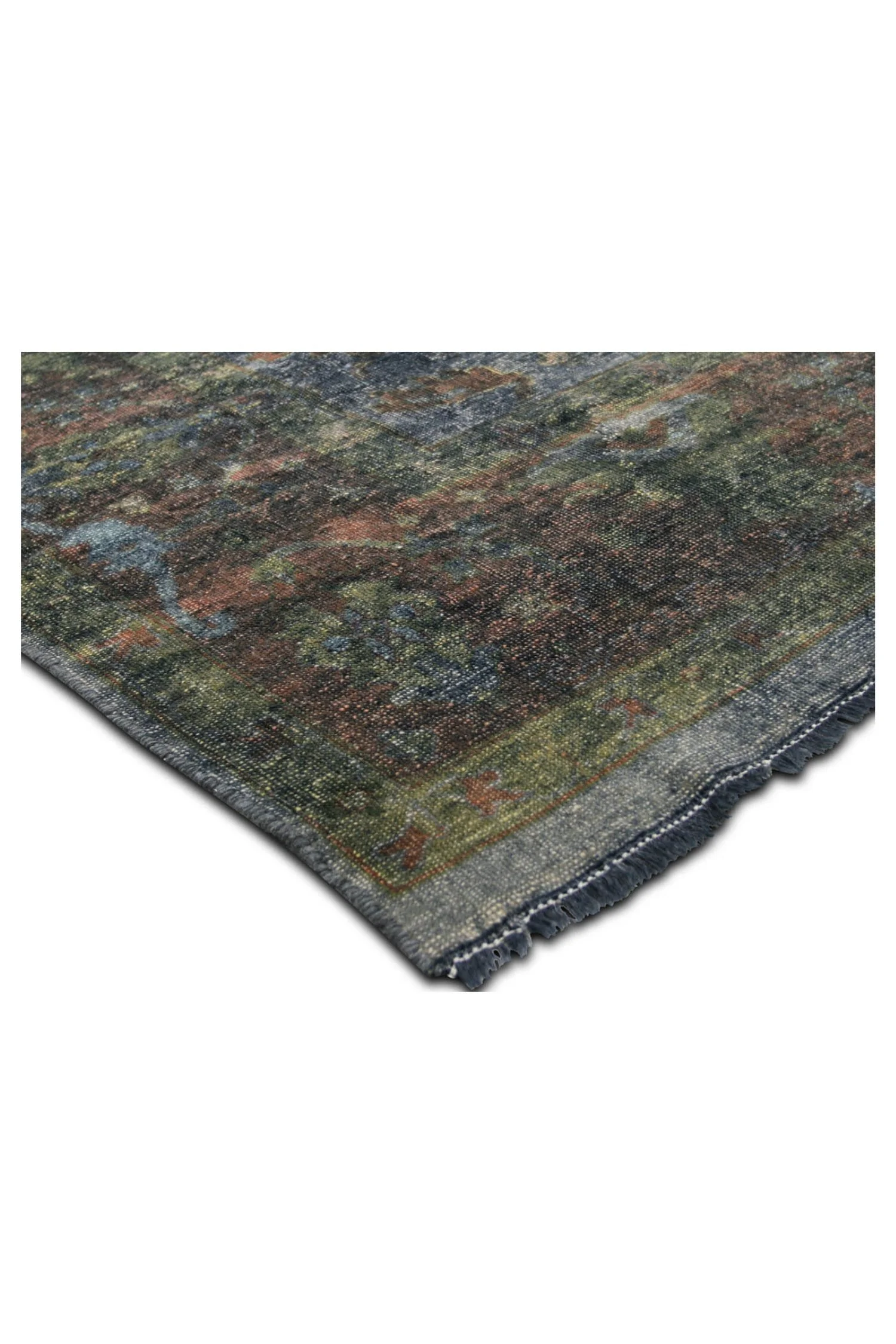 Image 5 of 6
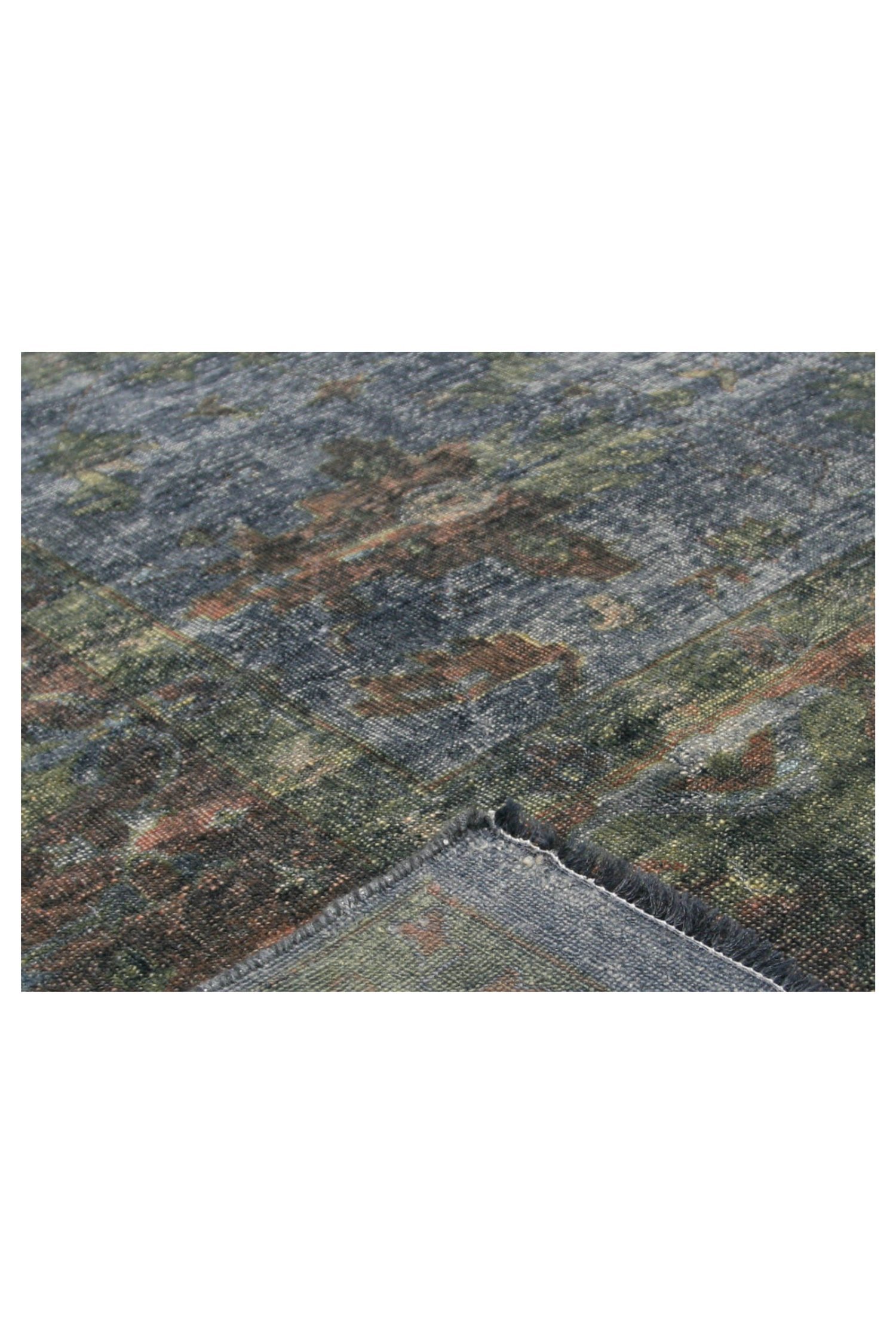 Image 6 of 6
Heritage and Craftsmanship
Overdyeing vintage rugs emerged as a practical solution before it became an aesthetic choice. Rugs with uneven fading or stubborn stains could be salvaged through immersion in concentrated dye baths, which saturated the wool and shifted the entire color palette. The process became popular in the late 20th century, particularly with Turkish Oushaks whose light grounds responded dramatically to darker dyes.
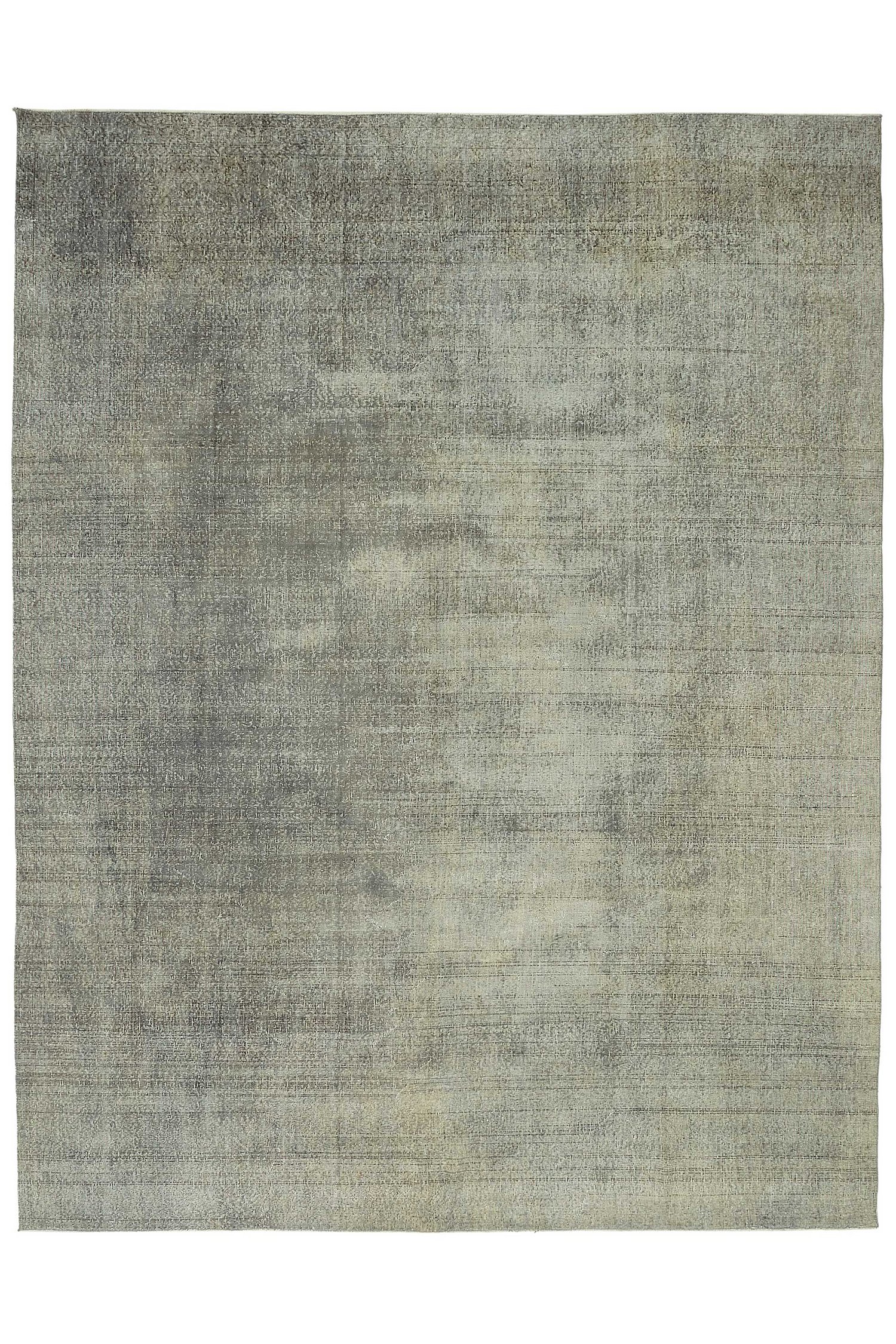
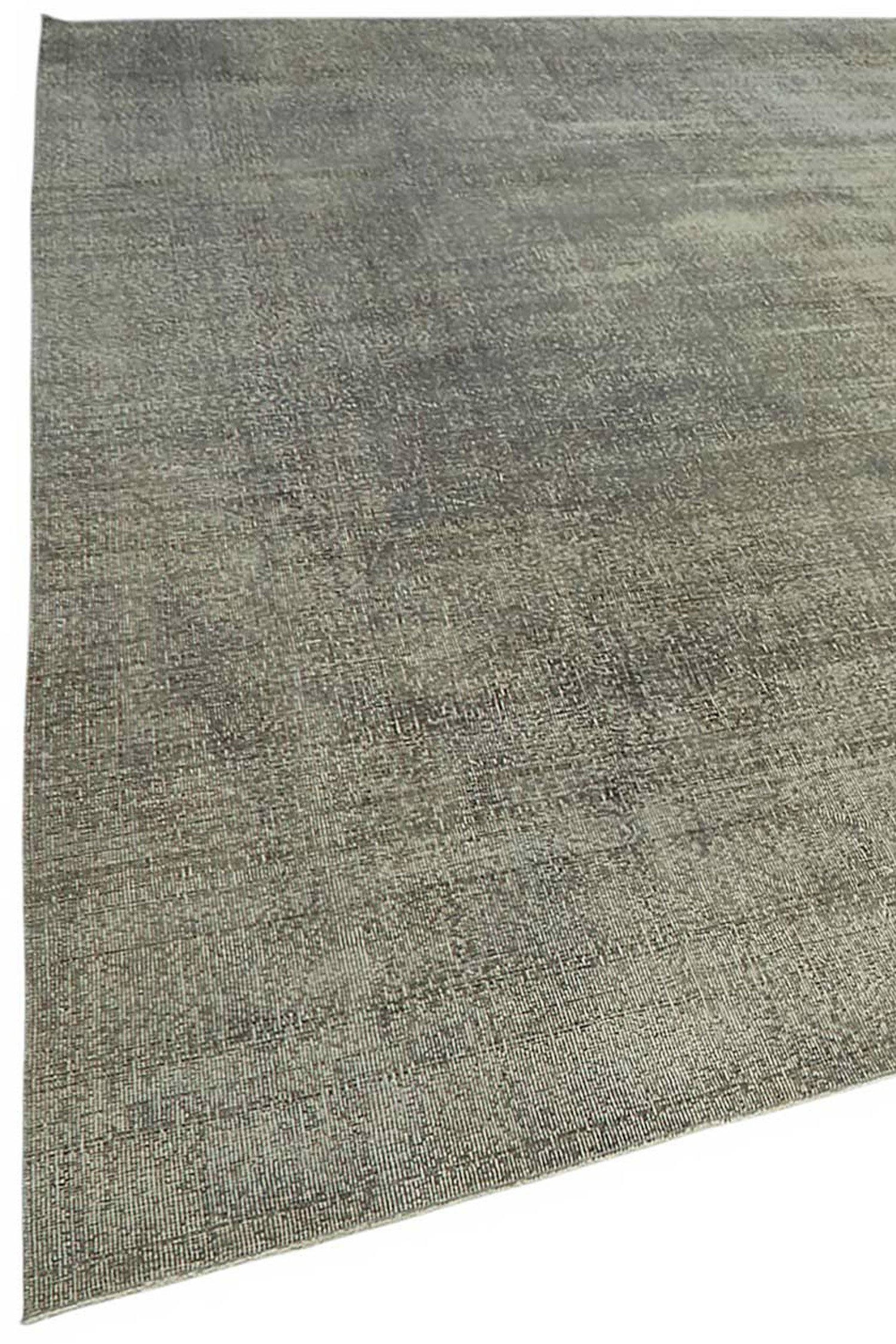
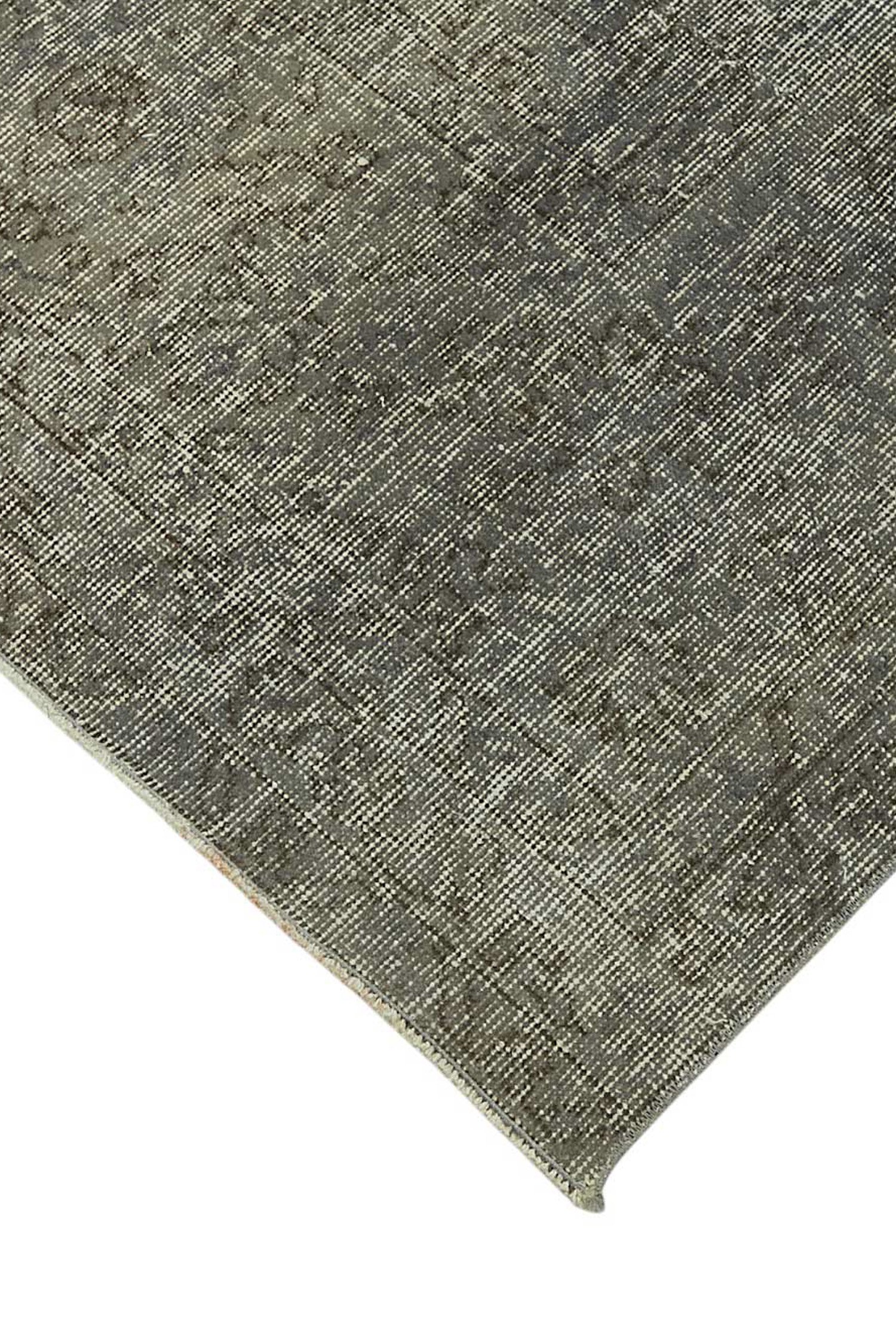
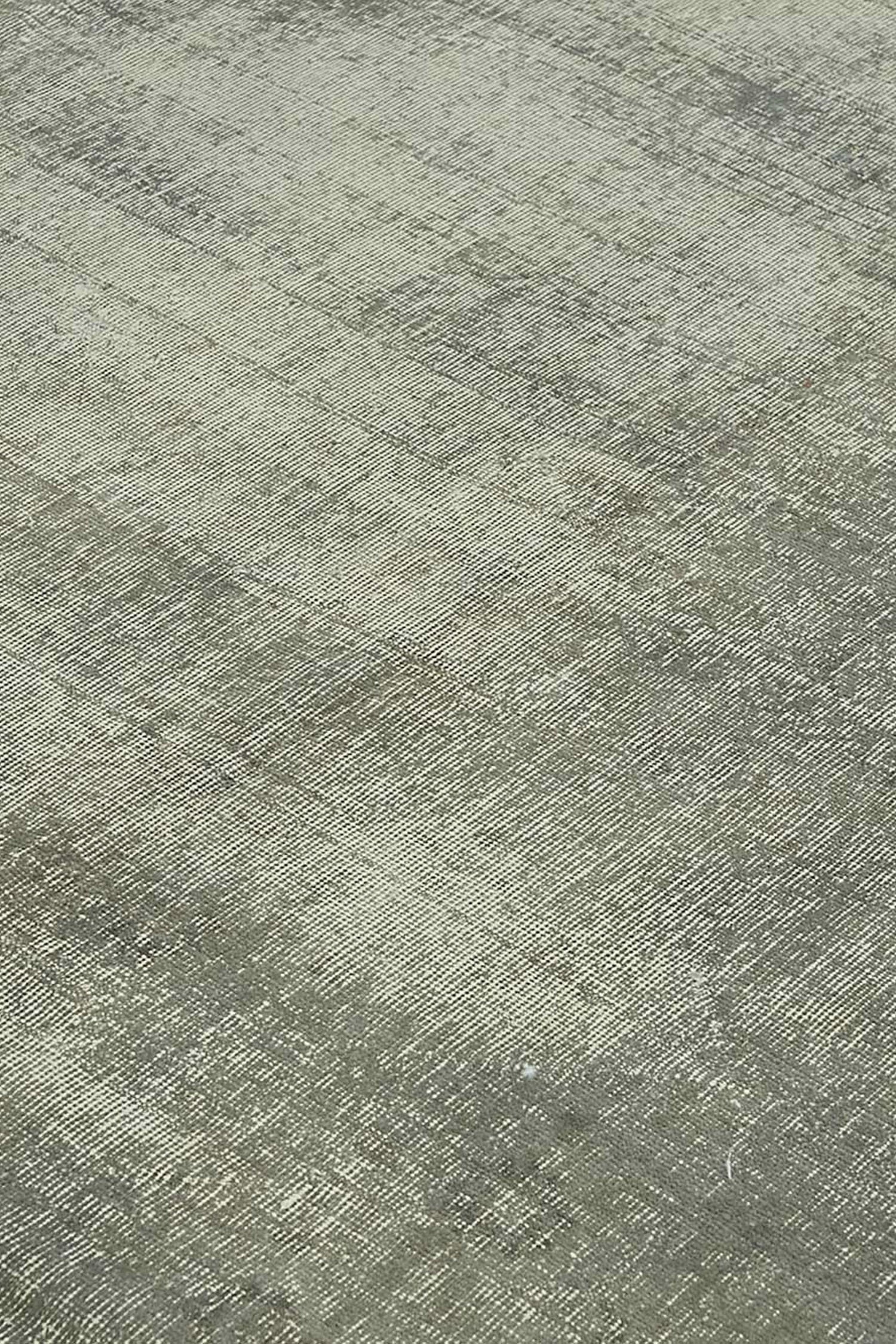
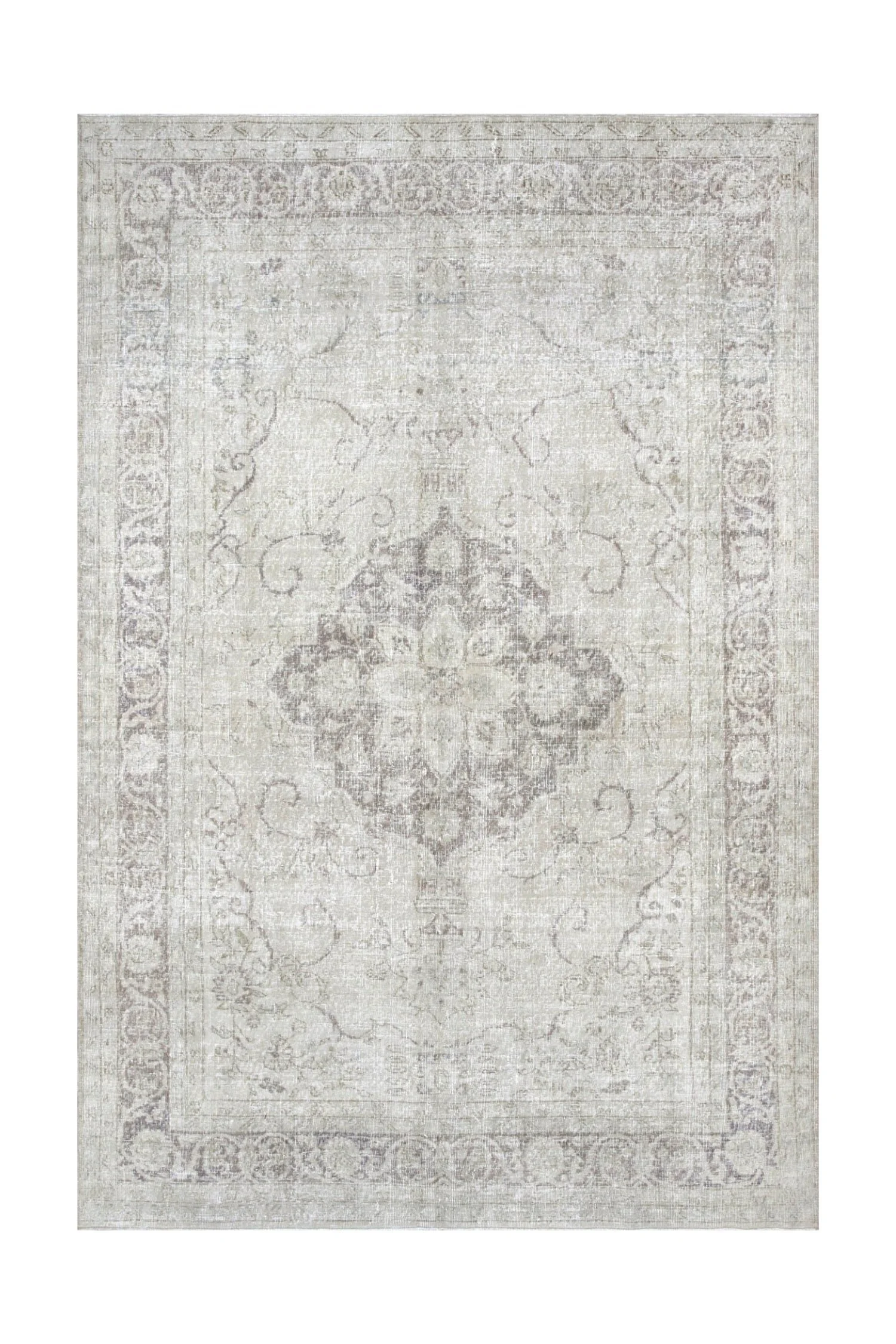
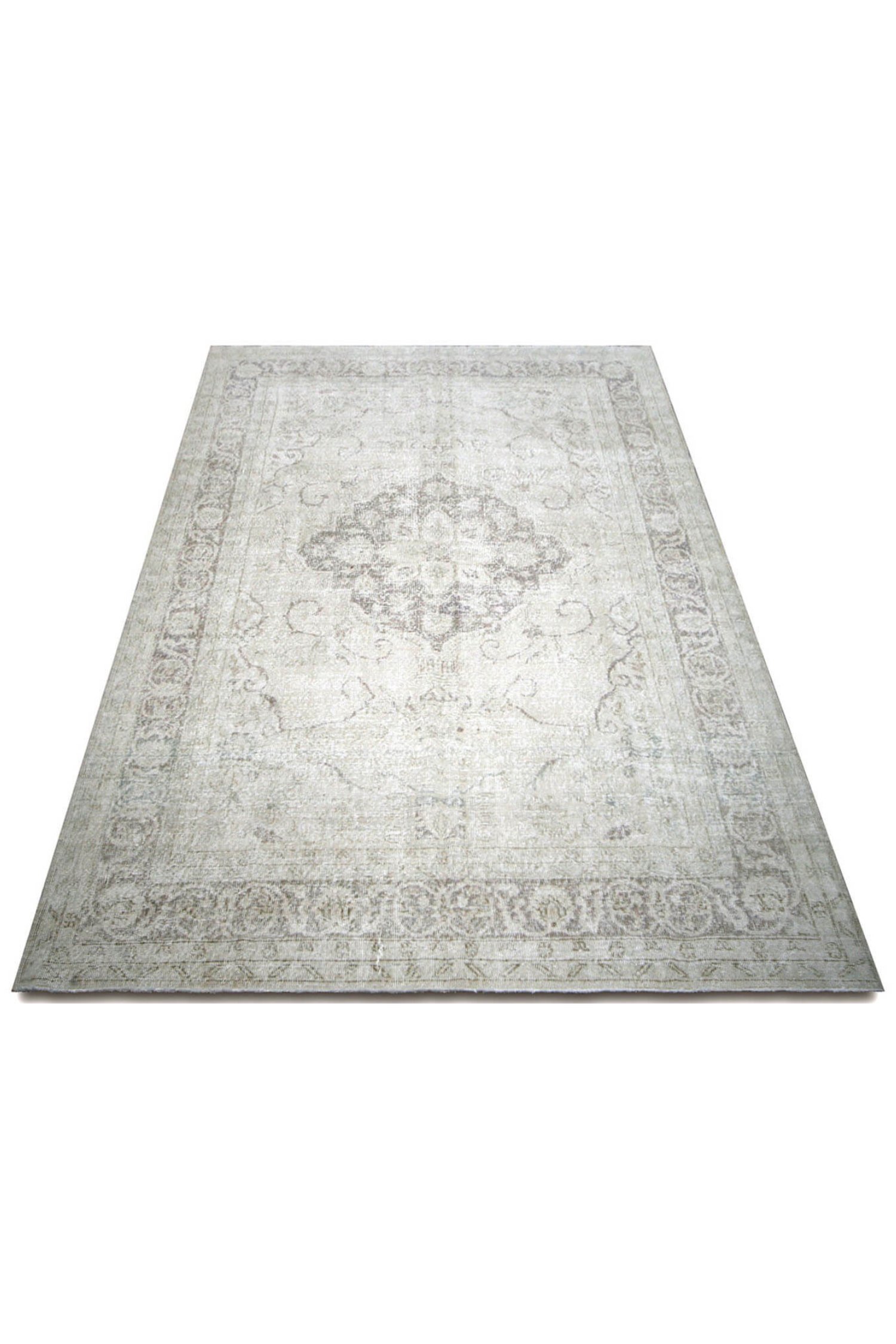
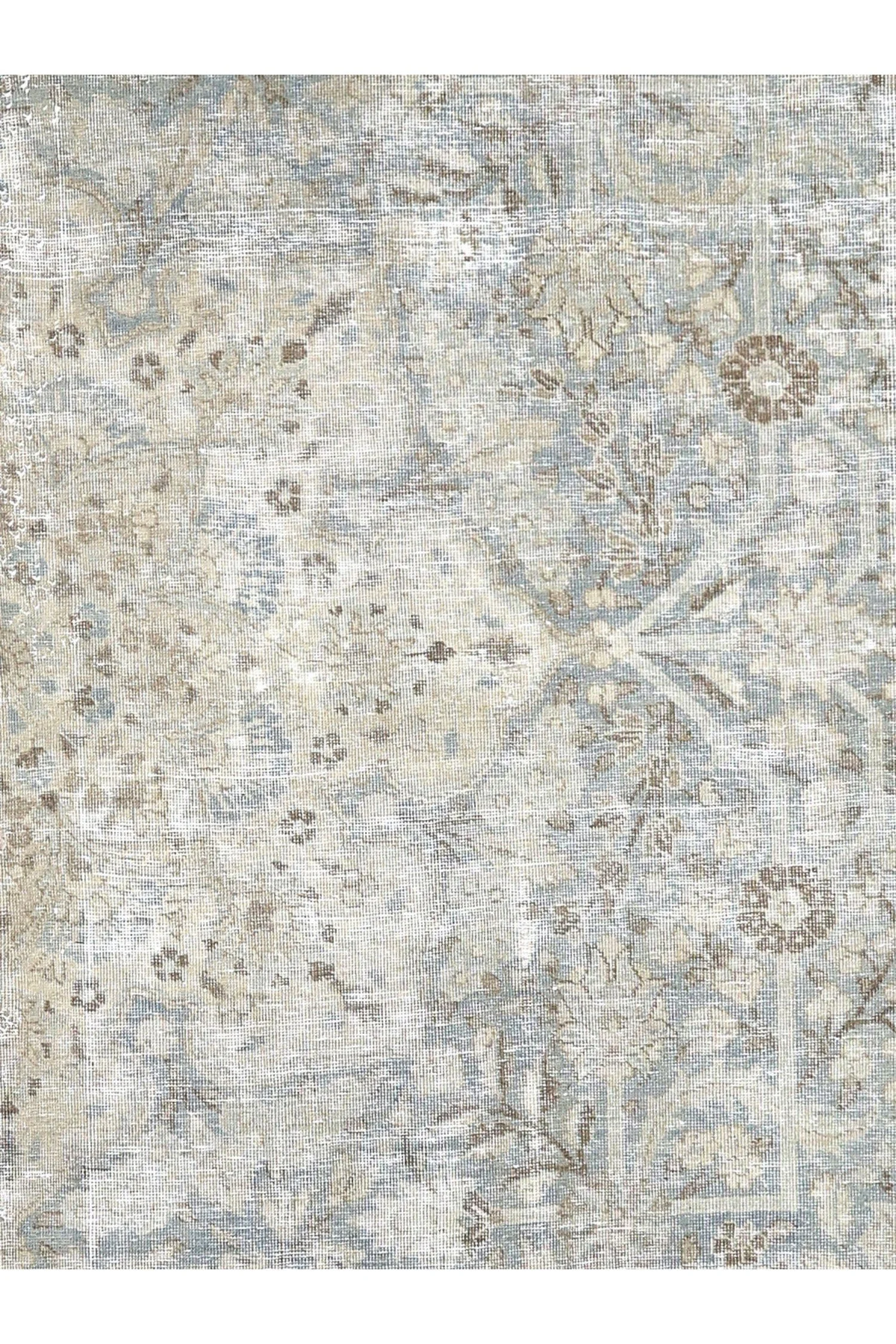
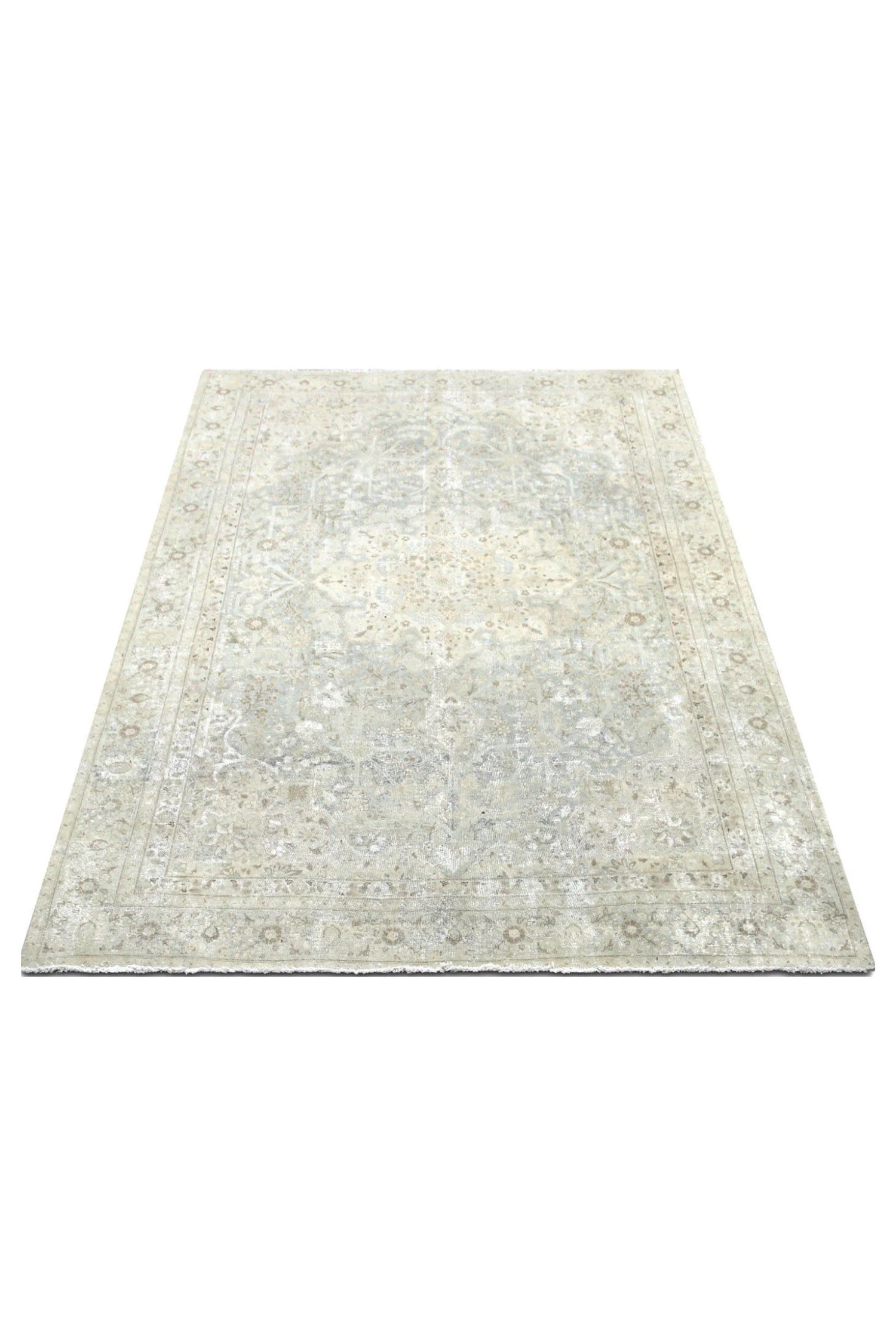
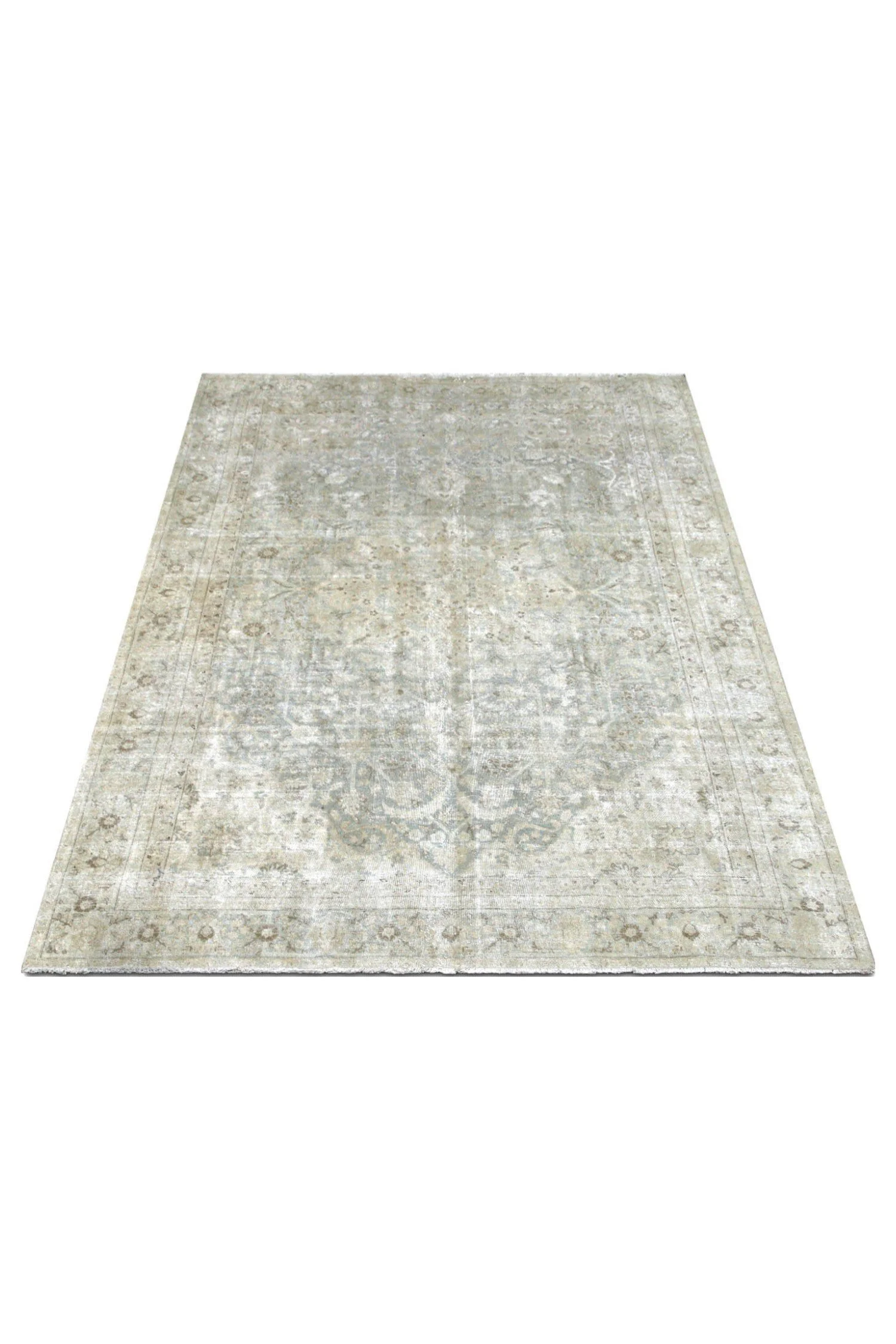
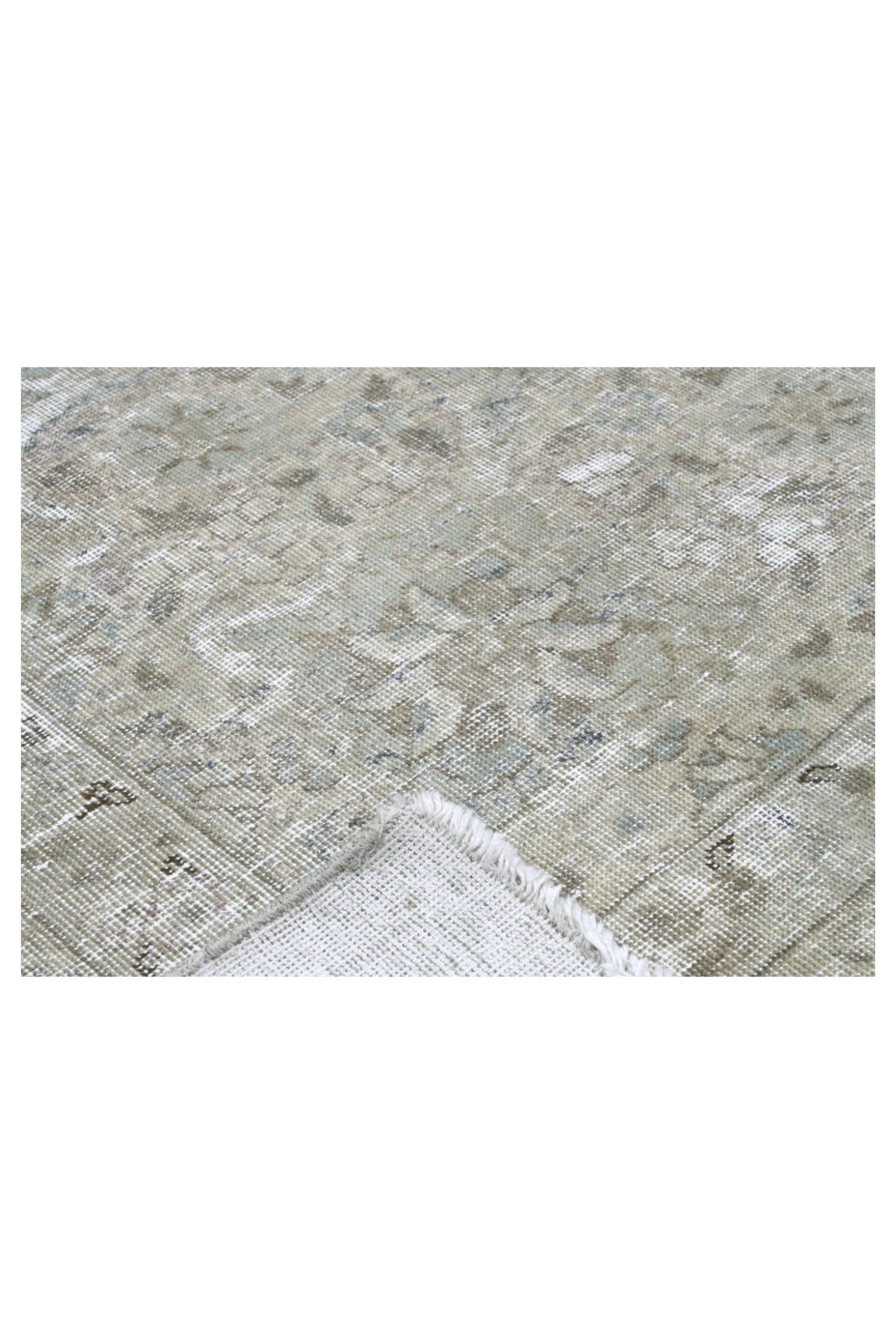
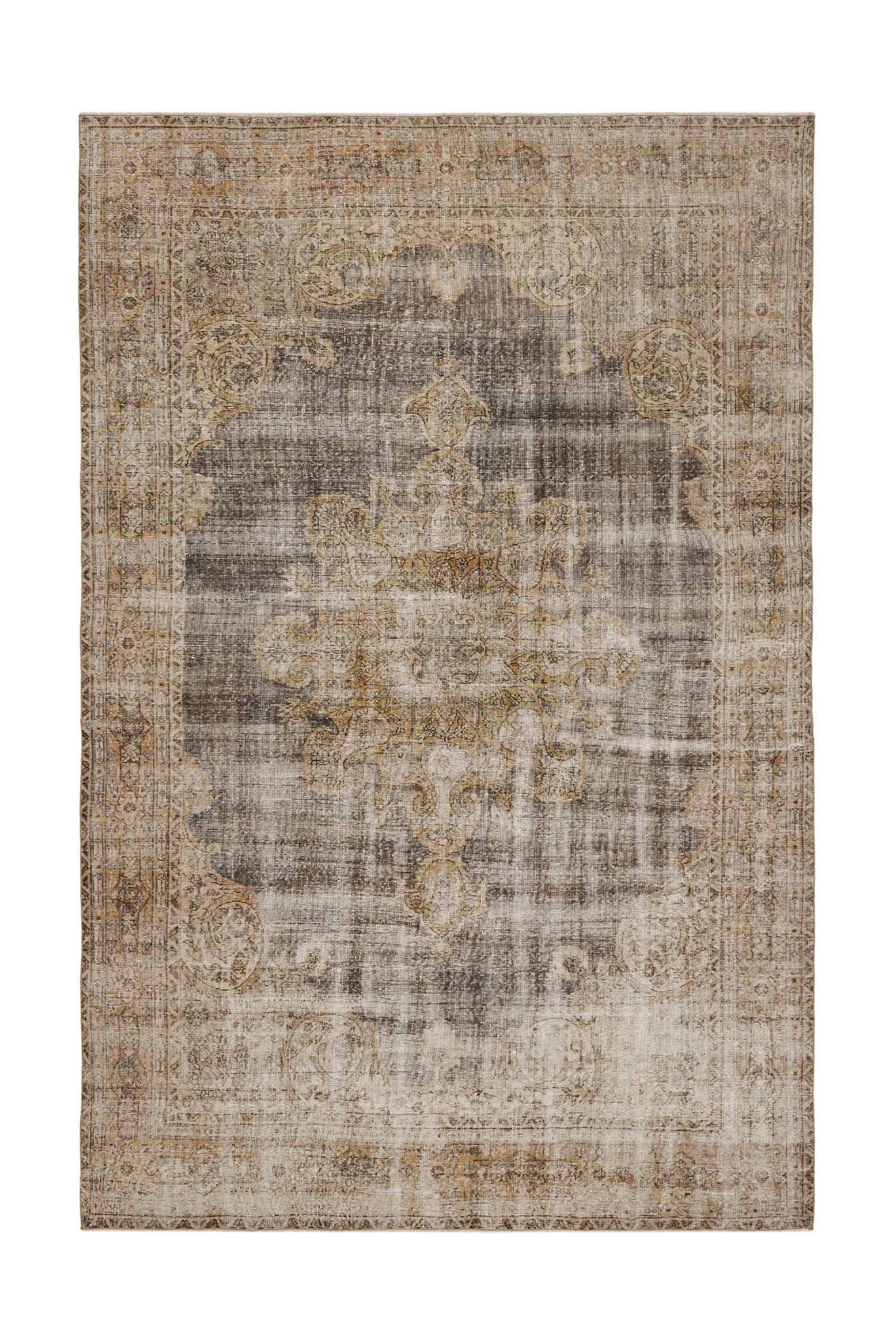
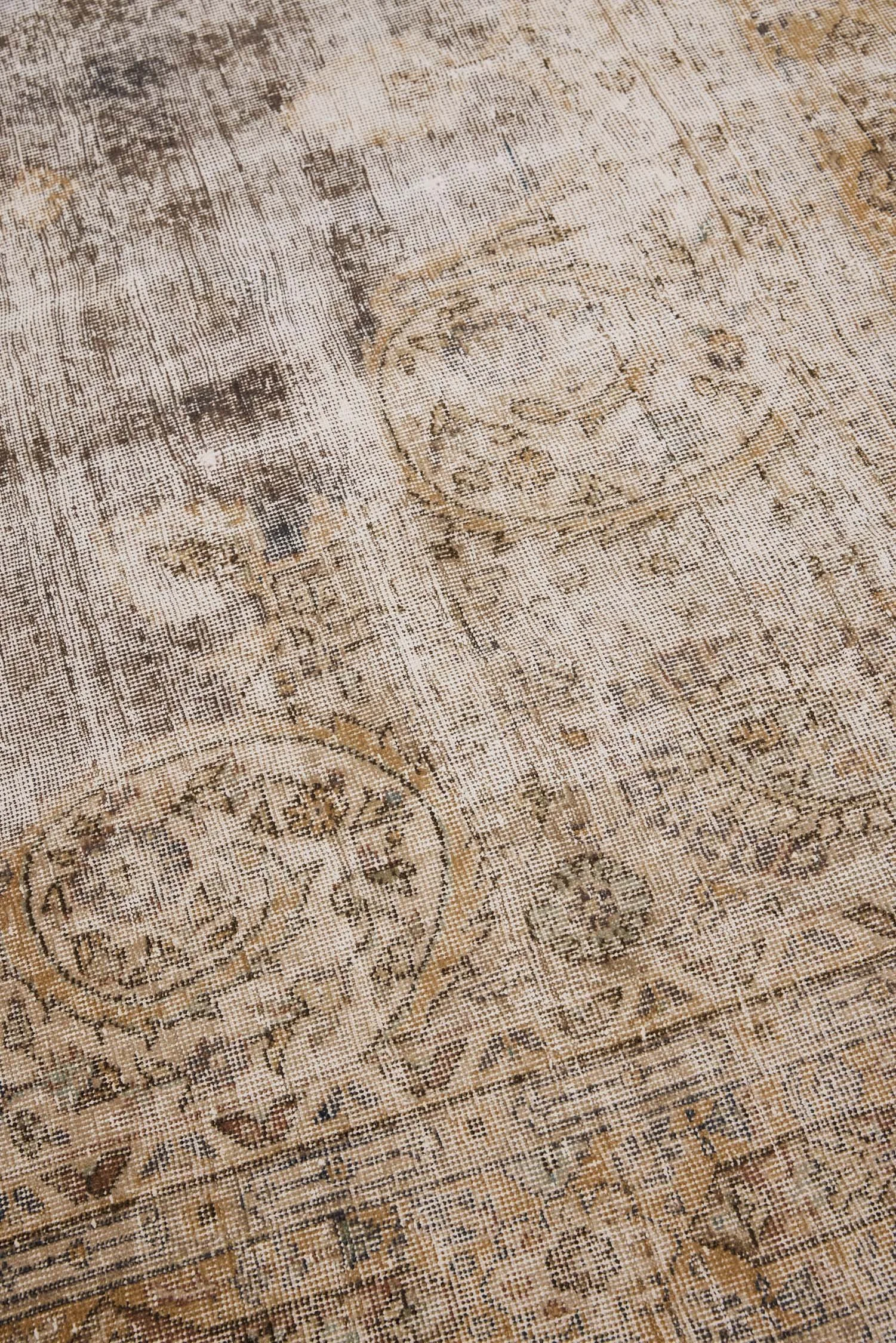
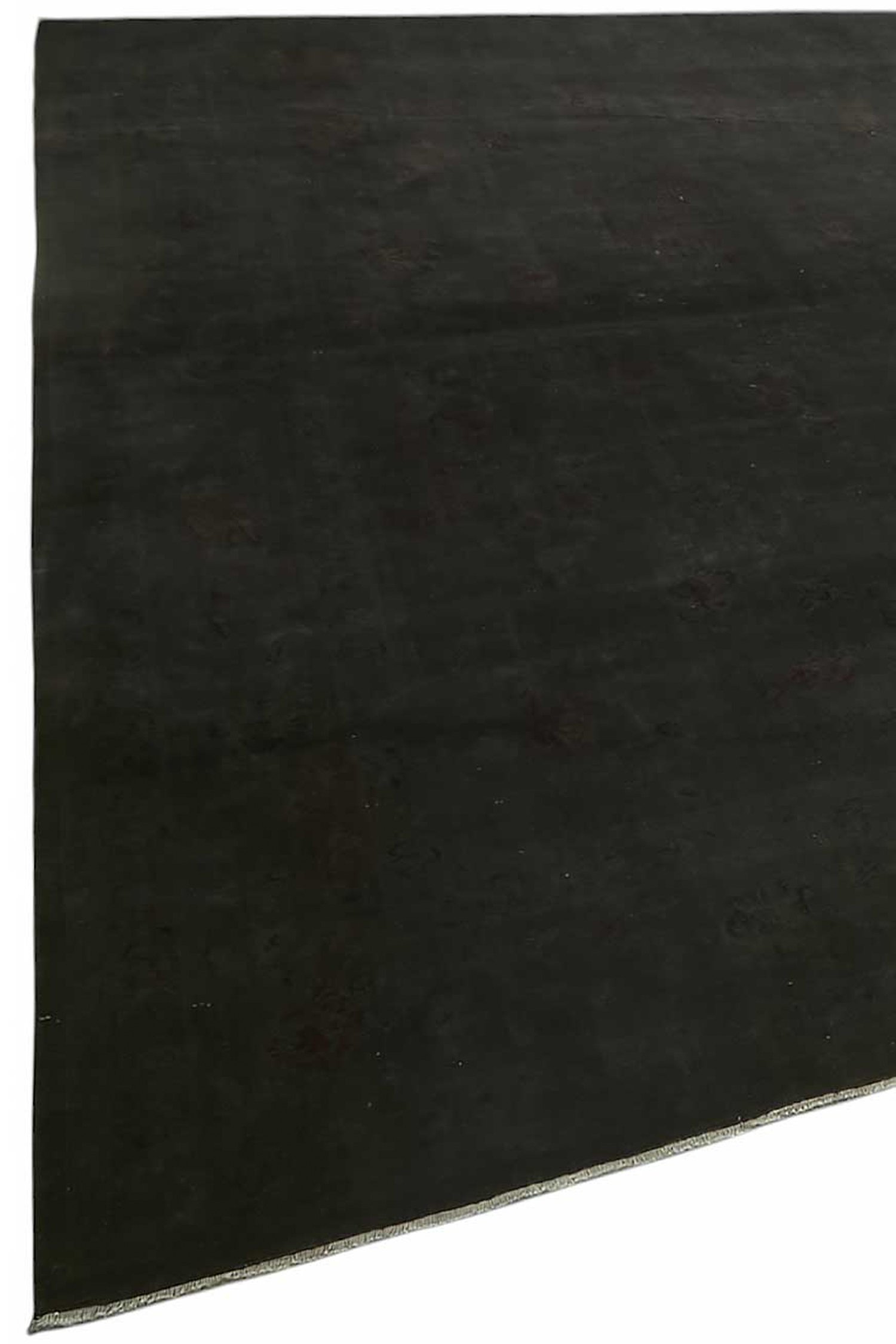
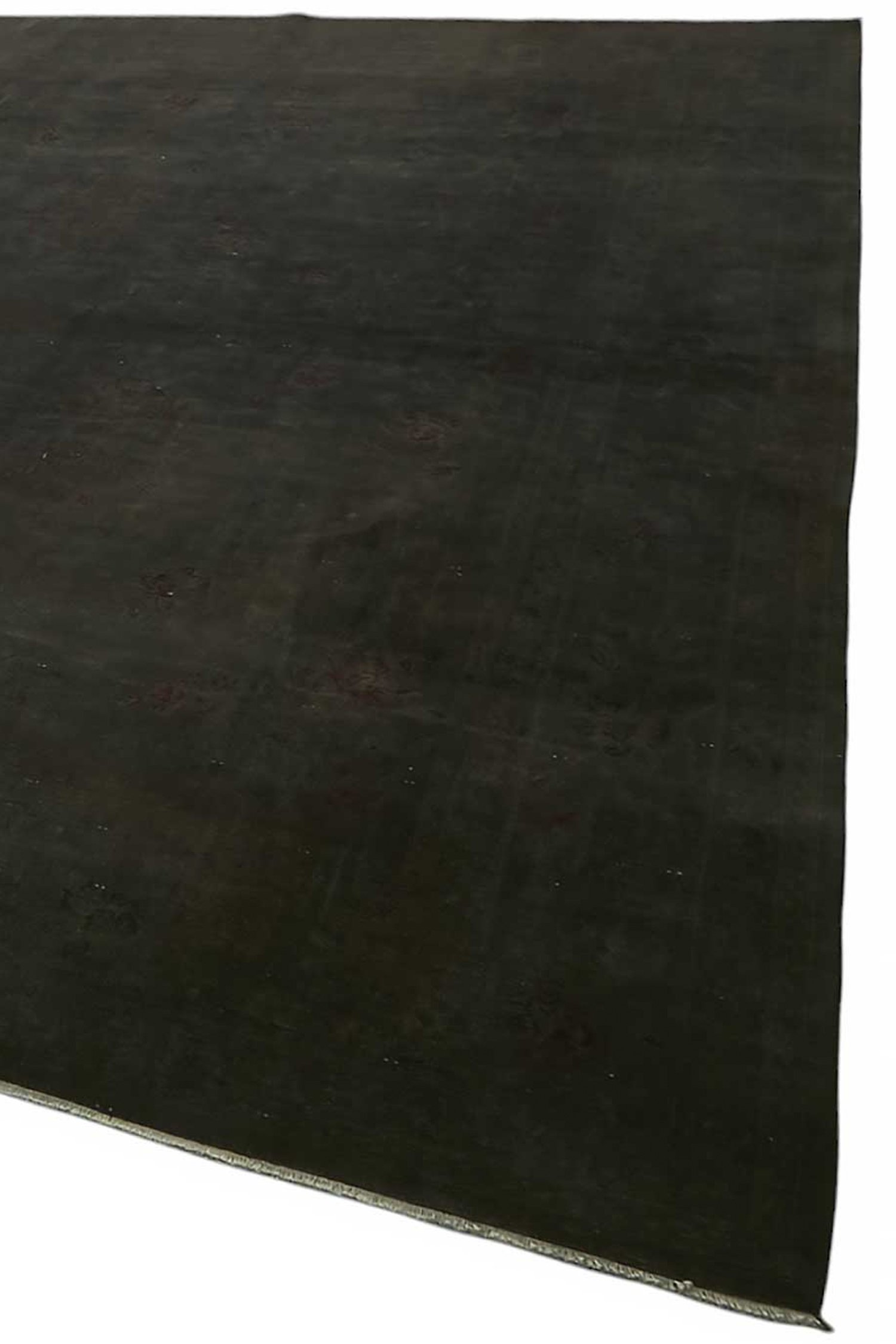
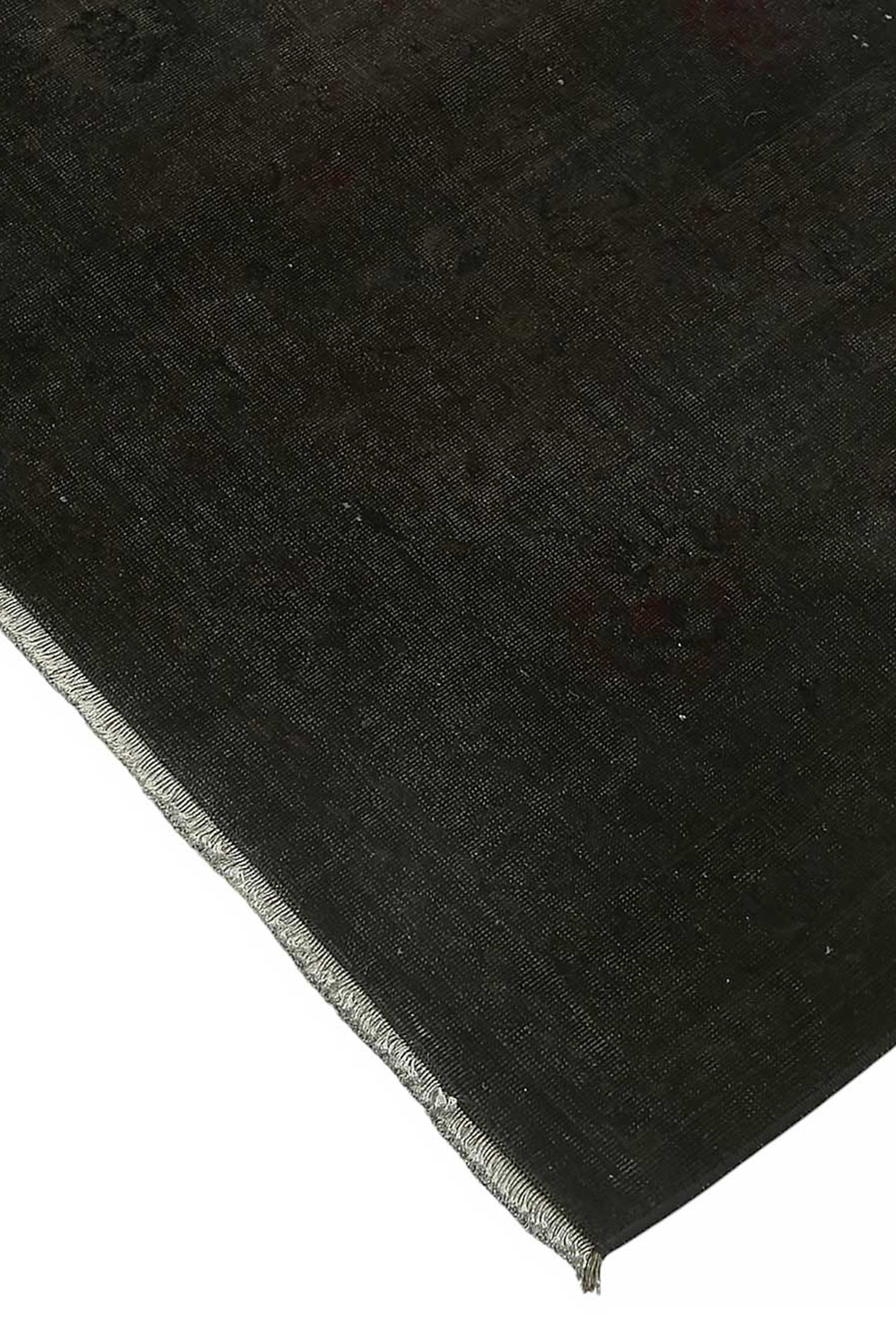
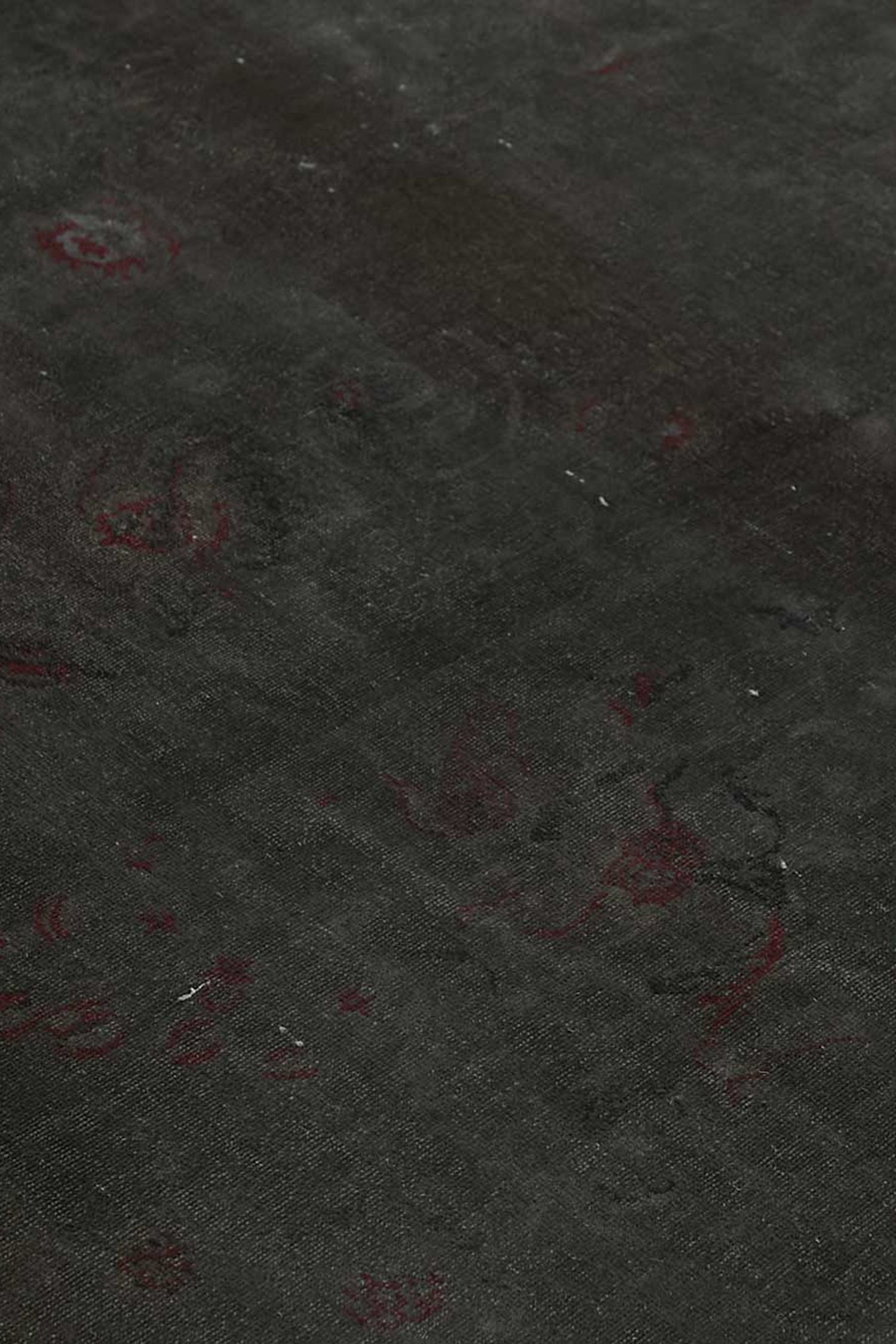
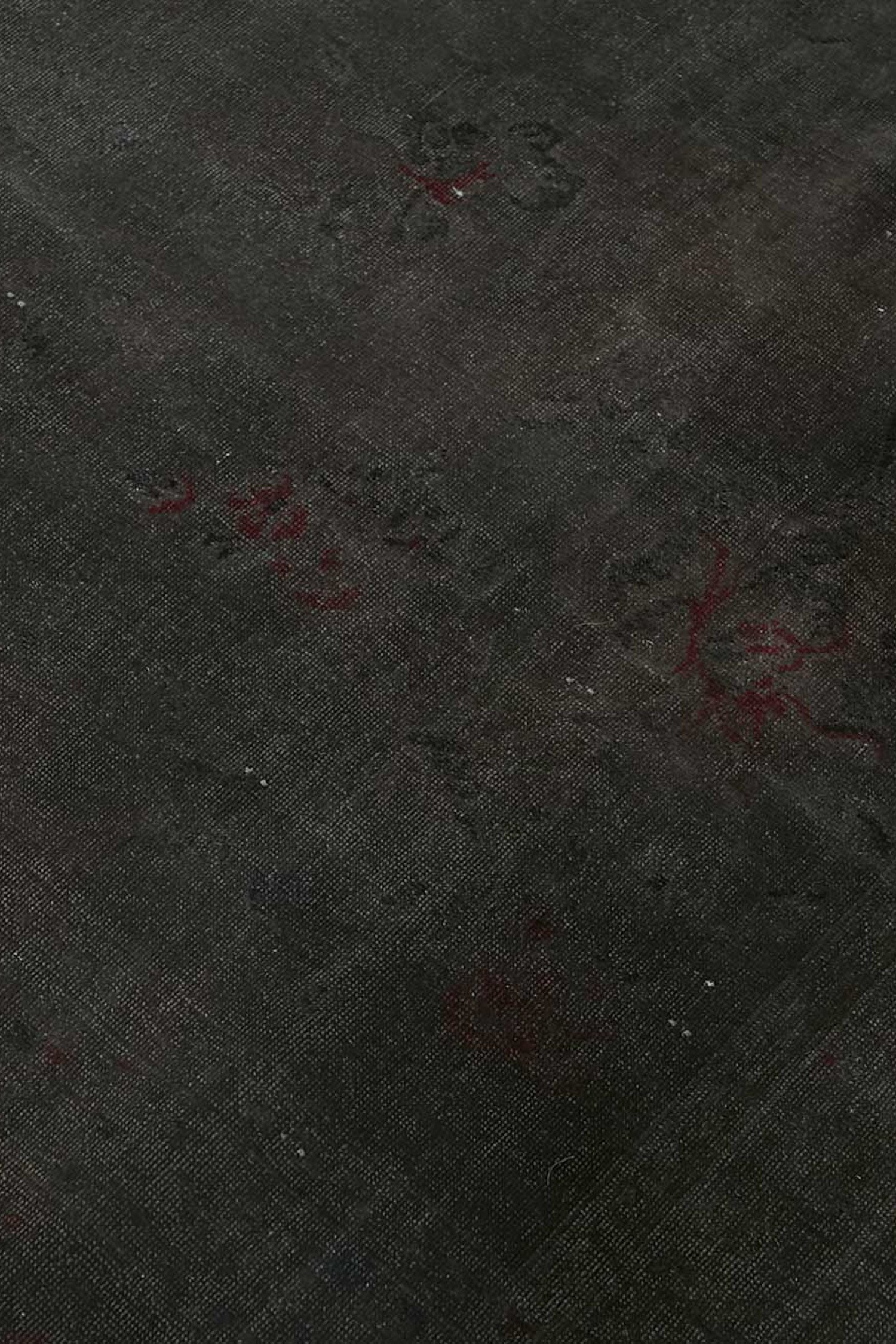
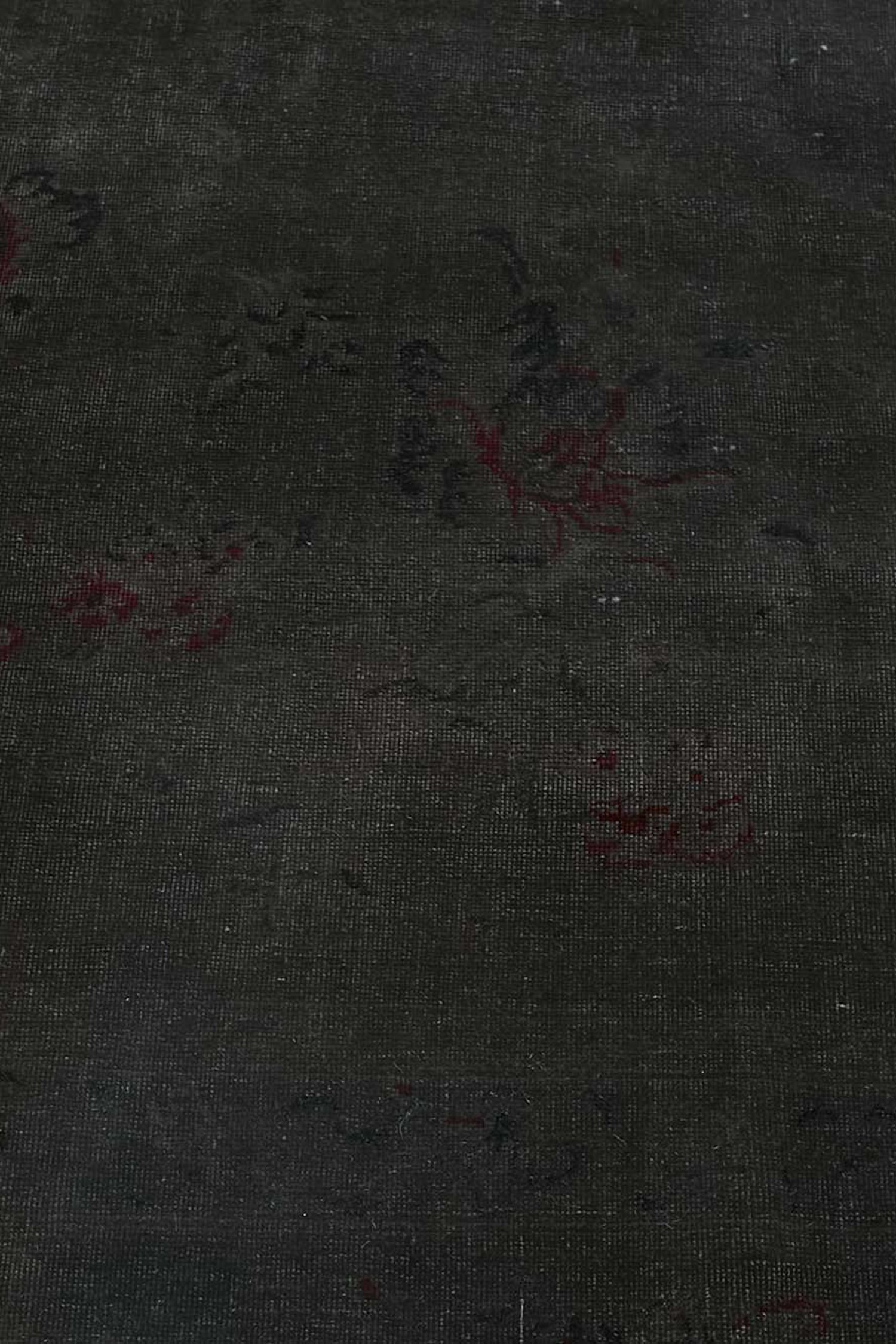
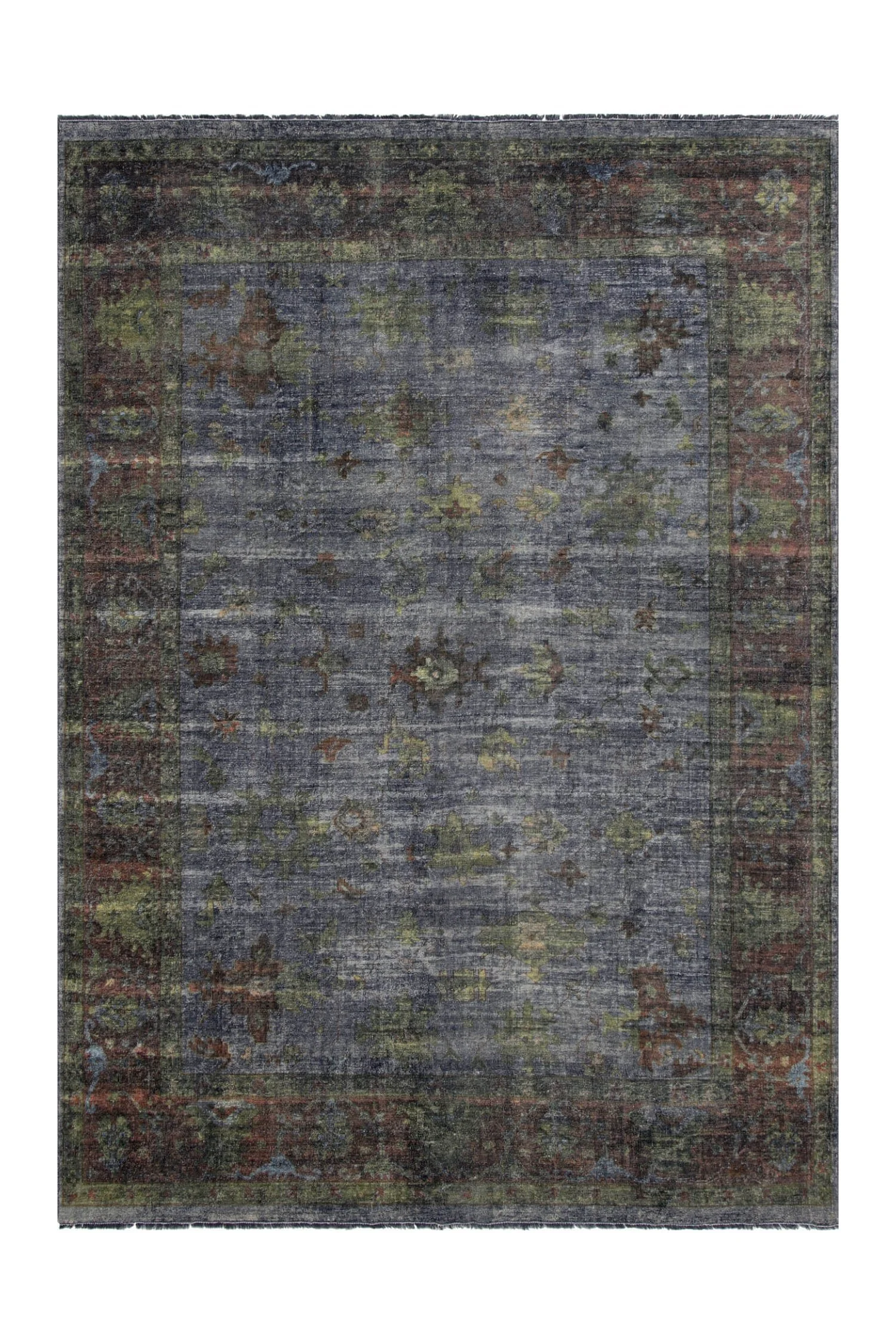
This 1950s Oushak would have started with the cream and sand tones typical of its era. The overdye process submerged the entire rug in charcoal-toned dye, which bonded differently to areas of varying density and wear. The result retains the original pattern as a kind of palimpsest, visible but transformed.
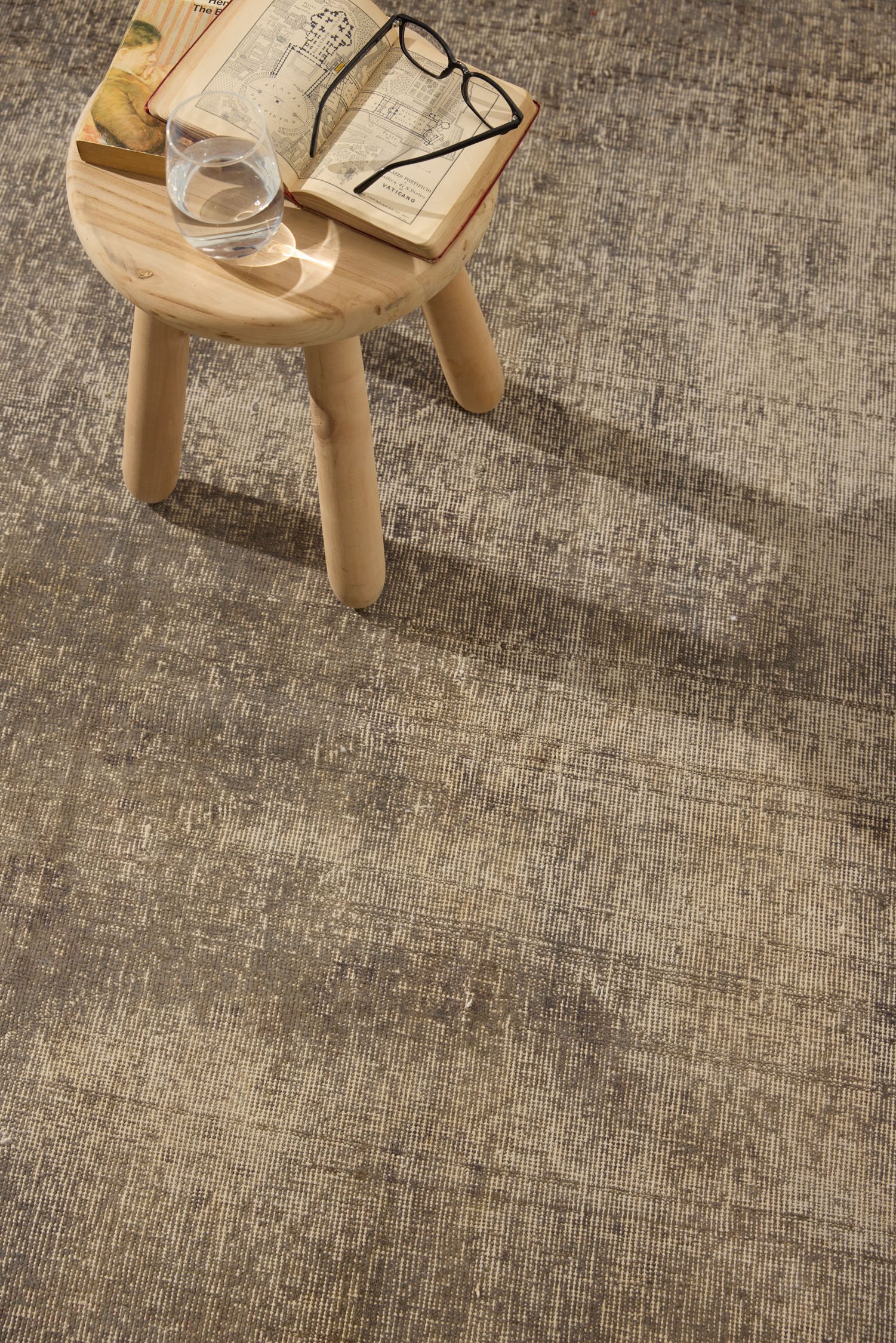
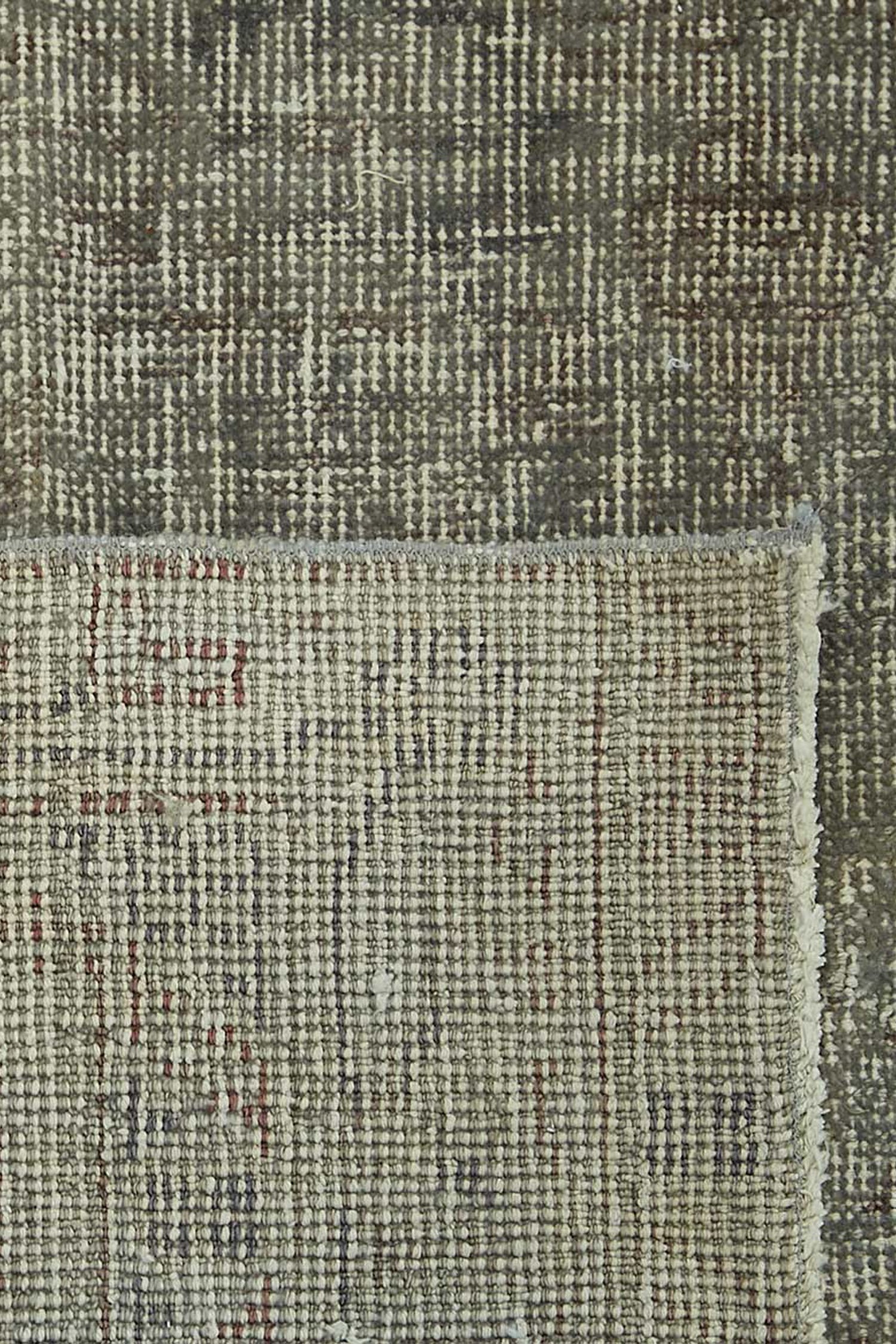
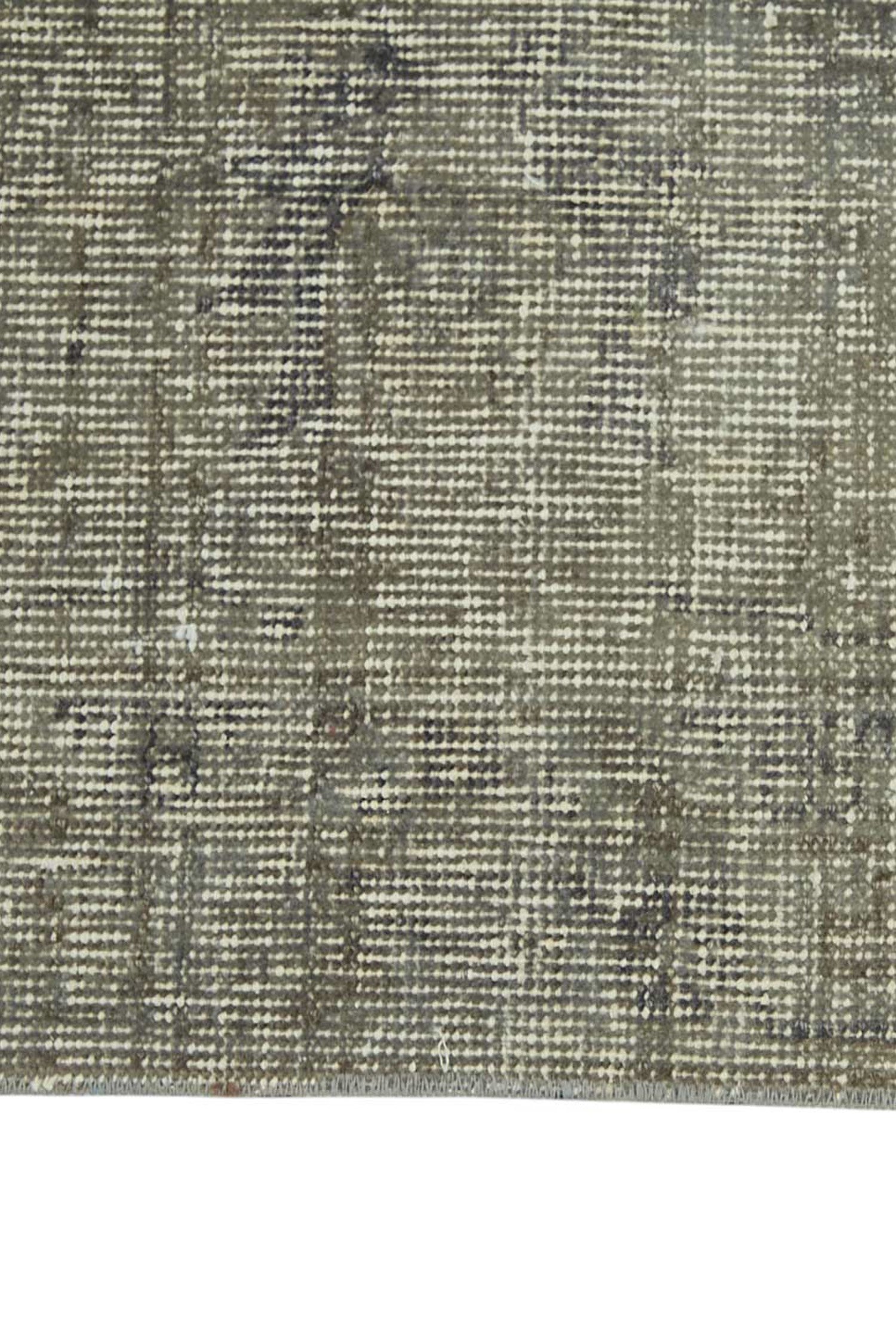
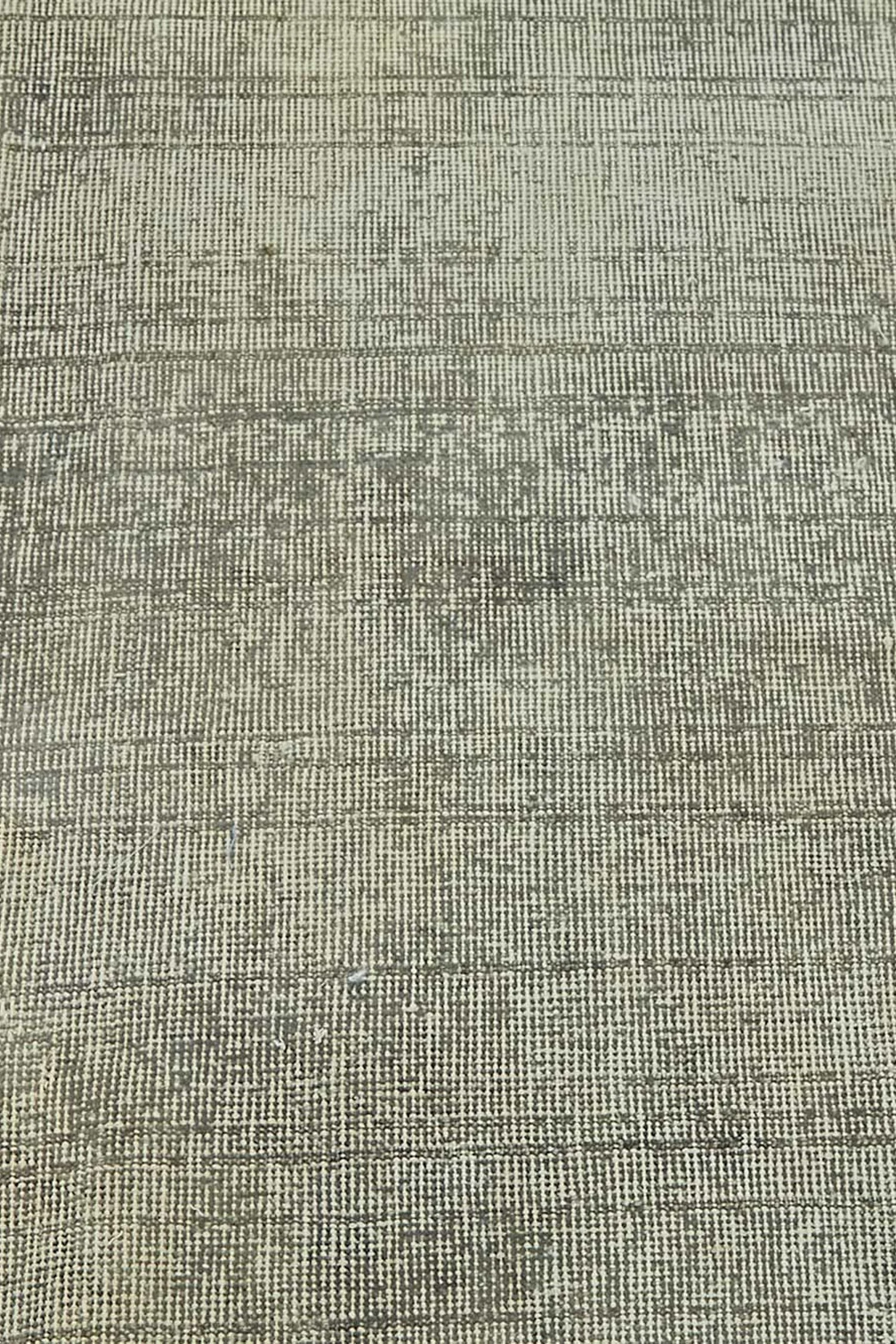
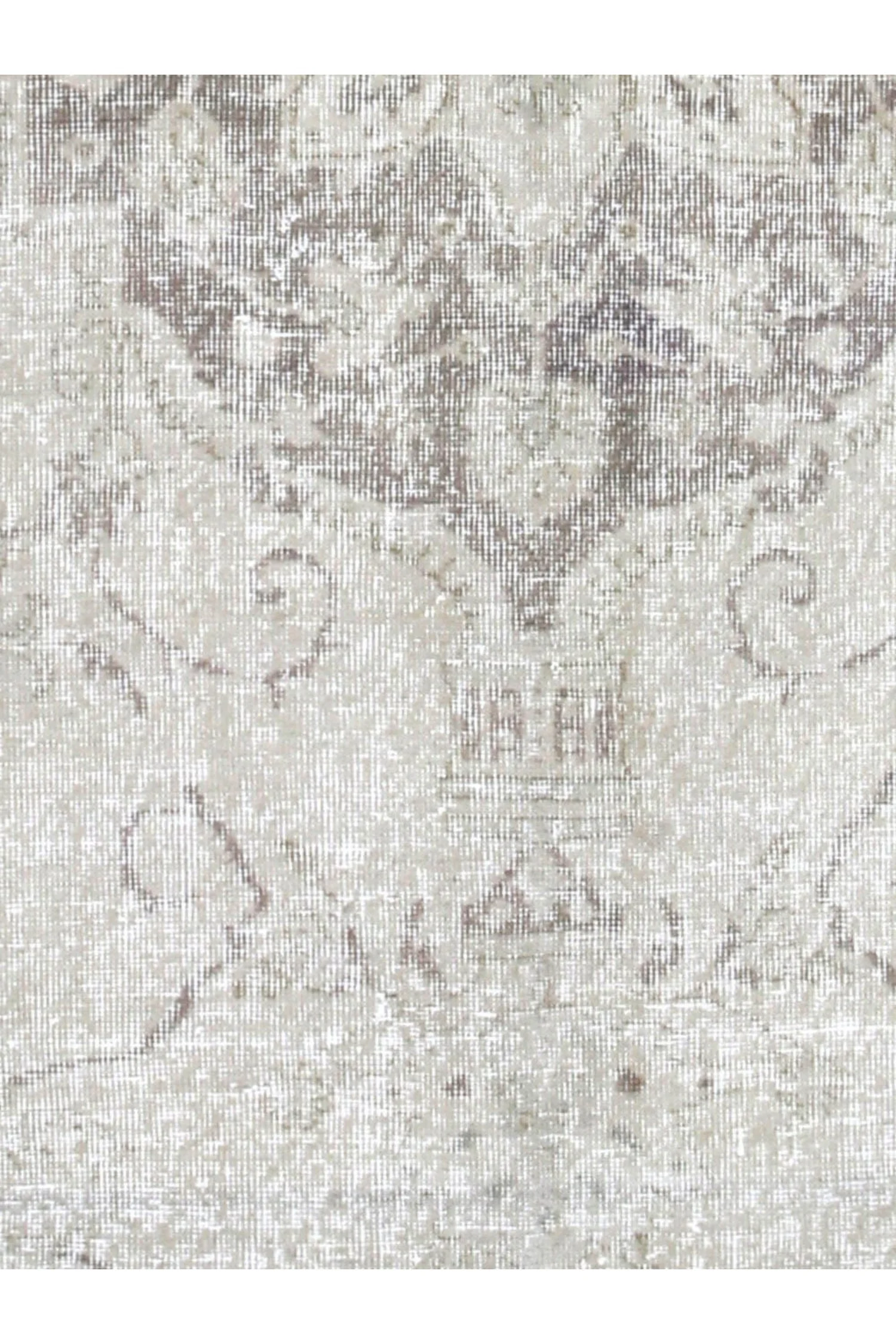
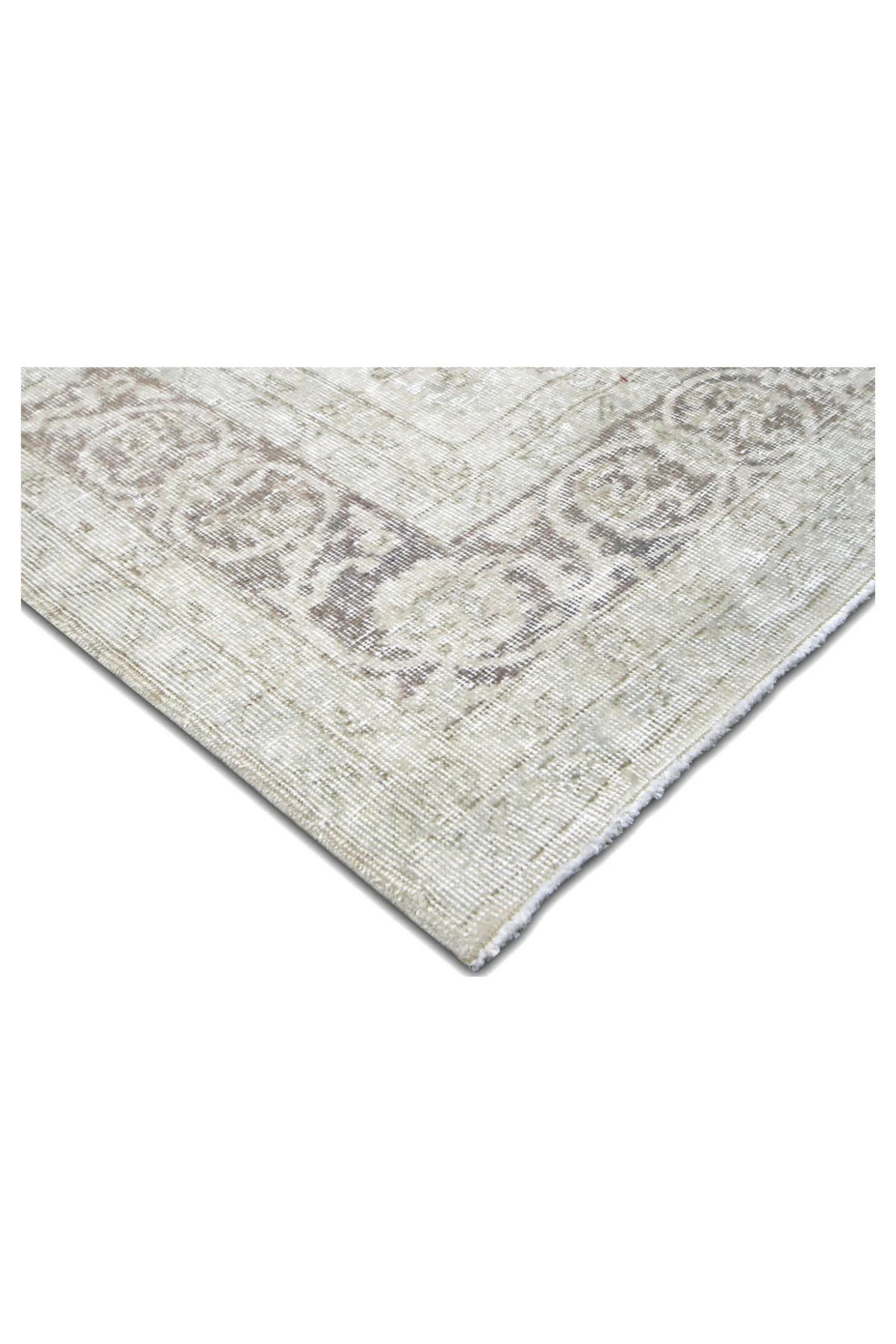
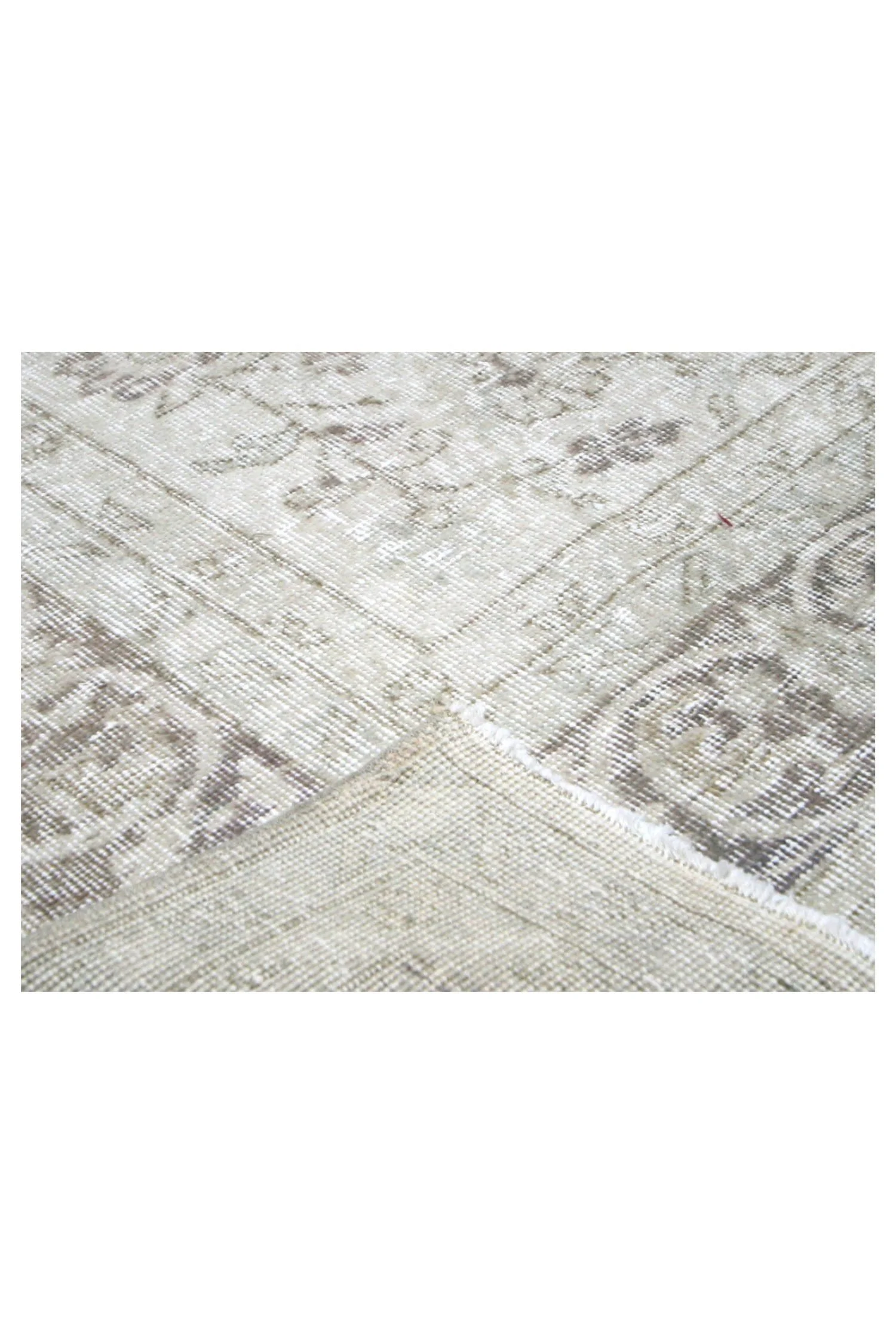
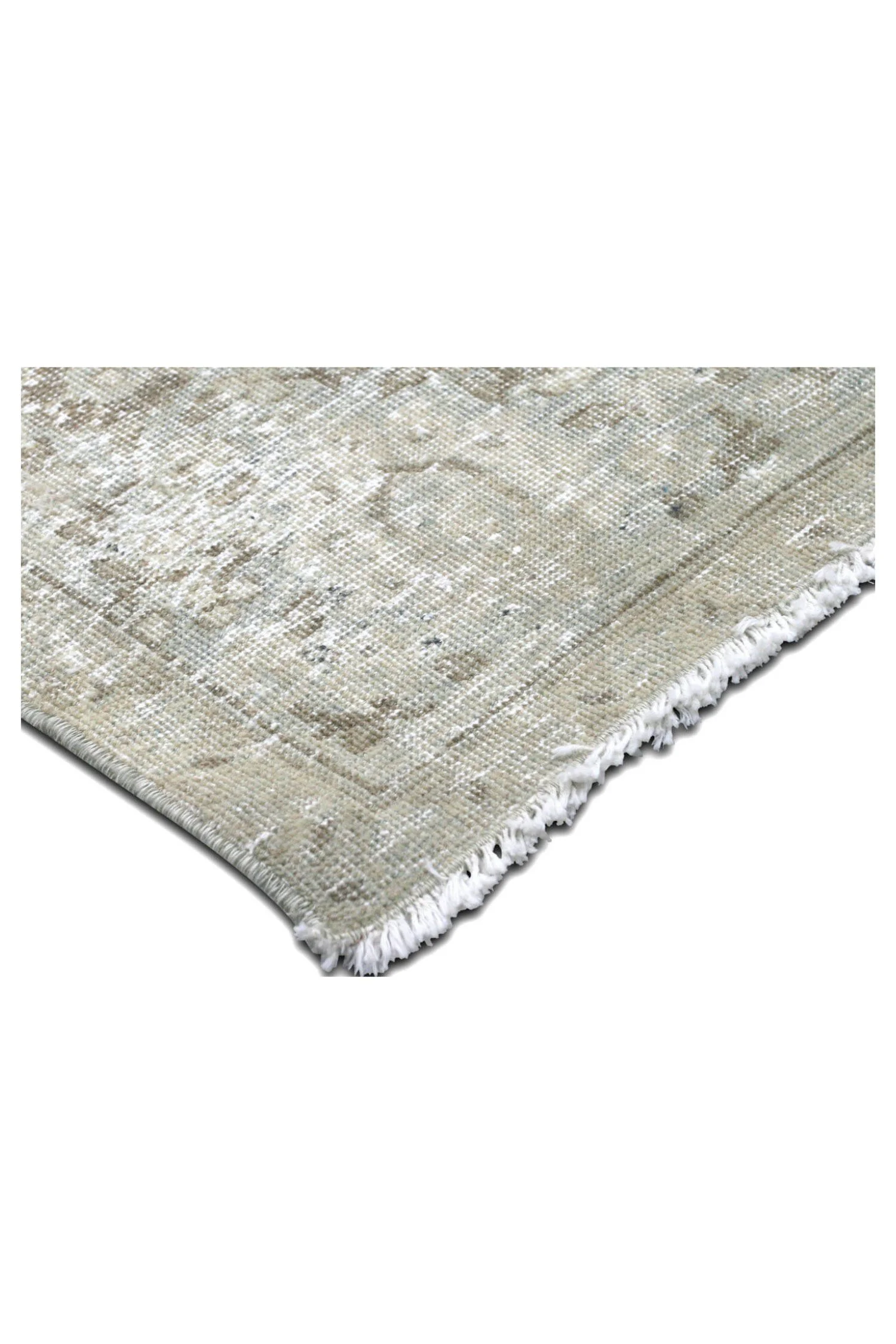
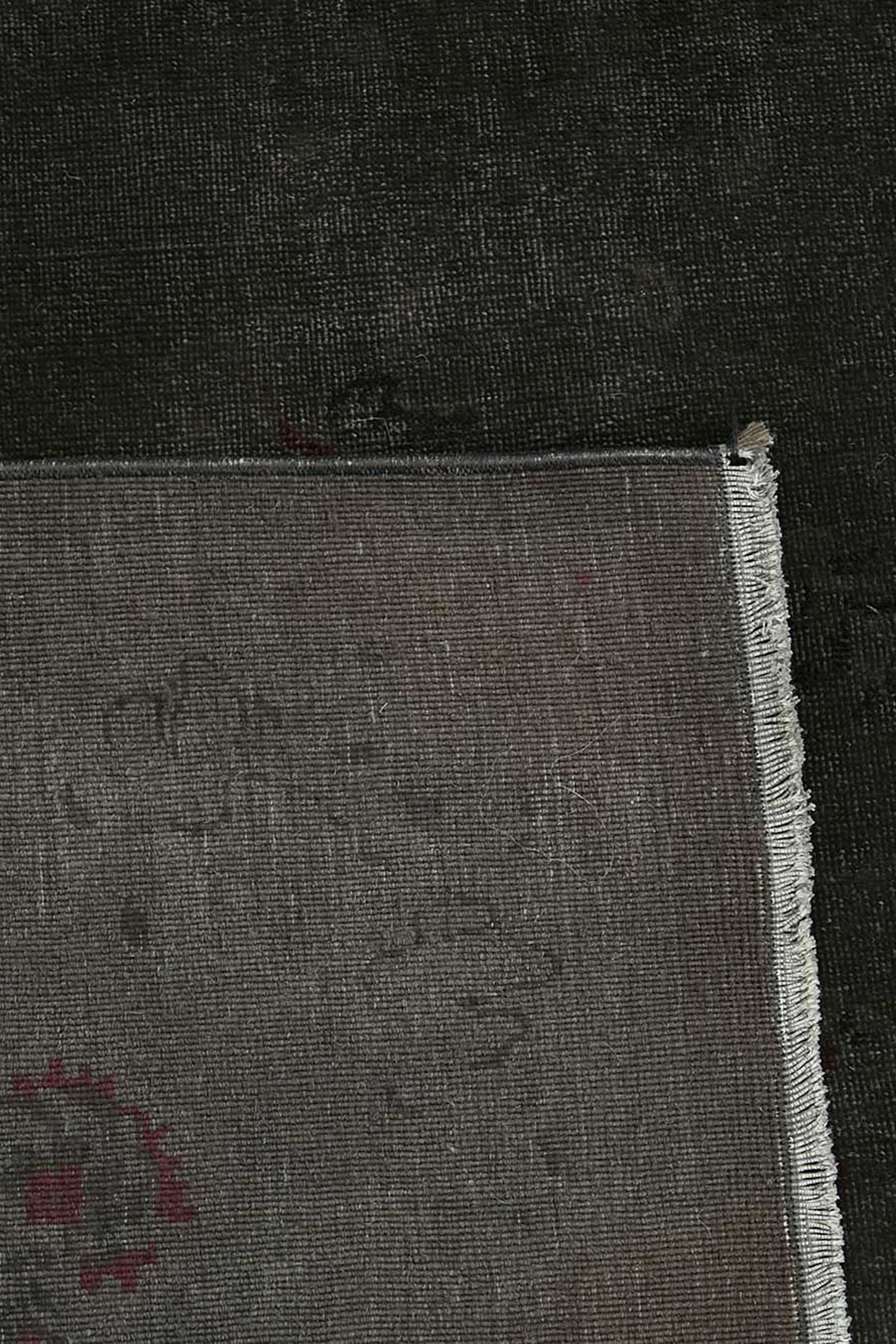
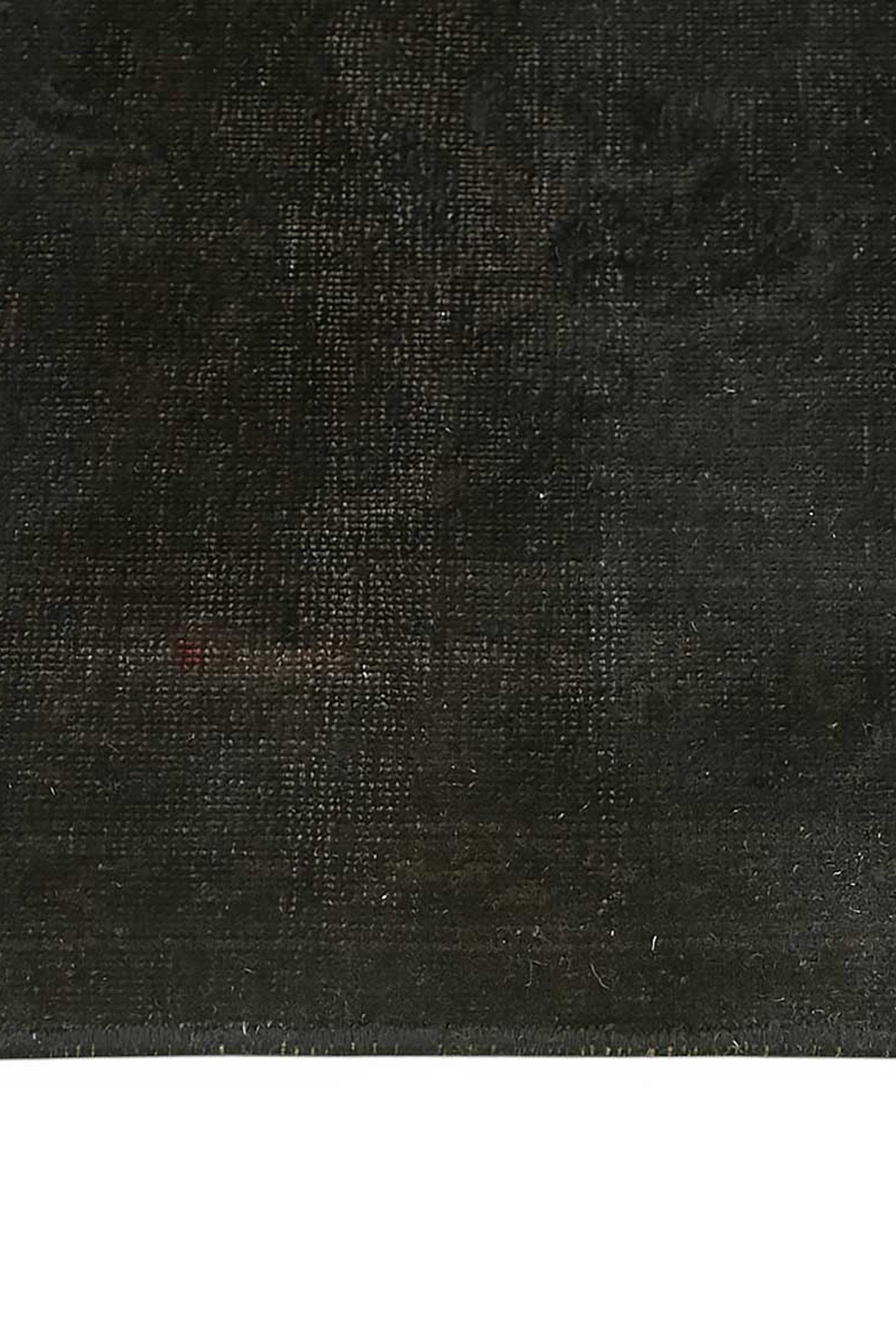
The technique requires understanding both the rug's construction and how different wools accept dye. Areas with tighter weave density hold more dye, creating variation within the intended color. Worn sections may resist saturation, allowing traces of the original palette to show through.
Design Elements
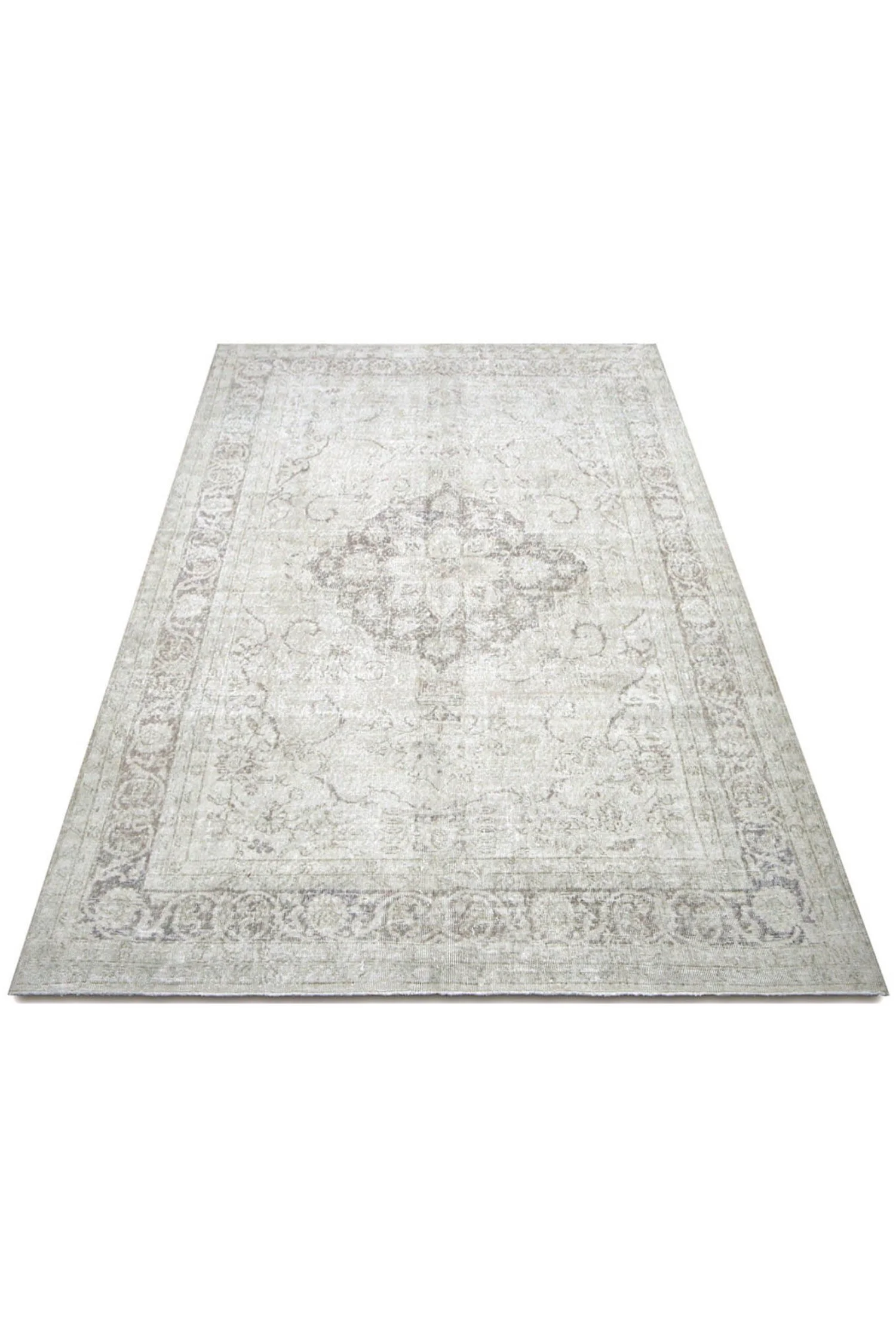
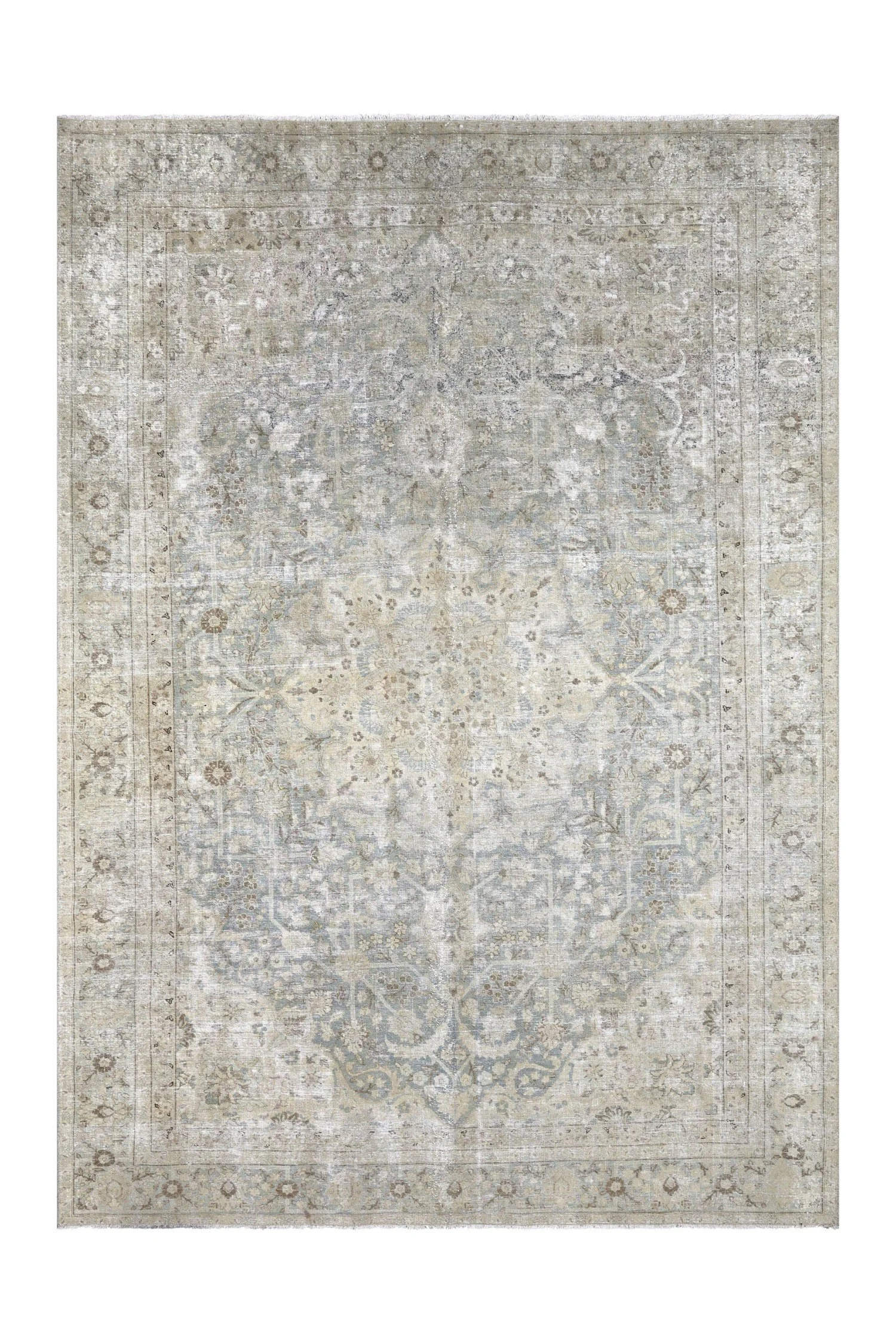
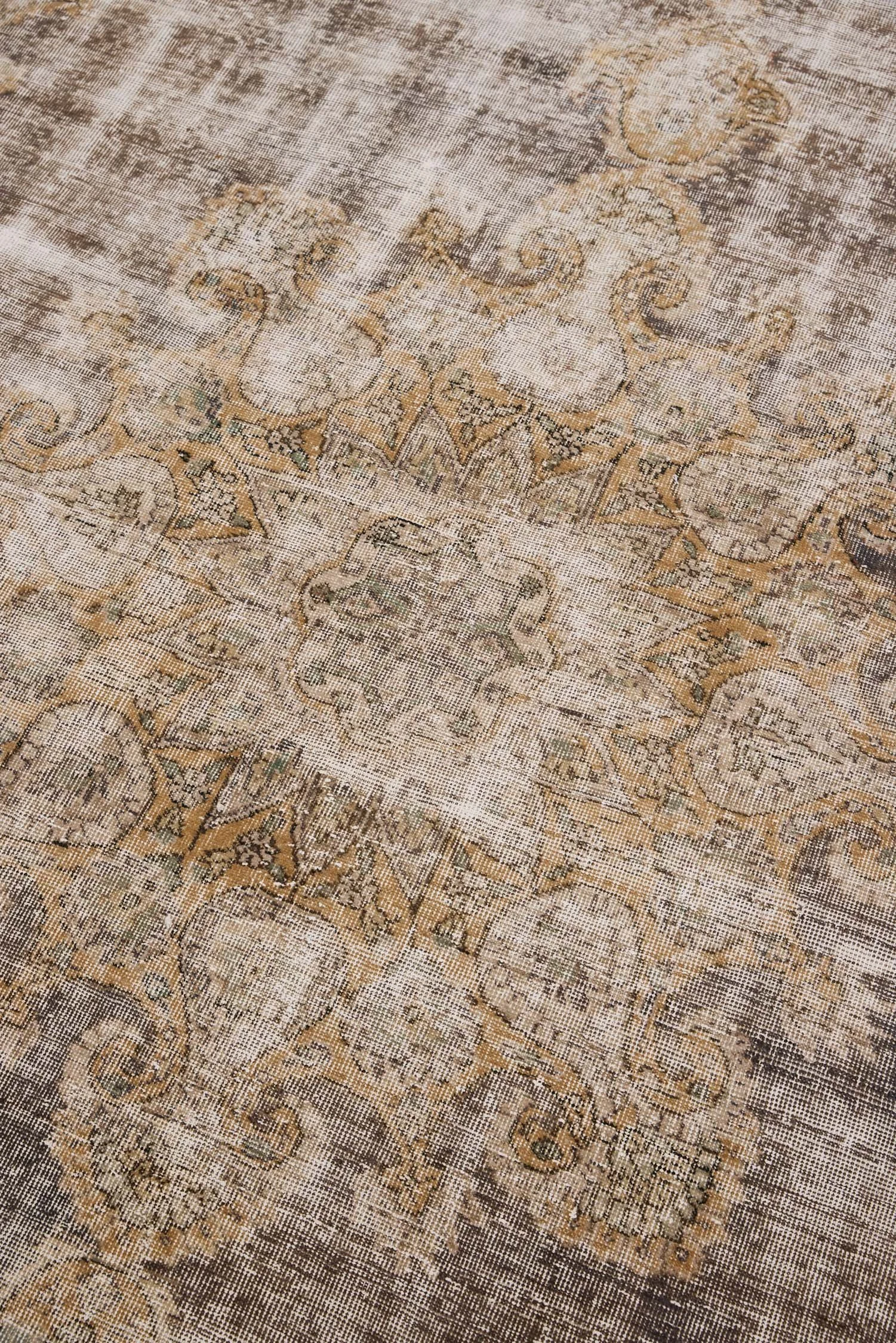
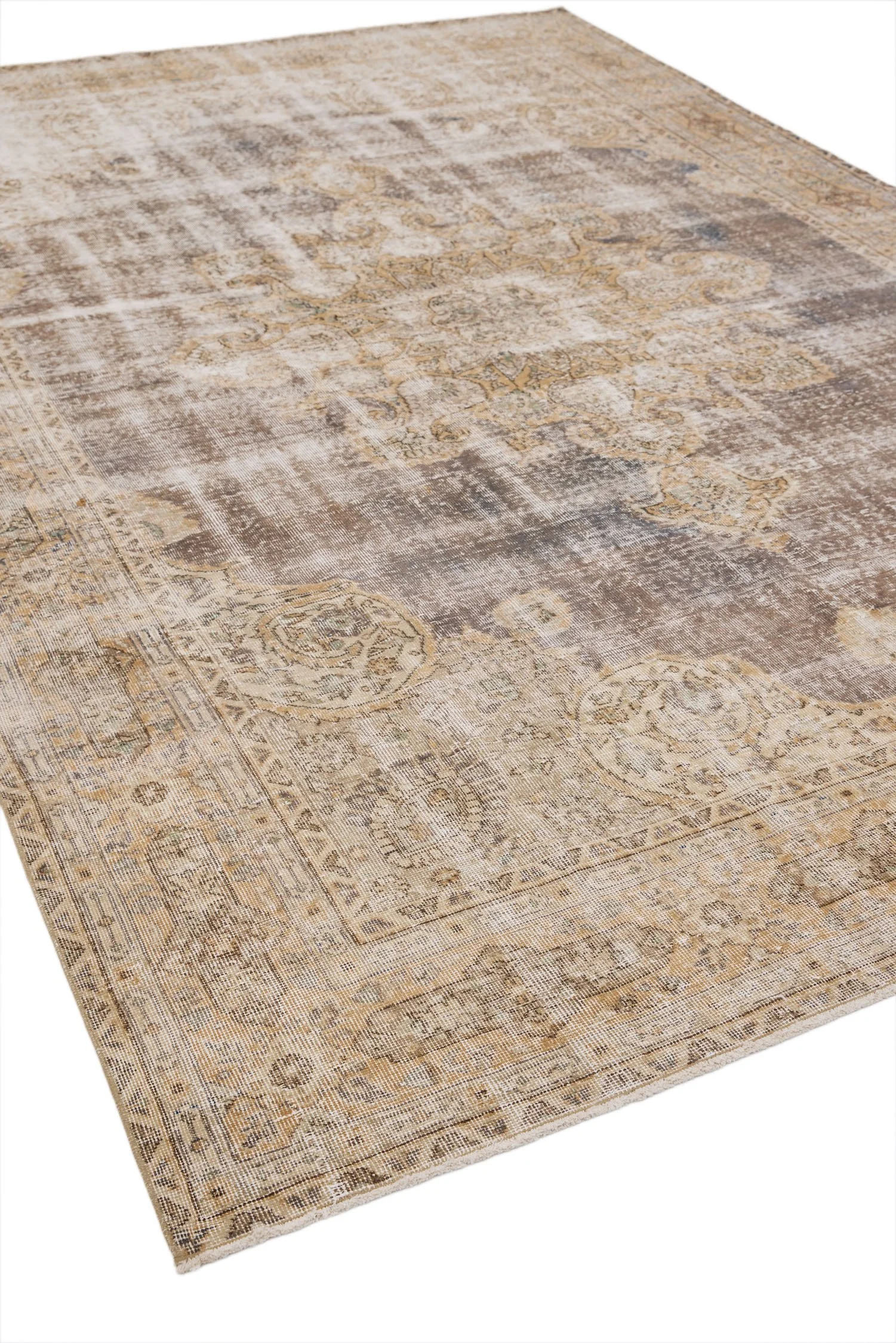
The open field composition typical of Oushak design remains legible beneath the overdye. Floral motifs scatter across the surface in low relief, their outlines softened by the dye saturation. The border maintains its structural role but reads more as a tonal shift than a distinct frame.
This abstraction changes how the pattern functions. Instead of discrete motifs demanding individual attention, the design creates a textured surface where light and shadow play across woven forms. The moss green and rust tones appear where the original colors interact with the charcoal dye, creating unpredictable moments of warmth.
Placement
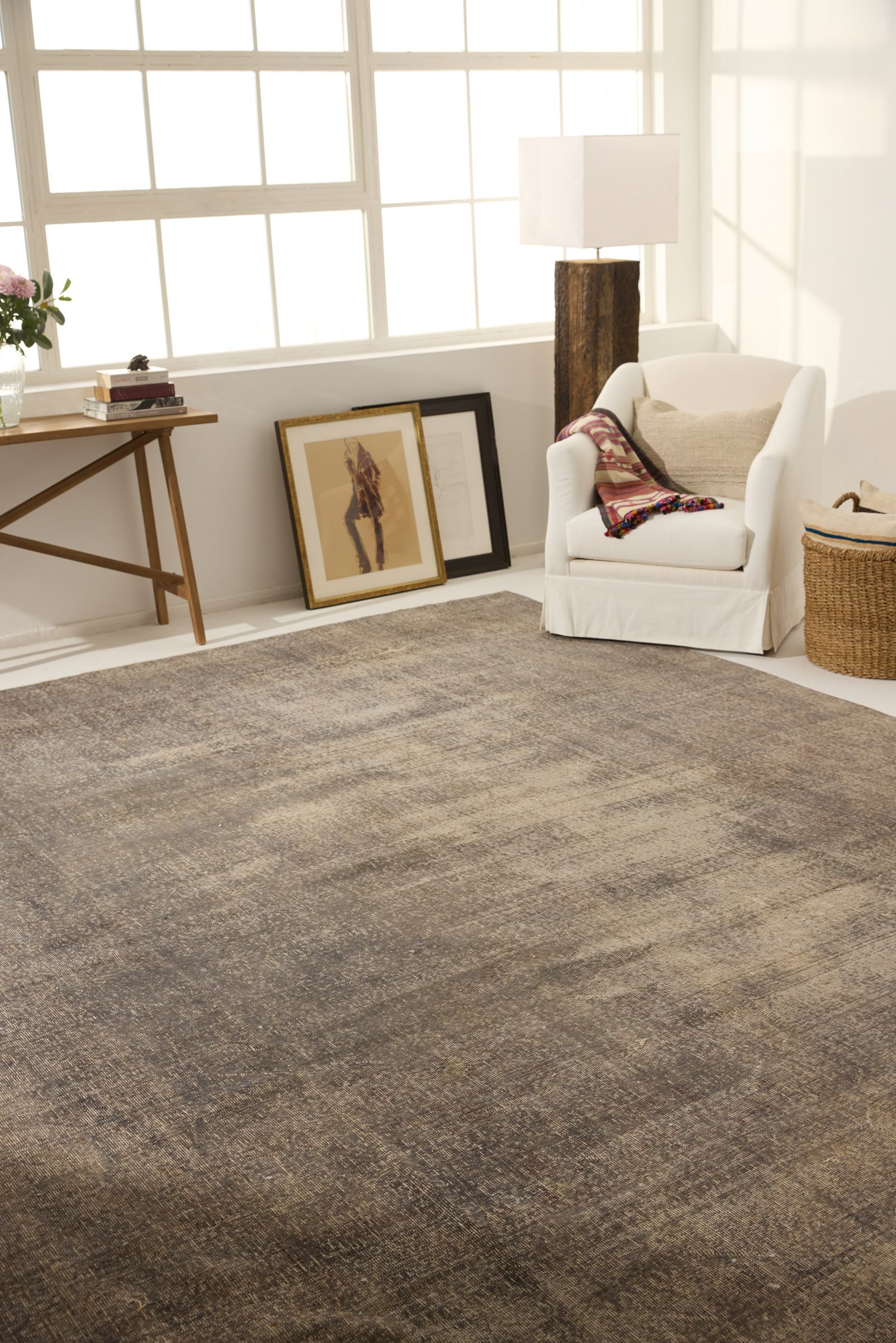
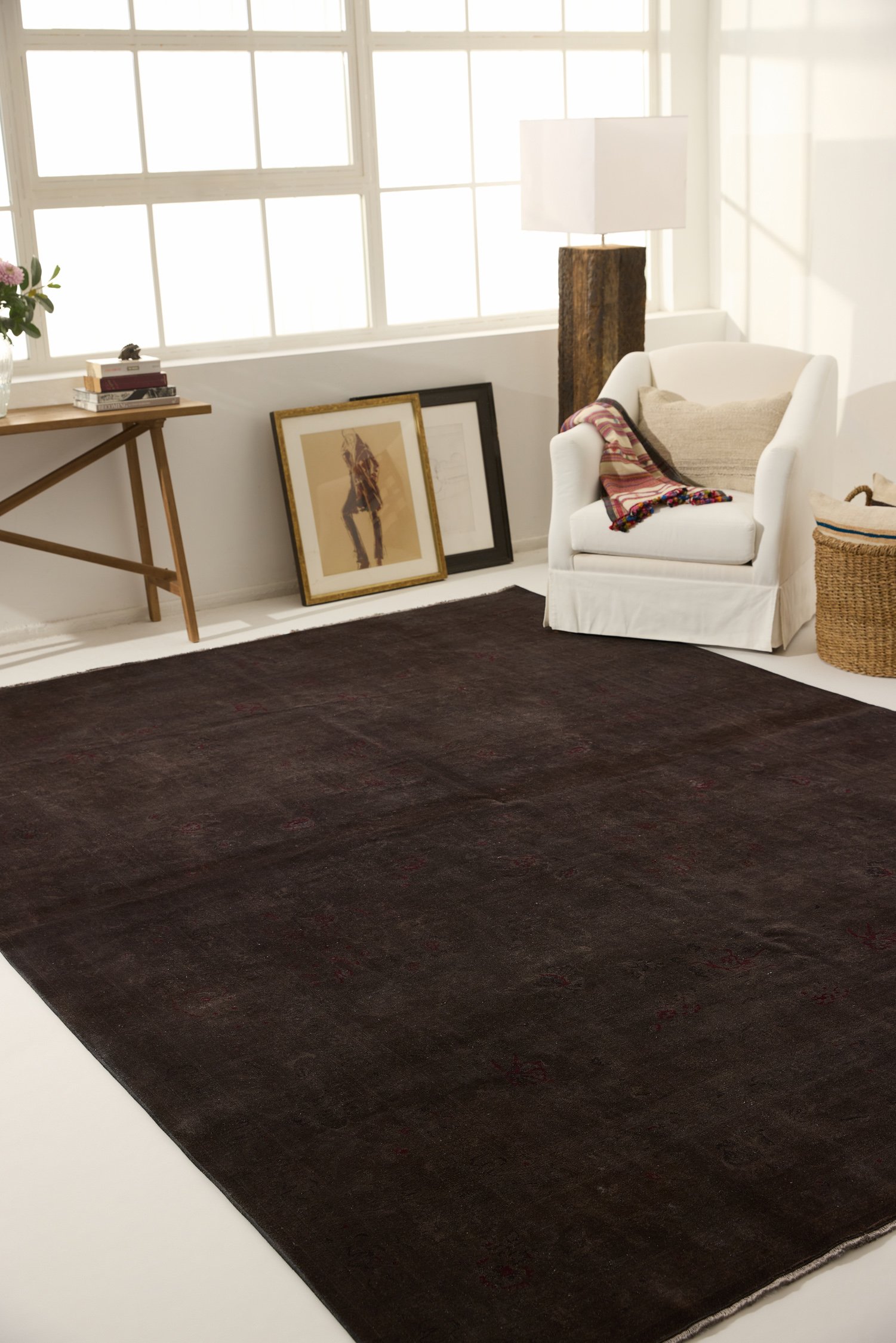
At nearly 10 by 14 feet, this needs substantial floor space. Large living rooms can accommodate this size while leaving clearance around the perimeter. Dining rooms with tables that seat eight to ten benefit from the generous proportions, allowing chairs to remain on the rug when pulled out.
The darker palette suits contemporary interiors where you want visual weight without pattern that competes with furniture or art. Loft spaces with high ceilings handle the scale comfortably. The moody tones work in rooms with ample natural light, where the color variations become more apparent throughout the day.
Care Recommendations
To preserve the rug's beauty:
Rotate periodically for even wear
Vacuum regularly using a suction-only setting
Address spills immediately by blotting, never rubbing
Professional cleaning recommended annually
Avoid direct sunlight to maintain color integrity
Overdyed rugs carry two histories: the one woven in, and the one dyed over.