 Image 1 of 5
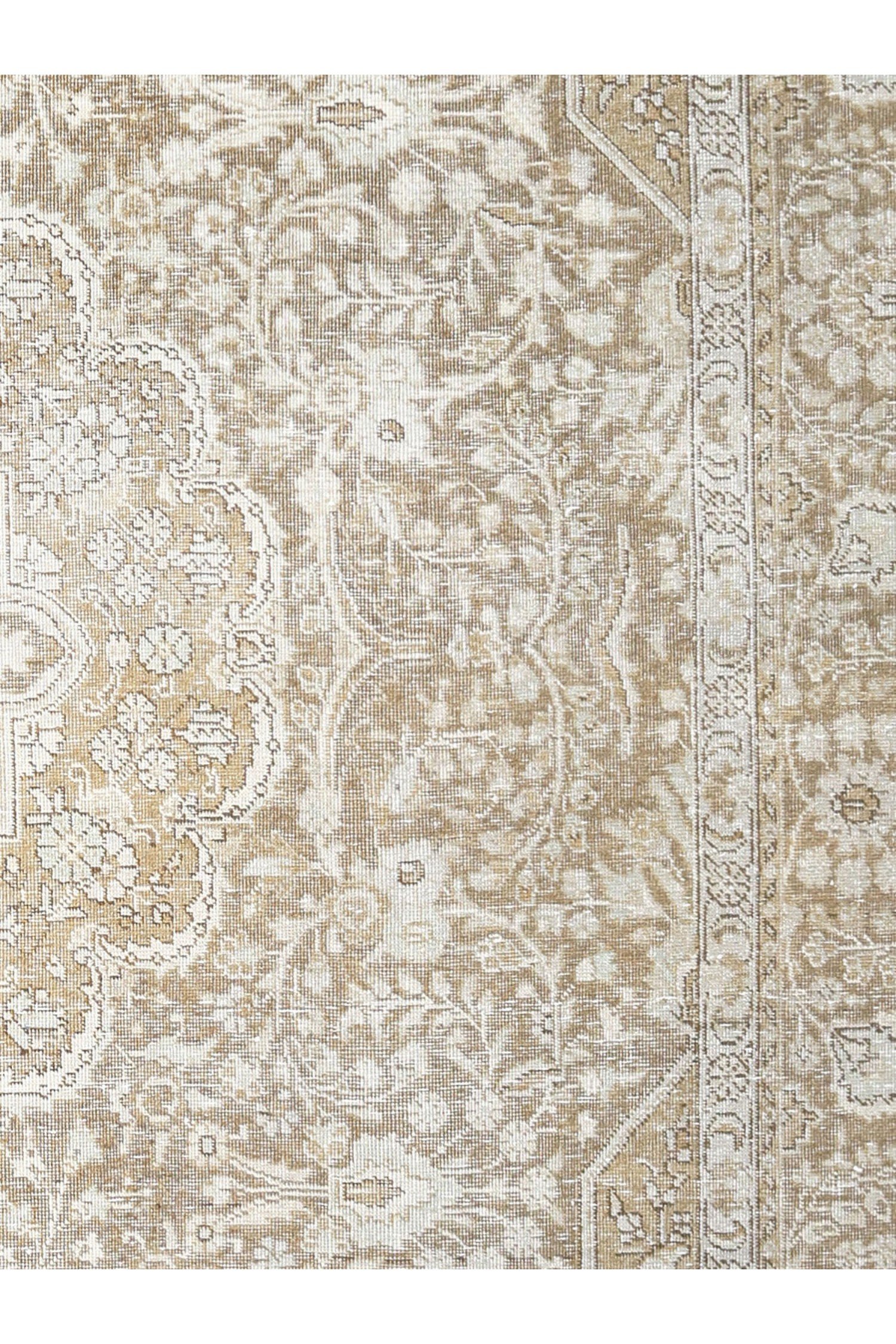 Image 2 of 5
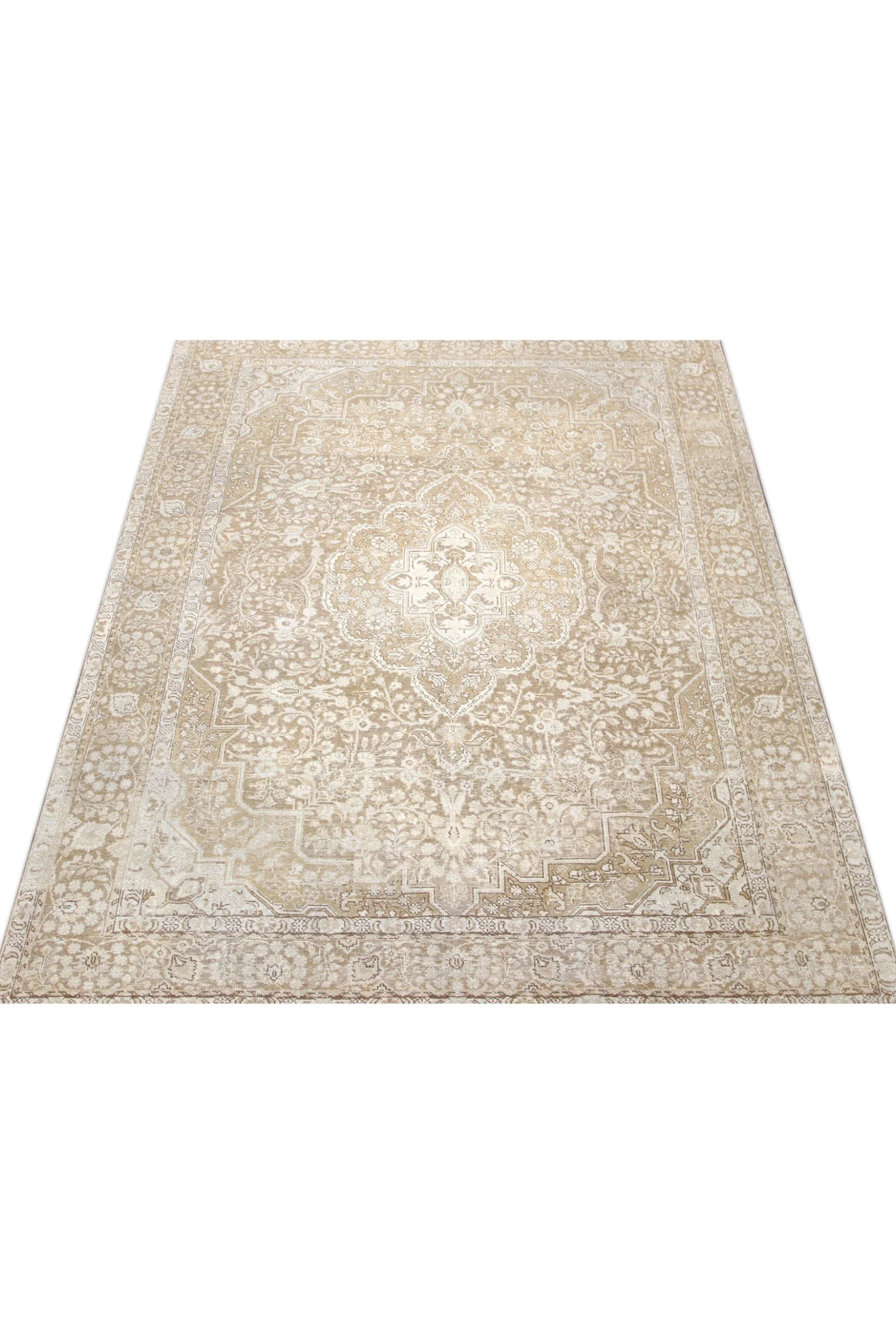 Image 3 of 5
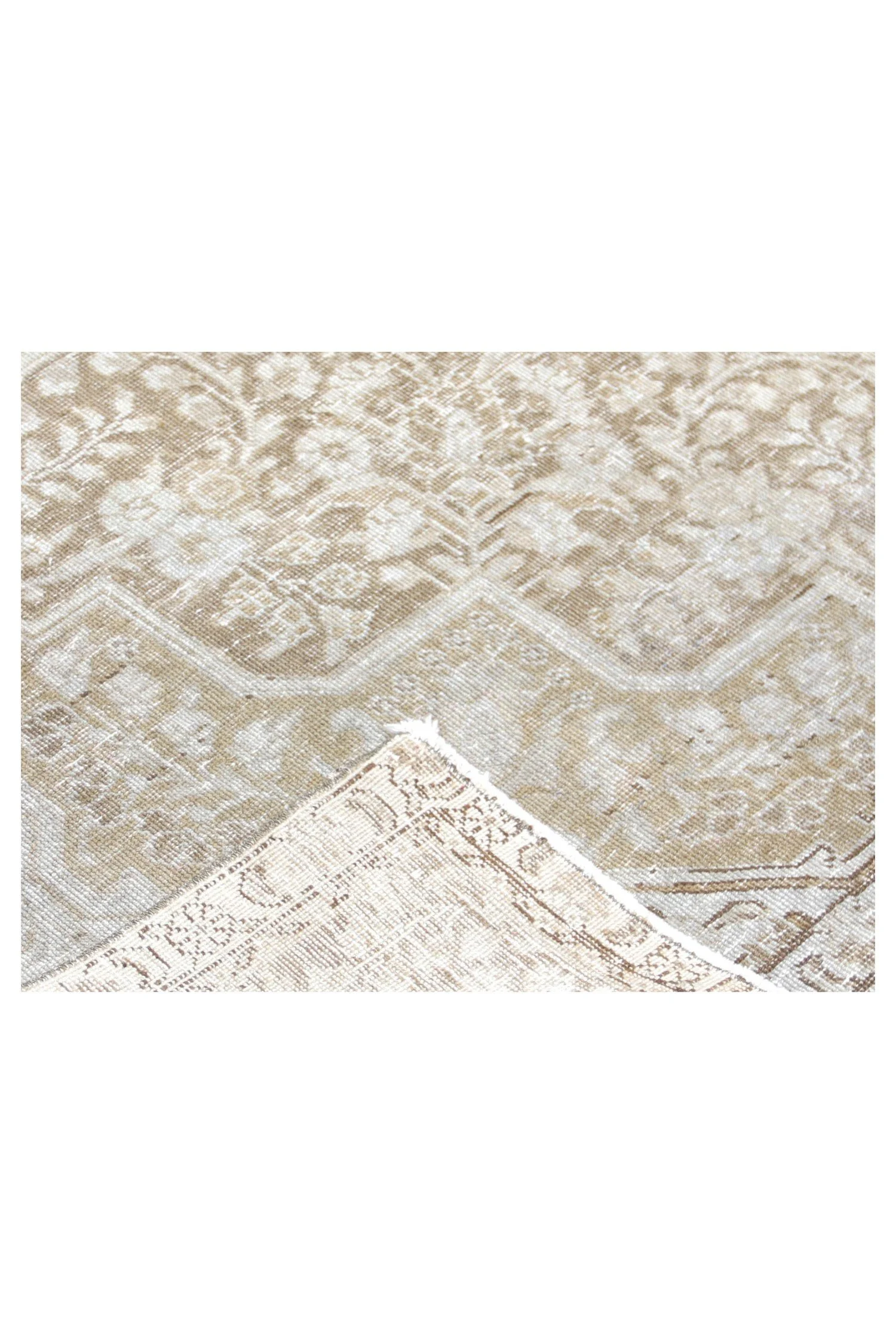 Image 4 of 5
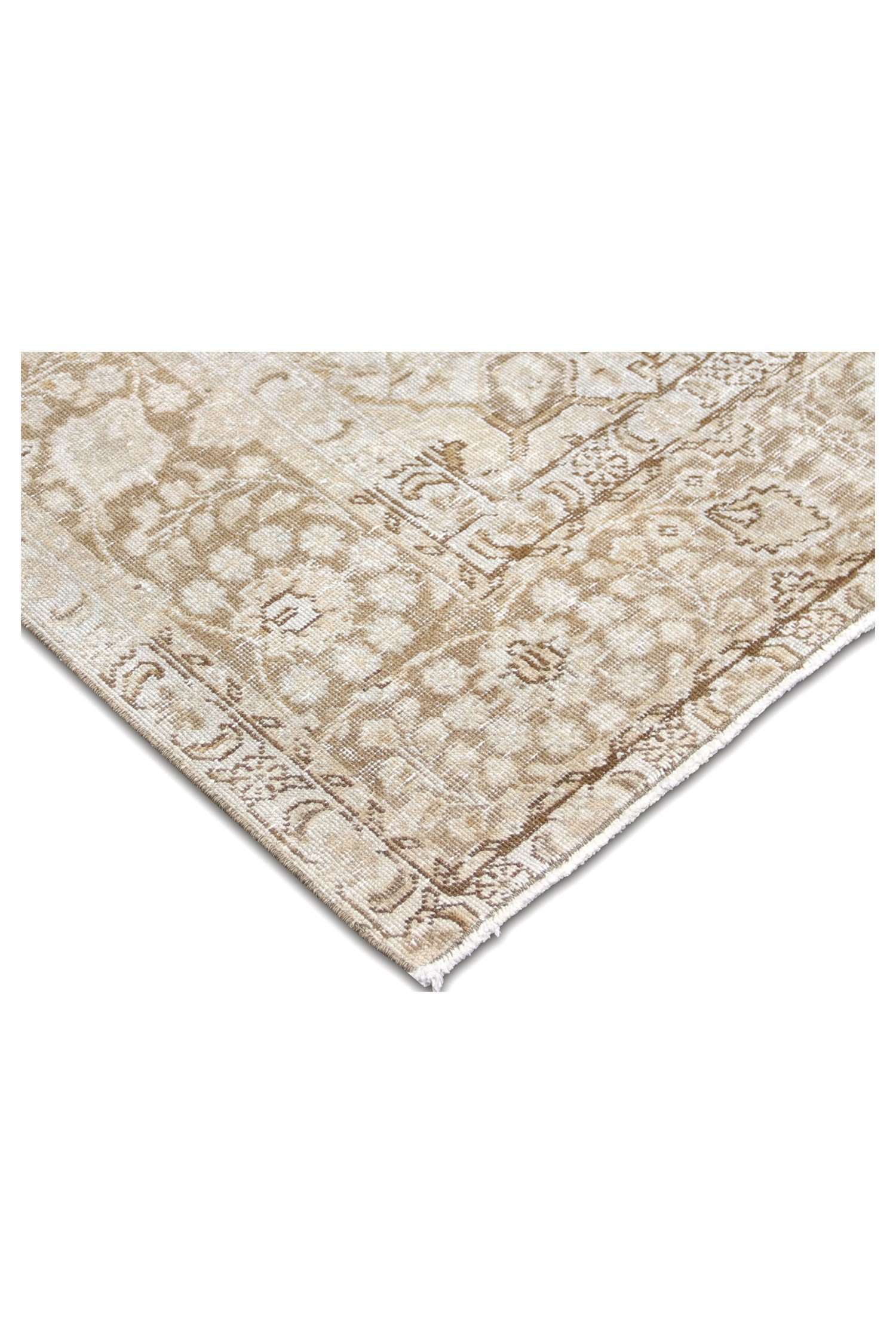 Image 5 of 5
Heritage and Craftsmanship
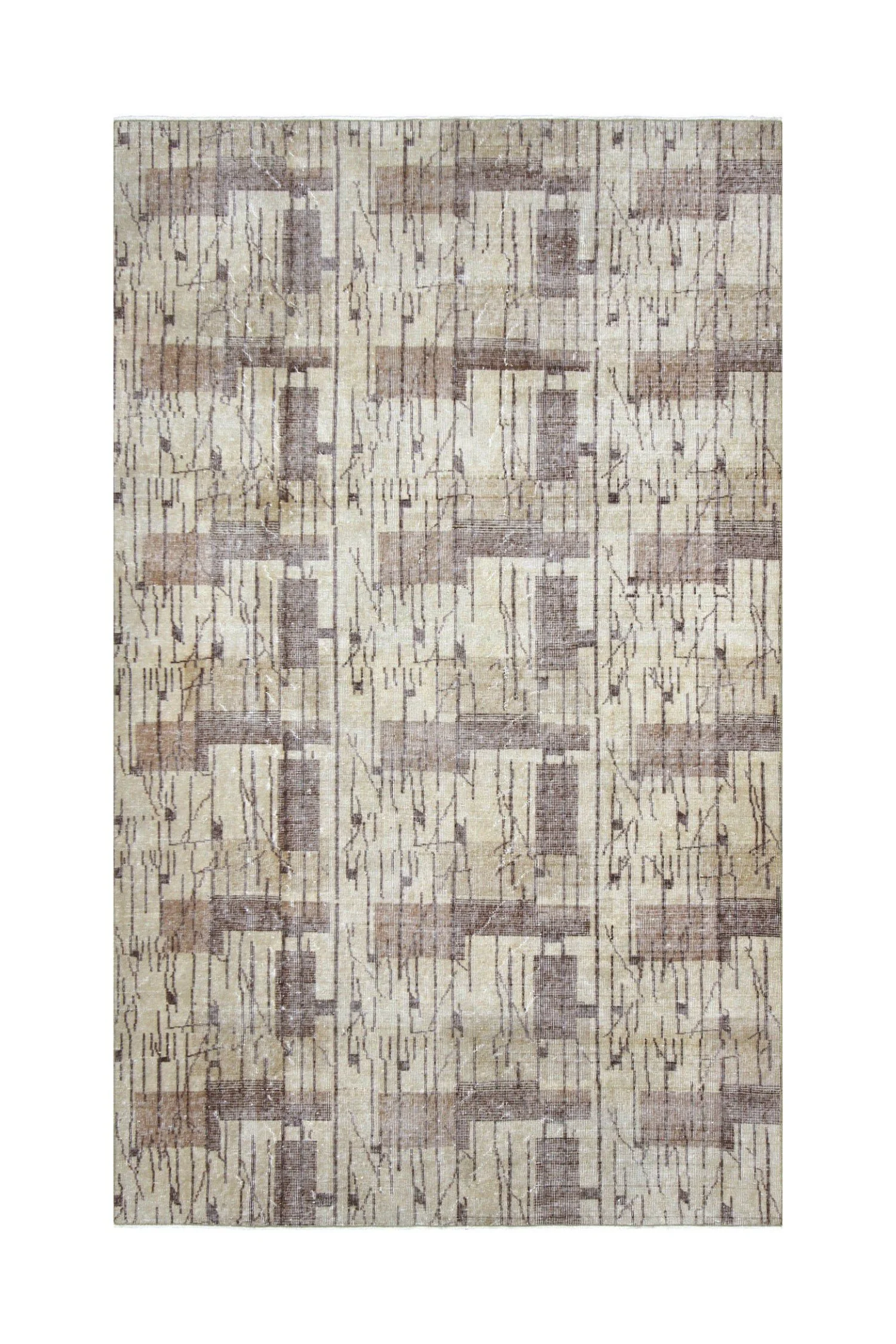
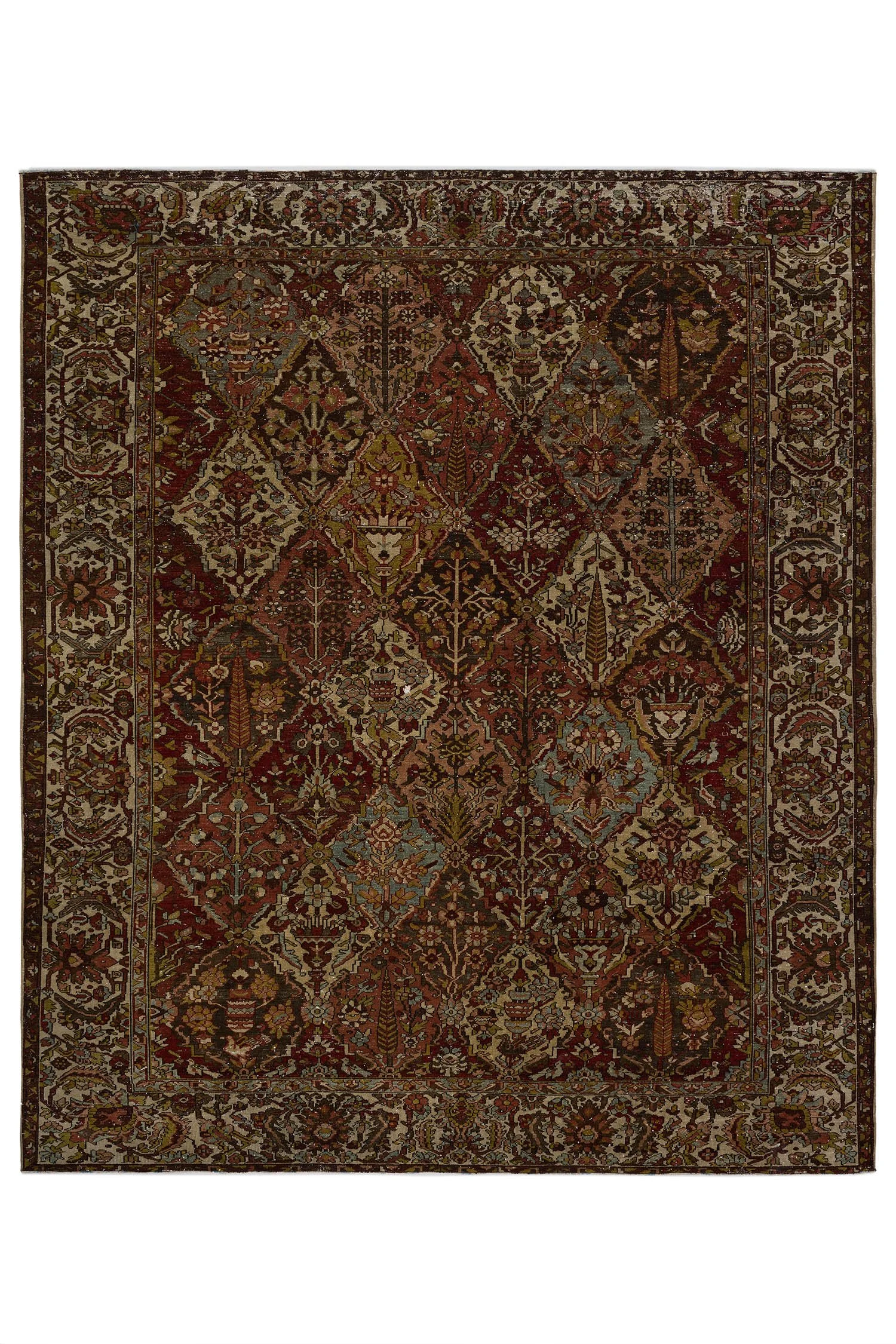
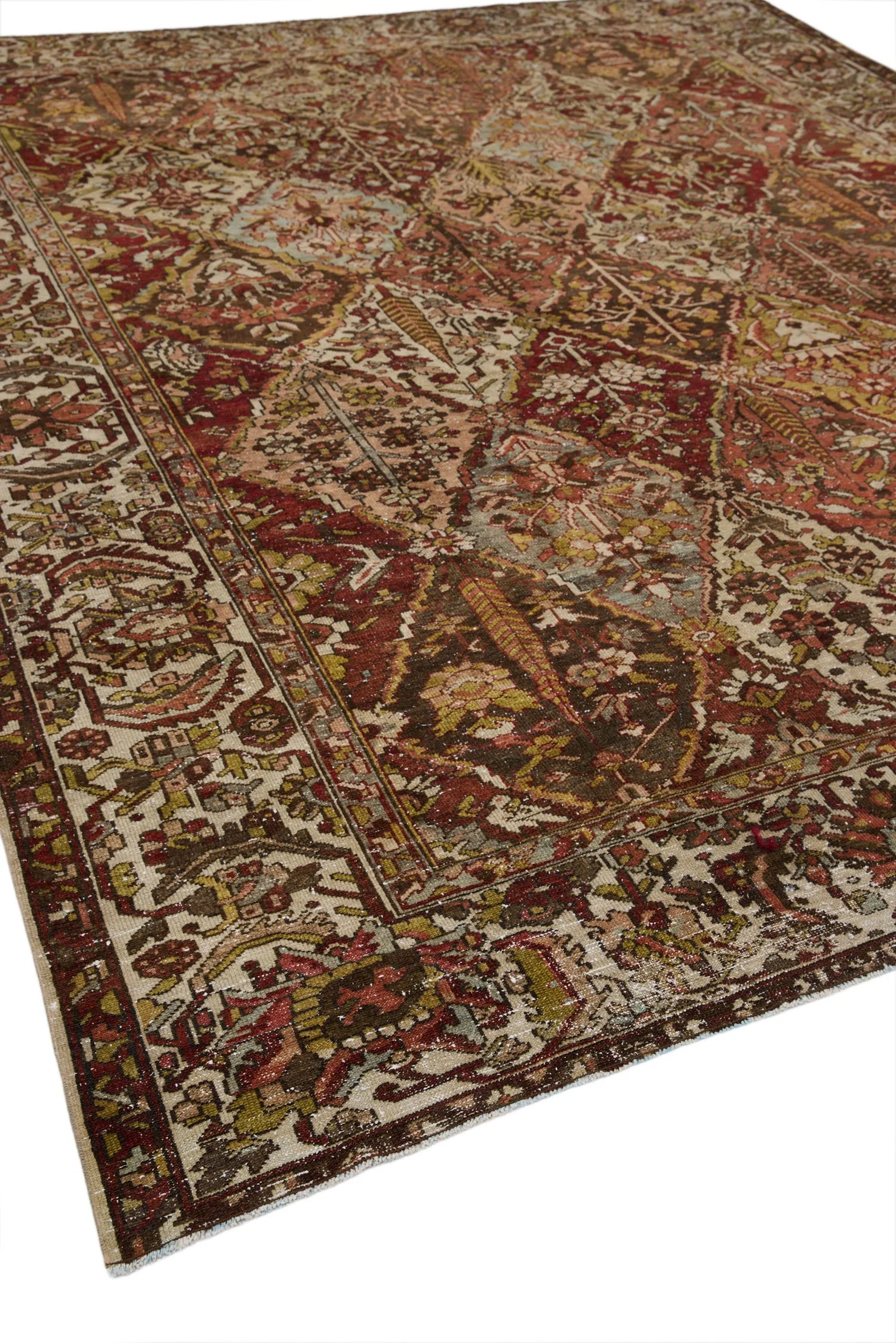
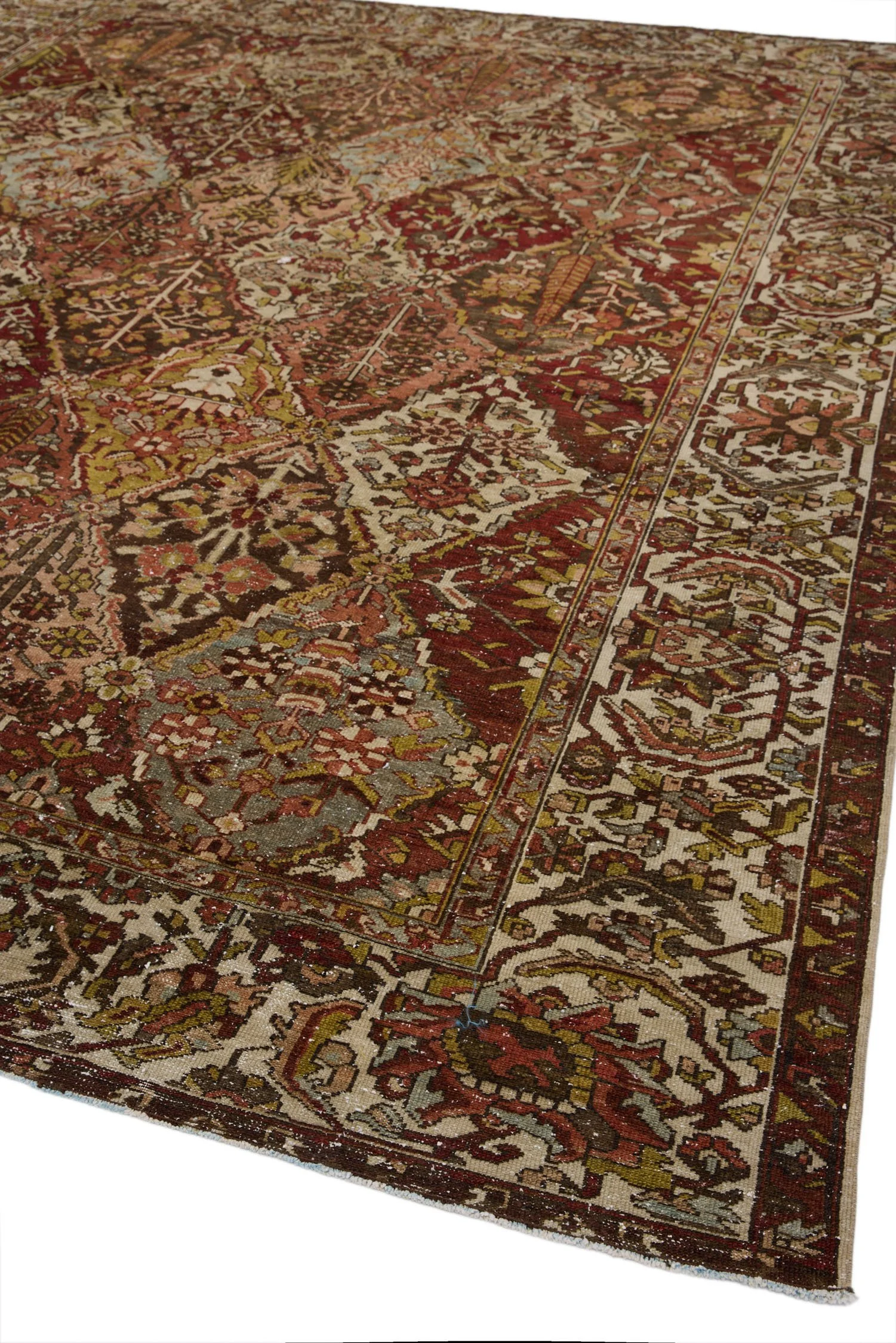
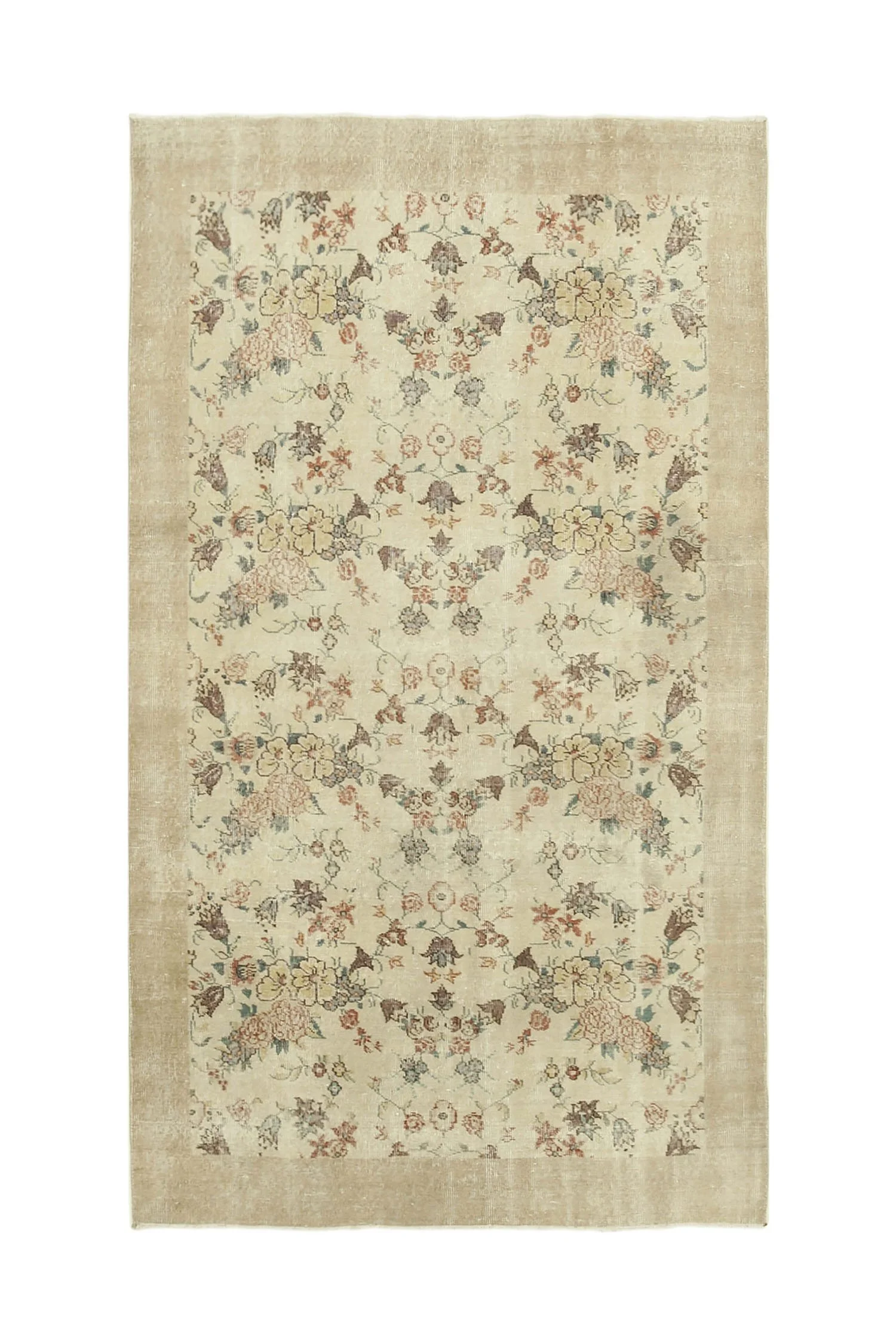
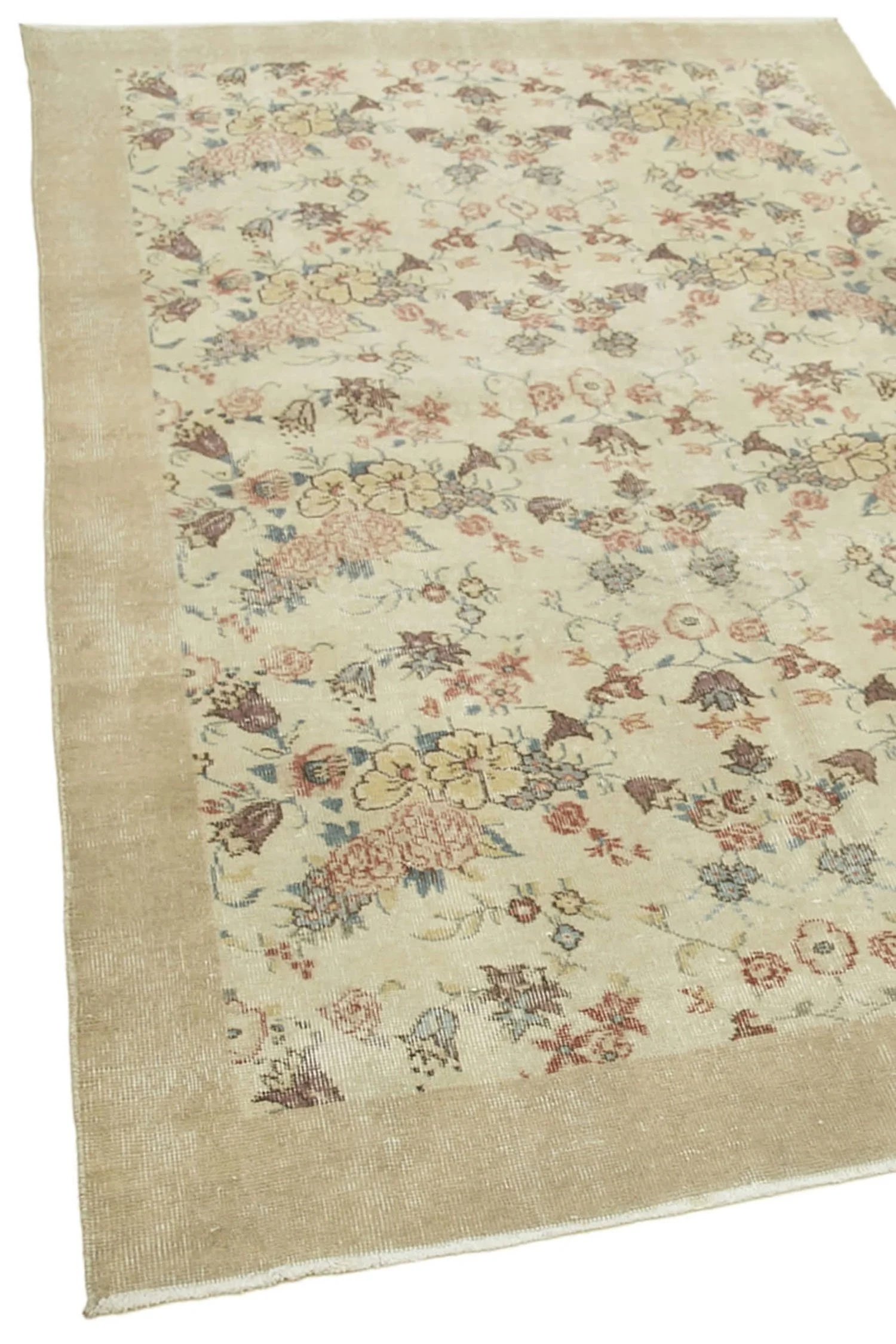
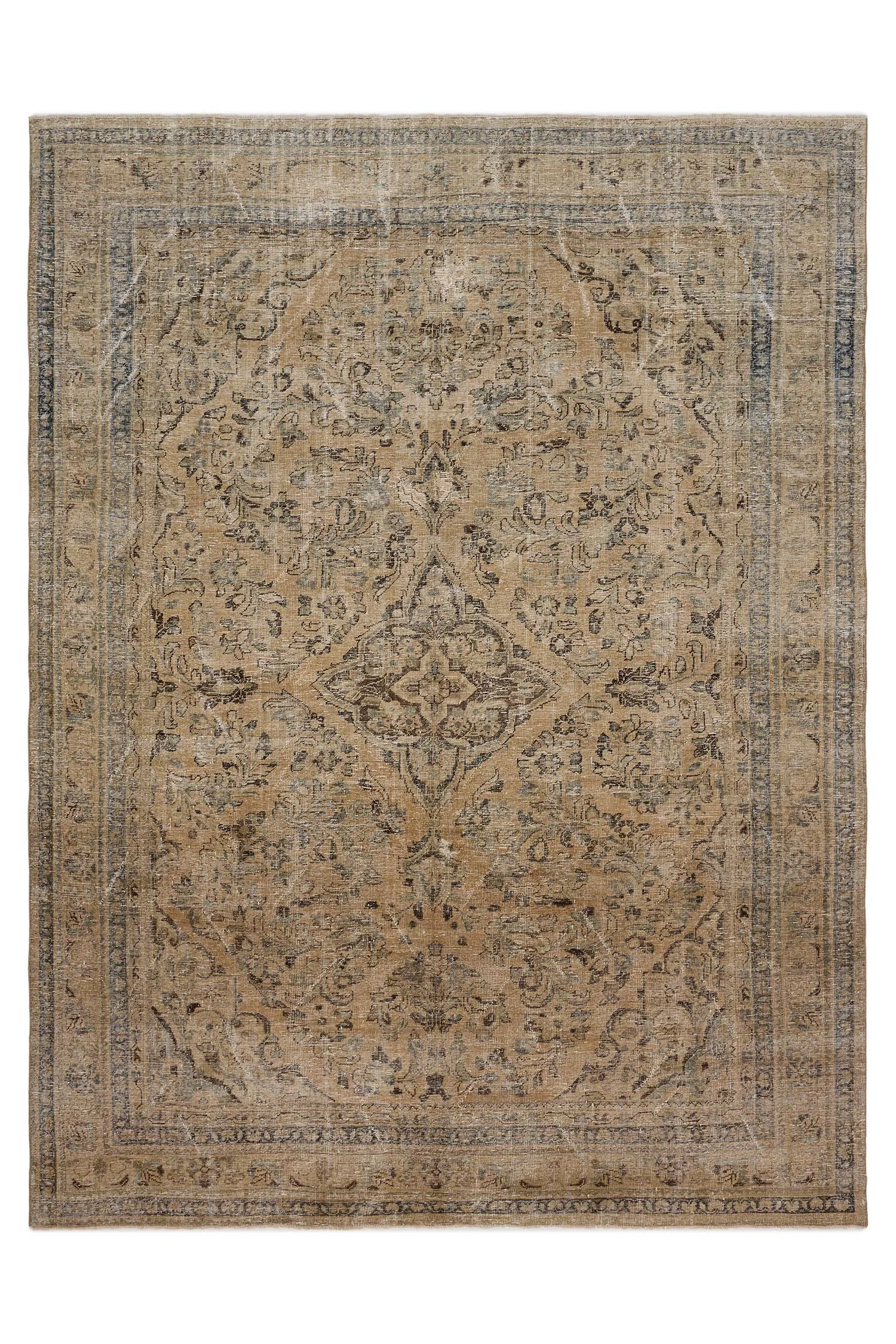
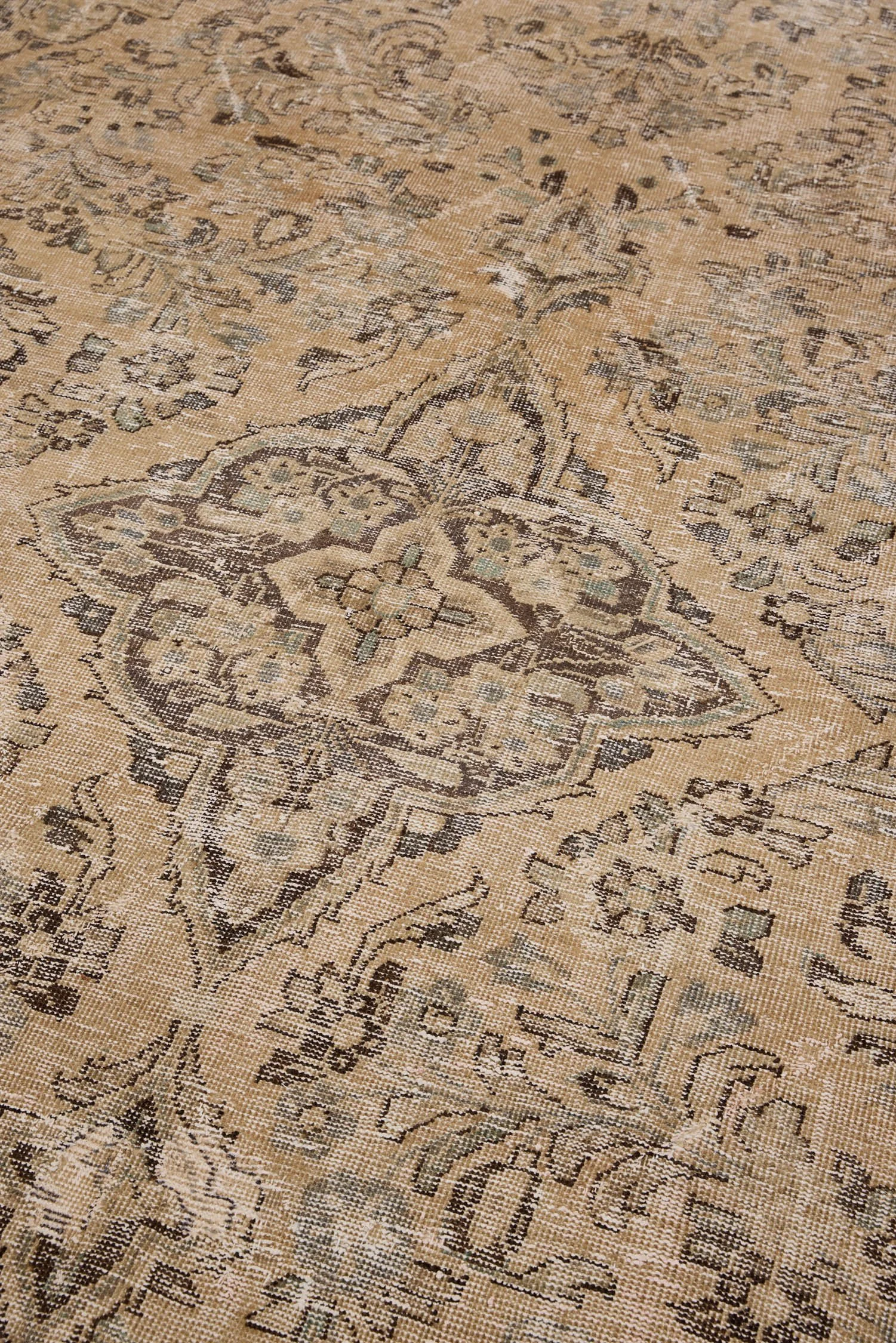
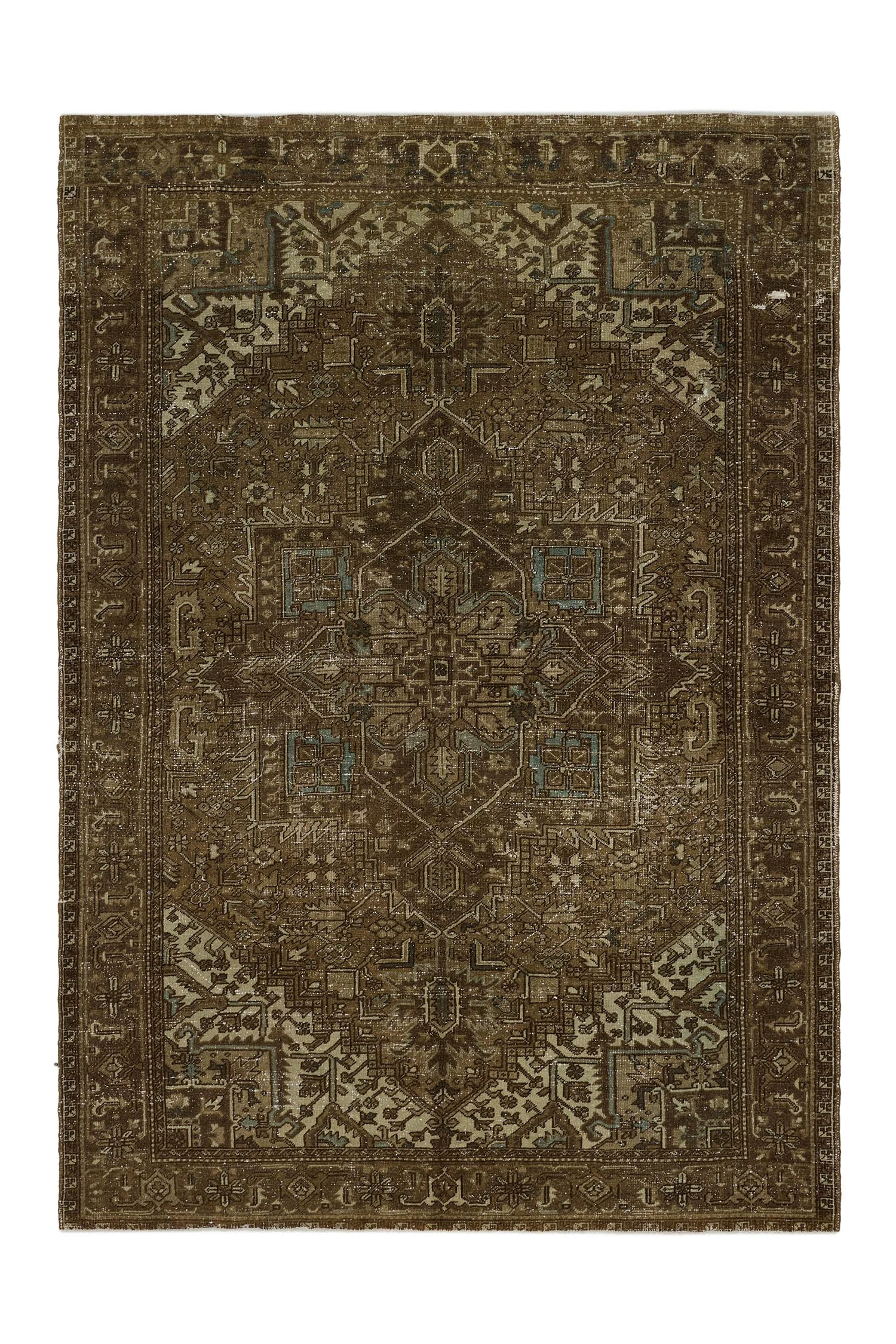
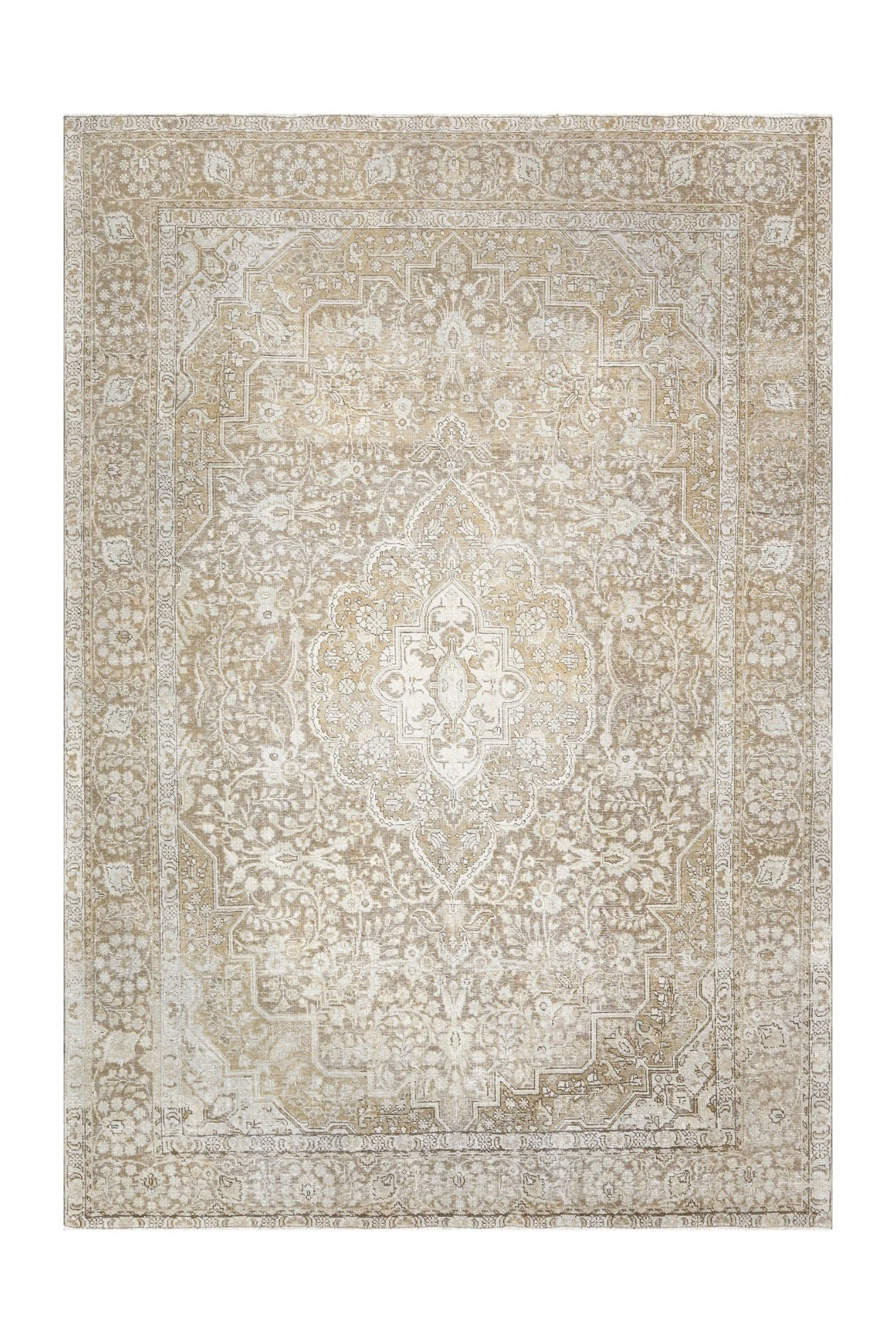
Tabriz workshops in the 1920s created rugs with delicate, controlled drawing that represented early 20th-century refinement before later decades brought increased standardization. The scalloped medallion format seen here shows workshop attention to elegant detail, with each scalloped edge receiving careful execution.
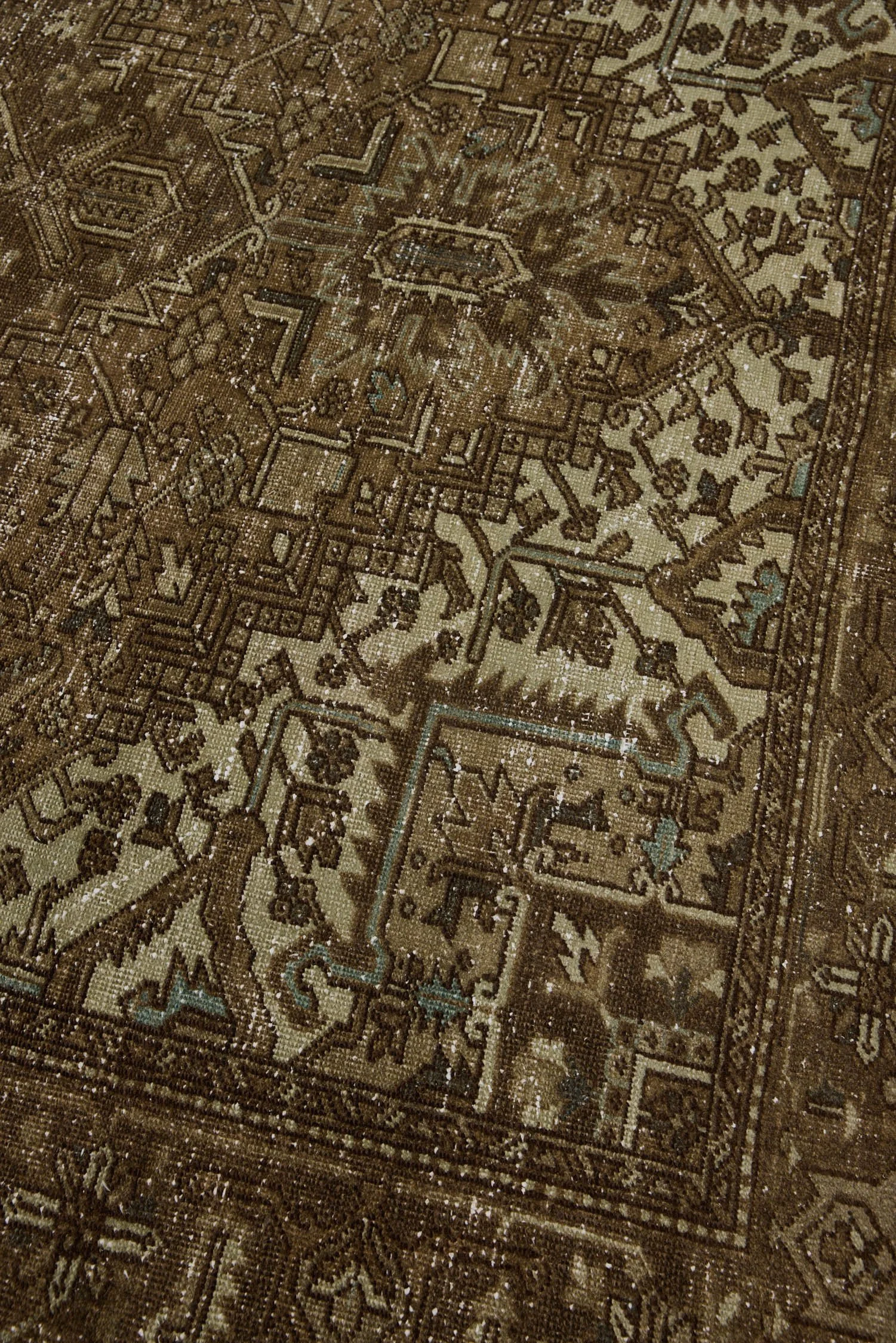
Dense floral arabesques required skilled drawing to maintain flowing quality while keeping forms organized within the composition. The arabesques extend from the medallion into structured spandrels, creating visual continuity across the field. This approach characterizes early Tabriz workshop production, where individual execution still showed within established formats.
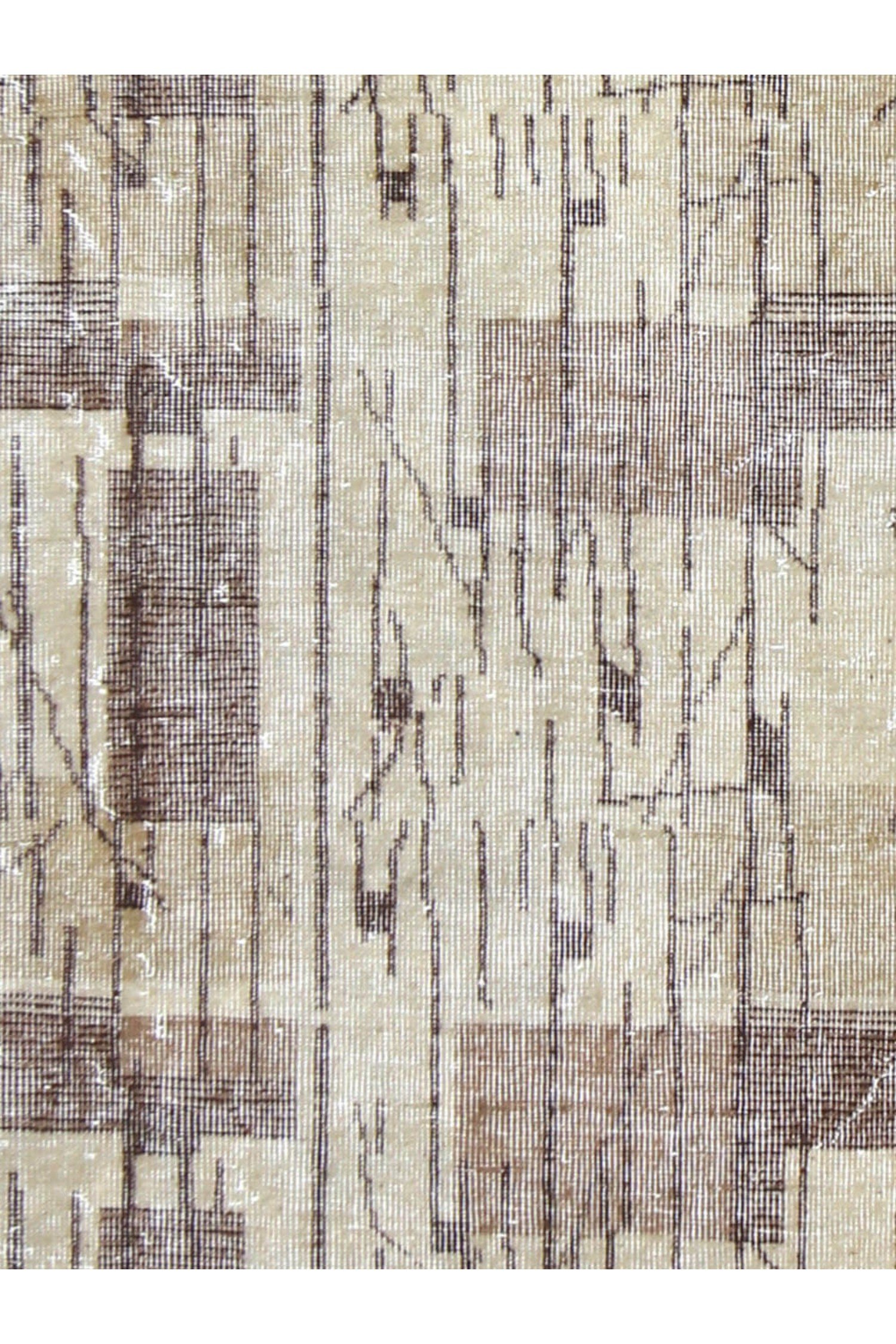
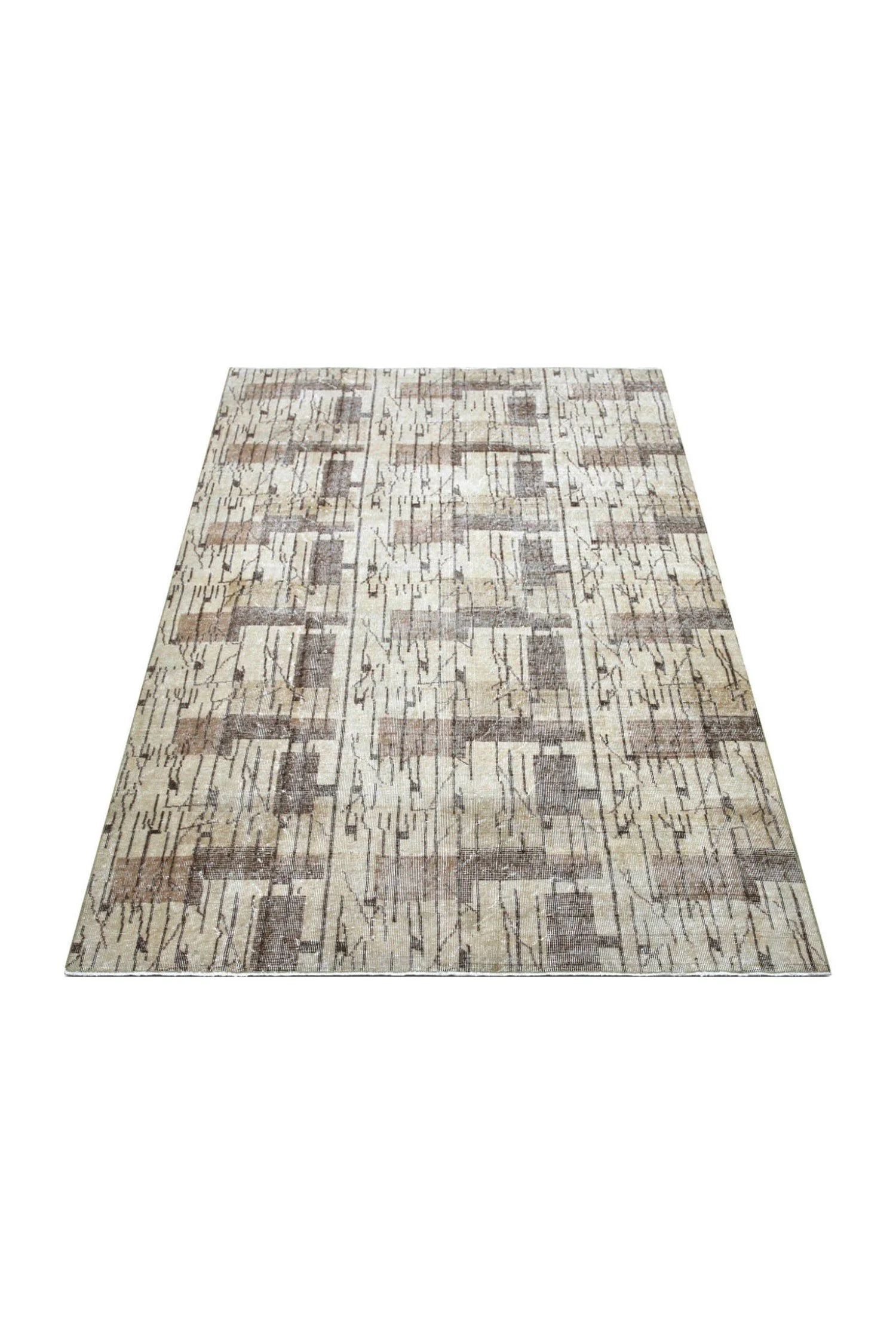
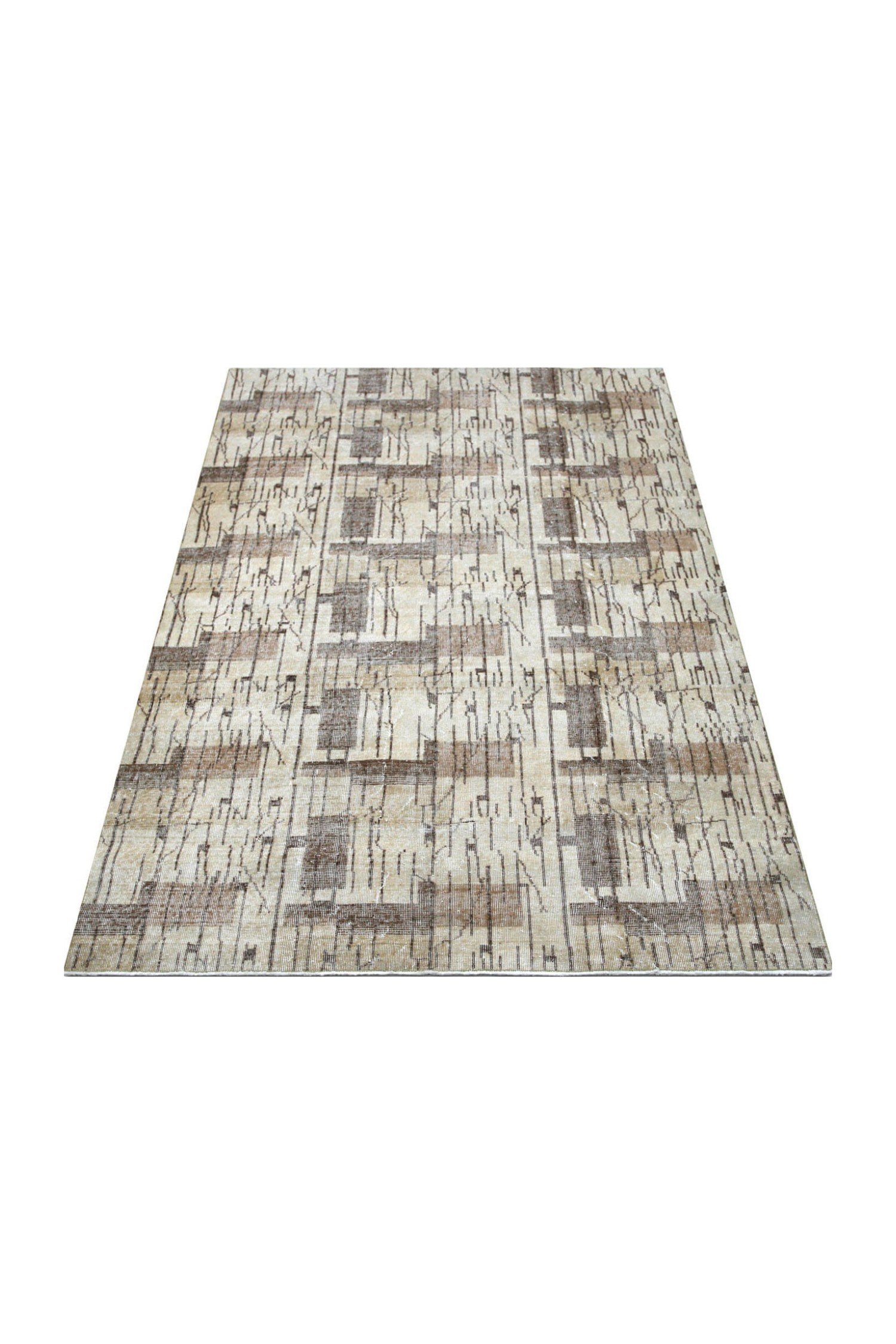
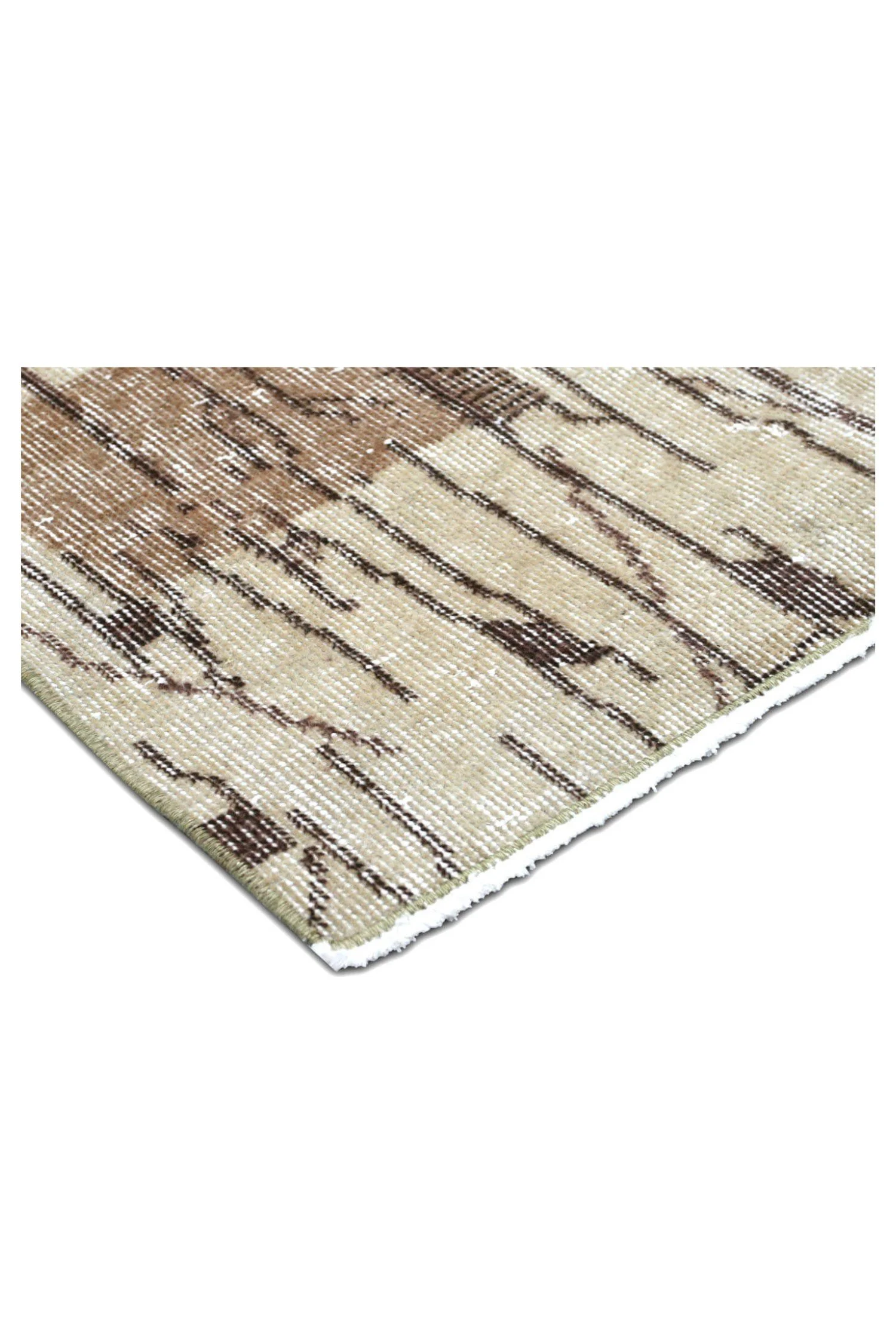
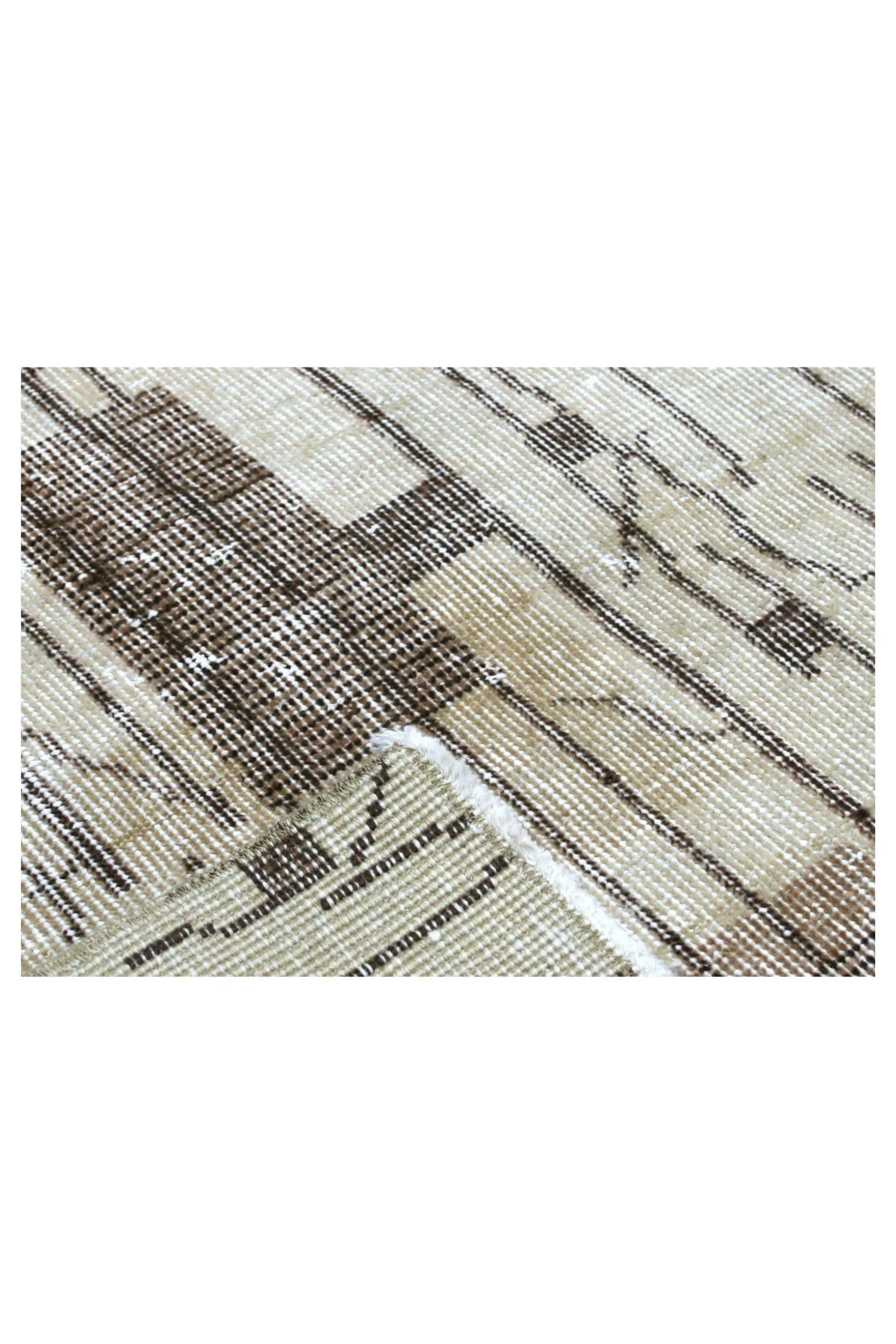
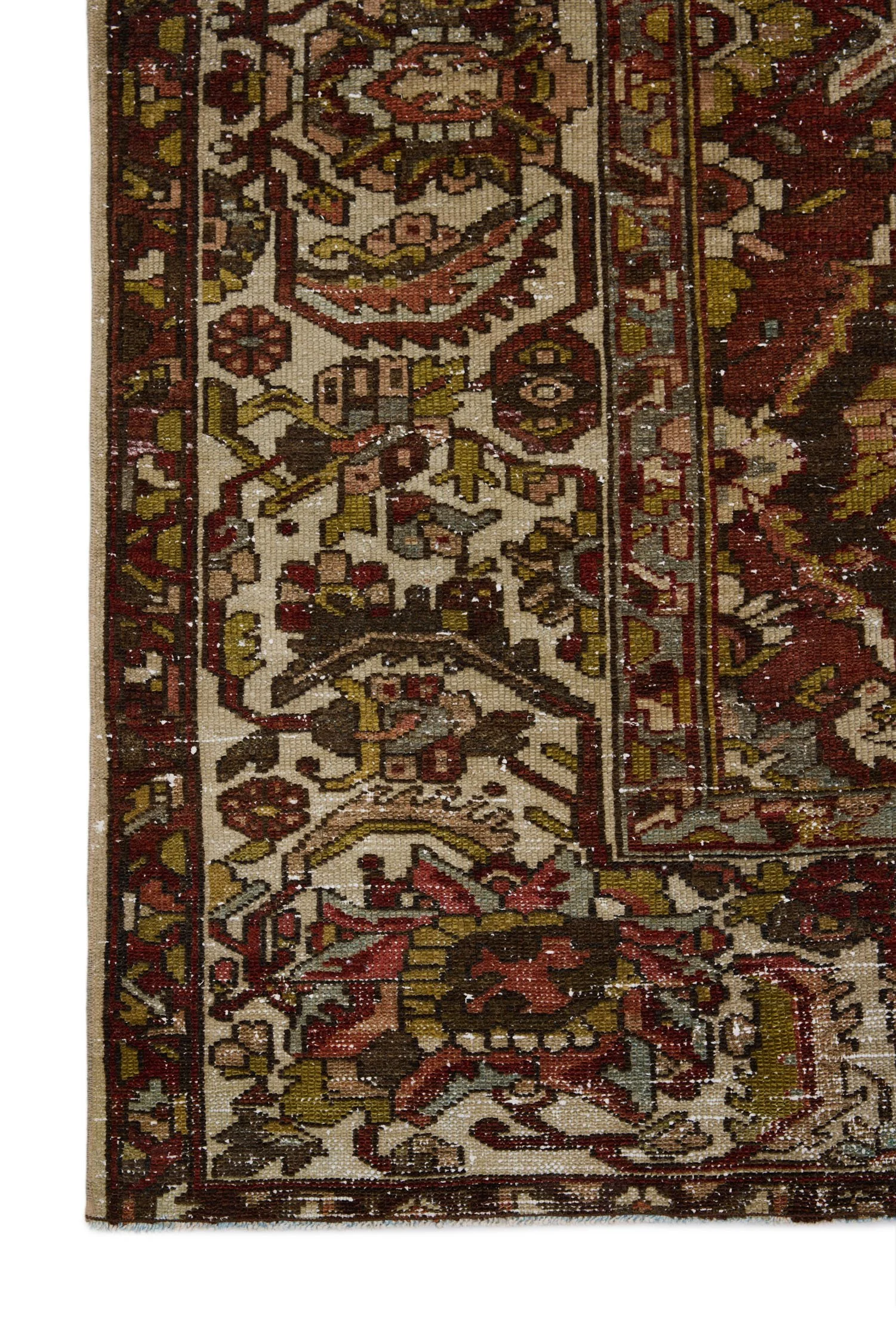
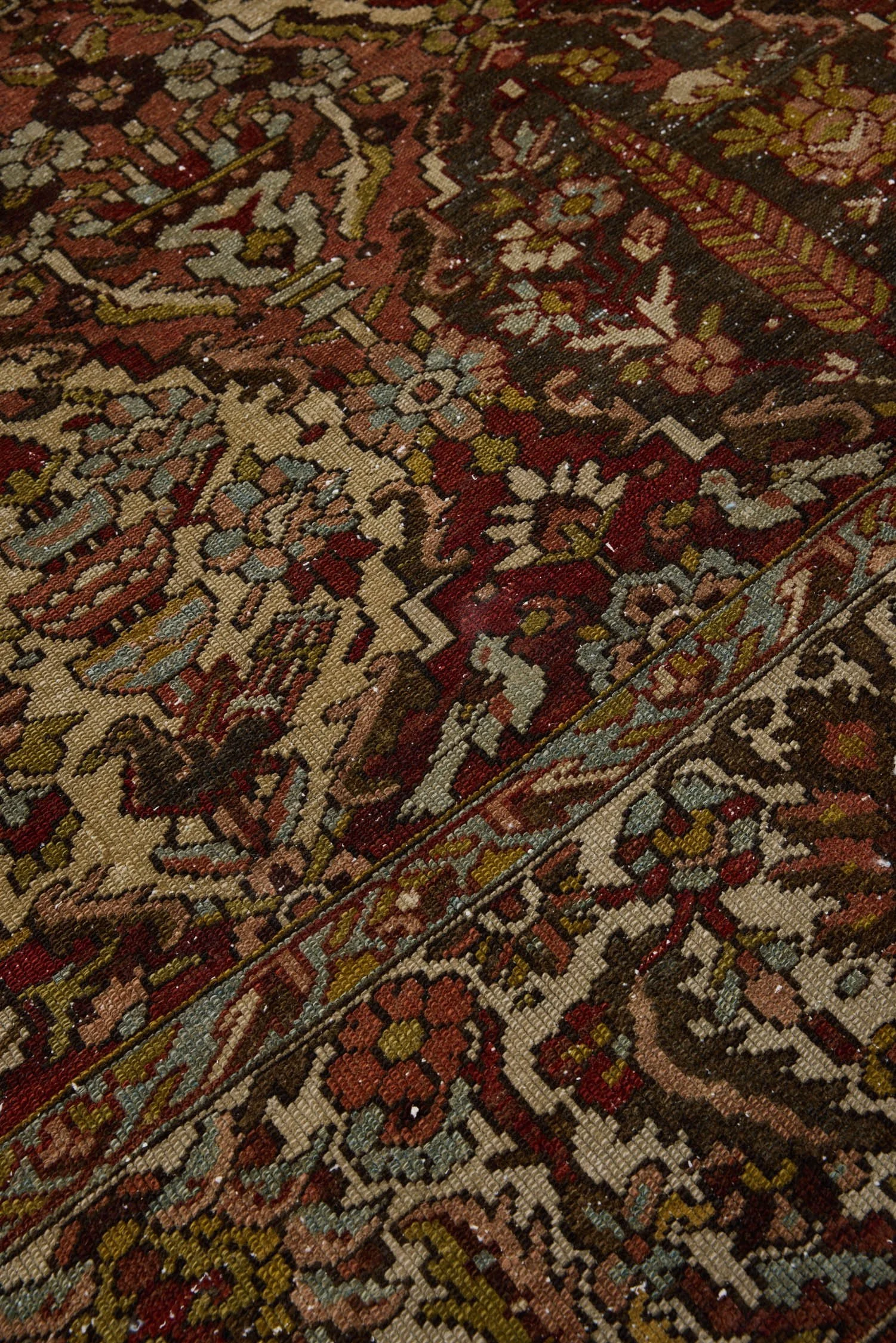
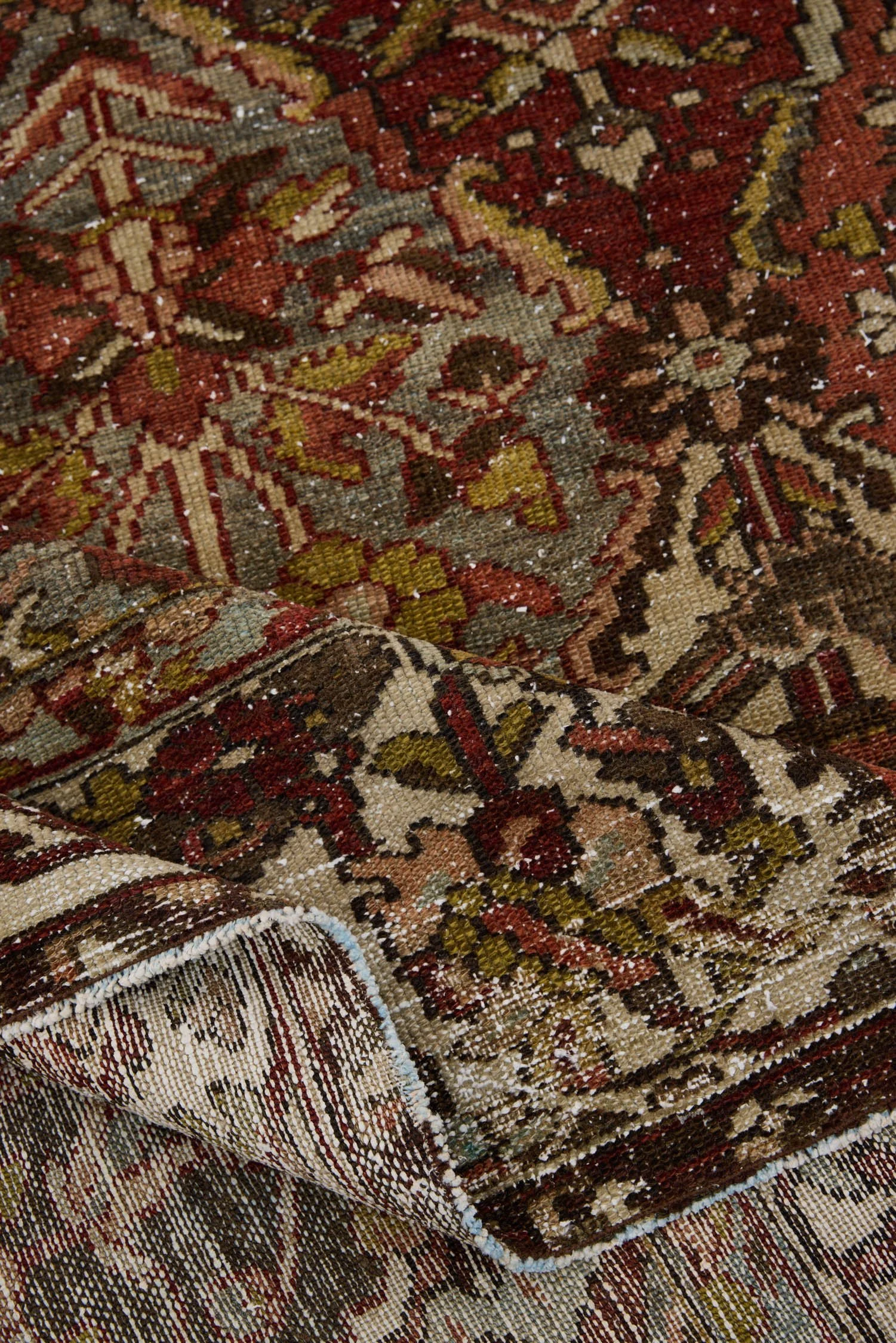
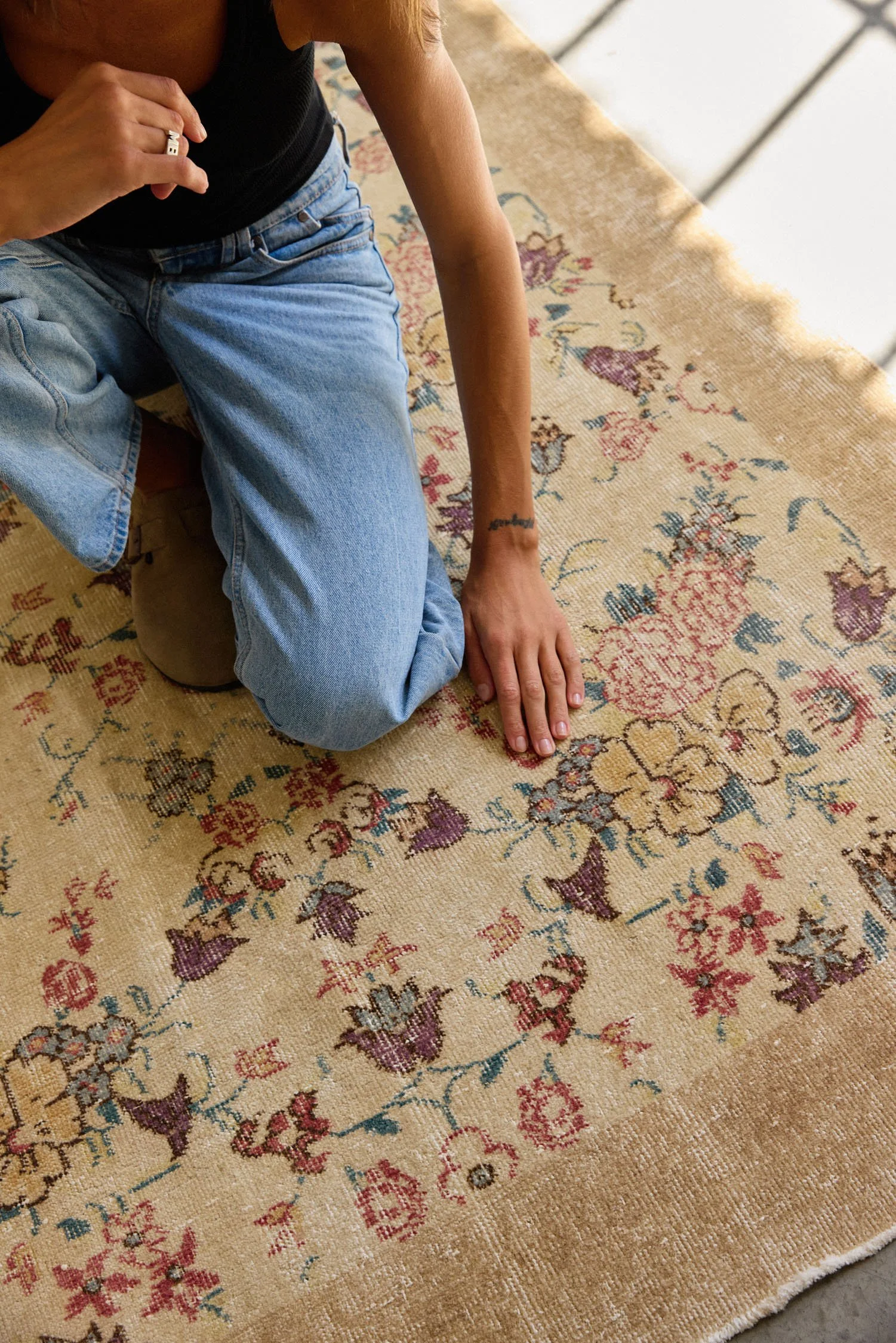
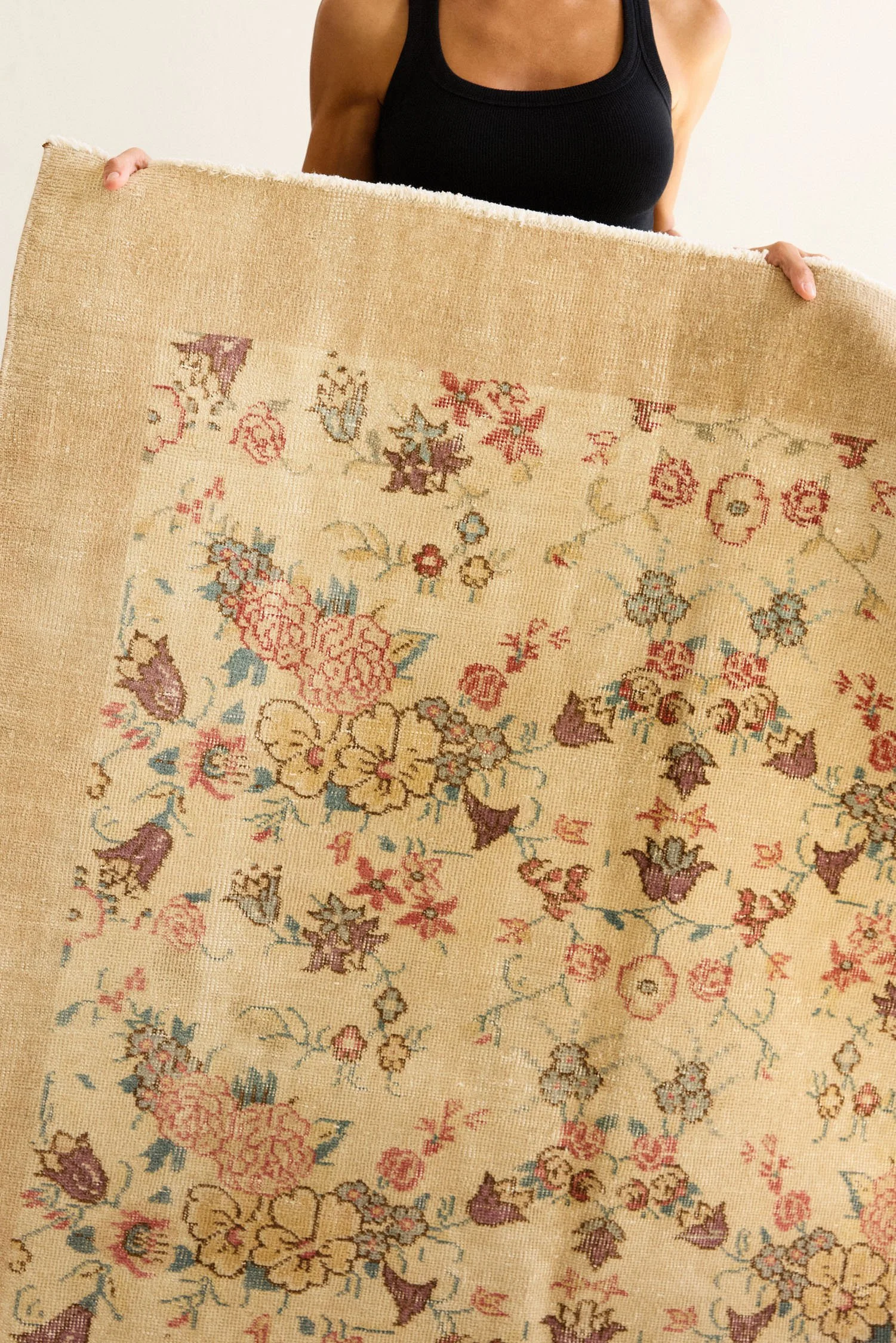
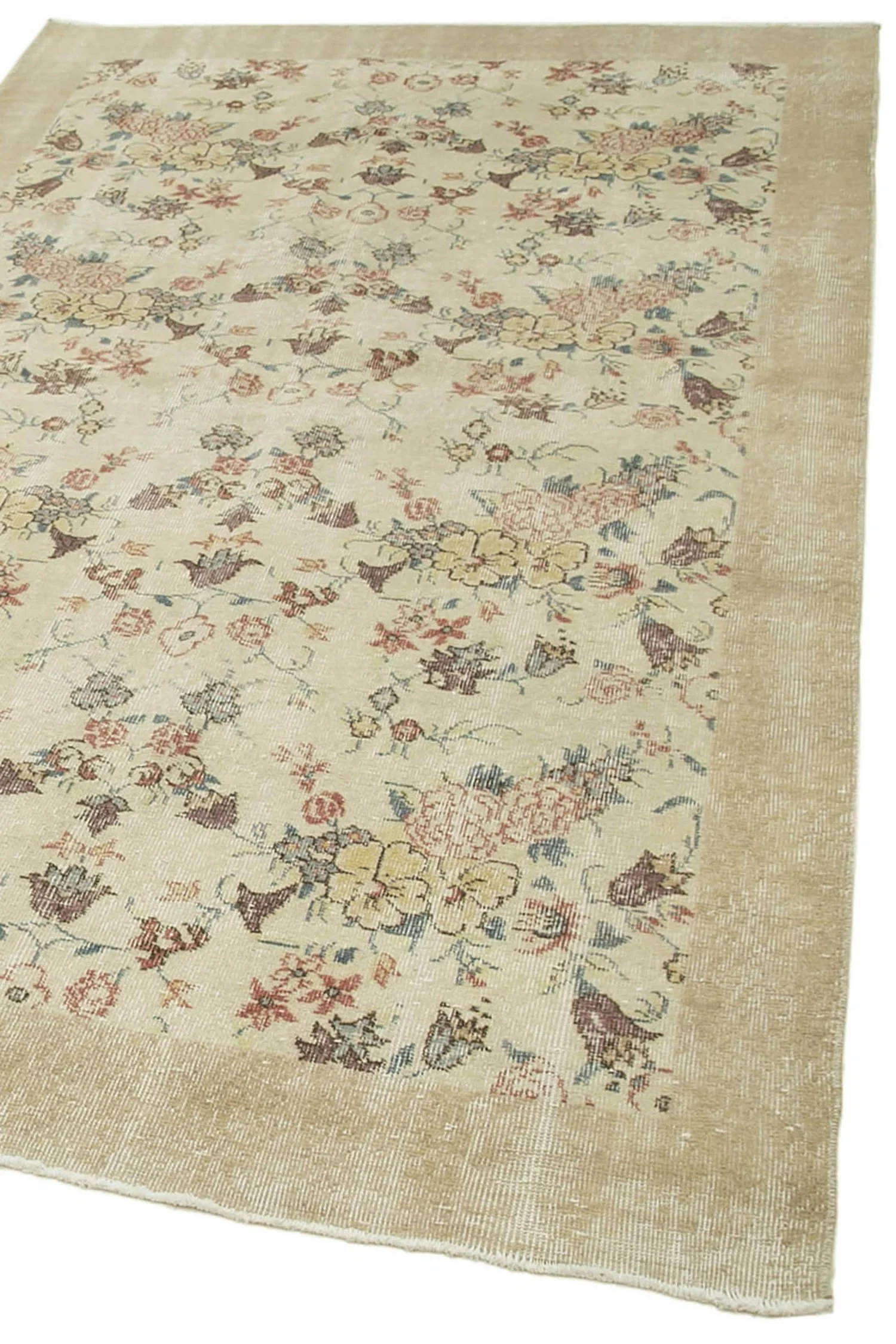
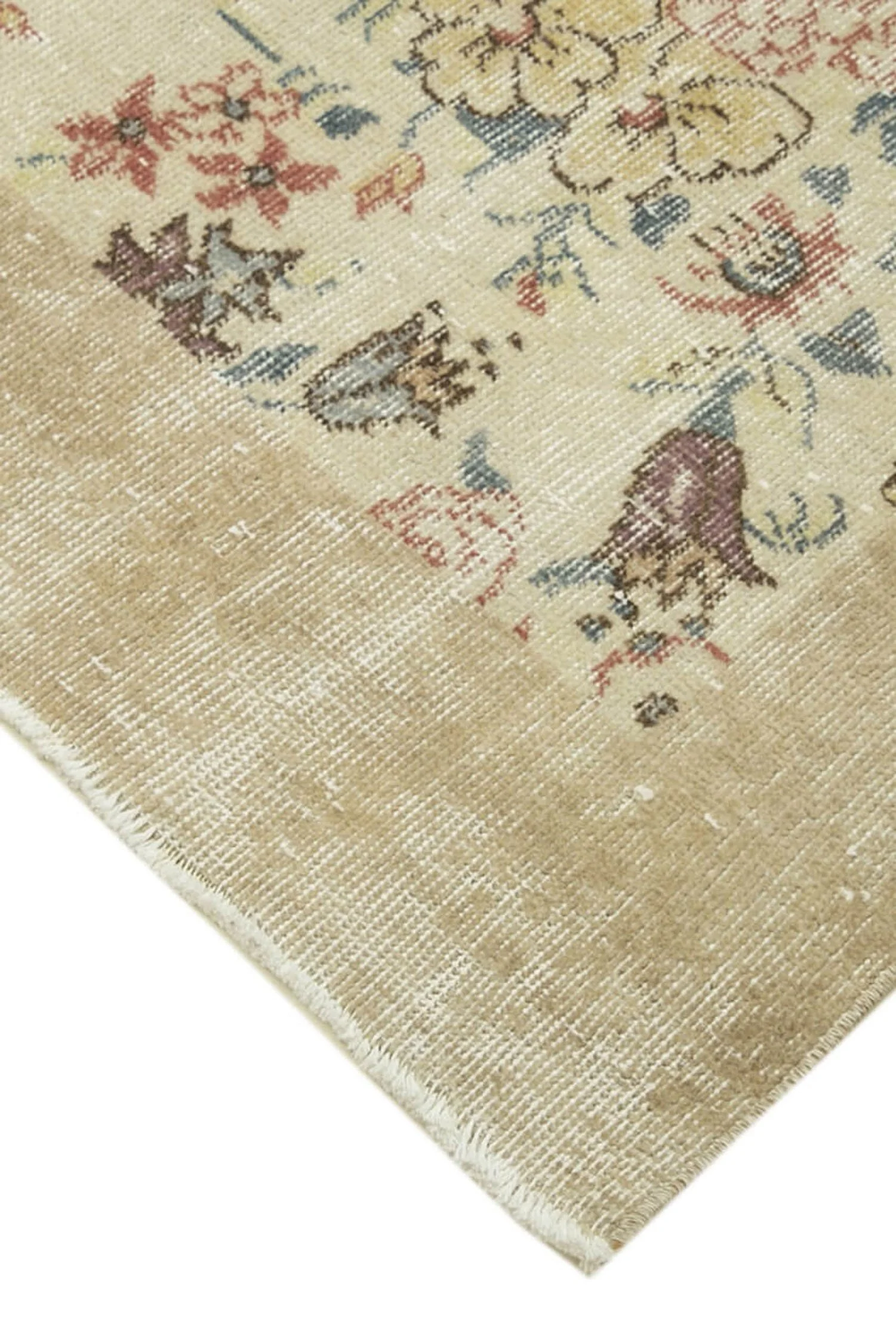
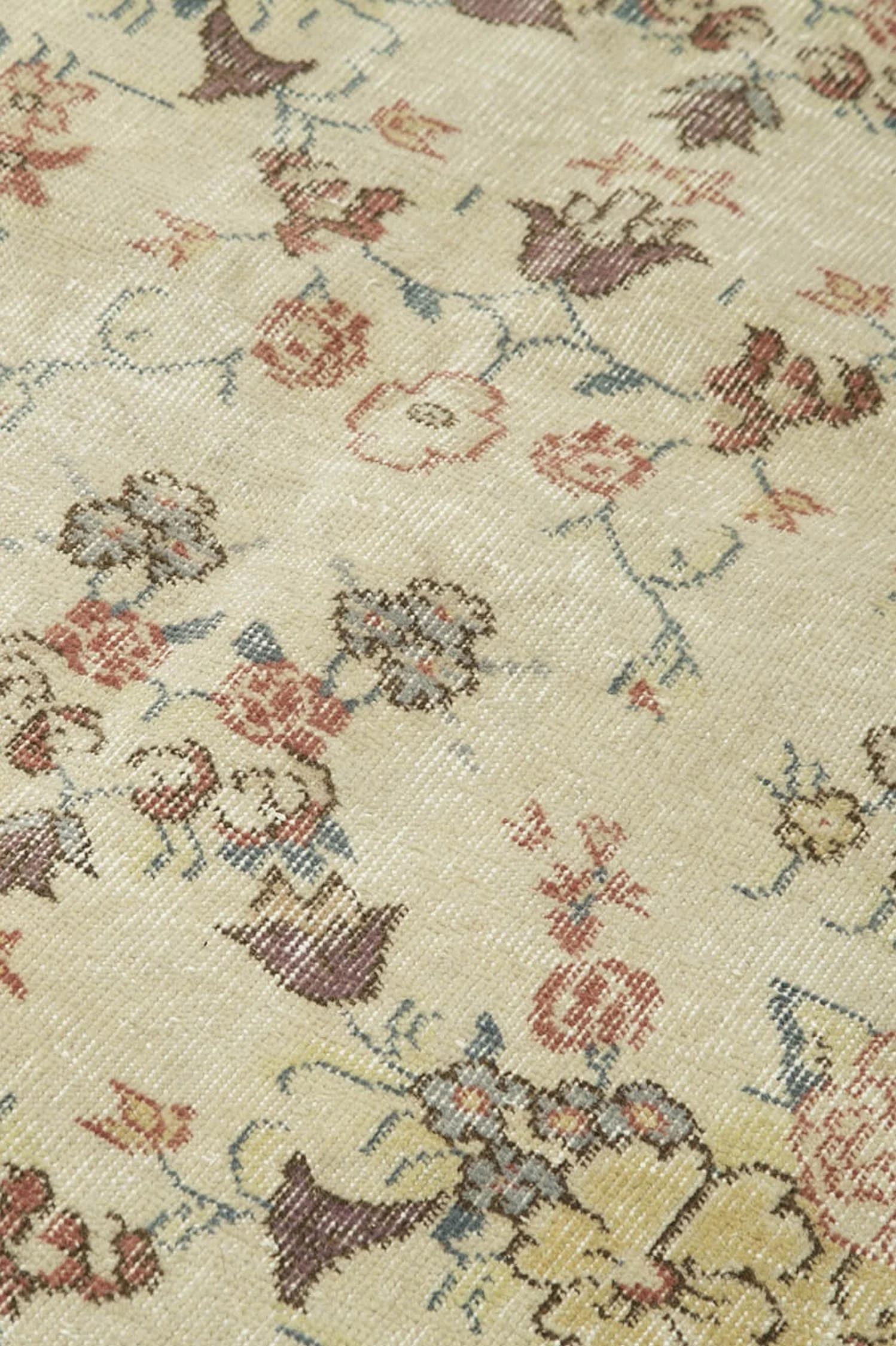
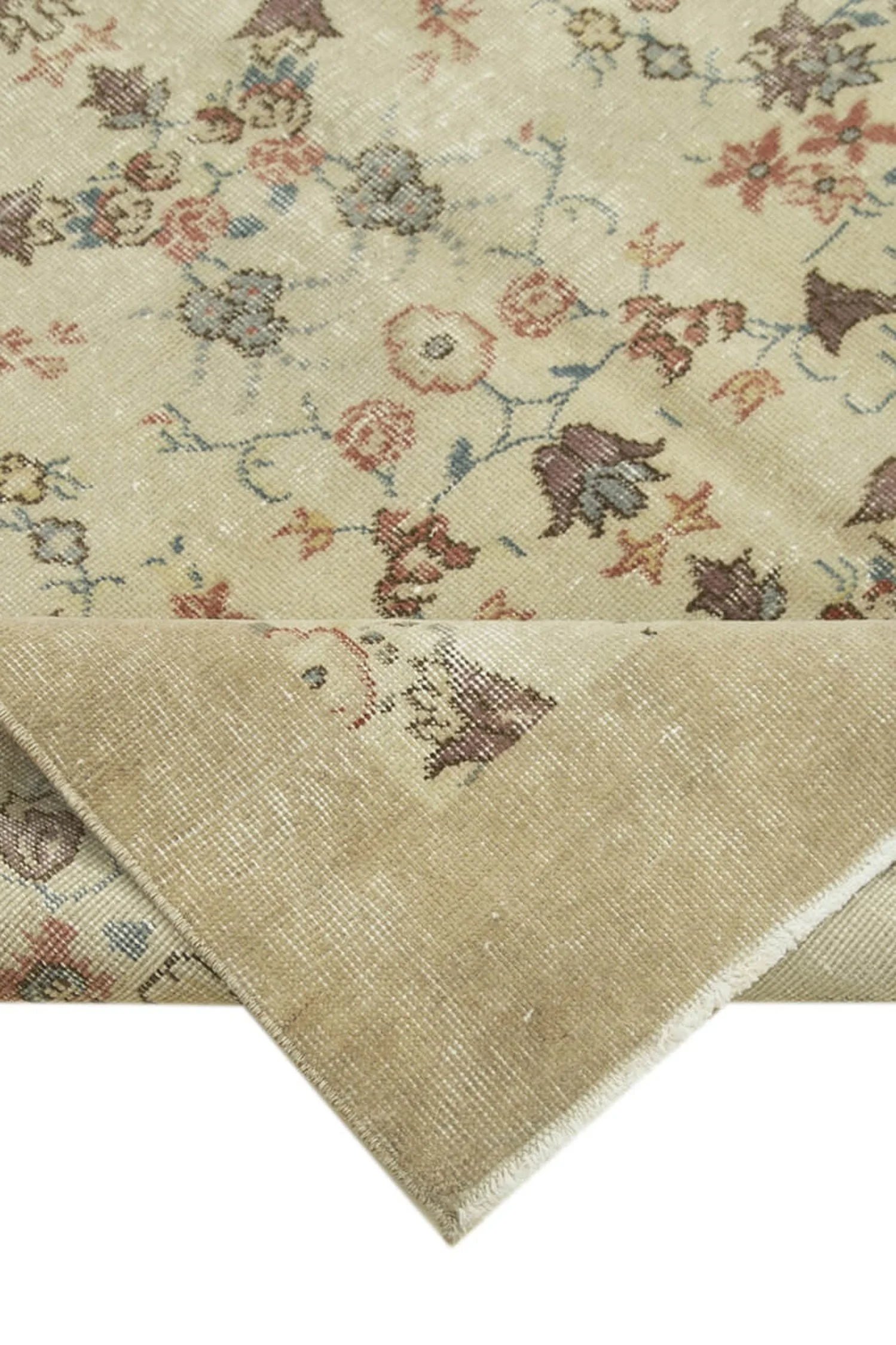
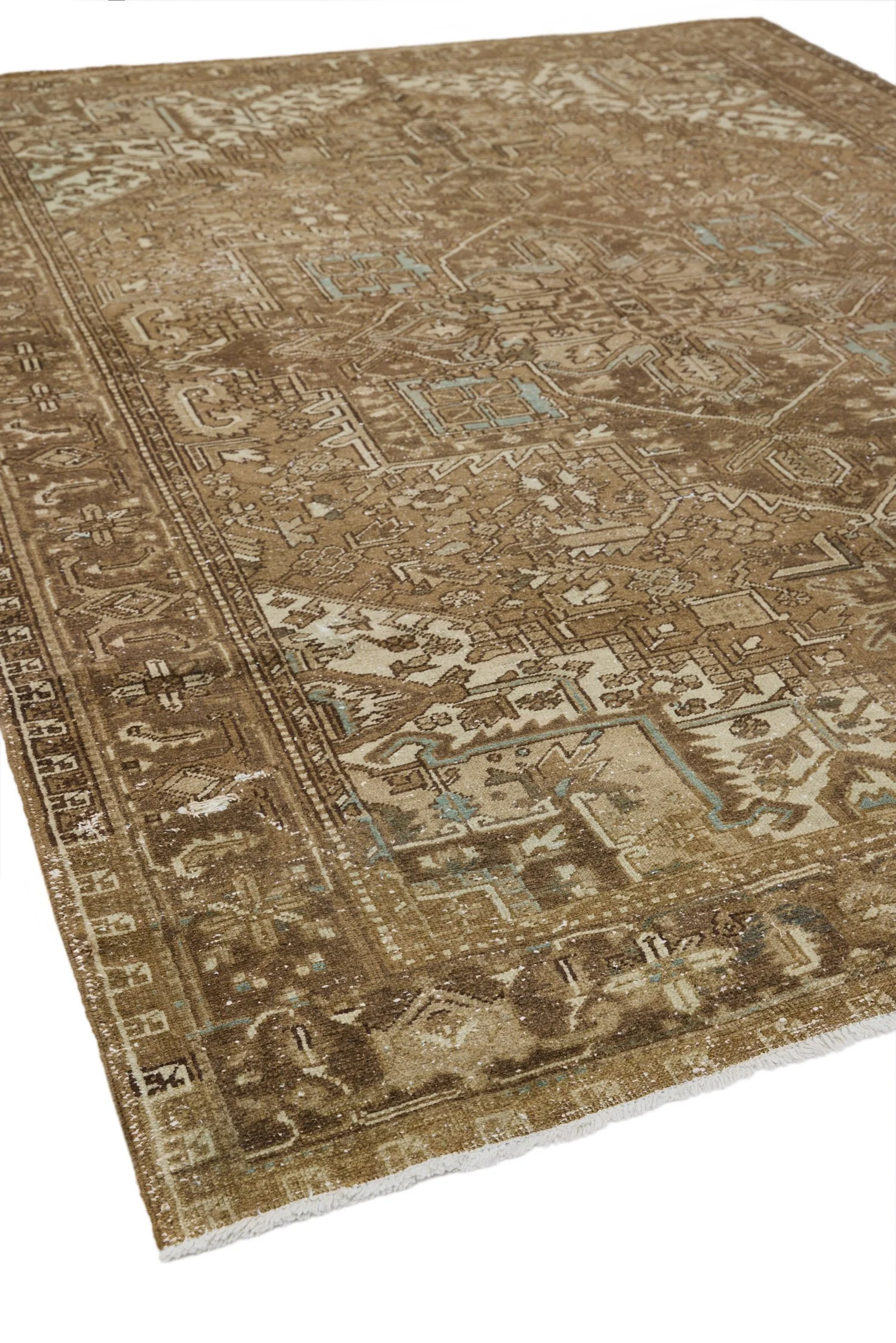
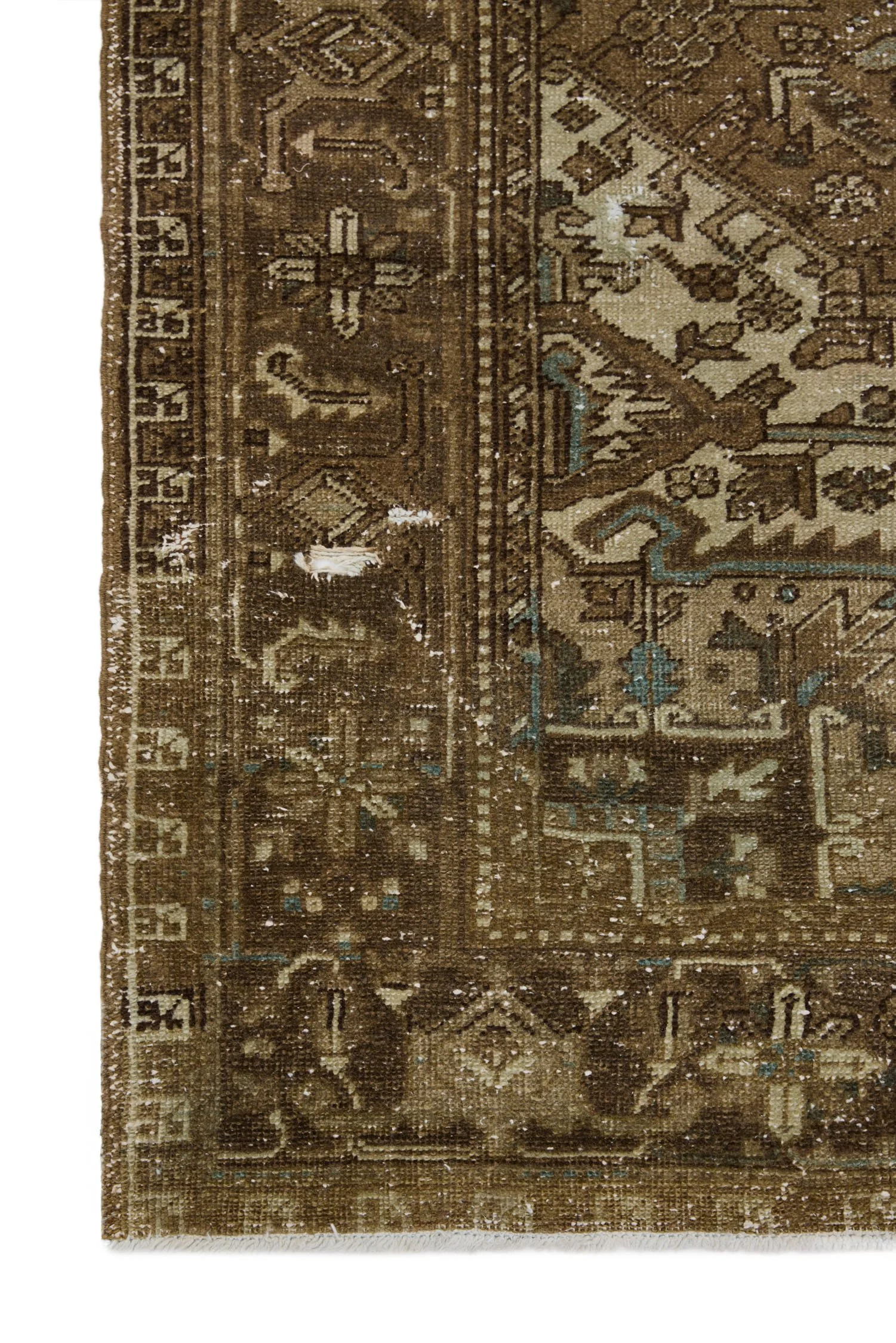
The warm beige, parchment, and ivory palette has aged over the course of a century. Colors have mellowed into the gentle, subtly varied surface visible today. Consistent wear has created an even, time-softened presence throughout, preserving pattern legibility while adding the calm quality that comes from decades of use.
Design Elements
The scalloped central medallion creates a focal point with refined edges that show workshop precision. The scalloped form adds elegant complexity to the traditional medallion structure. Dense floral arabesques flow from the medallion with graceful, curving lines.
Structured spandrels receive the arabesques in an organized fashion, maintaining visual order in the corners. The spandrels balance the central medallion while showing the delicate drawing characteristic of early 20th-century work. Pattern density creates visual richness without overwhelming the composition.
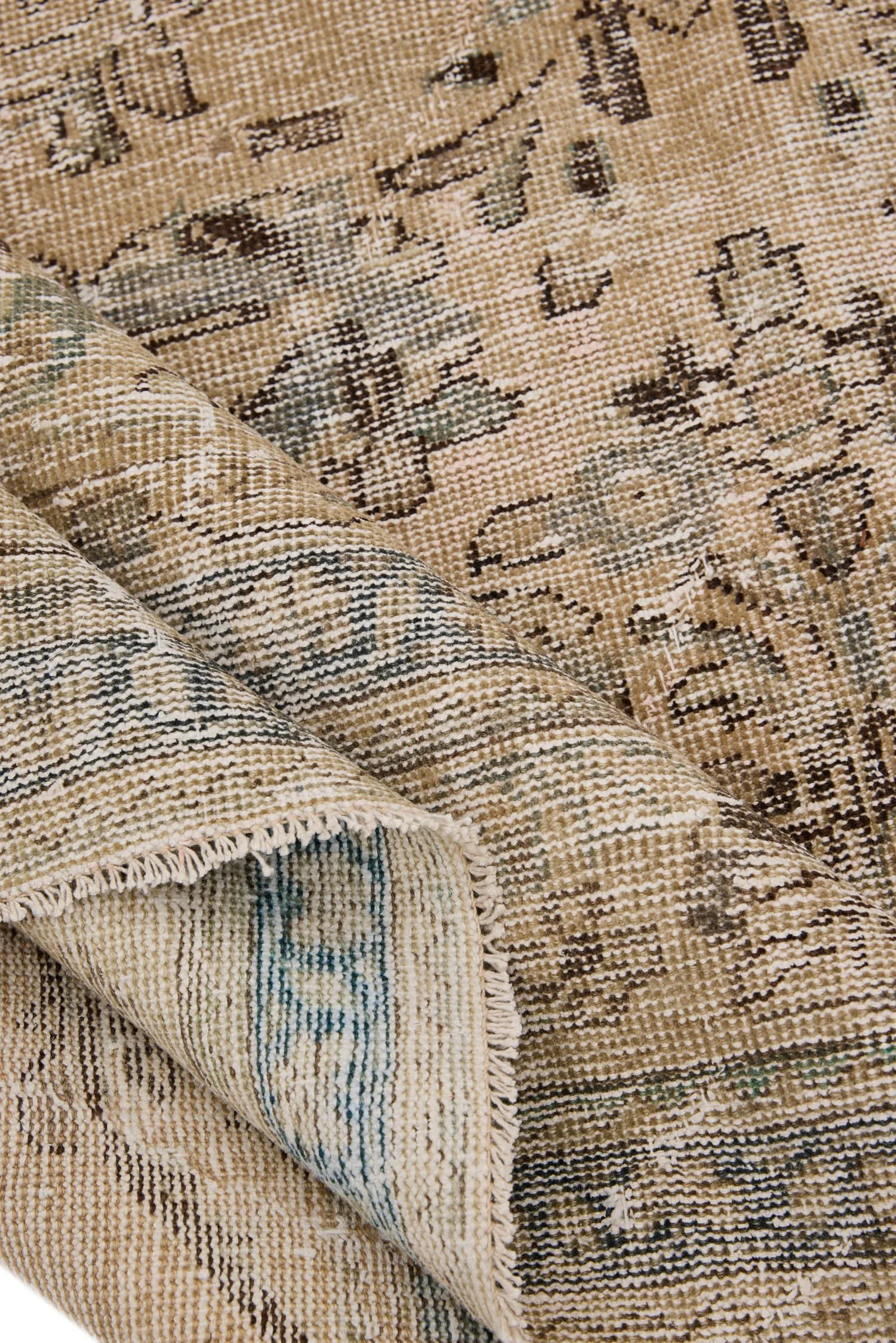
Consistent wear has created the time-softened presence visible throughout. What once showed sharper definition now reads with gentler transitions. The pattern remains legible and calm, with the even quality that comes from a century of regular use across the entire surface.
Placement
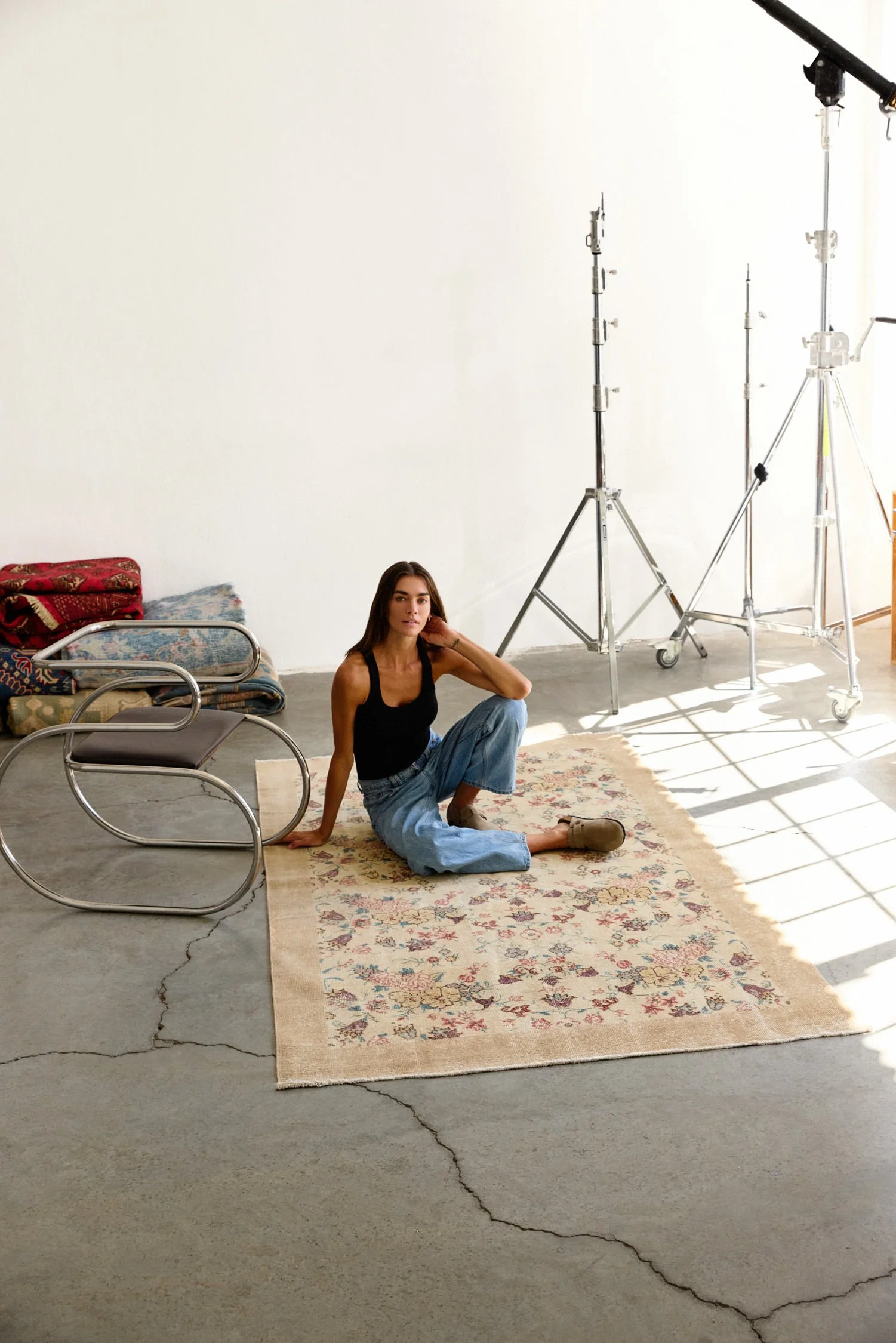
At 7'9" x 11'3", this works in living rooms where you want substantial coverage, dining rooms under tables that seat eight, and bedrooms with generous proportions. The size suits spaces where you want early 20th-century Tabriz refinement with a neutral, calm presence.
The warm beige and parchment palette functions as a sophisticated neutral foundation. The gentle, subtly varied tones work in interiors with ample natural light where the time-softened quality becomes more apparent. Contemporary spaces appreciate the calm presence and neutral palette. Traditional settings value the semi-antique Tabriz provenance and delicate workshop execution.
Care Recommendations
To preserve the rug's beauty:
Rotate periodically for even wear
Vacuum regularly using a suction-only setting
Address spills immediately by blotting, never rubbing
Professional cleaning is recommended annually
Avoid direct sunlight to maintain color integrity
Scalloped medallions required more careful execution than simple oval or diamond forms, which is why they appeared primarily in workshop rather than village production.