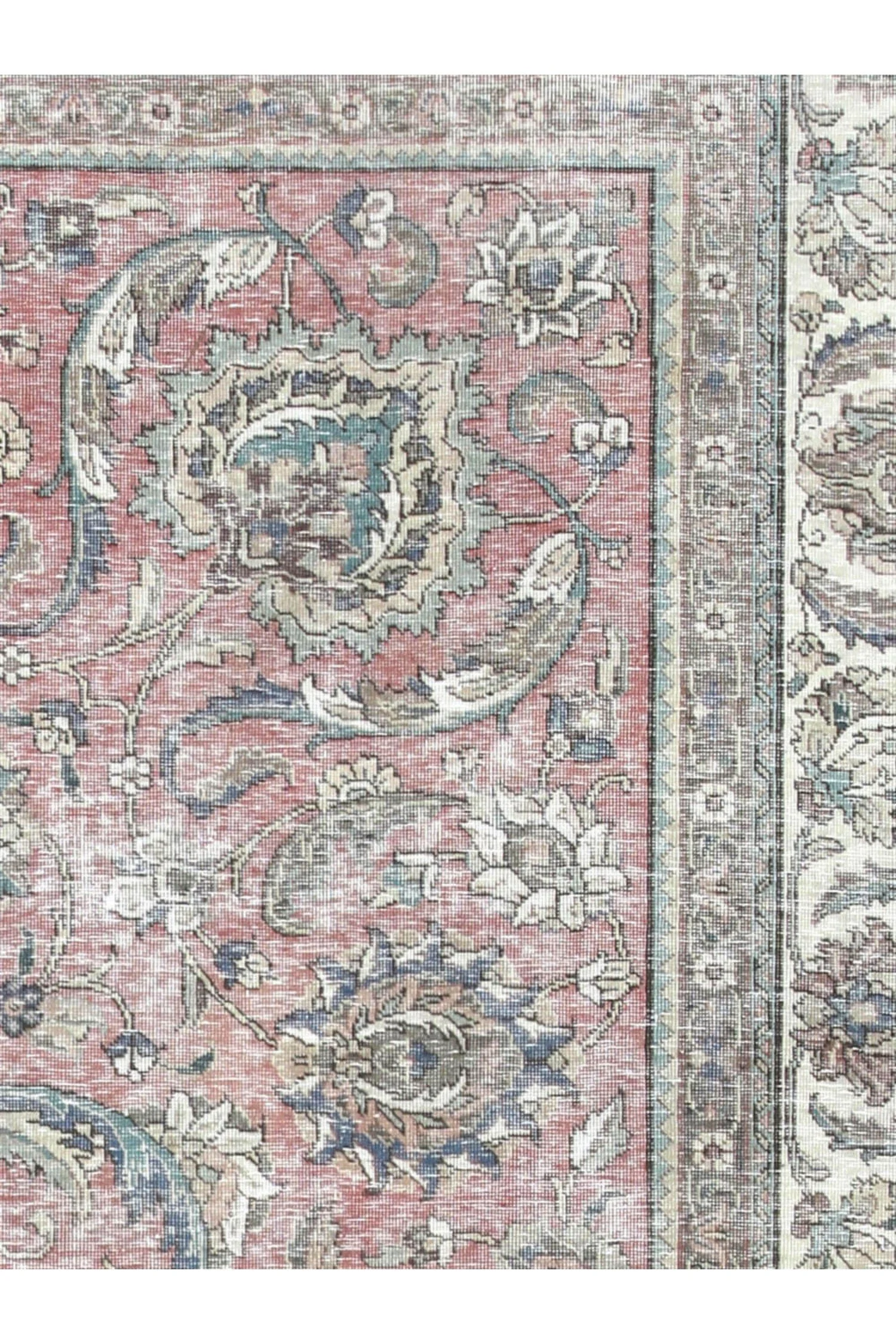
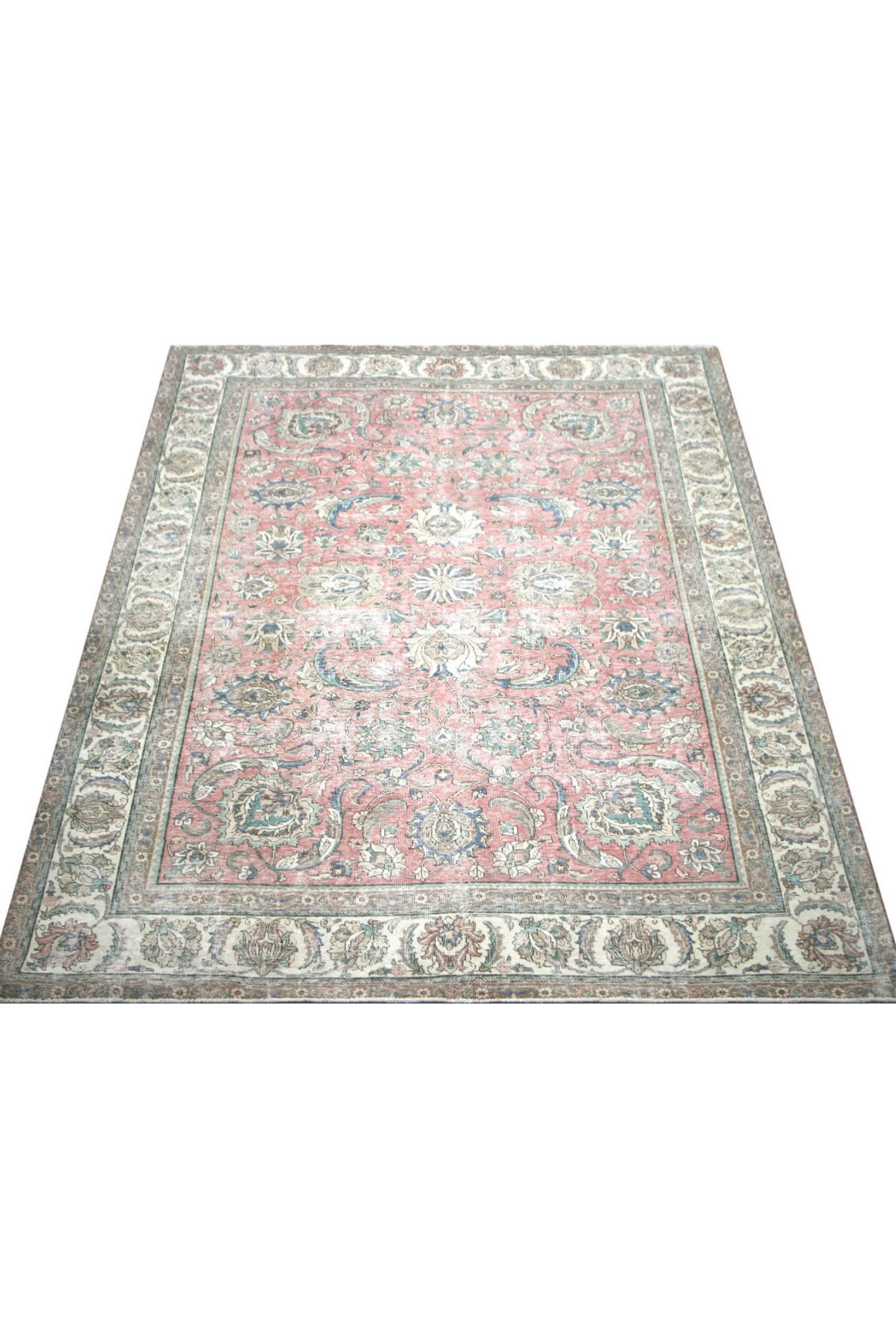
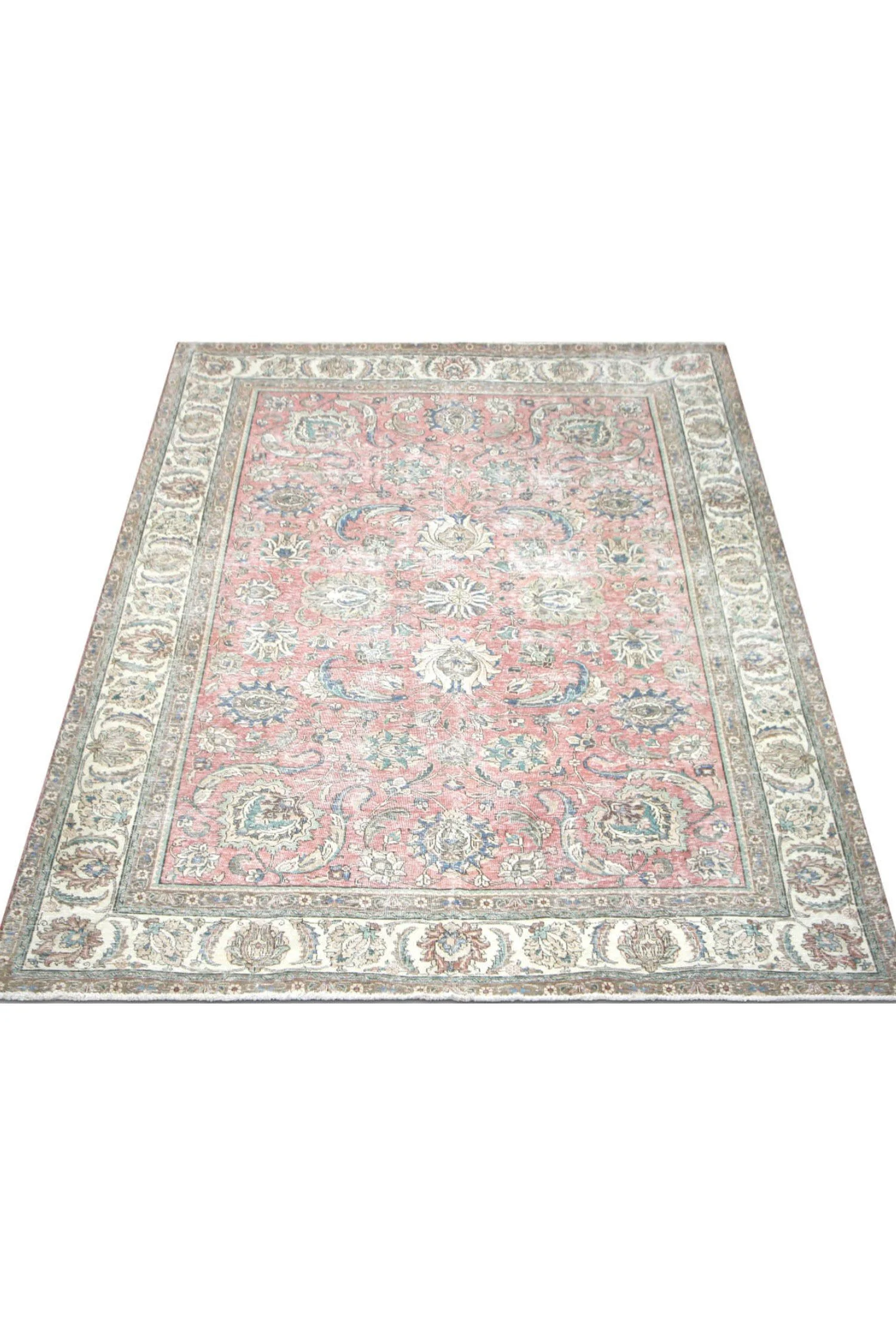
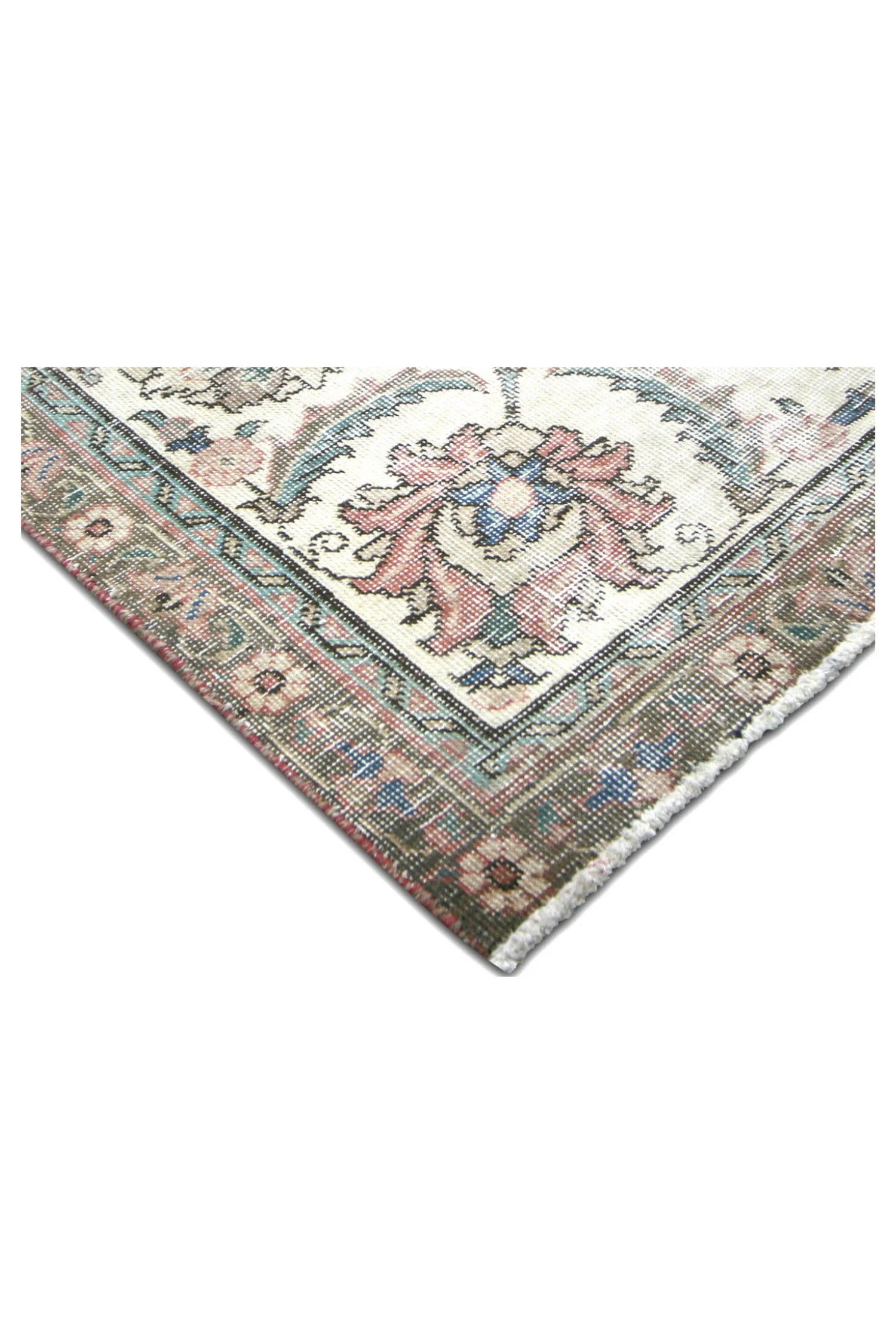
 Image 1 of 5
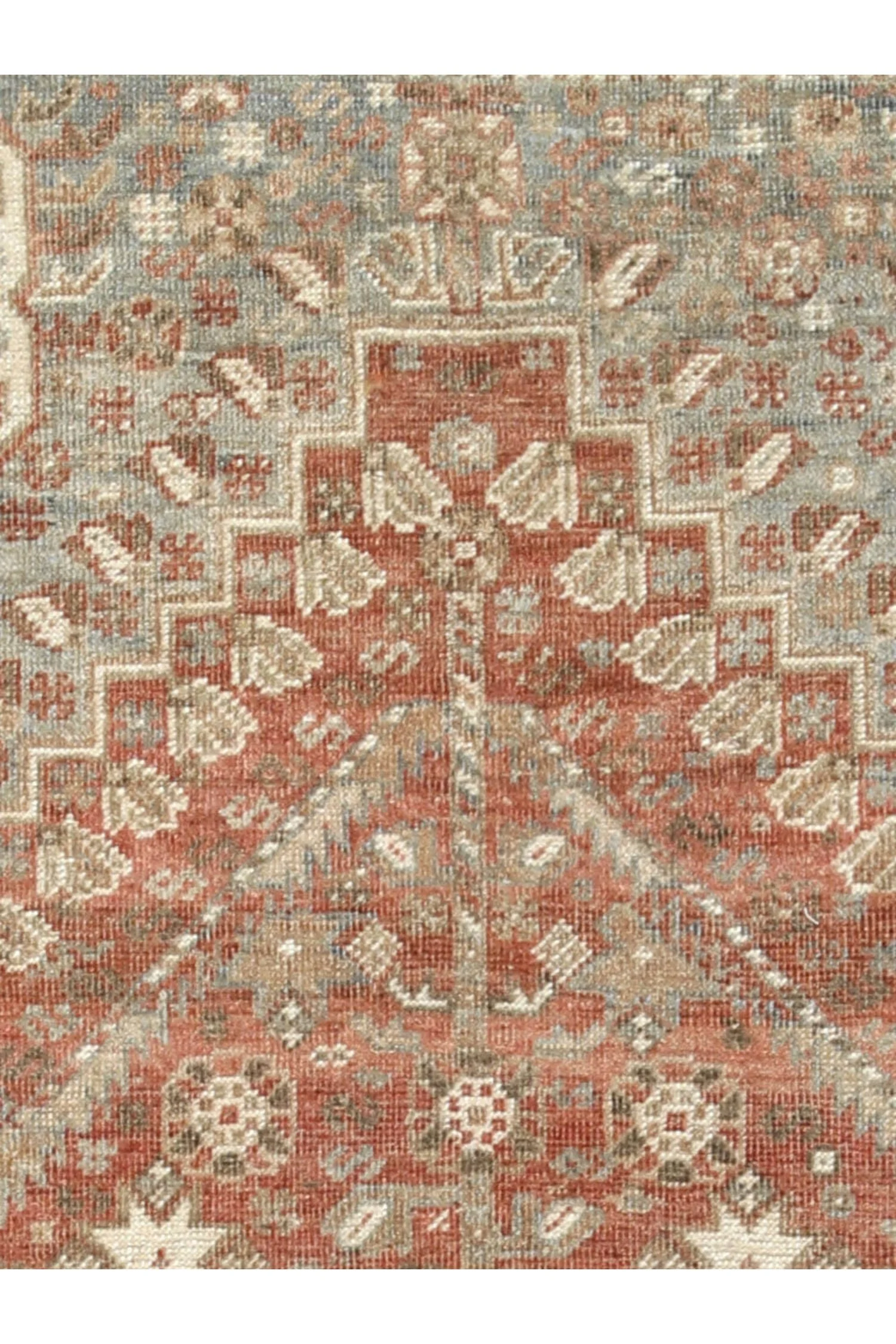 Image 2 of 5
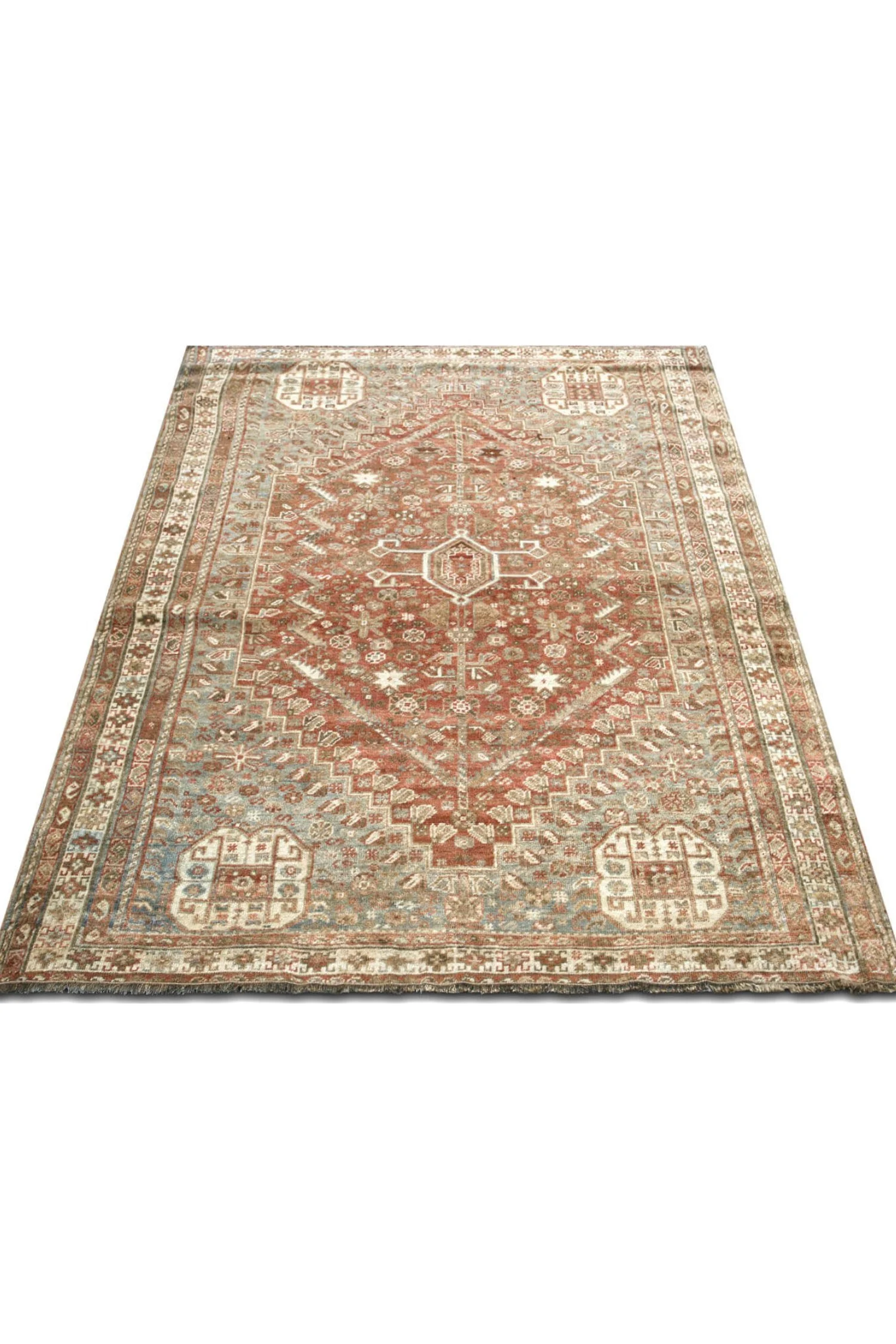 Image 3 of 5
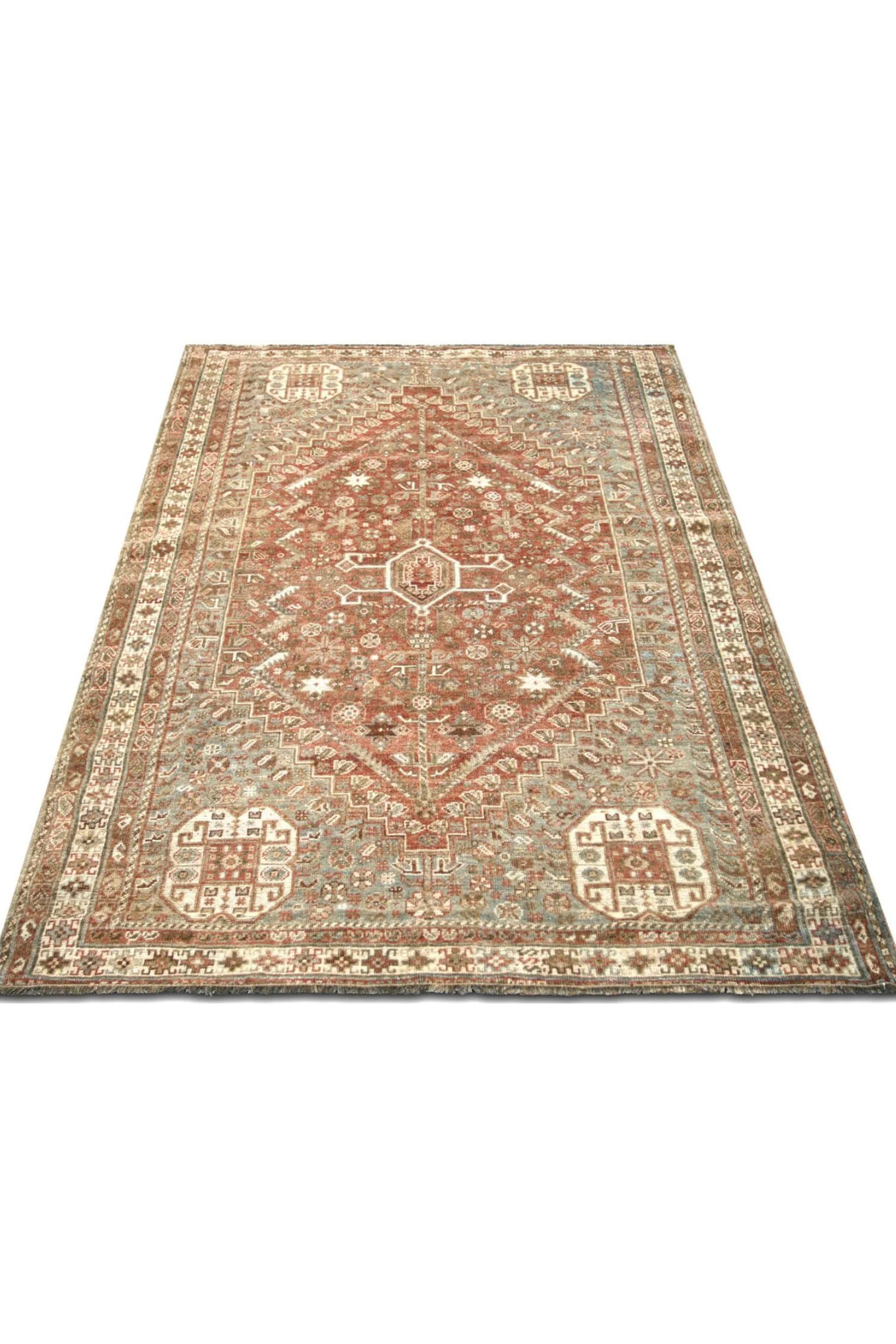 Image 4 of 5
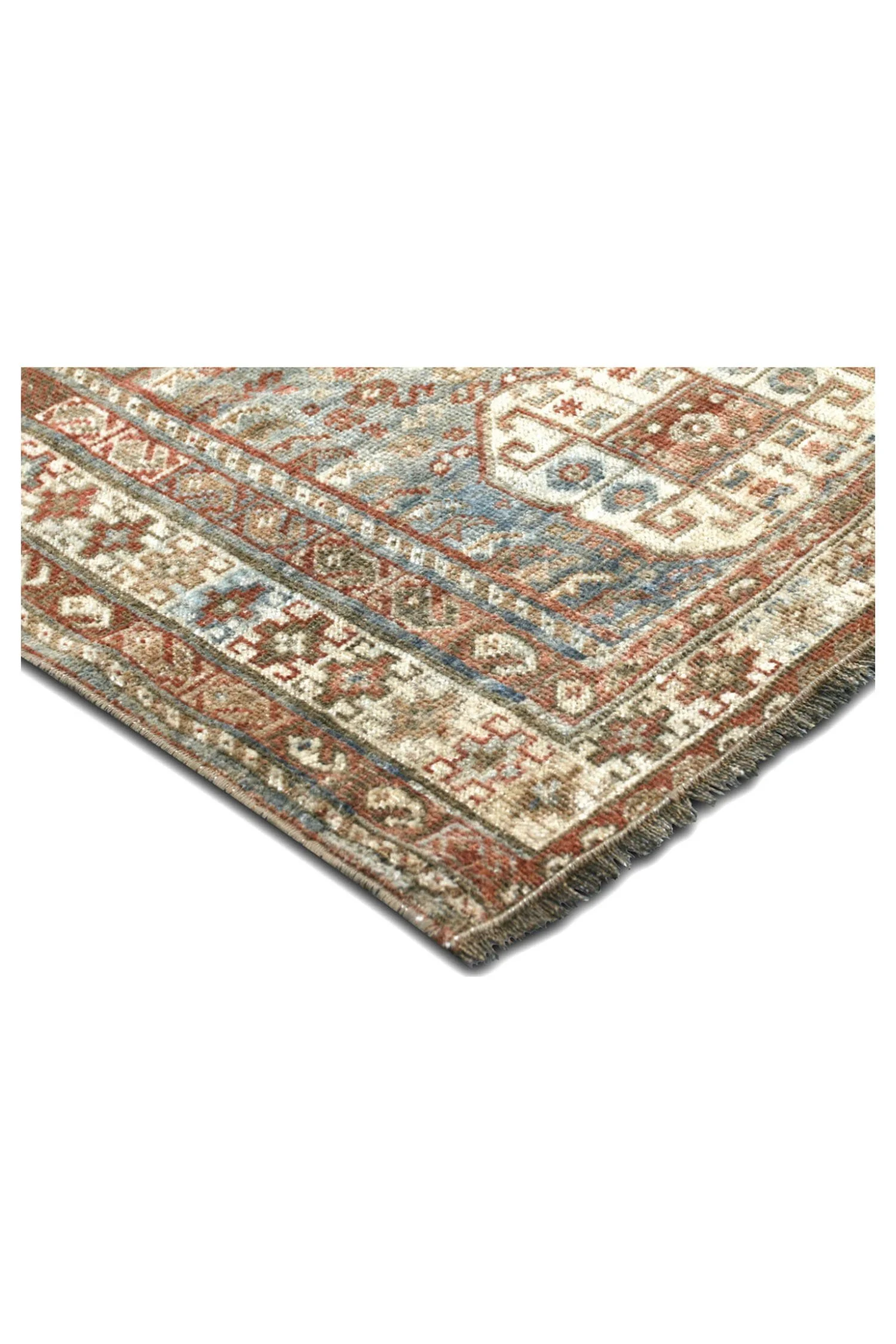 Image 5 of 5
Heritage and Craftsmanship
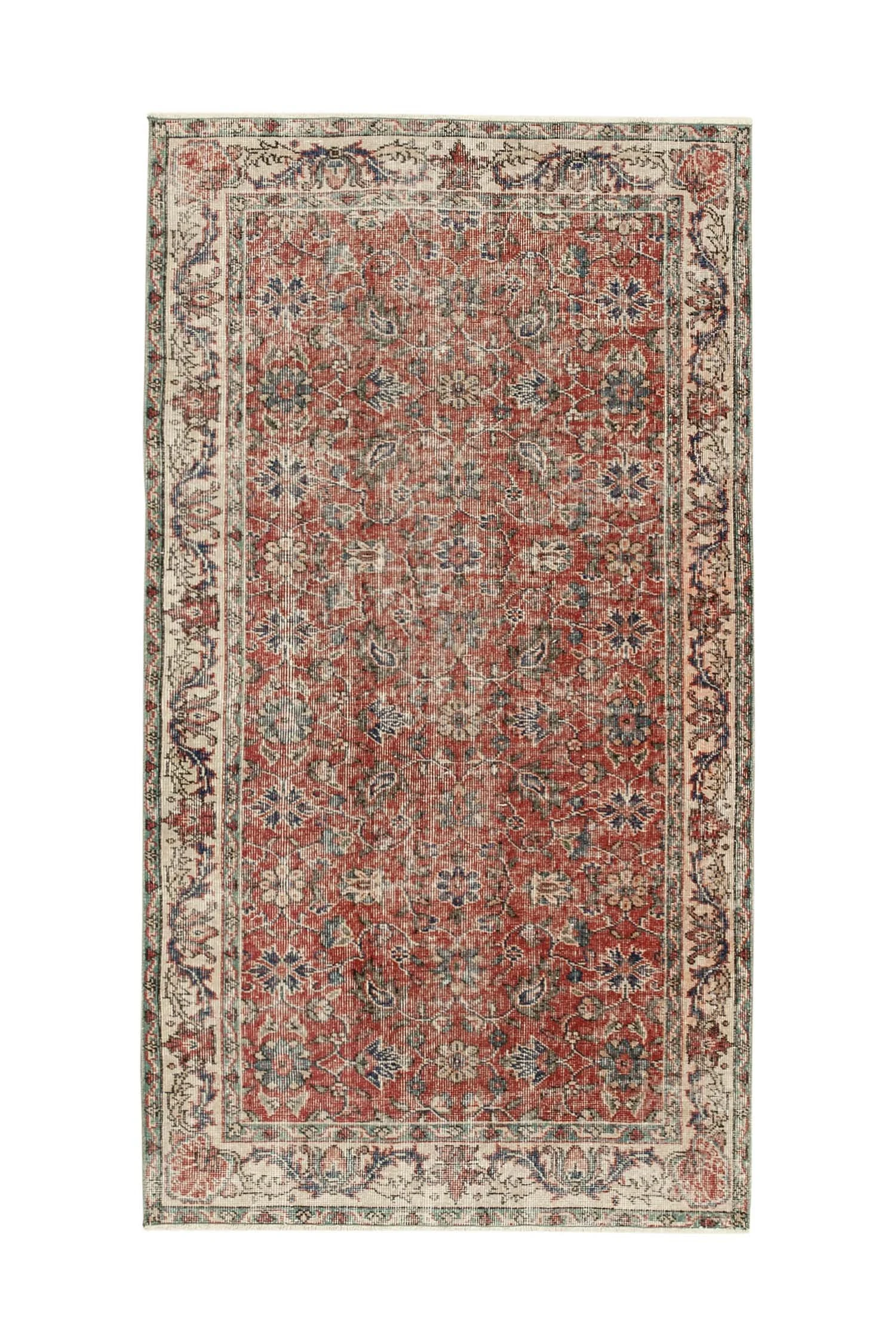
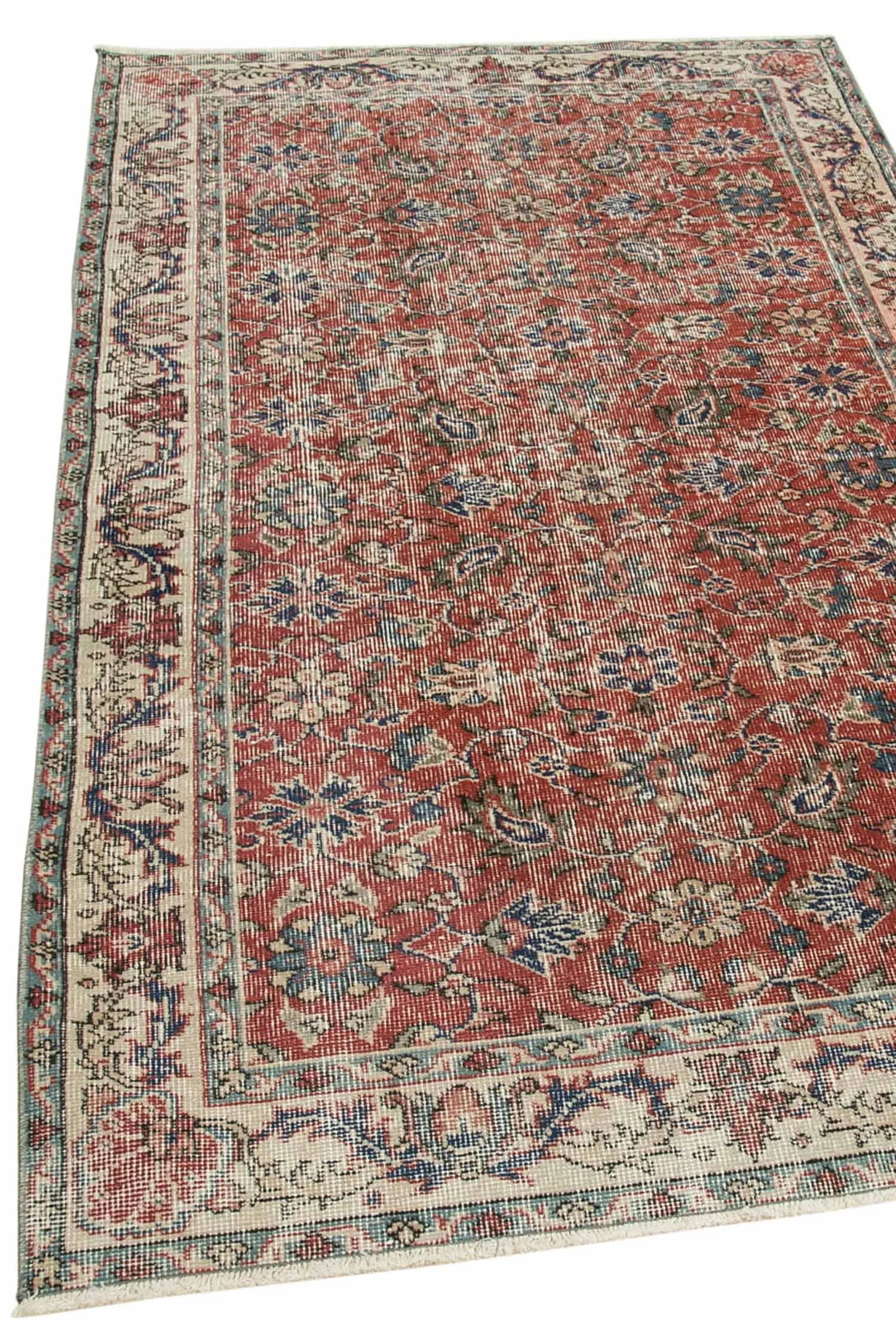
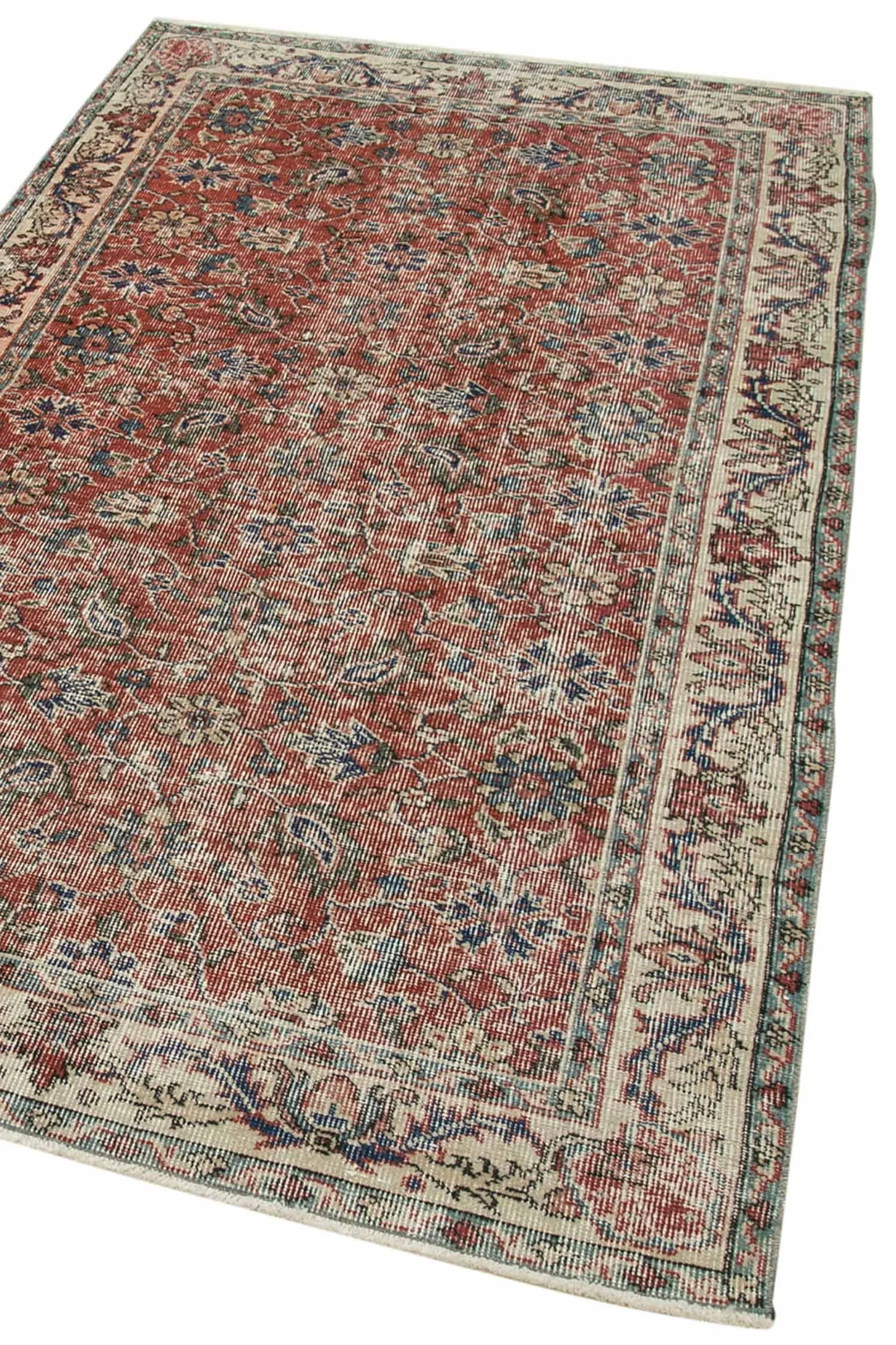
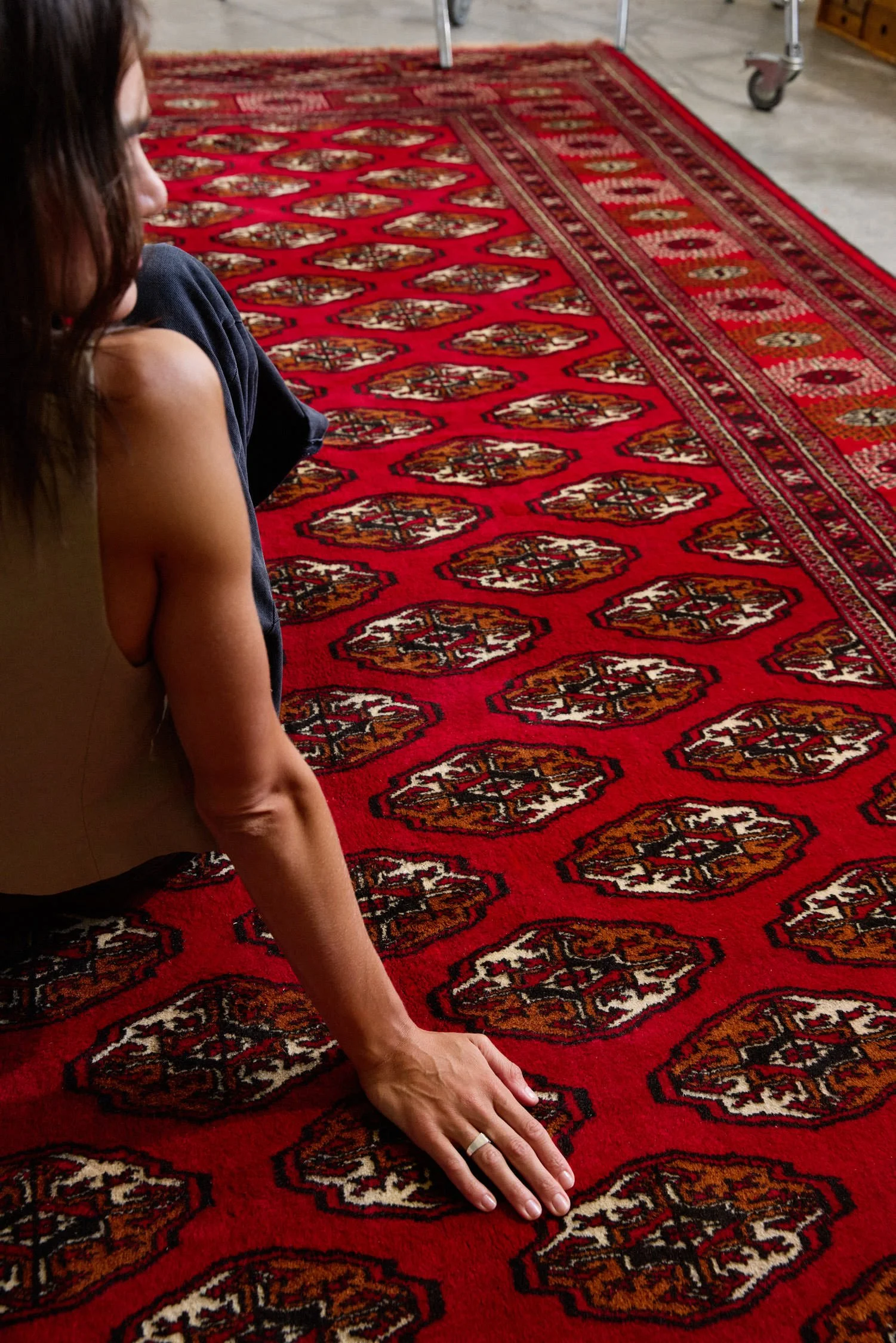
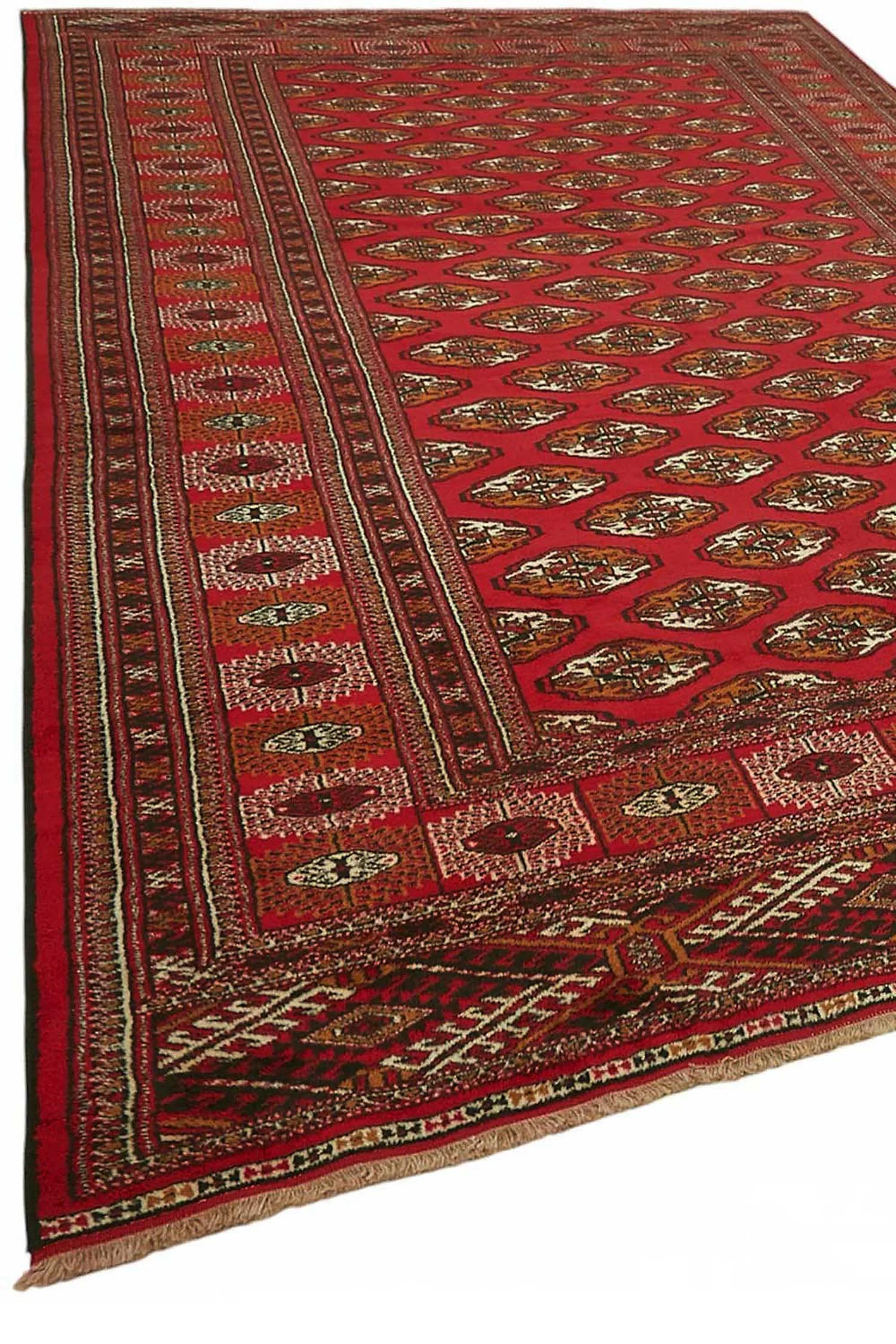
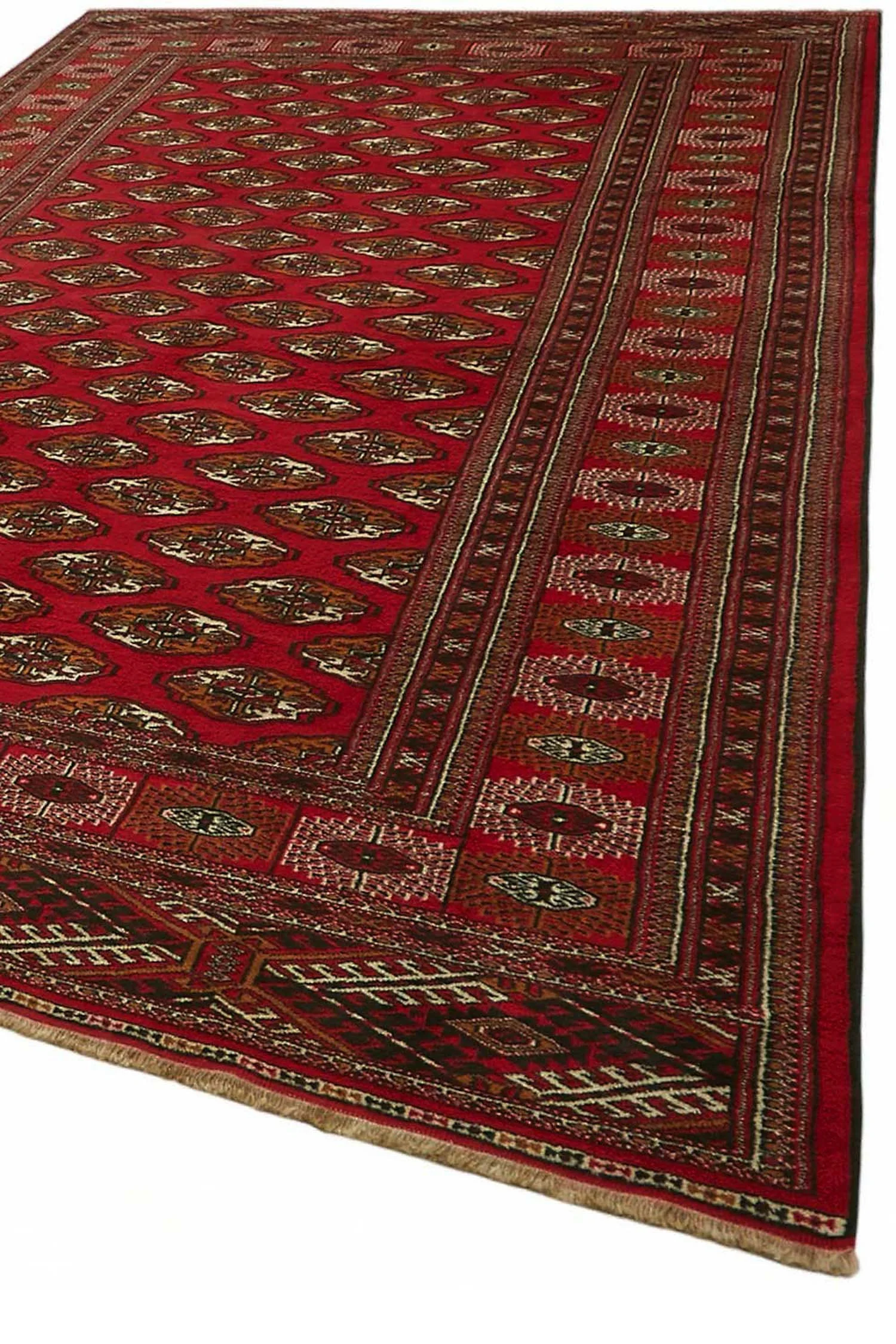
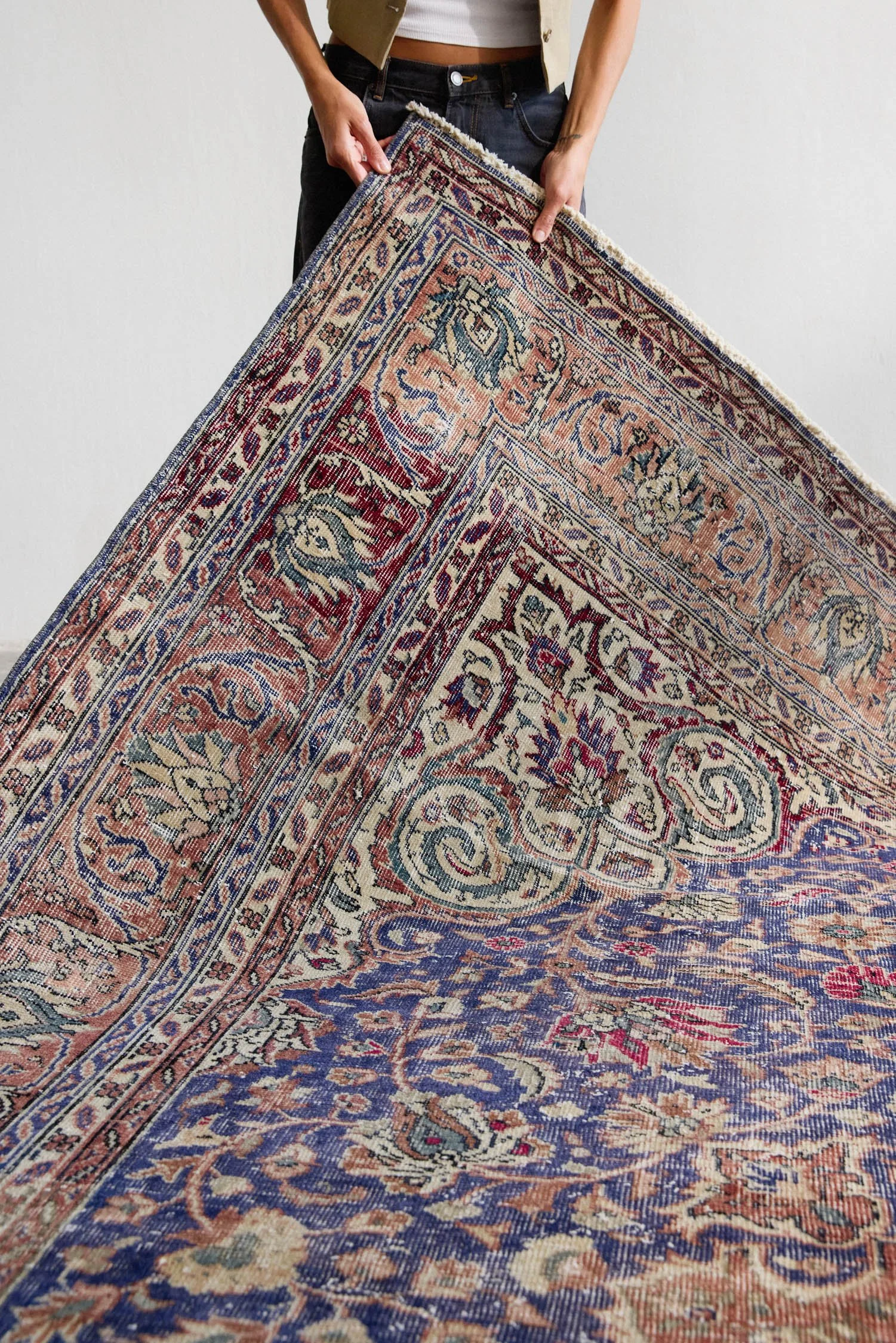
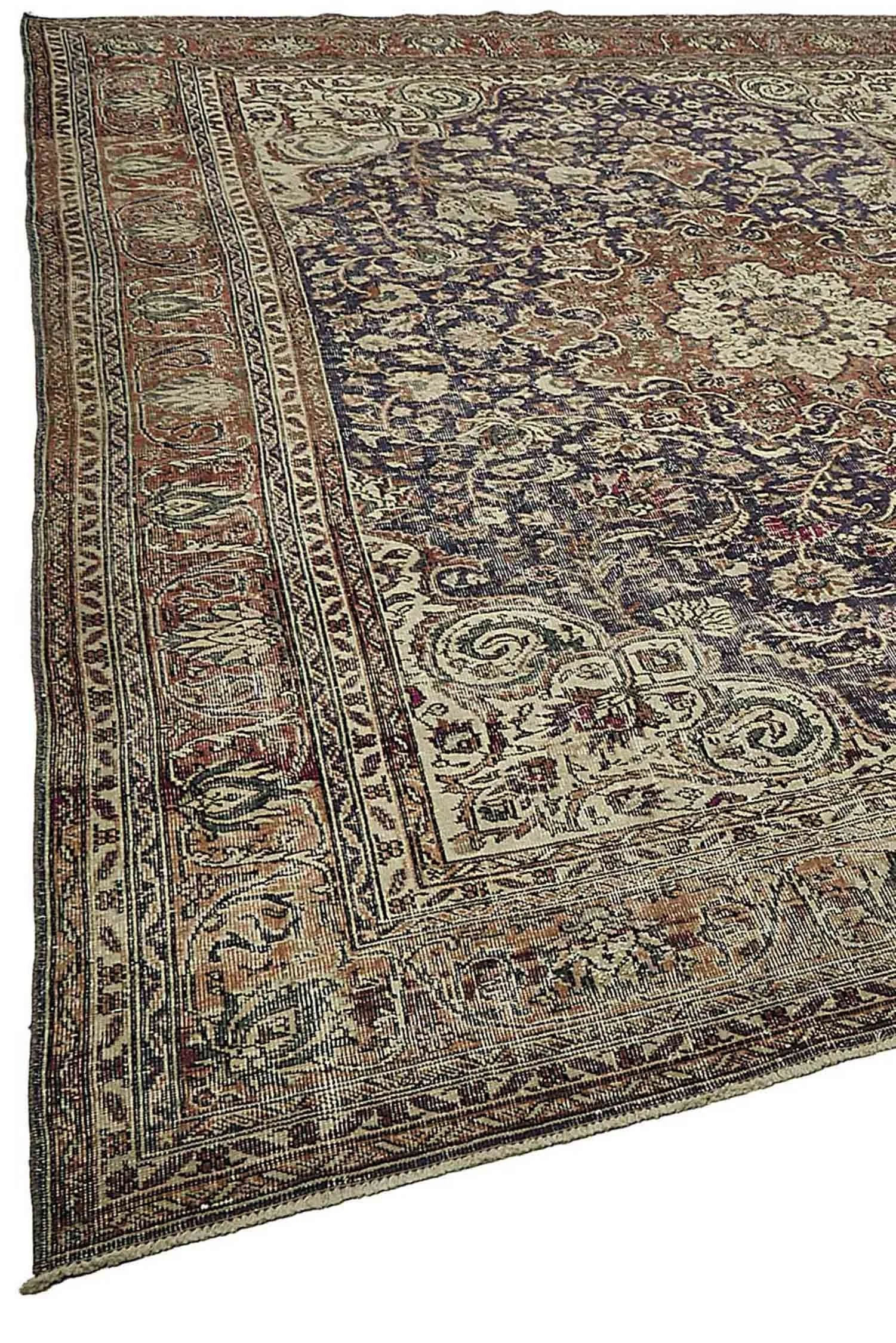
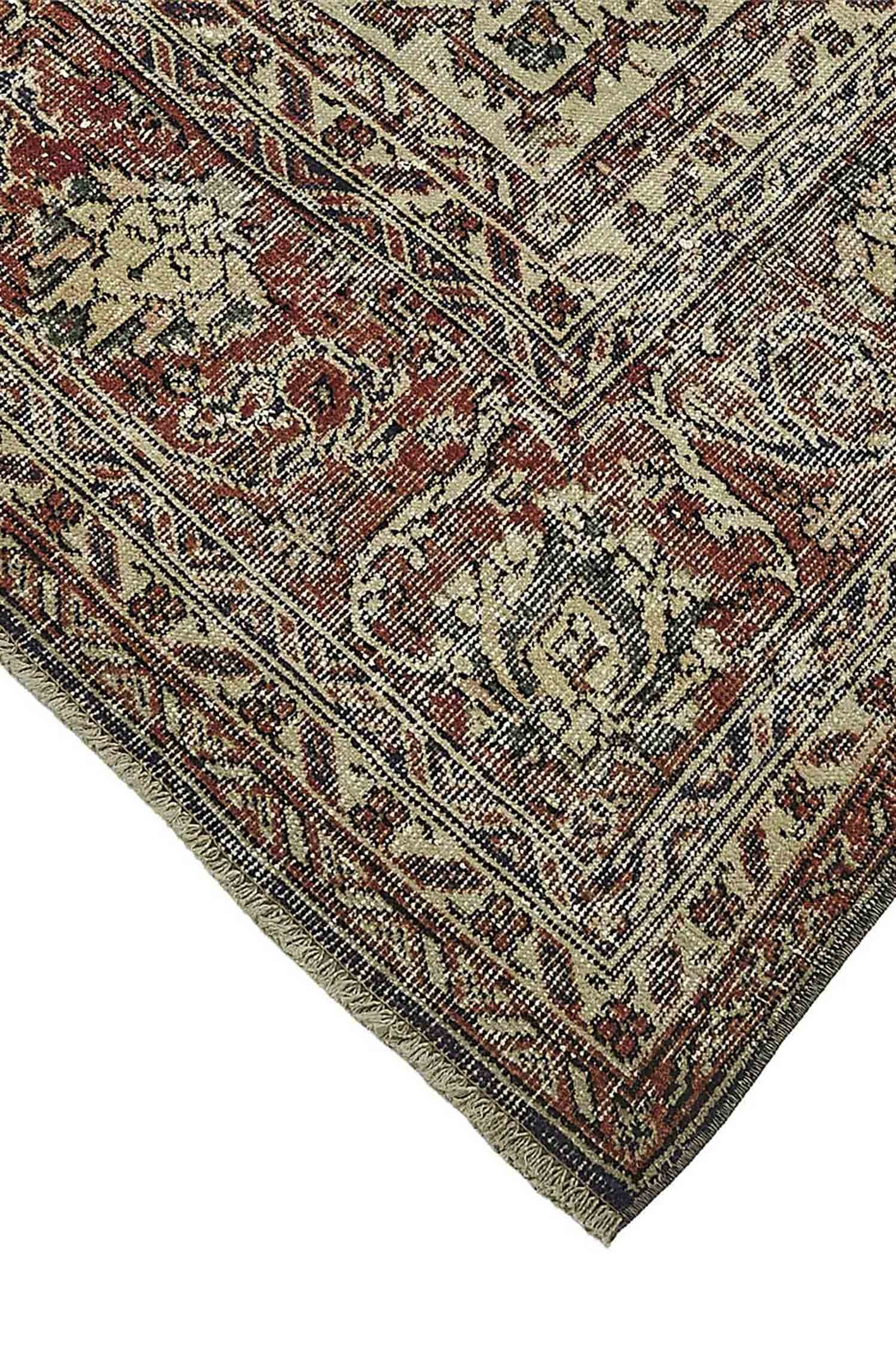
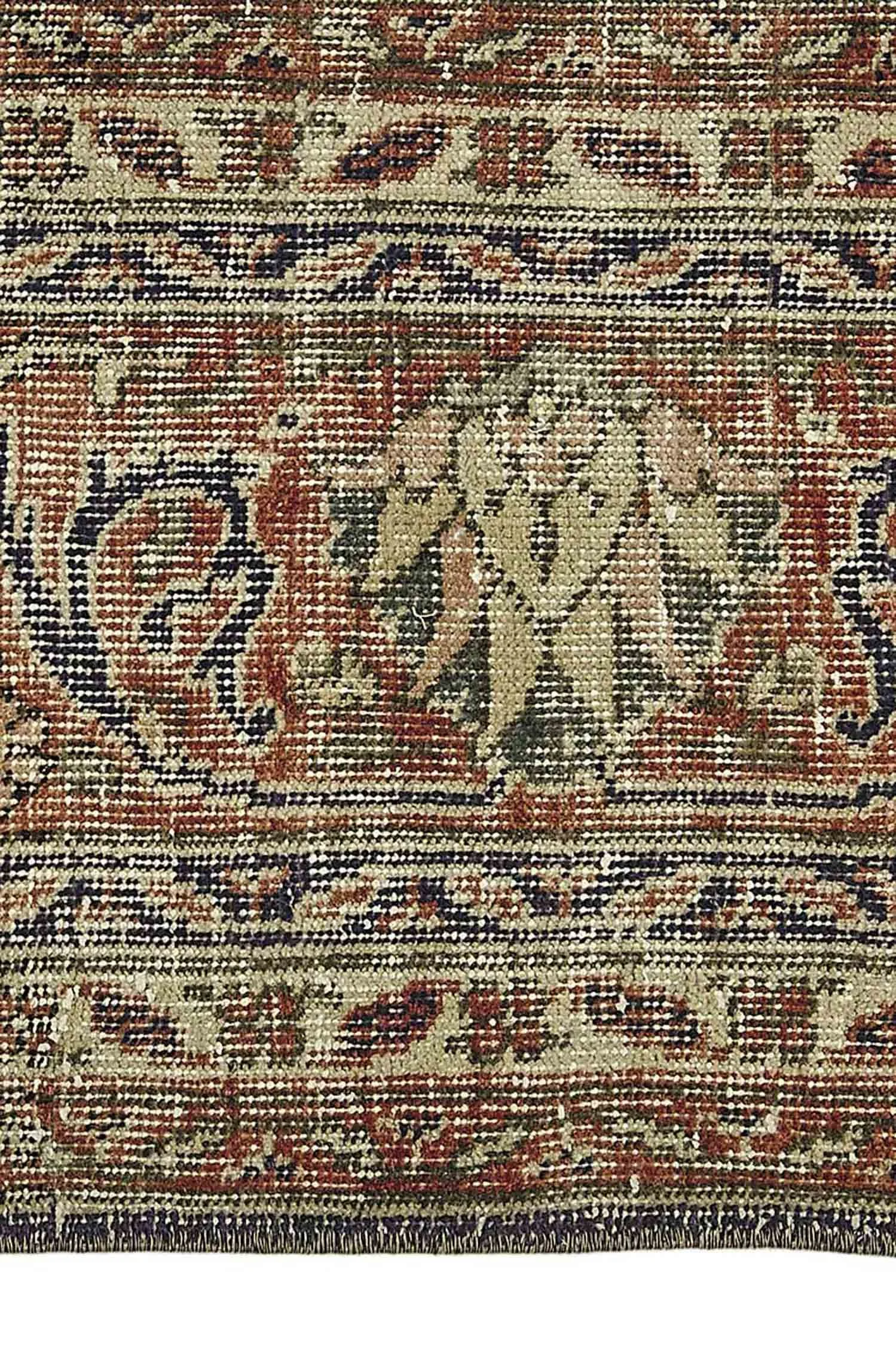
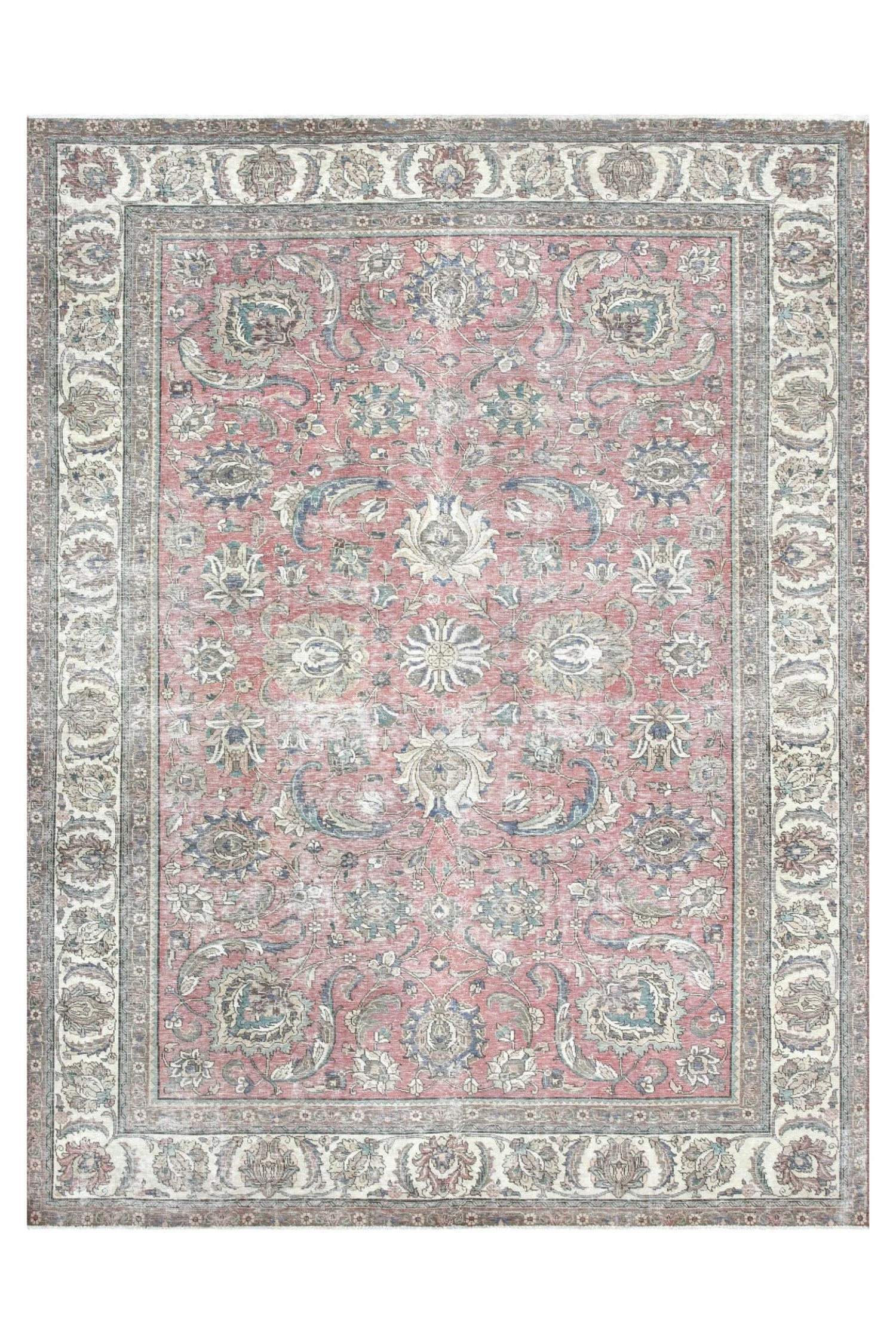
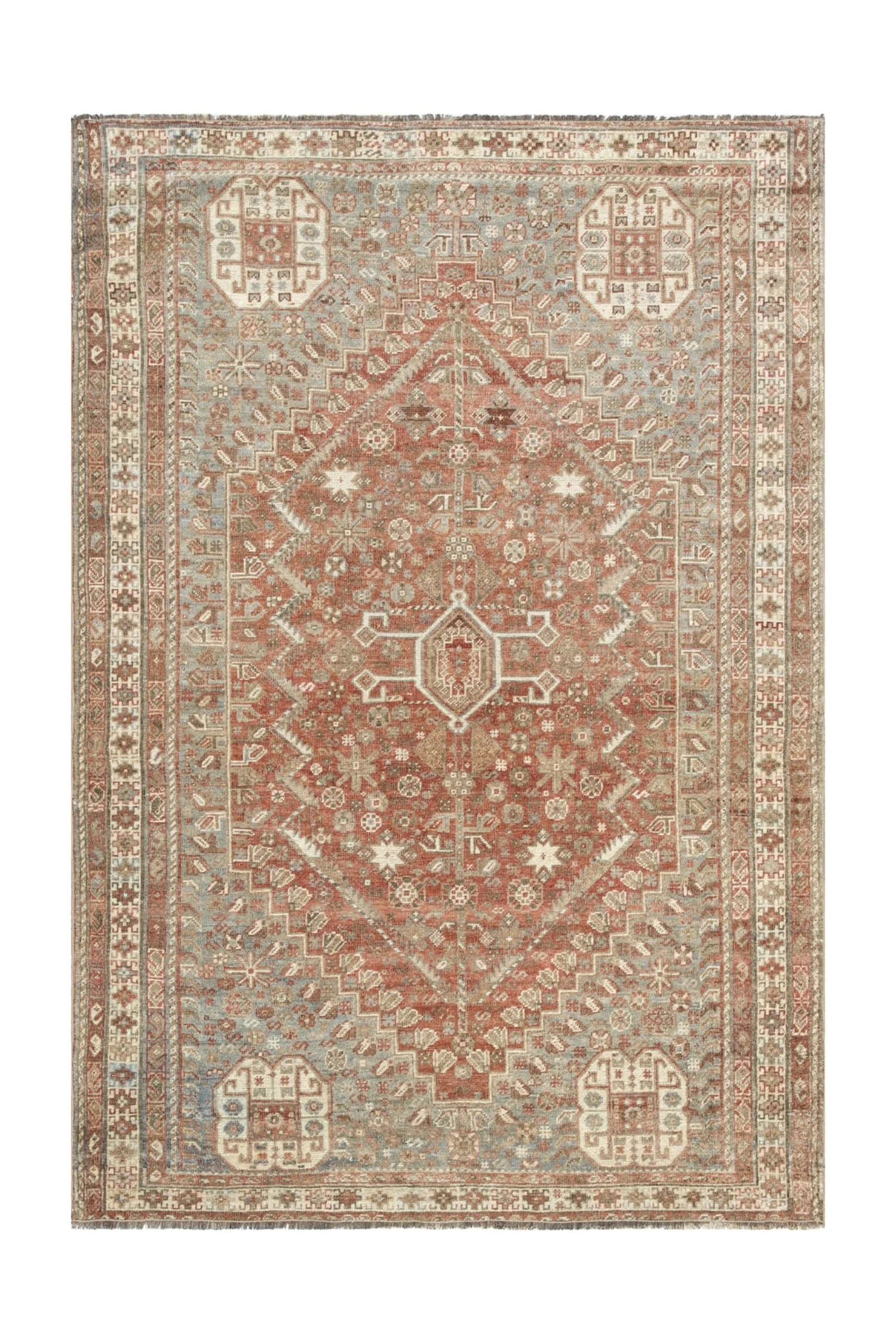
Shiraz rugs from the 1950s and 1960s came from tribal and semi-nomadic groups in southwestern Persia who maintained weaving traditions distinct from urban workshop production. These weavers created rugs on portable horizontal looms, working from memory rather than written patterns. The stepped medallion format seen here represents one of the most common structures in Shiraz weaving.
The compact size reflects practical considerations for nomadic and semi-nomadic life. Rugs of this dimension could be woven relatively quickly and served multiple household functions. The size also suited the scale of tents and small rooms where tribal groups lived.
Tribal weavers learned design vocabulary through direct observation within family groups. The densely packed motifs and stepped geometry show inherited patterns executed with individual interpretation. The rhythmic quality comes from weavers working from deeply familiar forms, allowing them to maintain consistency while adding personal variation.
Design Elements
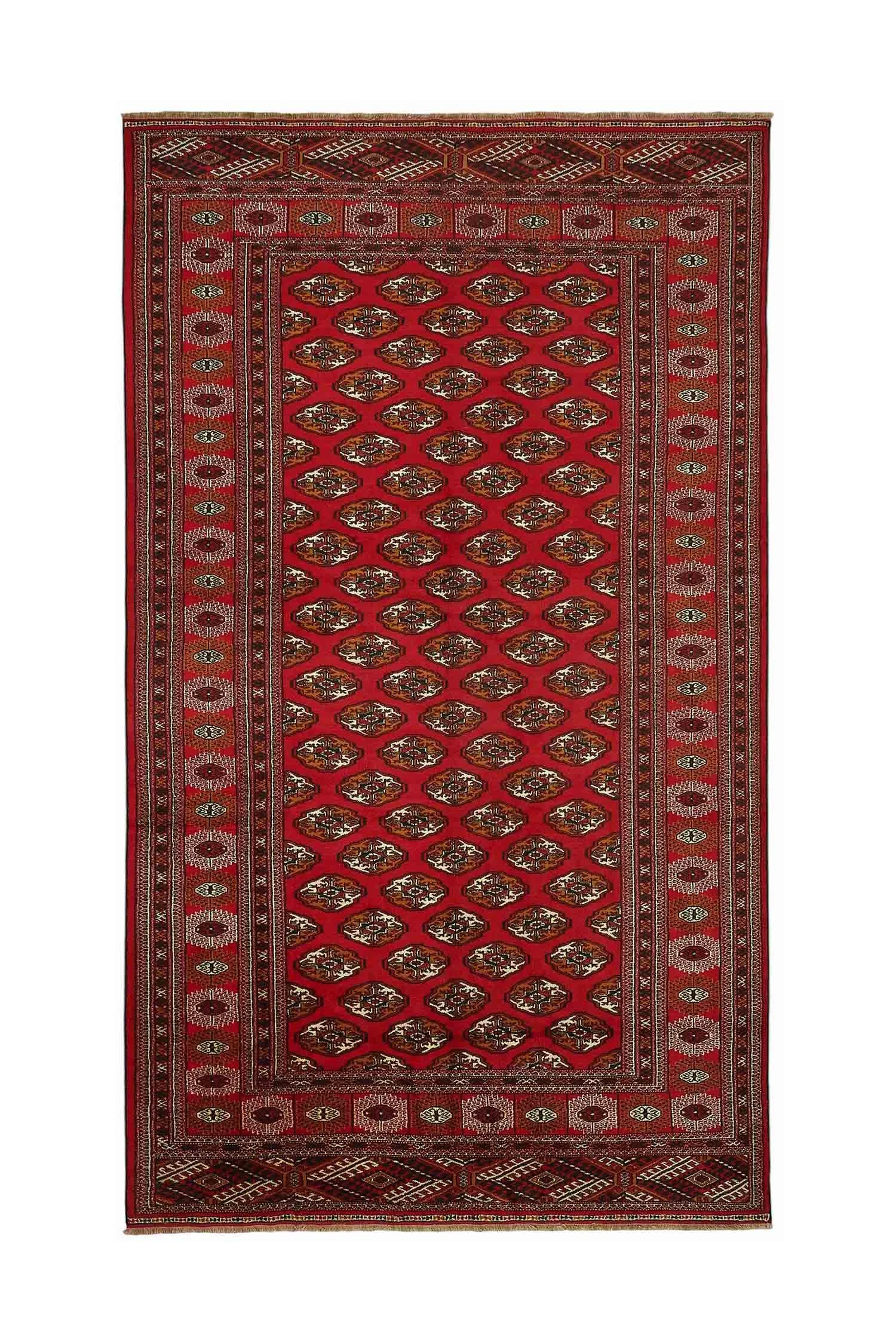
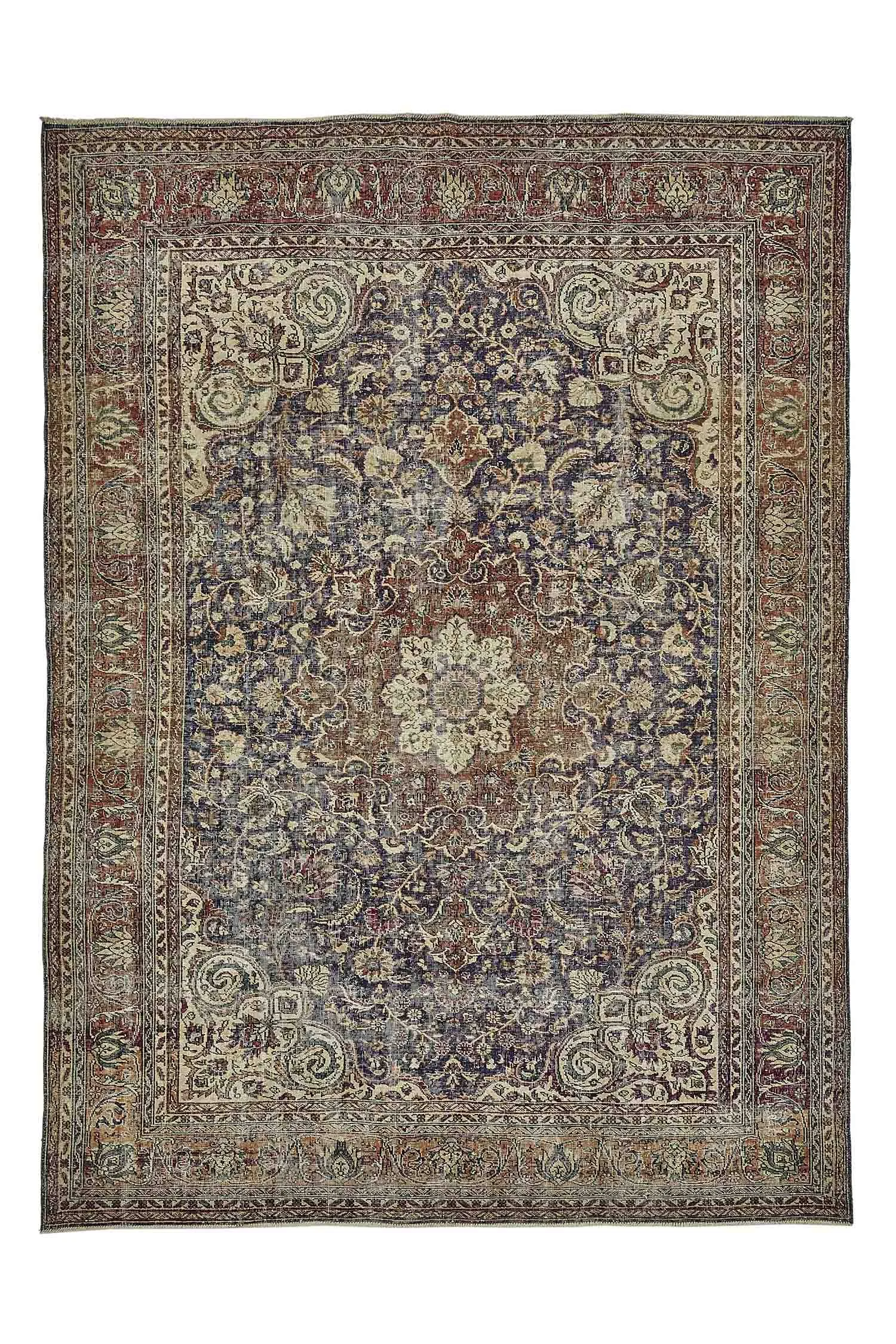
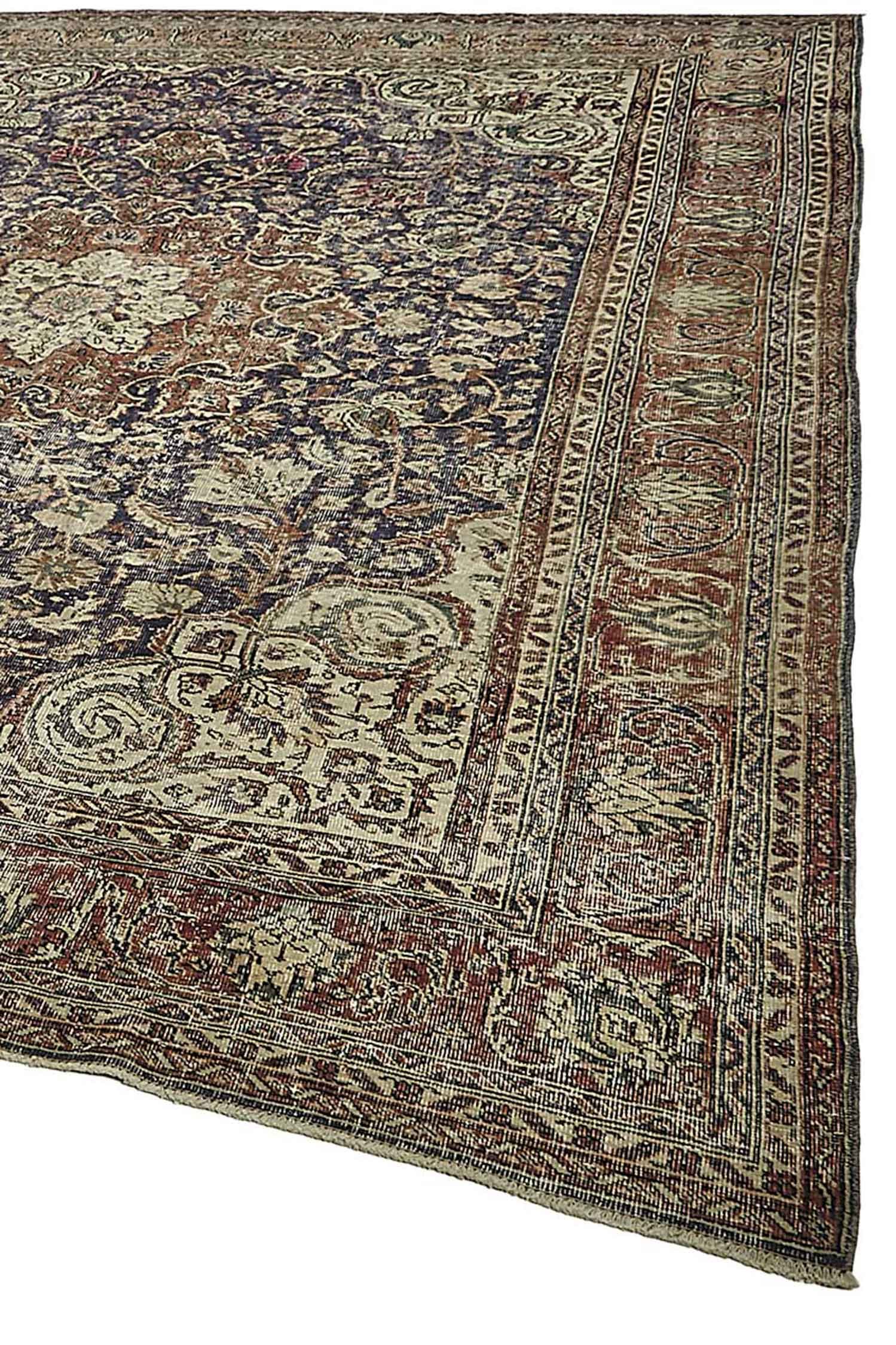
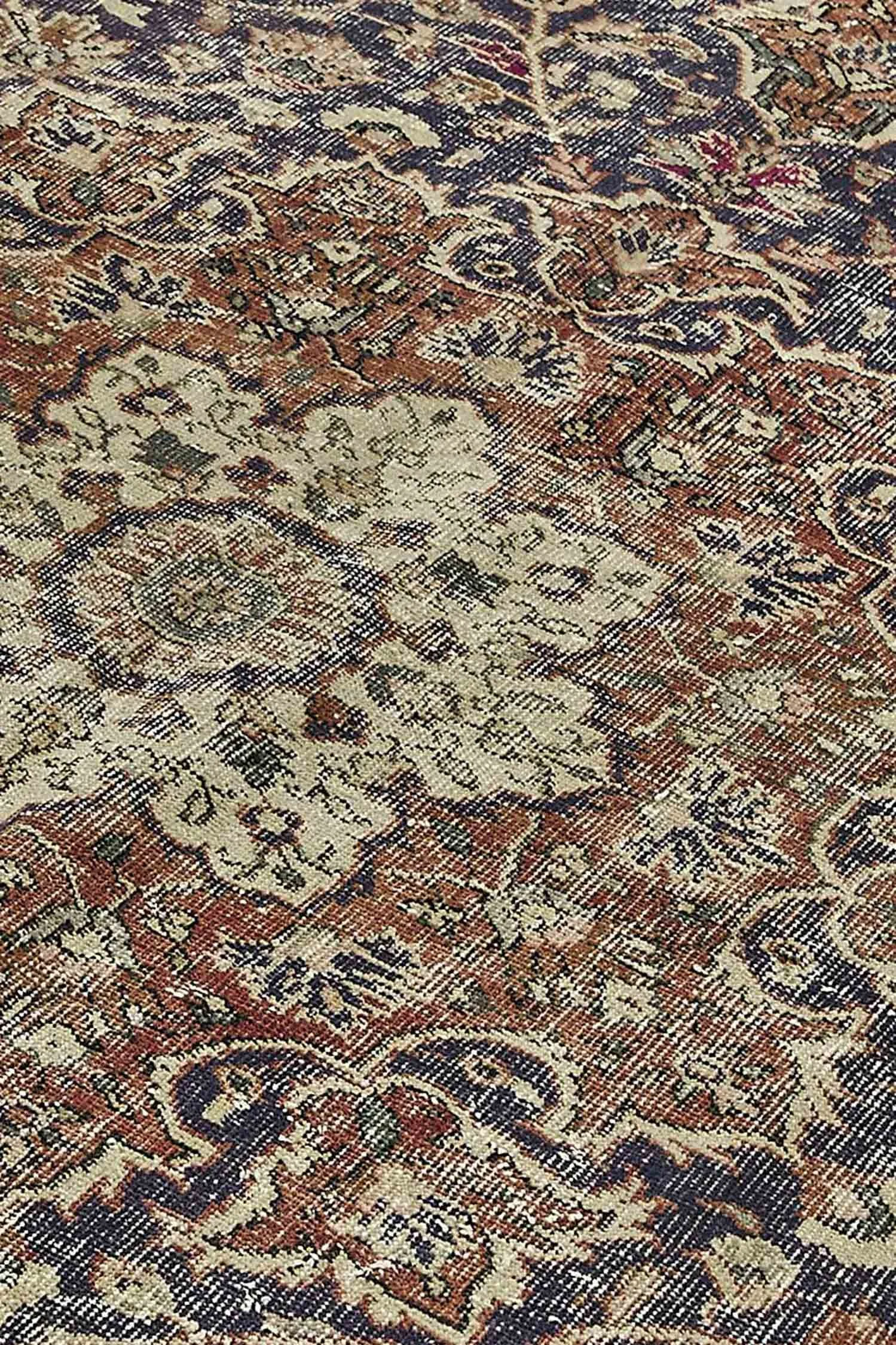
The stepped medallion creates a central vertical axis with angular geometric edges. The form shows characteristic Shiraz interpretation of medallion structure, where stepped edges replace the curved forms common in other Persian weaving traditions. The geometry feels grounded and direct.
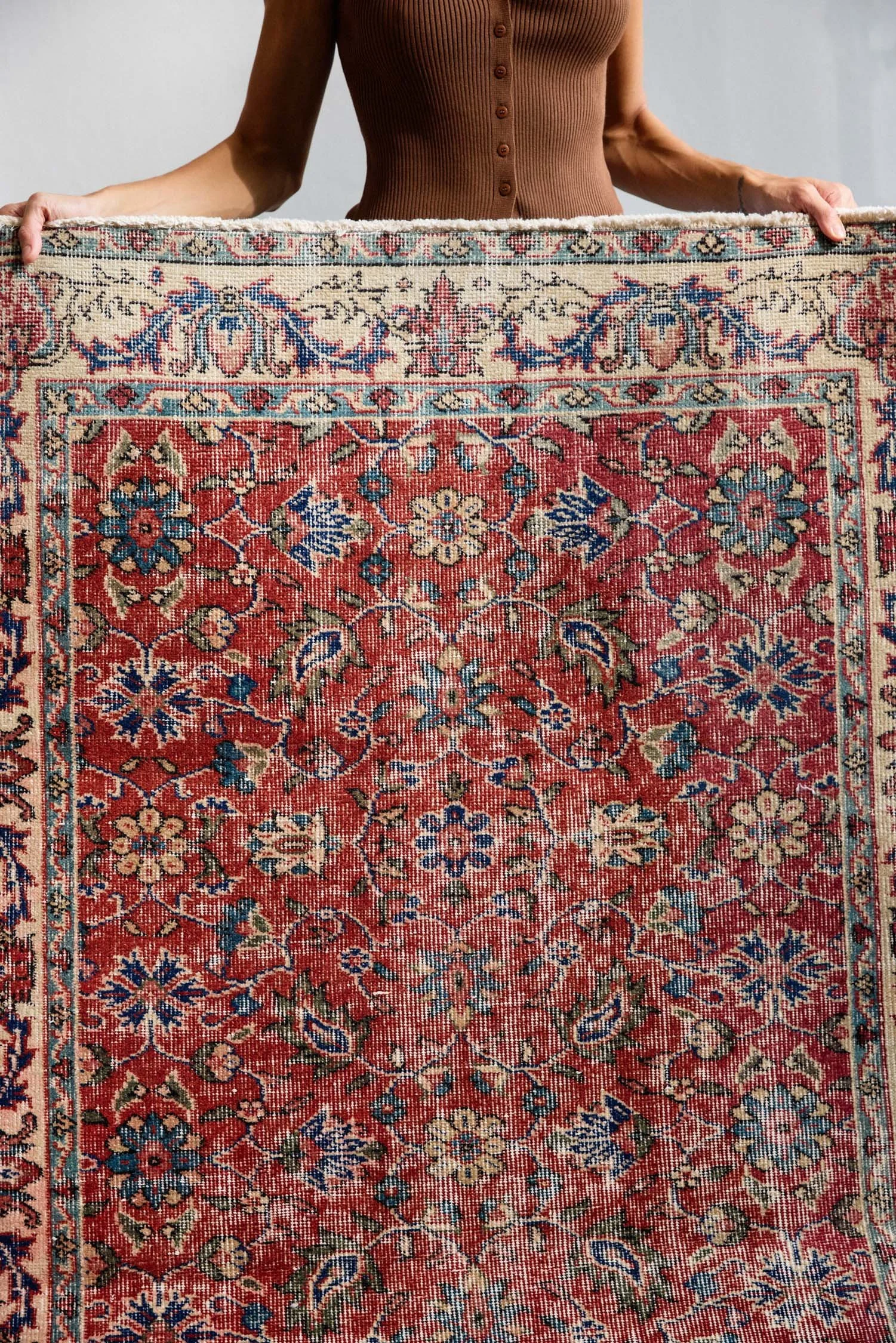
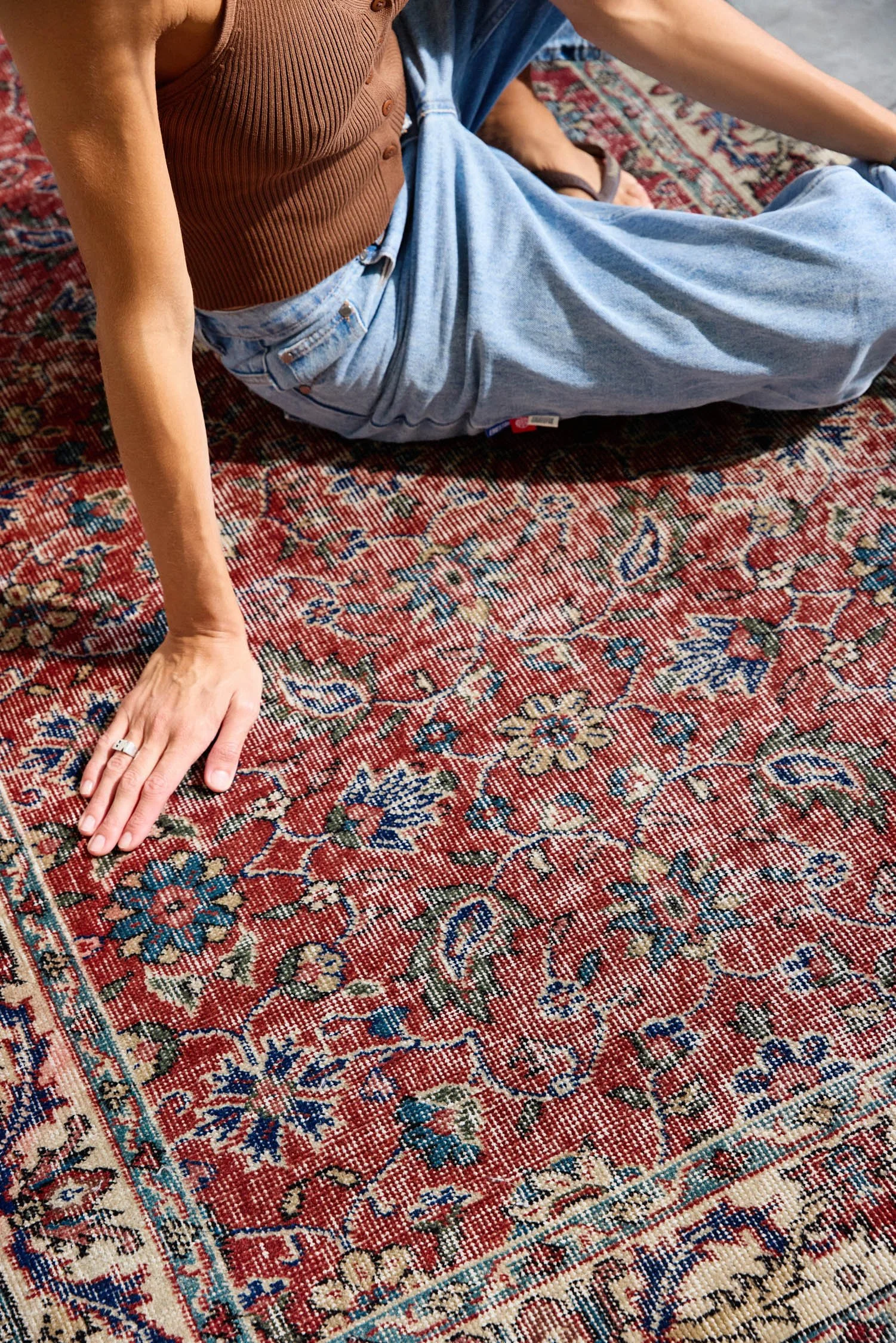
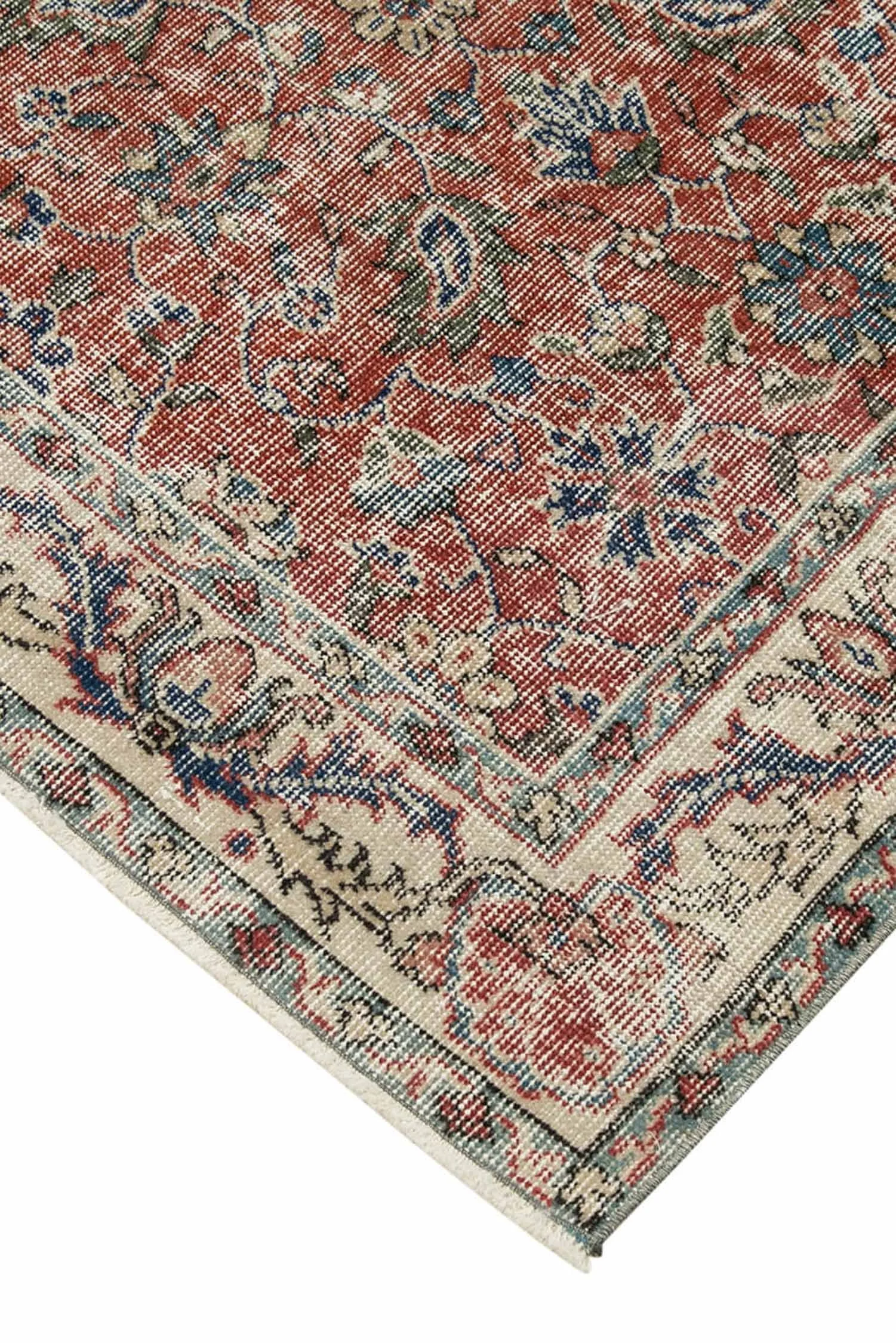
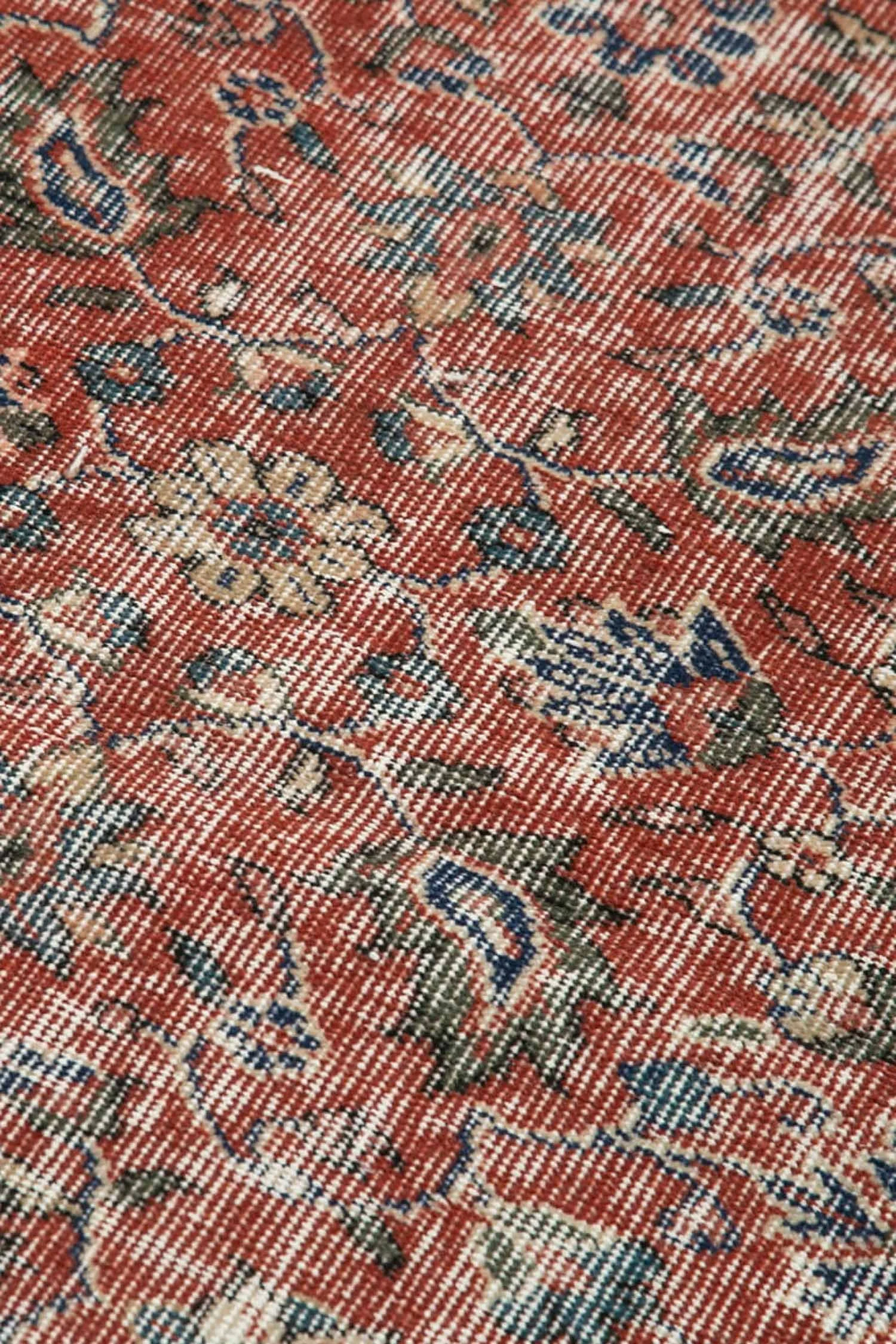
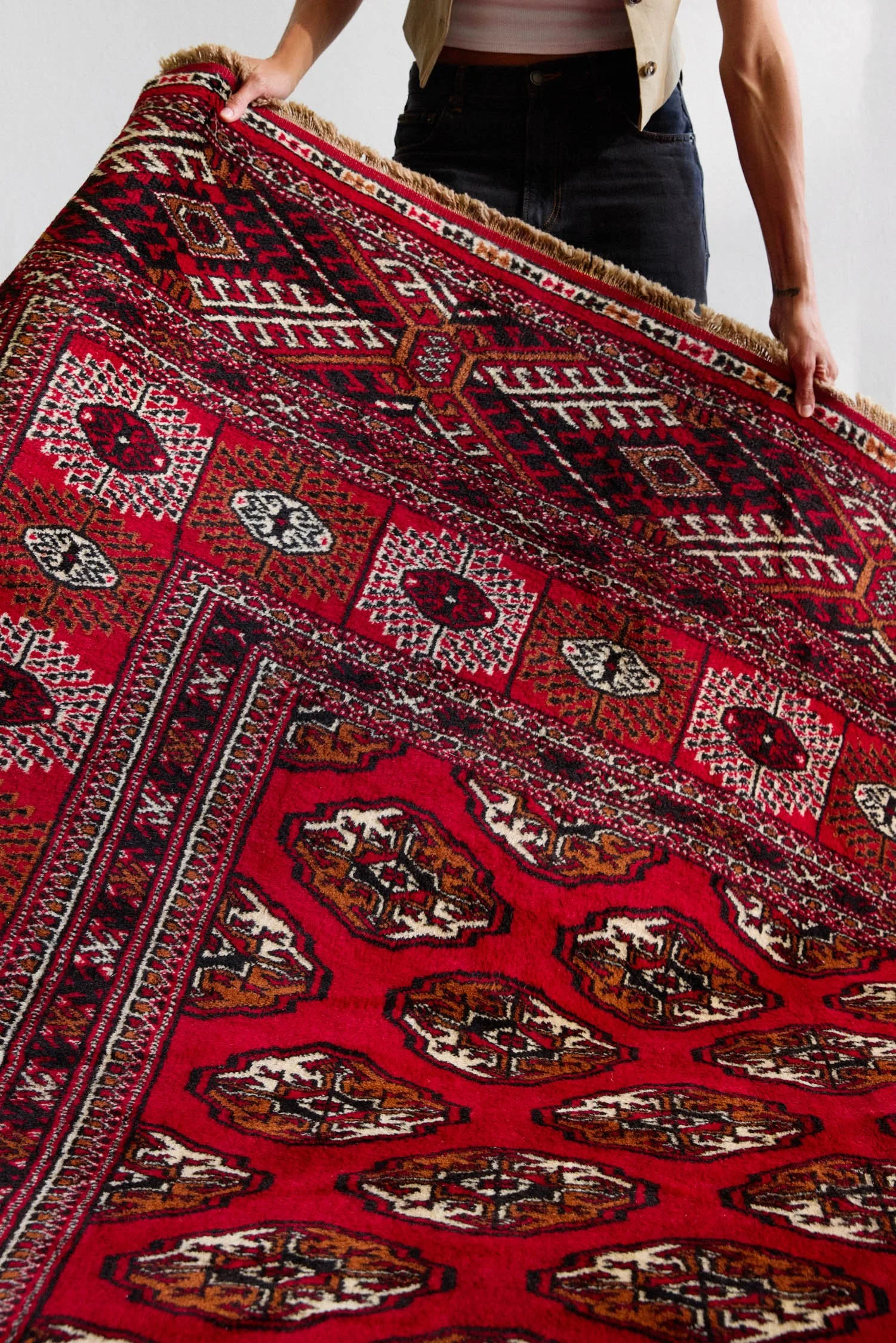
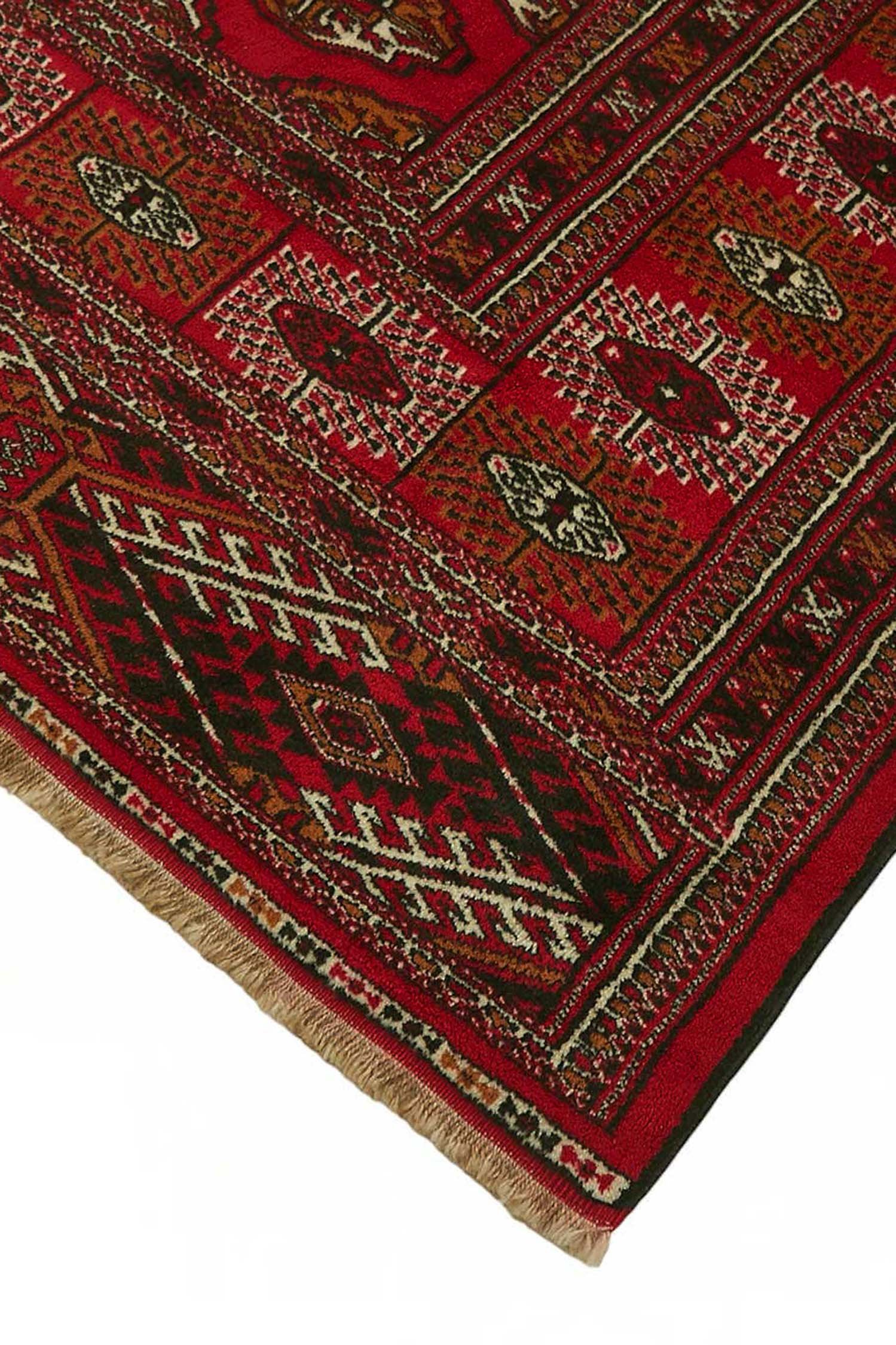
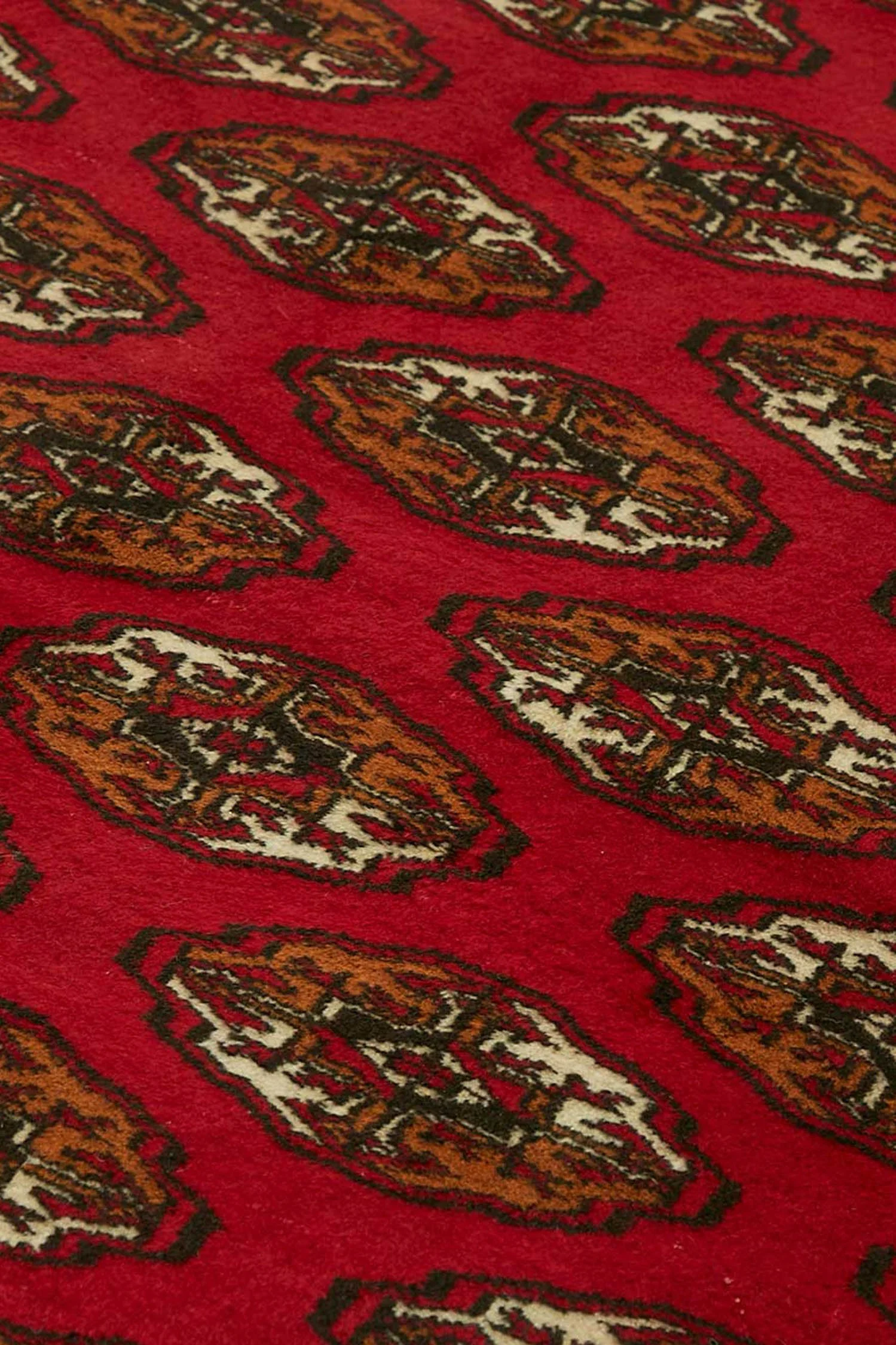
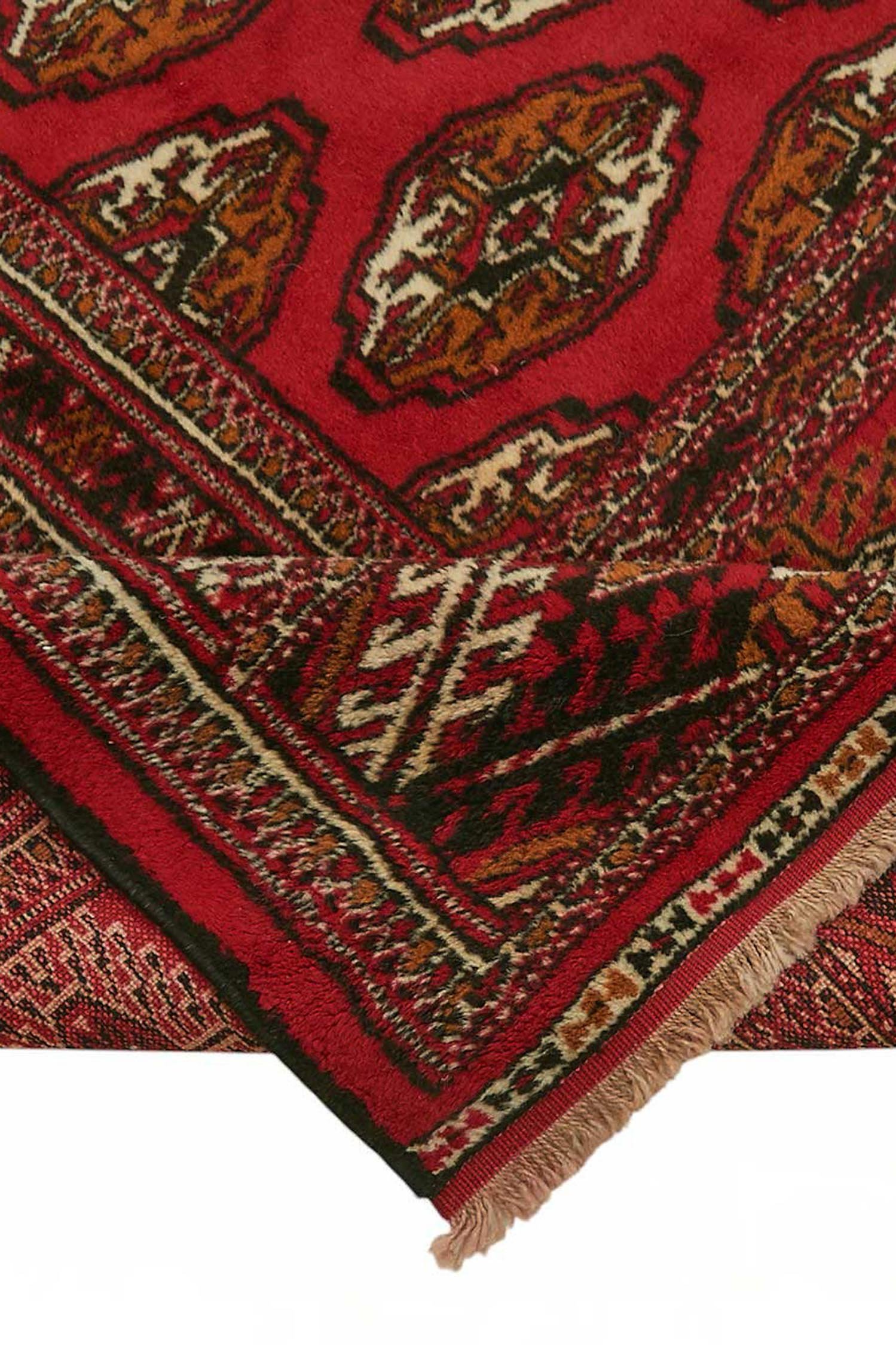
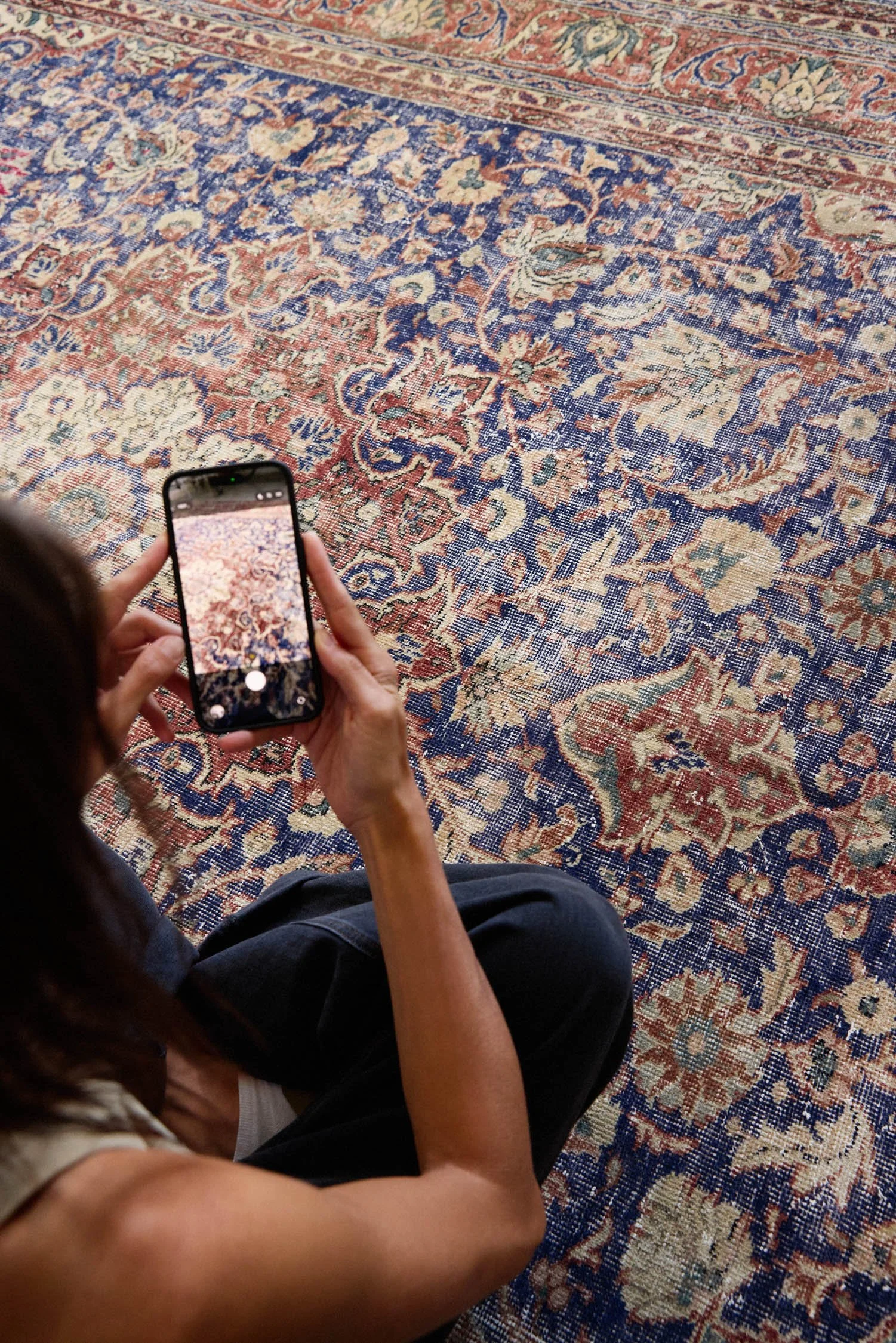
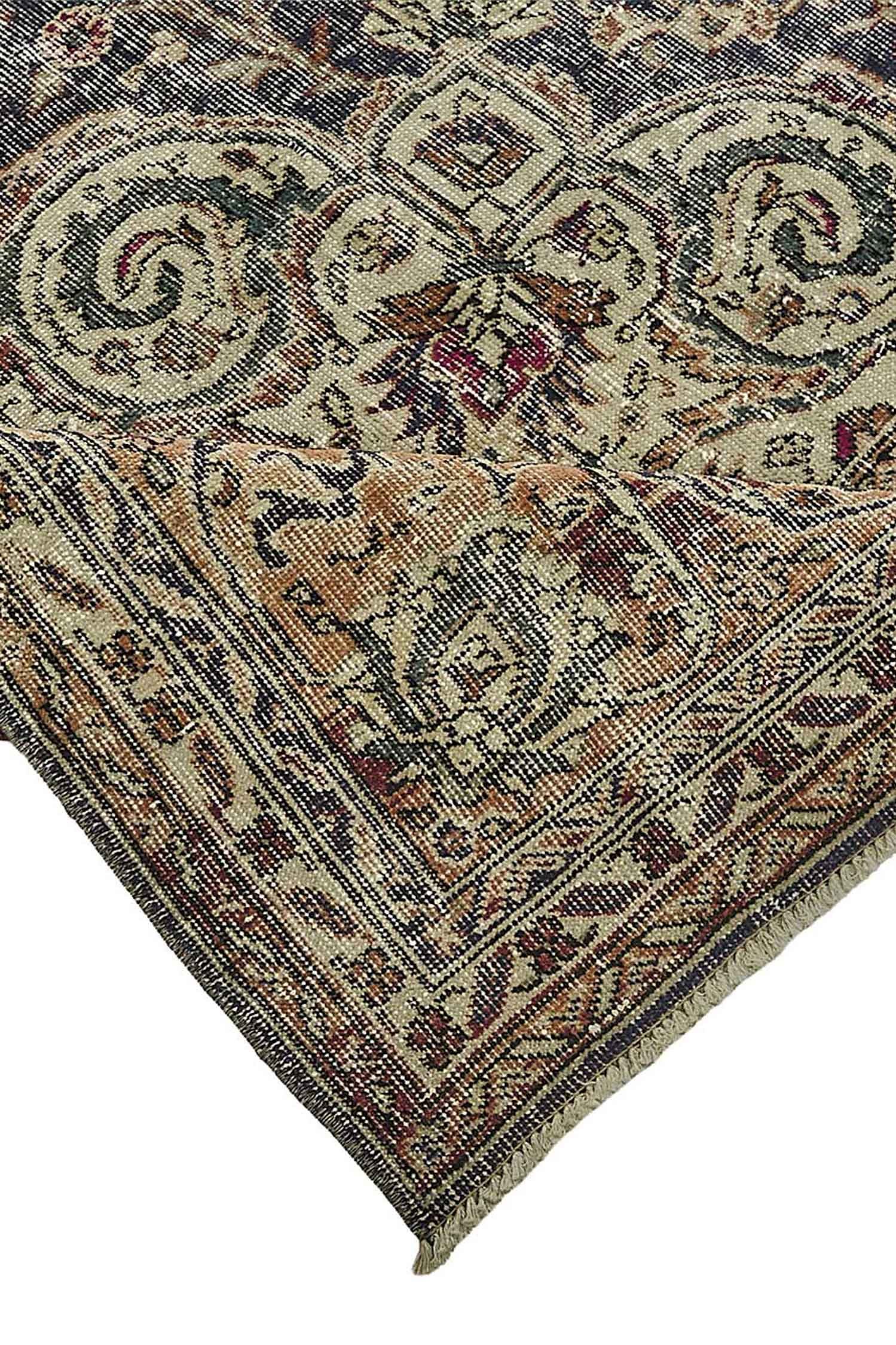
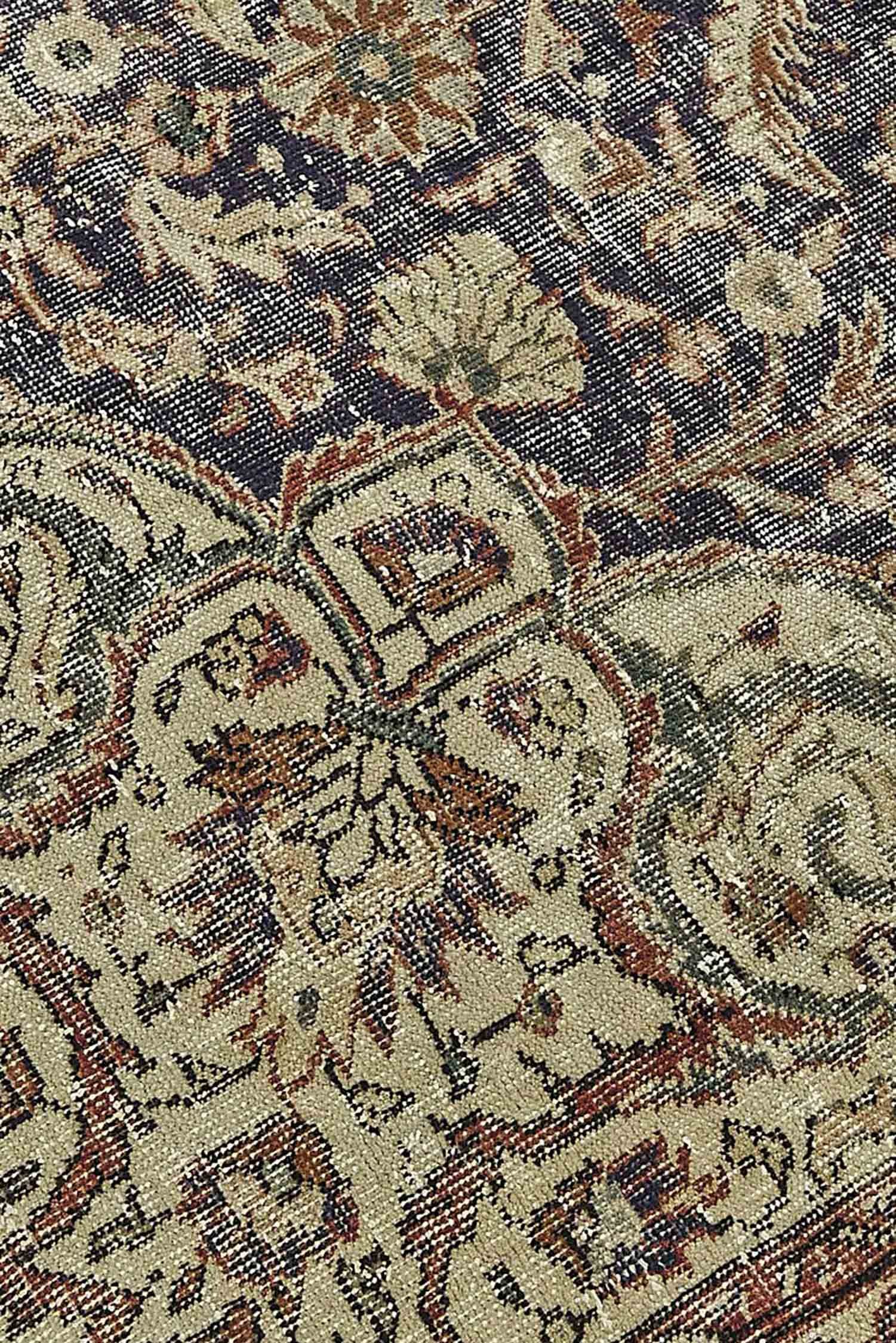
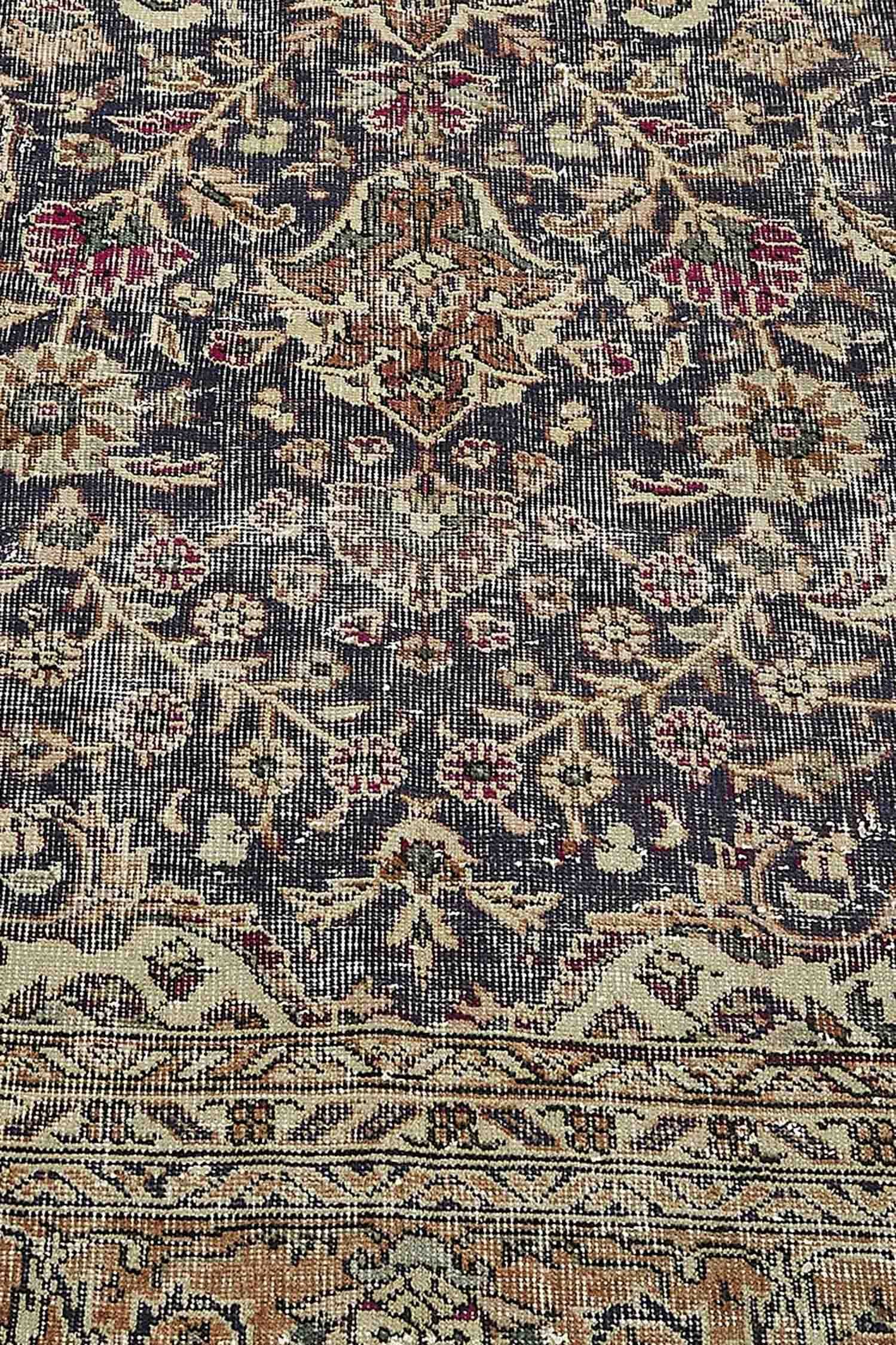
Densely packed tribal motifs fill every available space in the field and medallion. This approach reflects aesthetic preferences for richly decorated surfaces where negative space receives minimal emphasis. Small geometric forms, stylized animals, and abstract symbols accumulate to create the dense composition.
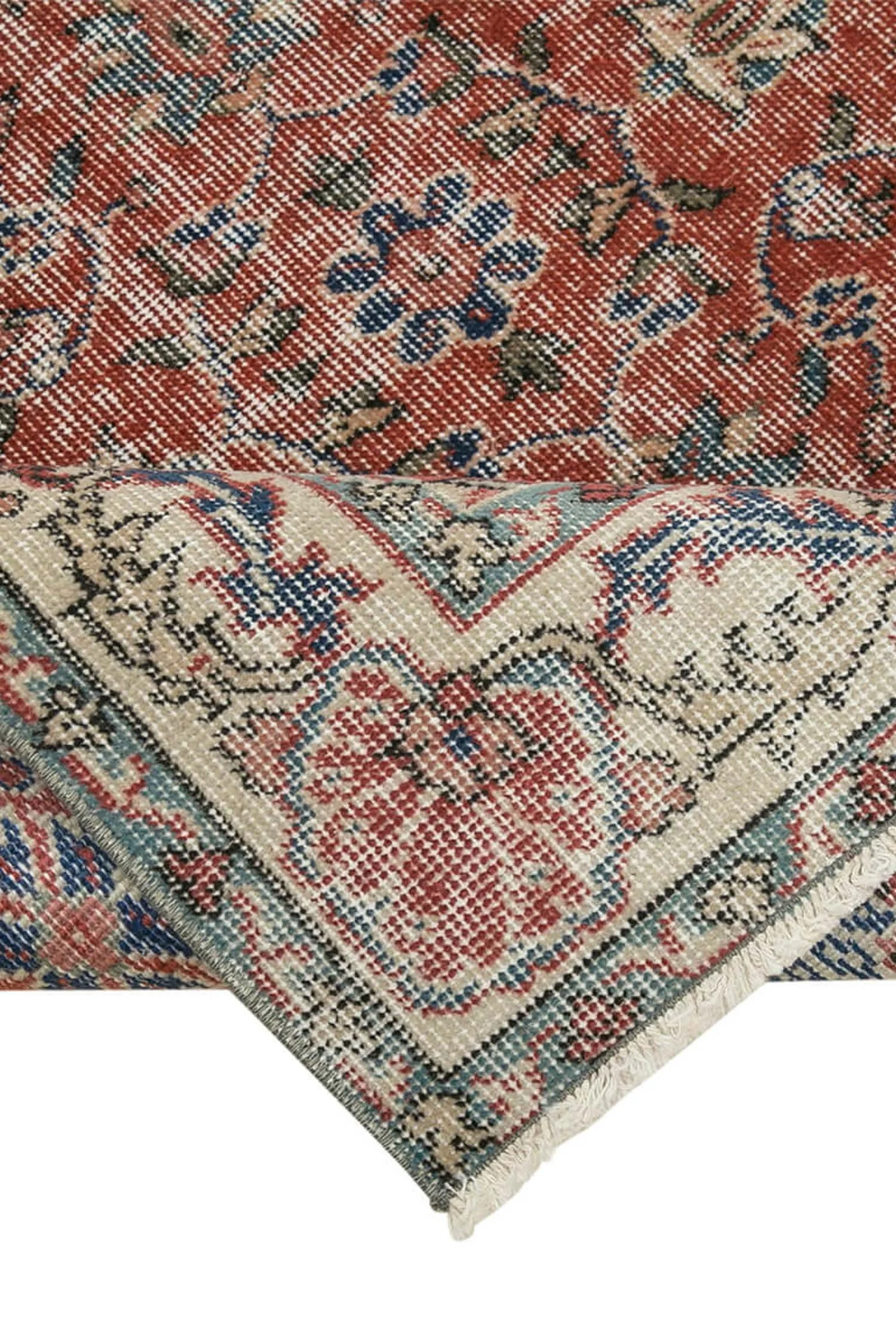
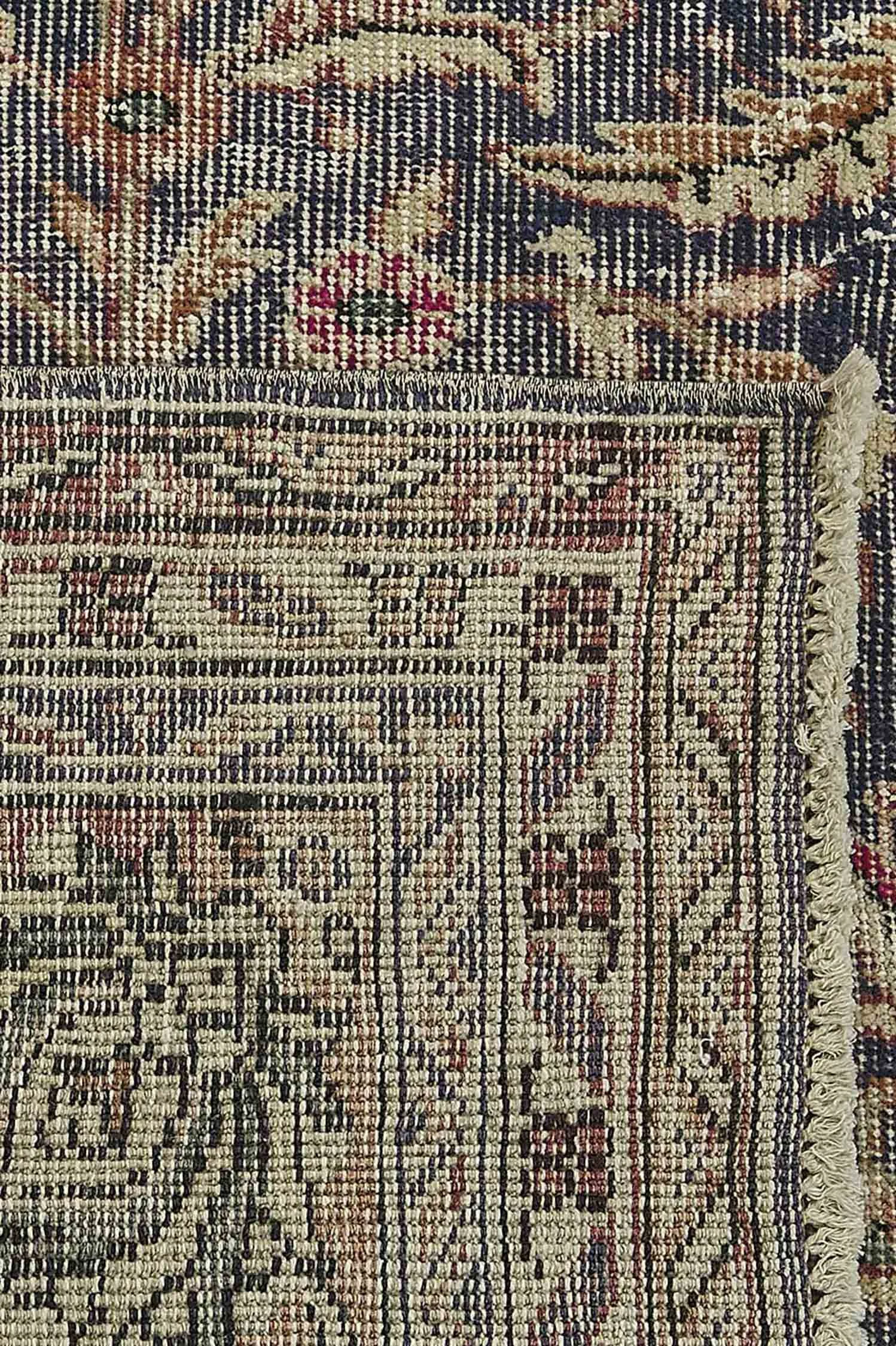
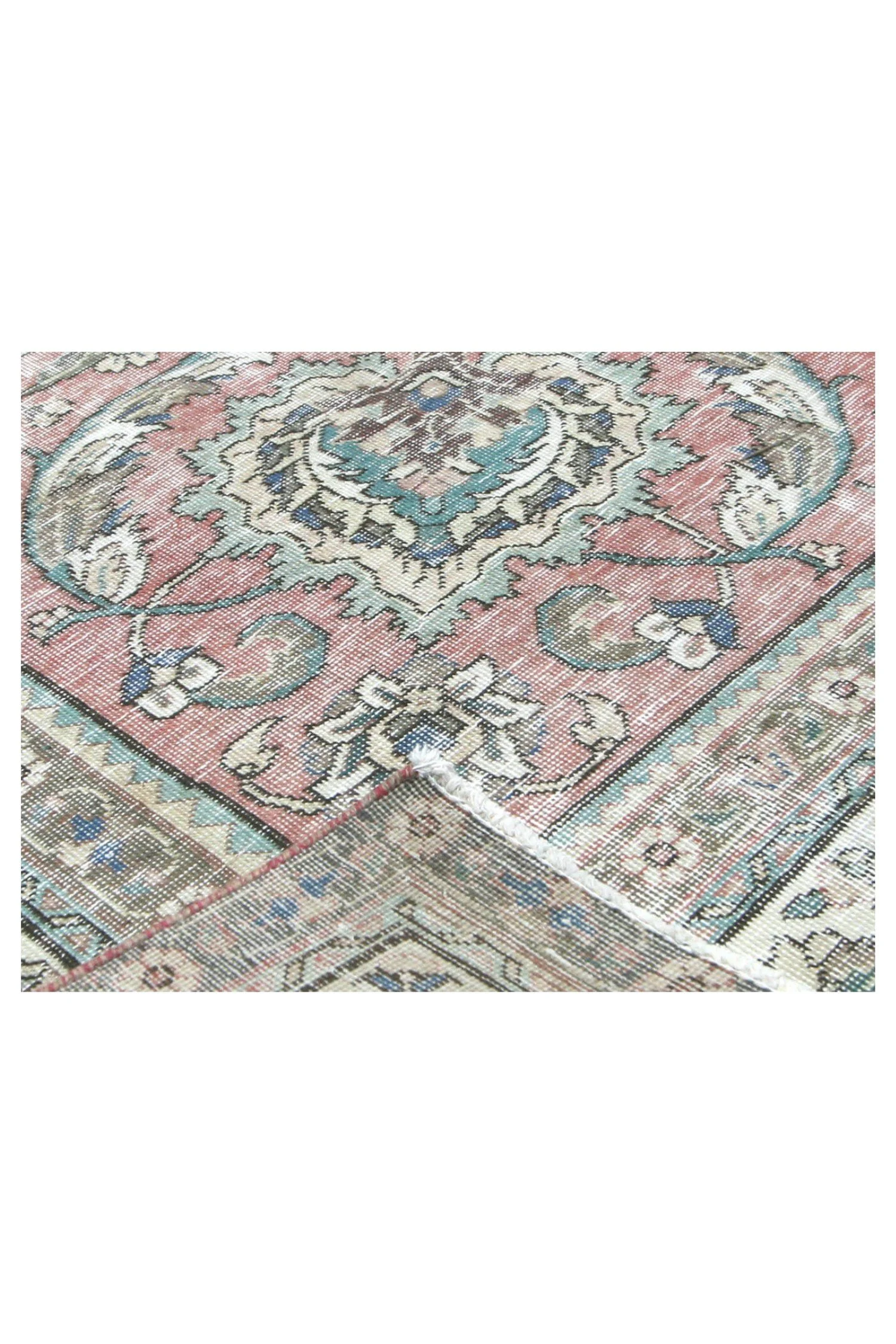
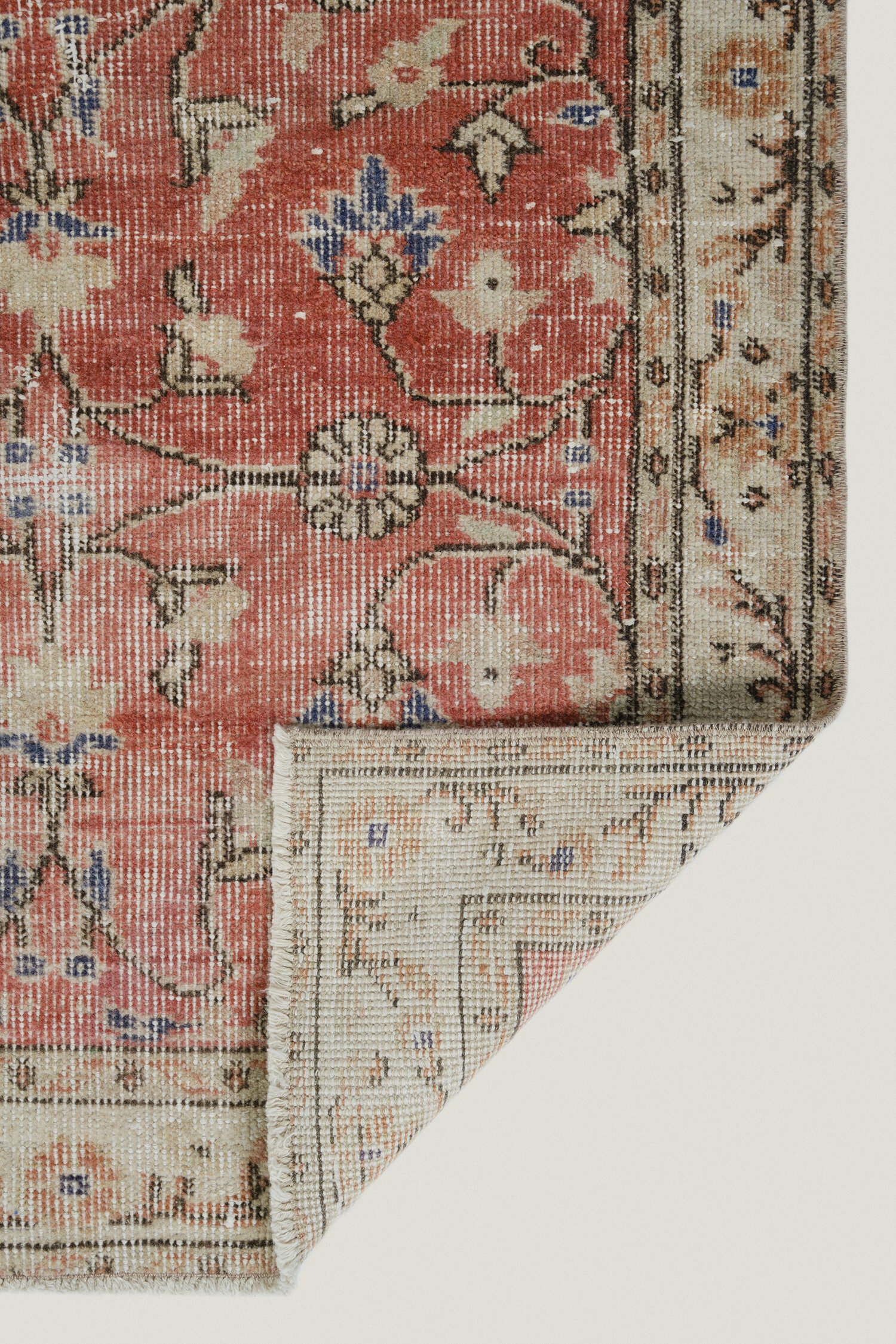
Age-softened colors and surface wear have transformed the original appearance. What likely began with more saturated brick red and sky blue has mellowed into softer tones. The calm, settled presence comes from decades of use that have integrated the colors and worn the surface into something warm and authentic.
Placement
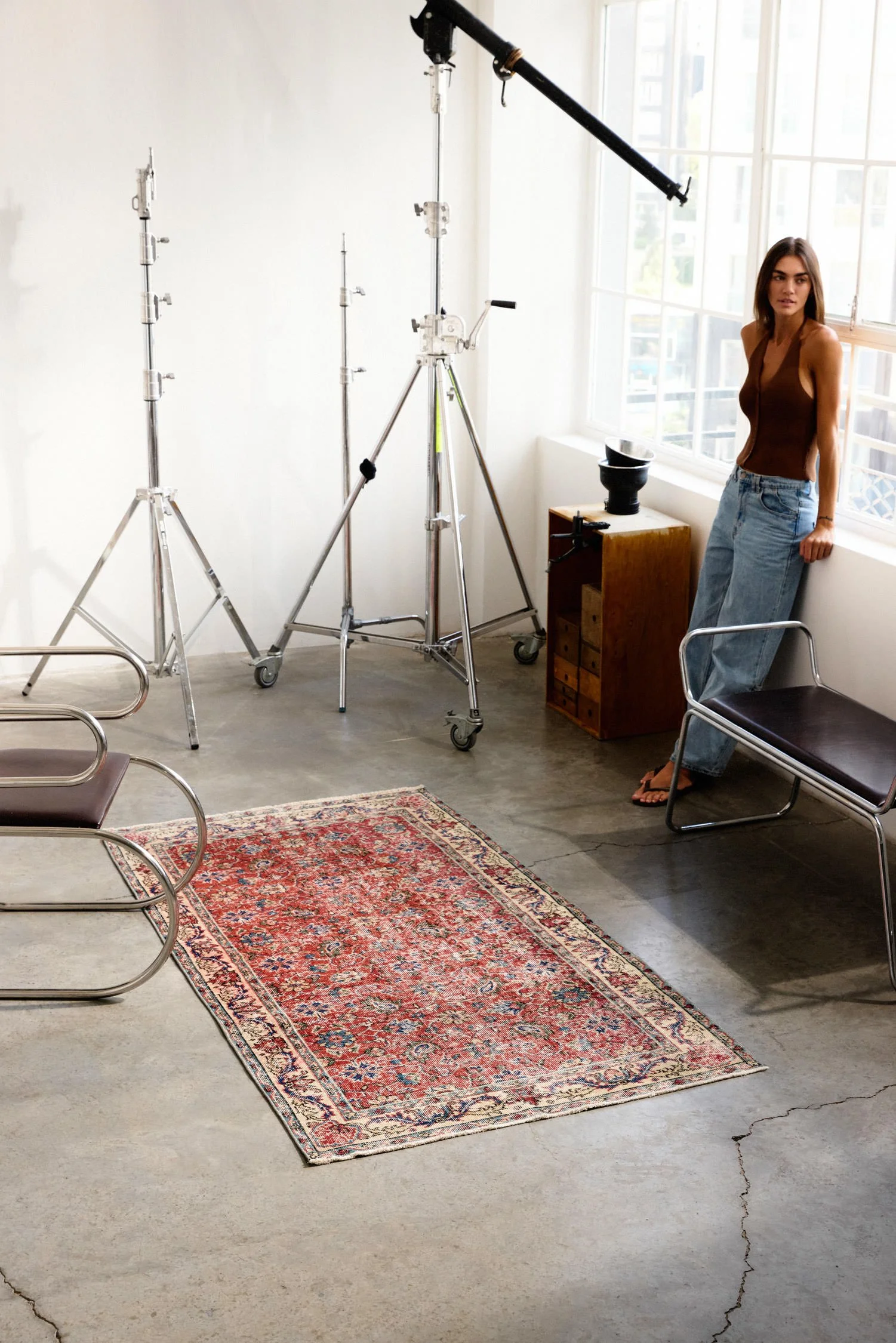
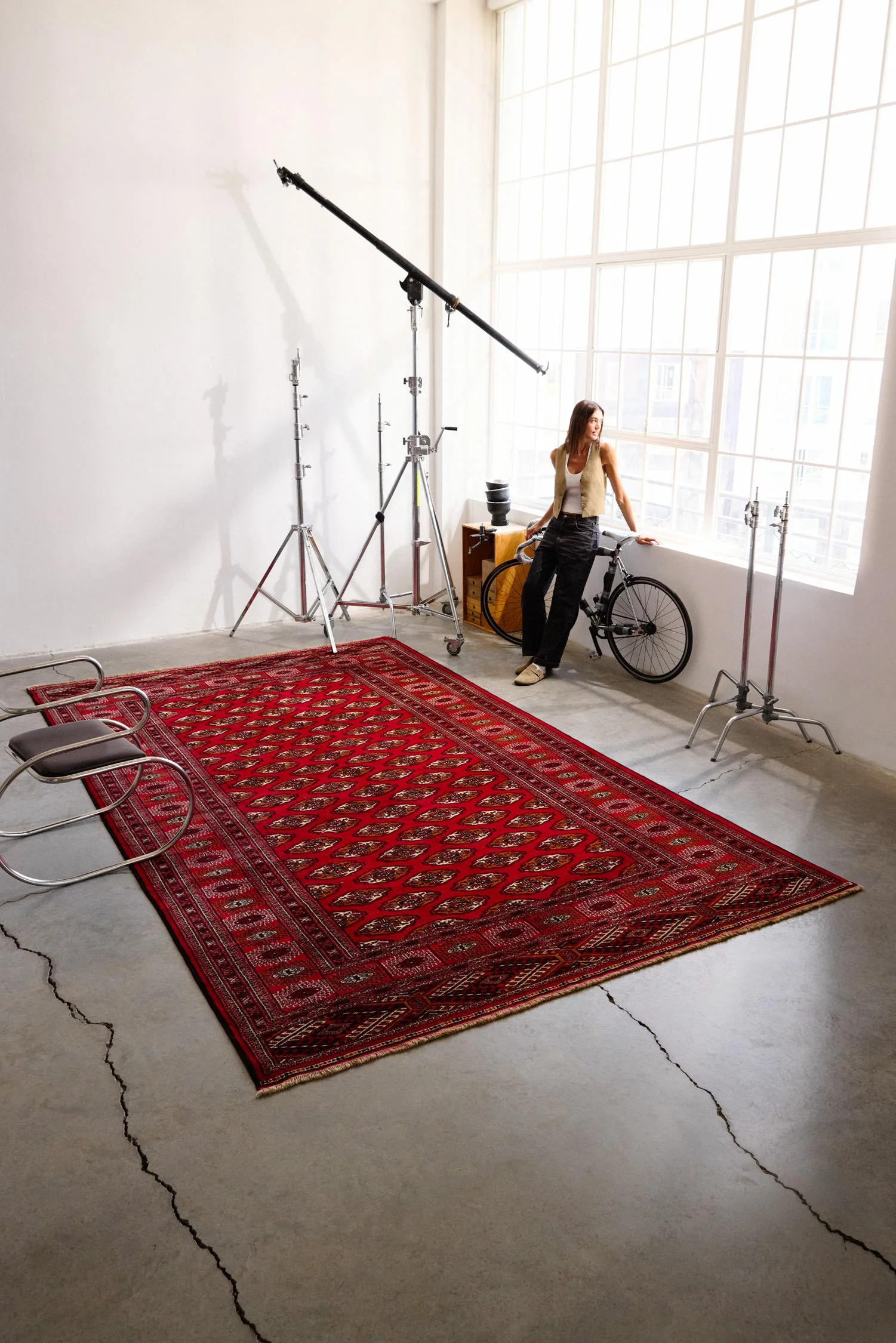
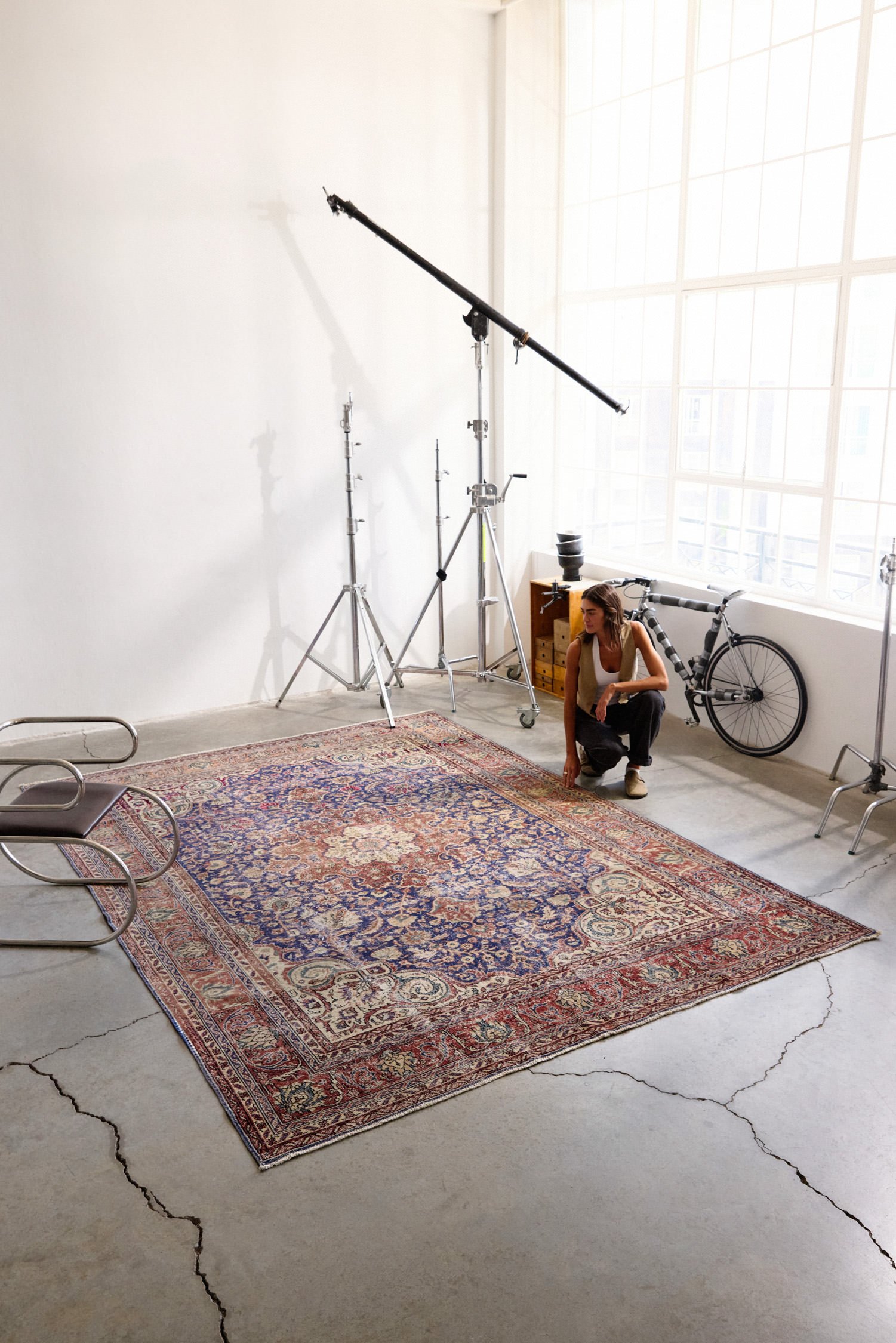
At 4'11" x 7'2", this works in entryways, kitchens, hallways, bathrooms, bedrooms at the foot of the bed, and home offices. The proportions suit spaces where you want tribal character with practical dimensions.
The soft brick red and muted sky blue bring warmth to interiors. Traditional settings appreciate the vintage Shiraz provenance and tribal authenticity. Contemporary spaces can use the age-softened colors and dense pattern as a grounding accent that provides character and handmade quality. The settled presence suits spaces styled with natural materials and layered textures.
Care Recommendations
To preserve the rug's beauty:
Rotate periodically for even wear
Vacuum regularly using a suction-only setting
Address spills immediately by blotting, never rubbing
Professional cleaning is recommended annually
Avoid direct sunlight to maintain color integrity
Shiraz weavers filled every space because an empty field meant wasted opportunity for storytelling.