 Image 1 of 6
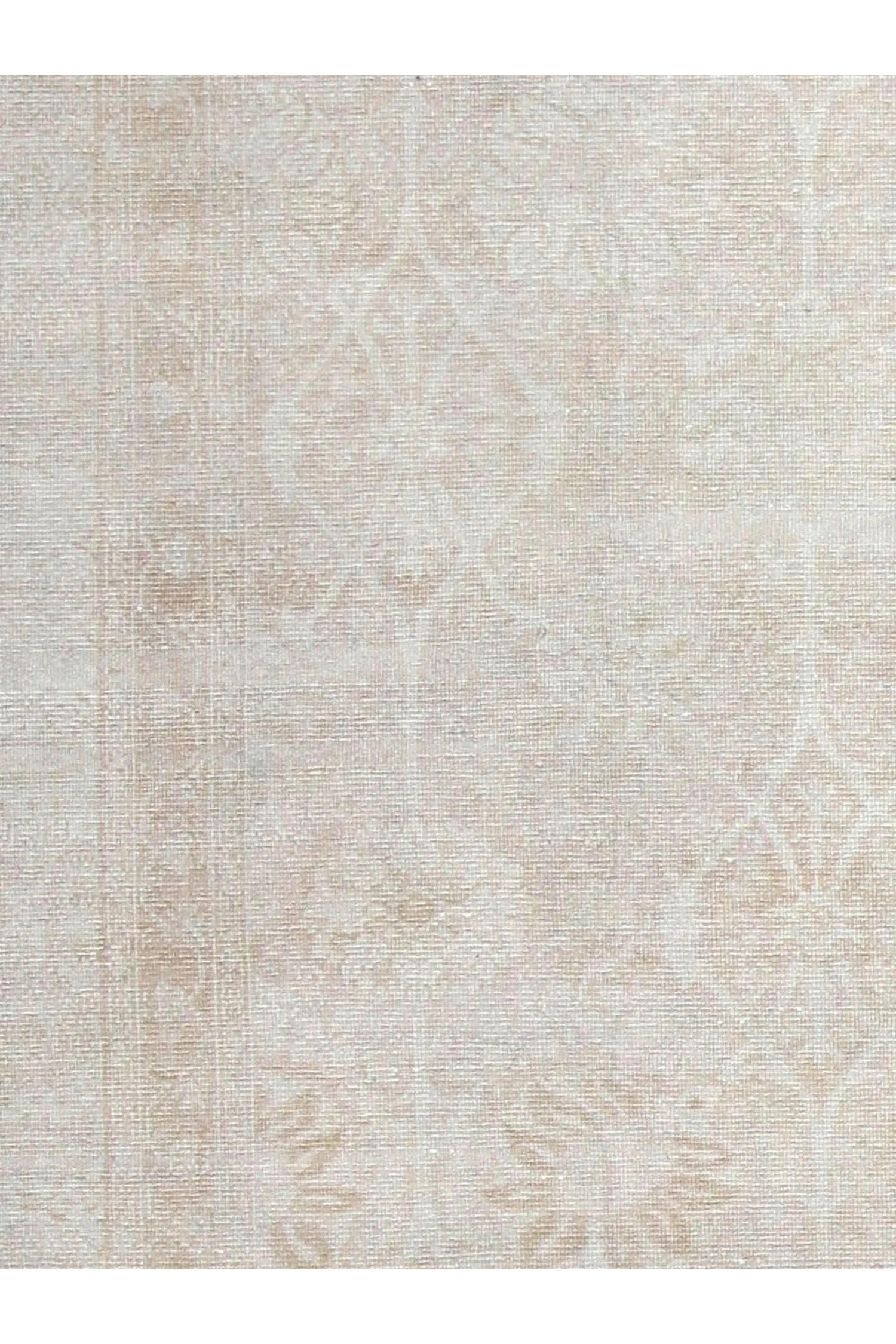 Image 2 of 6
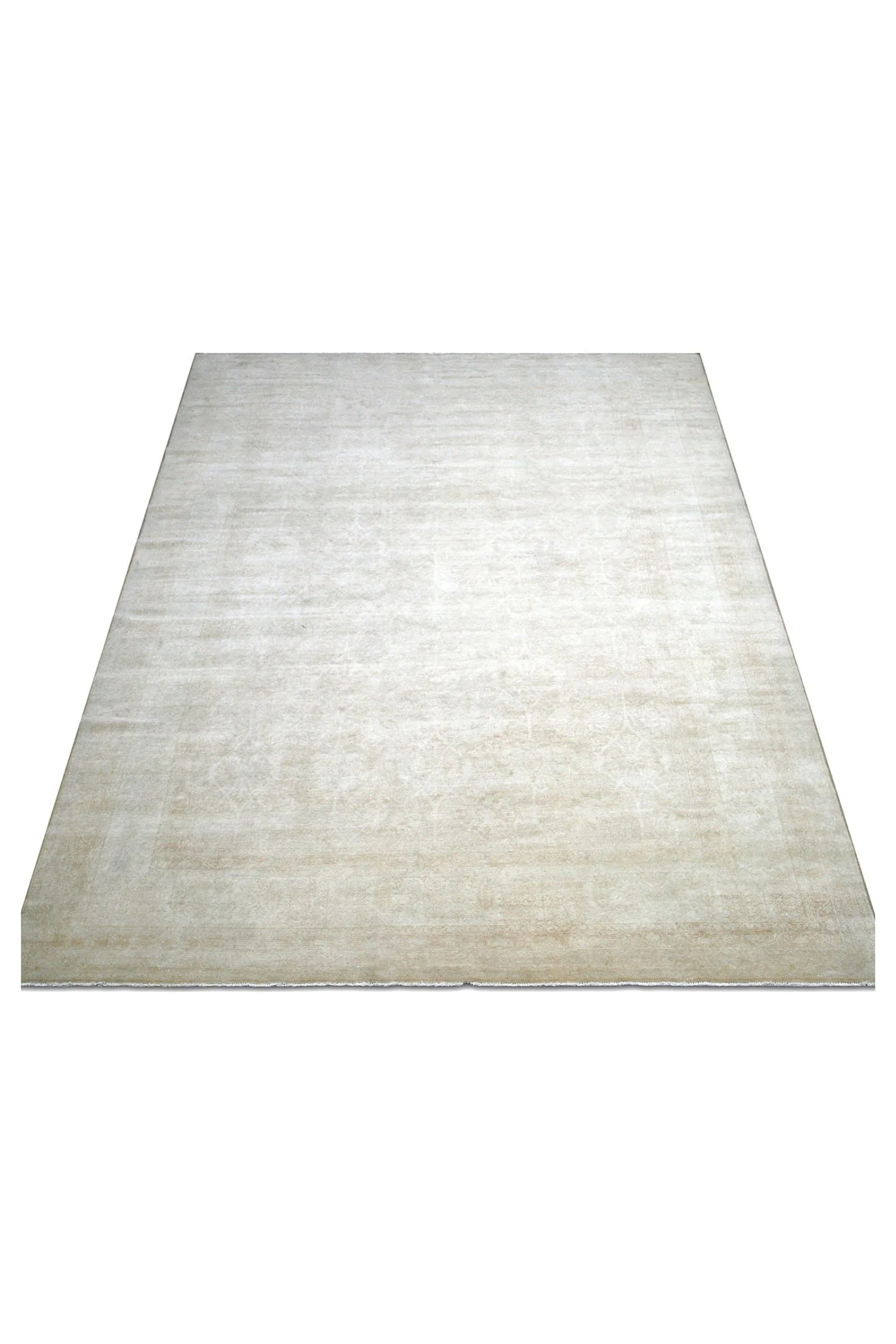 Image 3 of 6
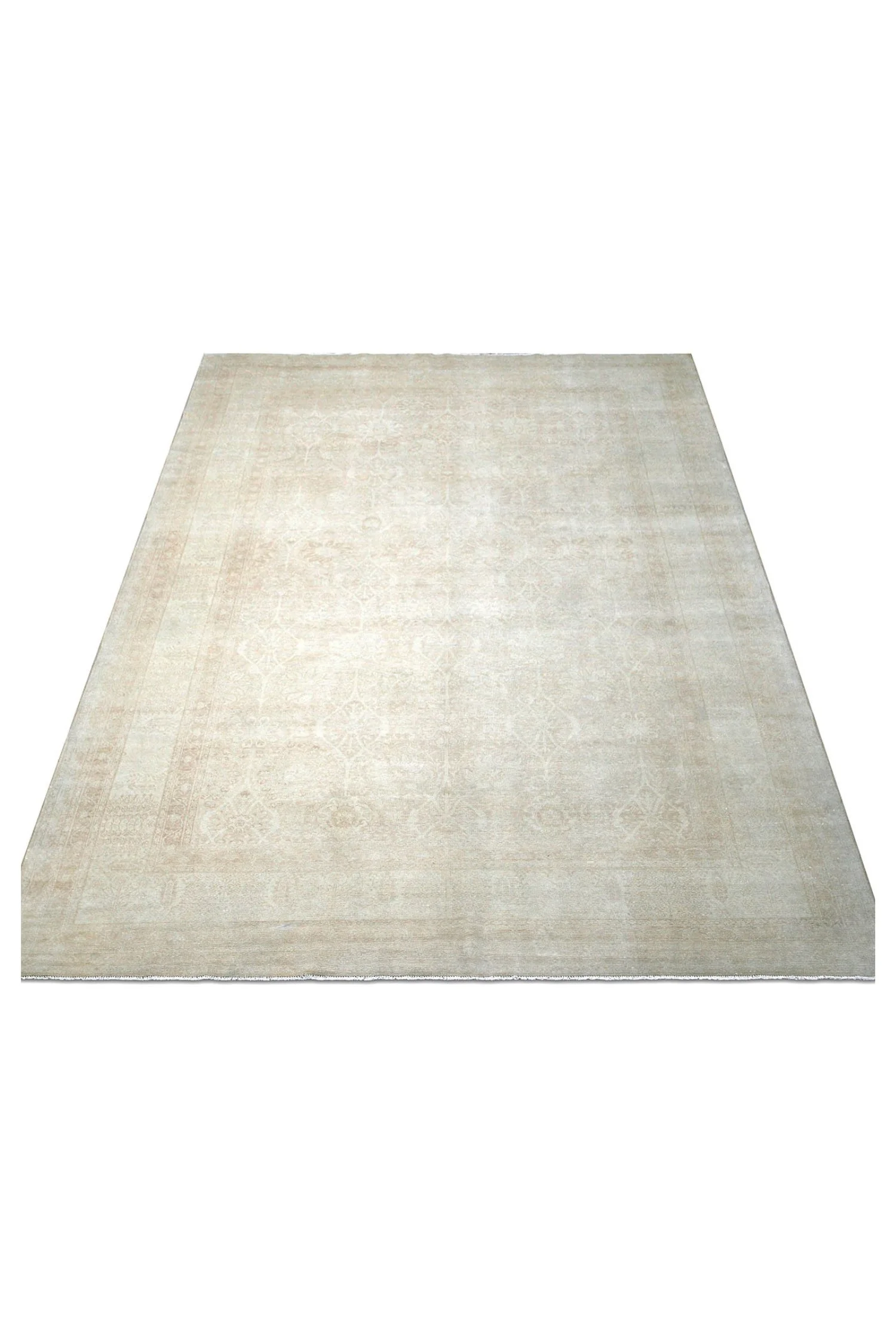 Image 4 of 6
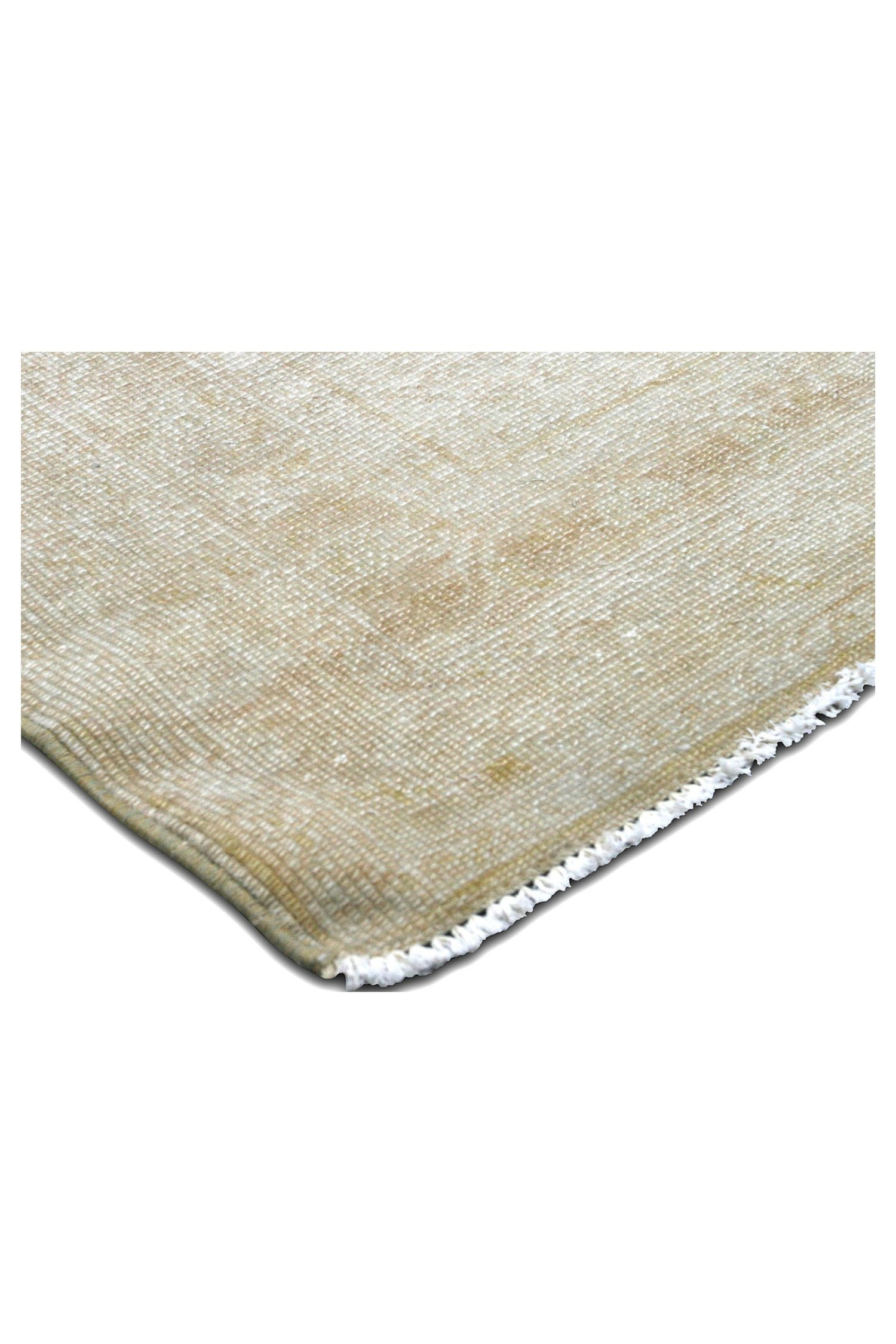 Image 5 of 6
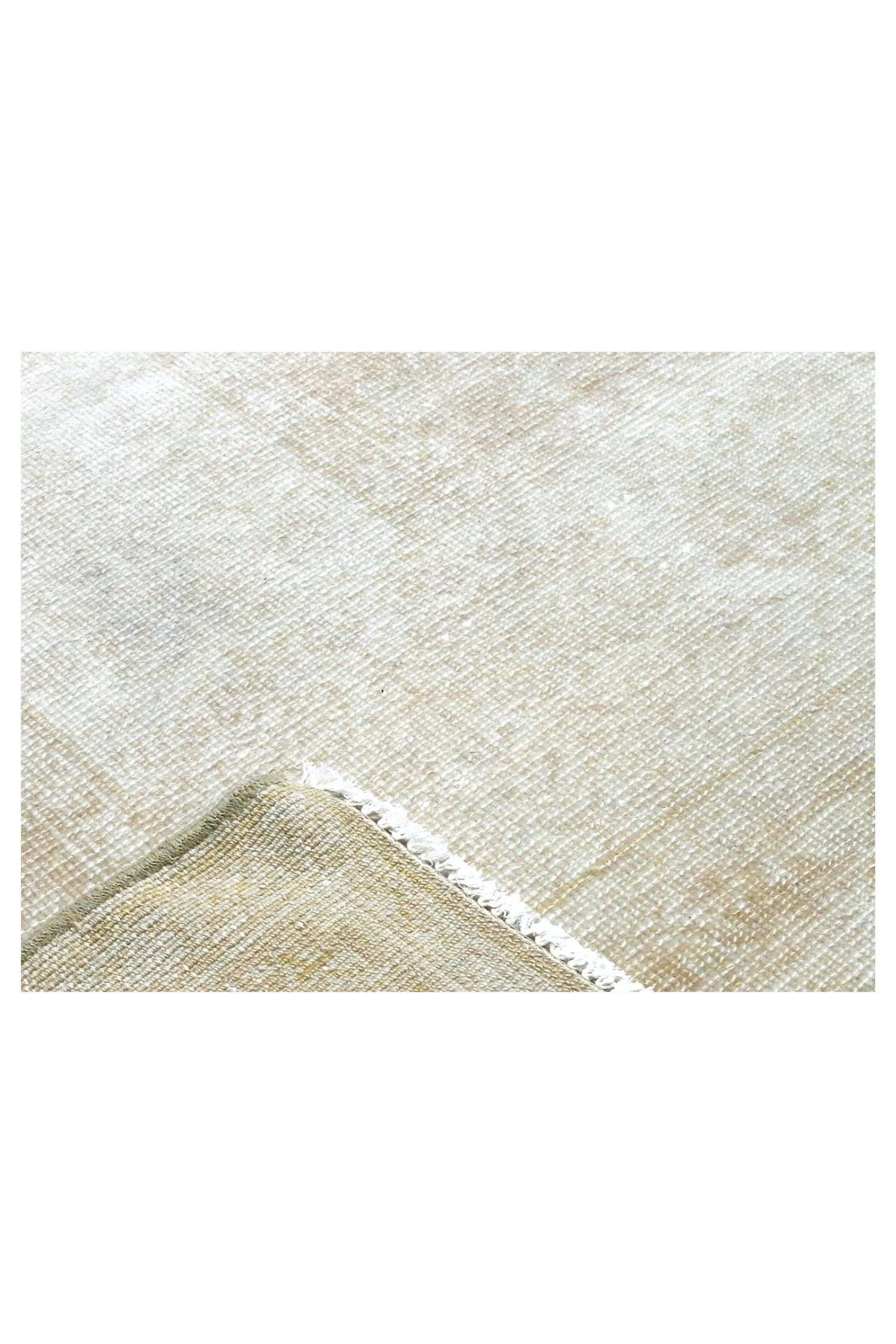 Image 6 of 6
Heritage and Craftsmanship
By the 1950s, Oushak weavers had been supplying European markets for centuries. They understood how to make rugs that worked in large rooms without overwhelming them. This wasn't a new skill, but the postwar period refined it.
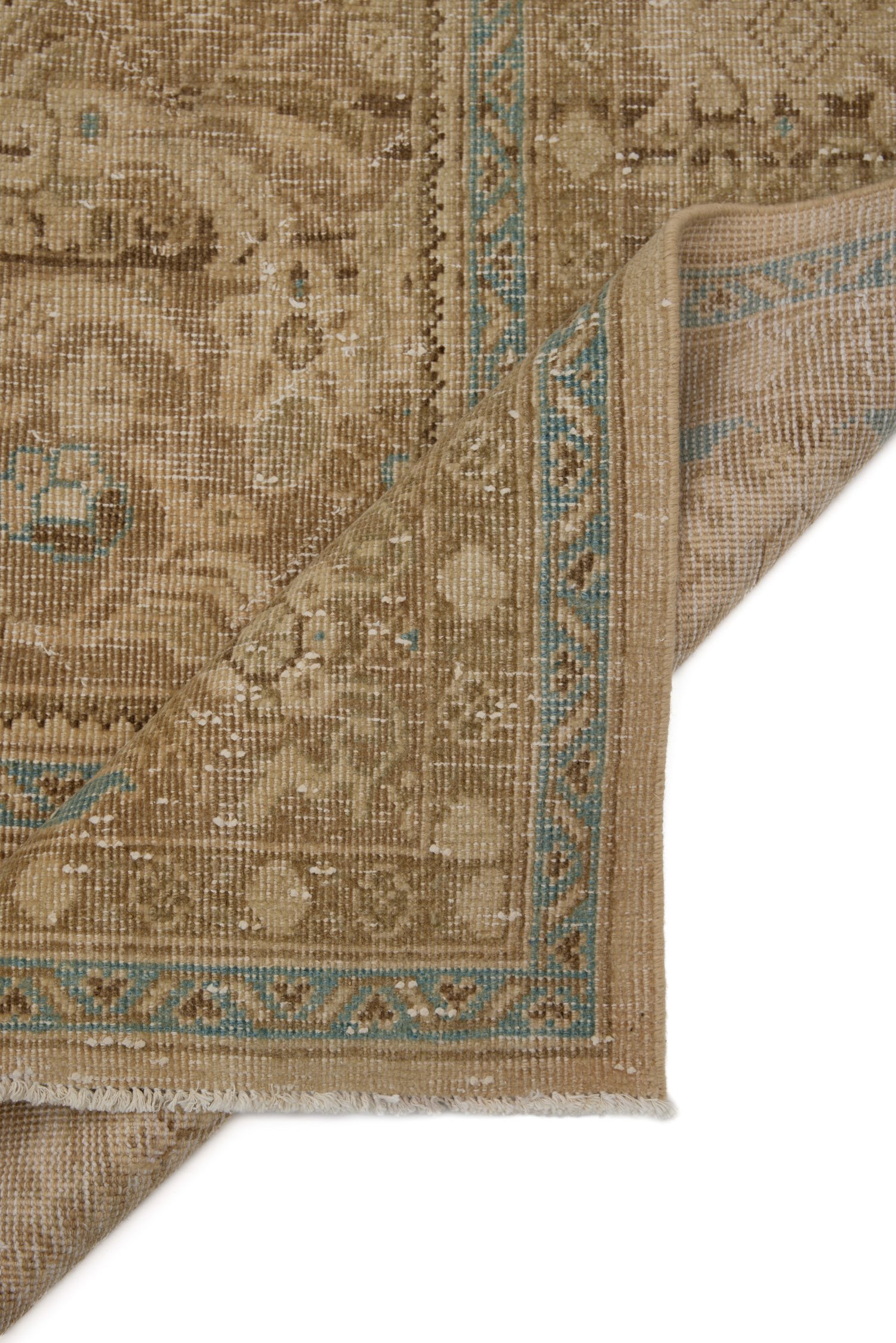
The workshops used high-quality wool and dyes passed down through generations. What changed was the willingness to work with minimal contrast. Earlier Oushak production often featured stronger color relationships. Mid-century pieces like this one trusted that tonal variation alone could sustain interest across a large surface.
Design Elements
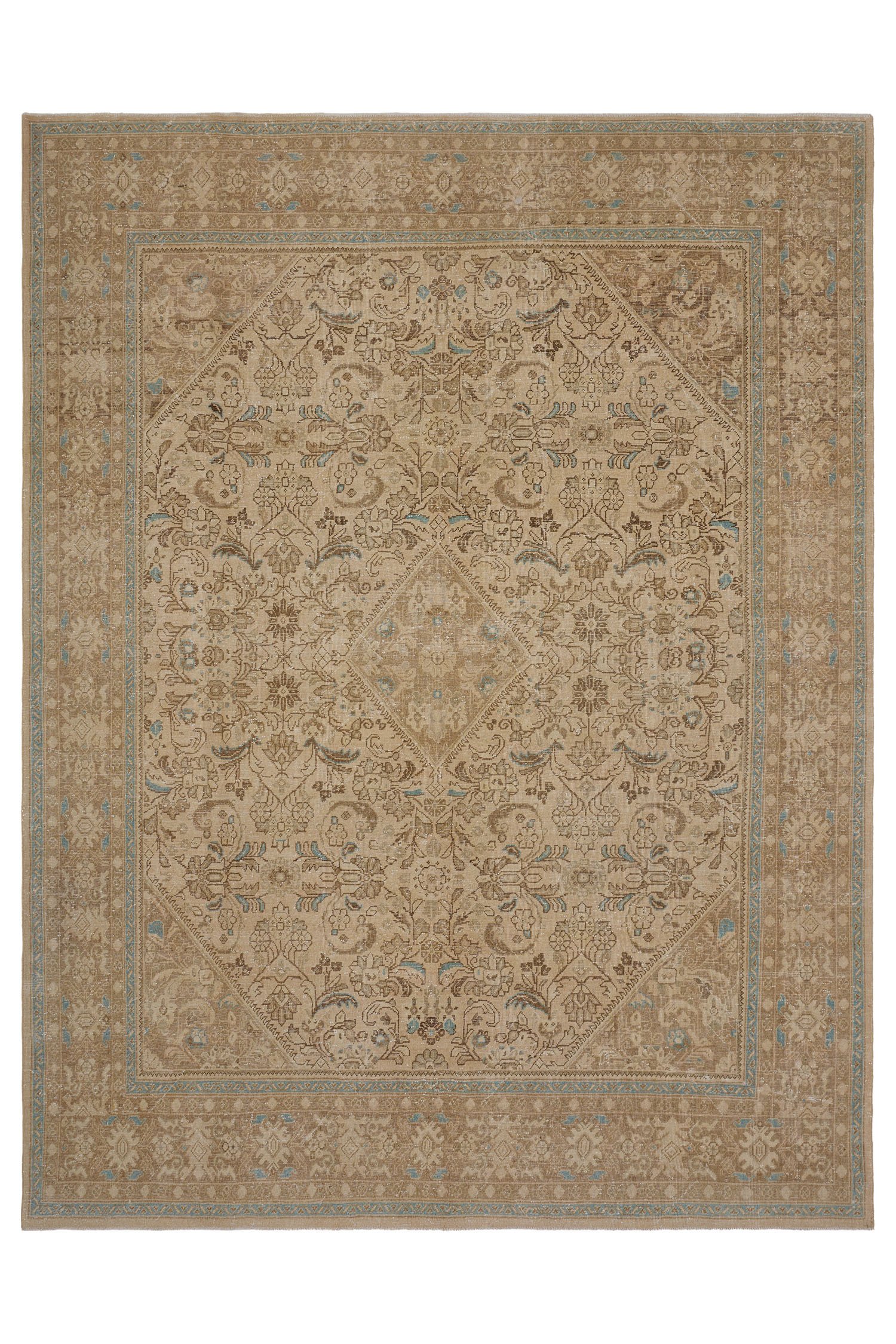
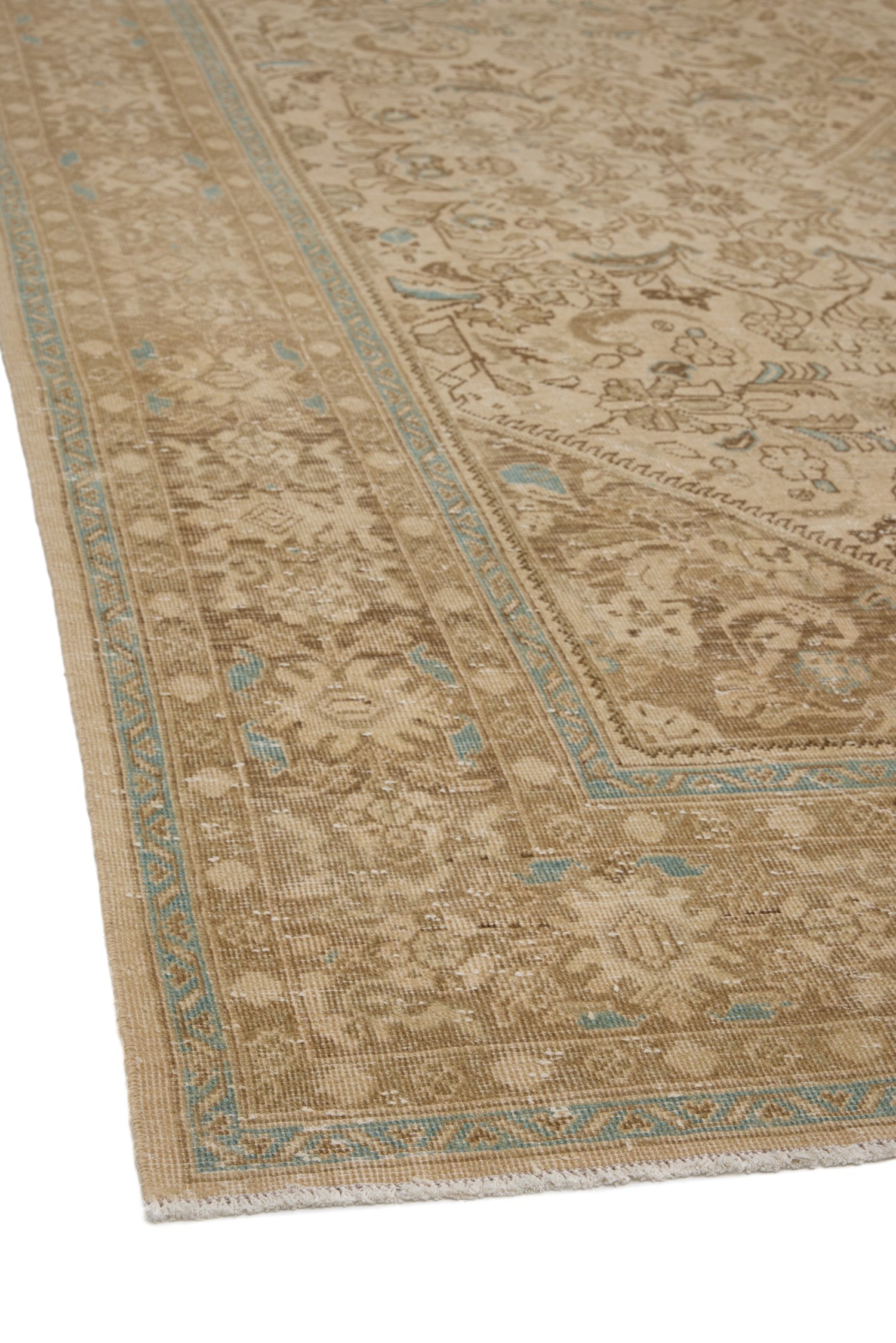
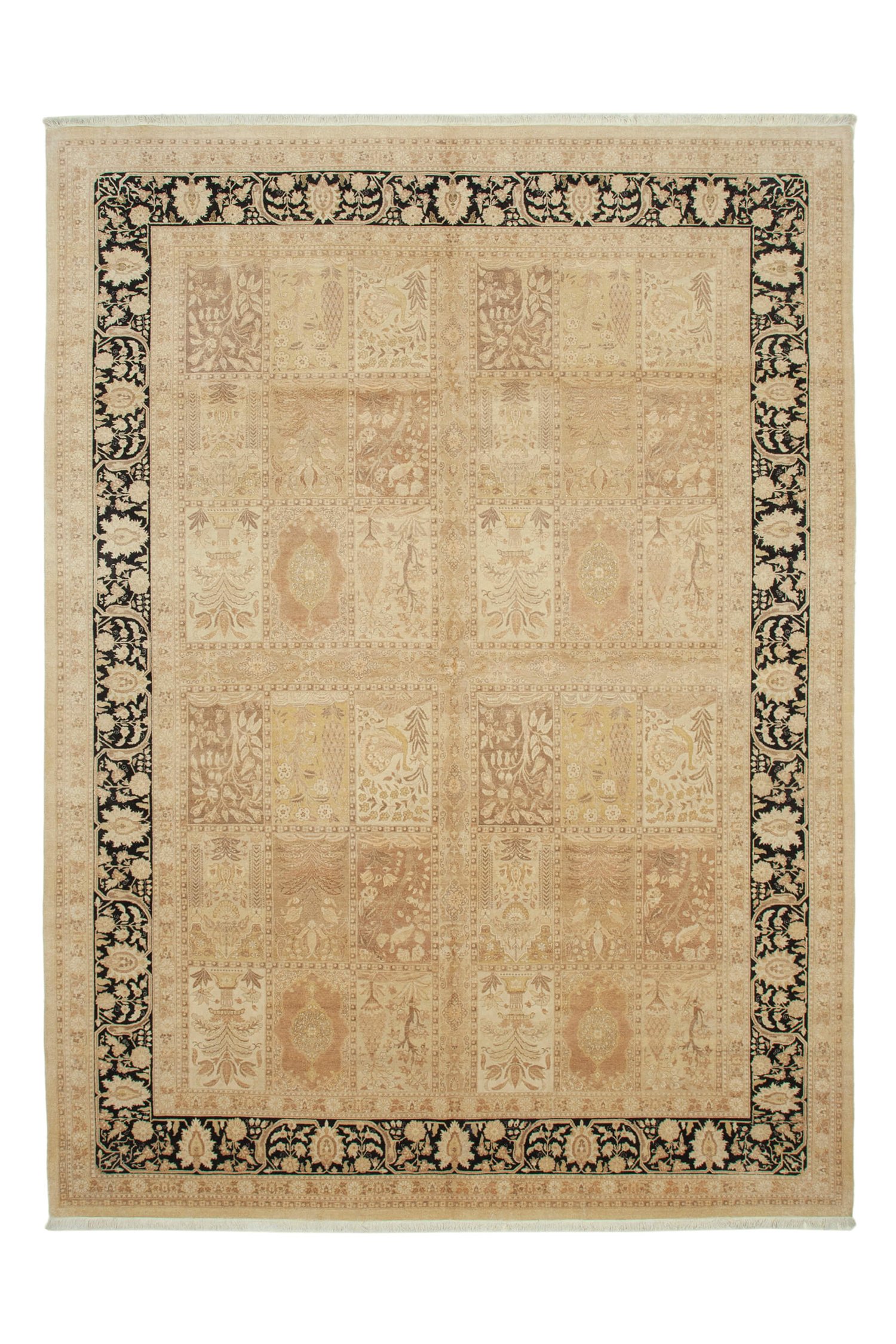
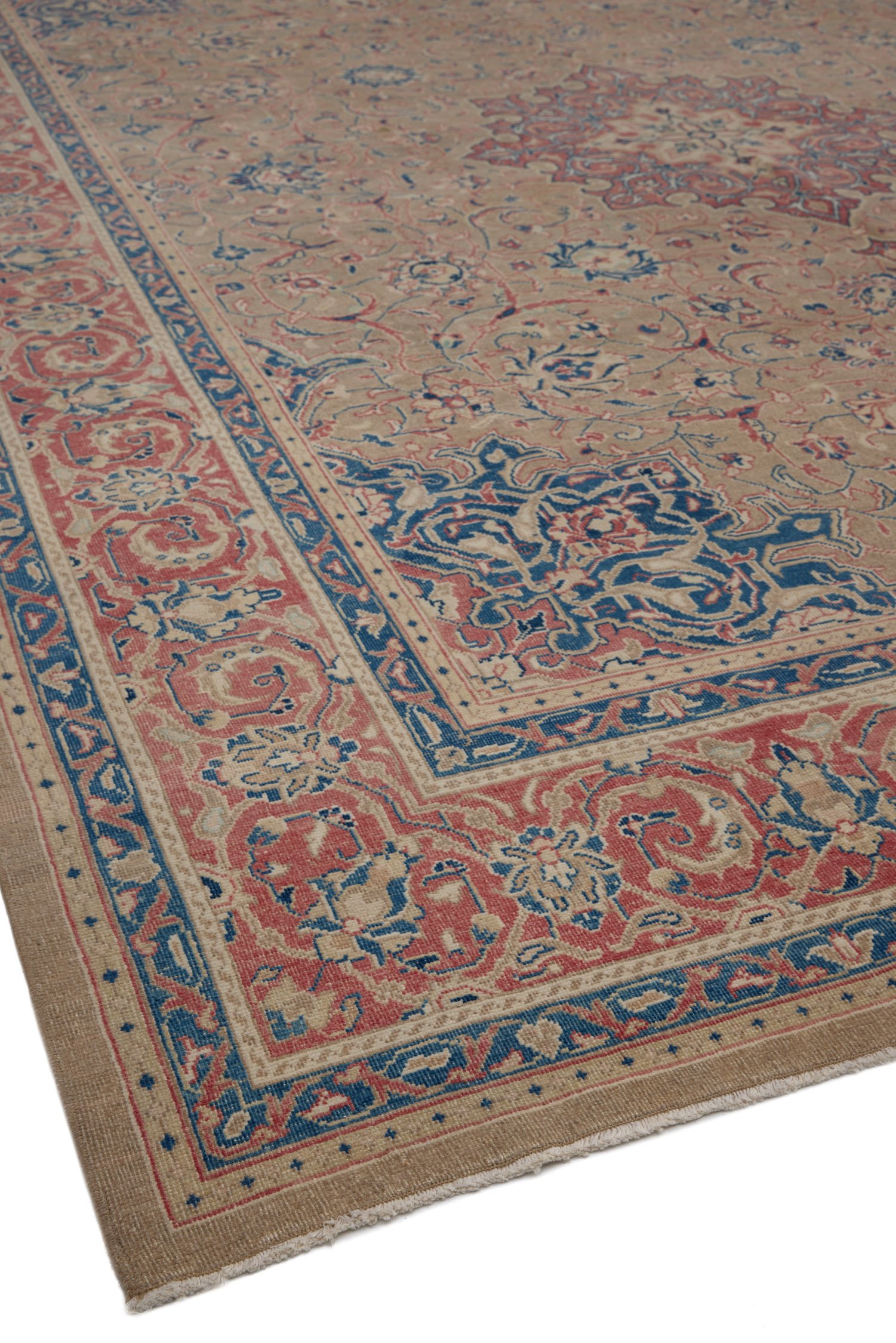
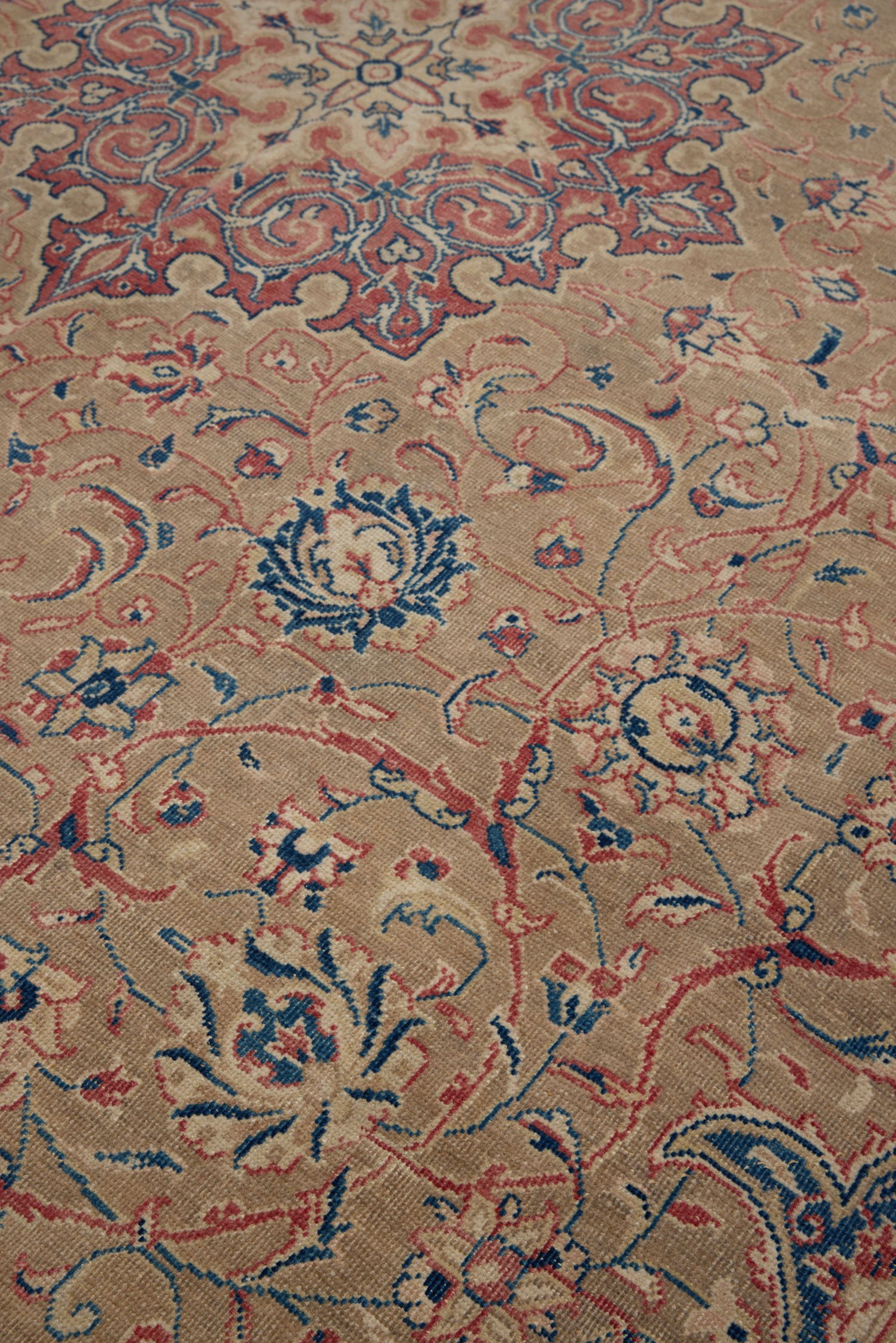
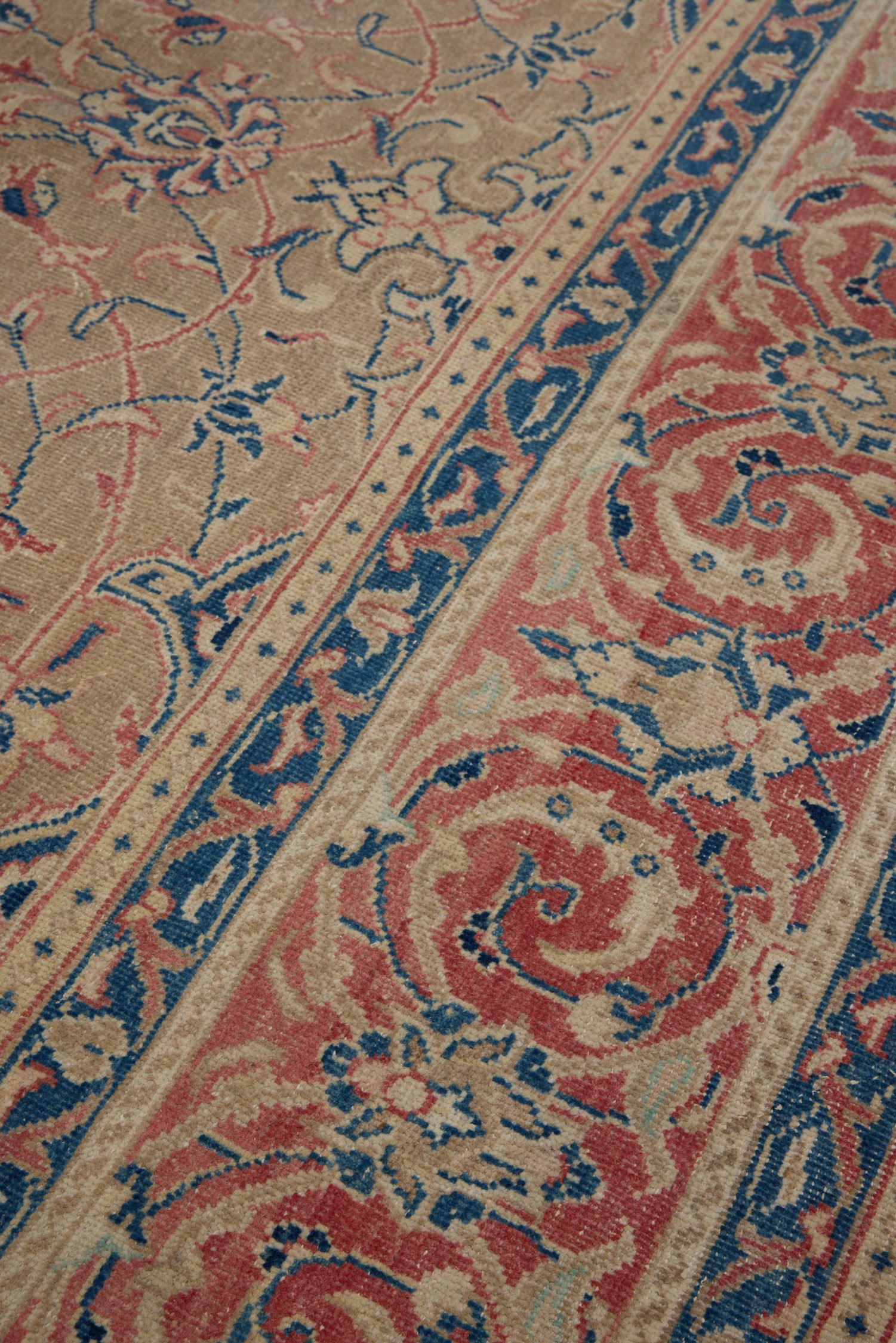
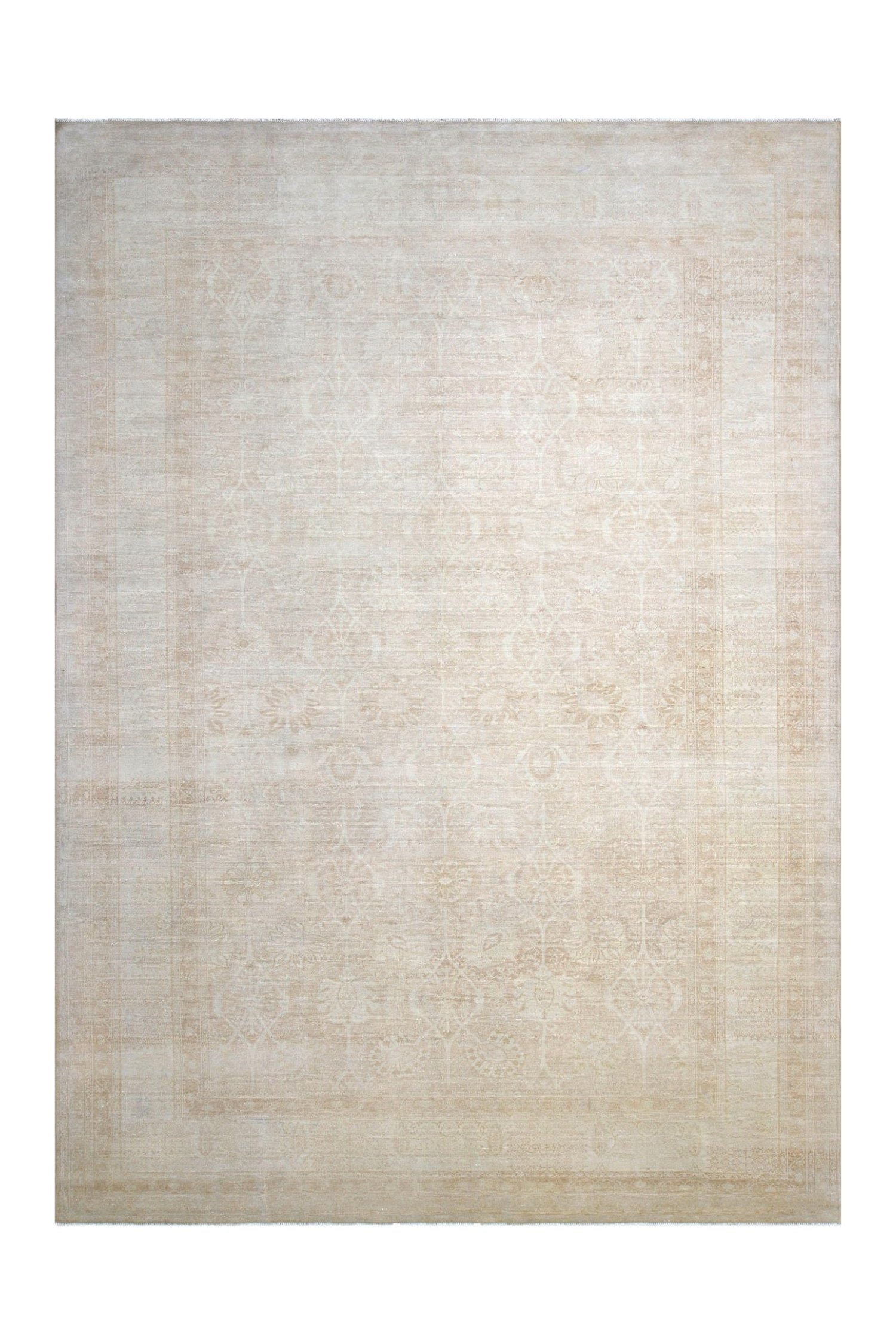
The pattern scatters floral motifs and geometric forms across the field in low contrast. They're visible up close but recede from a distance, which means the rug reads differently depending on where you stand.
Rather than centering a medallion, the design distributes pattern across the entire surface. This works better at this scale, preventing any single element from fragmenting the space. It's less about decoration and more about creating a textured foundation.
Placement
At nearly ten by thirteen and a half feet, this needs a room with space to accommodate it. Large living rooms work well, as do substantial dining rooms where the rug can anchor the table without crowding the perimeter.
The neutral palette functions with both warm and cool color schemes. Contemporary interiors appreciate the lack of visual competition, while traditional spaces find enough pattern detail to feel appropriate. In primary bedrooms, this size extends well beyond the bed on all sides.
Care Recommendations
To preserve the rug's beauty:
Rotate periodically for even wear
Vacuum regularly using a suction-only setting
Address spills immediately by blotting, never rubbing
Professional cleaning recommended annually
Avoid direct sunlight to maintain color integrity
This rug works by not working too hard.