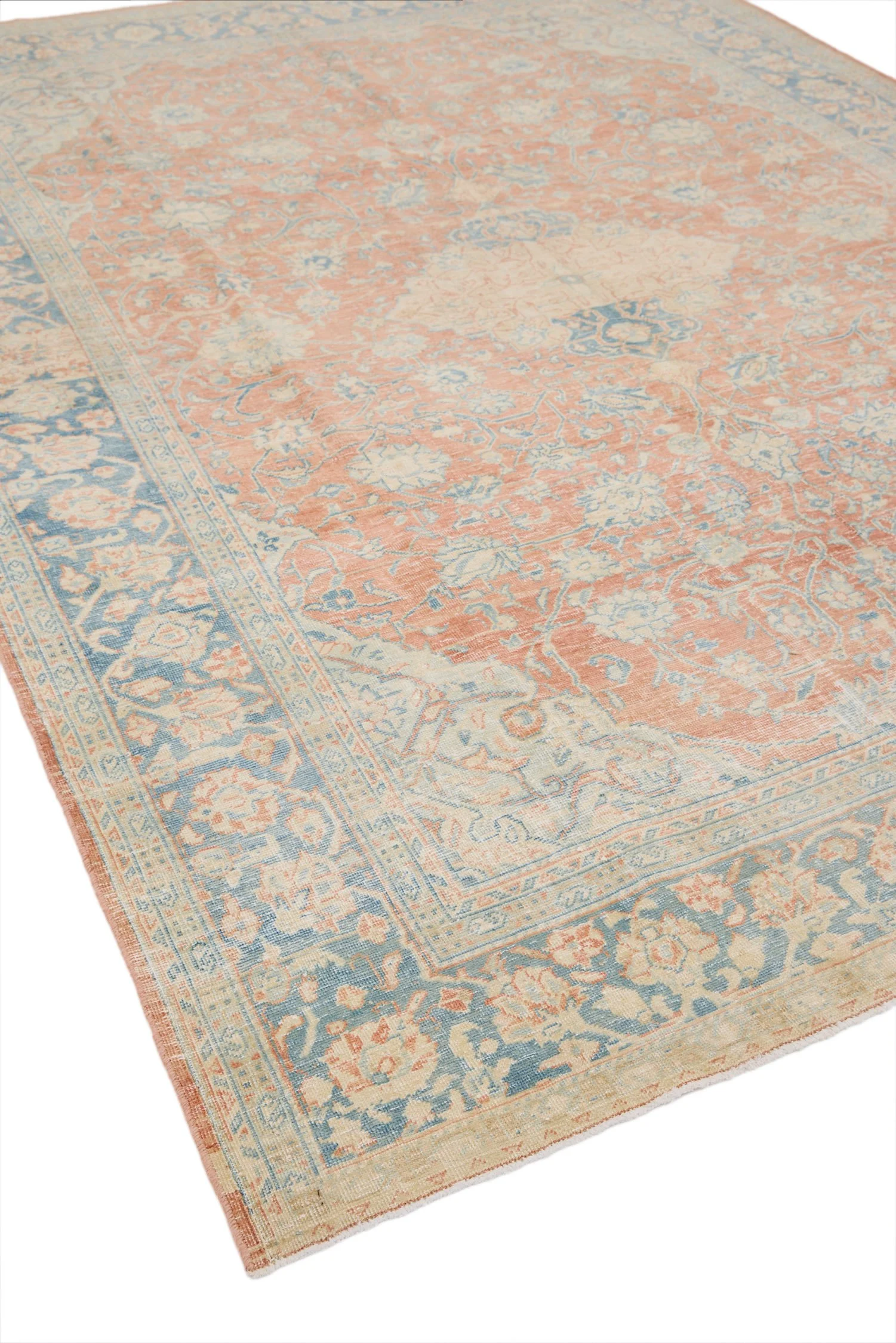
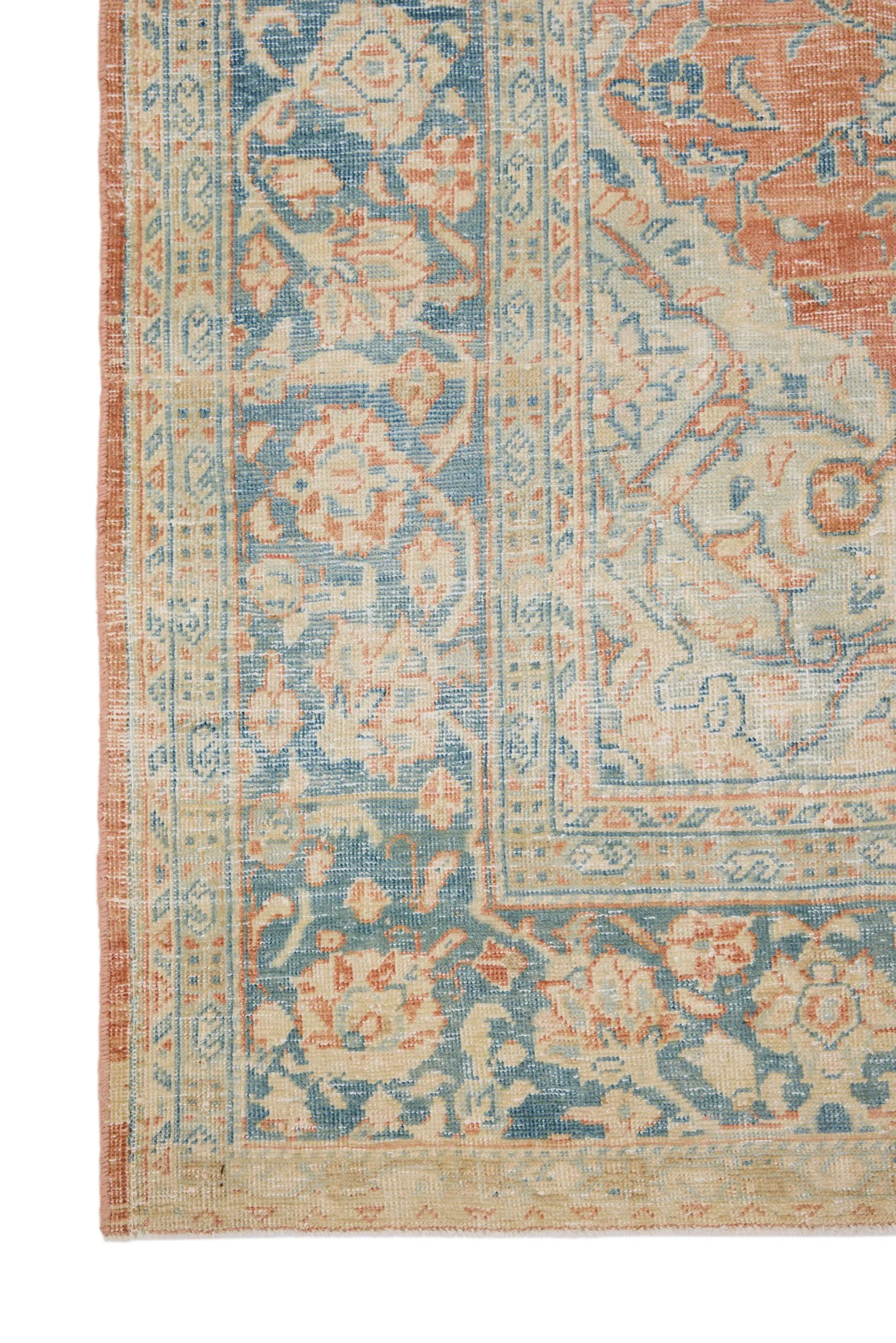
 Image 1 of 5
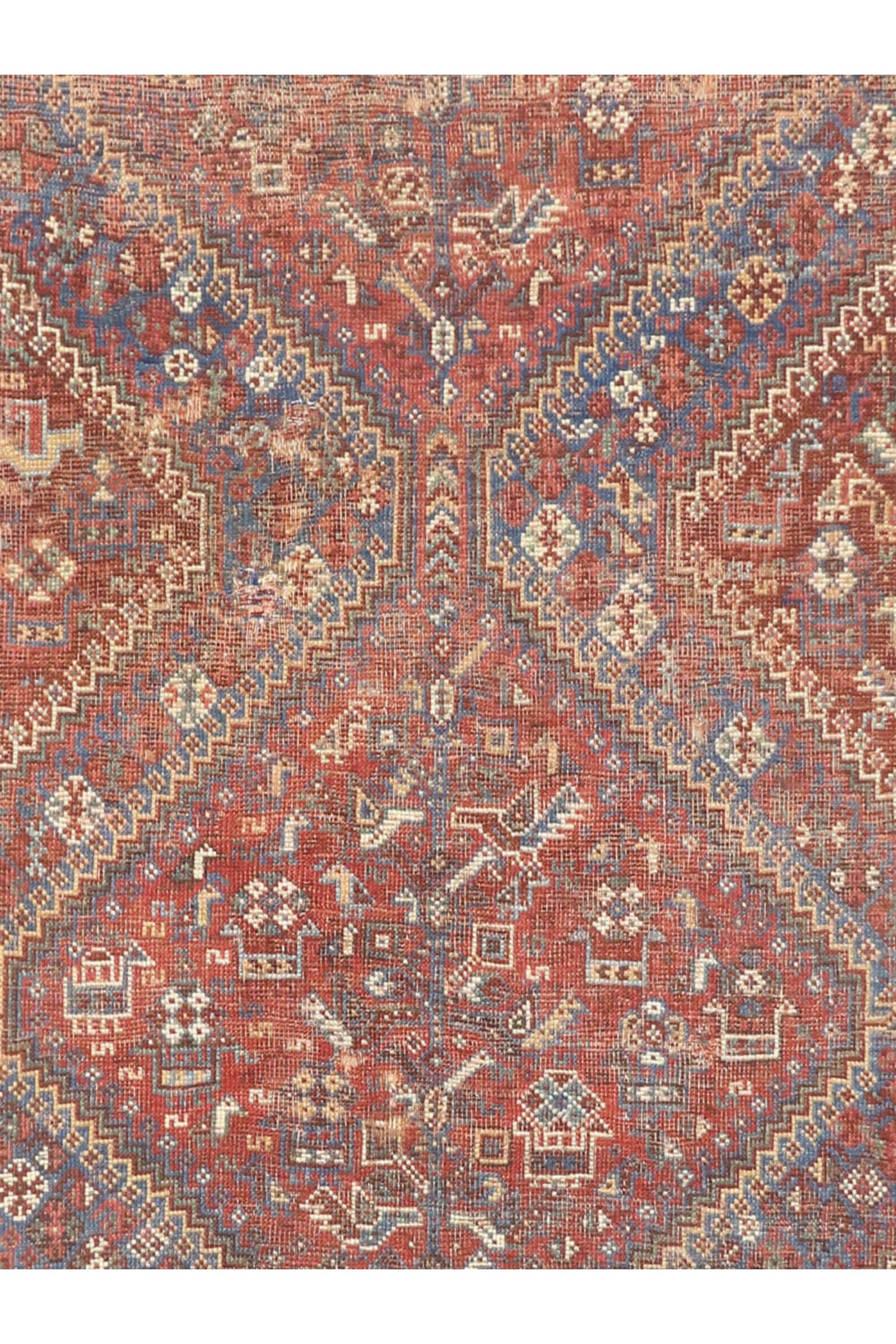 Image 2 of 5
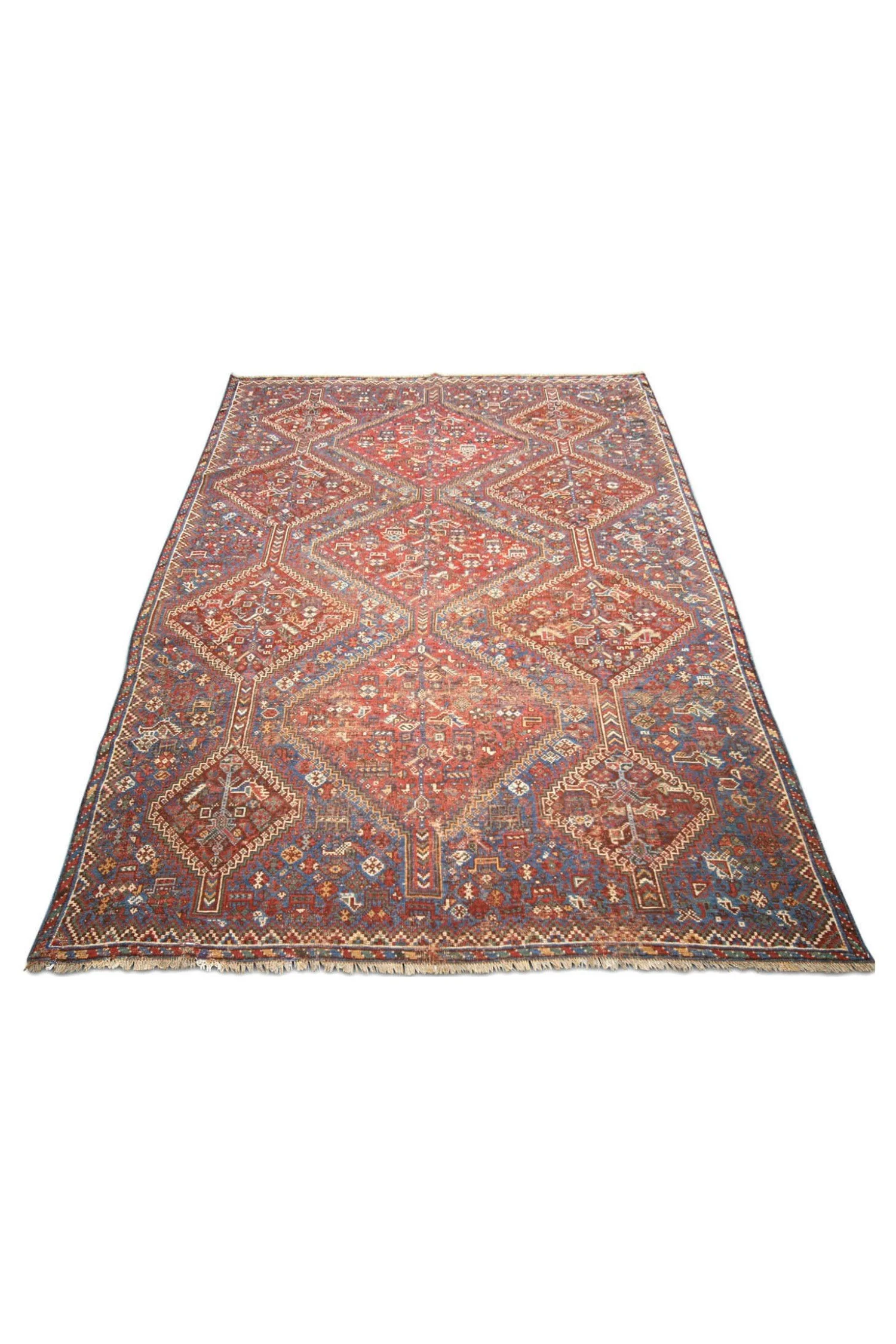 Image 3 of 5
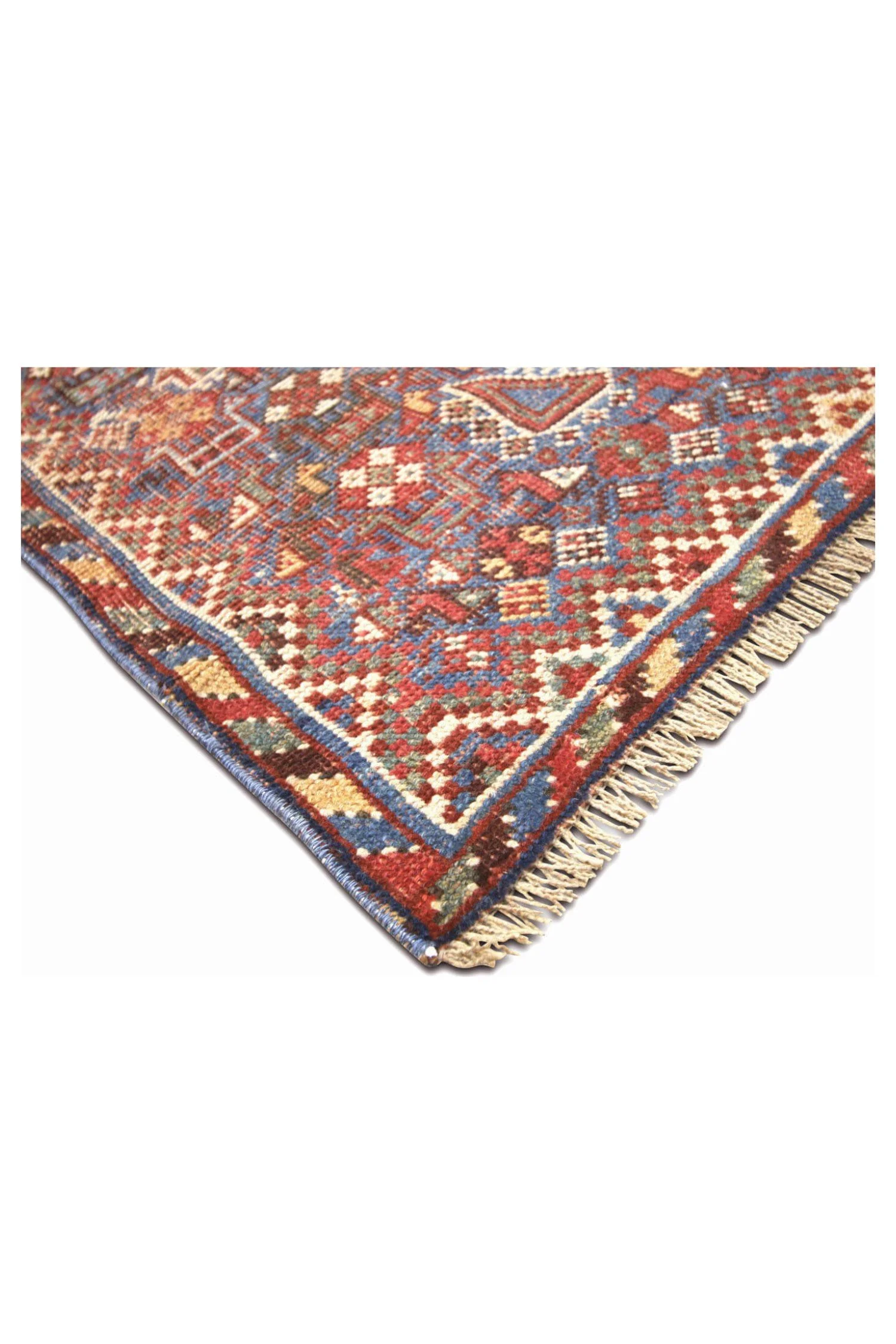 Image 4 of 5
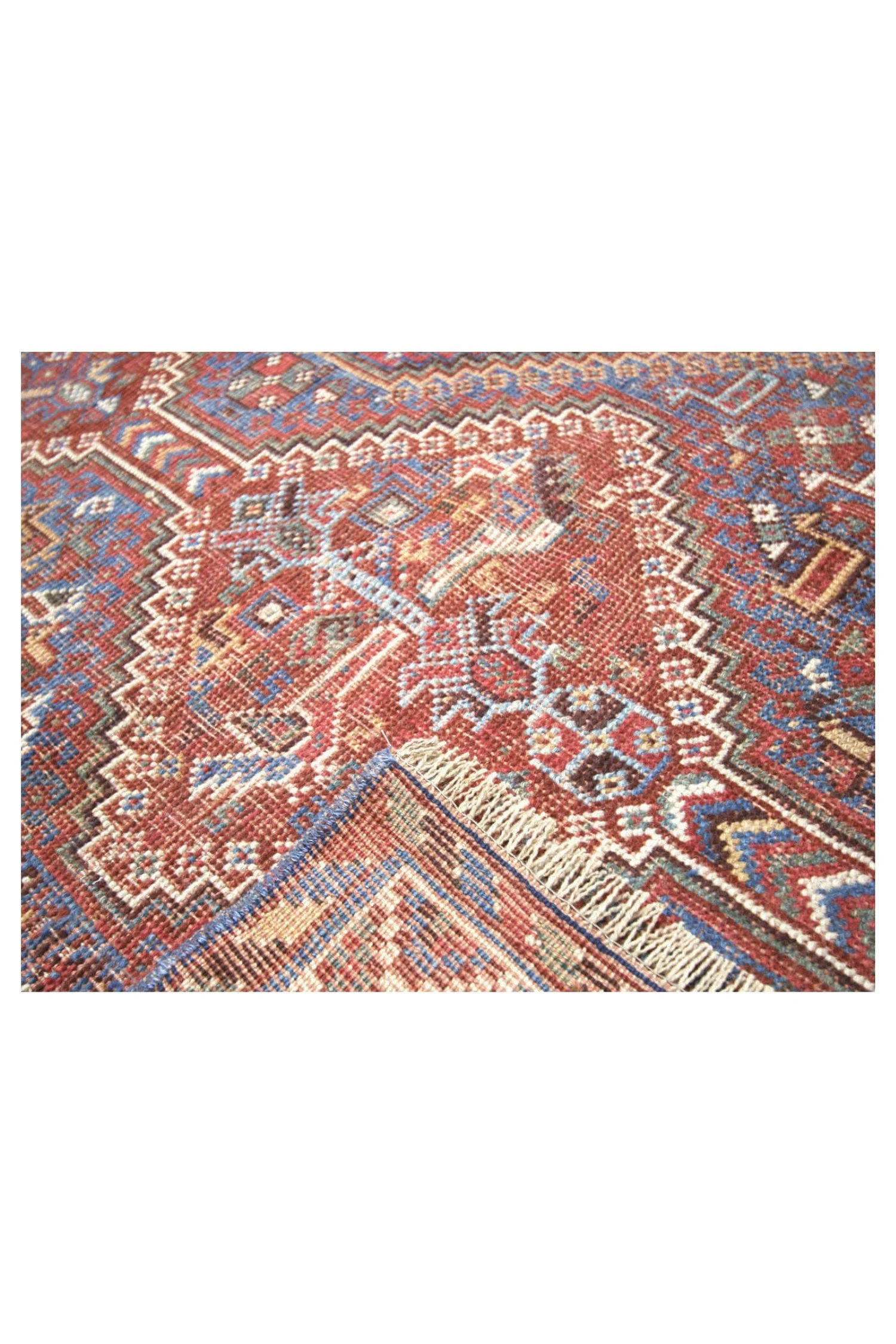 Image 5 of 5
Heritage and Craftsmanship
Shiraz rugs from the 1940s and 1950s were produced by tribal groups in southwestern Persia, who maintained weaving traditions distinct from urban workshop production. These weavers created rugs on portable horizontal looms, working from memory rather than written patterns. The designs reflected generations of inherited motifs with symbolic meanings within the weaving communities.
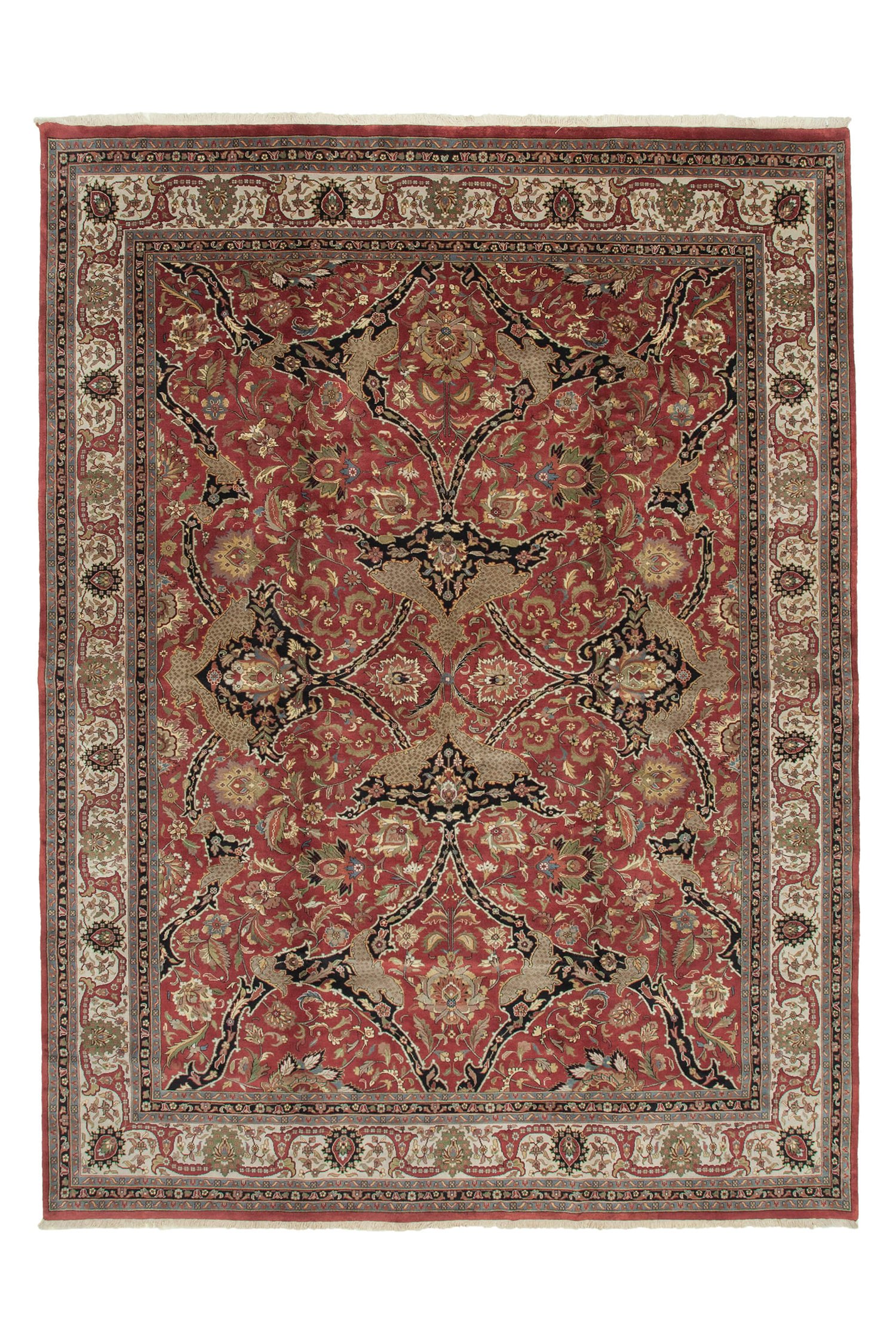
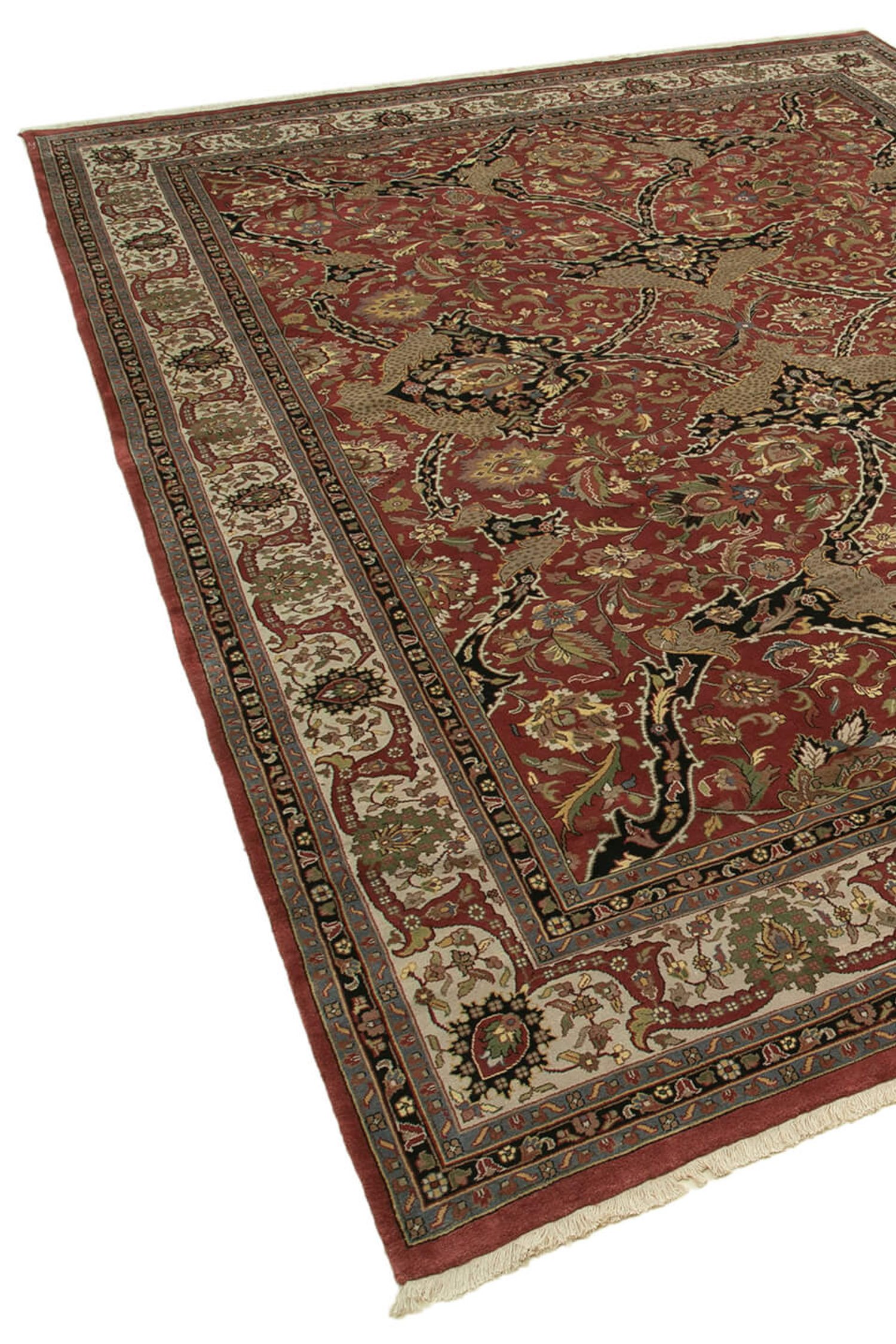
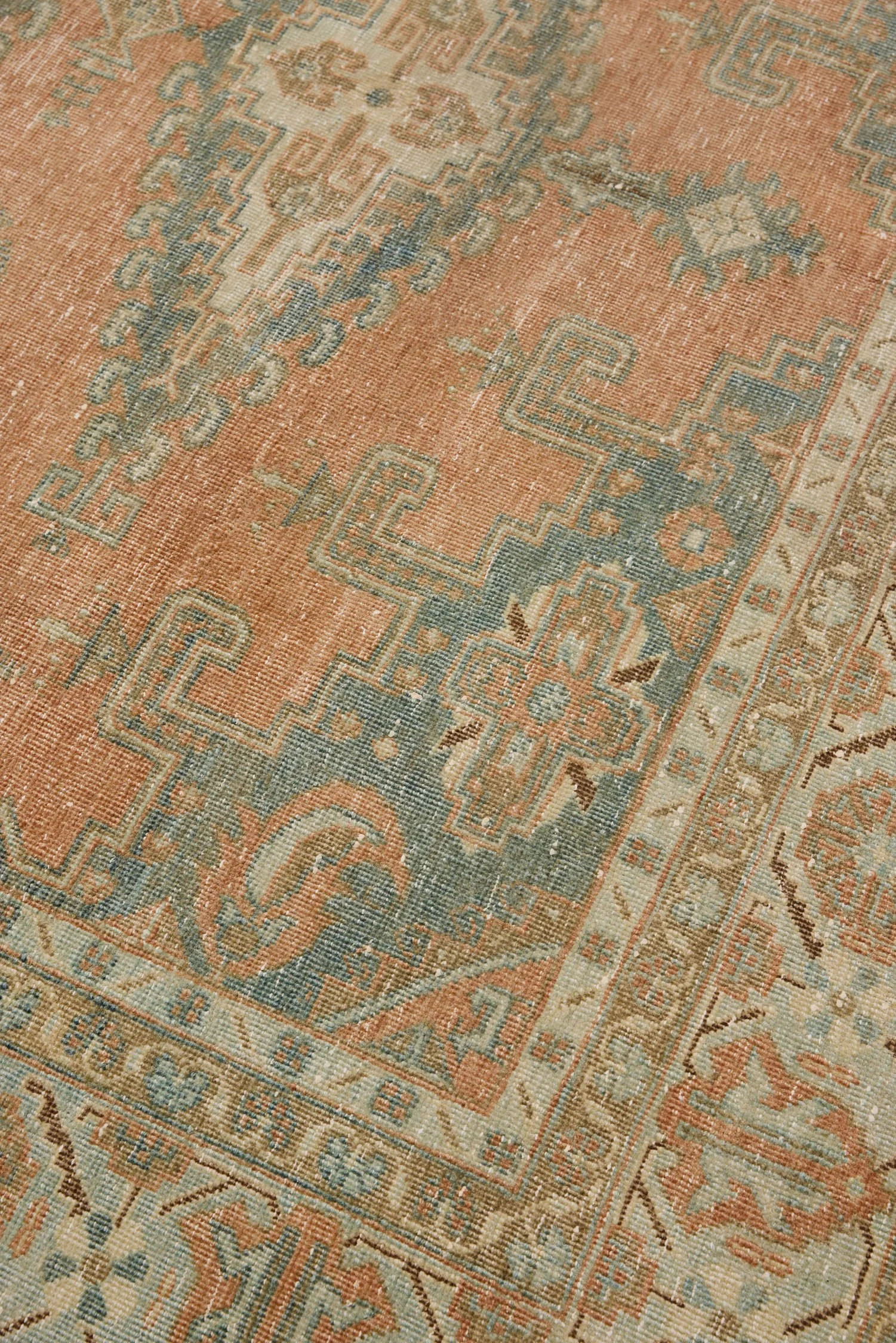
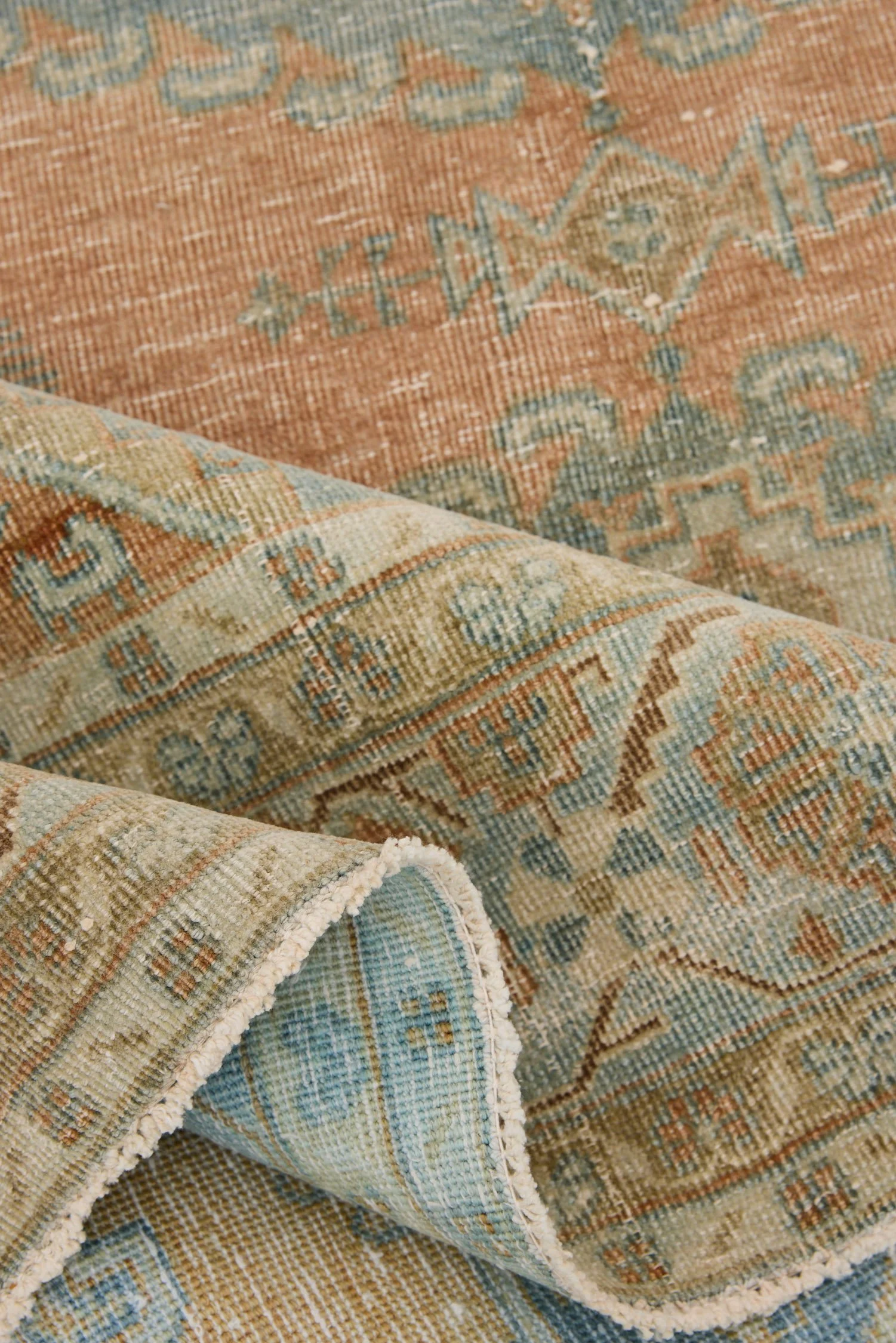
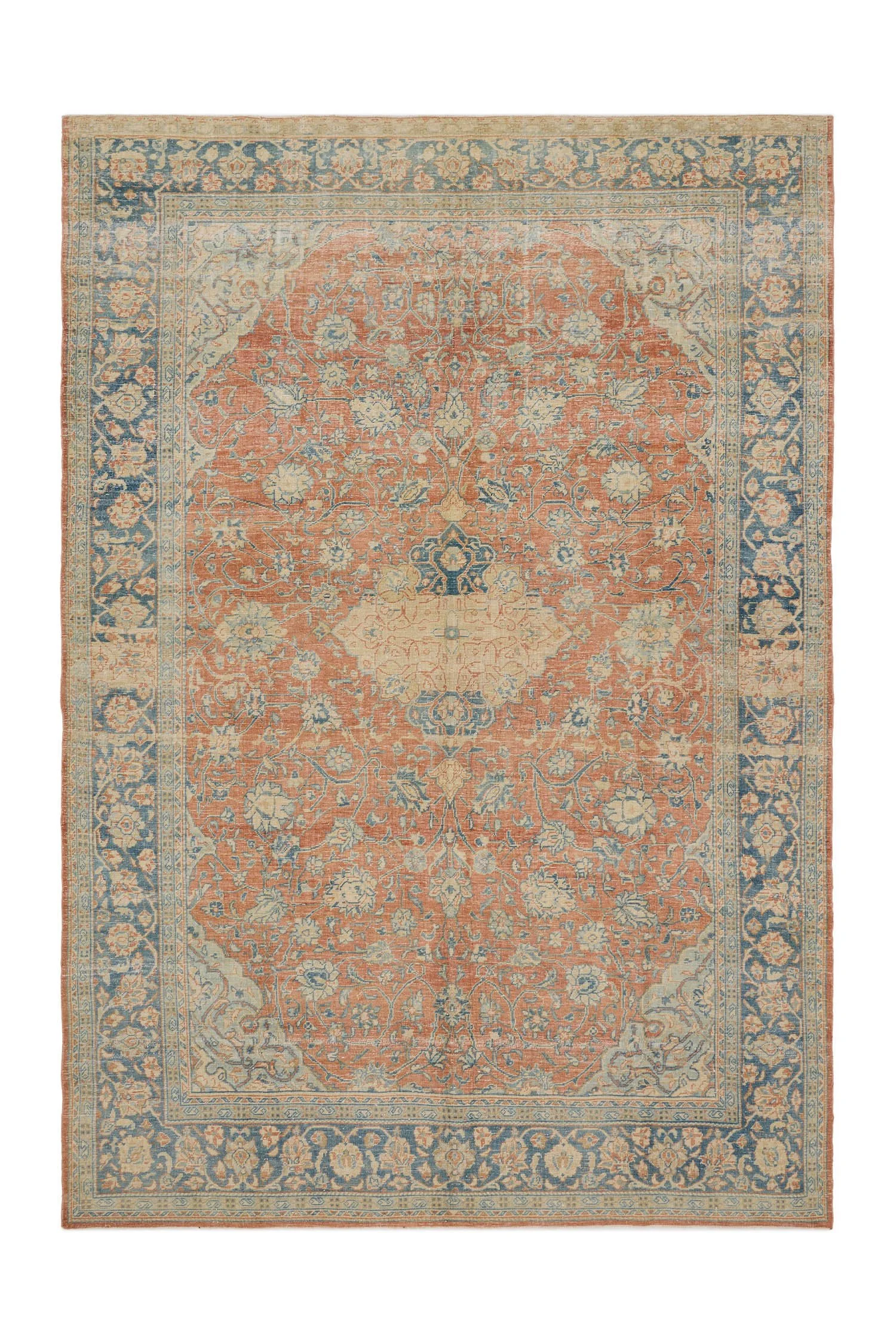
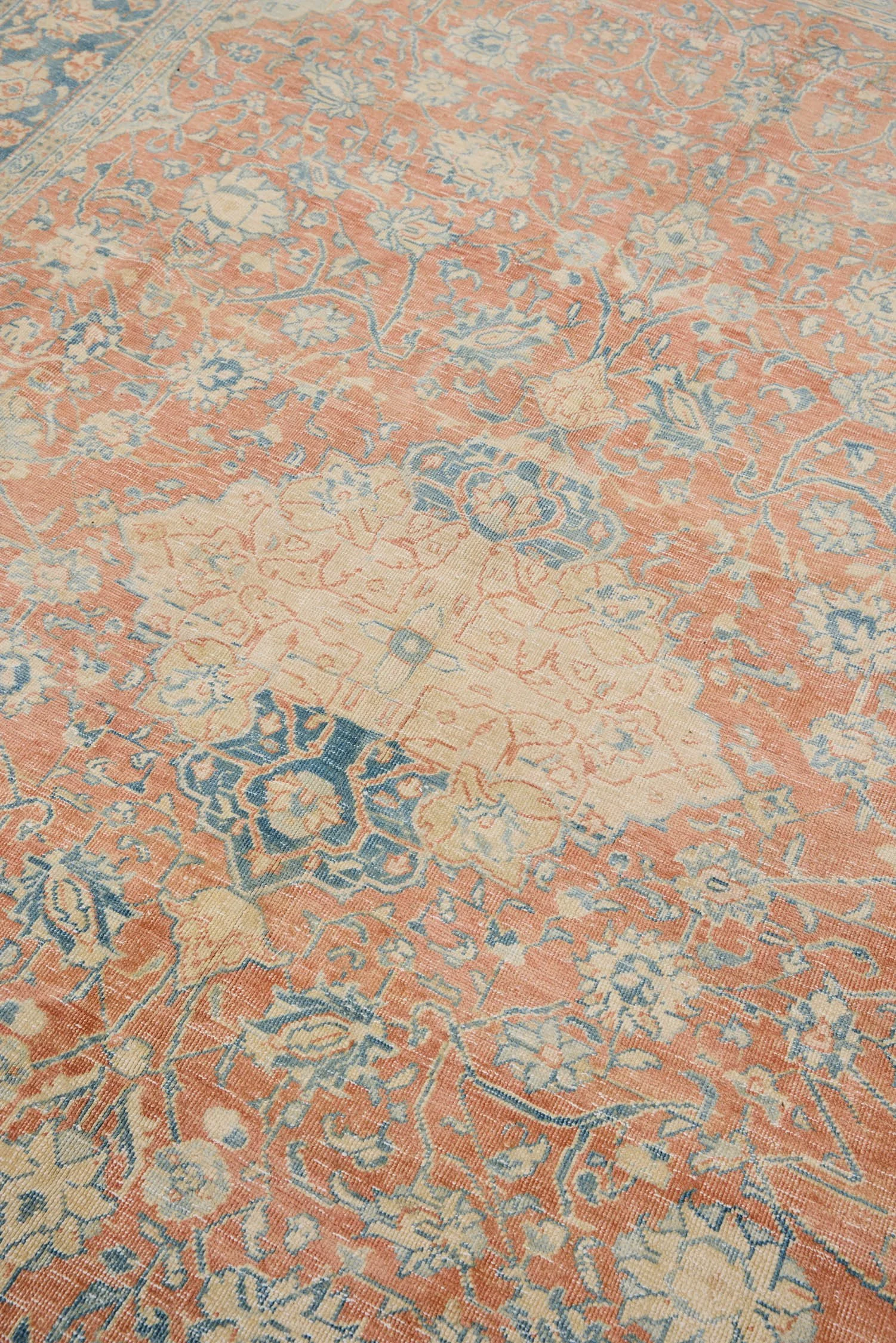
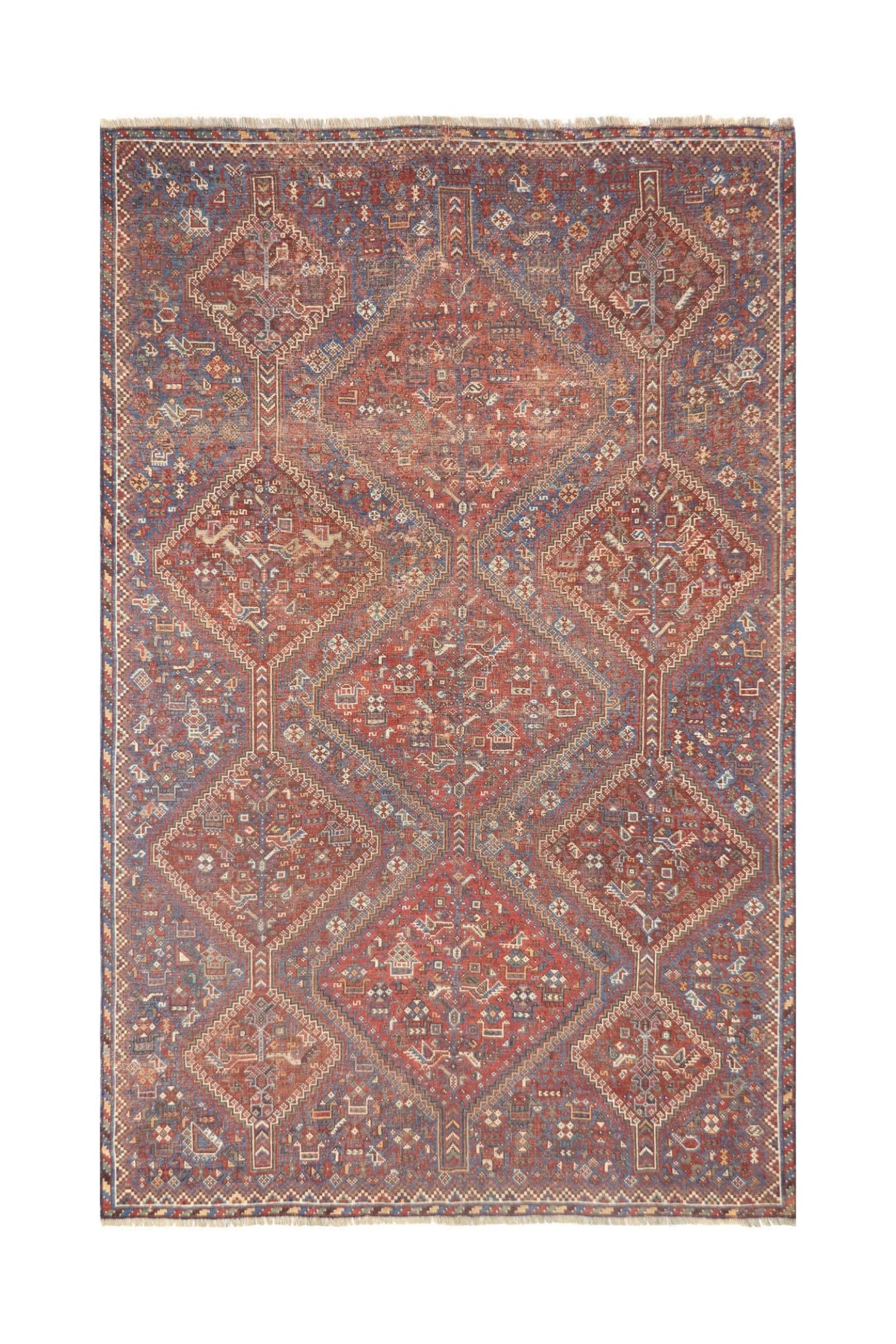
The saturated brick red seen here came from madder root, a plant-based dye that tribal weavers had used for centuries. Deep indigo required significant processing but produced colorfast blues that aged well. These natural dyes created the rich tones visible today, mellowed by decades of use and exposure to light.
Tribal weavers worked without formal training in urban workshop techniques. Instead, they learned through direct observation and practice within family groups. This transmission method created consistency in design vocabulary while allowing individual interpretation. The energetic drawing quality reflects this approach, where precision mattered less than expressive execution.
Design Elements
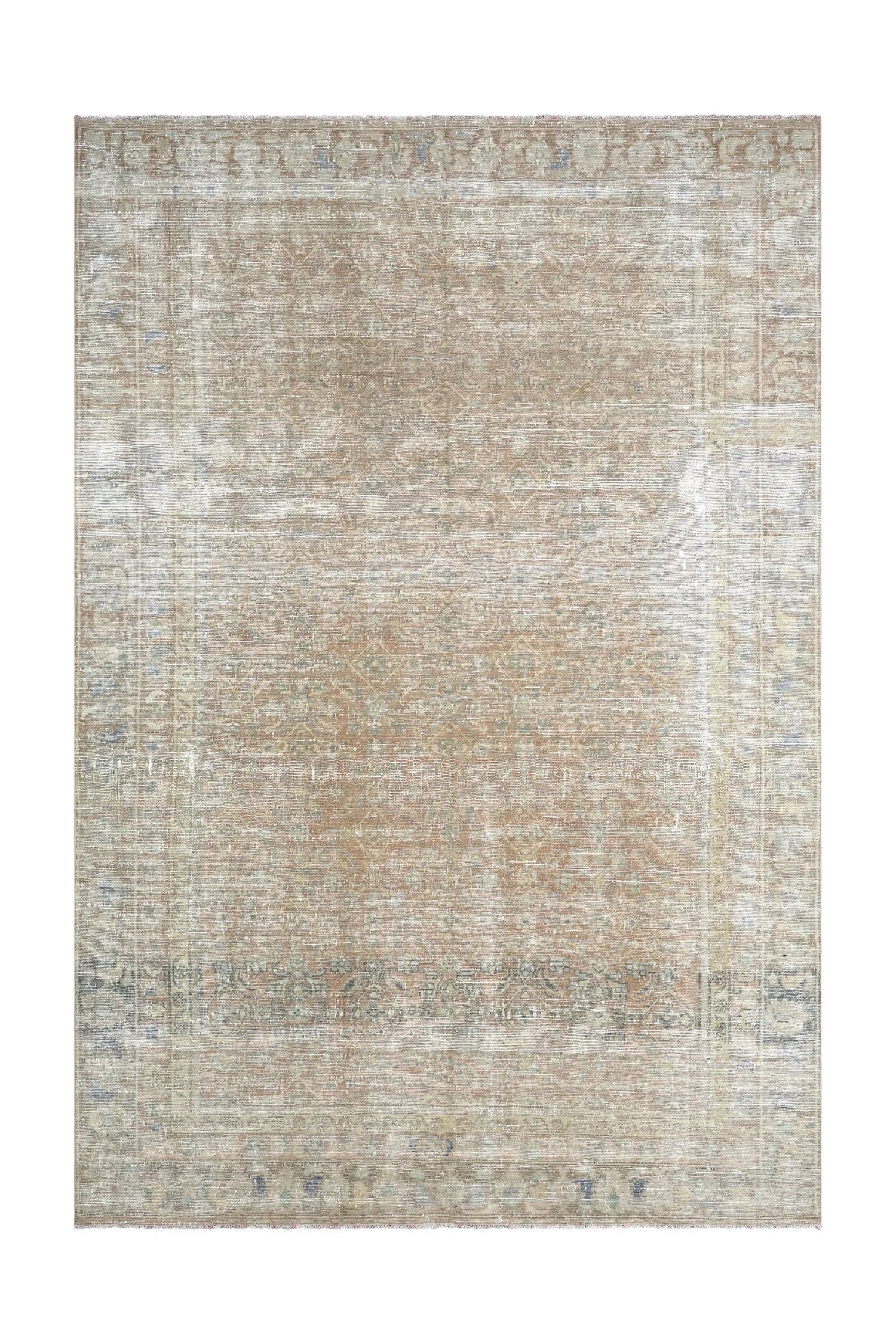
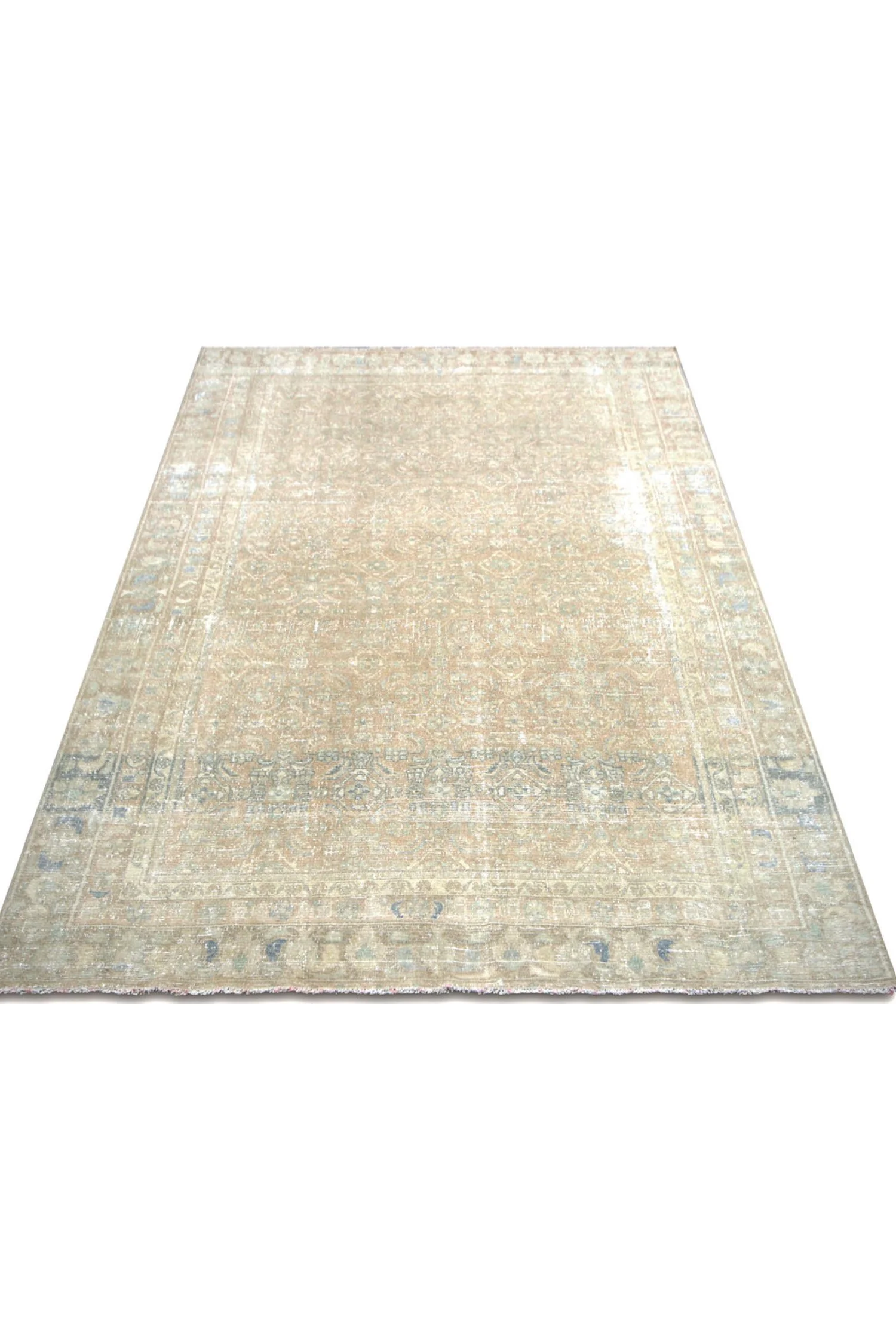
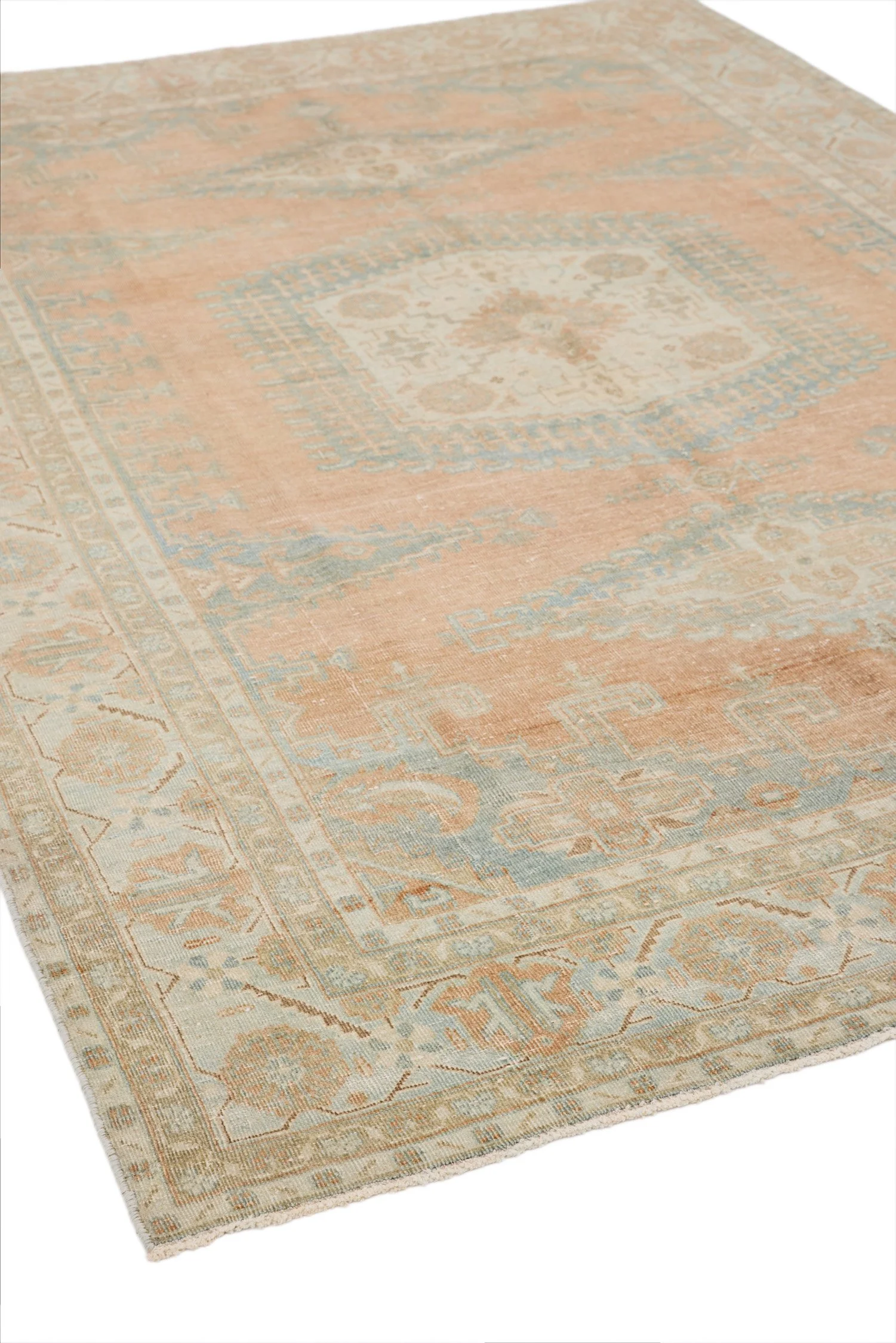
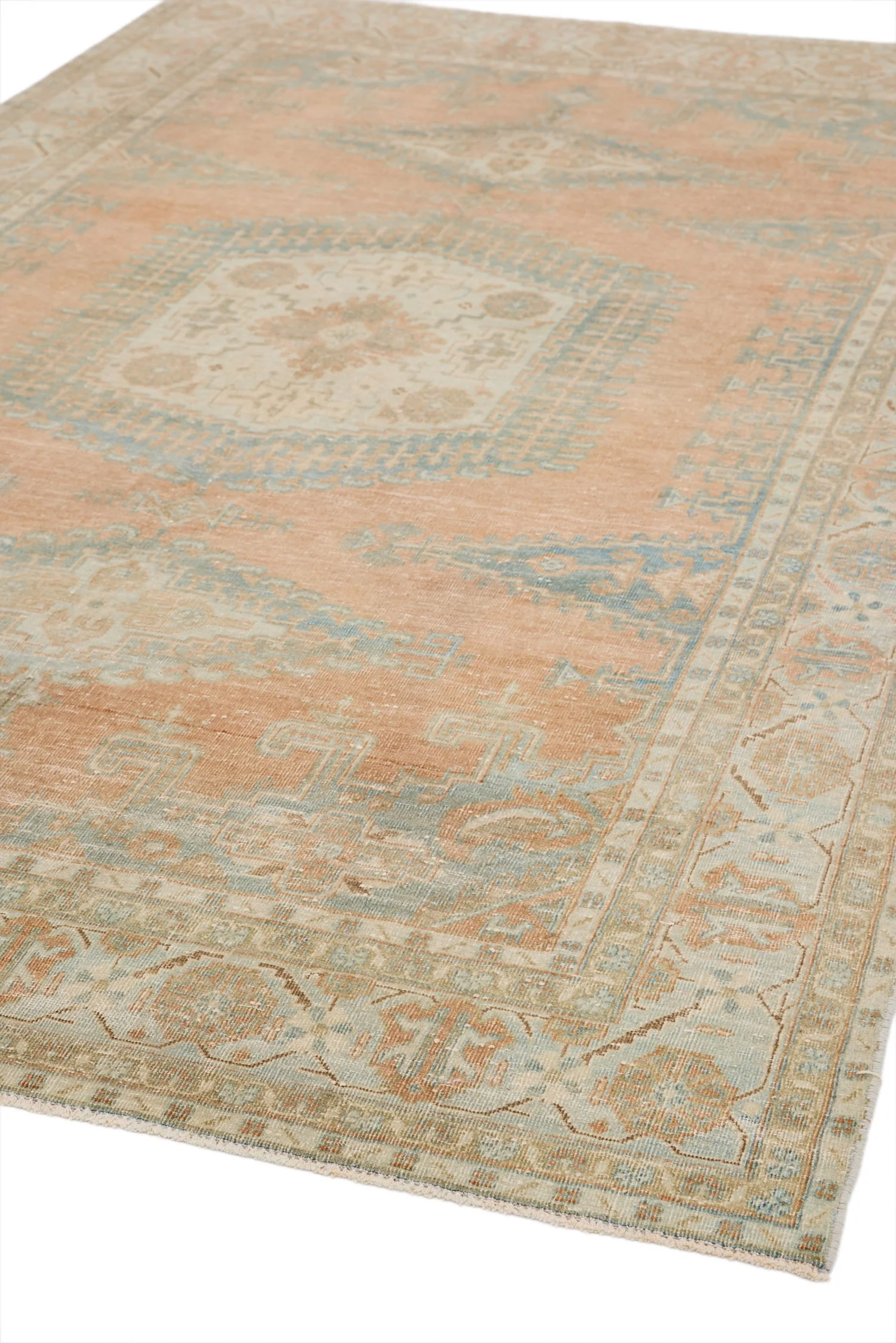
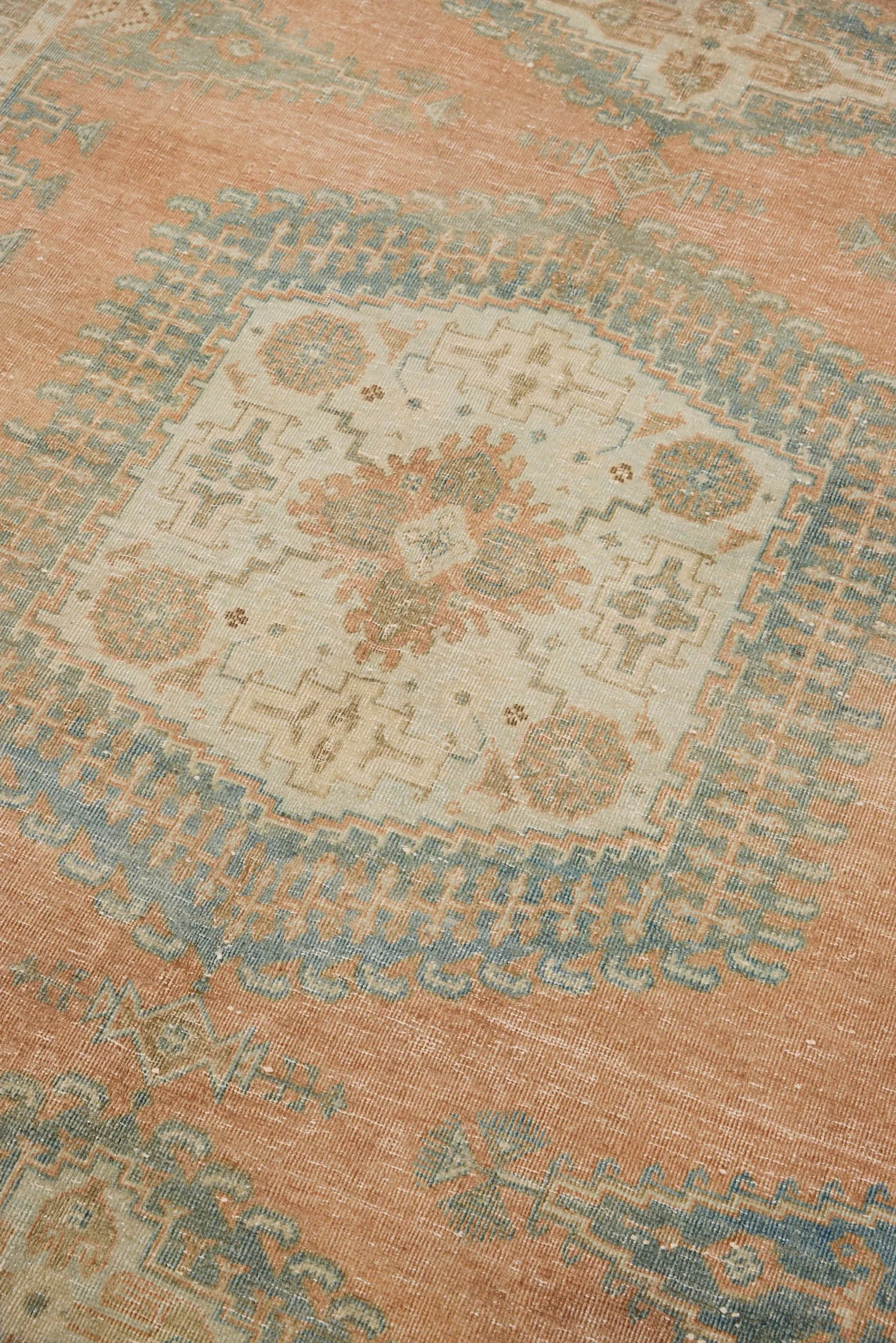
The allover lattice organizes the field through diamond medallions arranged in a repeating pattern. Each medallion contains dense tribal symbols, including small animal motifs that appear throughout Shiraz weaving traditions. The symbols carried meanings within the tribal communities, though their significance often remained opaque to outside viewers.
The energetic drawing shows characteristic Shiraz rhythm, with forms that pulse across the surface rather than sitting in a static arrangement. The drawing isn't precise in the workshop sense, but it maintains internal consistency that comes from skilled hands working from deeply familiar patterns.
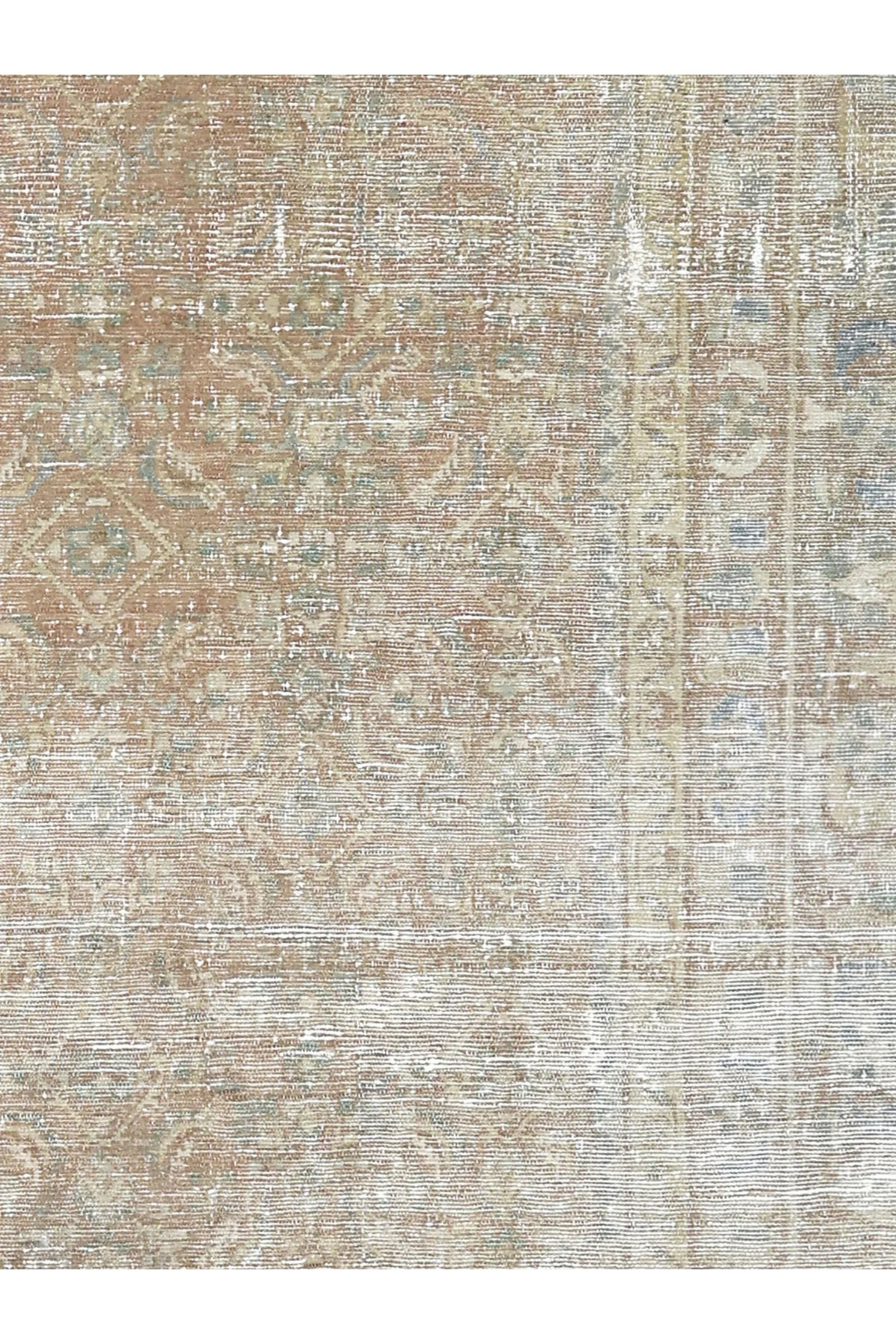
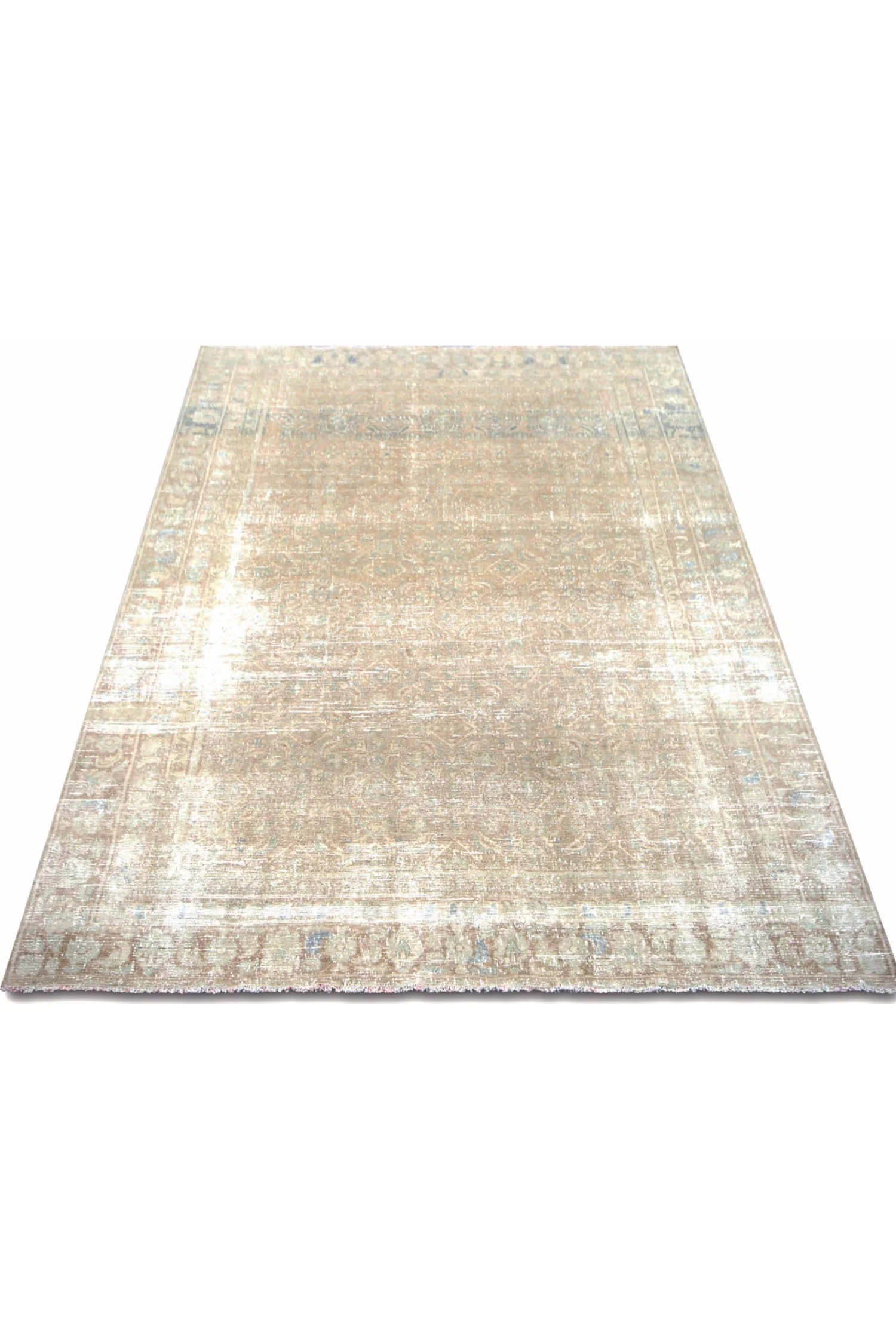
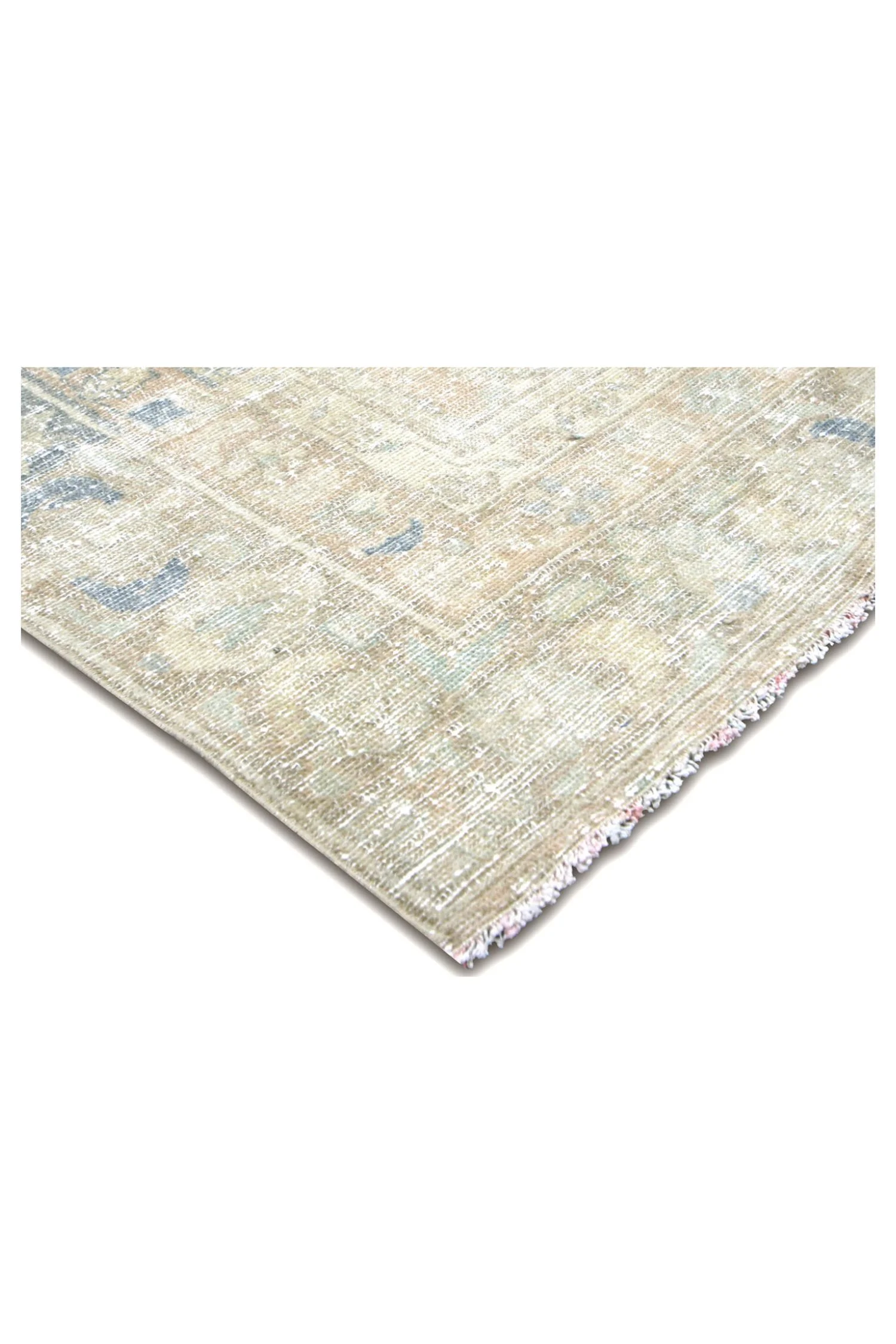
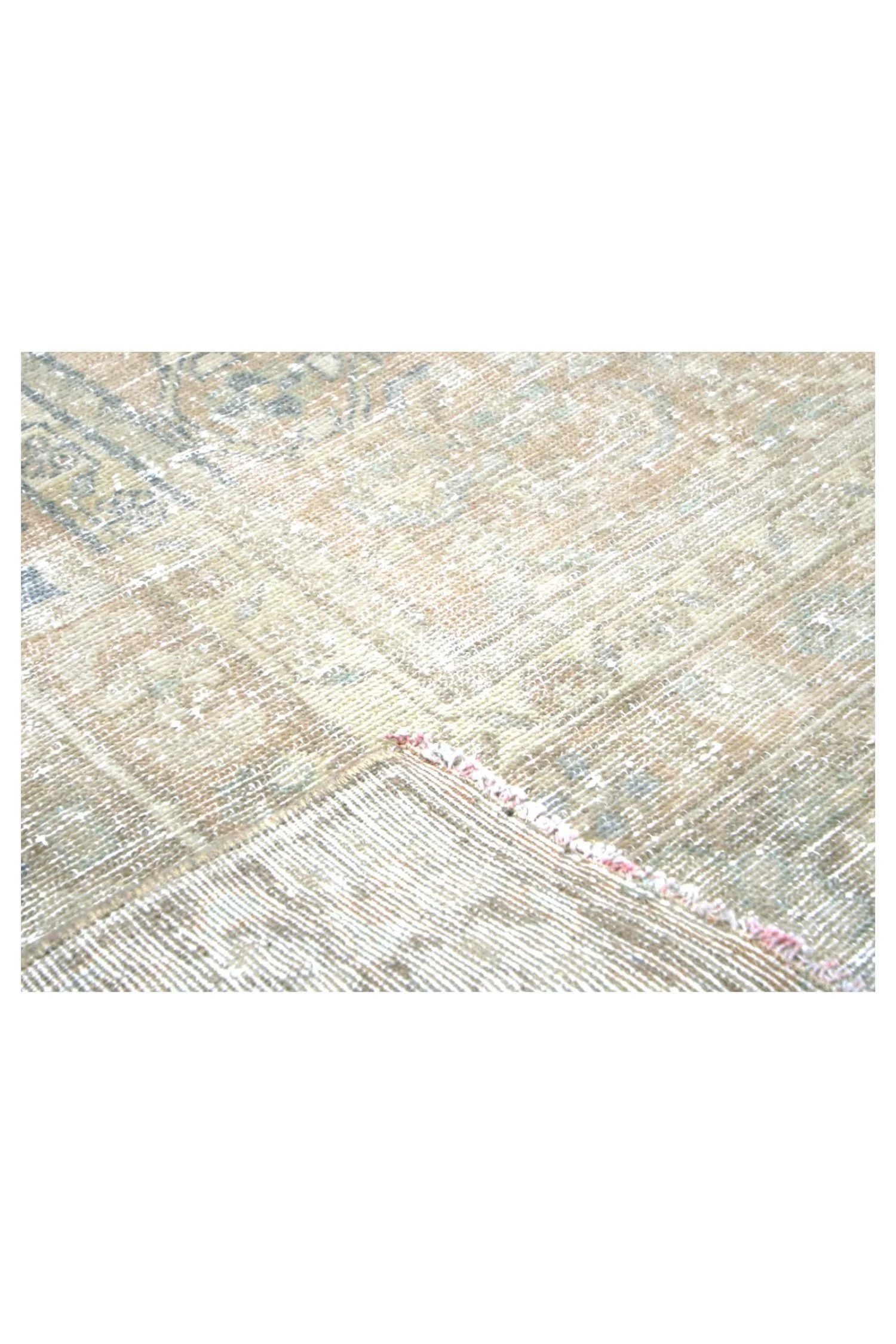
Honest wear has enhanced rather than diminished the graphic clarity. Areas of higher use show greater fading, increasing the contrast between worn and protected sections. This natural patina creates the sense of movement visible across the surface.
Placement
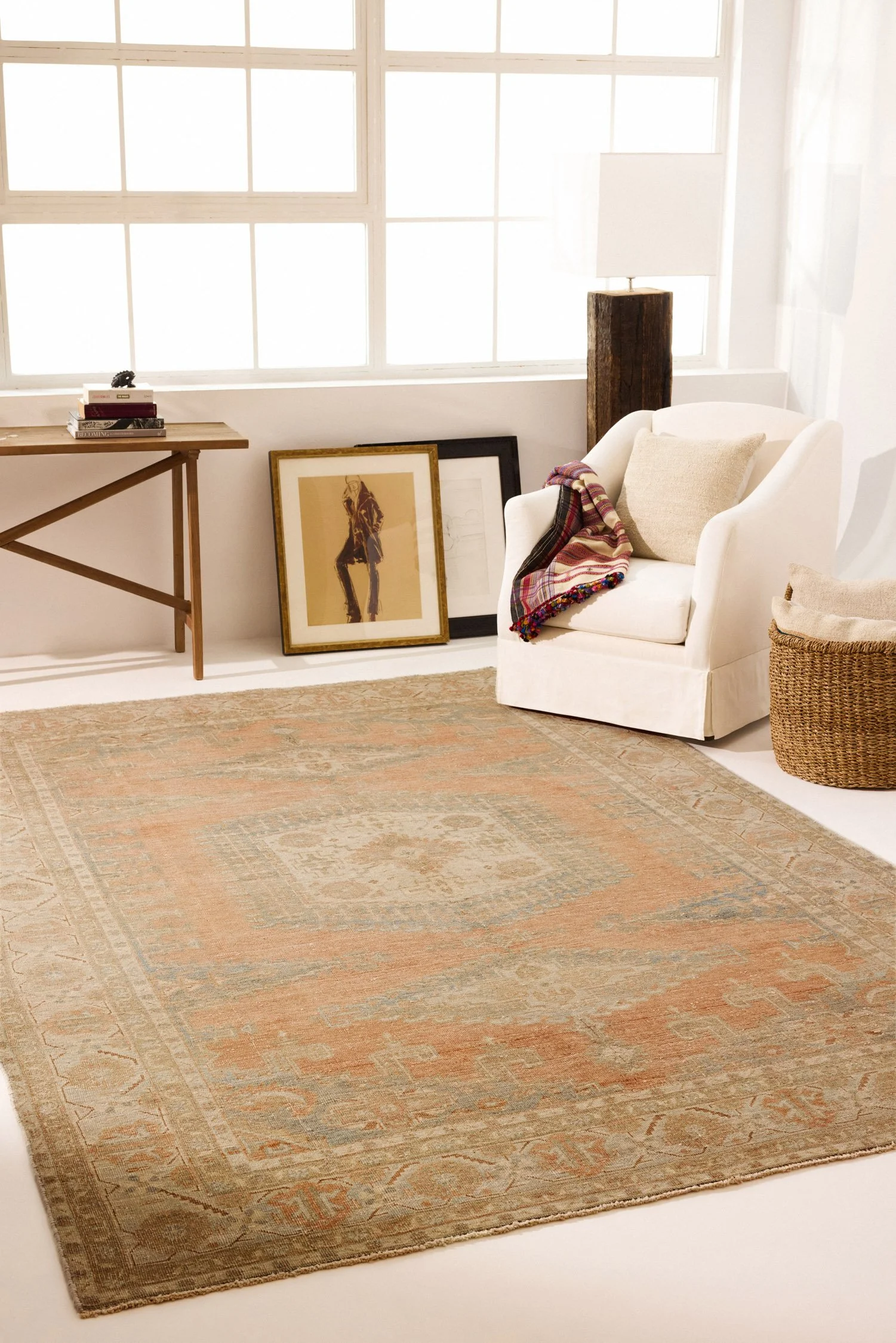
At 6'1" x 9'5", this works in living rooms under coffee tables or in front of sofas, dining areas under tables that seat four to six, bedrooms at the foot of the bed, and home offices. The proportions suit spaces where you want substantial tribal character without oversized dimensions.
The brick red and indigo palette brings bold color to interiors. Traditional settings appreciate the semi-antique provenance and tribal authenticity. Contemporary spaces can use the saturated tones and energetic pattern as a grounding accent against neutral backgrounds. The honest wear adds character that only age provides.
Care Recommendations
To preserve the rug's beauty:
Rotate periodically for even wear
Vacuum regularly using a suction-only setting
Address spills immediately by blotting, never rubbing
Professional cleaning recommended annually
Avoid direct sunlight to maintain color integrity
Tribal weavers didn't weave rugs to look old, but they knew the patterns would outlast the colors.