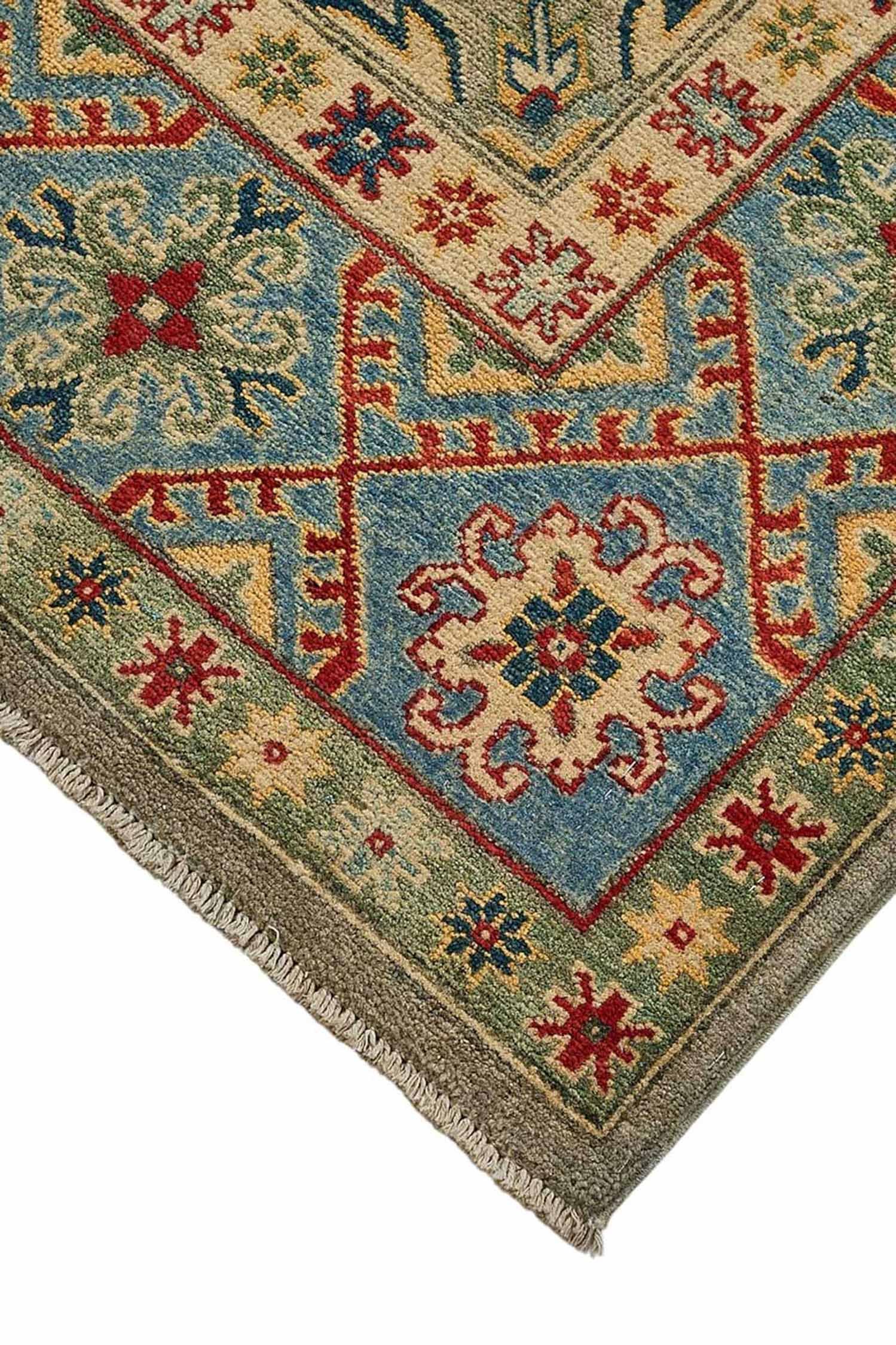
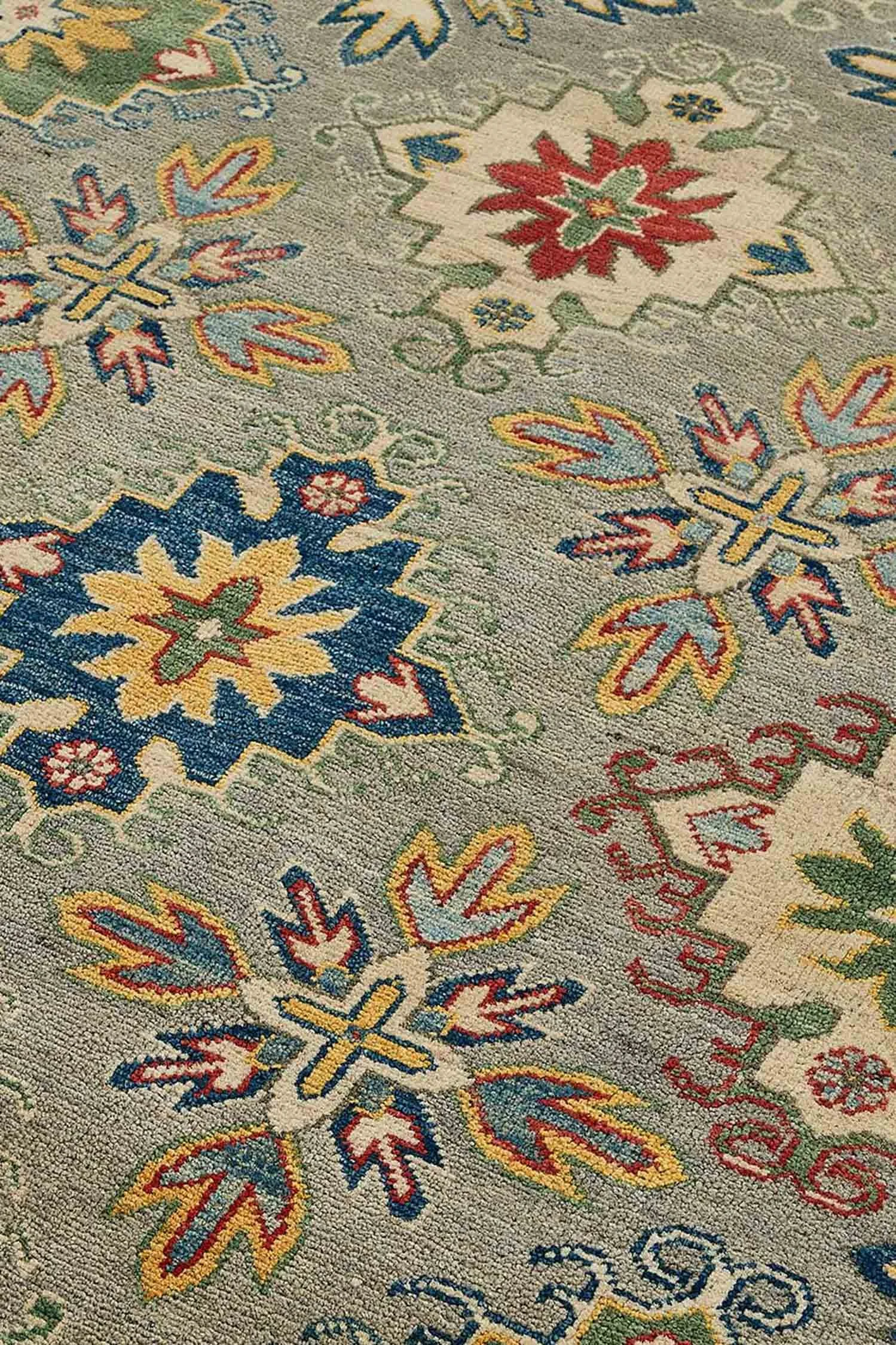
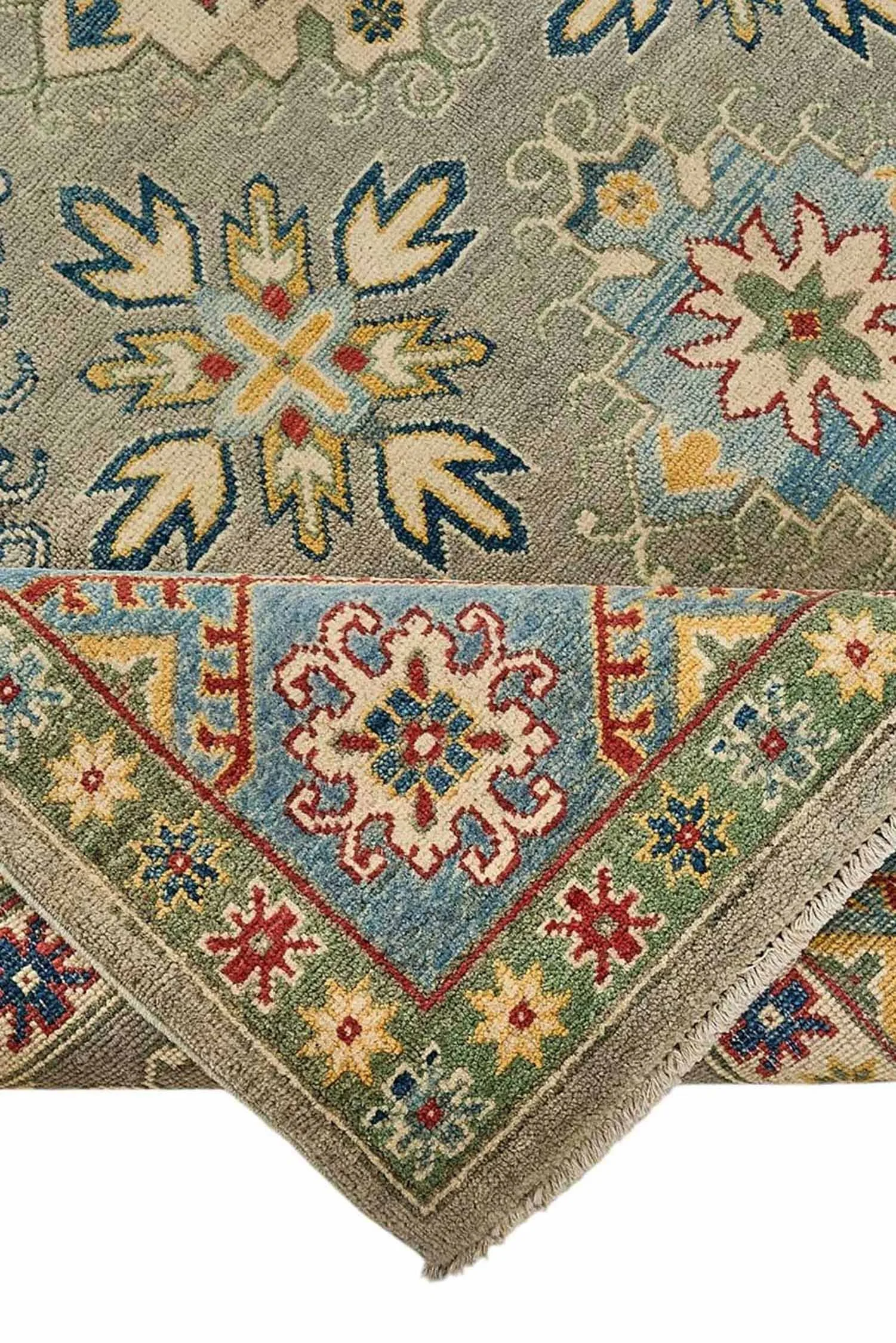
 Image 1 of 6
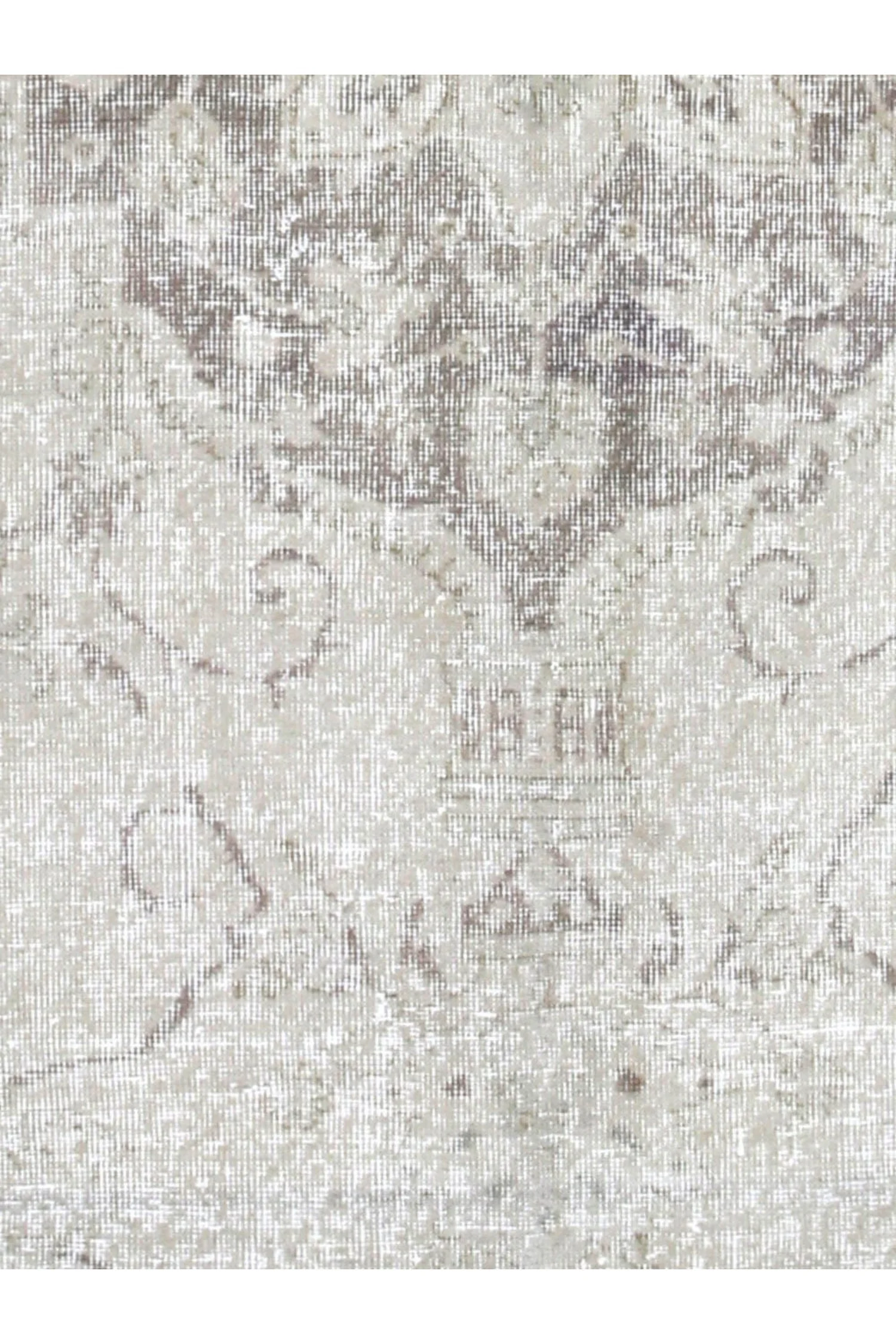 Image 2 of 6
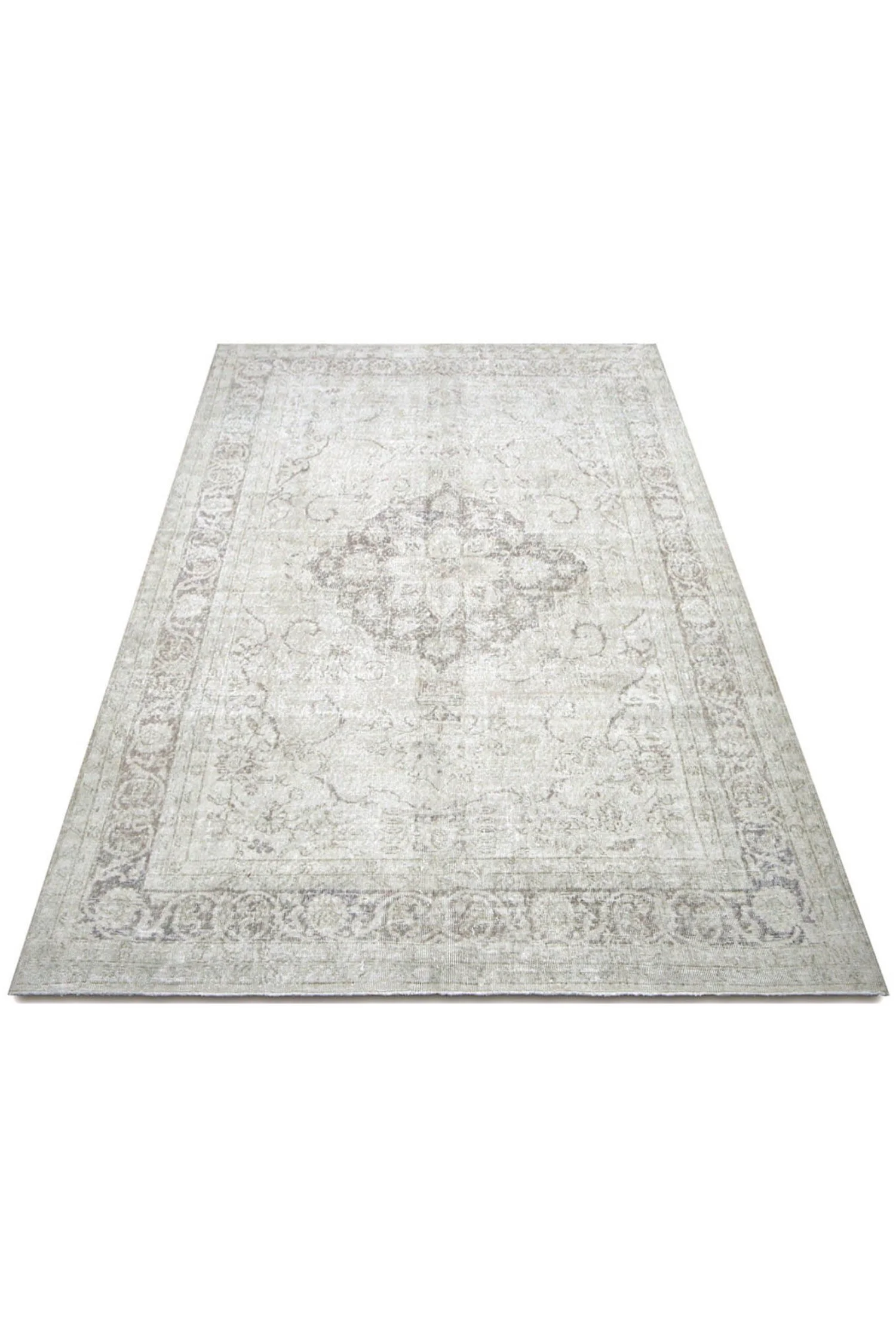 Image 3 of 6
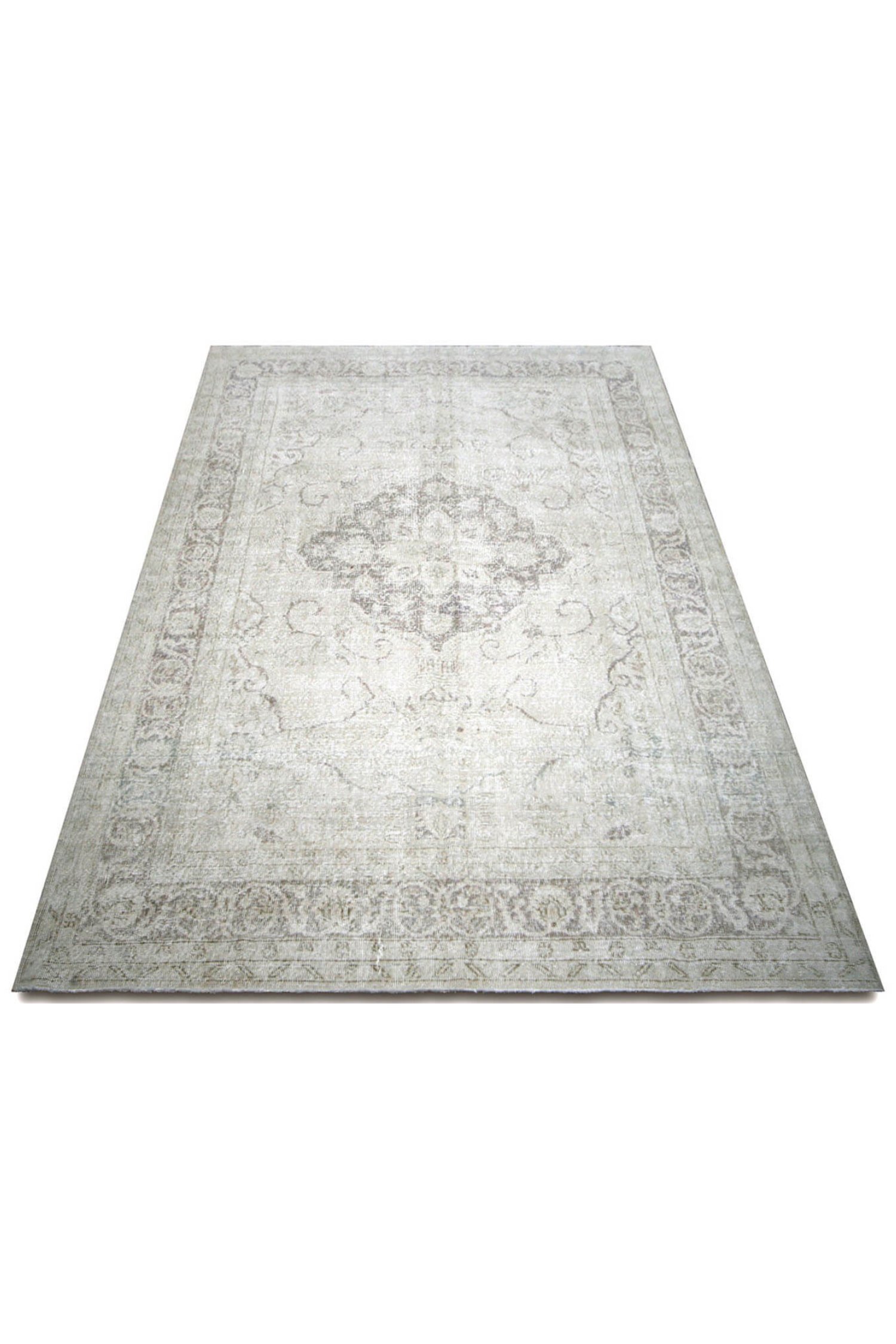 Image 4 of 6
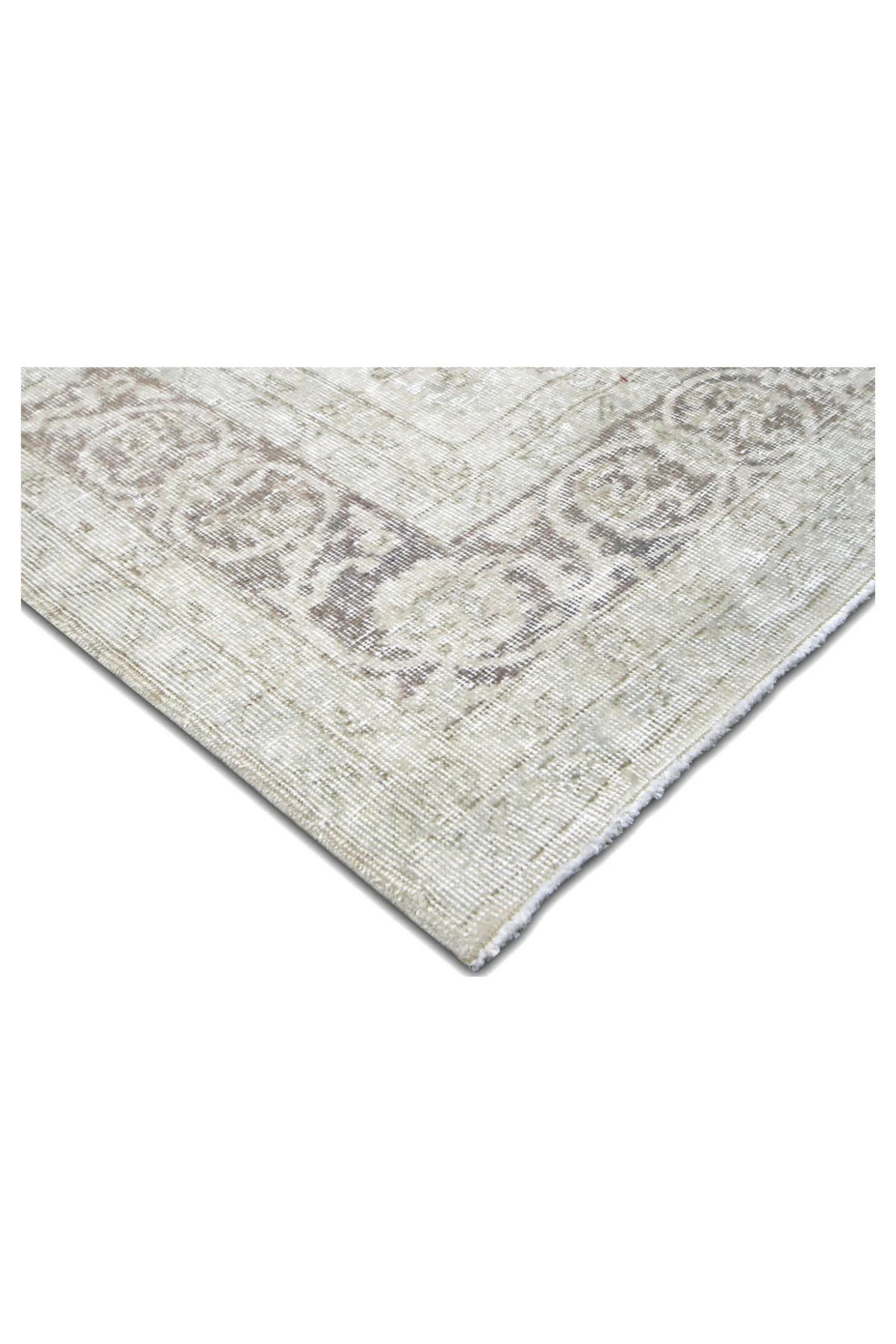 Image 5 of 6
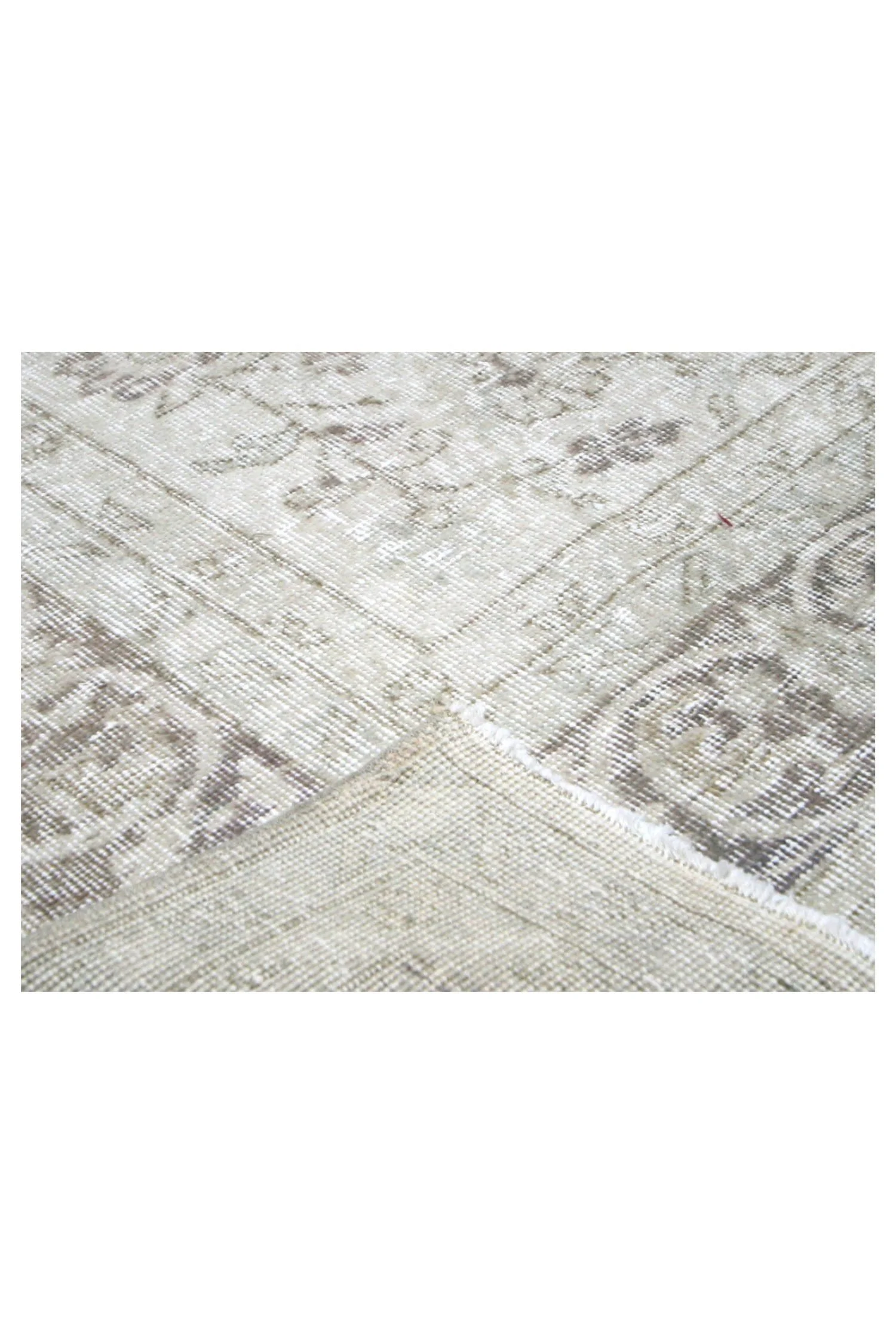 Image 6 of 6
Heritage and Craftsmanship
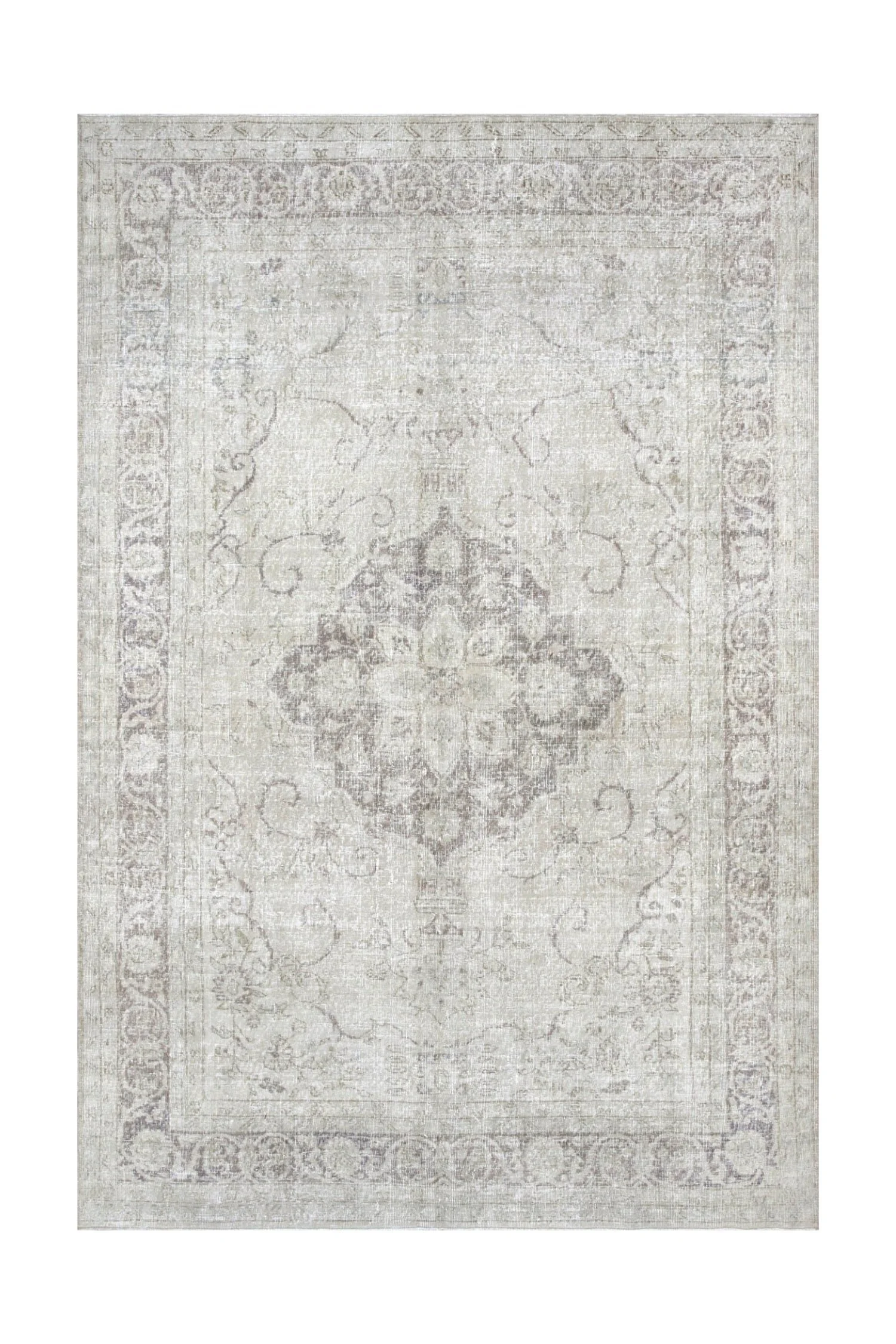
Isparta in the 1930s and 1940s produced rugs that combined traditional medallion structures with the floral vocabulary derived from Persian design influences. The region's weavers had developed expertise in creating compositions that appealed to both domestic Turkish markets and international buyers seeking Persian-style patterns in Turkish production.
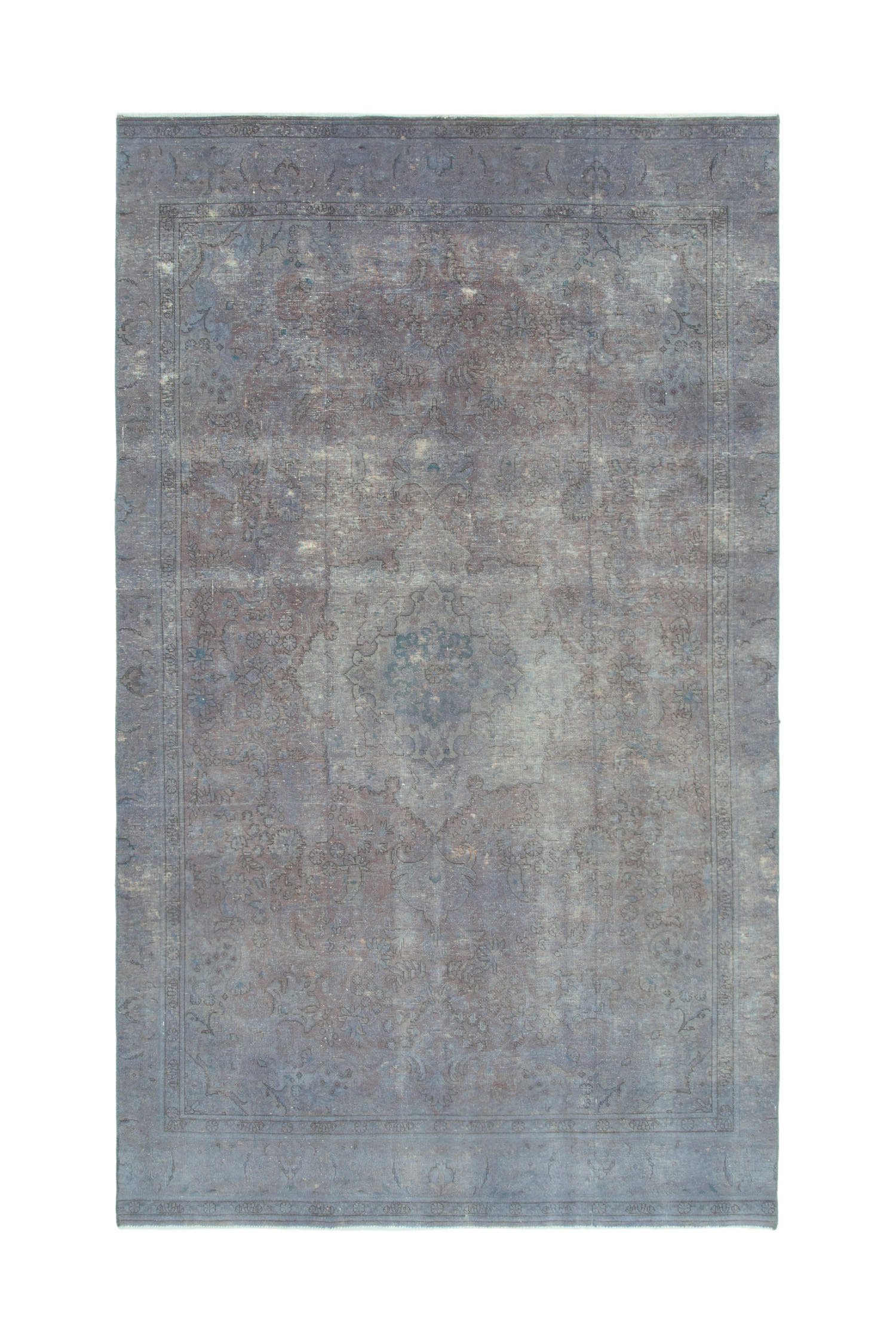
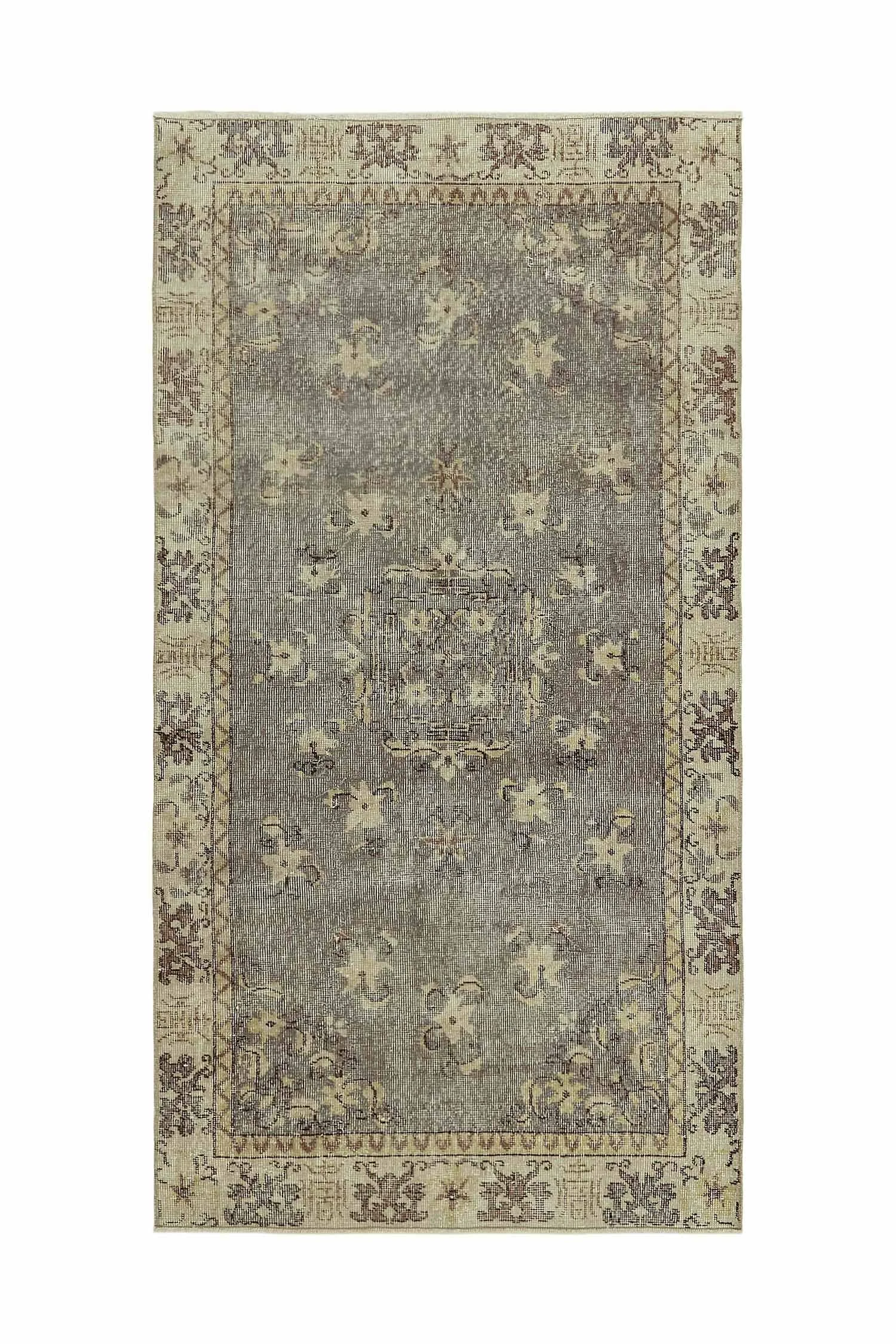
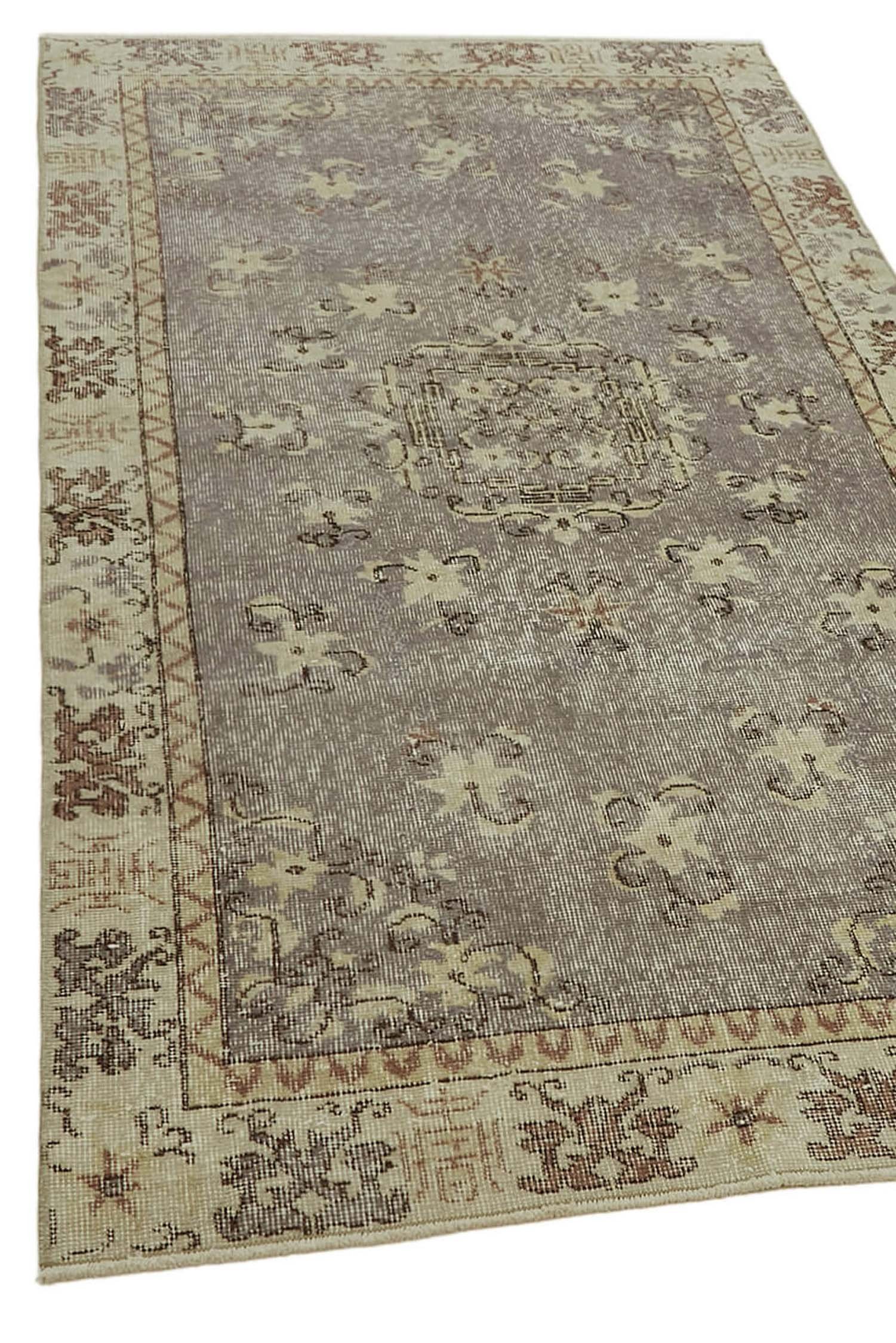
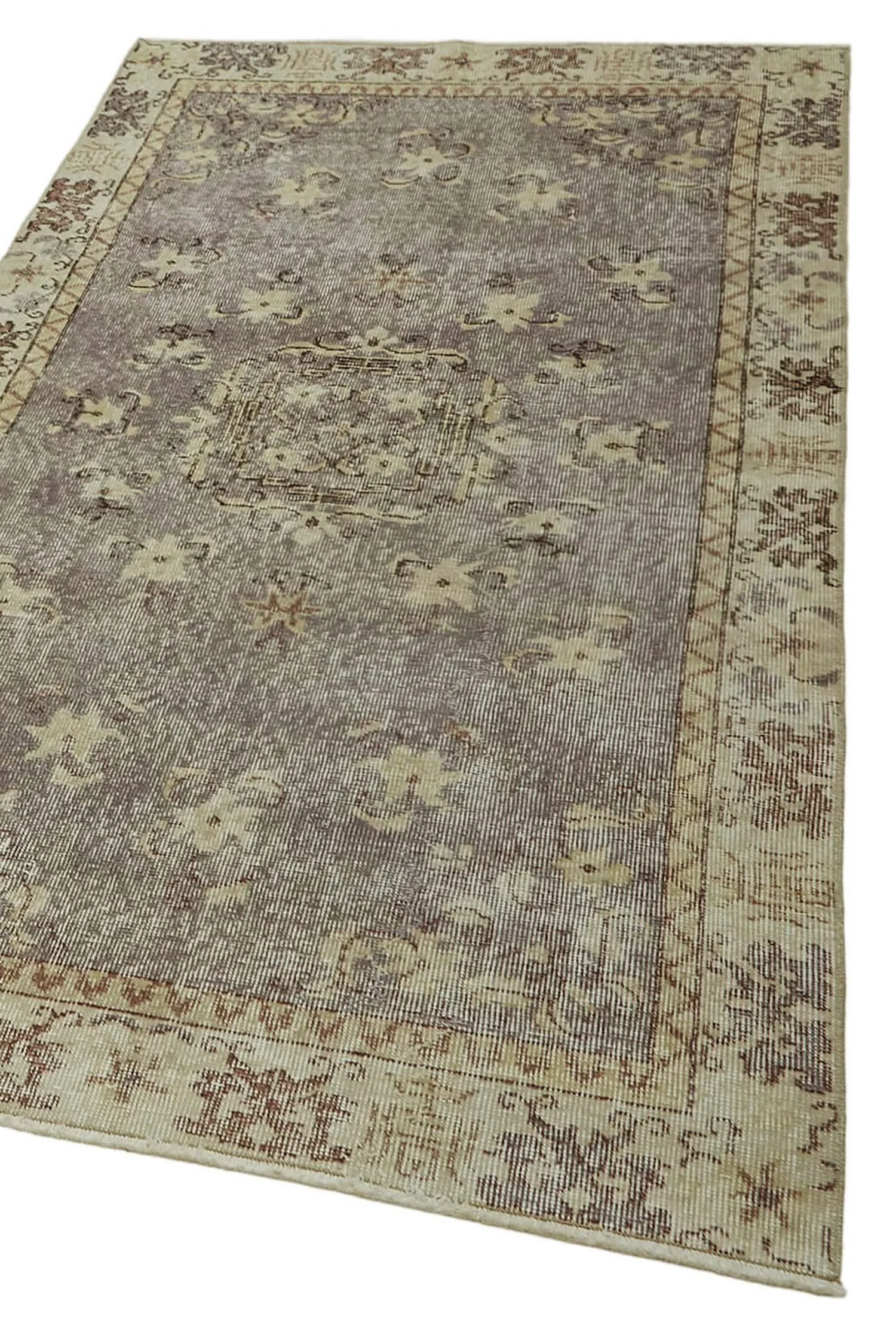
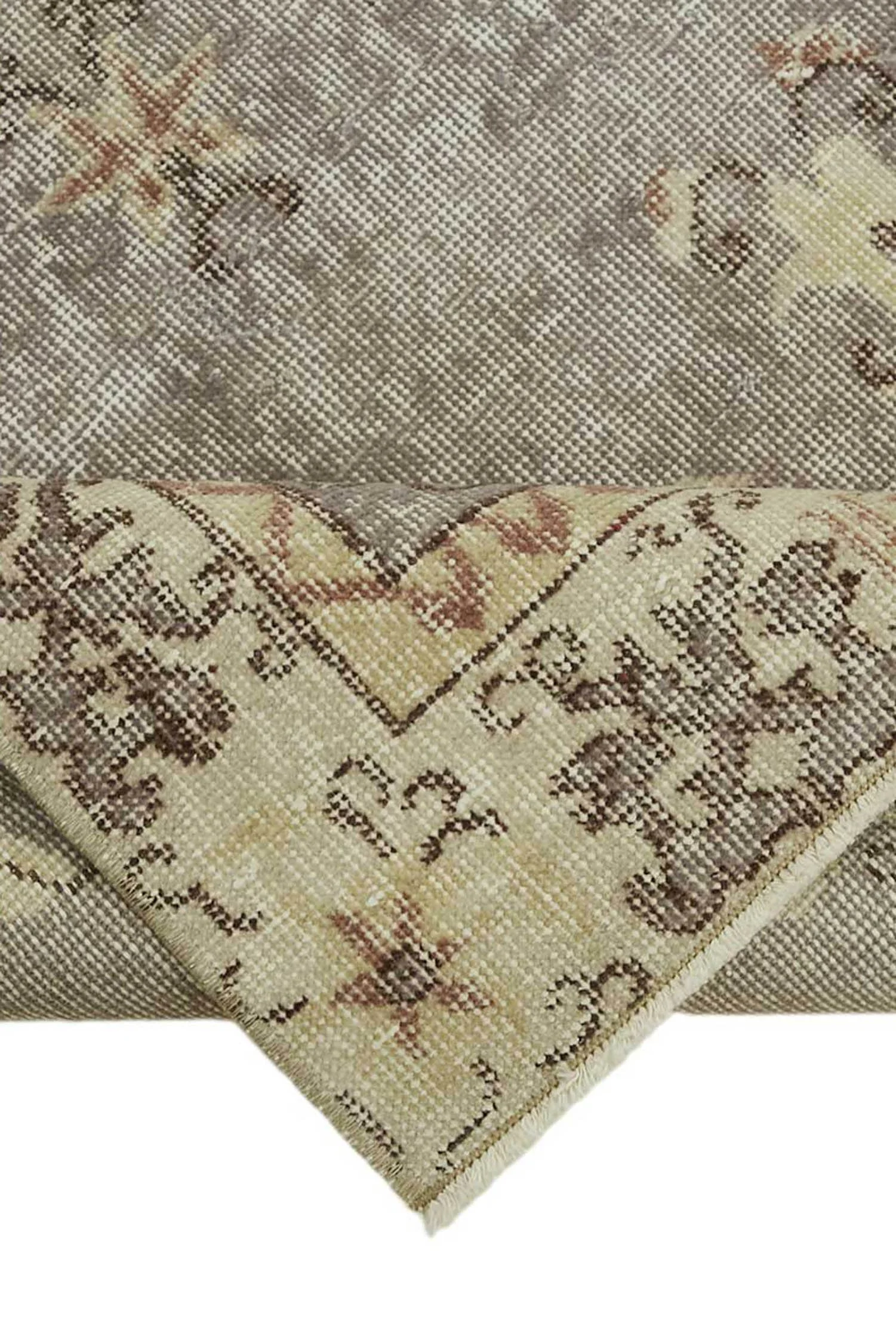
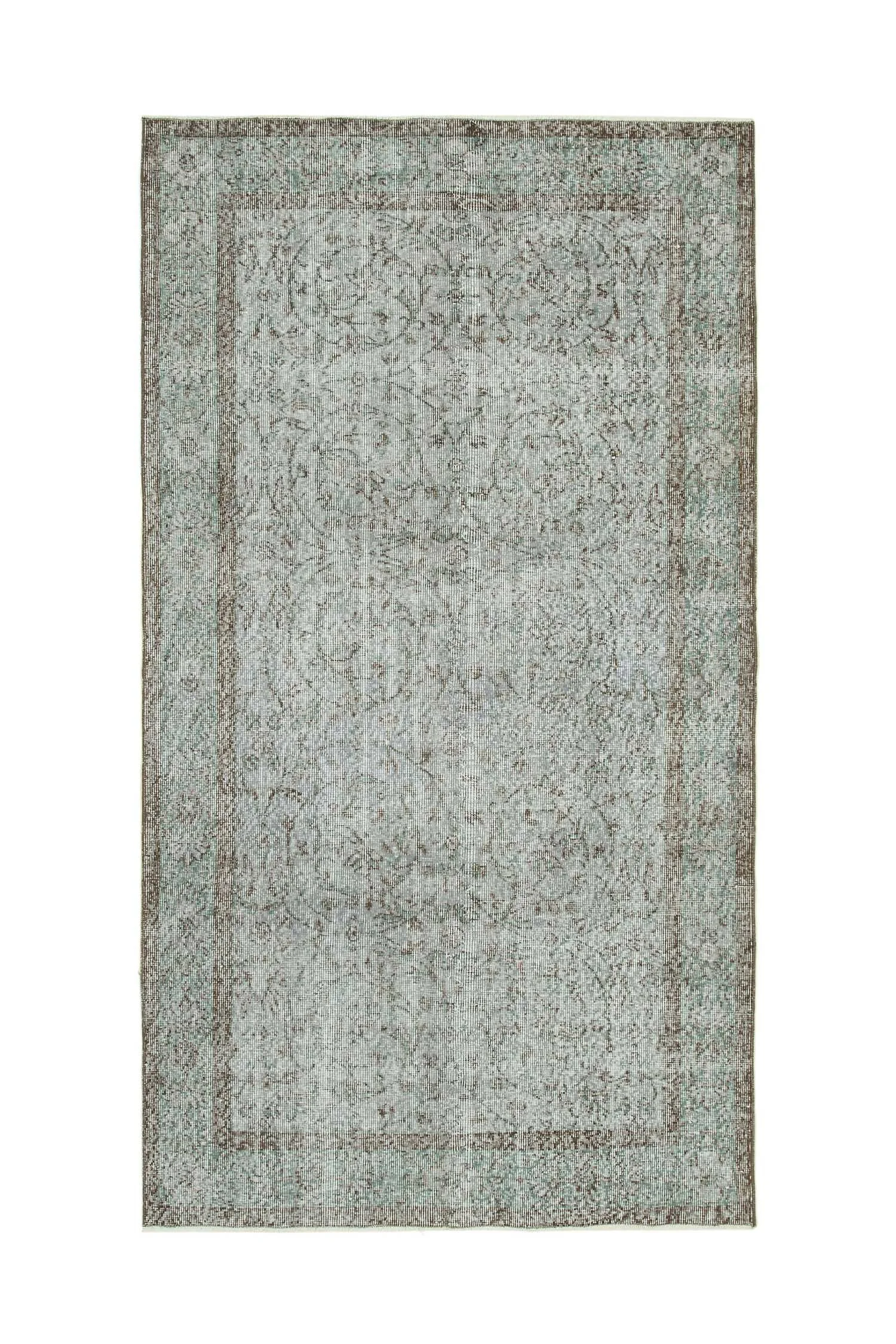
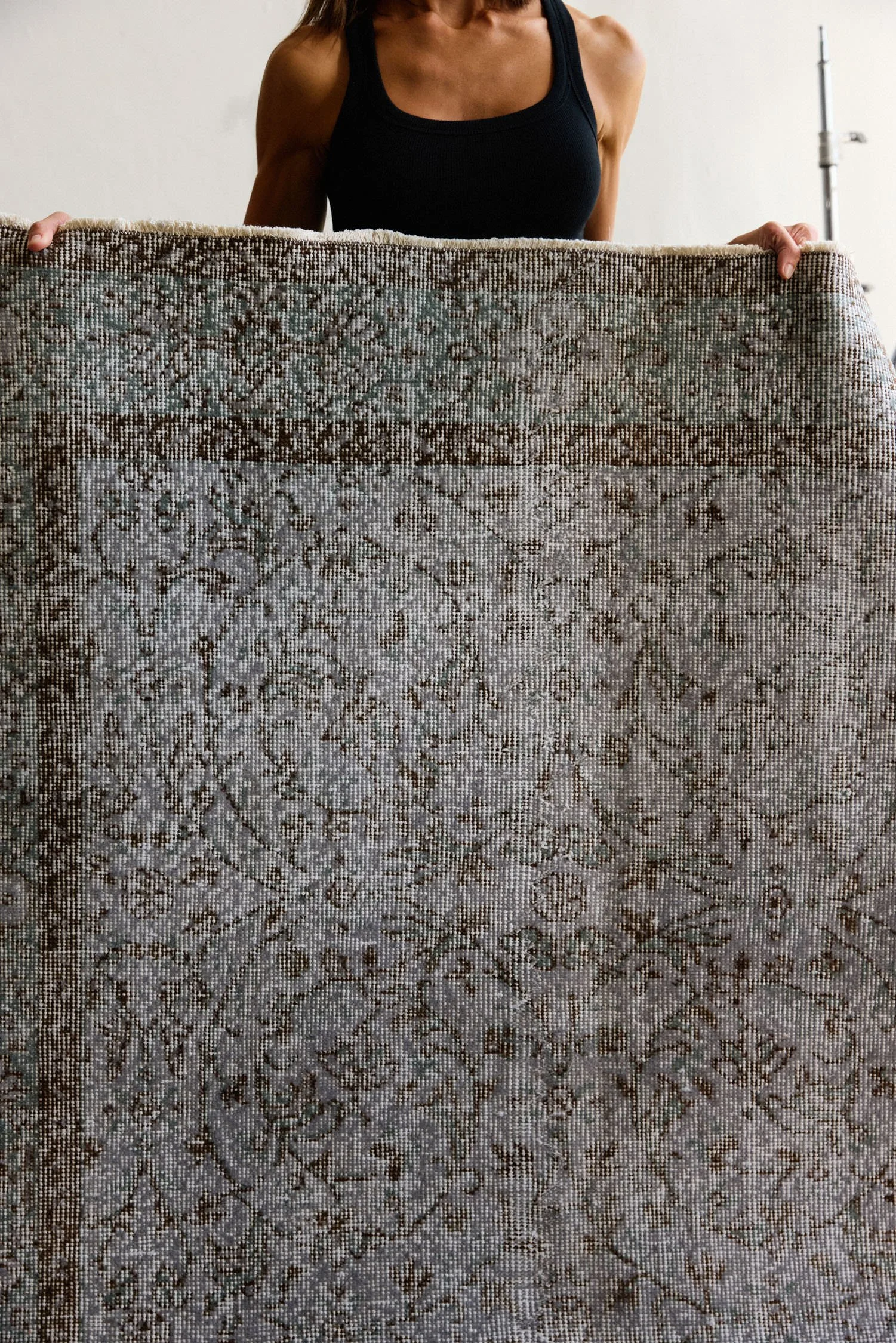
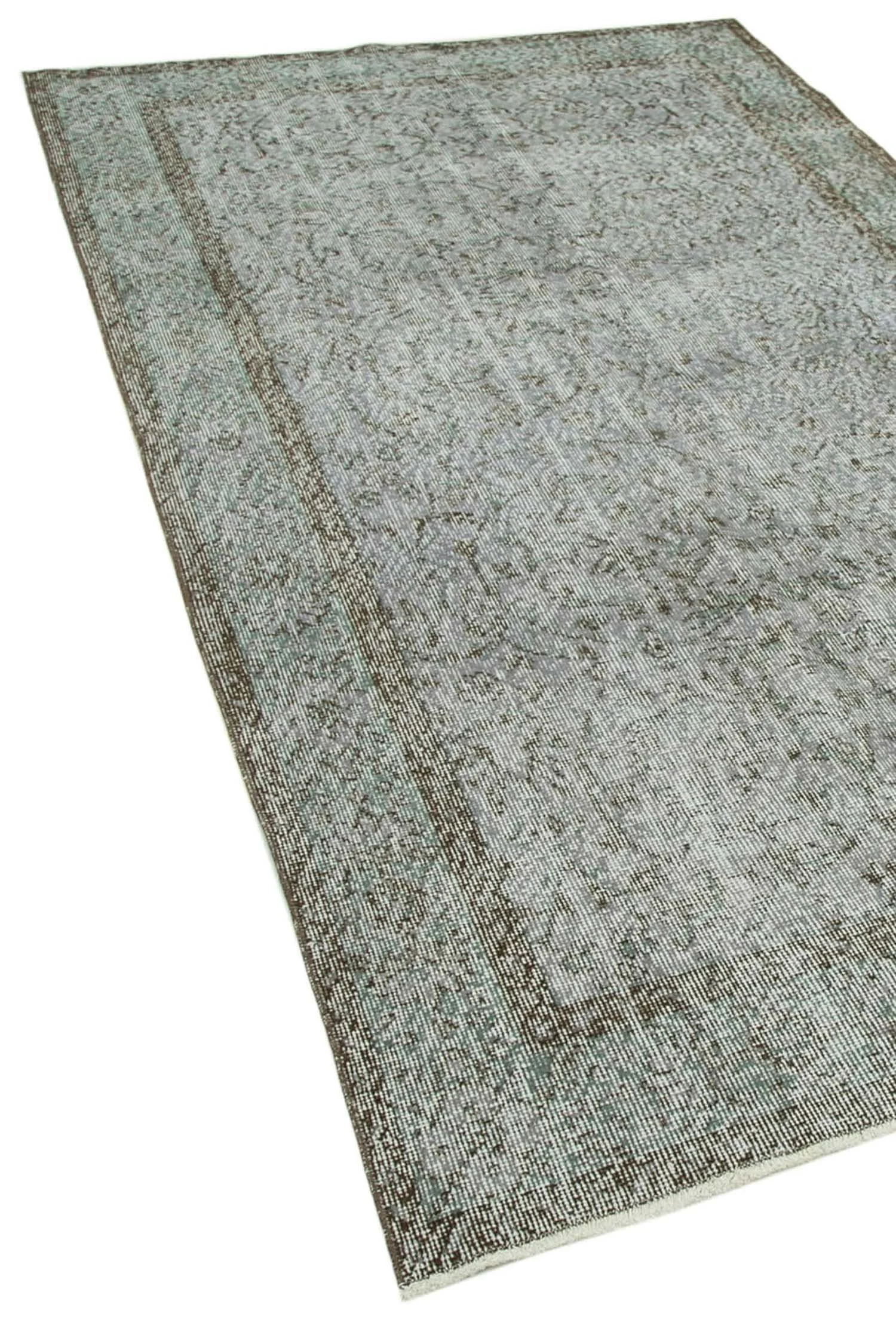
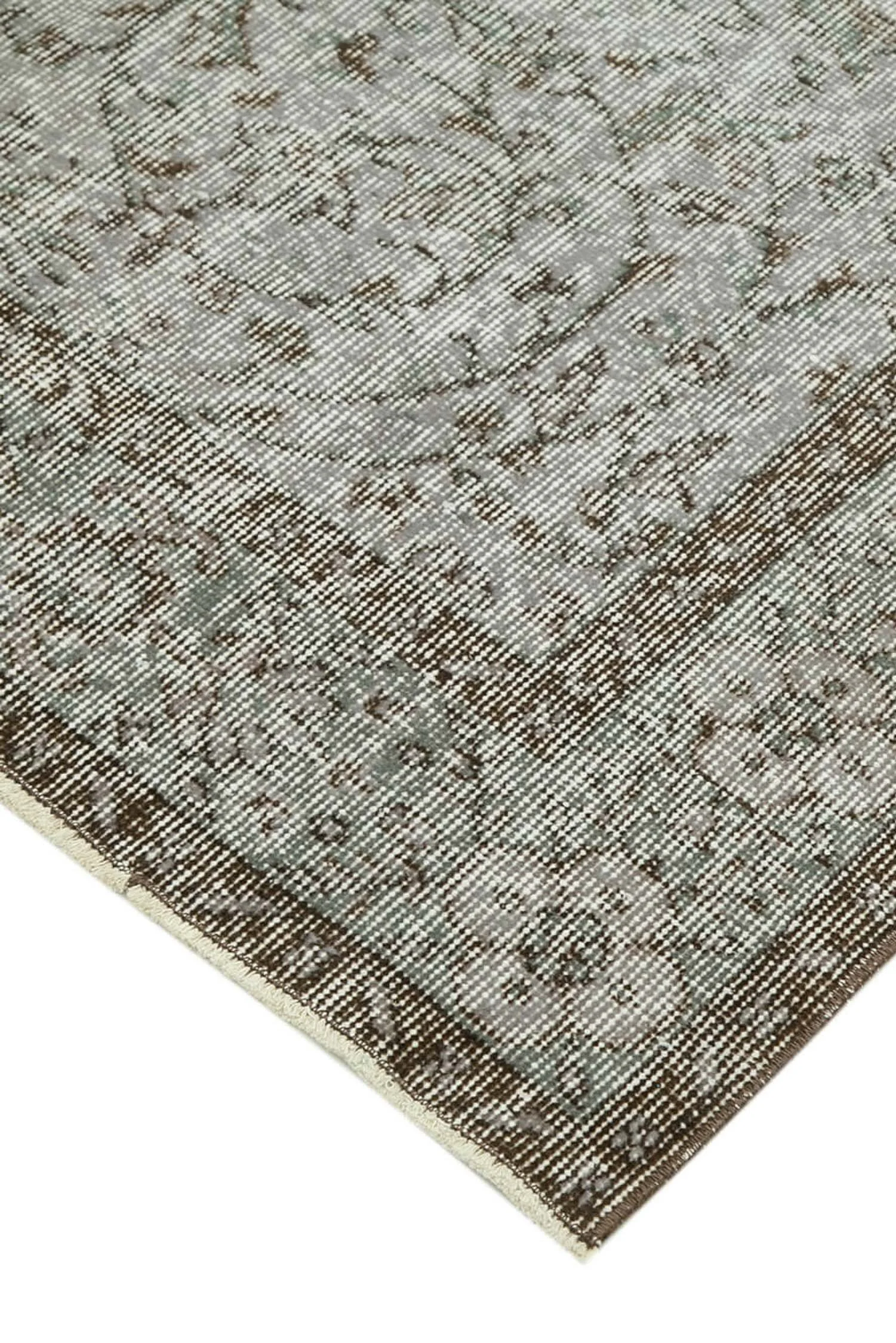
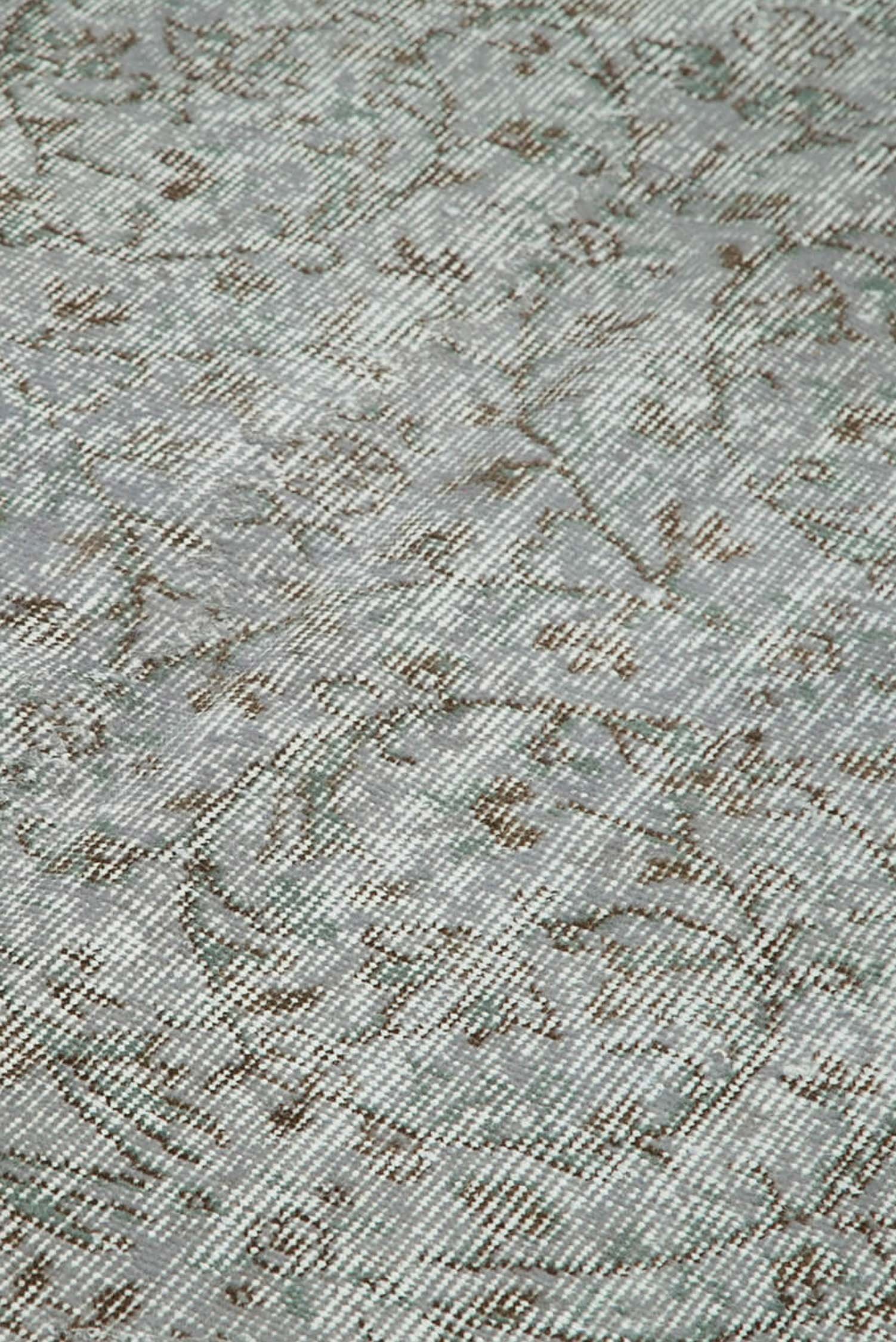
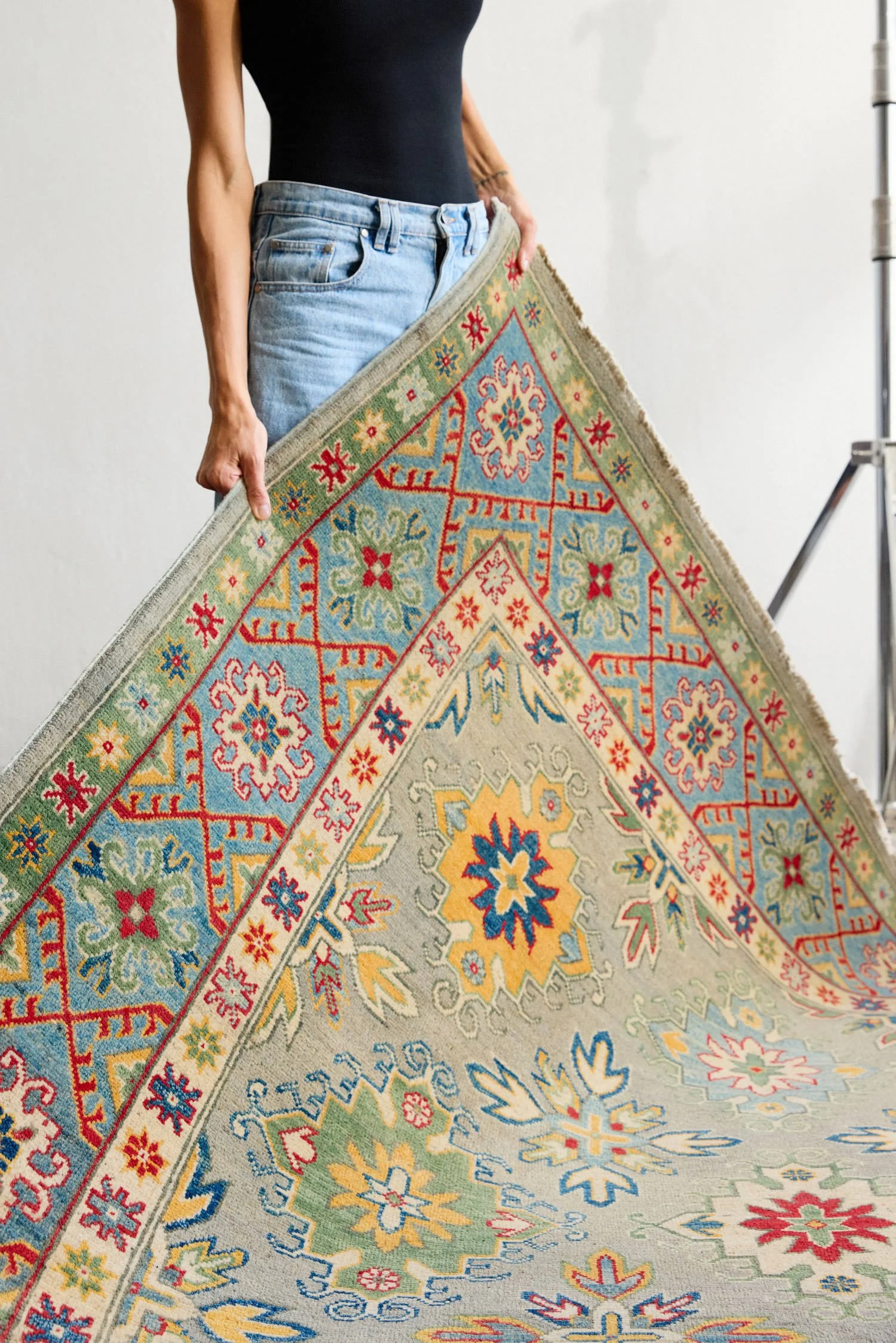
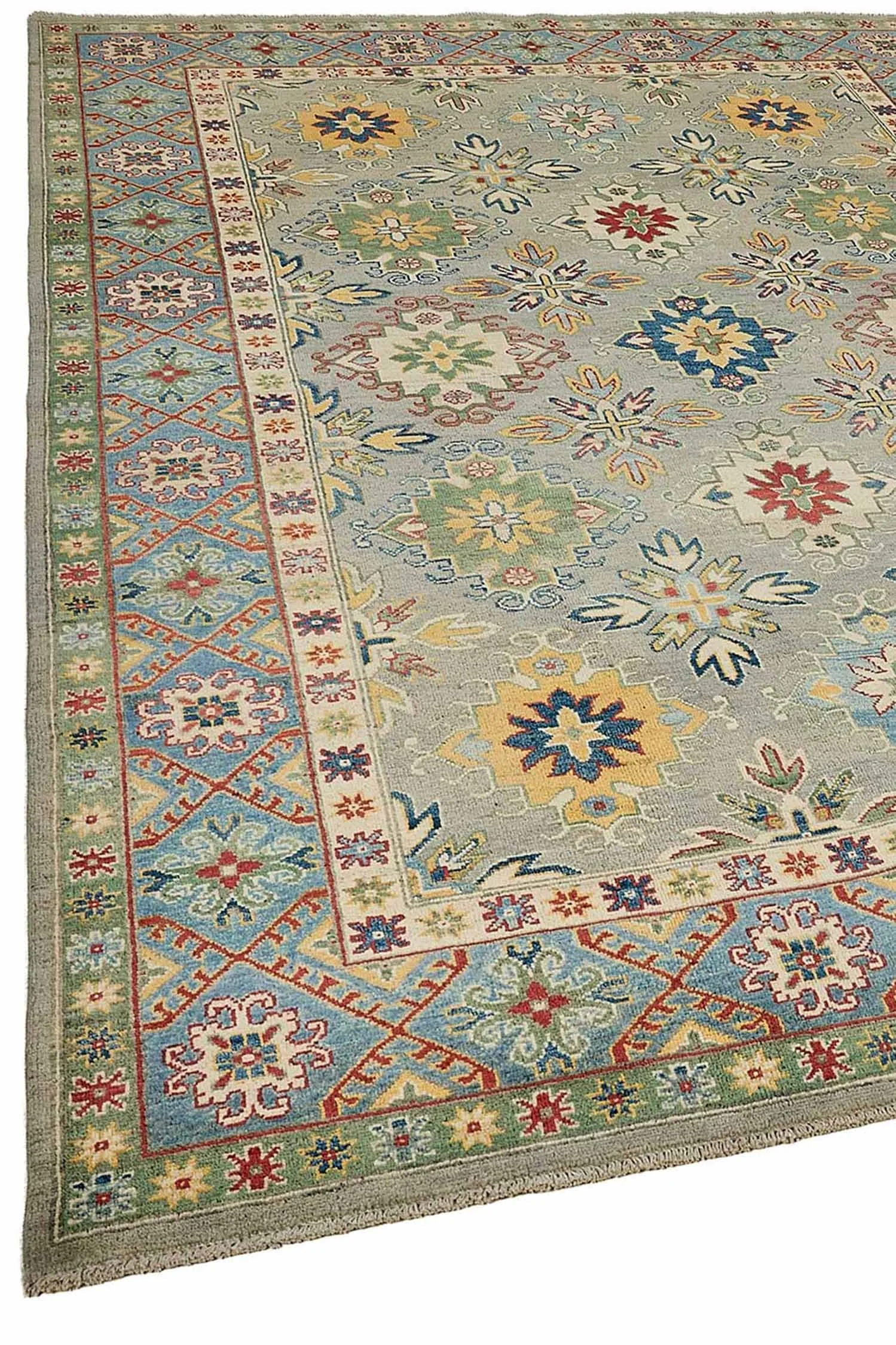
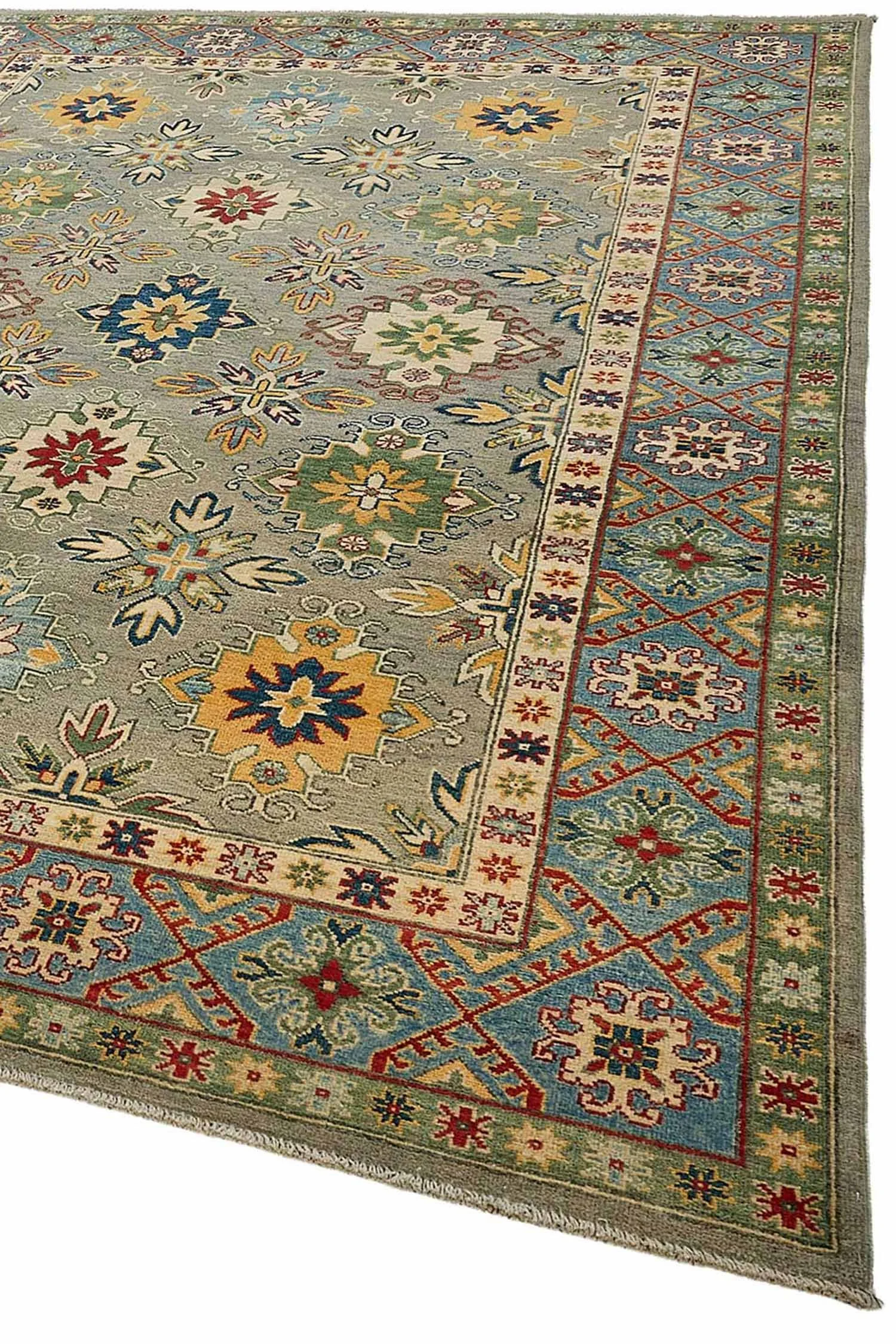
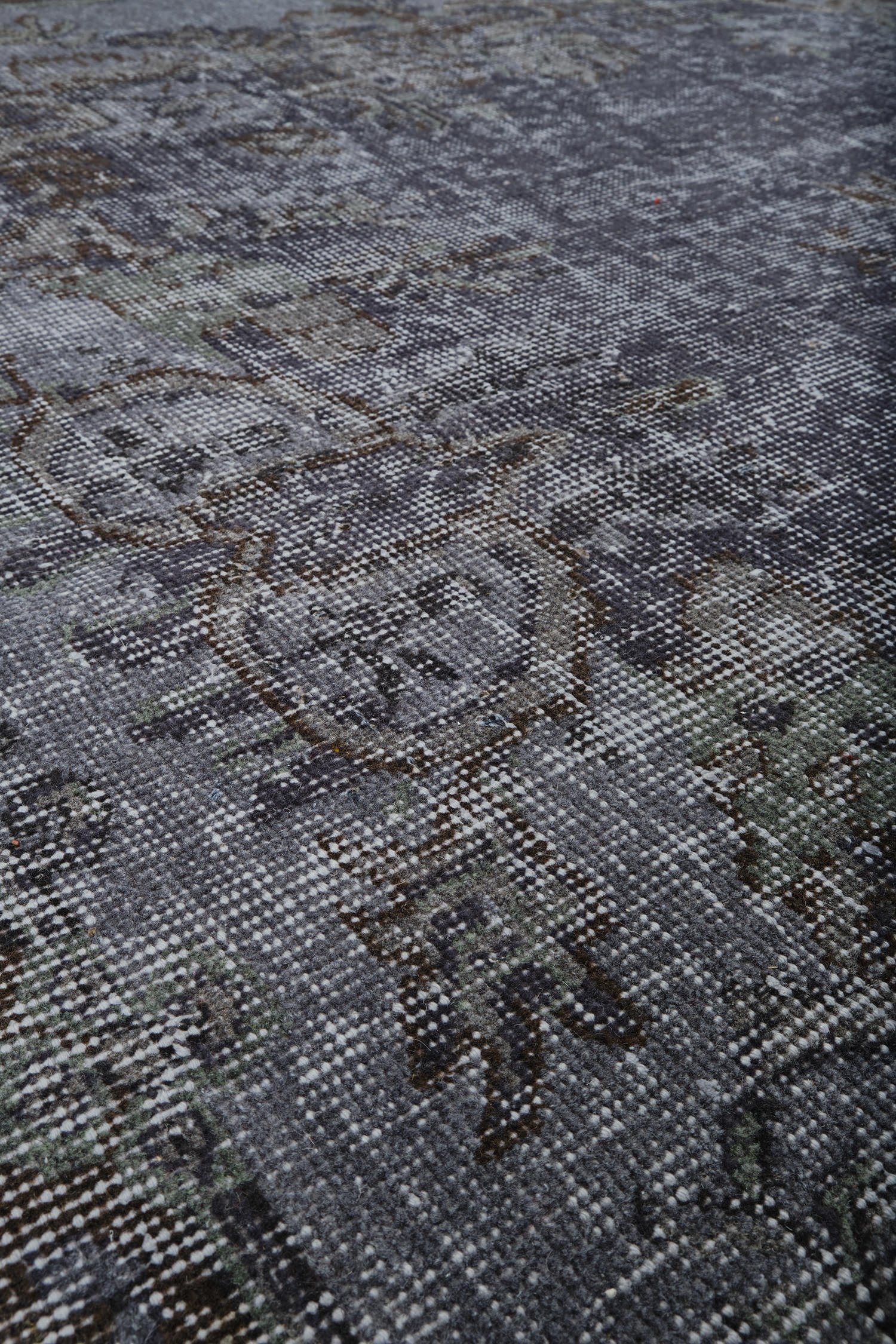
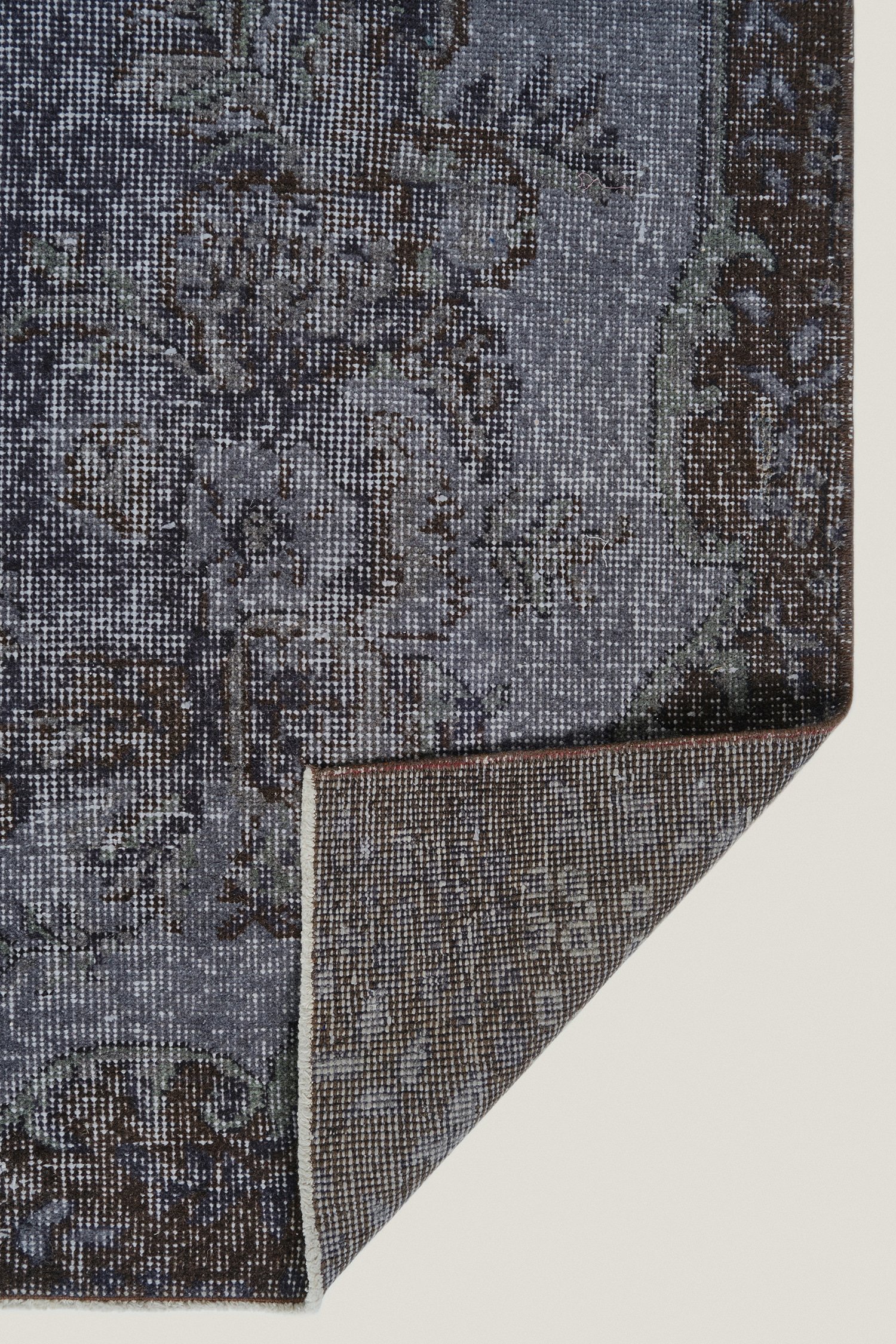
Creating medallion rugs required careful planning to maintain balanced relationships between the central element, the surrounding field, and the border. The scrolling floral motifs seen here needed consistent execution across the entire surface to maintain visual harmony. The legible drawing visible today shows quality craftsmanship despite the subduing effects of uniform wear over eight to nine decades.
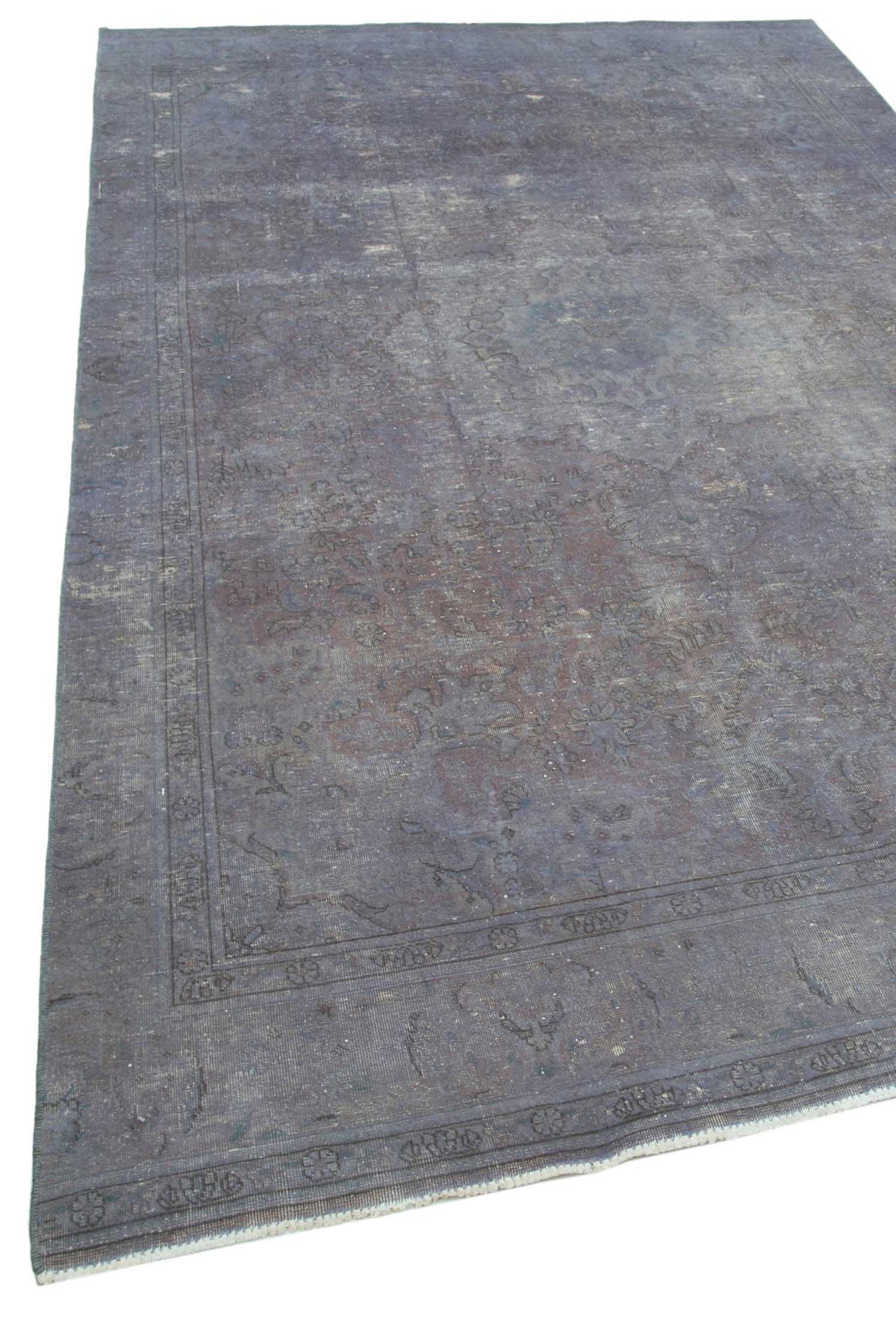
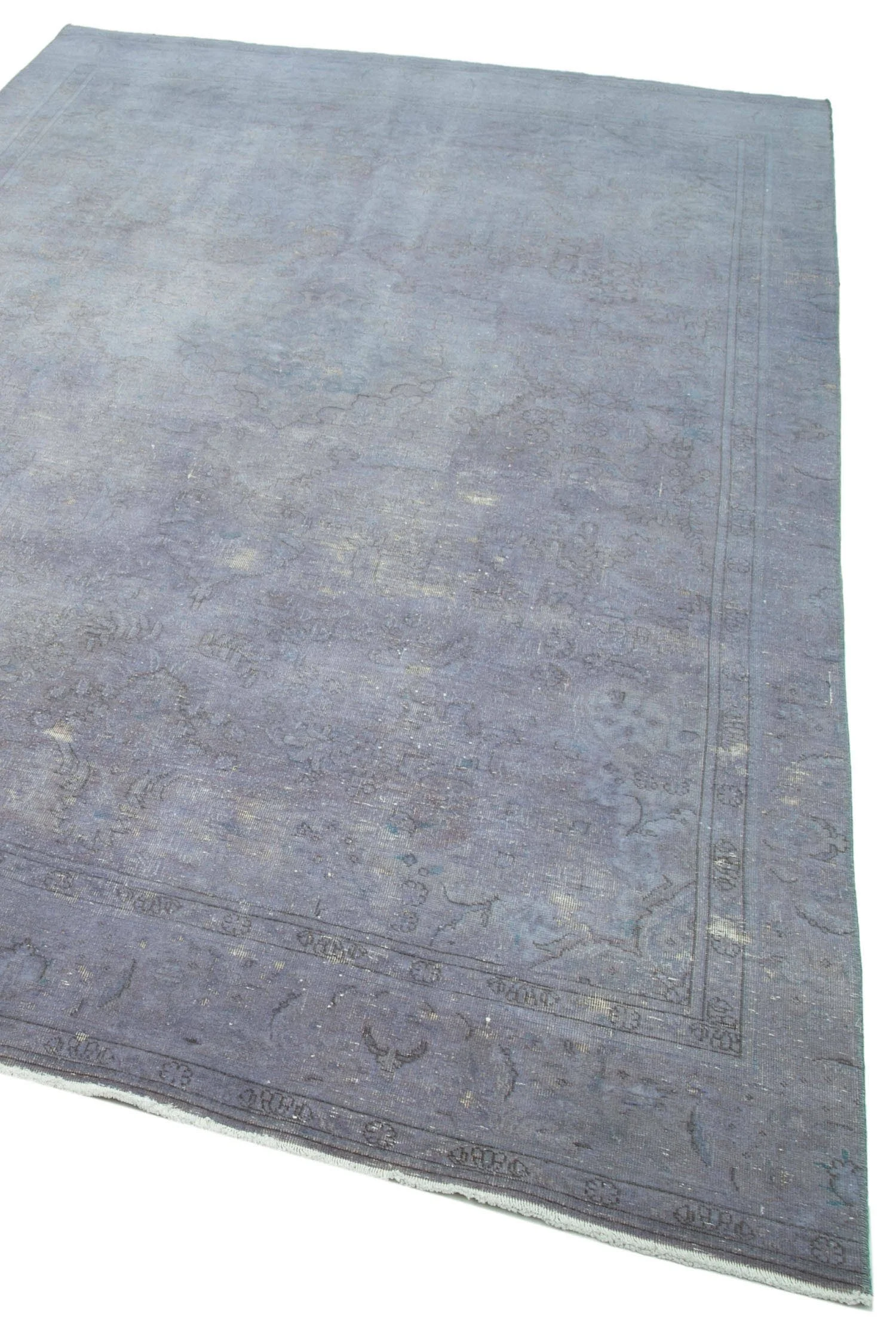
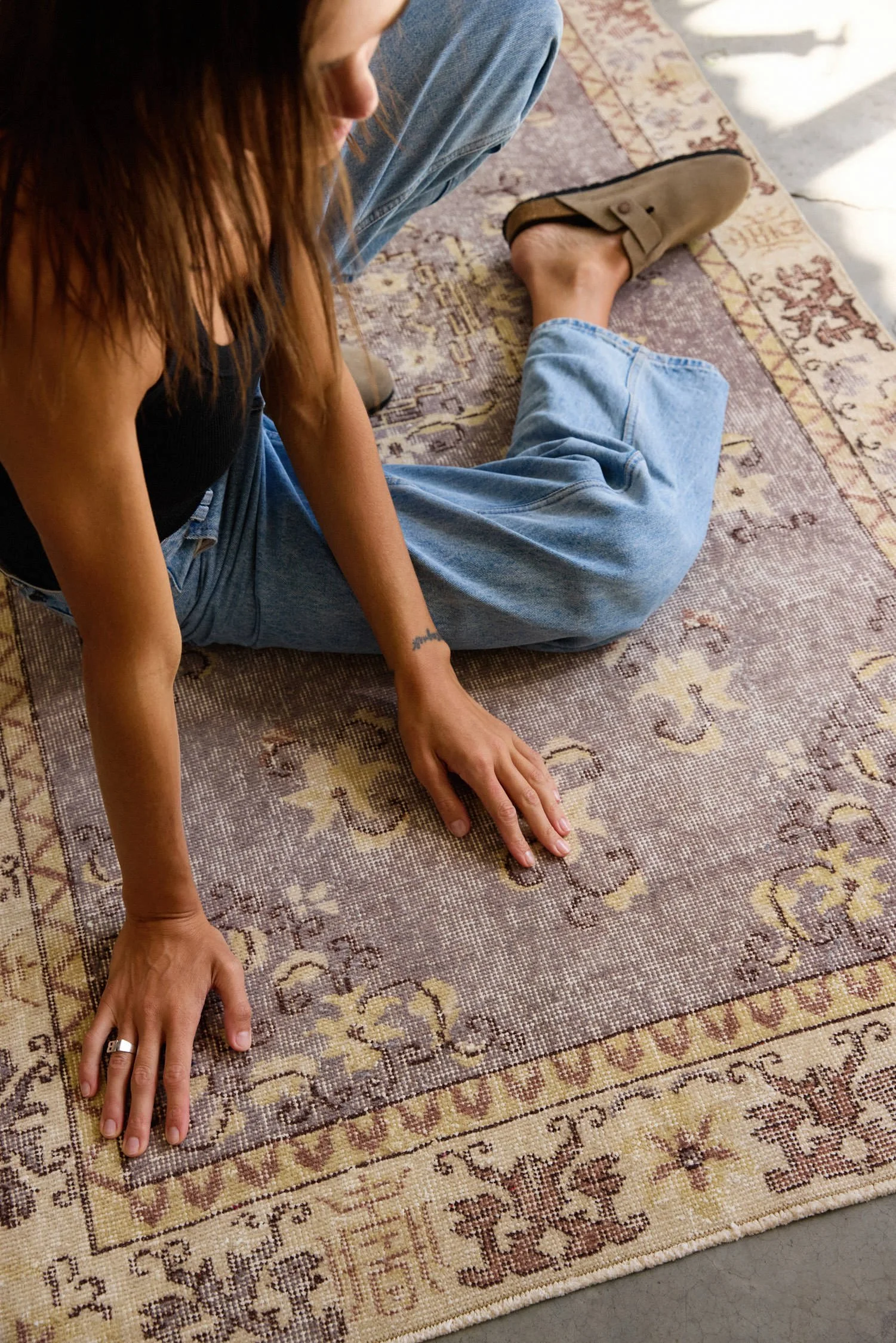
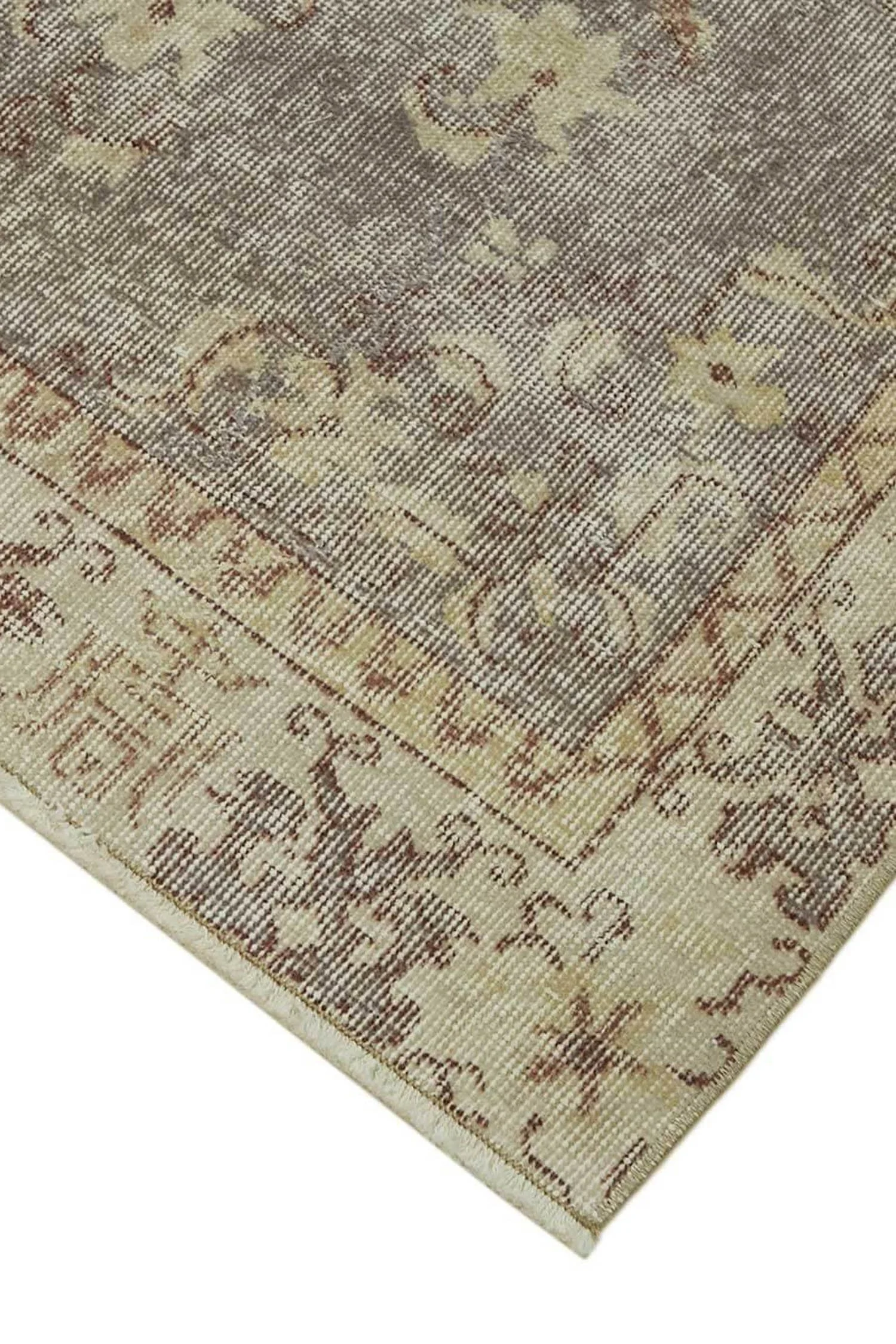
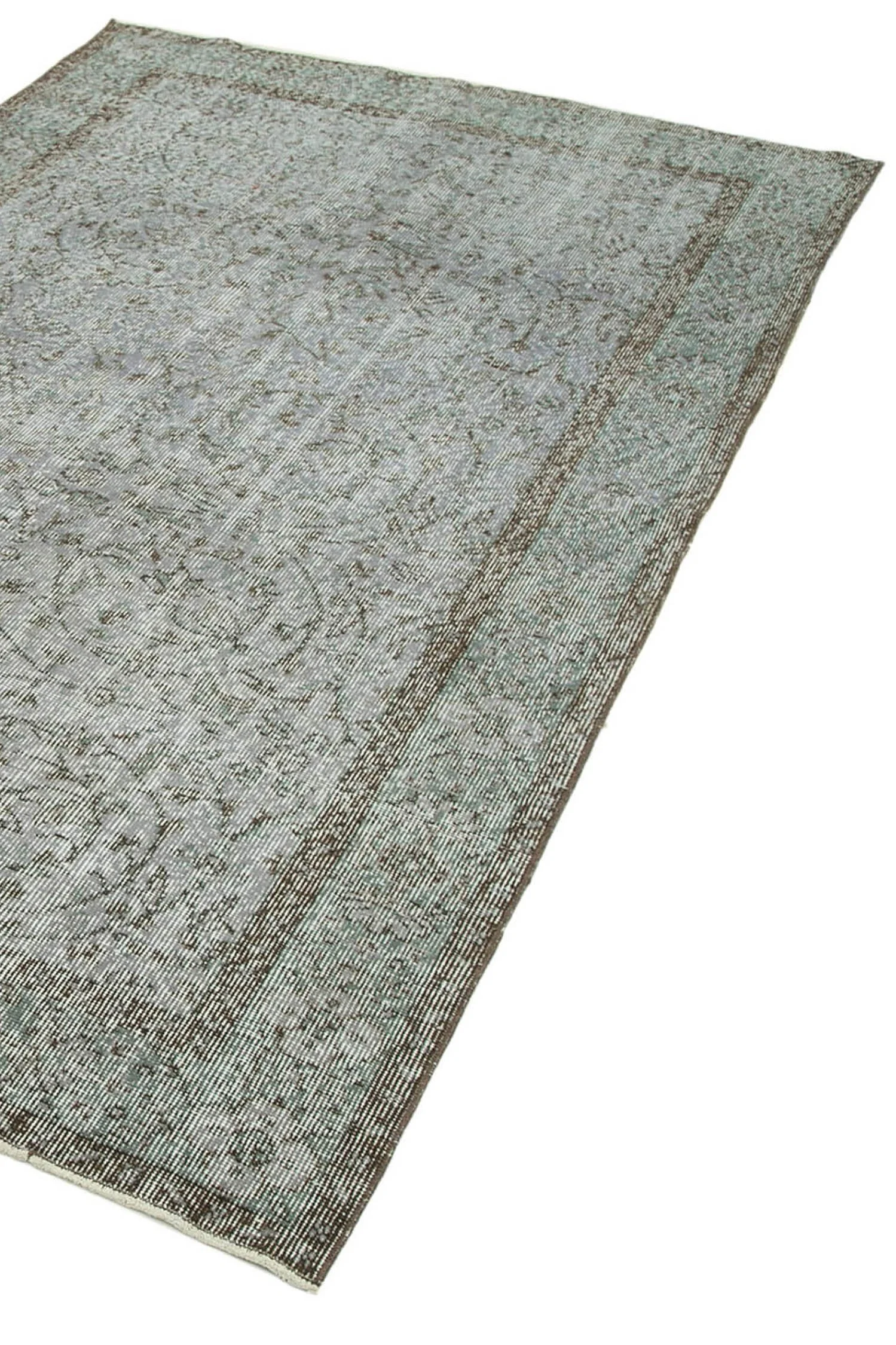
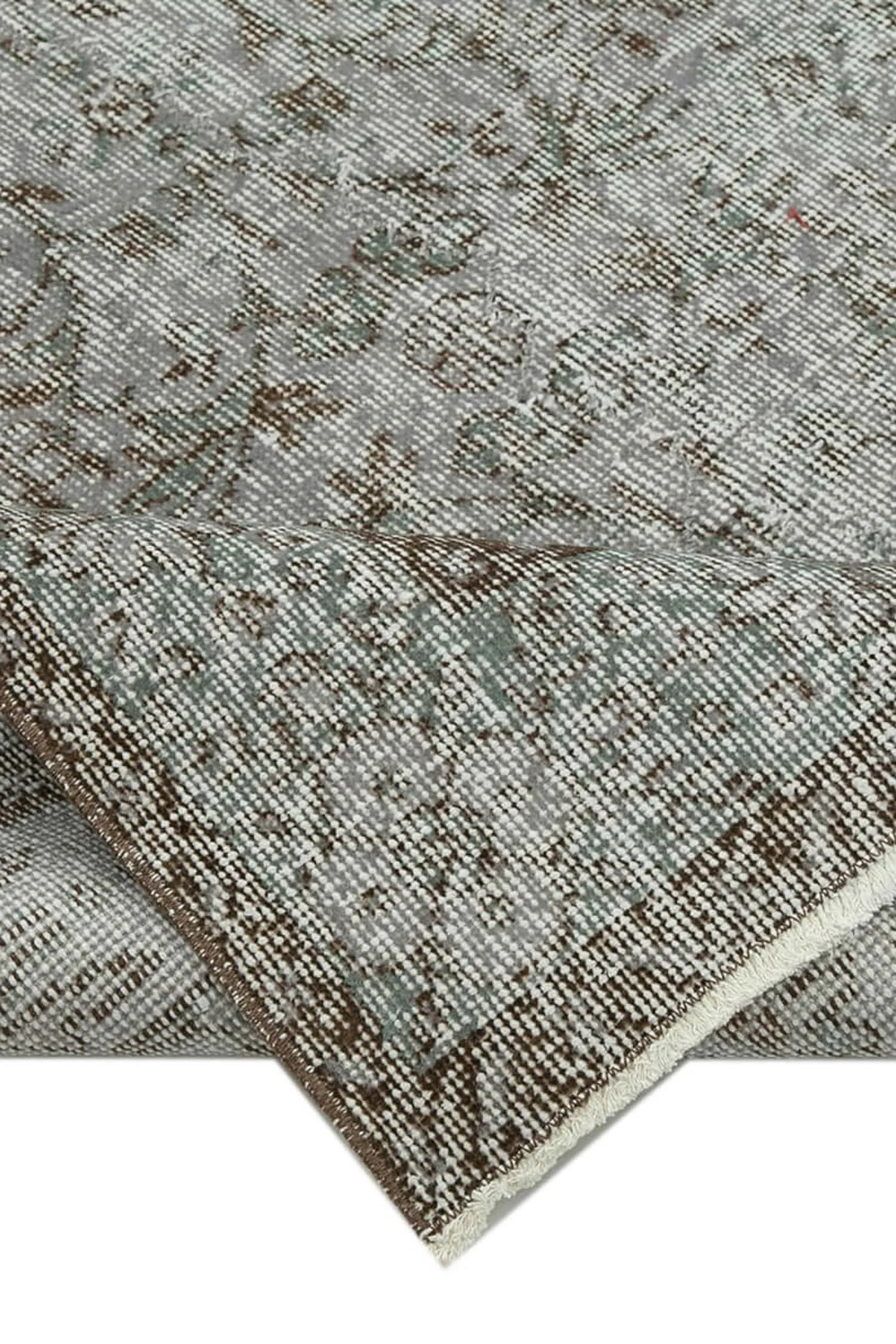
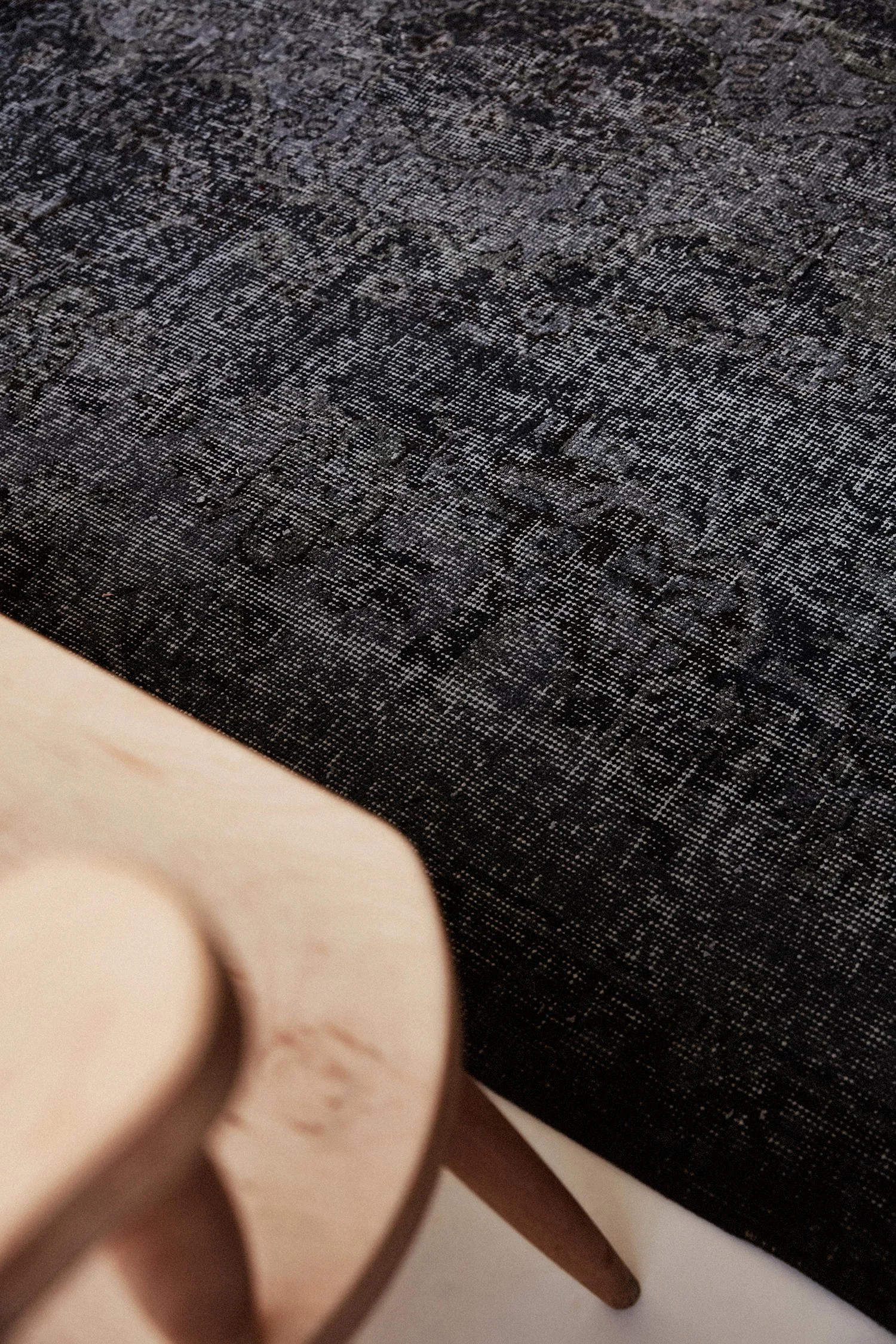
The very light palette of pale stone, warm ivory, and gentle taupe has aged through regular use and light exposure. Colors have faded into the airy, evenly toned surface visible today, where contrast has diminished, creating an antique-washed quality. This transformation reflects decades of life on this surface.
Design Elements
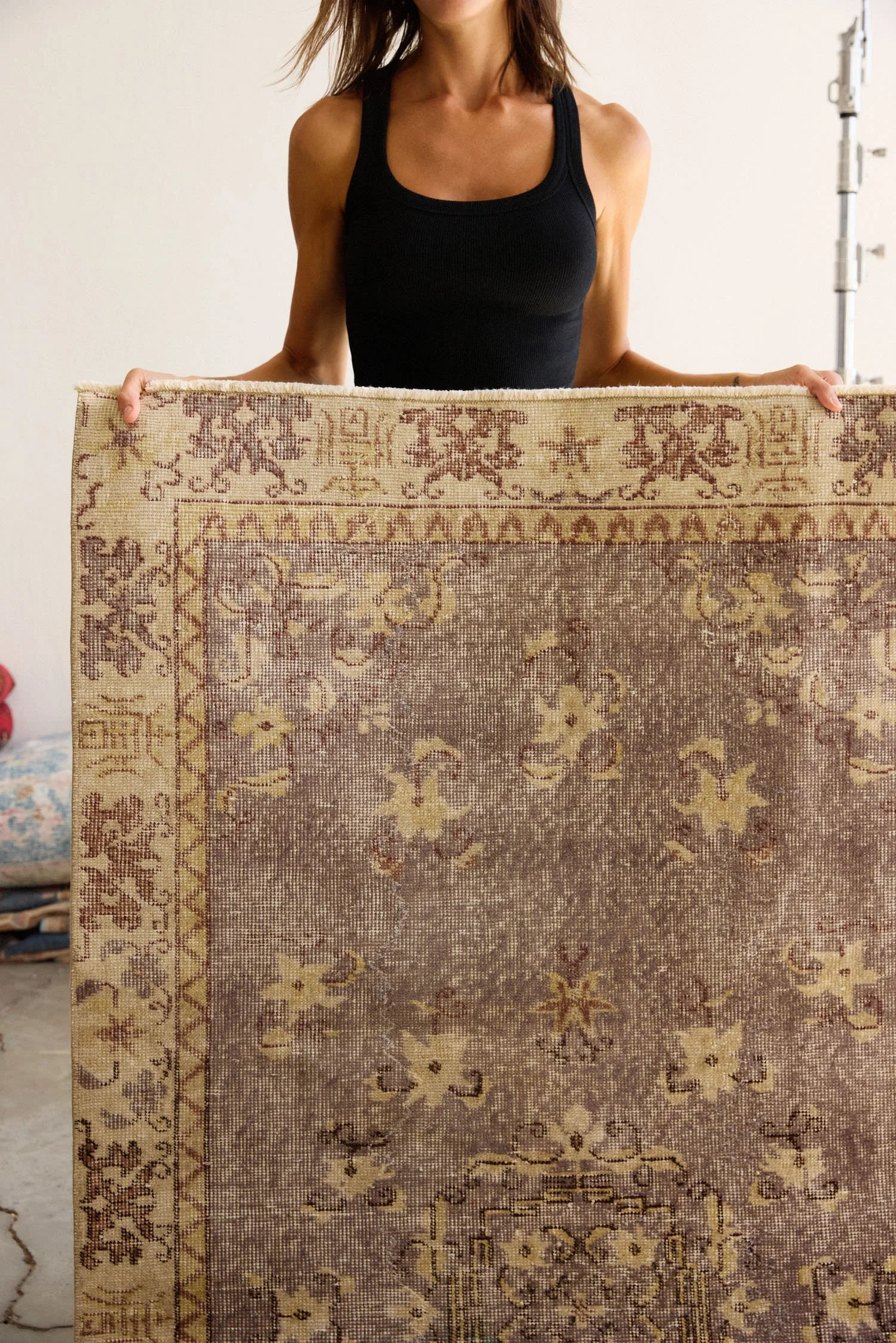
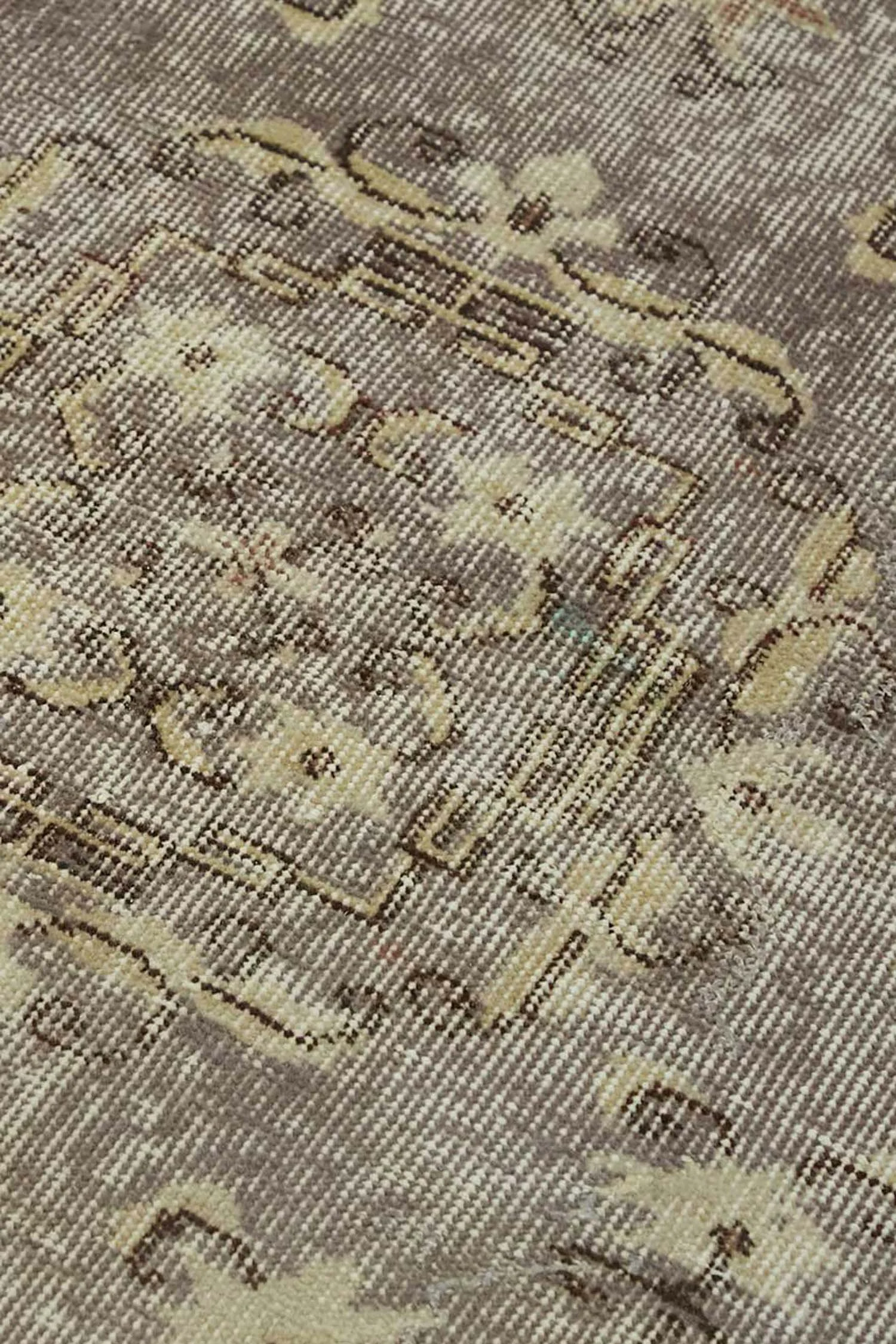
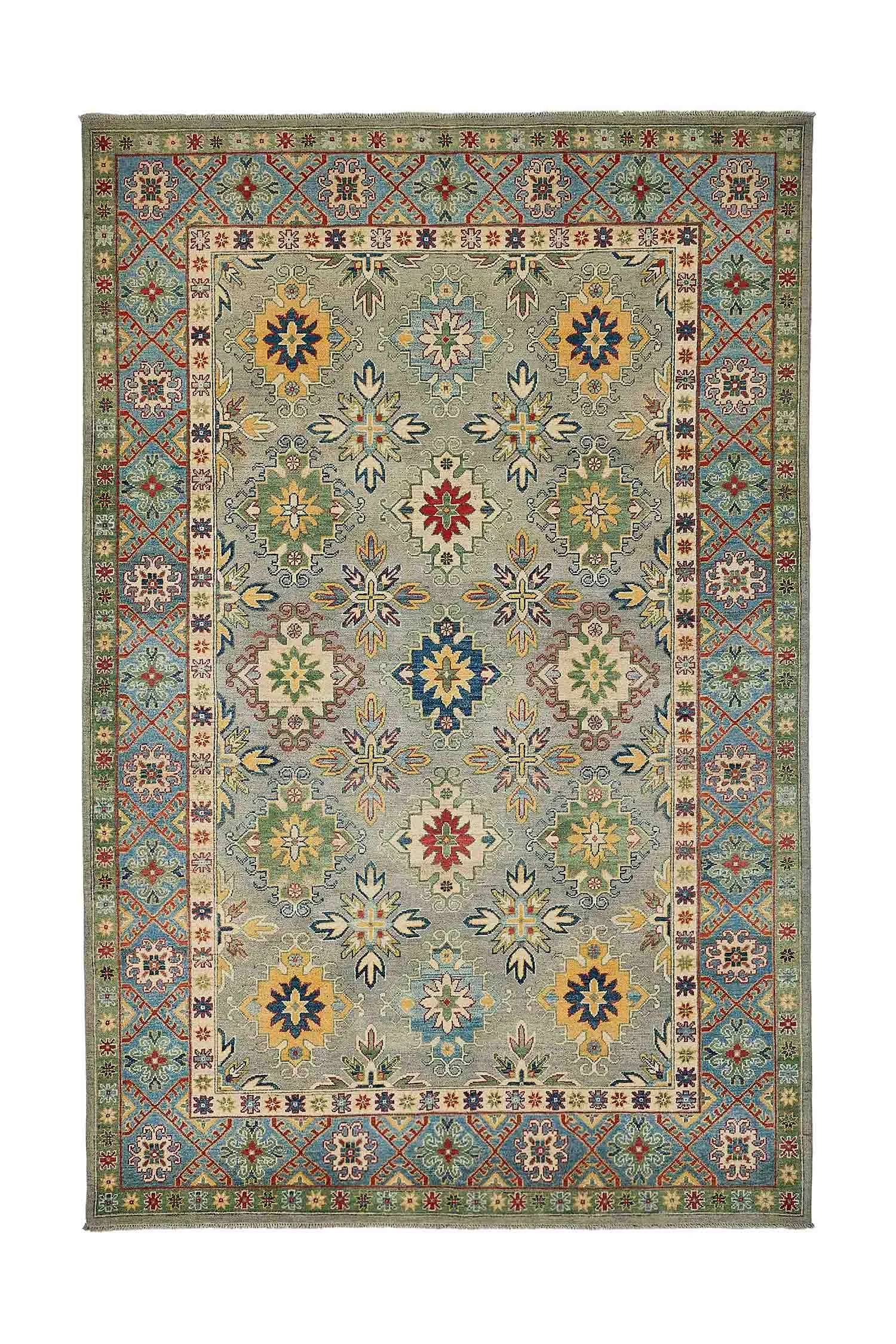
The softened central medallion creates a focal point that integrates with the field rather than dominating it. Uniform wear has reduced the original contrast between medallion and ground, creating the subdued quality visible today. The medallion maintains its structural function while participating in the overall calmness.
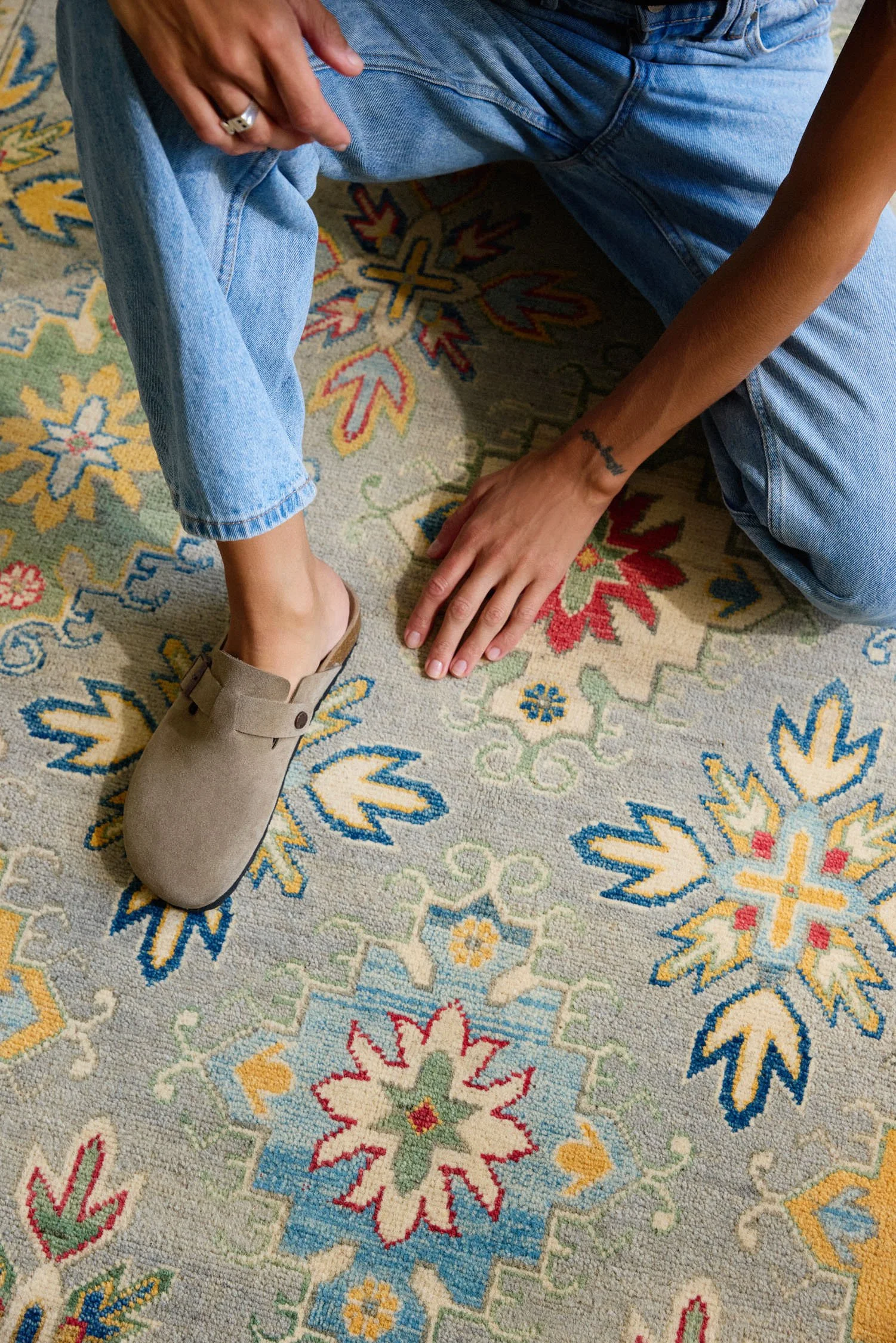
Scrolling floral motifs fill the field and borders with traditional forms. The motifs show the curving, flowing lines characteristic of classical floral vocabulary. Even spacing and proportional relationships maintain compositional balance despite the fading that has occurred.
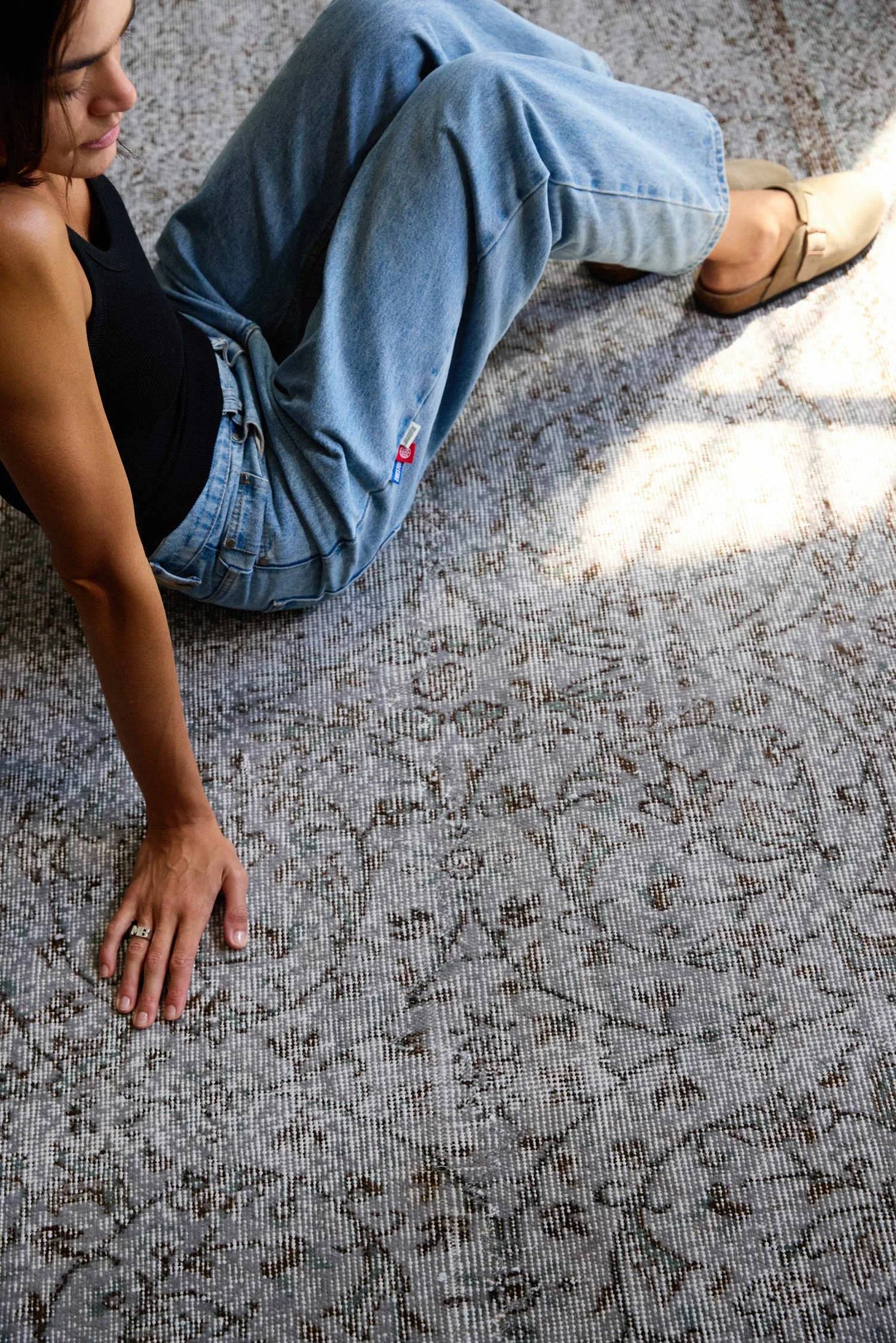
Uniform wear has created the calm, antique-washed presence throughout. What once showed clearer color definition now reads as gentle tonal variation. No strong contrast remains, giving the surface an airy quality where pattern exists as subtle texture rather than bold decoration.
Placement
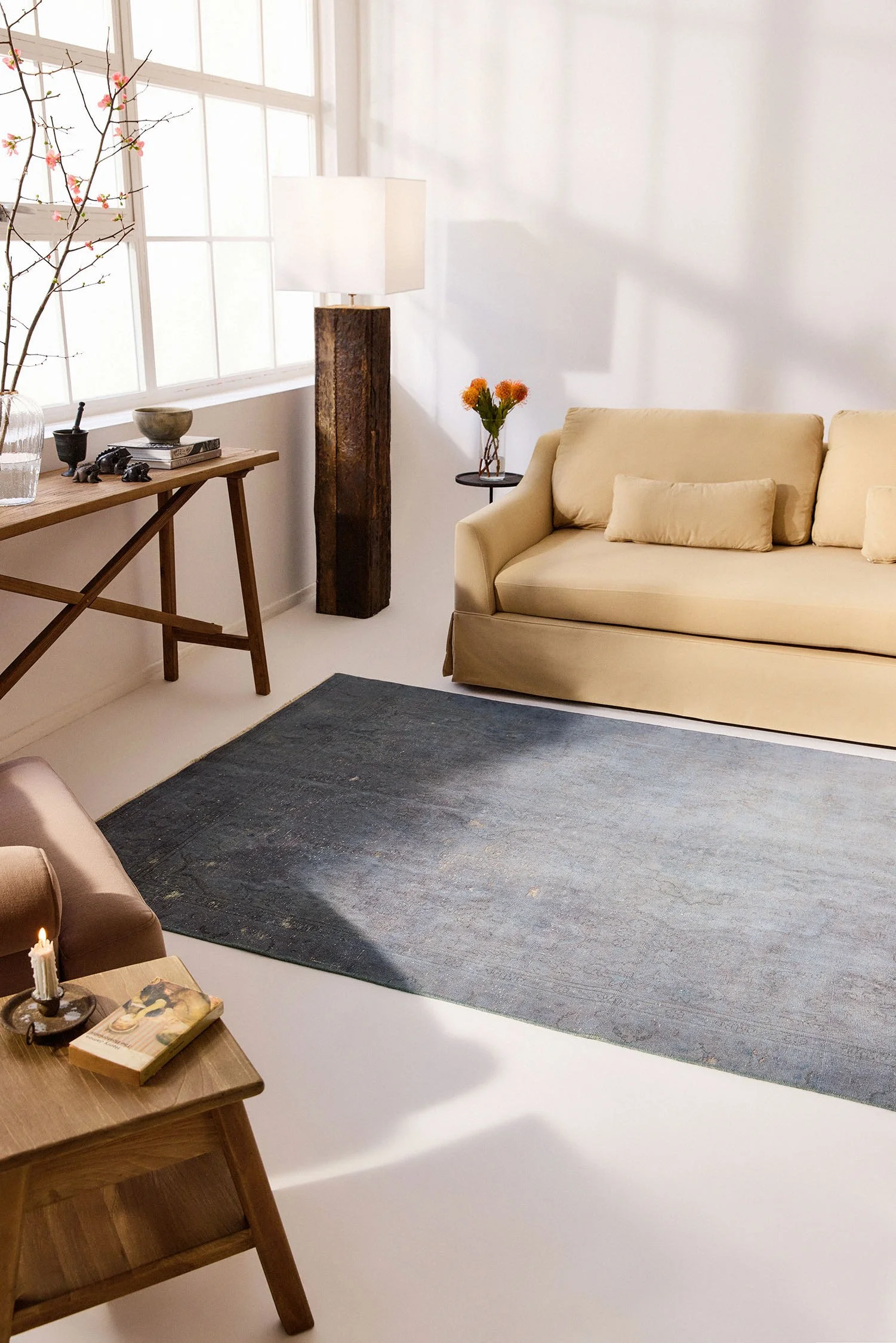
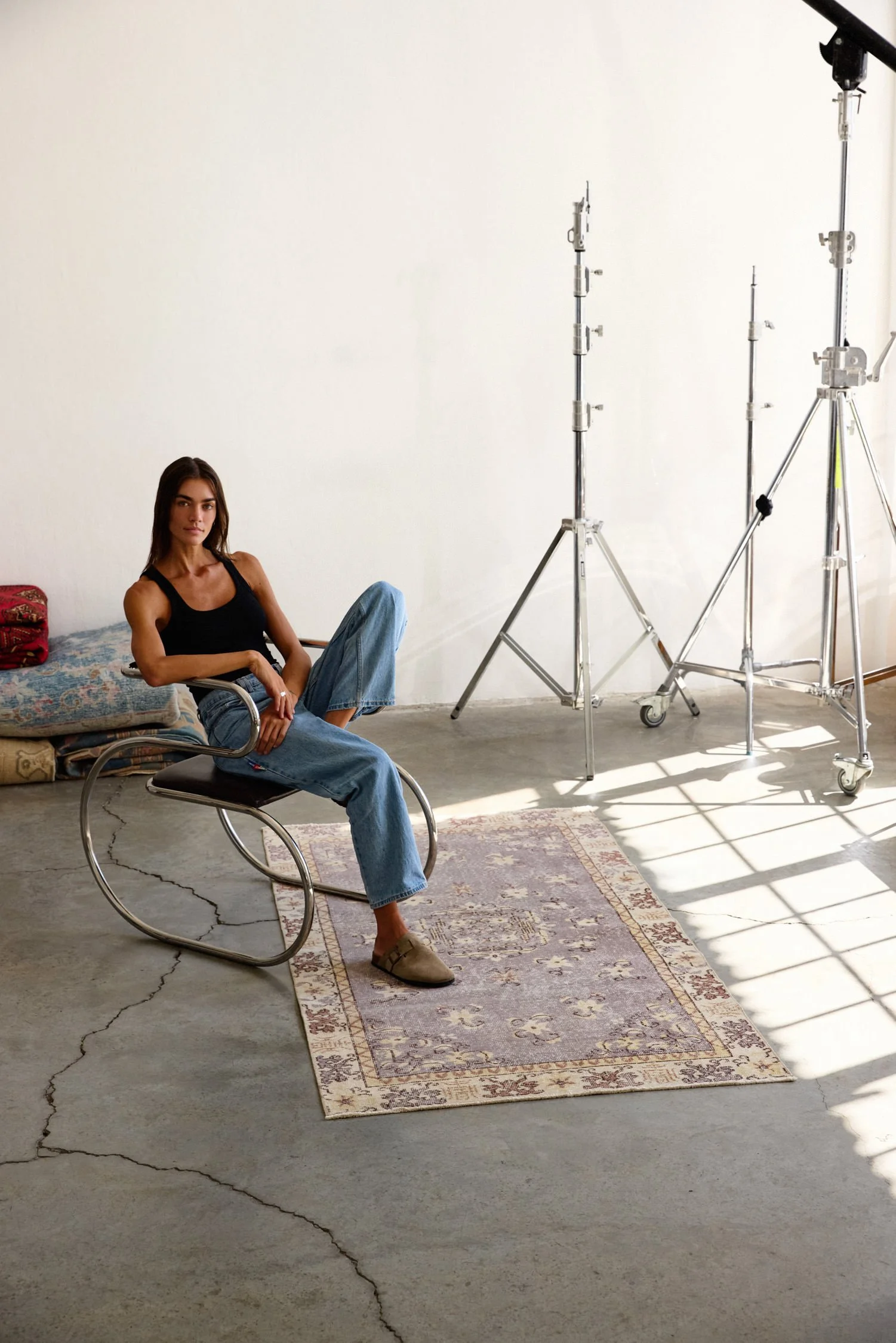
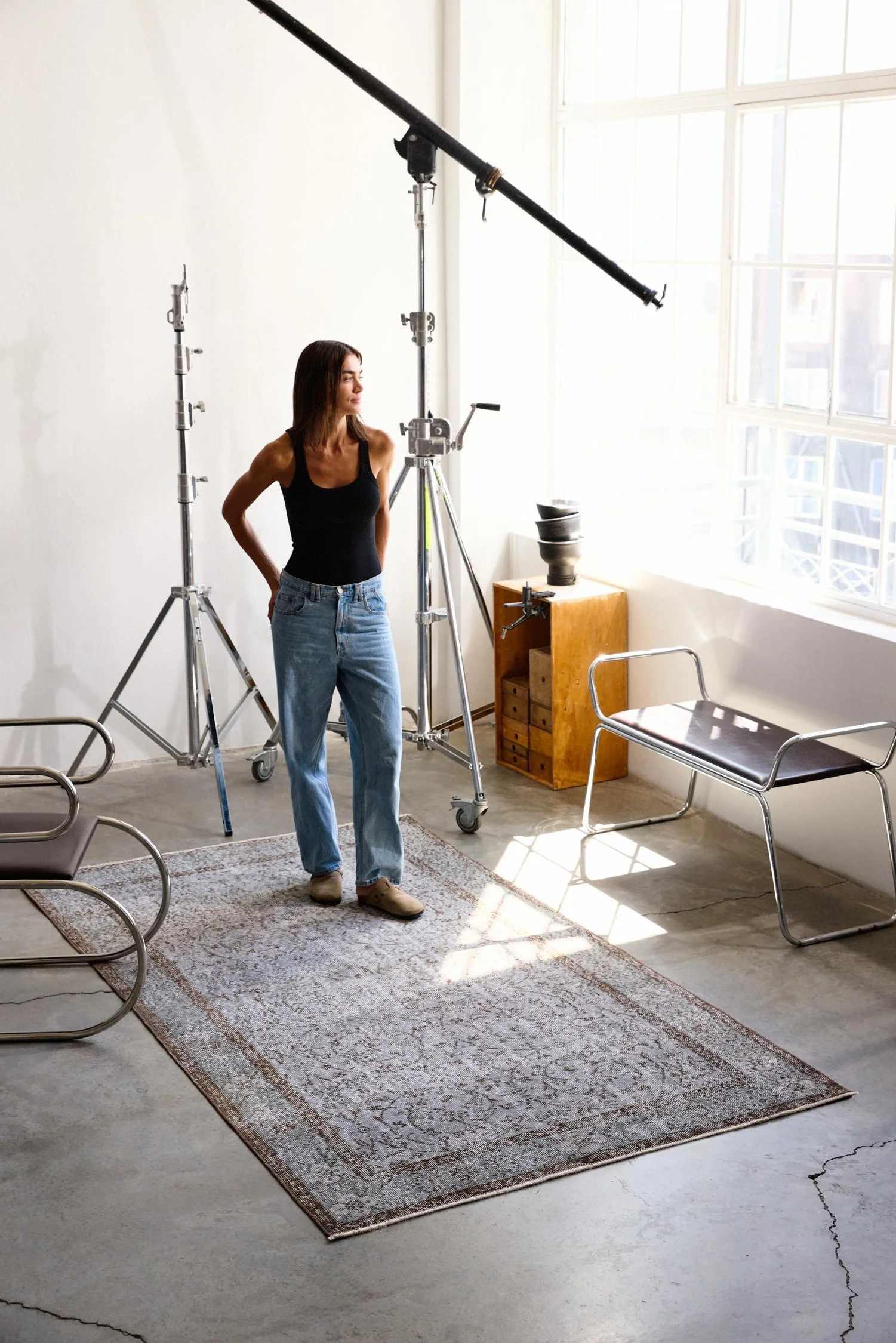
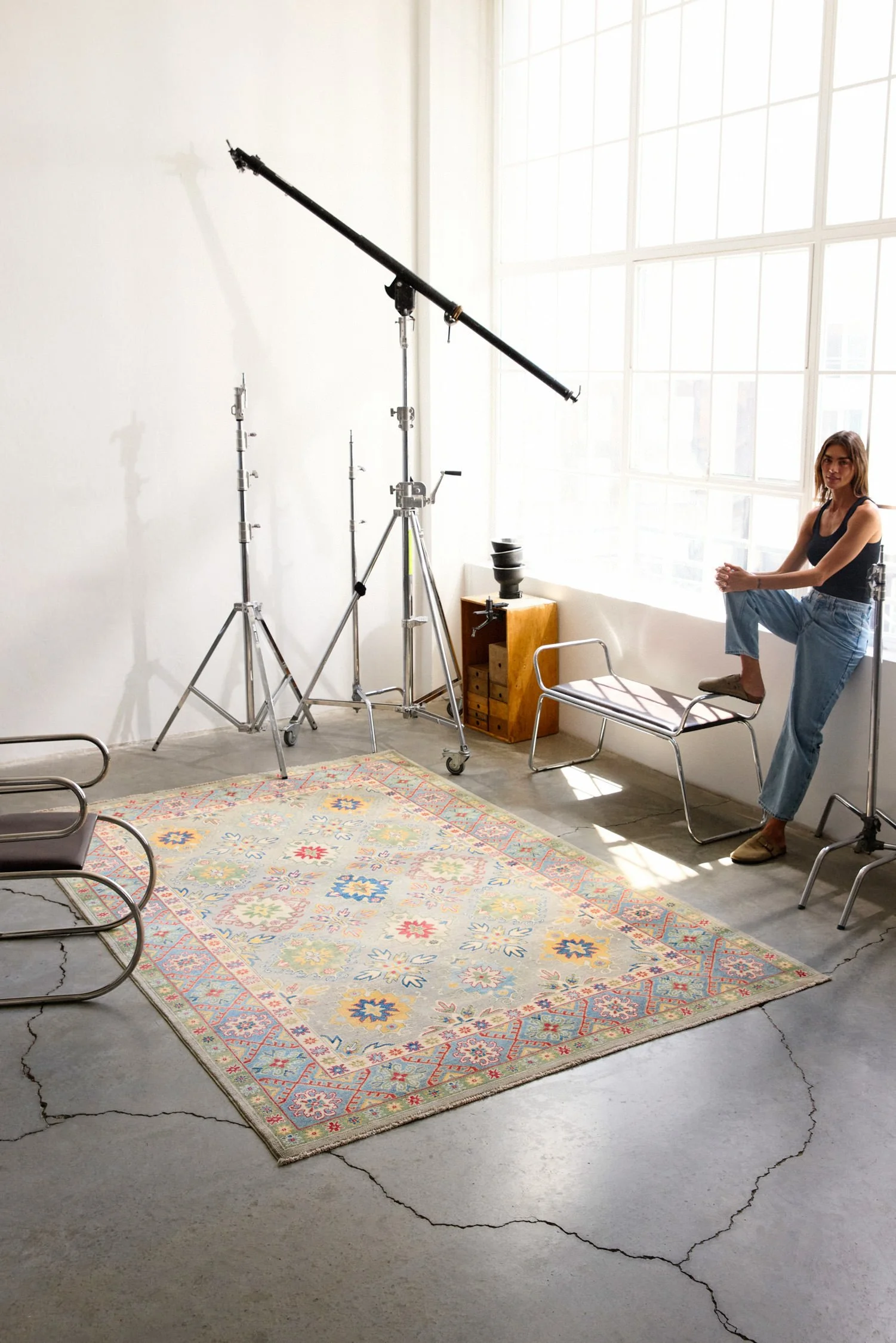
At 6'9" x 10'2", this works in living rooms where you want to anchor seating areas, dining rooms under tables that seat six to eight, bedrooms at the foot of the bed or extending along one side, and home offices. The proportions suit spaces where you want traditional structure with a light, calm character.
The pale stone and warm ivory tones function as a neutral foundation in interiors with ample natural light. The airy, evenly faded quality works in contemporary spaces styled with minimalist or Scandinavian influences. Traditional settings appreciate the semi-antique Isparta provenance and classic medallion structure. The antique-washed presence suits rooms where pattern should provide subtle texture without strong visual demands.
Care Recommendations
To preserve the rug's beauty:
Rotate periodically for even wear
Vacuum regularly using a suction-only setting
Address spills immediately by blotting, never rubbing
Professional cleaning is recommended annually
Avoid direct sunlight to maintain color integrity
Uniform wear across nine decades faded this Isparta into a nearly monochrome neutral.