 Image 1 of 6
 Image 2 of 6
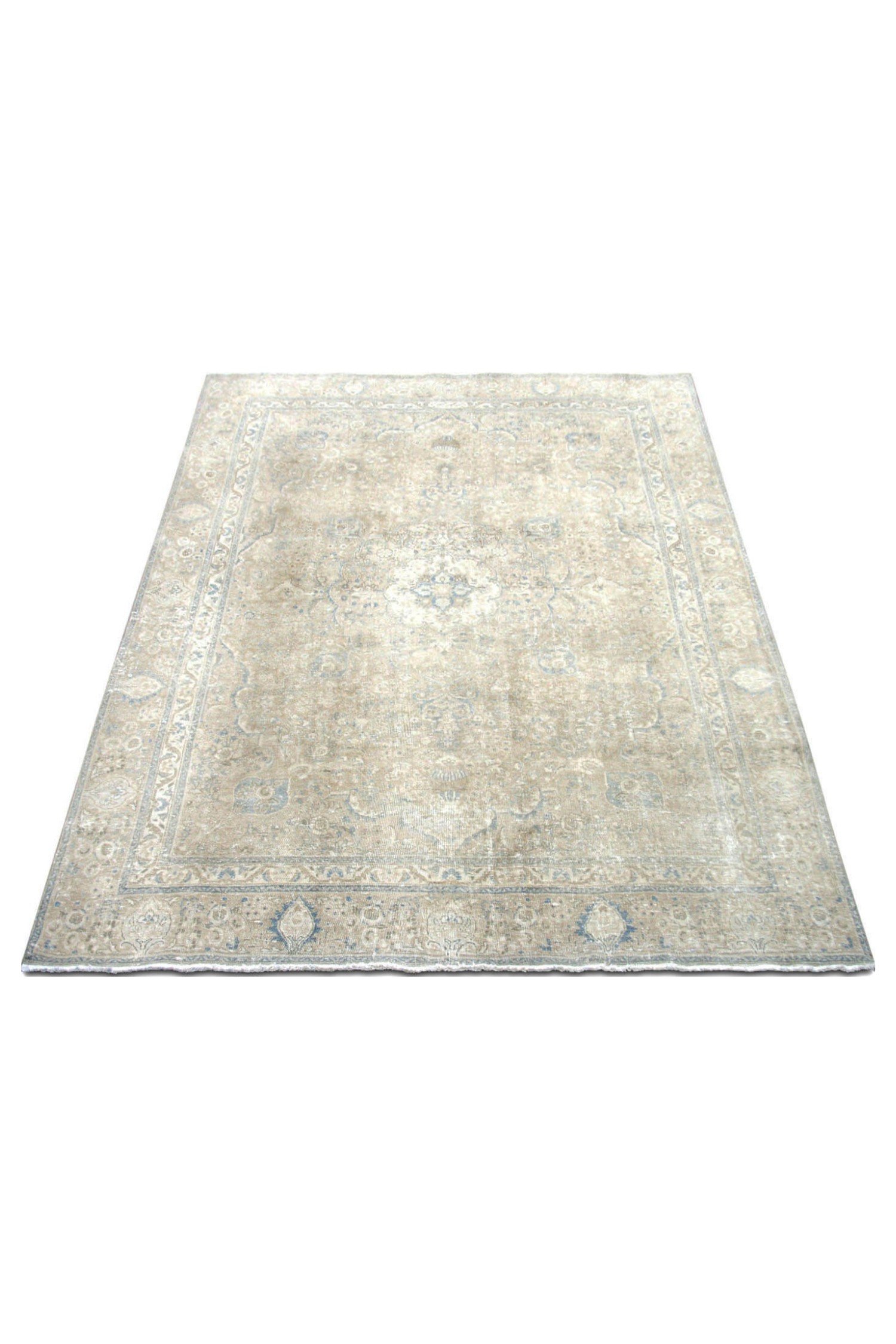 Image 3 of 6
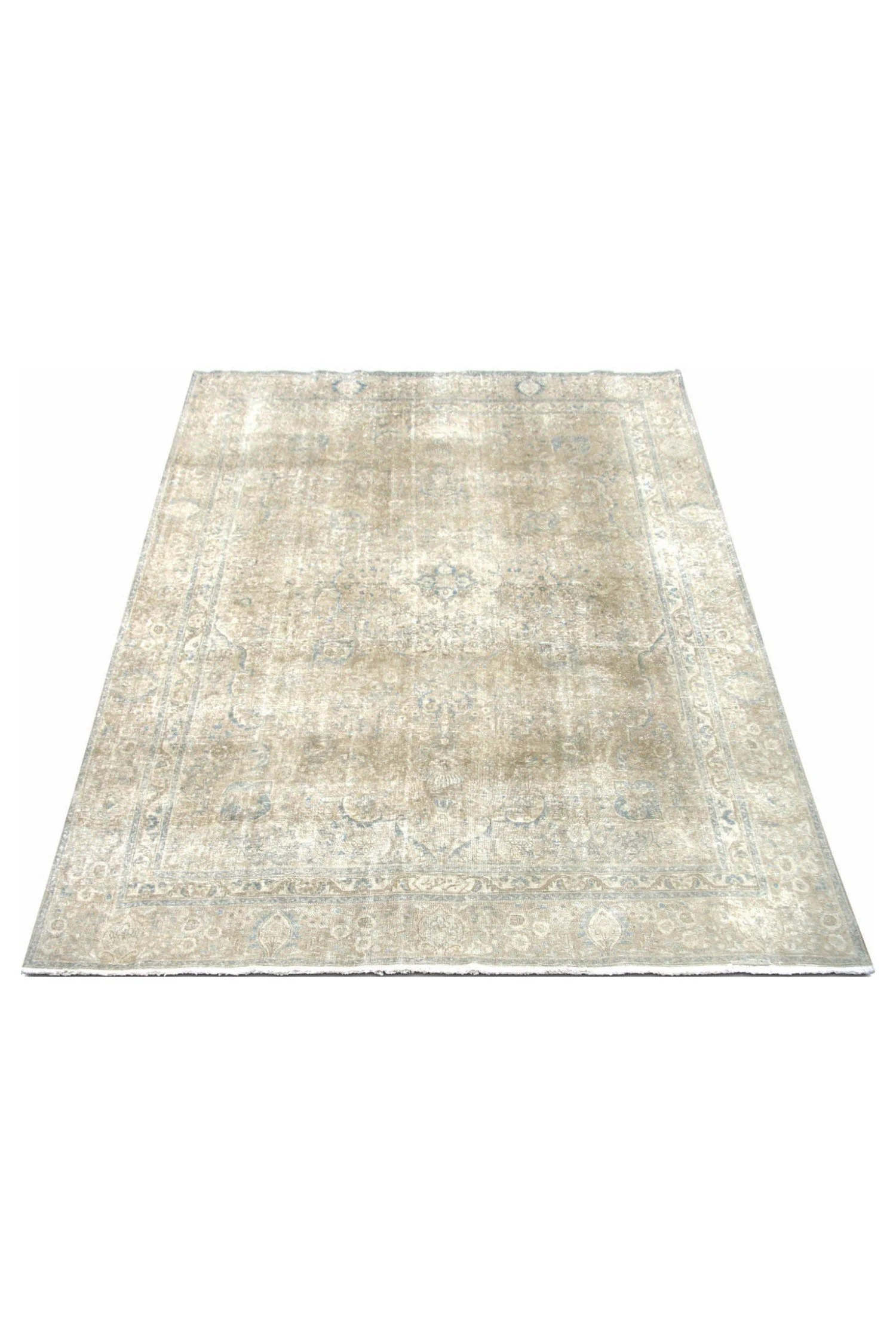 Image 4 of 6
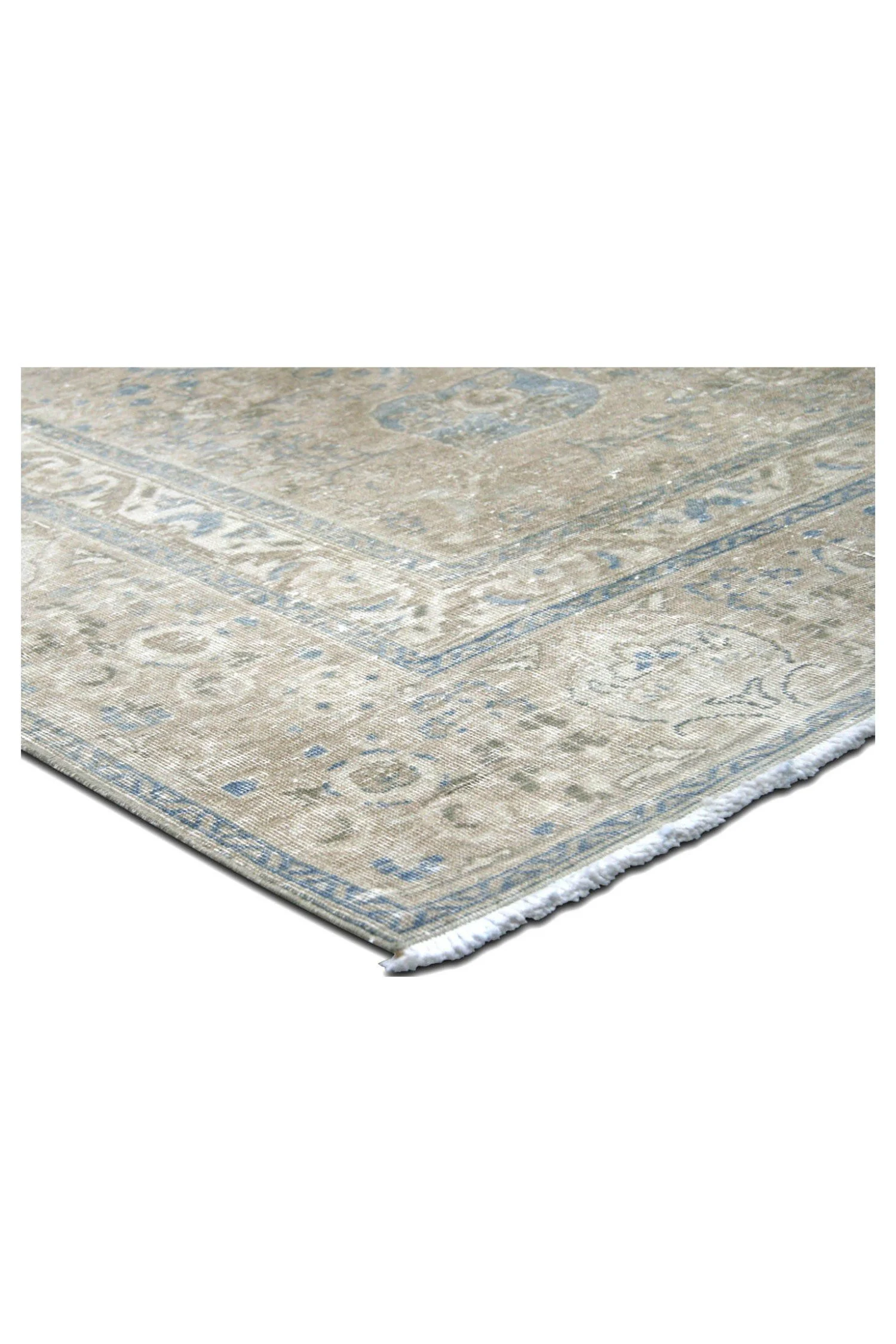 Image 5 of 6
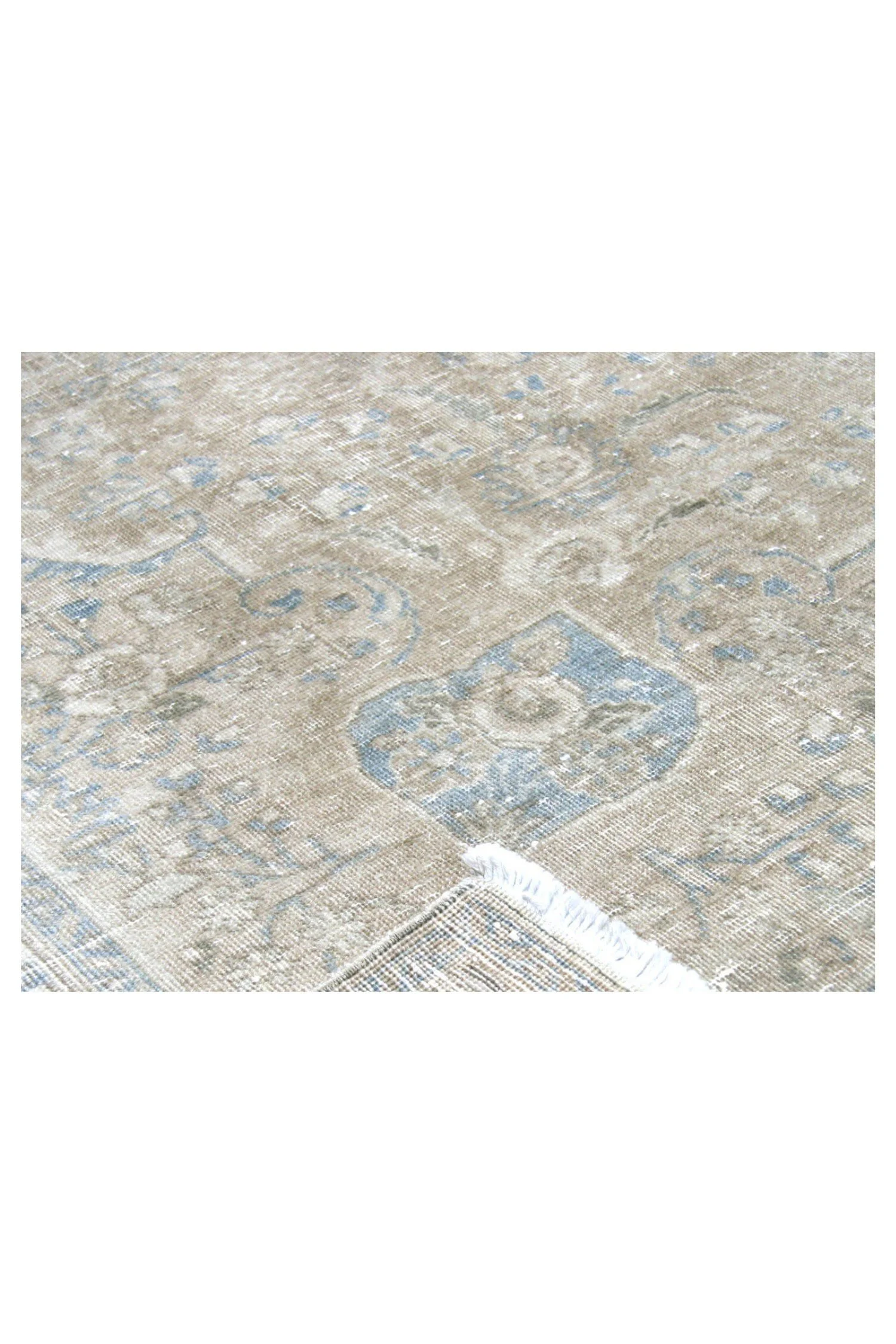 Image 6 of 6
Heritage and Craftsmanship
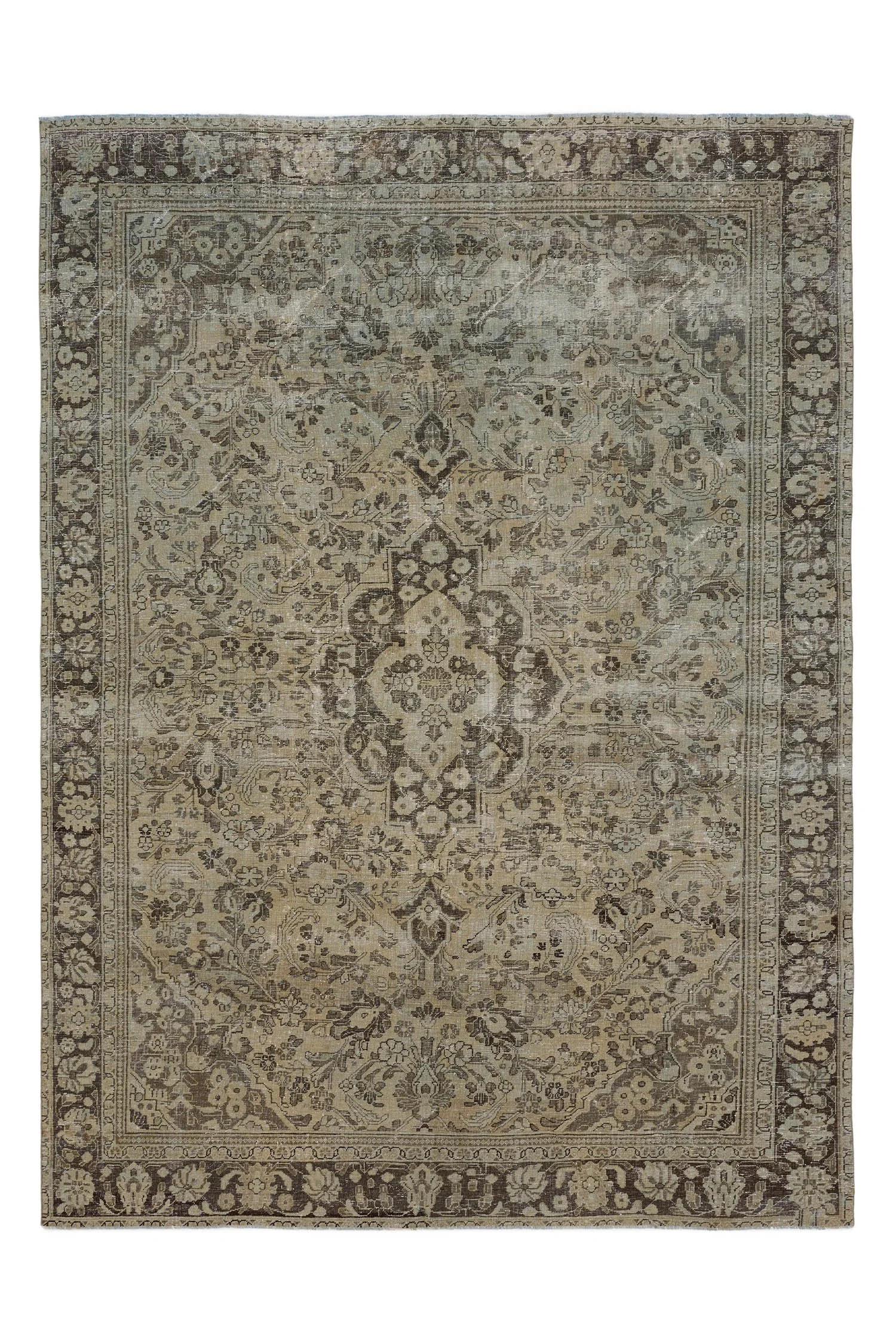
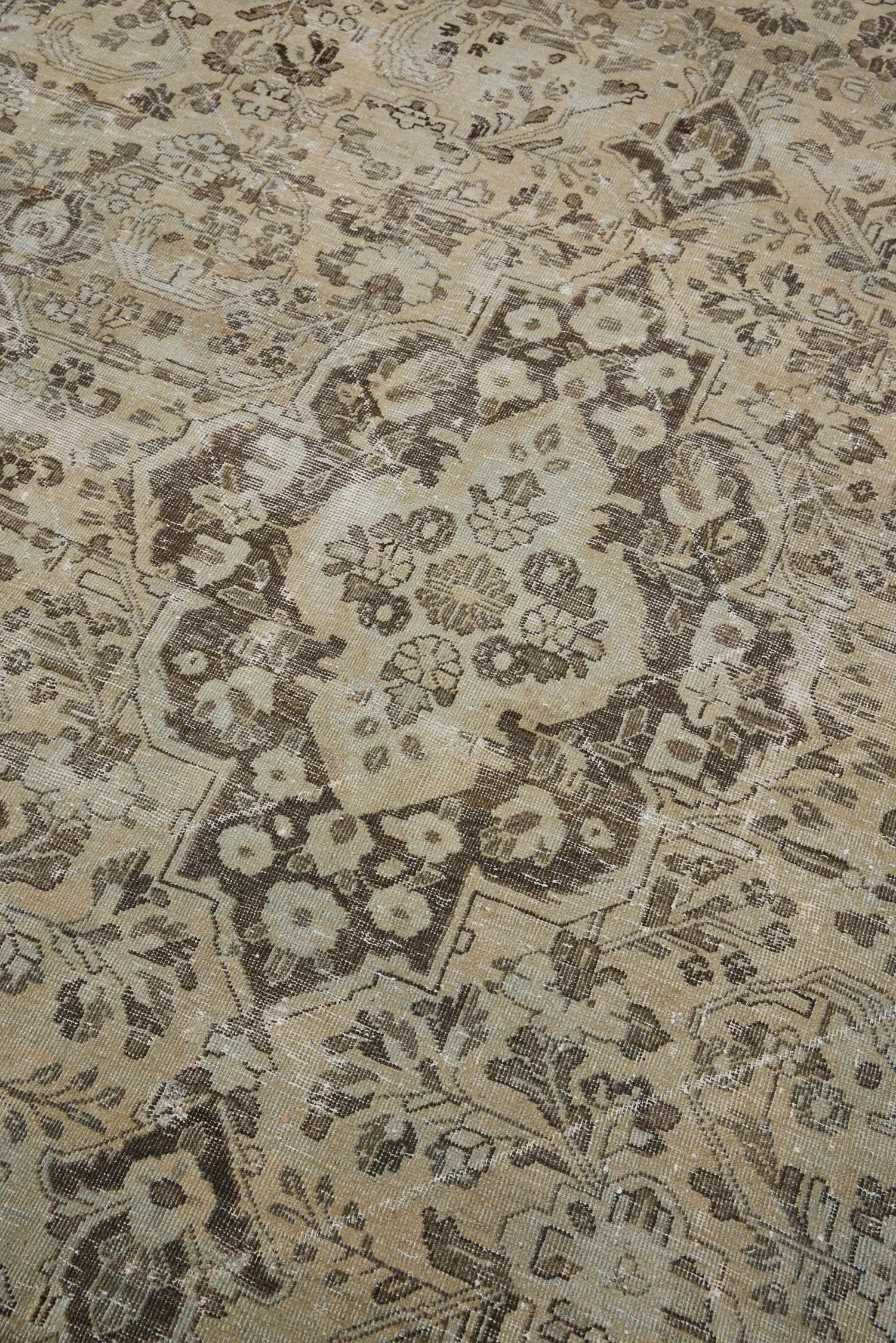
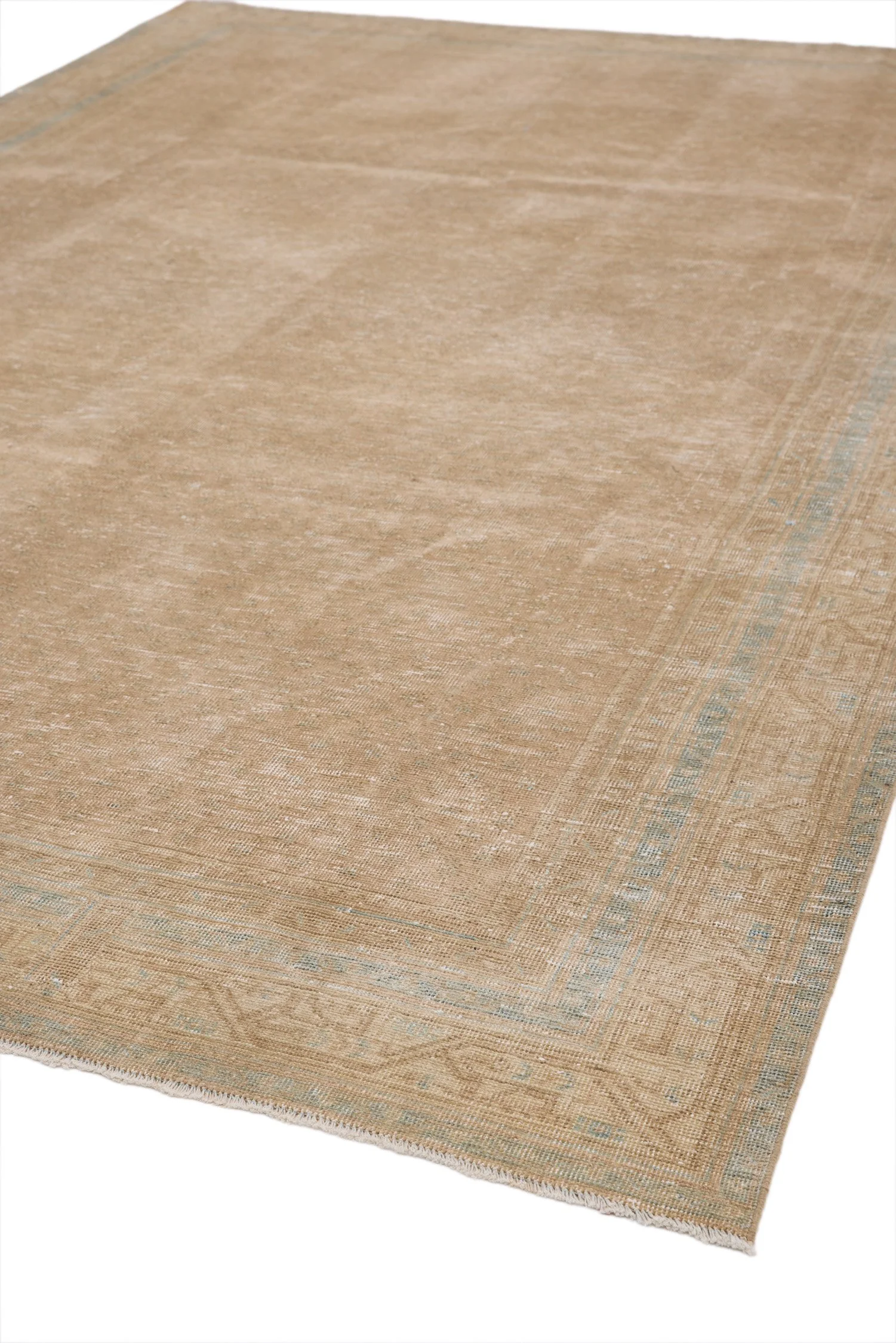
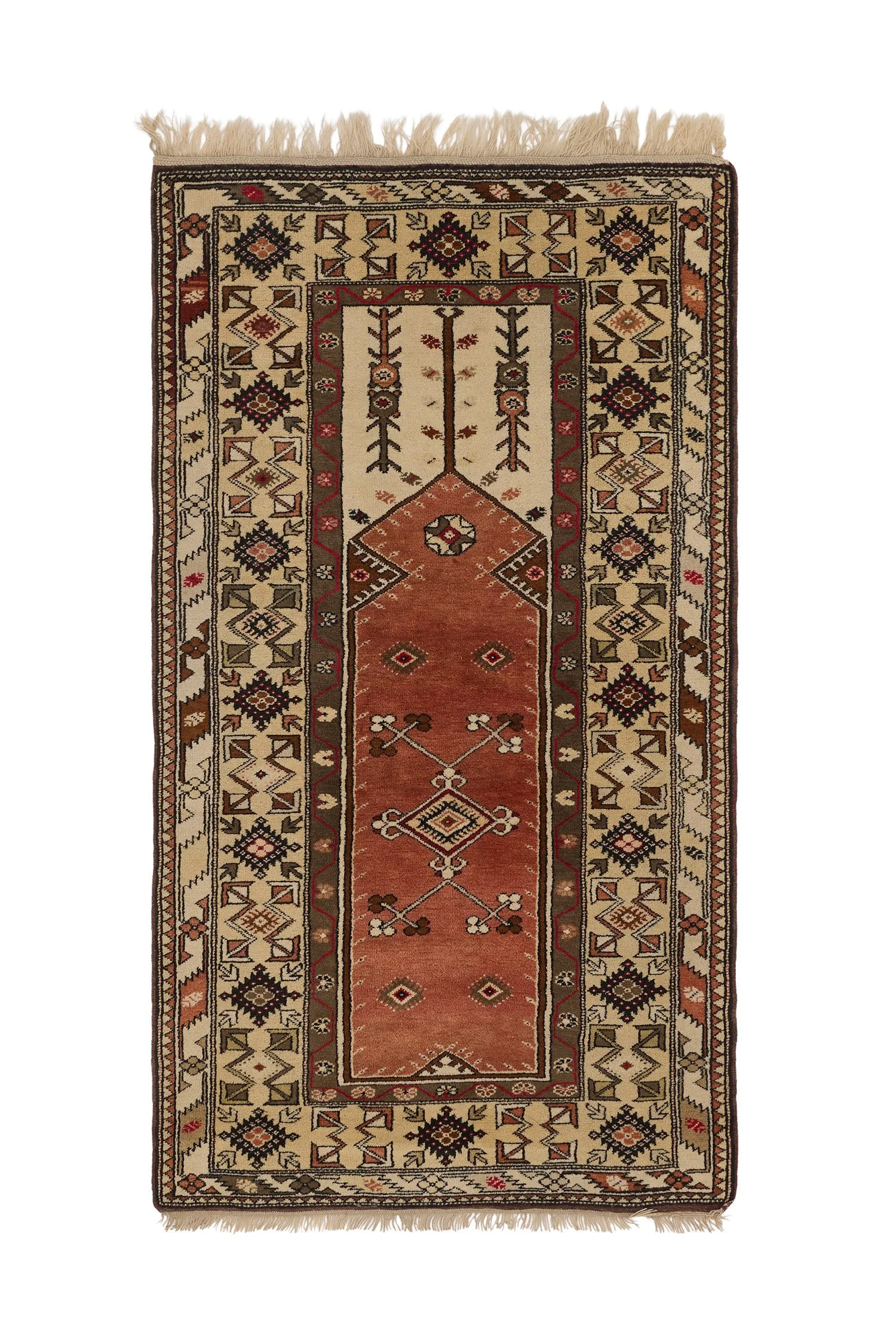
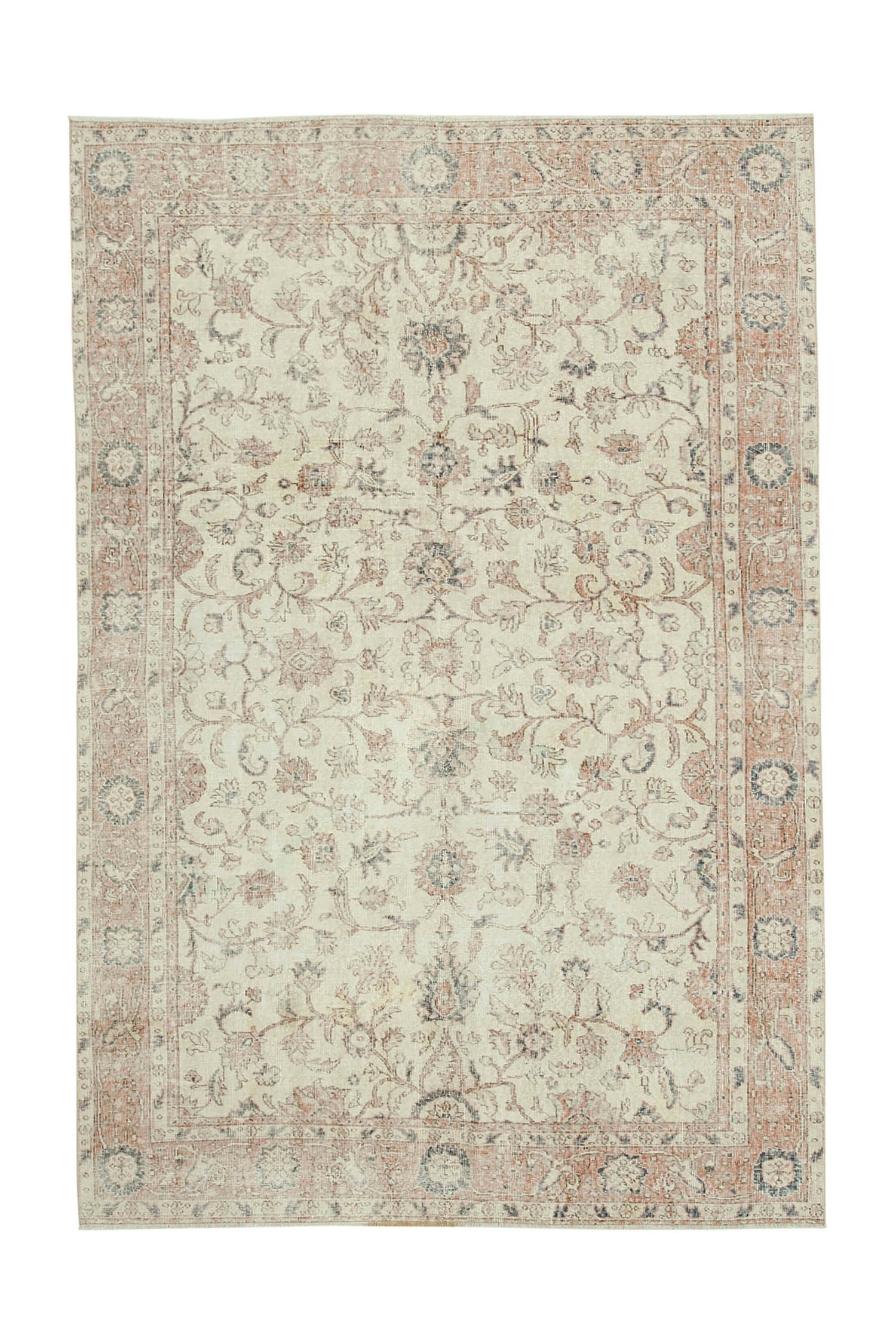
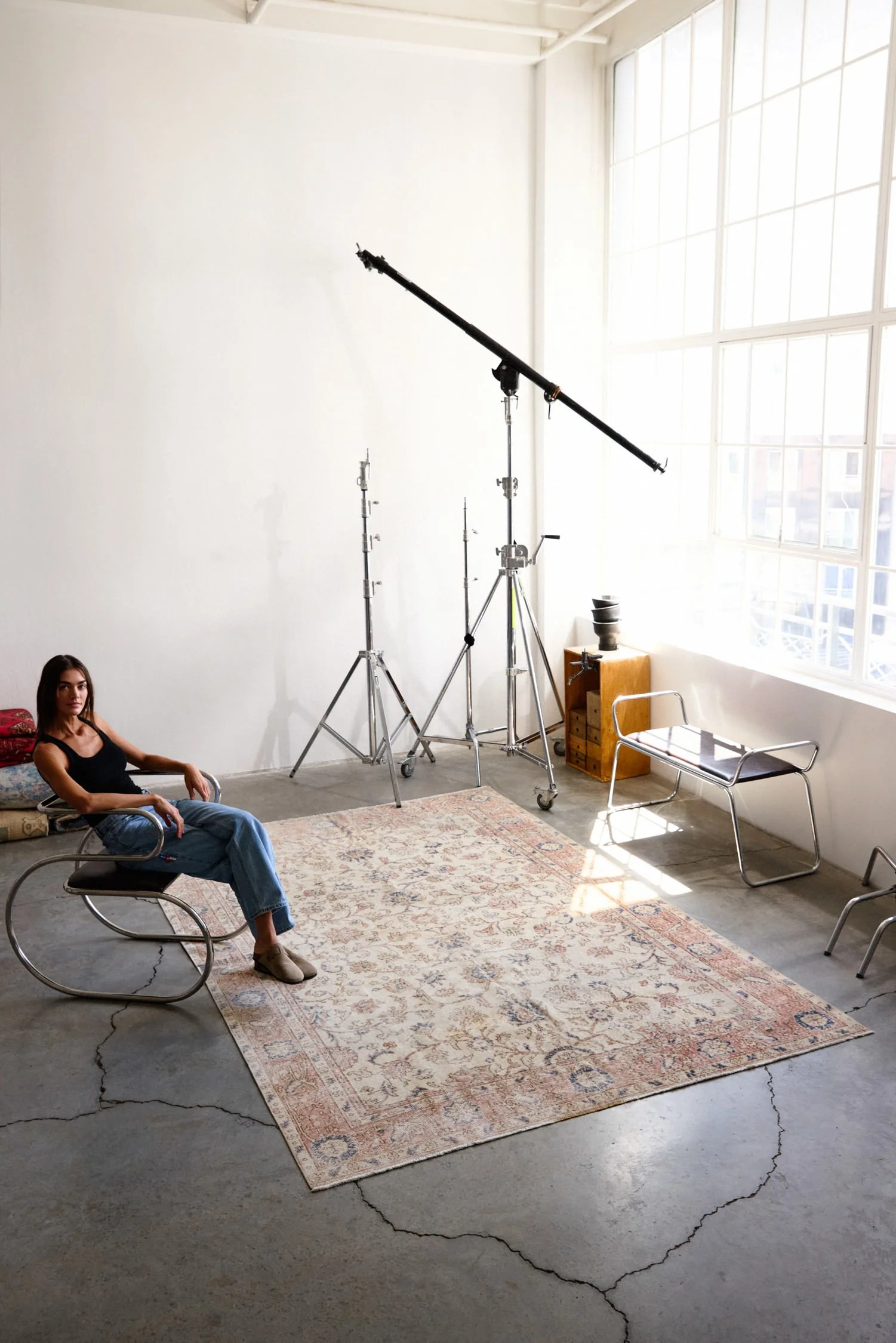
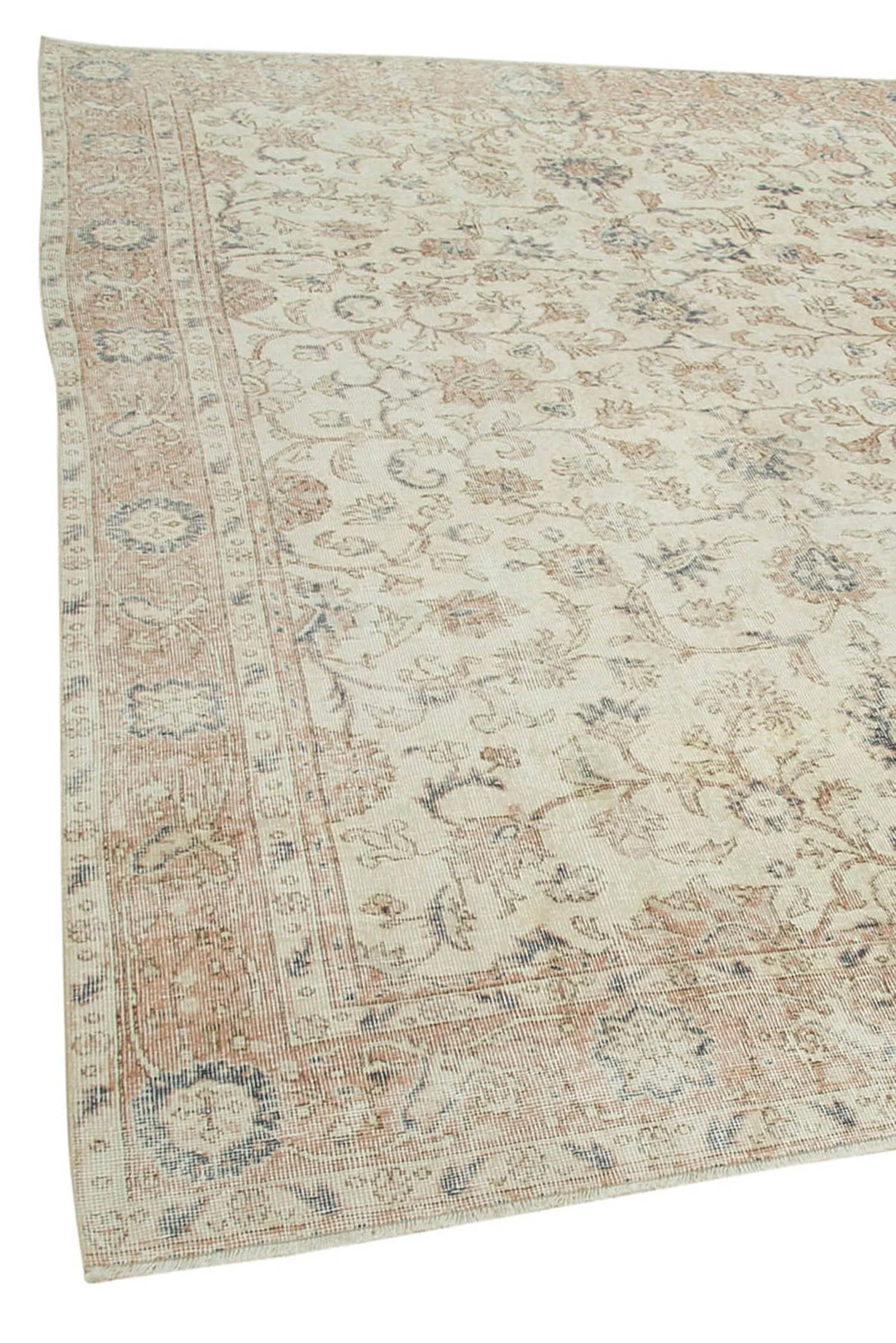
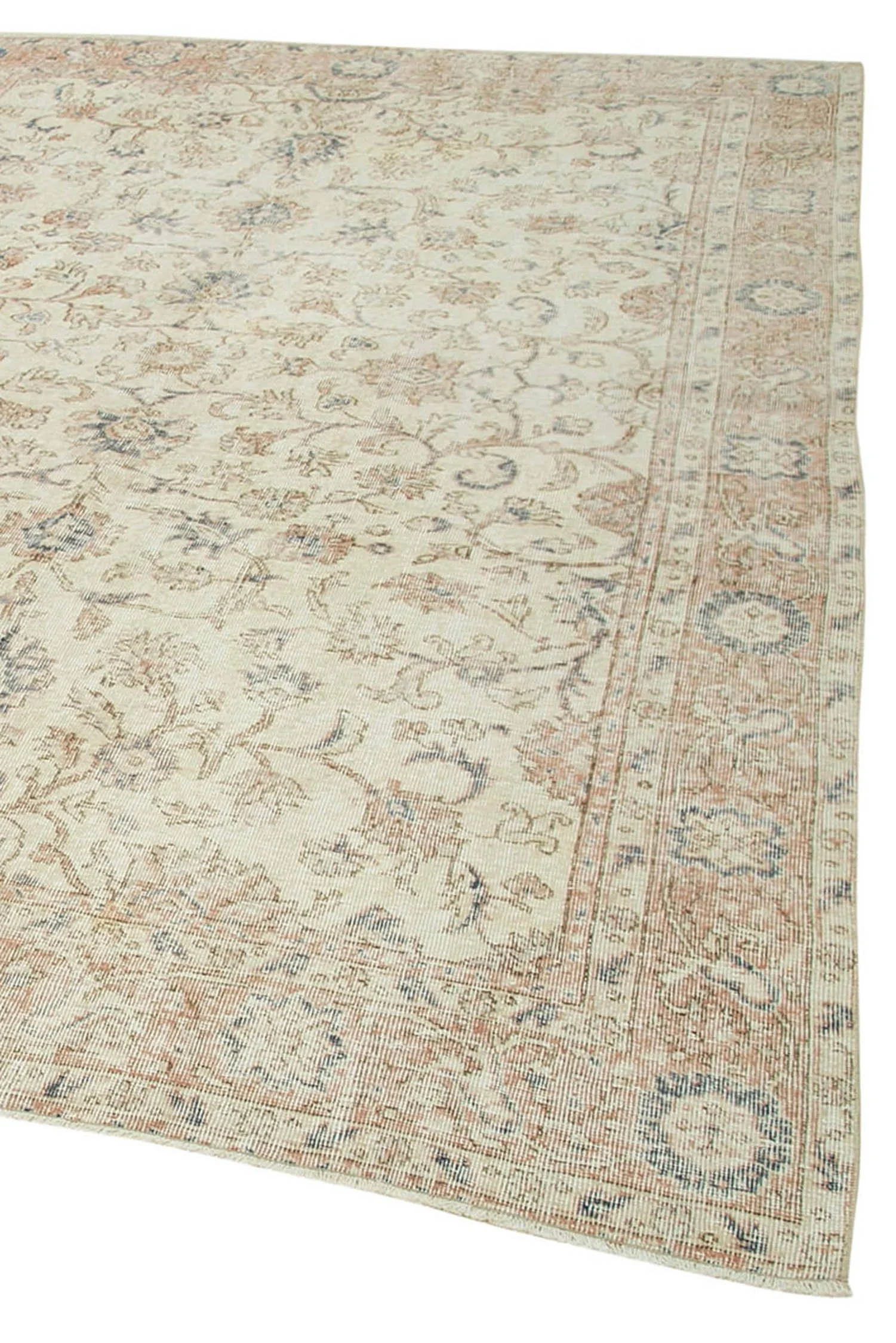
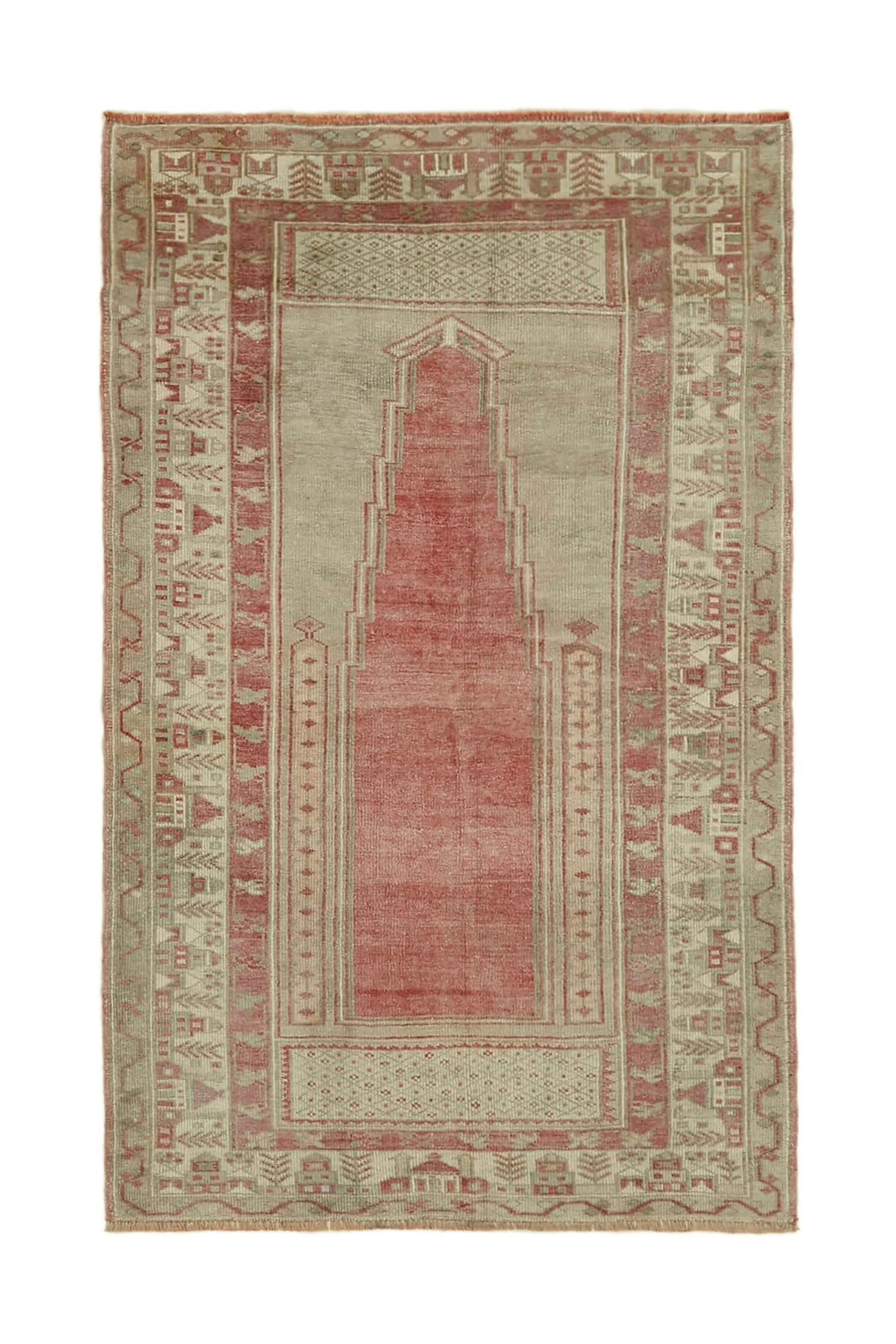
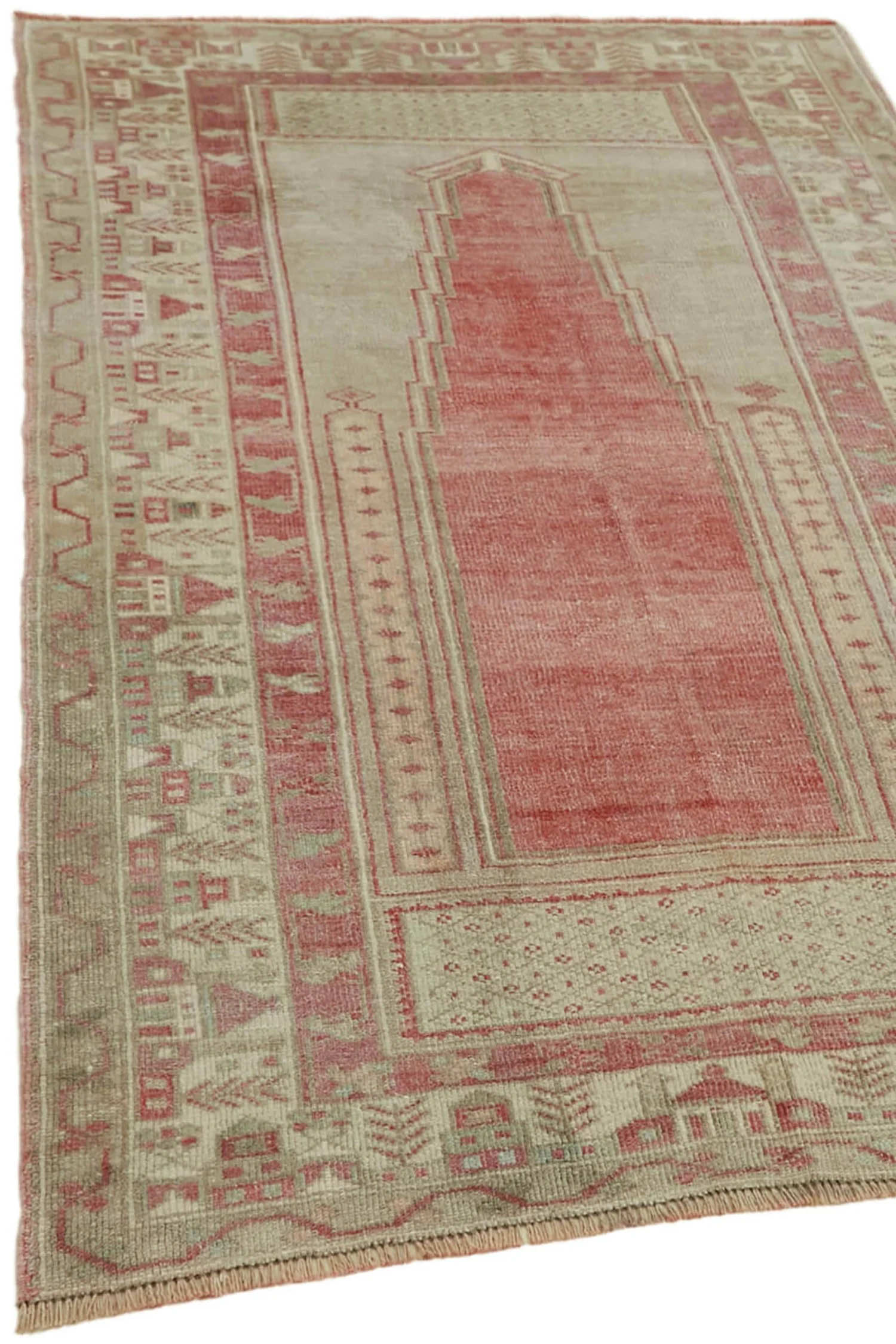
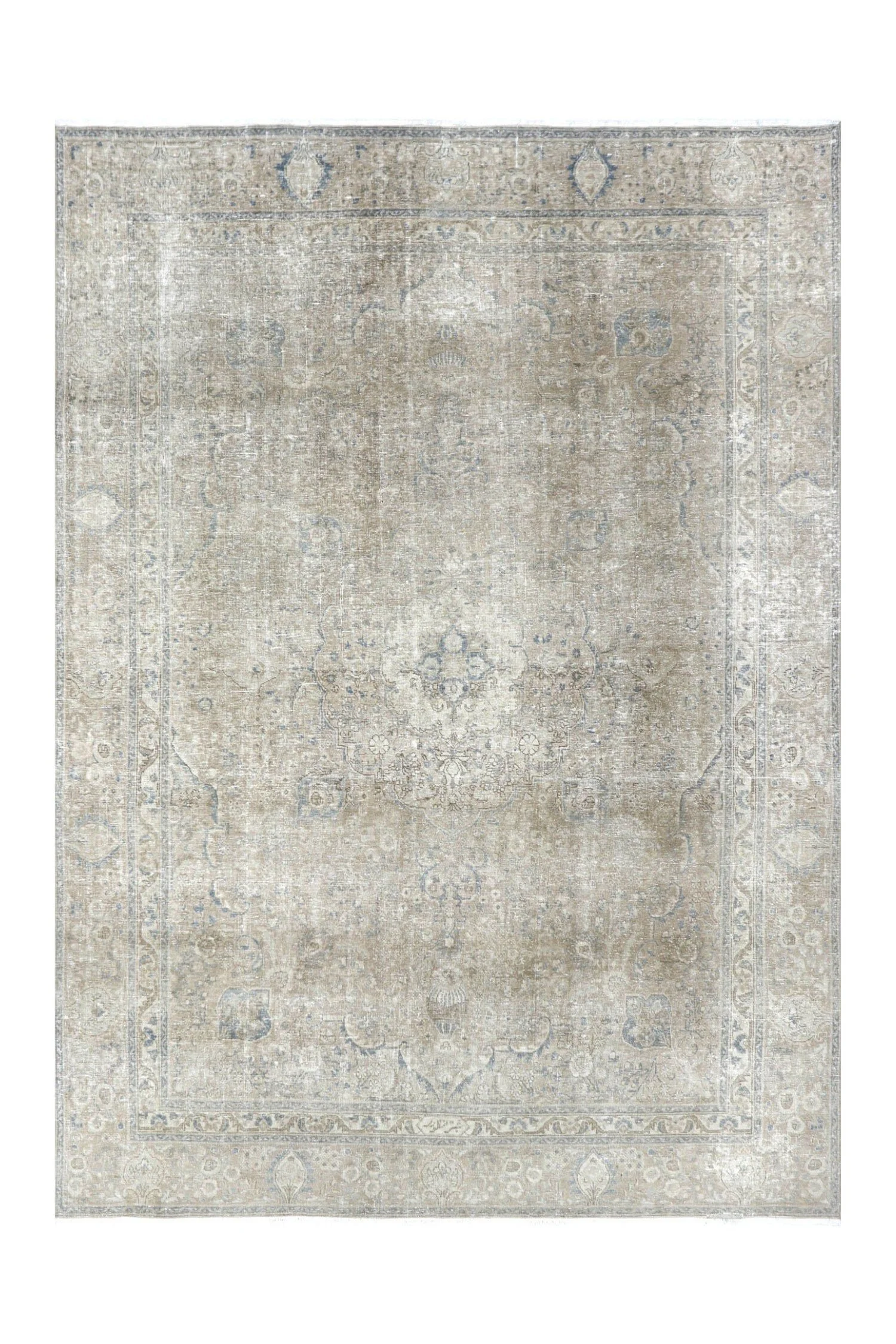
Tabriz workshops in the 1930s and 1940s created rugs with refined classical compositions that balanced technical precision with aesthetic elegance. The central medallion format seen here is one of the most enduring structures in Persian rug-making, executed with the fine knotting and careful pattern planning characteristic of the city's workshops.
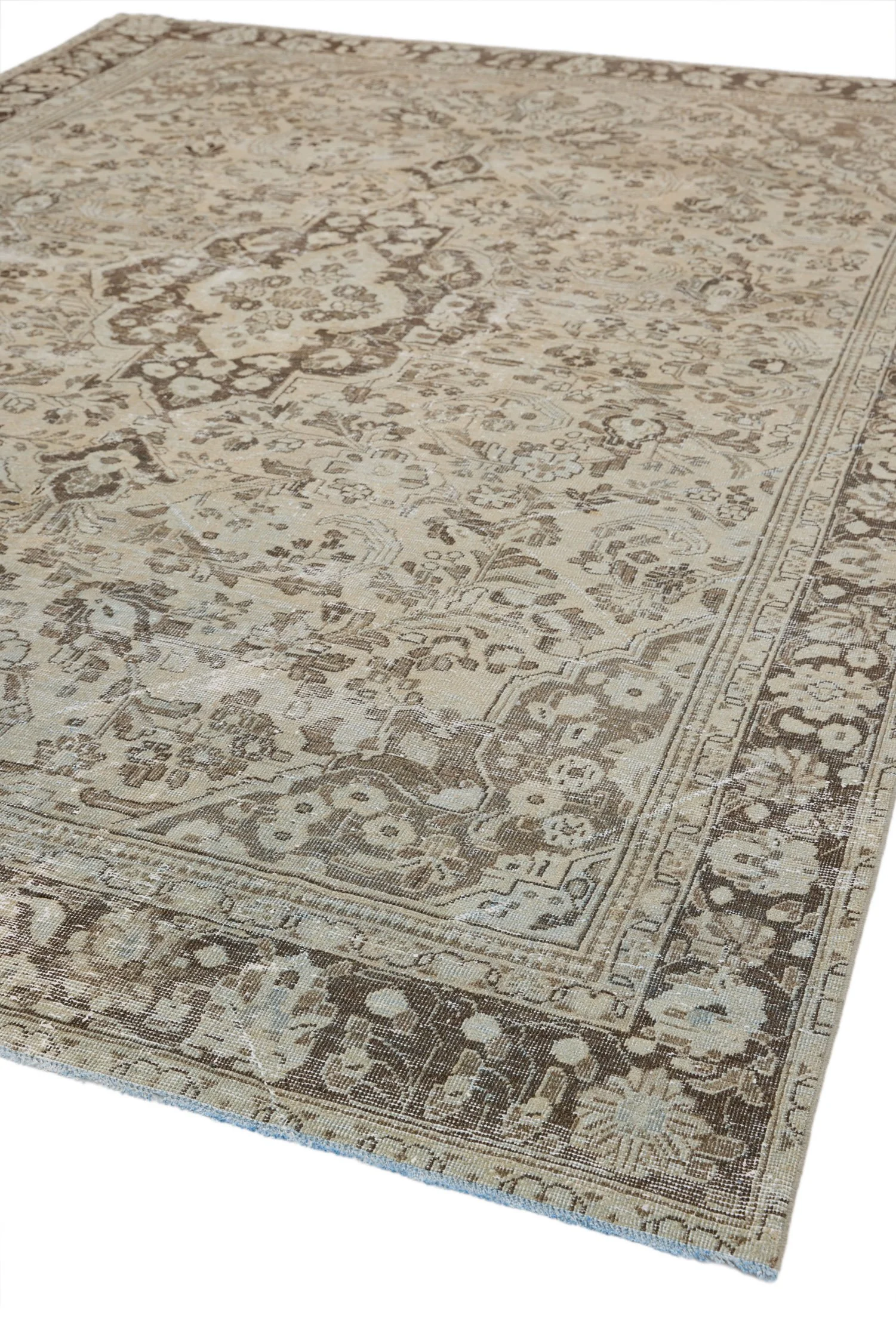
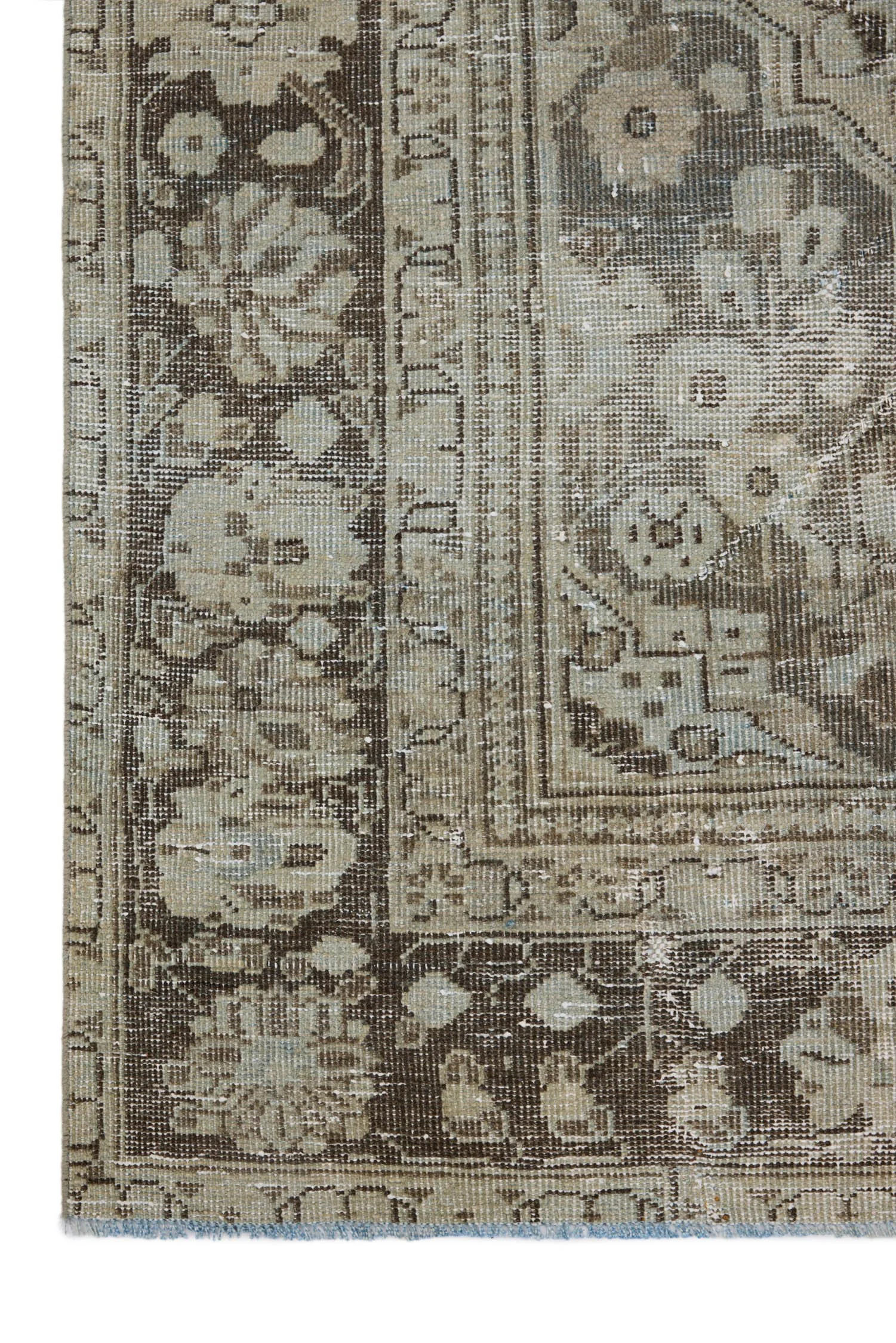
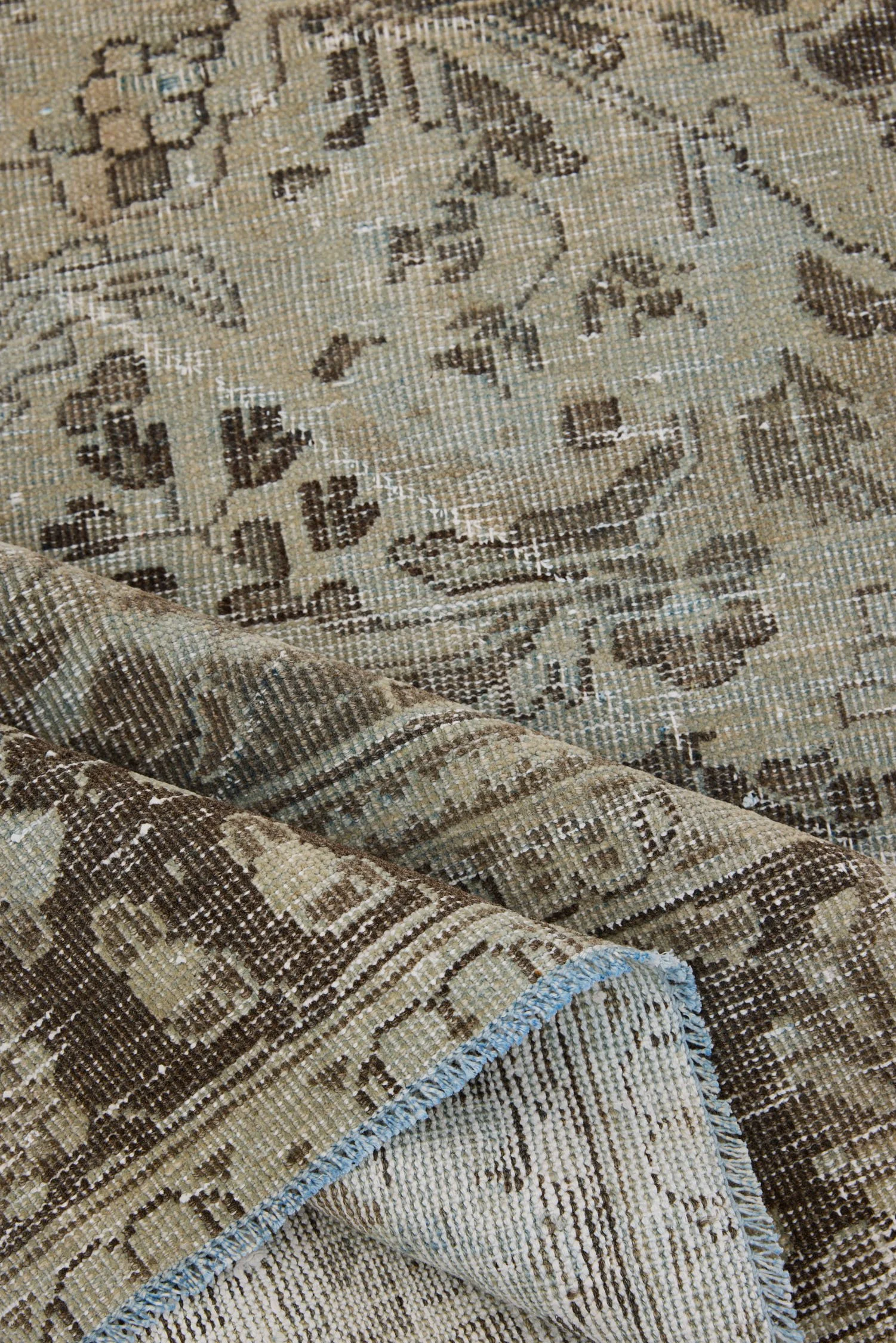
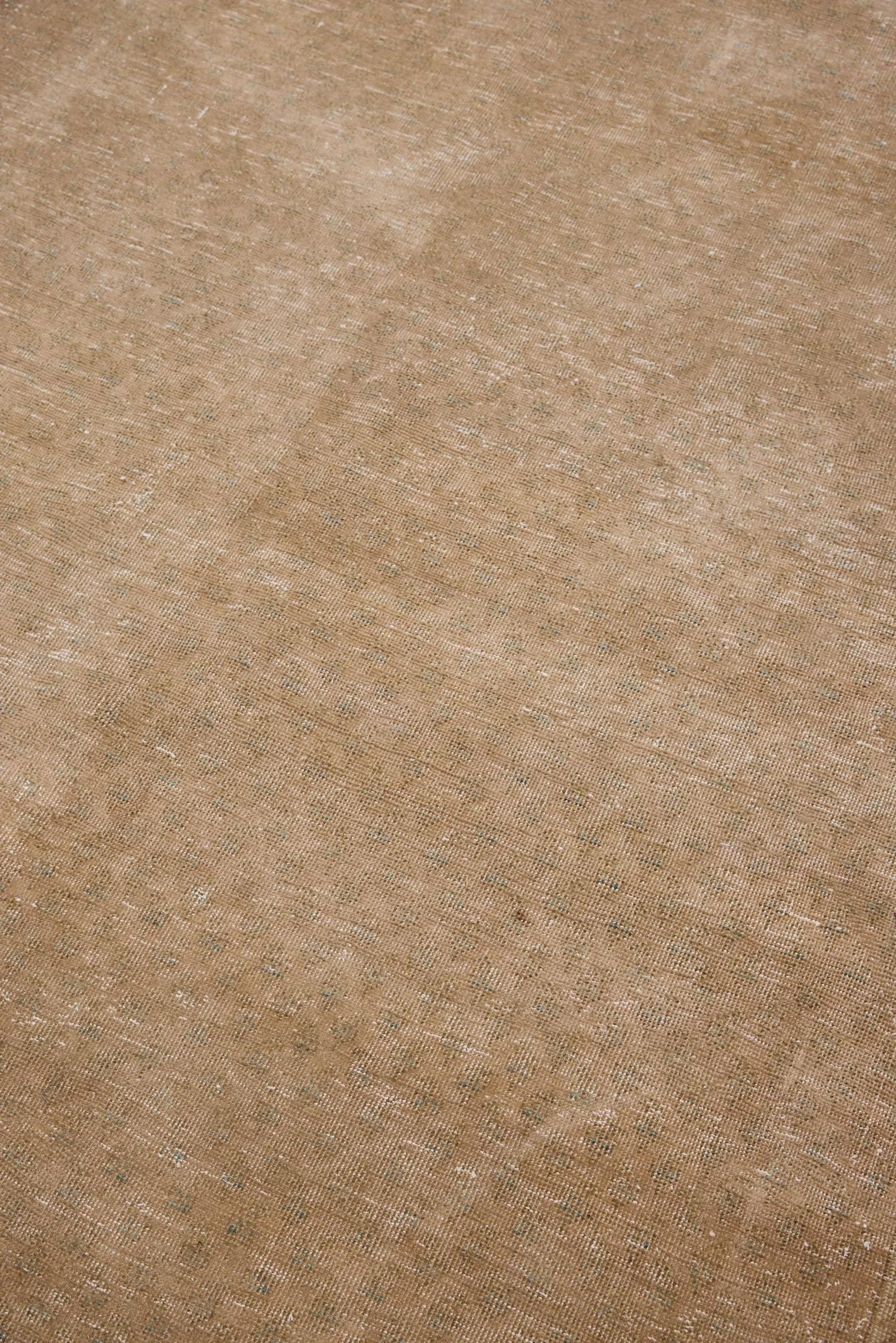
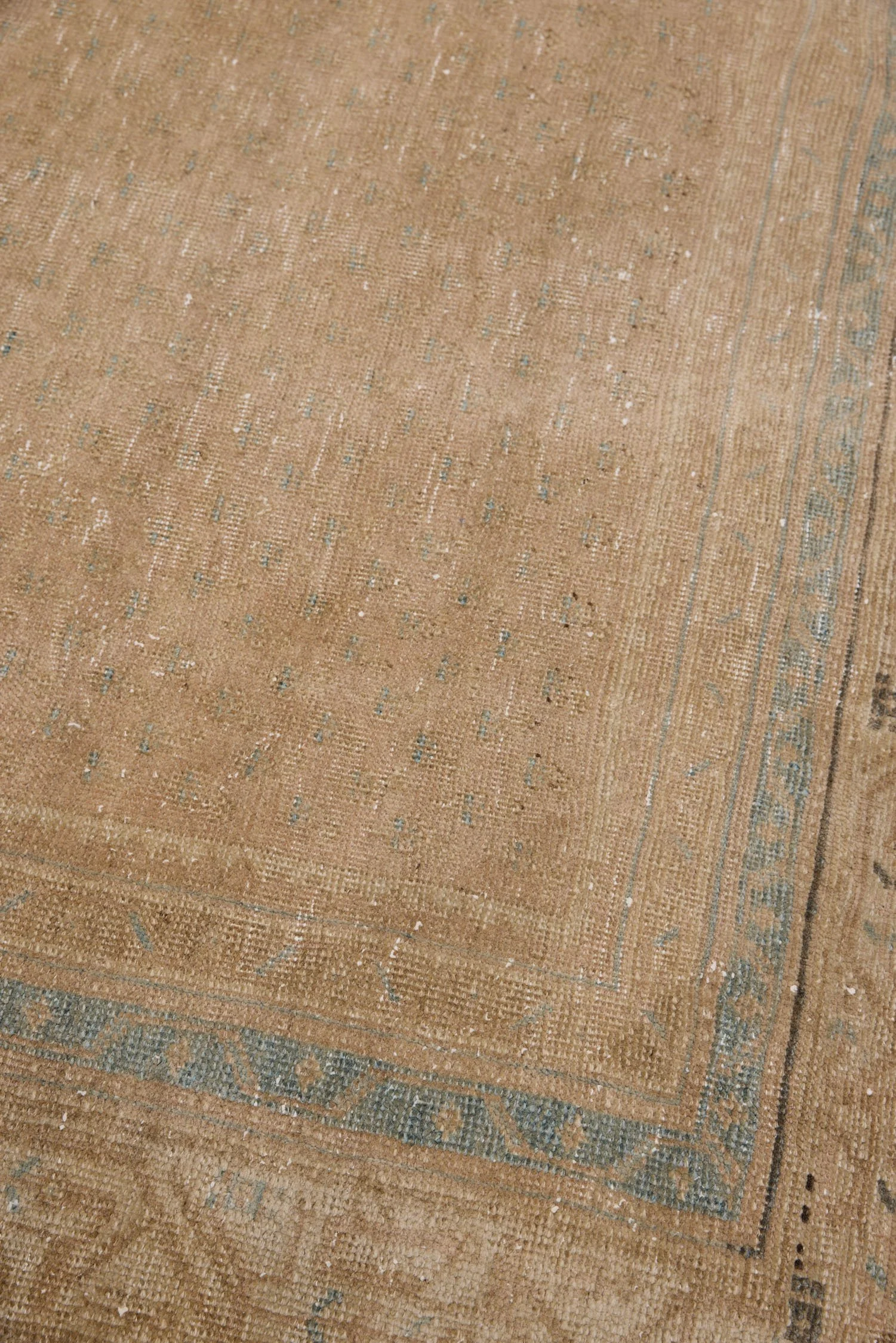
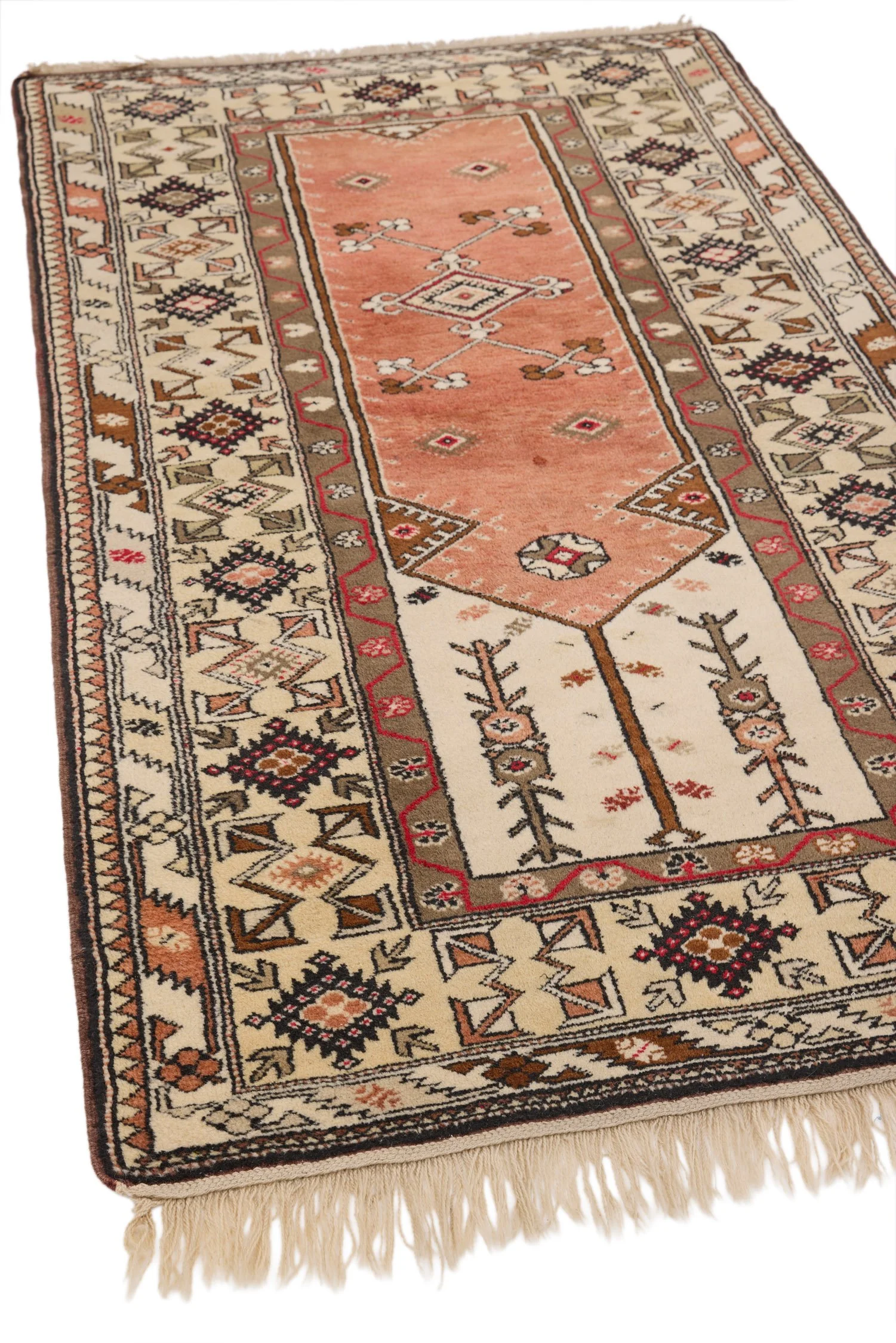
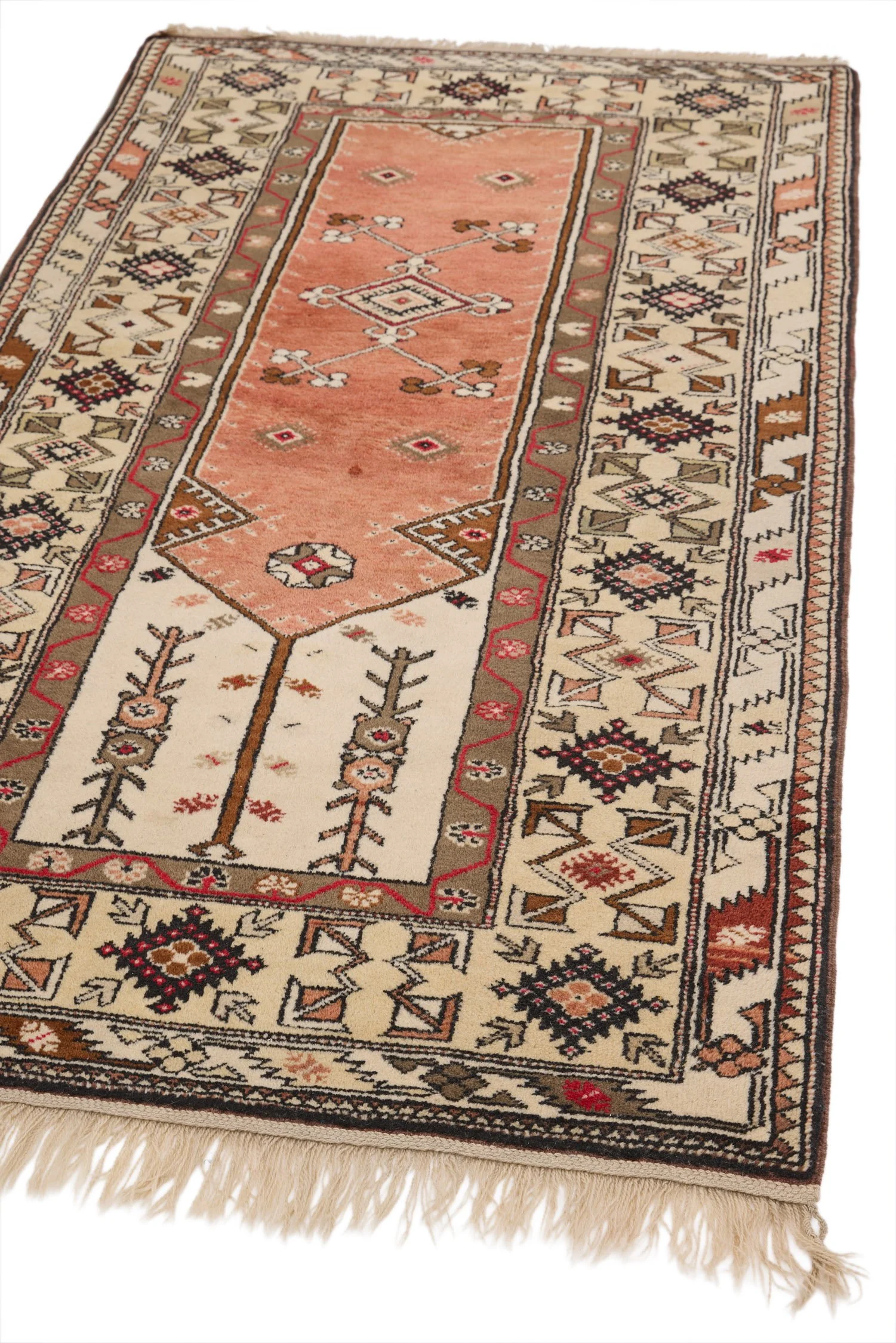
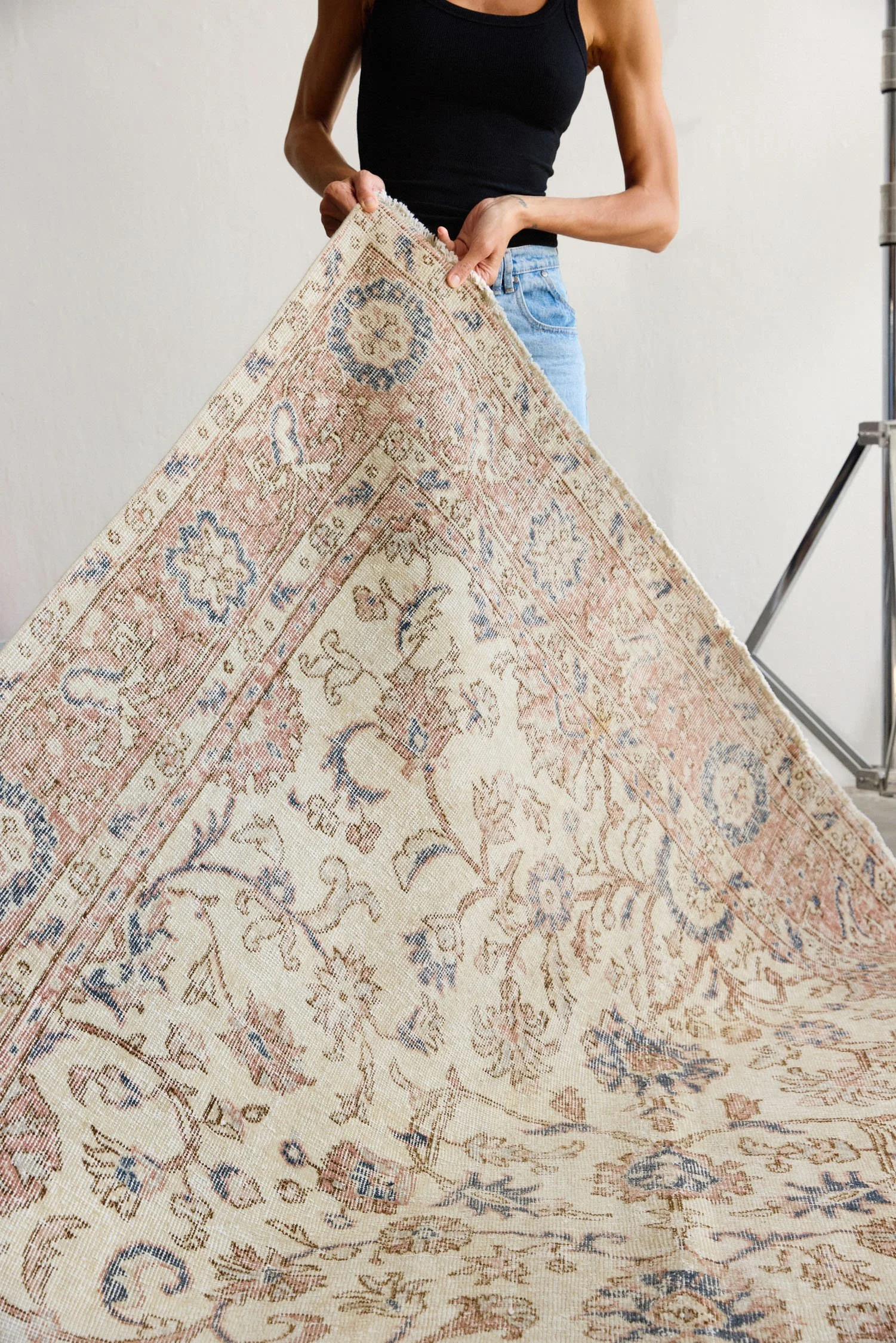
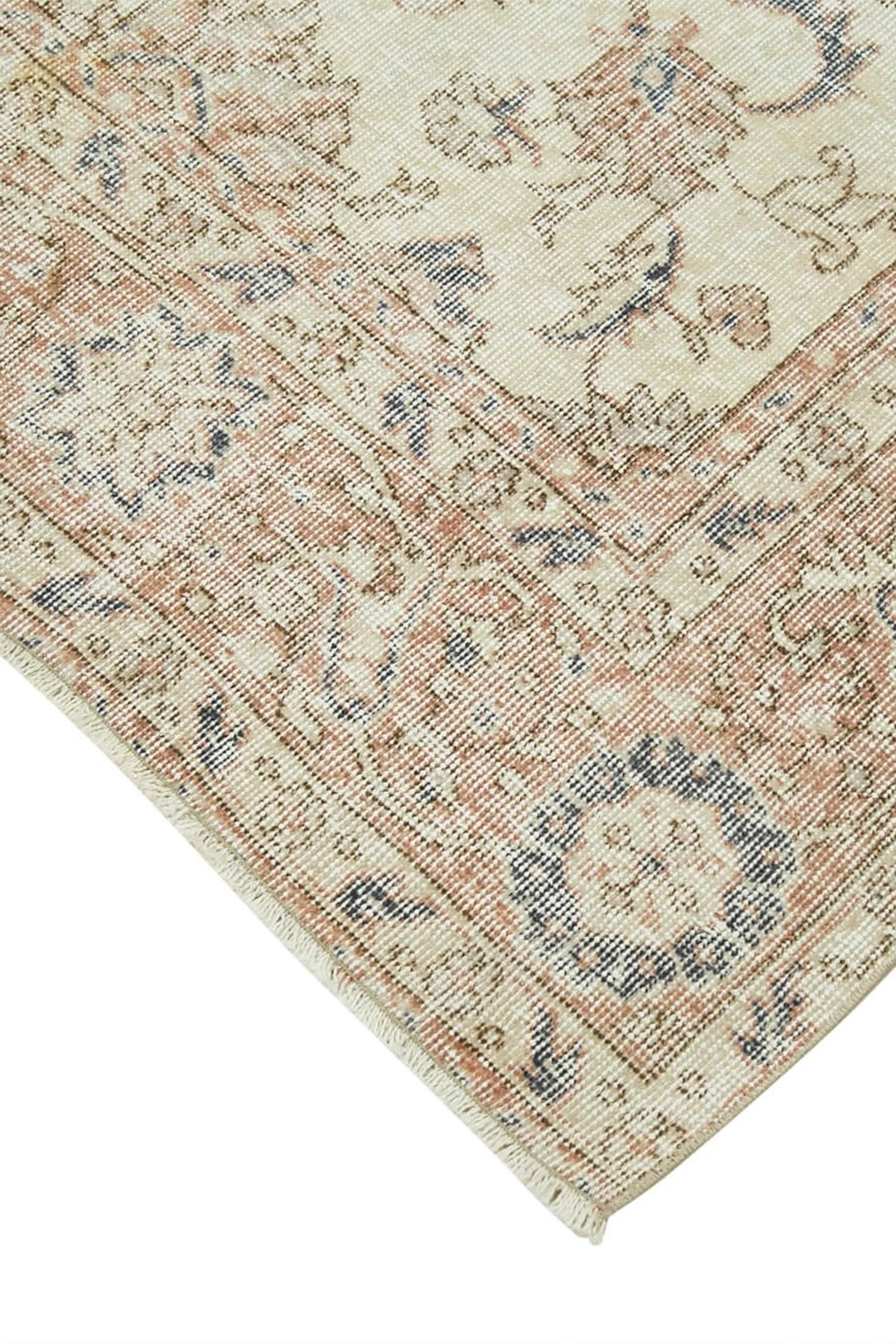
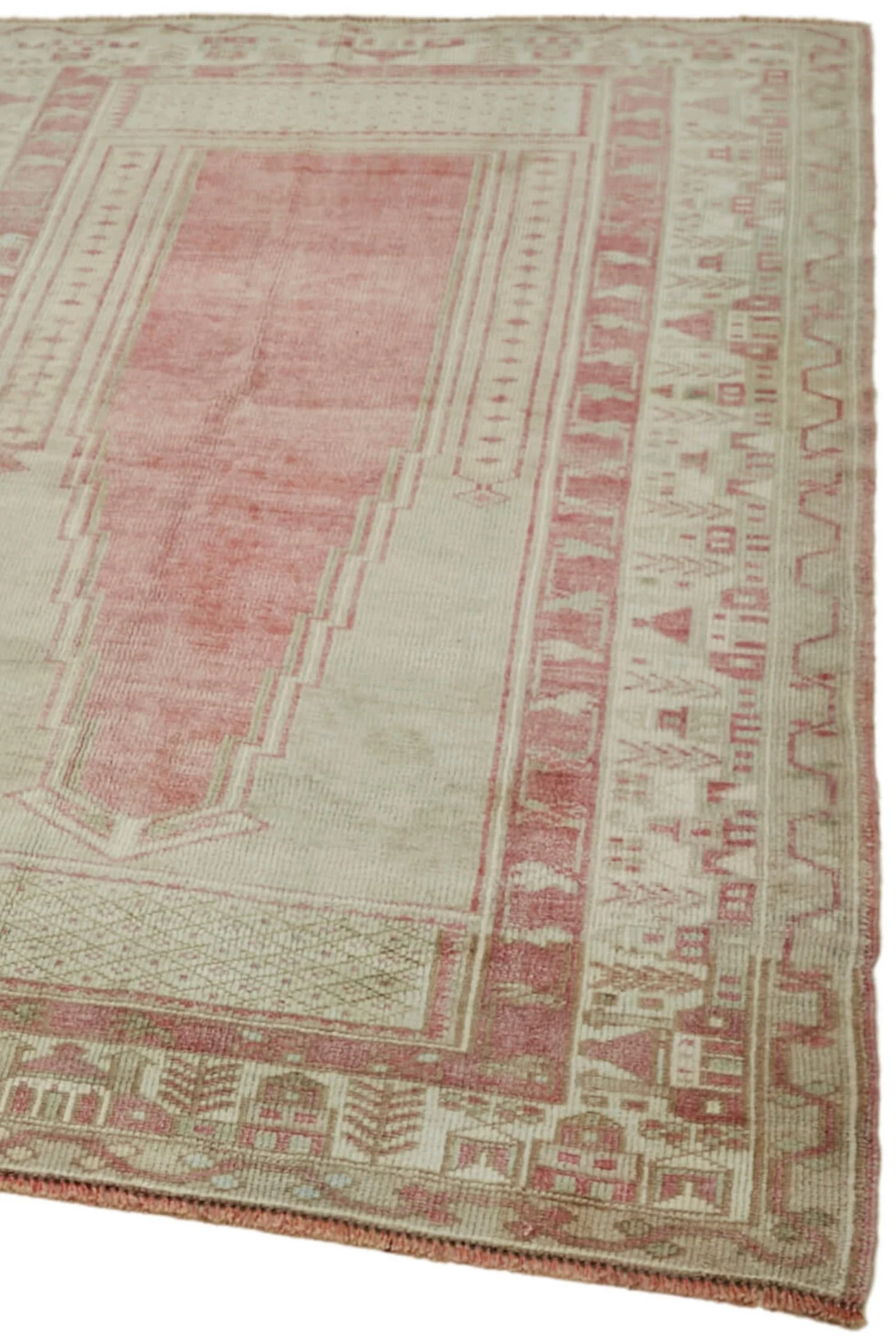
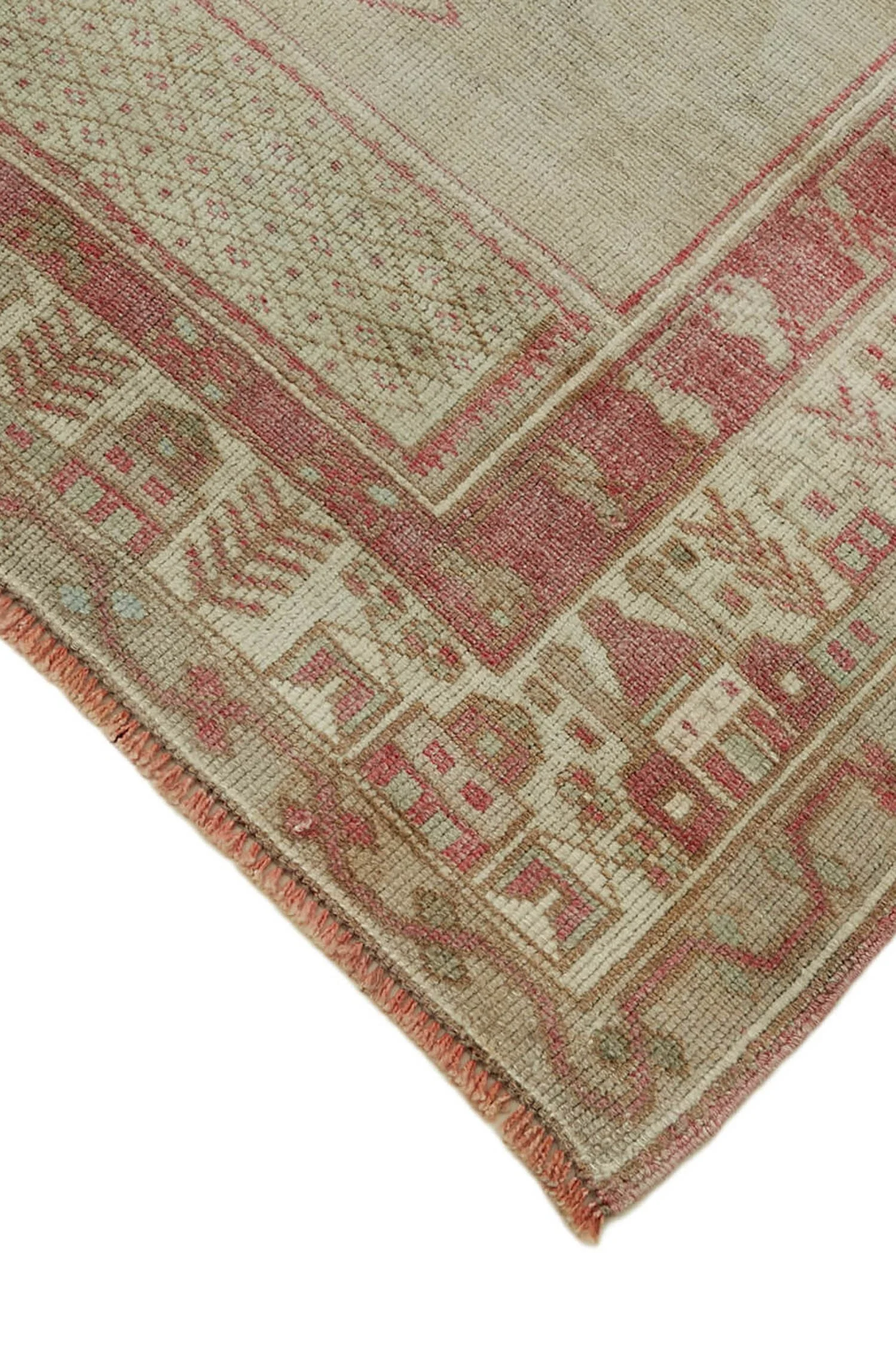
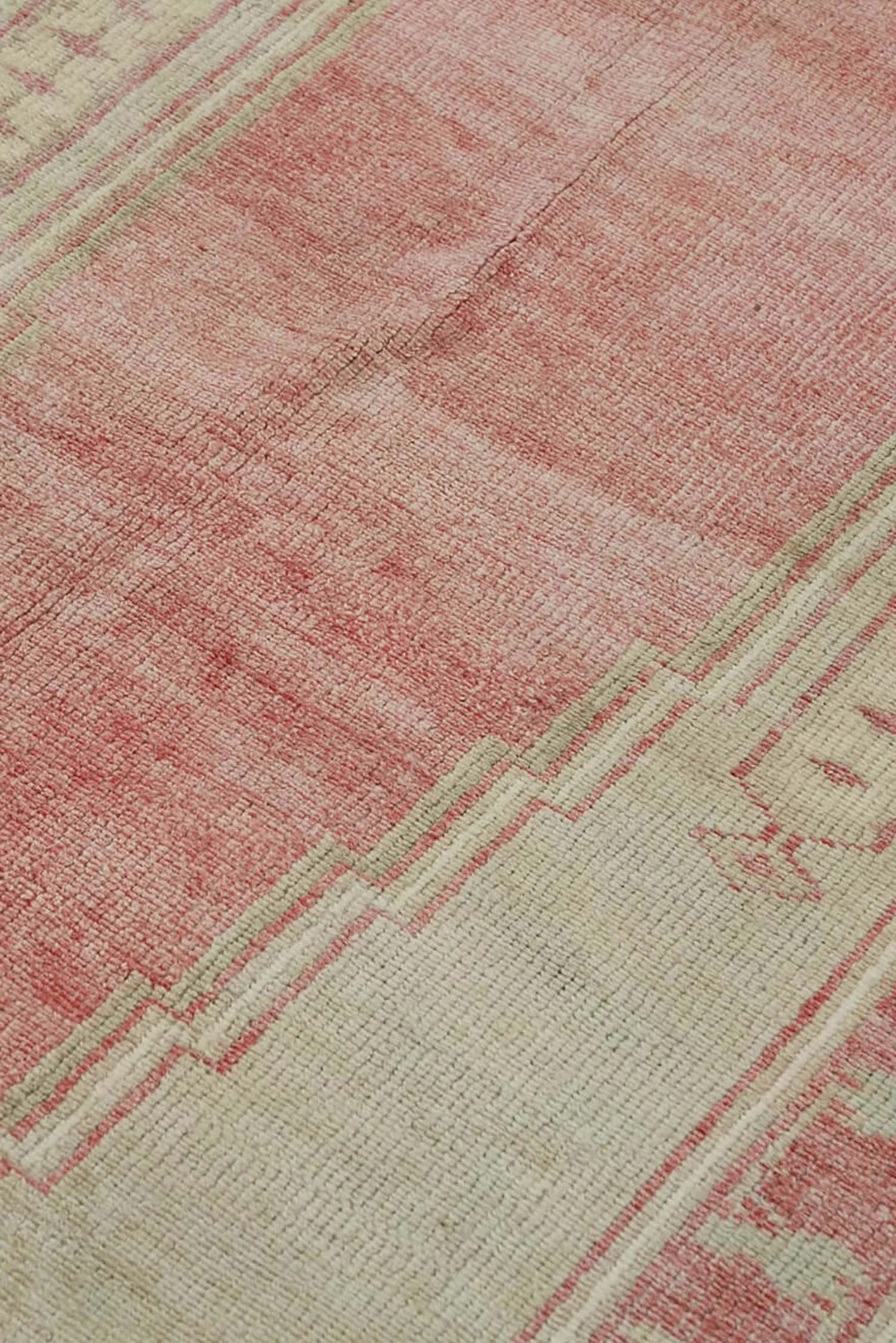
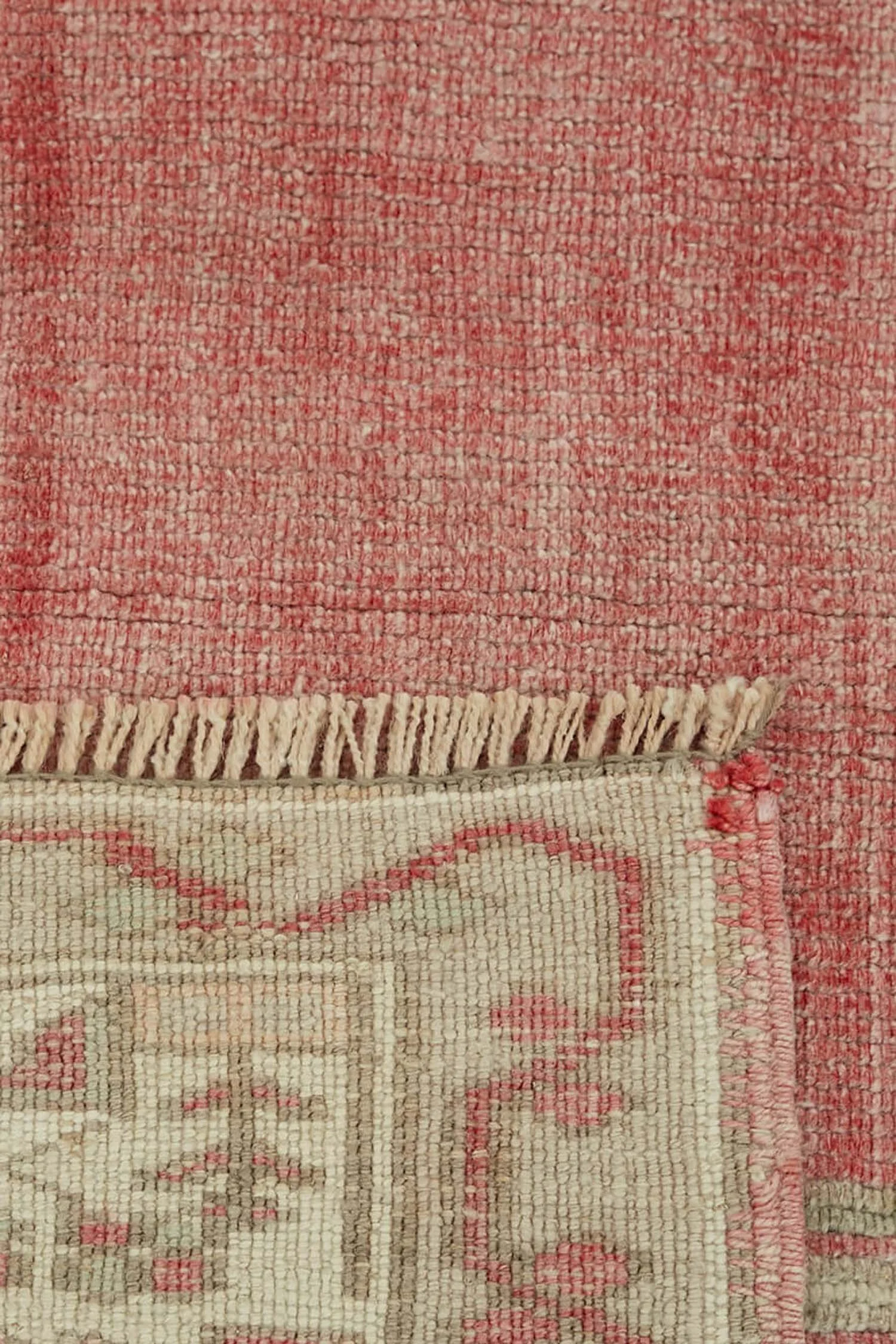
The soft beige and stone gray palette reflects natural dye formulations that have aged over eight decades. What likely began as deeper, more saturated tones has mellowed through exposure to light and use. The faint powder-blue accents show how certain dyes fade differently, emerging or receding based on their chemical composition and the wool's characteristics.
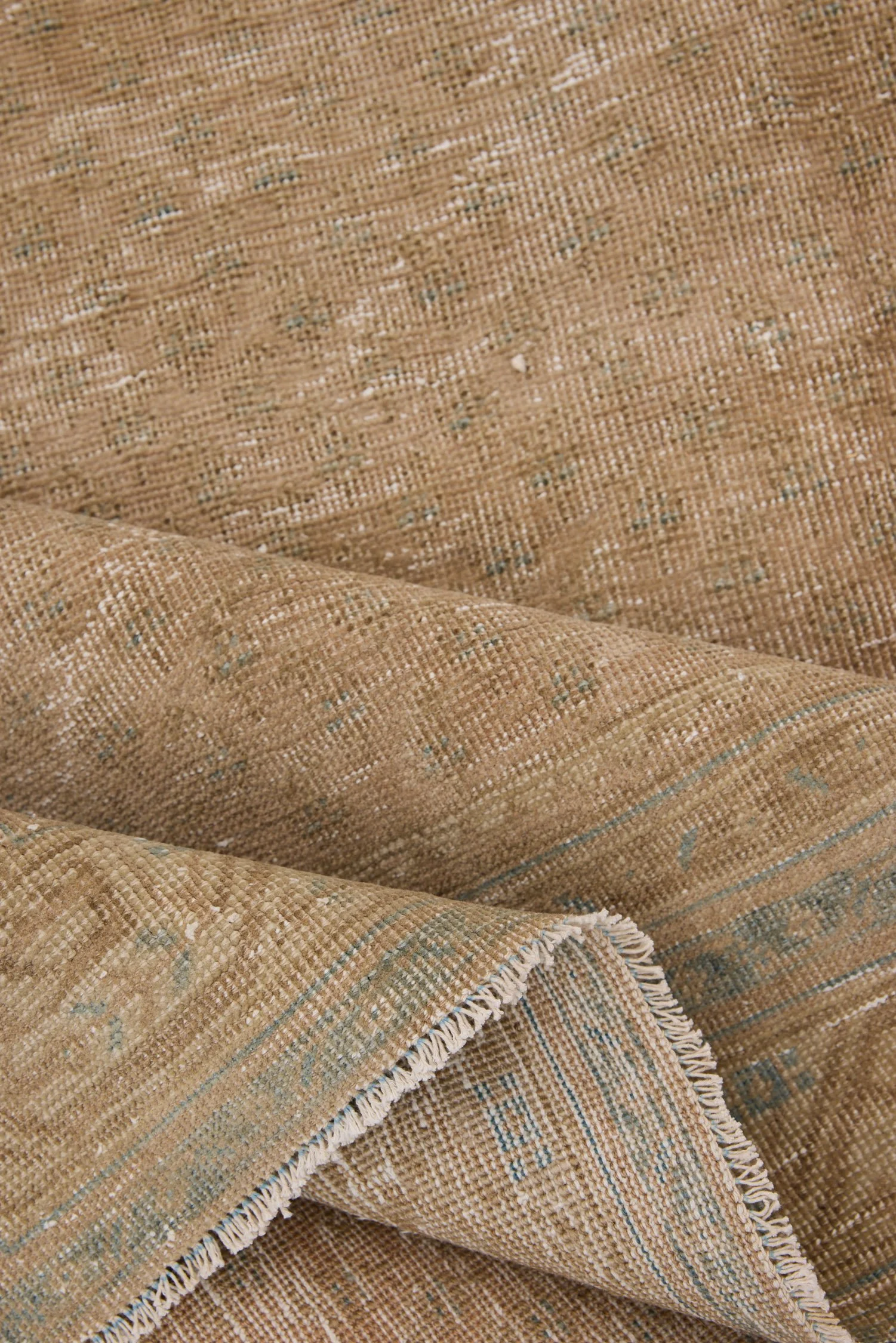
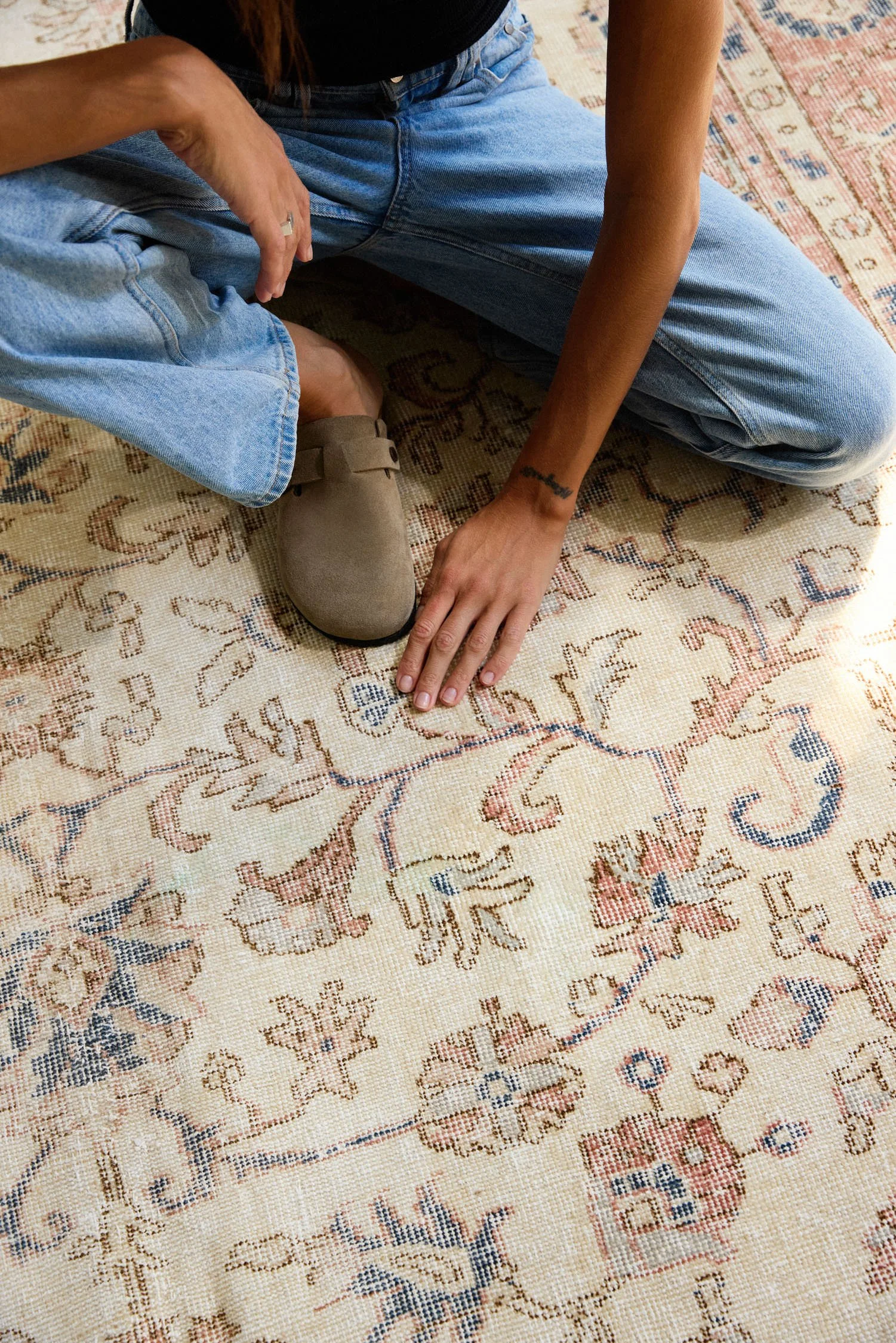
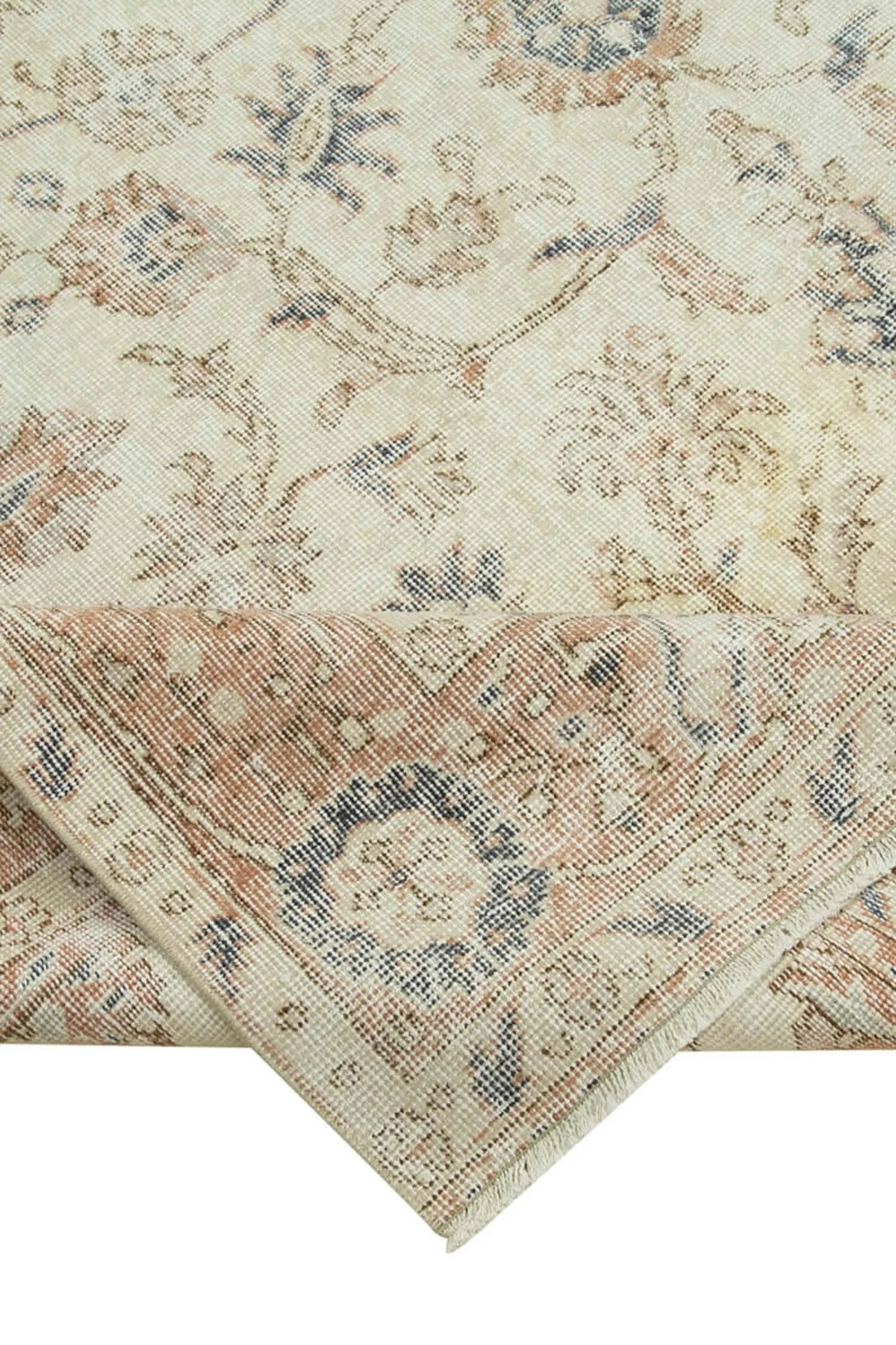
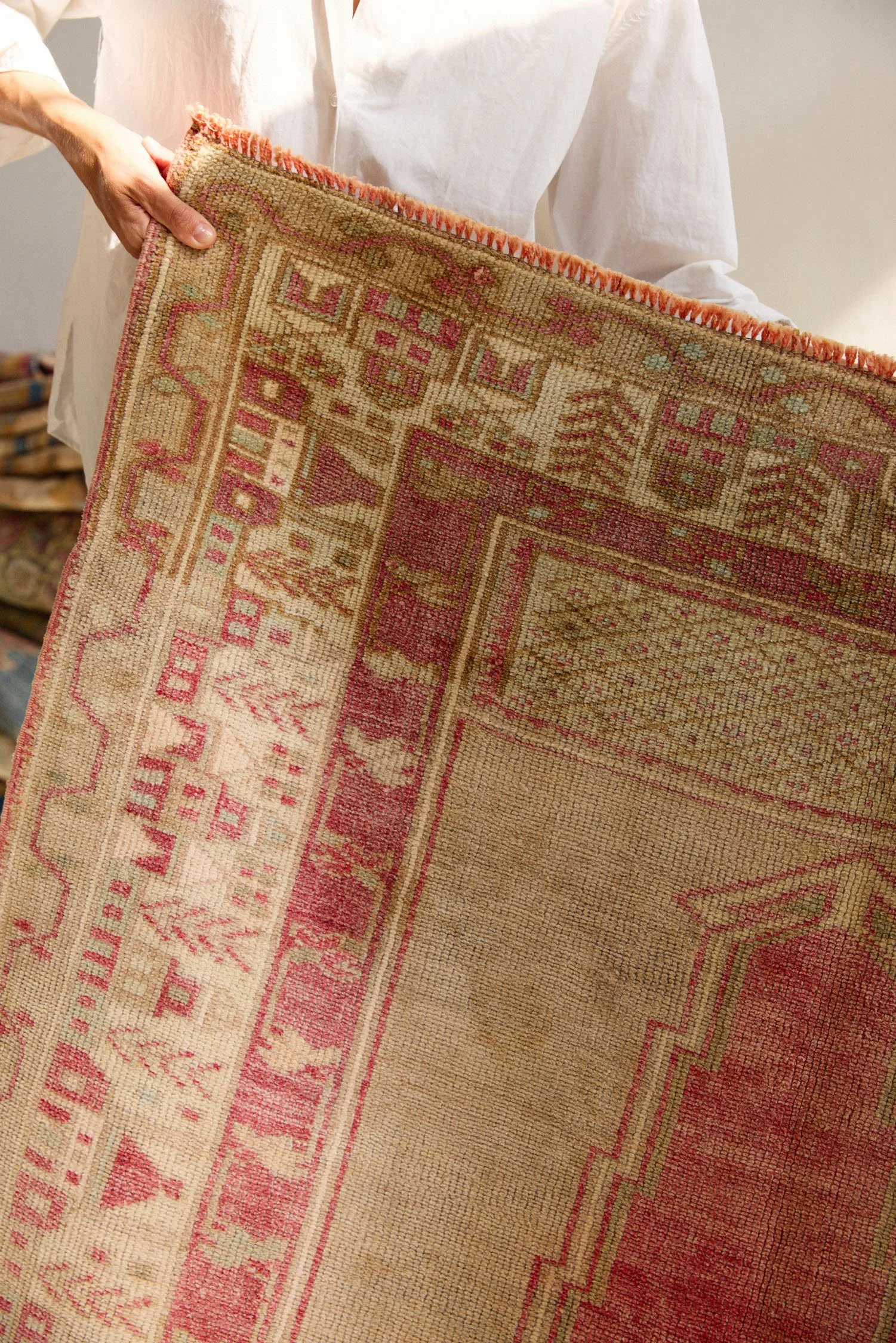
Fine weaving required skilled labor working under experienced oversight. The medallion structure and floral field demanded careful counting and precise execution to maintain symmetry and balance across a rug of this size. The graceful wear visible today doesn't diminish the underlying technical quality but adds layers of time to the original craftsmanship.
Design Elements
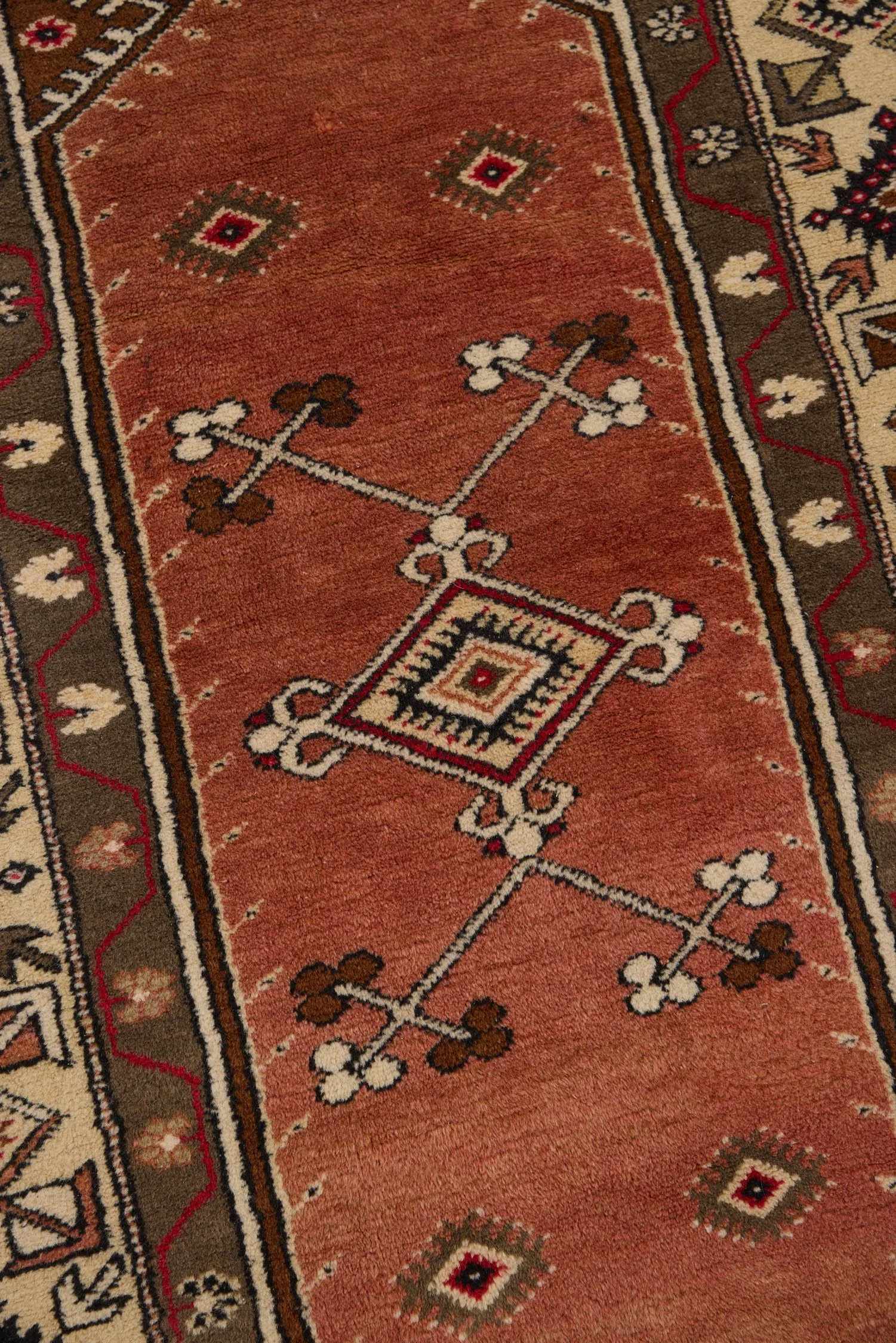
The central medallion creates a focal point with classical Persian form. Time has softened its edges and details, creating a more integrated relationship with the surrounding field. The medallion still organizes the composition, but does so with atmospheric presence rather than sharp definition.
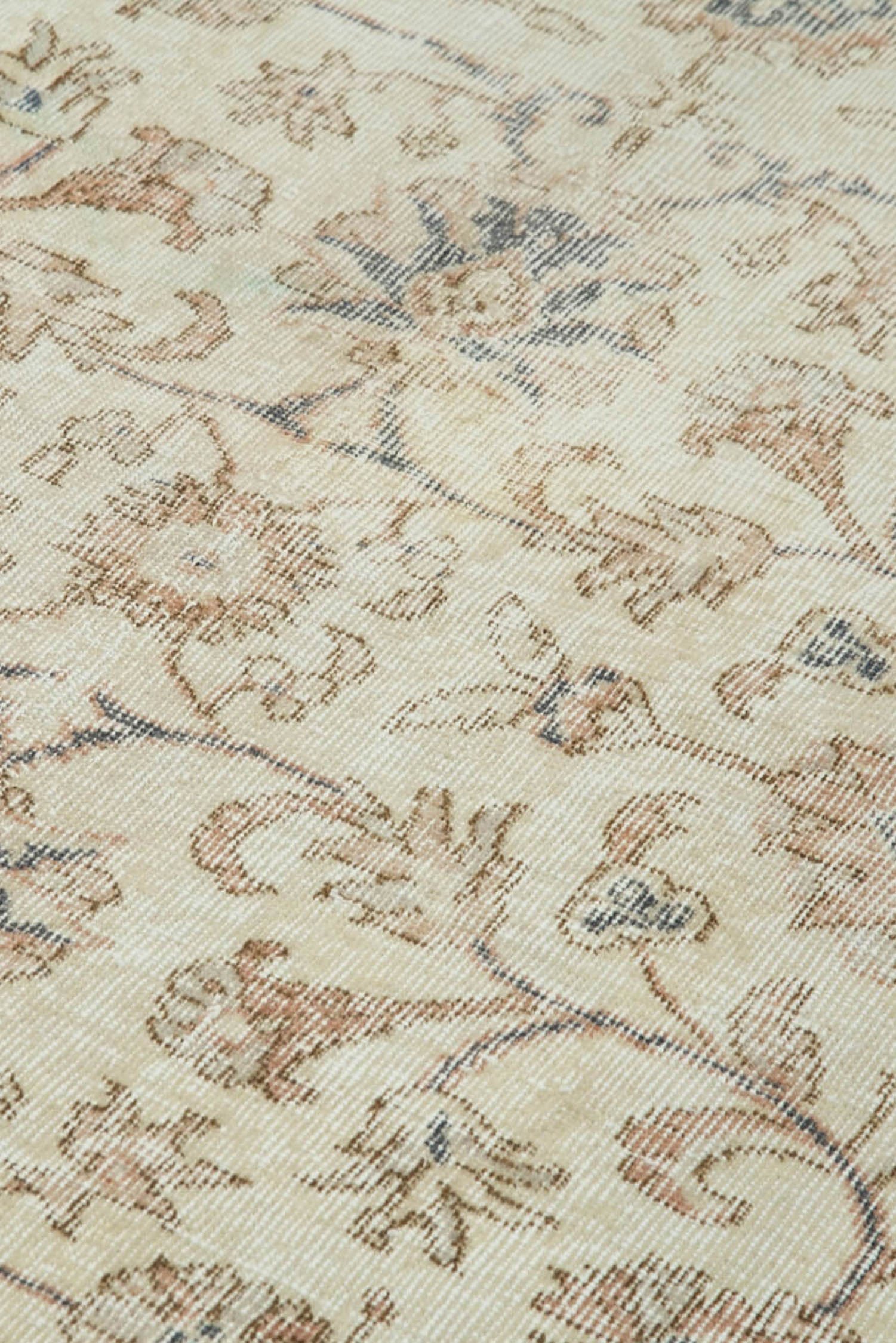
The elegant floral field distributes a pattern around the medallion with balanced spacing. Decades of wear have partially dissolved the crispness of individual floral forms, creating a surface where pattern reads as gentle variation rather than distinct motifs. This dissolution creates the quiet, atmospheric quality visible today.
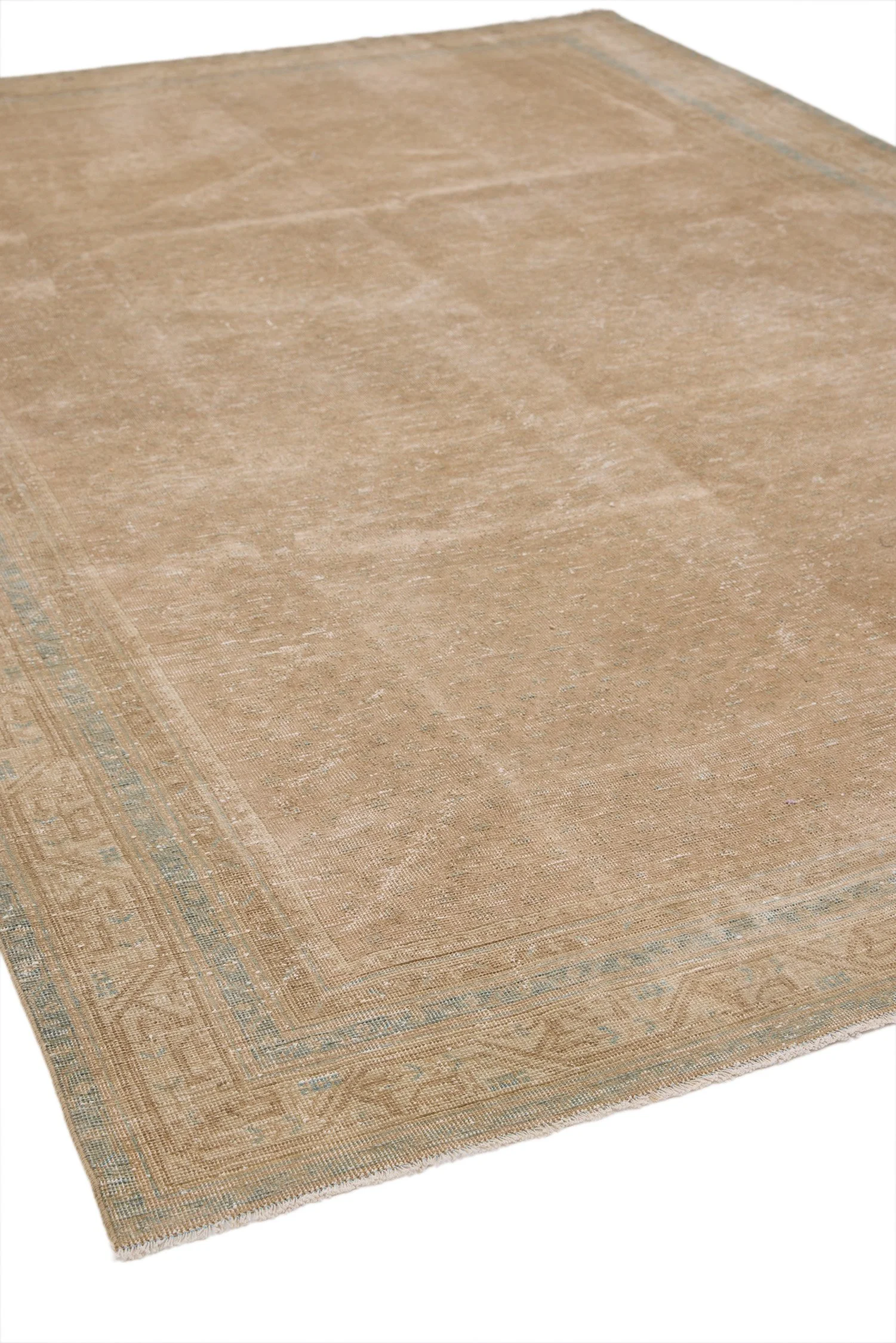
Classical balance persists in the overall structure despite the aging. The proportions between medallion and field, the spacing of floral elements, and the relationship between interior and border all maintain their original logic even as surface details have softened.
Placement
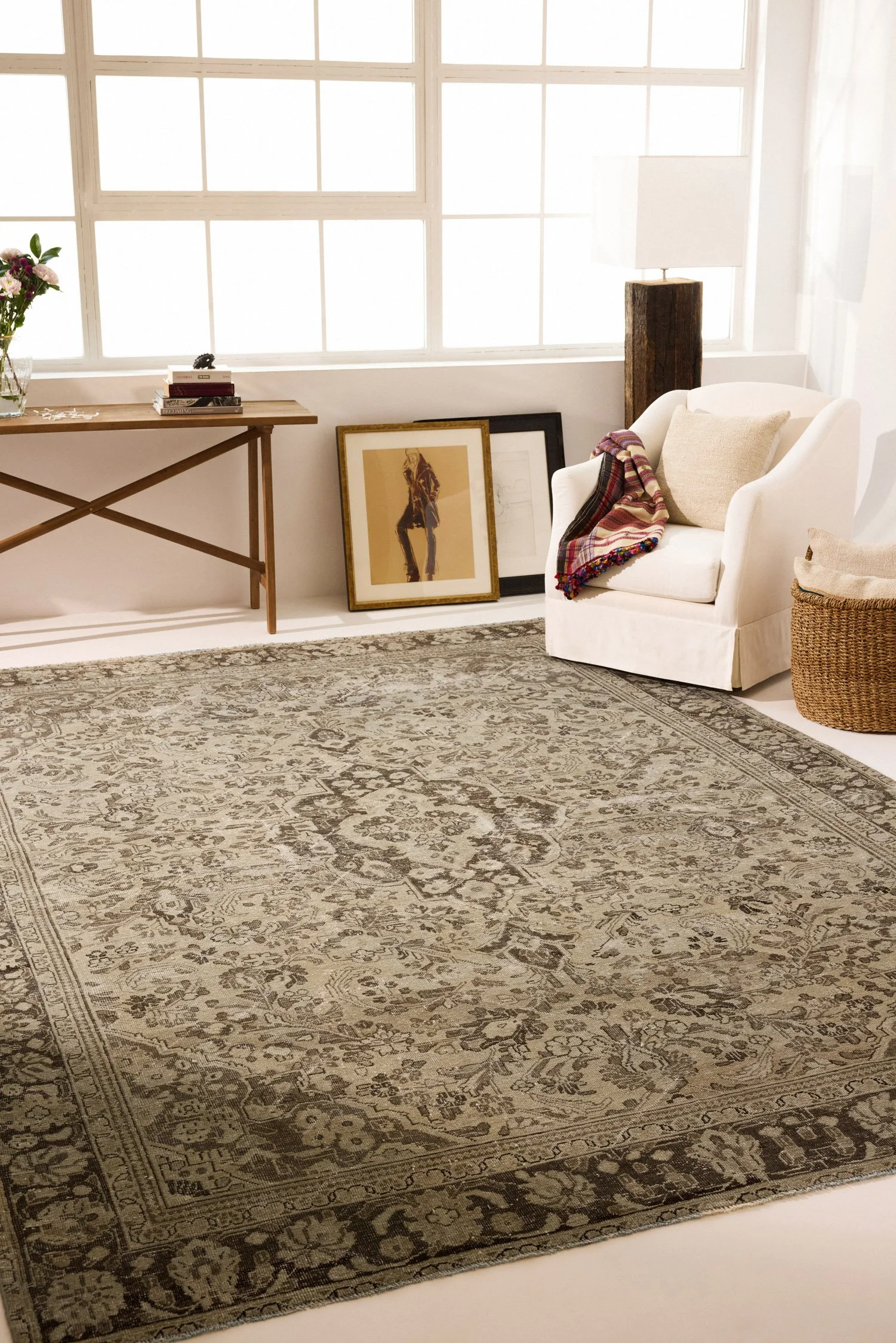
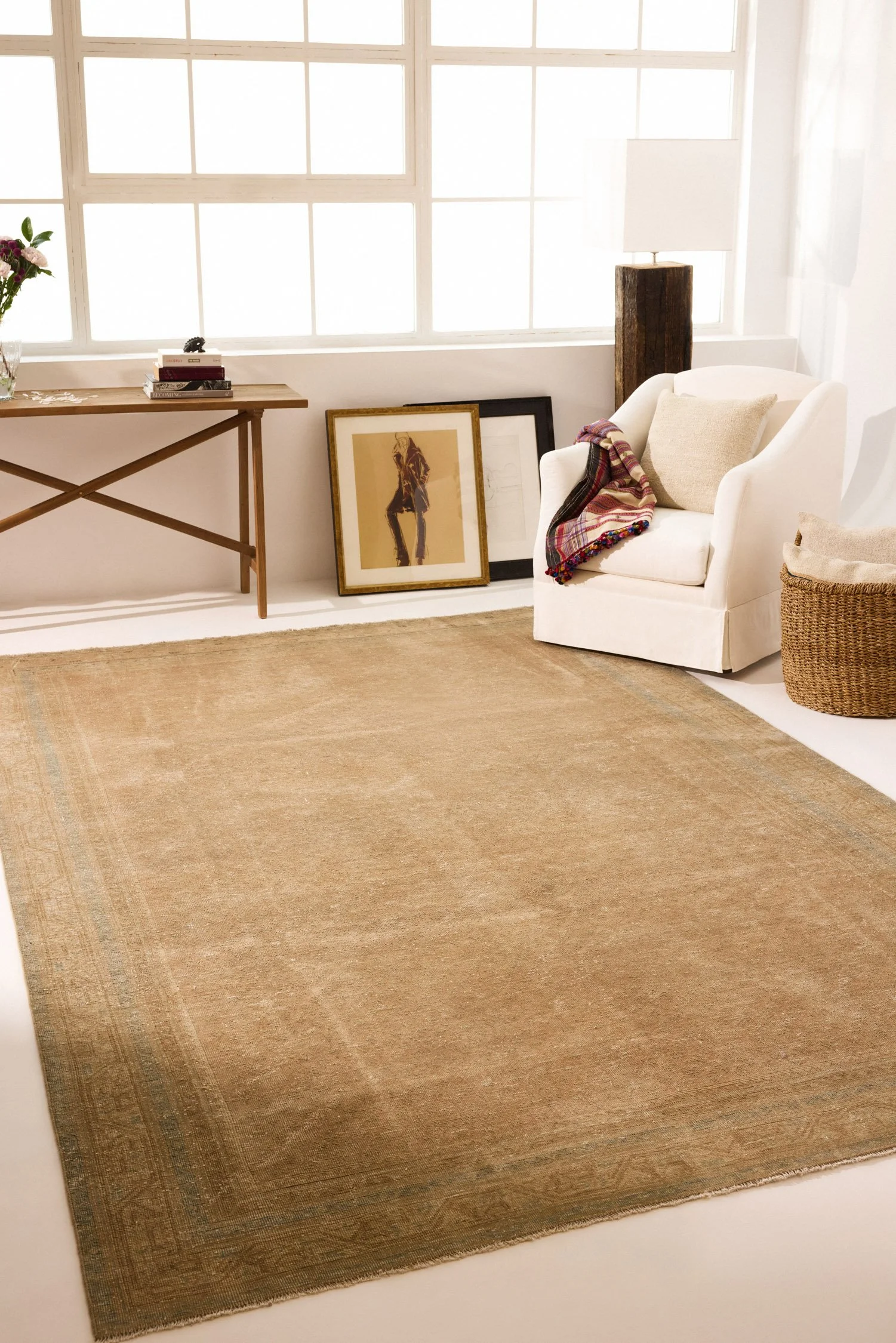
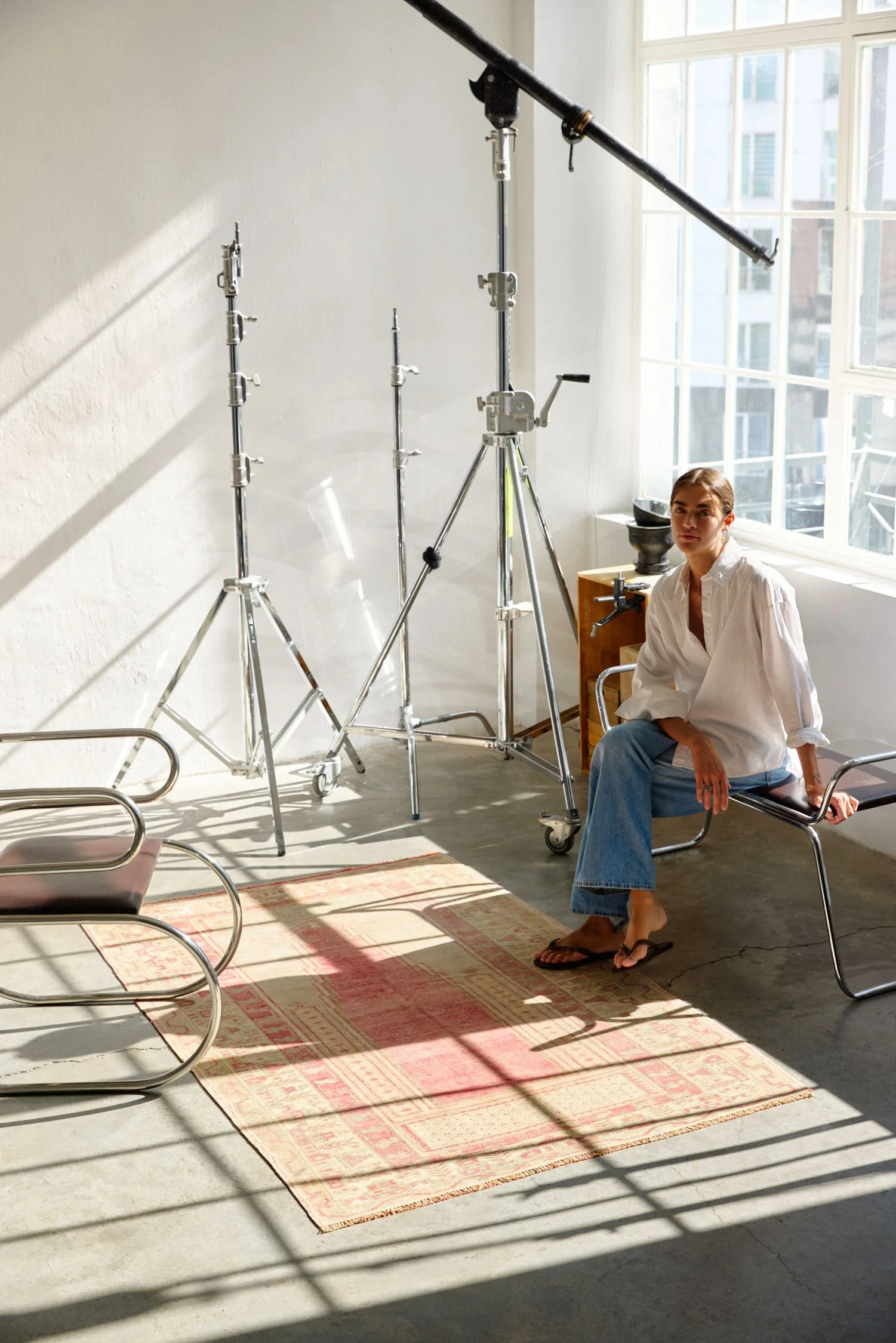
At 8'7" x 11'11", this works in living rooms where you want substantial coverage with atmospheric quality. Dining rooms can accommodate it under tables that seat eight. Bedrooms benefit from the calm palette and generous proportions.
The soft beige and stone gray tones suit interiors with ample natural light. The airy, aged quality works in spaces styled with understated palettes and natural materials. Traditional settings appreciate the semi-antique Tabriz provenance. Contemporary spaces can use the atmospheric surface as a neutral foundation that provides texture and history without strong color demands.
Care Recommendations
To preserve the rug's beauty:
Rotate periodically for even wear
Vacuum regularly using a suction-only setting
Address spills immediately by blotting, never rubbing
Professional cleaning recommended annually
Avoid direct sunlight to maintain color integrity
Wear transformed this Tabriz from a statement of precision into a study in atmosphere.