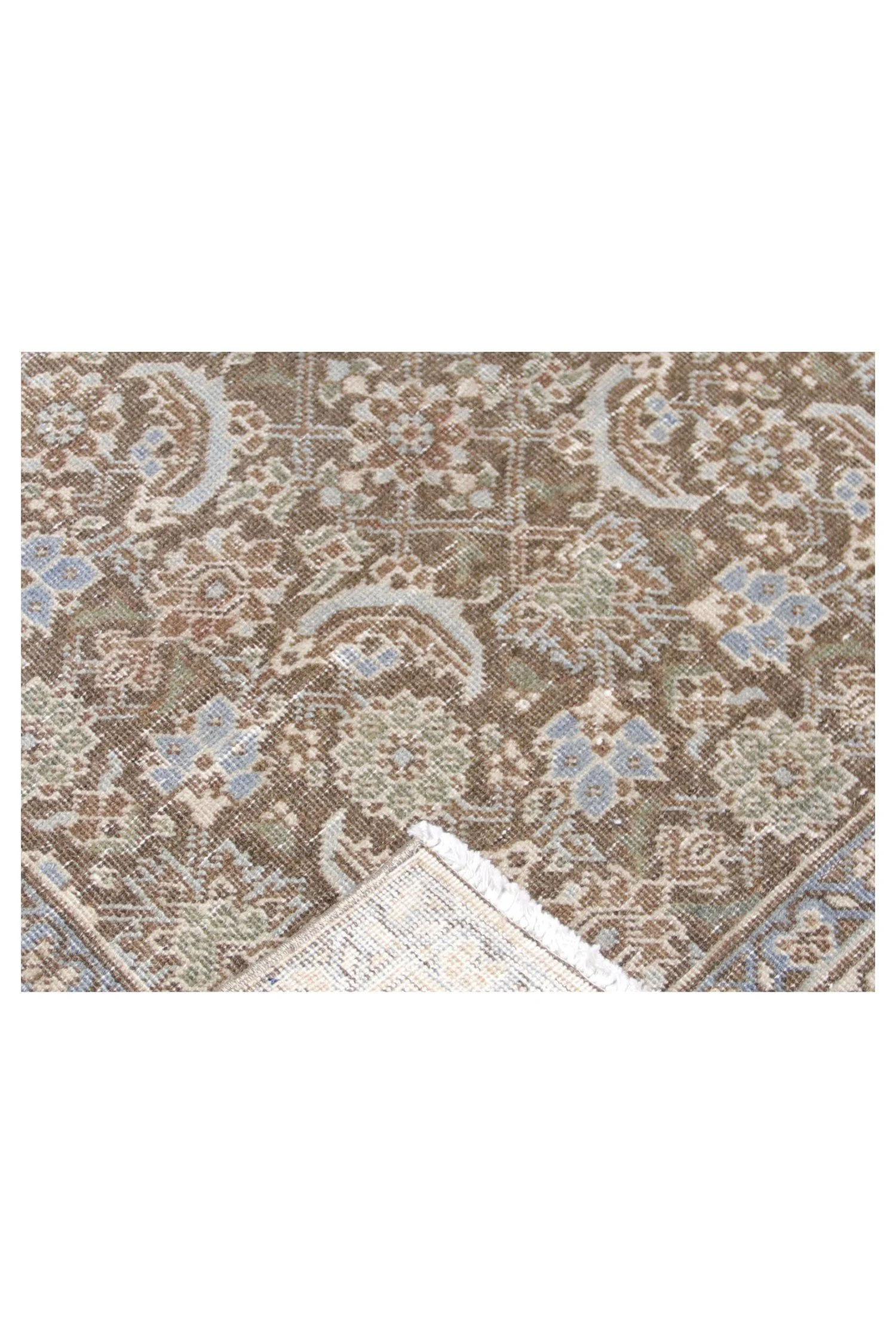
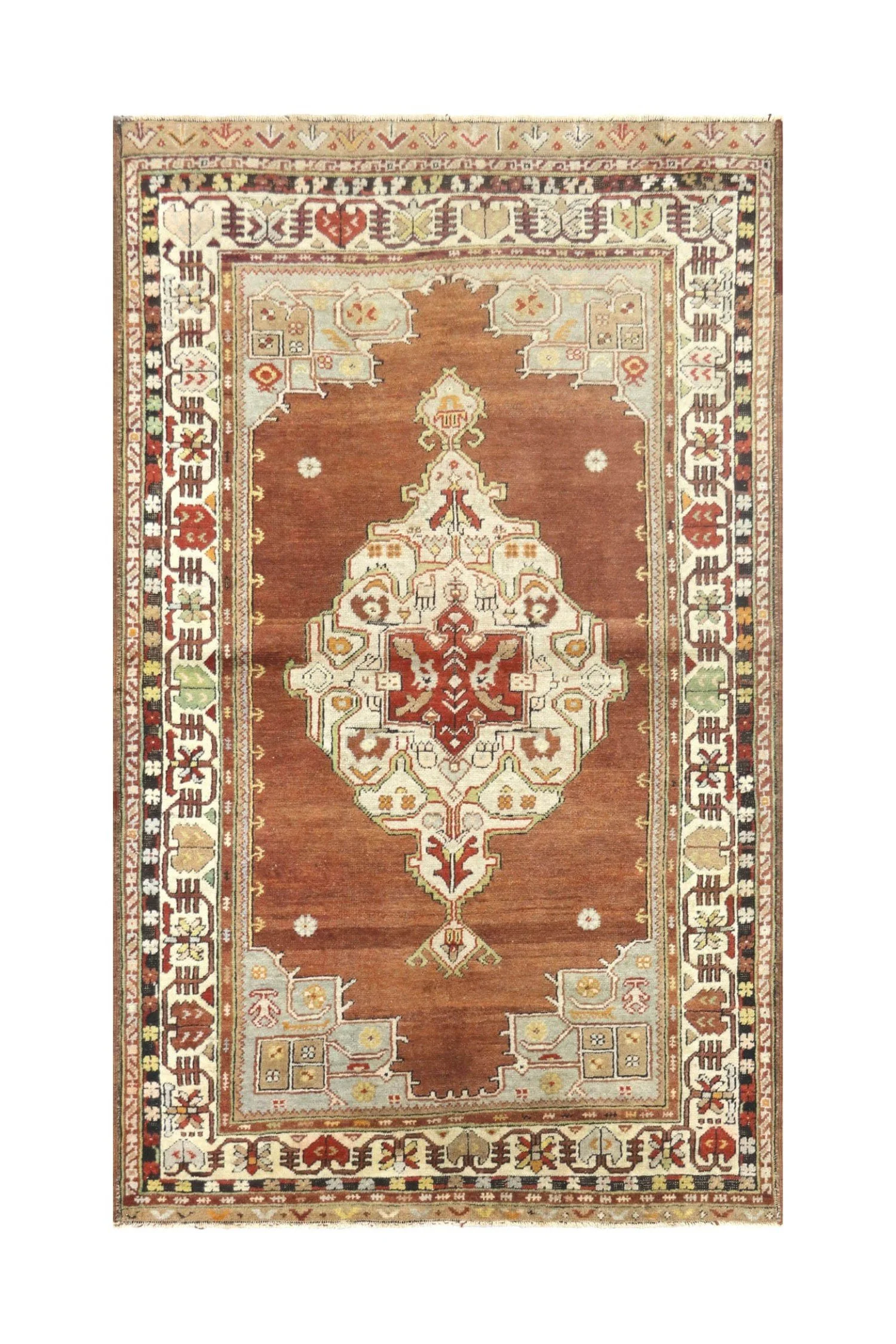
 Image 1 of 6
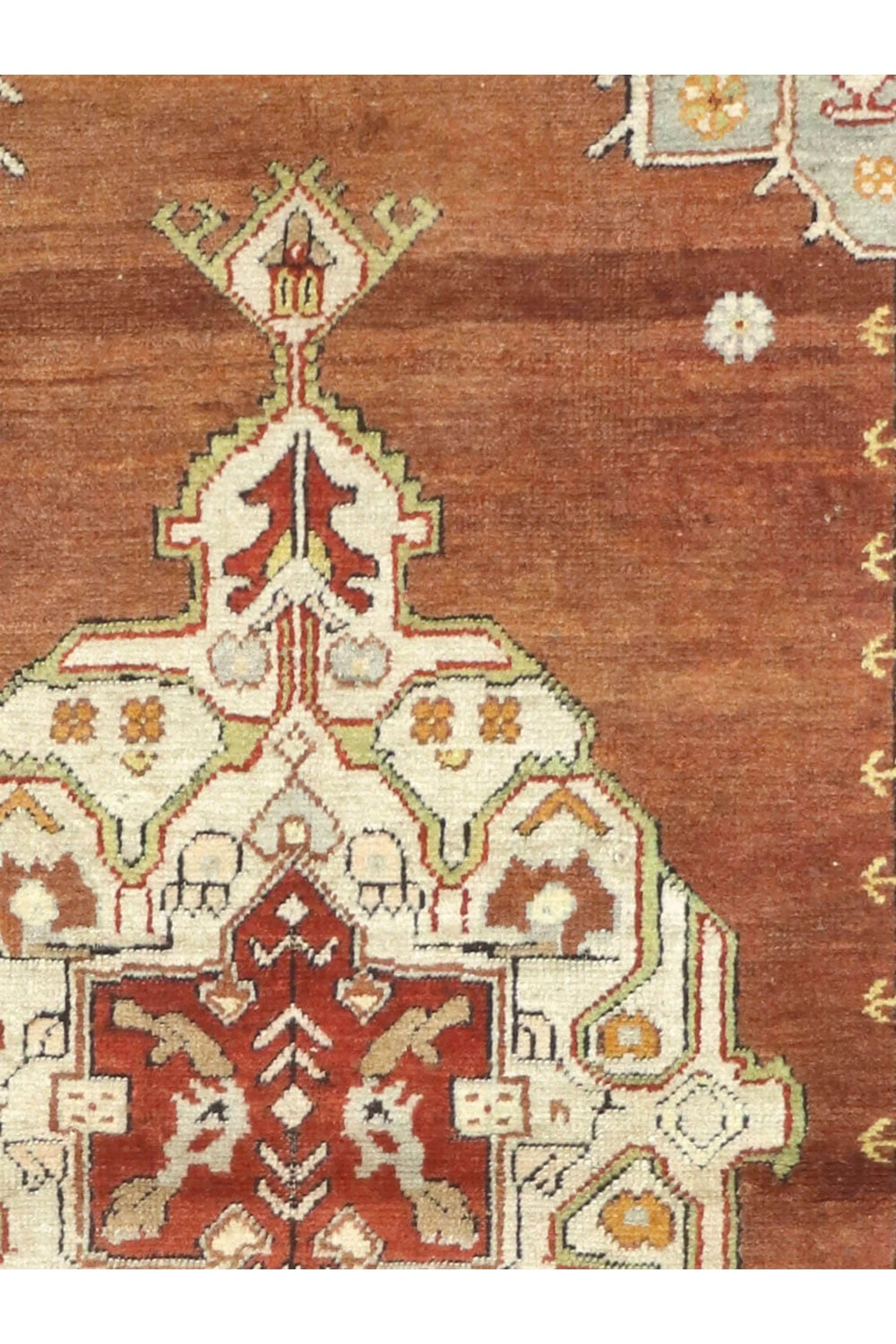 Image 2 of 6
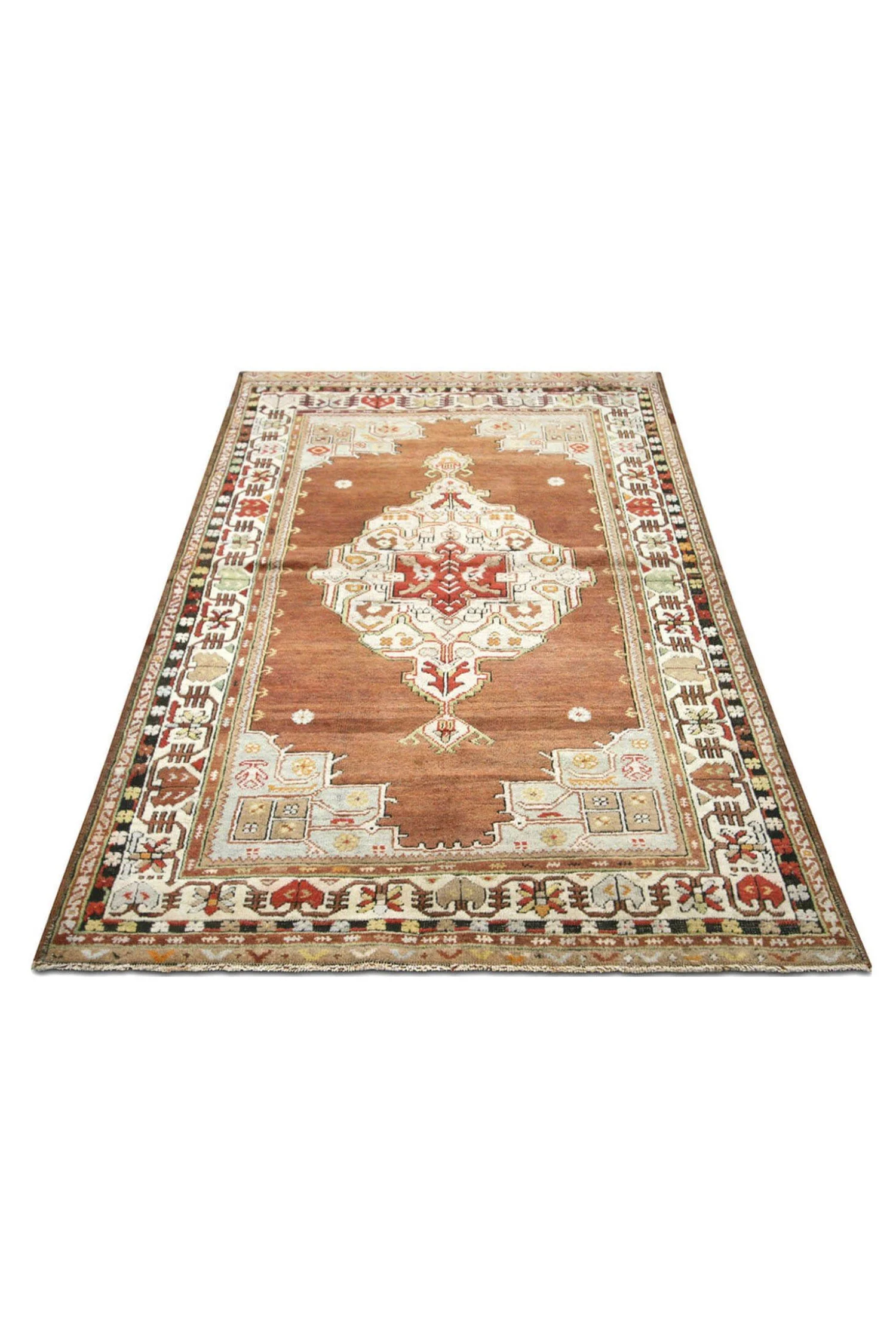 Image 3 of 6
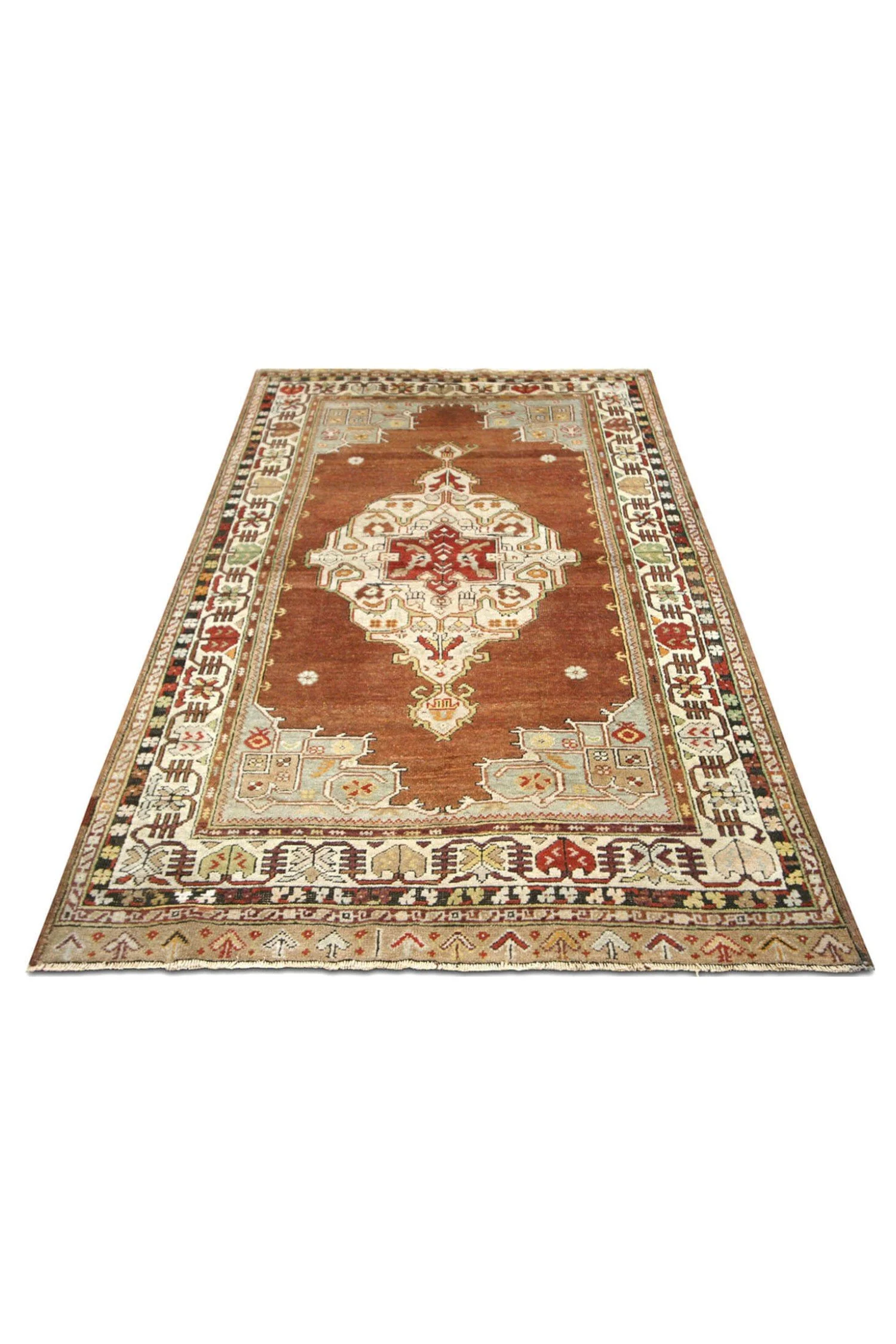 Image 4 of 6
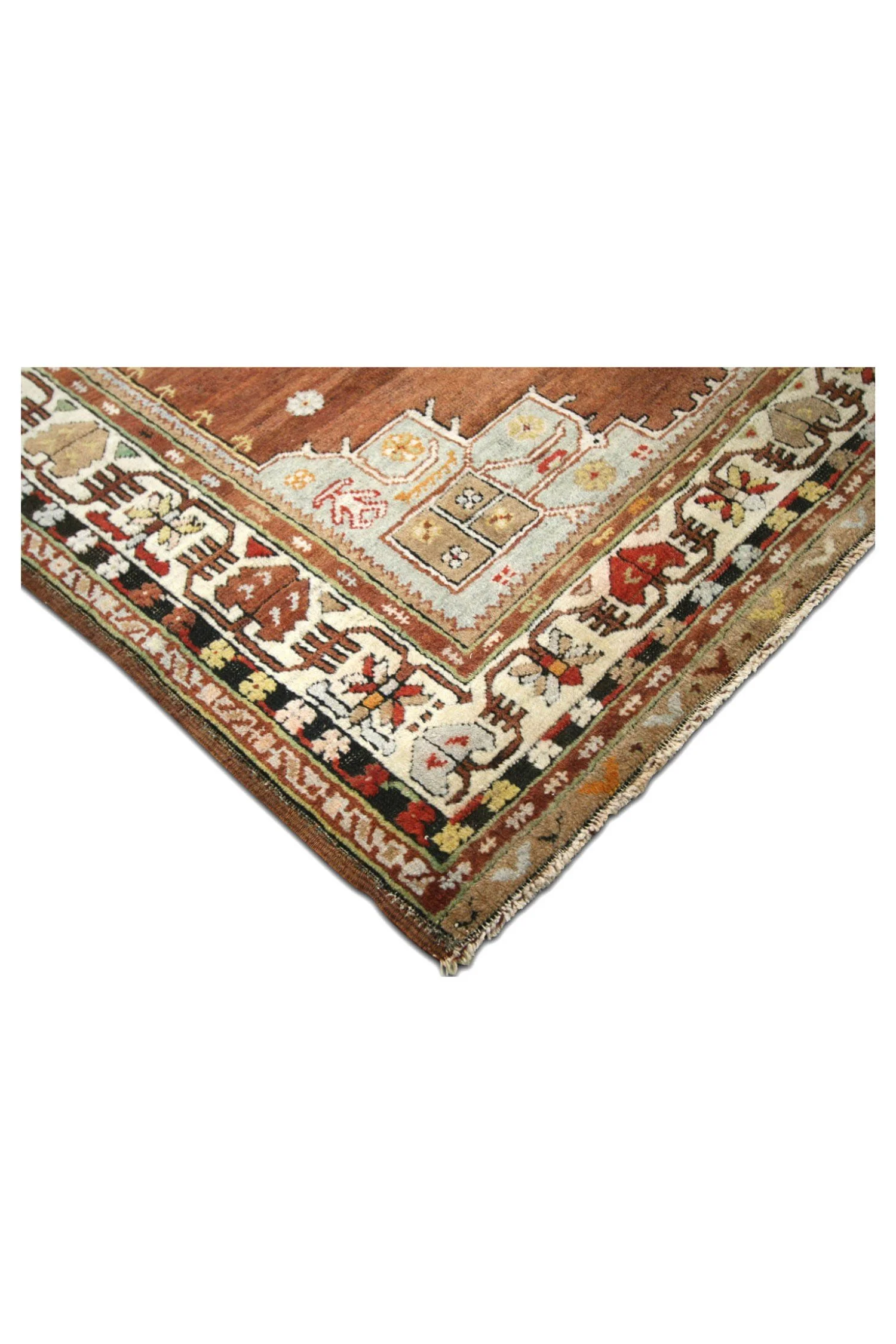 Image 5 of 6
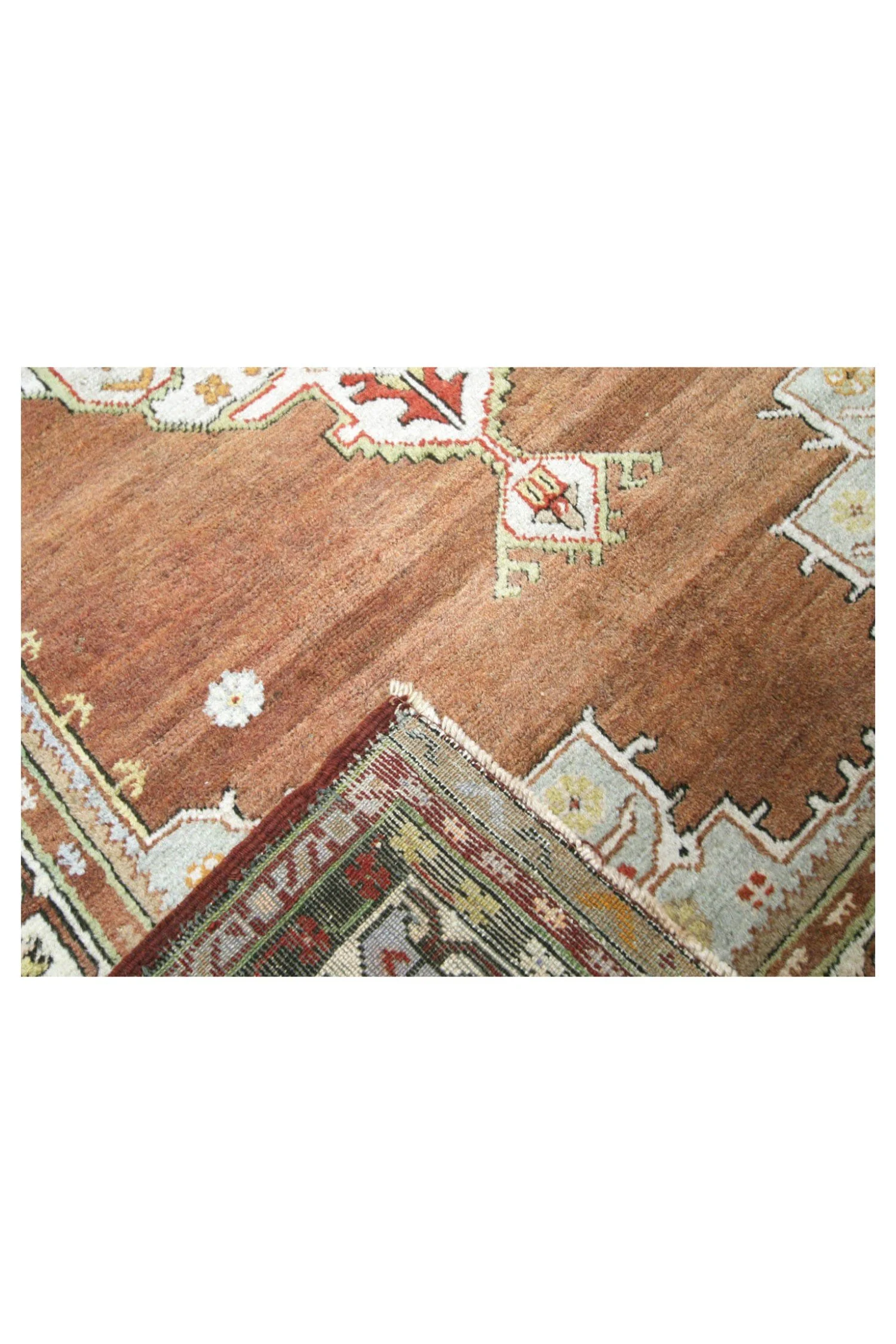 Image 6 of 6
Heritage and Craftsmanship
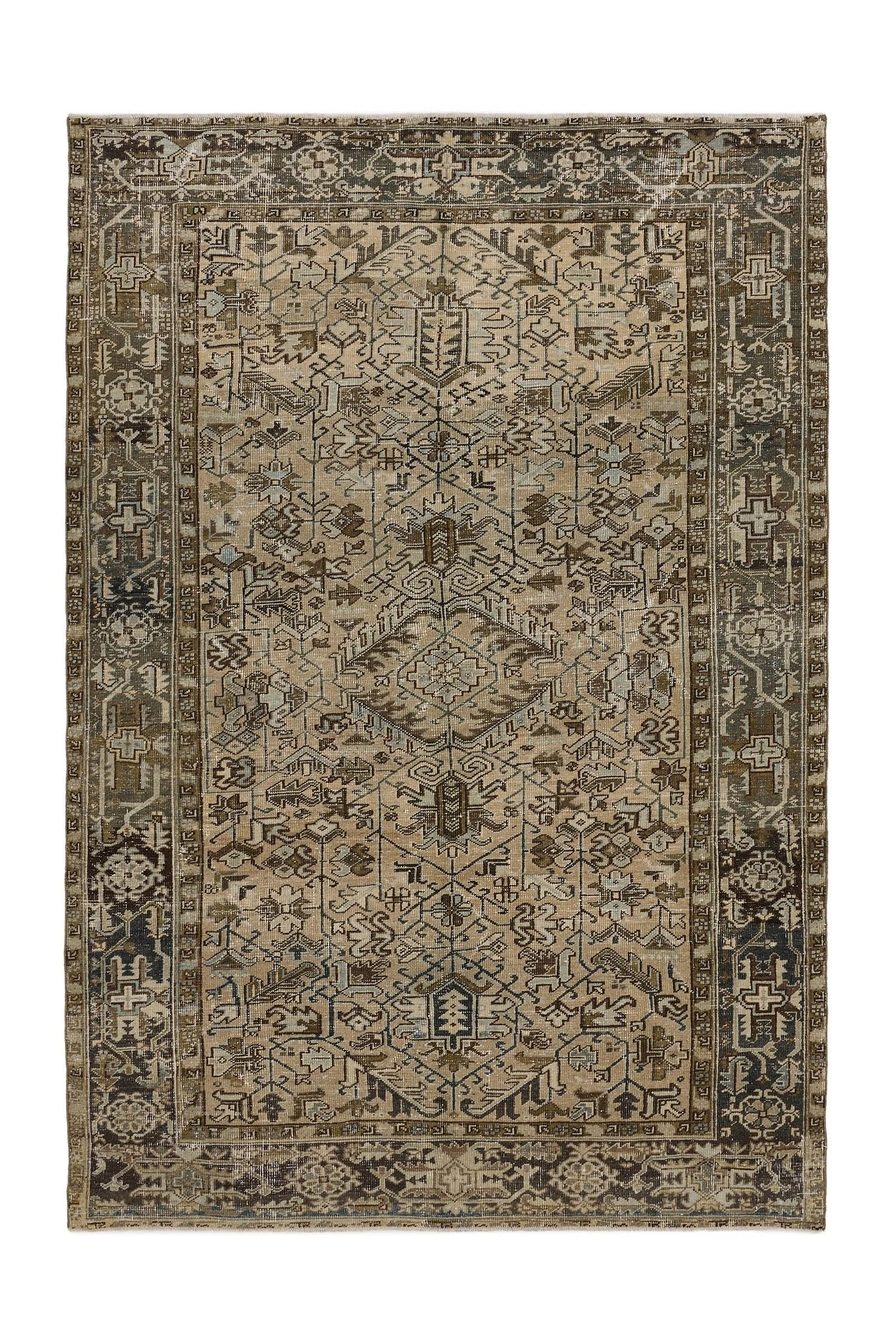
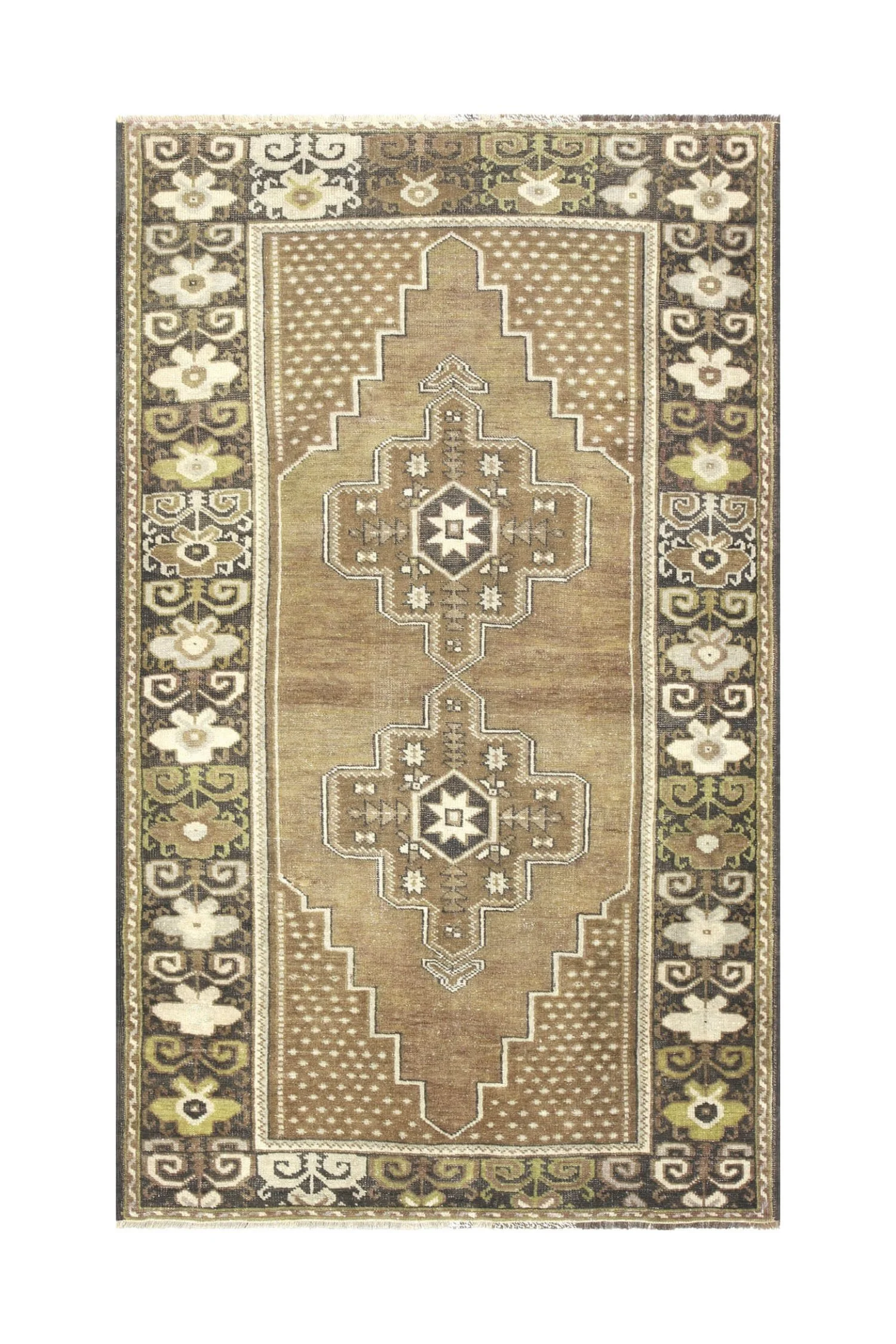
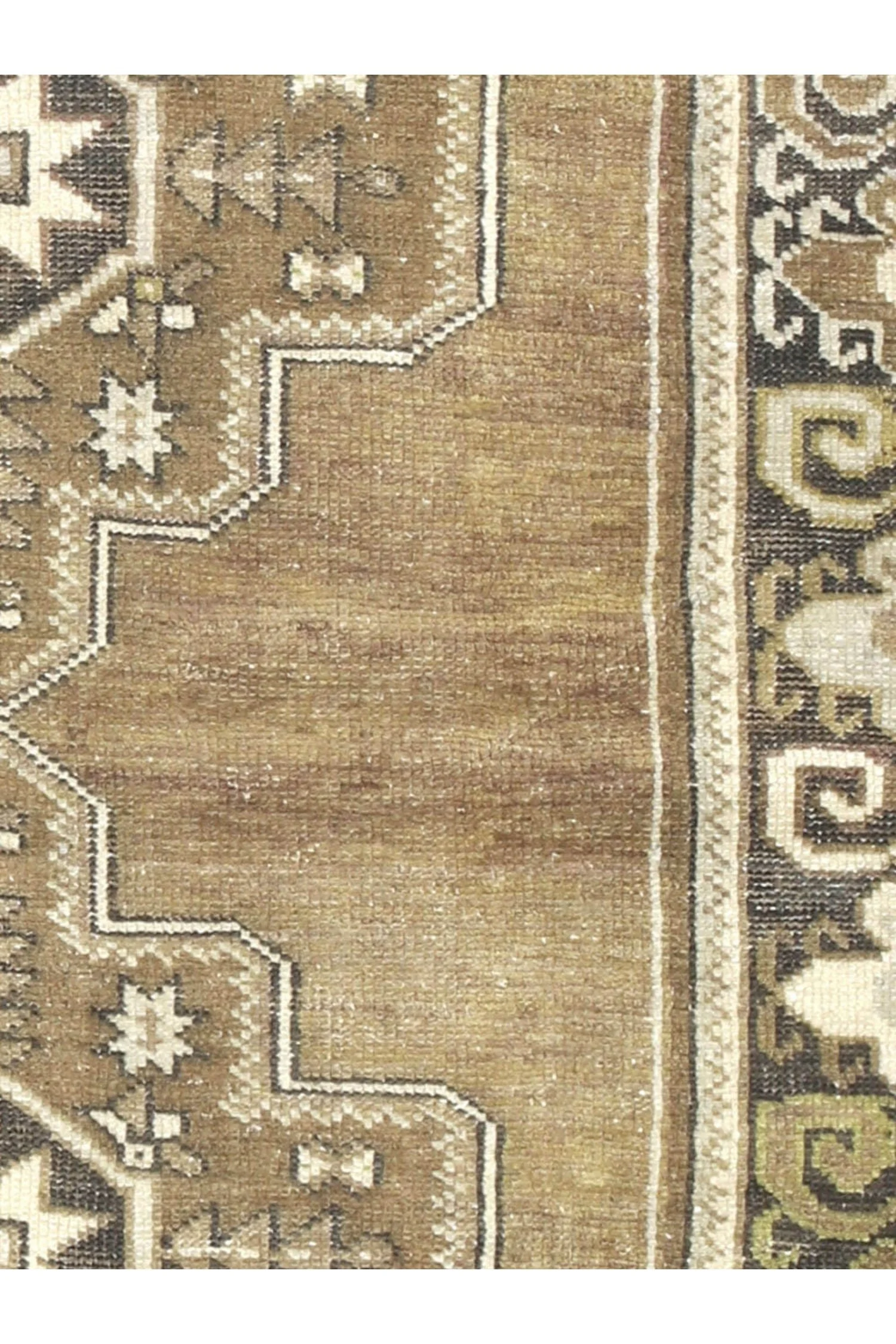
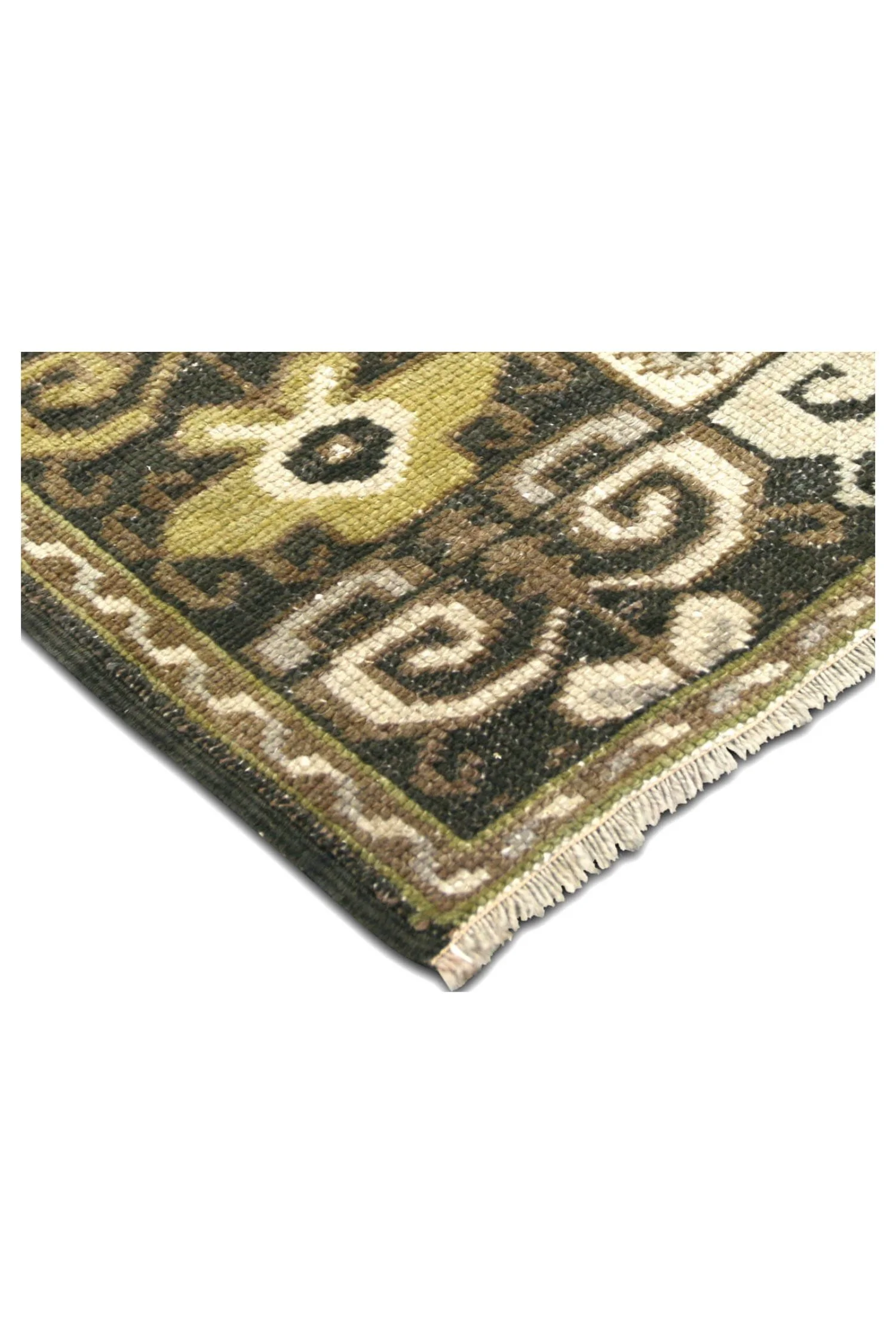
Anatolian village weaving in the 1940s maintained design traditions that had been passed down through generations of family teaching. The medallion-and-spandrel format seen here represents one of the most common compositions, its popularity rooted in both aesthetic balance and symbolic meaning within weaving communities.
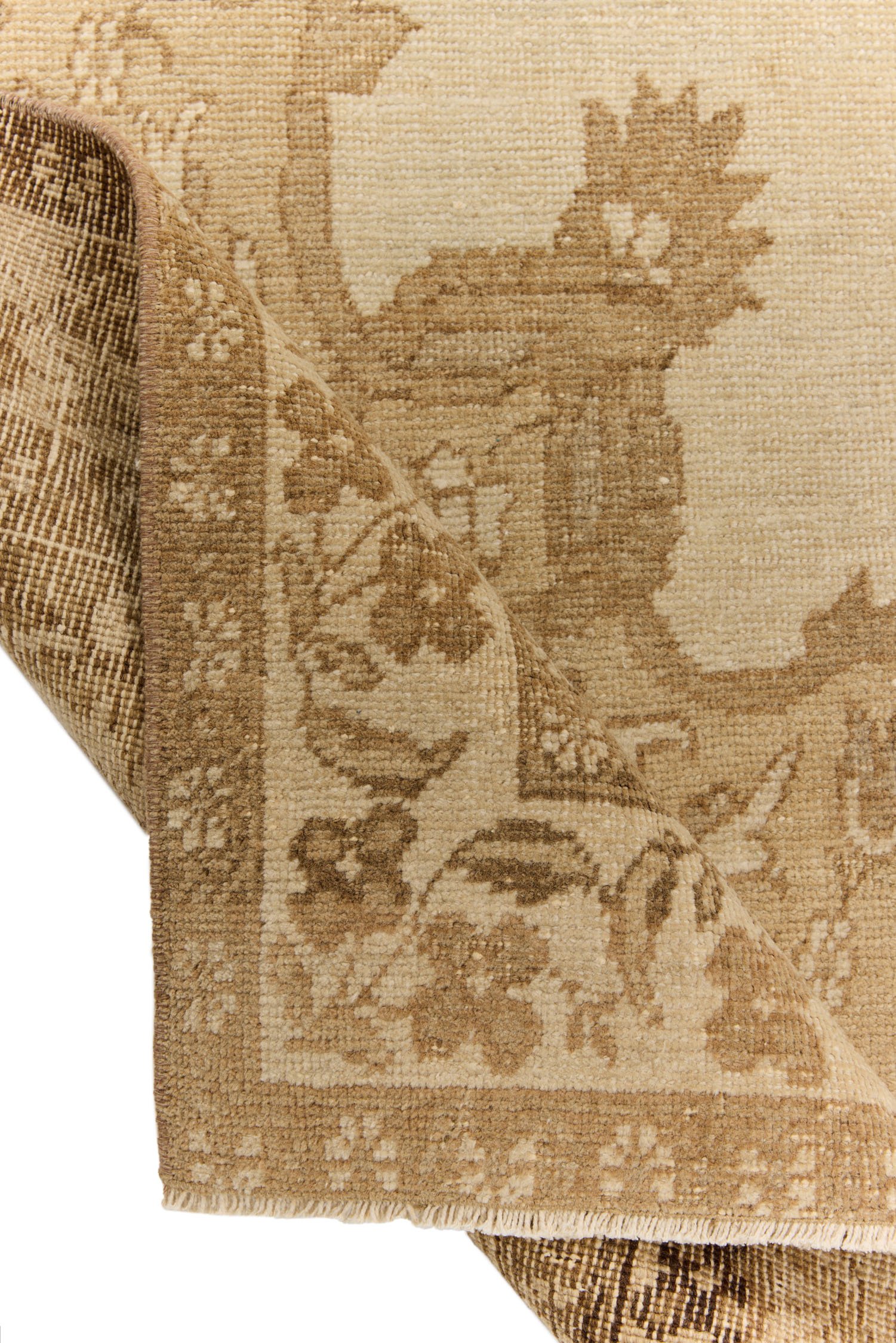
Weavers working in village settings used wool from local flocks and dyes derived from regional plant sources. The warm rust came from madder root, a plant that had been cultivated for dyeing purposes across Anatolia for centuries. The soft sage required careful processing of plant materials to achieve the desired tone.
These compact rugs served practical purposes in Turkish homes, sized for specific household locations. The dimensions reflect the spaces where rugs were actually needed rather than abstract size categories developed for commercial markets.
Design Elements
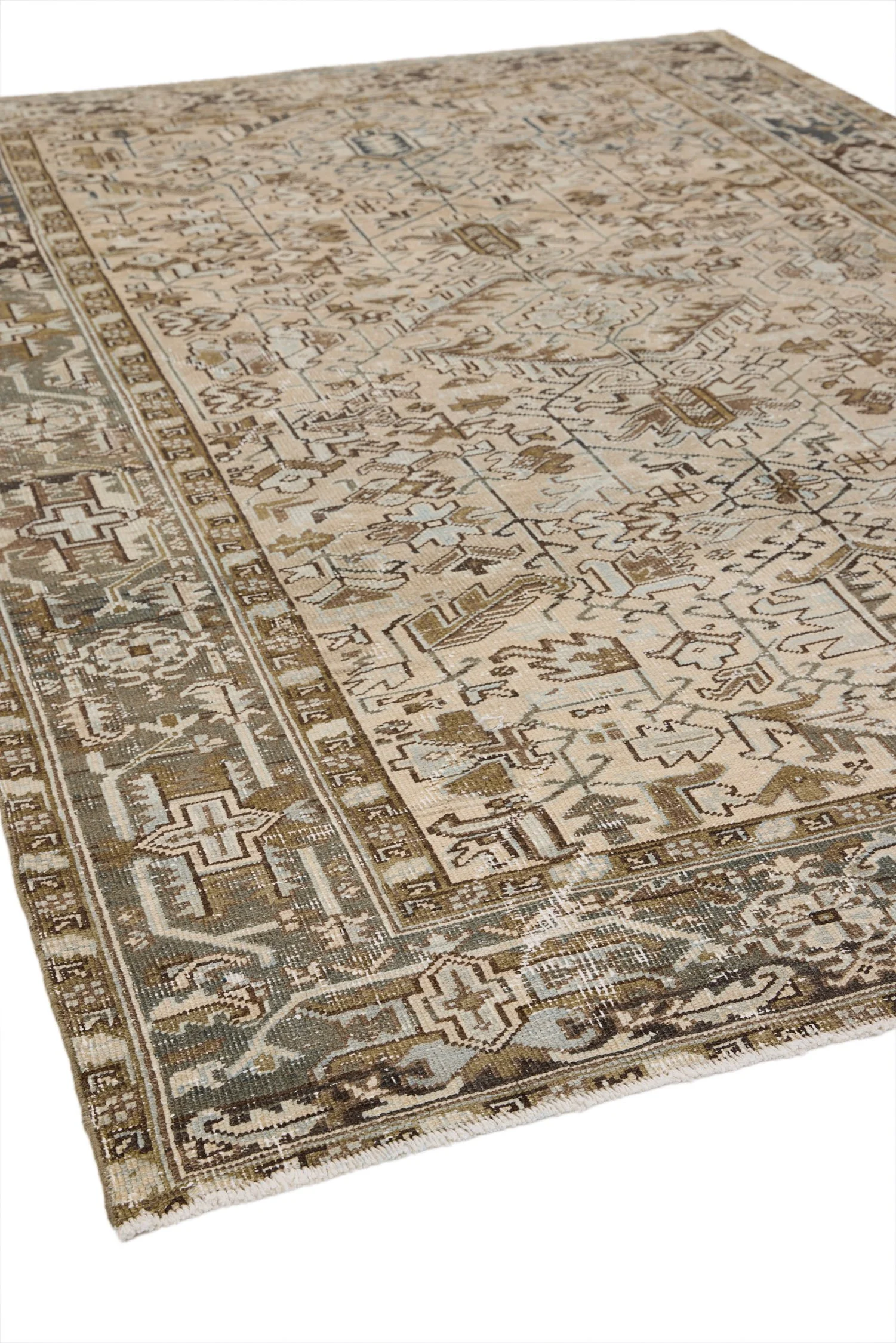
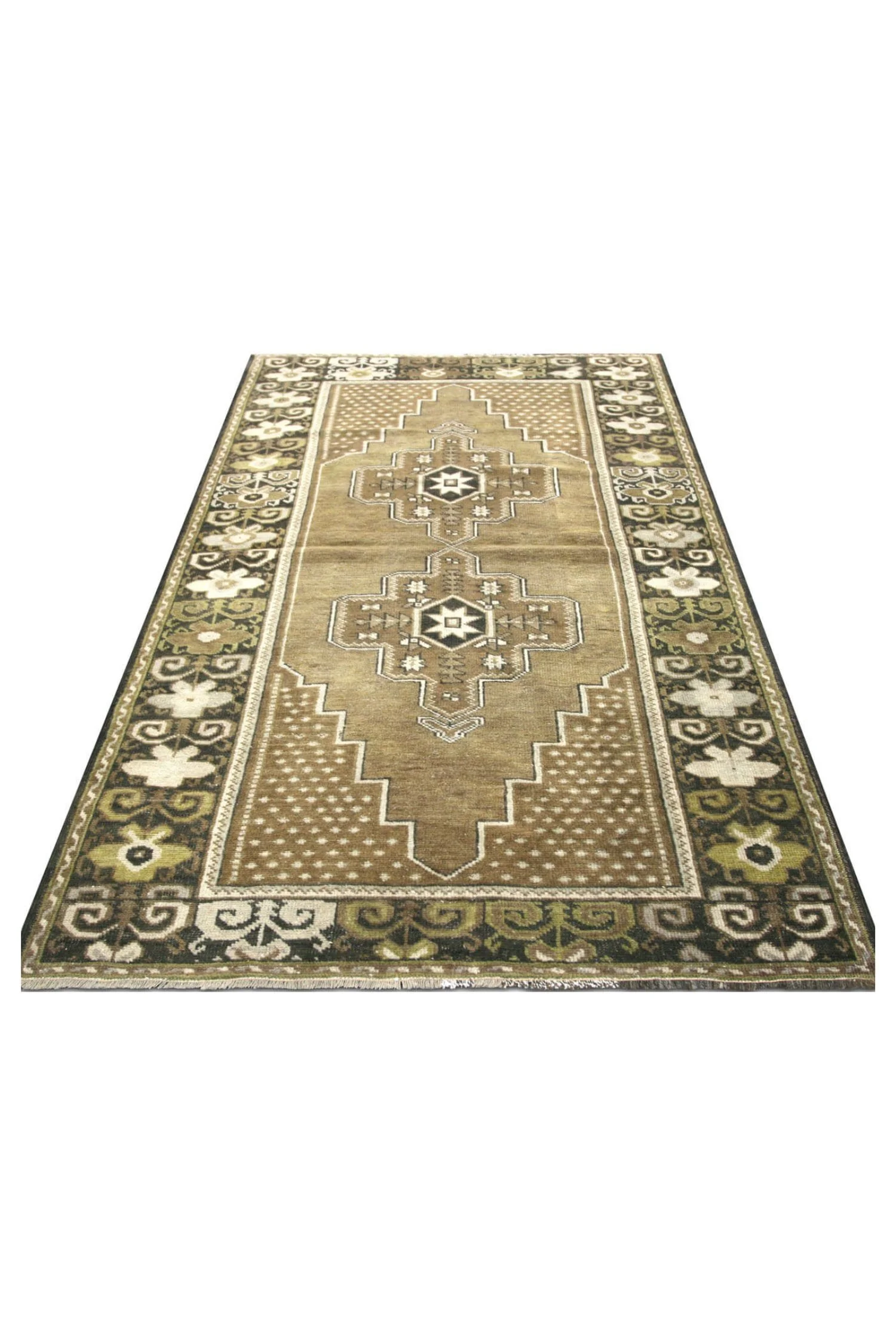
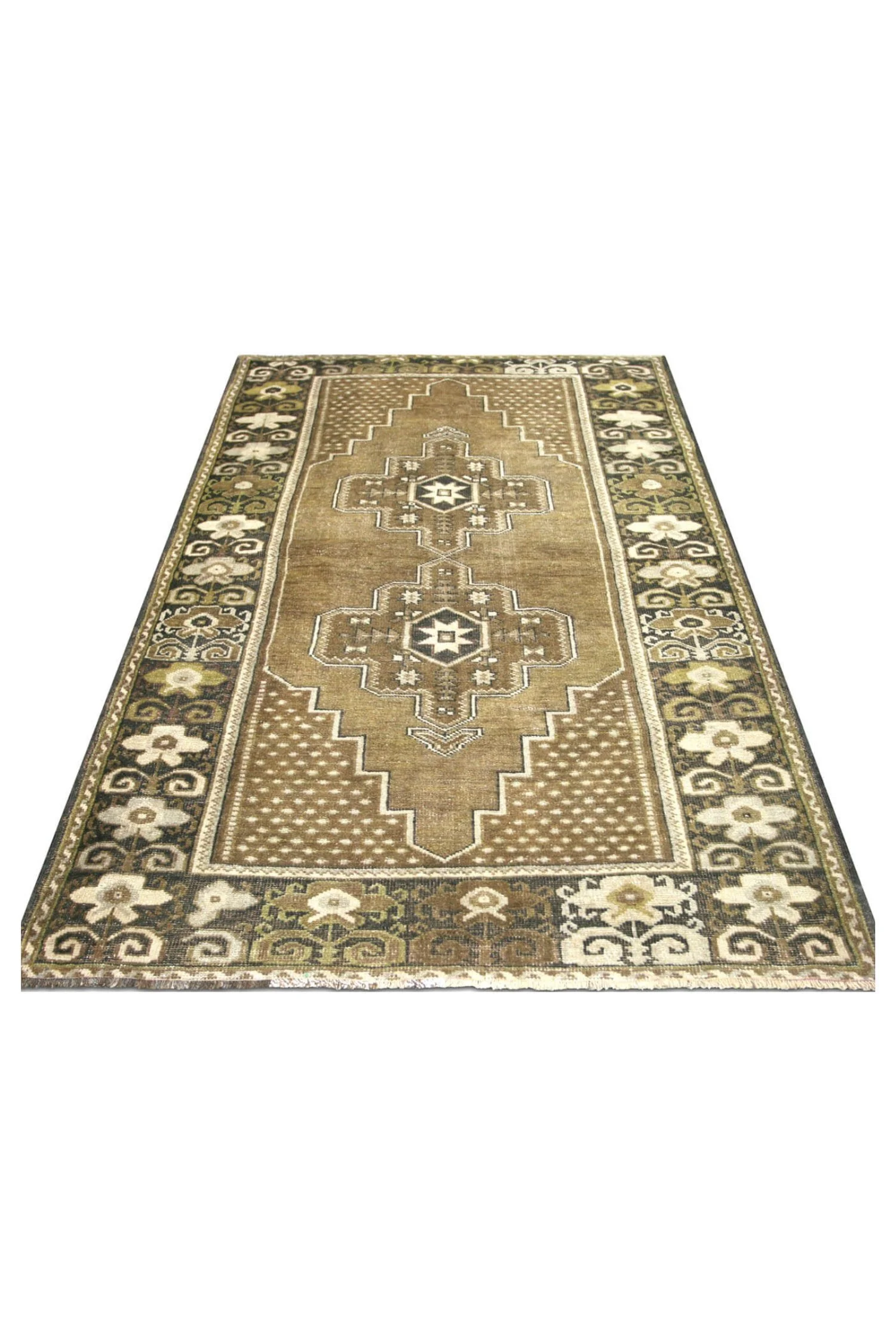
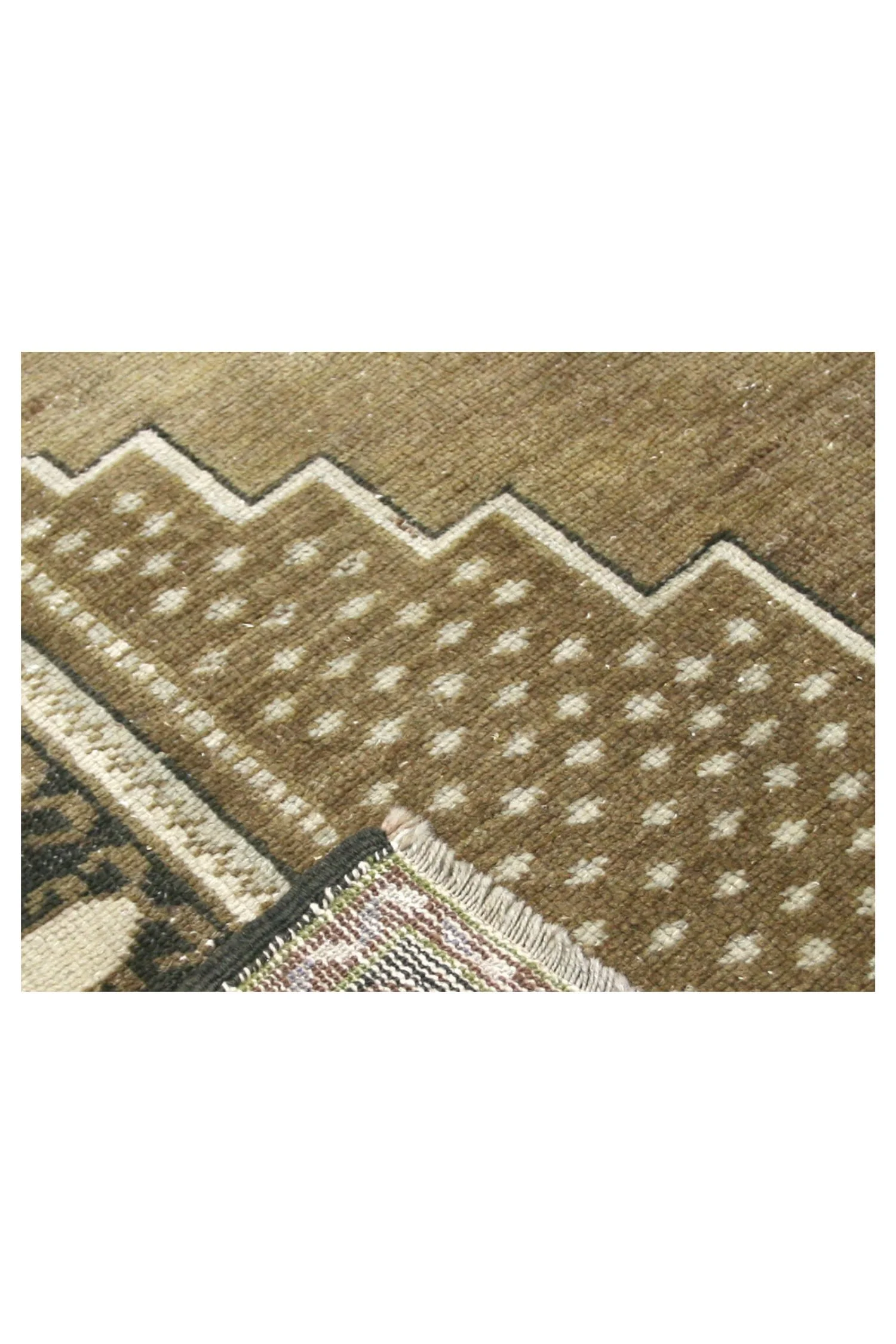
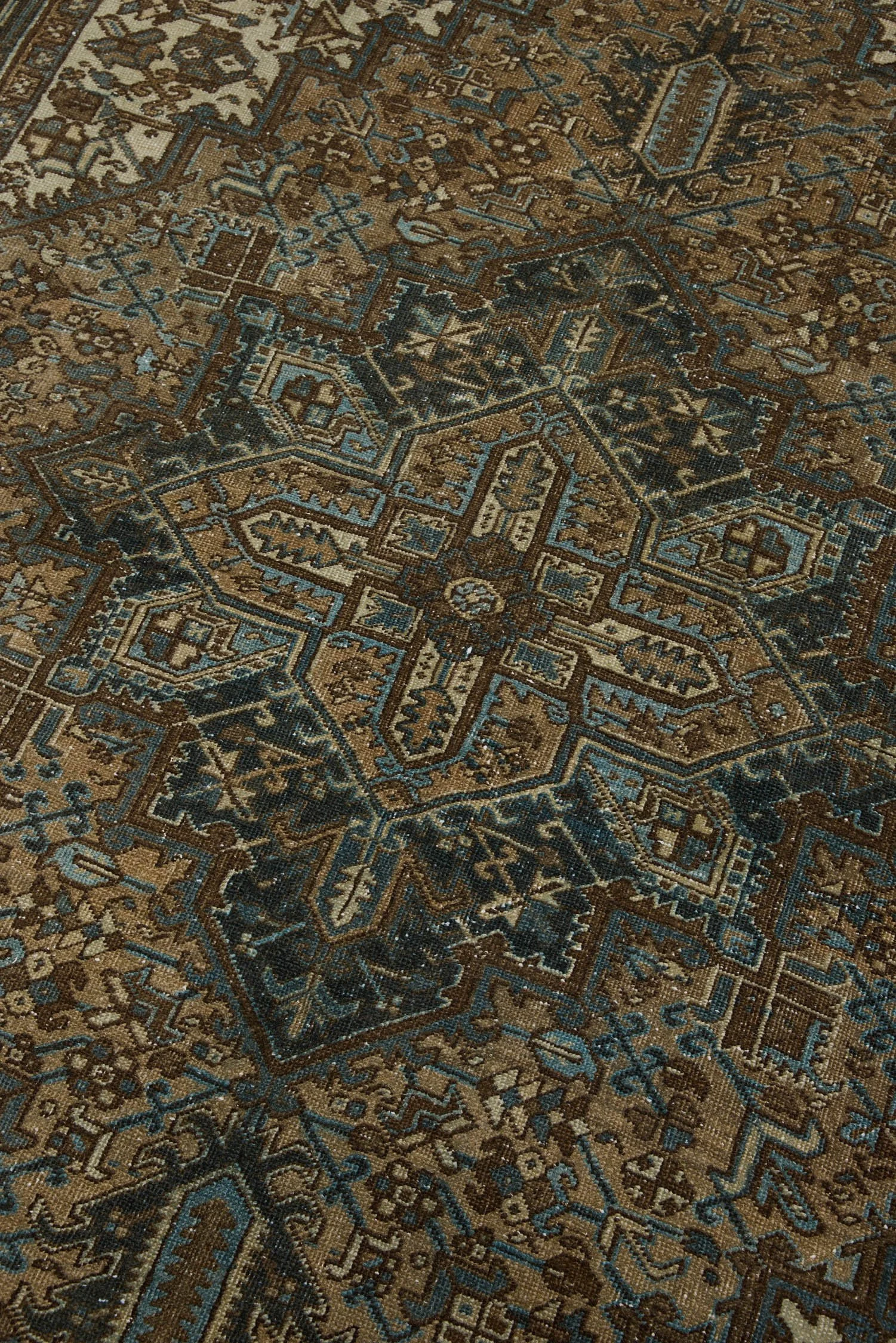
The stepped medallion creates a strong vertical axis through the center. Triangular spandrels fill the corners, creating visual balance and preventing the medallion from feeling isolated in the field. This medallion-and-spandrel relationship appears consistently across Anatolian weaving.
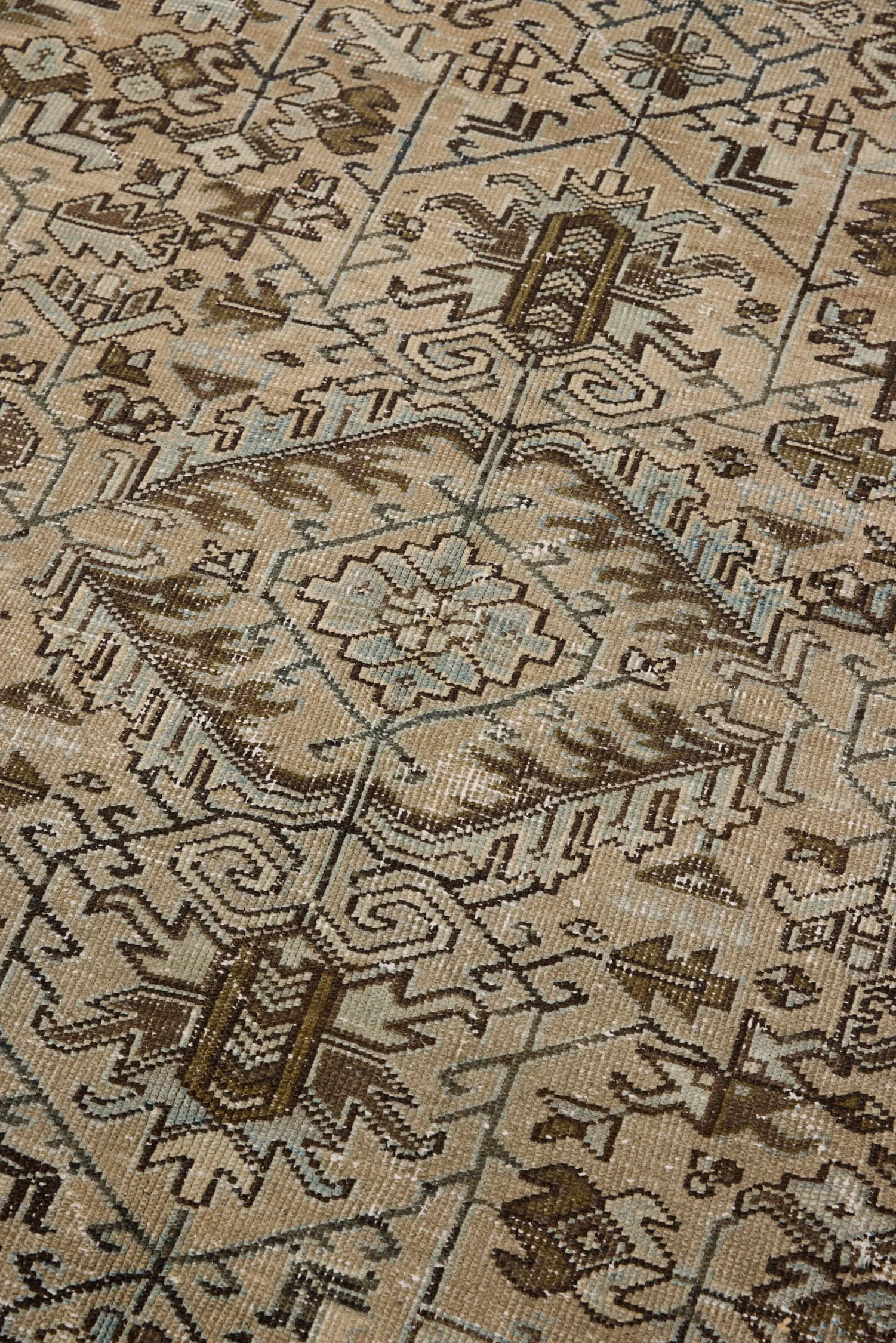
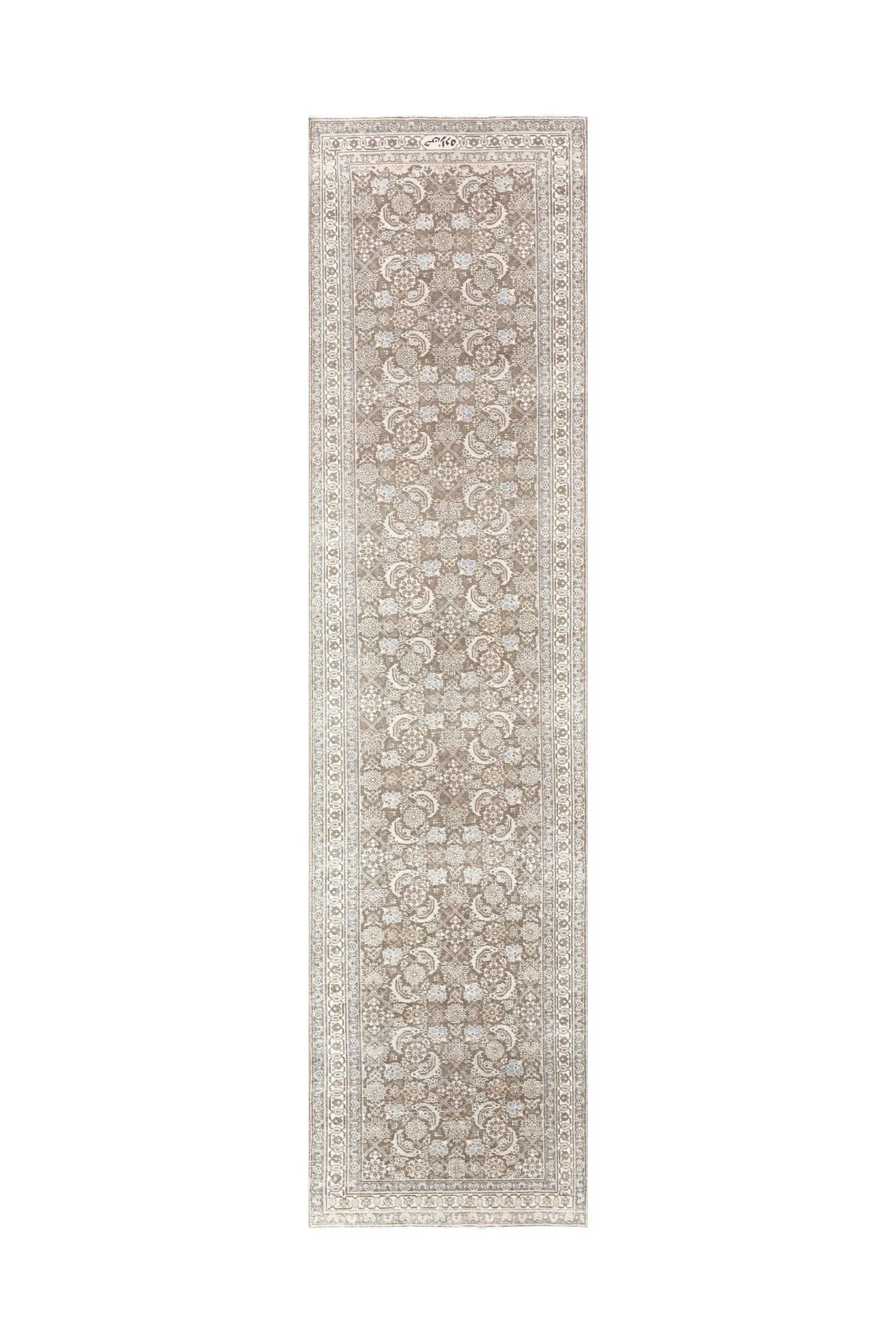
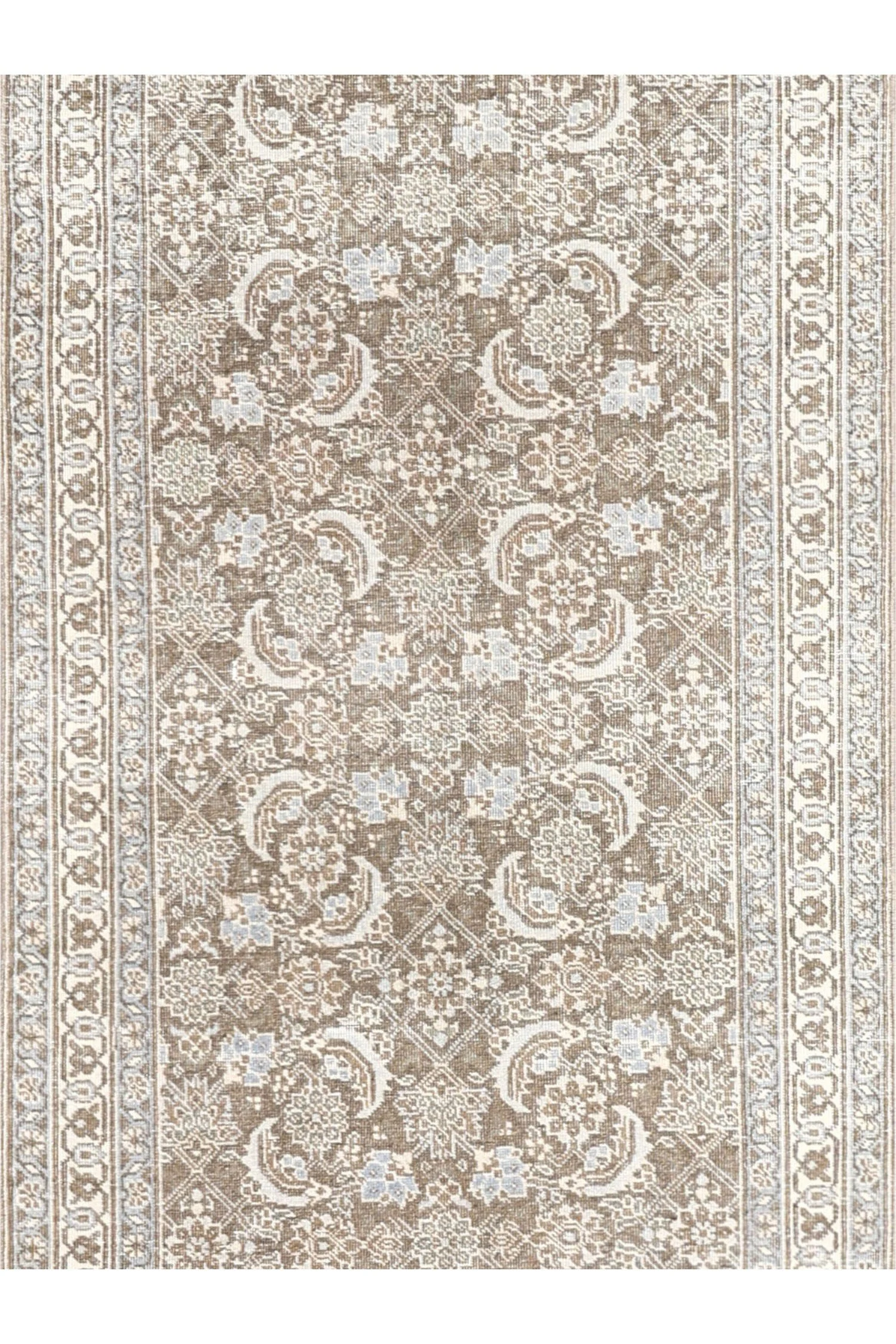
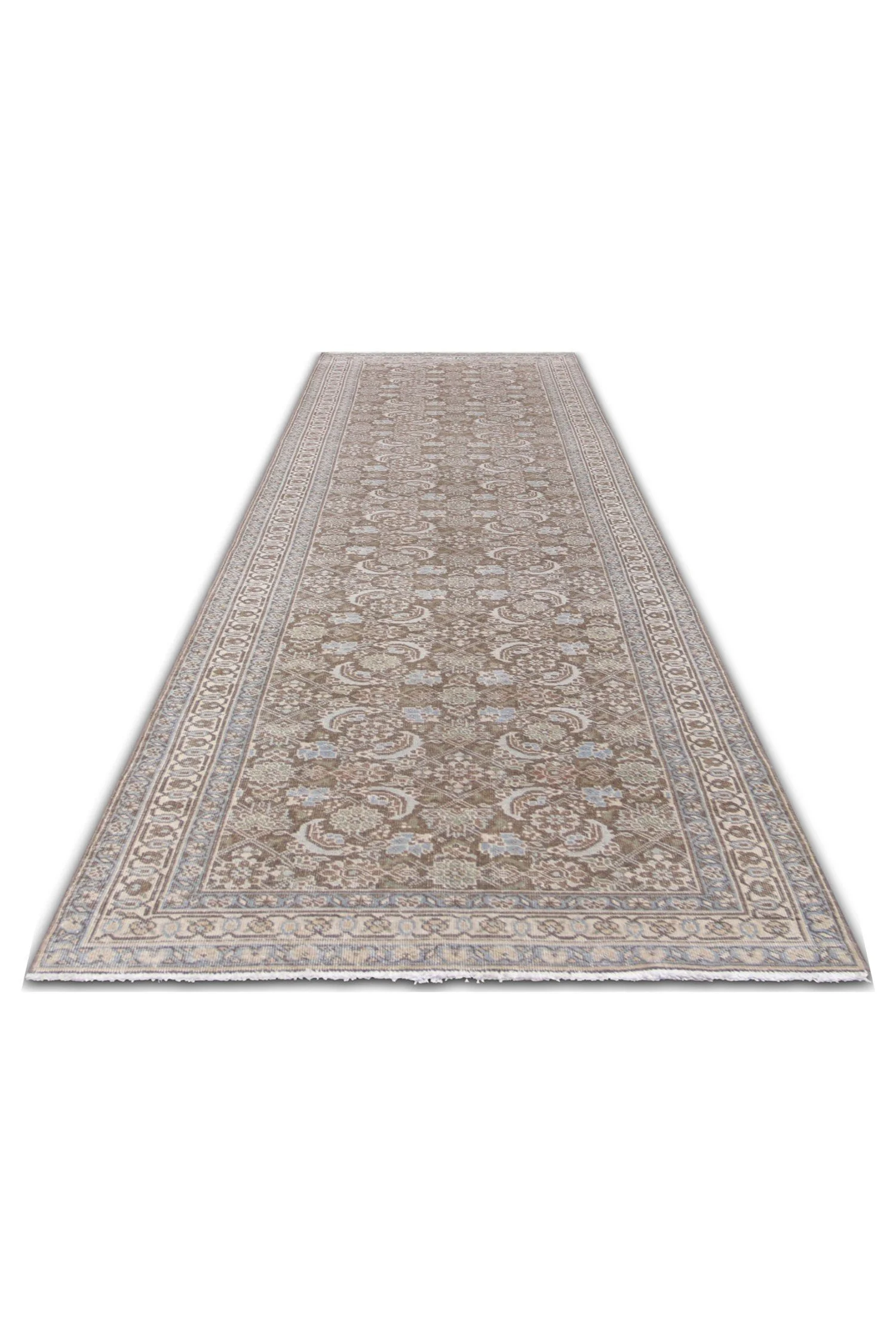
Tribal geometry combines with floral elements in a mix characteristic of village production. The geometric forms show angular precision, while the floral motifs are given a stylized interpretation that fits the overall geometric vocabulary. The combination creates visual richness without competing approaches.
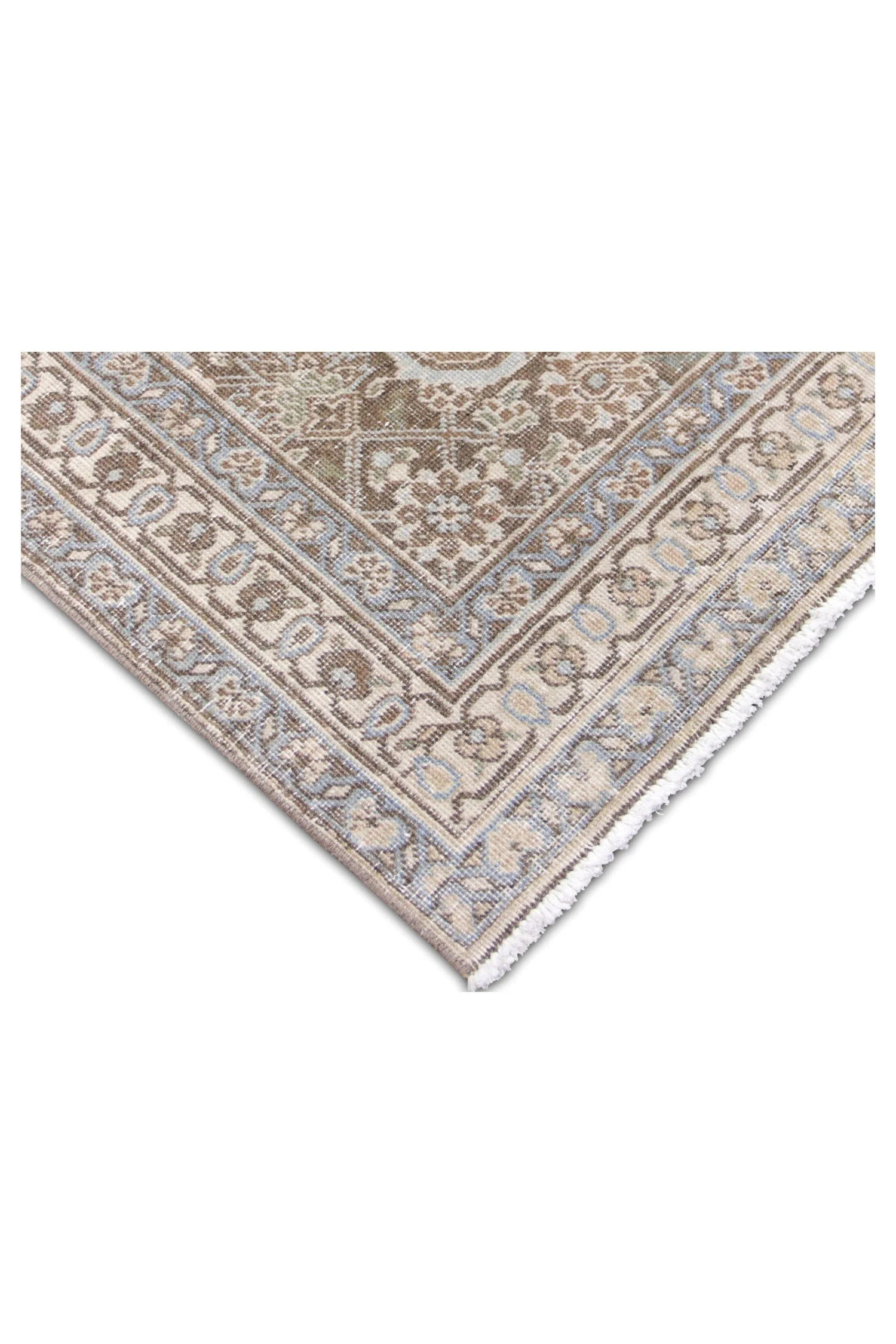
The richly ornamented border uses traditional Anatolian motifs in rhythmic arrangement. The border density balances the central medallion, preventing either element from overwhelming the composition. The frame provides substantial visual weight appropriate to the bold field design.
Placement
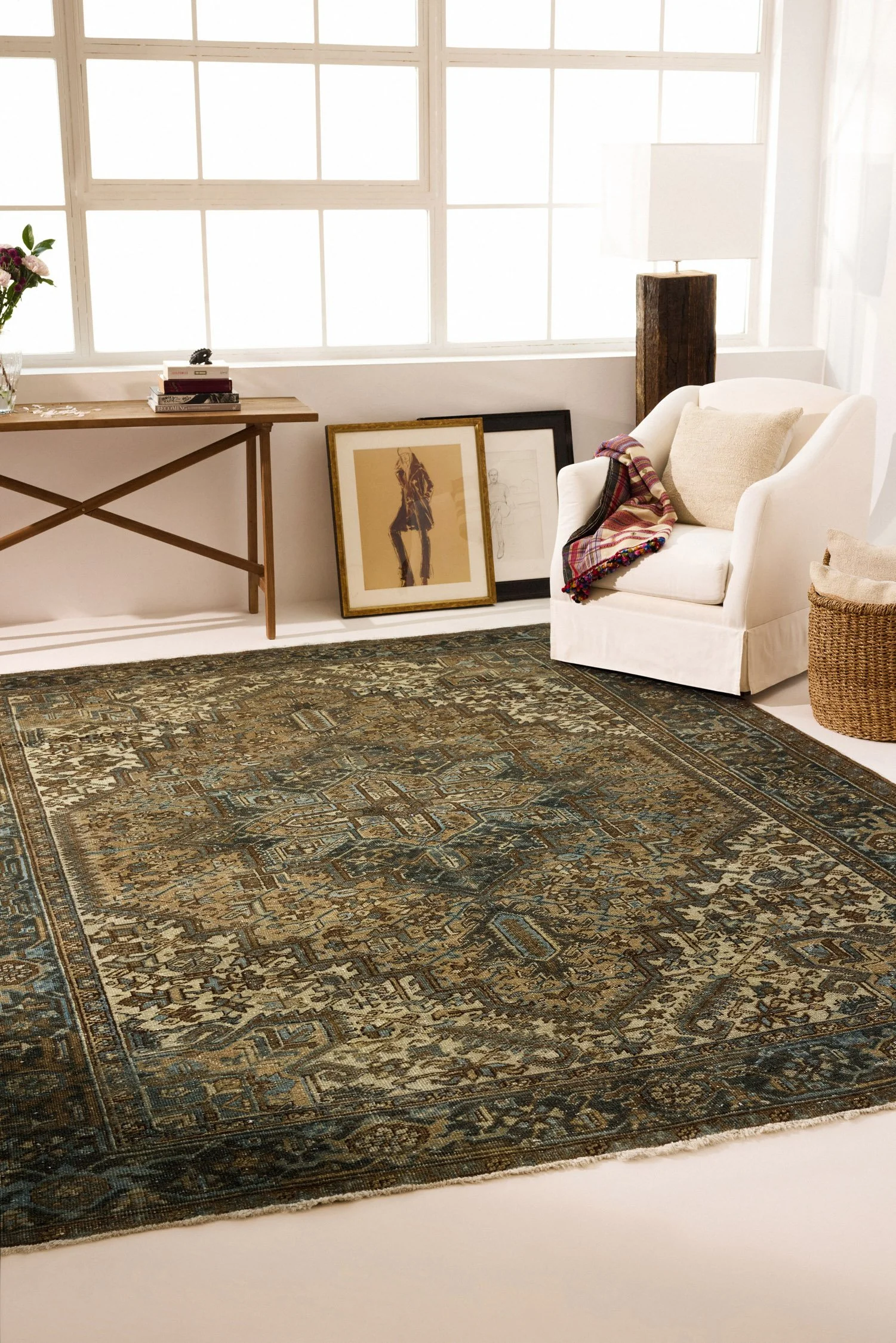
At 3'9" x 6'1", this works in entryways, bathrooms, kitchens in front of sinks, small hallways, or as layering pieces over larger rugs. The compact size fits spaces where you want warmth and a traditional pattern without large-scale coverage.
The warm rust palette brings energy to interiors with natural materials or wood tones. Traditional settings appreciate the village character and classic medallion structure. Contemporary spaces can use the bold color as an accent against neutral backgrounds, bringing handmade warmth to minimalist environments.
Care Recommendations
To preserve the rug's beauty:
Rotate periodically for even wear
Vacuum regularly using a suction-only setting
Address spills immediately by blotting, never rubbing
Professional cleaning recommended annually
Avoid direct sunlight to maintain color integrity
Village weavers sized their rugs for doorways, hearths, and the specific corners where daily life needed softness underfoot.