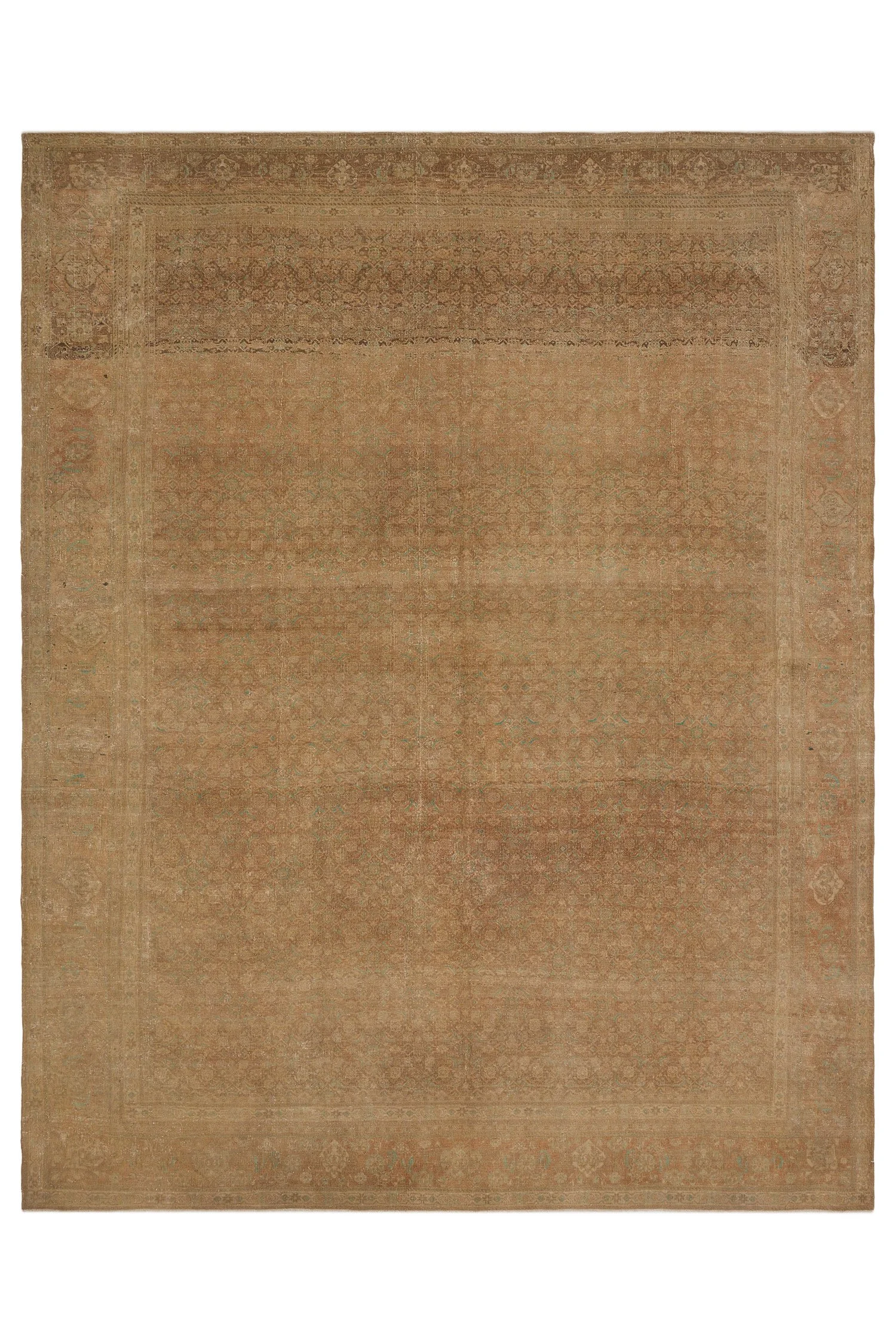
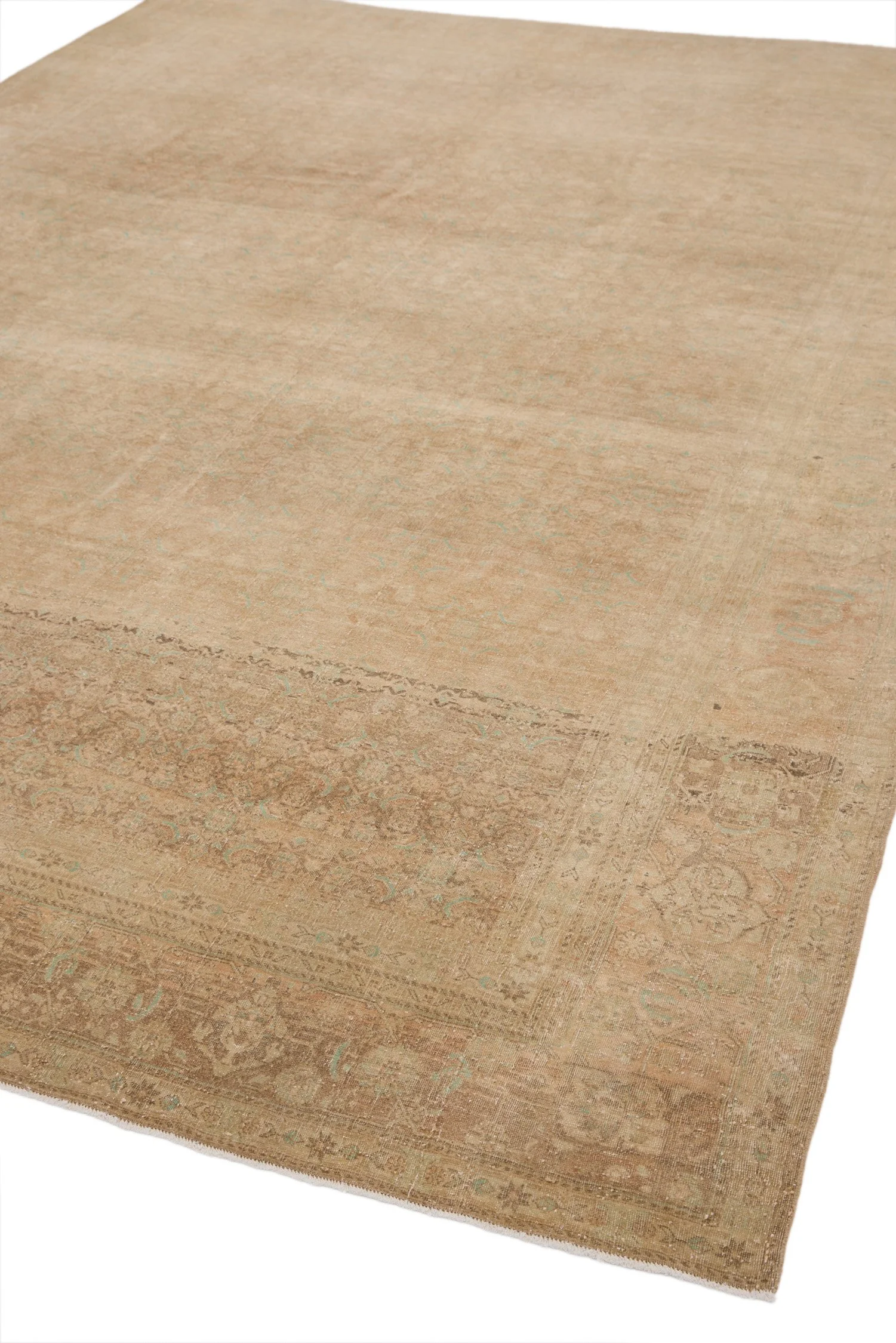
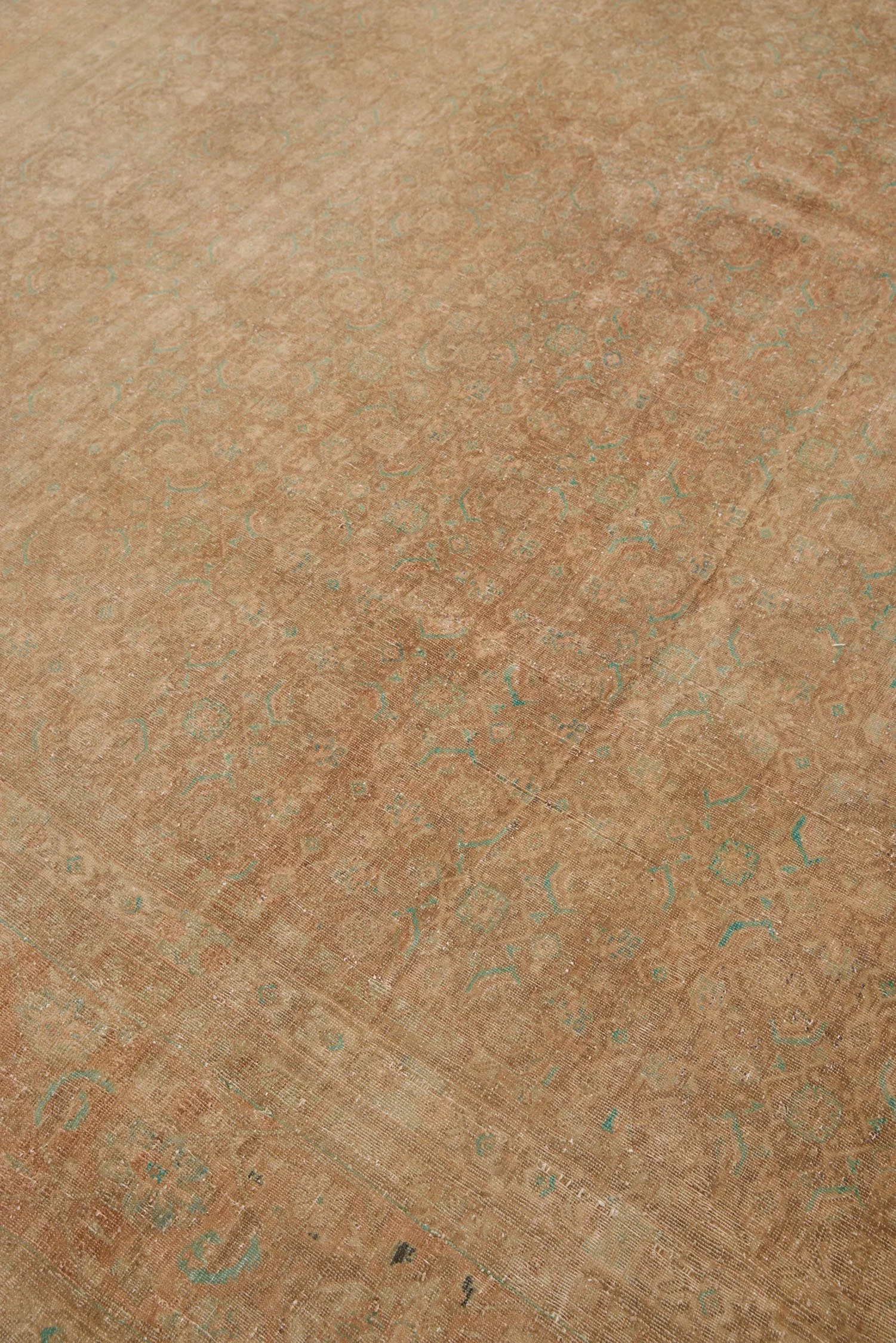
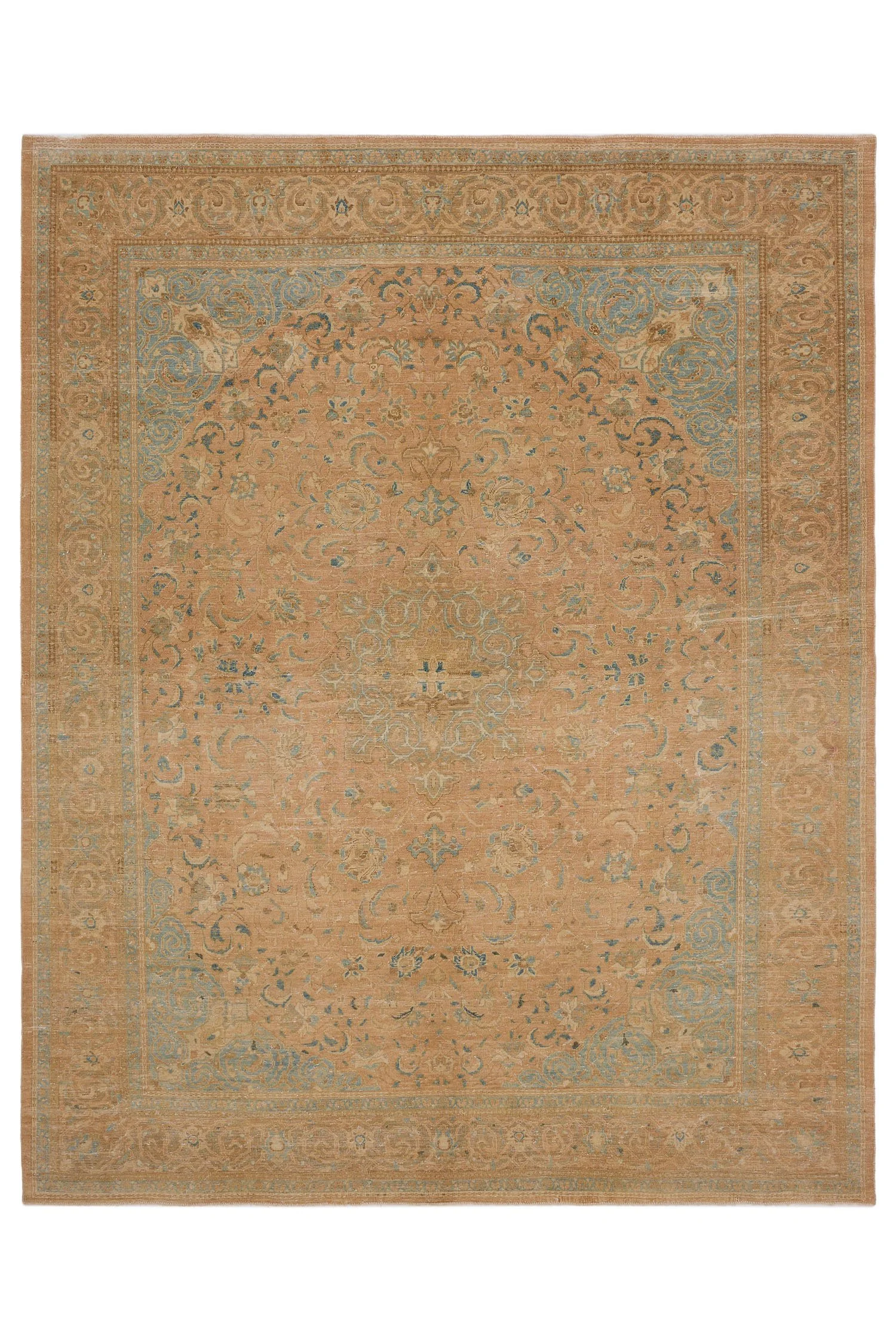
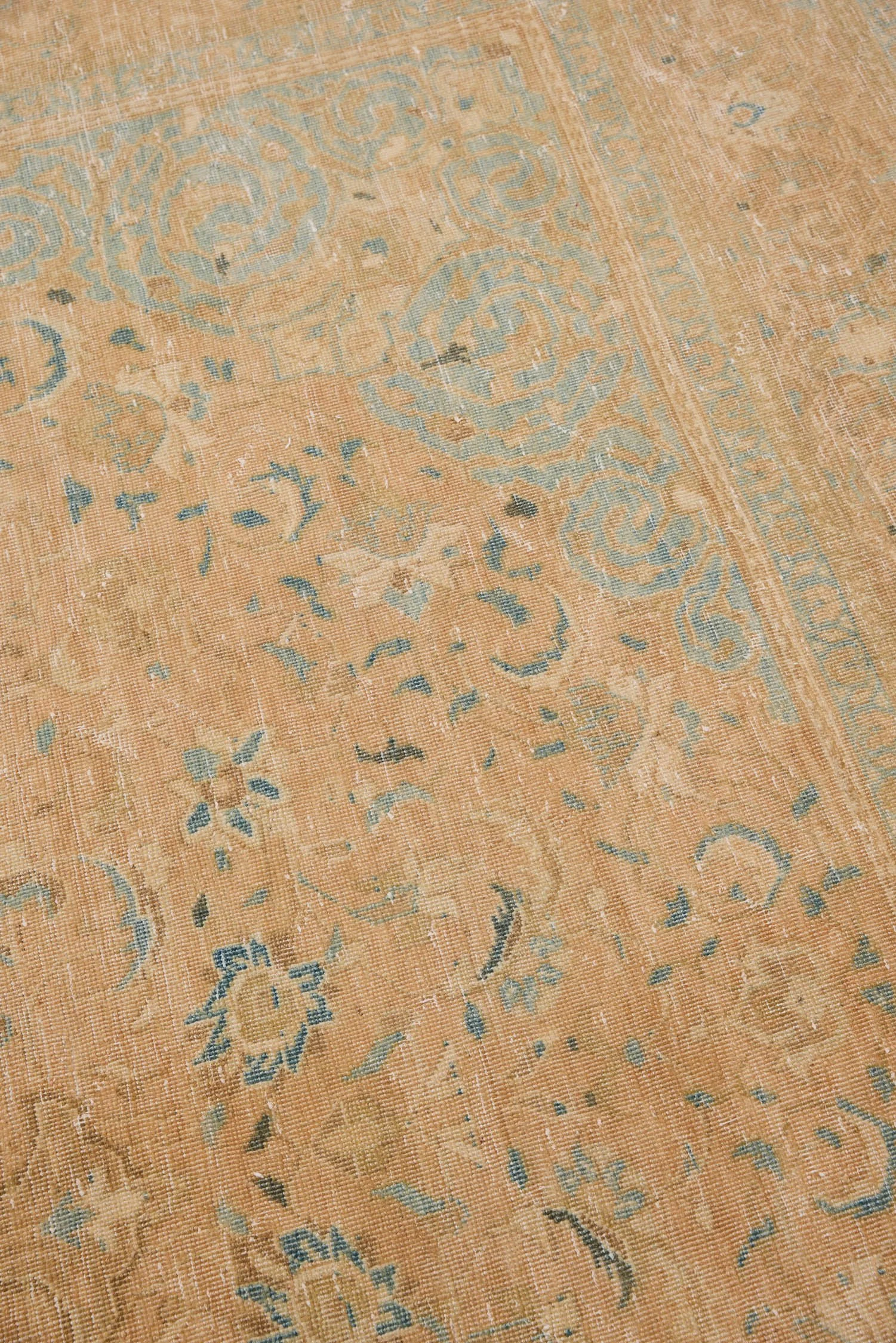
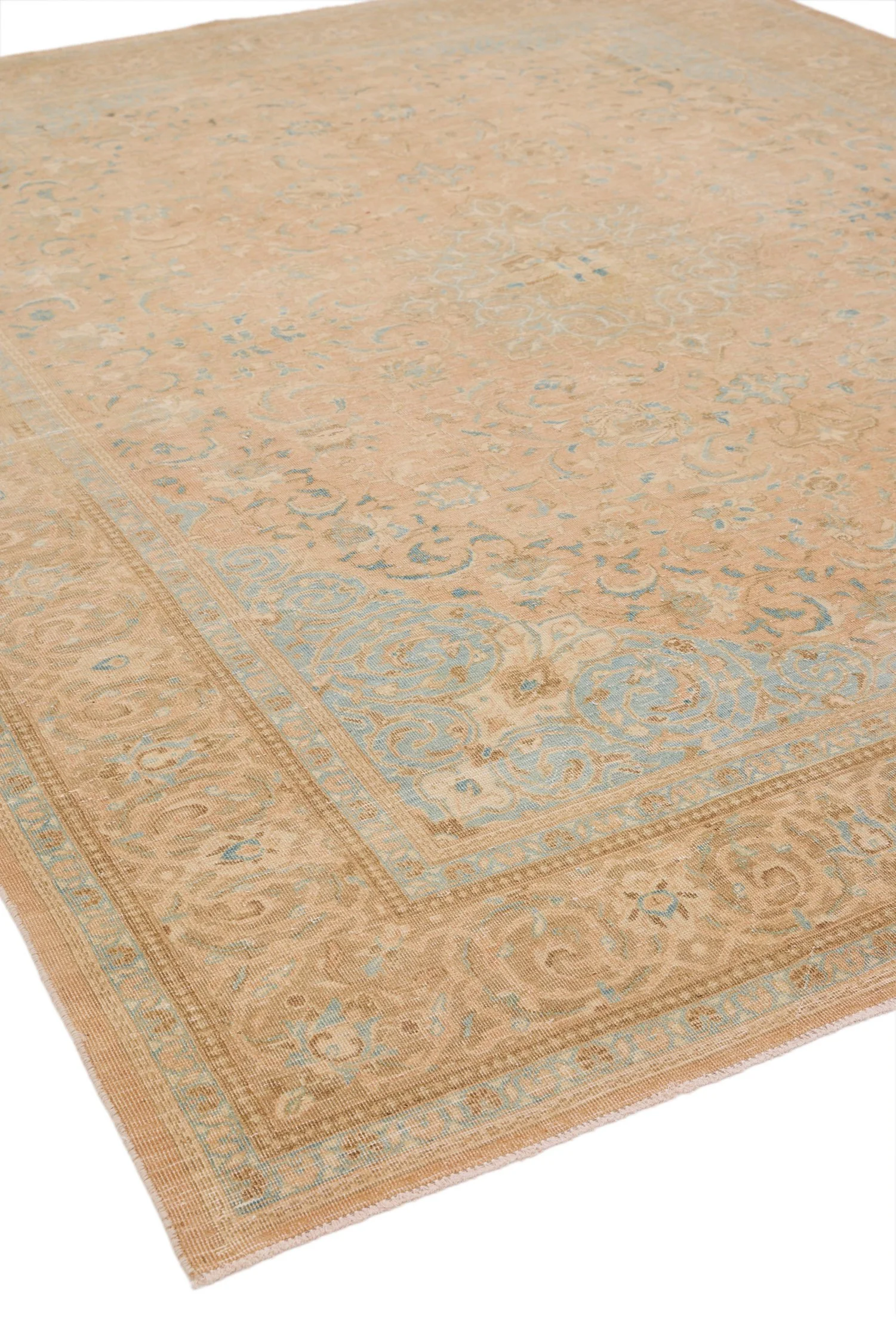
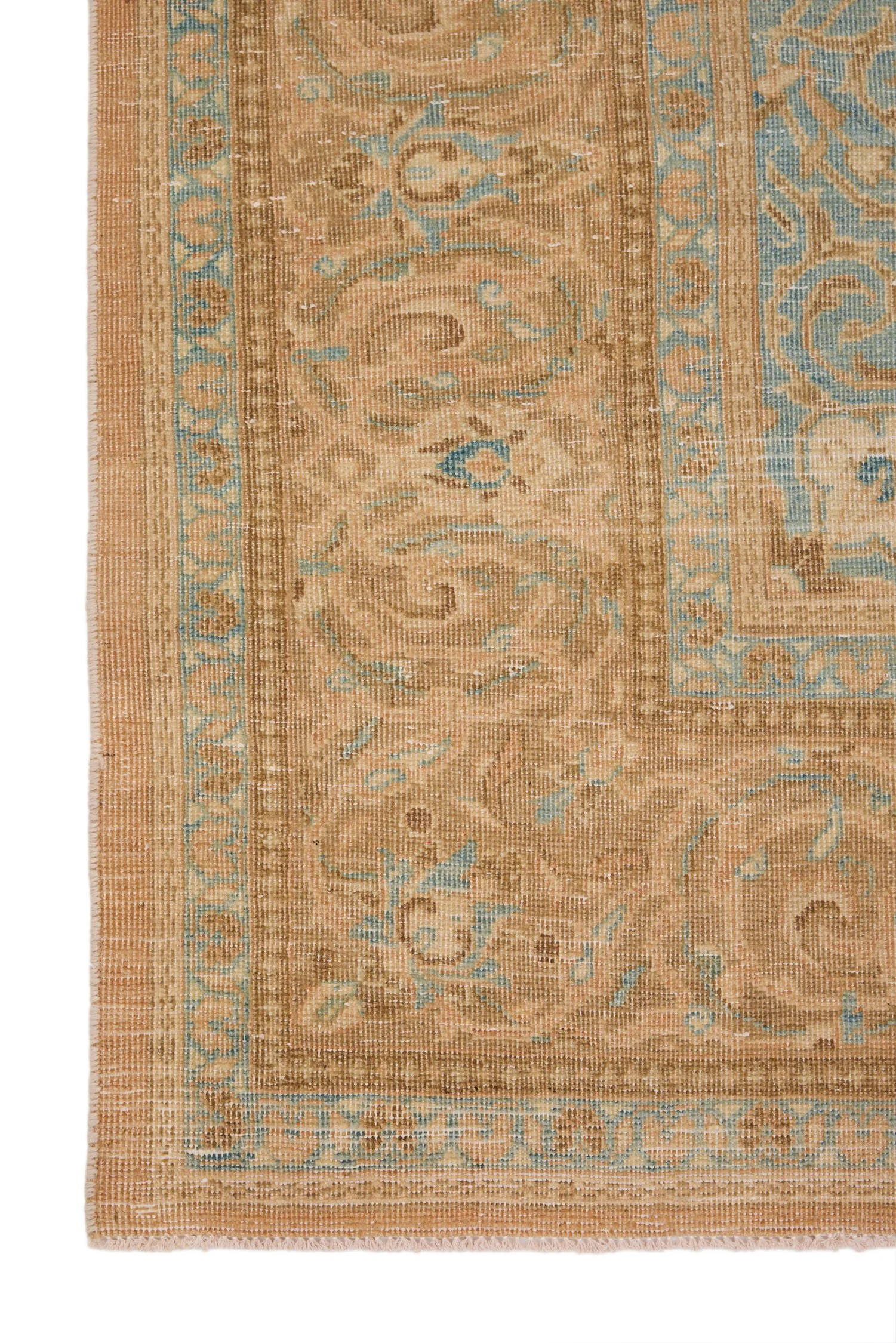
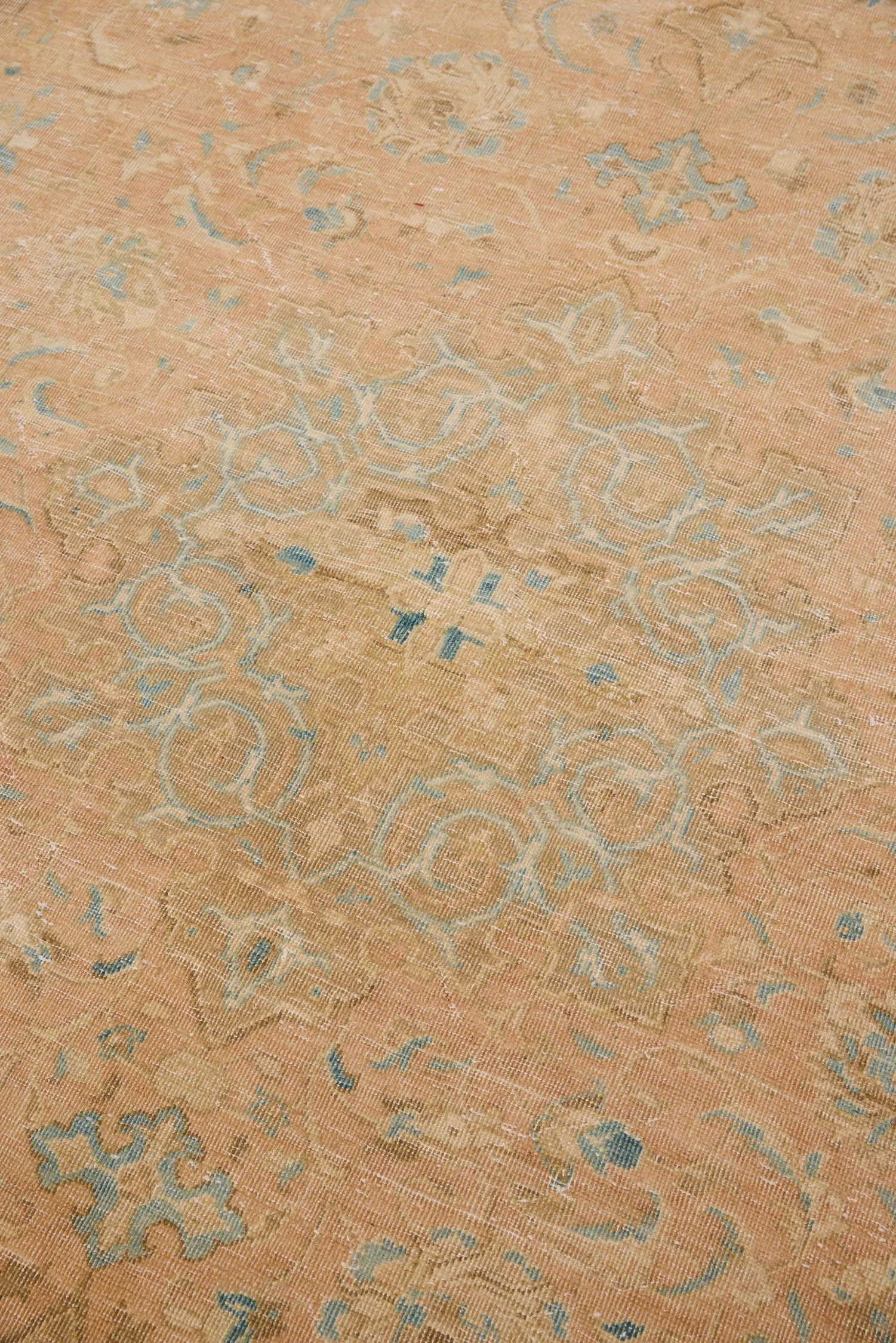
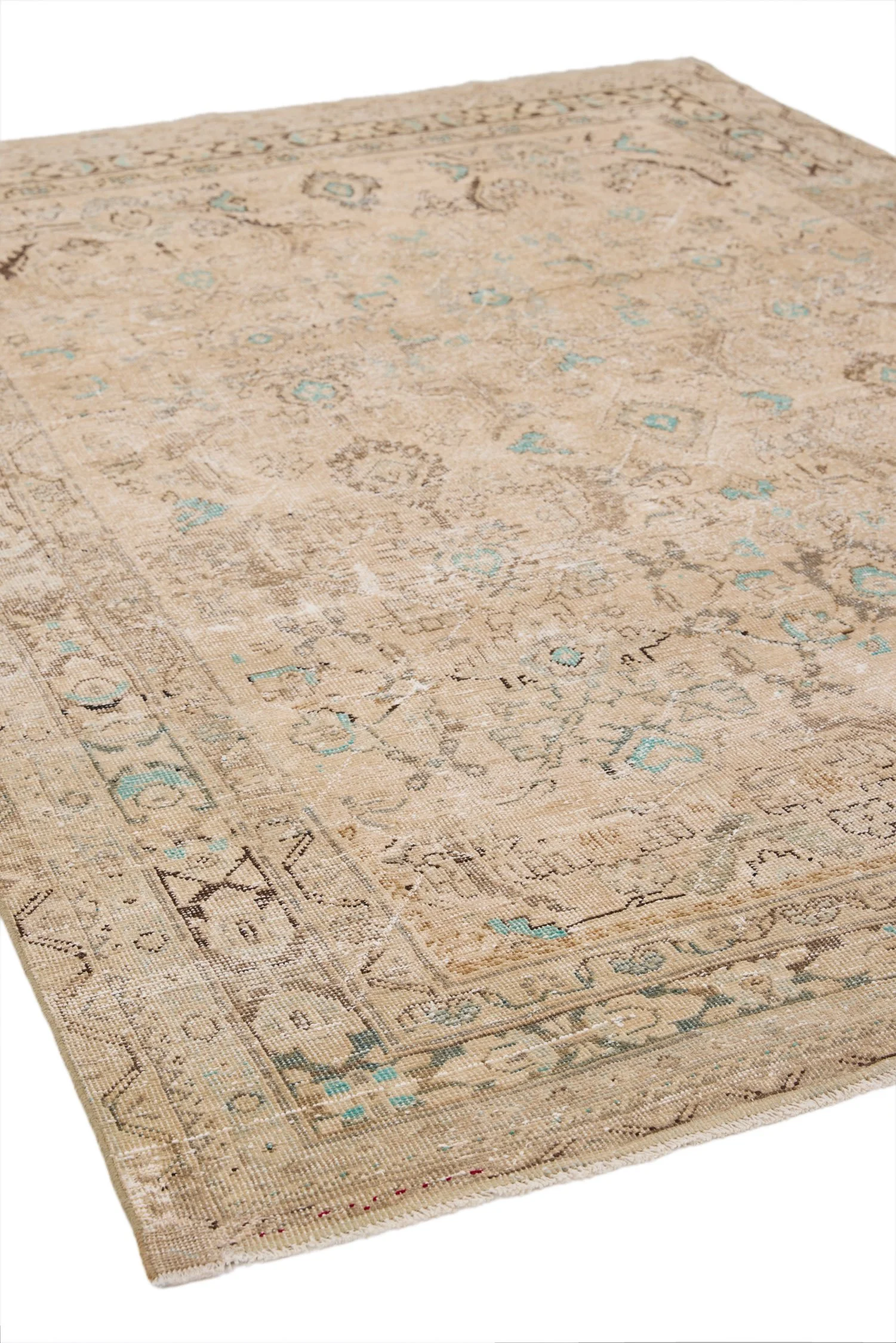
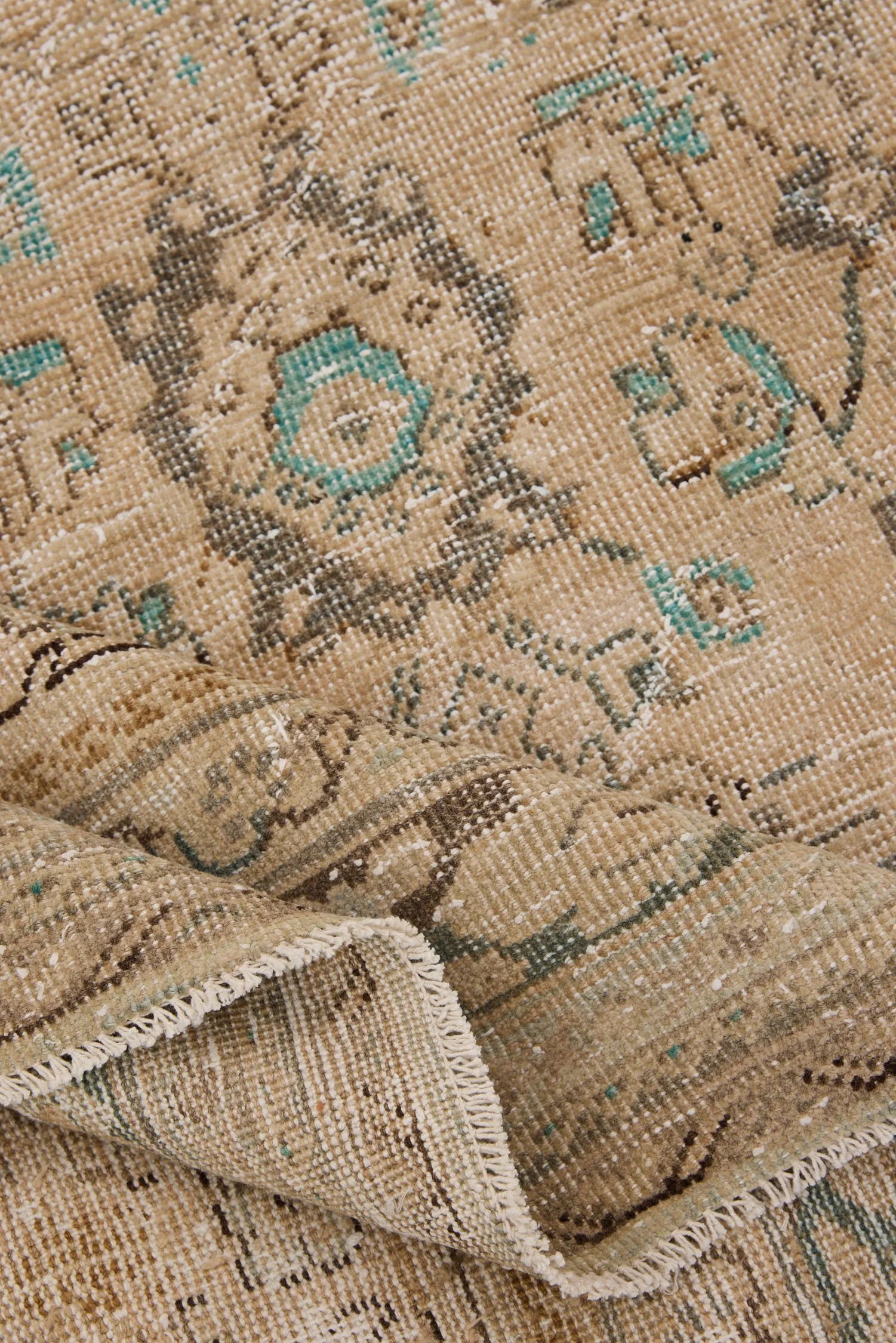
 Image 1 of 6
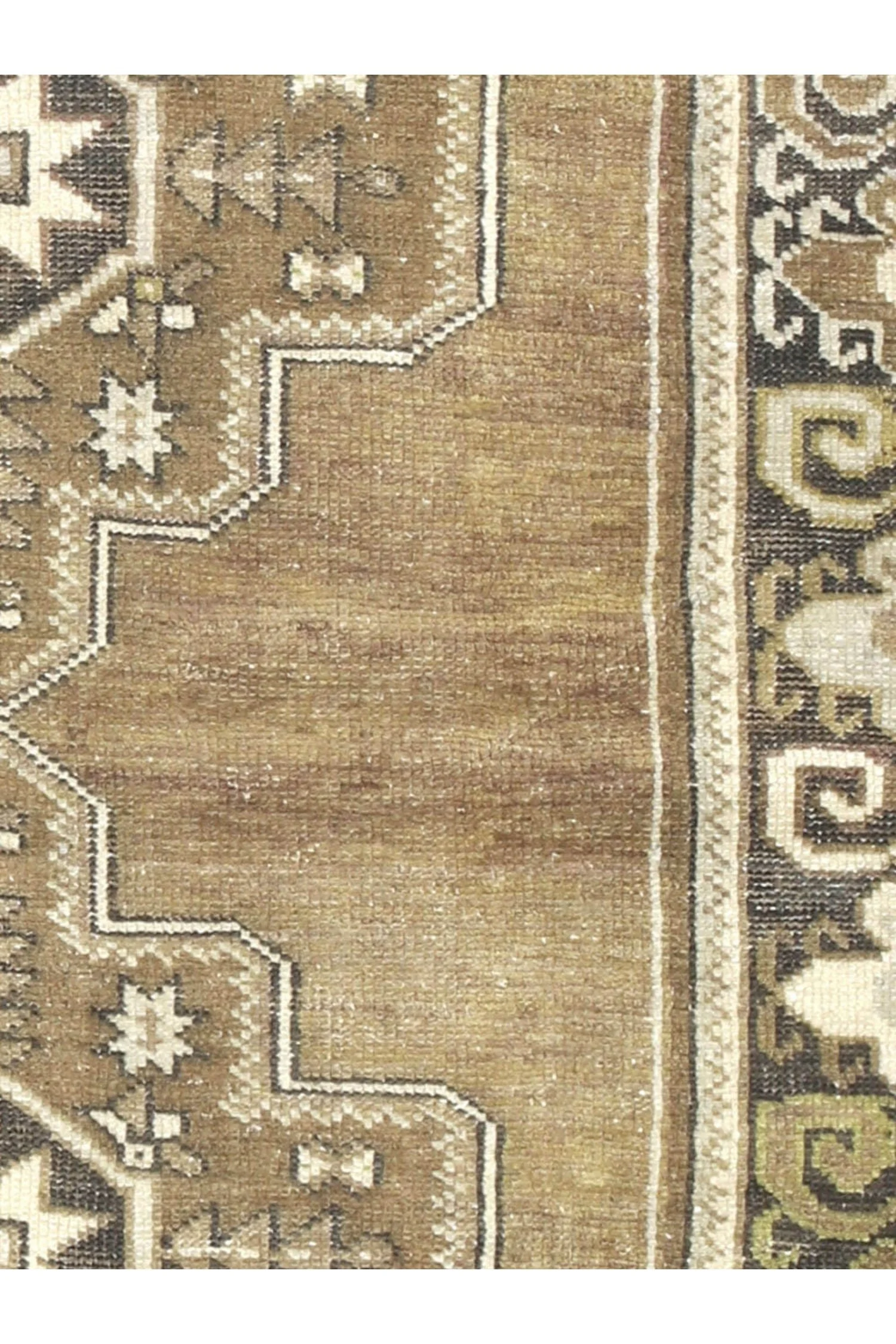 Image 2 of 6
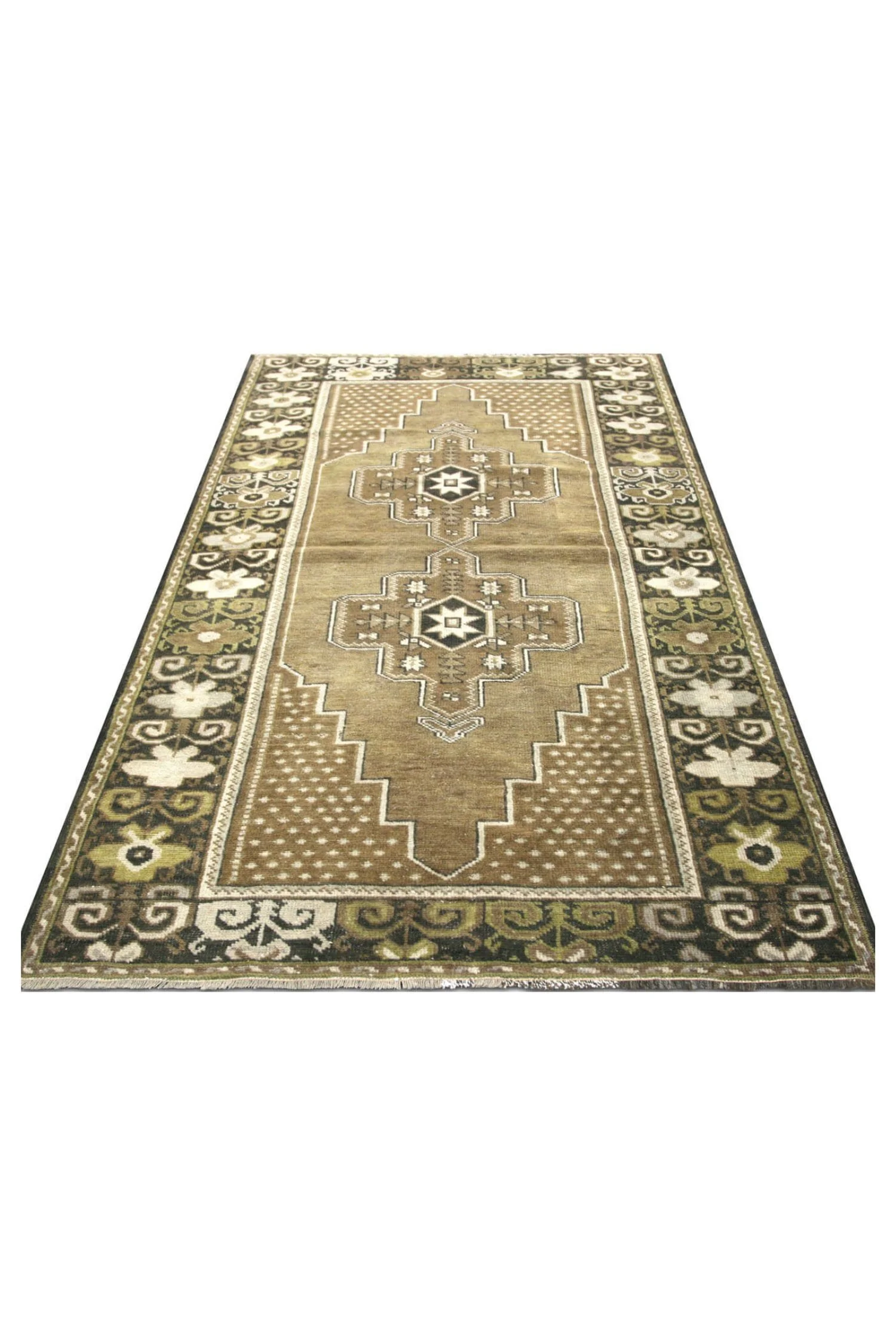 Image 3 of 6
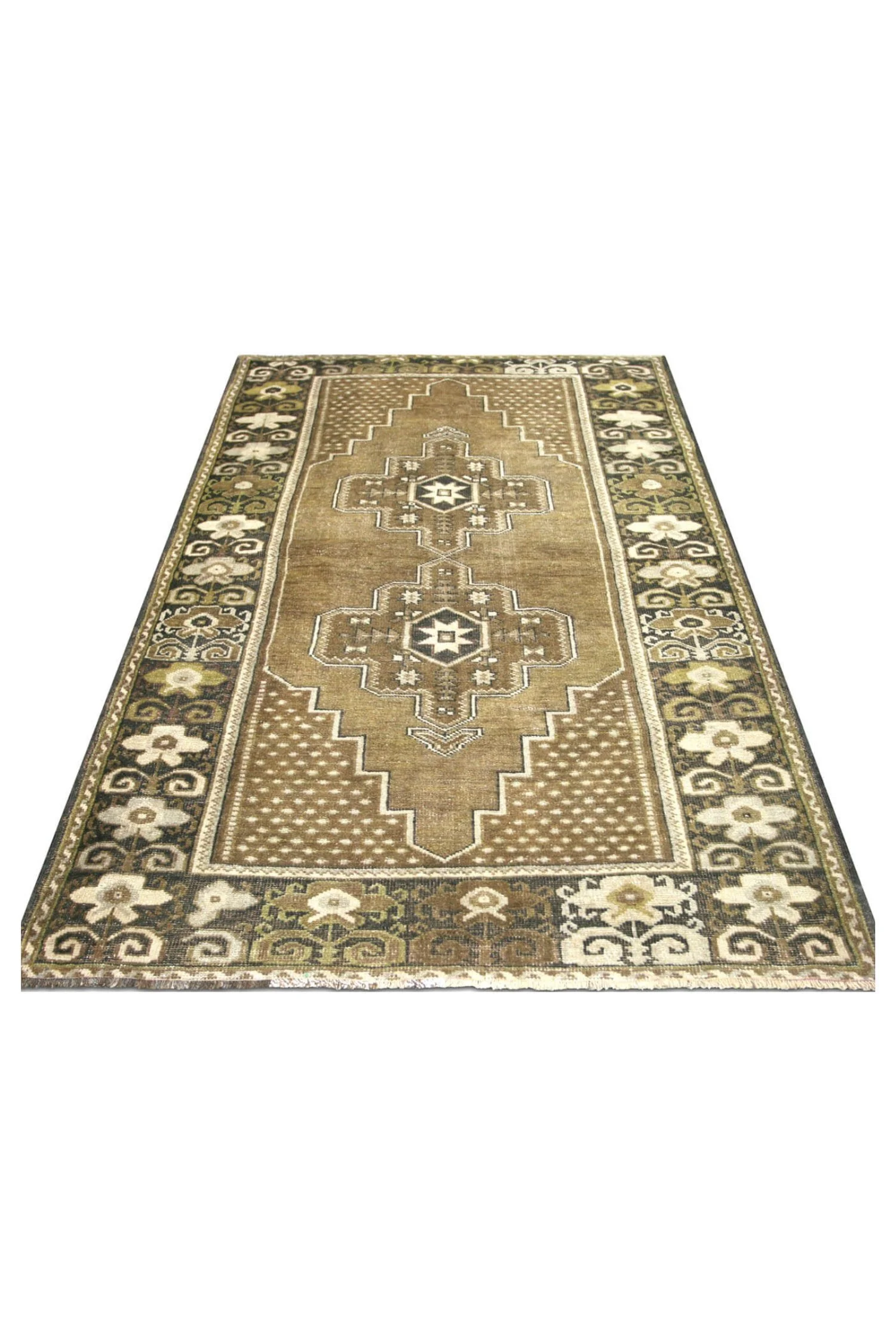 Image 4 of 6
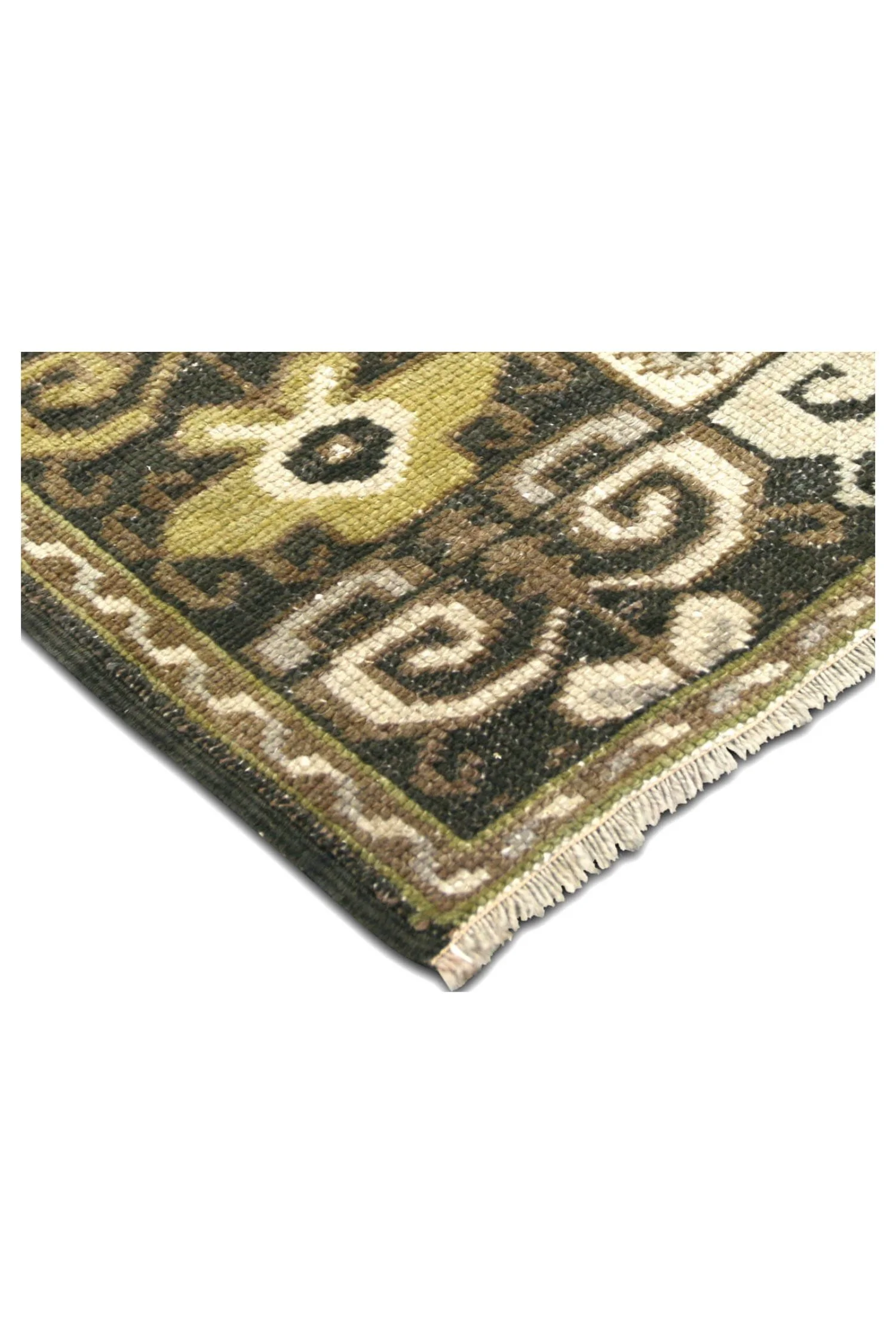 Image 5 of 6
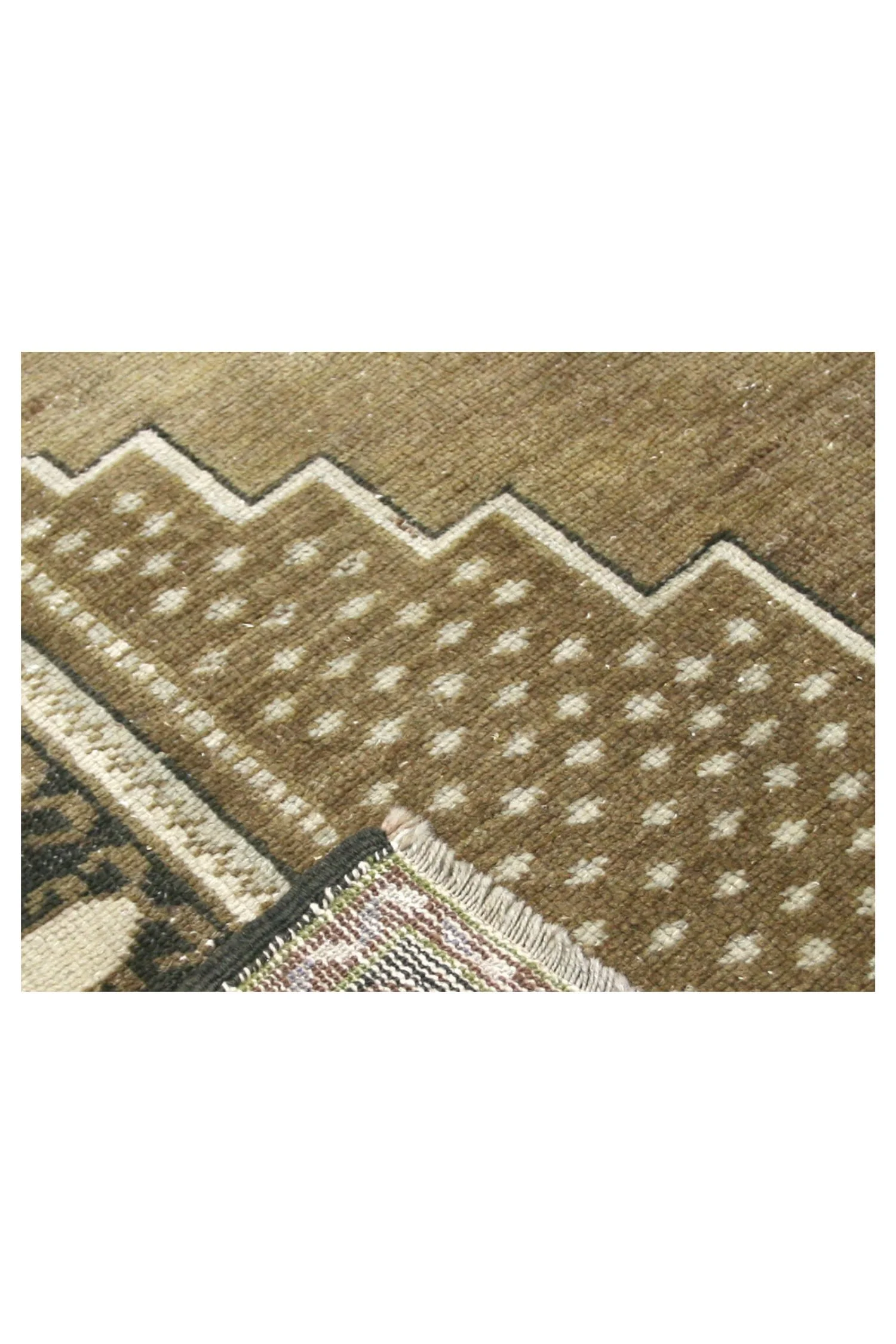 Image 6 of 6
Heritage and Craftsmanship
Anatolian rugs from the 1940s maintained strong connections to village weaving traditions that reached back generations. These pieces were created for household use first, with any commercial potential as a secondary consideration. The patterns came from communal memory rather than formal cartoons, passed down through direct observation and practice.
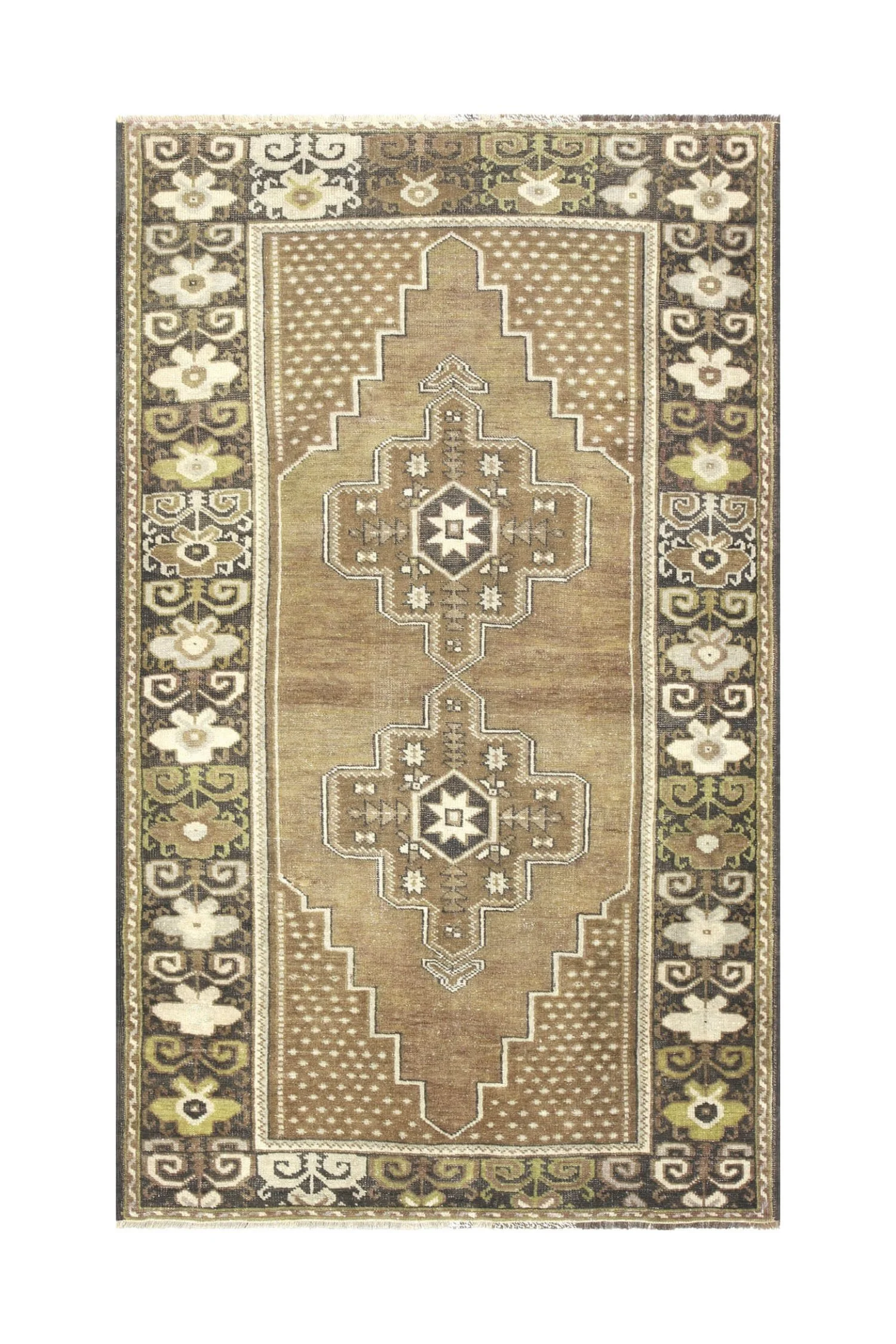
The stepped medallion format appears across Anatolian weaving, its popularity rooted in both symbolic meaning and practical construction. Stacking medallions vertically suited the shape of smaller rugs and created a clear compositional structure without requiring elaborate pattern development across a large field.
Weavers working in village settings used wool from local flocks and dyes derived from plants and minerals available in the region. The warm brown seen here came from walnut husks or oak bark, materials that required minimal processing. Ivory details used undyed wool, keeping material costs low while providing necessary contrast.
Design Elements
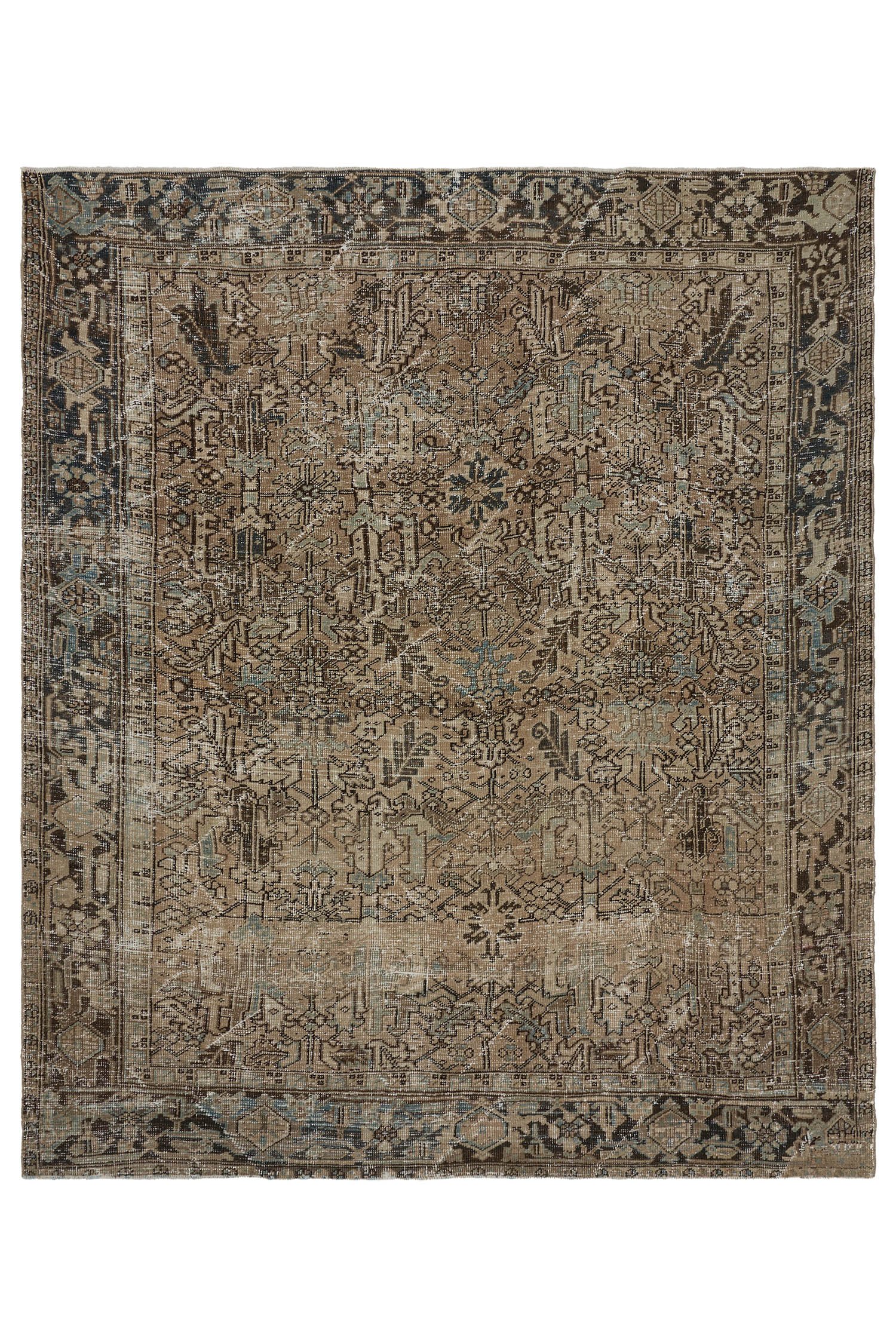
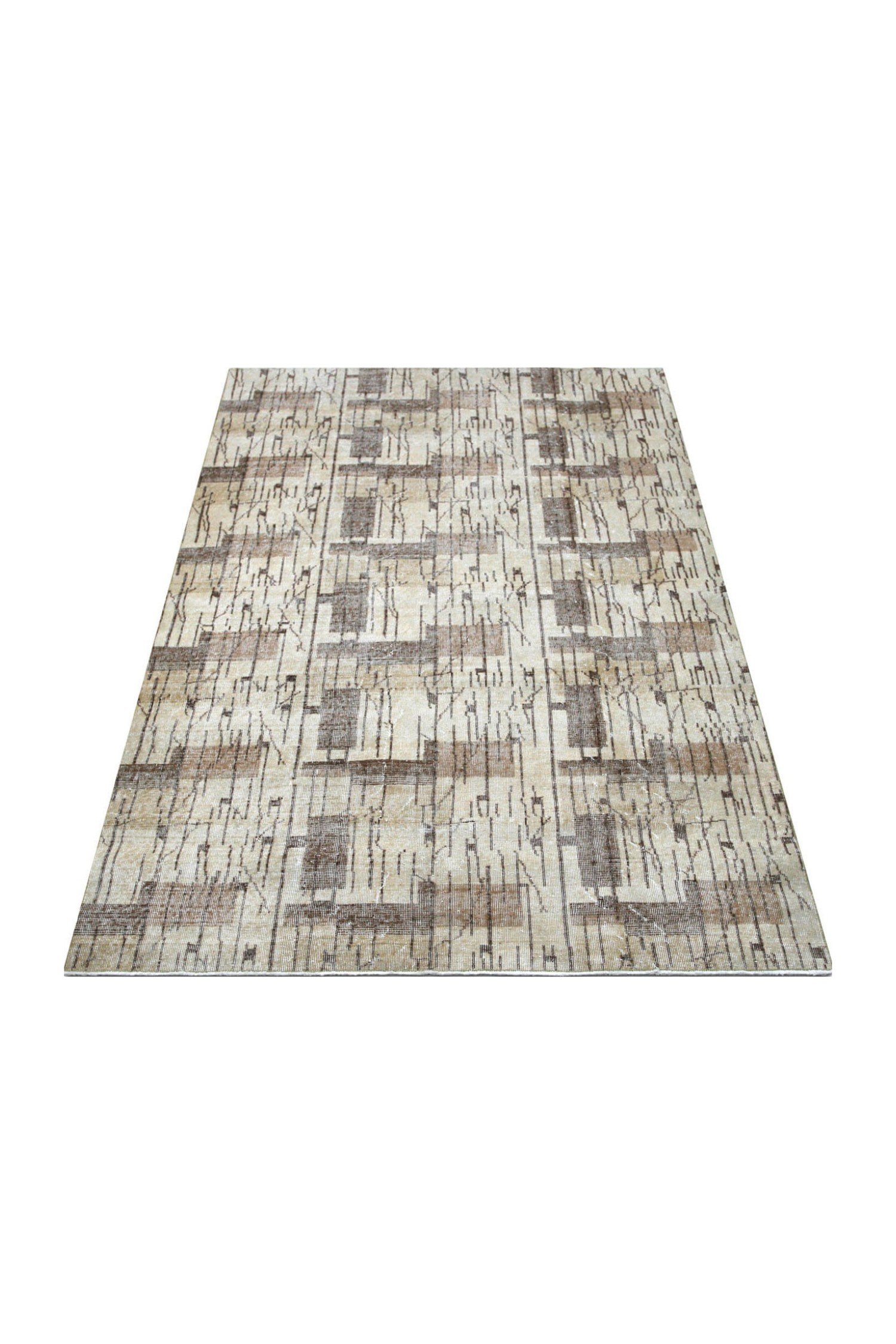
The stacked medallions create vertical organization through the center of the composition. Each medallion uses the characteristic stepped edges of Anatolian geometric design, with crisp angular forms that show precision in execution. The repetition builds rhythm without monotony.
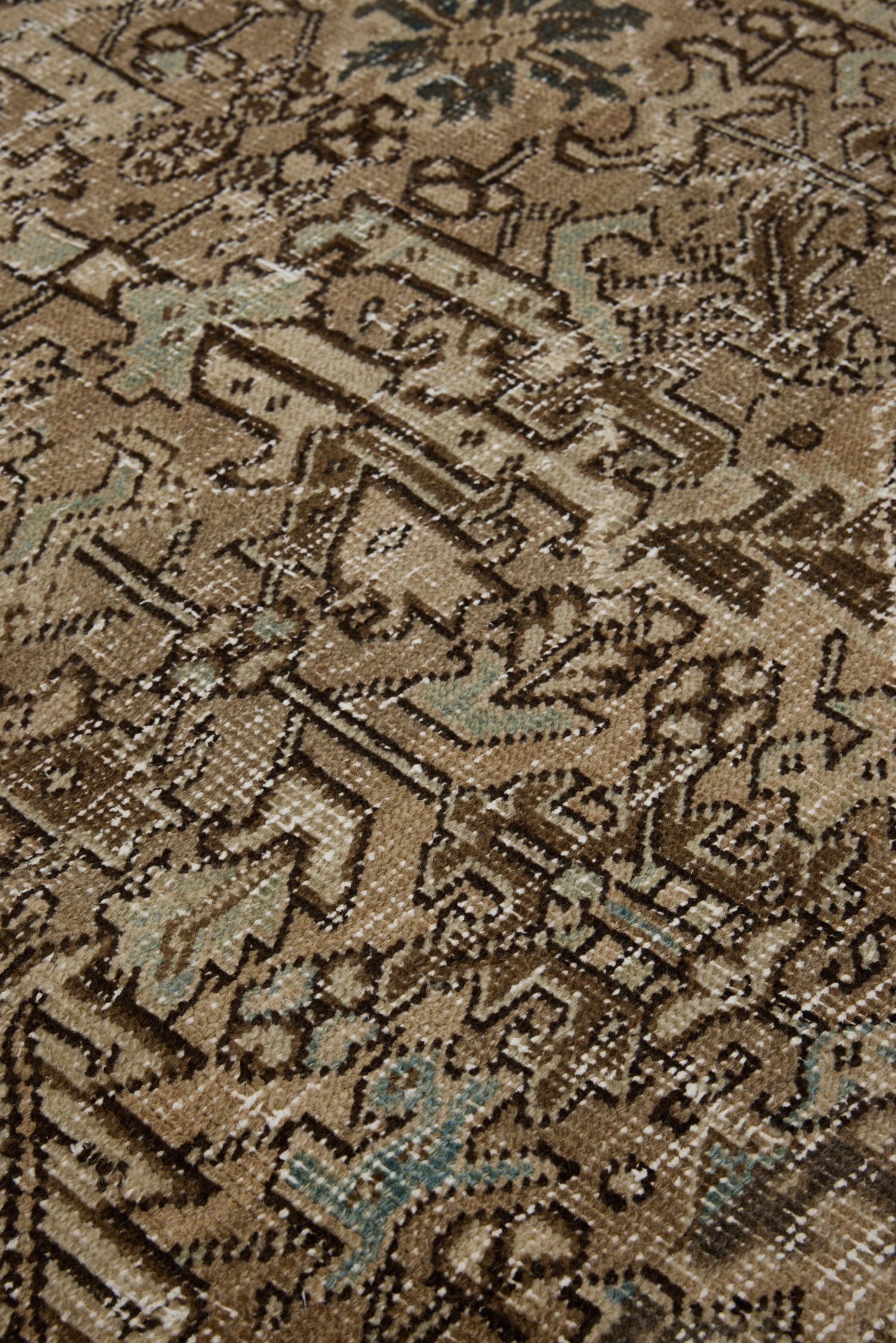
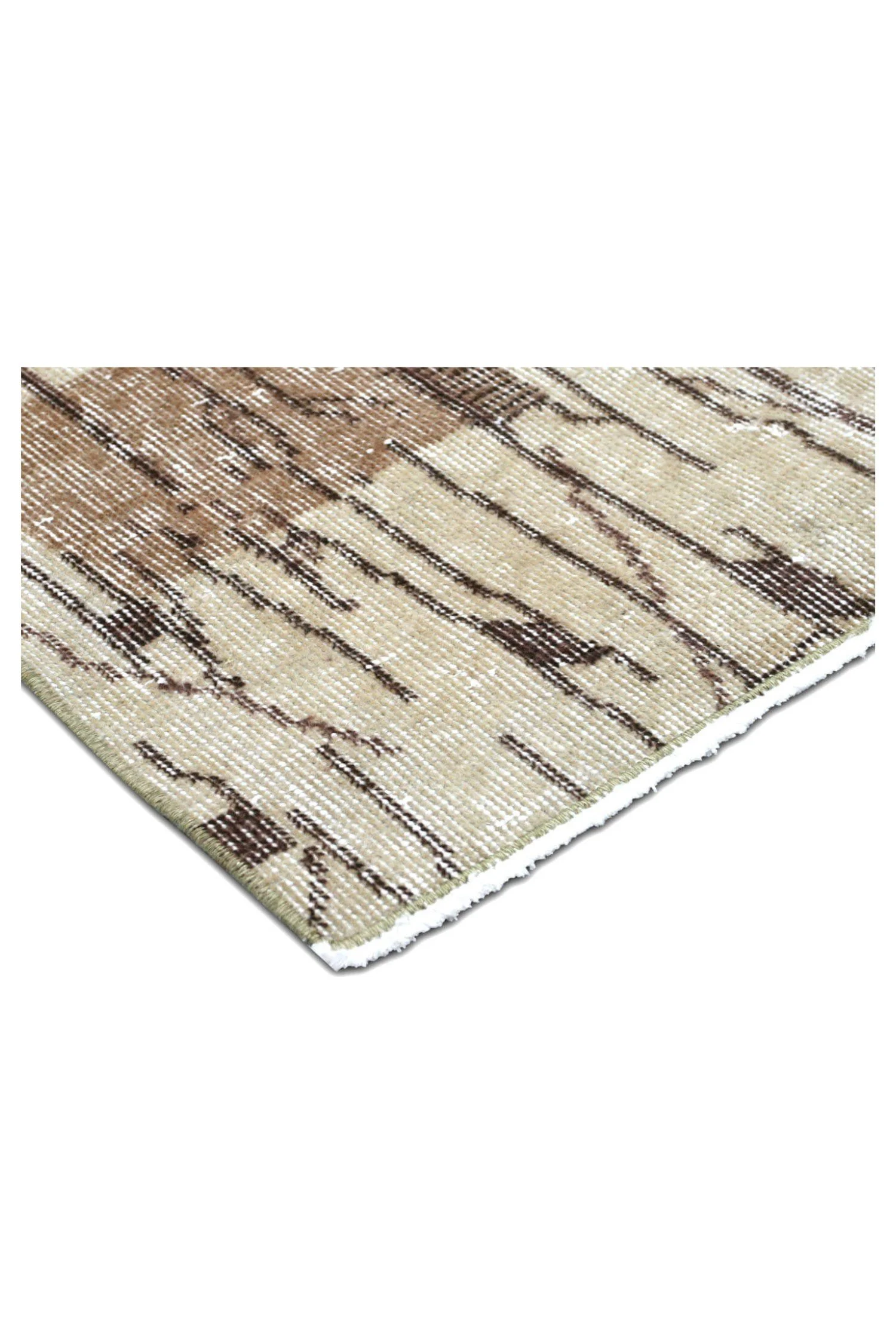
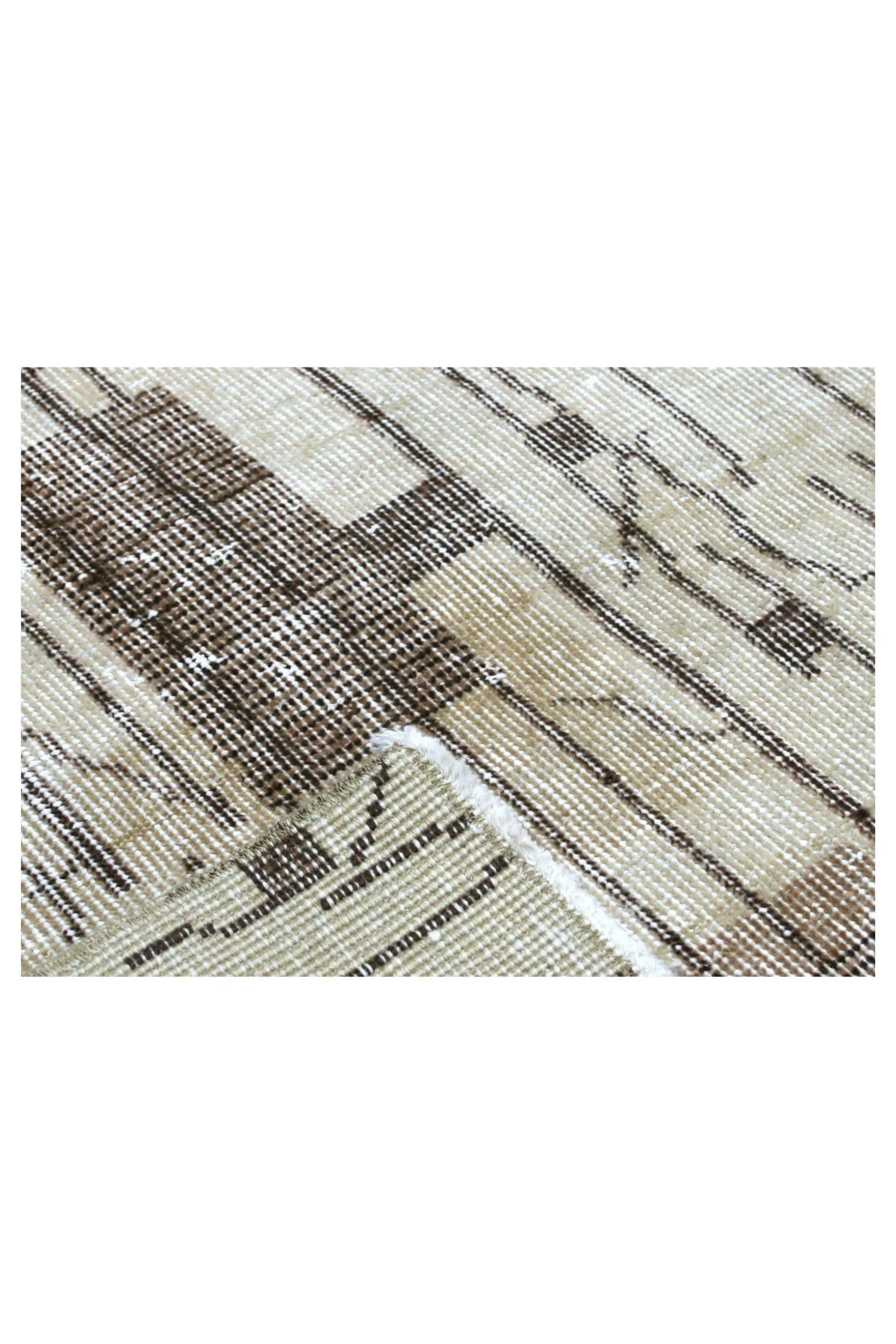
The dotted ground texture fills the field with a small-scale pattern that prevents the brown areas from reading as empty. This textural treatment adds visual interest while maintaining the dominance of the medallion structure. The dots create a consistent surface quality across the field.
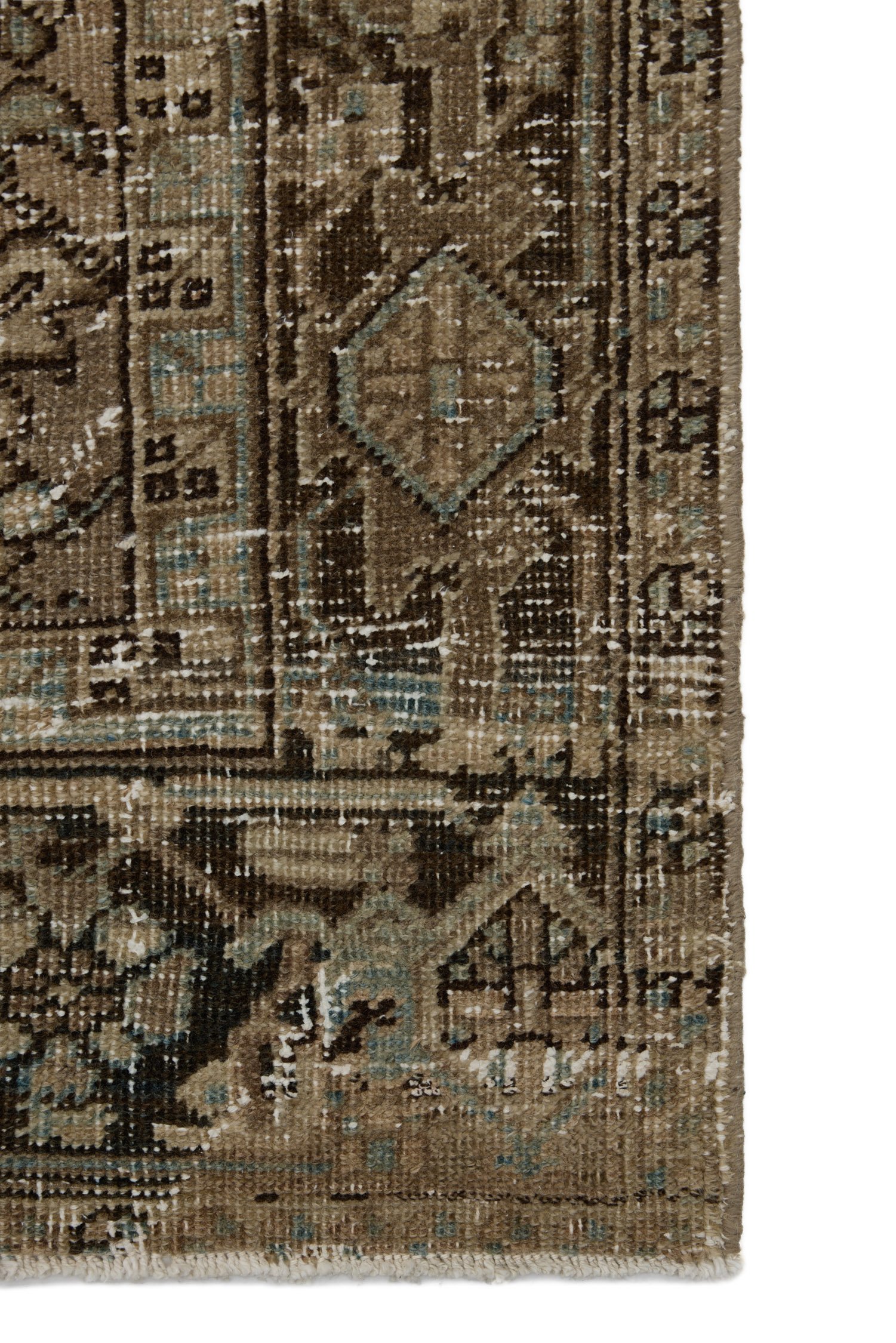
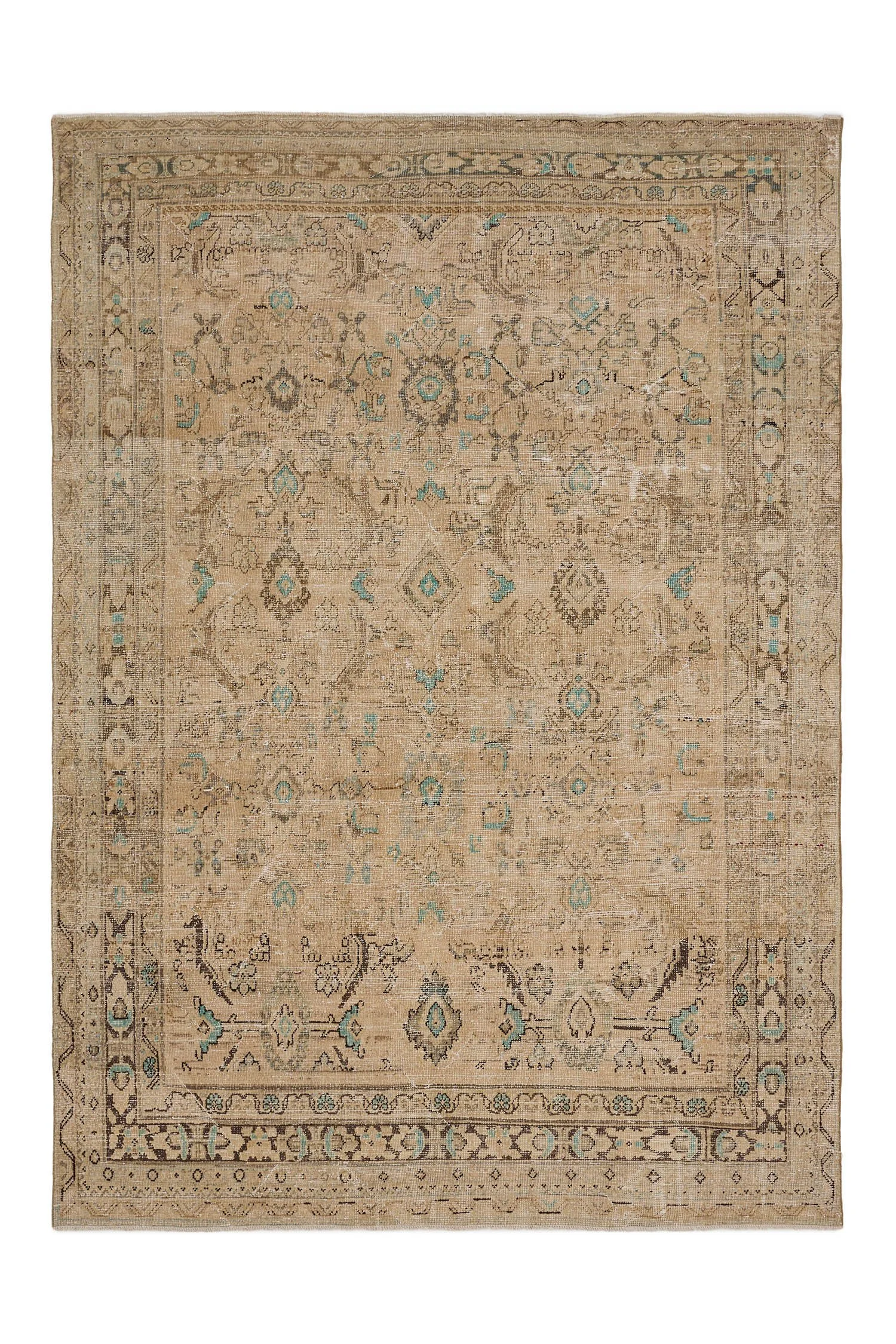
The bold floral border uses traditional Anatolian motifs rendered in geometric interpretation. The border provides substantial framing that balances the vertical emphasis of the stacked medallions. The pattern creates its own rhythm through repetition along all four edges.
Placement
At 3'9" x 6'3", this works in entryways, bathrooms, small hallways, kitchens in front of sinks, or as a layering piece over larger rugs. The compact size fits spaces where you want a traditional pattern and warmth without large-scale coverage.
The warm brown and ivory palette suits interiors with wood furnishings or natural materials. Traditional settings appreciate the village character and geometric clarity. The compact proportions also work in contemporary spaces where you want a small accent with cultural authenticity and handmade quality.
Care Recommendations
To preserve the rug's beauty:
Rotate periodically for even wear
Vacuum regularly using a suction-only setting
Address spills immediately by blotting, never rubbing
Professional cleaning recommended annually
Avoid direct sunlight to maintain color integrity
Small Anatolian rugs like this were woven to fit the specific dimensions of household doorways and passage points.