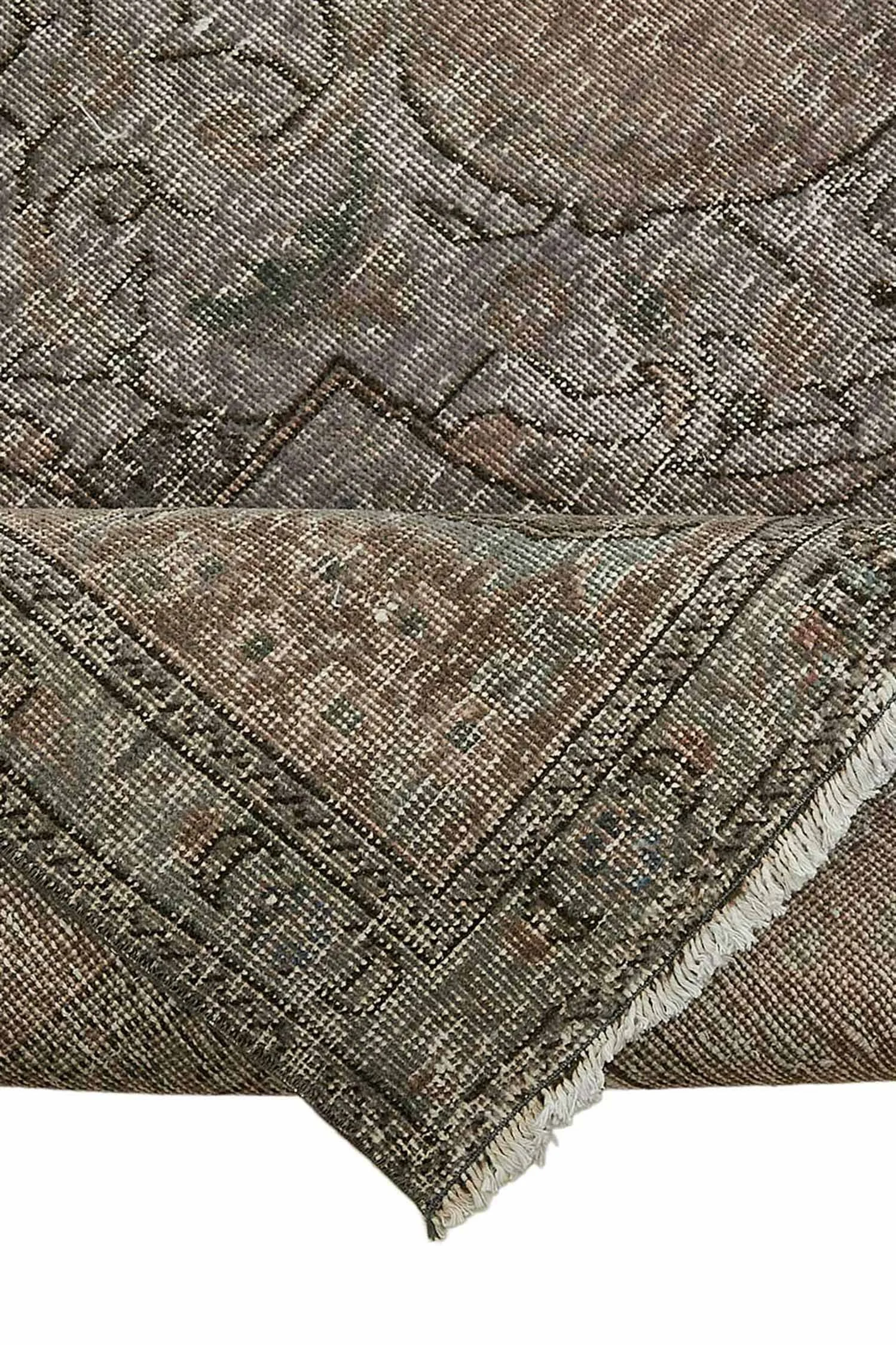
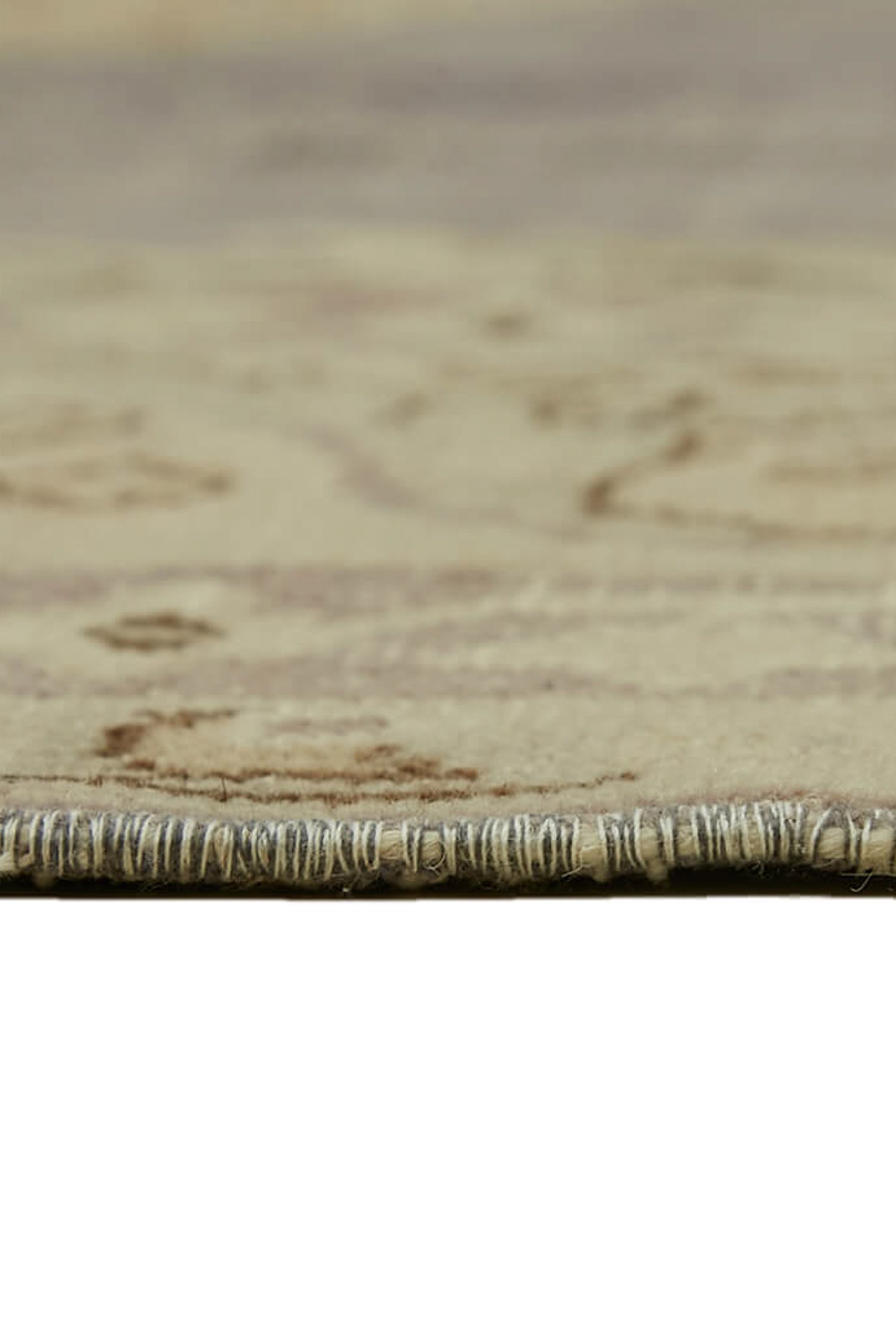
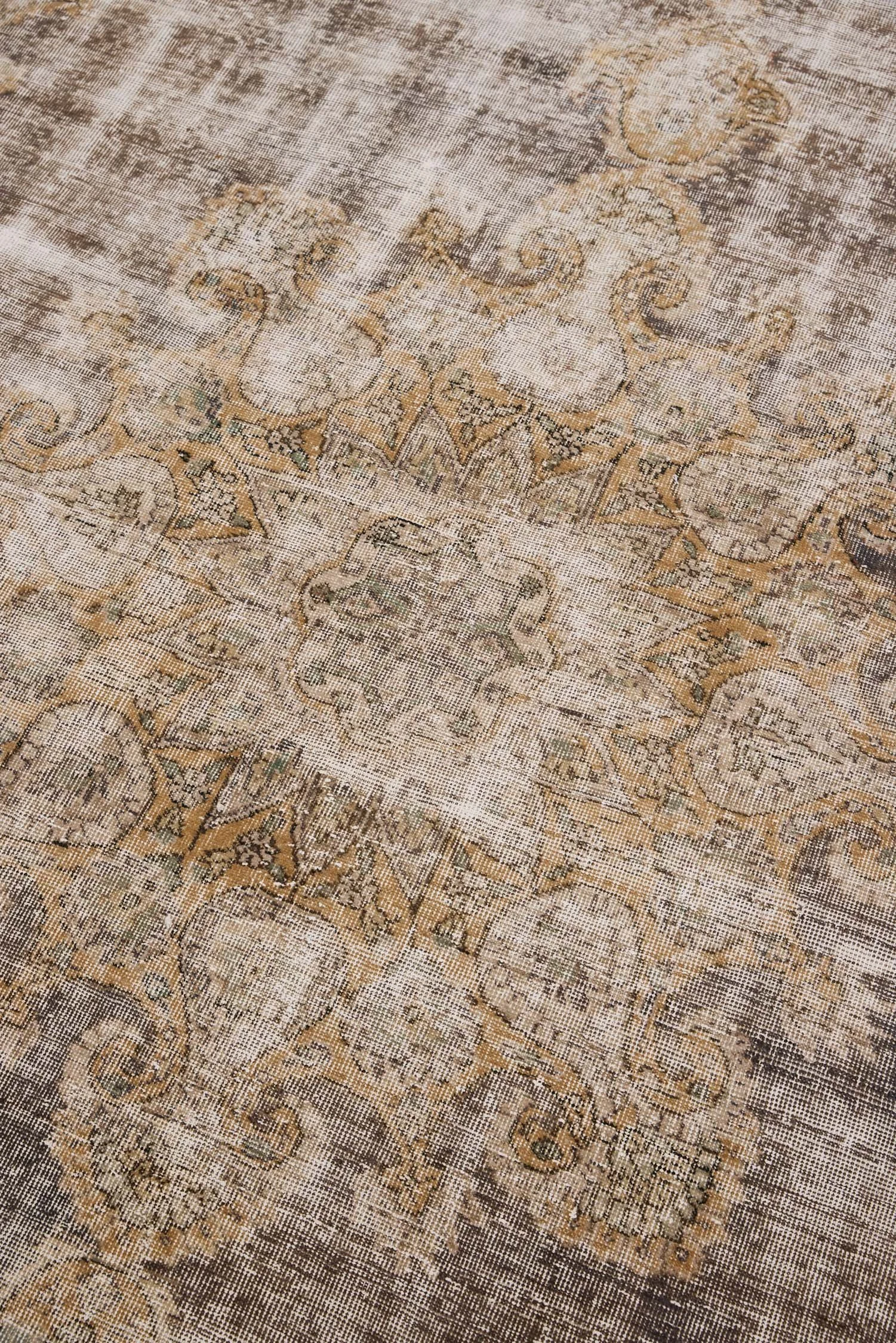
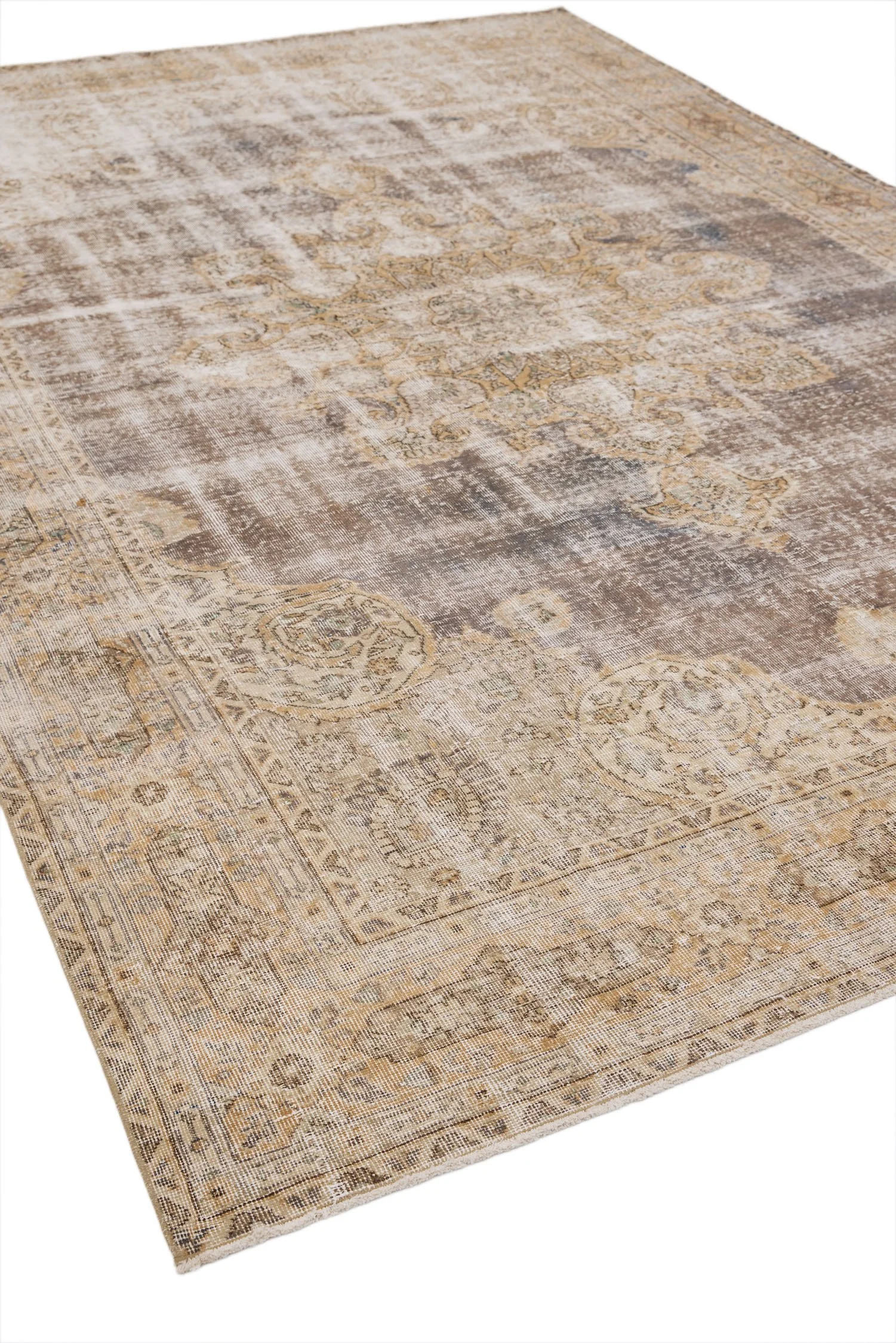
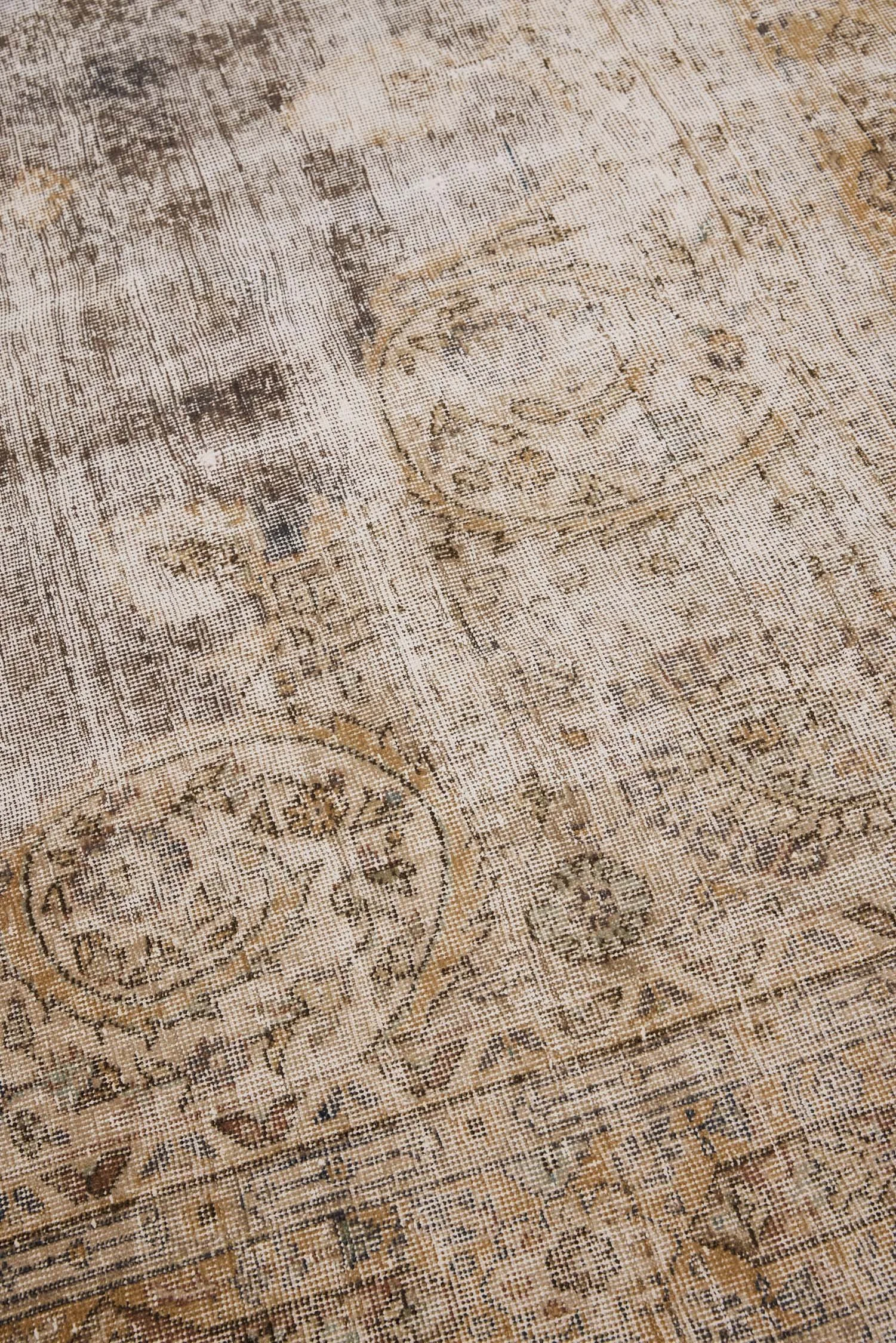
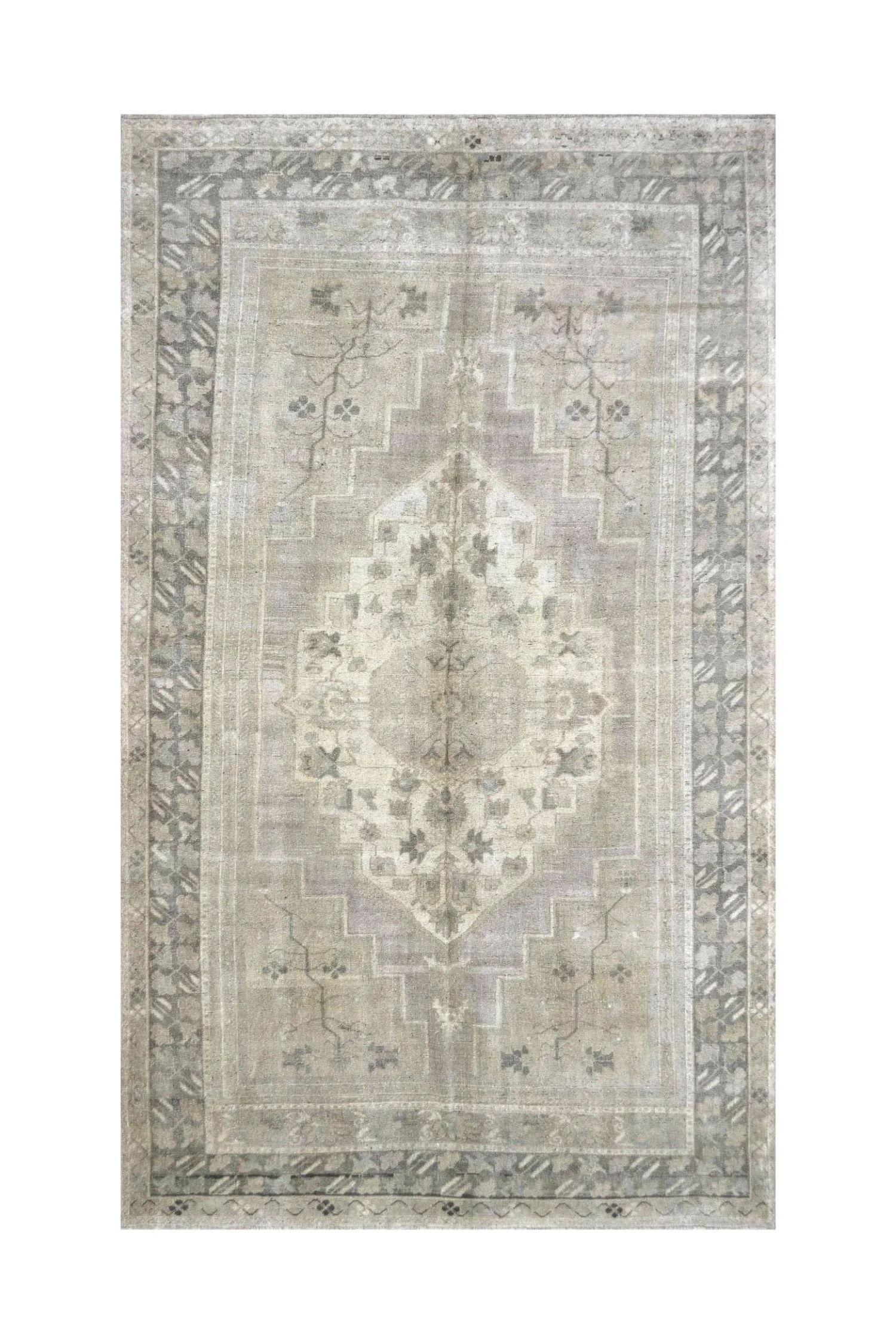
 Image 1 of 4
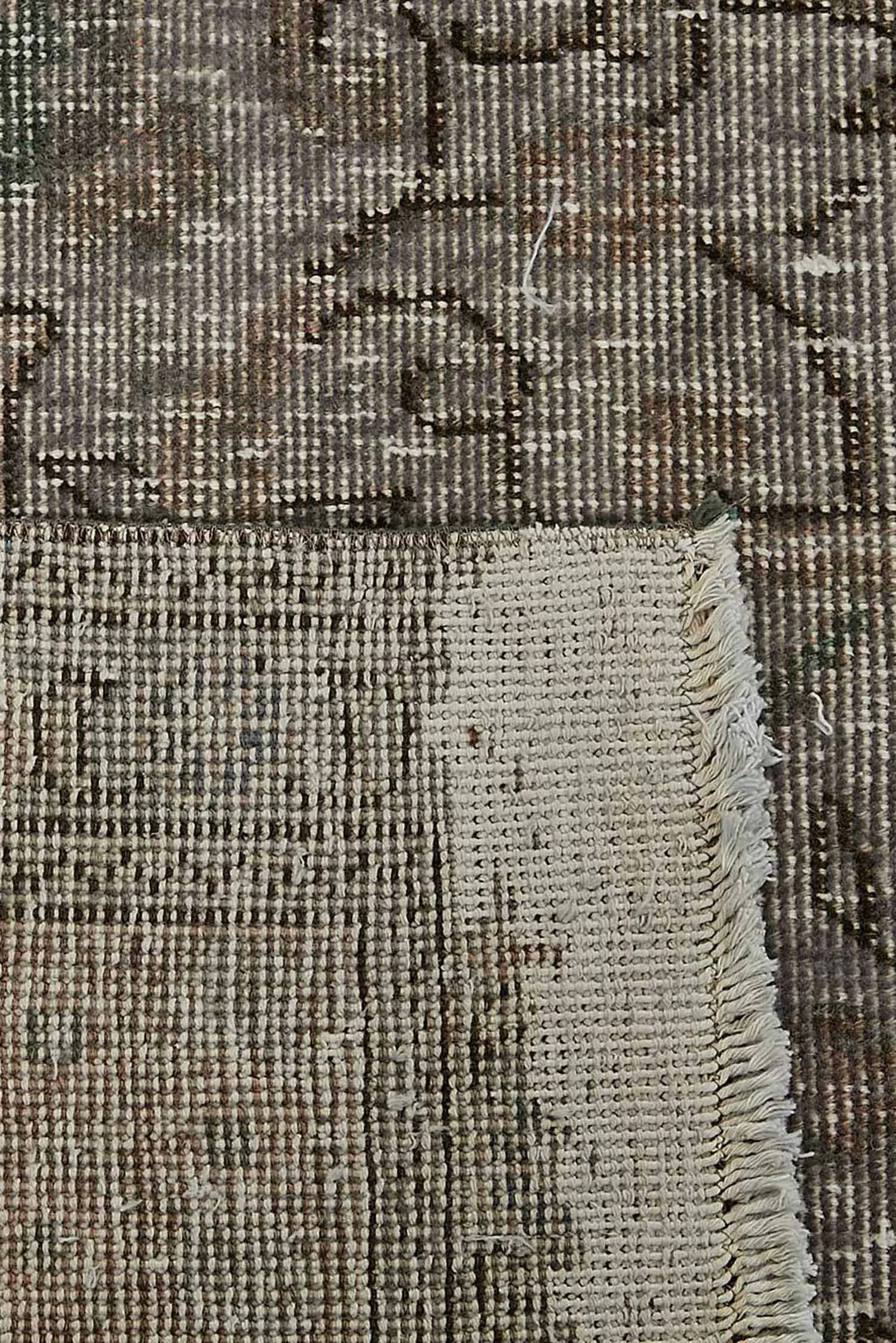
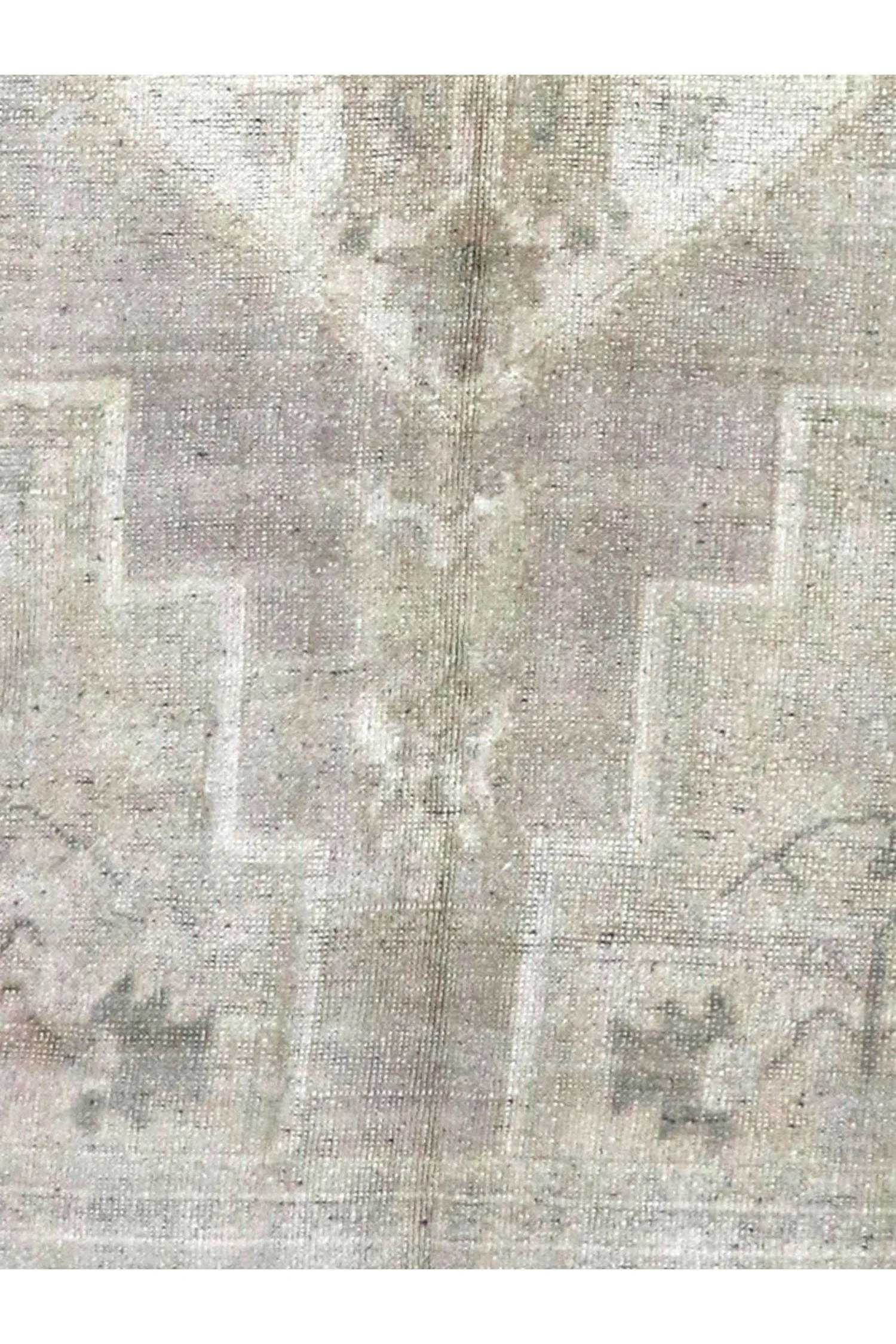 Image 2 of 4
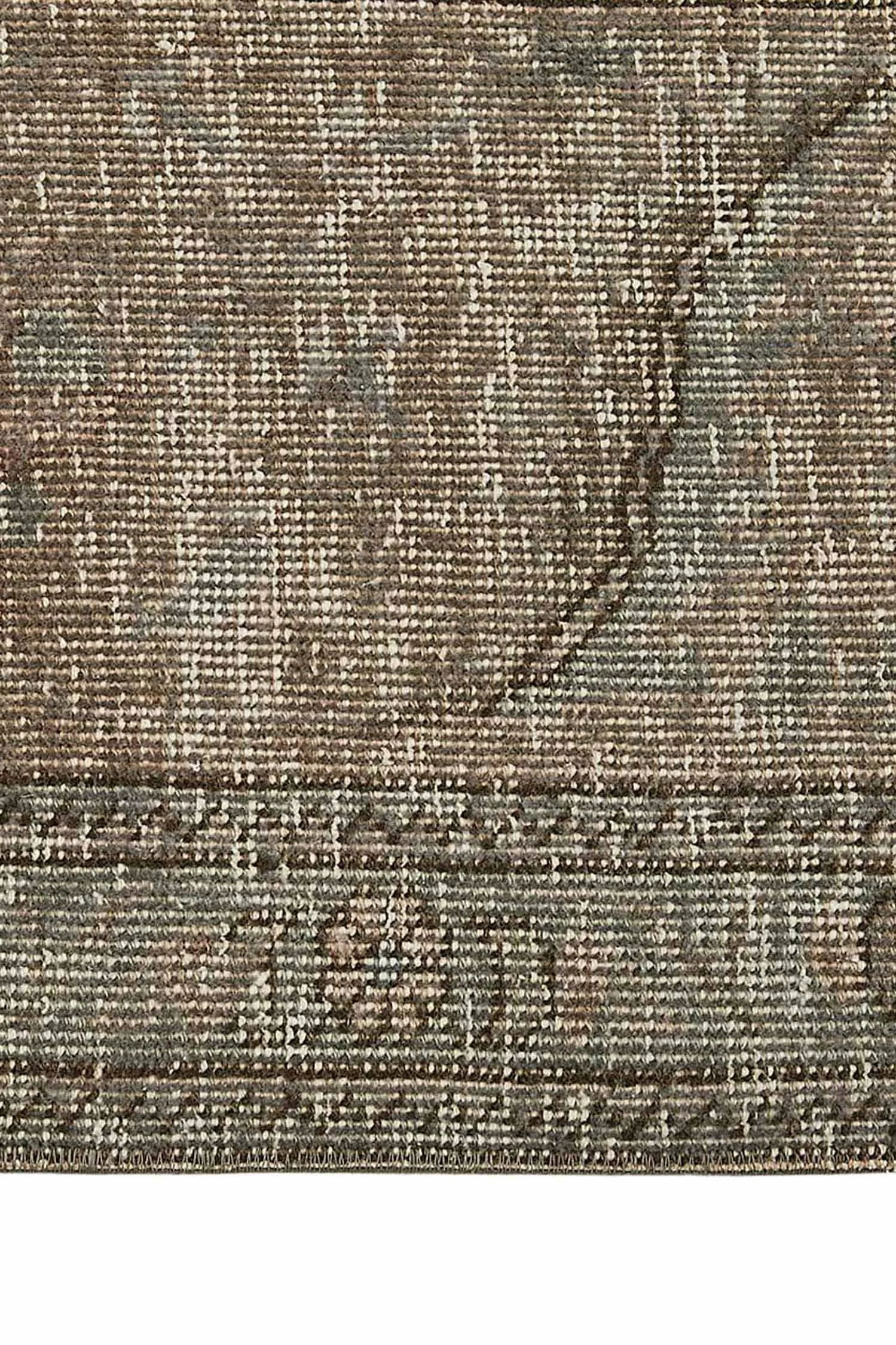
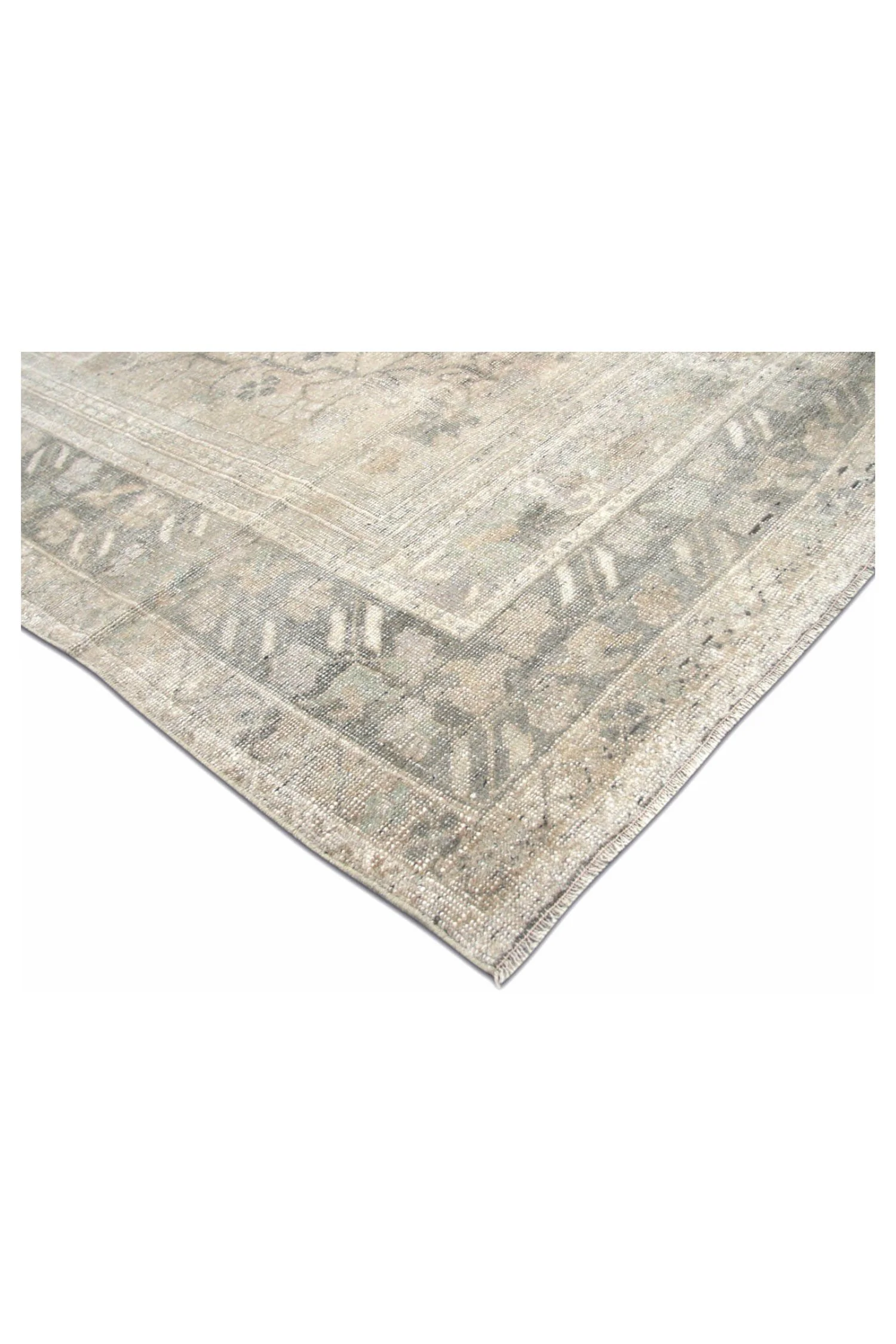 Image 3 of 4
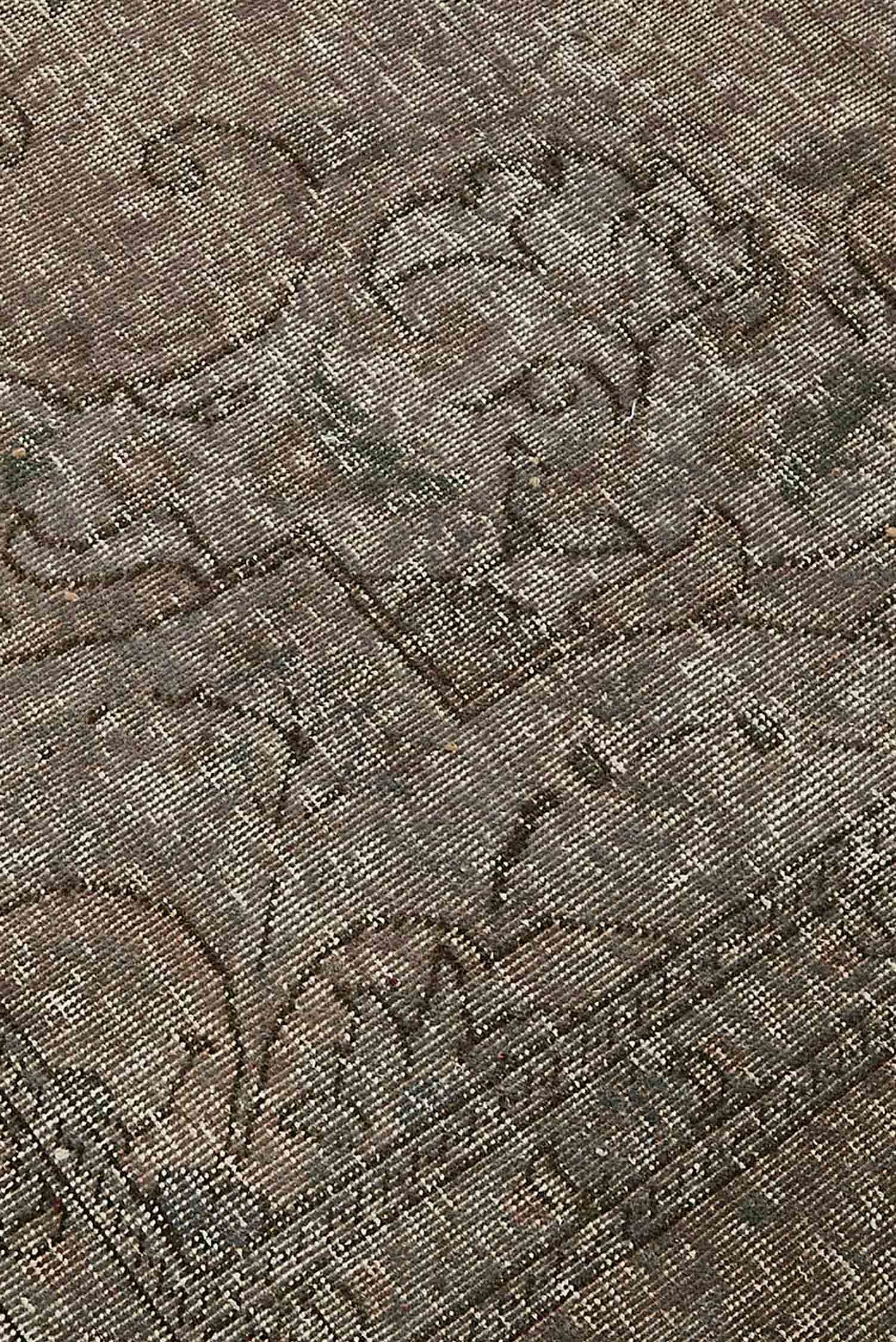
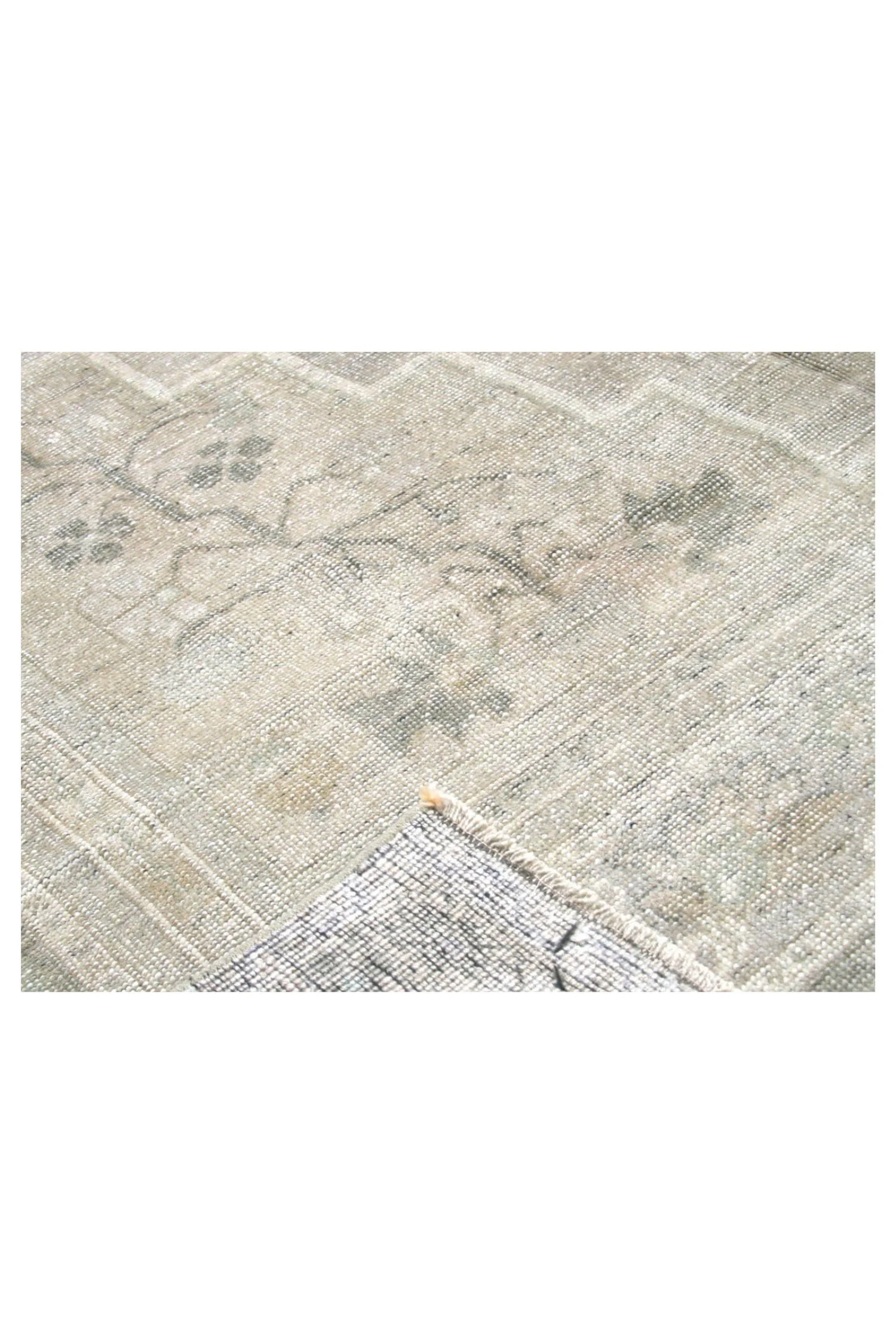 Image 4 of 4
Heritage and Craftsmanship
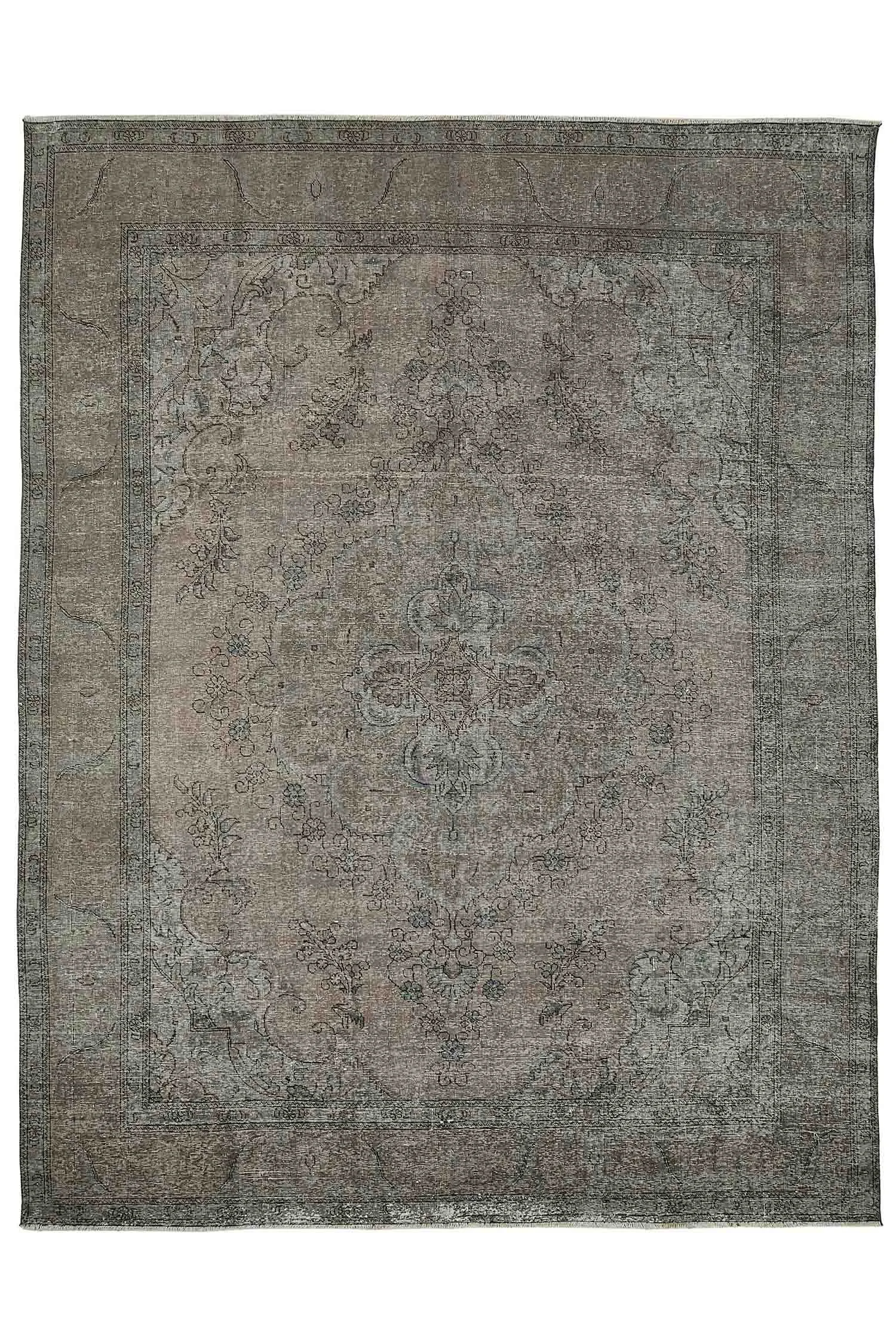
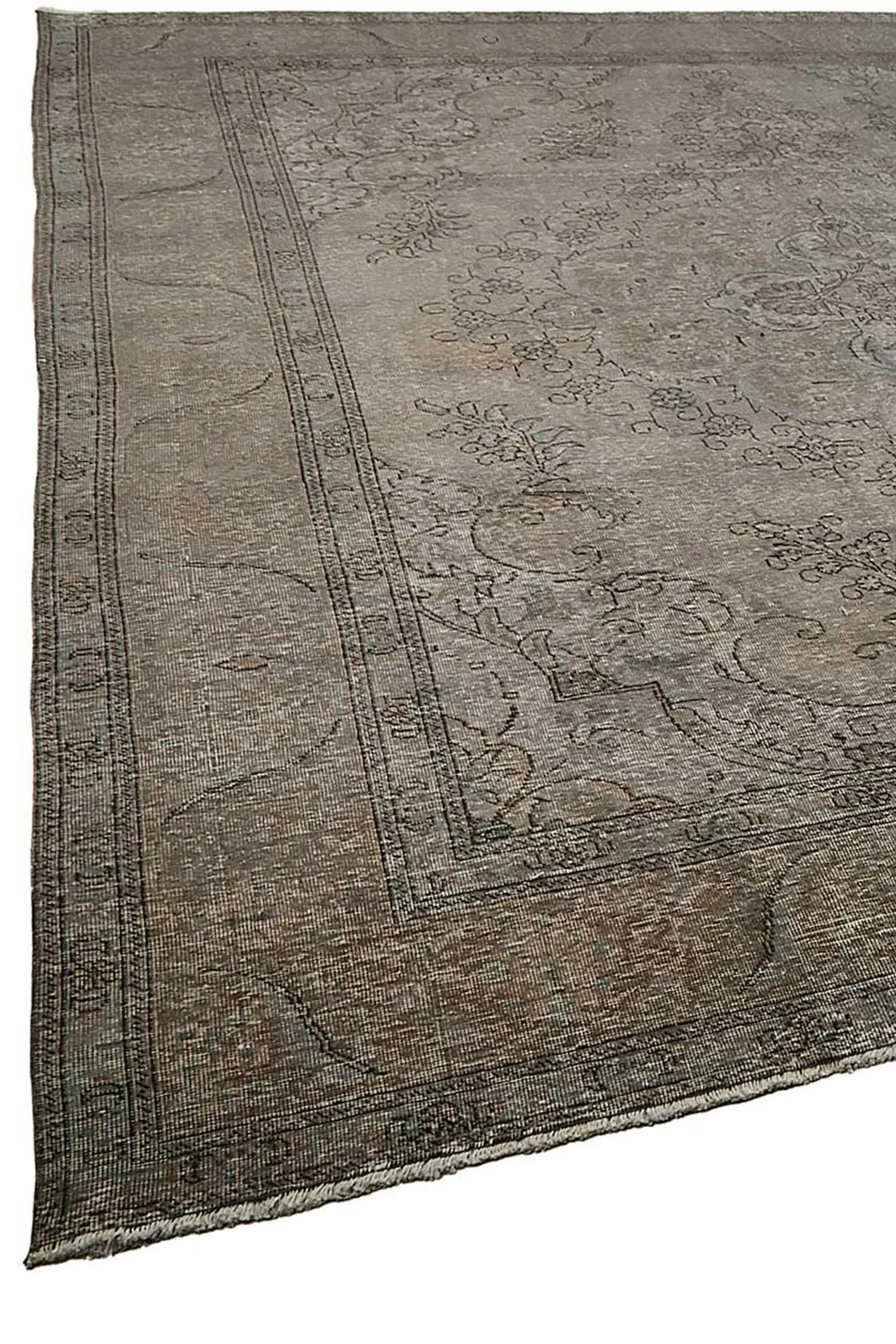
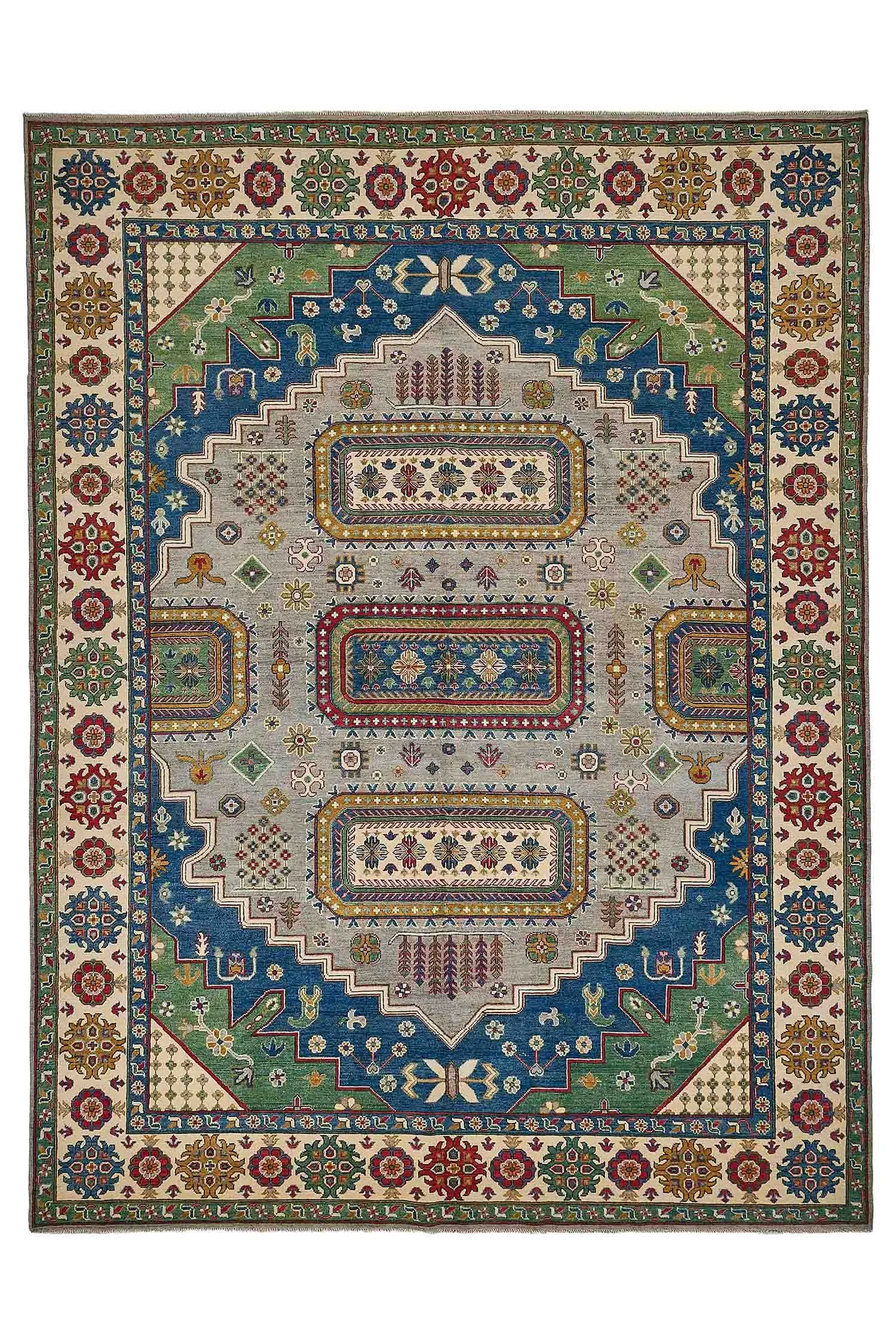
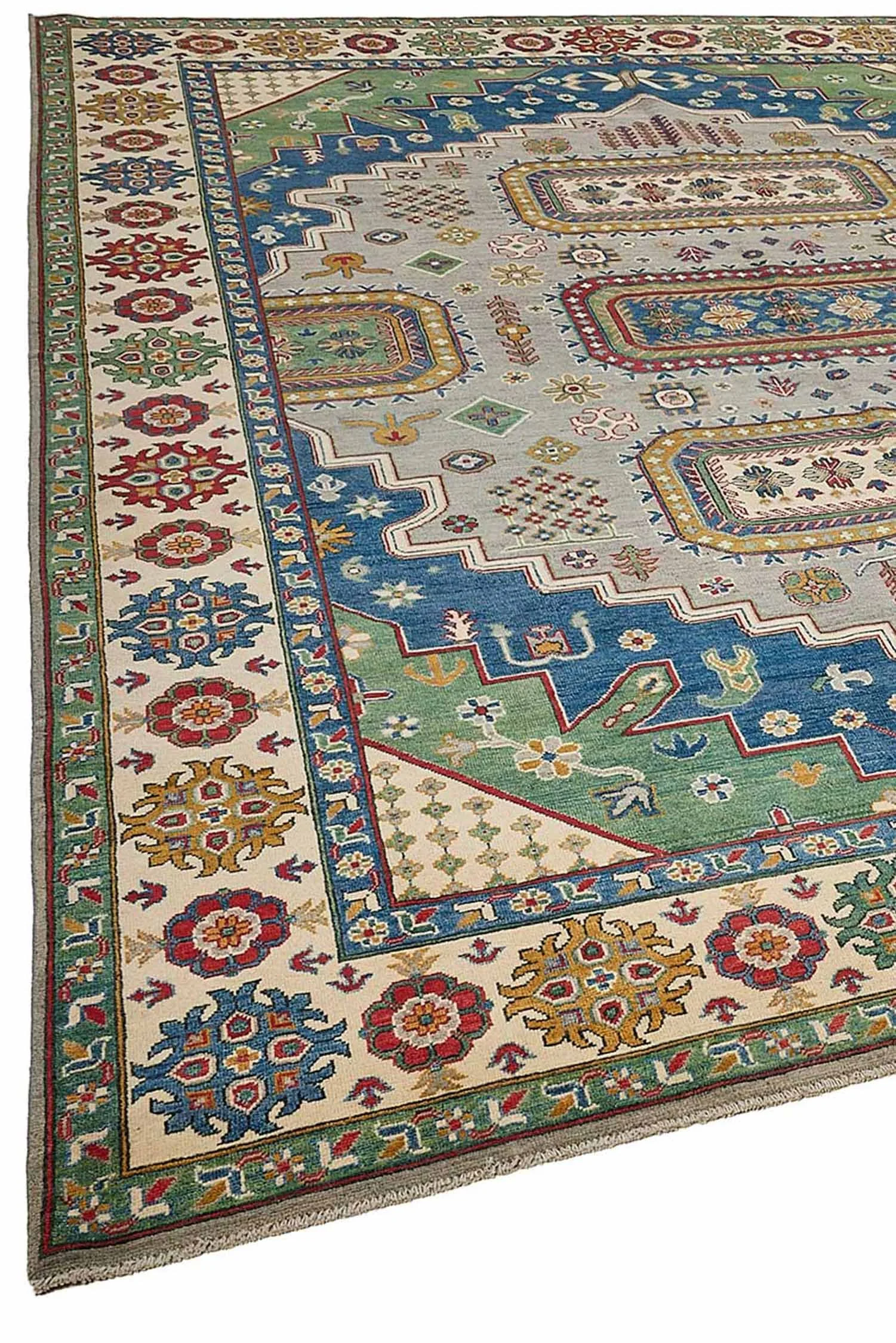
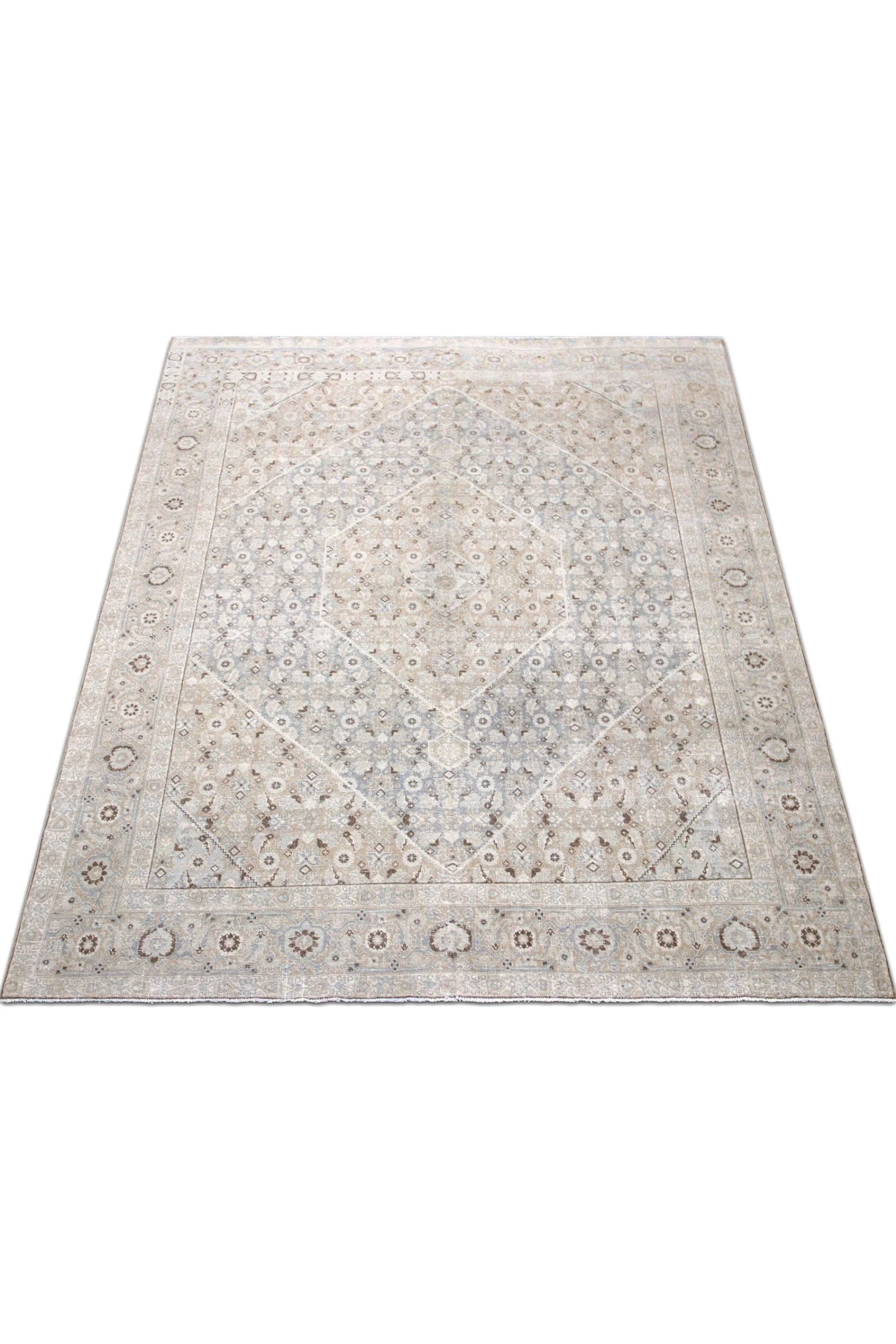
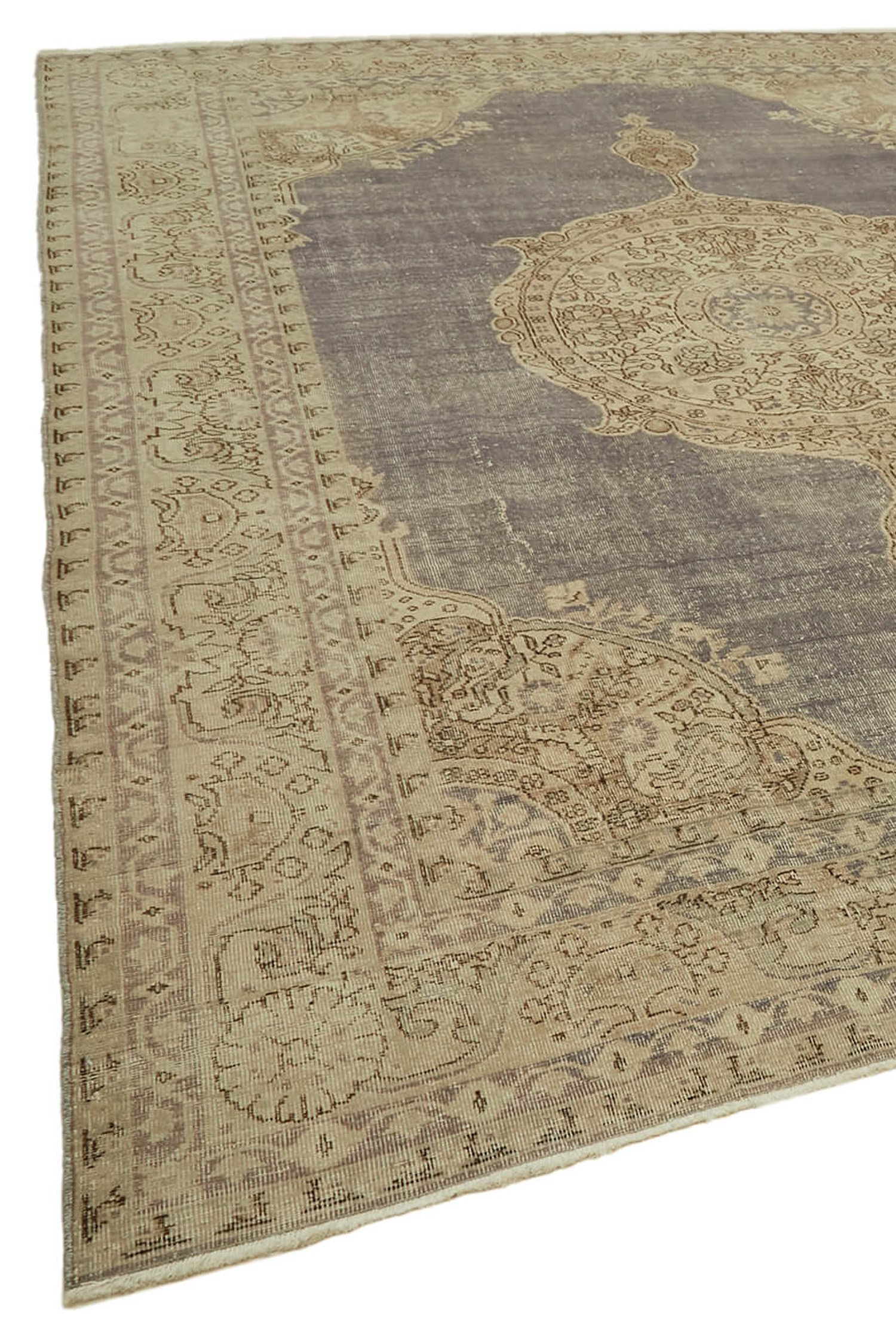
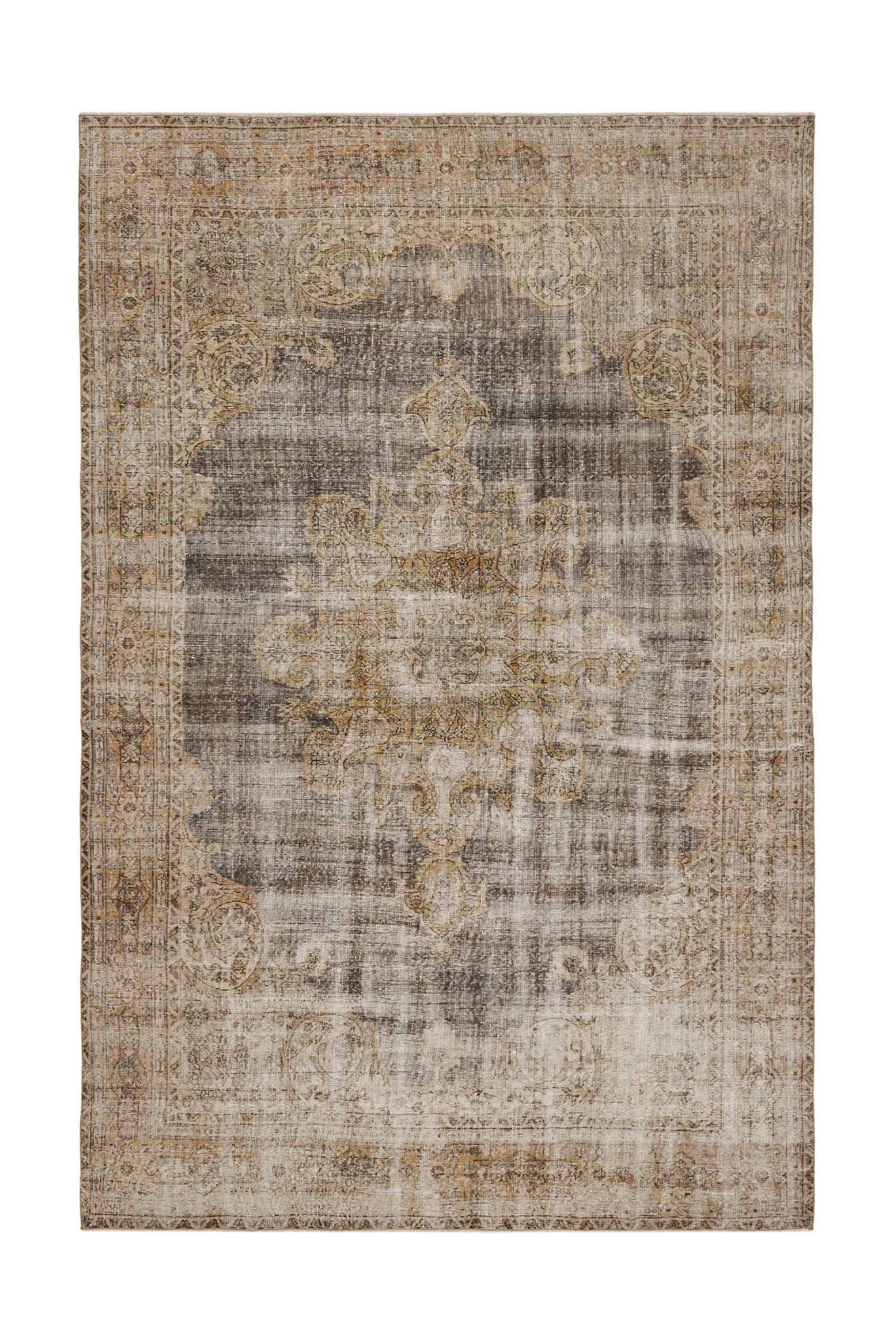
Anatolian weaving in the 1940s drew from centuries of established pattern vocabulary while adapting to changing materials and market conditions. The stepped medallion format seen here represents one of the most enduring structures in Turkish rug making, appearing consistently across regions and generations.
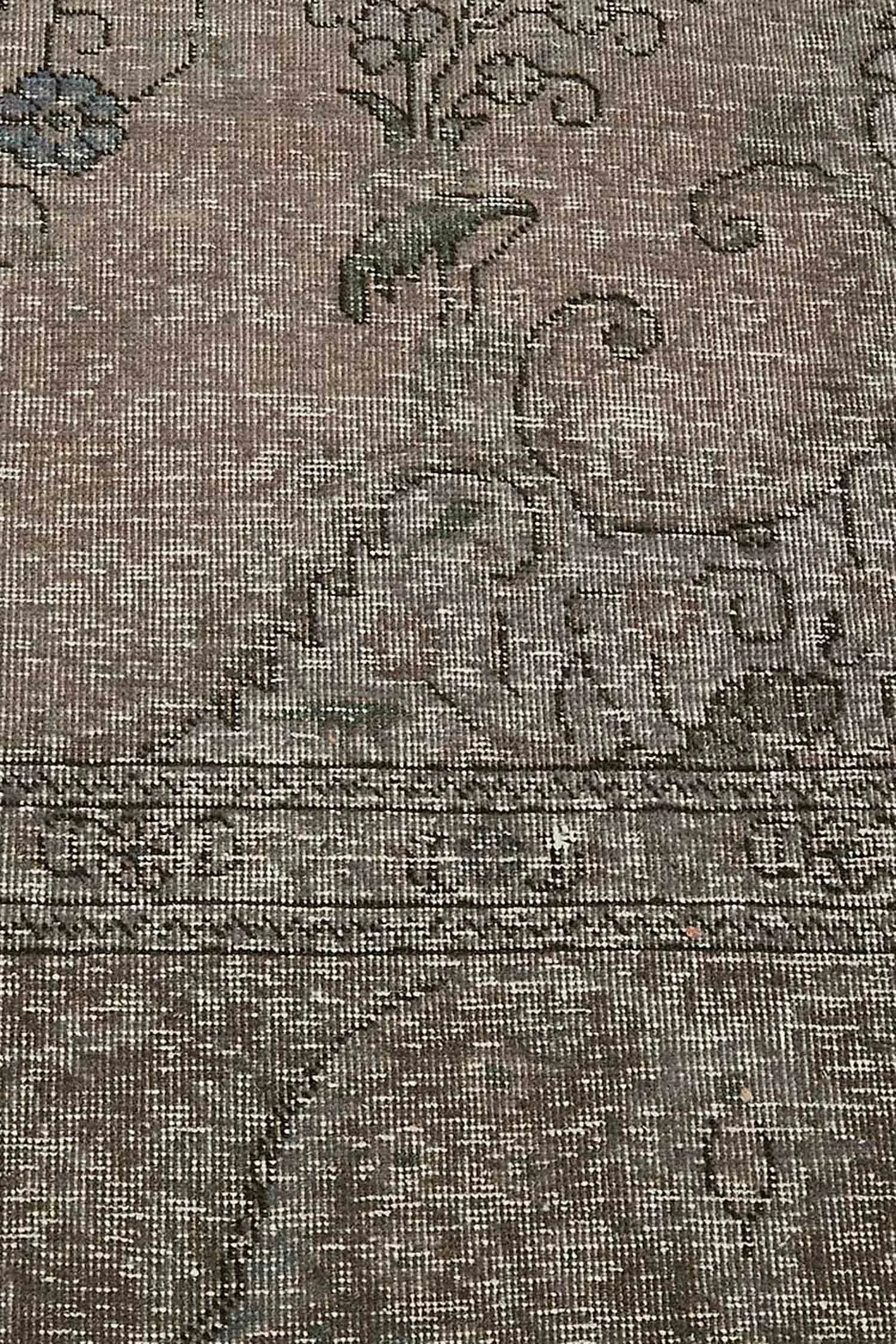
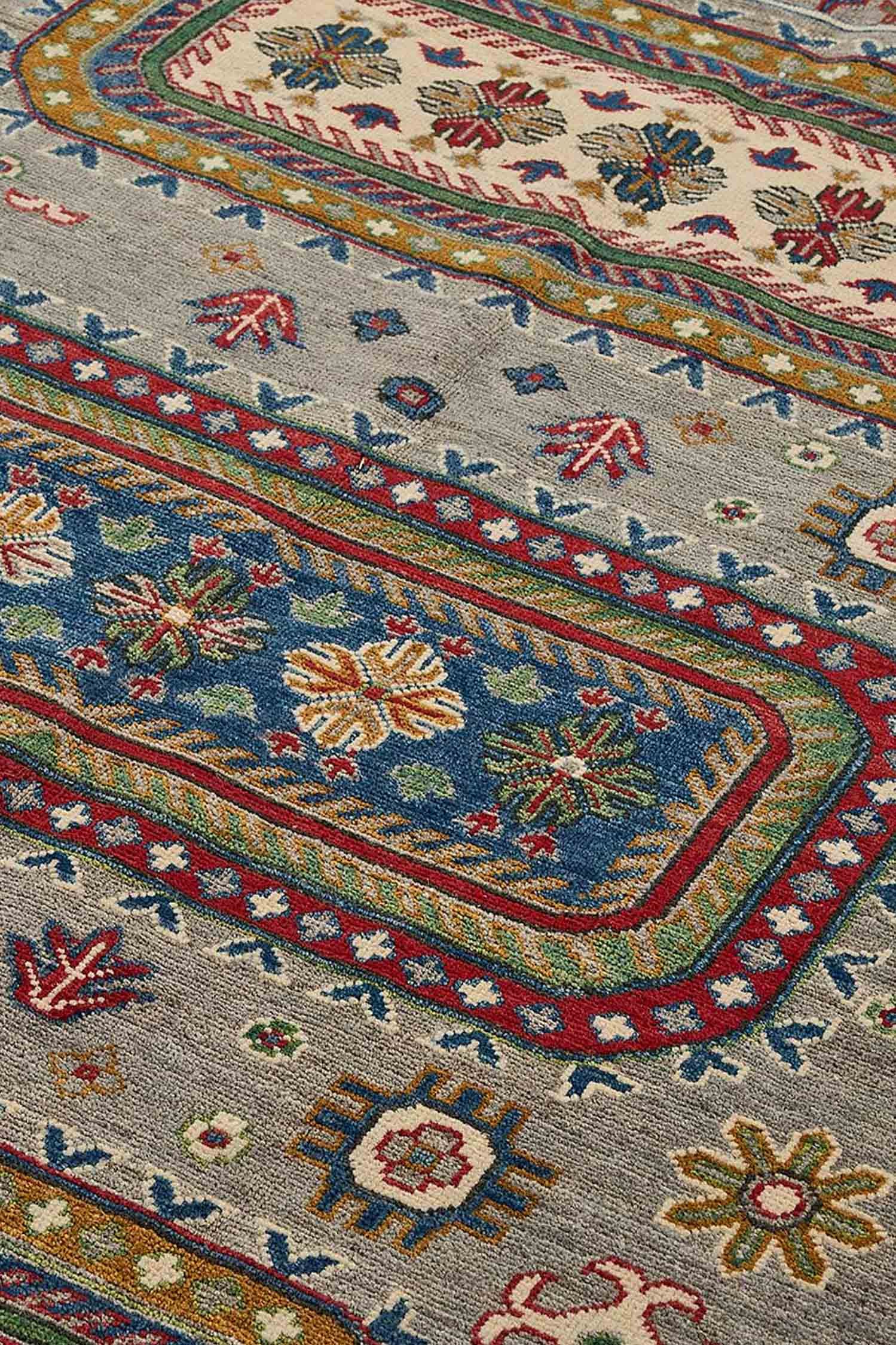
The stone gray palette reflects an interesting moment in Anatolian production. While traditional village rugs typically used warmer earth tones derived from local plant dyes, some weavers began incorporating cooler grays that appealed to evolving aesthetic preferences. This shift required different dye sources and application techniques.
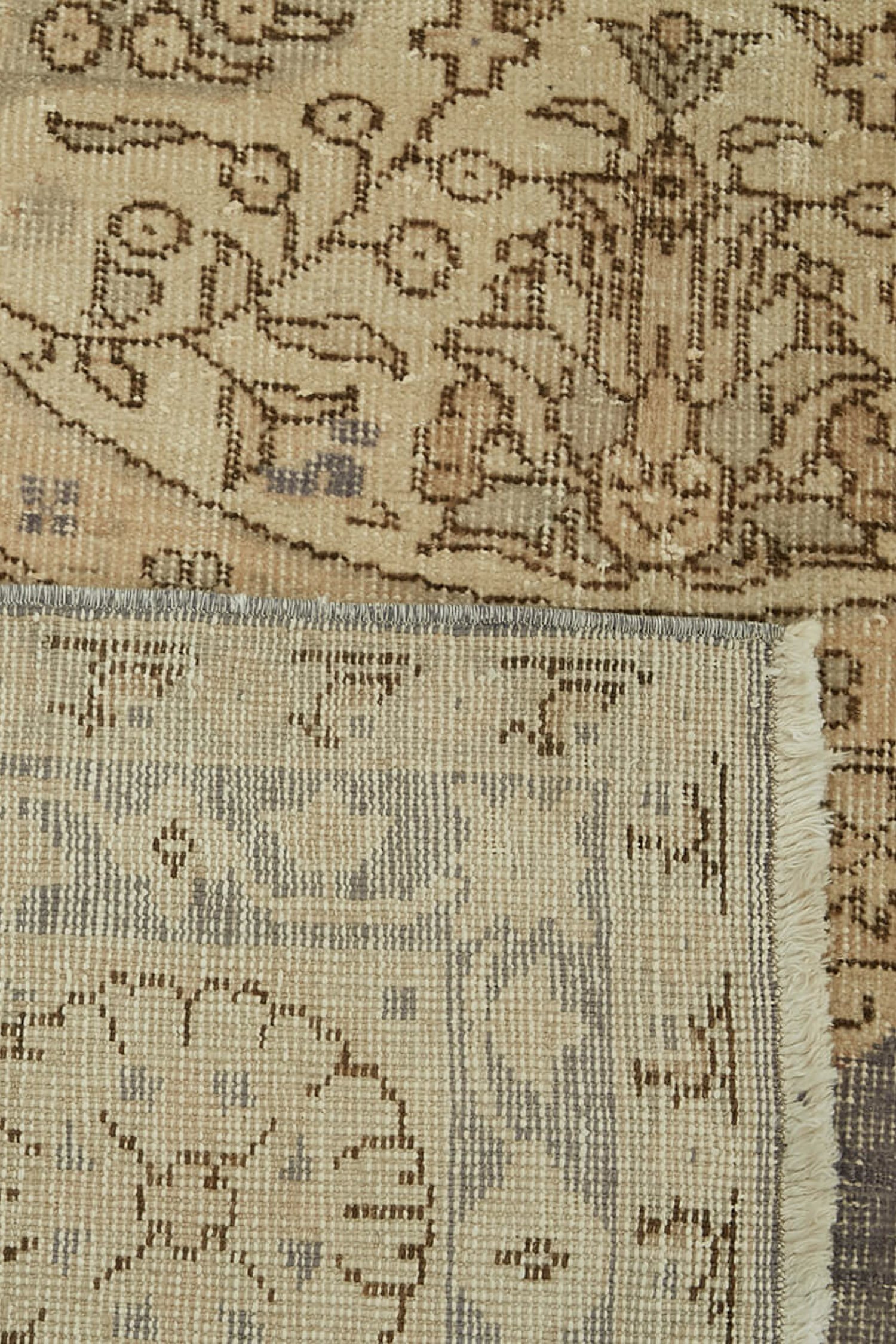
Weavers creating these medallion compositions worked from memory and direct observation rather than written patterns. The stepped edges and floral details followed conventions passed down through apprenticeship and family teaching. Each weaver interpreted the shared vocabulary in their own way, creating individual variation within recognizable structures.
Design Elements
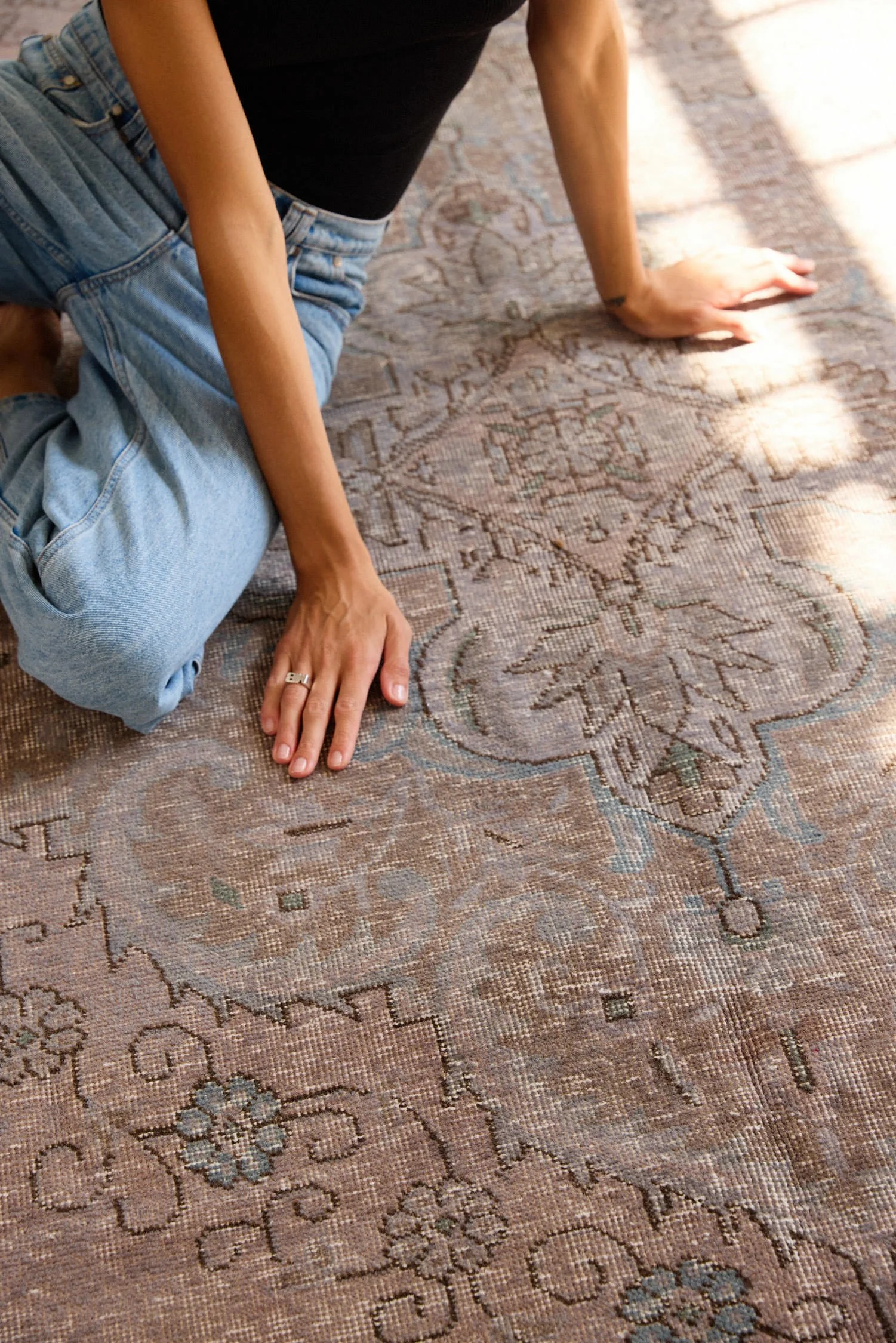
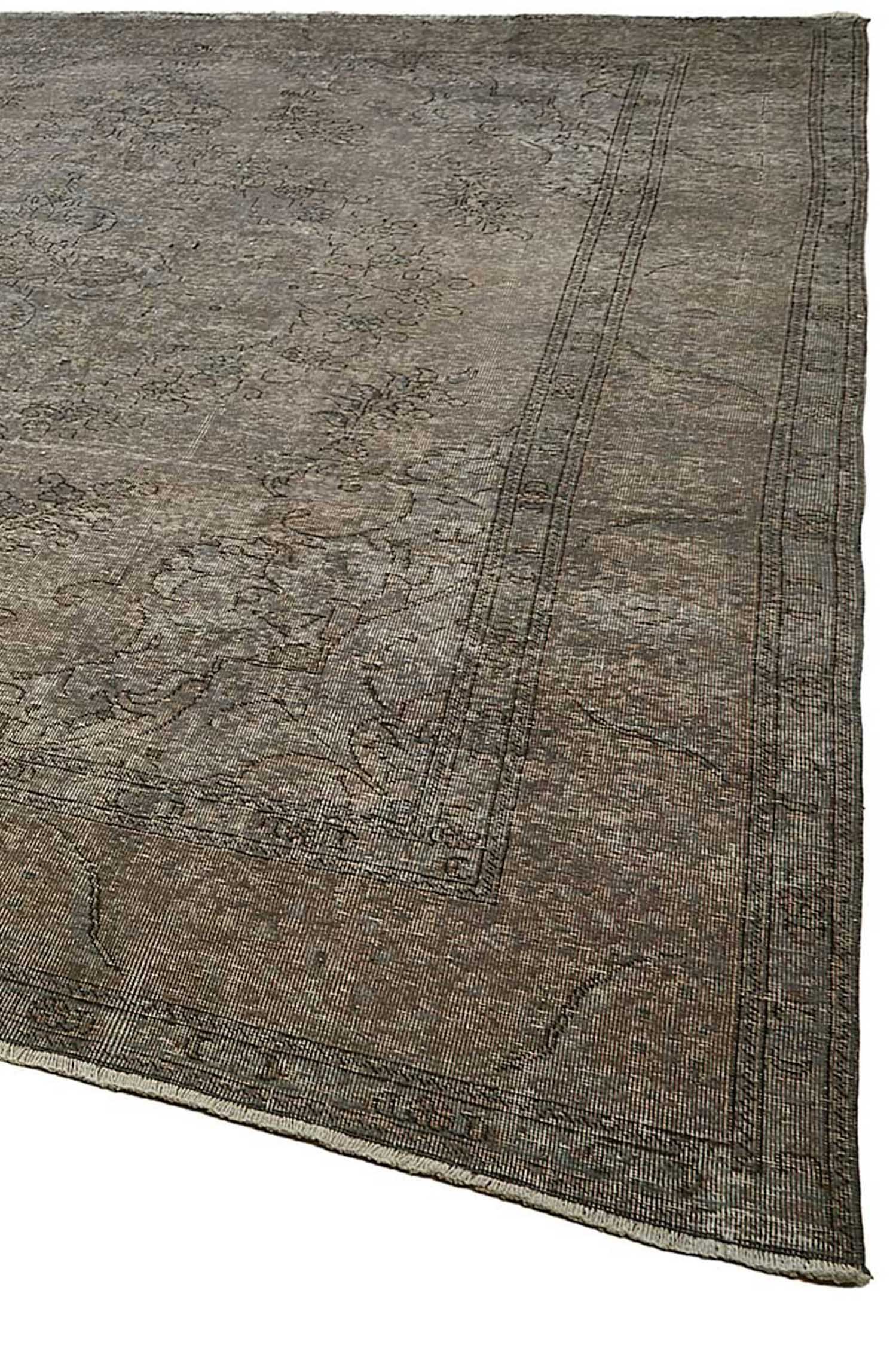
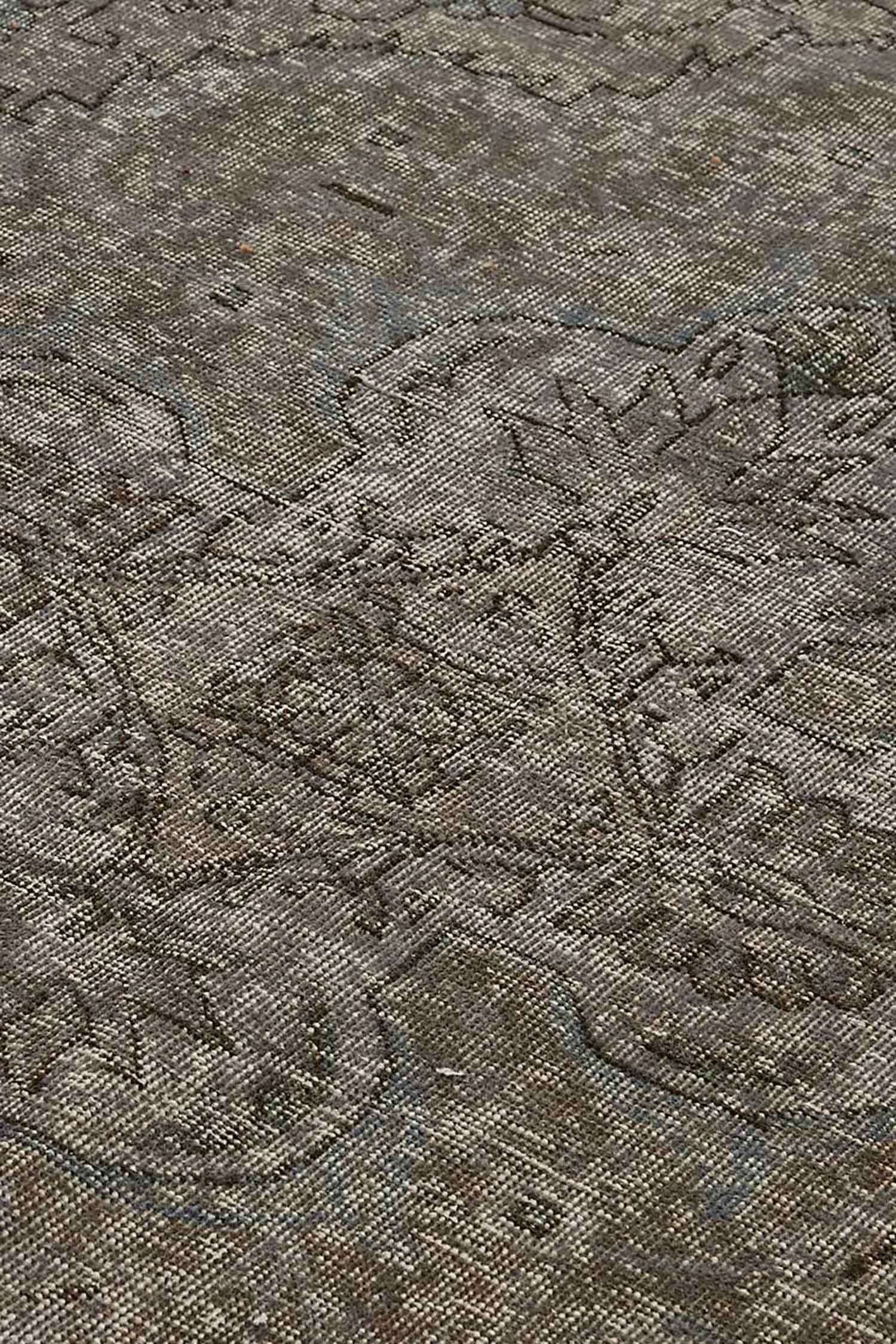
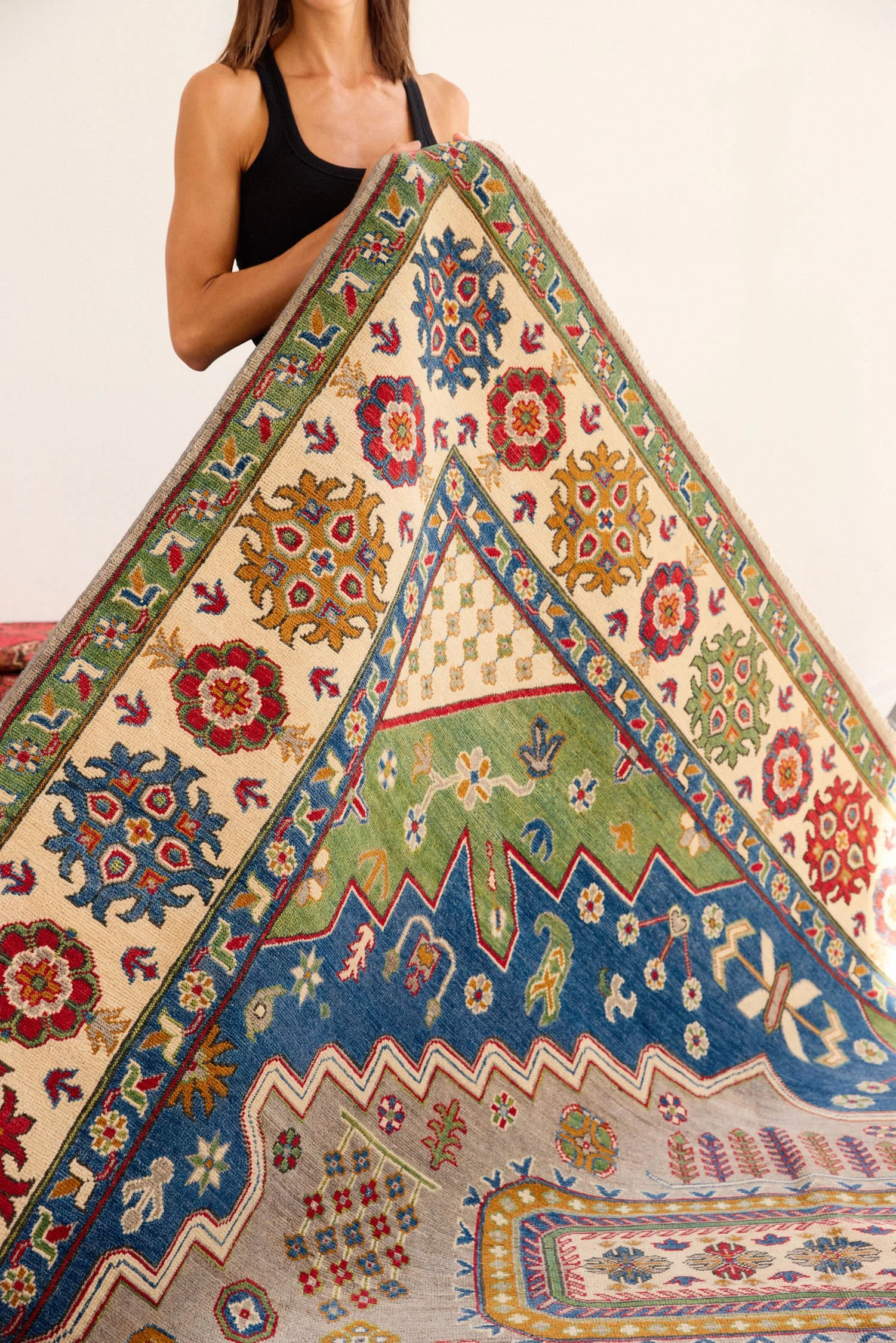
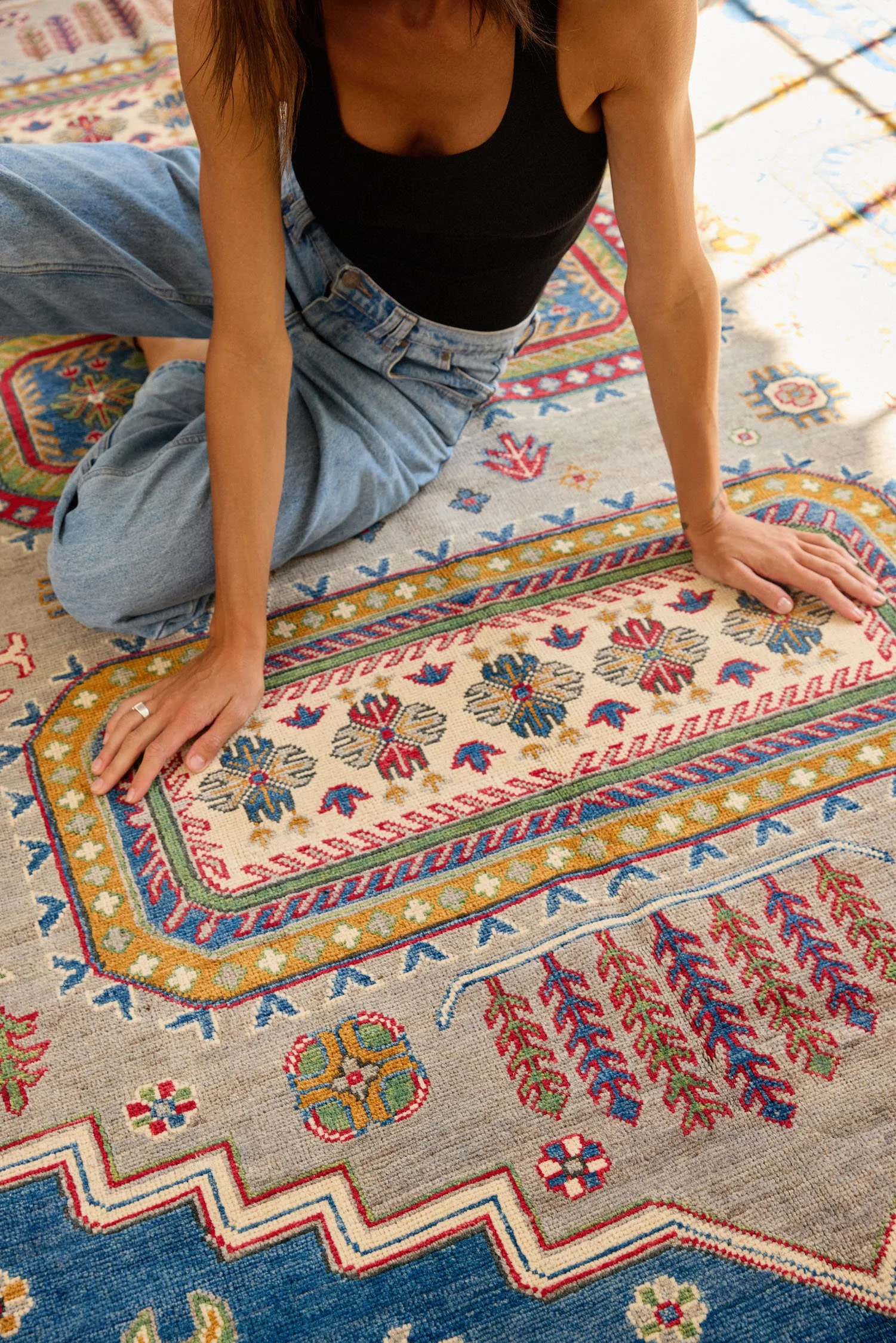
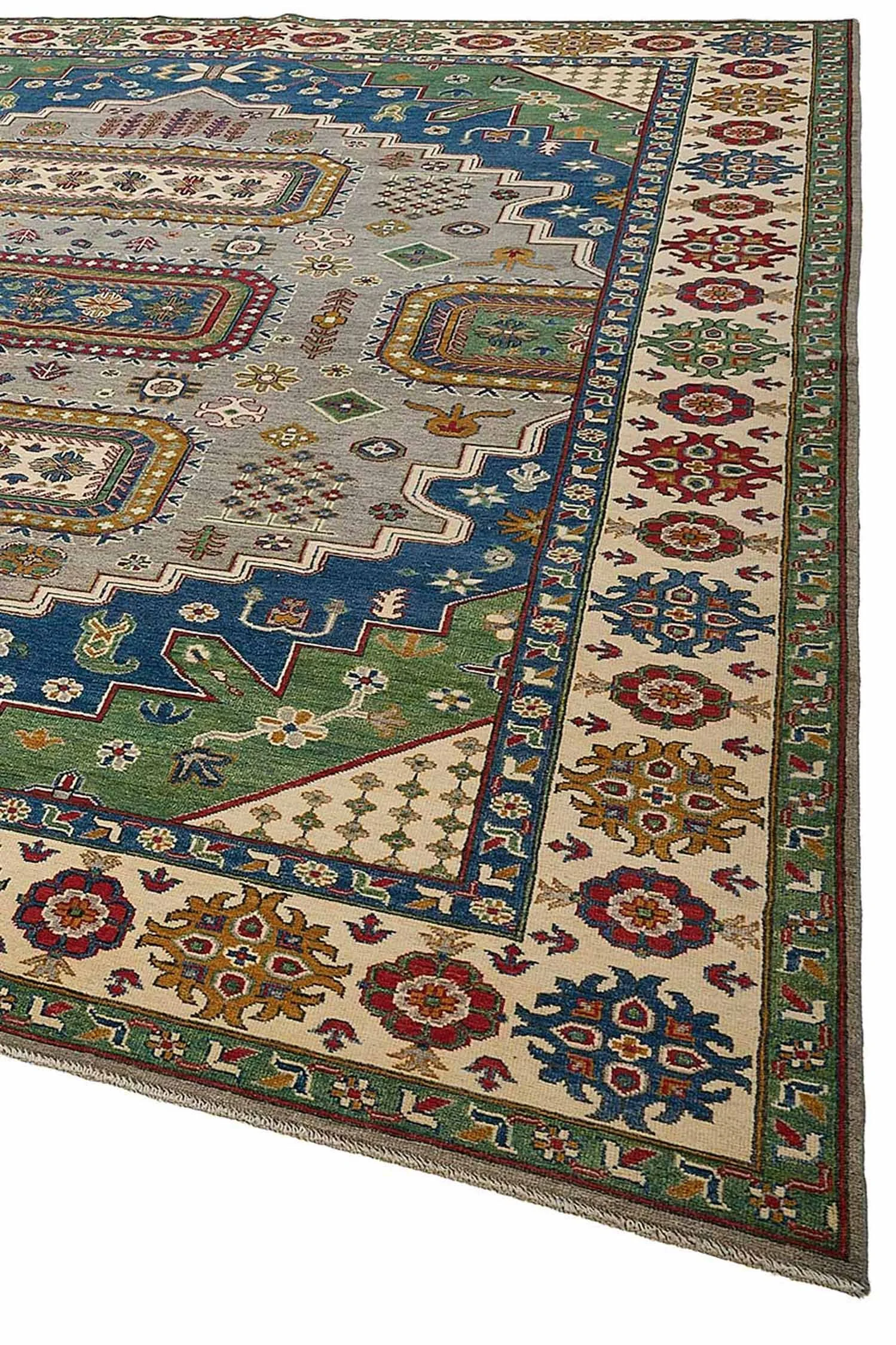
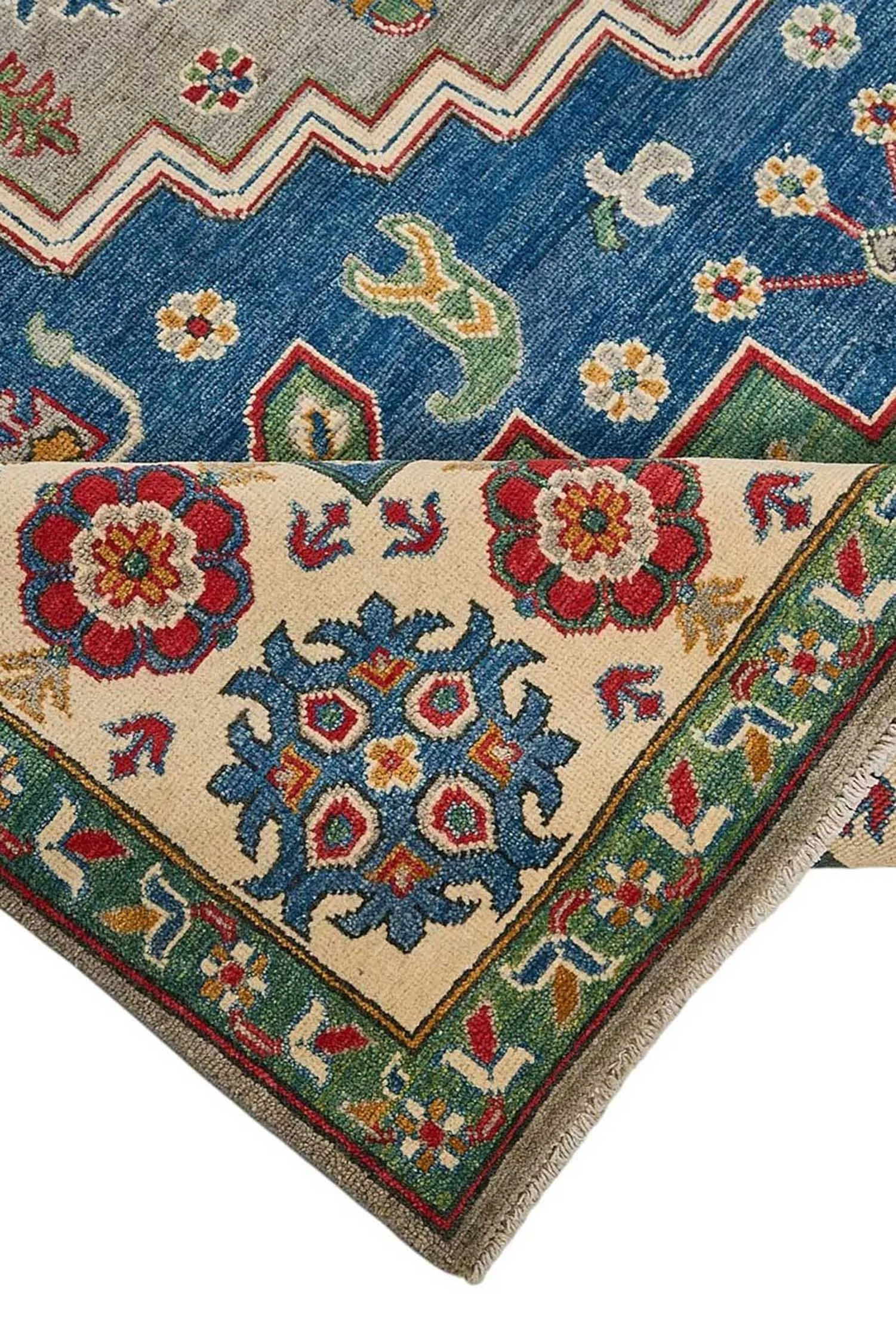
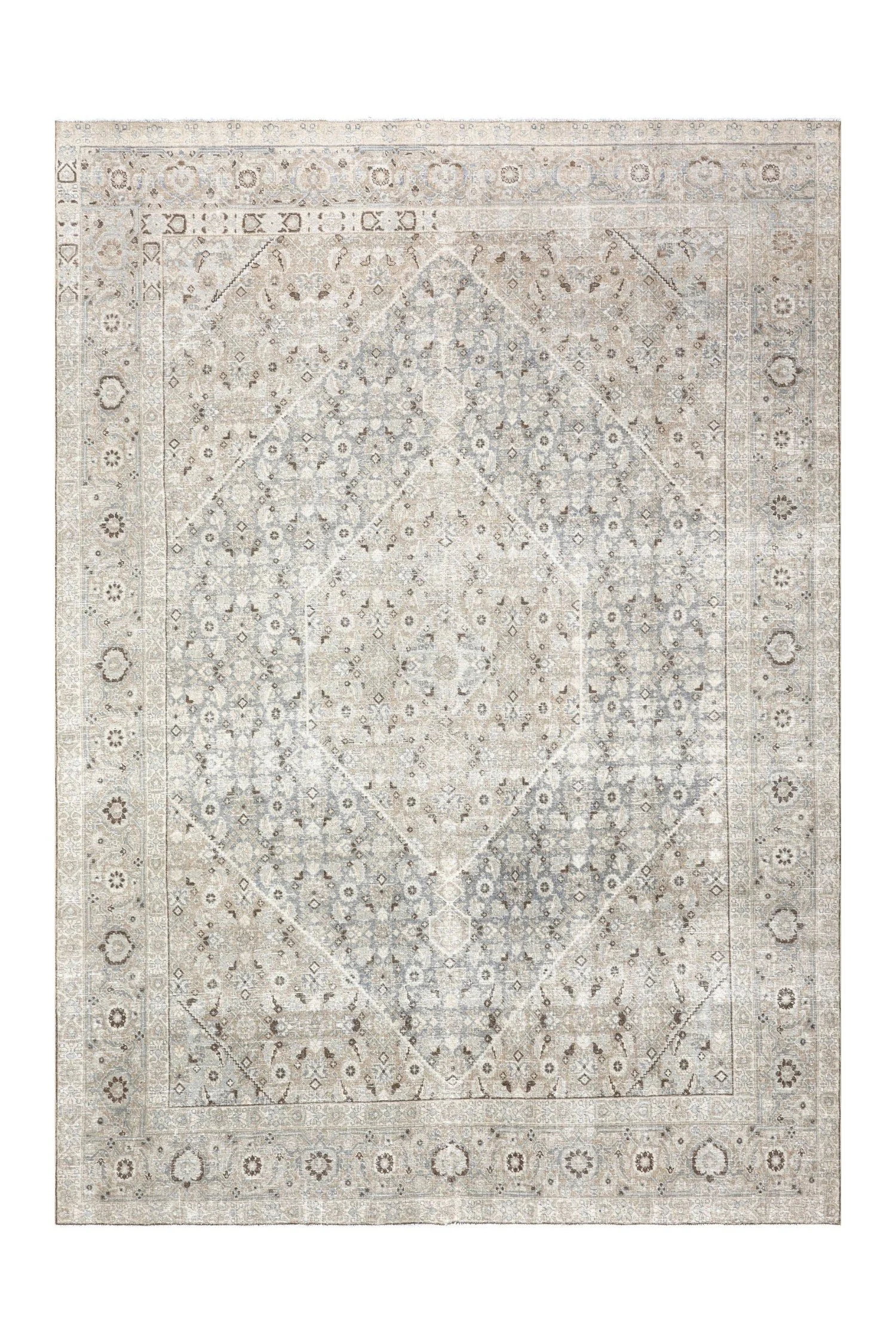
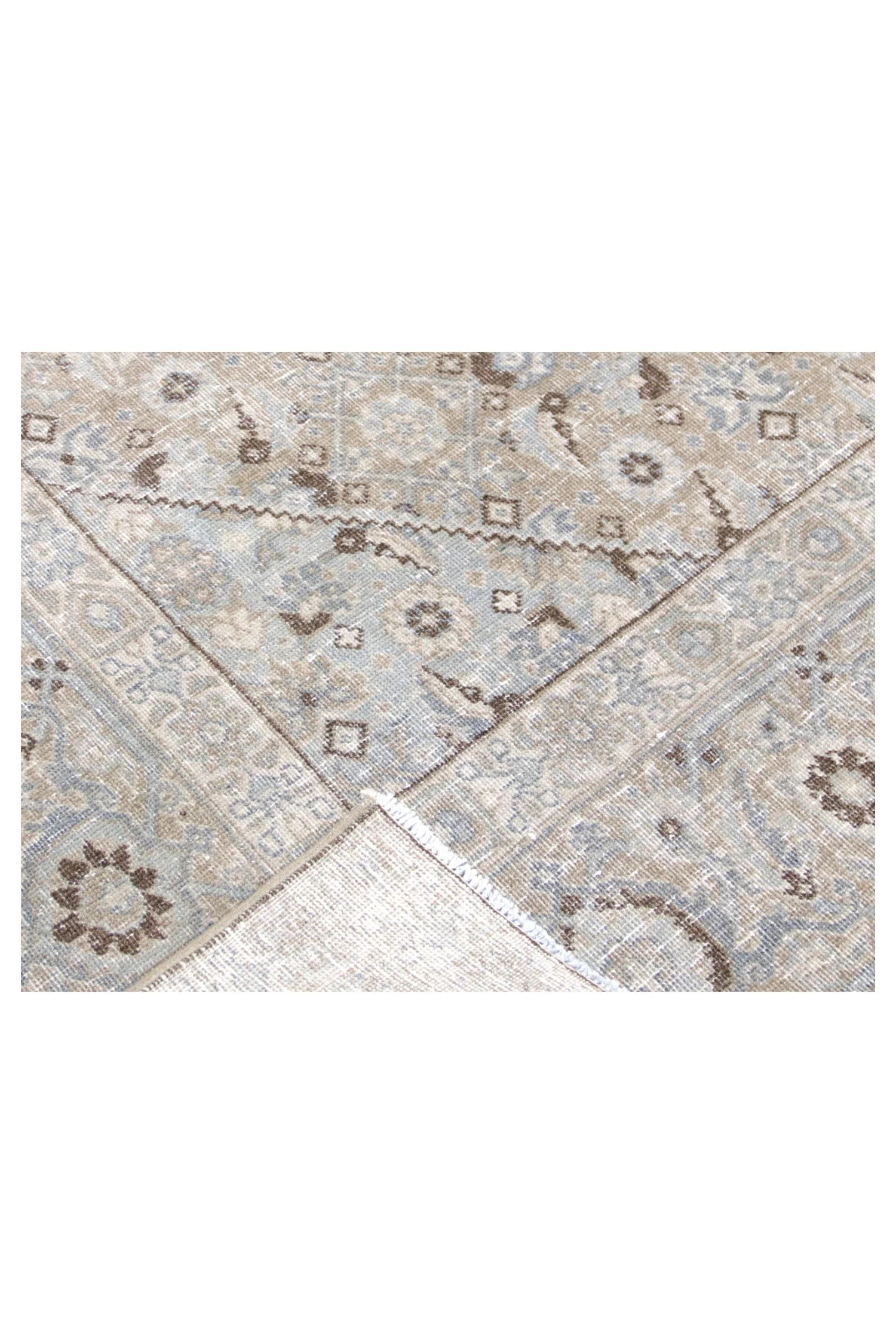
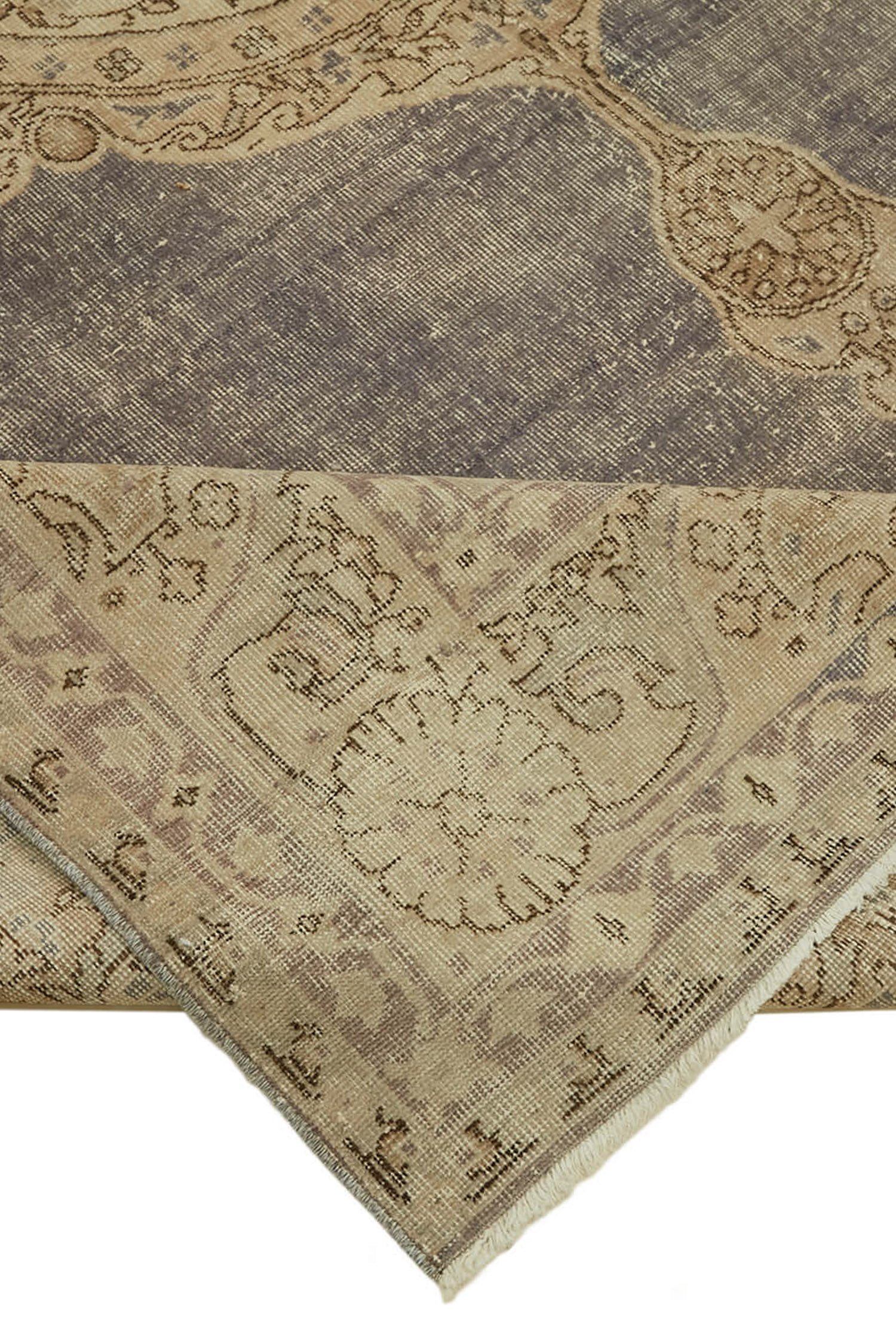
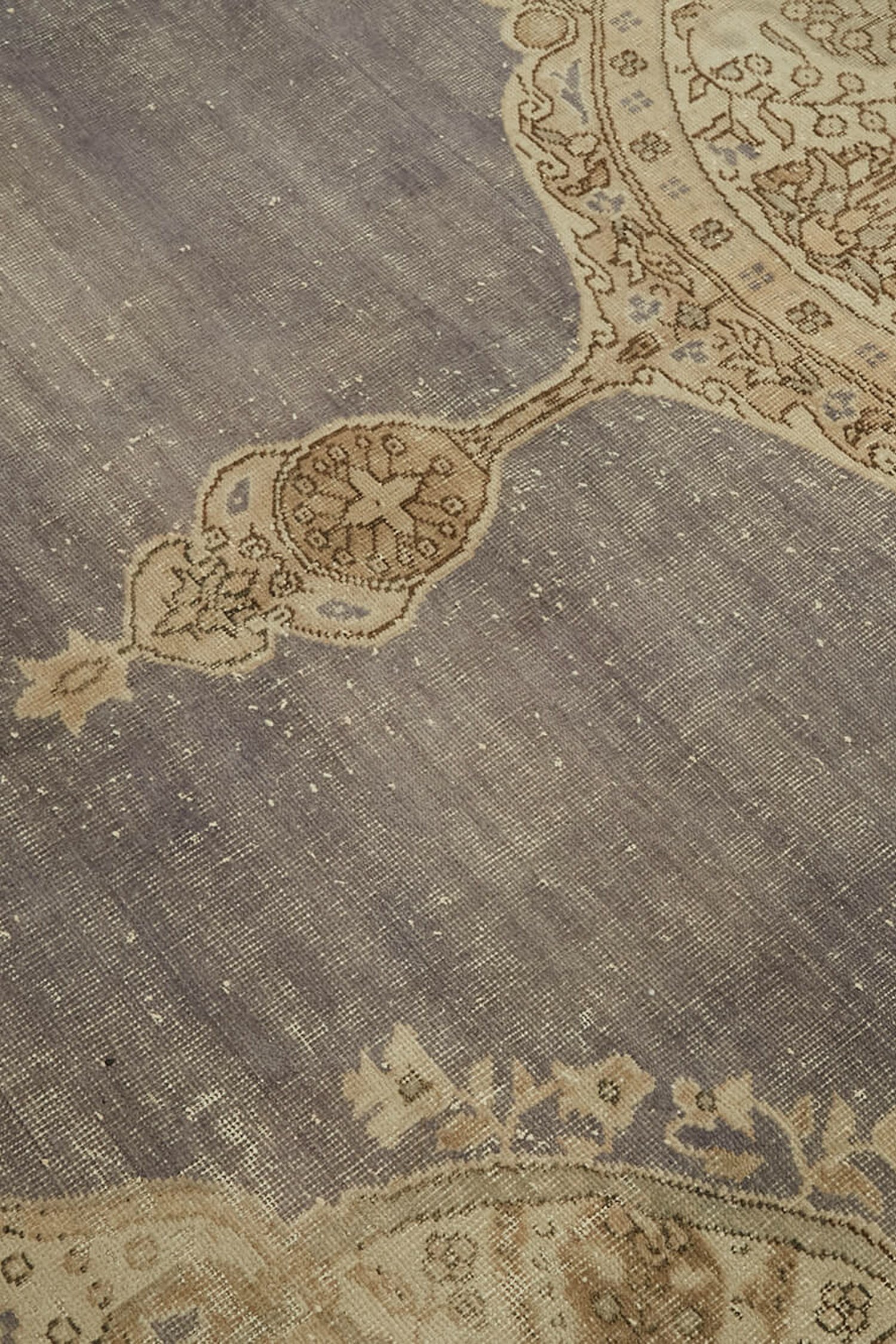
The stepped medallion creates a strong central axis that anchors the composition. The geometric edges and internal divisions show the angular precision characteristic of Anatolian design. Softened floral details fill the medallion and scatter across the field, their forms abstracted into geometric interpretations.
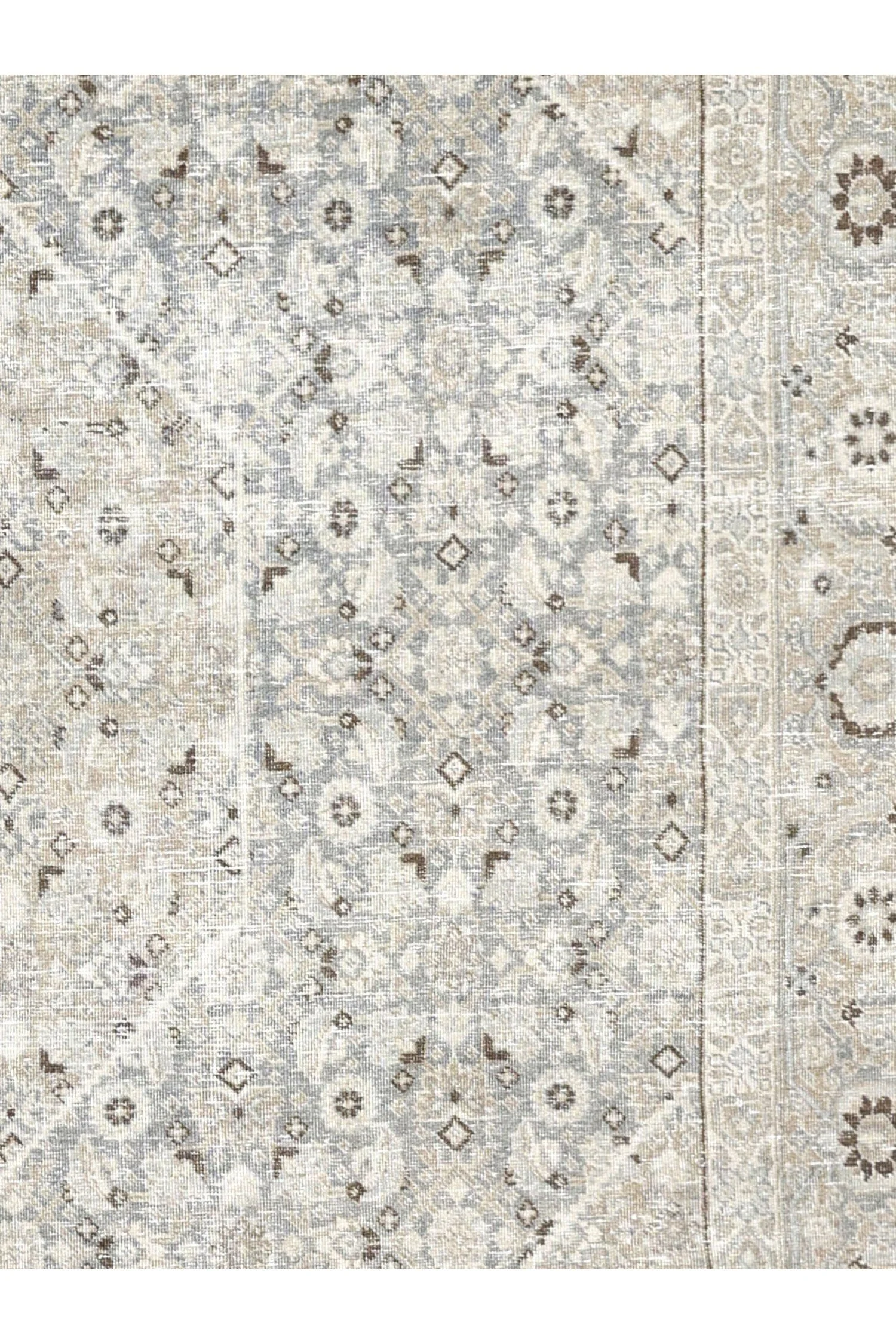
The pattern sits lightly beneath the surface, meaning it reads as textured variation rather than bold contrast. This creates visual interest through subtle shifts in tone and form rather than through dramatic color relationships. The effect is calm and architectural.
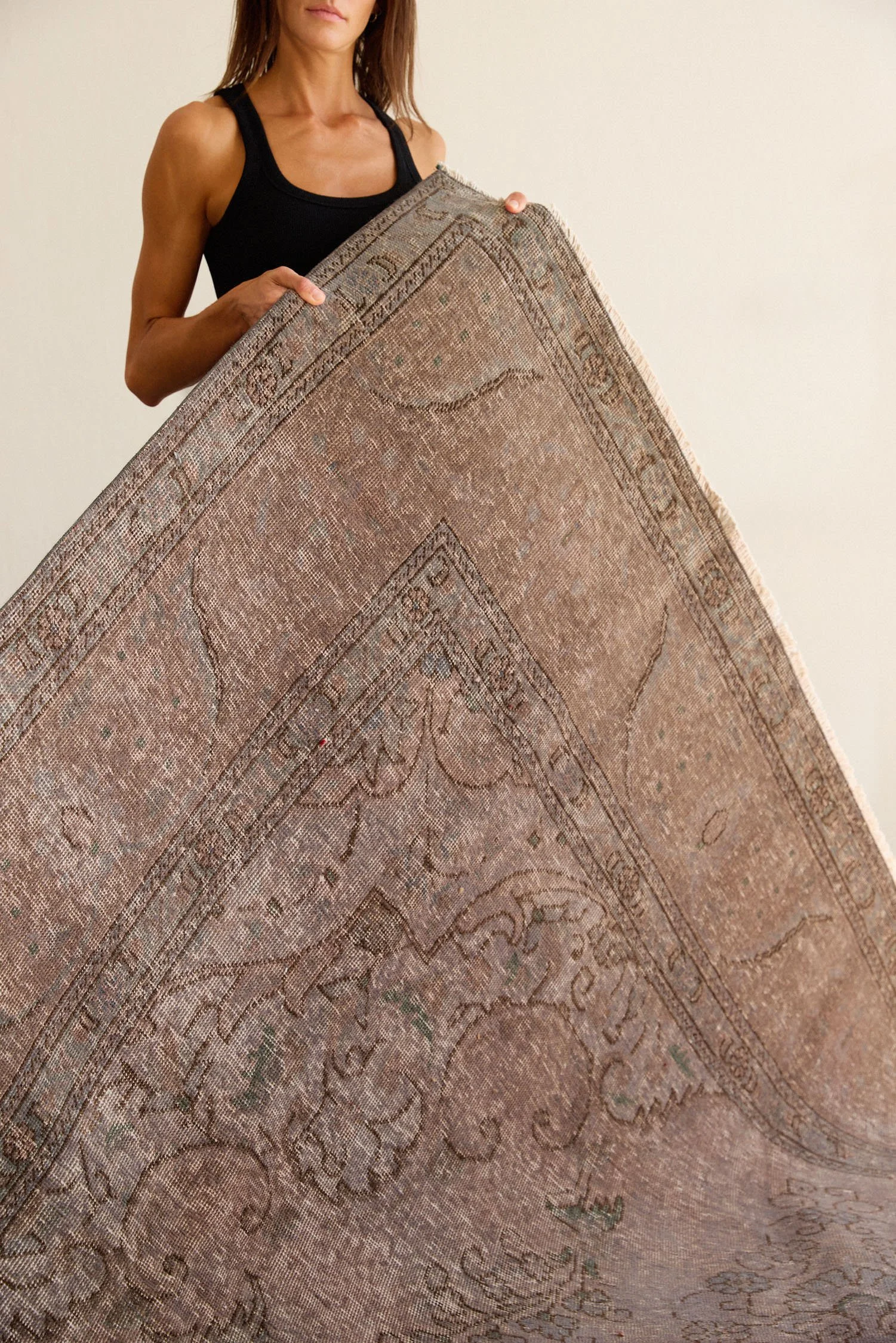
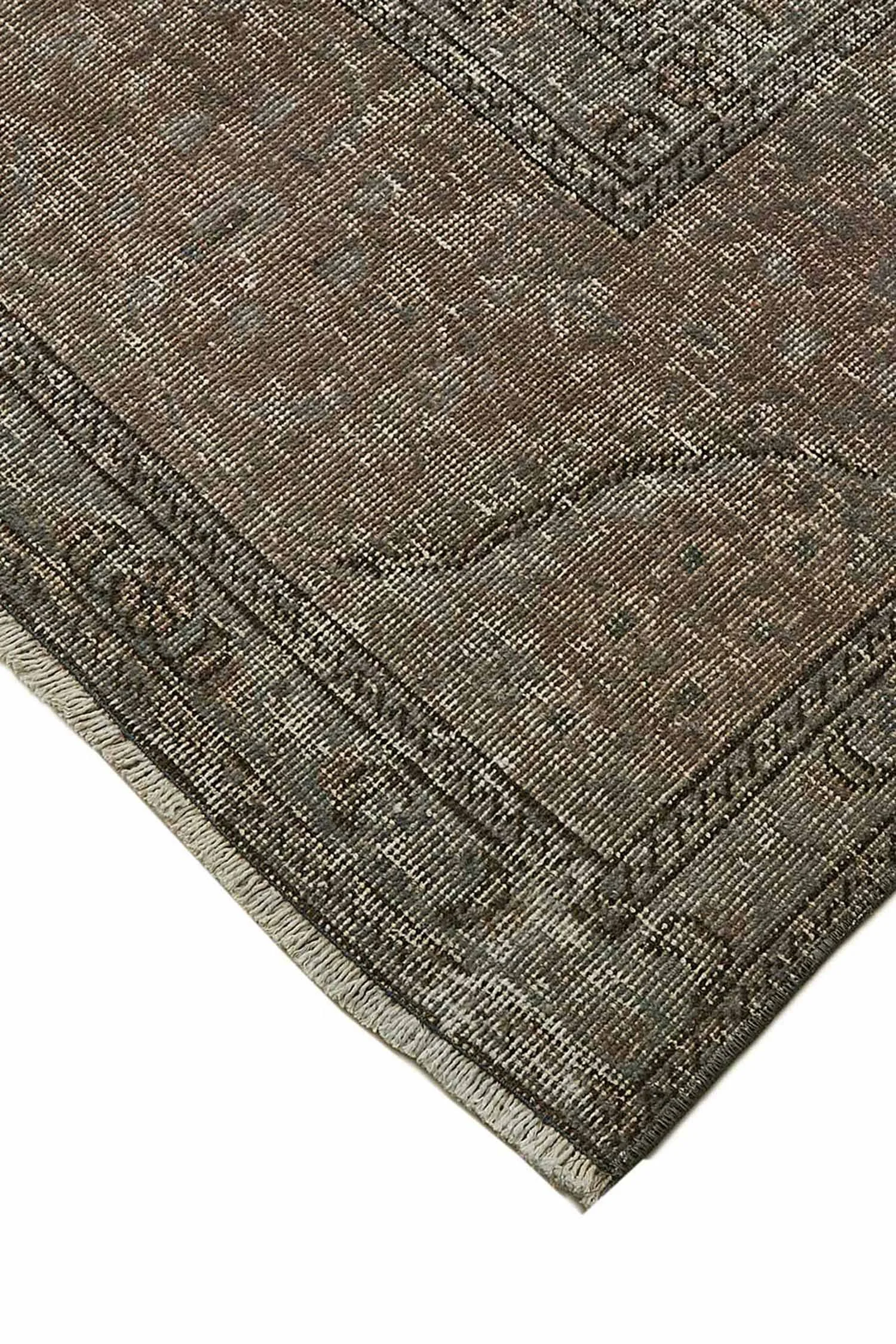
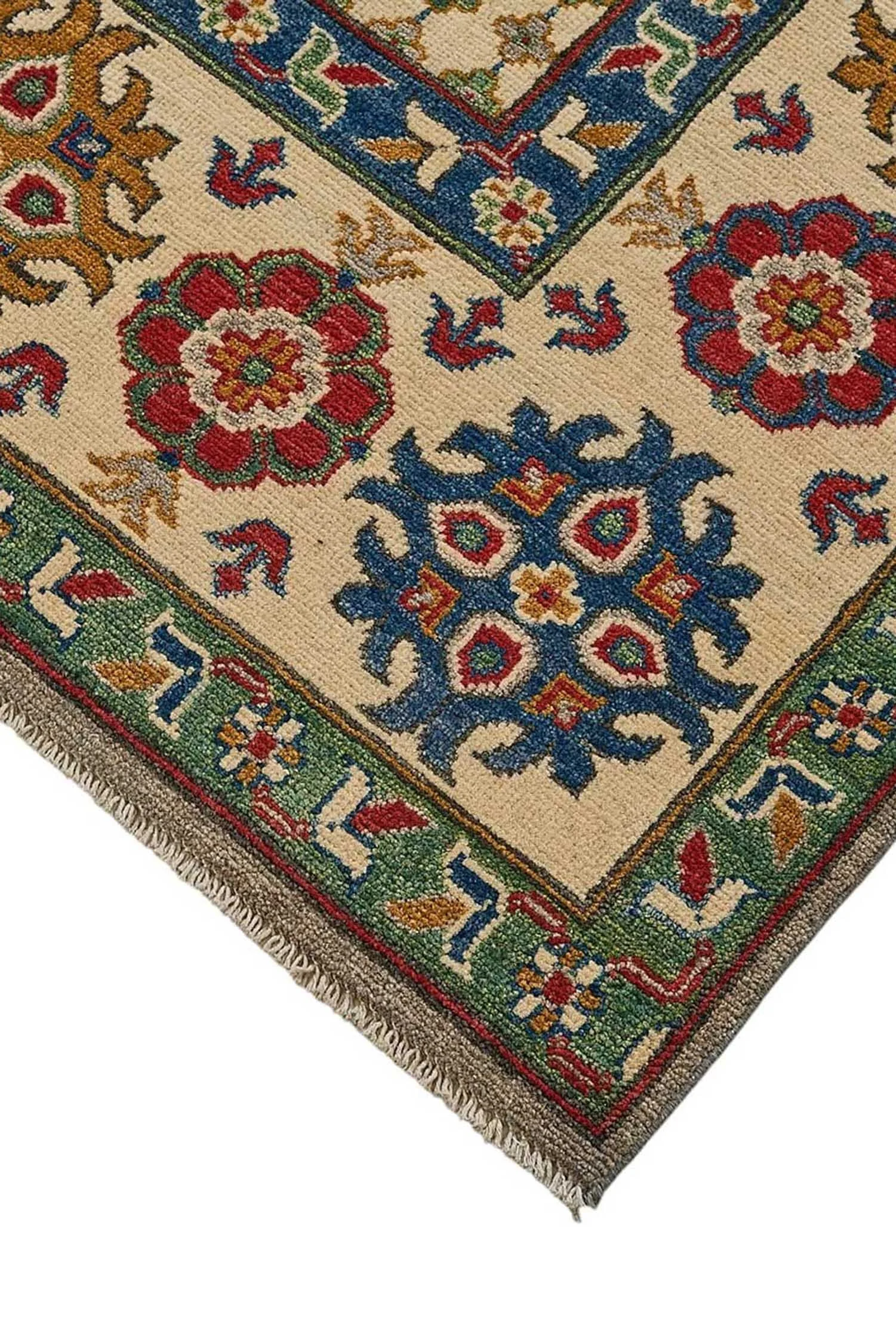
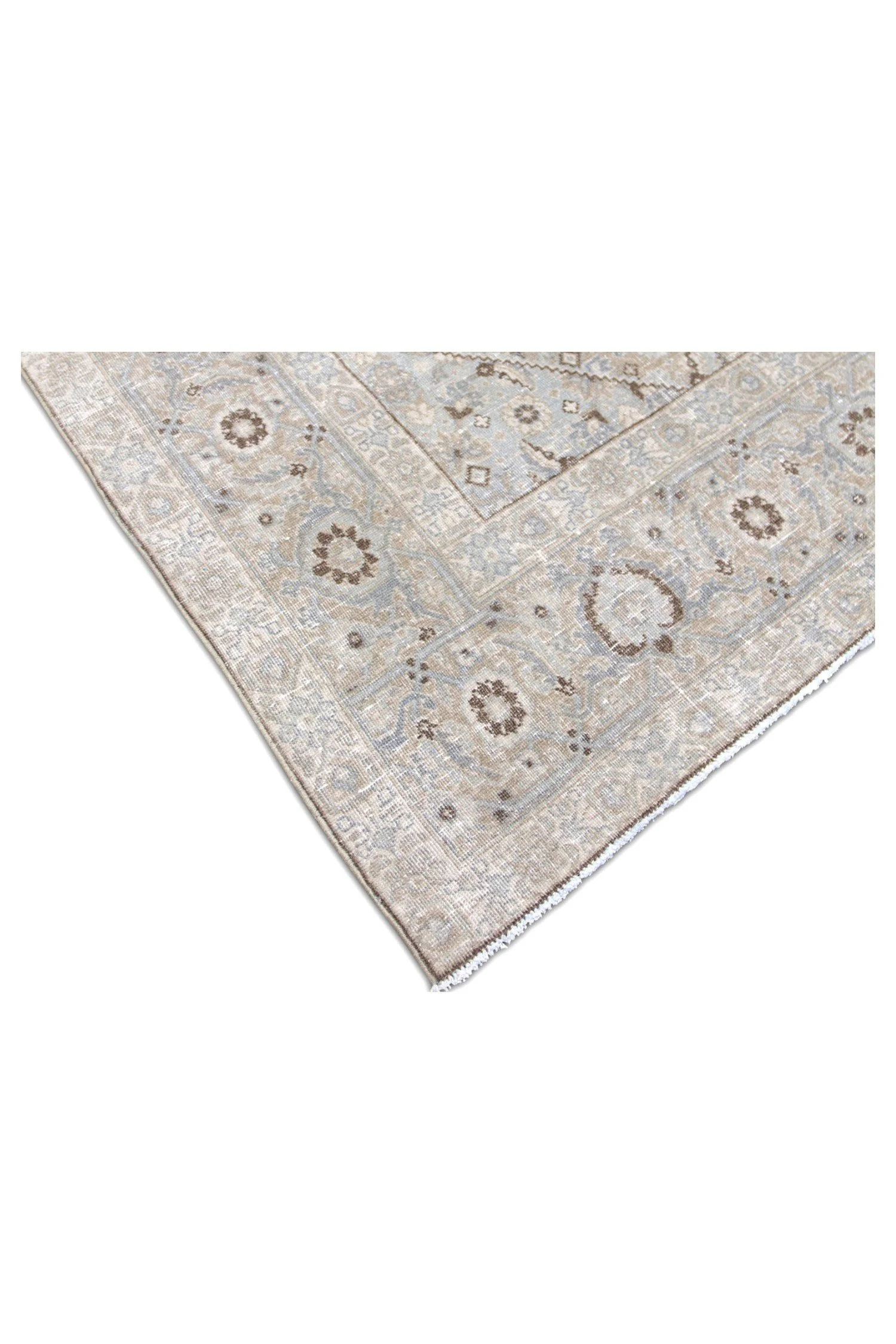
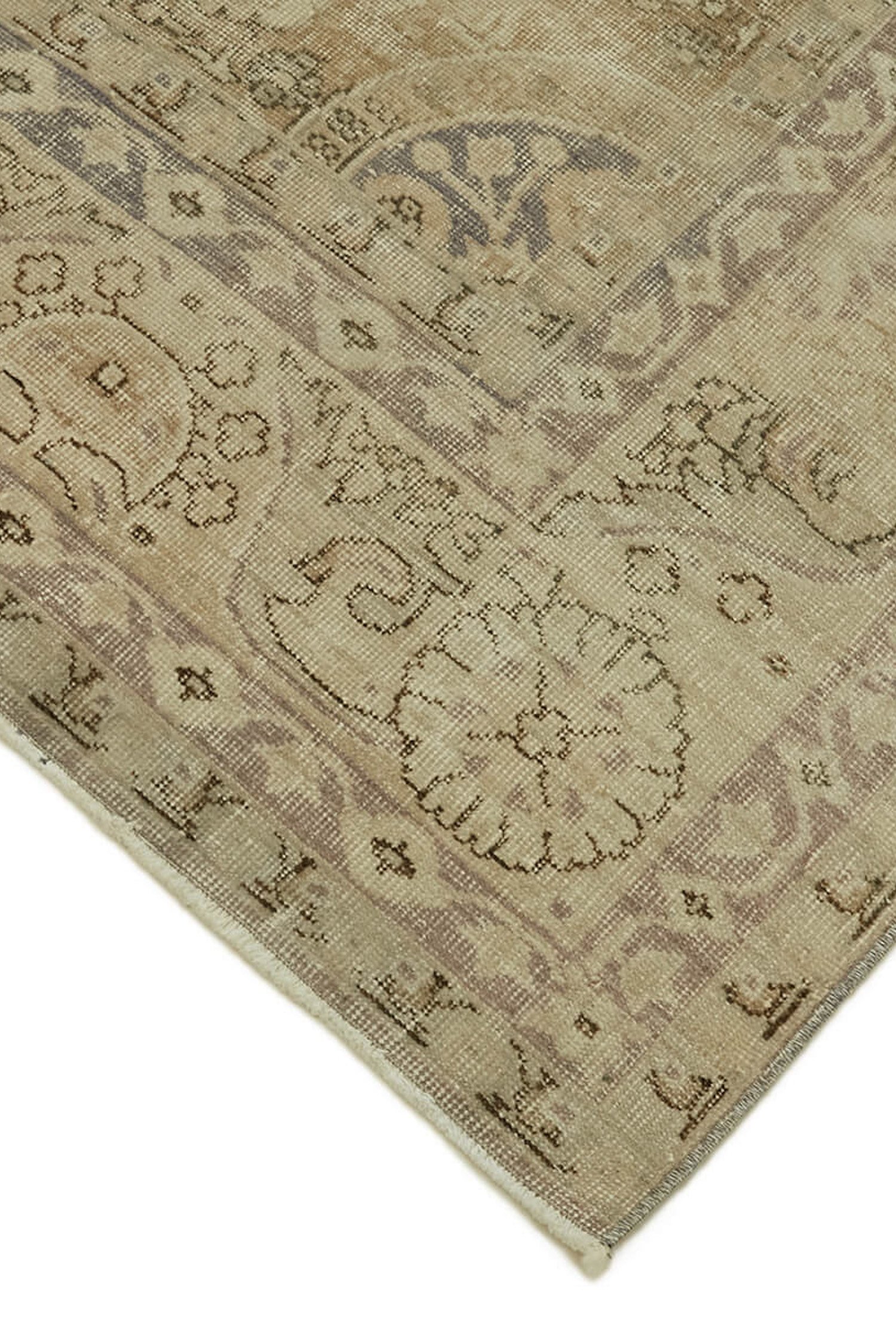
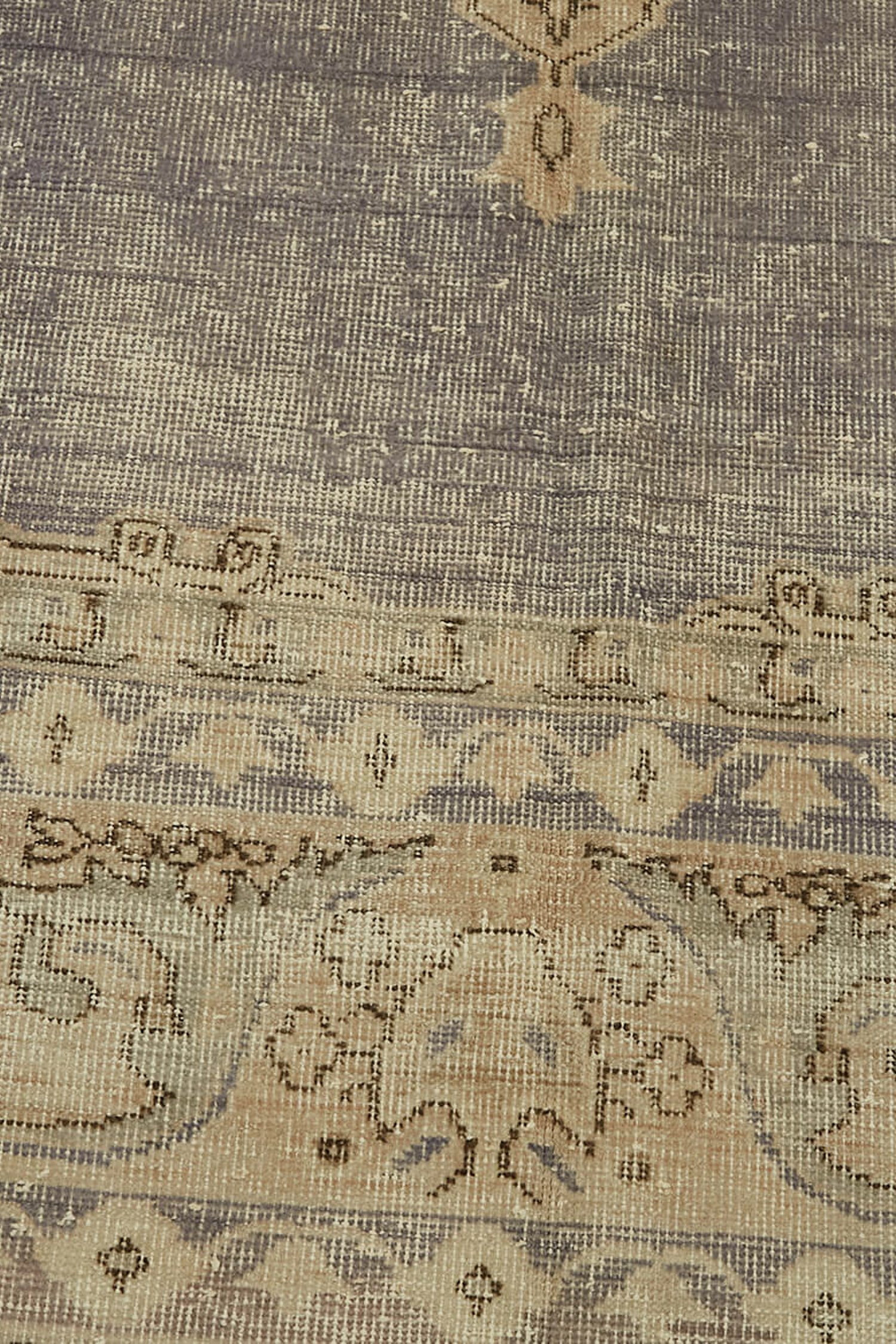
The border uses traditional Anatolian motifs arranged in rhythmic sequence around all four edges. The palette maintains the same muted quality as the field, creating continuity rather than sharp framing. The border provides definition while integrating tonally with the interior composition.
Placement
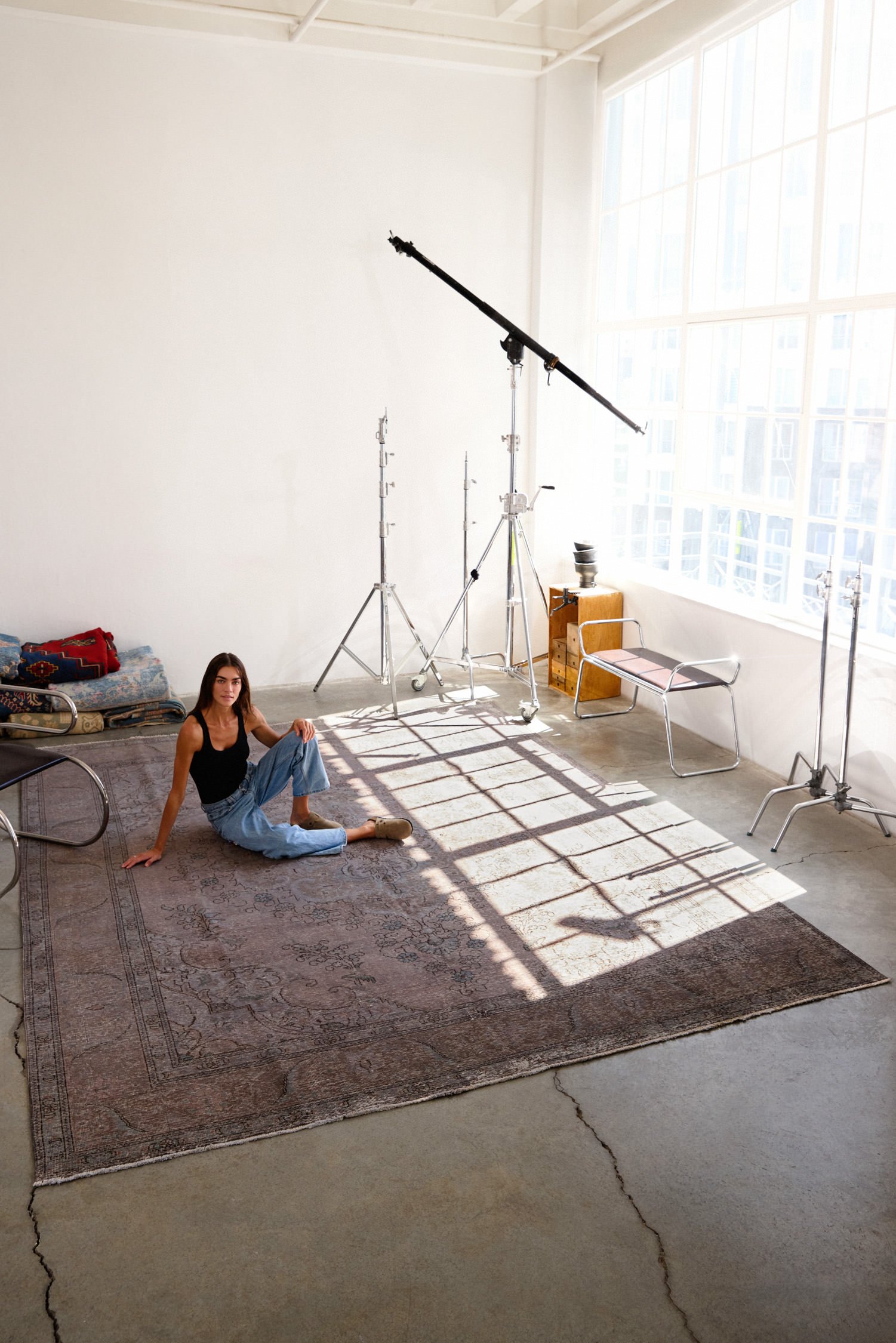
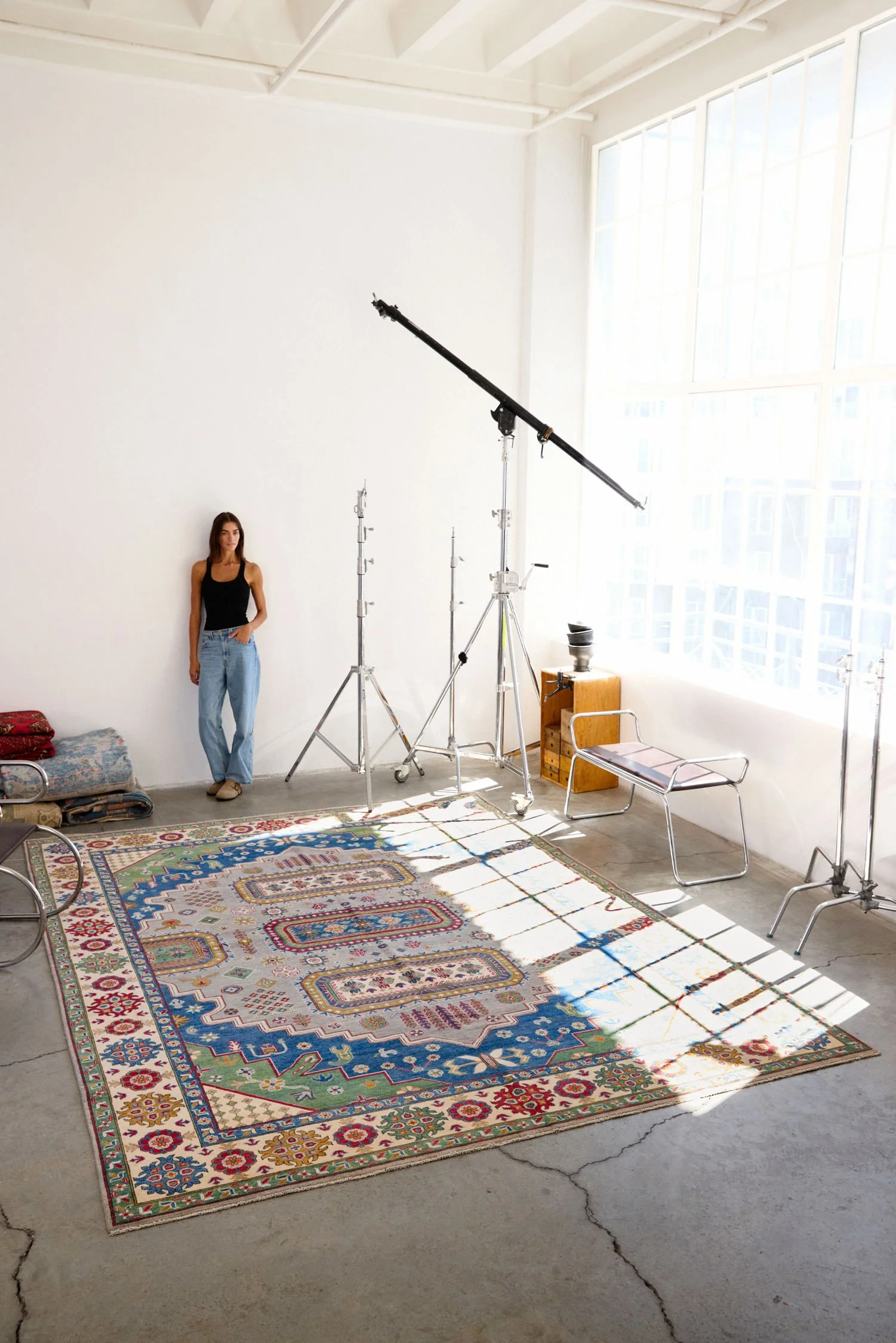
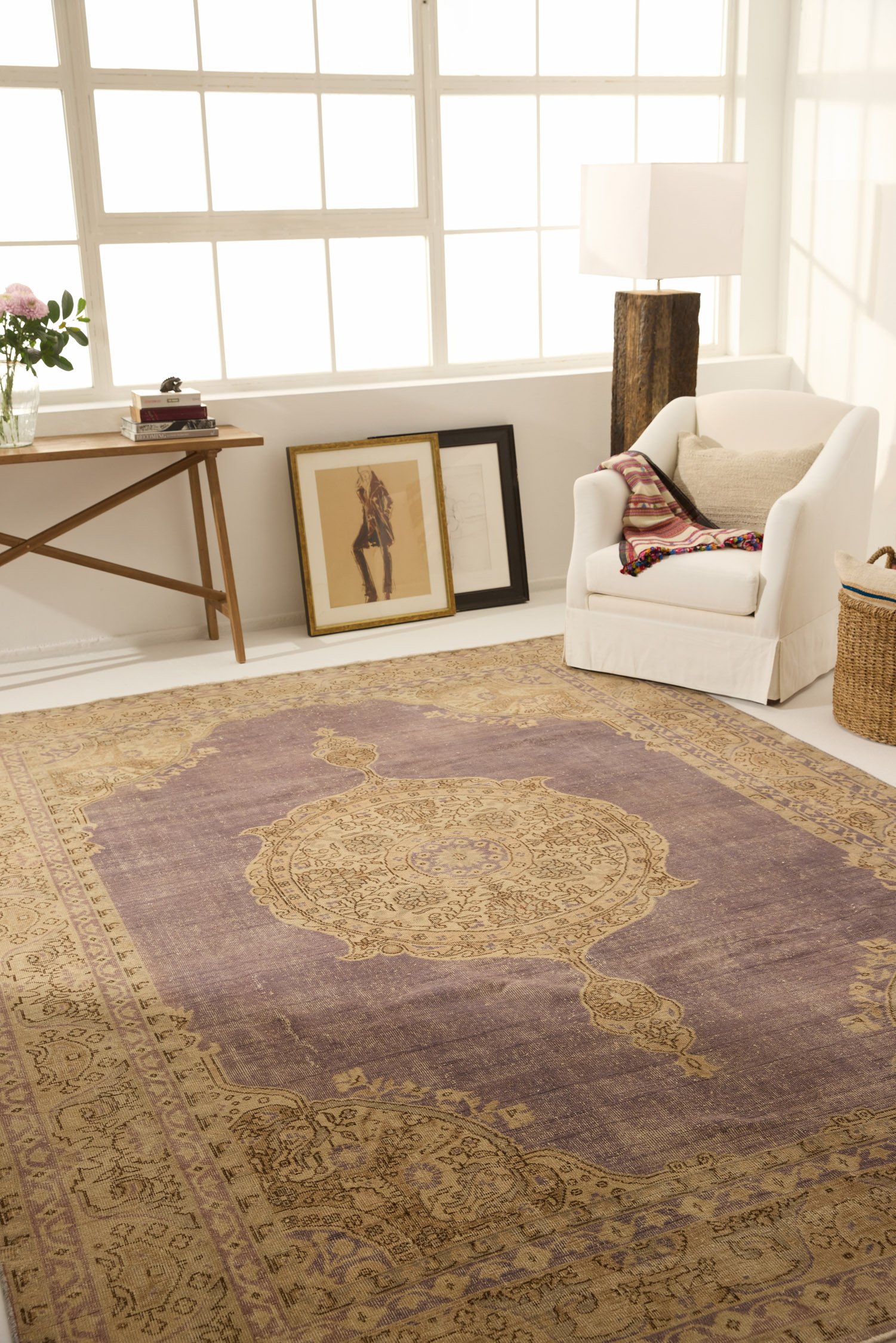
At 6' x 10', this works in living rooms under coffee tables or in front of sofas, dining areas under tables that seat four to six, bedrooms at the foot of the bed or extending along one side, and home offices. The proportions suit spaces where you want substantial coverage without oversized dimensions.
The stone gray and ivory palette functions as a neutral foundation in contemporary interiors. The muted tones work with both warm and cool color schemes. The architectural quality suits minimalist or transitional spaces where you want a pattern that doesn't compete with furnishings. The softened character also fits spaces styled with natural materials and understated palettes.
Care Recommendations
To preserve the rug's beauty:
Rotate periodically for even wear
Vacuum regularly using a suction-only setting
Address spills immediately by blotting, never rubbing
Professional cleaning recommended annually
Avoid direct sunlight to maintain color integrity
Gray grounds in Anatolian rugs weren't traditional, but by the 1940s, they'd become part of what "traditional" could mean.