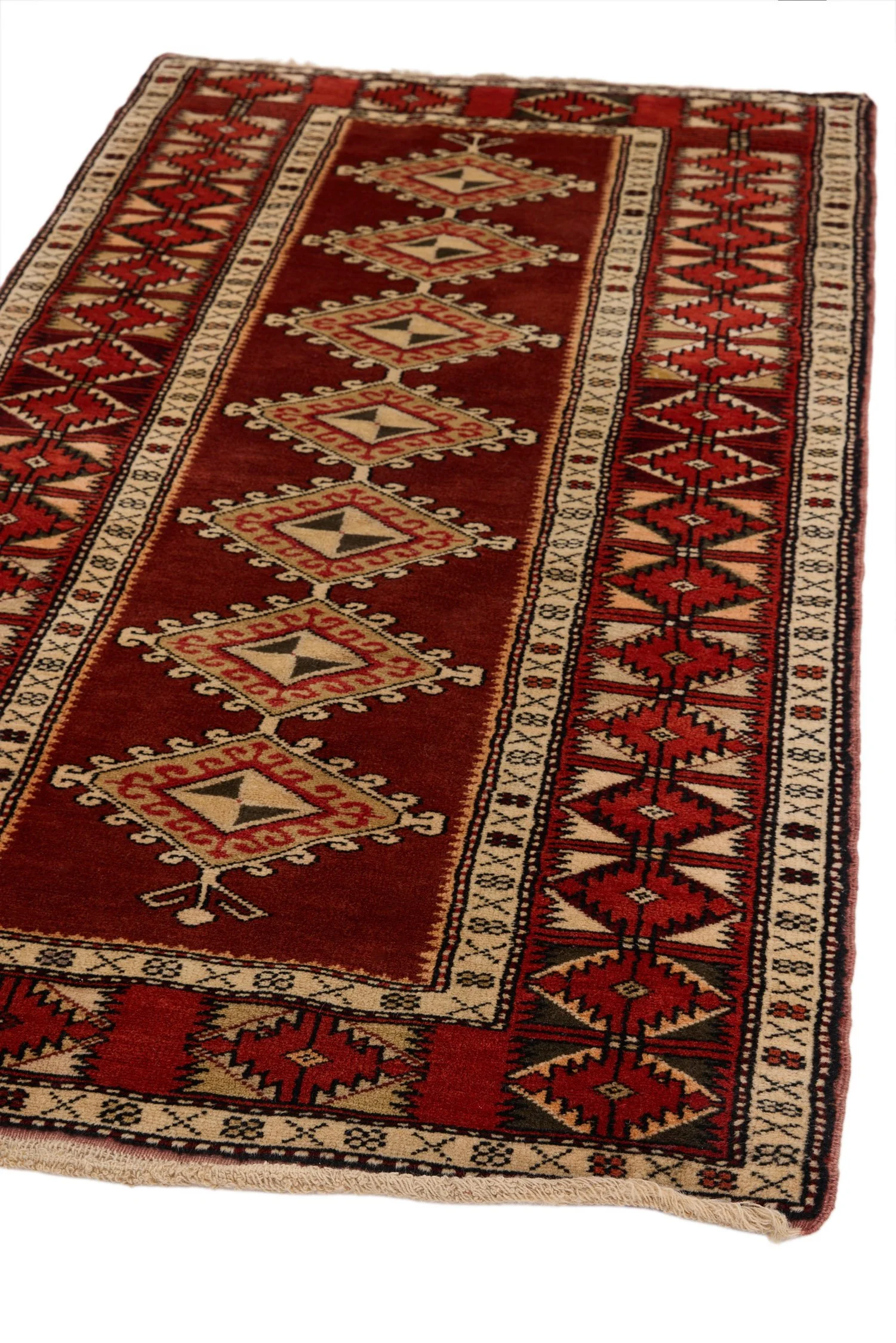
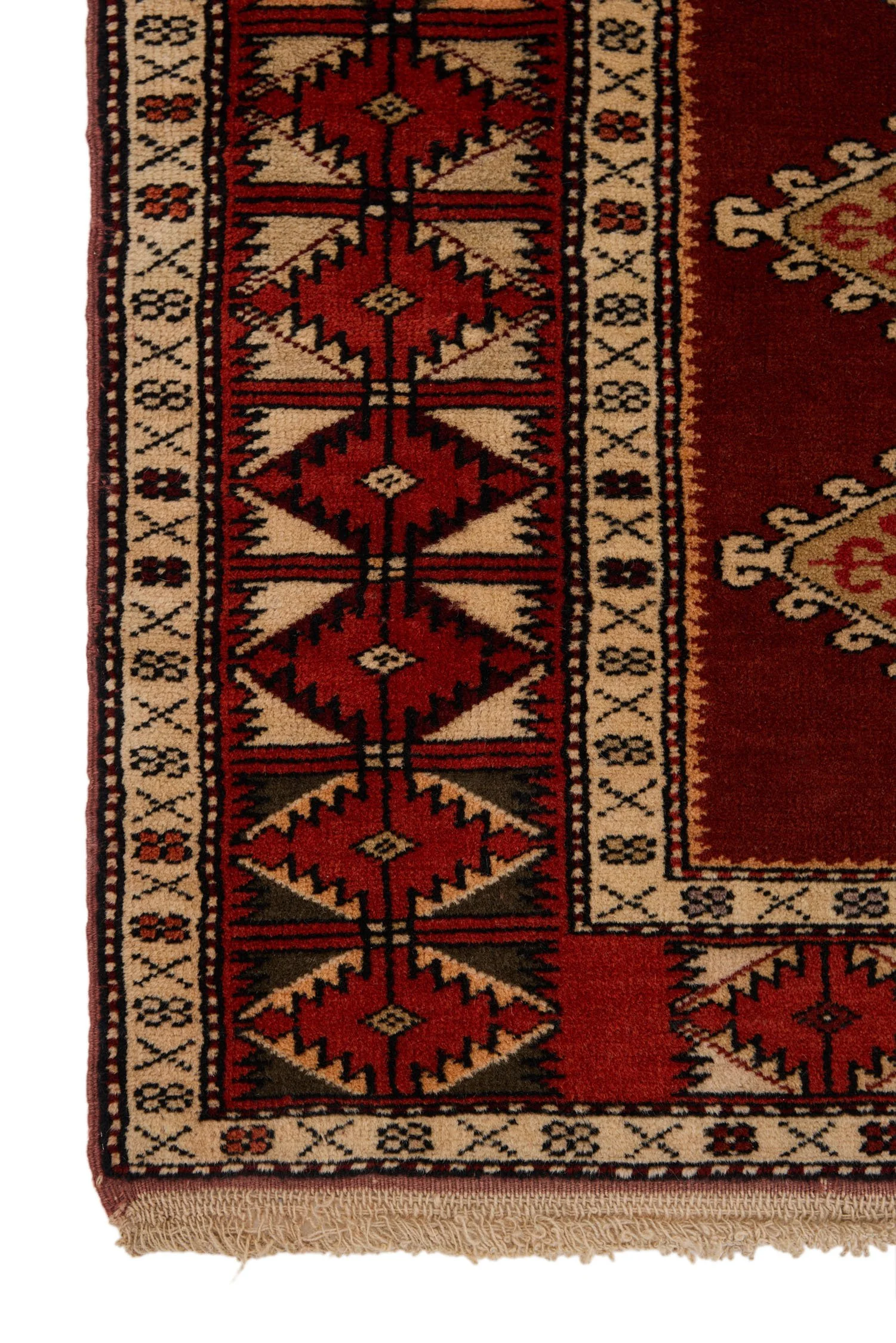
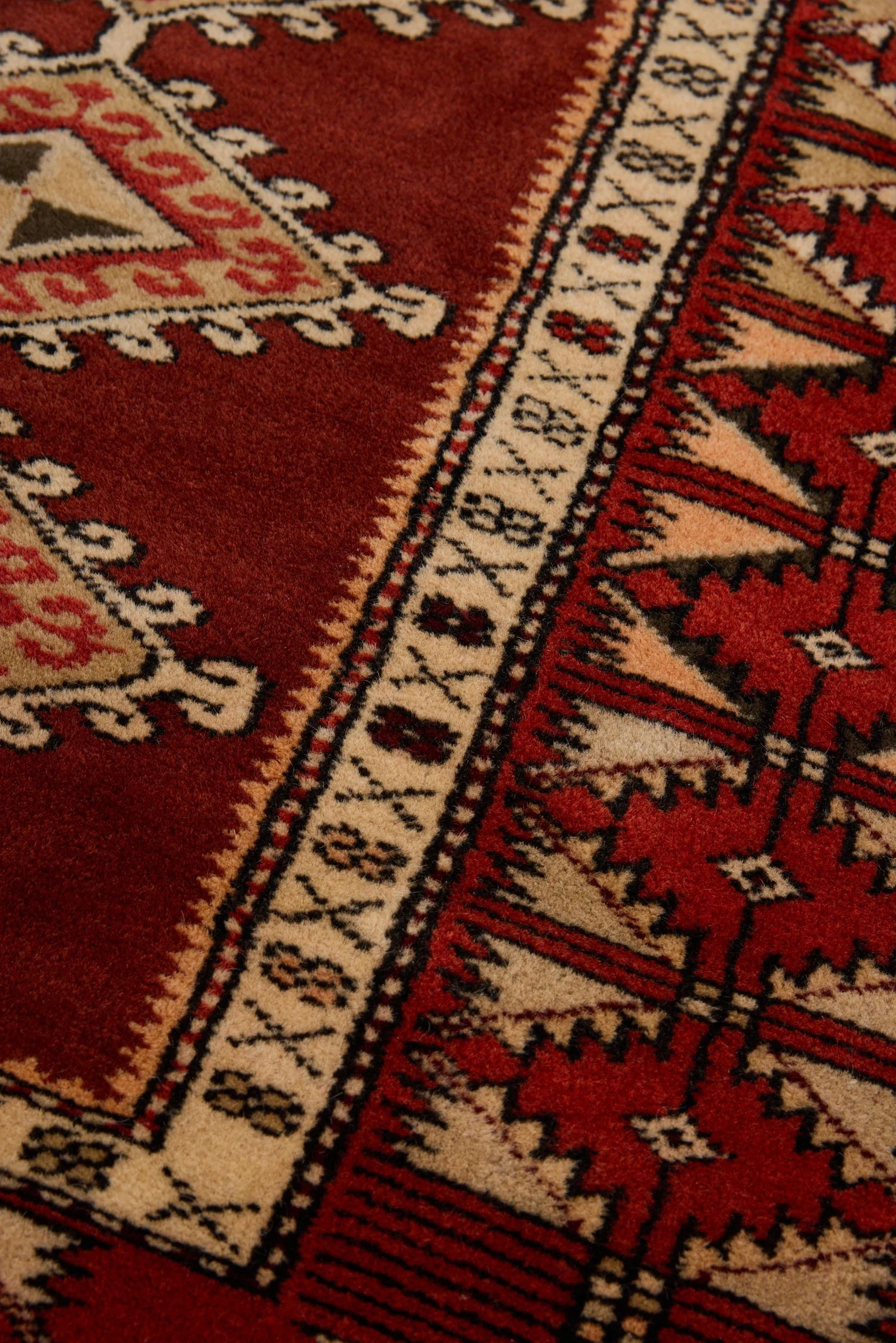
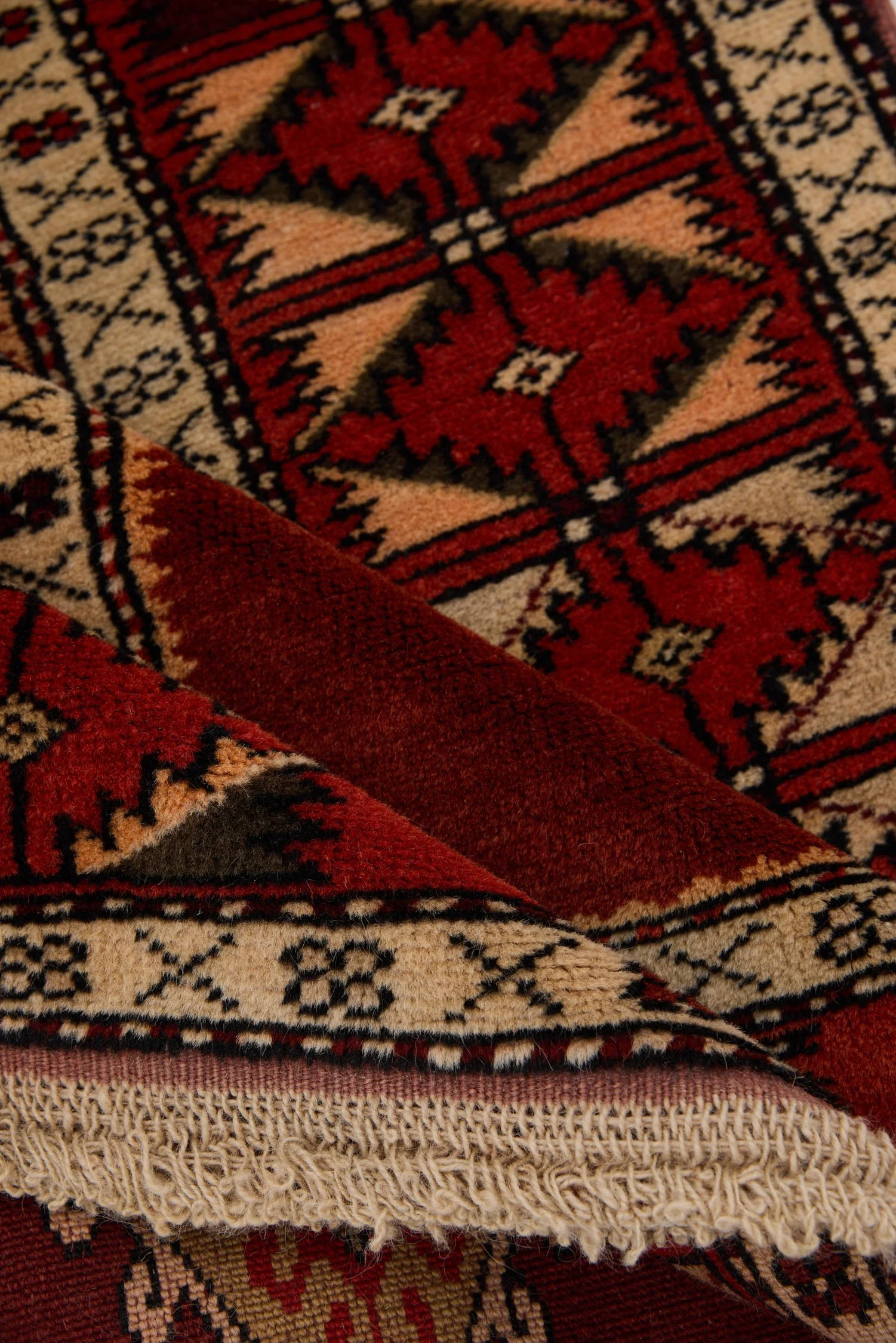
 Image 1 of 6
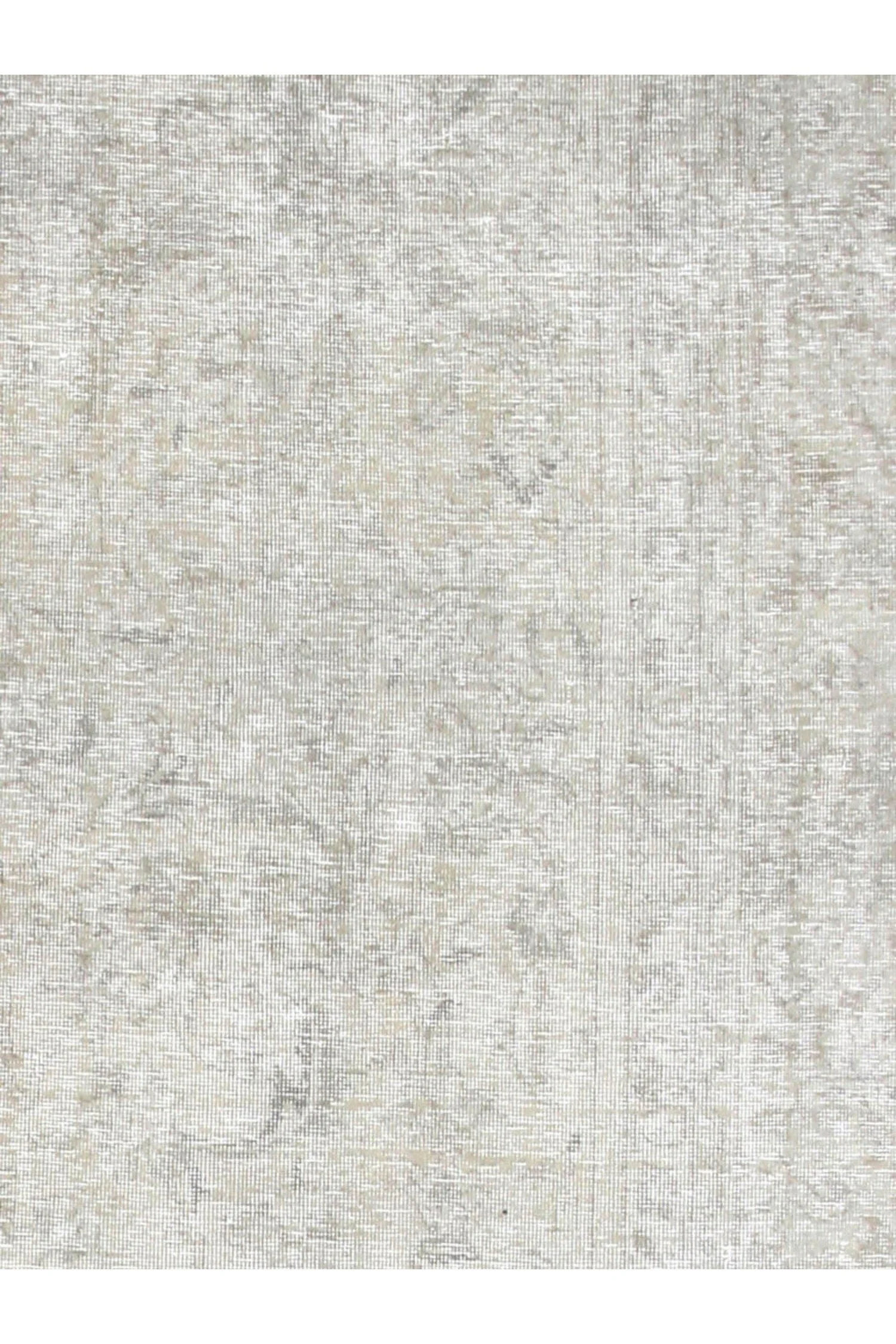 Image 2 of 6
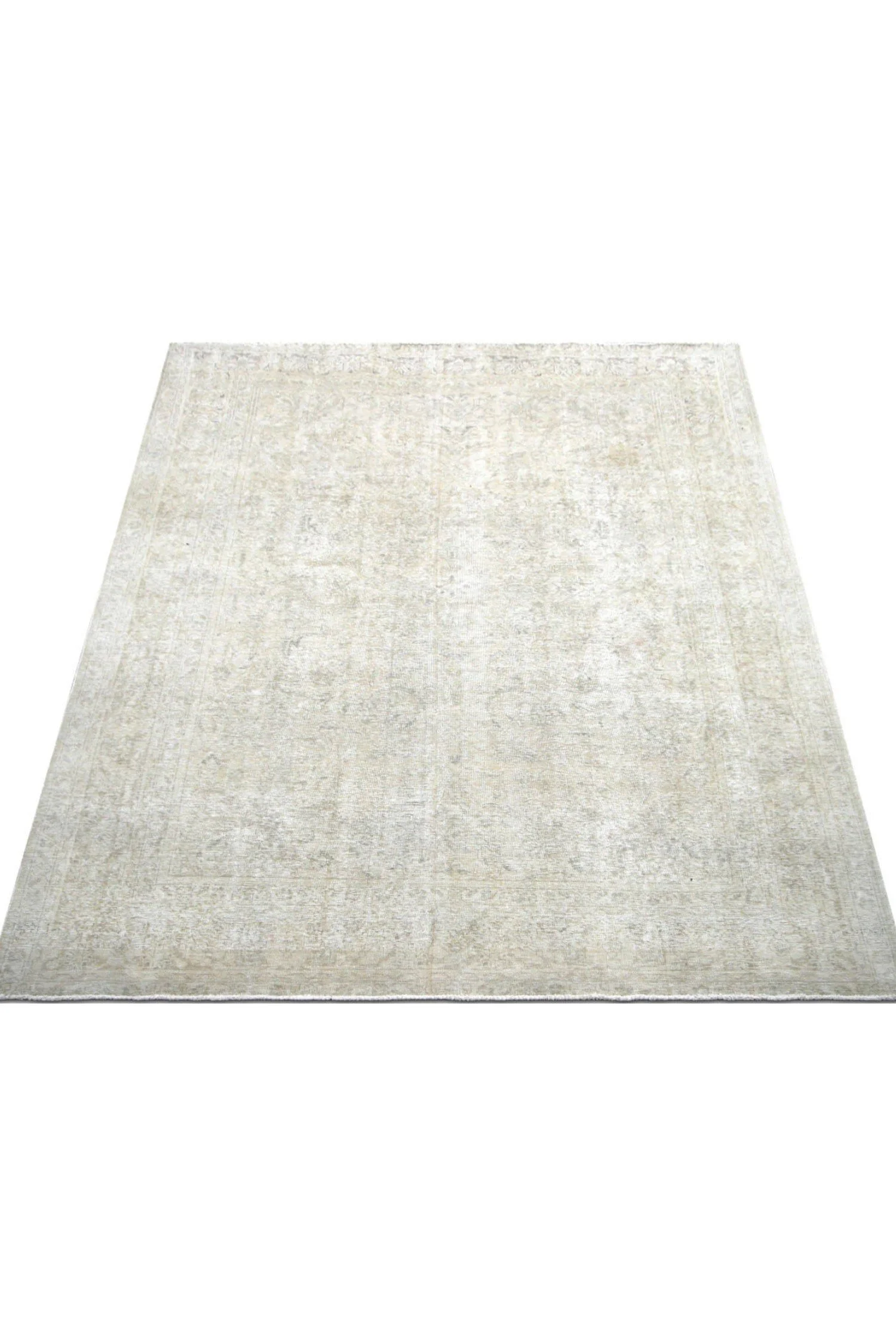 Image 3 of 6
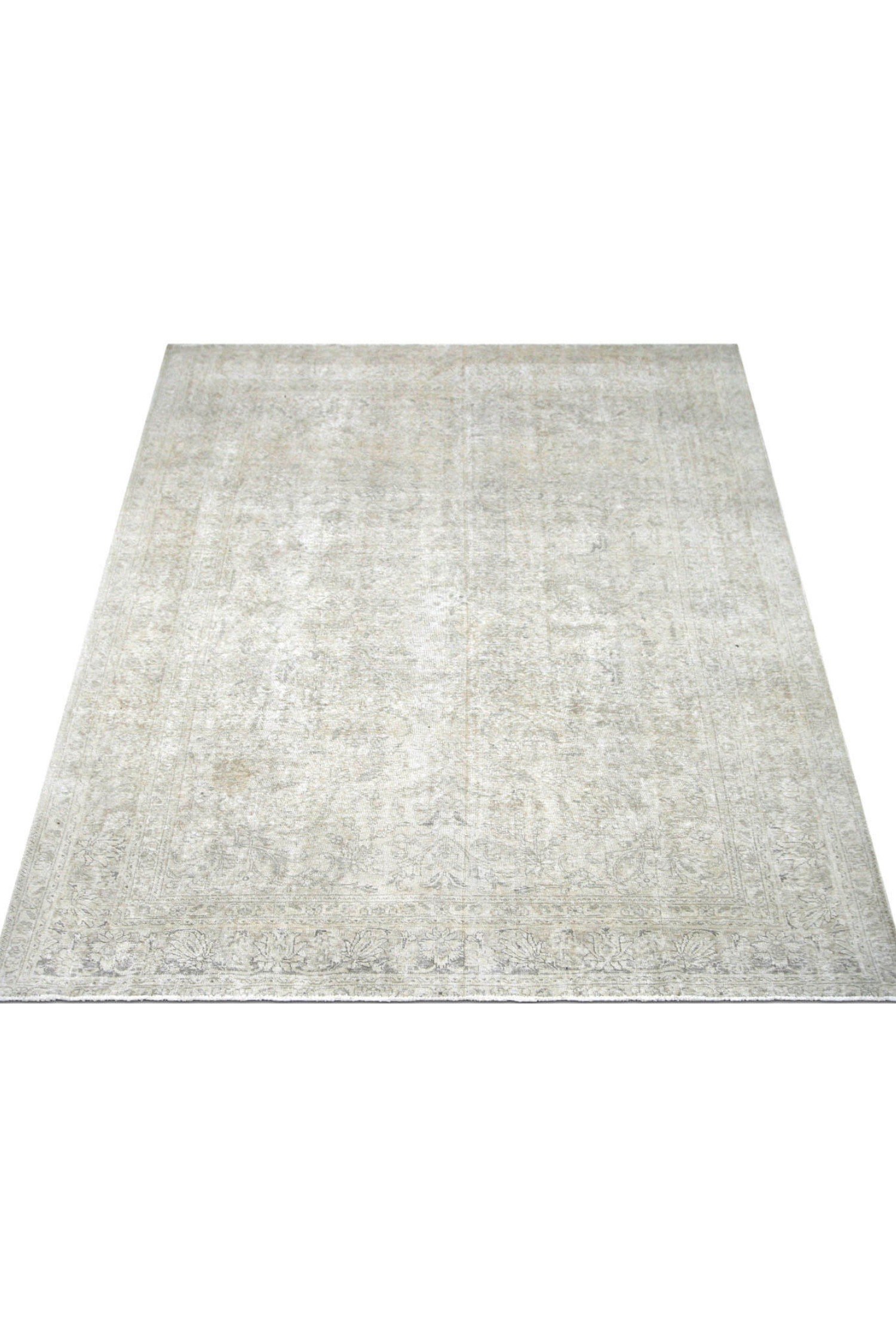 Image 4 of 6
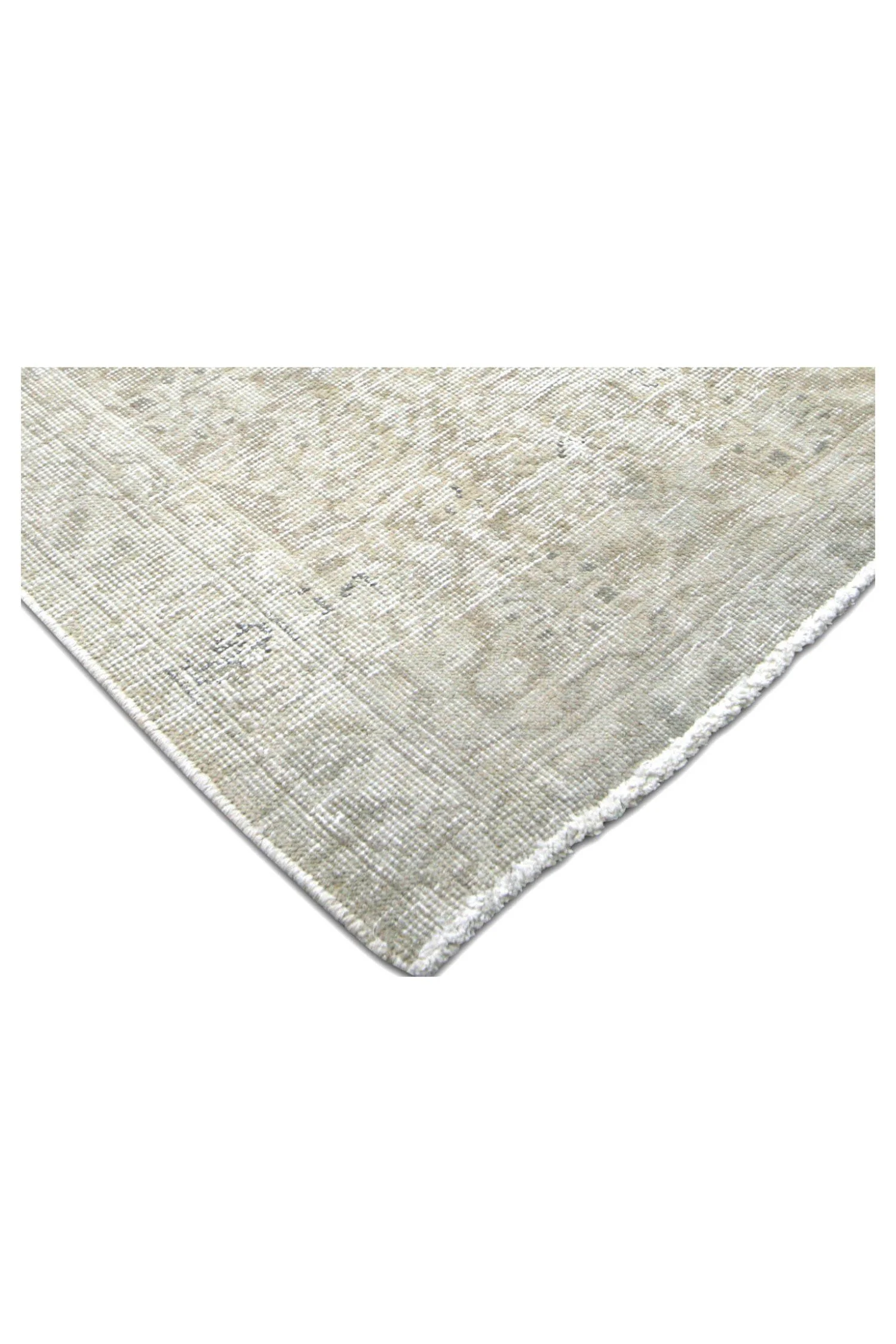 Image 5 of 6
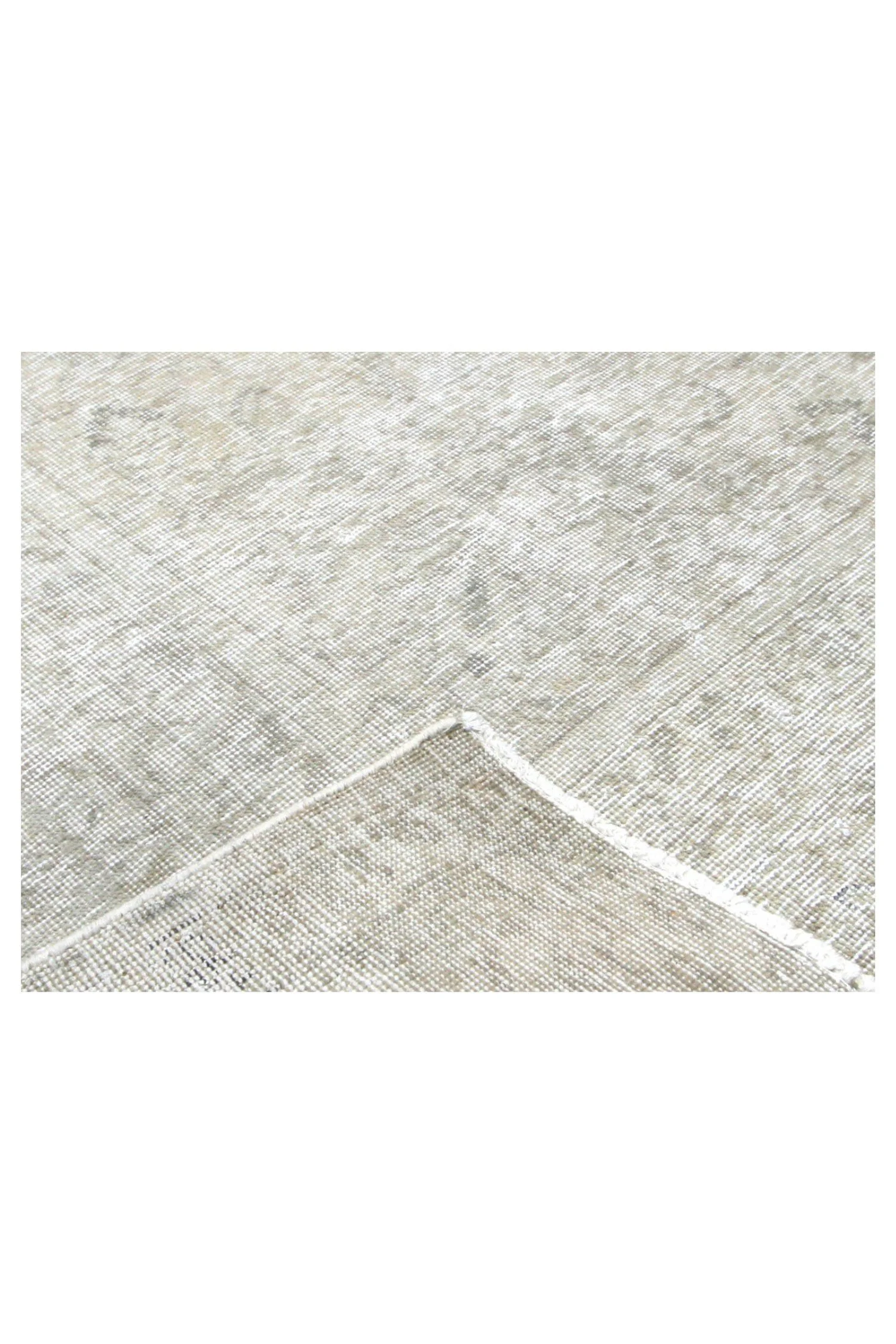 Image 6 of 6
Heritage and Craftsmanship
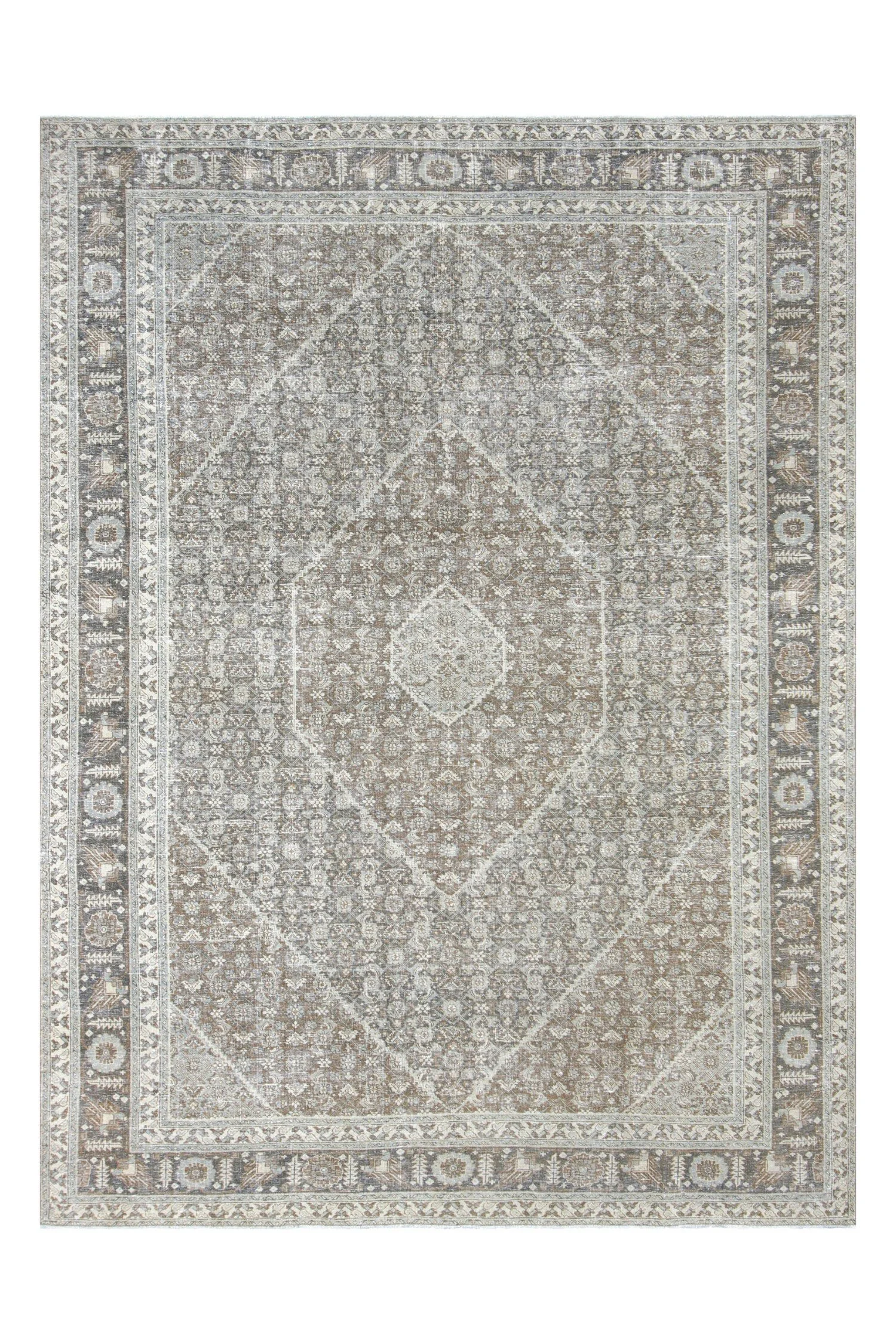
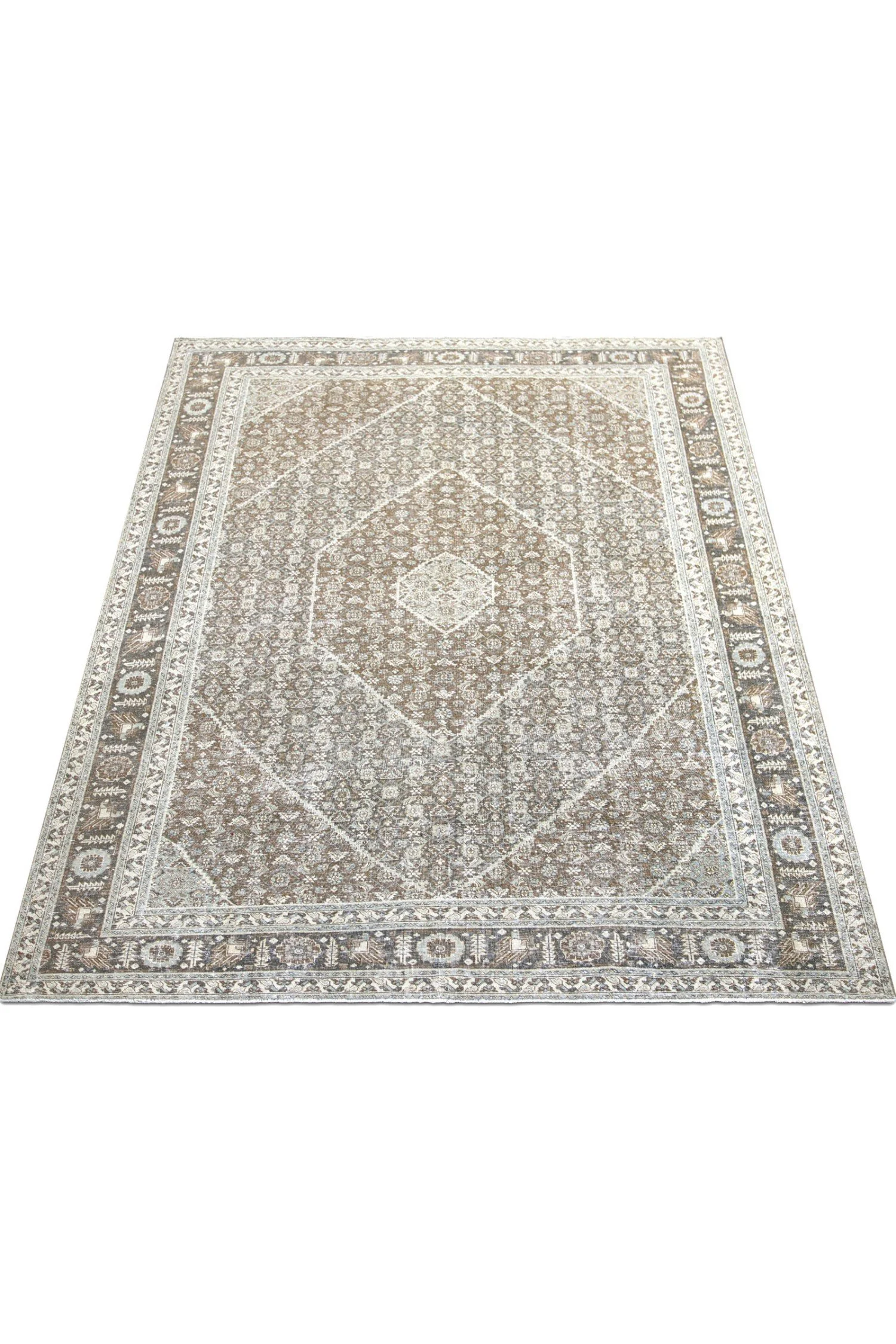
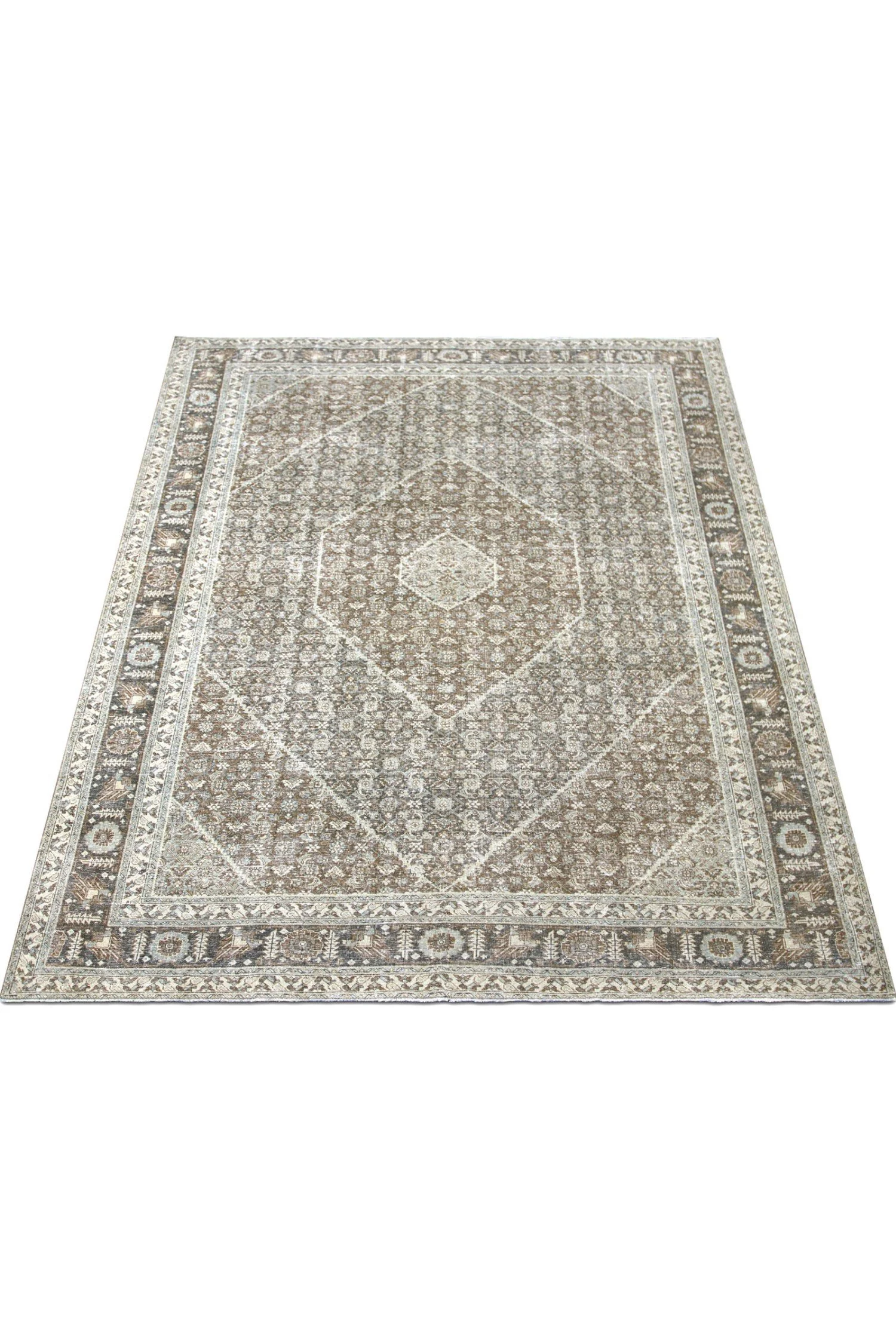
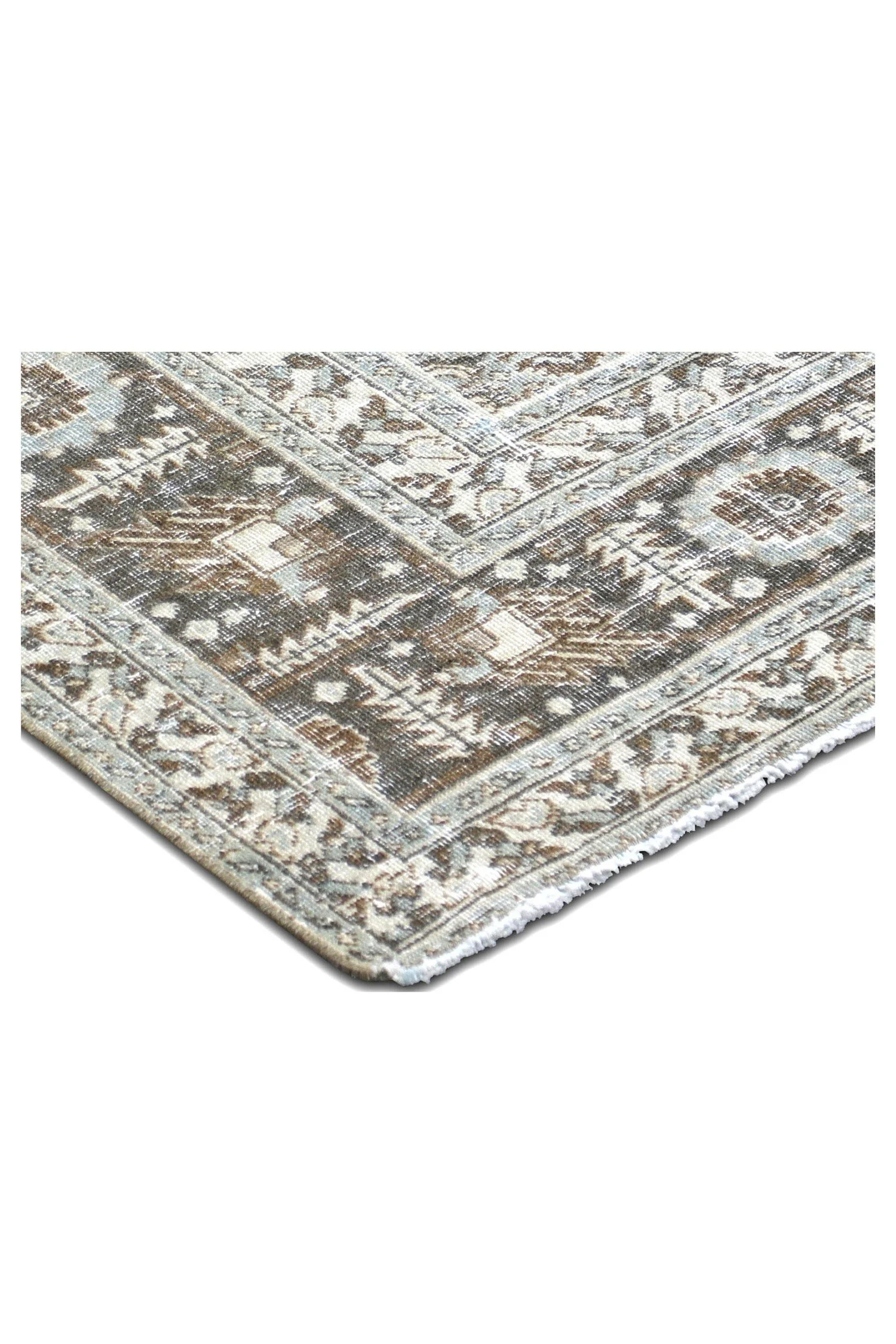
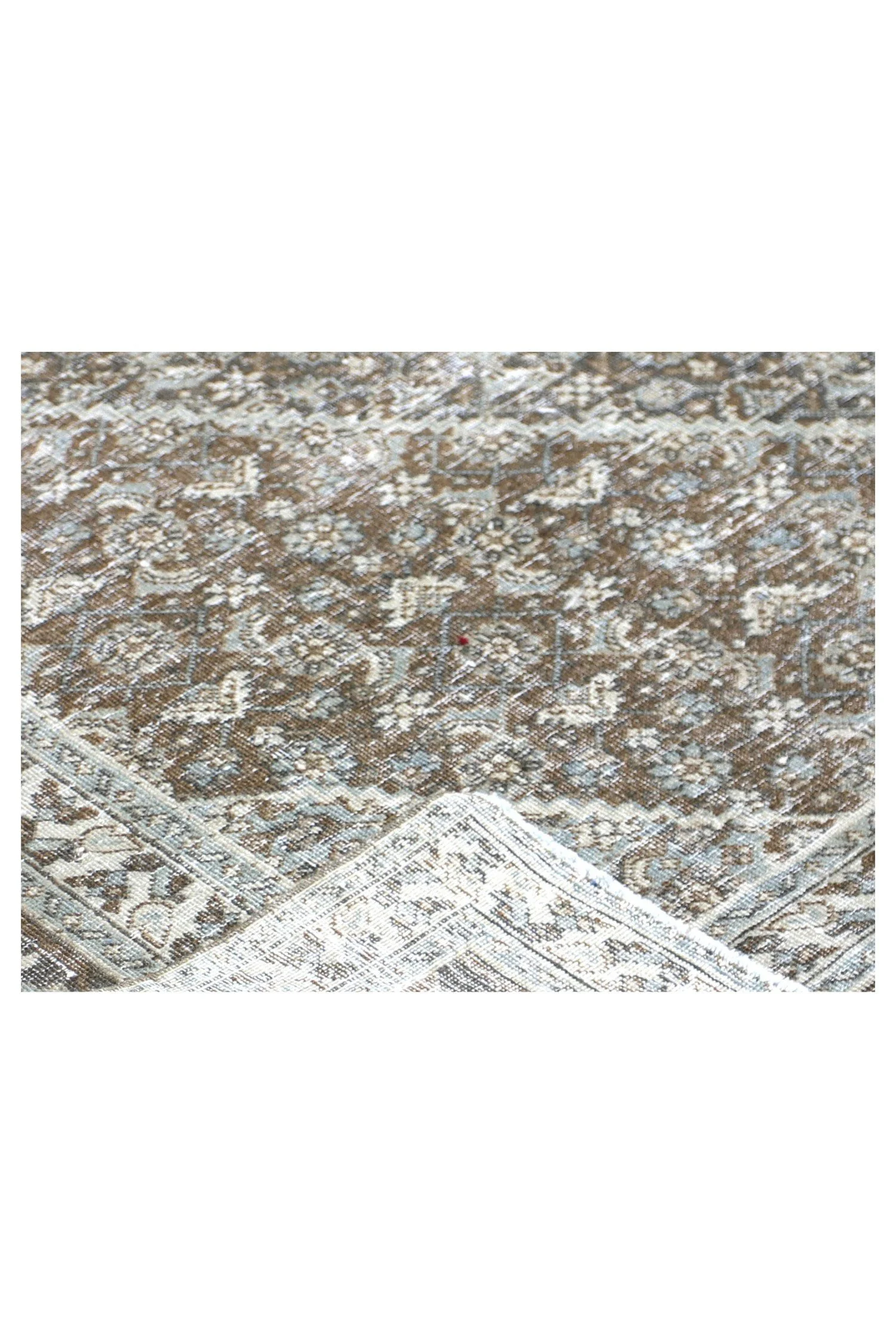
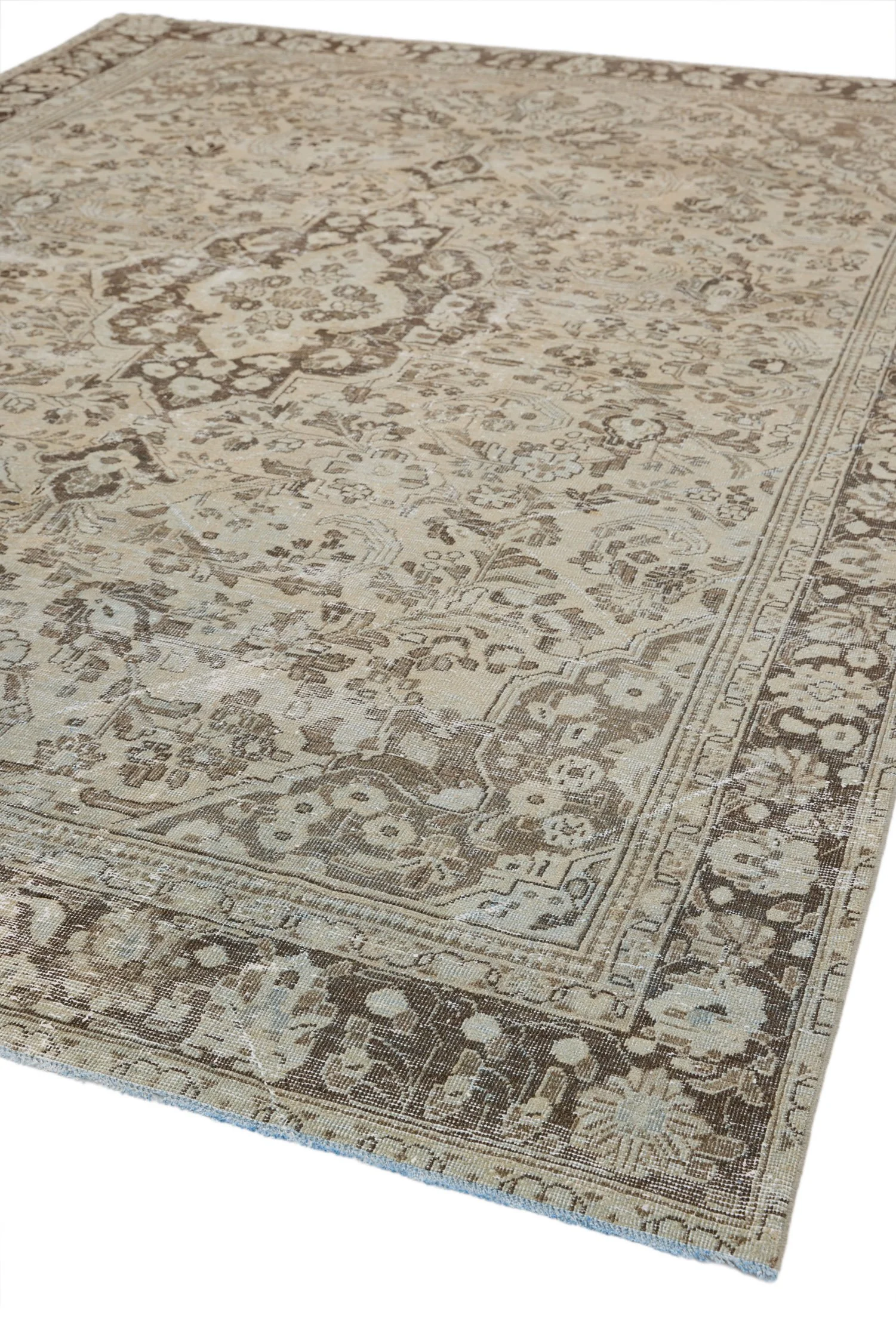
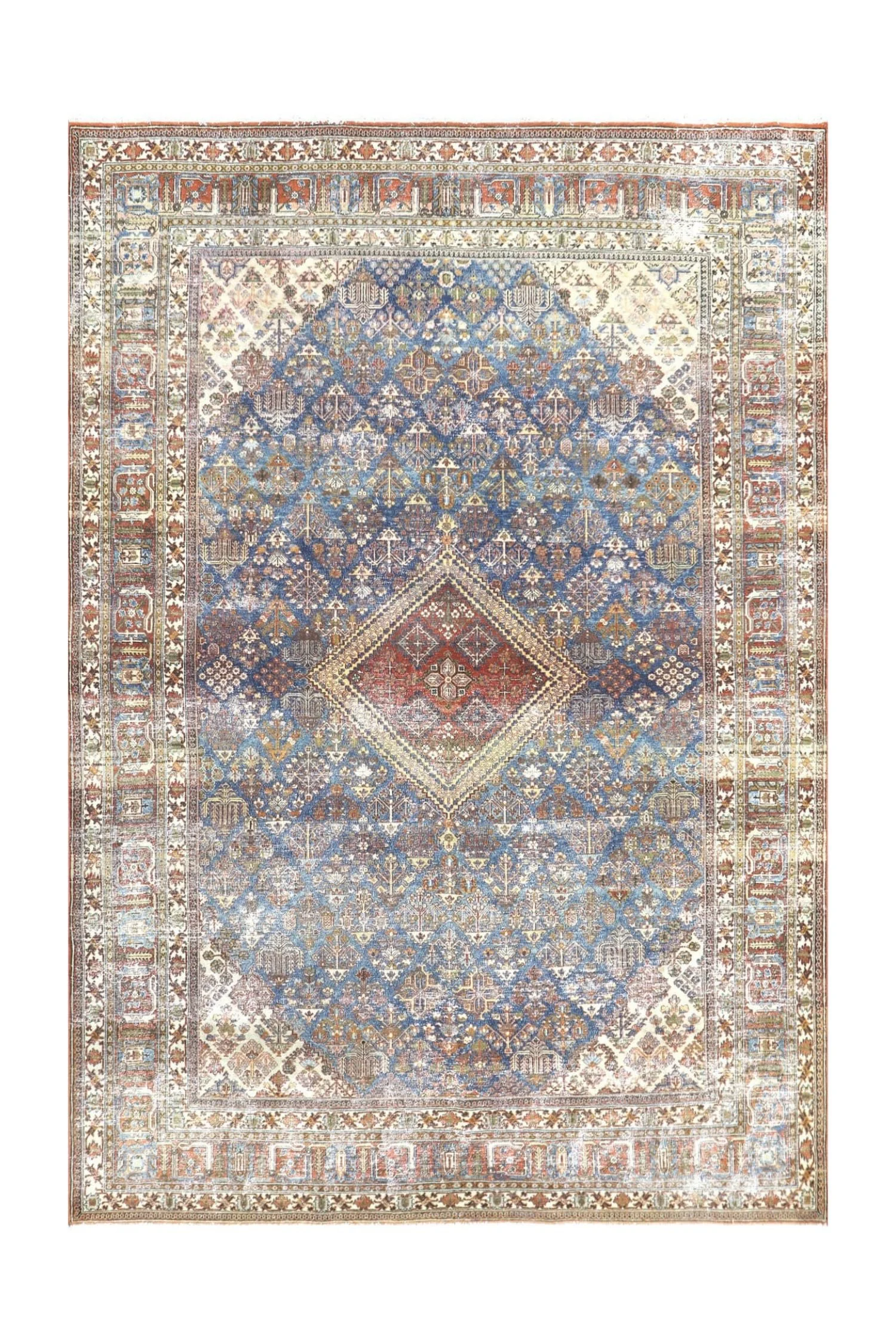
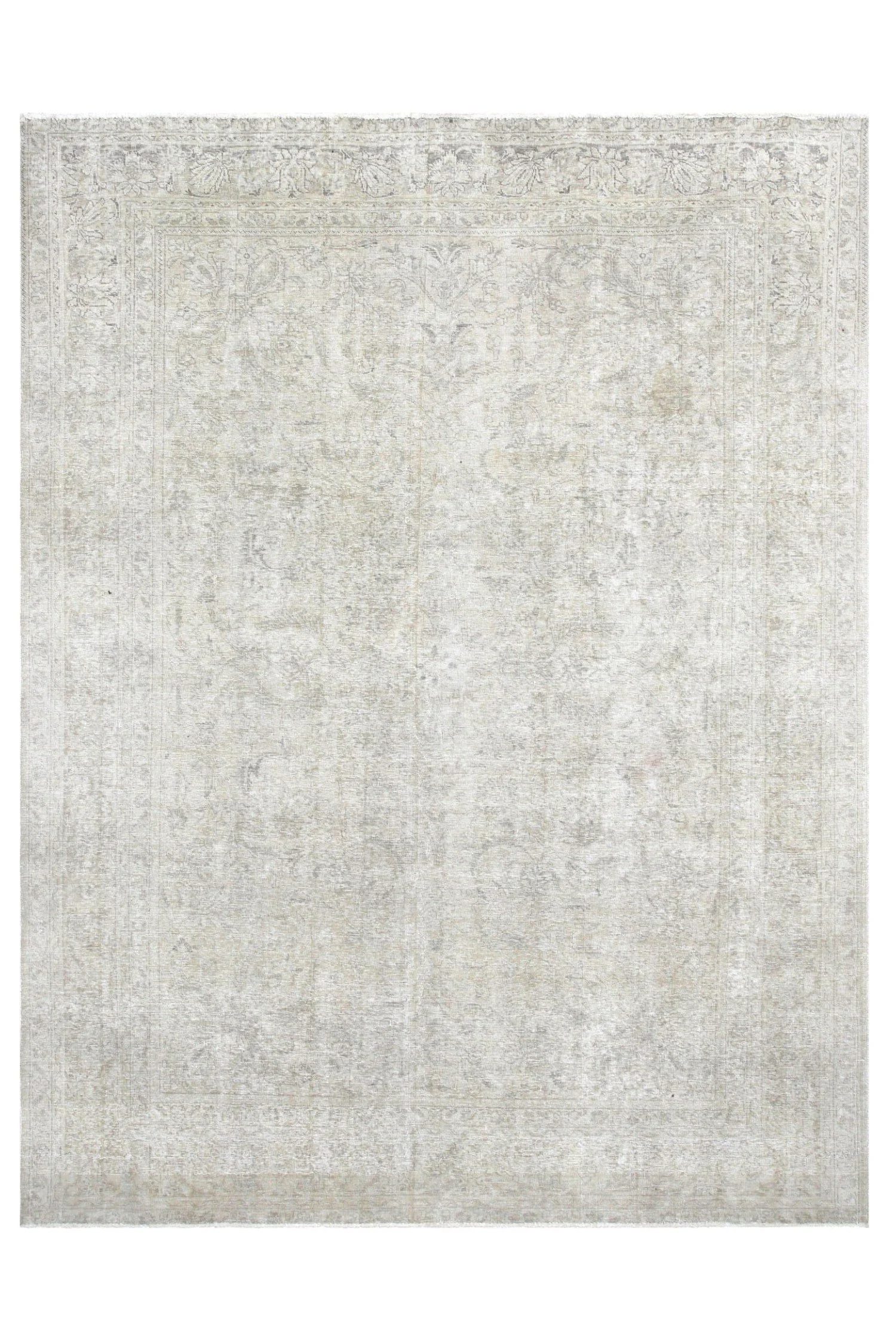
Tabriz workshops in the 1940s and 1950s created rugs with fine weaving and detailed floral compositions. What likely began as a rug with defined colors and crisp patterns has transformed through seven to eight decades of use and light exposure. The extensive wear visible today represents not neglect but genuine life lived on this surface.
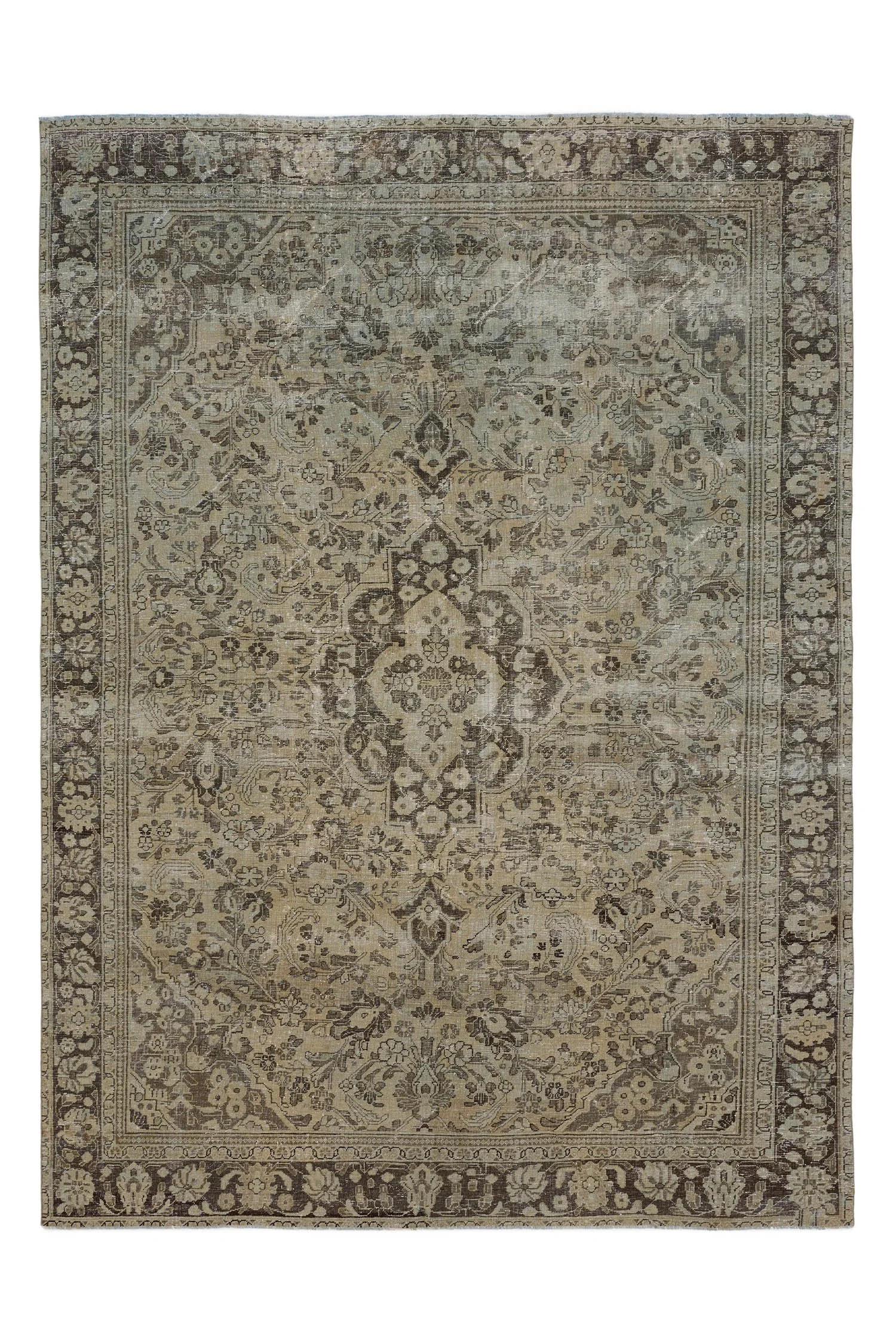
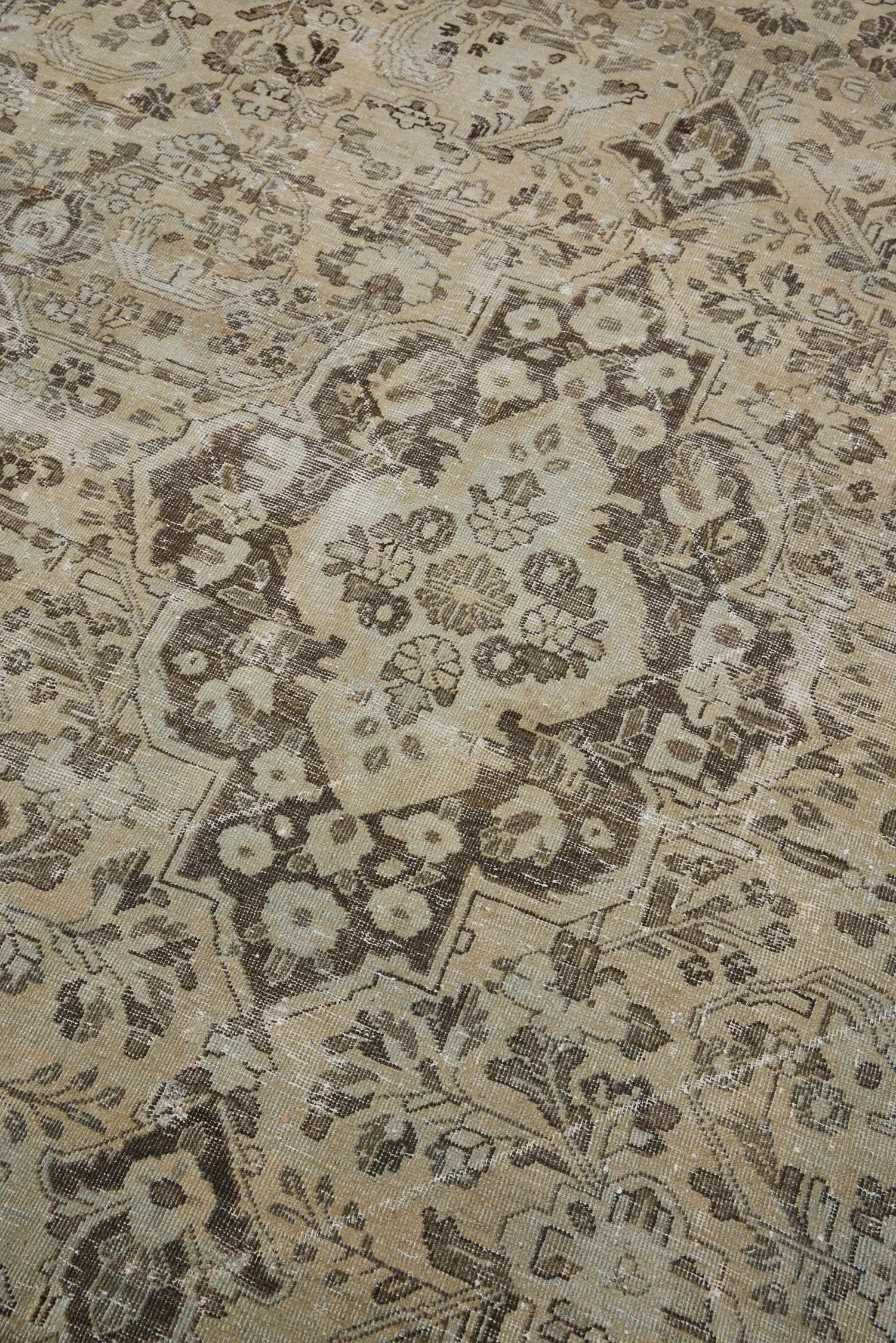
The nearly monochrome palette resulted from natural dyes aging at different rates. Some colors fade quickly under light exposure, while others resist change. The ivory, stone, and sand tones seen here show what remains when original reds, blues, and greens have mellowed beyond recognition. This transformation distinguishes genuinely aged pieces from those artificially distressed.
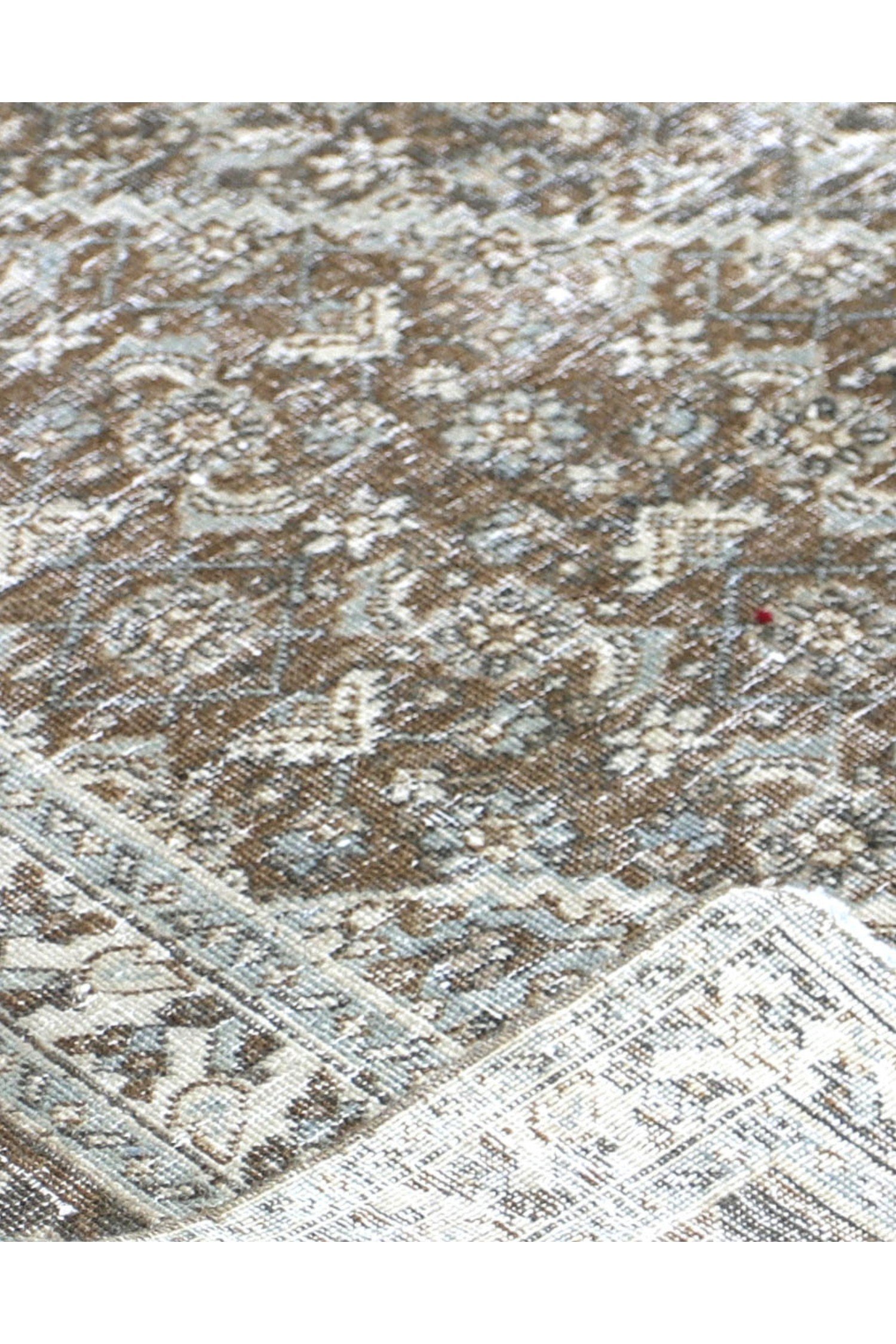
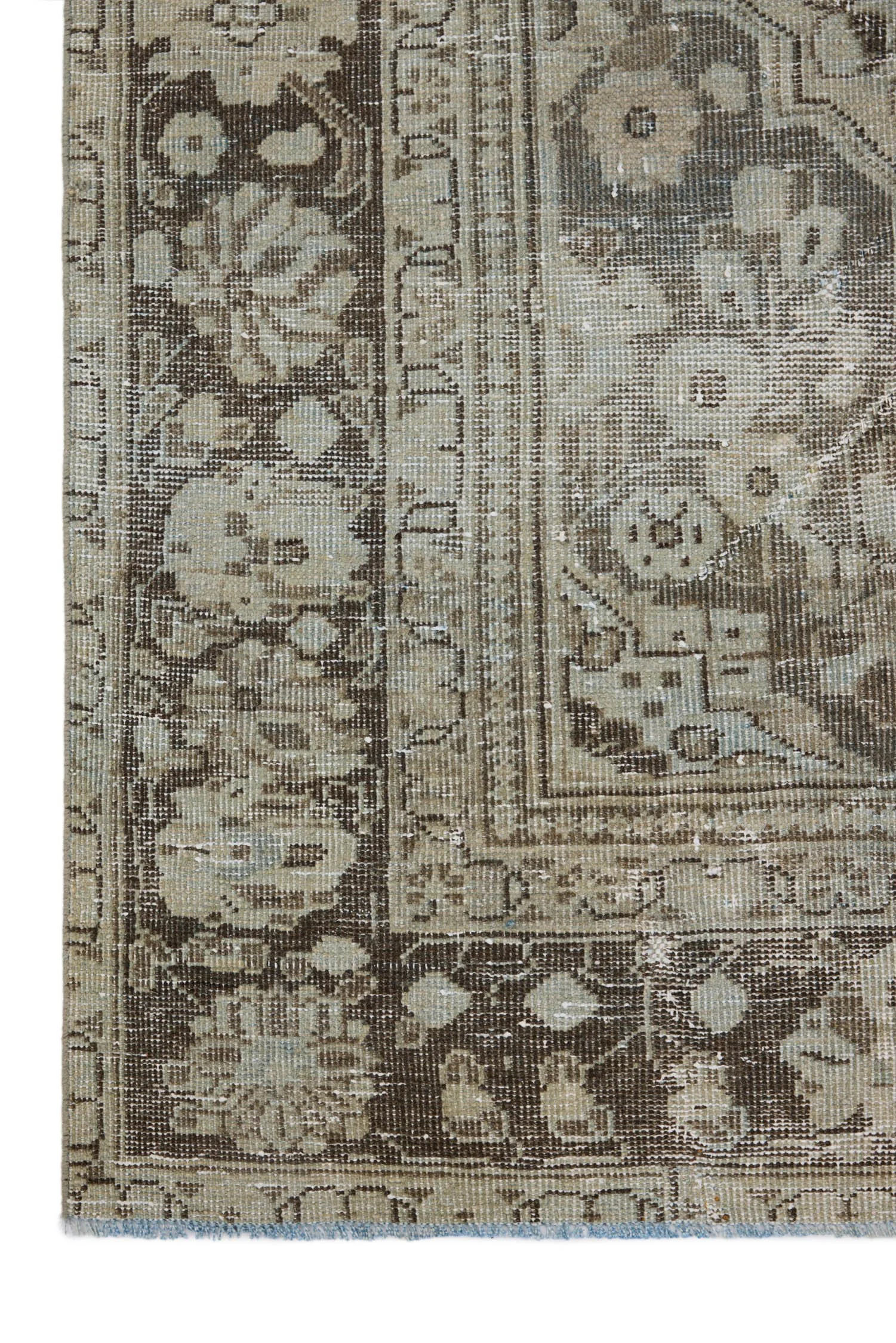
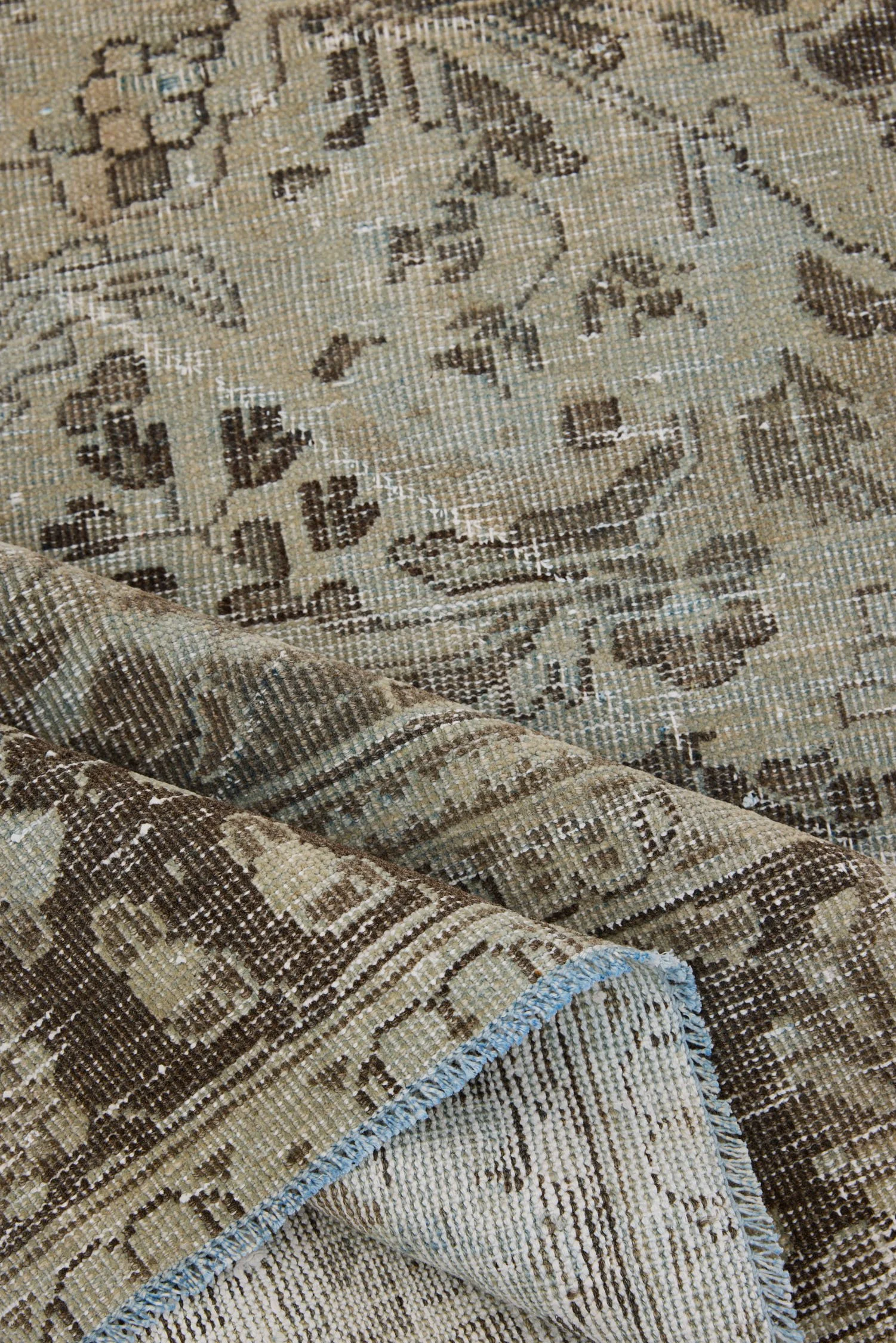
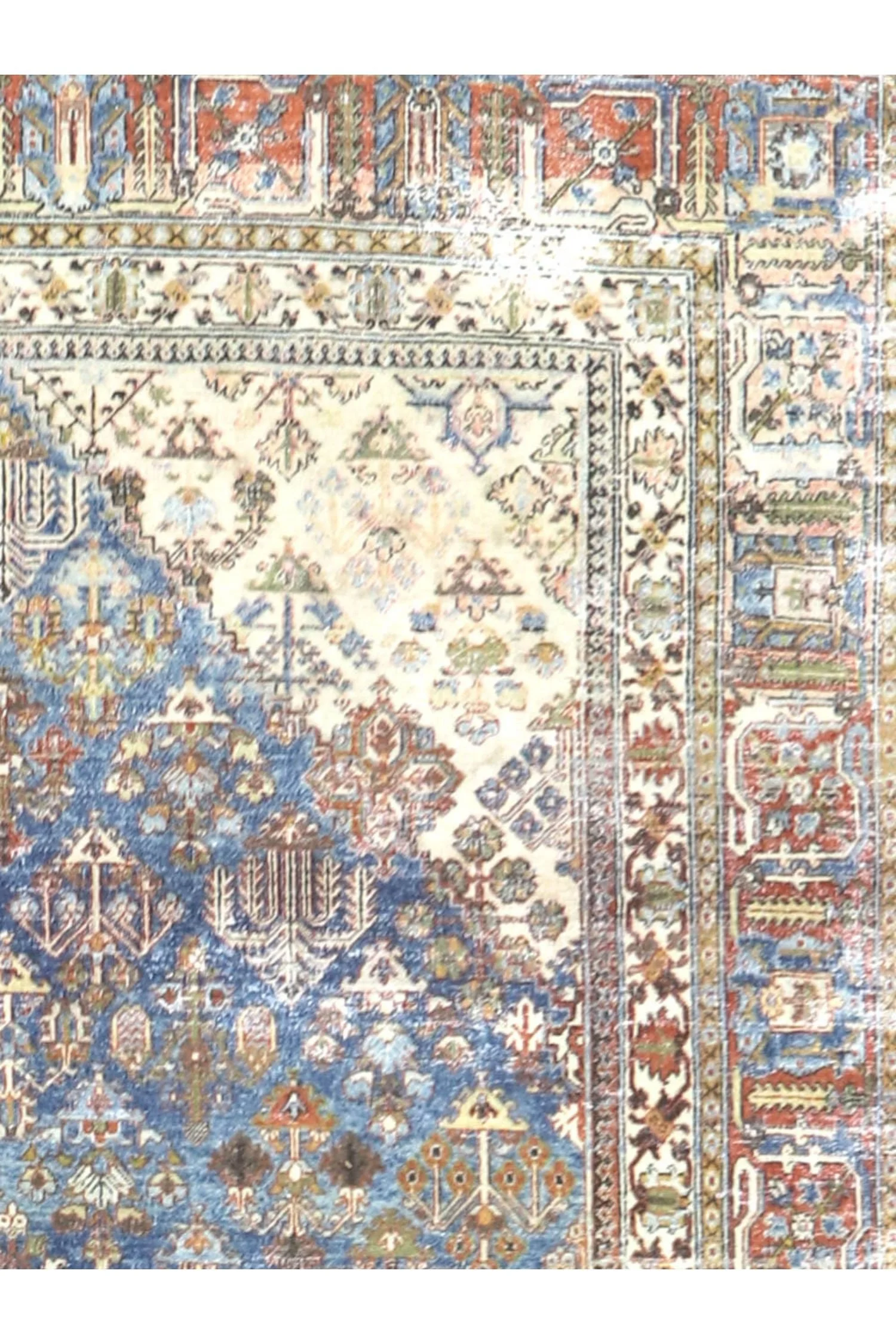
Fine Tabriz weaving used tight knot counts that allowed for detailed pattern execution. Even with extensive wear, the underlying structure maintains integrity. The pattern remains discernible because the weaving quality supports legibility even when surface definition has faded.
Design Elements
The floral composition follows classical Tabriz structure, with pattern distributed across the field in organized arrangement. Time has softened the forms until they read as gentle variations in tone rather than distinct motifs. This creates the atmospheric quality visible throughout.
Borders provide framing but have aged similarly to the field, creating tonal integration rather than strong contrast. The border pattern remains visible through texture and subtle color shifts rather than through sharp definition.
The extensive, even wear indicates consistent use across the entire surface. No concentrated traffic patterns show; instead, the whole rug has aged uniformly. This creates the calm quality that comes from balanced, widespread use over decades.
Placement
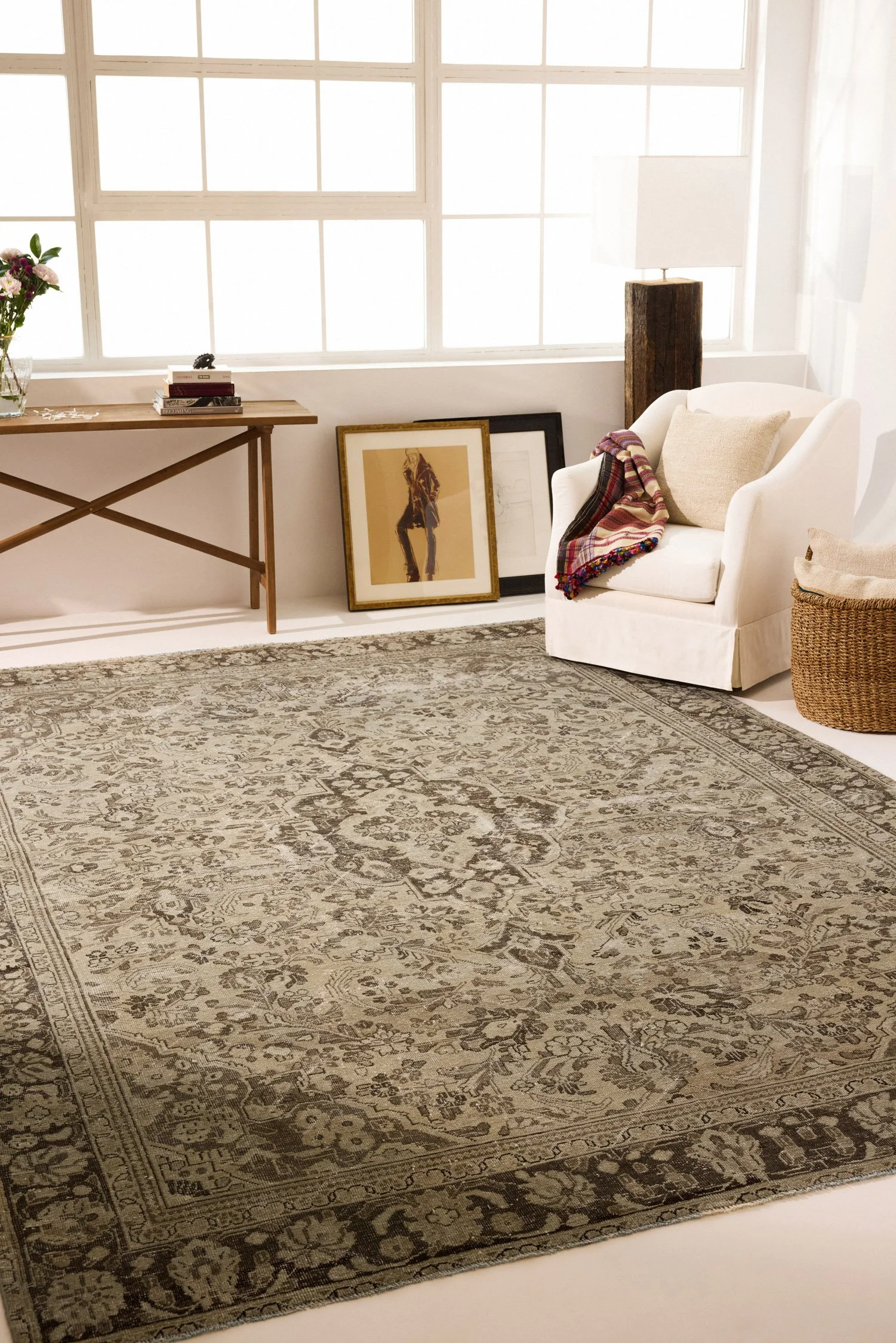
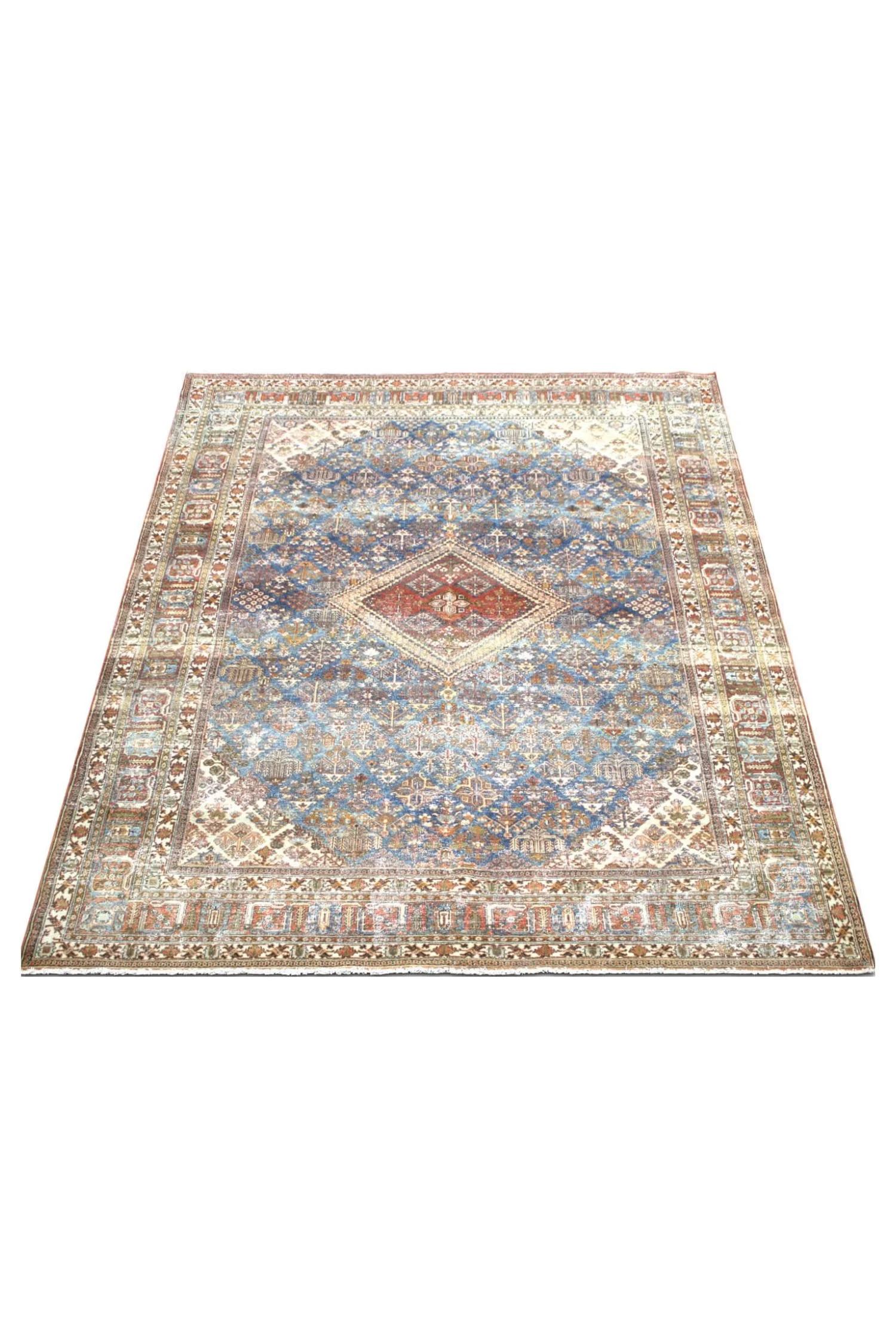
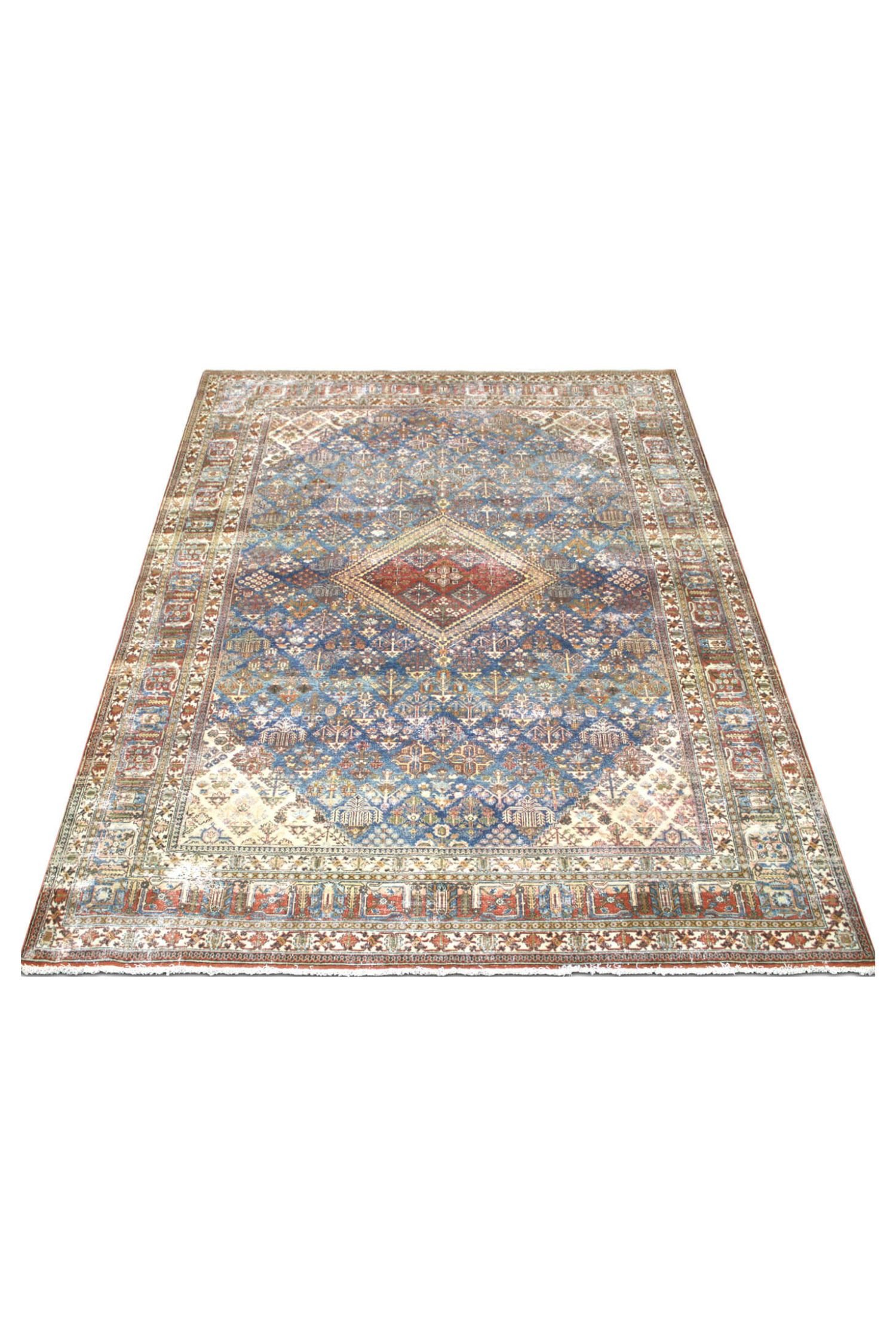
At 8'1" x 10'6", this works in living rooms where you want substantial coverage with atmospheric neutrality. Dining rooms can accommodate it under tables that seat eight. Bedrooms benefit from the calm, nearly monochrome palette.
The soft ivory and stone tones function as a neutral foundation in interiors with ample natural light, where subtle tonal variations become more apparent. Contemporary spaces appreciate the understated quality and atmospheric texture. The nearly monochrome palette works particularly well in minimalist settings where pattern needs to exist without demanding attention.
Care Recommendations
To preserve the rug's beauty:
Rotate periodically for even wear
Vacuum regularly using a suction-only setting
Address spills immediately by blotting, never rubbing
Professional cleaning is recommended annually
Avoid direct sunlight to maintain color integrity
Time transformed the colors into neutrals, but the structure remained, proving that Tabriz weavers built their rugs from the foundation up.