 Image 1 of 4
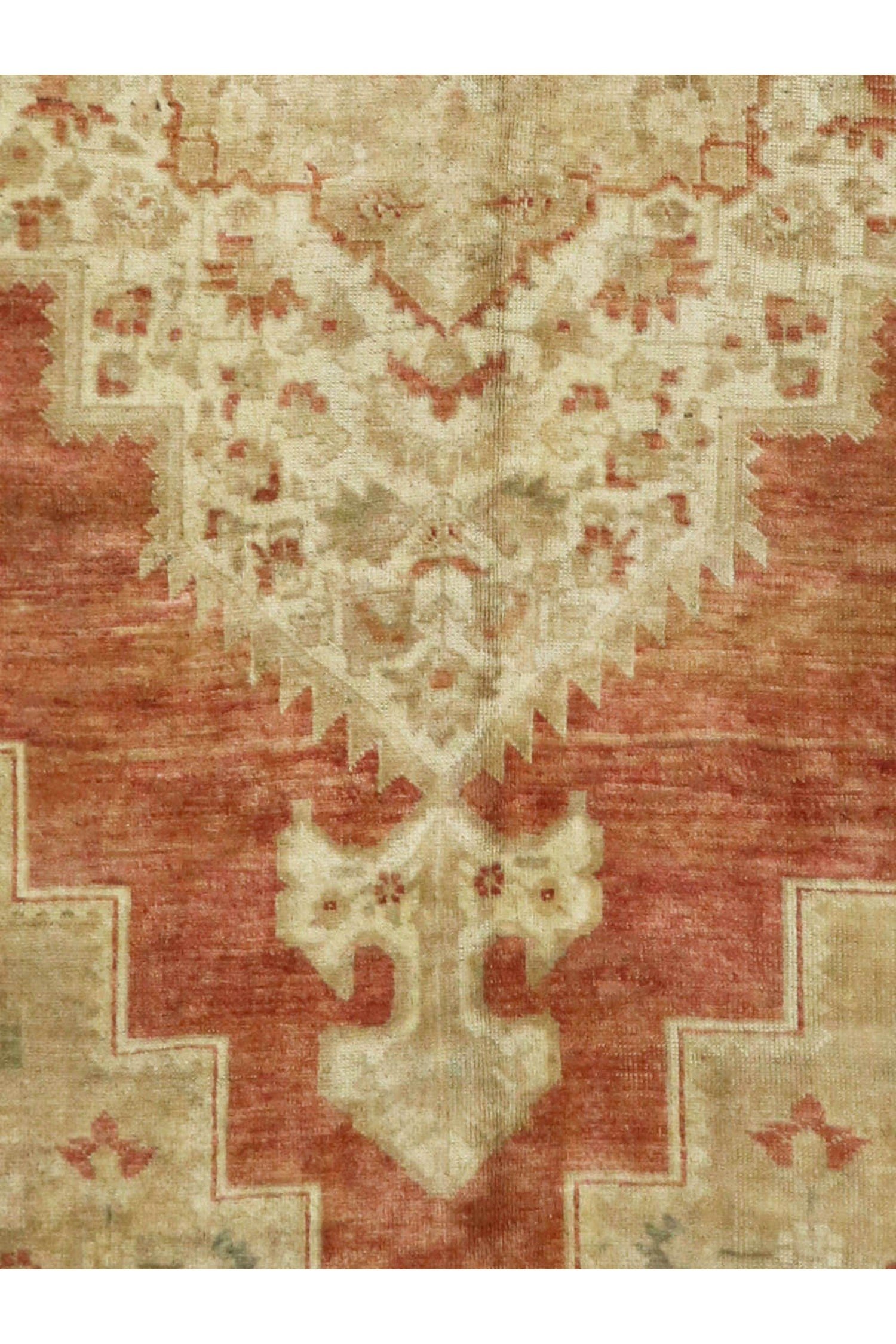 Image 2 of 4
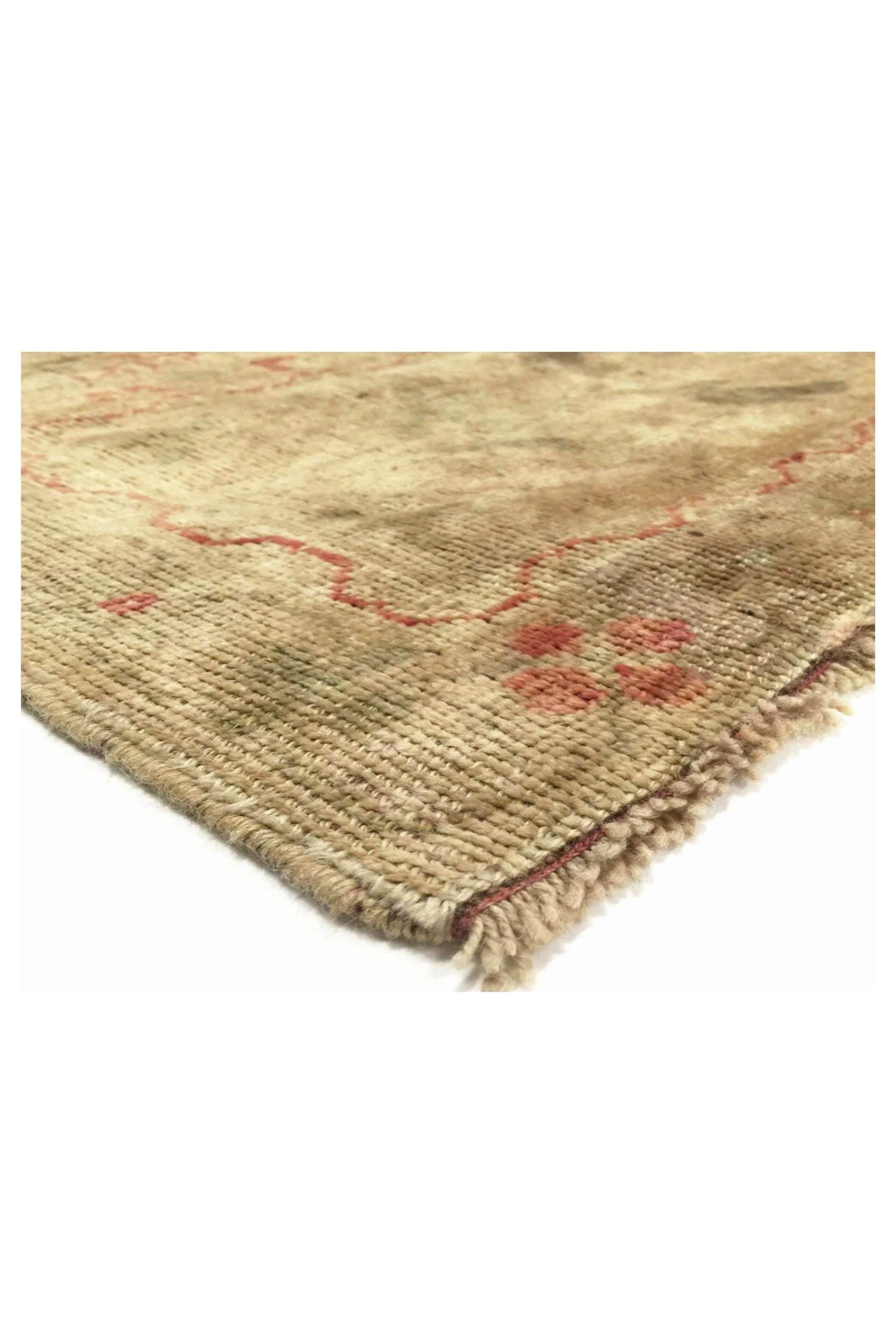 Image 3 of 4
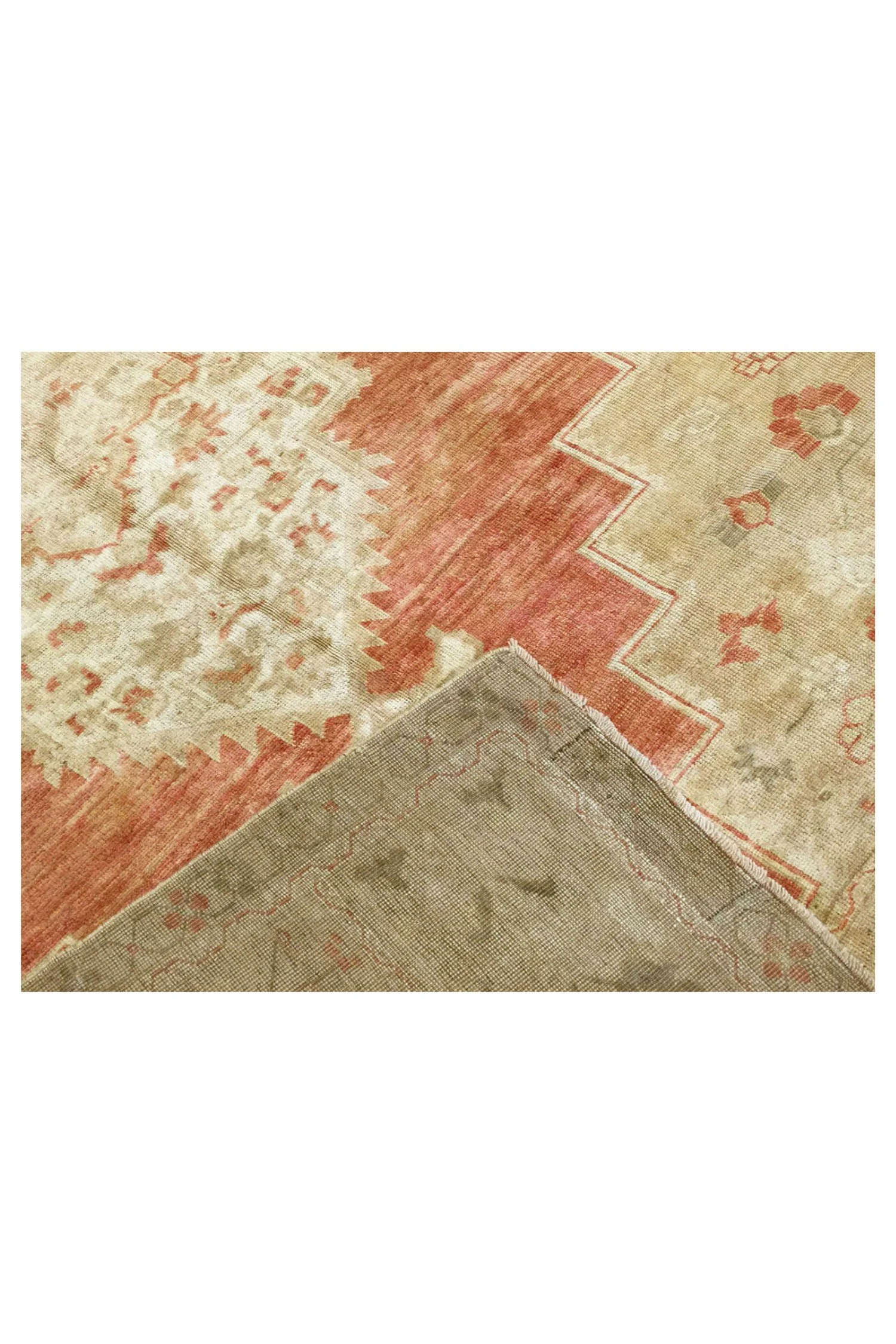 Image 4 of 4
Heritage and Craftsmanship
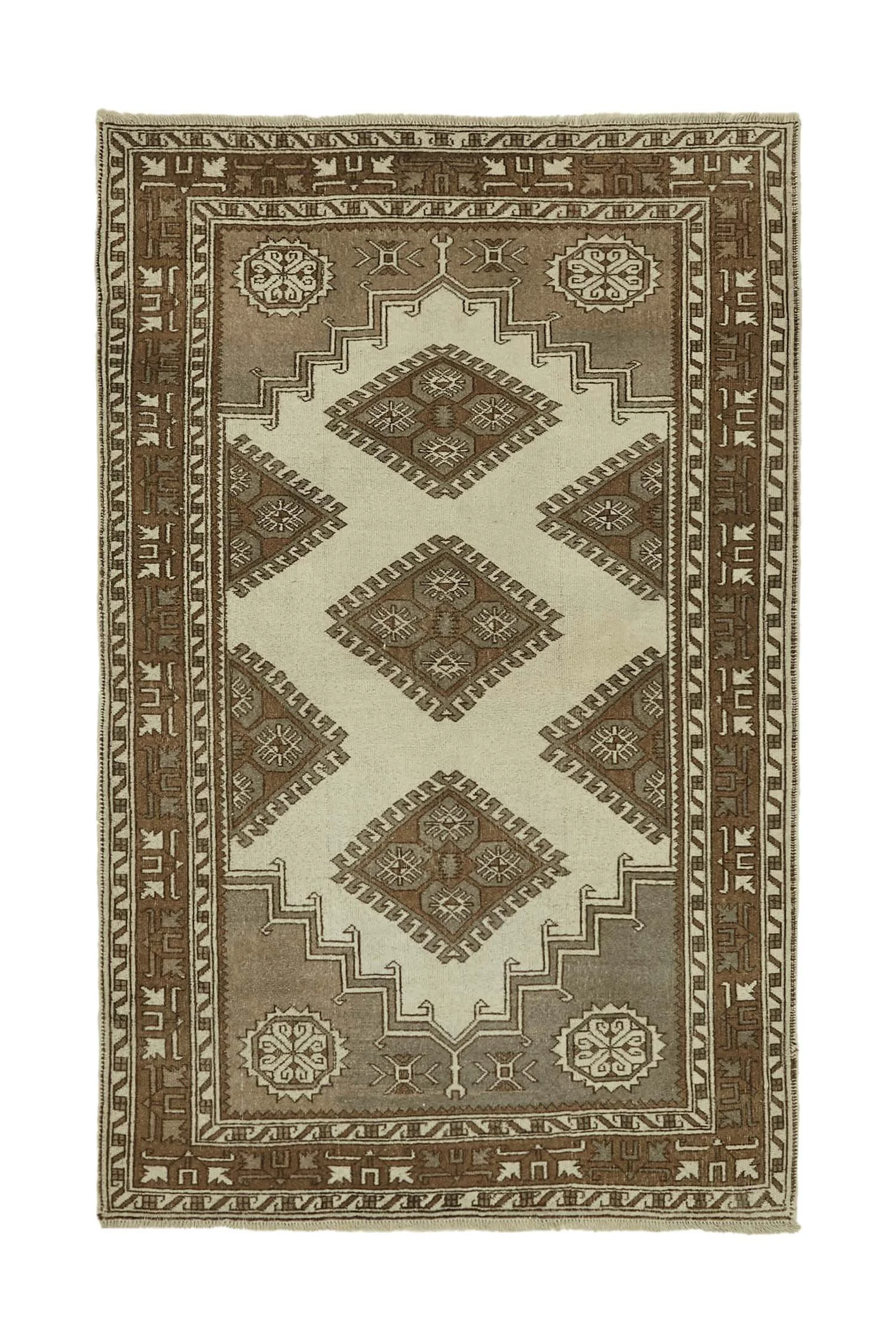
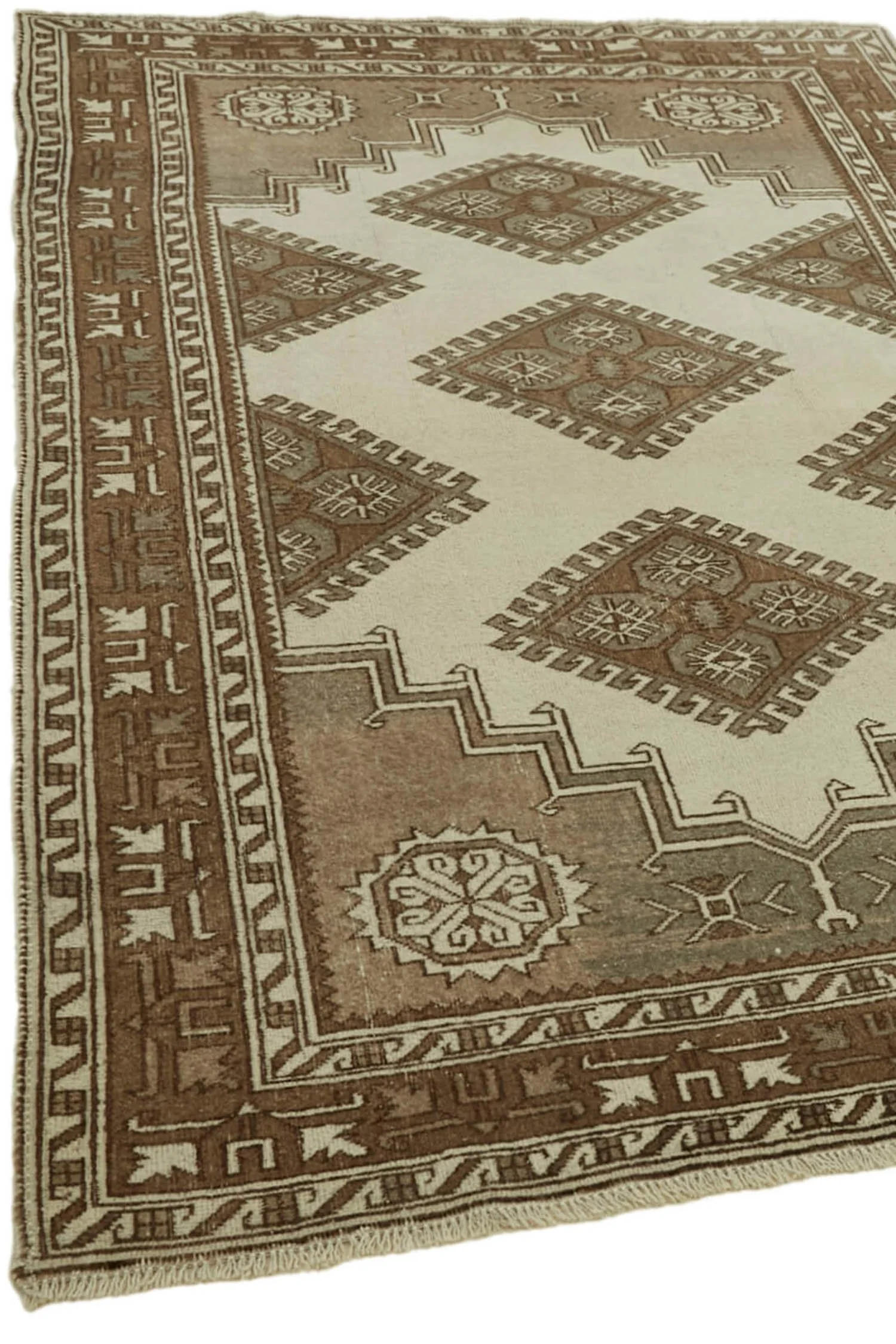
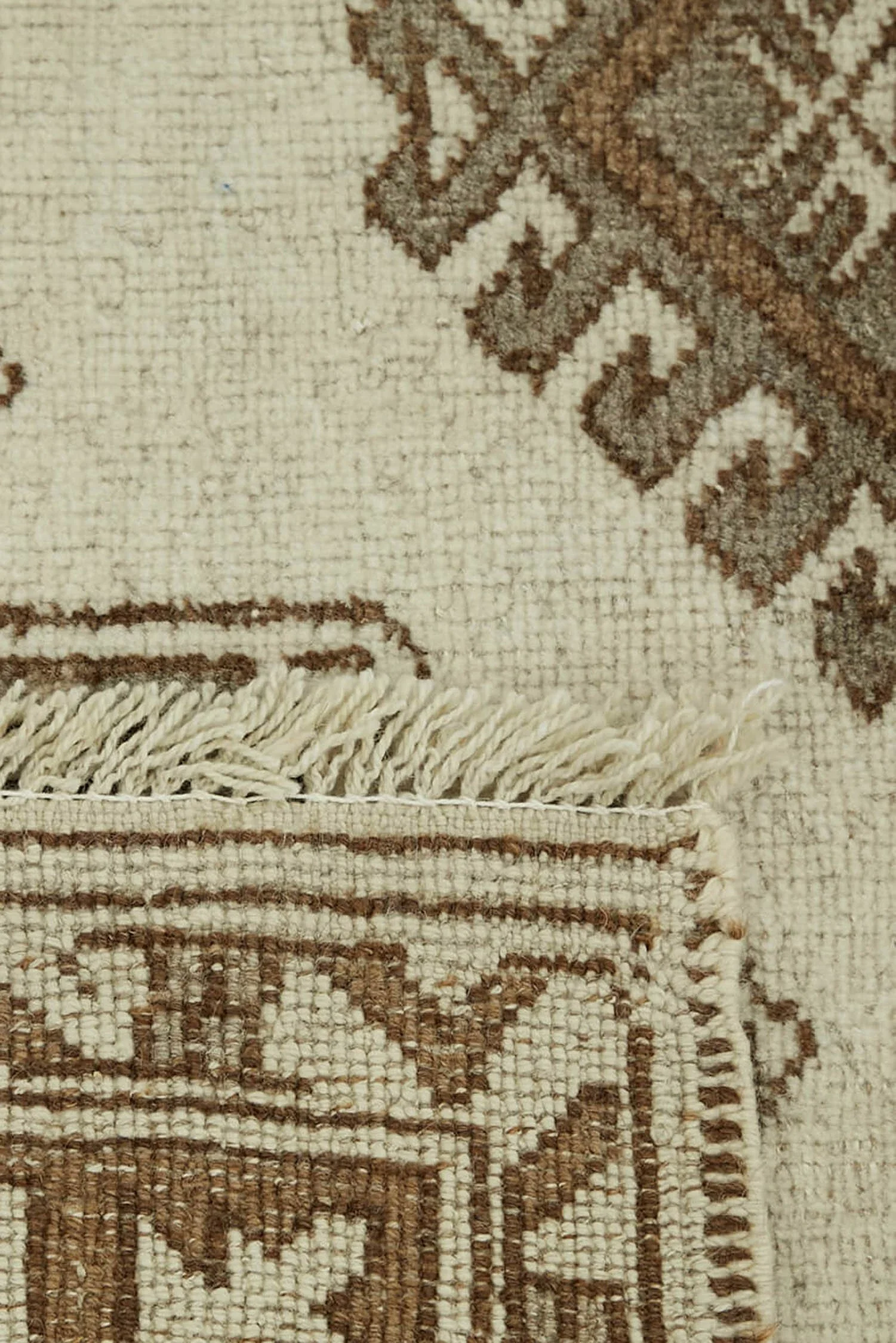
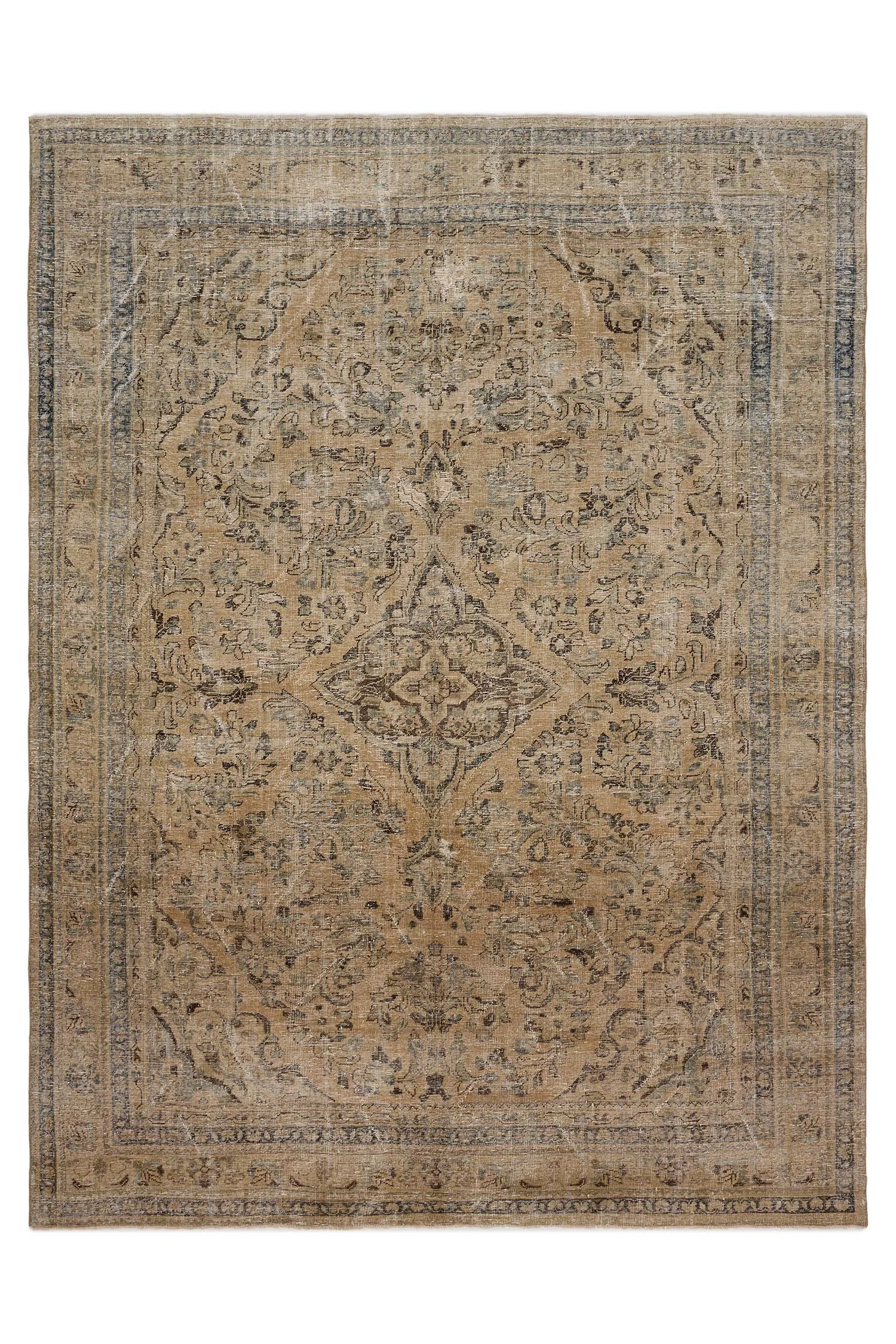
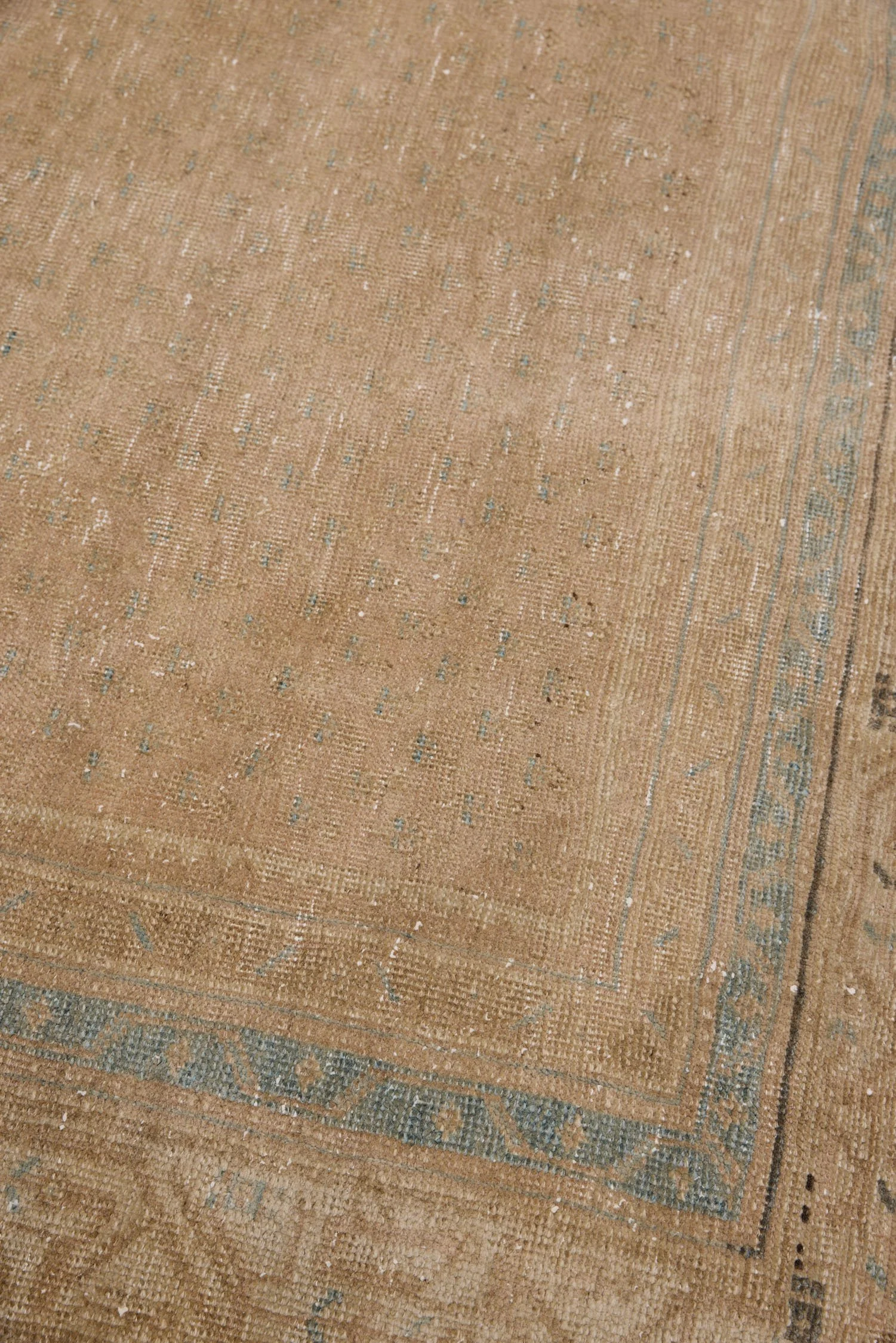
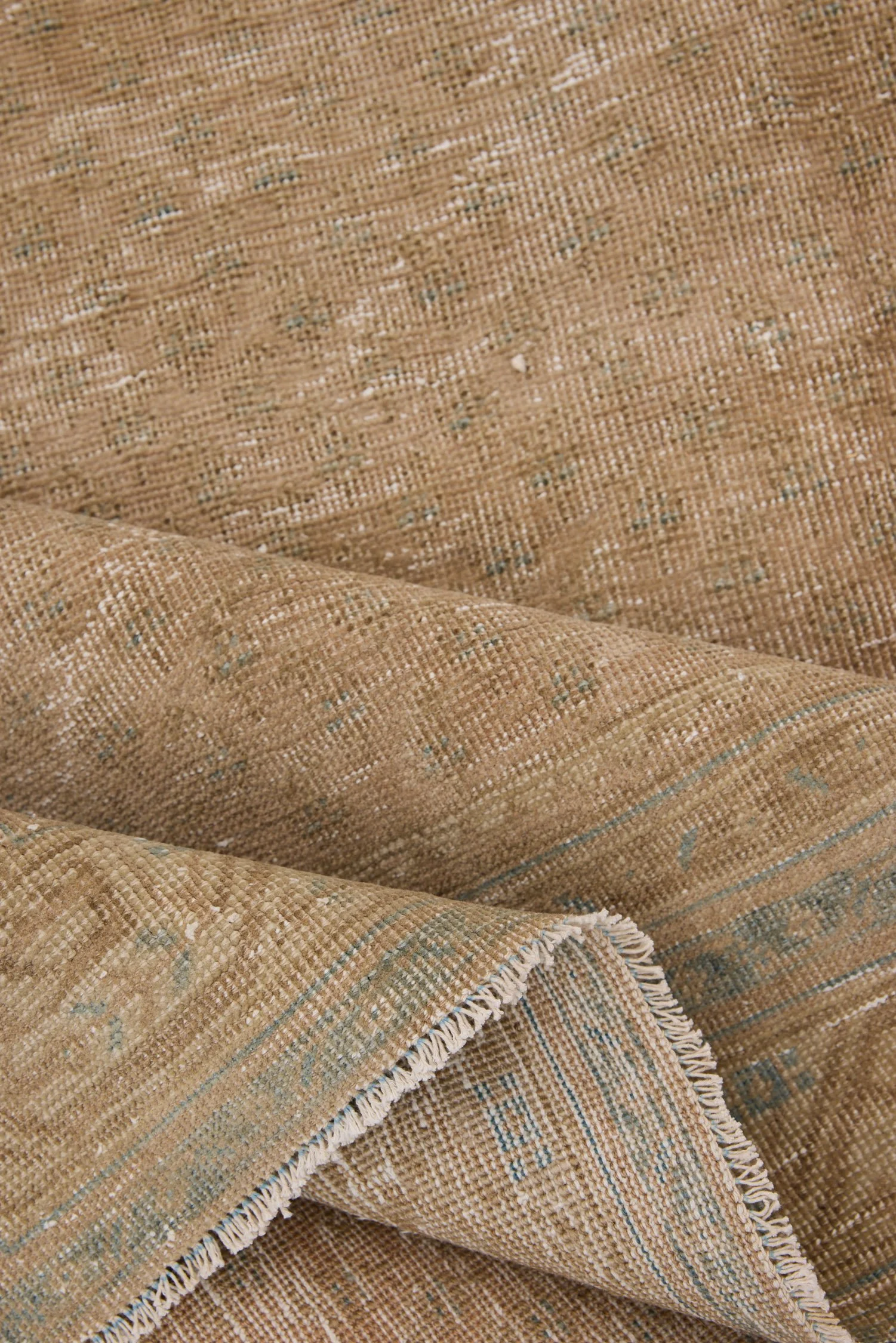
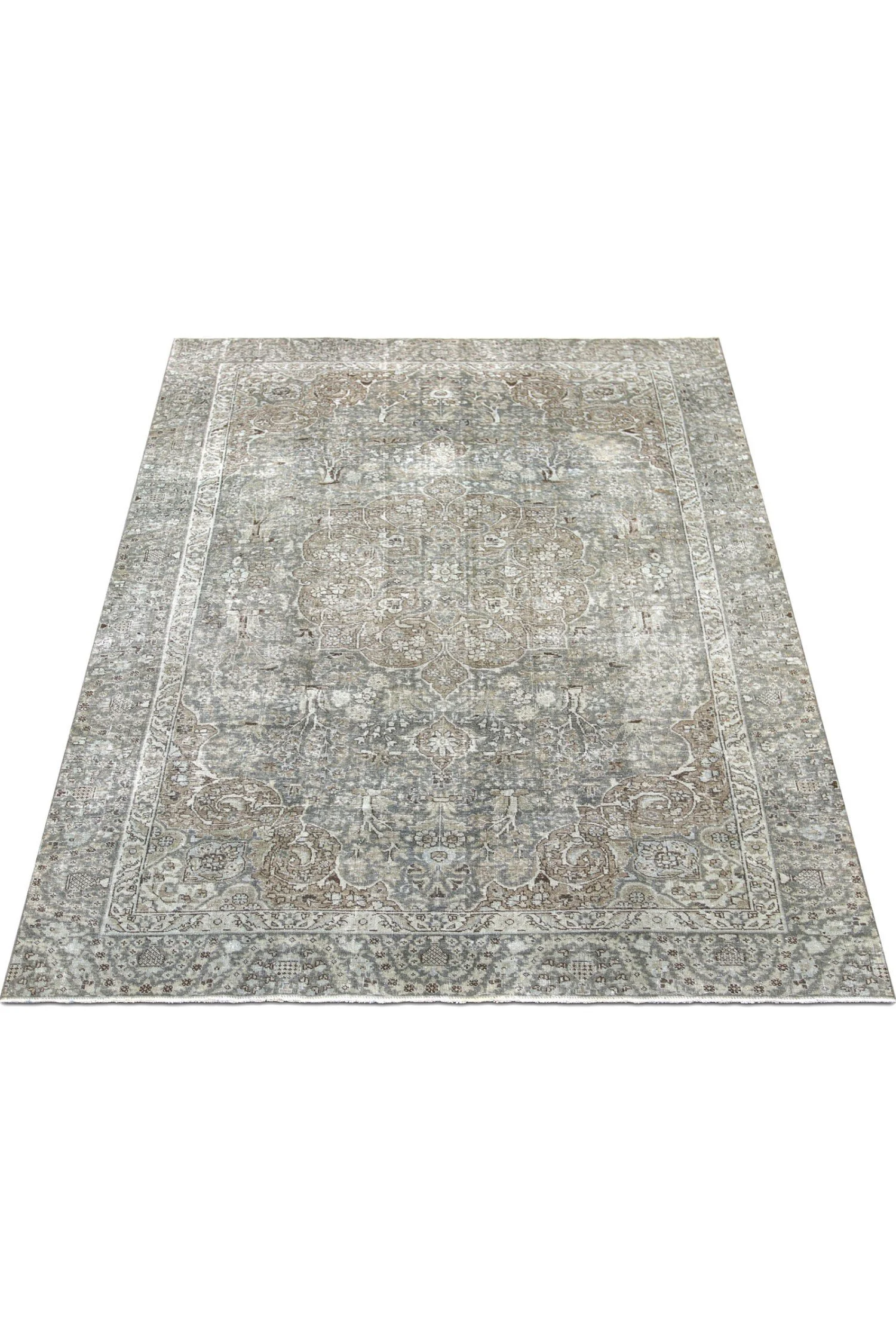
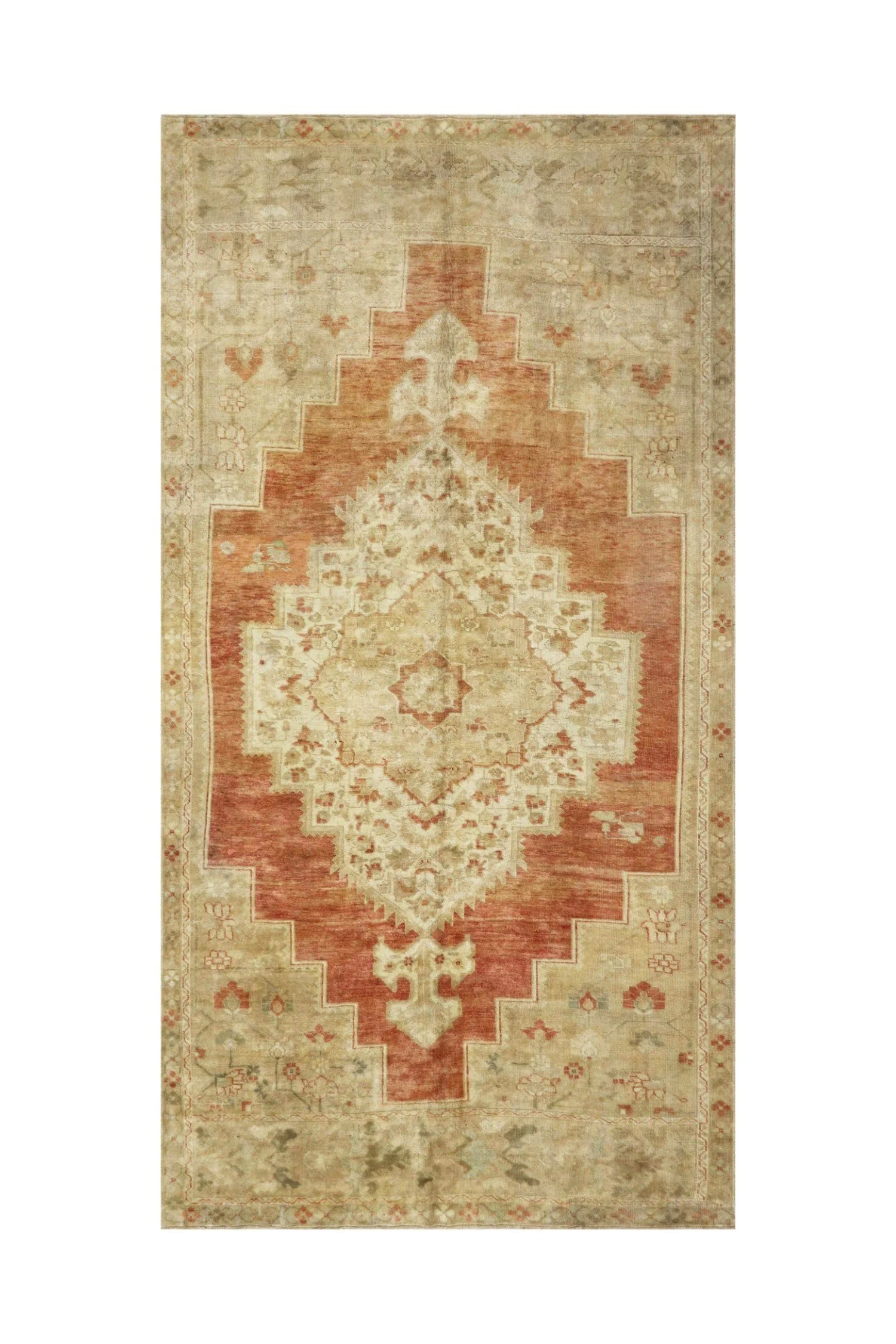
Anatolian weaving in the 1940s preserved geometric traditions that reached back centuries. The stepped medallion format seen here appears consistently across Turkish rug making, its endurance rooted in both aesthetic appeal and structural logic. The vertical orientation worked naturally with the warp threads on traditional looms.
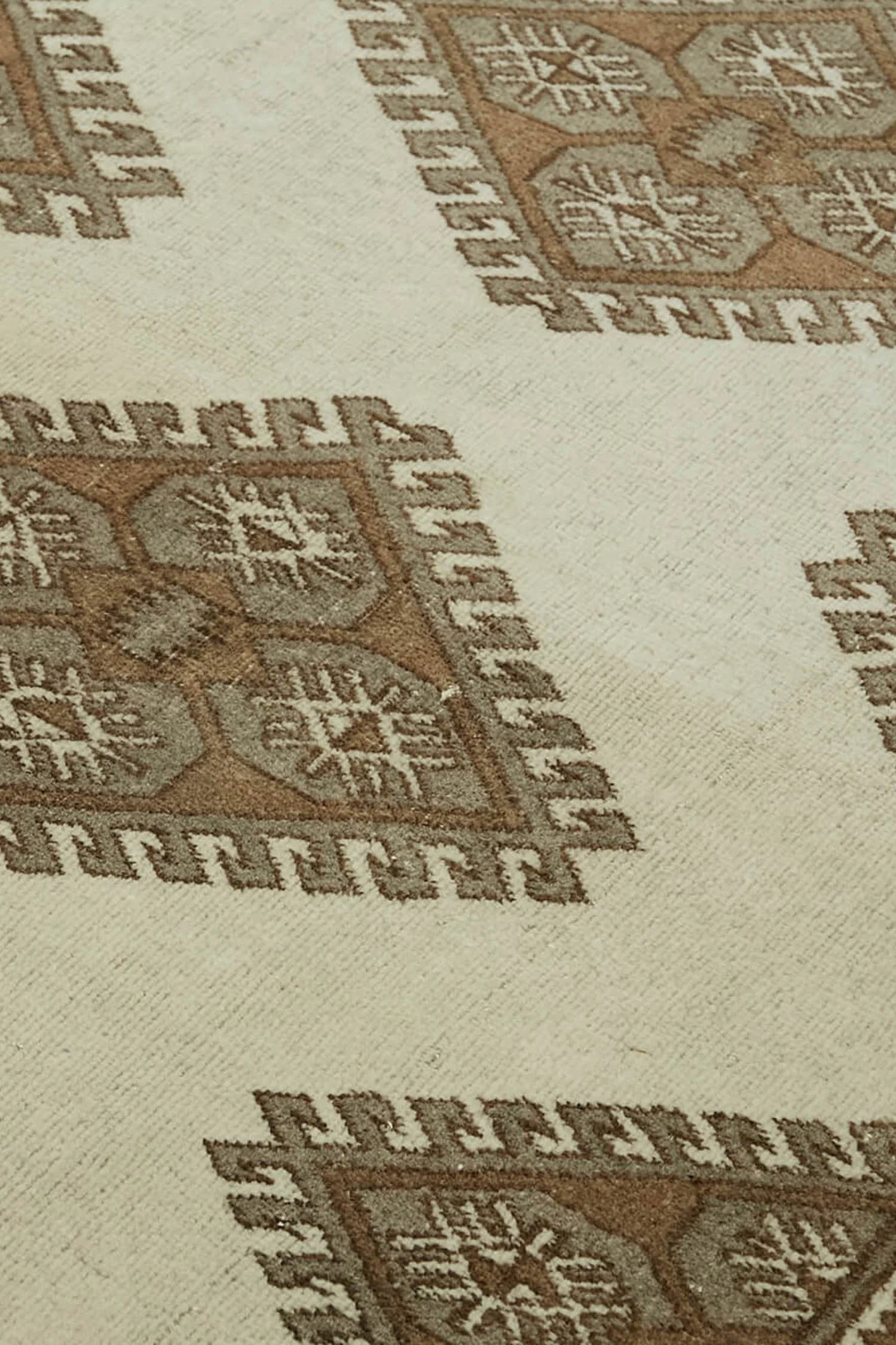
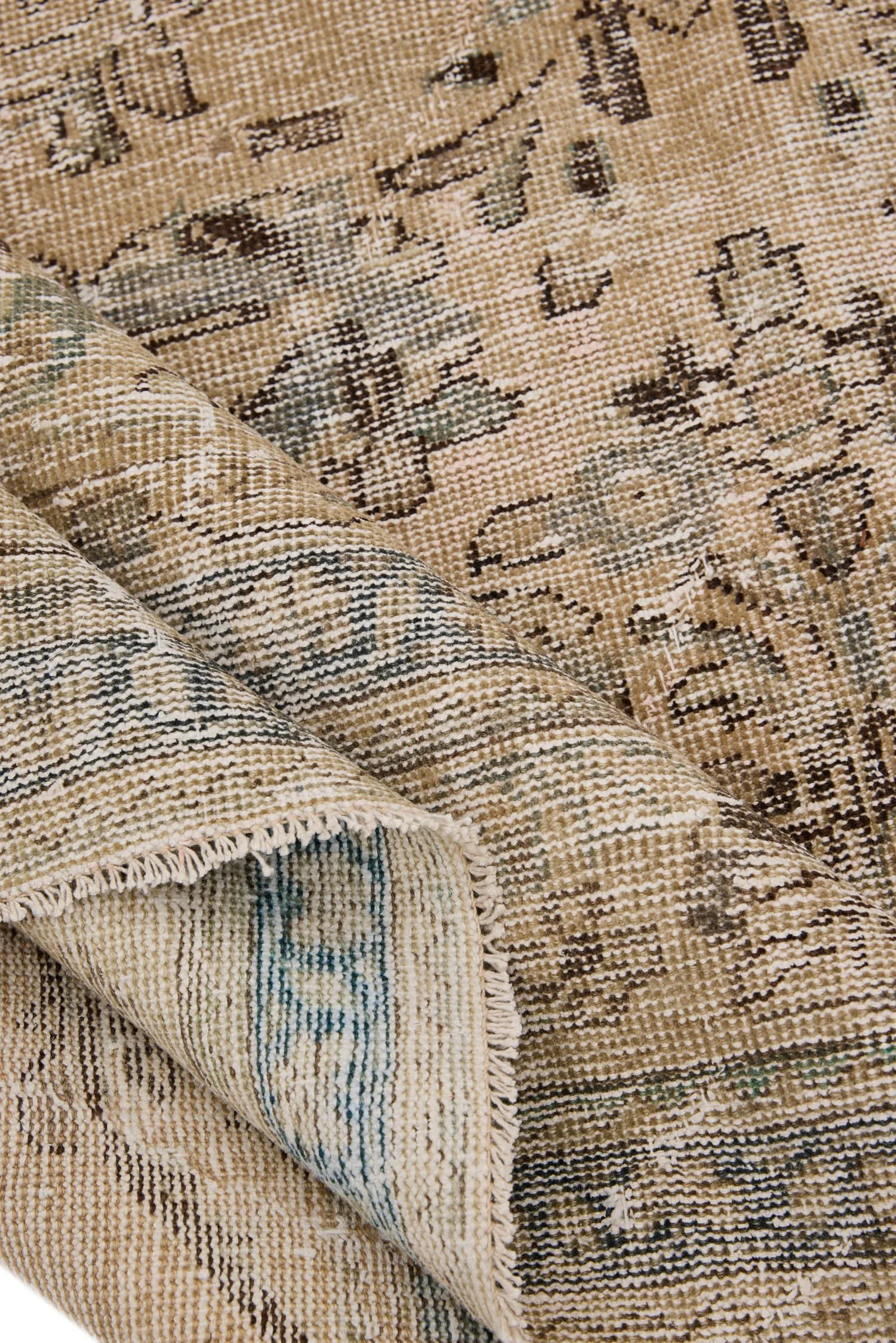
Weavers working in this period used wool from local flocks and dyes derived from regional sources. The warm rust came from madder root, a plant that had been cultivated for dyeing purposes across Anatolia for generations. Olive tones required more careful manipulation of natural materials, often combining plant sources to achieve the desired shade.
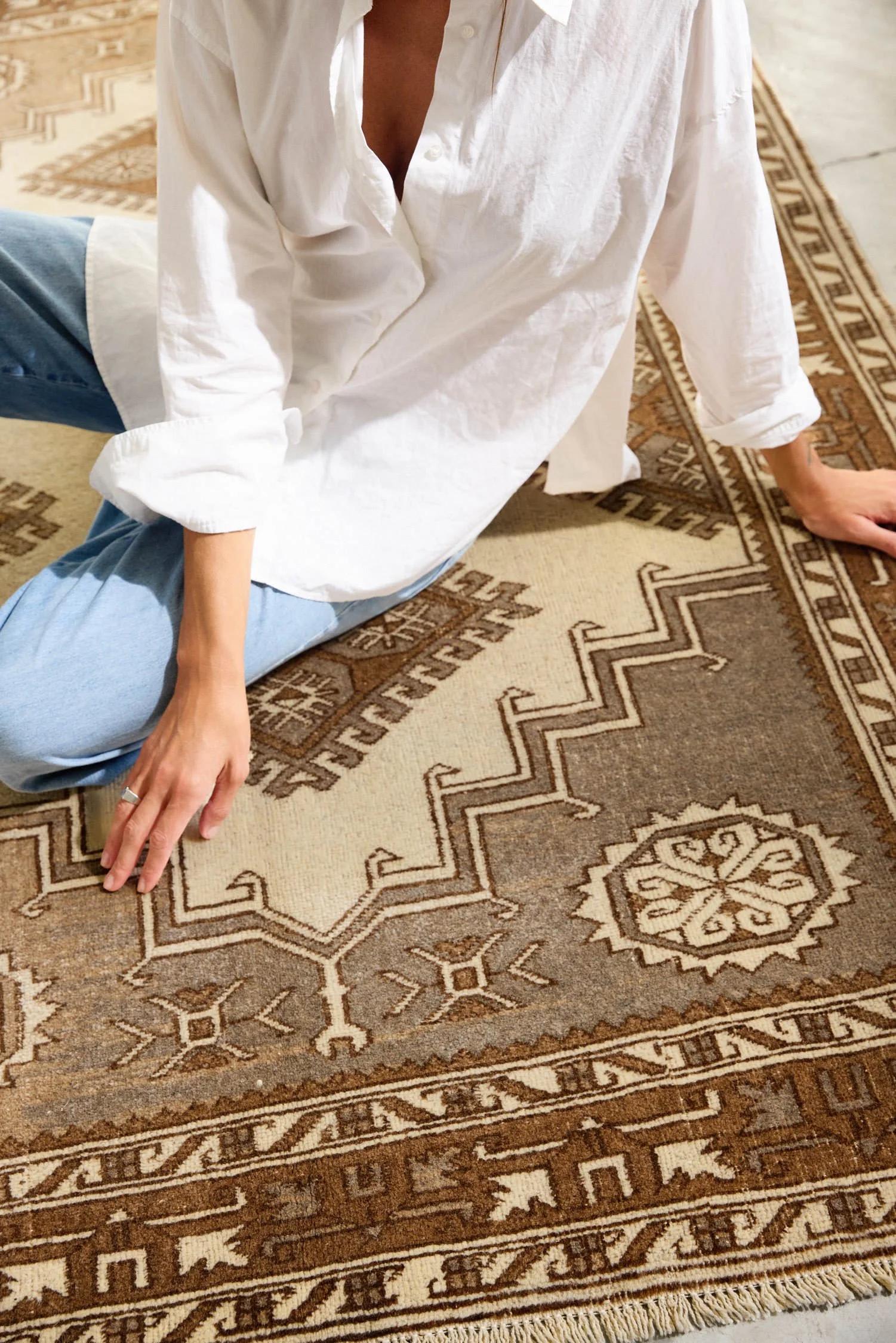
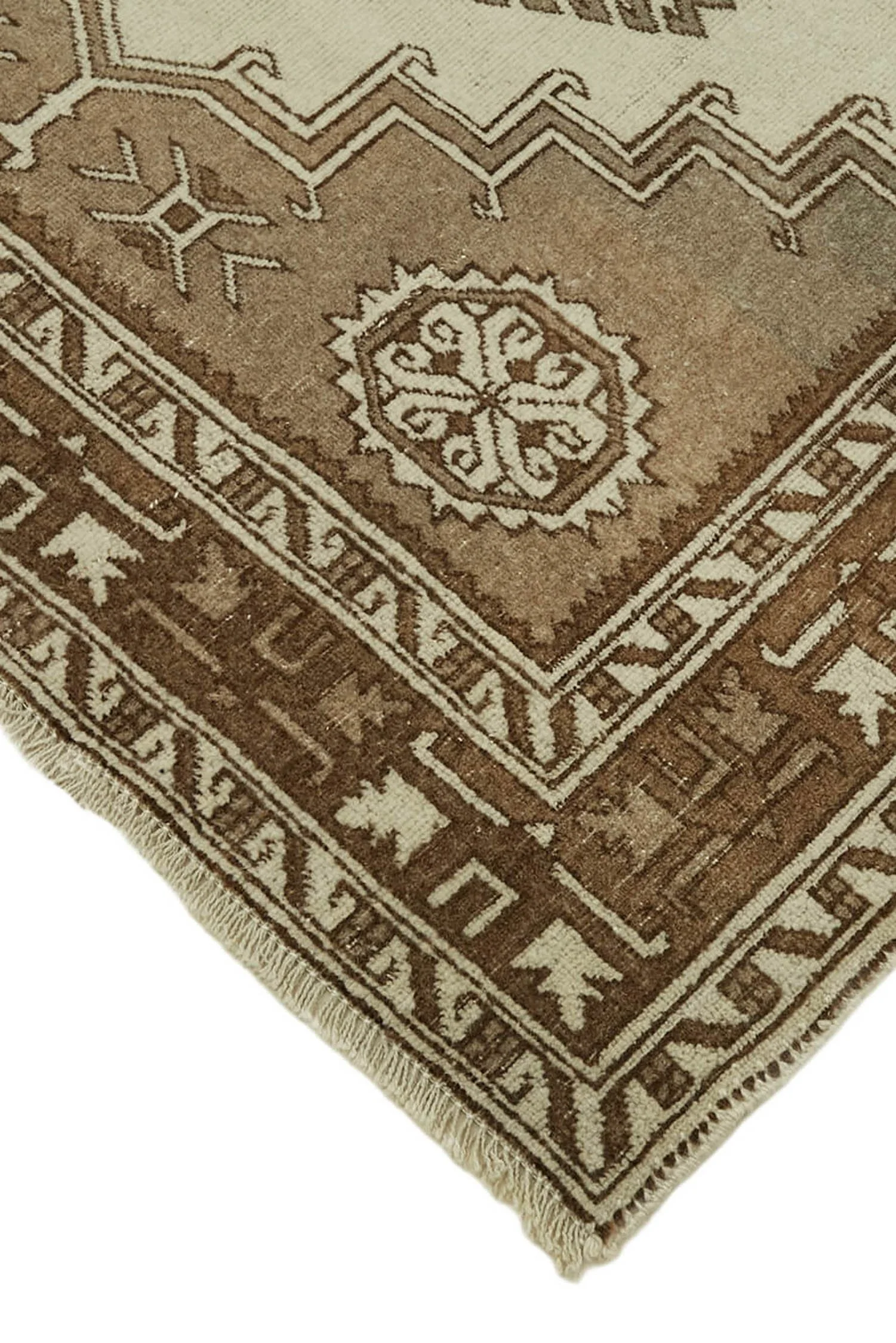
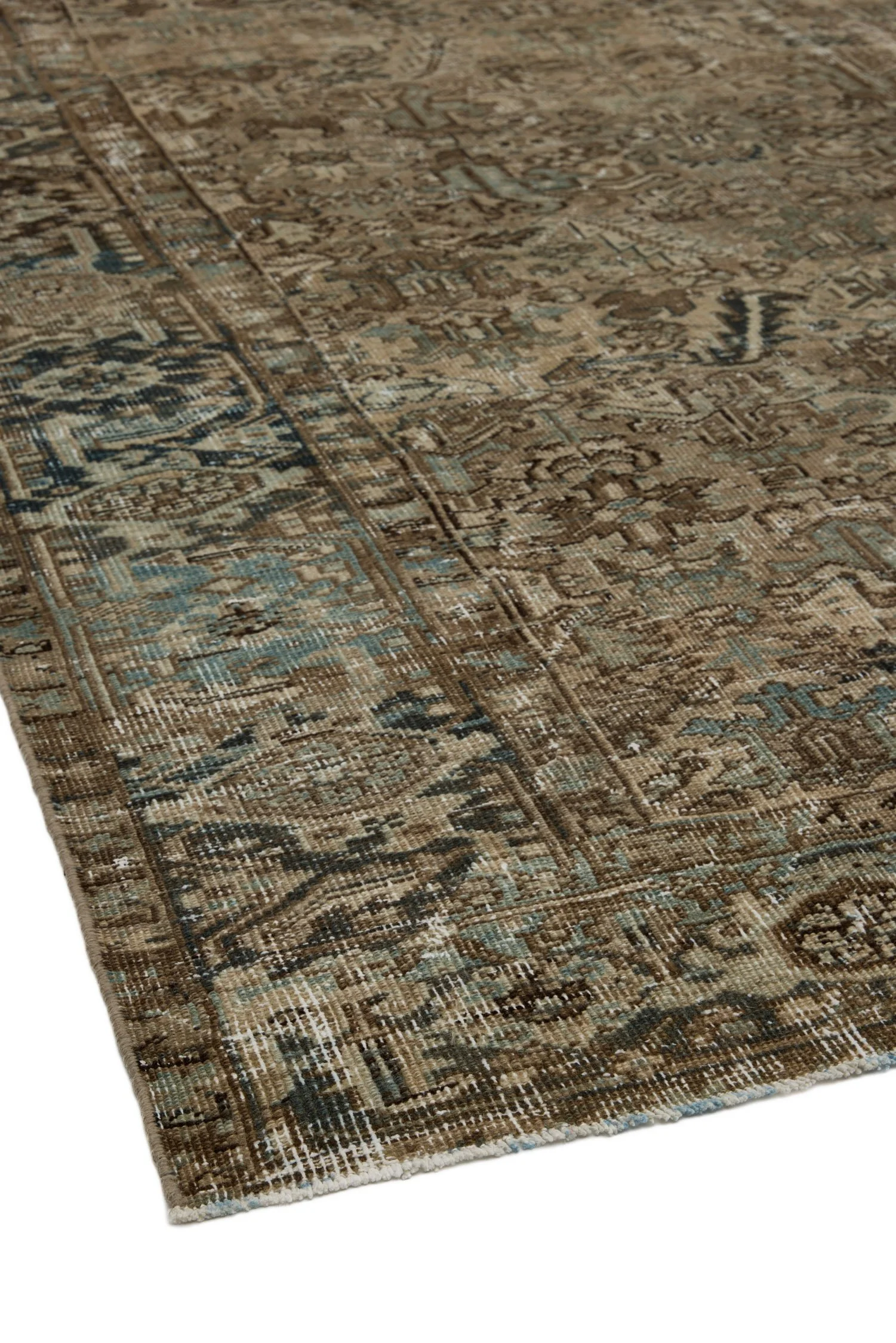
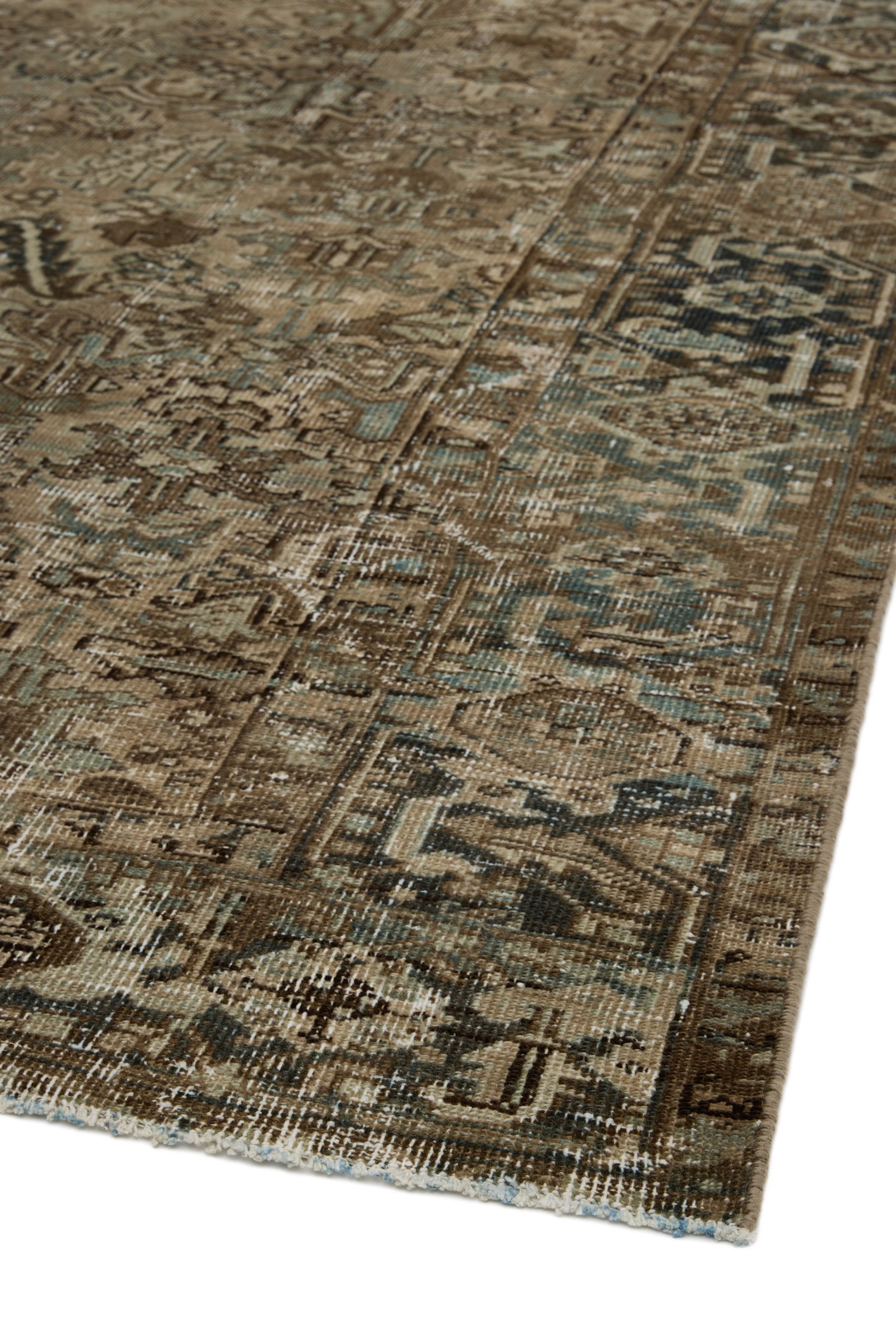
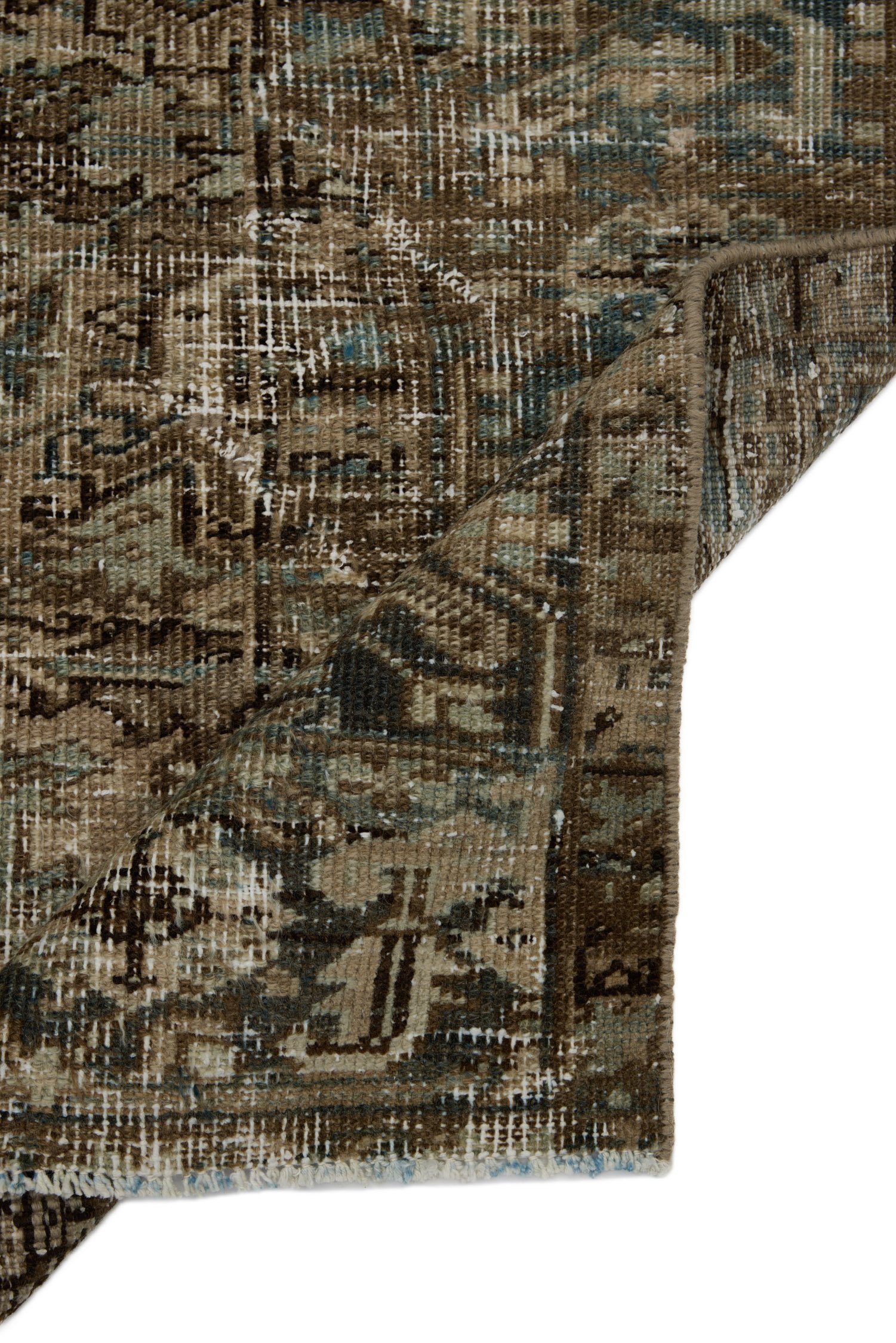
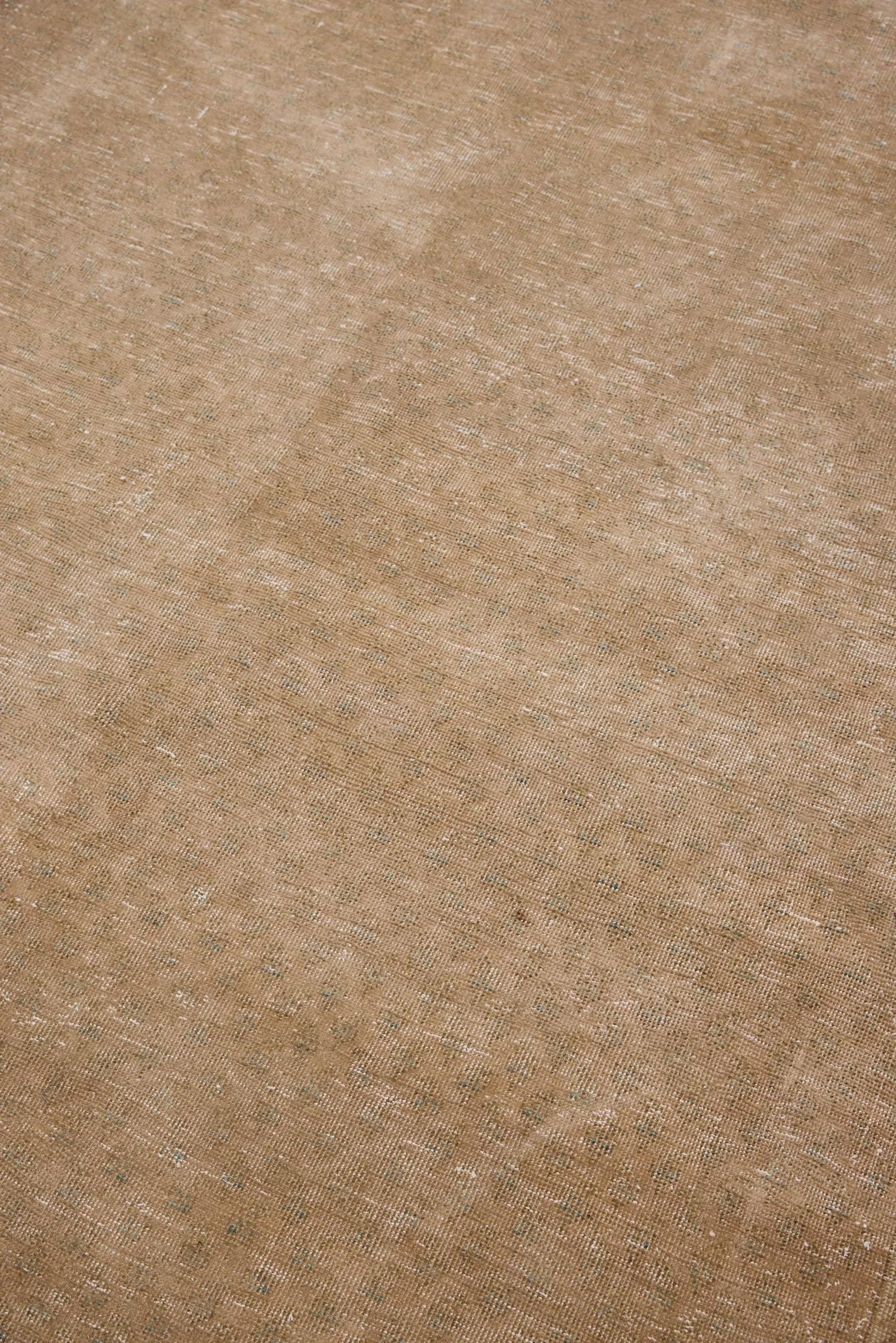
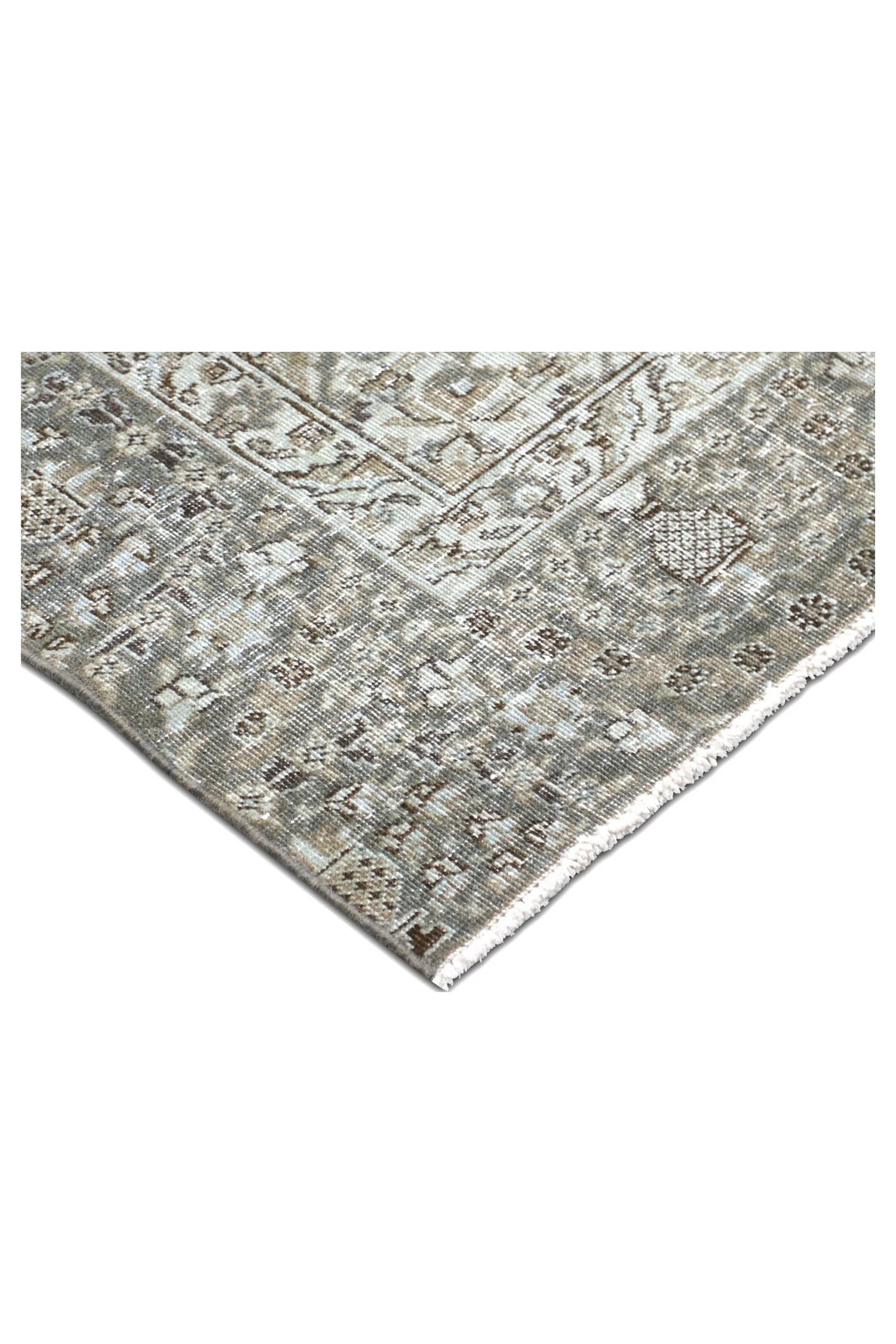
These rugs served practical purposes in Turkish households, valued for their ability to withstand heavy use in transitional spaces. The wear visible in this piece reflects that original function rather than diminishing it.
Design Elements
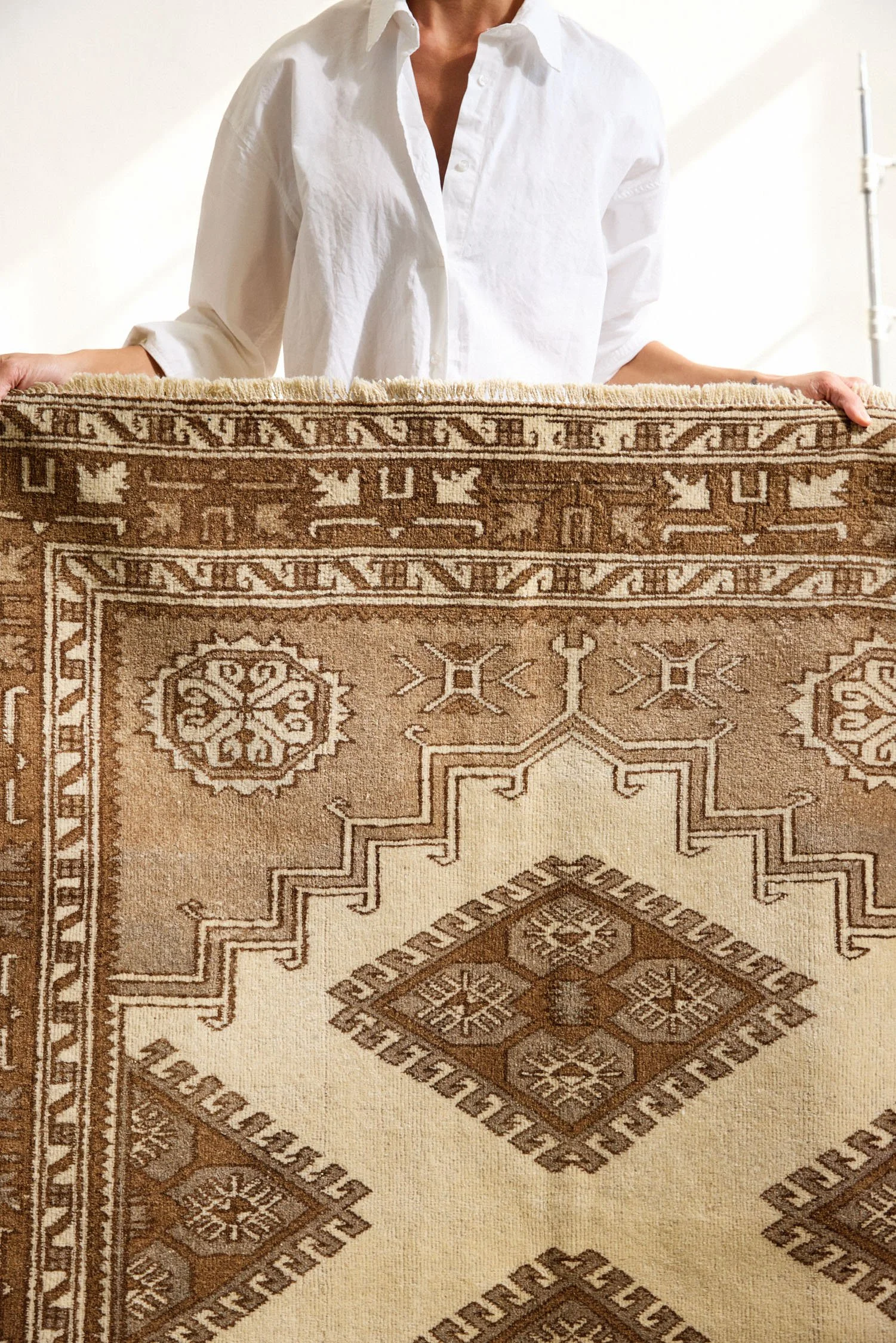
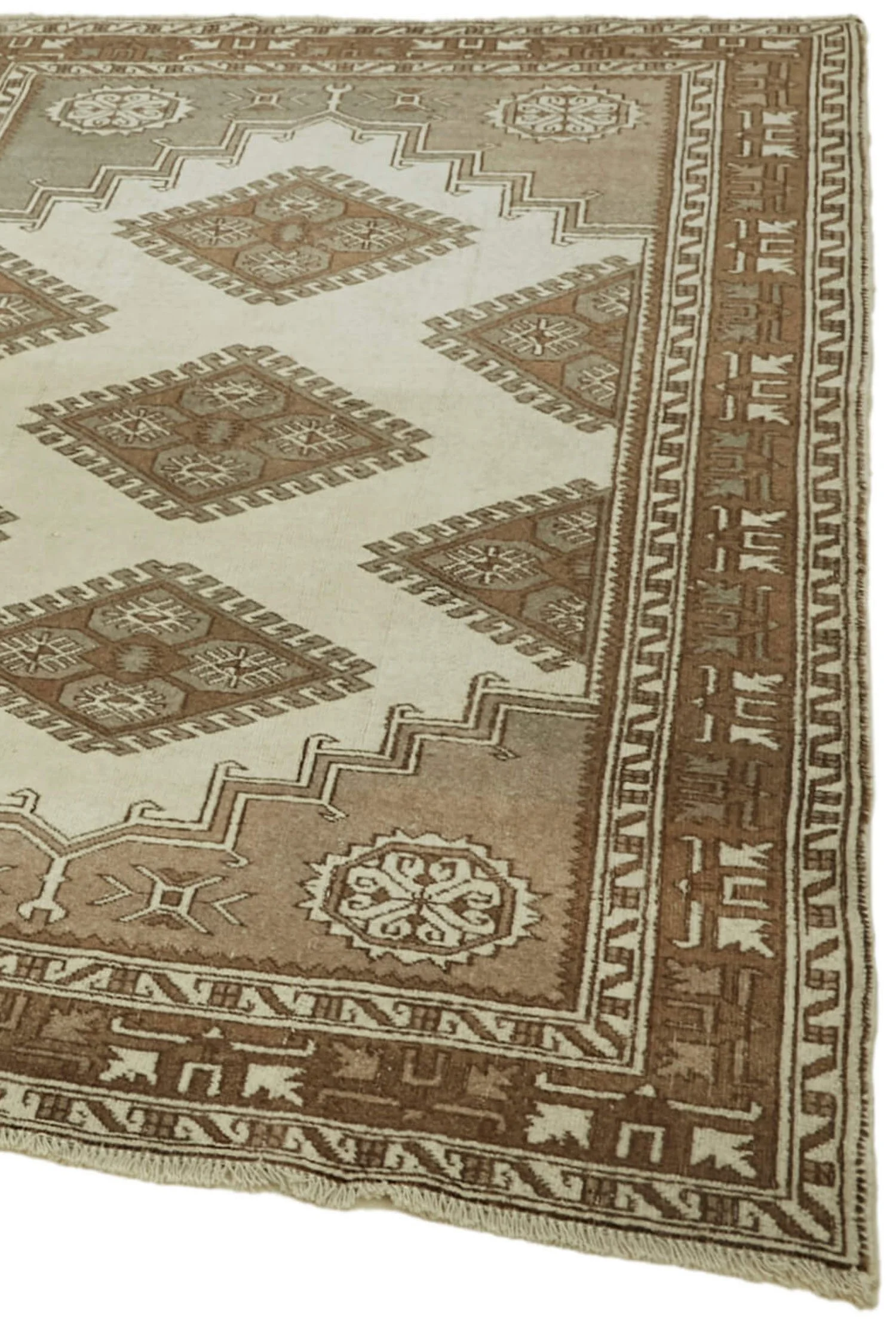
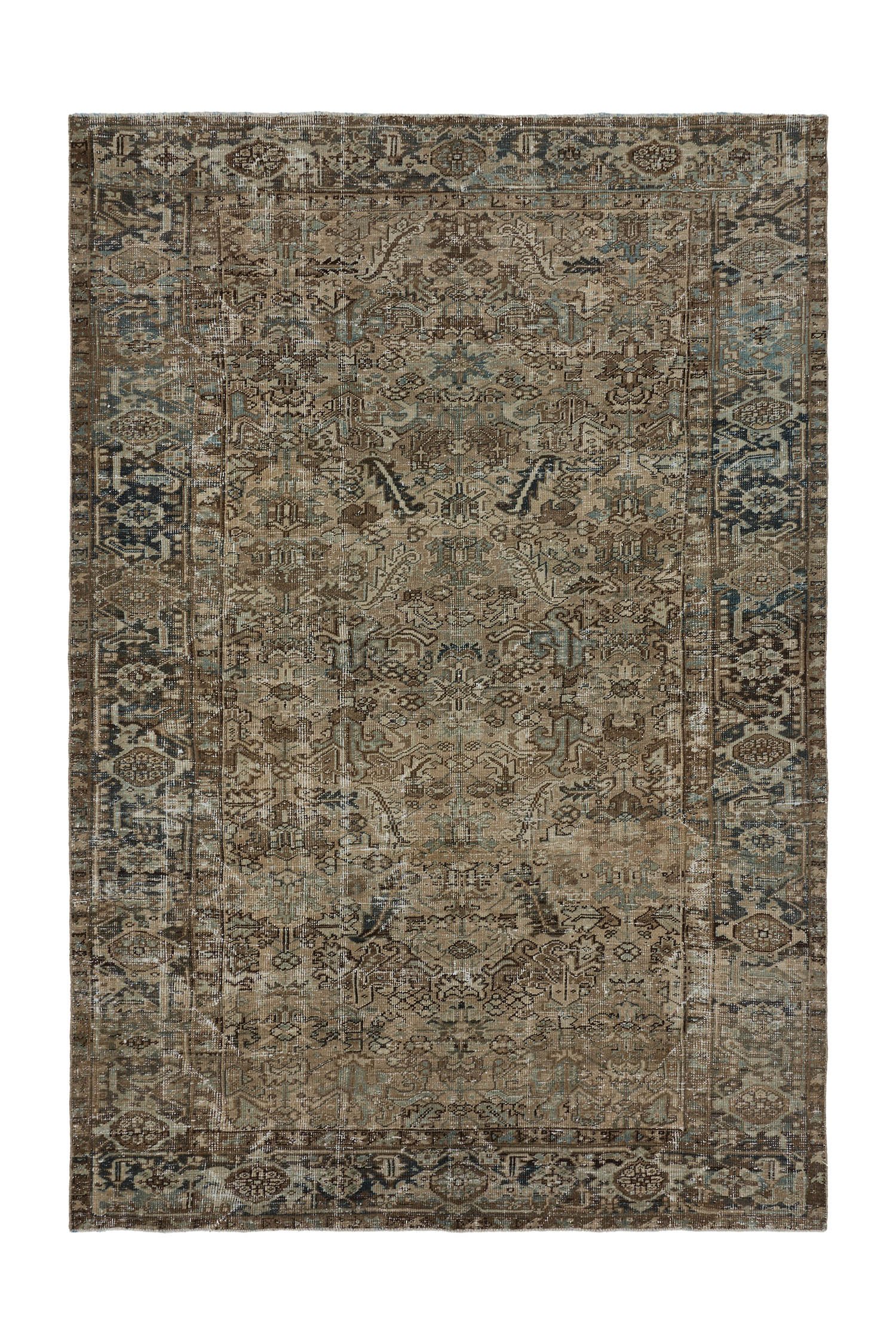
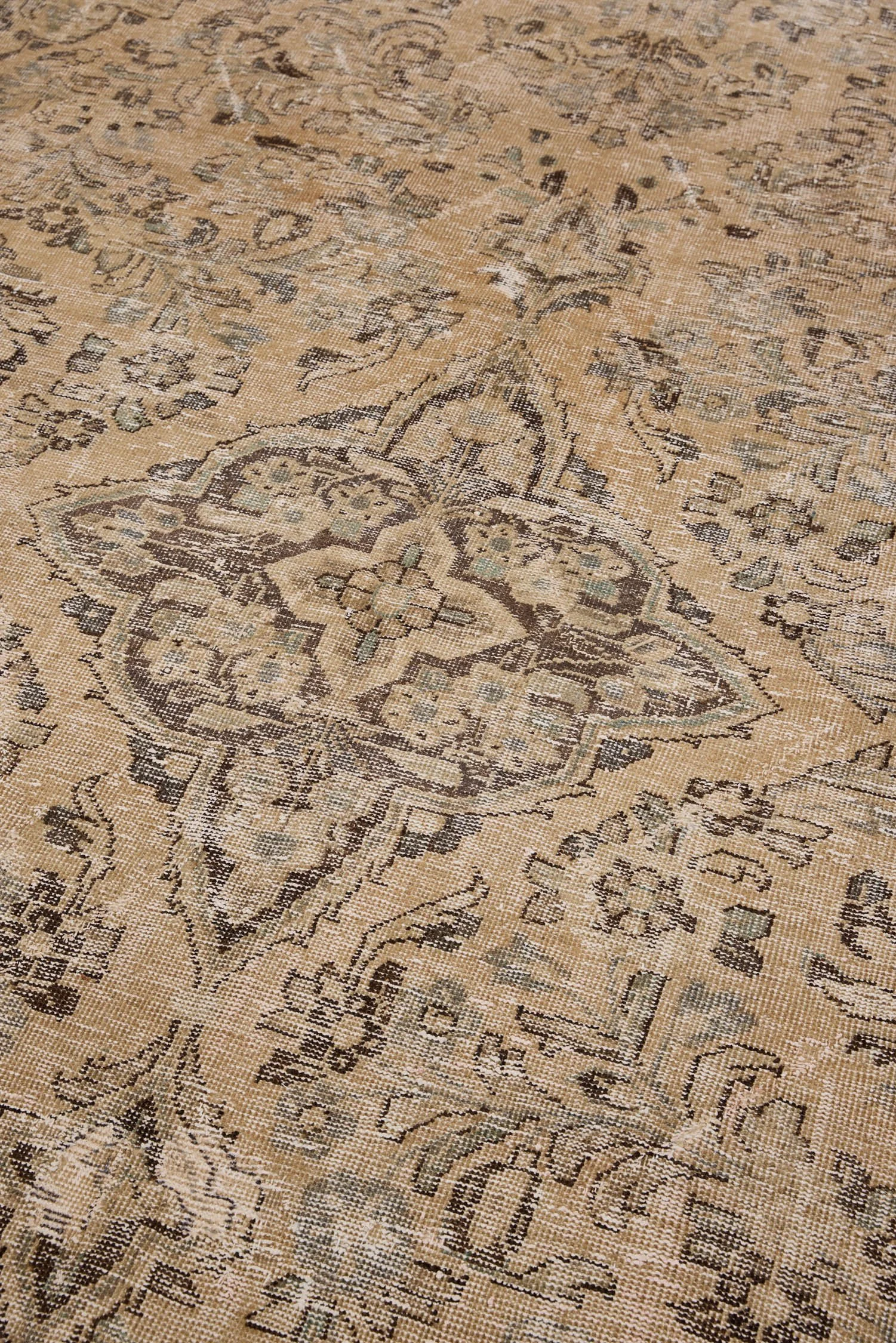
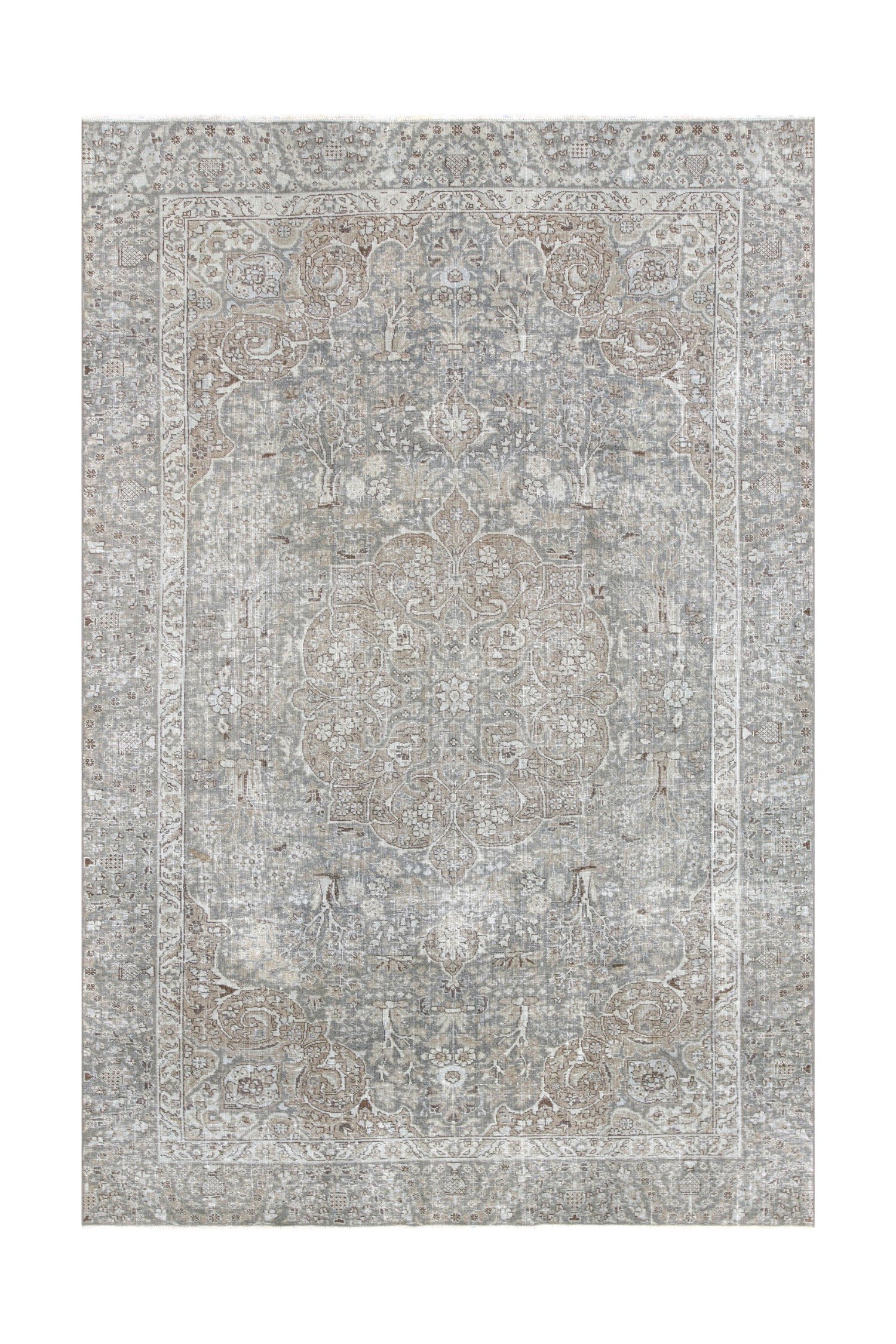
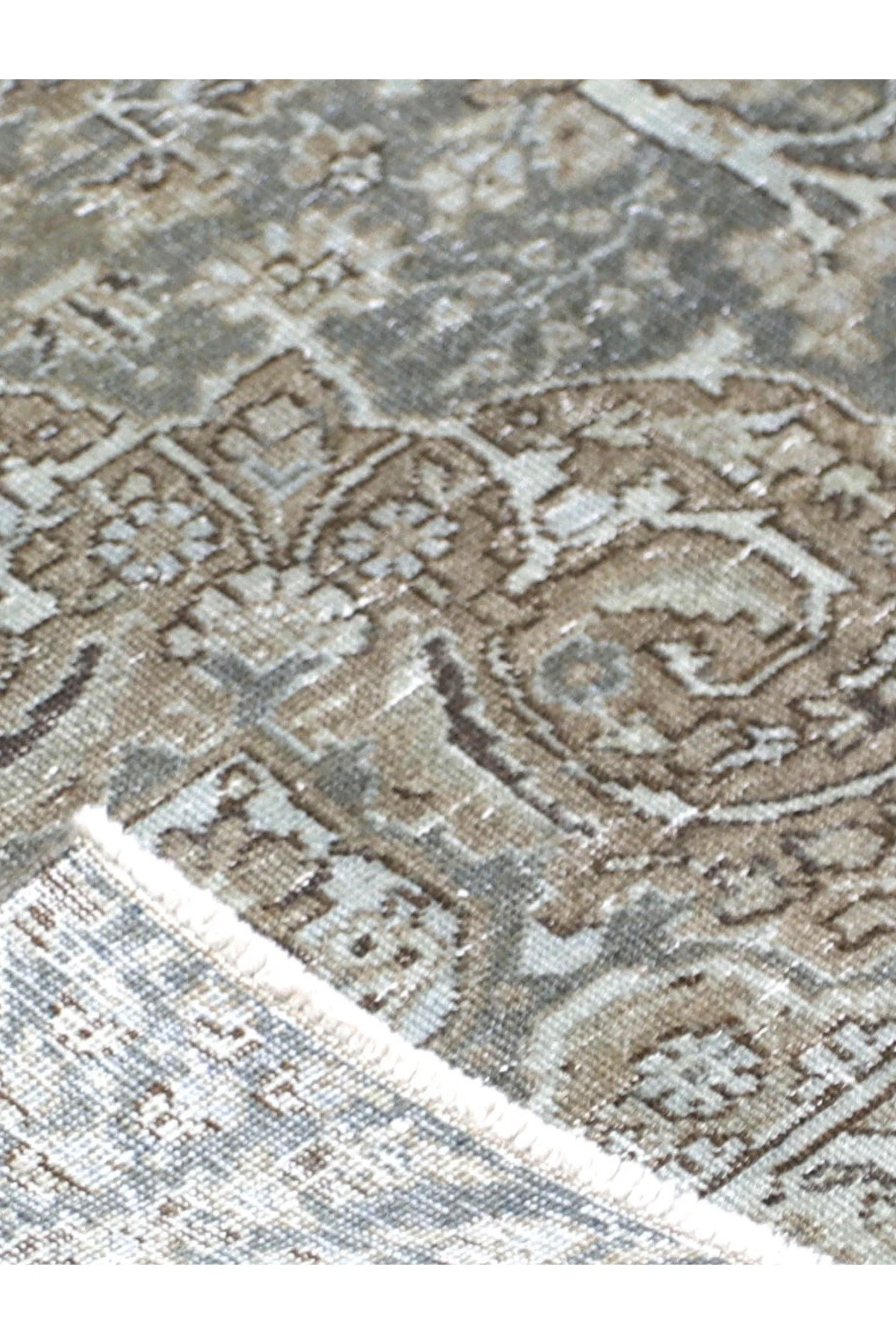
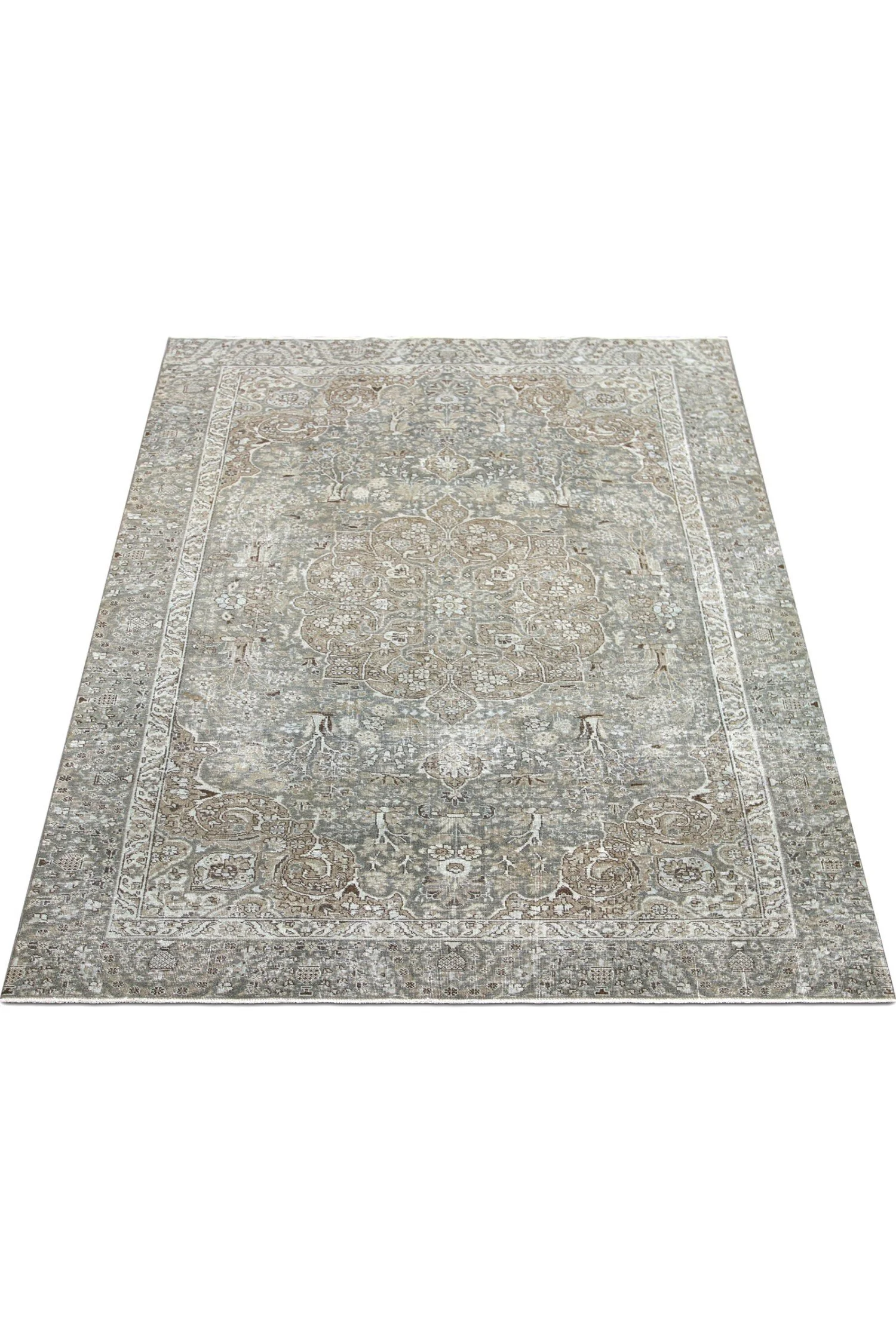
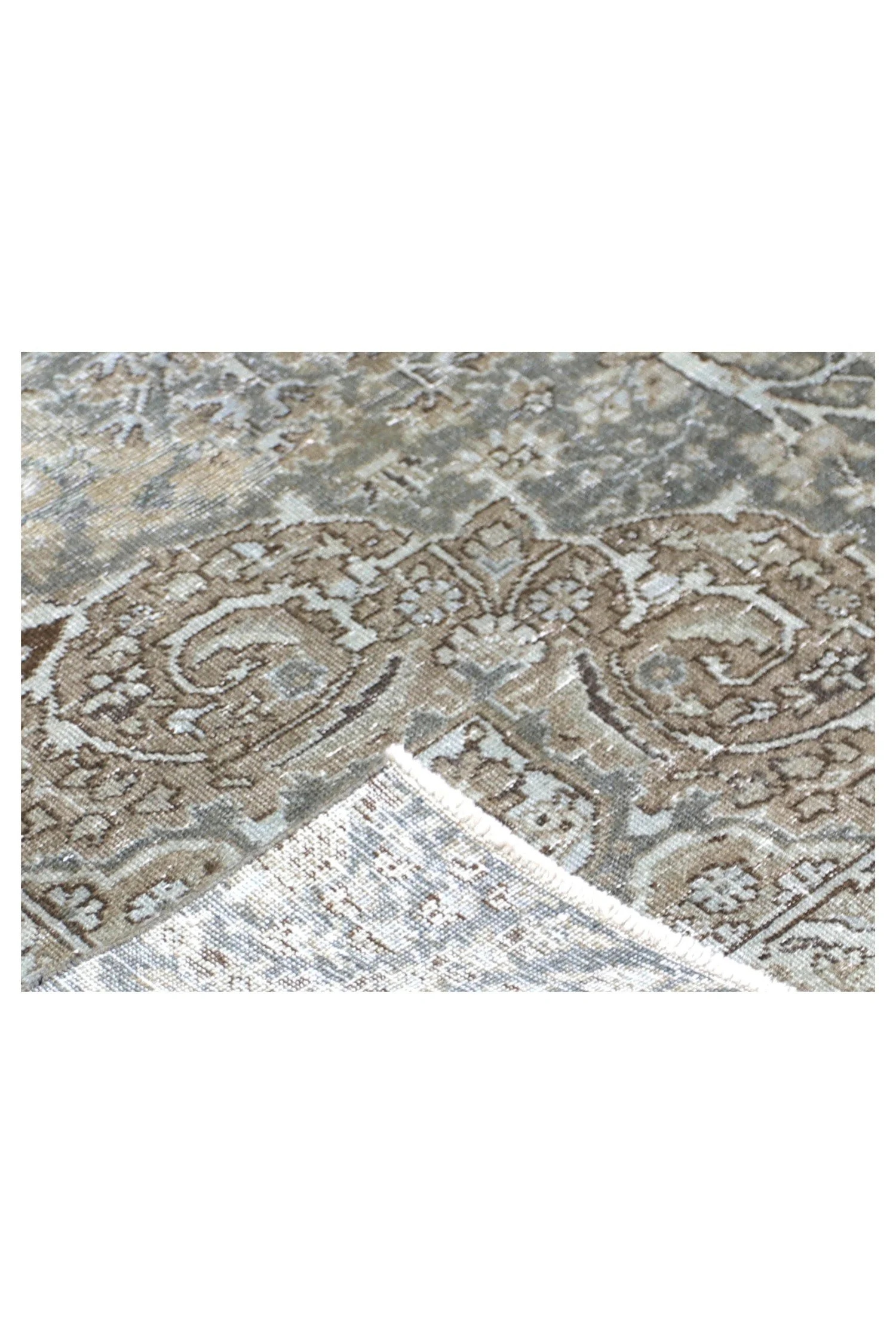
The stepped medallion creates a strong central axis that organizes the composition vertically. Its geometric edges and internal divisions show the precision achievable in Anatolian weaving. Angular floral forms surround the medallion, their stylized interpretation fitting the geometric vocabulary of the region.
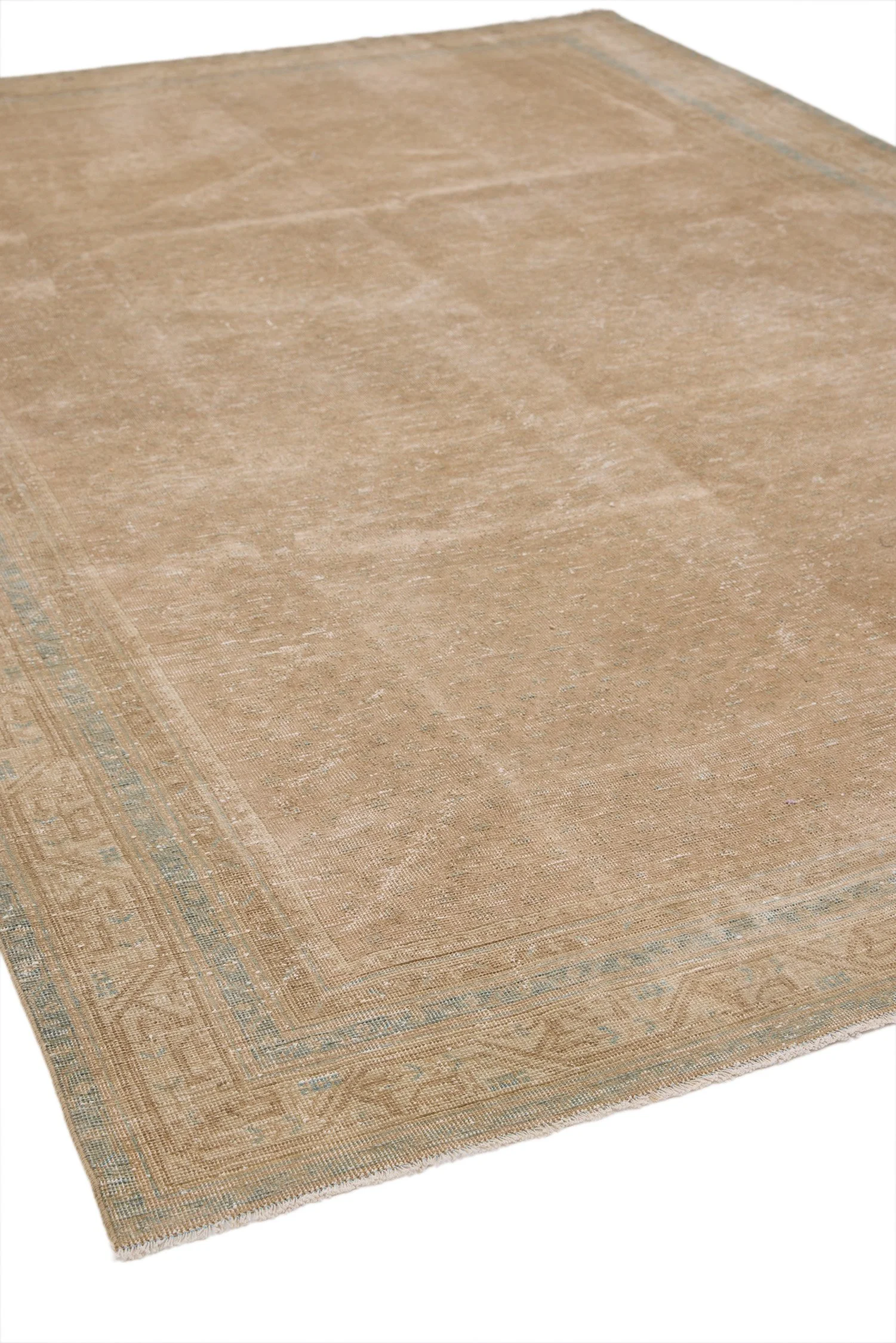
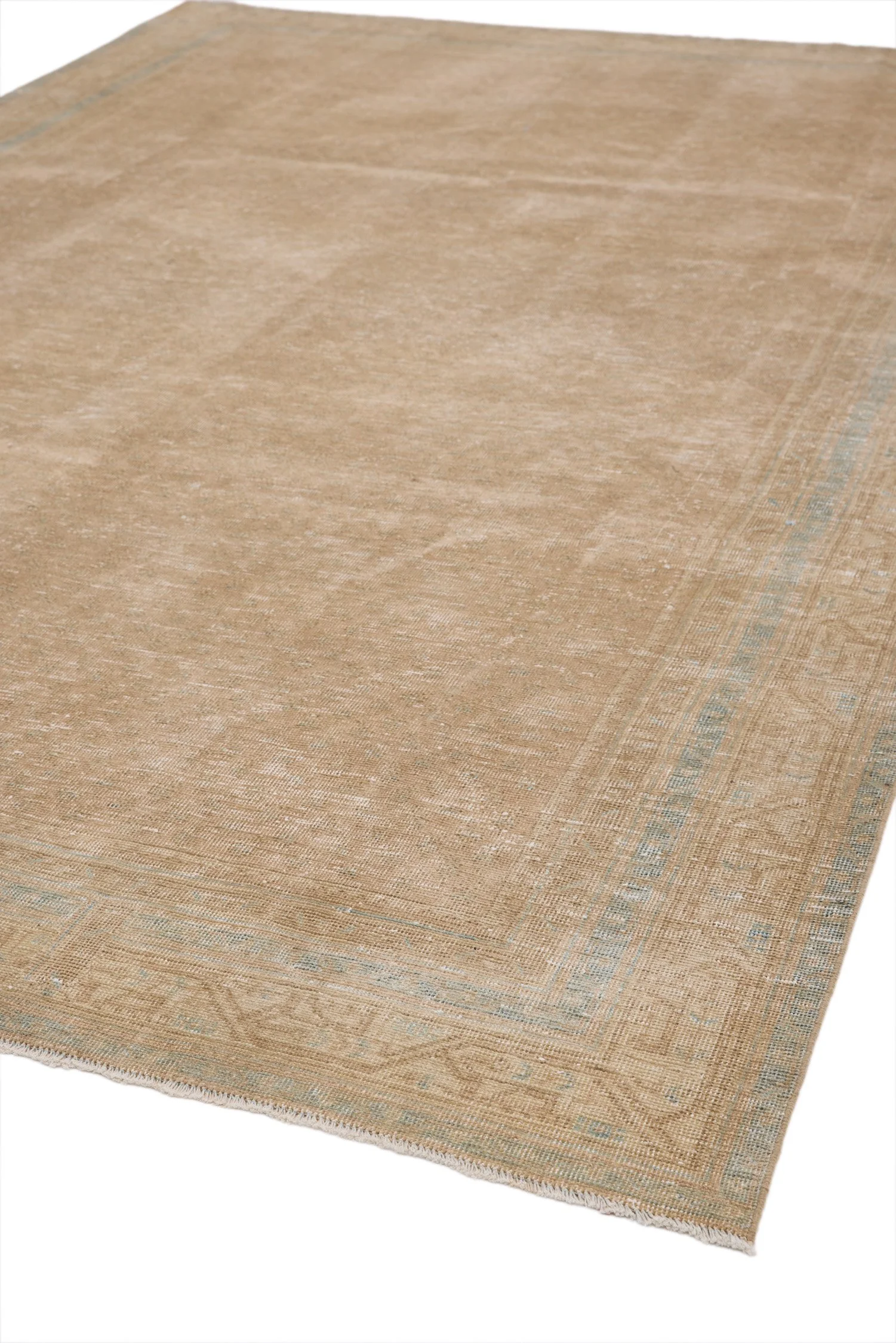
The rust field provides warmth and visual weight, while the ivory and beige elements create breathing room within the pattern. The olive accents add depth in areas where the design might otherwise feel too straightforward.
Multiple borders frame the field, each contributing its own pattern while maintaining proportional relationships. The layering creates visual interest along the edges without competing with the central medallion for attention.
Placement
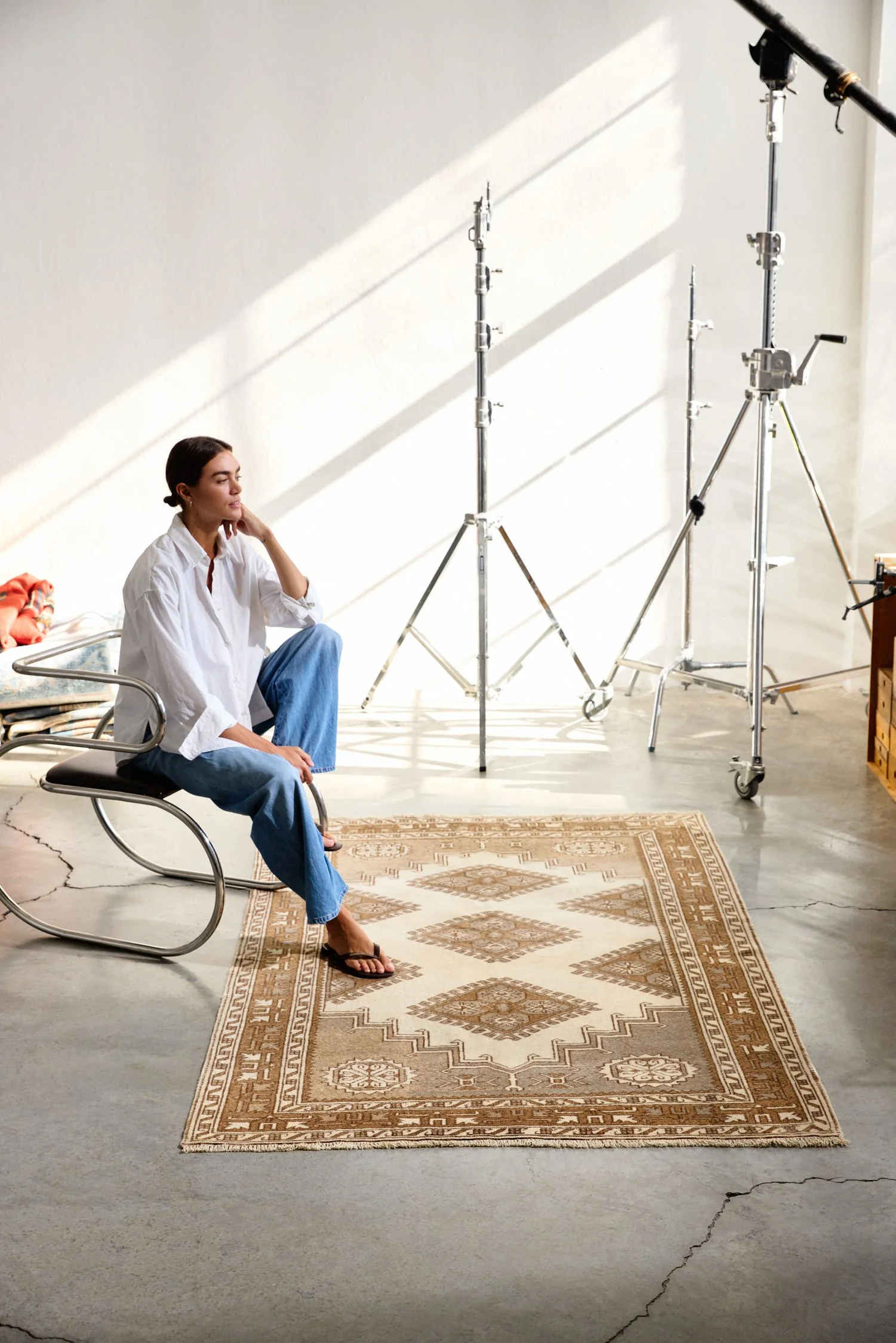
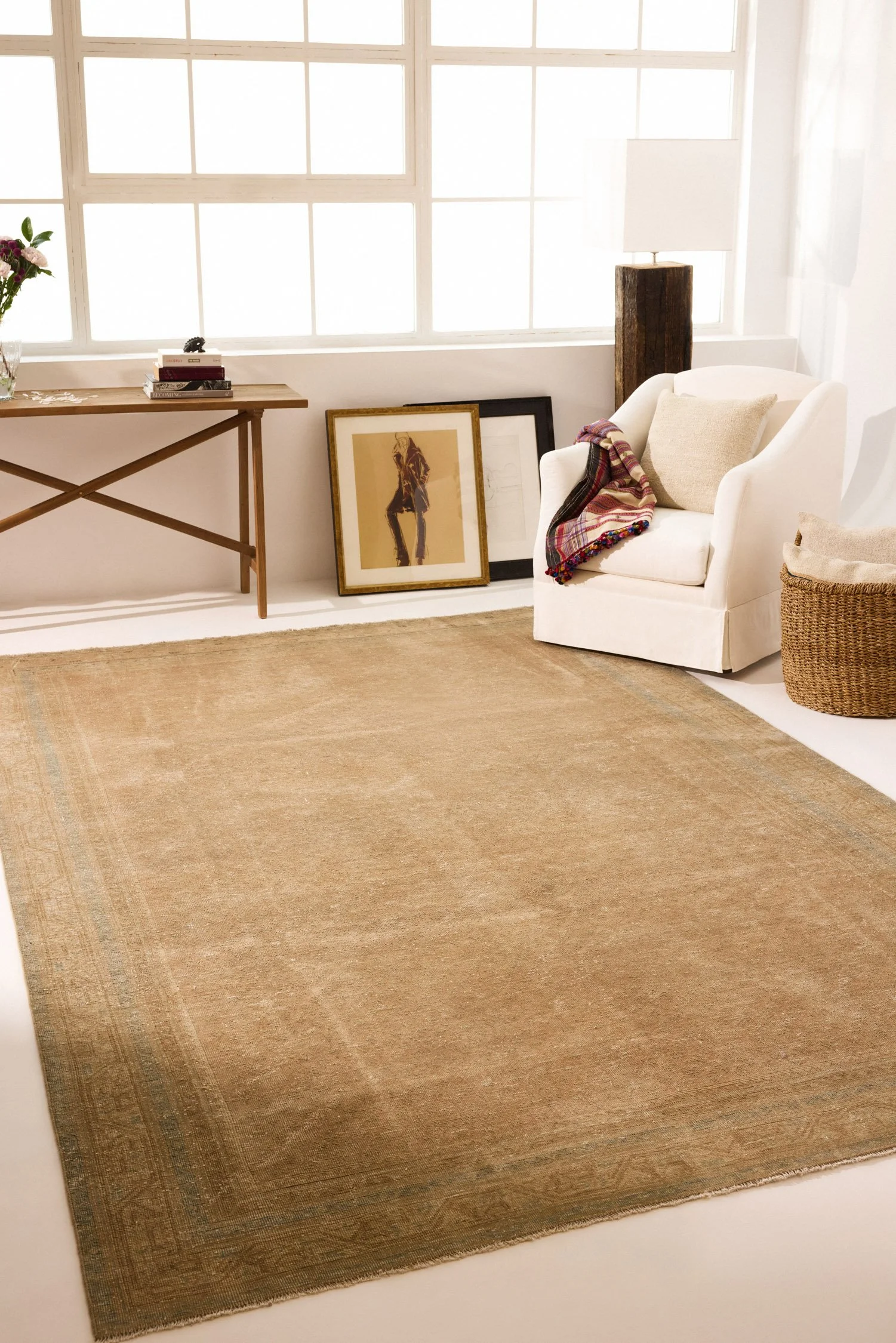
At 5'5" x 10'5", this works in hallways, alongside beds, between kitchen islands and counters, or in front of sofas. The width provides more coverage than narrow runners while remaining proportional for spaces where a full area rug would overwhelm.
The warm rust and olive palette suits interiors with wood tones or natural materials. Traditional settings appreciate the geometric clarity and cultural heritage, while contemporary spaces can use the bold color as a grounding element. The timeworn quality brings character to new construction or minimalist environments.
Care Recommendations
To preserve the rug's beauty:
Rotate periodically for even wear
Vacuum regularly using a suction-only setting
Address spills immediately by blotting, never rubbing
Professional cleaning recommended annually
Avoid direct sunlight to maintain color integrity
The wear patterns in vintage Anatolian rugs map the paths people took through their homes, decade after decade.