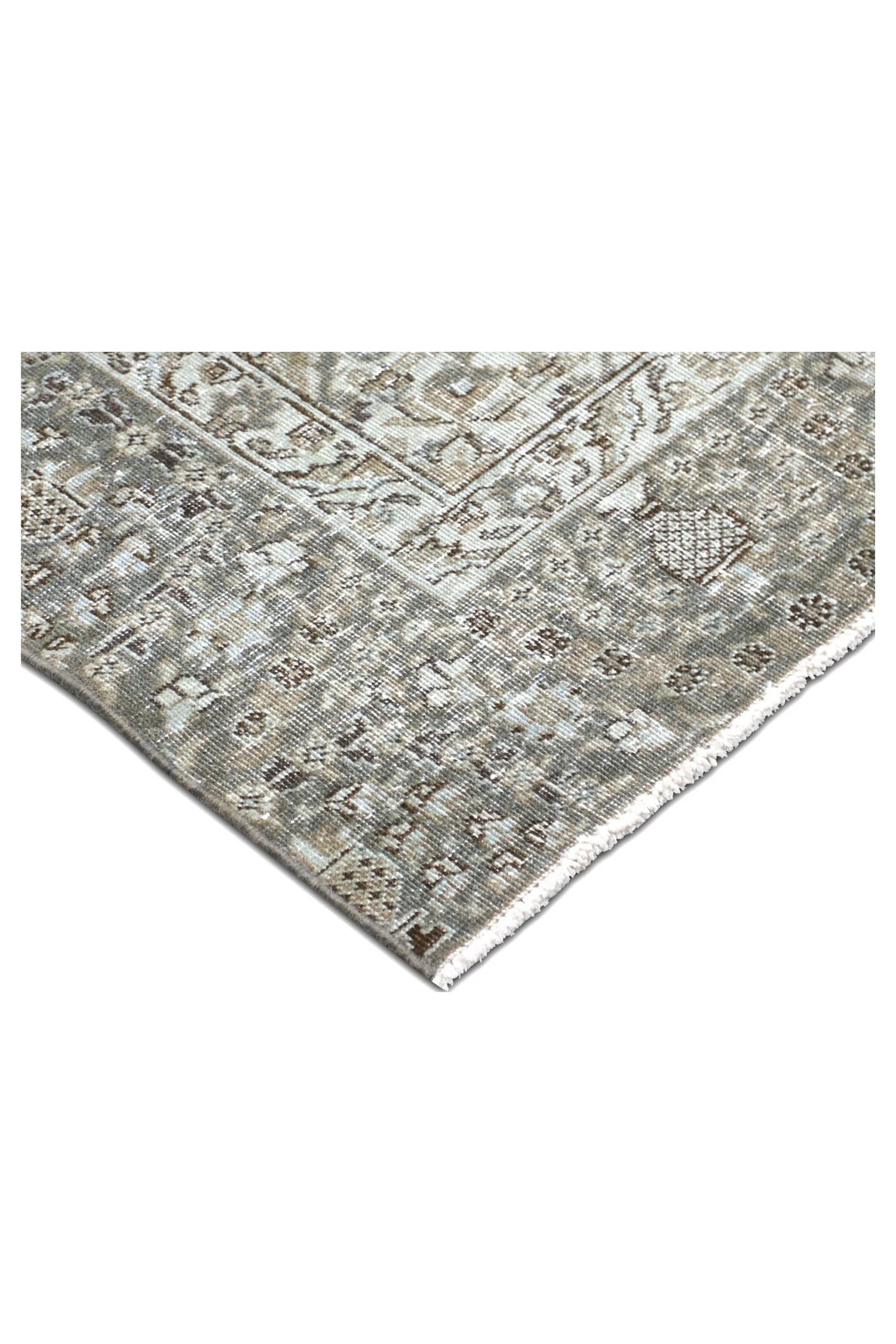
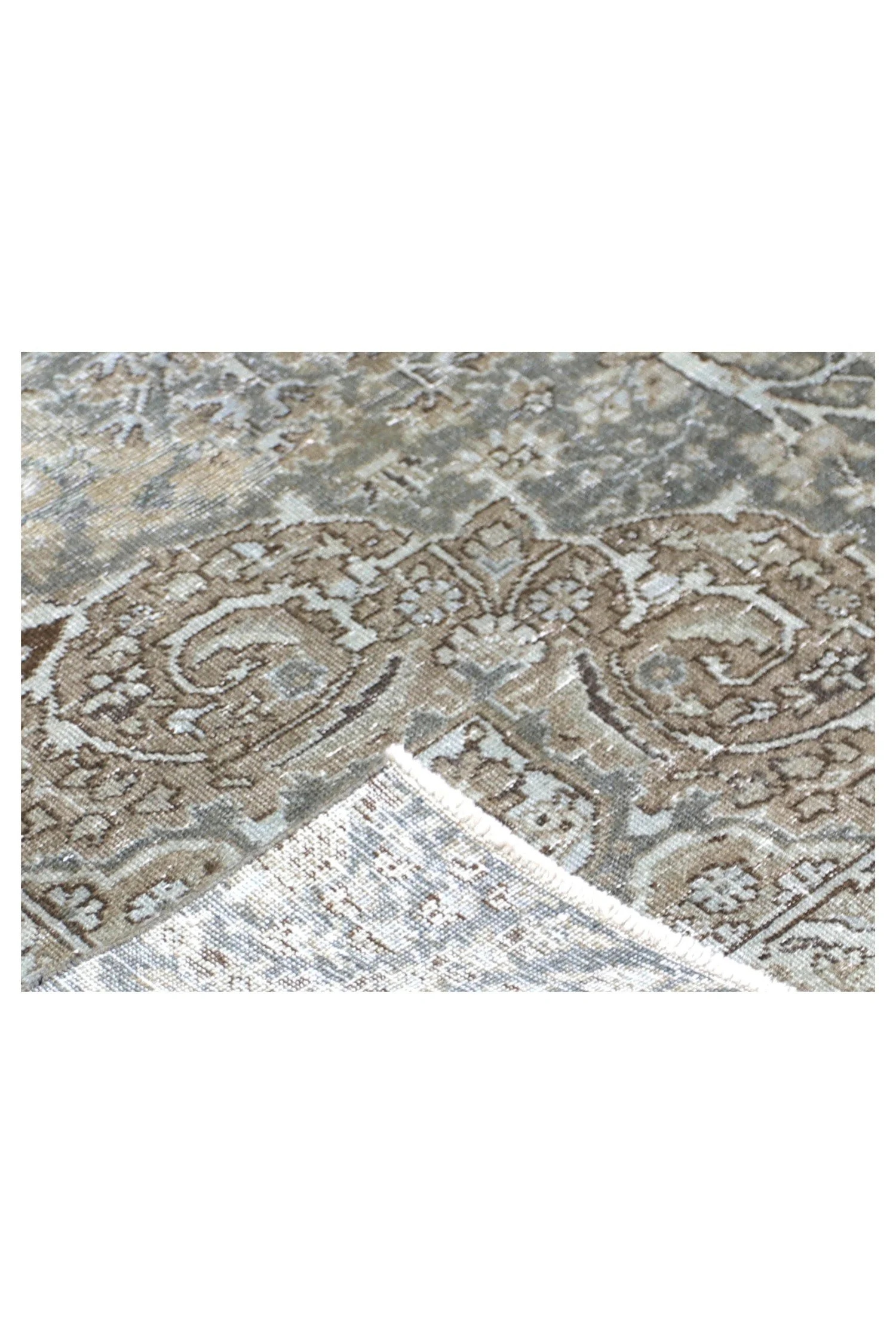
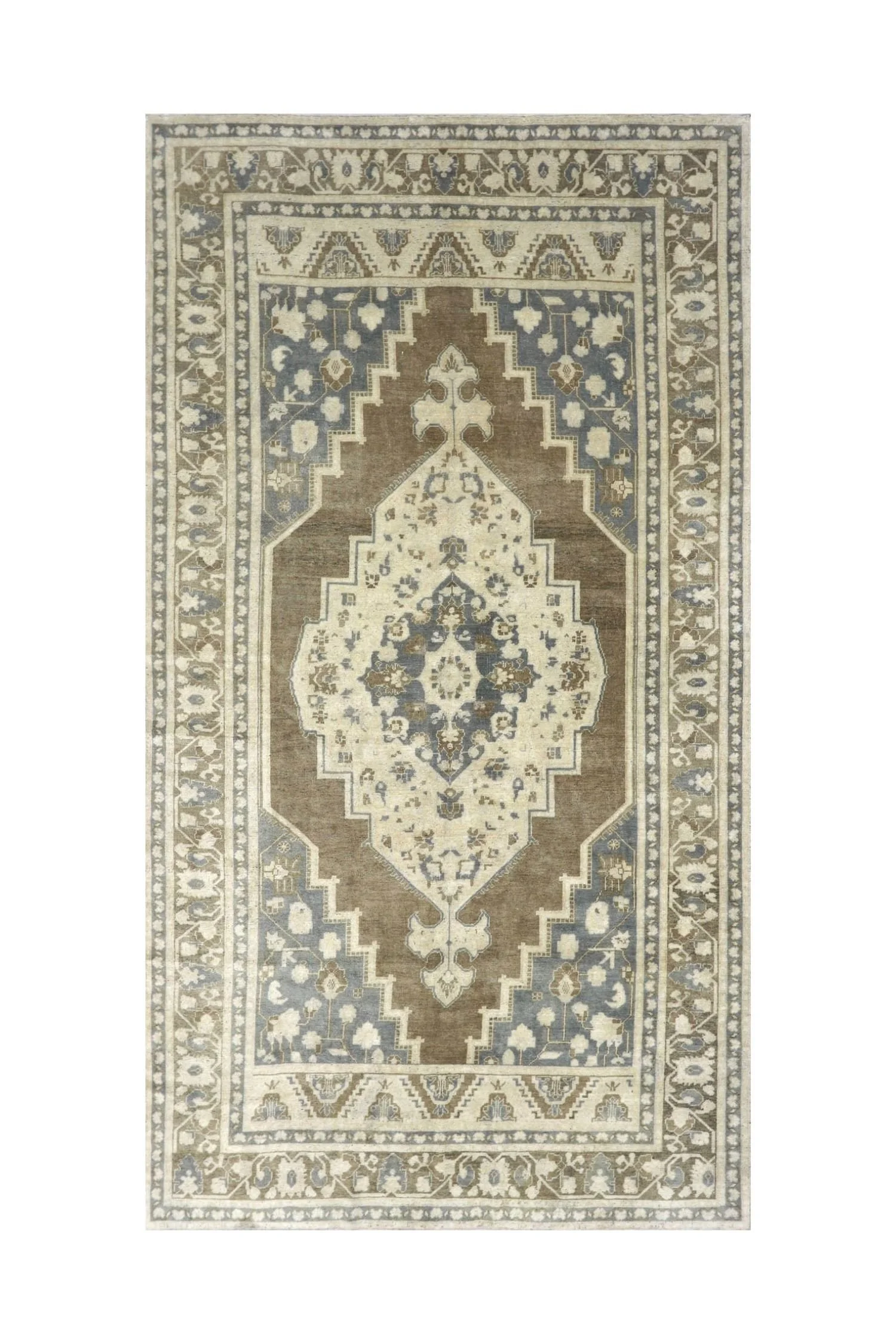
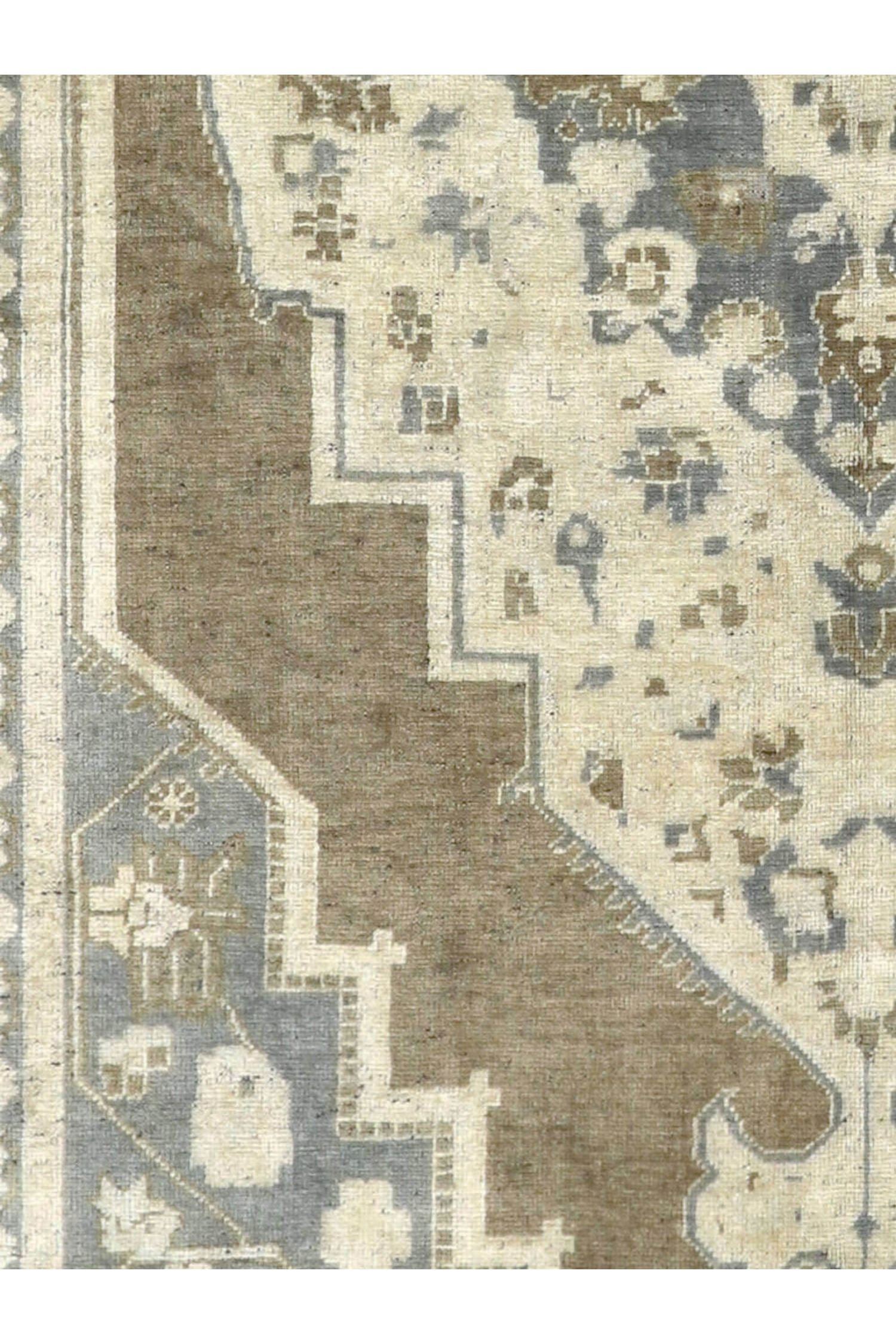
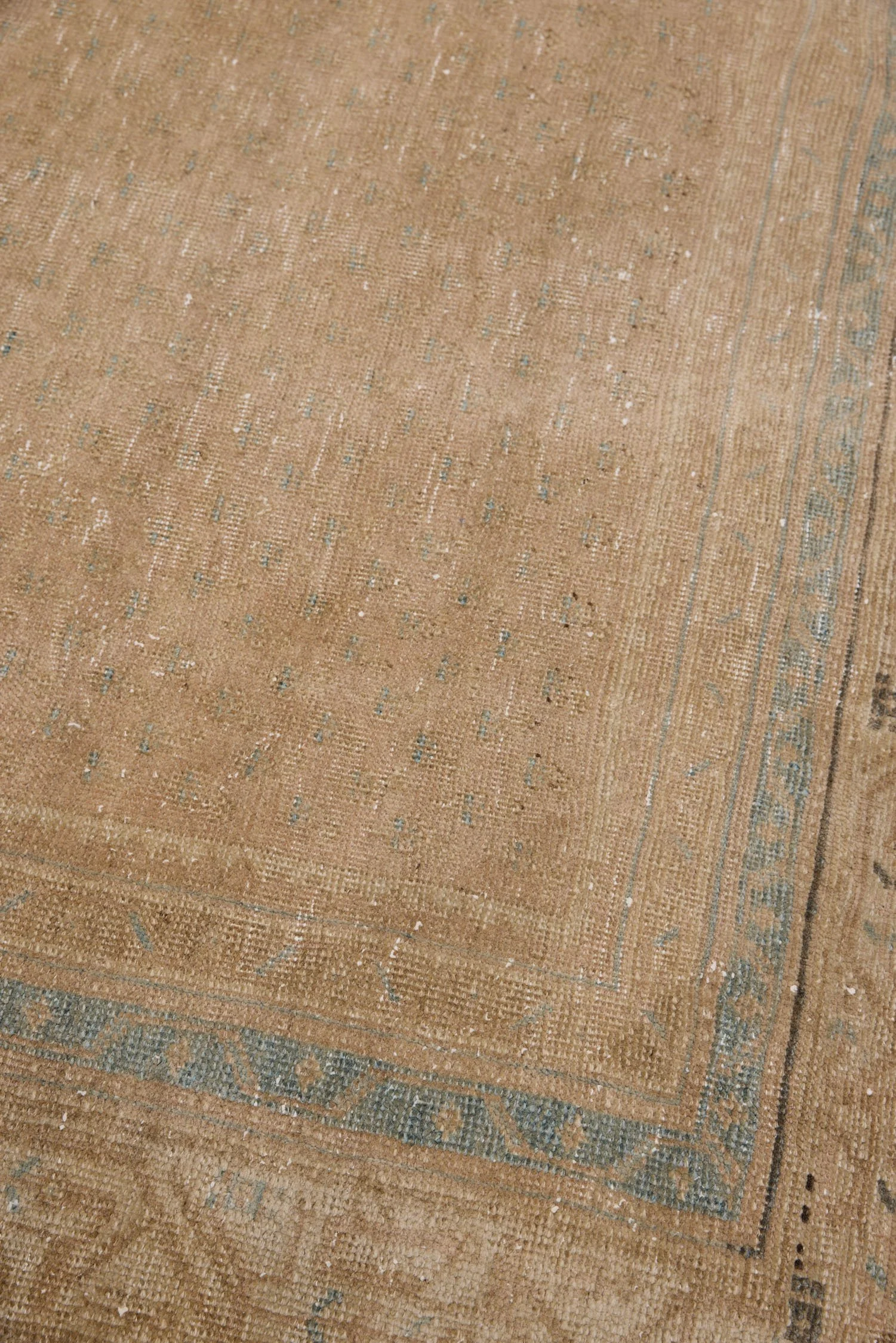
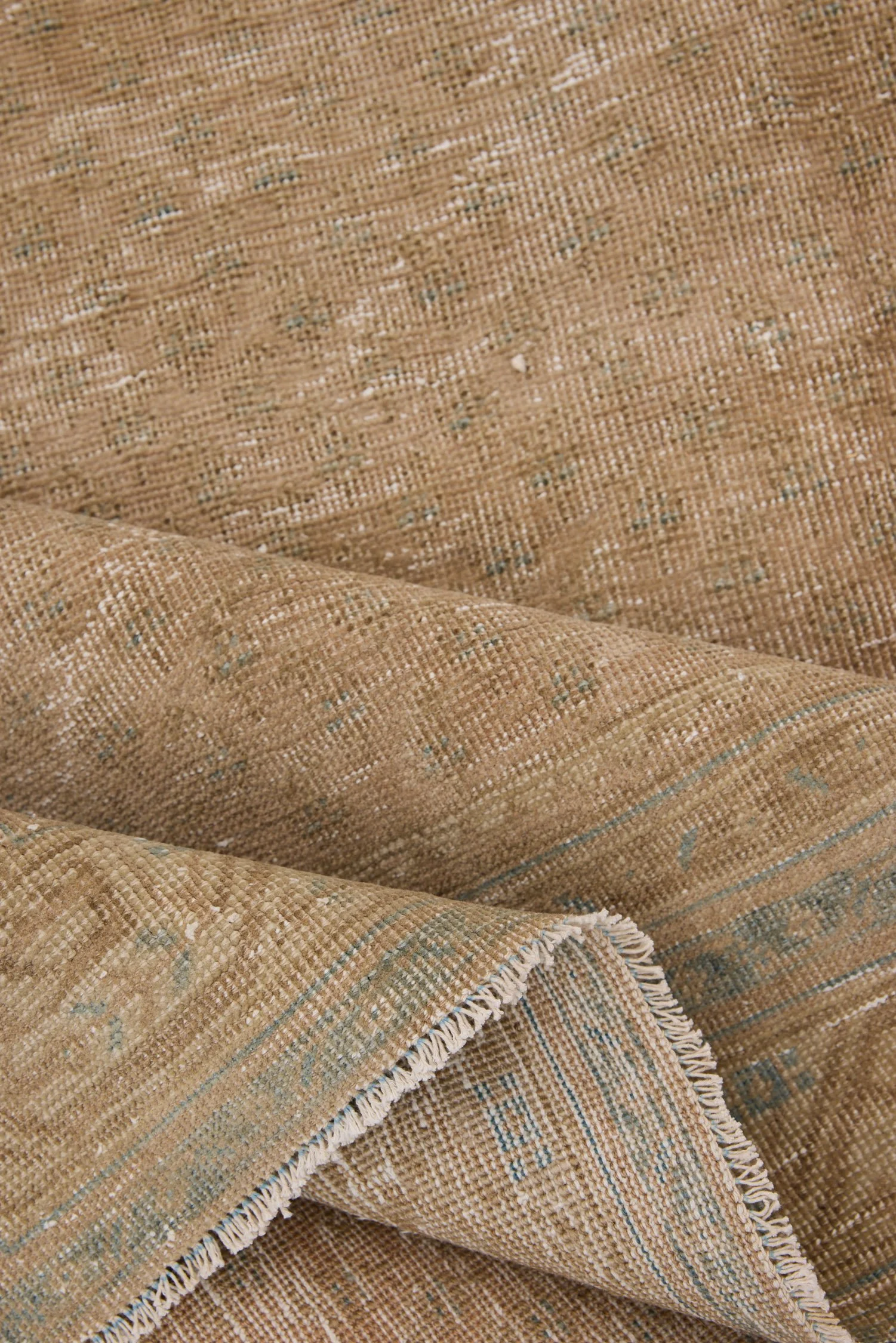
 Image 1 of 6
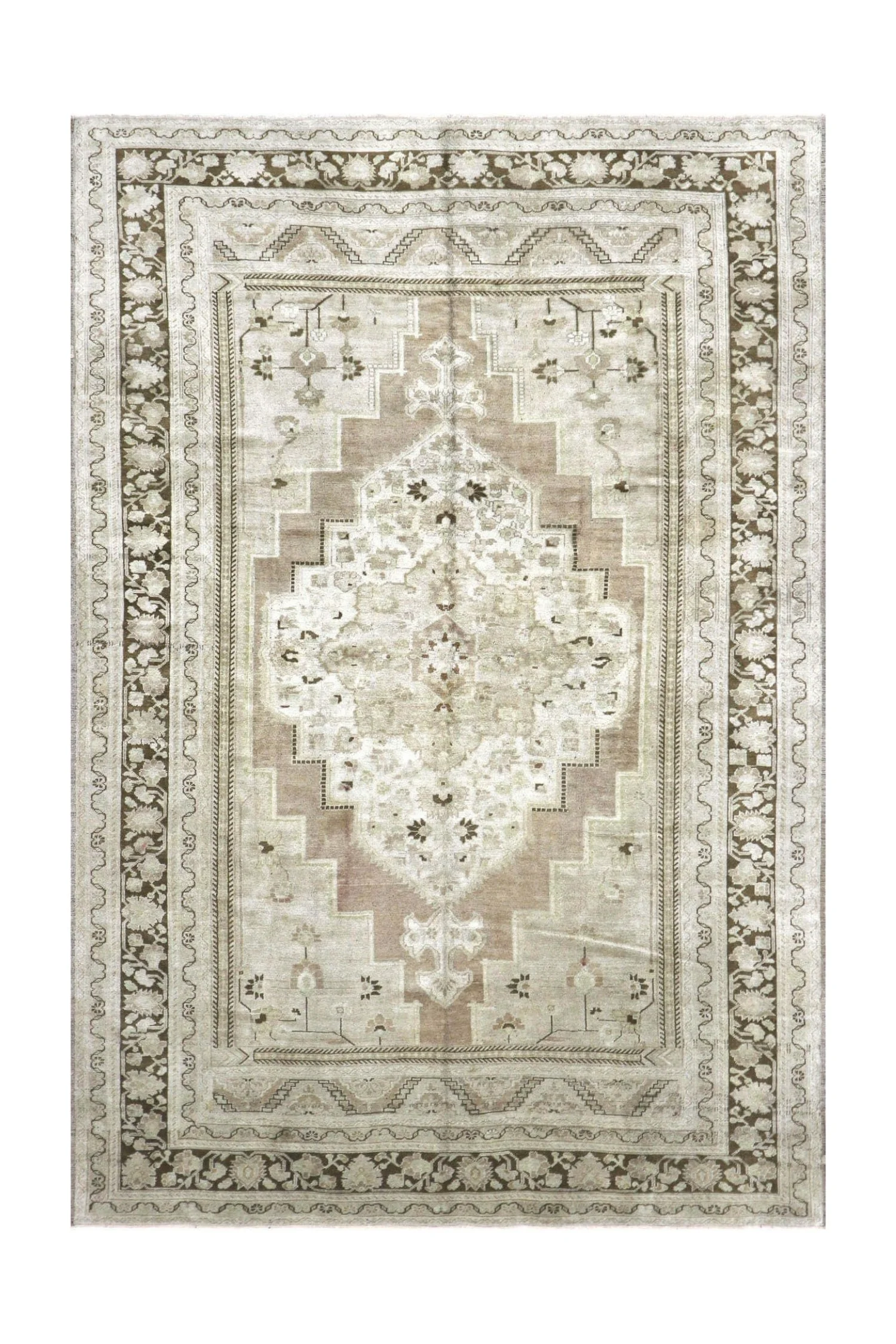
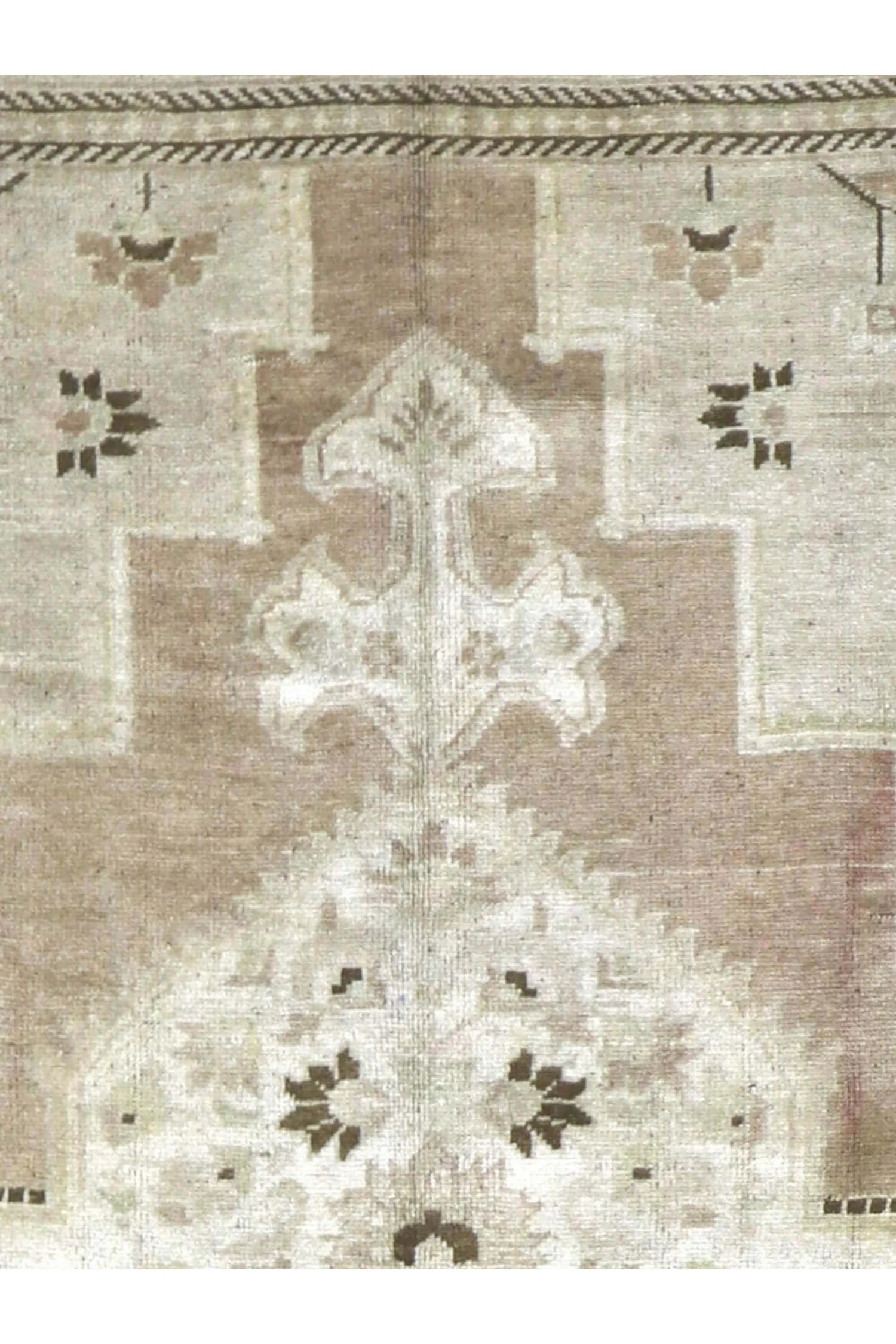 Image 2 of 6
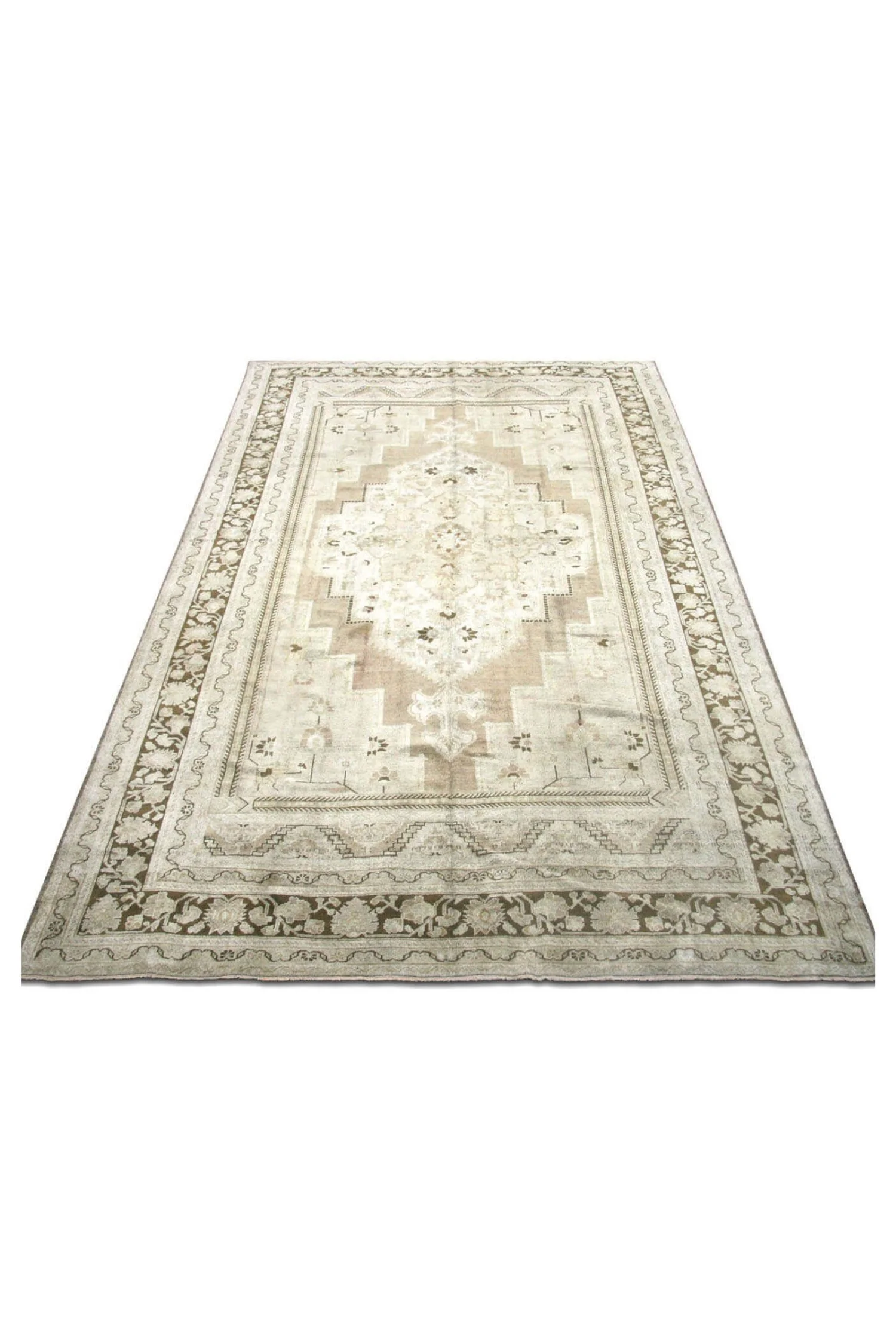 Image 3 of 6
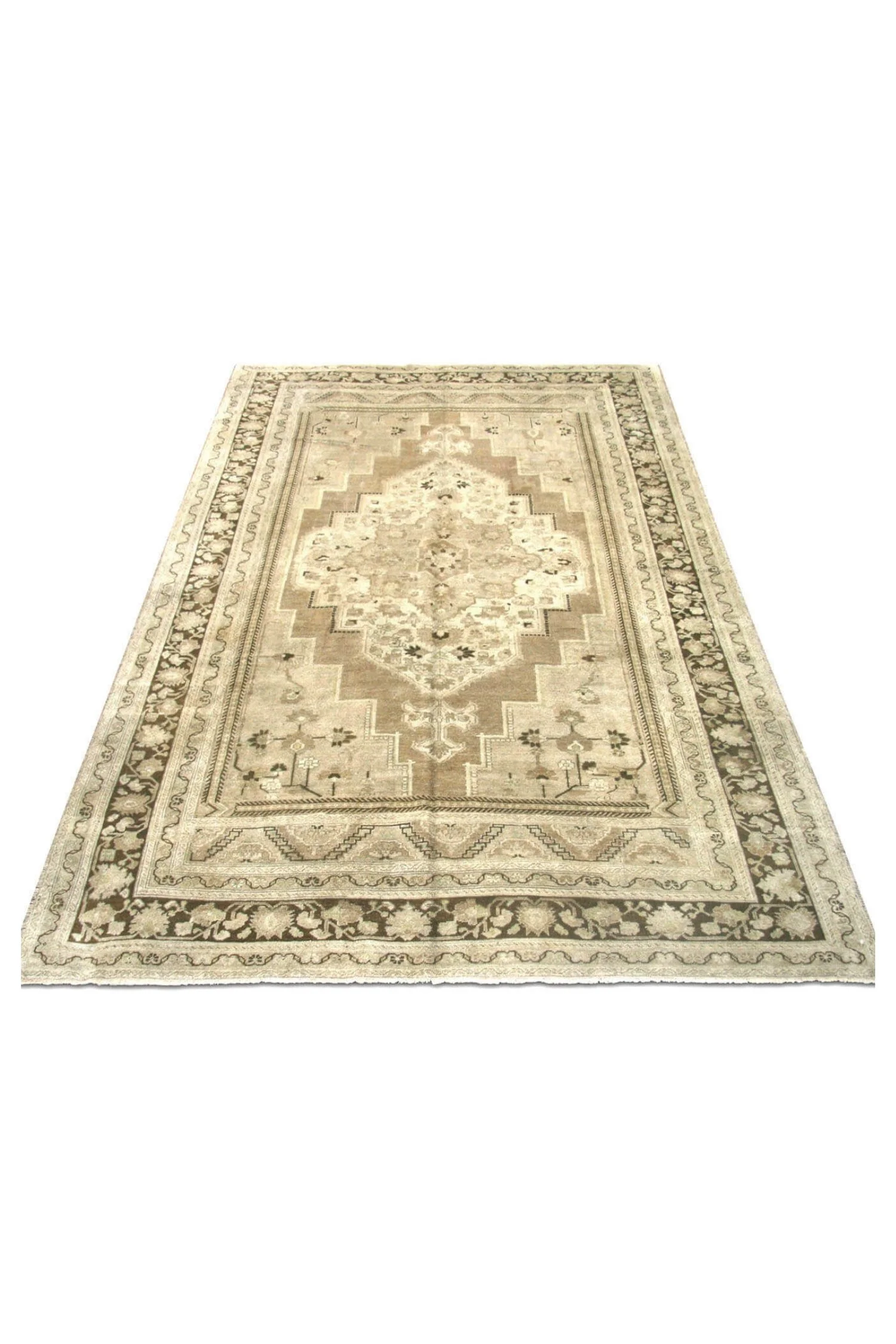 Image 4 of 6
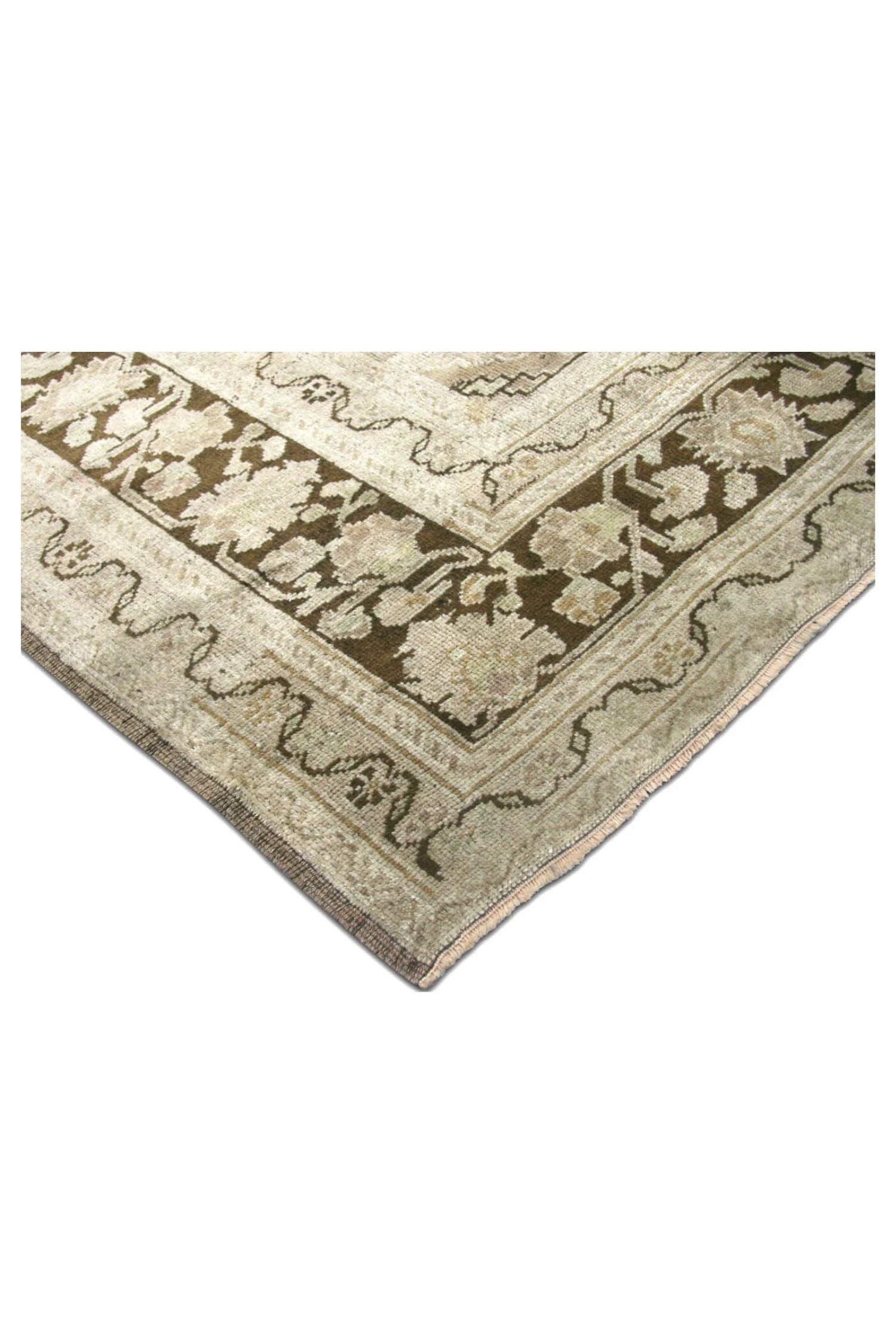 Image 5 of 6
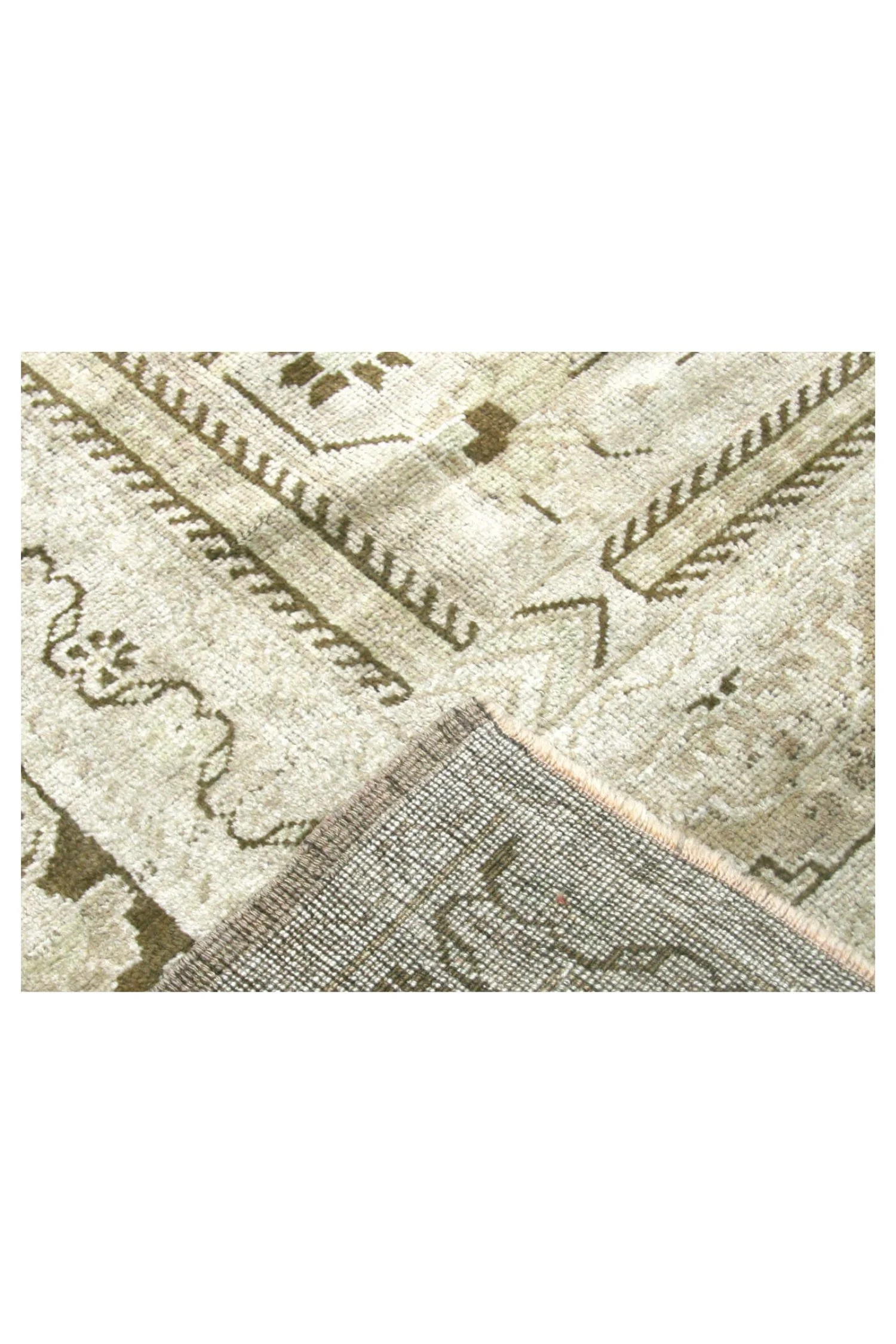 Image 6 of 6
Heritage and Craftsmanship
Anatolian weaving in the 1940s remained rooted in patterns passed down through generations, often within individual families or villages. Unlike the workshop production of urban centers, these rugs came from domestic settings where women wove for household use or local trade.
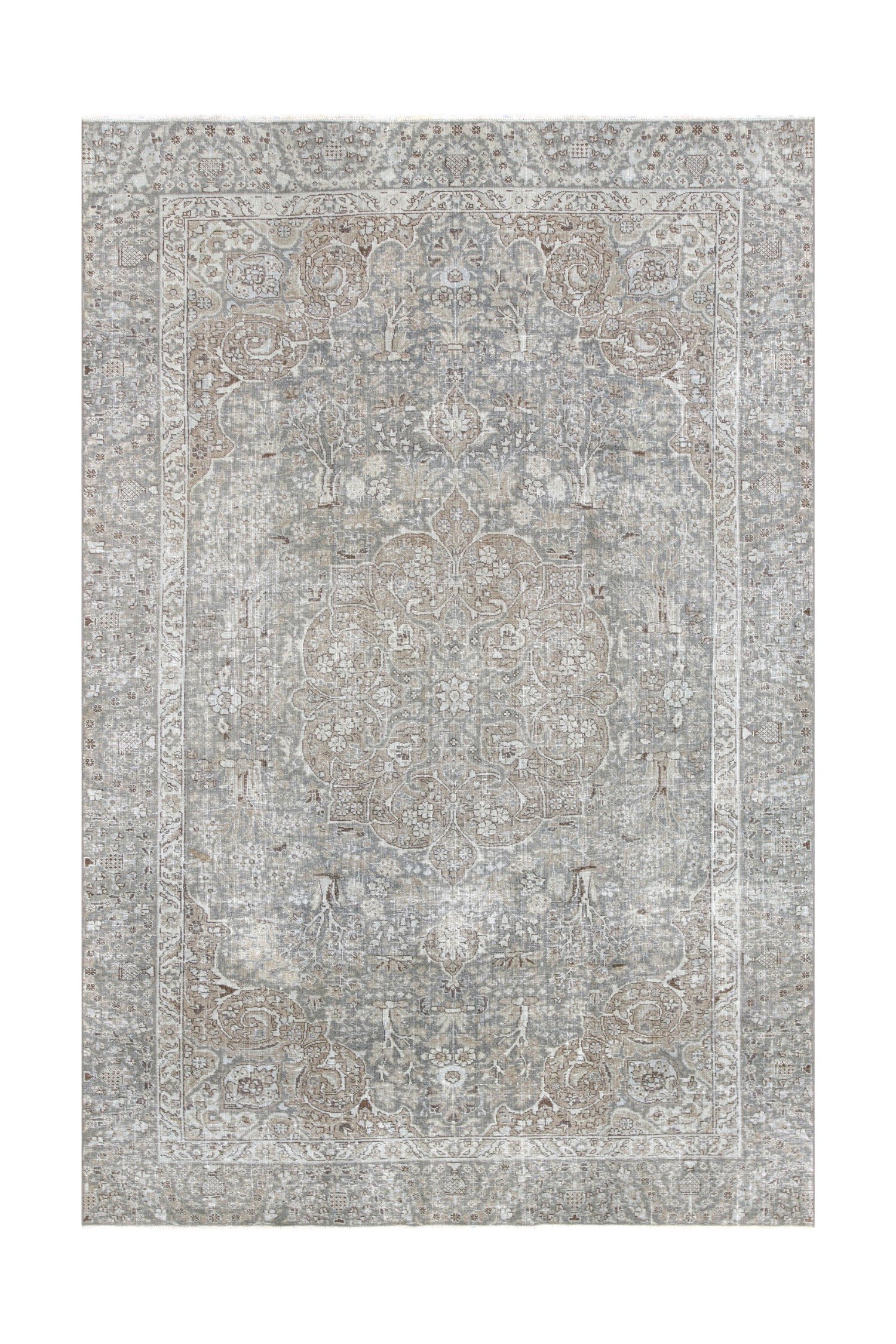
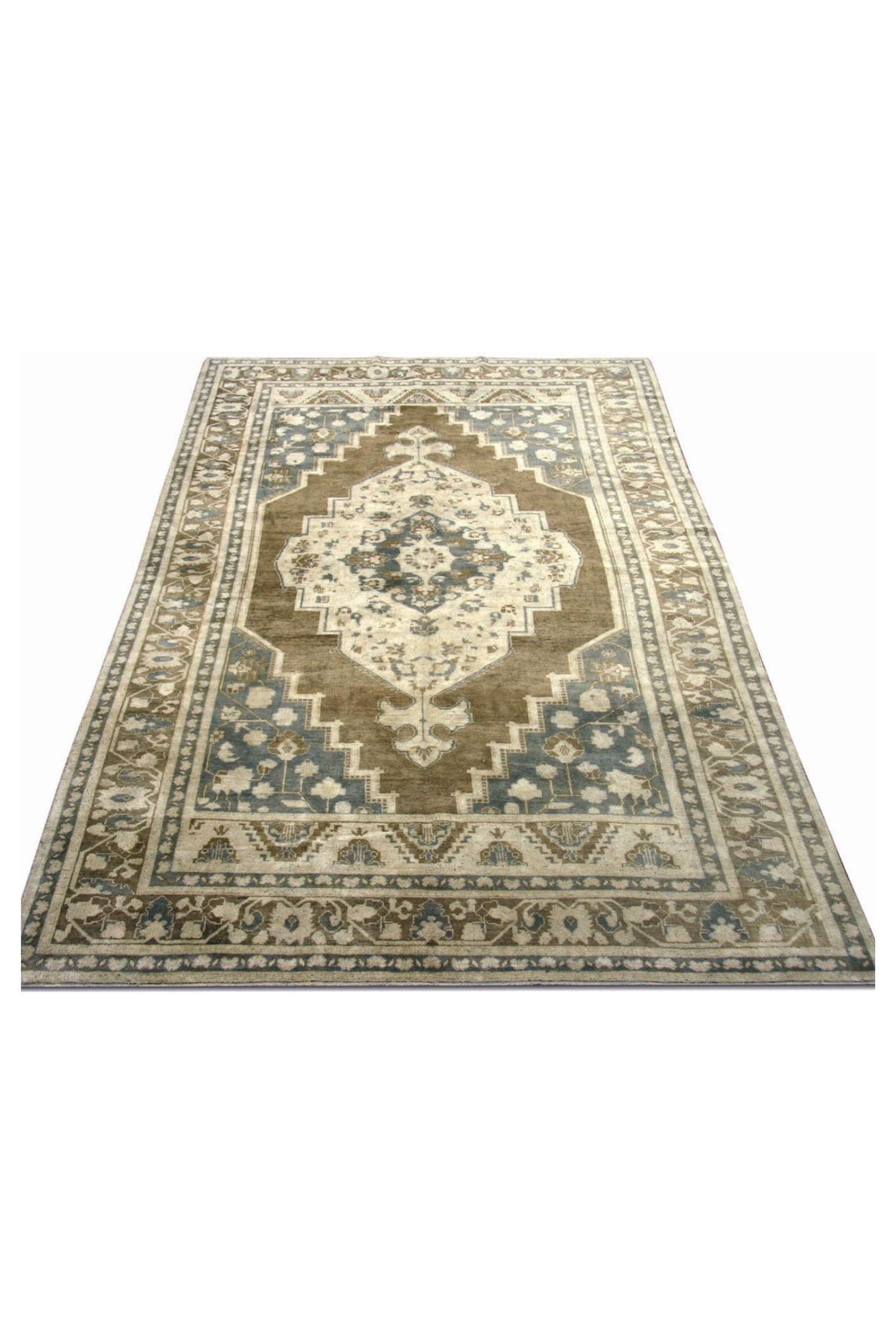
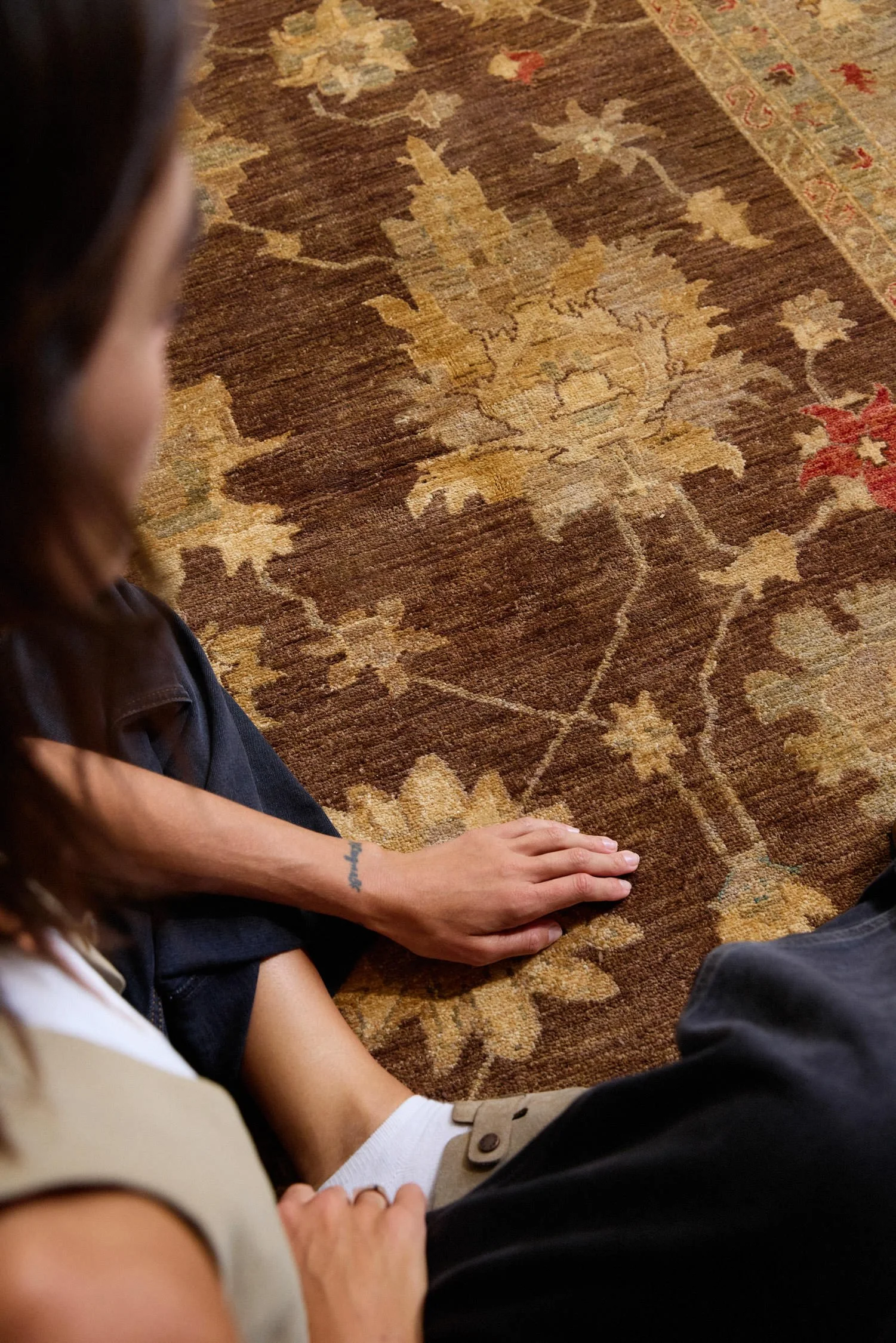
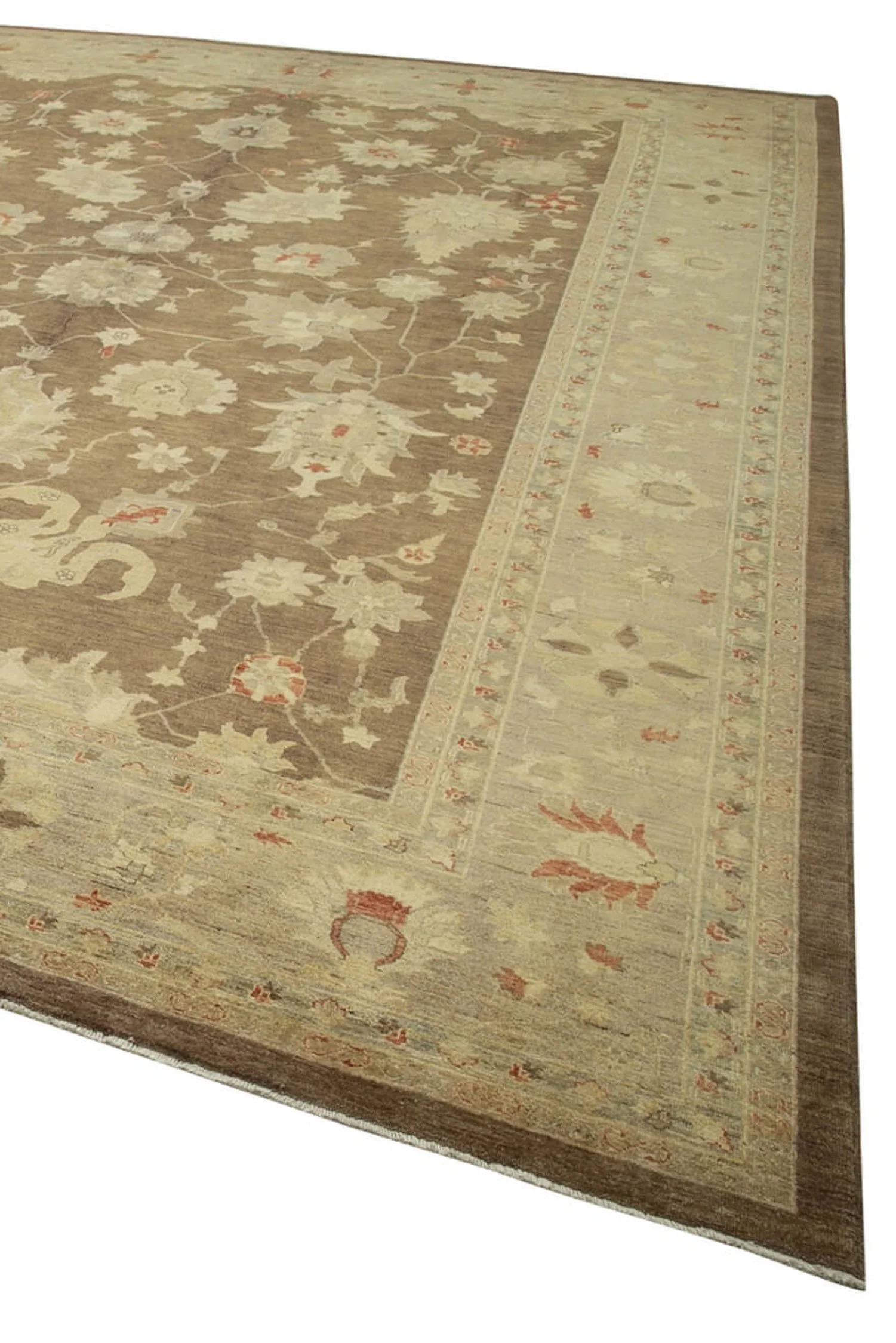
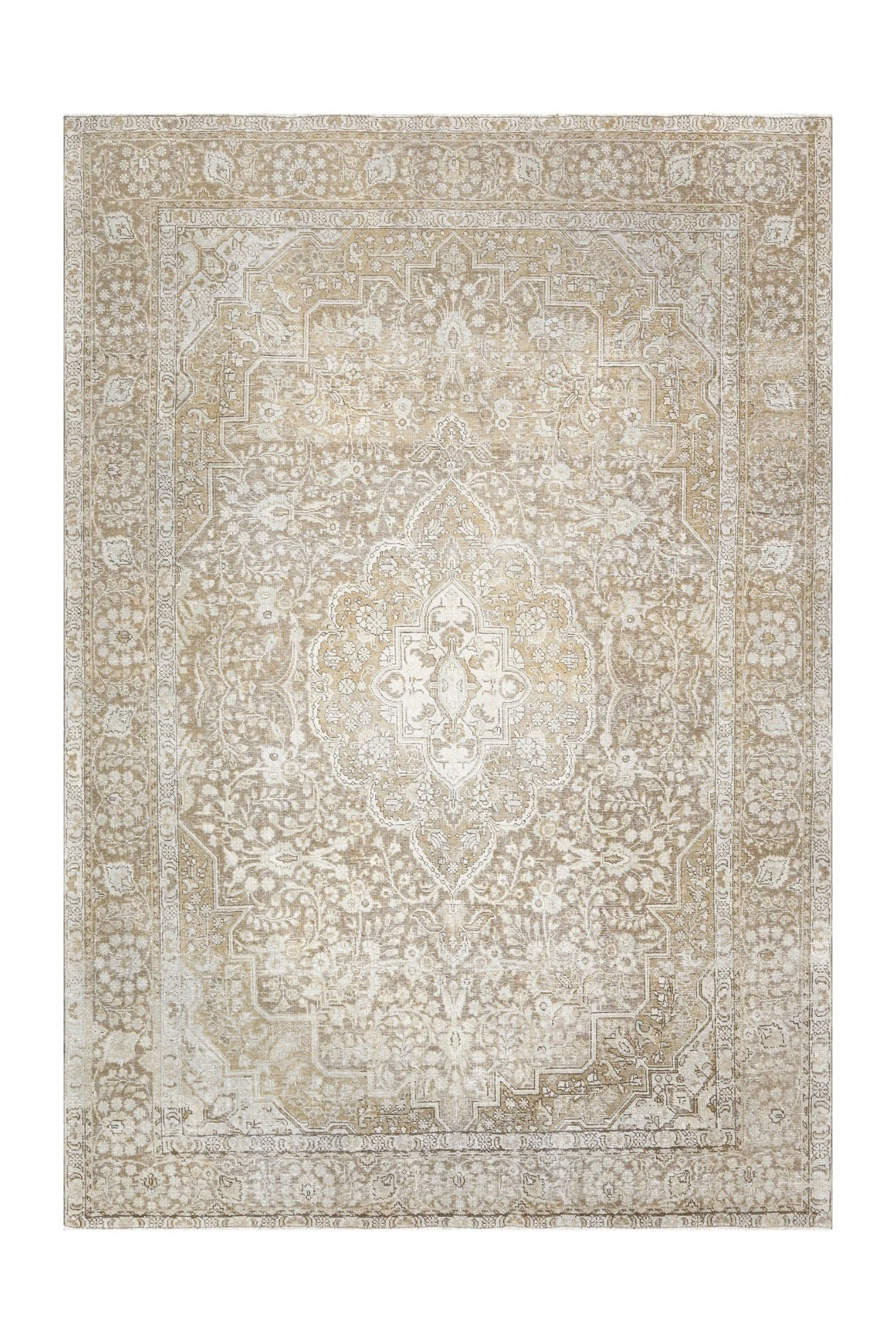
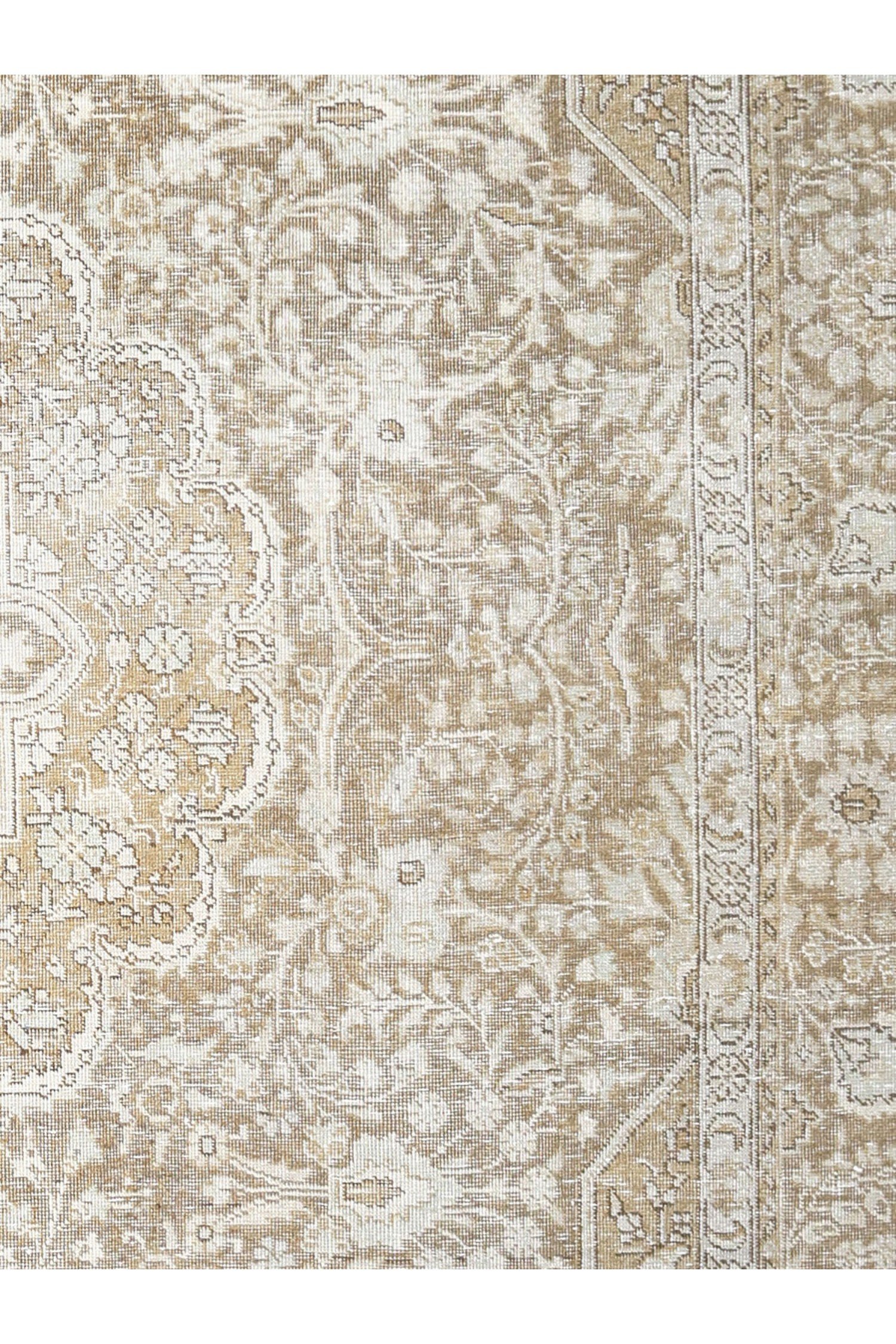
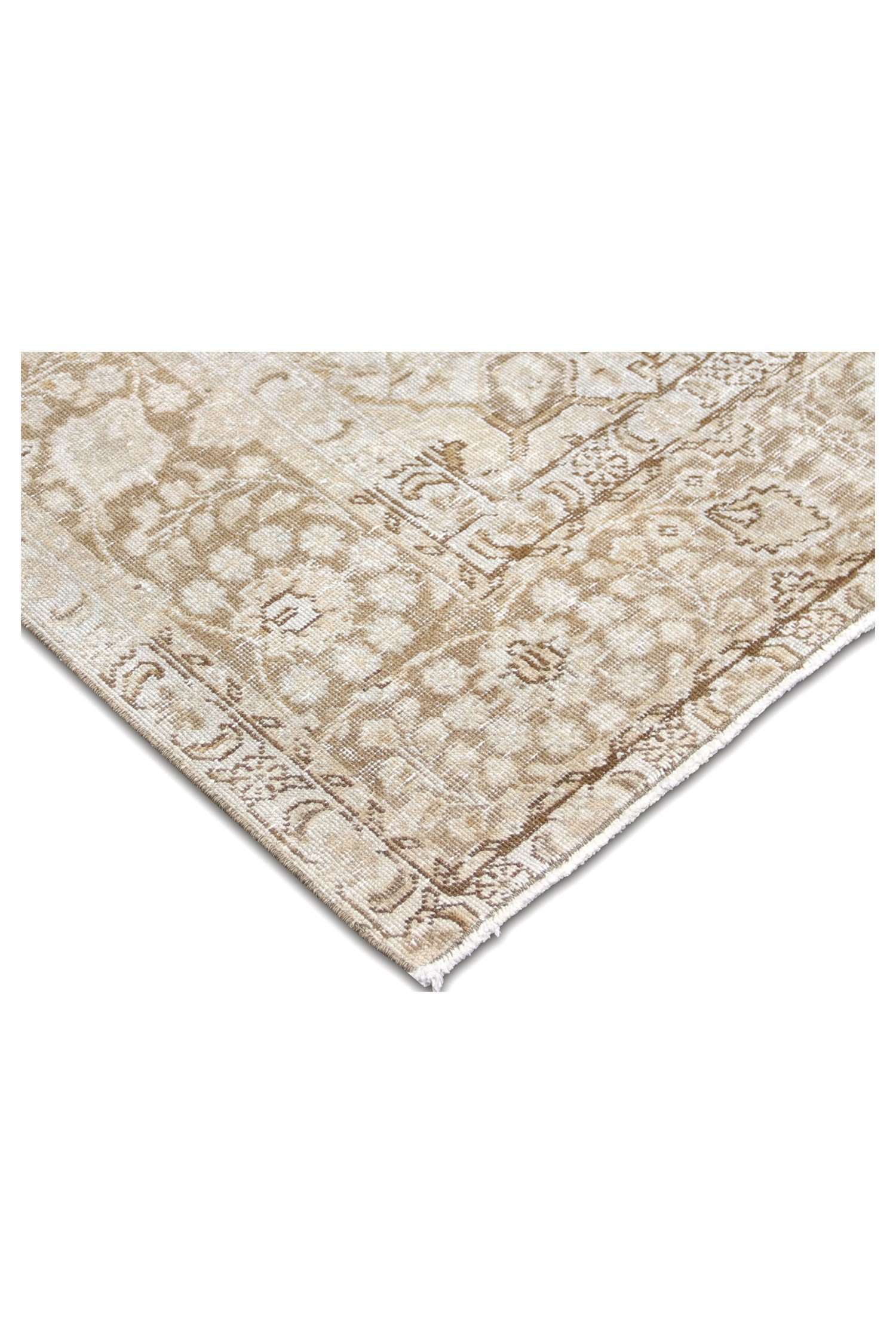
The stepped medallion format seen here traces back centuries in Anatolian design vocabulary. The geometric interpretation of floral forms reflects both aesthetic preference and technical approach. Working with limited color palettes and hand-spun wool, weavers translated organic shapes into angular, repeatable forms that suited the vertical loom.
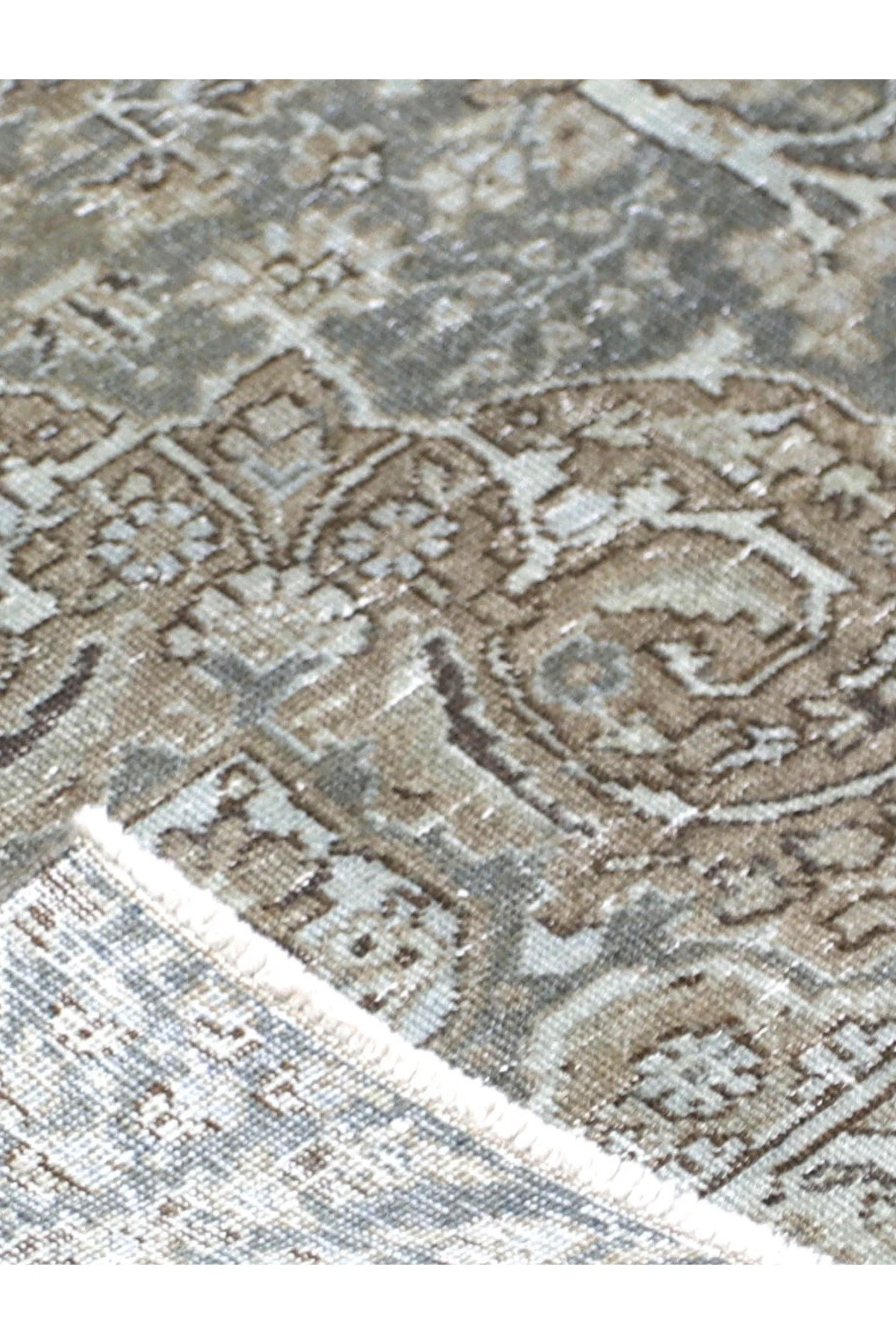
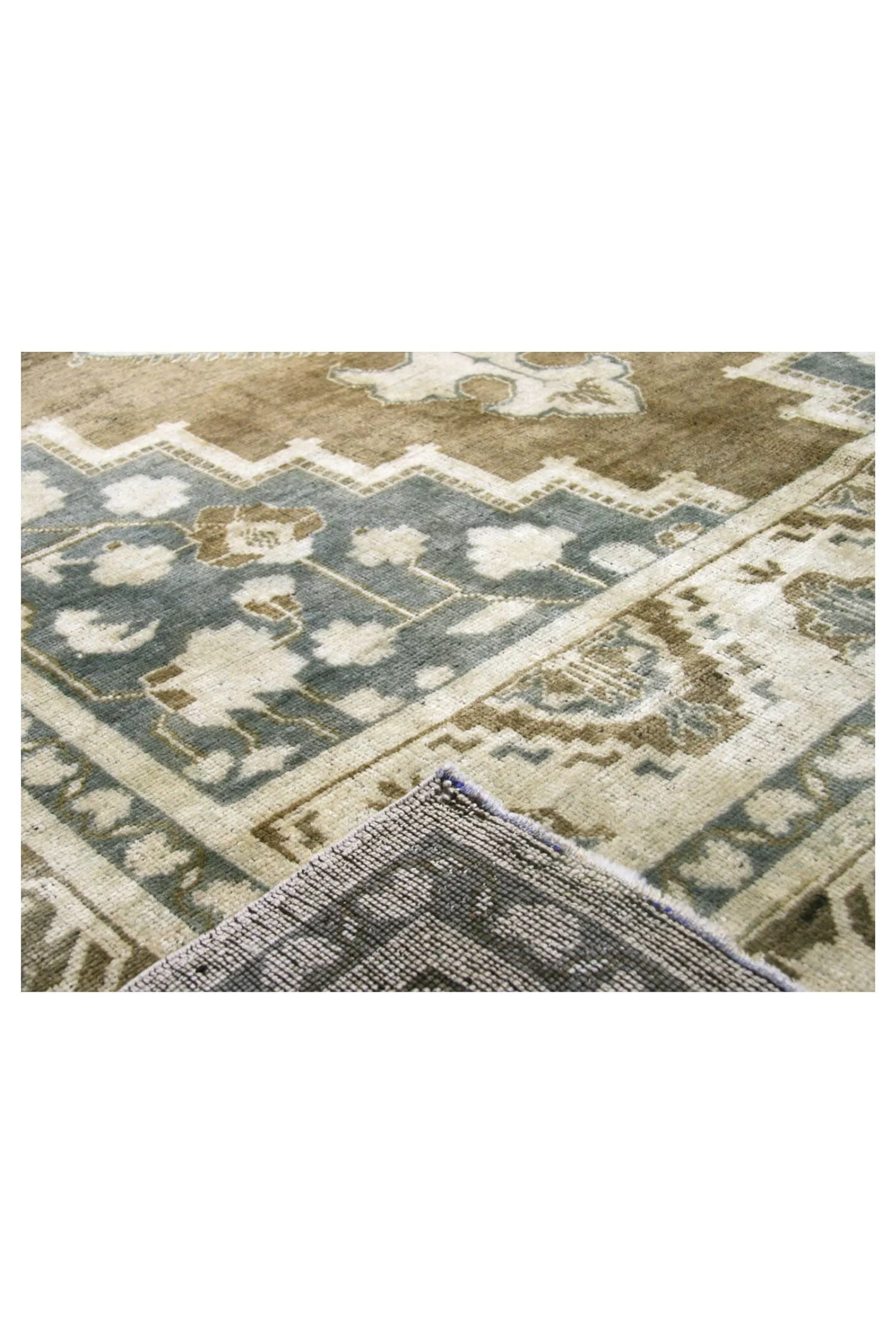
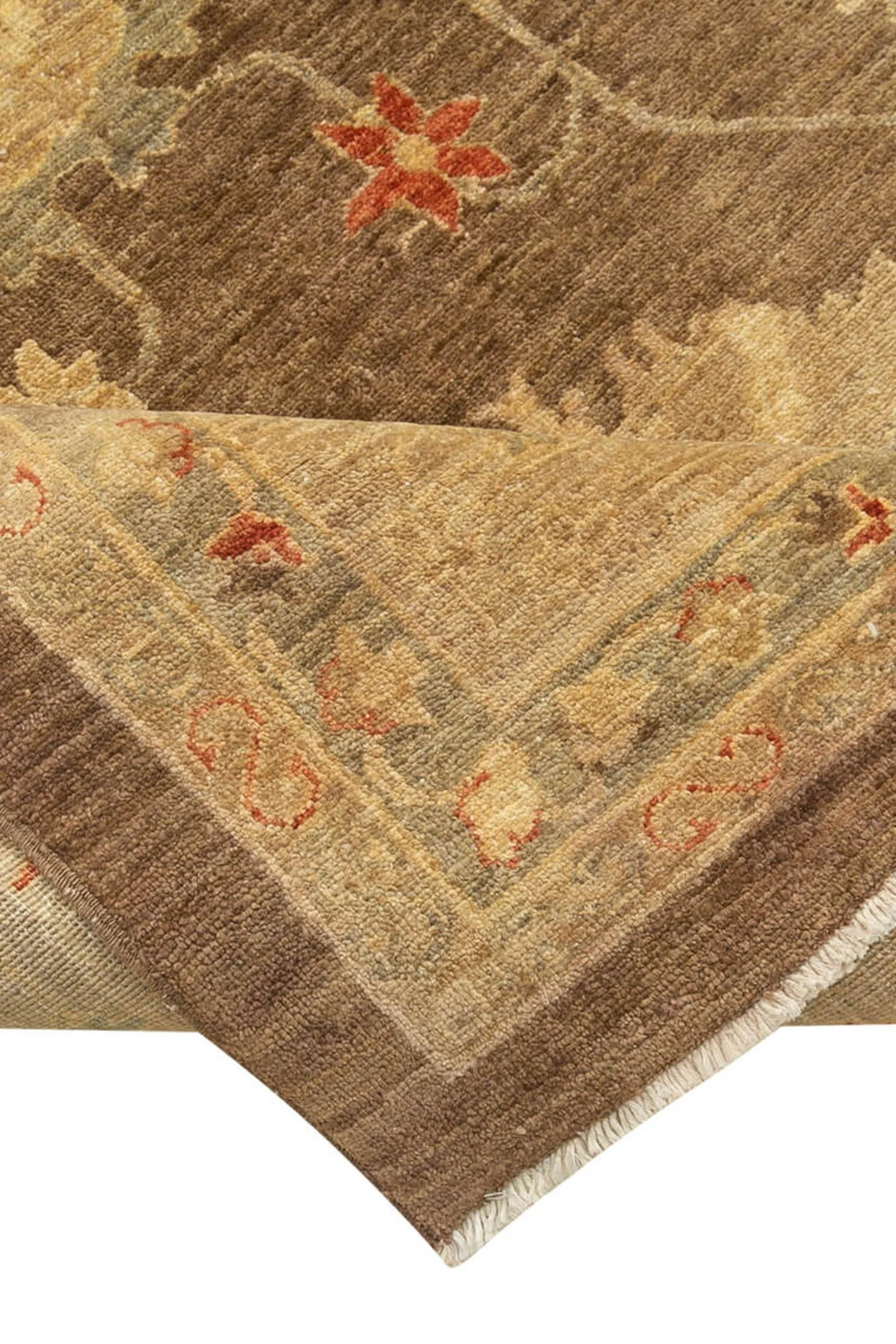
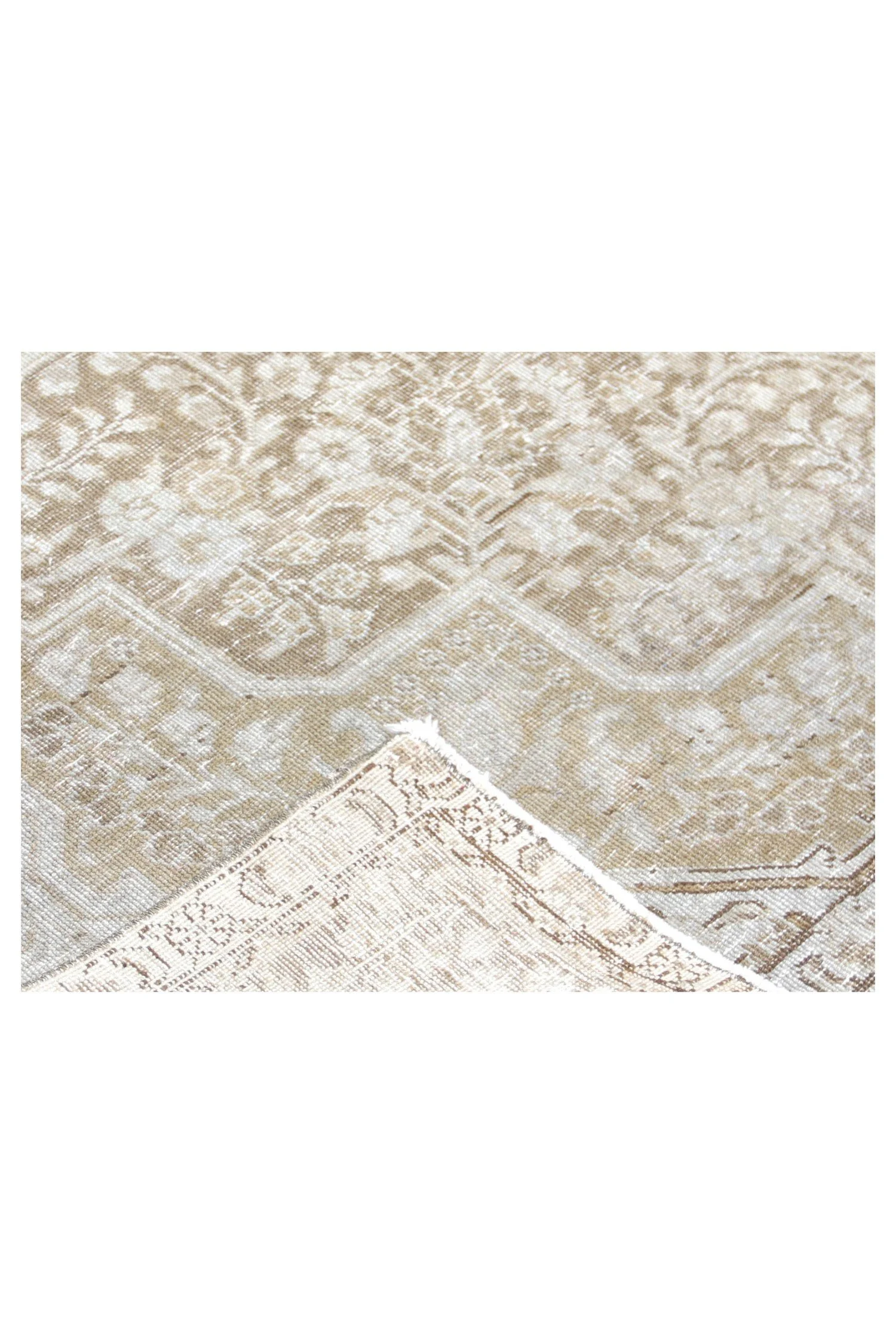
These weren't rugs made for export markets. They served local needs first, which meant durability mattered as much as design. The construction methods prioritized longevity, using techniques refined over centuries of practical use.
Design Elements
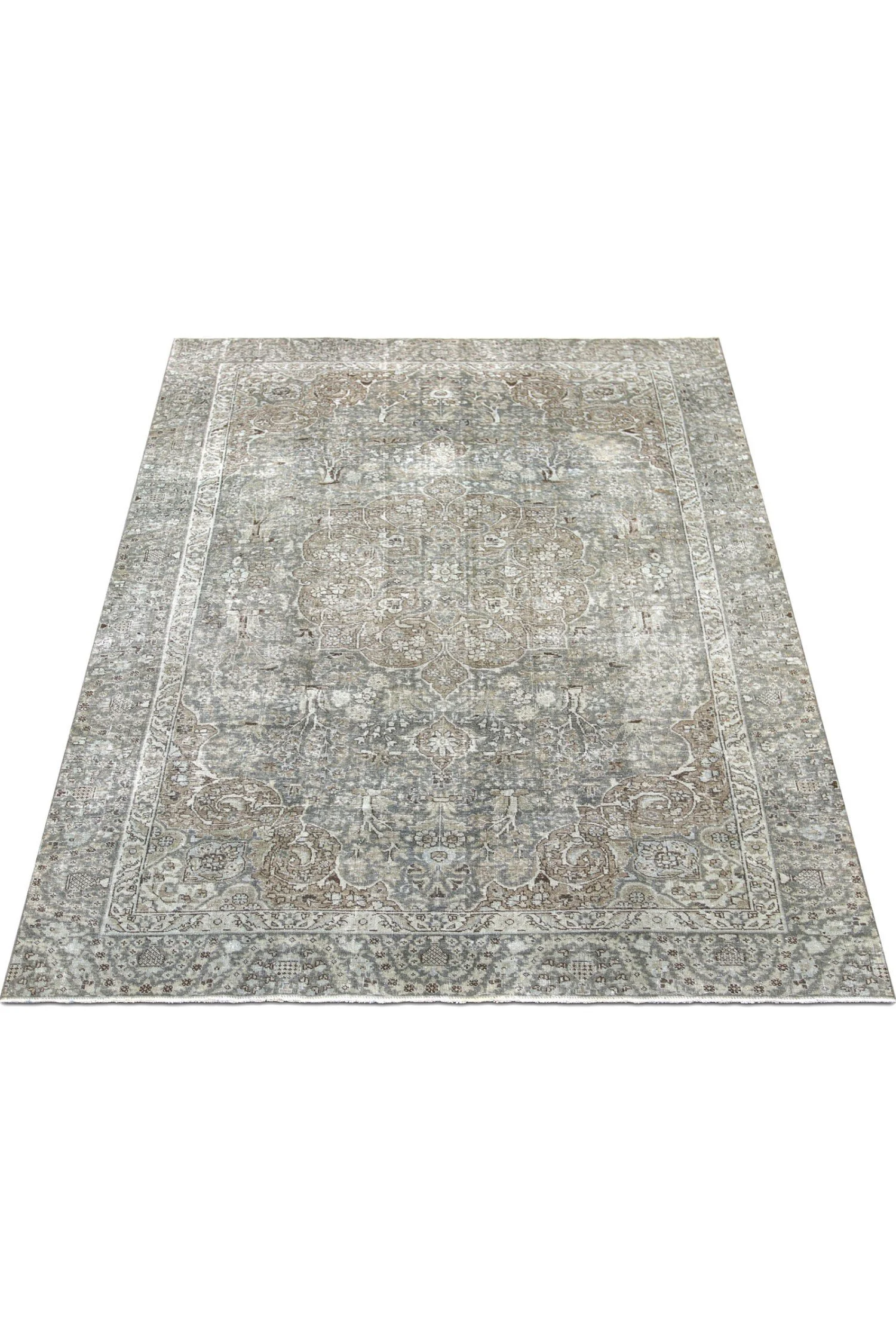
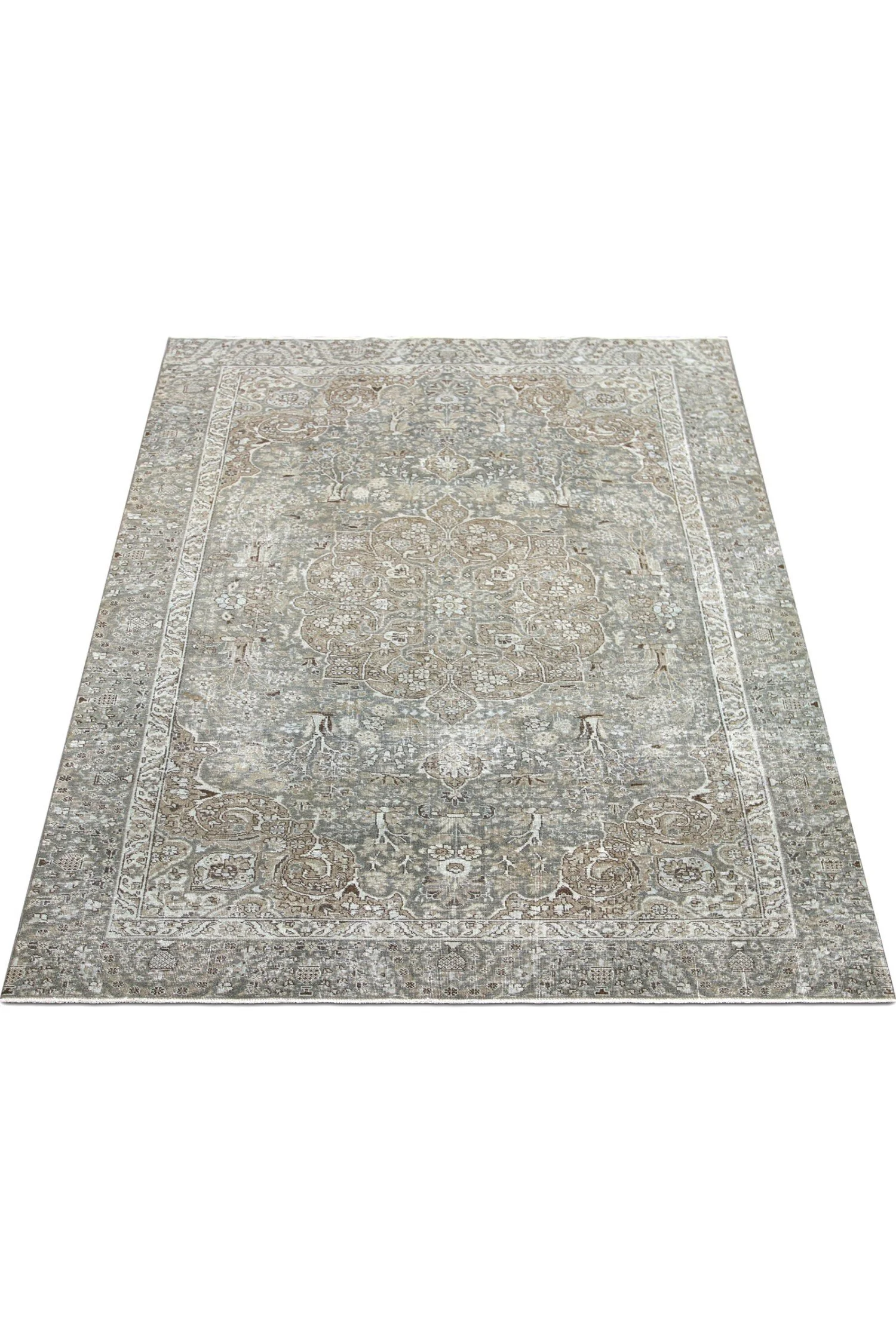
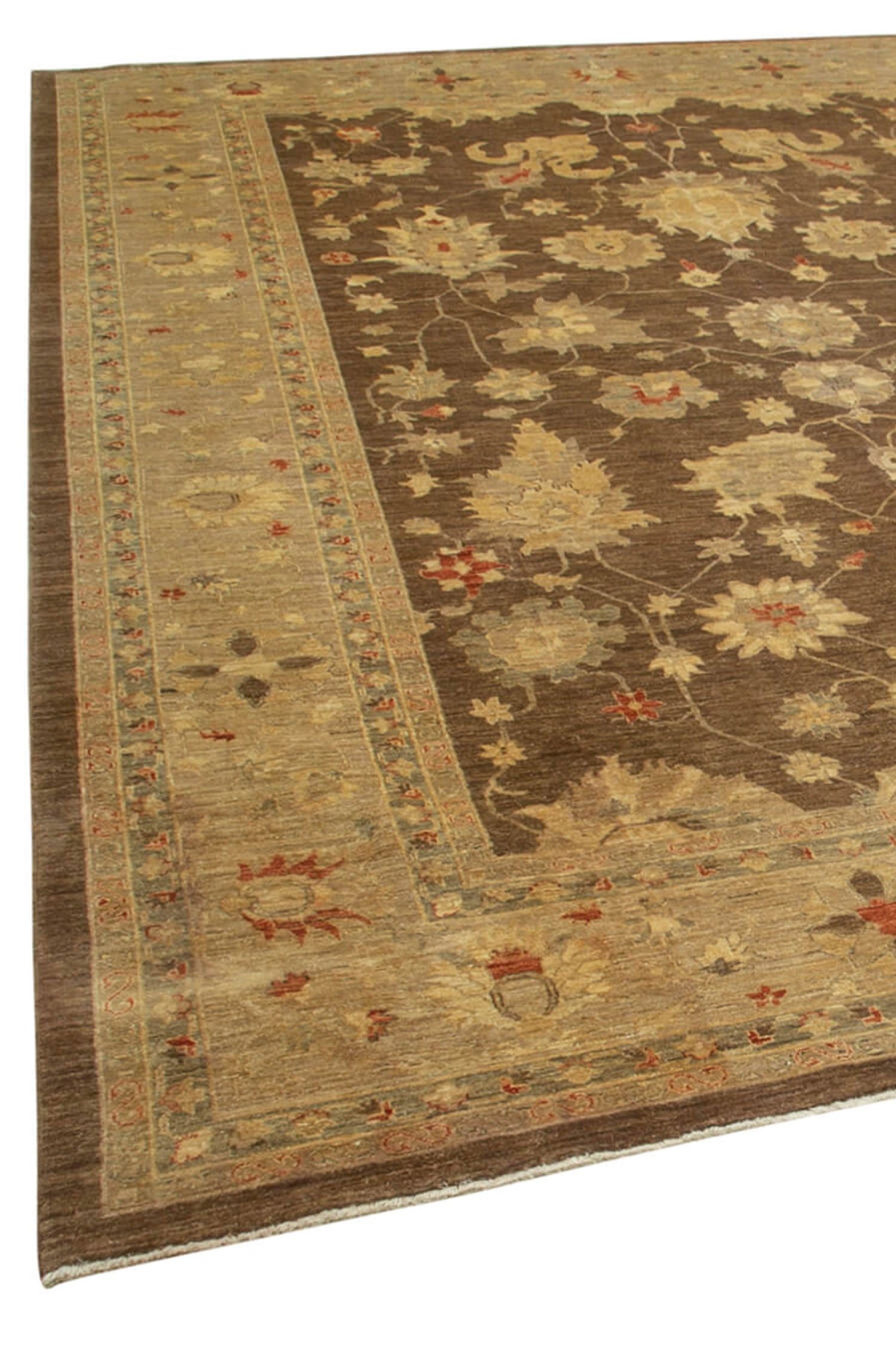
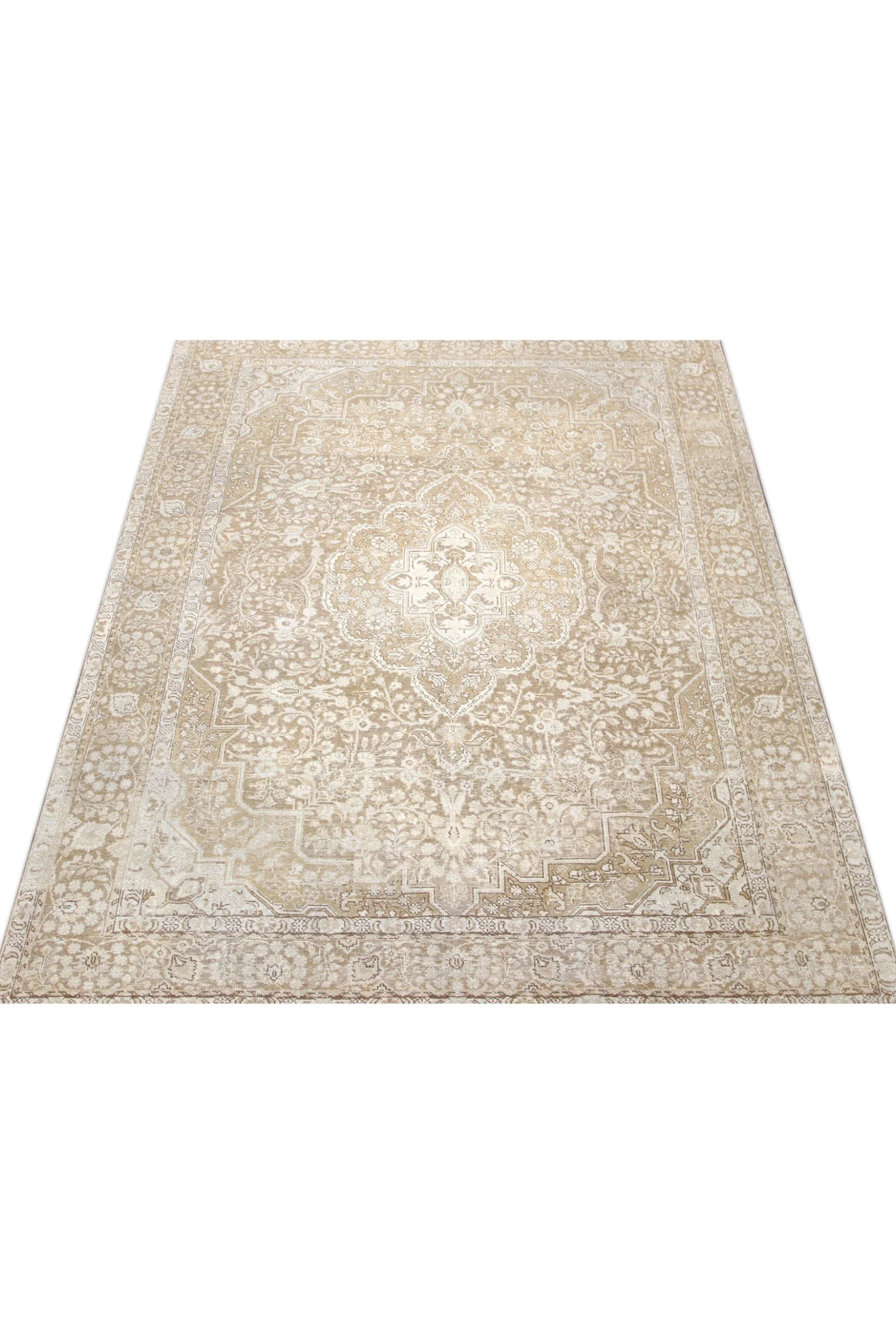
The stepped medallion creates a strong central axis, with smaller geometric florals radiating outward in organized rows. This symmetrical arrangement balances the visual weight across the field, preventing any single area from dominating.
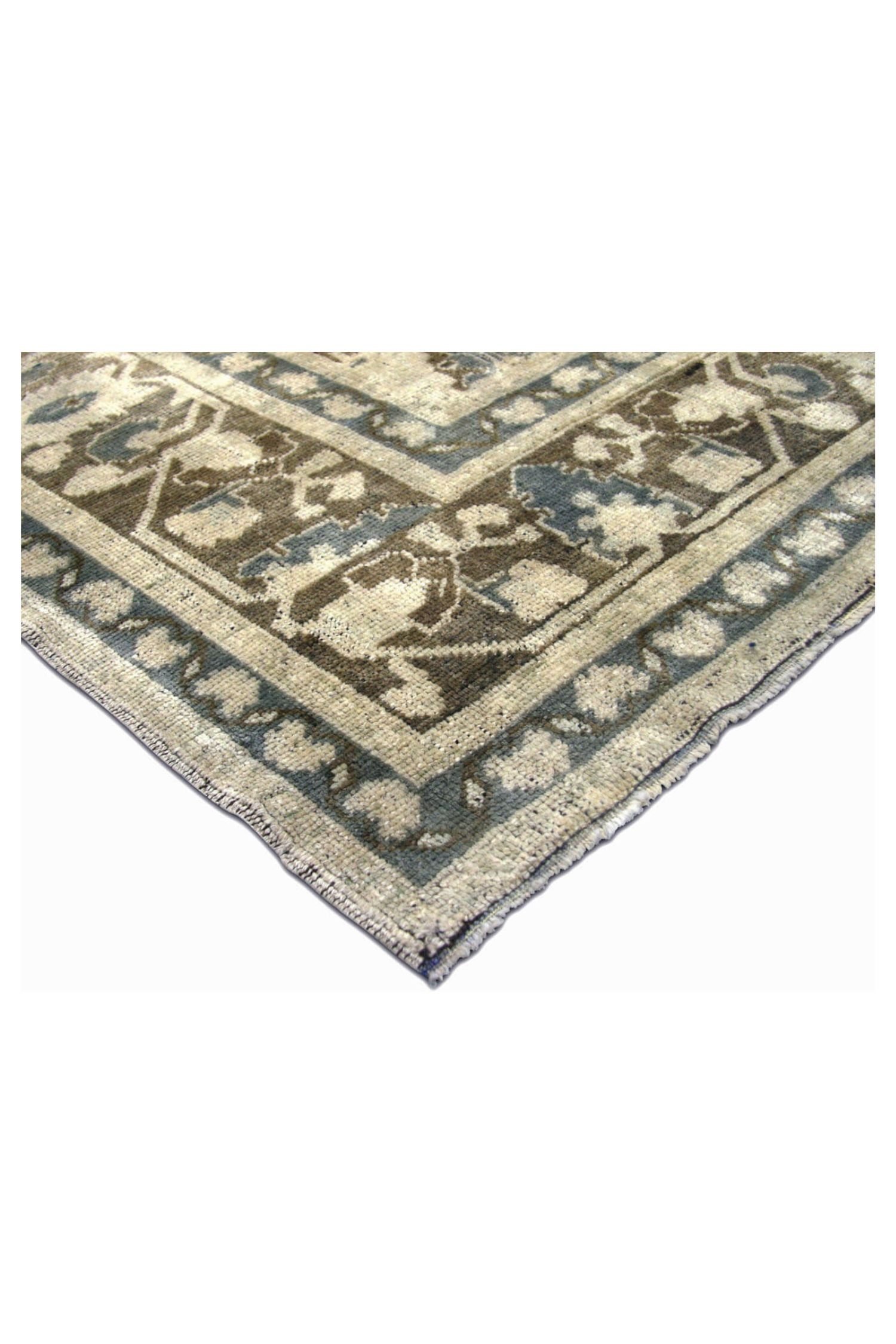
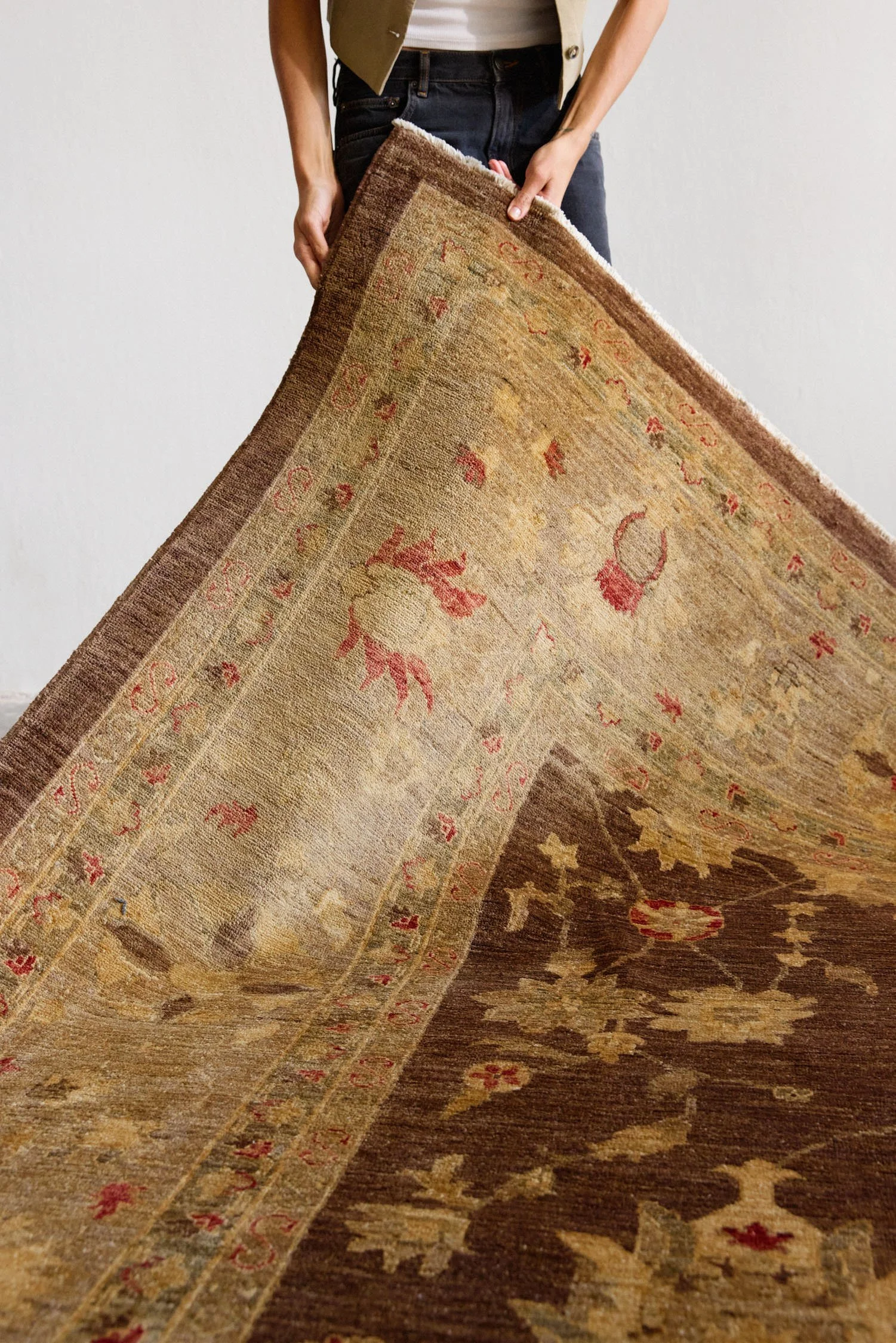
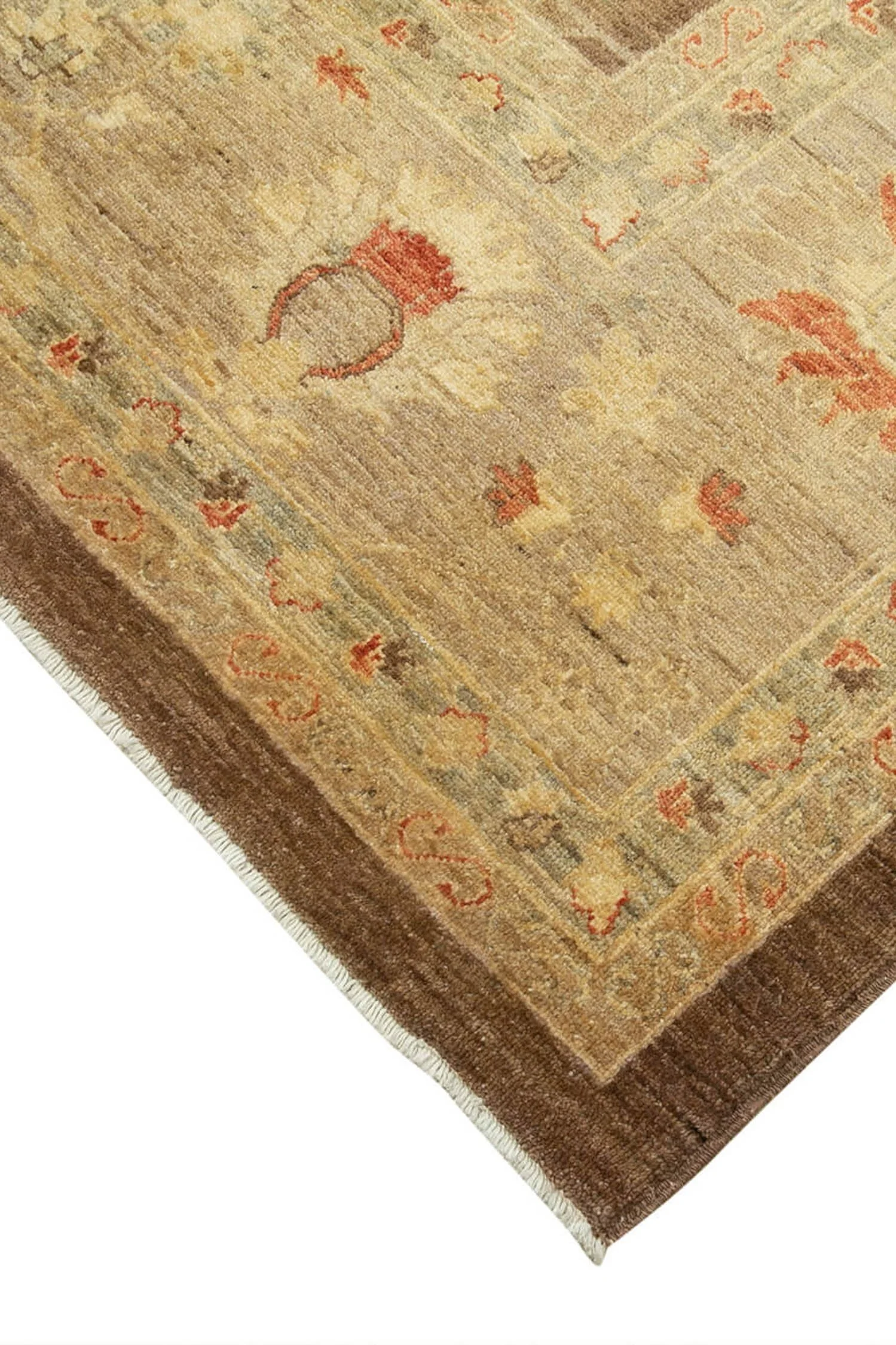
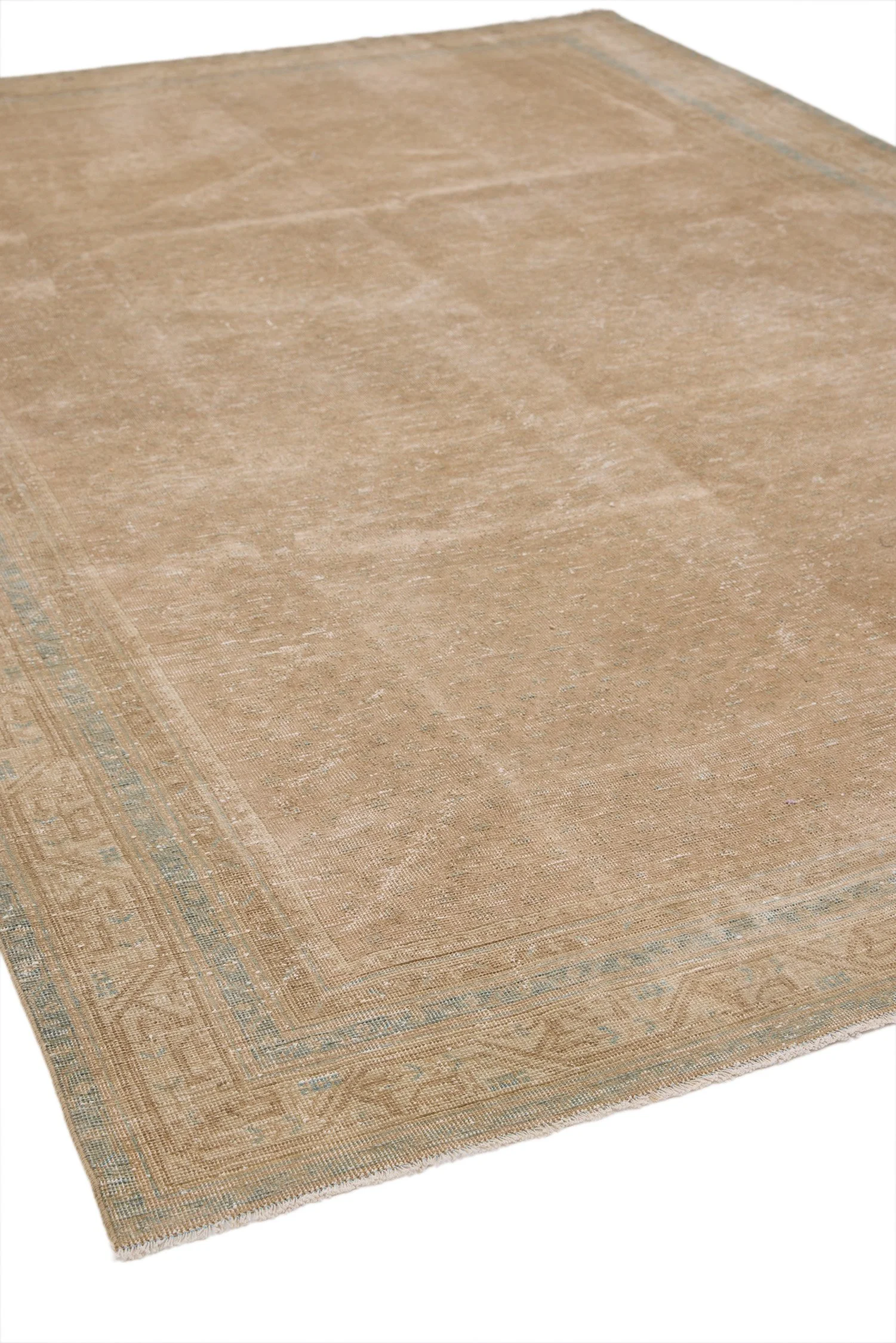
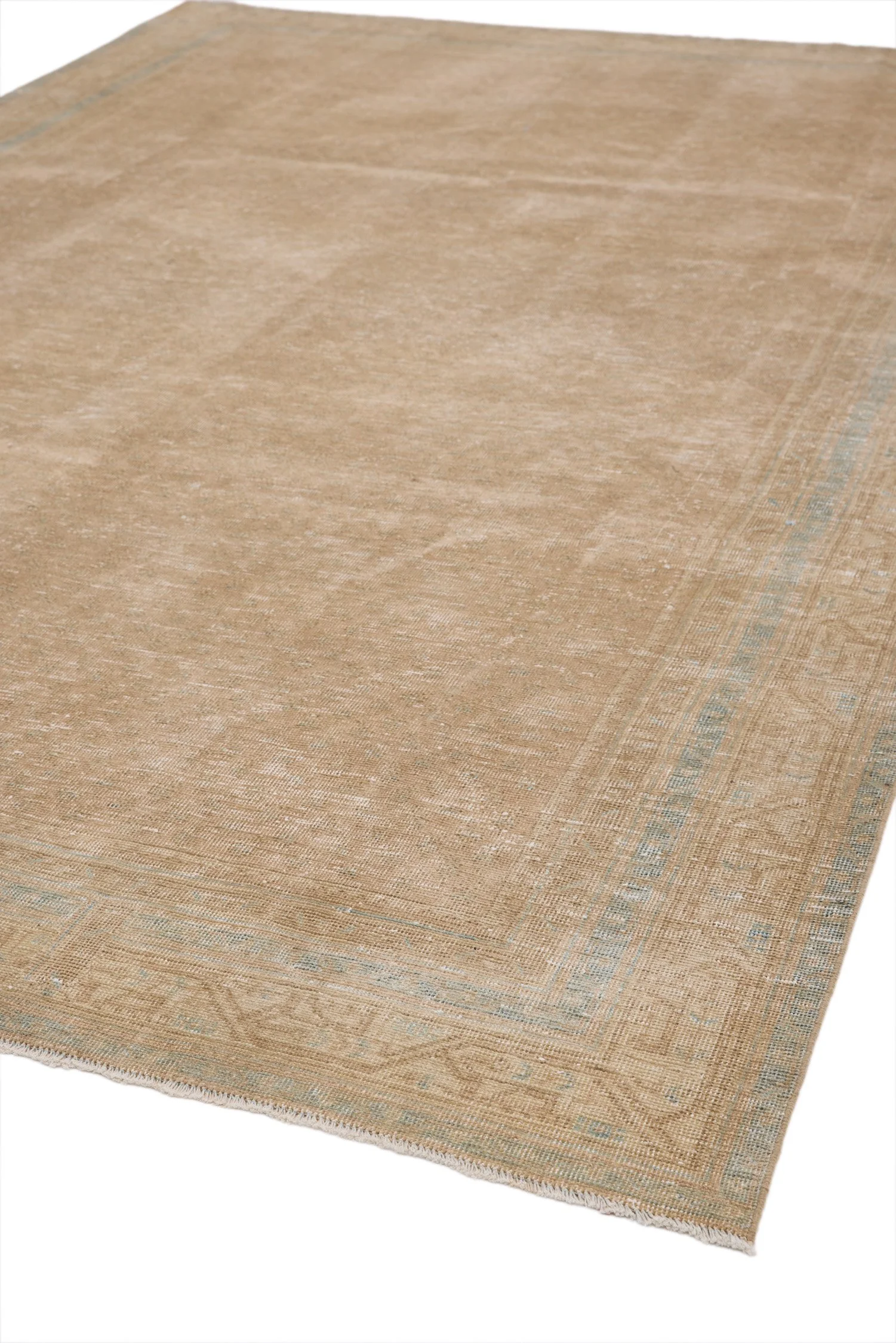
Multiple borders frame the composition, each with its own geometric pattern. The transitions between borders are clean and deliberate, showing the weaver's control over spacing and color placement. The brown accents in the outermost border provide visual grounding, pulling the eye back to the edges.
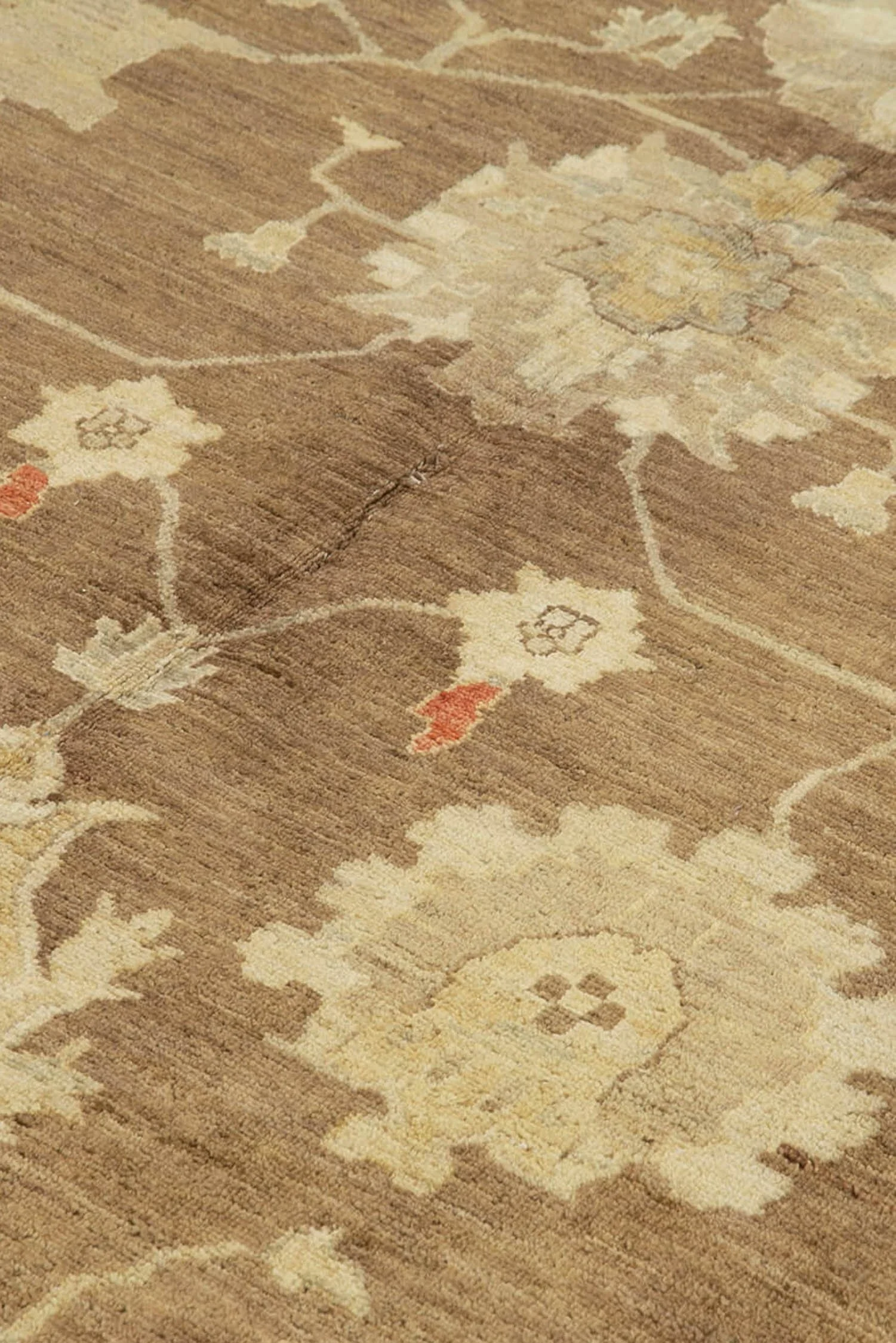
Angular interpretations of traditional floral motifs fill the spaces between larger forms. These secondary elements add density without creating clutter, maintaining clear negative space around the central medallion.
Placement
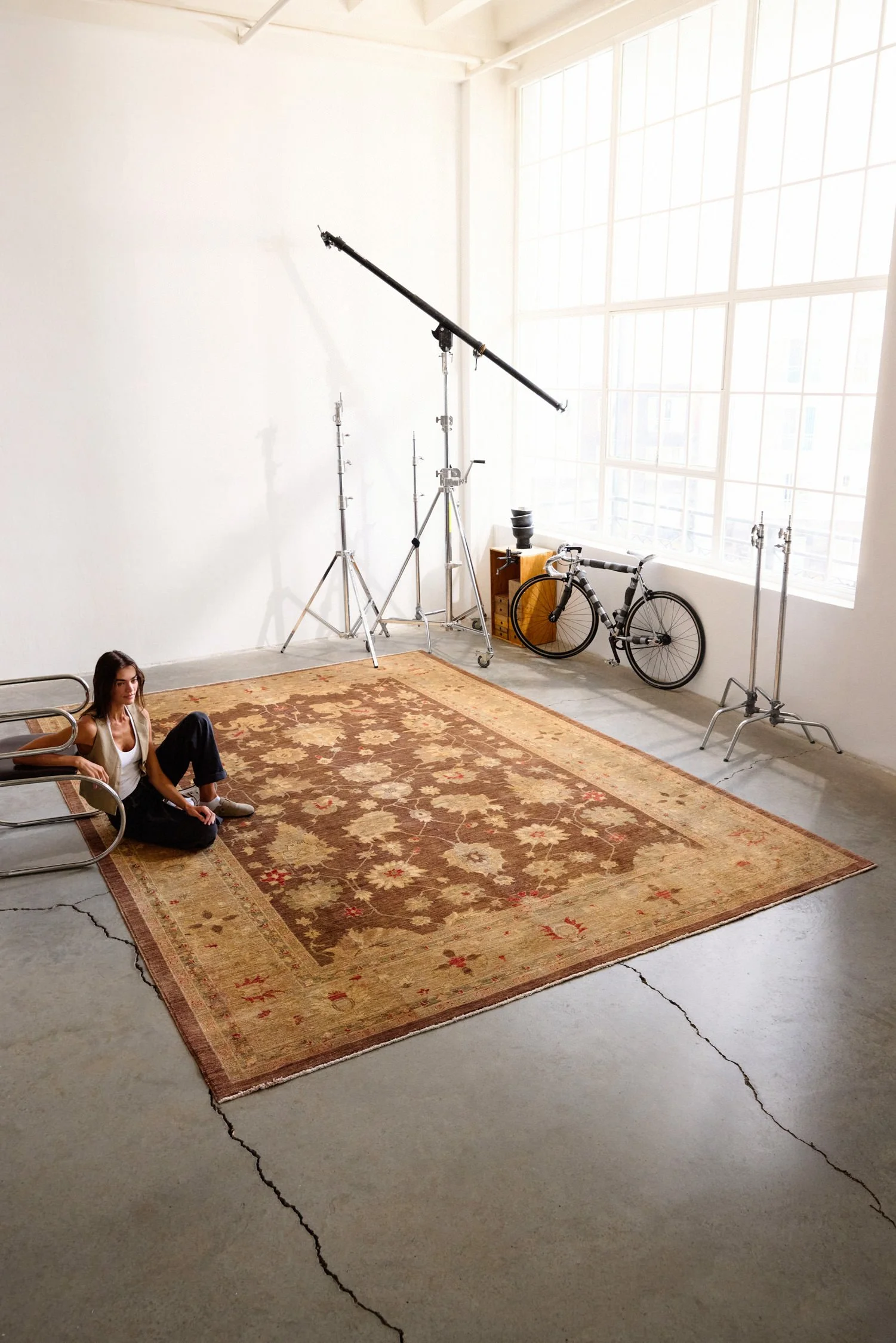
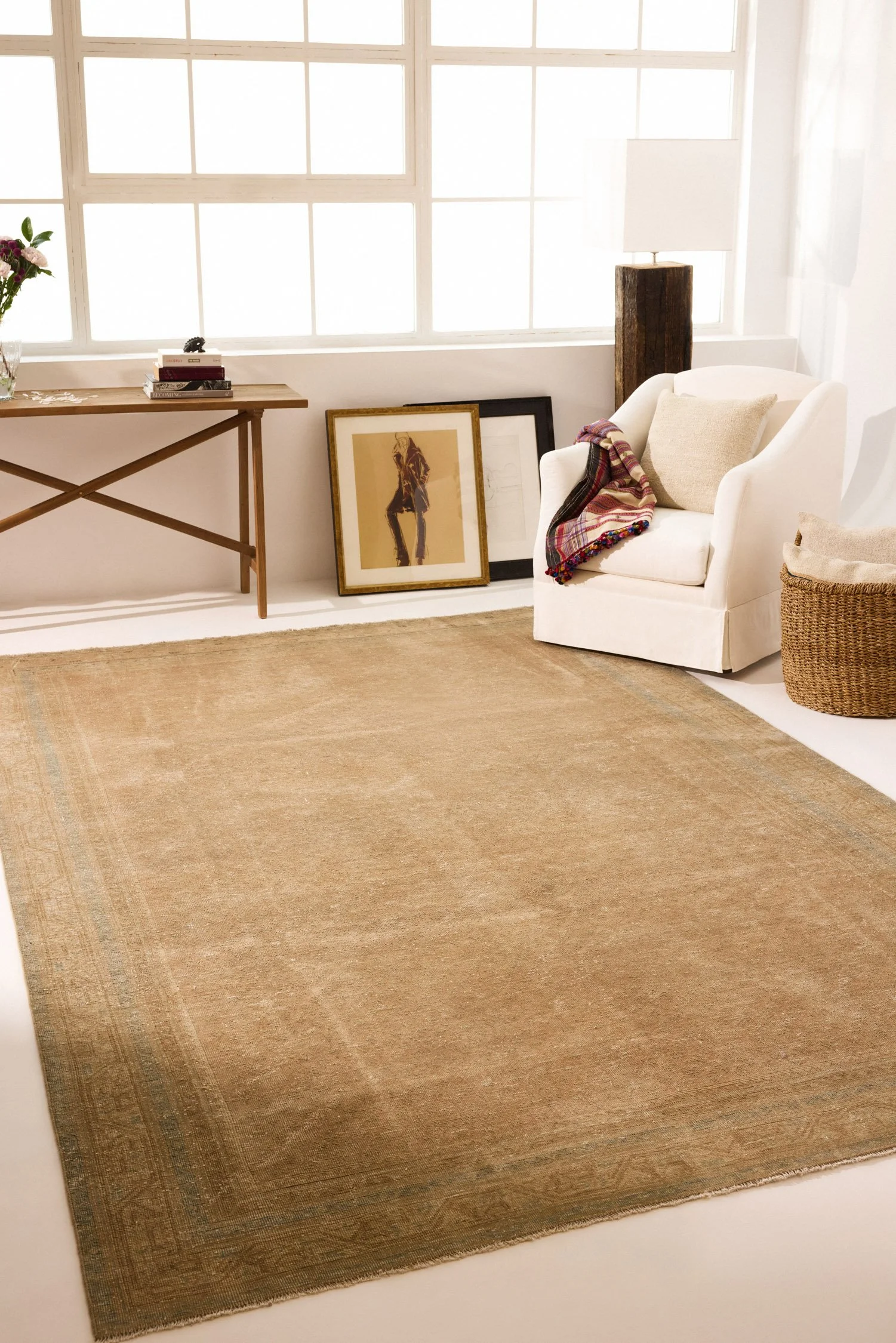
At seven by ten and a half feet, this fits comfortably in living rooms where you want the rug to anchor a seating area without extending too far beyond the furniture. Dining rooms work well with this size, particularly in spaces where the table and chairs sit fully on the rug.
The warm neutral palette suits interiors that lean traditional or transitional. The geometric clarity also works in contemporary settings where you want pattern that reads as intentional rather than decorative. Bedrooms can use this size to create a defined area at the foot of the bed or as a foundation under a smaller bed frame.
Care Recommendations
To preserve the rug's beauty:
Rotate periodically for even wear
Vacuum regularly using a suction-only setting
Address spills immediately by blotting, never rubbing
Professional cleaning recommended annually
Avoid direct sunlight to maintain color integrity
Anatolian weavers measured success by how long a rug lasted, not how quickly it sold.